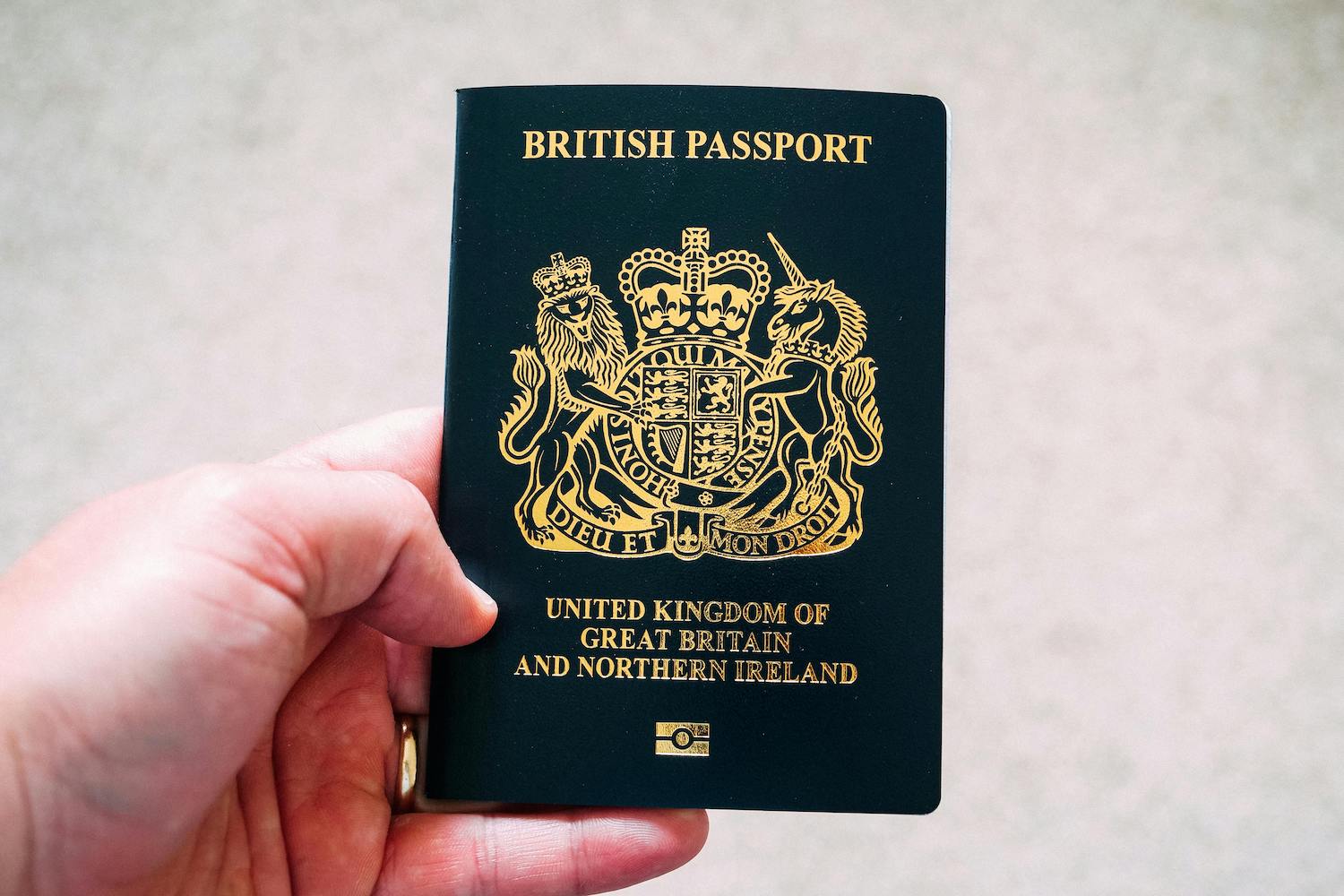
There has been a lot of coverage in the media about passport validity recently but we know many people have expressed confusion with respect to the rules governing how much time one needs to have remaining on a UK passport in order to travel.
To assist you, what follows is our latest understanding of the current position.
We will update and repost this if things change and rules are amended.
For short visits to the EU (up to 90 days), including countries in the Schengen area, UK citizens generally don’t need a visa, but must abide by the following rules:
Updated Guidance for 2026
The Three-Month Rule Your passport must be valid for at least three months after the day you plan to leave an EU country. Additionally, for many destinations like the EU, your passport must have been issued less than 10 years ago on the day you enter.
Example Scenario: If you are entering Spain on 18 April 2026 and returning to the UK on 21 April 2026, your passport requirements are:
- The Ten-Year Rule: Your passport must have been issued after 18 April 2016.
- The Three-Month Rule: Your passport must be valid until at least 21 July 2026.
Why these dates matter
- Issue Date: The EU does not recognise “extra months” added to passports issued before 2018 that were valid for longer than 10 years. It must be within its 10th year of life on the day you arrive.
- Expiry Date: The three-month “buffer” is calculated from your intended date of departure from the EU, not your date of arrival.
Returning to the UK
Six-month validity rule: A British citizen returning to the UK with a valid passport will generally be permitted entry.
Whilst there is no formal six-month validity rule for UK citizens returning home, having a valid passport is crucial for demonstrating identity and right of entry.
HOWEVER – many countries have a six-month validity rule.
Our best advice therefore is do not travel unless your passport is valid for six months on the date you return to the UK
Fingerprints and a €20 fee: the new rules for visiting Europe explained
Britons face major changes when travelling to Europe under the EU’s EES and ETIAS schemes. Here’s what you need to know.