Fingerprints and a €20 fee: the new rules for visiting Europe explained
Britons face major changes when travelling to Europe under the EU’s EES and ETIAS schemes.
Here’s what you need to know.
British travellers heading to Europe will soon face a very different experience at the border. New EU systems – the Entry/Exit System (EES) and the European Travel Information and Authorisation Service (ETIAS) – will introduce biometric checks, digital registration and a new €20 visa waiver fee.
While both schemes have been delayed, they are still very much on the way. Here’s how they will work, when they are launching, and what they mean in practice for UK passport holders.
- When is the new system starting?
- What is the Entry/Exit System (EES)?
- Will there be delays?
- What is ETIAS?
- When will ETIAS launch?
- How much will ETIAS cost?
- How do you apply for ETIAS?
- What information will you need to provide?
- What are the ETIAS security checks?
- Can you be refused ETIAS?
- Where can I find official updates?
When is the new system starting?
The EU’s Entry/Exit System (EES) officially began rolling out on 12 October 2025, but full implementation has been delayed until September 2026. The scheme was originally due to be fully operational by 10 April 2026, but the European Commission pushed back the deadline to avoid disruption during the busy summer travel season.
The rollout is being introduced gradually across the 29 Schengen Area countries, with “certain flexibilities” allowed during peak periods.
What is the Entry/Exit System (EES)?
The EES is a new digital border system designed to replace passport stamping for non-EU travellers, including Britons.
Instead of a stamp, travellers entering the Schengen Area will have:
- Their passport scanned
- Fingerprints taken
- A photograph captured
These biometric details will be stored digitally and used to automatically log when visitors enter and leave the Schengen Area, making it easier for authorities to enforce the 90-day visa-free travel limit.
During the transition period, passports will still be stamped alongside the new system.
Will there be delays?
Possibly – especially at busy ports and airports.
The EES has already faced operational issues:
- The Port of Dover delayed its rollout for car passengers
- Lisbon Airport temporarily suspended the system after queues exceeded seven hours
British travellers are expected to be the largest group using EES, meaning they are most likely to feel the impact of any delays or technical failures. EU officials have previously acknowledged concerns about the system’s resilience.
To prevent gridlock, a temporary “safety valve” may be used, allowing biometric checks to be waived if queues become unmanageable. Early on, Schengen states are only required to register 35 per cent of arrivals.
Eurostar has also announced plans to double the number of EES kiosks at London St Pancras.
However, some pinch points remain problematic. Eurotunnel estimates car processing times at Folkestone could rise from under one minute to up to seven minutes, as passengers will need to leave their vehicles to use biometric gates. Coach passengers may face even longer delays.
What is ETIAS?
ETIAS – the European Travel Information and Authorisation Service – is a new visa waiver scheme for travellers who do not need a visa to enter the Schengen Area.
It is similar to the US ESTA system and is designed to:
- Pre-screen travellers before departure
- Improve border security
- Monitor short stays of up to 90 days for tourism or business
ETIAS depends on the EES being fully operational.
When will ETIAS launch?
ETIAS is now expected to launch in April 2027.
The EU has stressed that:
“No action is required from travellers at this point.”
Travellers will be informed several months before the system officially goes live.
British citizens will not need ETIAS to travel to the Republic of Ireland, which remains part of the UK-Ireland Common Travel Area.
How much will ETIAS cost?
The fee for ETIAS has increased from €7 to €20.
The authorisation will be valid for:
- Three years, or
- Until your passport expires (whichever comes first)
You must have a valid ETIAS before boarding a flight, train or ferry to the Schengen Area. Travelling without one could result in being denied entry.
How do you apply for ETIAS?
Applications will be made online via an official website or app (still under development).
You will need:
- A valid passport from an eligible country
- An email address
- A debit or credit card
Most applications are expected to be approved within minutes.
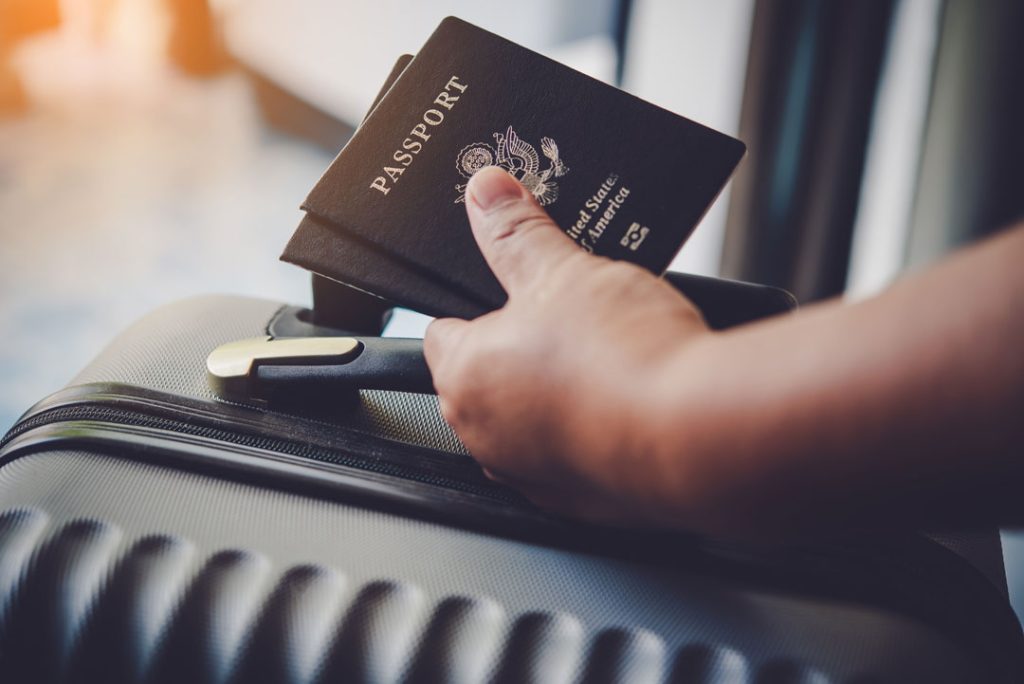

What information will you need to provide?
Applicants must submit:
- Full name
- Date of birth
- Country of residence
- Passport details
You will also be asked a series of security questions, including whether you have had certain criminal convictions.
What are the ETIAS security checks?
Applications will be automatically screened against EU and international security databases, including:
- Europol
- Interpol
- A special EU watchlist
- UN databases relating to war crimes and terrorism
Applicants must declare serious criminal convictions from the past 10 years (or 20 years for terrorism-related offences).
Can you be refused ETIAS?
Yes – but having a criminal record does not automatically mean refusal.
The EU says most applicants with past convictions will still be approved. However, serious offences may result in rejection. Refused applicants can appeal or apply for a limited travel authorisation.
Where can I find official updates?
For the latest information, visit the EU’s official ETIAS website: europa.eu/etias