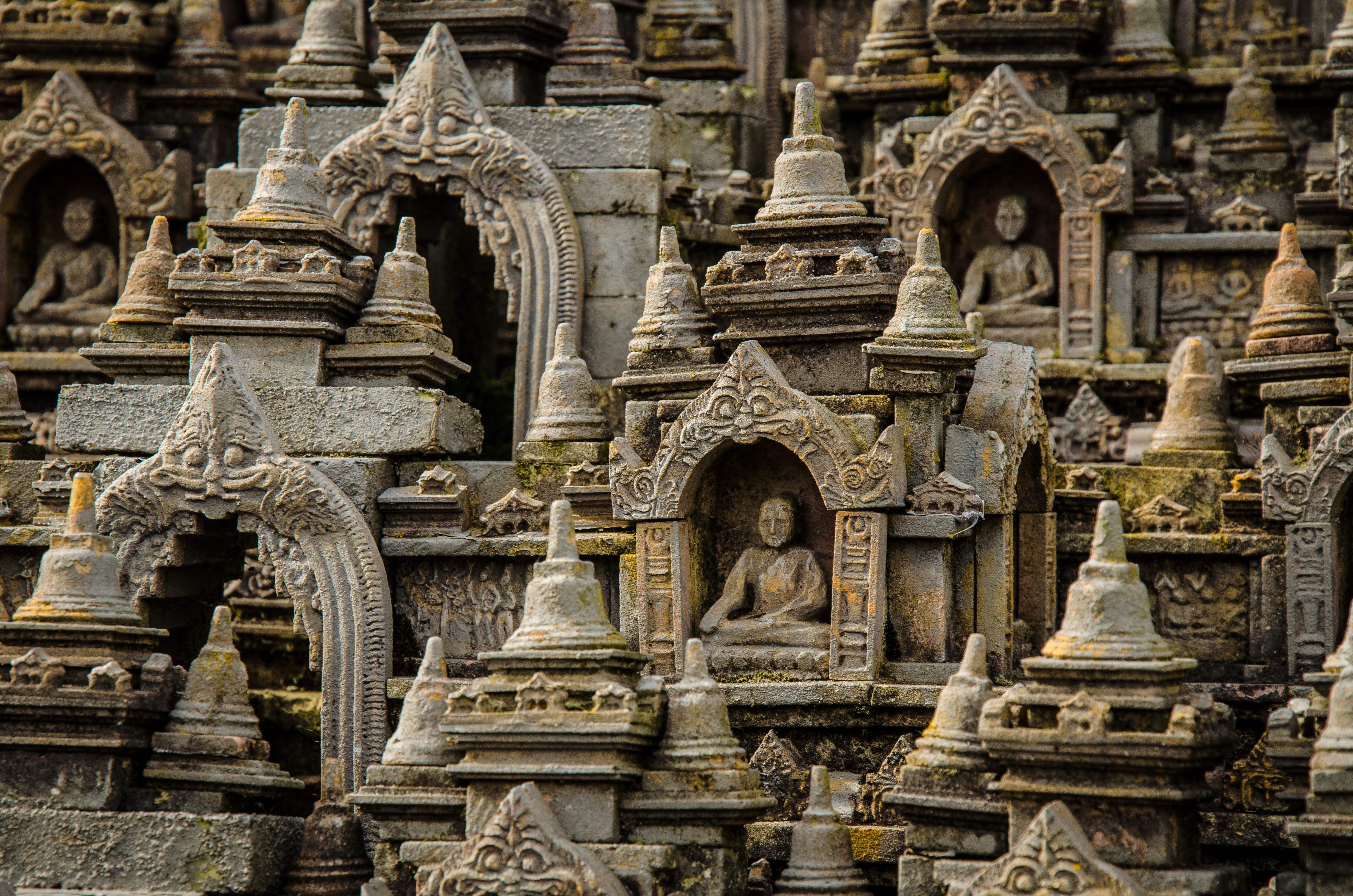
Brisbane to Hong Kong
Brisbane to Hong Kong
Cruise overview
WHY BOOK WITH US?
- ✔ The Deluxe Cruises’ team has extensive experience in ultra-luxury cruising.
- ✔ Call now to speak to our helpful and experienced Cruise Concierge team.
- ✔ Enjoy our Unique Deluxe Cruises Bonus for substantial savings.
- ✔ Our team will tailor your holiday to your exacting requirements.
- ✔ As agents, we work under the protection of each cruise lines ABTA / ATOL licences
About Brisbane, Queensland
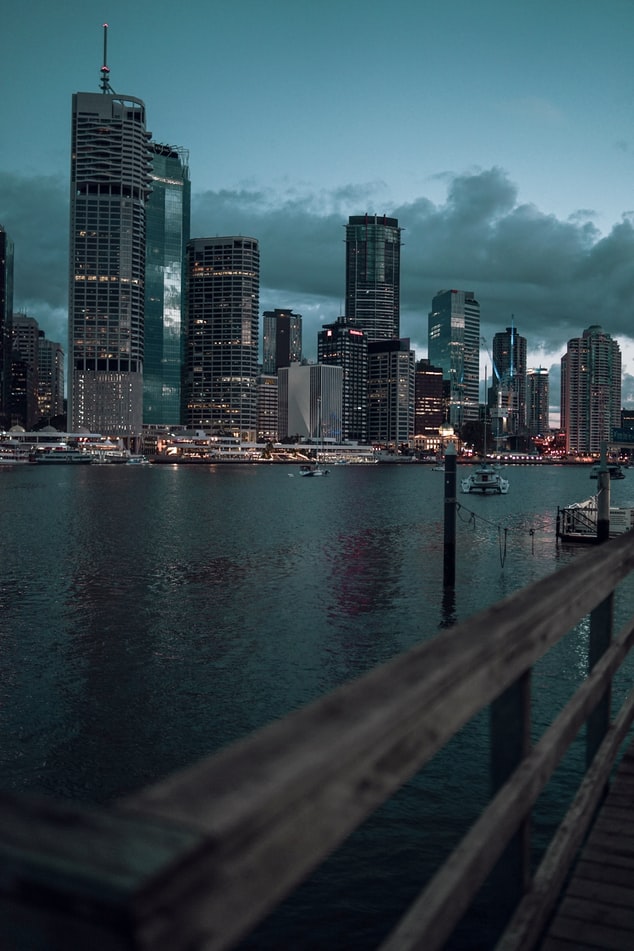
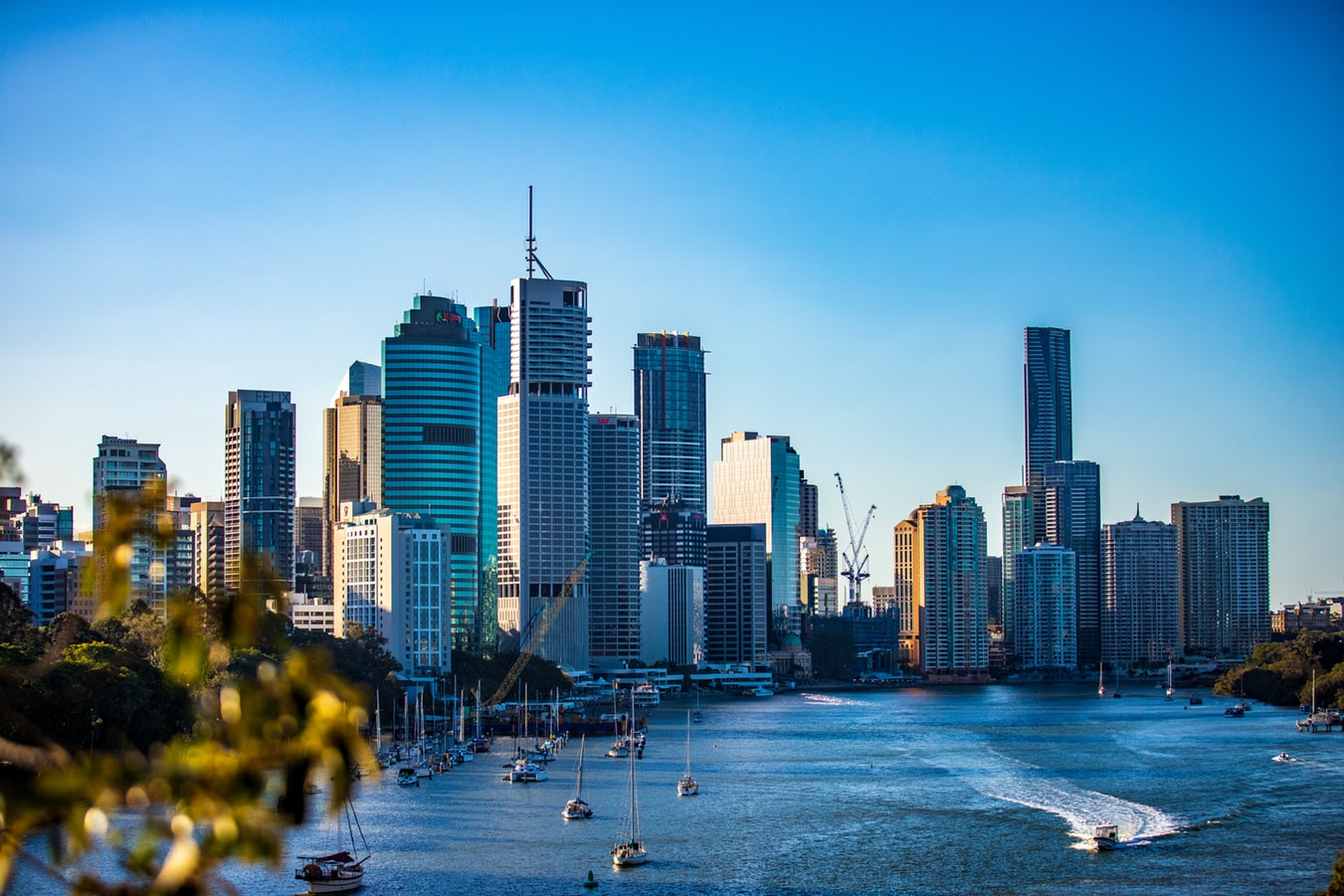
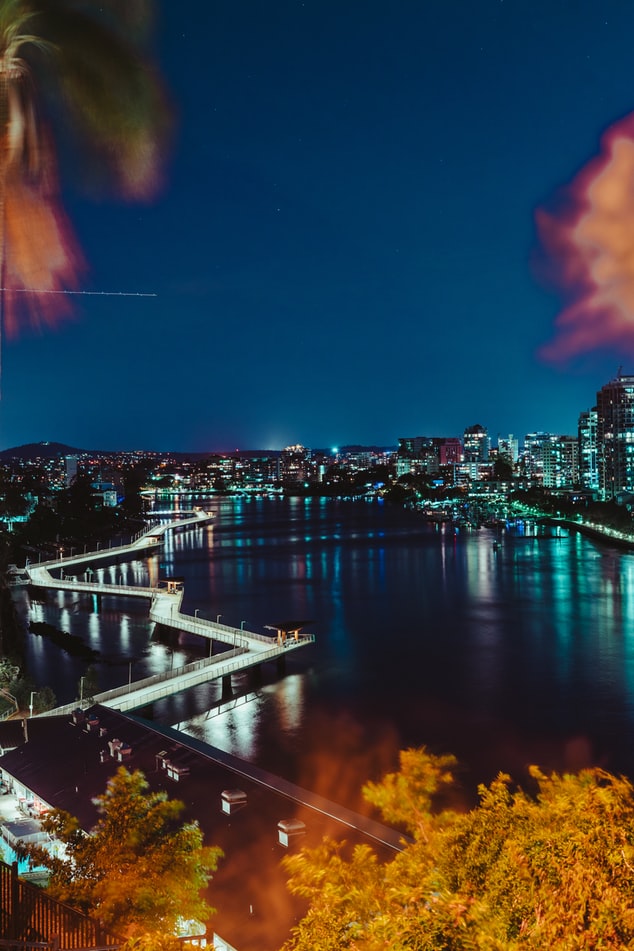
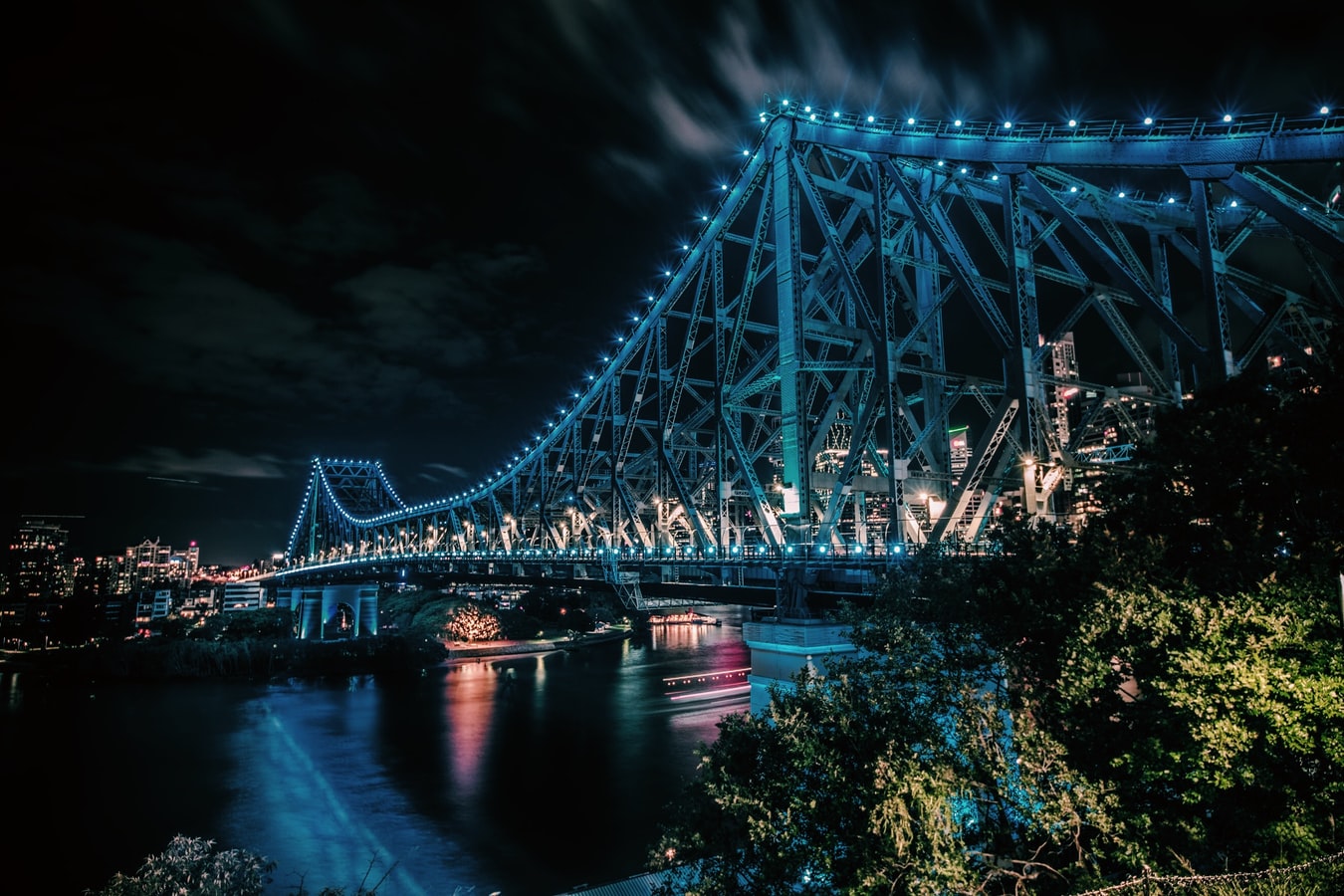
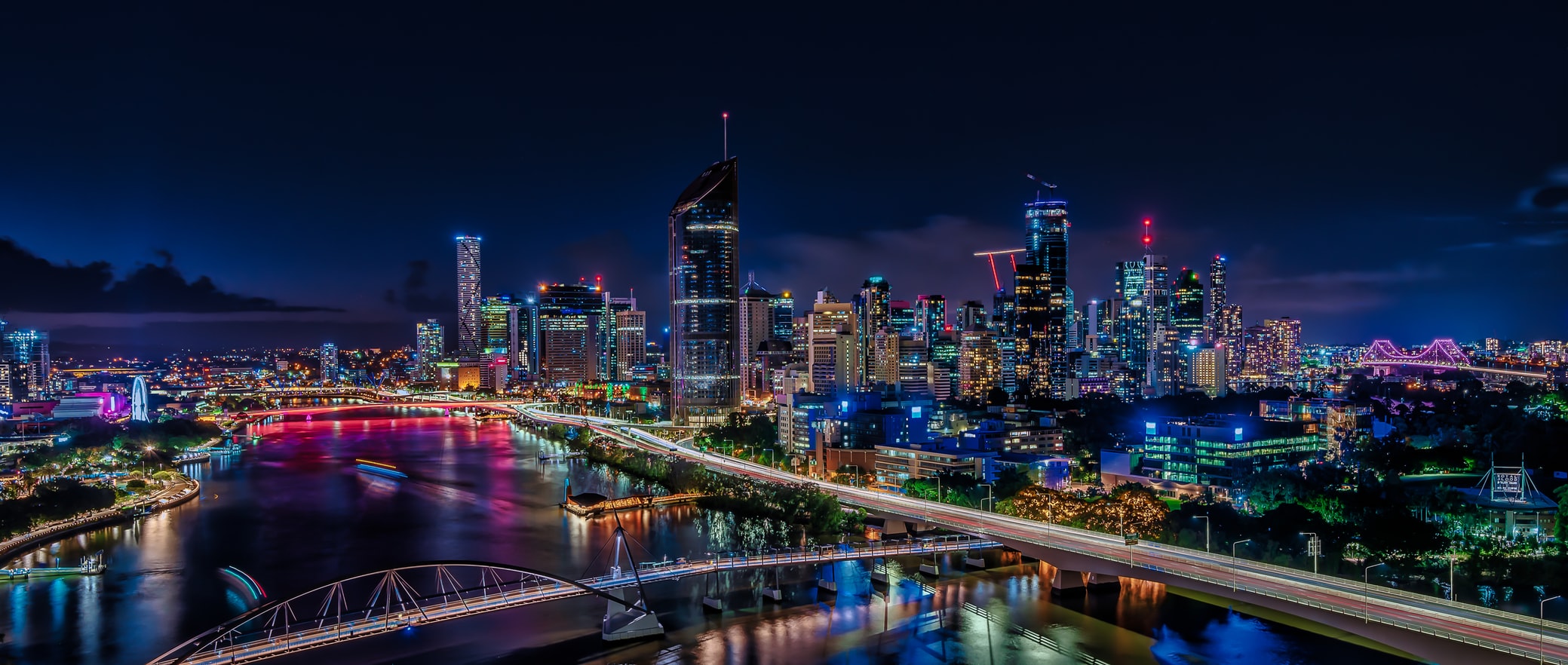
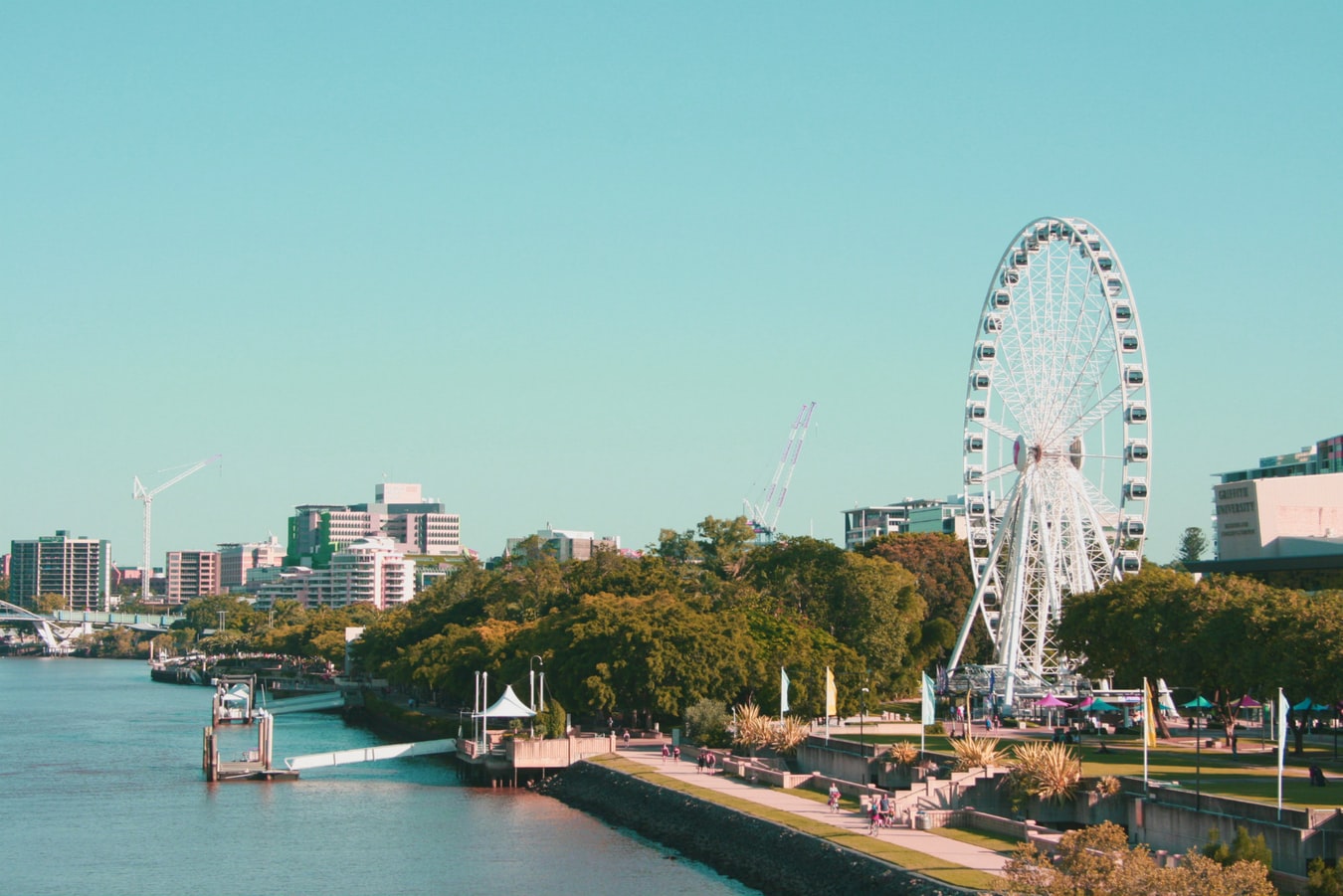
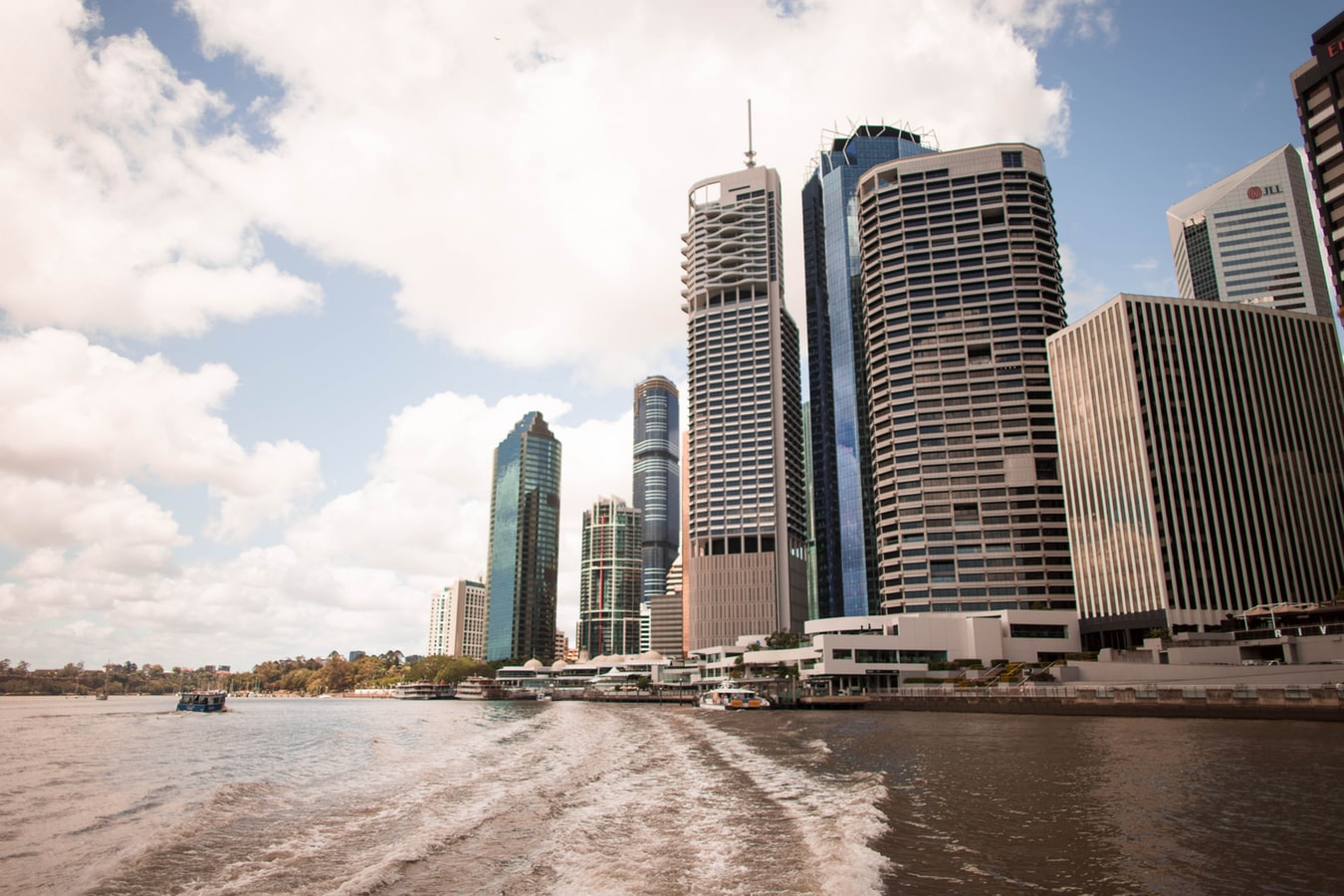
Founded in 1824 on the banks of the wide, meandering Brisbane River, the former penal colony of Brisbane was for many years regarded as just a big country town. Many beautiful timber Queenslander homes, built in the 1800s, still dot the riverbanks and inner suburbs, and in spring the city's numerous parks erupt in a riot of colorful jacaranda, poinciana, and bougainvillea blossoms. Today the Queensland capital is one of Australia's most up-and-coming cities: glittering high-rises mark its polished business center, slick fashion boutiques and restaurants abound, and numerous outdoor attractions beckon. In summer, temperatures here are broilingly hot and days are often humid, a reminder that this city is part of a subtropical region. Wear SPF 30-plus sunscreen and a broad-brimmed hat outdoors, even on overcast days.Brisbane's inner suburbs, a 5- to 10-minute drive or 15- to 20-minute walk from the city center, have a mix of intriguing eateries and quiet accommodations. Fortitude Valley combines Chinatown with a cosmopolitan mix of clubs, cafés, and boutiques. Spring Hill has several high-quality hotels, and Paddington, New Farm, Petrie Terrace, West End, and Woolloongabba are full of an eclectic mix of restaurants and bars. Brisbane is also a convenient base for trips to the Sunshine and Gold coasts, the mountainous hinterlands, and the Moreton Bay islands.
About Airlie Beach
About Cairns, Queensland
Tourism is the lifeblood of Cairns (pronounced Caans). The city makes a good base for exploring the wild top half of Queensland, and tens of thousands of international travelers use it as a jumping-off point for activities such as scuba diving and snorkeling trips to the Barrier Reef, as well as boating, fishing, parasailing, scenic flights, and rain-forest treks.It's a tough environment, with intense heat and fierce wildlife. Along with wallabies and grey kangaroos in the savannah and tree kangaroos in the rain forest, you'll find stealthy saltwater crocodiles, venomous snakes, and jellyfish so deadly they put the region’s stunning beaches off- limits to swimmers for nearly half the year. Yet despite this formidable setting, Cairns and tropical North Queensland are far from intimidating places. The people are warm and friendly, the sights spectacular, and—at the right time of year—the beachside lounging is world-class.
About Cairns, Queensland
Tourism is the lifeblood of Cairns (pronounced Caans). The city makes a good base for exploring the wild top half of Queensland, and tens of thousands of international travelers use it as a jumping-off point for activities such as scuba diving and snorkeling trips to the Barrier Reef, as well as boating, fishing, parasailing, scenic flights, and rain-forest treks.It's a tough environment, with intense heat and fierce wildlife. Along with wallabies and grey kangaroos in the savannah and tree kangaroos in the rain forest, you'll find stealthy saltwater crocodiles, venomous snakes, and jellyfish so deadly they put the region’s stunning beaches off- limits to swimmers for nearly half the year. Yet despite this formidable setting, Cairns and tropical North Queensland are far from intimidating places. The people are warm and friendly, the sights spectacular, and—at the right time of year—the beachside lounging is world-class.
About Alotau
Alotau is the provincial capital of the Milne Bay Province located in the southeast bay of Papua New Guinea. The town and surrounding area has been an important staging ground during World War II and we will see remains and memorials dating back or referring to the war. On a tour of the town, visitors will appreciate lovely vistas of the bay and experience the markets, which are frequented not only by locals, but also by islanders selling their products or looking for produce to take back into Milne Bay. Alotau is an important port facility for the islands and attracts many vendors of handicrafts from different islands.
About Port Moresby
About Darwin, Northern Territory
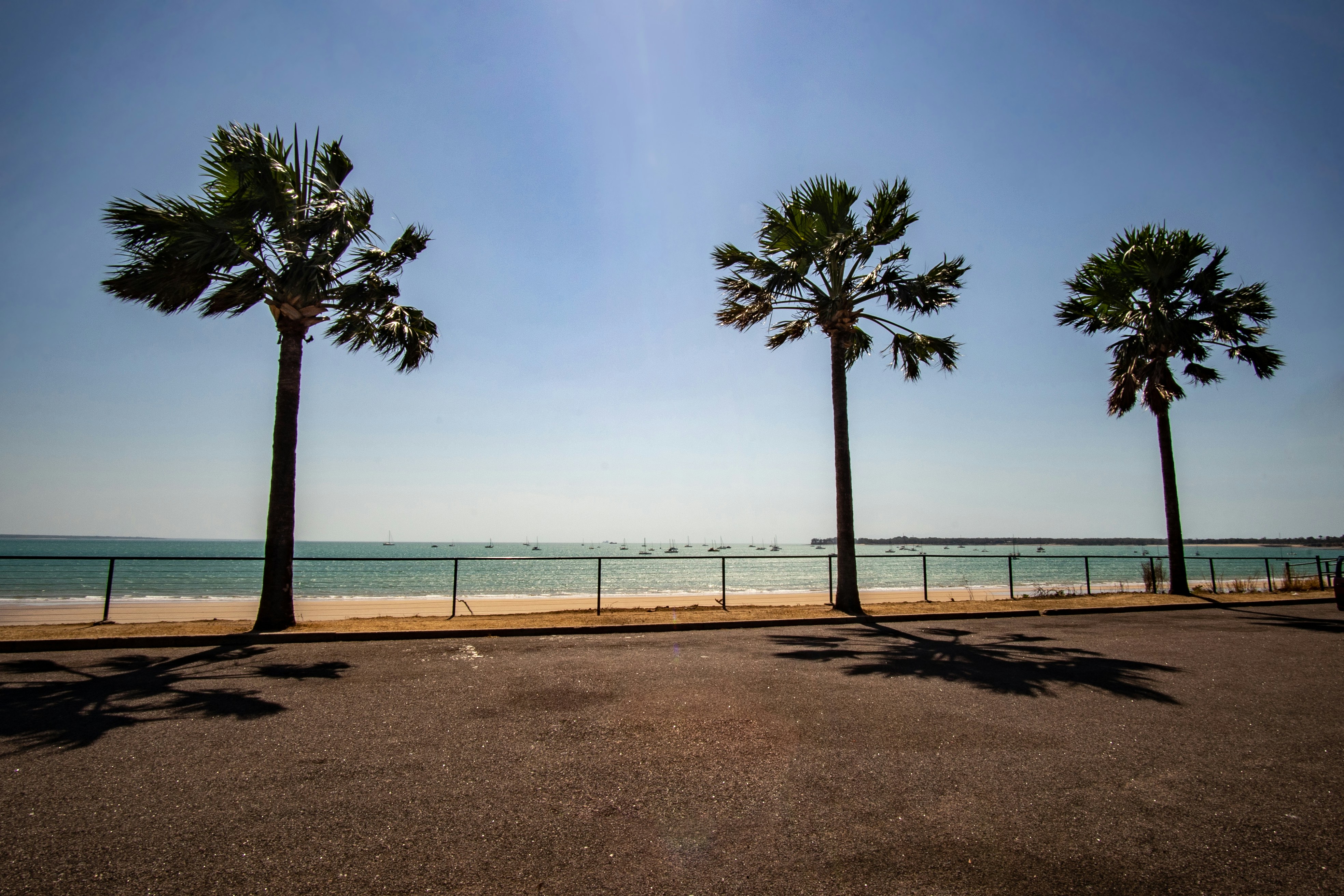
Darwin is Australia's most colorful, and exotic, capital city. Surrounded on three sides by the turquoise waters of the Timor Sea, the streets are lined with tropical flowers and trees. Warm and dry in winter, hot and steamy in summer, it's a relaxed and casual place, as well as a beguiling blend of tropical frontier outpost and Outback hardiness. Thanks to its close proximity to Southeast Asia and its multicultural population it also seems more like Asia than the rest of Australia. Darwin is a city that has always had to fight for its survival. The seductiveness of contemporary Darwin lifestyles belies a history of failed attempts that date from 1824 when Europeans attempted to establish an enclave in this harsh, unyielding climate. The original 1869 settlement, called Palmerston, was built on a parcel of mangrove wetlands and scrub forest that had changed little in 15 million years. It was not until 1911, after it had already weathered the disastrous cyclones of 1878, 1882, and 1897, that the town was named after the scientist who had visited Australia's shores aboard the Beagle in 1839. During World War II it was bombed more than 60 times, as the harbor full of warships was a prime target for the Japanese war planes. Then, on the night of Christmas Eve 1974, the city was almost completely destroyed by Cyclone Tracy, Australia’s greatest natural disaster. It's a tribute to those who stayed and to those who have come to live here after Tracy that the rebuilt city now thrives as an administrative and commercial center for northern Australia. Old Darwin has been replaced by something of an edifice complex—such buildings as Parliament House and the Supreme Court all seem very grand for such a small city, especially one that prides itself on its casual, outdoor-centric lifestyle. Today Darwin is the best place from which to explore Australia's Top End, with its wonders of Kakadu and the Kimberley region.
About Komodo Island
Pink Beach earned its name for the way the beach can appear to have a rosy hue in certain lights. The color comes from small flecks of red coral mixed in with the fine white reef sand. With a few trees along the beach for shade, this stretch of coast makes a fine place to relax or enjoy a snorkel or dive in the crystal clear waters. It is possible to spot a striped clown fish nestled among the protective tentacles of its sea anemone host, or to see a grouper lazily swimming by a flamboyant soft coral. The reef here is now protected by law and the maturing corals are a joy to behold.
About Bali
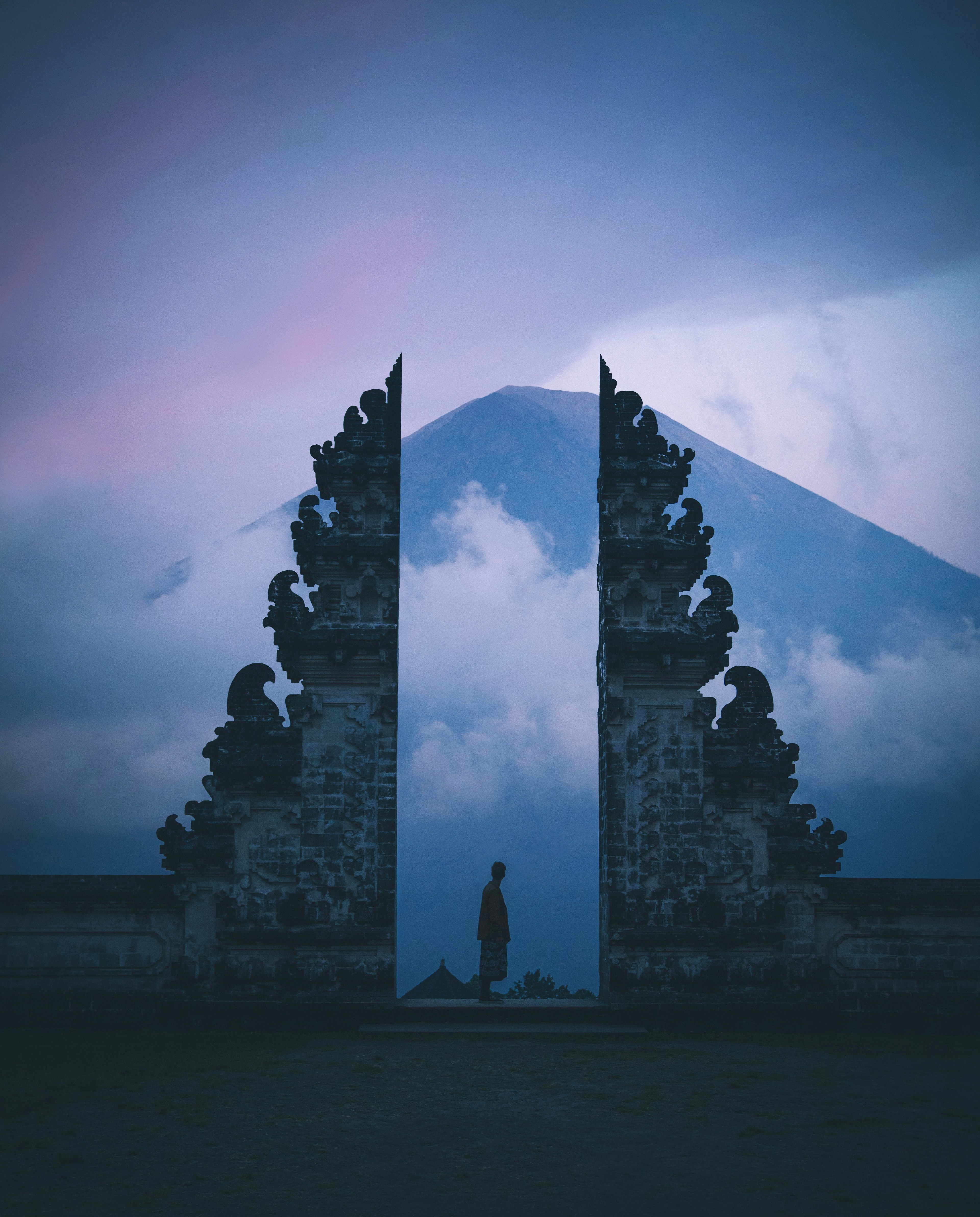
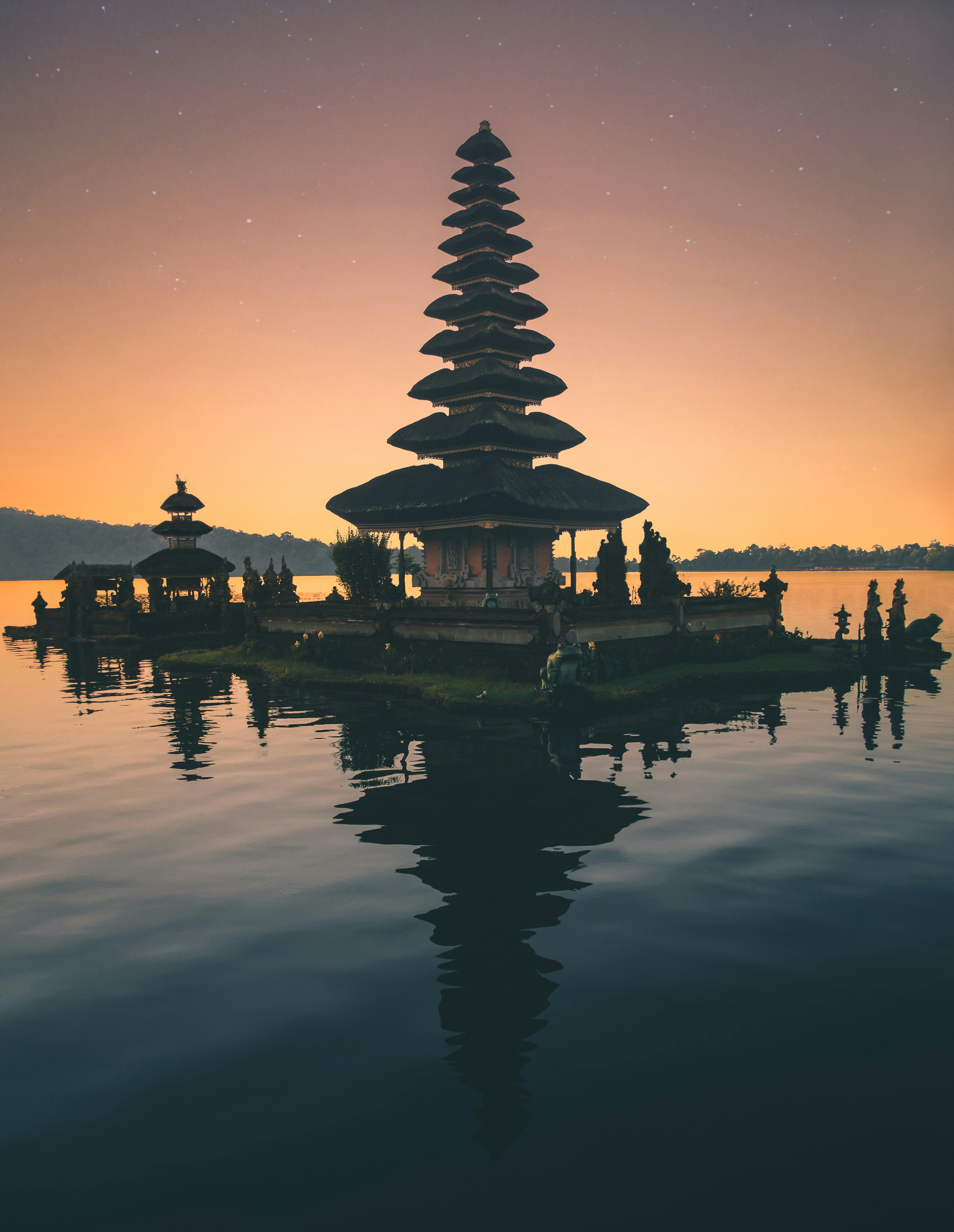
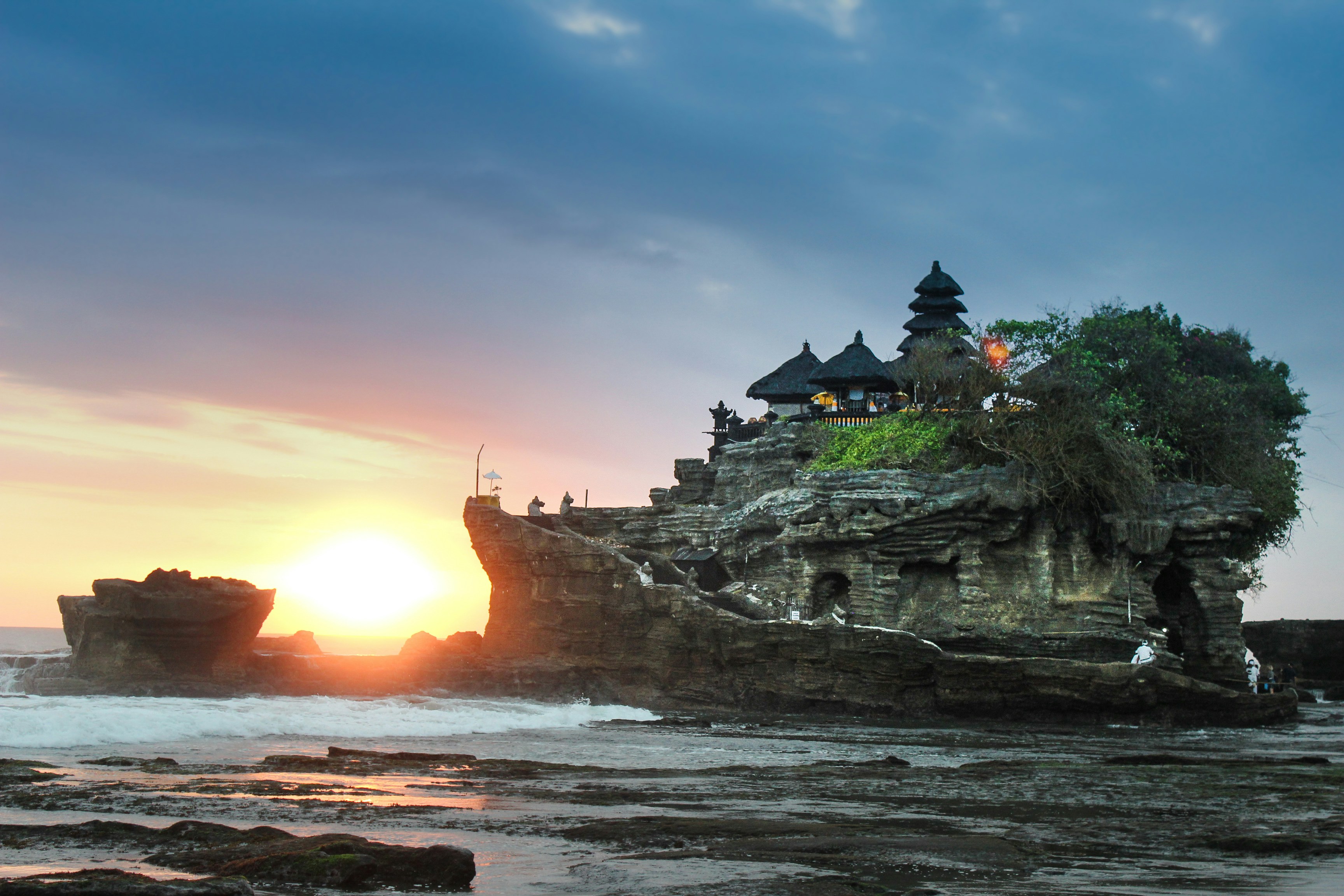
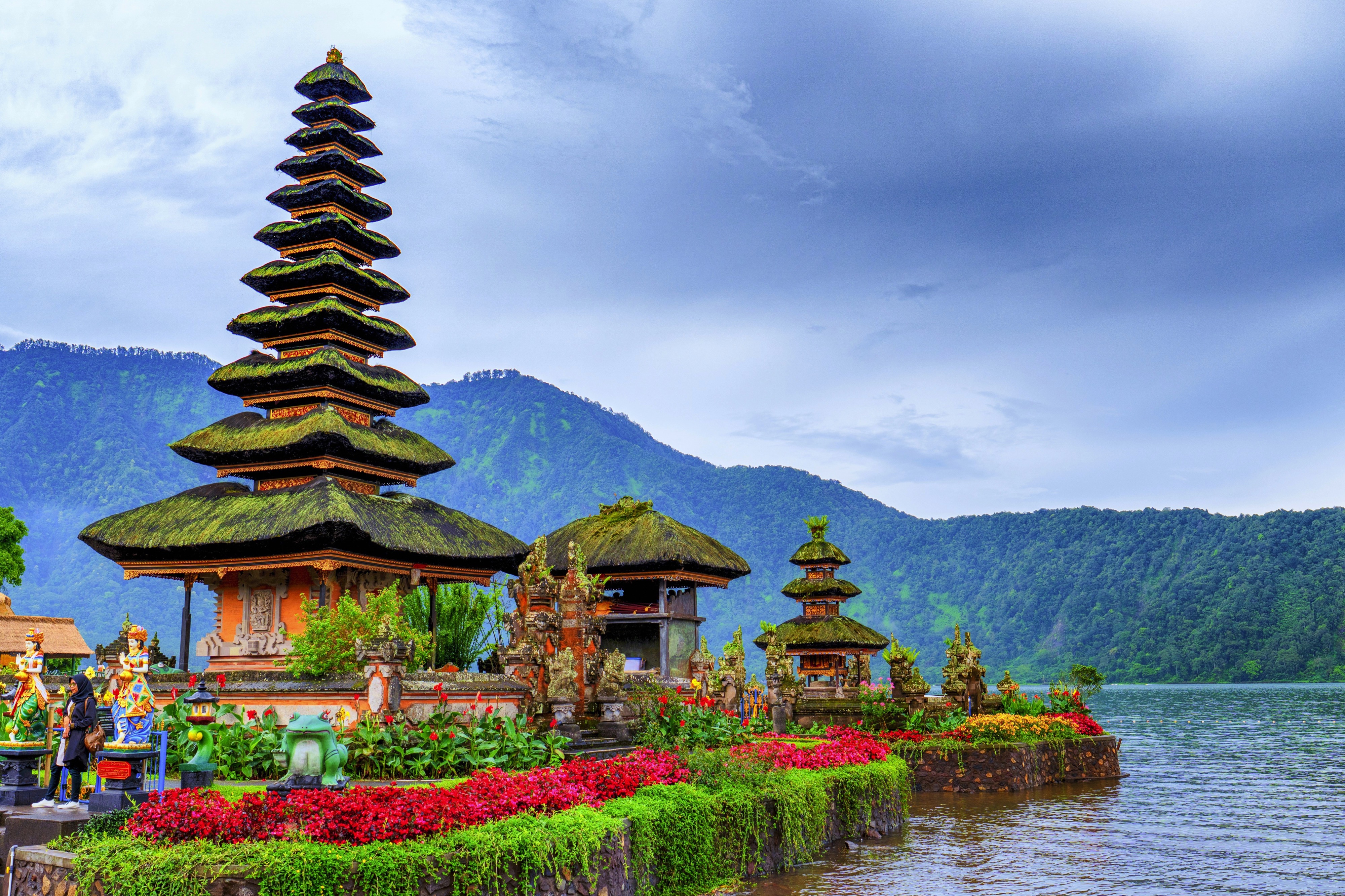
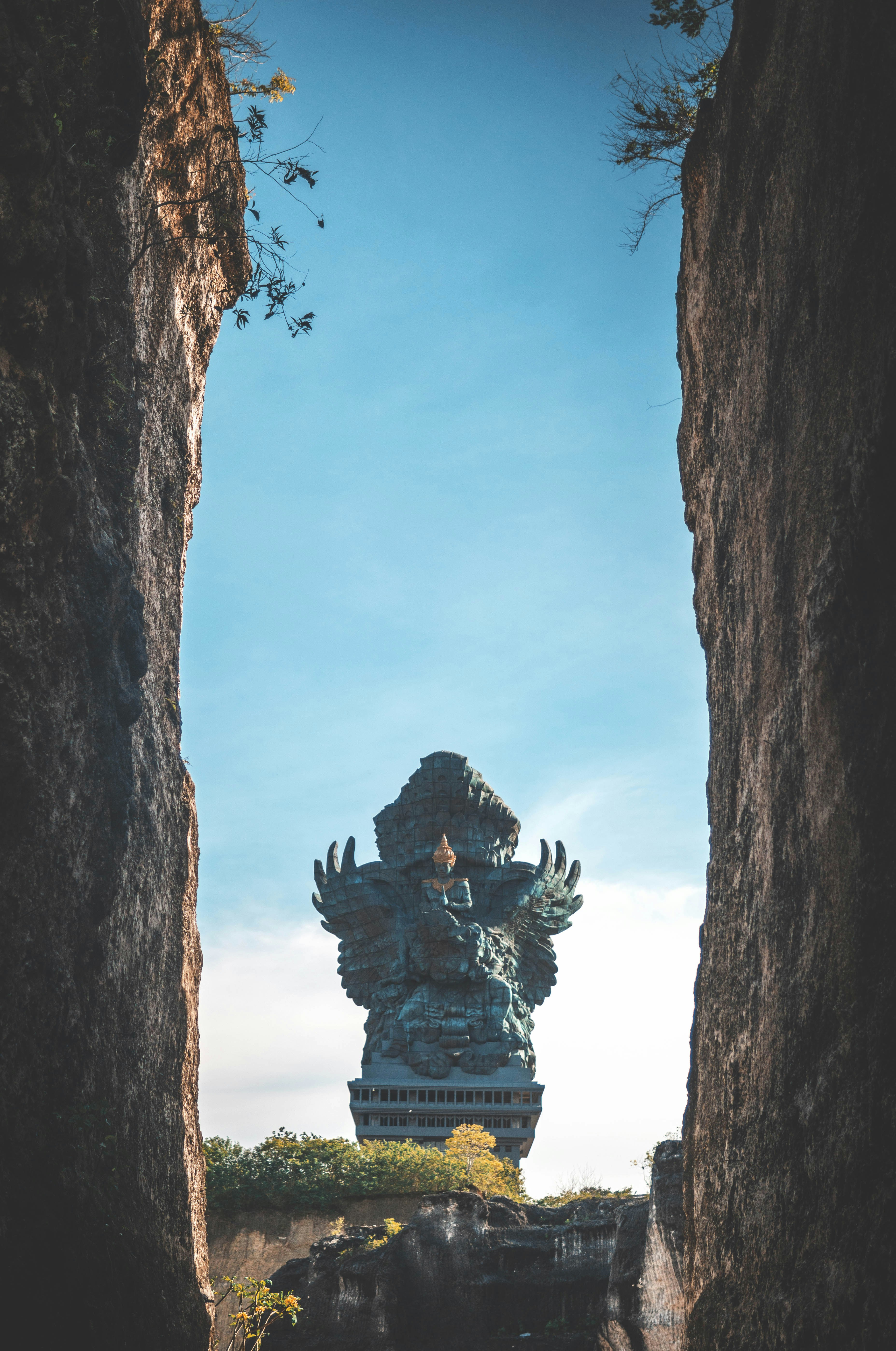
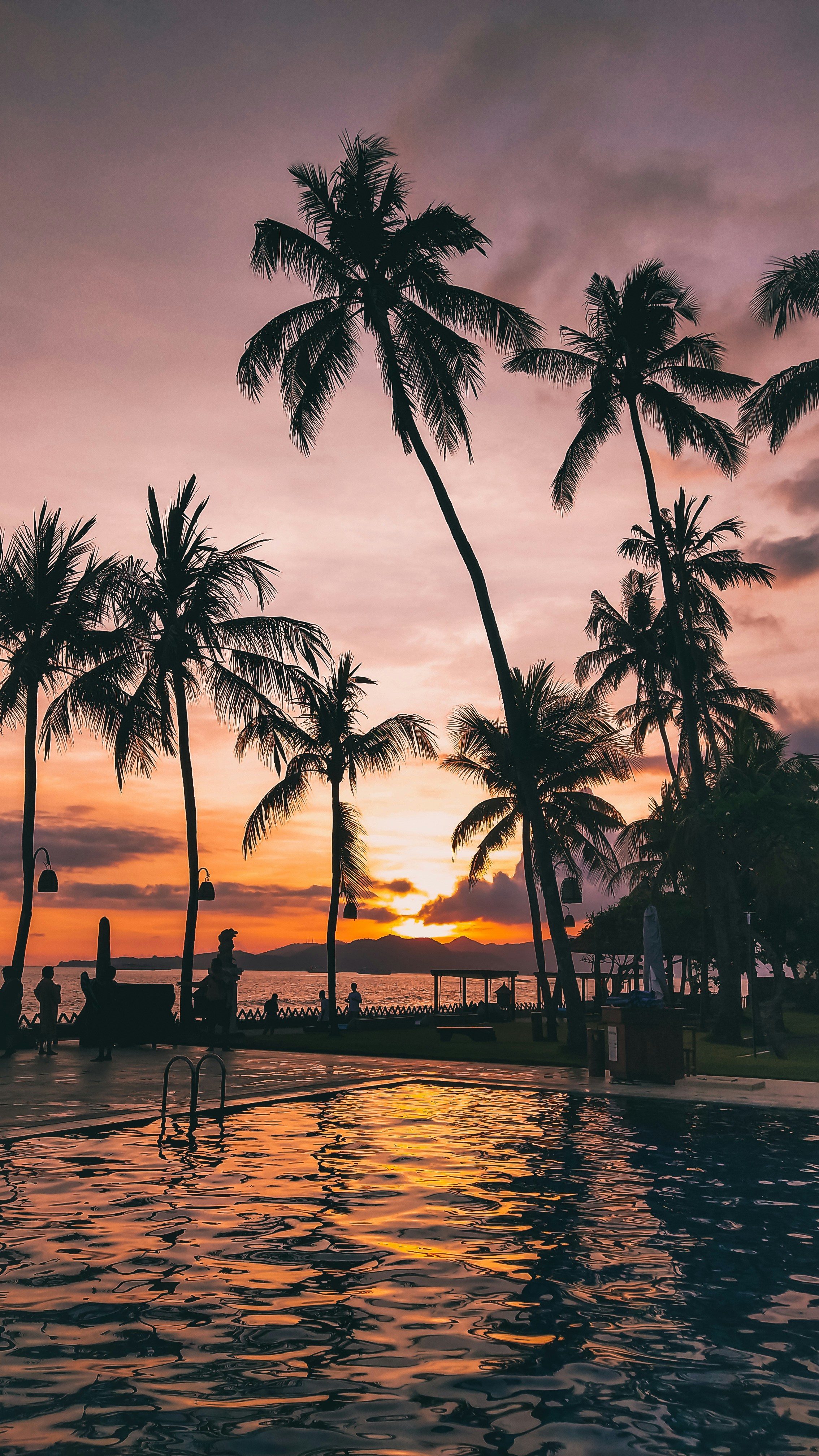
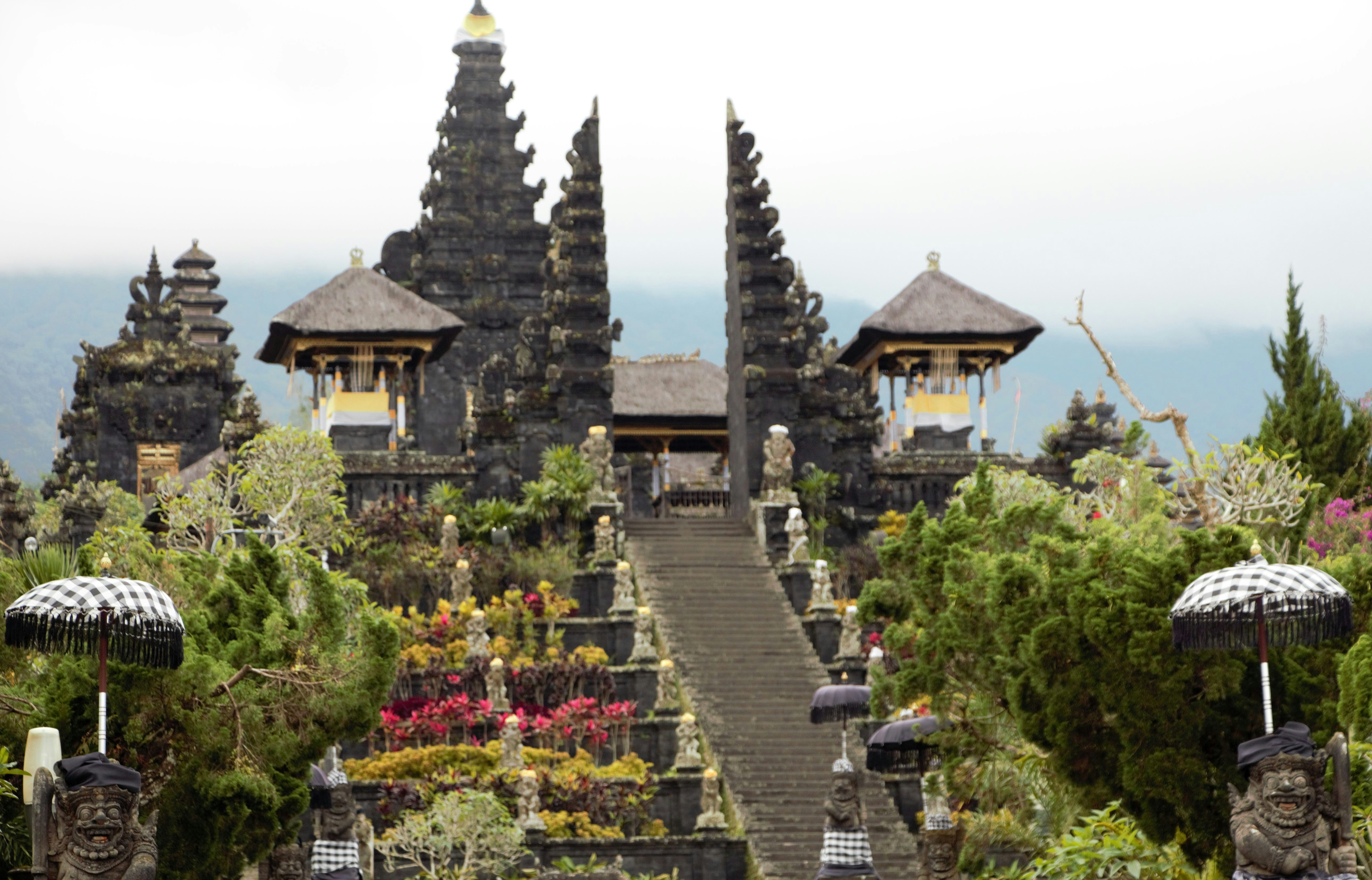
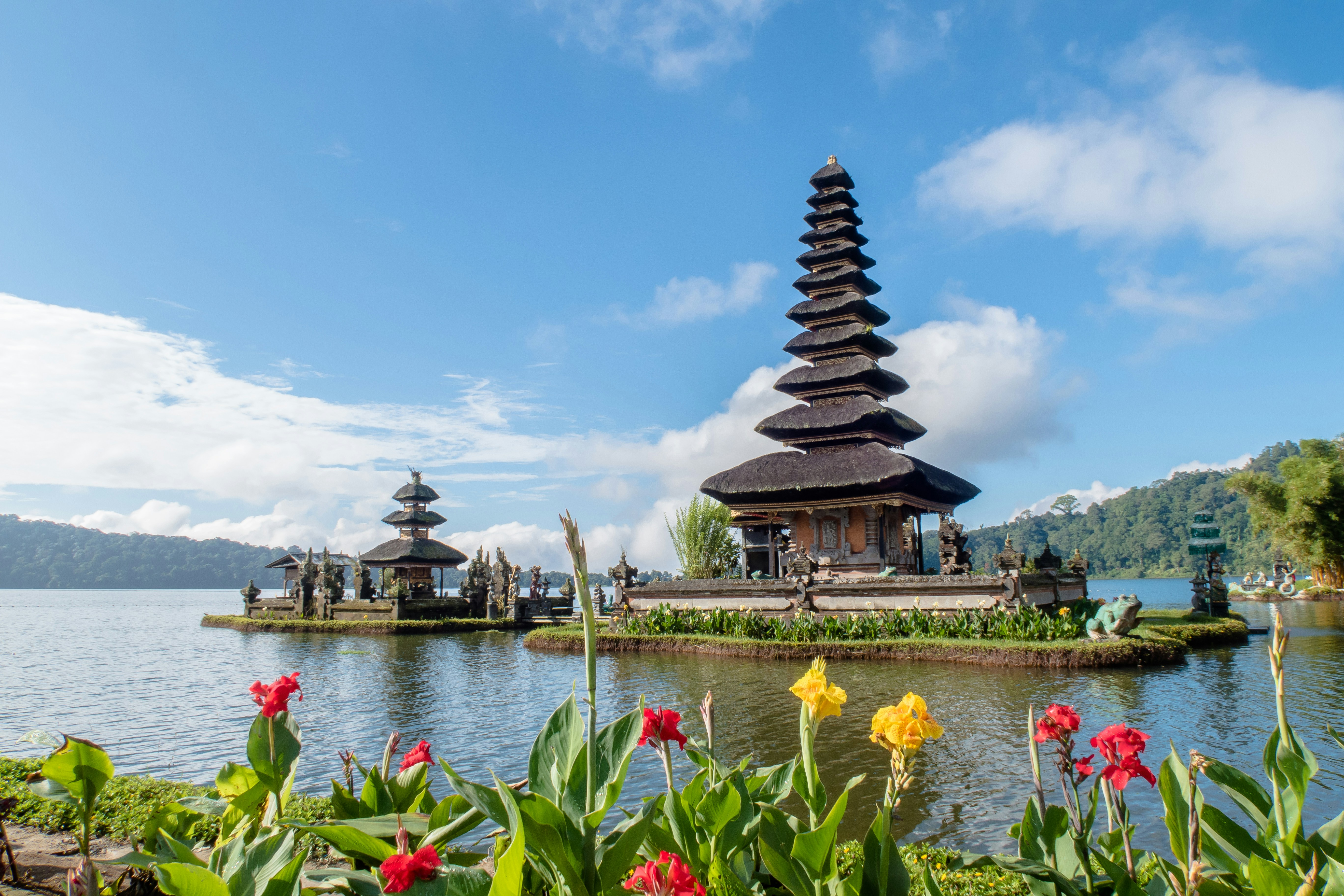
About Bali
About Semarang
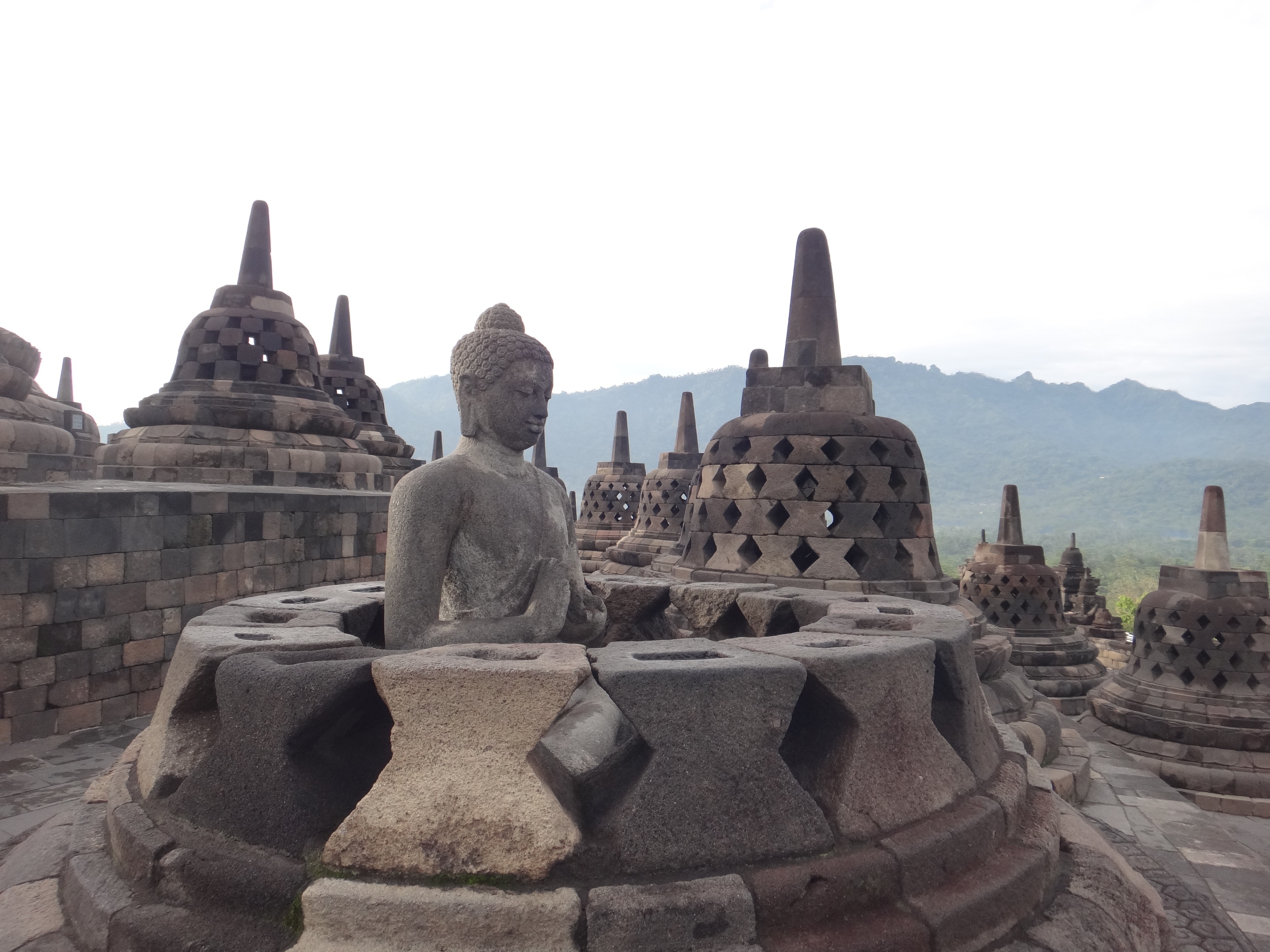
Semarang is one of the oldest cities in Indonesia, situated on Java's north coast between the shore of the Java Sea and a small ridge of mountains. Ceded to the Dutch West India Company in 1677 by King Amangkurat I in payment of his debts, it became their headquarters and the seat of the Dutch governor of the northeast provinces. Semarang's usefulness as a port waned due to the gradual silting up of the harbor; by the 19th century, Surabaya had eclipsed Semarang as Java's premier port. With a population of over one million, a third of whom are thought to be of Chinese extraction, Semarang is the largest city in Central Java and its administrative capital. The city consists of two parts: the coastal lowland where most of the commercial activities are found; and the hilly residential area. Although more a business center than a city for tourists, Semarang serves as a popular gateway to the mountainous interior of Central Java and to fabled Borobudur.
About Singapore
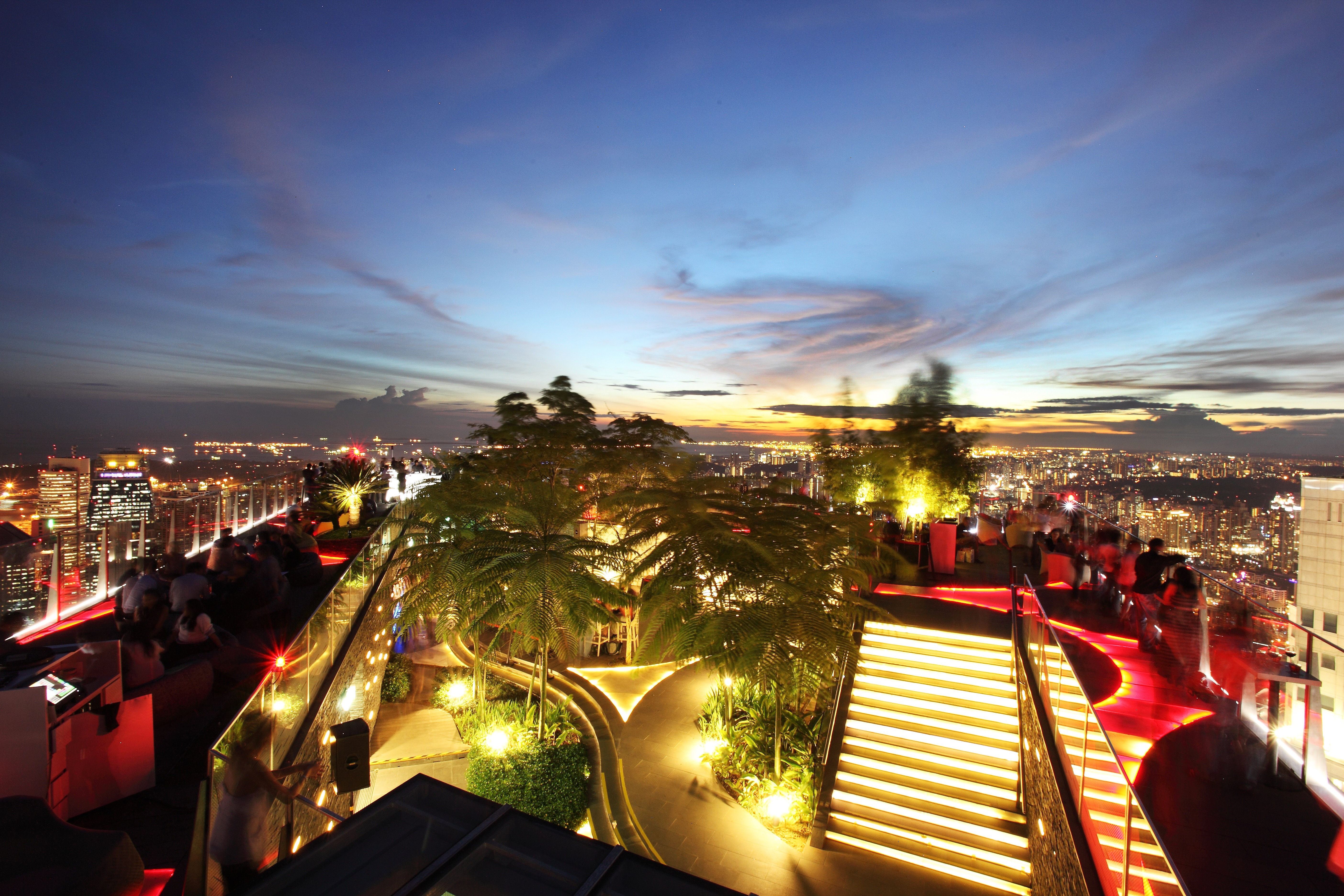
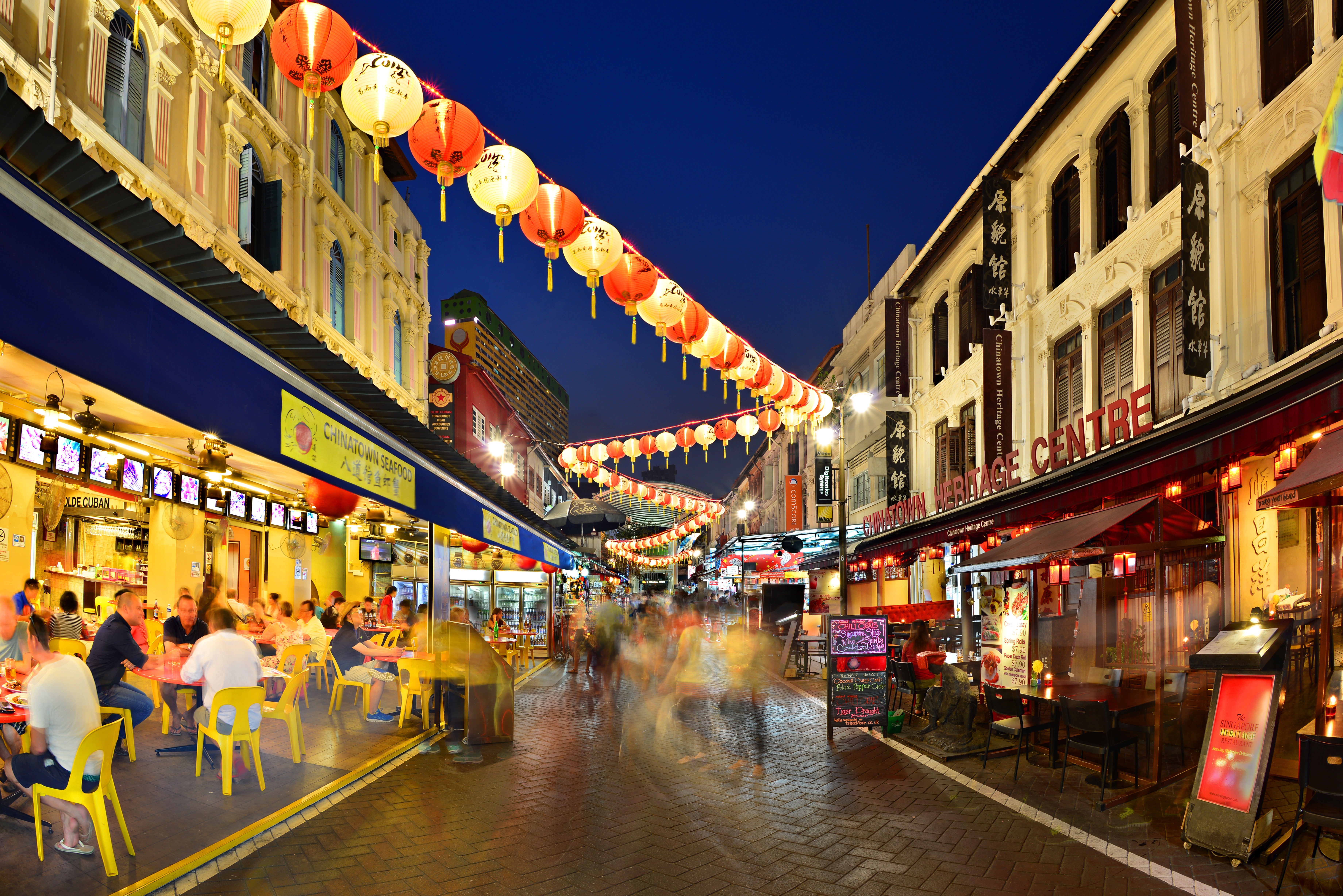
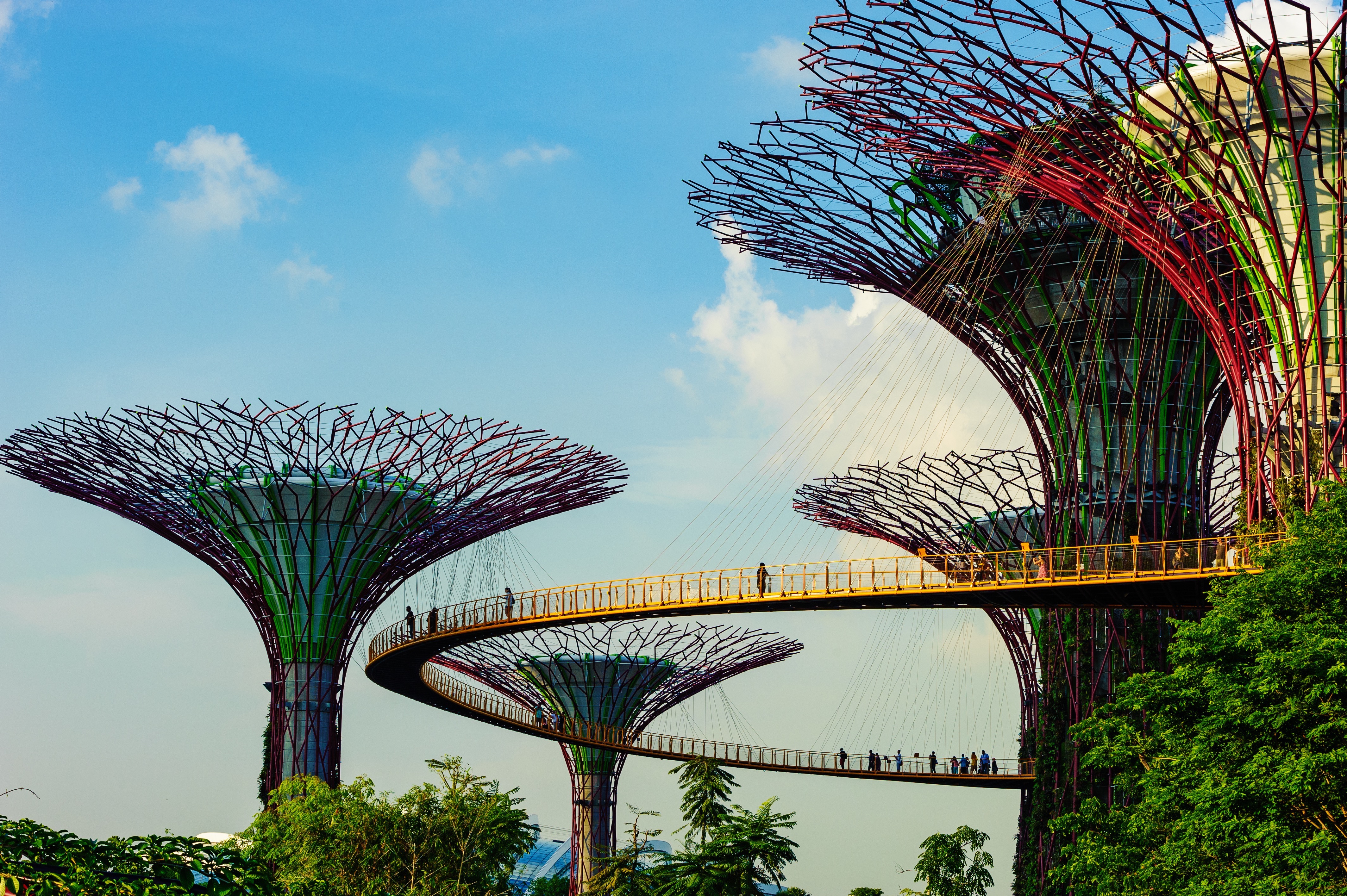
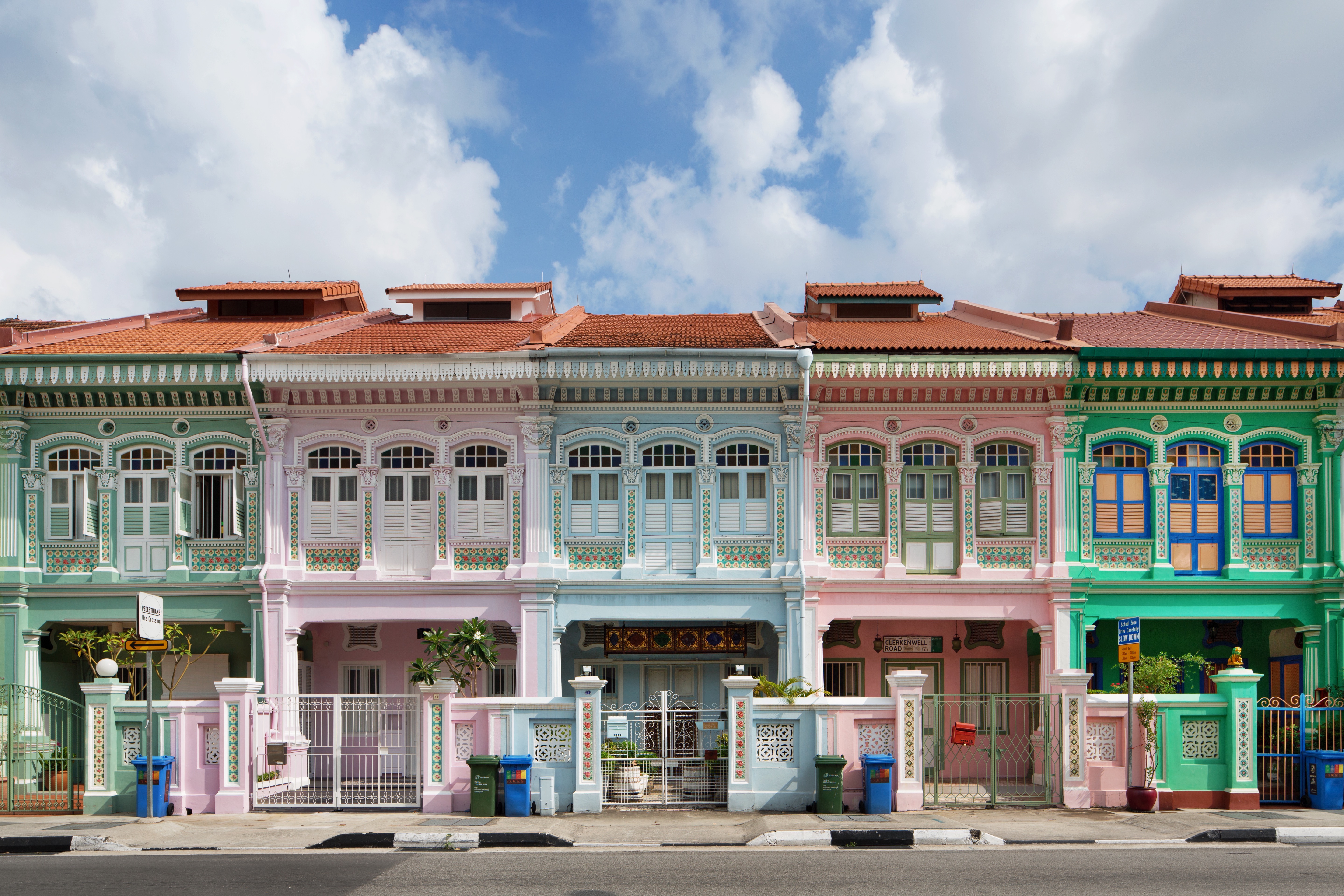
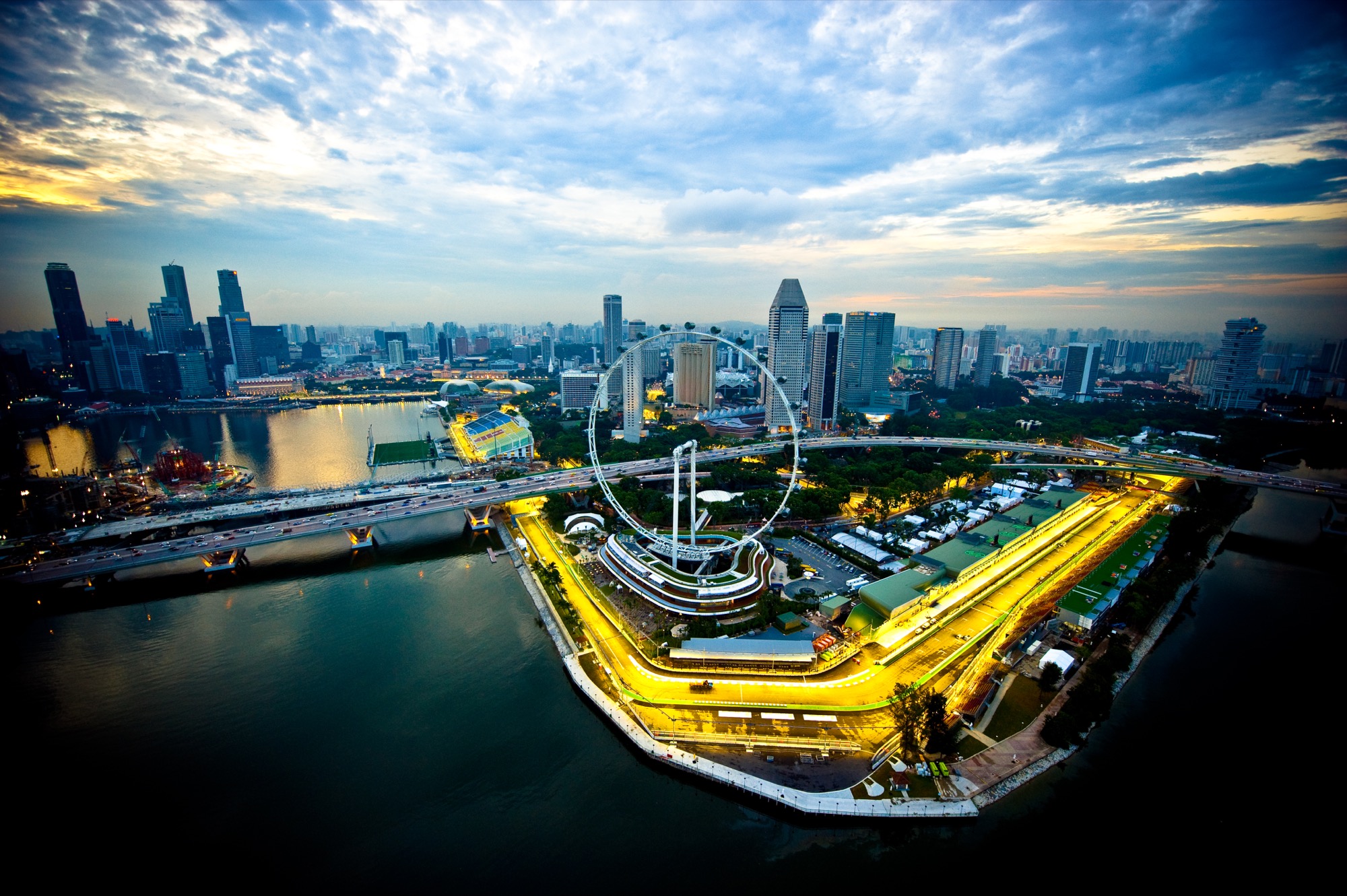
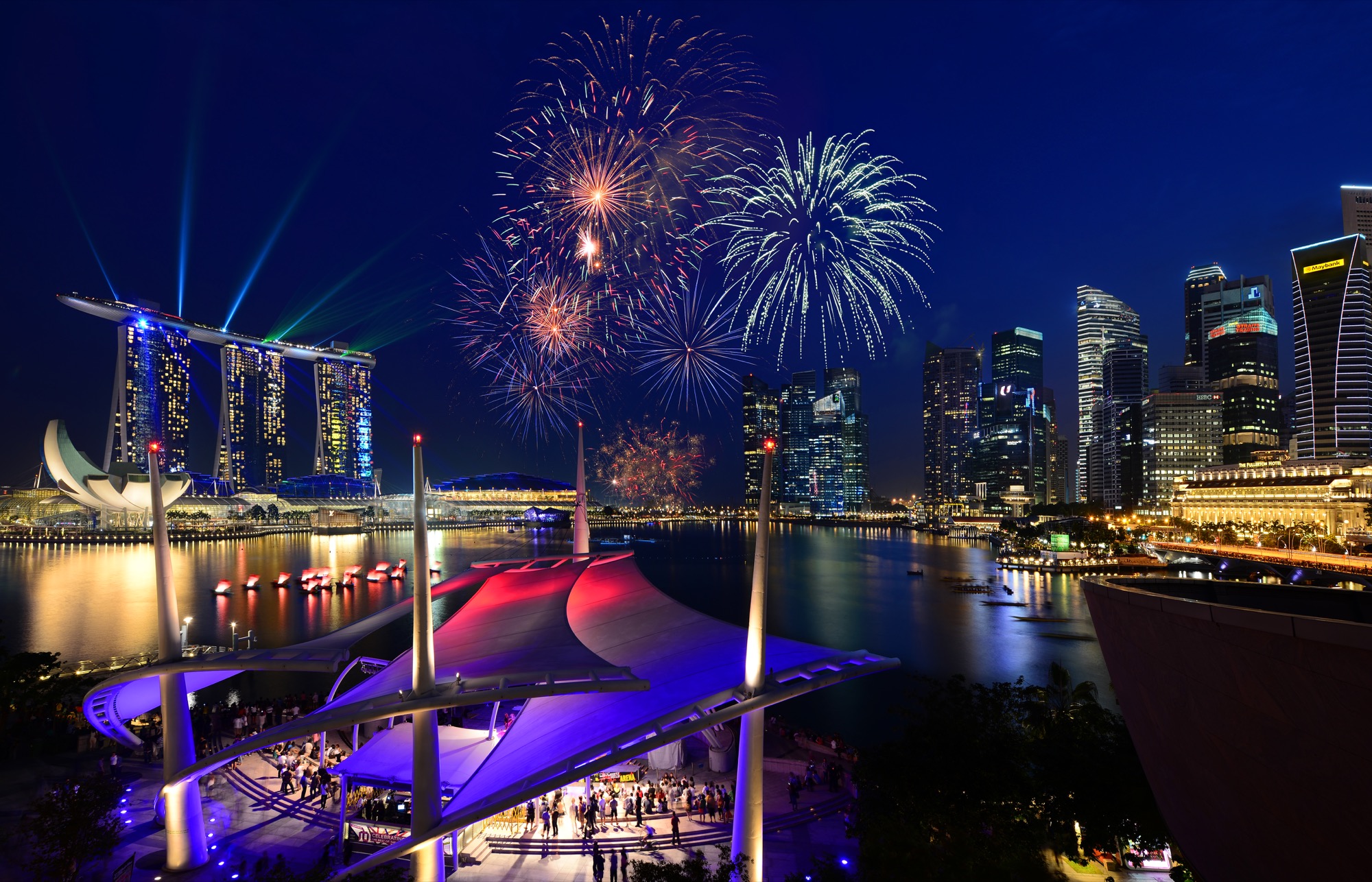
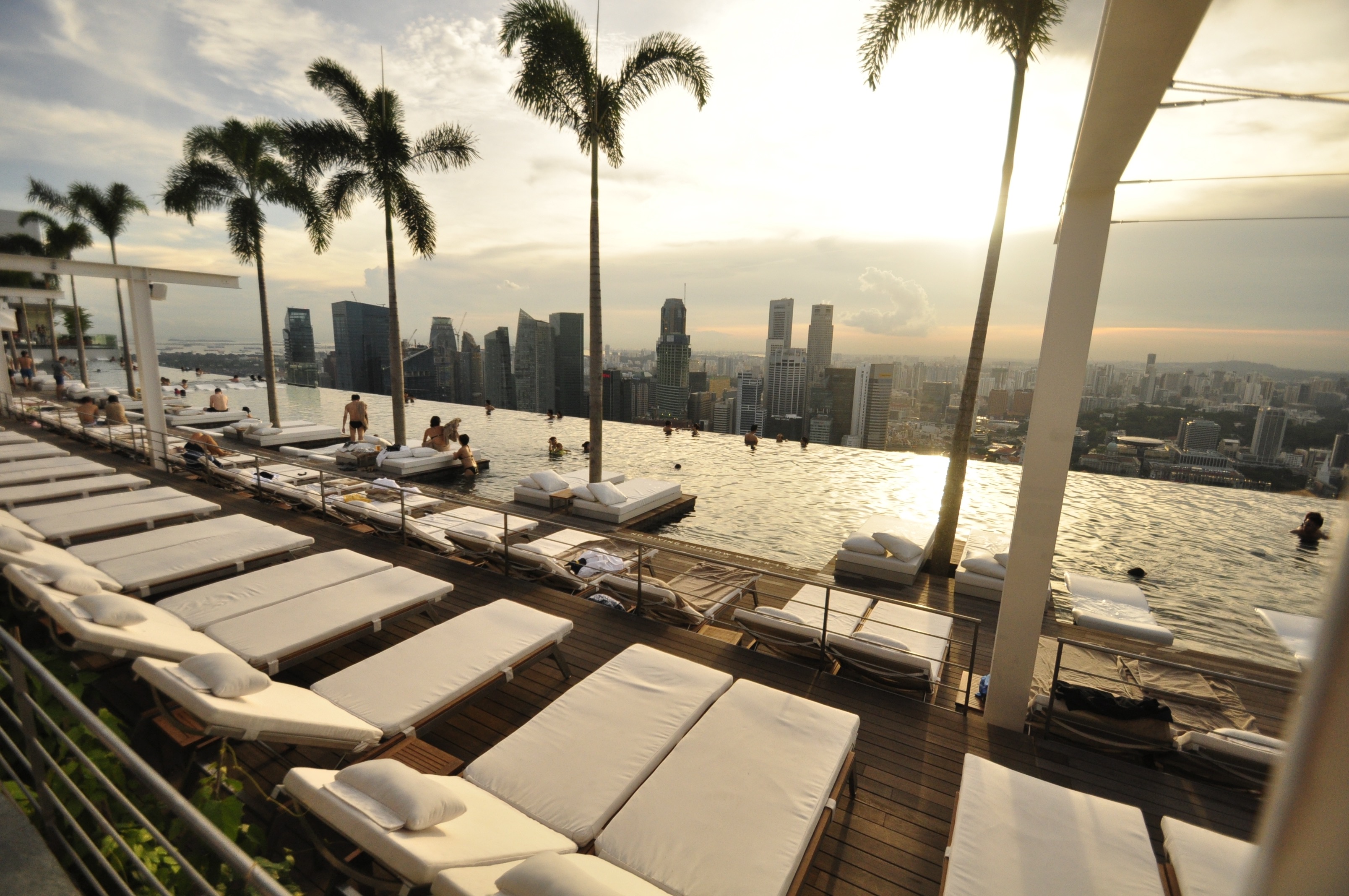
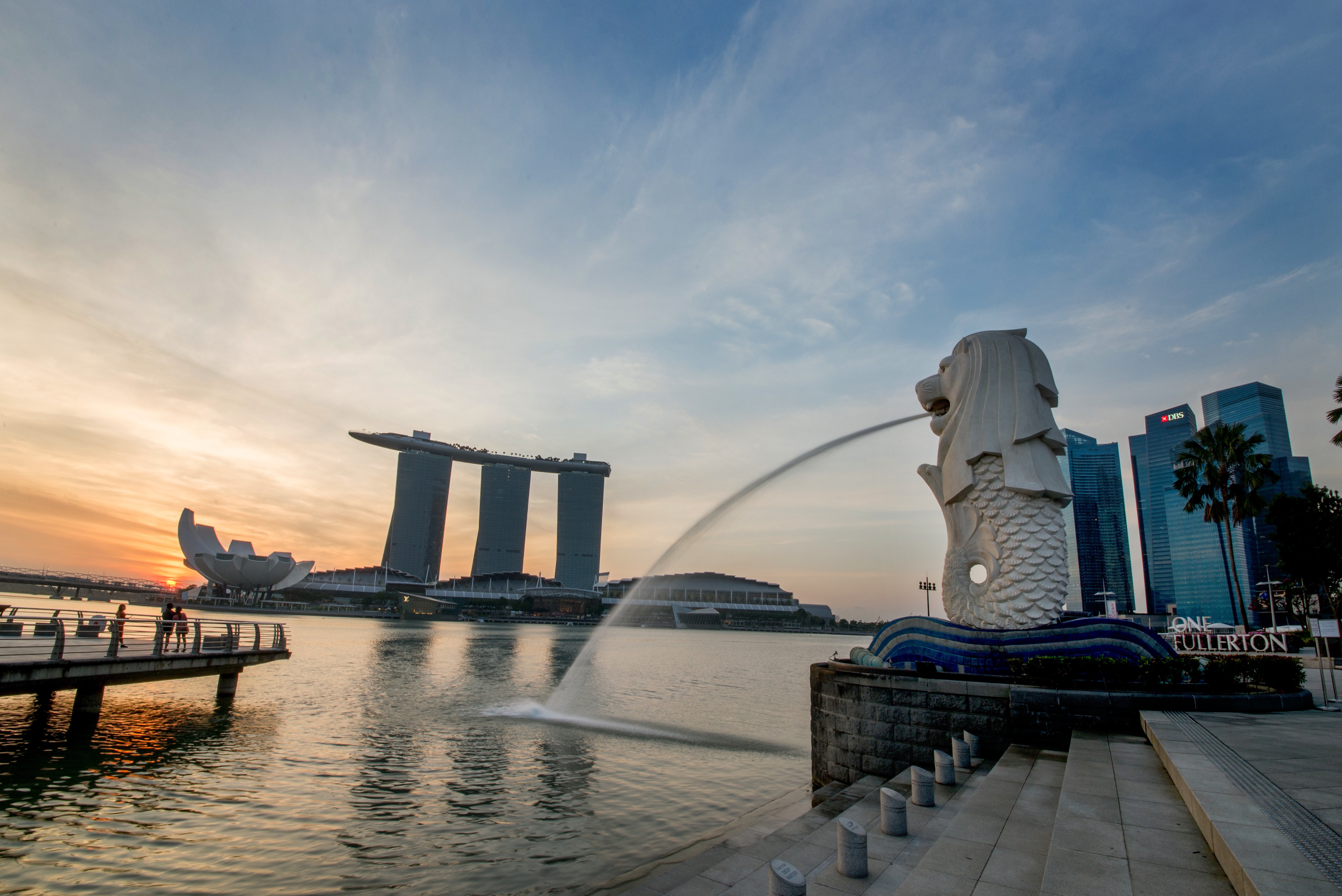
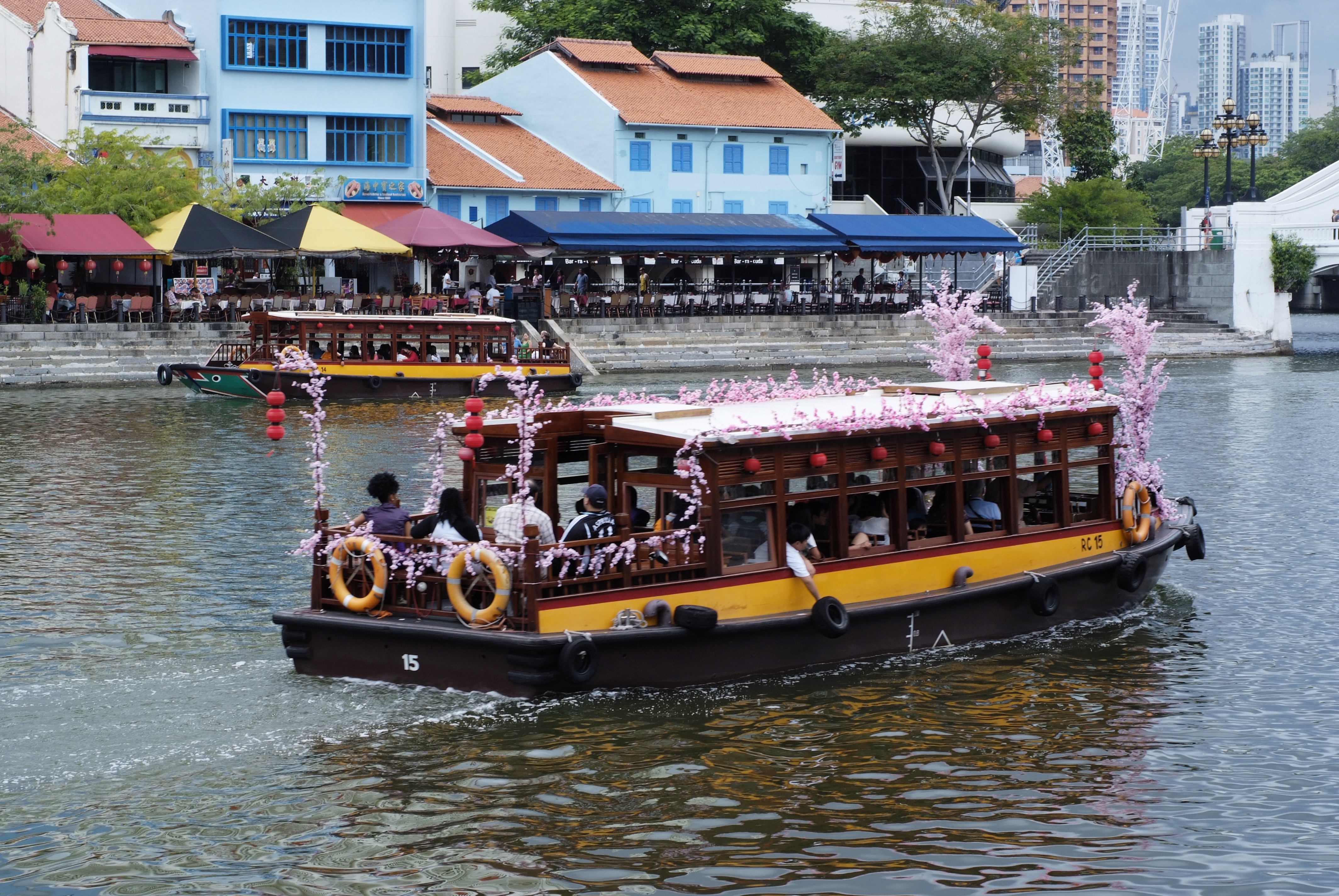
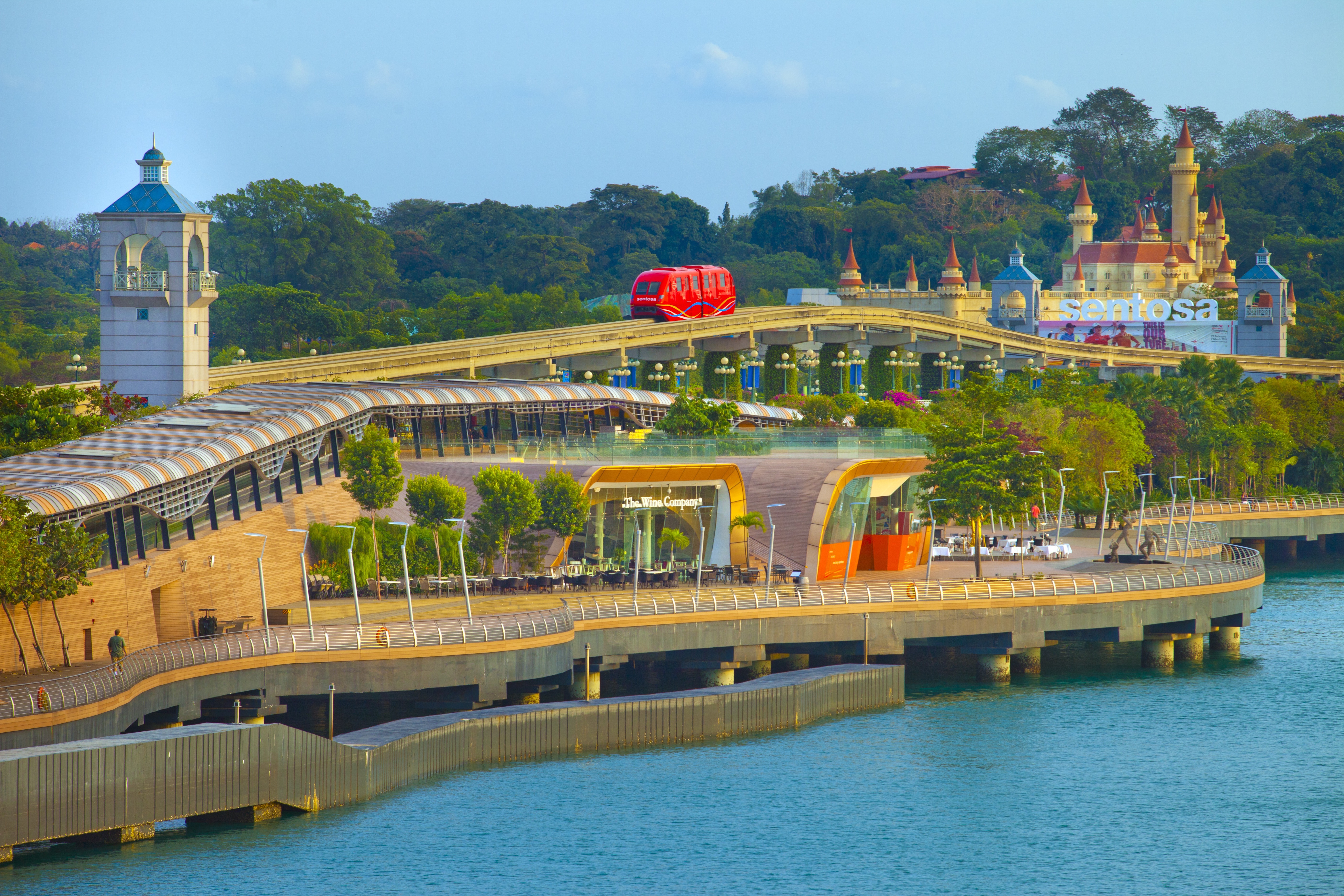
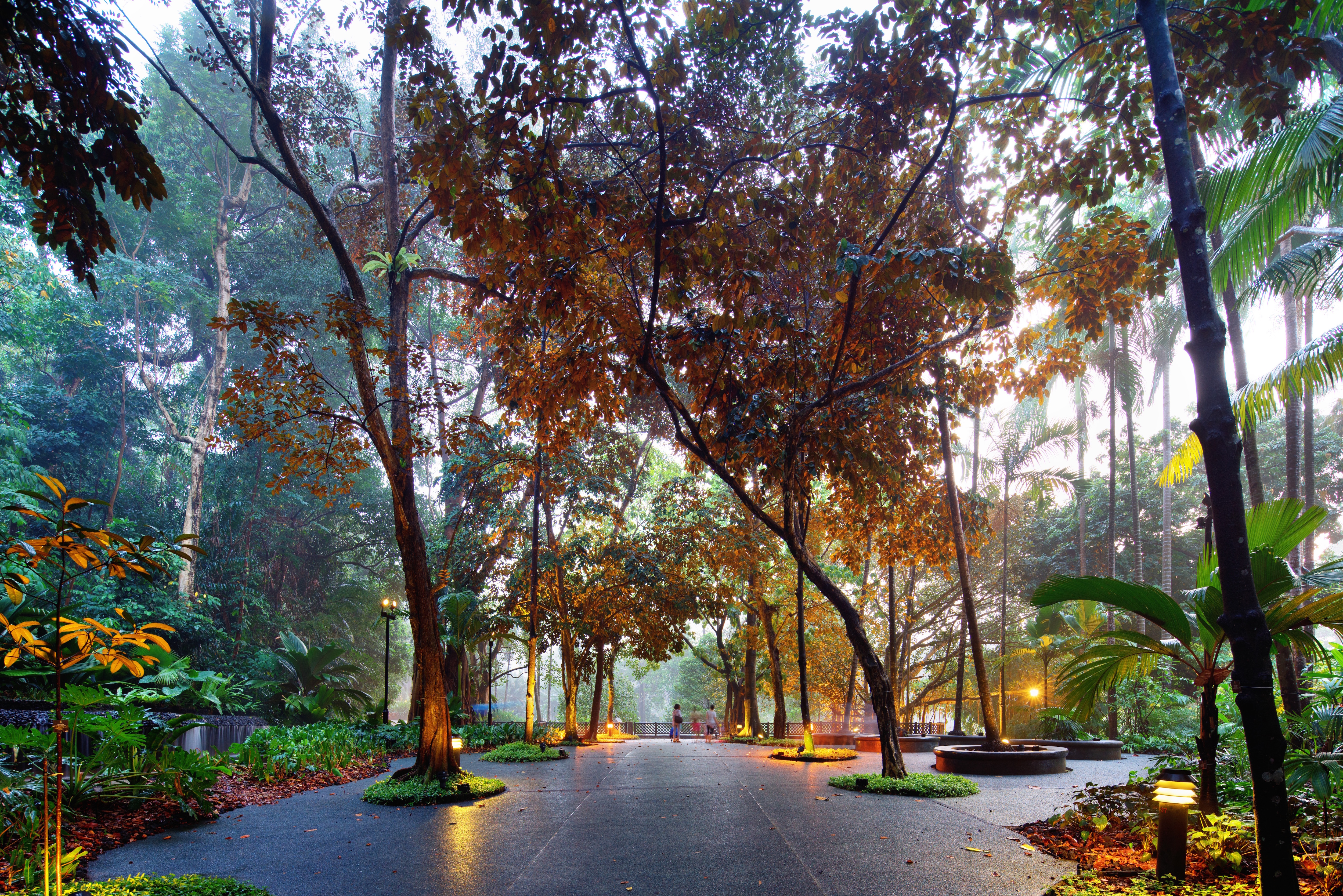
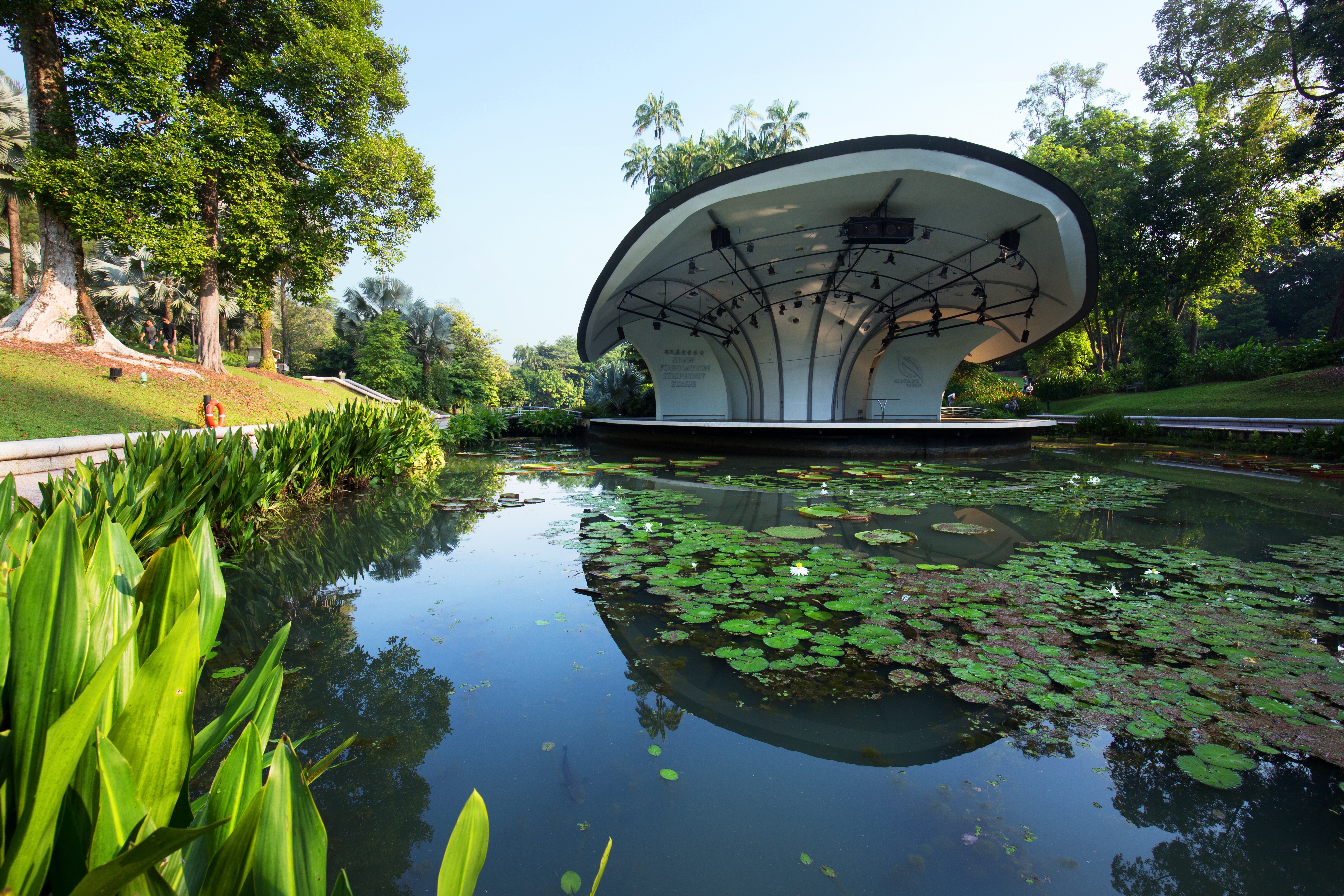
The main island of Singapore is shaped like a flattened diamond, 42 km (26 miles) east to west and 23 km (14 miles) north to south. Near the northern peak is the causeway leading to West Malaysia—Kuala Lumpur is less than four hours away by car. It is at the southern foot where you will find most of the city-state’s action, with its gleaming office towers, working docks, and futuristic "supertrees," which are solar-powered and serve as vertical gardens. Offshore are Sentosa and over 60 smaller islands, most uninhabited, that serve as bases for oil refining or as playgrounds and beach escapes from the city. To the east is Changi International Airport, connected to the city by metro, bus, and a tree-lined parkway. Of the island's total land area, more than half is built up, with the balance made up of parkland, farmland, plantations, swamp areas, and rain forest. Well-paved roads connect all parts of the island, and Singapore city has an excellent, and constantly expanding, public transportation system. The heart of Singapore's history and its modern wealth are in and around the Central Business District. The area includes the skyscrapers in the Central Business District, the 19th-century Raffles Hotel, the convention centers of Marina Square, on up to the top of Ft. Canning. Although most of old Singapore has been knocked down to make way for the modern city, most colonial landmarks have been preserved in the CBD, including early-19th-century buildings designed by the Irish architect George Coleman.
About Singapore
The main island of Singapore is shaped like a flattened diamond, 42 km (26 miles) east to west and 23 km (14 miles) north to south. Near the northern peak is the causeway leading to West Malaysia—Kuala Lumpur is less than four hours away by car. It is at the southern foot where you will find most of the city-state’s action, with its gleaming office towers, working docks, and futuristic "supertrees," which are solar-powered and serve as vertical gardens. Offshore are Sentosa and over 60 smaller islands, most uninhabited, that serve as bases for oil refining or as playgrounds and beach escapes from the city. To the east is Changi International Airport, connected to the city by metro, bus, and a tree-lined parkway. Of the island's total land area, more than half is built up, with the balance made up of parkland, farmland, plantations, swamp areas, and rain forest. Well-paved roads connect all parts of the island, and Singapore city has an excellent, and constantly expanding, public transportation system. The heart of Singapore's history and its modern wealth are in and around the Central Business District. The area includes the skyscrapers in the Central Business District, the 19th-century Raffles Hotel, the convention centers of Marina Square, on up to the top of Ft. Canning. Although most of old Singapore has been knocked down to make way for the modern city, most colonial landmarks have been preserved in the CBD, including early-19th-century buildings designed by the Irish architect George Coleman.
About Ko Samui
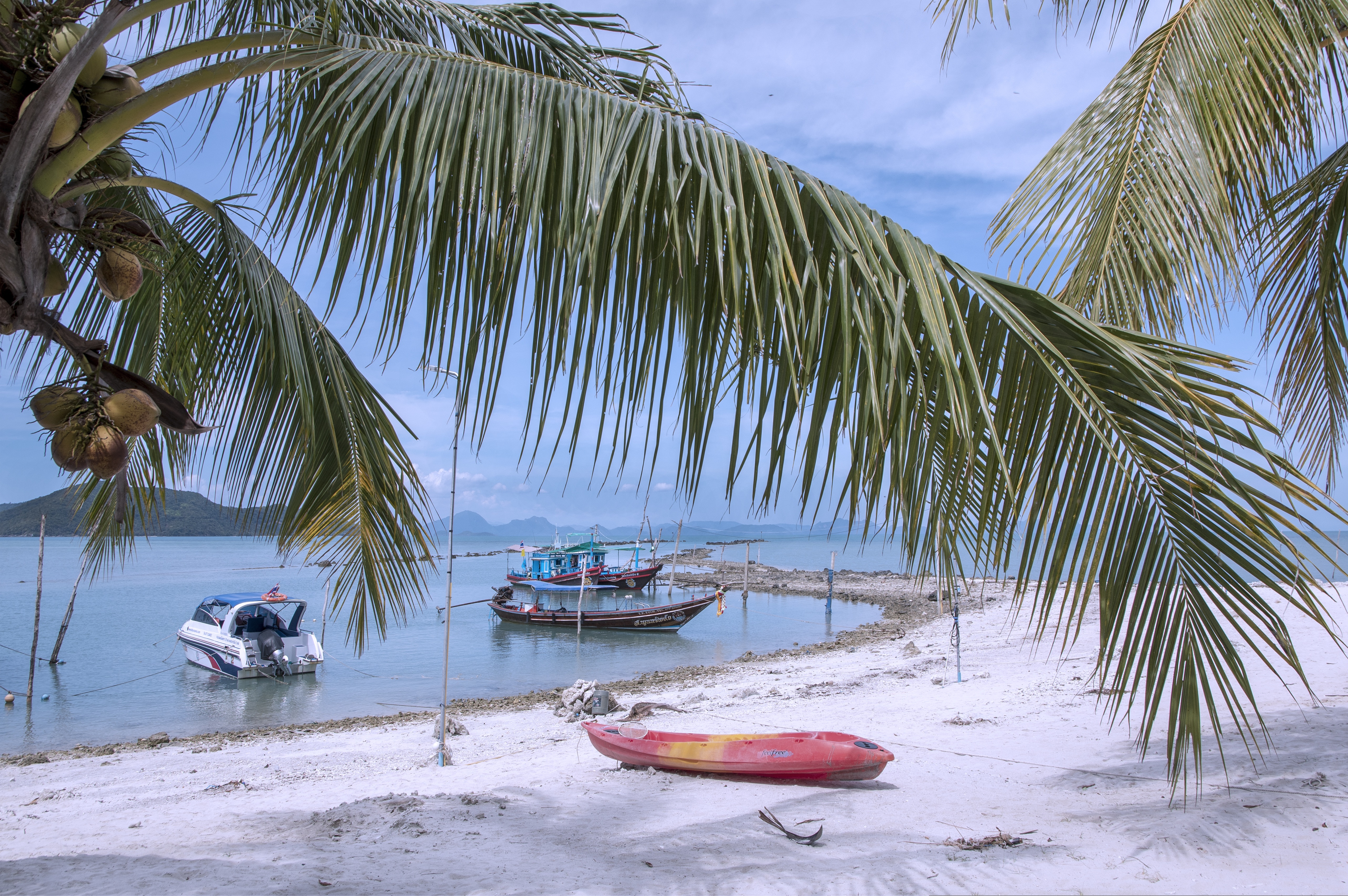
Koh Samui is the most popular tourist destination on the Western Gulf coast, which isn't surprising, considering the island's gorgeous beaches, perfect weather, and sparkling blue, almost turquoise, water. Koh Samui has seen rapid development since the 1990s, and you'll encounter hotels in all price ranges.Koh Samui is half the size of Phuket, so you could easily drive around it in a day. But Koh Samui is best appreciated by those who take a slower, more casual approach. Most people come for the sun and sea, so they head straight to their hotel and rarely venture beyond its beach. But it's worth exploring beyond your lodging. Every beach has its own character, and you might find the perfect one for you. One beach many visitors find to their liking is Chawaeng. On Koh Samui's east coast, this stretch of glistening white sand is divided into two main sections—Chawaeng Yai (yai means "big") and Chawaeng Noi (noi means "little"). You'll find the greatest variety of hotels, restaurants, and bars here. Despite the crowds, Chawaeng is no Pattaya or Patong—the mood is very laid-back. A rocky headland separates Chawaeng Lamai Beach, whose clear water and long stretch of sand were the first place on the island to attract developers. More budget accommodations are available here than in Chawaeng, and there are some happening nightclubs.On the west coast of Koh Samui, Na Thon is the island's primary port and the spot where ferries arrive from the mainland. It's home to the island's governmental offices, including the Tourism Authority of Thailand, and there are banks, foreign-exchange booths, travel agents, shops, restaurants, and cafés by the ferry pier. A few places rent rooms, but there's really no reason to stay here—nicer accommodations can be found a short songthaew ride away.To the north and east of Na Thon lie a few beaches worthy of exploration. Laem Yai, 5 km (3 miles) north, has great seafood. East of here, a small headland separates two low-key communities on the northern shore, Mae Nam and Bophut Beach. Mae Nam is also the departure point for boats bound for Koh Phangan and Koh Tao . Just south of the Samui's northeastern tip you'll find sandy Choengmon Beach, a good area for swimming that's not overdeveloped.
About Laem Chabang
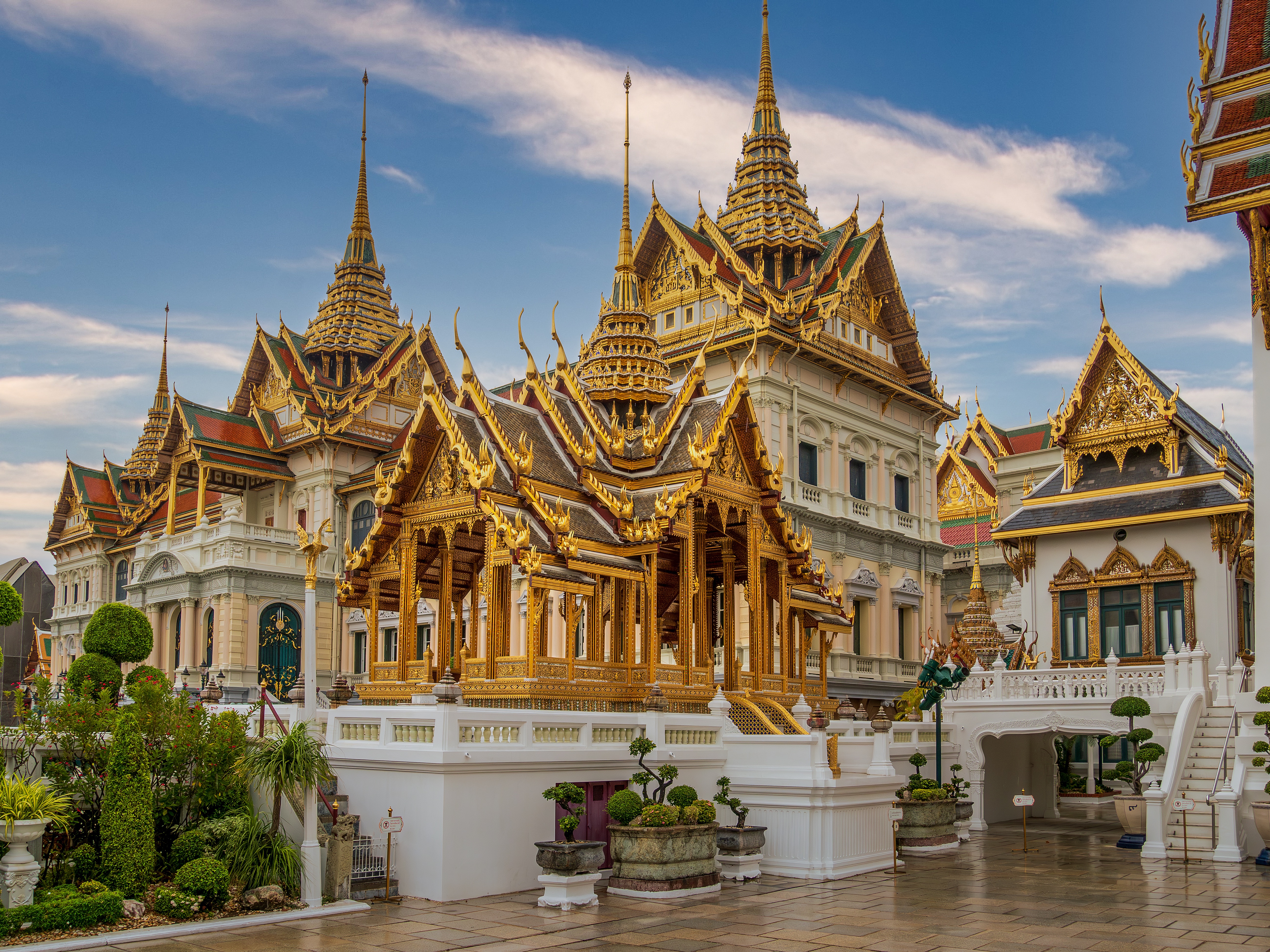
There are two Bangkoks, the ancient soul of Thailand with its long and fascinating history and the frantic, modern metropolis that embraces the latest trends both Eastern and Western. The two blend together remarkably well—even the most jarring juxtapositions of old and new somehow make sense. Bangkok is not only the biggest city in Thailand, but also the most mesmerizing, with some of the country's most beautiful temples and shrines. The city's energy is palpable, especially at night, when traffic opens up a bit, its famous markets get going, and everything seems lit up—from its proudest monuments to its seediest streets. When Ayutthaya was besieged and pillaged by the Burmese in 1766, Thonburi became Thailand's capital. The Thais call Bangkok Krung Thep (City of Angels), and in 1782 King Rama I moved his capital here, just across the Chao Praya River. Laem Chabang is approximately 130 km (81 mi) from Bangkok.
About Laem Chabang
There are two Bangkoks, the ancient soul of Thailand with its long and fascinating history and the frantic, modern metropolis that embraces the latest trends both Eastern and Western. The two blend together remarkably well—even the most jarring juxtapositions of old and new somehow make sense. Bangkok is not only the biggest city in Thailand, but also the most mesmerizing, with some of the country's most beautiful temples and shrines. The city's energy is palpable, especially at night, when traffic opens up a bit, its famous markets get going, and everything seems lit up—from its proudest monuments to its seediest streets. When Ayutthaya was besieged and pillaged by the Burmese in 1766, Thonburi became Thailand's capital. The Thais call Bangkok Krung Thep (City of Angels), and in 1782 King Rama I moved his capital here, just across the Chao Praya River. Laem Chabang is approximately 130 km (81 mi) from Bangkok.
About Ko Kut
About Phú Quốc
About Ho Chi Minh City
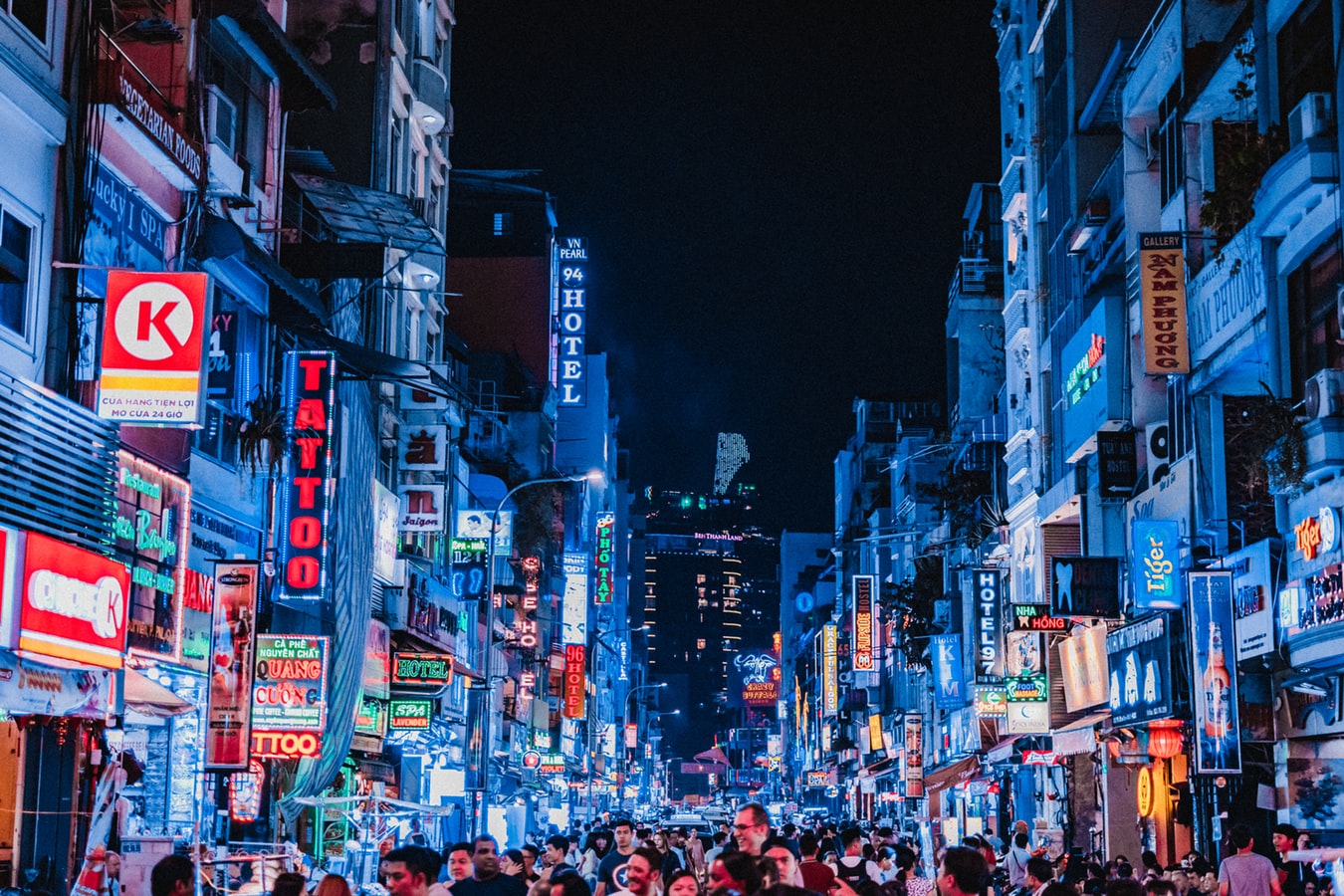
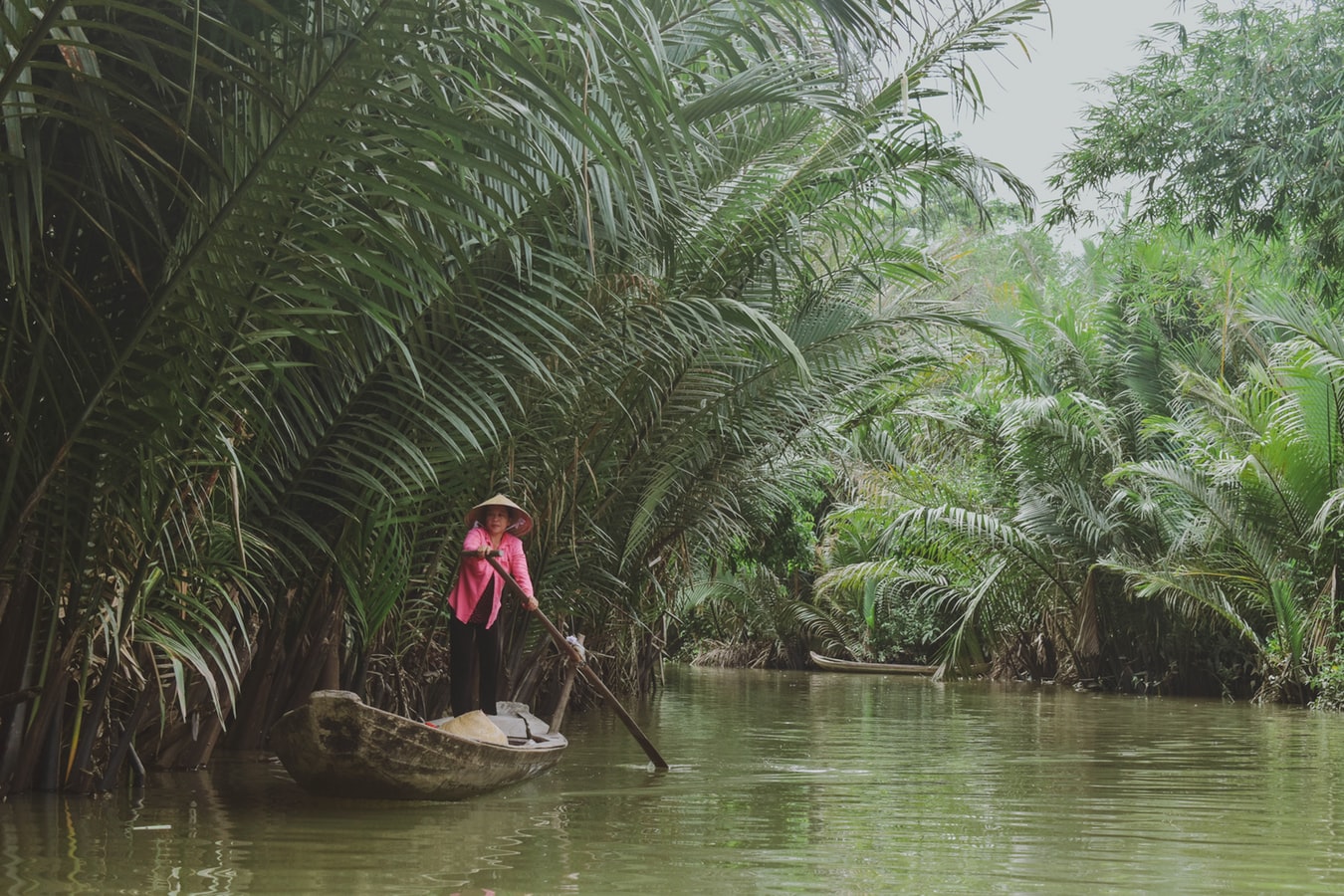
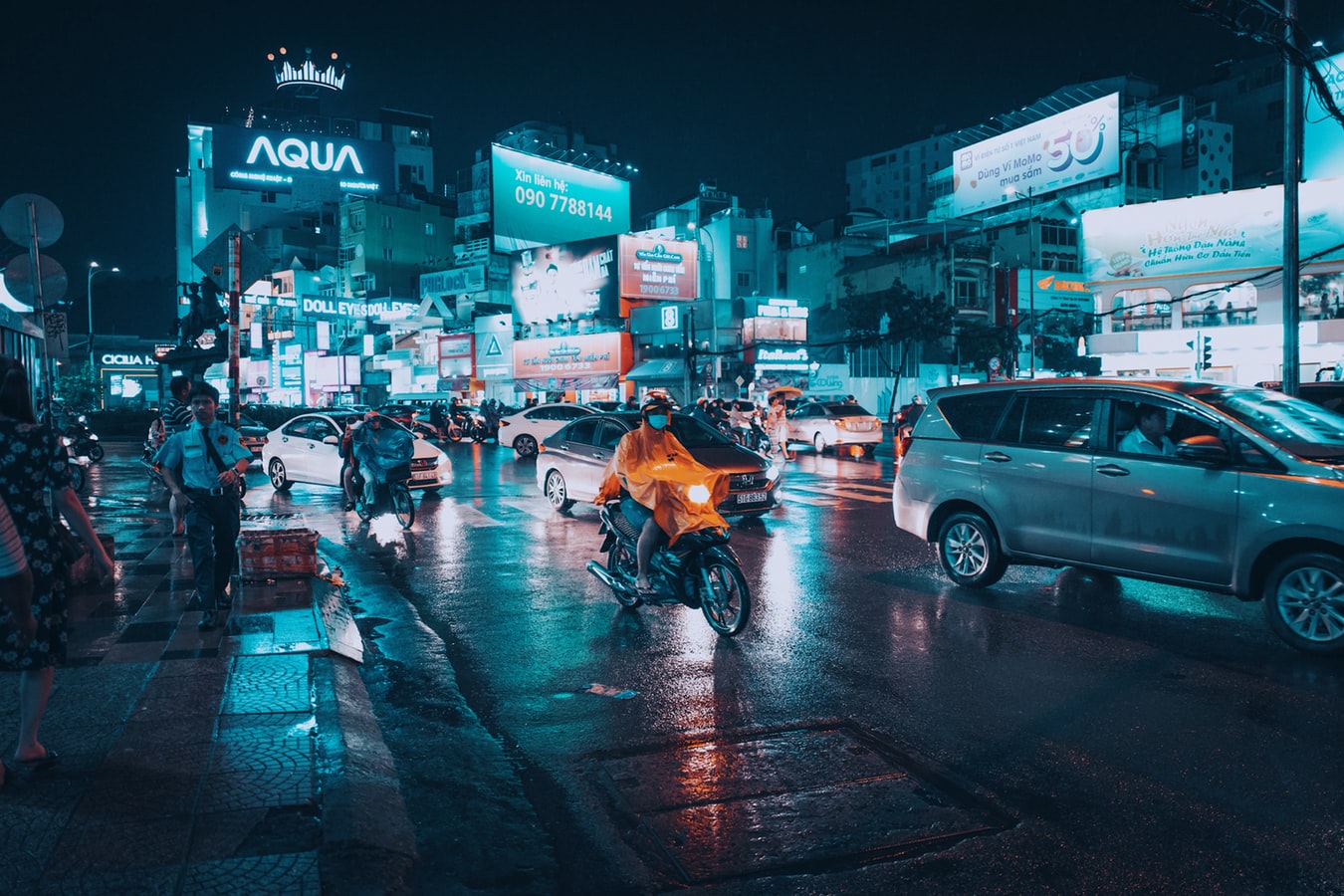
Romantically referred to by the French as the Pearl of the Orient, Ho Chi Minh City today is a super-charged city of sensory overload. Motorbikes zoom day and night along the wide boulevards, through the narrow back alleys and past vendors pushing handcarts hawking goods of all descriptions. Still called Saigon by most residents, this is Vietnam's largest city and the engine driving the country's current economic resurgence, but despite its frenetic pace, it's a friendlier place than Hanoi and locals will tell you the food—simple, tasty, and incorporating many fresh herbs—is infinitely better than in the capital.This is a city full of surprises. The madness of the city's traffic—witness the oddball things that are transported on the back of motorcycles—is countered by tranquil pagodas, peaceful parks, quirky coffee shops, and whole neighborhoods hidden down tiny alleyways, although some of these quiet spots can be difficult to track down. Life in Ho Chi Minh City is lived in public: on the back of motorcycles, on the sidewalks, and in the parks. Even when its residents are at home, they're still on display. With many living rooms opening onto the street, grandmothers napping, babies being rocked, and food being prepared, are all in full view of passersby.Icons of the past endure in the midst of the city’s headlong rush into capitalism. The Hotel Continental, immortalized in Graham Greene's The Quiet American, continues to stand on the corner of old Indochina's most famous thoroughfare, the rue Catinat, known to American G.I.s during the Vietnam War as Tu Do (Freedom) Street and renamed Dong Khoi (Uprising) Street by the Communists. The city still has its ornate opera house and its old French city hall, the Hôtel de Ville. The broad colonial boulevards leading to the Saigon River and the gracious stucco villas are other remnants of the French colonial presence. Grisly reminders of the more recent past can be seen at the city's war-related museums. Residents, however, prefer to look forward rather than back and are often perplexed by tourists' fascination with a war that ended 40 years ago.The Chinese influence on the country is still very much in evidence in the Cholon district, the city's Chinatown, but the modern office towers and international hotels that mark the skyline symbolize Vietnam's fixation on the future.
About Ho Chi Minh City
Romantically referred to by the French as the Pearl of the Orient, Ho Chi Minh City today is a super-charged city of sensory overload. Motorbikes zoom day and night along the wide boulevards, through the narrow back alleys and past vendors pushing handcarts hawking goods of all descriptions. Still called Saigon by most residents, this is Vietnam's largest city and the engine driving the country's current economic resurgence, but despite its frenetic pace, it's a friendlier place than Hanoi and locals will tell you the food—simple, tasty, and incorporating many fresh herbs—is infinitely better than in the capital.This is a city full of surprises. The madness of the city's traffic—witness the oddball things that are transported on the back of motorcycles—is countered by tranquil pagodas, peaceful parks, quirky coffee shops, and whole neighborhoods hidden down tiny alleyways, although some of these quiet spots can be difficult to track down. Life in Ho Chi Minh City is lived in public: on the back of motorcycles, on the sidewalks, and in the parks. Even when its residents are at home, they're still on display. With many living rooms opening onto the street, grandmothers napping, babies being rocked, and food being prepared, are all in full view of passersby.Icons of the past endure in the midst of the city’s headlong rush into capitalism. The Hotel Continental, immortalized in Graham Greene's The Quiet American, continues to stand on the corner of old Indochina's most famous thoroughfare, the rue Catinat, known to American G.I.s during the Vietnam War as Tu Do (Freedom) Street and renamed Dong Khoi (Uprising) Street by the Communists. The city still has its ornate opera house and its old French city hall, the Hôtel de Ville. The broad colonial boulevards leading to the Saigon River and the gracious stucco villas are other remnants of the French colonial presence. Grisly reminders of the more recent past can be seen at the city's war-related museums. Residents, however, prefer to look forward rather than back and are often perplexed by tourists' fascination with a war that ended 40 years ago.The Chinese influence on the country is still very much in evidence in the Cholon district, the city's Chinatown, but the modern office towers and international hotels that mark the skyline symbolize Vietnam's fixation on the future.
About Muara
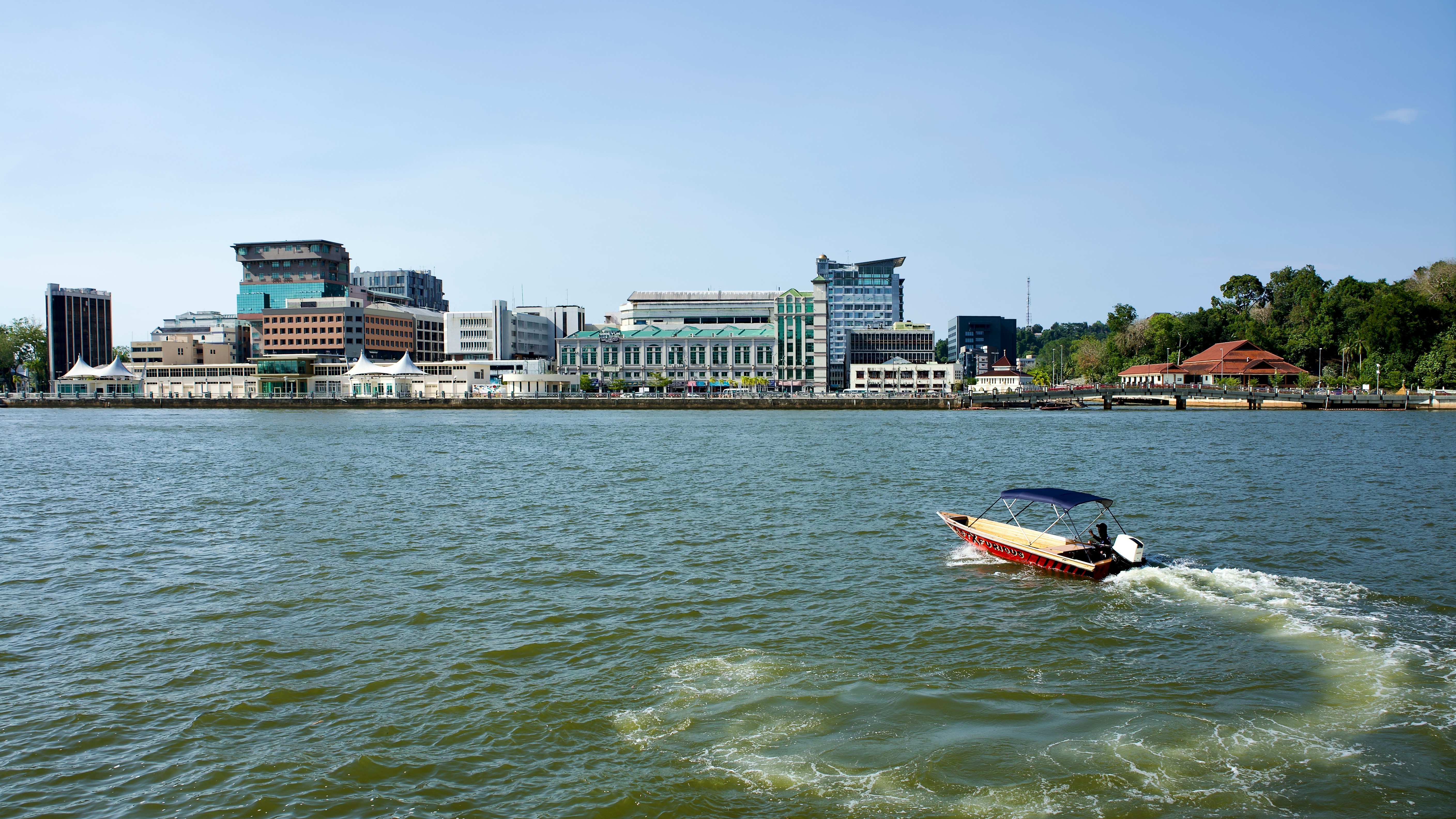
The microscopic Sultanate of Brunei lays claim to one of the most dramatic rags-to-riches stories. Thanks to oil, the Sultan of Brunei is one of the richest men in the world, and the Sultanate is often dubbed a Shell-fare-state. Brunei's citizens do not pay income tax; they enjoy free education, medical care and old-age pensions. The government employs a third of the workforce, who are probably the best-paid bureaucrats in the world. Brunei Darussalam, as the country is officially called, is the rump of what was once a sprawling empire that occupied a land area of about twice the size of Luxembourg. On January 1, 1984, after nearly 100 years as a British Protectorate, Brunei became a fully independent sovereign nation. In August of 1967, Hassanal Bolkiah was crowned the 29th Sultan of Brunei. He succeeded his father, Sir Omar Ali Saifuddien III, who started to modernize the capital and is known as the architect of modern Brunei. Bandar Seri Begawan is the capital and the only town of any size in the country. It is a neat, modern city, split into three main areas. The "old" sector, built in the 1950s, is being redeveloped with new buildings around the Omar Ali Saifuddien Mosque; the Seri Complex, a commercial area dates from the 1970s, and Gadong boasts a recently shopping center and numerous restaurants: Bandar or, simply BSB, as the capital is commonly called, still features a sprawling maze of wooden houses built on stilts along the Brunei River.
About Kota Kinabalu, Sabah
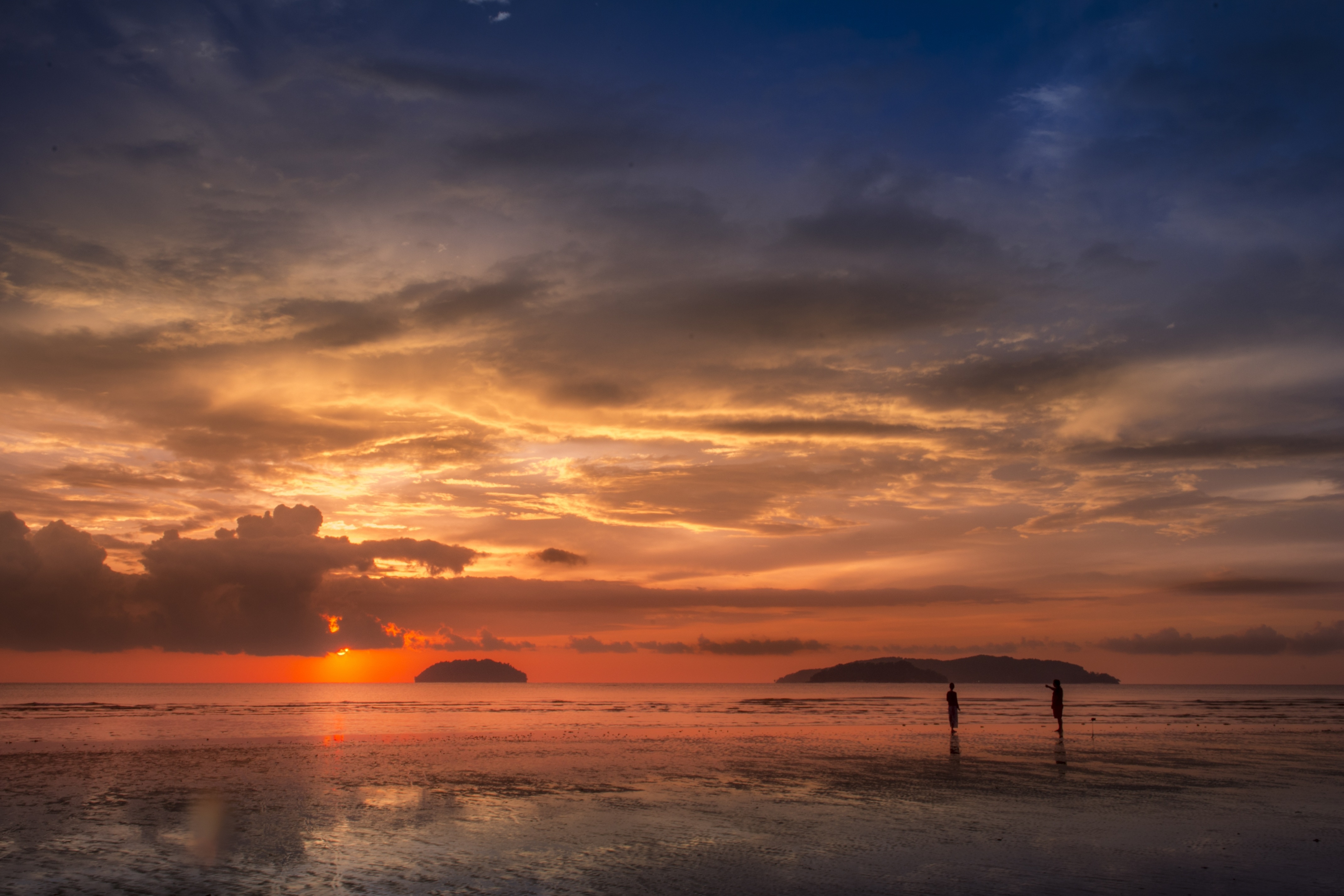
The capital of Sabah, Borneo's northernmost state, Kota Kinabalu is wedged between a tropical rainforest and the South China Sea. Many explorers use it as a launching point to venture off and see the surrounding jungle and marine life. Mt. Kinabalu challenges climbers daily, and top diving spots reel in underwater adventurers. The city is made up of a dense grid of concrete buildings built over reclaimed land along the coast. Several waterfront seafood restaurants and a diverse mix of hotels appeal to the travelers passing through, mostly off to explore the region.
About Boracay Island
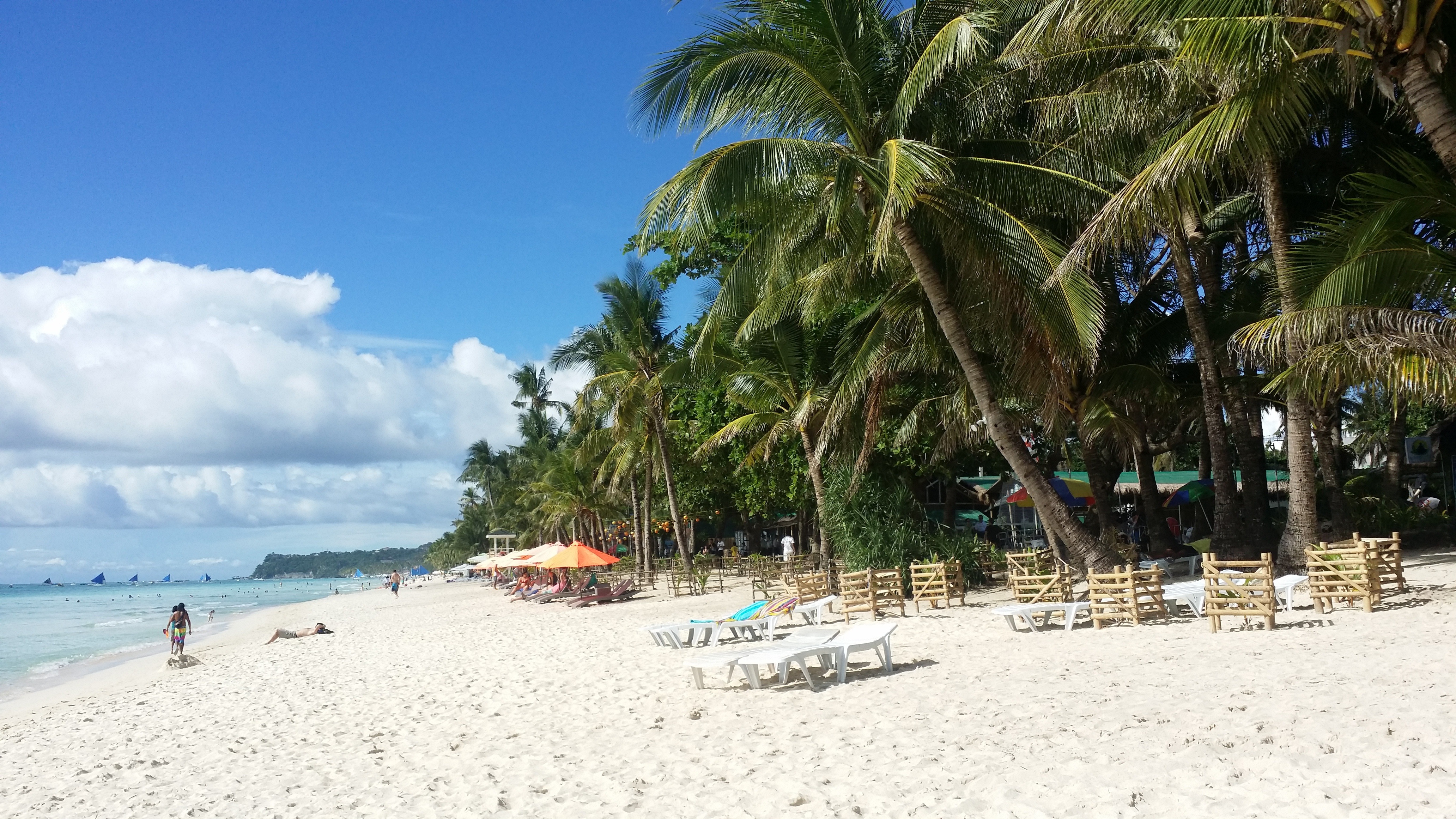
About Manila
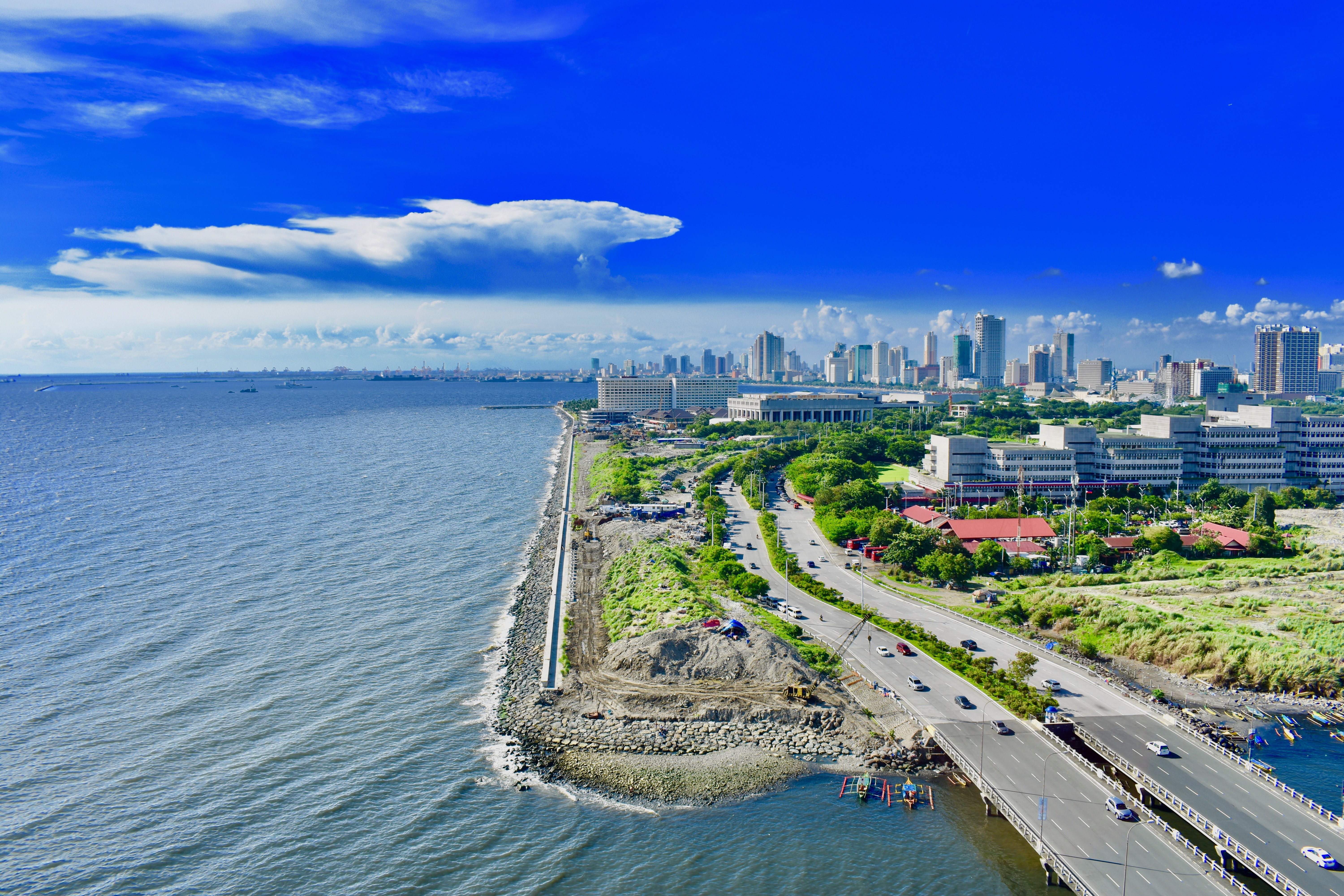
MANILA, the capital city of the Philippines, was founded in, 1571 by Spanish conquistador Miguel López de Legazpi. It is one of the oldest cities in the country and was the seat of power for most of the colonial rules of the Philippines. It is situated on the eastern shore of Manila Bay and contains a multitude of landmarks, some of which date back to the 16th century. It is home to the baroque 16th-century San Agustin Church as well as Fort Santiago, a storied citadel and military prison. In the 19th century Manila became one of the most modern cities in Asia. Before the Spanish–American War, Manila saw the rise of the Philippine Revolution. Under the American rule following the Spanish-American War, the United States changed the official language from Spanish to English. Towards the end of World War II, during the Battle of Manila, most of the city was flattened by intensive aerial bombardment. Today, tourism is a vital industry in Manila. Major shopping malls and bazaars thrive around Manila.
About Hong Kong
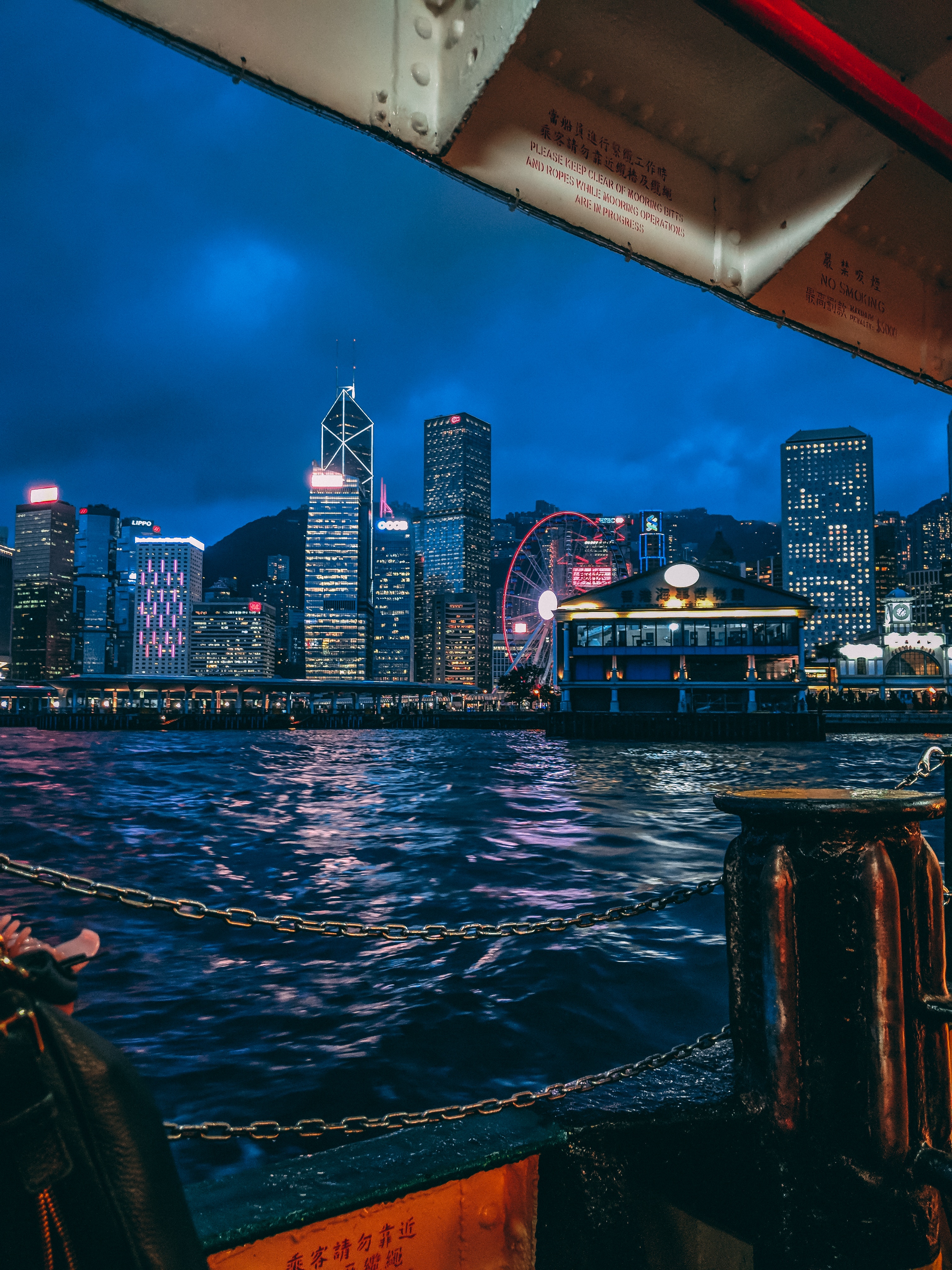
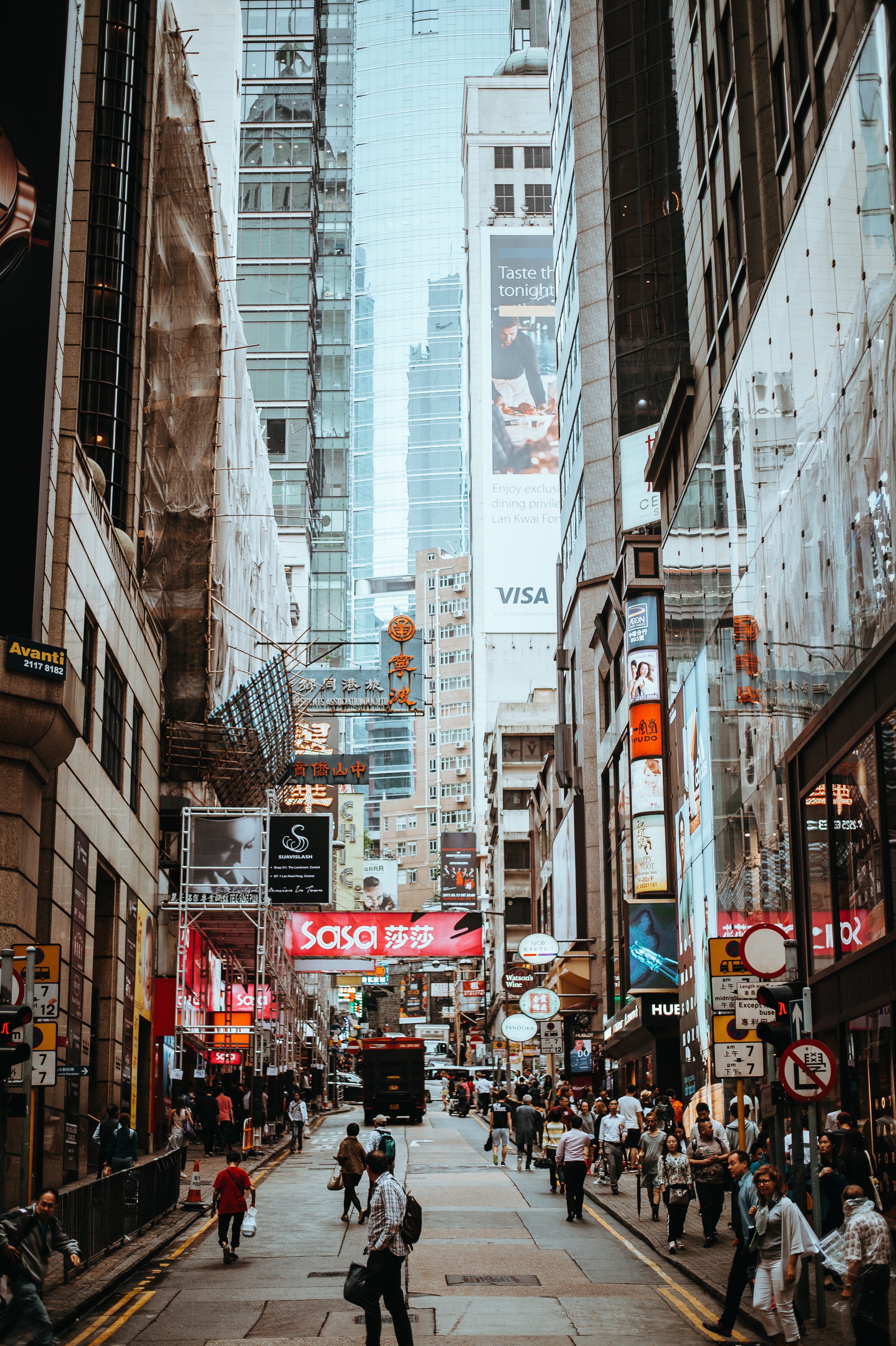
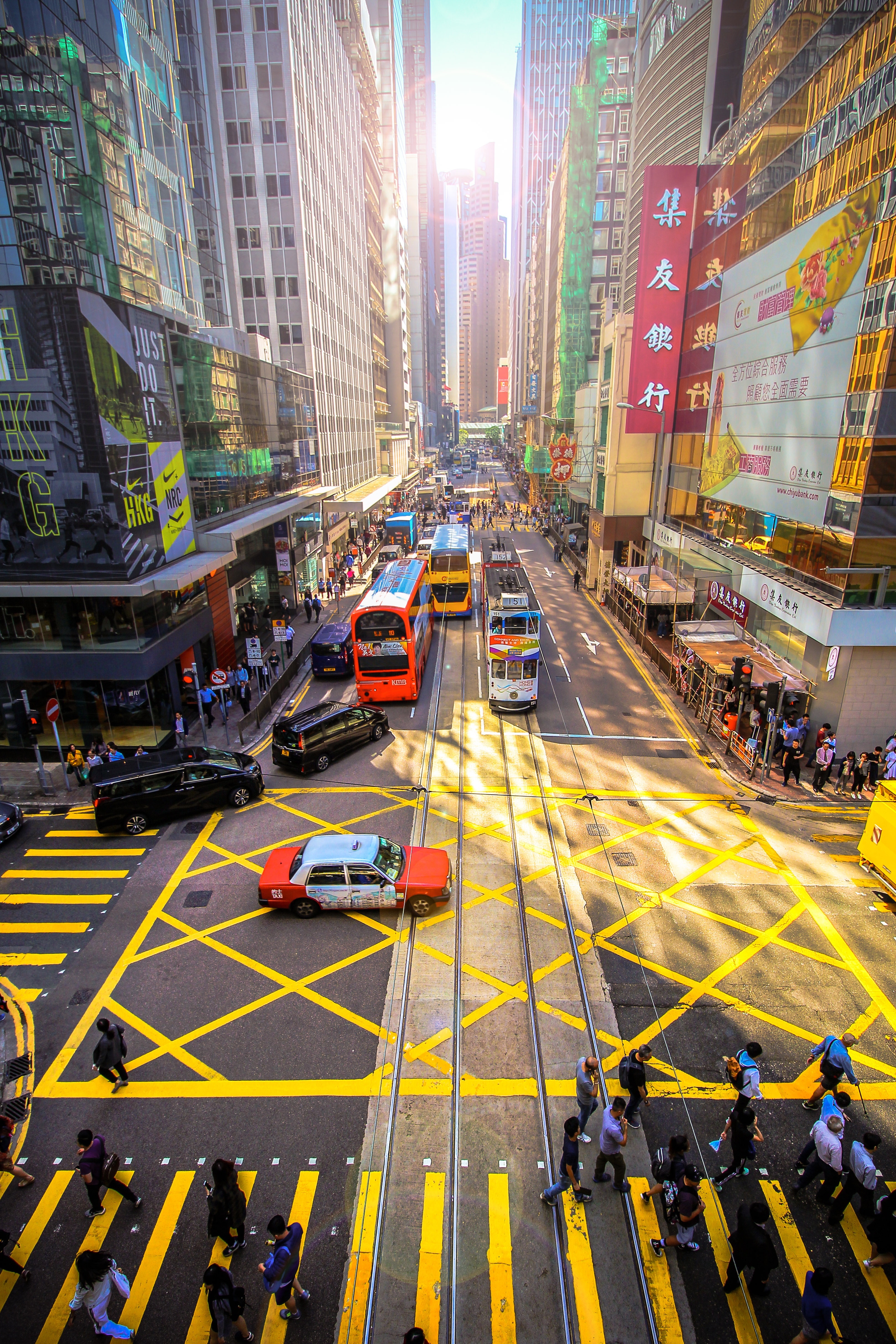
The Hong Kong Island skyline, with its ever-growing number of skyscrapers, speaks to ambition and money. Paris, London, even New York were centuries in the making, while Hong Kong's towers, bright lights, and glitzy shopping emporia weren't yet part of the urban scene when many of the young investment bankers who fuel one of the world's leading financial centers were born. Commerce is concentrated in the glittering high-rises of Central, tucked between Victoria Harbor and forested peaks on Hong Kong Island's north shore. While it's easy to think all the bright lights are the sum of today's Hong Kong, you need only walk or board a tram for the short jaunt west into Western to discover a side of Hong Kong that is more traditionally Chinese but no less high-energy. You'll discover the real Hong Kong to the east of Central, too, in Wan Chai, Causeway Bay, and beyond. Amid the residential towers are restaurants, shopping malls, bars, convention centers, a nice smattering of museums, and—depending on fate and the horse you wager on—one of Hong Kong's luckiest or unluckiest spots, the Happy Valley Racecourse. Kowloon sprawls across a generous swath of the Chinese mainland across Victoria Harbour from Central. Tsim Sha Tsui, at the tip of Kowloon peninsula, is packed with glitzy shops, first-rate museums, and eye-popping views of the skyline across the water. Just to the north are the teeming market streets of Mong Kok and in the dense residential neighborhoods beyond, two of Hong Kong's most enchanting spiritual sights, Wong Tai Sin Temple and Chi Lin Nunnery. As you navigate this huge metropolis (easy to do on the excellent transportation network), keep in mind that streets are usually numbered odd on one side, even on the other. There's no baseline for street numbers and no block-based numbering system, but street signs indicate building numbers for any given block.
This expansive, residence-style sanctuary is the ultimate home at sea. Every detail has been carefully crafted to create a space that feels indulgent, refined, and supremely comfortable. The finest craftsmanship and premium materials, including custom wool carpets, walnut floors, marble, and bespoke cabinetry, are evident throughout, while the latest technology has been cleverly integrated to provide a superior experience. A state-of-the-art entertainment system plays music across multiple zones, including on the veranda for seamless indoor-outdoor living. The vast outside space features a private hot tub, outdoor shower, and dining area, while a guest bathroom and butler pantry allow you to entertain in the privacy of your suite. The Owner’s Suite can be booked as a two-bedroom configuration to accommodate extra guests.
SUITE SIZE
- UP TO 1720 SQ FT
VERANDA SIZE
- UP TO 428 SQ FT
Details
Living room with library, fireplace, and state-of-the-art entertainment system
- Dining area with panoramic views, butler pantry, and personalized bar
- Master bedroom with king-size bed or twin beds, large walk-in closets, and a TV that discreetly retracts into the ceiling when not in use
- Master bathroom featuring Italian LASA marble, crystal sconces, walk-in shower, and freestanding Jacuzzi bathtub
- Elegant guest bathroom
- Veranda with private hot tub, shower and dining area
- Technogym stationary exercise bike
Services
- Private transfer to and from the ship (up to 50 miles)
- Butler service
- Assistance with packing and unpacking
- Free unlimited laundry and dry cleaning, second-day service
- 24-hour in-suite dining
- Unlimited room service from Osteria D'Ovidio and Umi Uma
- Complimentary dining at Osteria d’Ovidio and Umi Uma® (reservations required, subject to availability)
- In-suite cocktail parties
- Shoeshine service
Amenities
- Welcome champagne
- Complimentary wine and spirits from set menu
- Complimentary soft drinks
- Fresh flowers
- Fresh fruits, changed daily
- Turndown service with handmade truffles
- Pillow menu
- Sumptuous bedlinen by Jesurum 1870, robes by Etro, and indulgent bathroom products by Ortigia Sicilia
- Afternoon canapés
- Coffee maker
- Binoculars
- Complimentary unlimited standard Wi-Fi
- In-suite safe
- Interactive tablet for news, updates, and reservations
- Dyson hairdryer
- Hair iron (available upon request)

- UP TO 1265 SQ FT
- UP TO 107 SQ FT
Details
- Large private veranda with teak furniture
- Spacious living room with TV, custom wool carpets, walnut floors, cabinetry and Swarovski® chandelier
- Dining area with panoramic ocean views
- Separate study
- Custom built-in bar
- Large bedroom with queen-size bed or twins, plus his and hers walk-in closets and TV
- Master bath with jacuzzi, ocean view, crystal sconces and Calacatta marble floors, separate shower and bidet
- Guest bathroom
Services
- 24 hour in-suite dining
- Unlimited room service from Osteria D'Ovidio and Umi Uma
- Complimentary dining at Osteria d’Ovidio and Umi Uma® (reservations required, subject to availability)
- Turndown service with handmade truffles
- Shoeshine service
- Assistance with packing and unpacking
- Free unlimited laundry and dry cleaning, 2nd day service
- In-suite cocktail parties
- Private transfer to and from ship up to 50 miles
Amenities
- Welcome champagne
- Complimentary wine and spirits from set menu
- Complimentary soft drinks
- Flowers
- Fresh fruits, daily change, on request only
- Pillow menu (selection from a variety of pillow types)
- Afternoon canapés
- Coffee maker
- Binoculars
- Complimentary unlimited standard WiFi
- In-suite safe
- Interactive tablet for news, updates, and reservations
- Hair dryer
- Hair iron (available upon request)
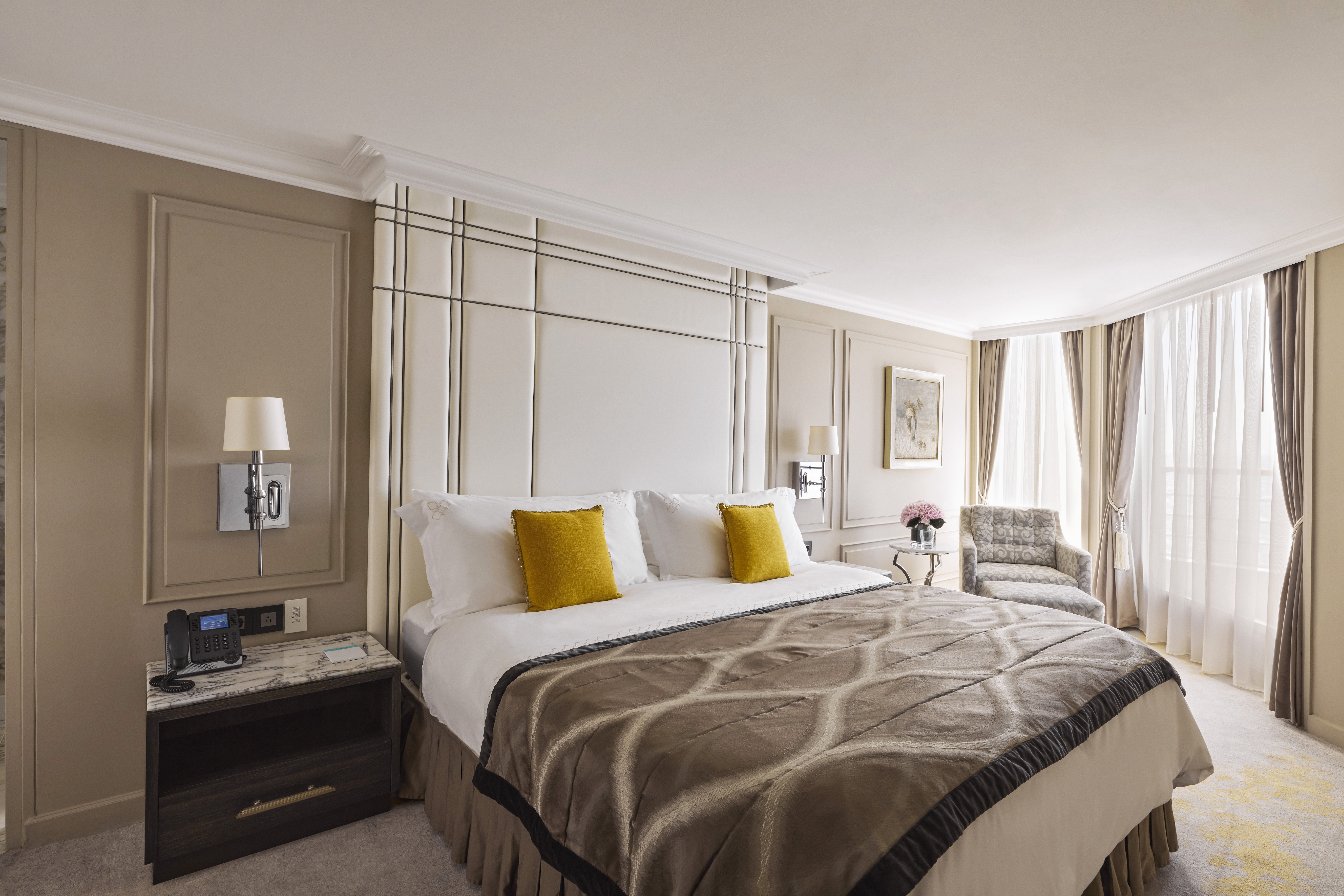
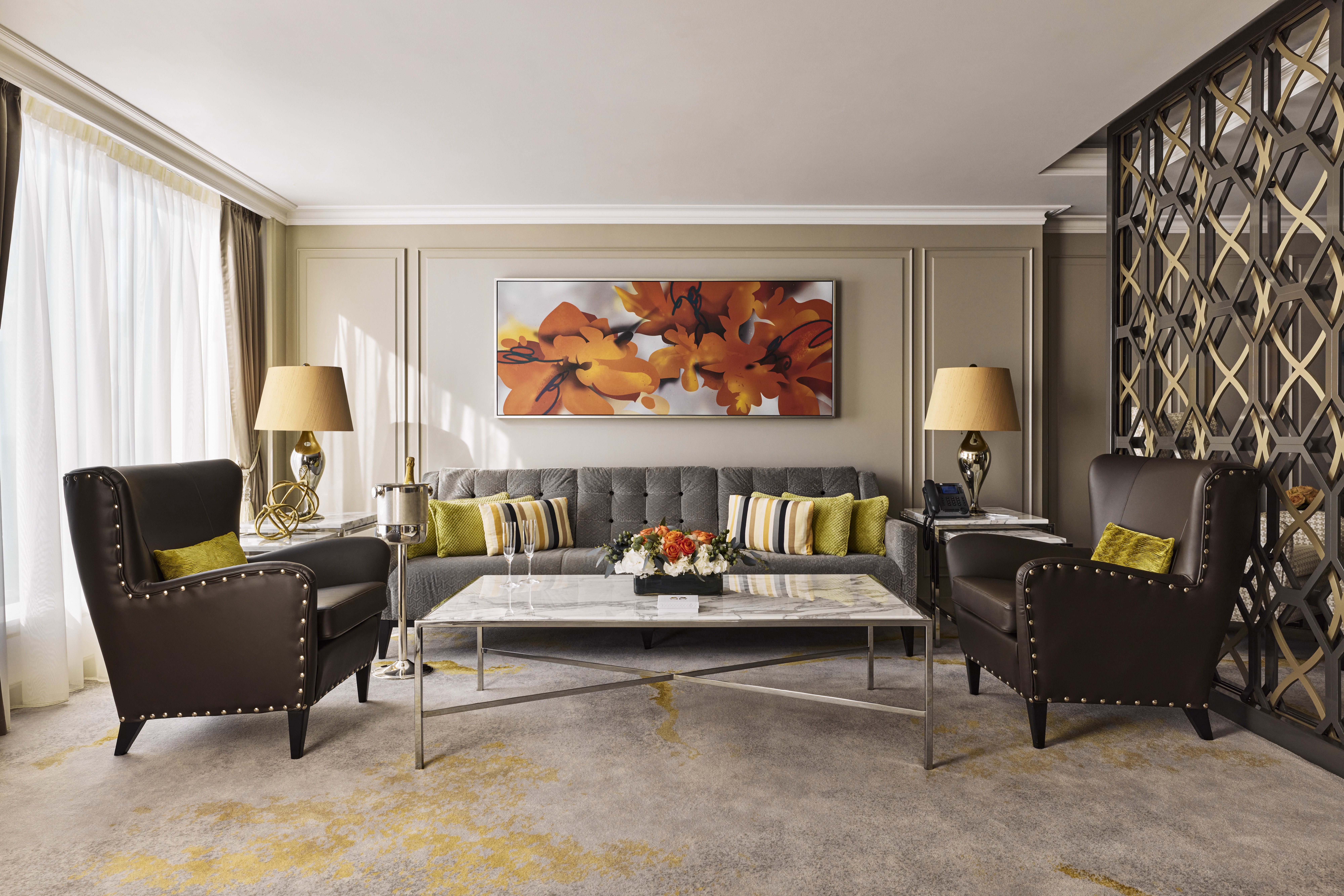
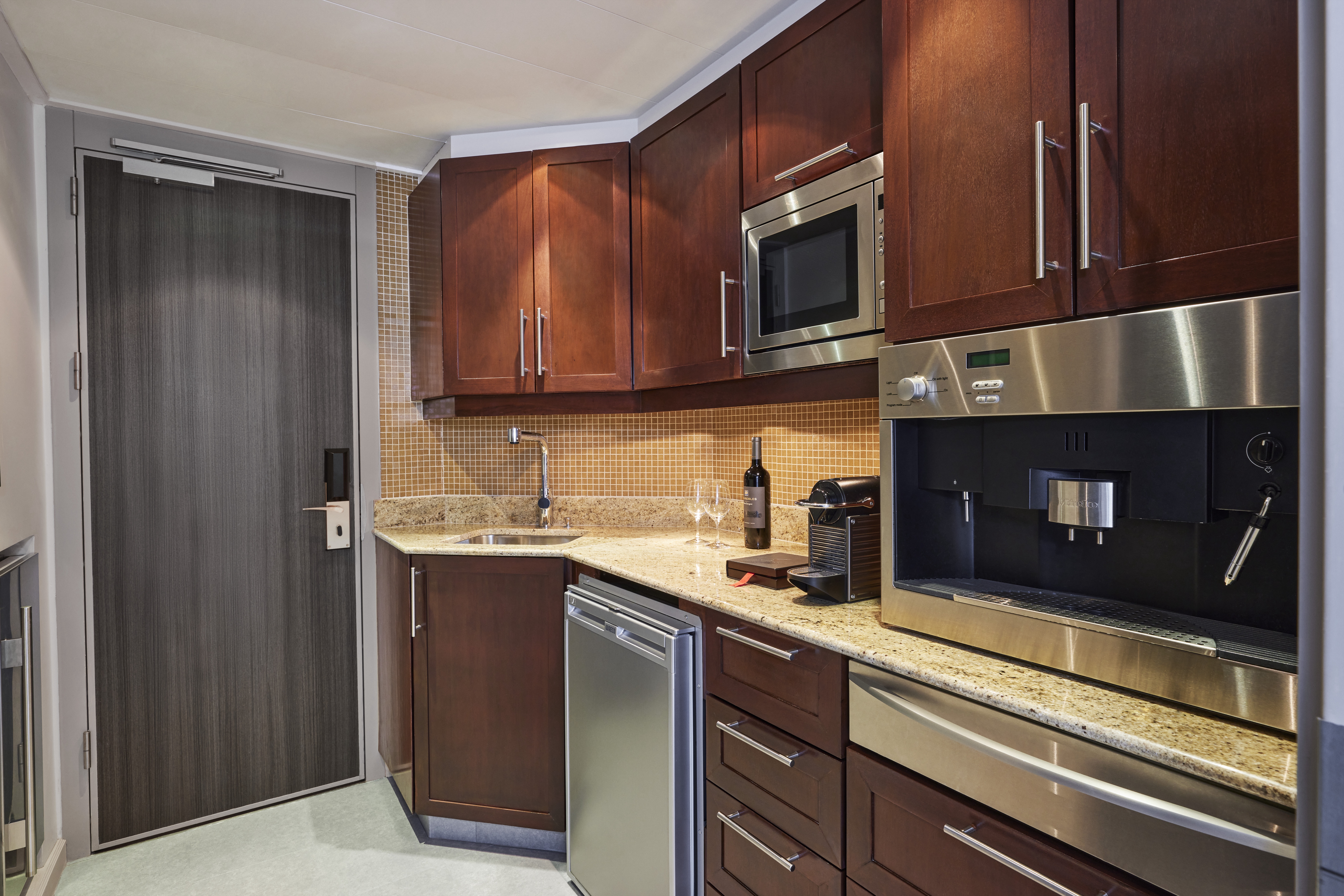
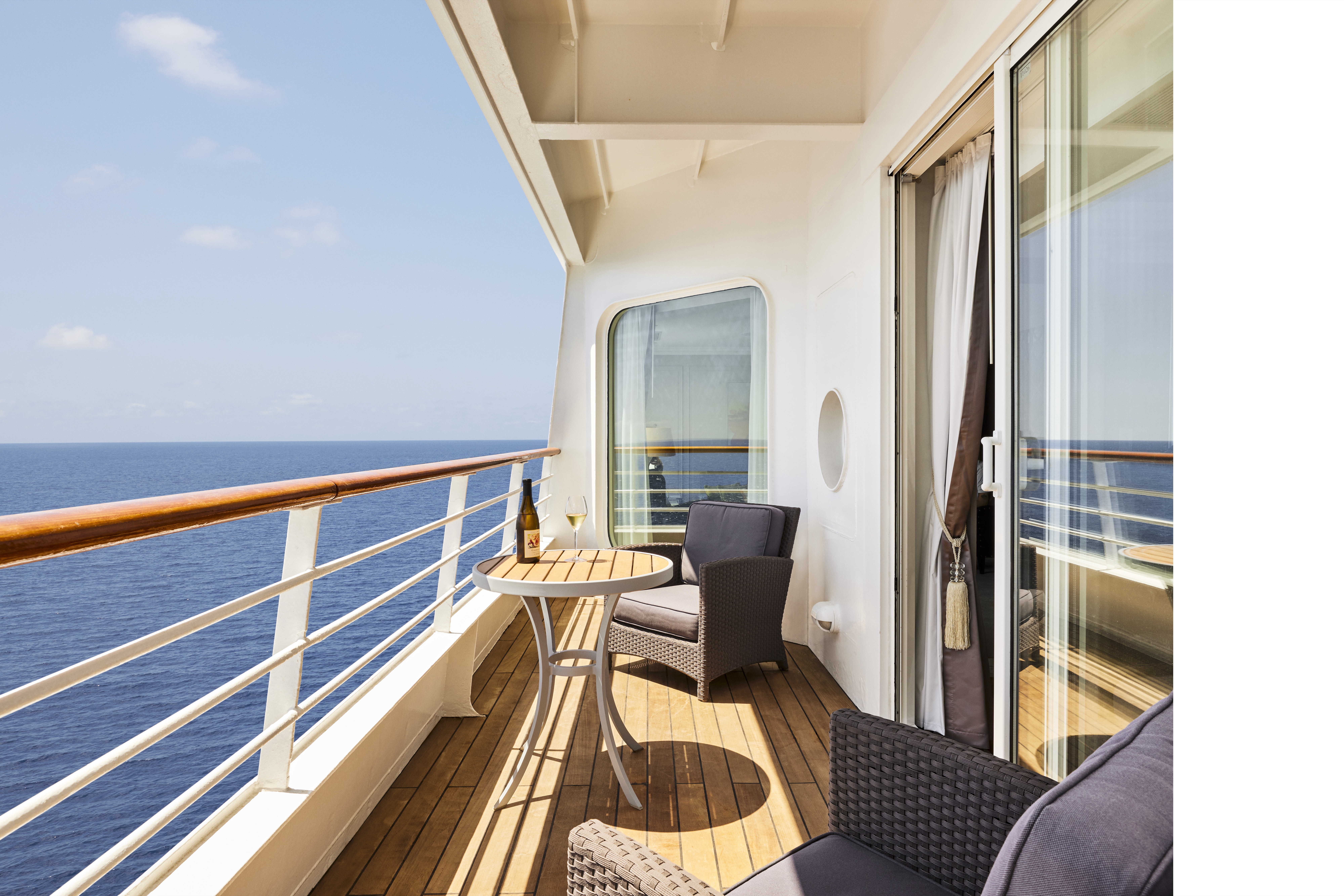
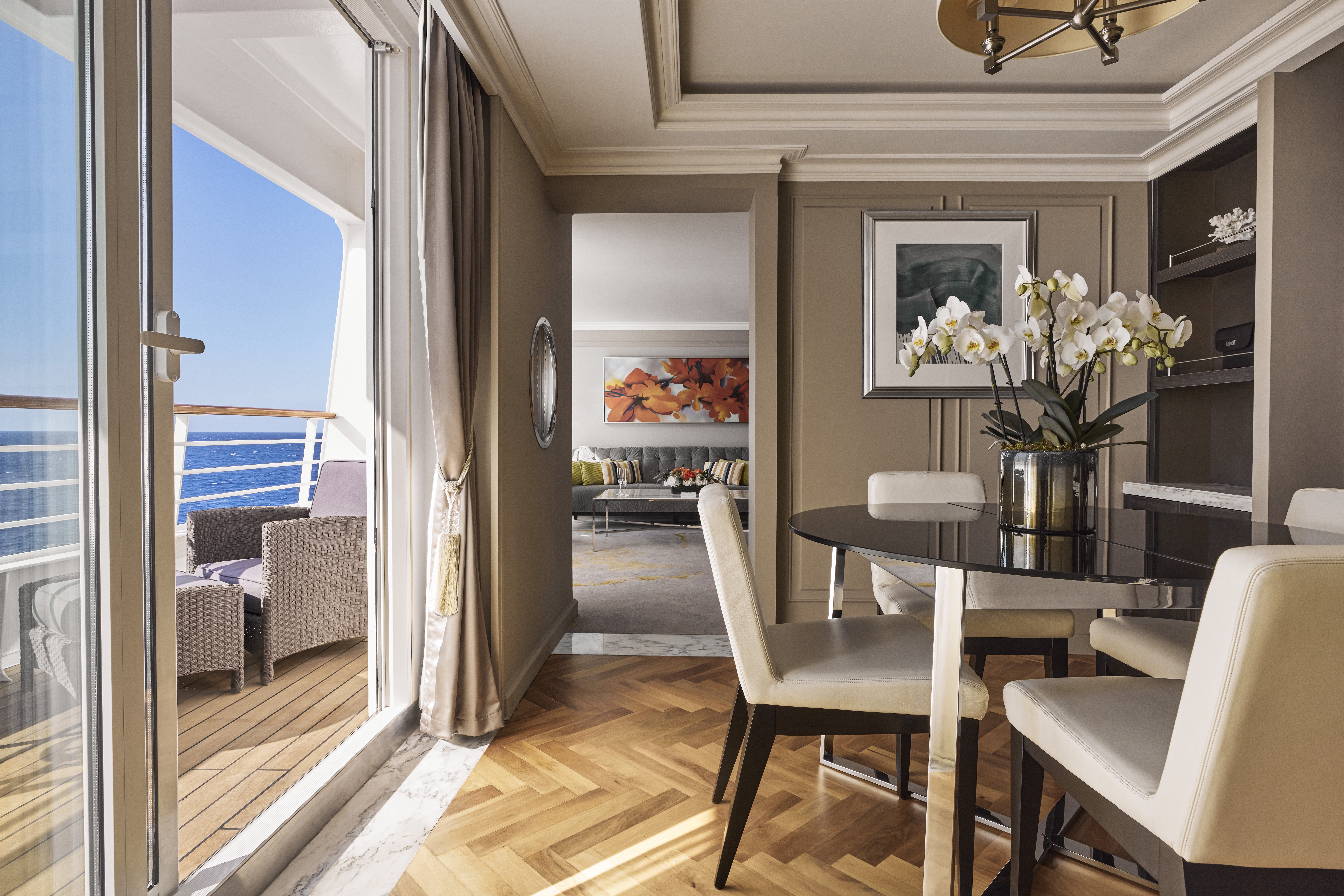
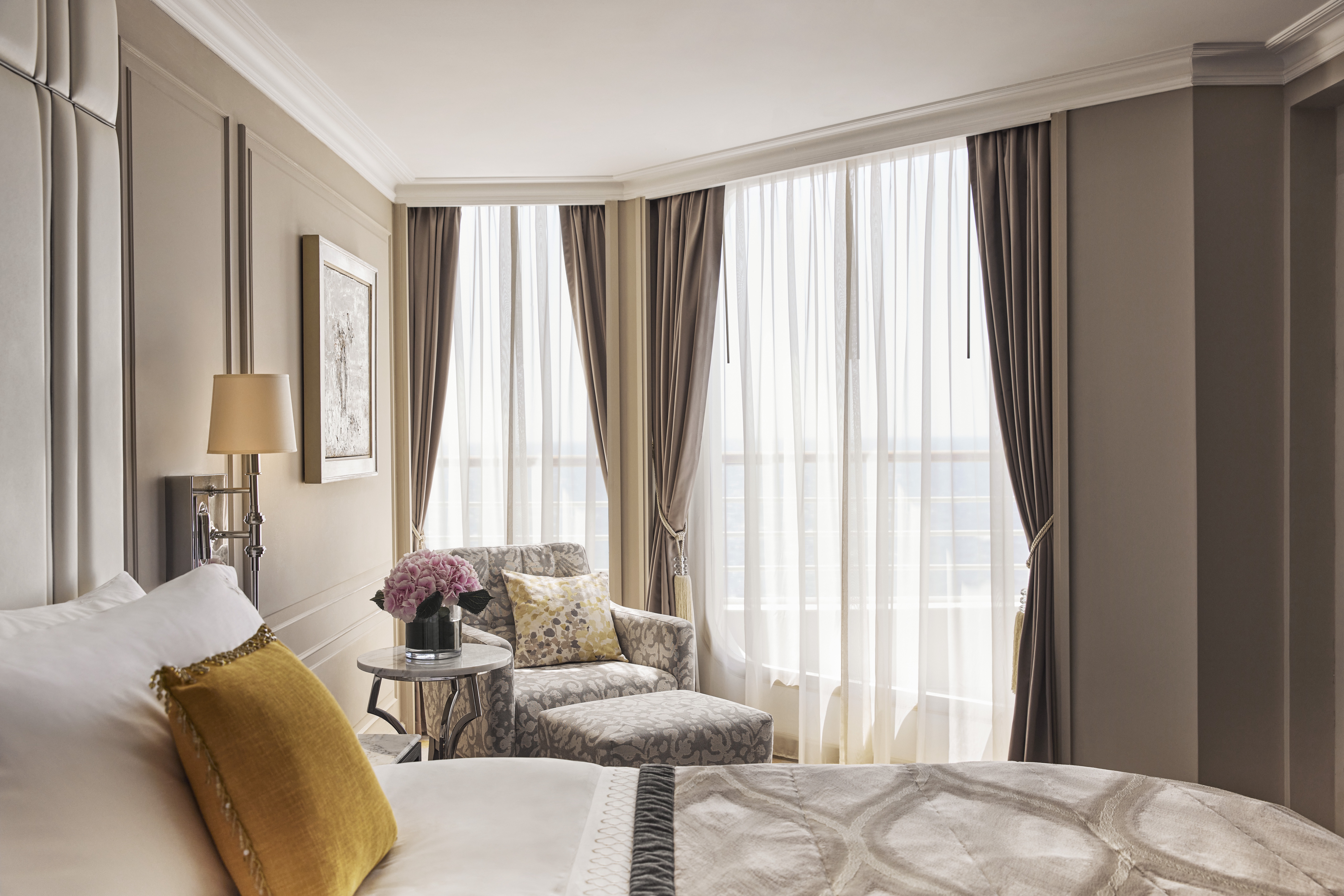
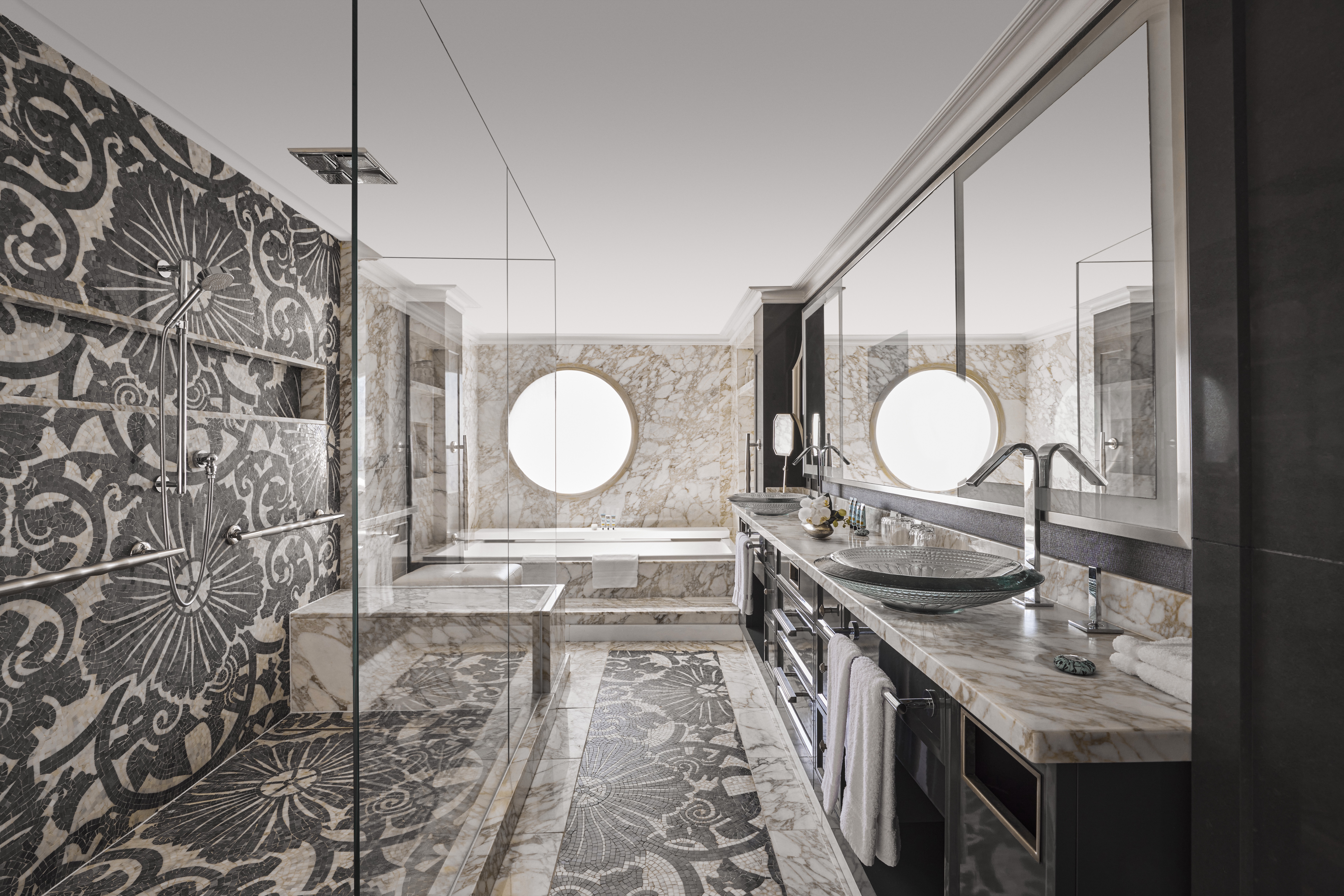
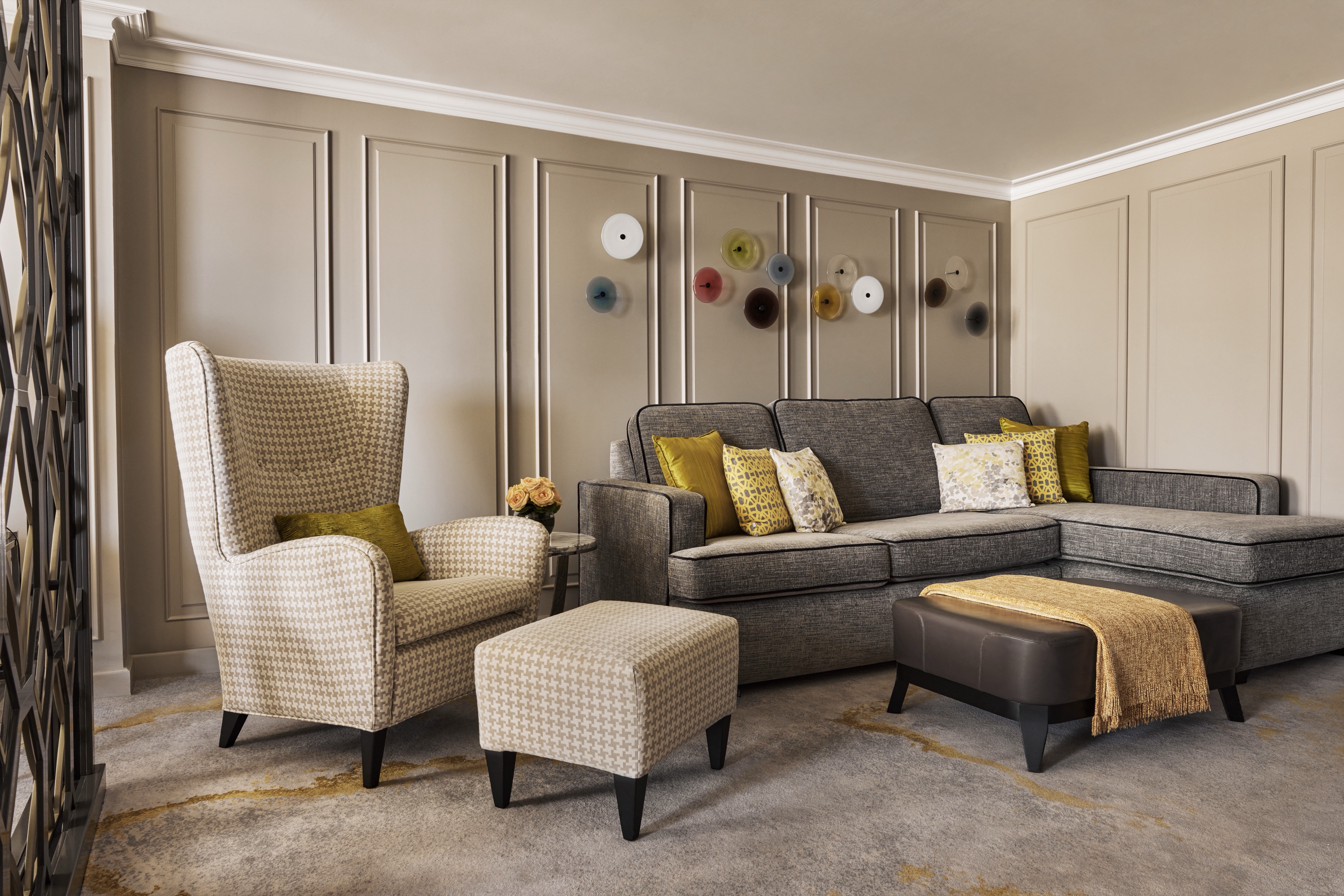
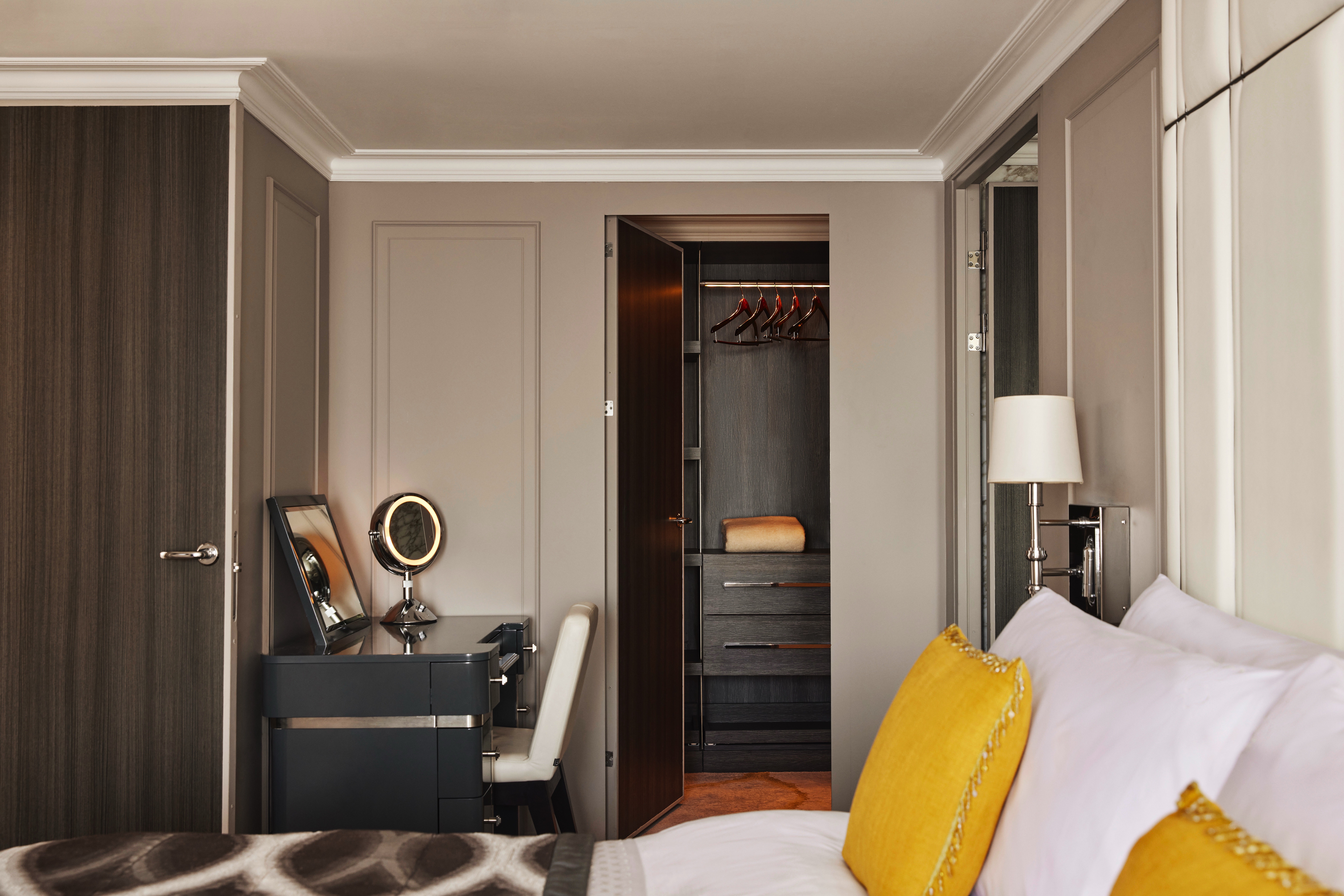
This luxurious suite features a walk-in wardrobe, separate living room and dining area, Jacuzzi bathtub, separate shower, bidet, and guest bathroom. Guests staying in this stylish home away from home enjoy unlimited dining at specialty restaurants, unlimited laundry services, afternoon canapés, flowers, binoculars, and a coffee maker.
SUITE SIZE
- UP TO 860 SQ FT
VERANDA SIZE
- UP TO 214 SQ FT
Details
- Large private veranda
- Spacious living room
- Dining area
- Two TV's
- Sophisticated one-touch lighting and surround-sound system
- Separate bedroom area
- Vanity in bedroom
- Queen-size bed or twin beds with sumptuous bedding, and third berth
- Walk-in closet
- Refrigerator
Services
- 24 hour in-suite dining
- Unlimited room service from Osteria D'Ovidio and Umi Uma
- Complimentary dining at Osteria d’Ovidio and Umi Uma® (reservations required, subject to availability)
- Turndown service with handmade truffles
- Shoeshine service
- Assistance with packing and unpacking
- Free unlimited laundry and dry cleaning, 2nd day service
- In-suite cocktail parties
- Private transfer to and from ship up to 50 miles
Amenities
- Welcome champagne
- Complimentary wine and spirits from set menu
- Complimentary soft drinks
- Flowers
- Fresh fruits, daily change, on request only
- Pillow menu (selection from a variety of pillow types)
- Afternoon canapés
- Coffee maker
- Binoculars
- Complimentary unlimited standard WiFi
- In-suite safe
- Interactive tablet for news, updates, and reservations
- Hair dryer
- Hair iron (available upon request)
This luxurious suite features a walk-in wardrobe, separate living room and dining area, Jacuzzi bathtub, separate shower, bidet, and guest bathroom. Guests staying in this stylish home away from home enjoy complimentary dining at specialty restaurants, unlimited laundry services, afternoon canapés, flowers, binoculars, and a coffee maker.
SUITE SIZE
- UP TO 645 SQ FT
VERANDA SIZE
- UP TO 161 SQ FT
Details
- Large private veranda
- Spacious living room
- Dining area
- Two TV's
- Sophisticated one-touch lighting and surround-sound system
- Separate bedroom area
- Vanity in bedroom
- Queen-size bed or twin beds with sumptuous bedding, and third berth
- Walk-in closet
- Refrigerator
Services
- 24 hour in-suite dining
- Unlimited room service from Osteria D'Ovidio and Umi Uma
- Complimentary dining at Osteria d’Ovidio and Umi Uma® (reservations required, subject to availability)
- Turndown service with handmade truffles
- Shoeshine service
- Assistance with packing and unpacking
- Free unlimited laundry and dry cleaning, 2nd day service
- In-suite cocktail parties
- Private transfer to and from ship up to 50 miles
Amenities
- Welcome champagne
- Complimentary wine and spirits from set menu
- Complimentary soft drinks
- Flowers
- Fresh fruits, daily change, on request only
- Pillow menu (selection from a variety of pillow types)
- Afternoon canapés
- Coffee maker
- Binoculars
- Complimentary unlimited standard WiFi
- In-suite safe
- Interactive tablet for news, updates, and reservations
- Hair dryer
- Hair iron (available upon request)
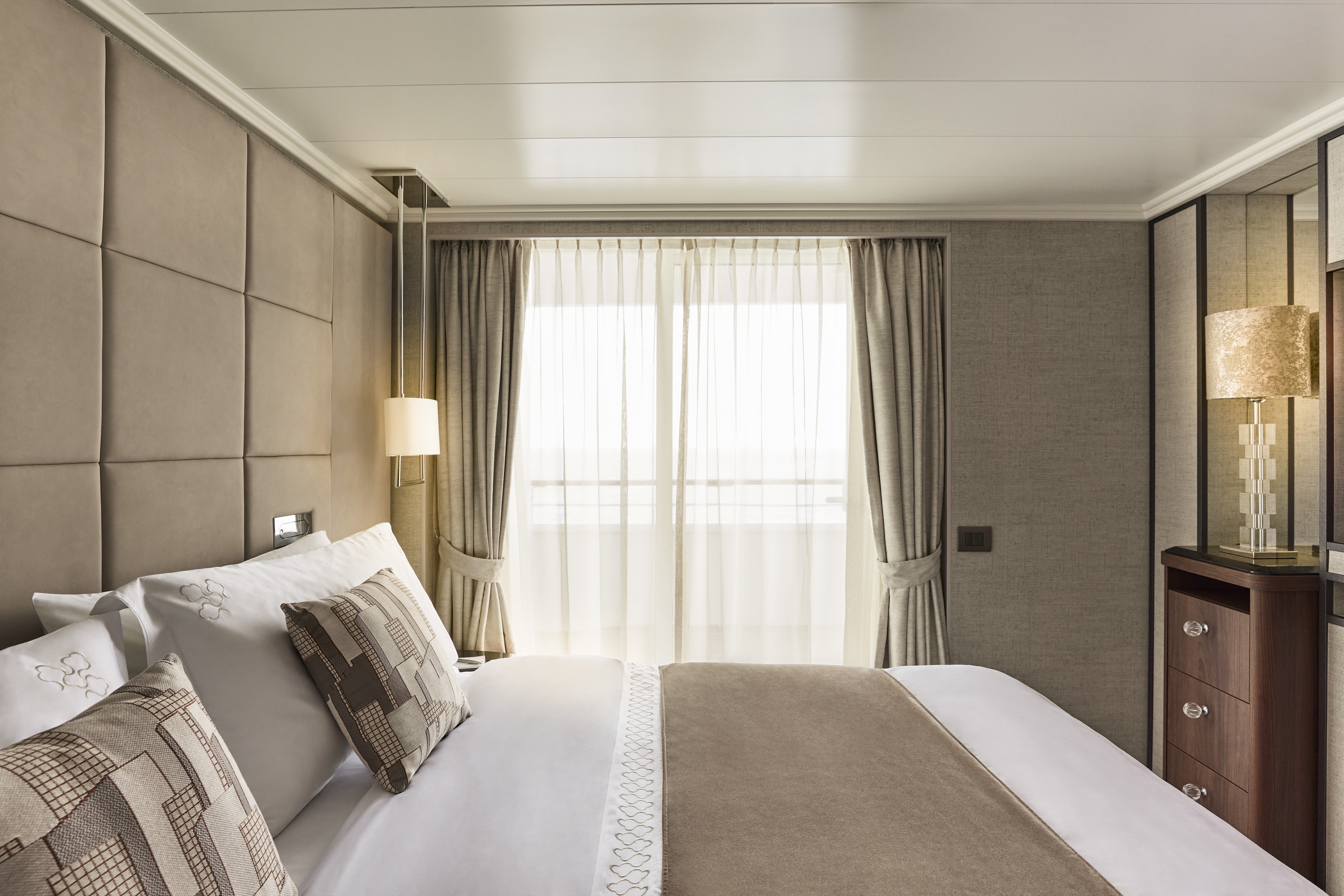
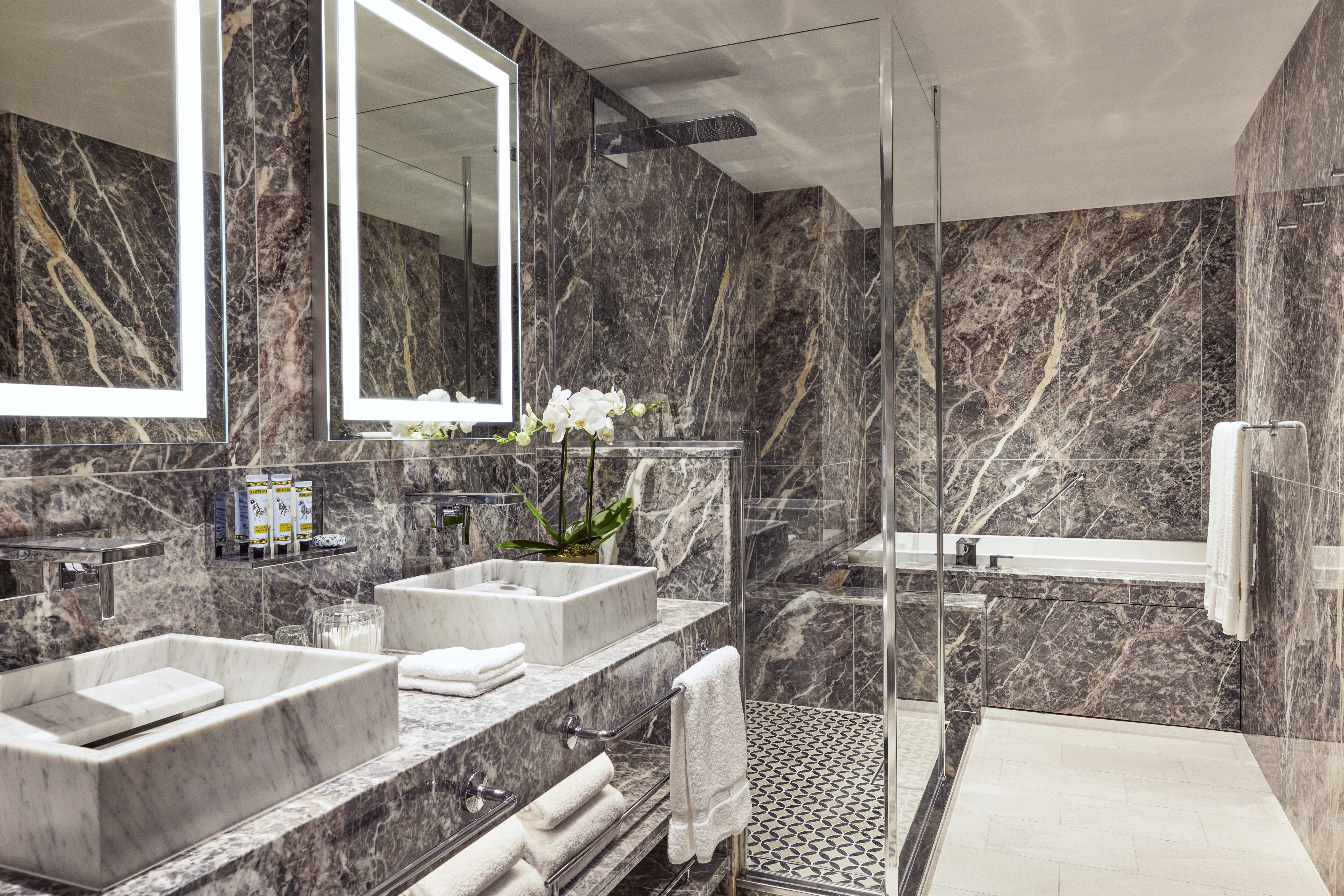
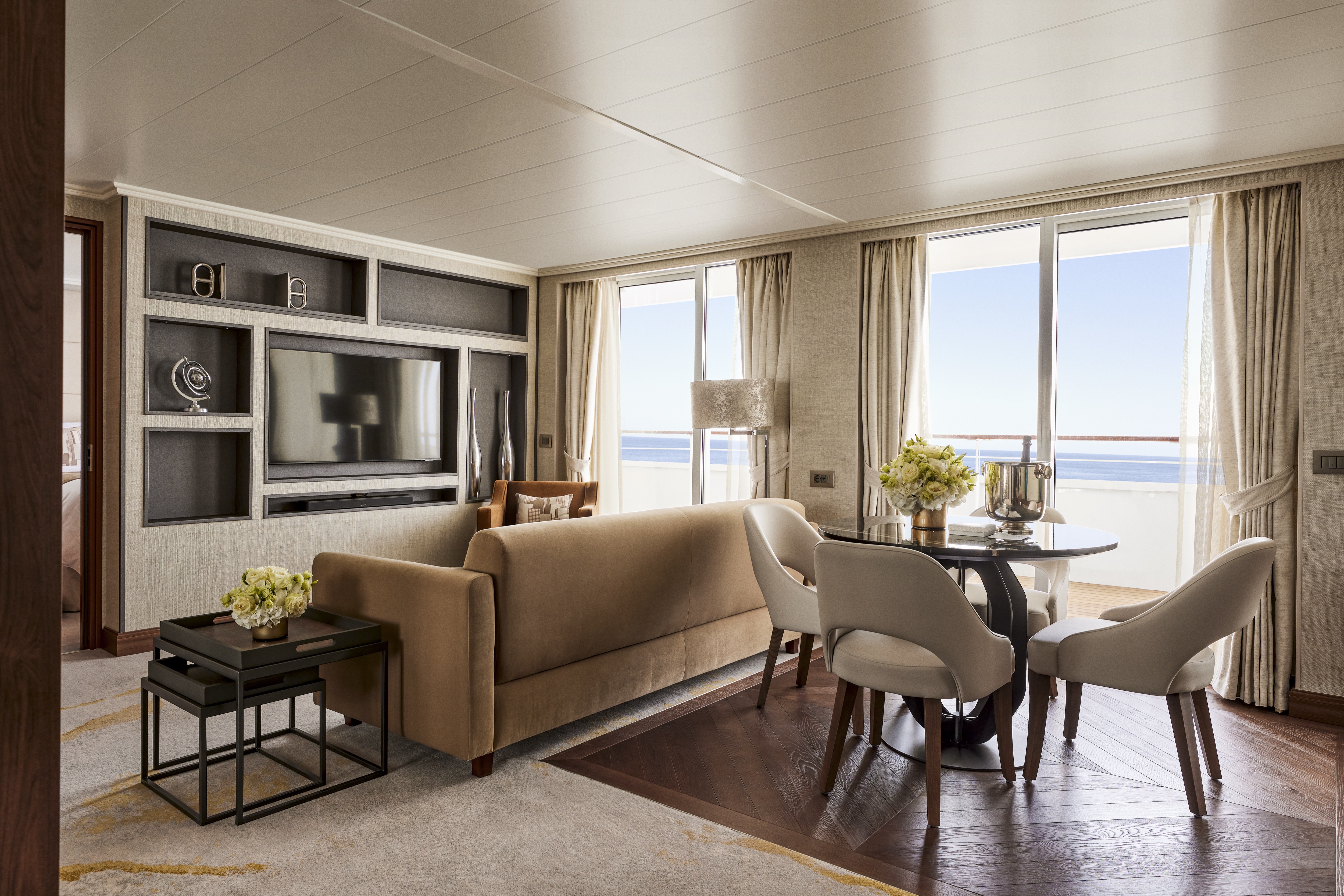
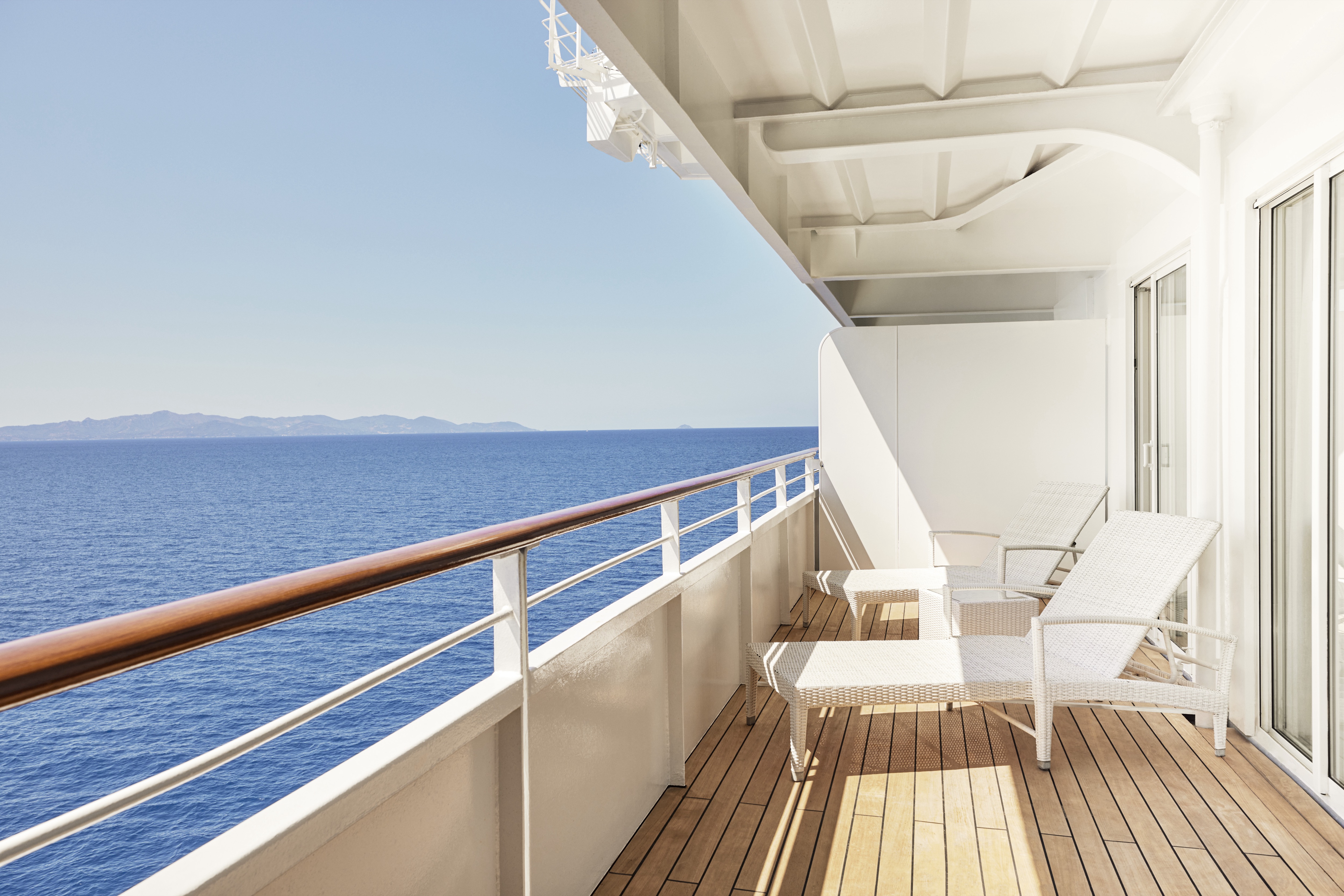
Available with a walk-in shower, this elegant suite features a walk-in wardrobe, separate living room with sofa and dining area, and a private veranda. Enjoy special touches such as afternoon canapés, binoculars, a coffee maker, and complimentary laundry, dry cleaning, and pressing services.
SUITE SIZE
- UP TO 430 SQ FT
VERANDA SIZE
- UP TO 107 SQ FT
Details
- Private veranda
- Spacious living room
- Queen-size bed or twin beds with sumptuous bedding, and third berth
- Walk-in closet
- Two TV's
- Available with a walk-in shower
Services
- 24 hour in-suite dining
- Shoeshine service
- Assistance with packing and unpacking
- Dry cleaning for five pieces plus one bag of free laundry every 10 cruise days, 2nd day service
- Free pressing (5pcs/day), 2nd day service
Amenities
- Welcome champagne
- Complimentary wine and spirits from set menu
- Complimentary soft drinks
- Flowers
- Fresh fruits, daily change, on request only
- Pillow menu (selection from a variety of pillow types)
- Afternoon canapés
- Coffee maker
- Binoculars
- Complimentary unlimited standard WiFi
- In-suite safe
- Interactive tablet for news, updates, and reservations
- Hair dryer
- Hair iron (available upon request)
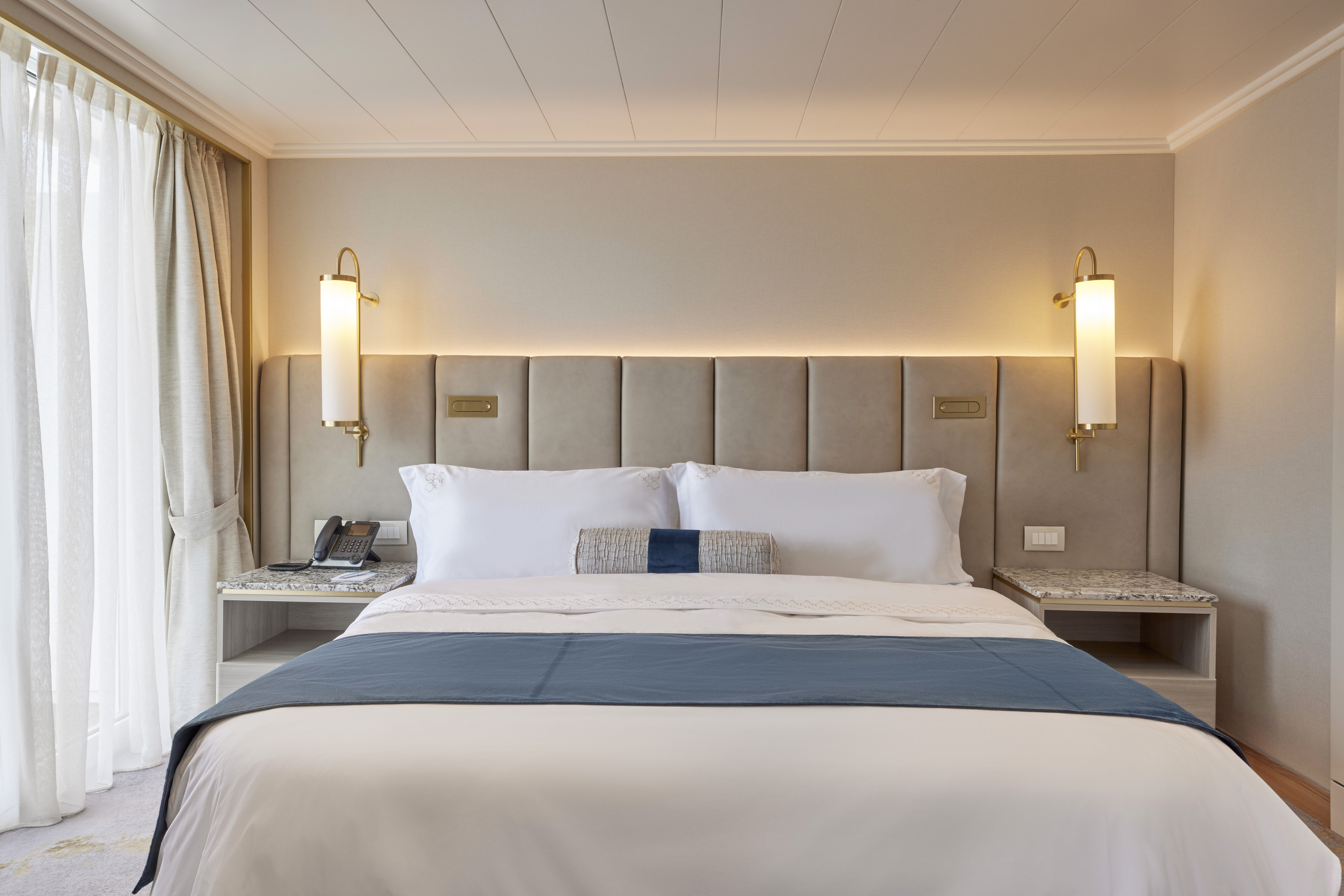
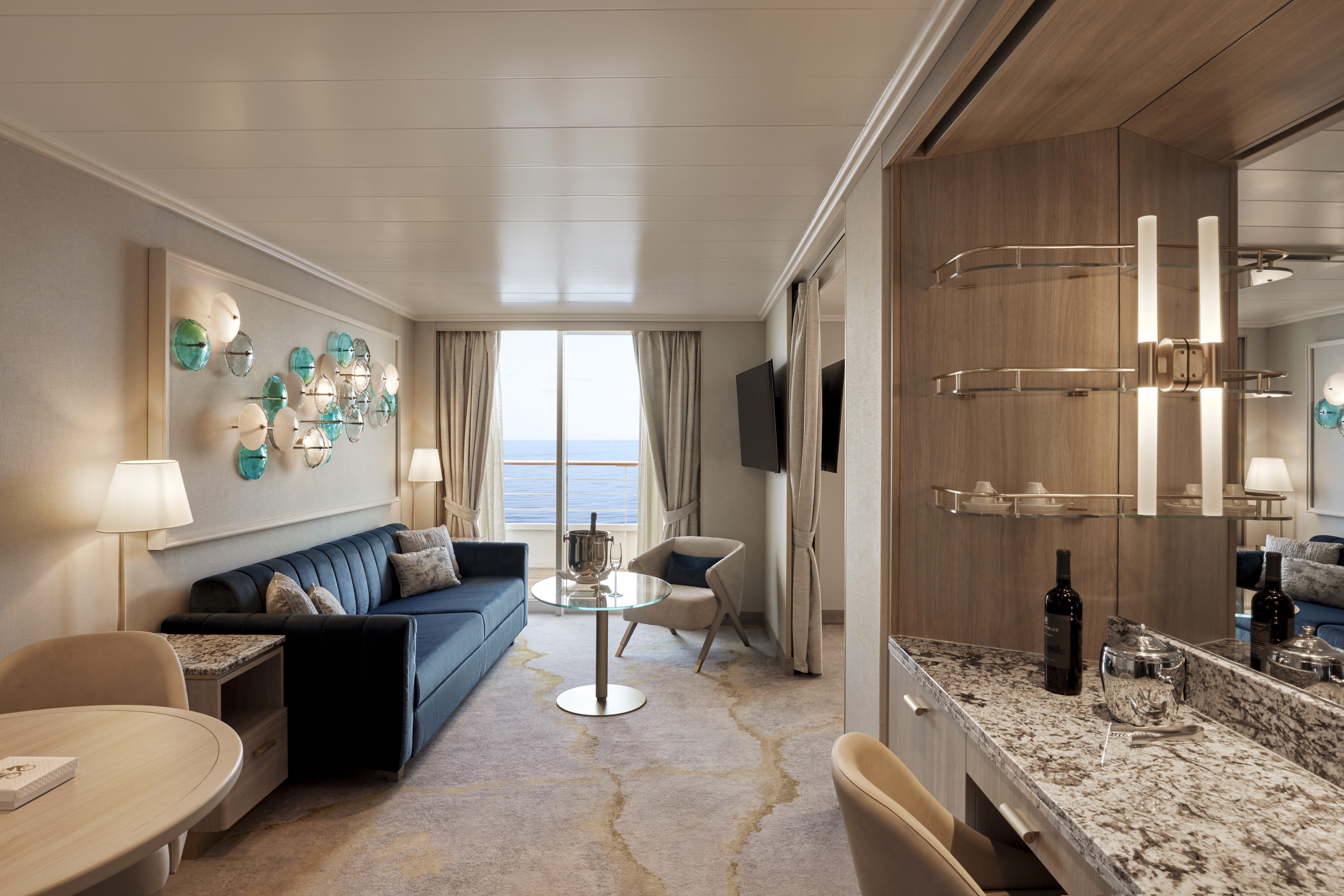
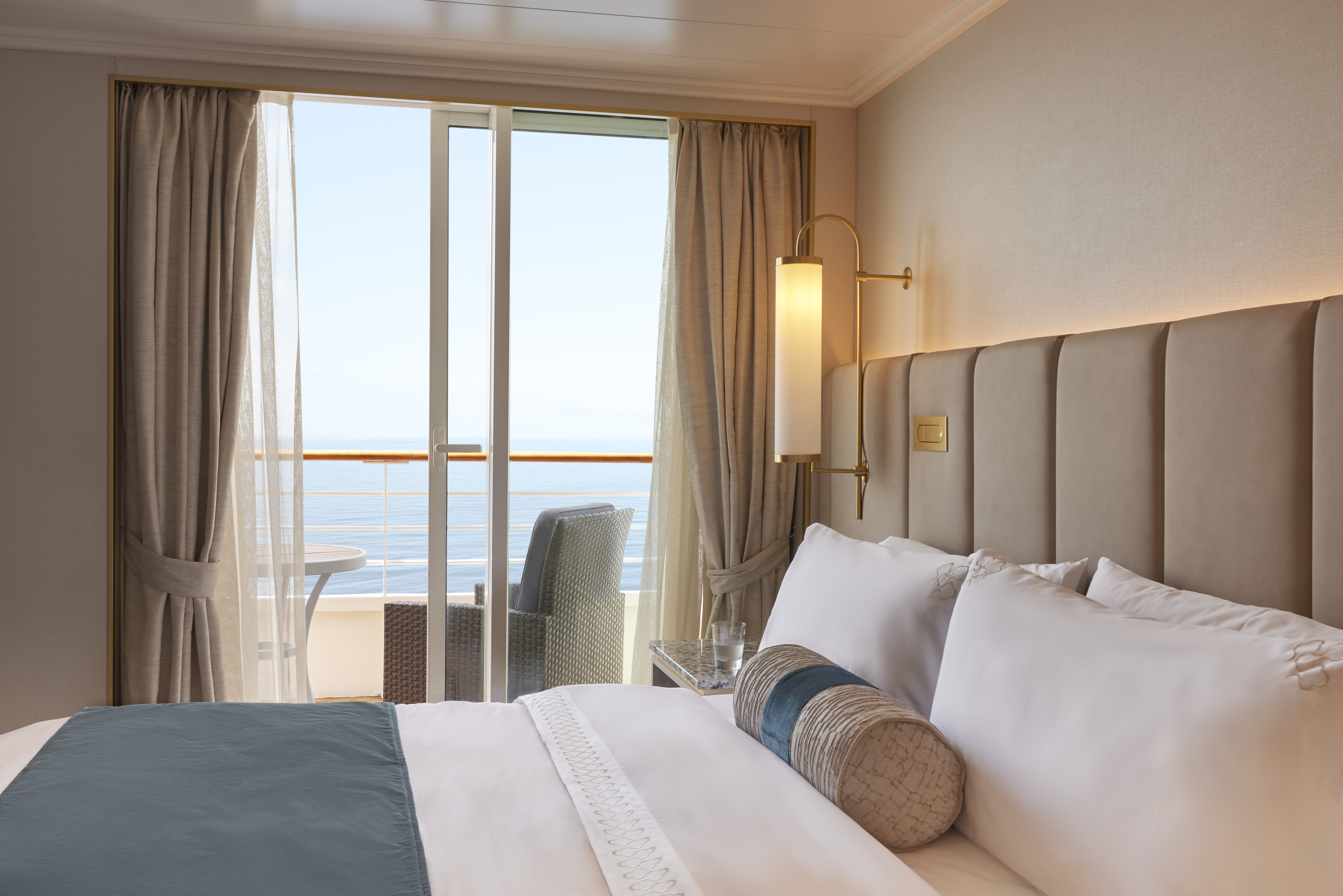

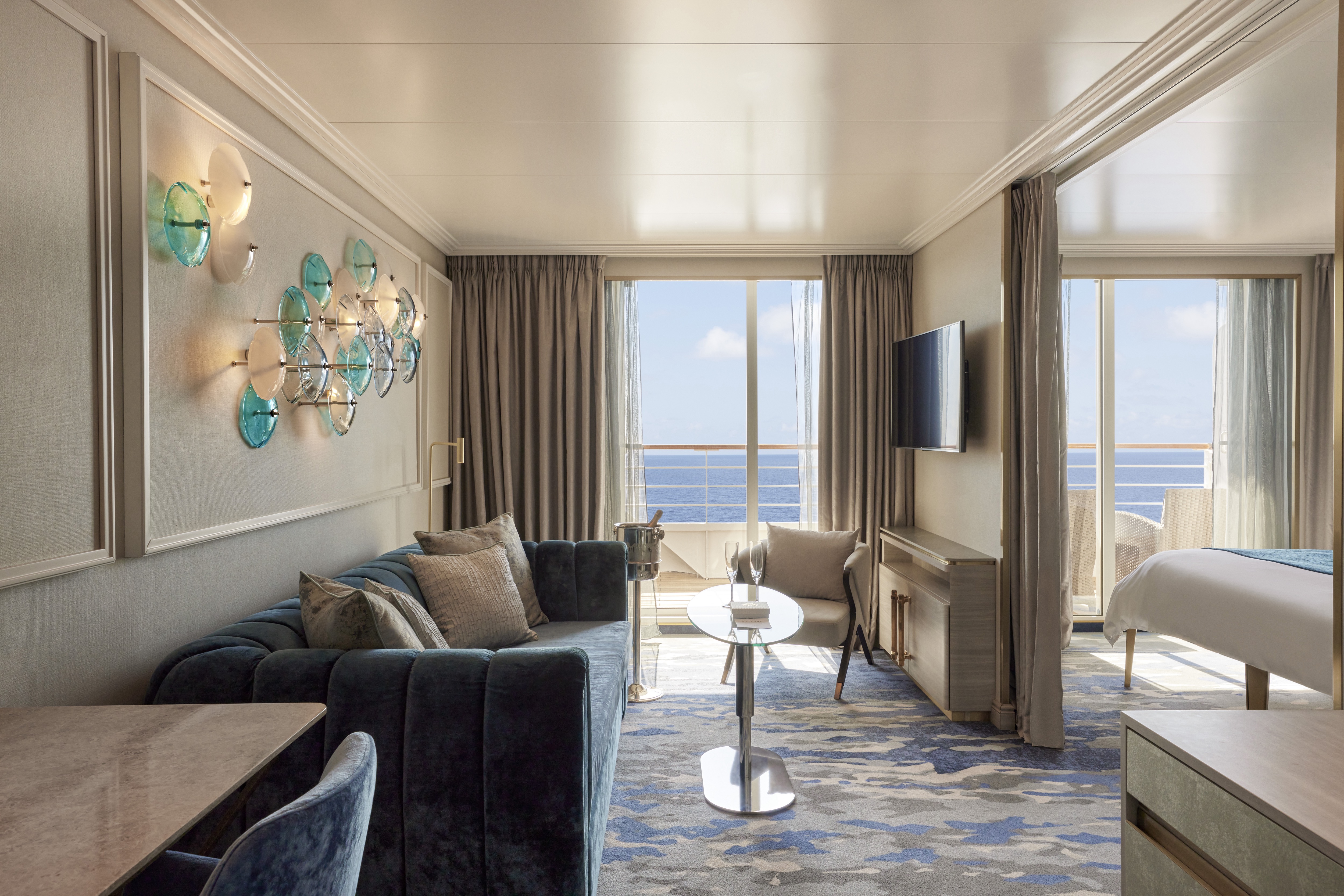
Available with either a walk-in shower or with a separate shower and bath, this elegant suite features a walk-in wardrobe, separate living room with sofa and dining area, and a private veranda. Enjoy special touches such as afternoon canapés, binoculars, a coffee maker, and complimentary laundry, dry cleaning, and pressing services.
SUITE SIZE
- UP TO 430 SQ FT
VERANDA SIZE
- UP TO 107 SQ FT
Details
- Private veranda
- Spacious living room
- Queen-size bed or twin beds with sumptuous bedding, and third berth
- Walk-in closet
- Two TV's
- Either with a walk-in shower or with a separate shower and bath
Services
- 24 hour in-suite dining
- Shoeshine service
- Assistance with packing and unpacking
- Dry cleaning for five pieces plus one bag of free laundry every 10 cruise days, 2nd day service
- Free pressing (5pcs/day), 2nd day service
Amenities
- Welcome champagne
- Complimentary wine and spirits from set menu
- Complimentary soft drinks
- Flowers
- Fresh fruits, daily change, on request only
- Pillow menu (selection from a variety of pillow types)
- Afternoon canapés
- Coffee maker
- Binoculars
- Complimentary unlimited standard WiFi
- In-suite safe
- Interactive tablet for news, updates, and reservations
- Hair dryer
- Hair iron (available upon request)
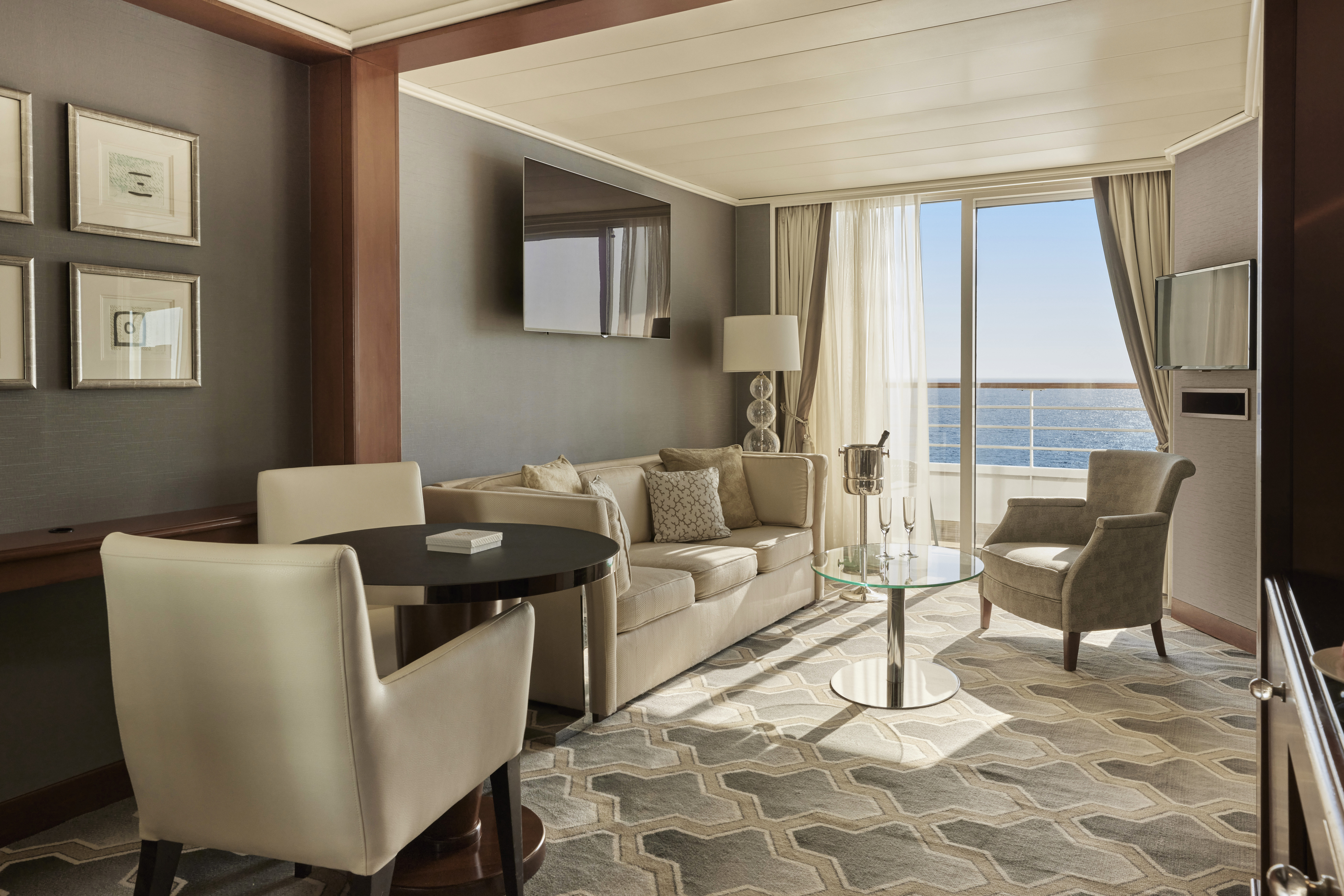
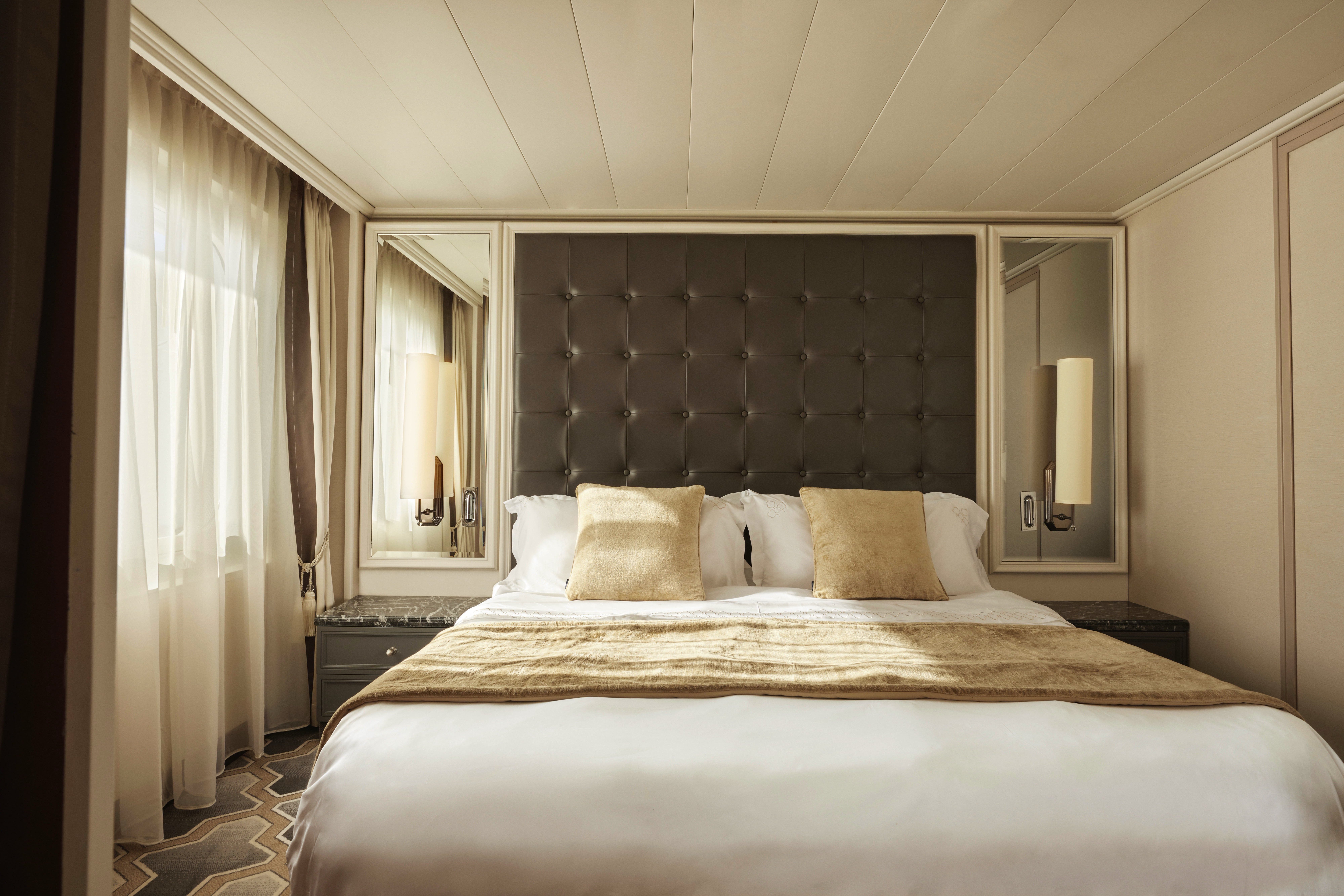
Available with either a walk-in shower or with a separate shower and bath, this spacious suite features a private veranda, walk-in wardrobe, comfortable living area with sofa, and complimentary pressing service.
SUITE SIZE
- UP TO 323 SQ FT
VERANDA SIZE
- UP TO 86 SQ FT
Details
Private veranda
- Sizeable living area
- Queen-size bed or twin beds with sumptuous bedding
- Vanity in dressing area
- Walk-in closet
- TV
- Sophisticated one-touch lighting and surround-sound system
- Either with a walk-in shower or with a separate shower and bath
Services
- 24 hour in-suite dining
- Turndown service
- Shoeshine service
- Assistance with packing and unpacking
Amenities
- Welcome champagne
- Complimentary wine and spirits from set menu
- Complimentary soft drinks
- Fresh fruits, daily change, on request only
- Pillow menu (selection from a variety of pillow types)
- Afternoon canapés
- Coffee maker
- Binoculars
- Complimentary unlimited standard WiFi
- In-suite safe
- Interactive tablet for news, updates, and reservations
- Hair dryer
- Hair iron (available upon request)
- Free pressing (5pcs/day), 2nd day service
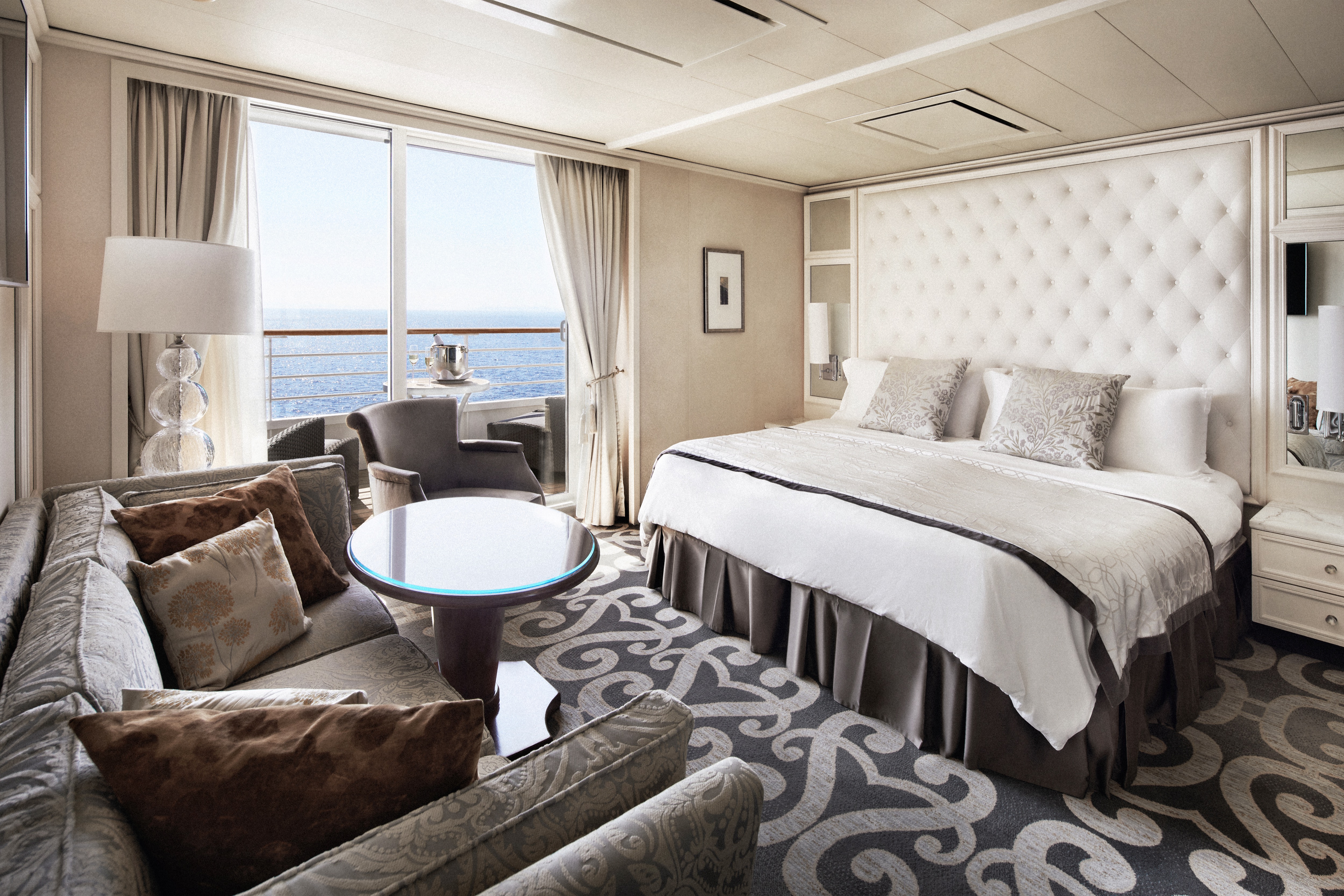
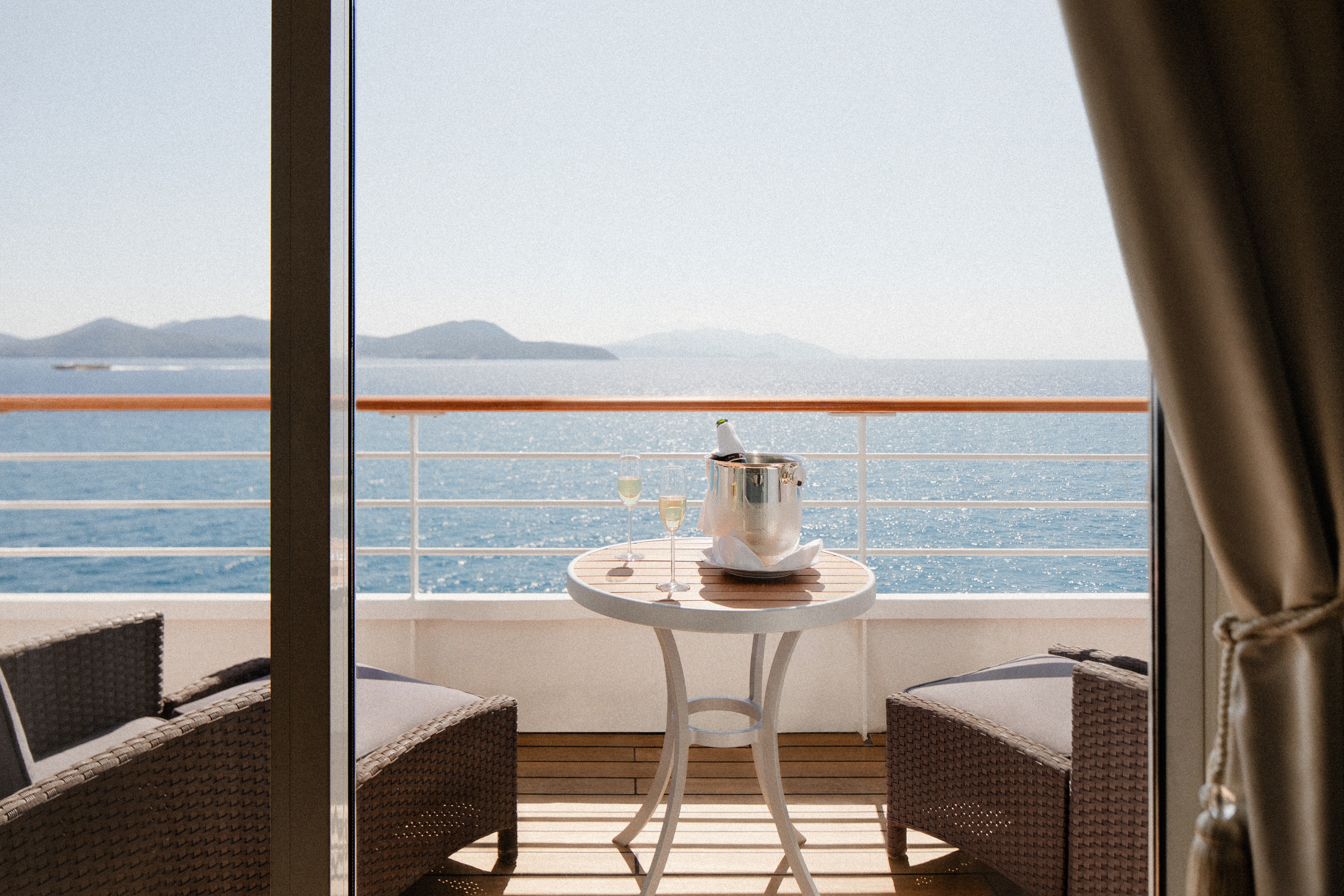
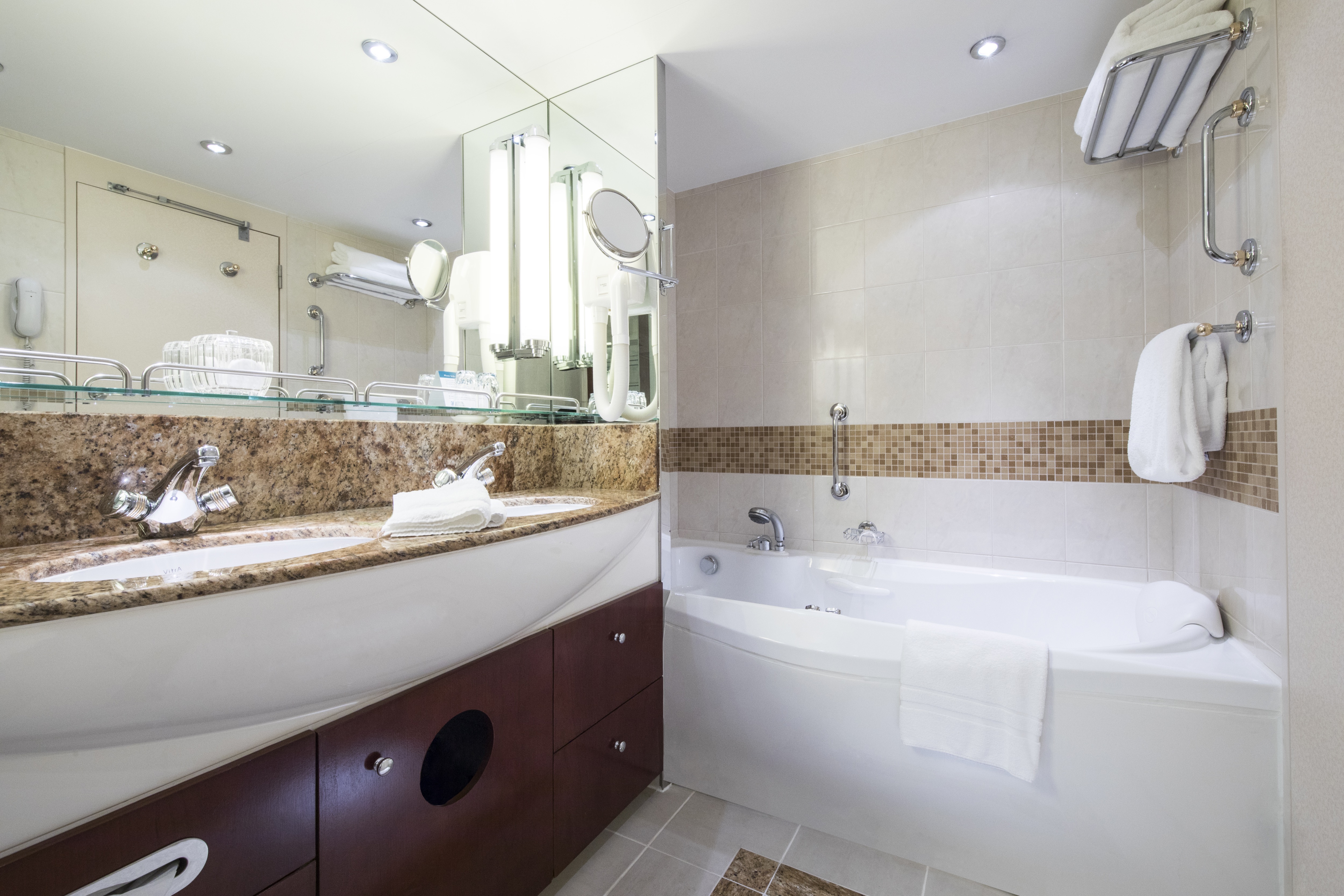
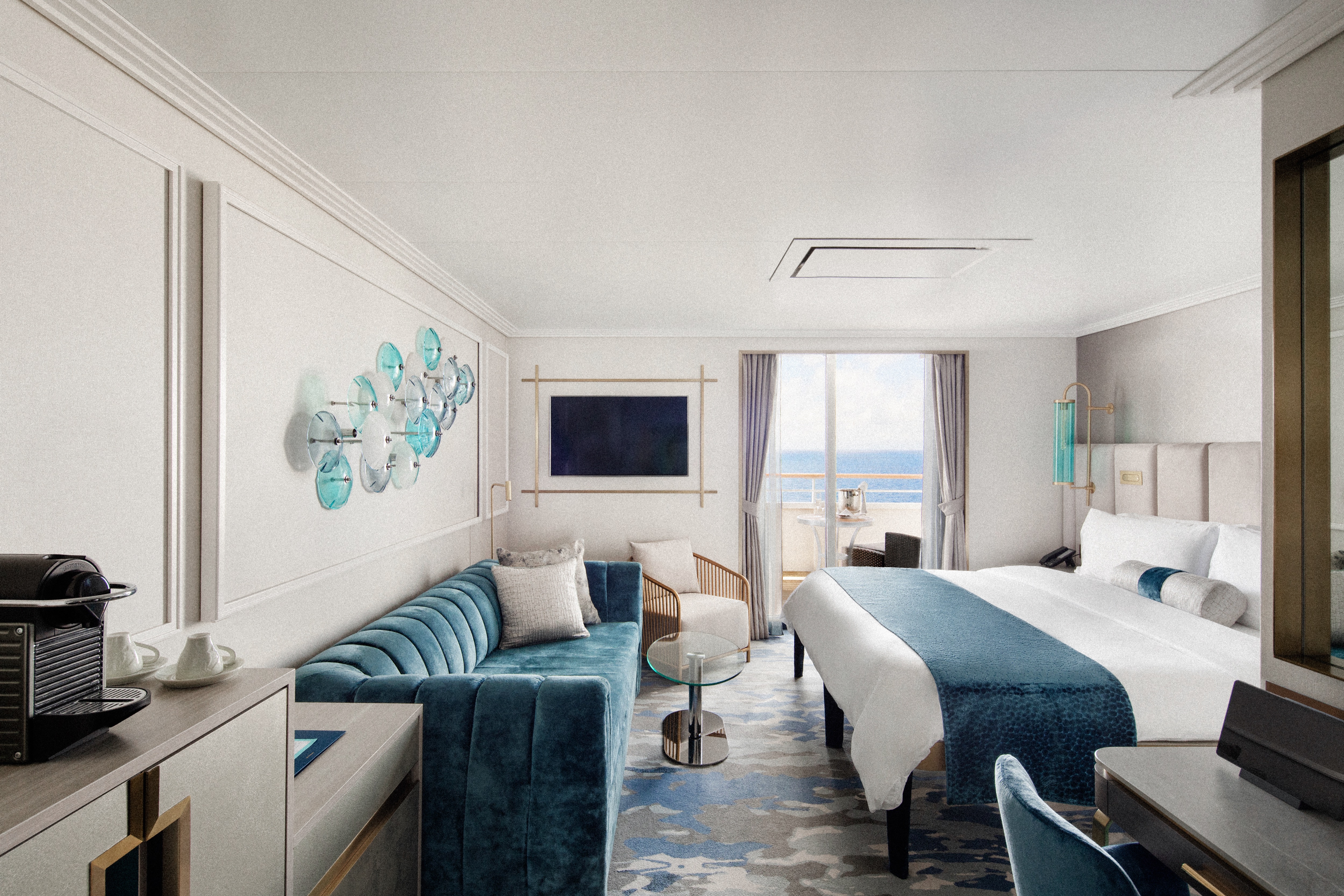
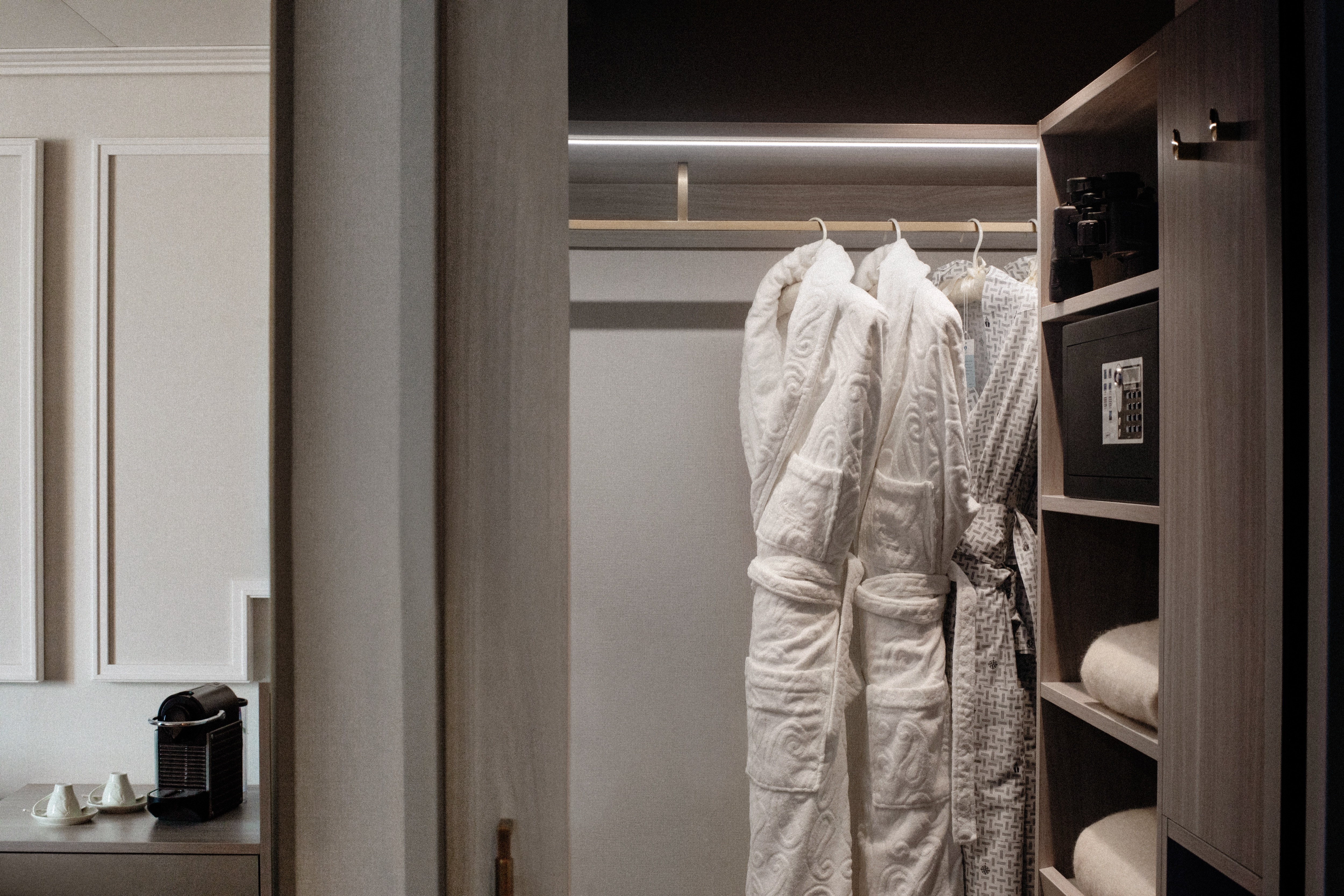
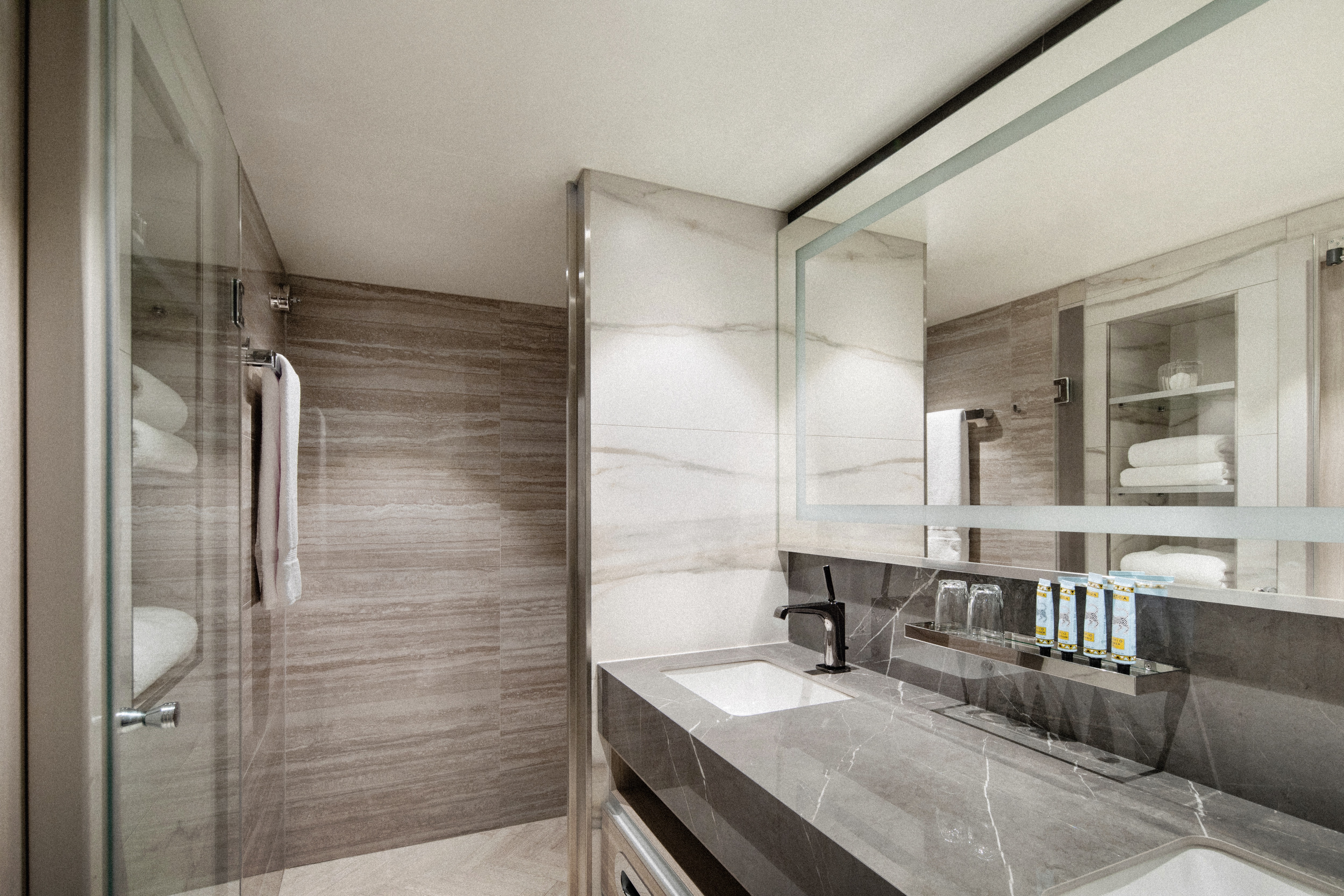
SUITE SIZE
- UP TO 215 SQ FT
VERANDA SIZE
- UP TO 54 SQ FT
Details
- Private veranda
- Spacious living area with sofa
- Queen-size bed or twin beds with sumptuous bedding
- Walk-in shower
- TV
Services
- 24 hour in-suite dining
- Turndown service
- Shoeshine service
- Assistance with packing and unpacking
Amenities
- Welcome champagne
- Complimentary wine and spirits from set menu
- Complimentary soft drinks
- Fresh fruits, daily change, on request only
- Pillow menu (selection from a variety of pillow types)
- Complimentary unlimited standard WiFi
- In-suite safe
- Interactive tablet for news, updates, and reservations
- Hair dryer
- Hair iron (available upon request)
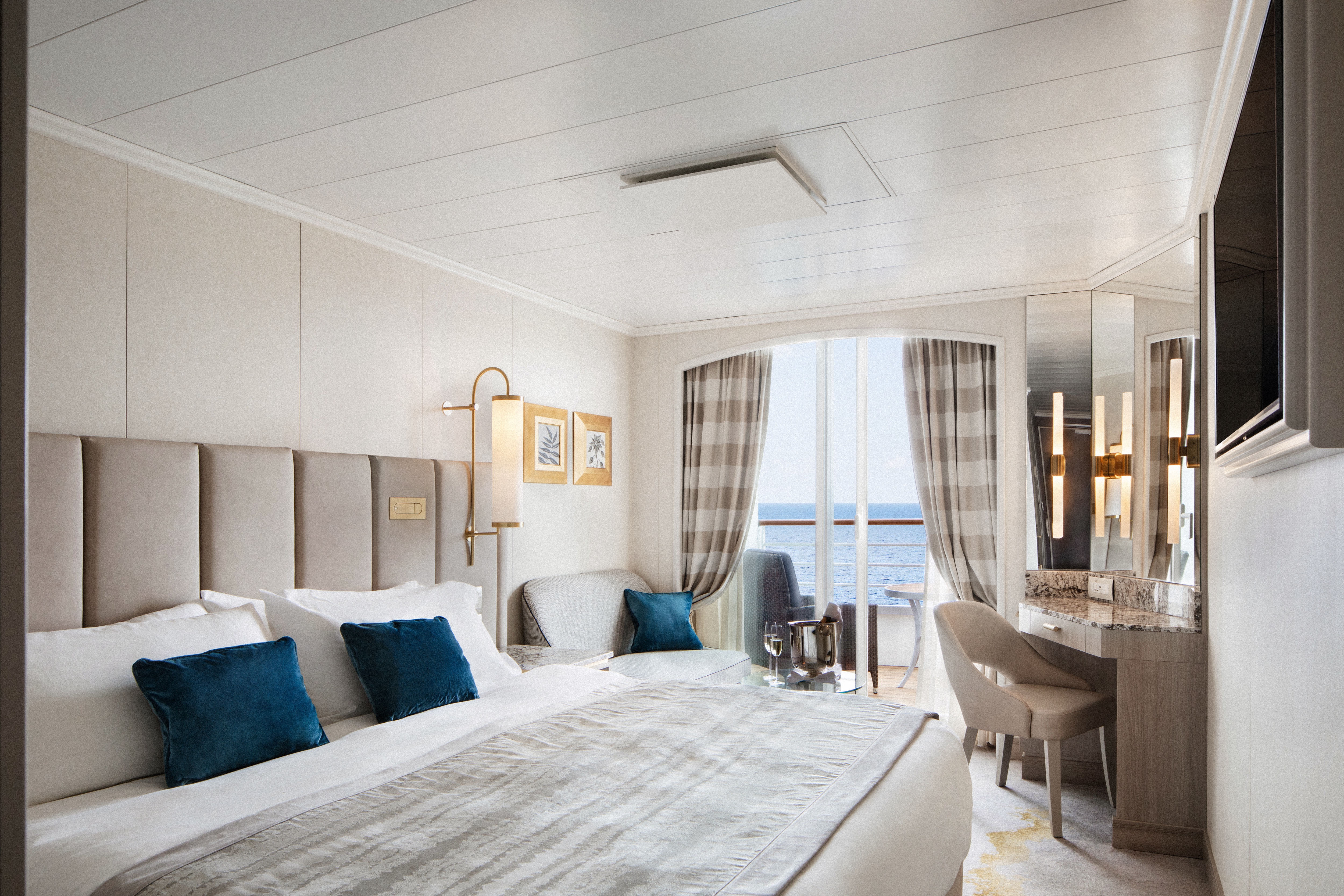
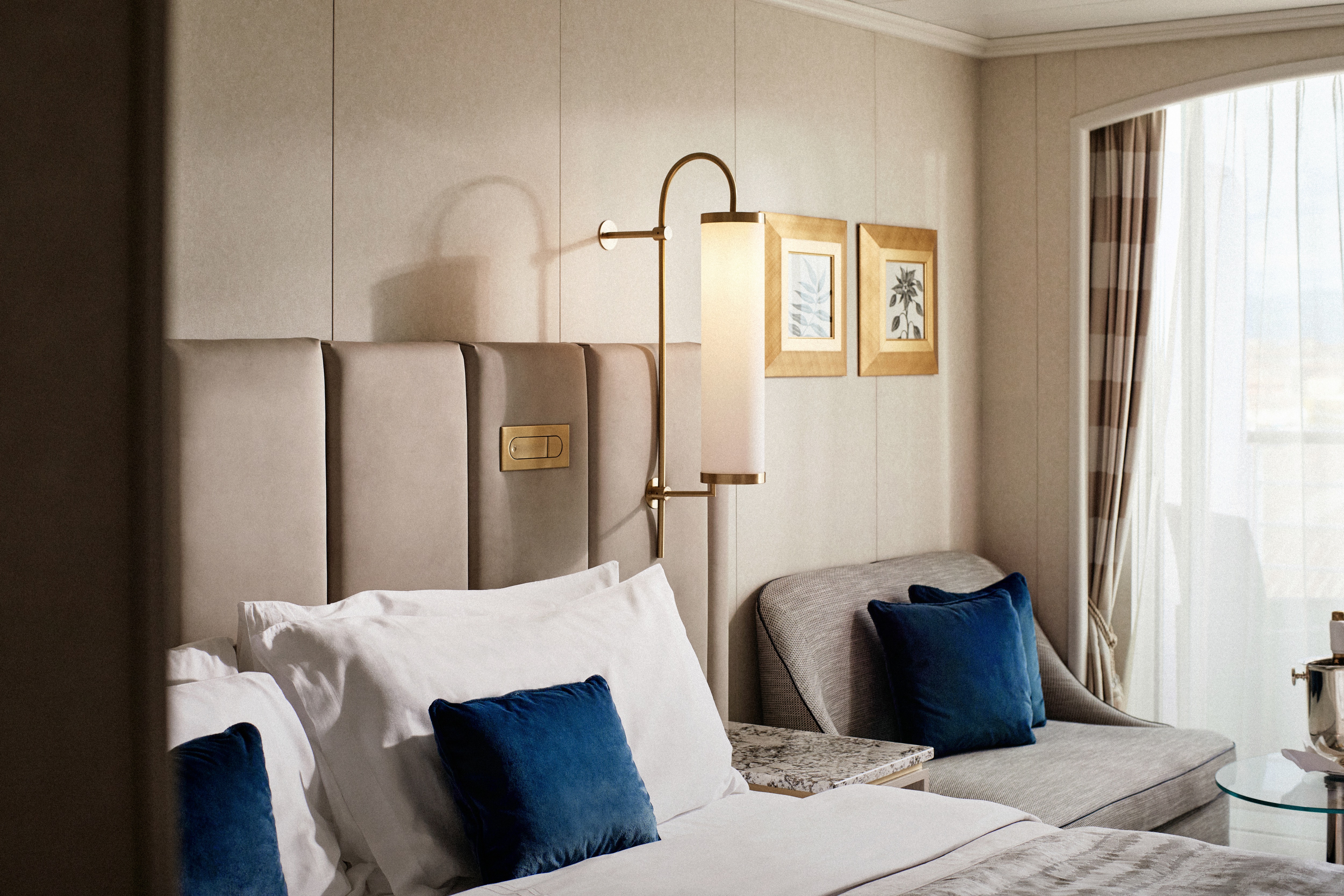
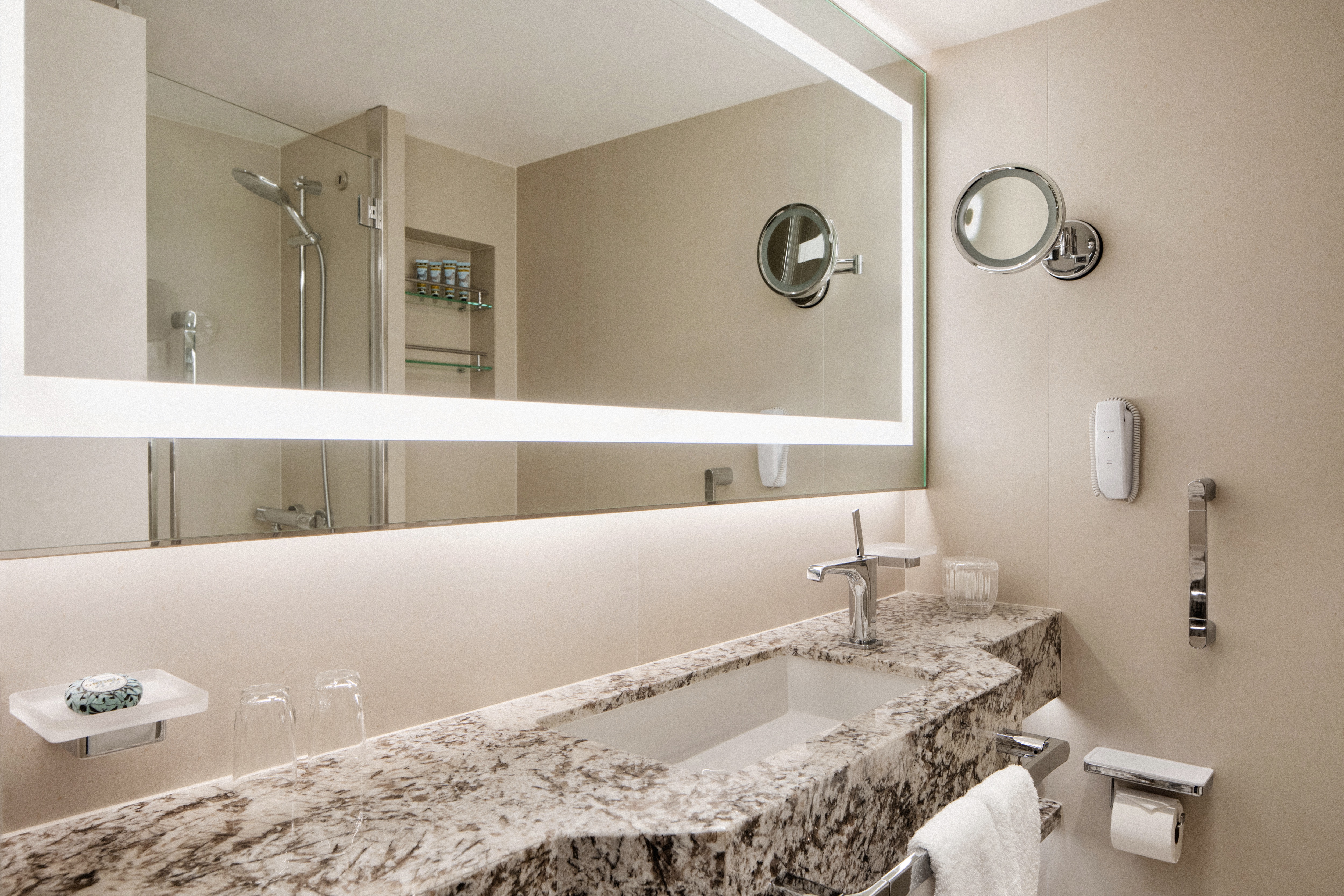
Available with either a walk-in shower or with a separate shower and bath, this elegant suite features a walk-in wardrobe, separate living room with sofa and dining area, and a private veranda. Enjoy special touches such as afternoon canapés, binoculars, a coffee maker, and complimentary laundry, dry cleaning, and pressing services.
SUITE SIZE
- UP TO 430 SQ FT
VERANDA SIZE
- UP TO 107 SQ FT
Details
Private veranda
- Spacious living room
- Queen-size bed or twin beds with sumptuous bedding, and third berth
- Walk-in closet
- Two TV's
- Either with a walk-in shower or with a separate shower and bath
Services
- 24 hour in-suite dining
- Shoeshine service
- Assistance with packing and unpacking
- Dry cleaning for five pieces plus one bag of free laundry every 10 cruise days, 2nd day service
- Free pressing (5pcs/day), 2nd day service
Amenities
- Welcome champagne
- Complimentary wine and spirits from set menu
- Complimentary soft drinks
- Flowers
- Fresh fruits, daily change, on request only
- Pillow menu (selection from a variety of pillow types)
- Afternoon canapés
- Coffee maker
- Binoculars
- Complimentary unlimited standard WiFi
- In-suite safe
- Interactive tablet for news, updates, and reservations
- Hair dryer
- Hair iron (available upon request)
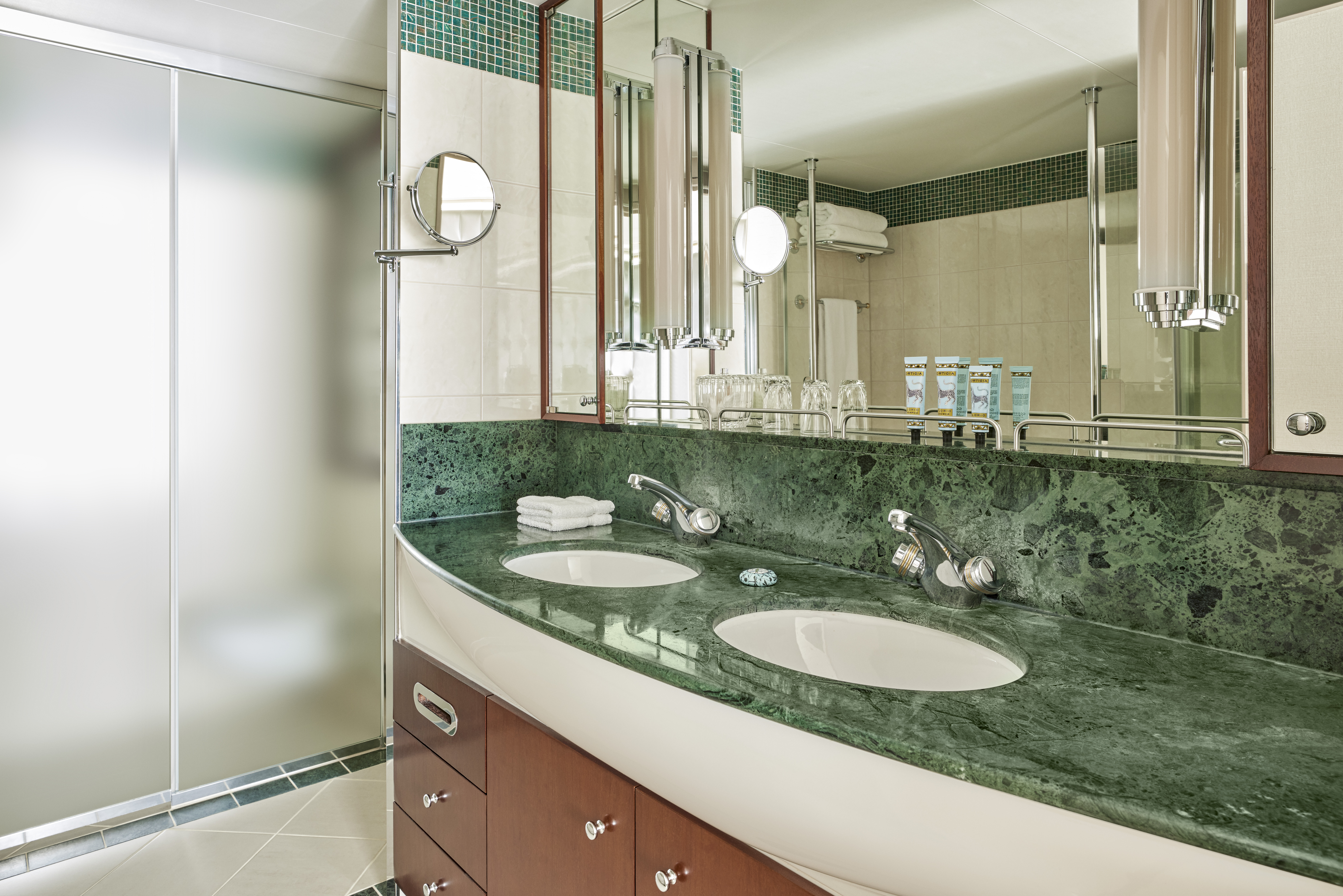
Available with a walk-in shower, this spacious suite features a private veranda, walk-in wardrobe, comfortable living area with sofa, and complimentary pressing service.
SUITE SIZE
- UP TO 323 SQ FT
VERANDA SIZE
- UP TO 86 SQ FT
Details
Private veranda
- Sizeable living area
- Queen-size bed or twin beds with sumptuous bedding
- Vanity in dressing area
- Walk-in closet
- TV
- Sophisticated one-touch lighting and surround-sound system
- Available with a walk-in shower
Services
- 24 hour in-suite dining
- Turndown service
- Shoeshine service
- Assistance with packing and unpacking
Amenities
- Welcome champagne
- Complimentary wine and spirits from set menu
- Complimentary soft drinks
- Fresh fruits, daily change, on request only
- Pillow menu (selection from a variety of pillow types)
- Afternoon canapés
- Coffee maker
- Binoculars
- Complimentary unlimited standard WiFi
- In-suite safe
- Interactive tablet for news, updates, and reservations
- Hair dryer
- Hair iron (available upon request)
- Free pressing (5pcs/day), 2nd day service
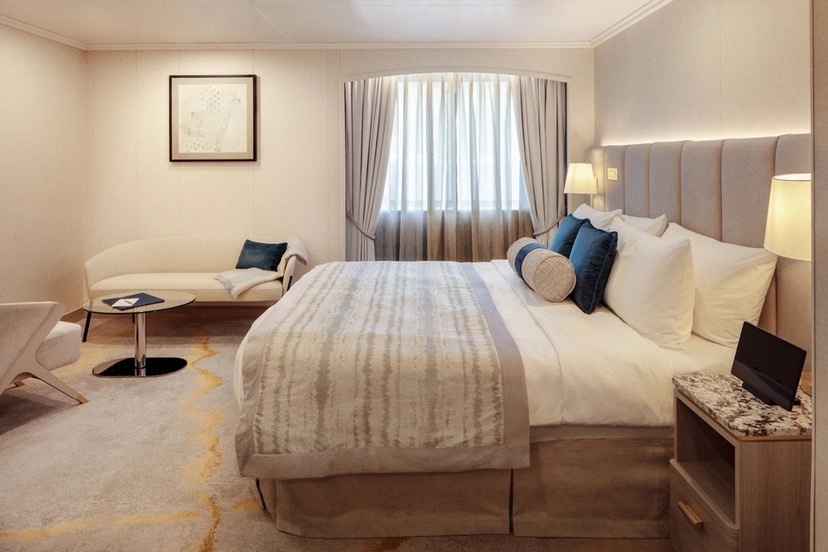
This elegant guest room offers a private veranda, comfortable living area with sofa, walk-in shower, and a built-in wardrobe.
SUITE SIZE
- UP TO 215 SQ FT
VERANDA SIZE
- UP TO 54 SQ FT
Details
- Private veranda
Spacious living area with sofa
- Queen-size bed or twin beds with sumptuous bedding
- Walk-in shower
- TV
Services
- 24 hour in-suite dining
- Turndown service
- Shoeshine service
- Assistance with packing and unpacking
Amenities
- Welcome champagne
- Complimentary wine and spirits from set menu
- Complimentary soft drinks
- Fresh fruits, daily change, on request only
- Pillow menu (selection from a variety of pillow types)
- Complimentary unlimited standard WiFi
- In-suite safe
- Interactive tablet for news, updates, and reservations
- Hair dryer
- Hair iron (available upon request)
This stylish guest room features a comfortable living area with sofa, large picture window, walk-in shower, and a sleek built-in wardrobe.
SUITE SIZE
- UP TO 215 SQ FT
Details
- Large picture window
- Sizeable living area with sofa
- Queen-size bed or twin beds with sumptuous bedding
- Walk-in shower
- TV
Services
- 24 hour in-suite dining
- Turndown service
- Shoeshine service
- Assistance with packing and unpacking
Amenities
- Welcome champagne
- Complimentary wine and spirits from set menu
- Complimentary soft drinks
- Fresh fruits, daily change, on request only
- Pillow menu (selection from a variety of pillow types)
- Complimentary unlimited standard WiFi
- In-suite safe
- Interactive tablet for news, updates, and reservations
- Hair dryer
- Hair iron (available upon request)
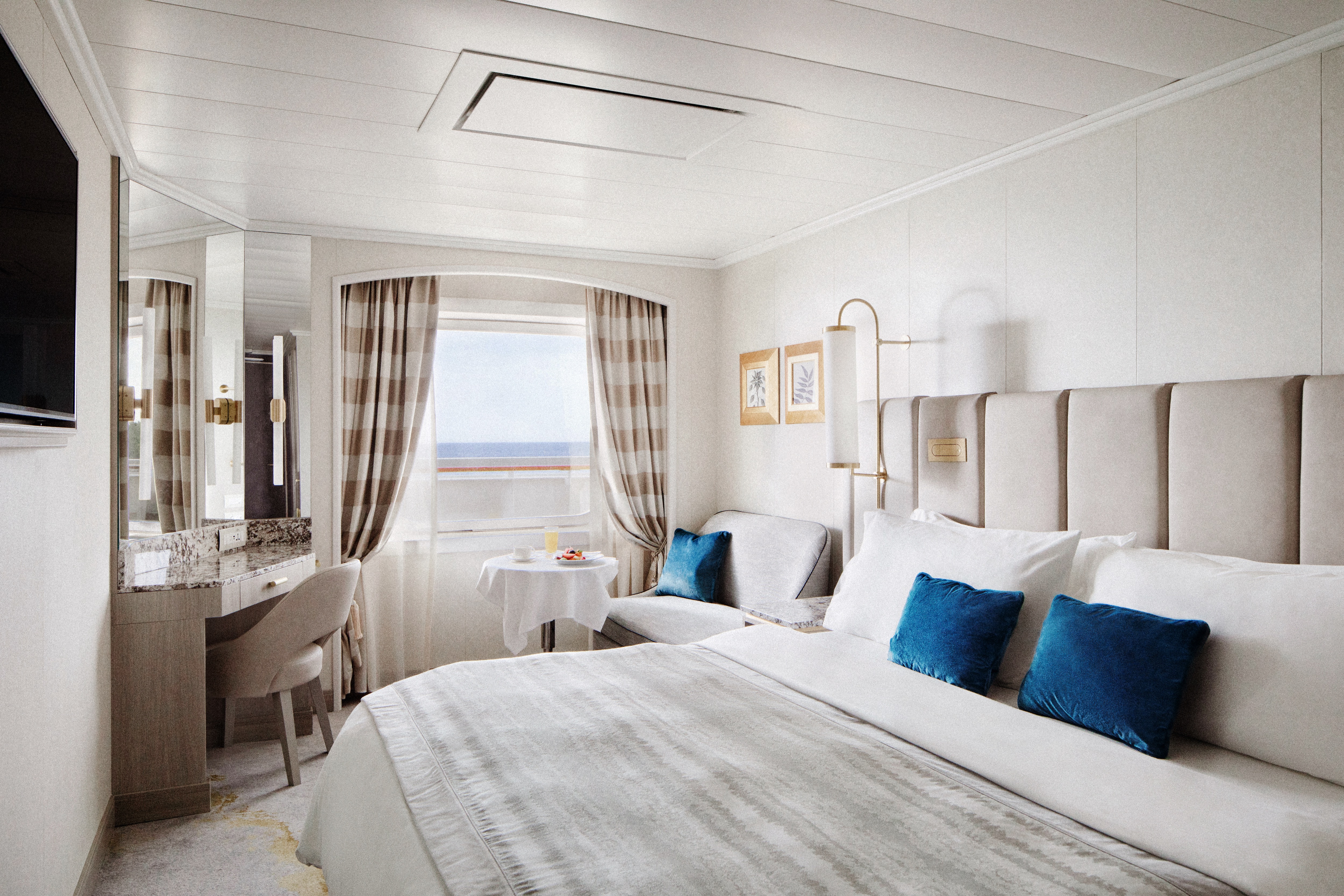
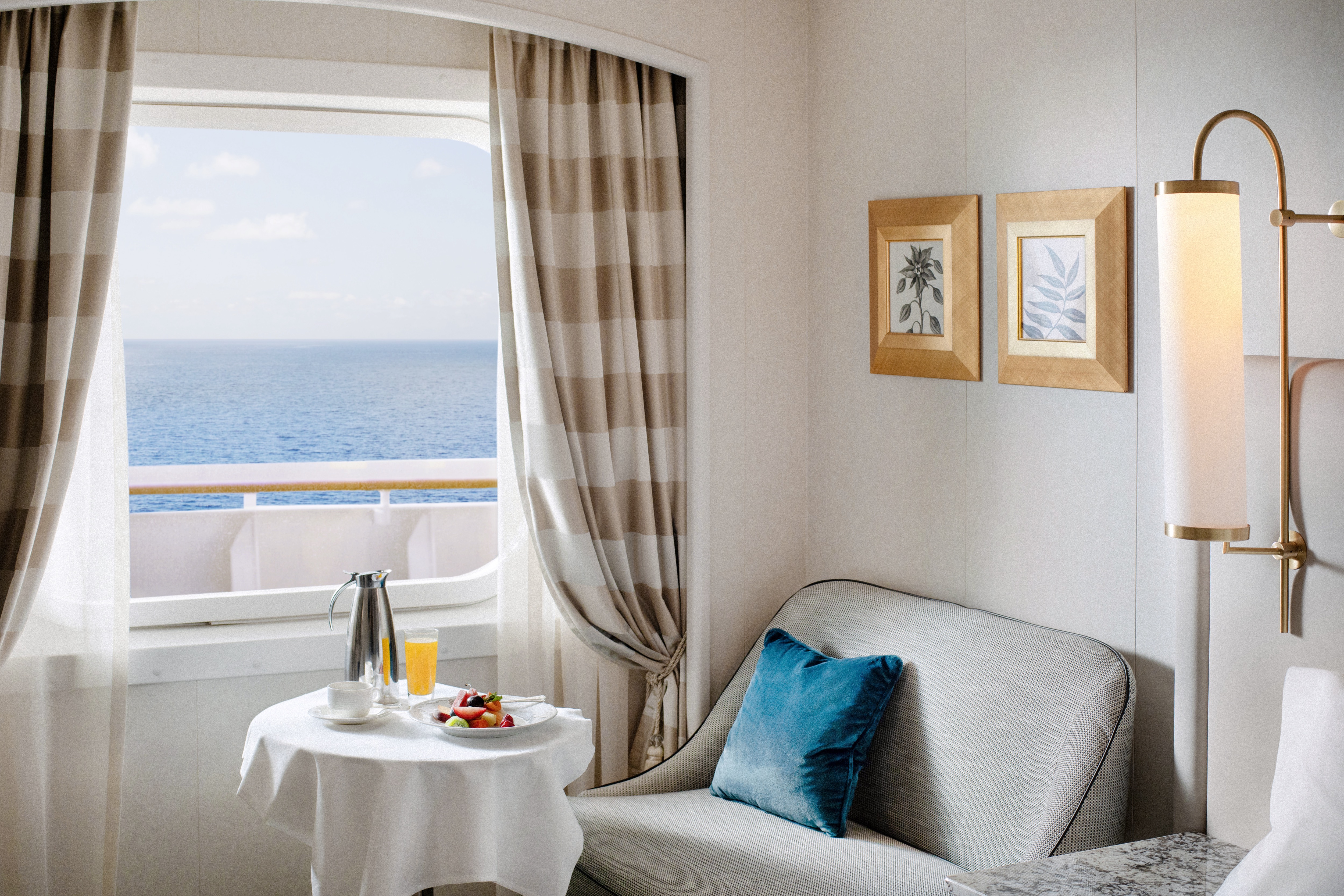
Exclusively for solo occupancy, this stylish guest room offers a comfortable living area with sofa, large picture window, walk-in shower, and a sleek built-in wardrobe.
SUITE SIZE
- UP TO 215 SQ FT
Details
Large picture window
- Sizeable living area with sofa
- Queen-size bed or twin beds with sumptuous bedding
- Walk-in shower
- TV
Services
- 24 hour in-suite dining
- Turndown service
- Shoeshine service
- Assistance with packing and unpacking
Amenities
- Welcome champagne
- Complimentary wine and spirits from set menu
- Complimentary soft drinks
- Fresh fruits, daily change, on request only
- Pillow menu (selection from a variety of pillow types)
- Complimentary unlimited standard WiFi
- In-suite safe
- Interactive tablet for news, updates, and reservations
- Hair dryer
- Hair iron (available upon request)
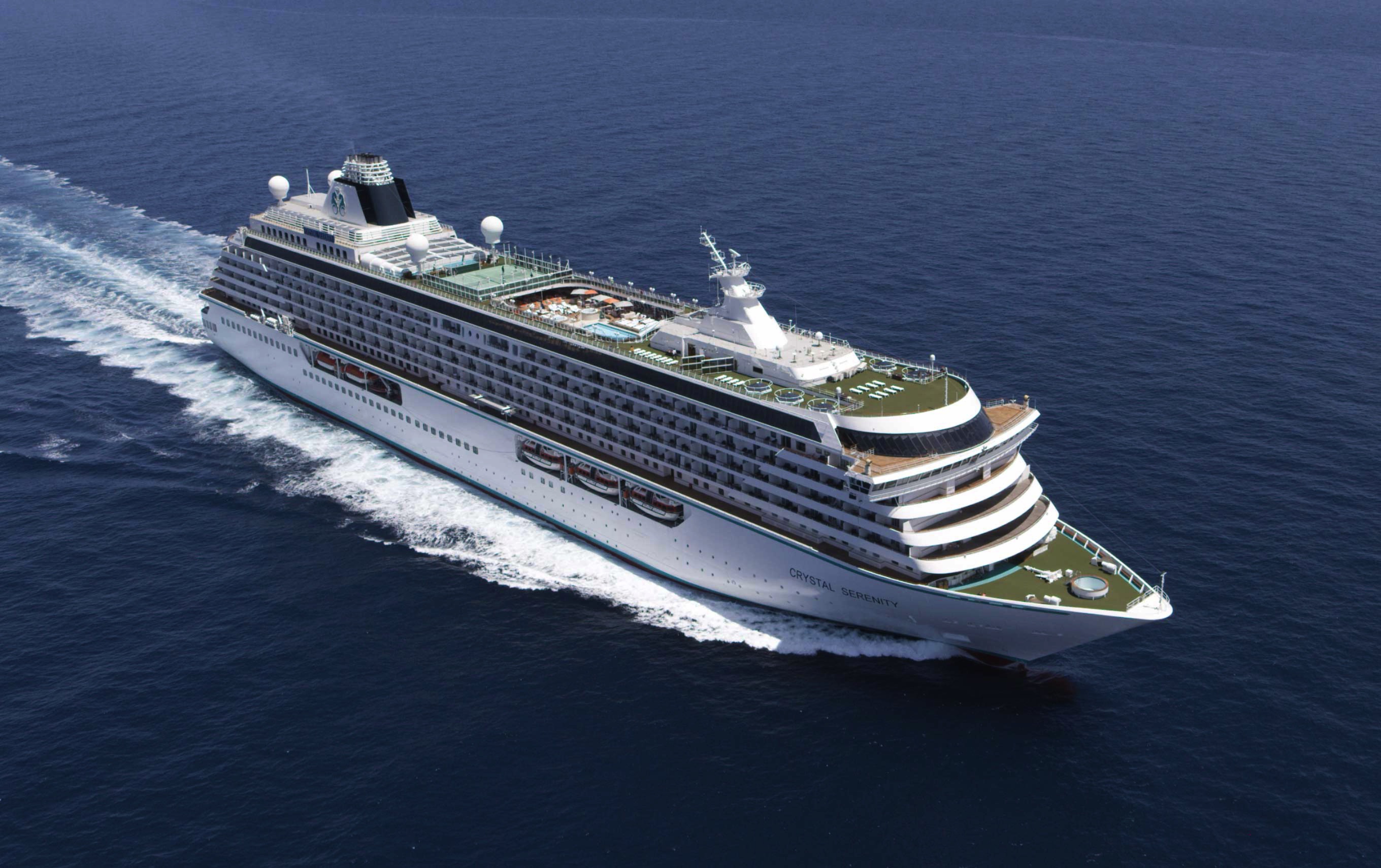
Crystal Serenity
With an industry-leading space to guest ratio across an array of social areas, Crystal Serenity offers the utmost comfort, quality, personalization and choice.
Ship Facts
| Launch Year | 2003 | ||||||||
| Refit Year | 2023 | ||||||||
| Language | en-US | ||||||||
| Gross Tonnage | 68870 | ||||||||
| Length | 250 | ||||||||
| Width | 32 | ||||||||
| Currency | USD | ||||||||
| Speed | 22 | ||||||||
| Capacity | 740 | ||||||||
| Crew Count | 600 | ||||||||
| Deck Count | 9 | ||||||||
| Cabin Count | 545 | ||||||||
| Large Cabin Count | 0 | ||||||||
| Wheelchair Cabin Count | 8 | ||||||||
| Electrical Plugs |
|
Deck 13
- Sauna + Steam Room
- Aurora
- Fitness Center
- Glass Roof Over Beefbar
- Wimbledon Court Paddle Tennis And Pickleball
- Forward Observation Deck
- Elevator

Deck 12
- Marketplace Restaurant
- Washroom
- Beefbar
- Trident Grill
- Scoops Gelato Bar
- Seahorse Pool & Whirlpool
- Fantasia Children's Playroom
- Waves Teen Center
- Tea Room
- The Palm Court
- Sunset Bar
- Elevator

Deck 11
- Crystal Penthouse Suite
- Sapphire Veranda Suite
- Aquamarine Veranda Suite
Launderette
- Elevator
Suites & Guest Rooms Beyond The Forward Elevators Are Subject To Alternative Pricing

Deck 10
- Sapphire Veranda Suite
- Double Guest Room with Veranda
- Aquamarine Veranda Suite
Launderette
- Elevator
Suites & Guest Rooms Beyond The Forward Elevators Are Subject To Alternative Pricing

Deck 9
- Junior Crystal Penthouse Suite
- Sapphire Veranda Suite
- Double Guest Room with Veranda
- Aquamarine Veranda Suite
- Launderette
- Elevator
Suites & Guest Rooms Beyond The Forward Elevators Are Subject To Alternative Pricing

Deck 8
- Junior Crystal Penthouse Suite
- Double Guest Room with Veranda
- Sapphire Veranda Suite
- Launderette
- Elevator
Suites & Guest Rooms Beyond The Forward Elevators Are Subject To Alternative Pricing

Deck 7
- Aquamarine Ocean View Suite (Accessible Suites)
- Double Guest Room With Veranda
- Single Guest Room, Ocean View
- Century Suite
- Cashier
- Uma Uma & Sushi Bar by Nobu Matsuhisa
- Bridge Lounge
- Vintage Room
- Library
- Osteria D'Ovidio
- Computer University@Sea
- The Studio
- Elevators
Suites & Guest Rooms Beyond The Forward Elevators Are Subject To Alternative Pricing

Deck 6
- Main Stage
- Apropos
- Facets
- Avenue Of The Stars Boutiques
- Atrium
- Avenue Saloon
- Connoisseur Club
- Crystal Images
- Golf Driving Nets
- Pulse Night Club
- Elevators
- Stardust Club
- Stage
- Table Tennis
- Putting Green
- Hollywood Theatre
- Galaxy Lounge
- The Lounge
- Crystal Collection
- The Bistro

Deck 5
- Medical Center
- Bar
- Concierge Desk
- Crystal Cove
- Elevators
- Future Cruises & Loyalty Manager
- Reception
- Shore Excursion Desk
- Crystal Plaza
- Waterside Restaurant

Our award-winning cuisine is created and influenced by pioneers in the global food scene, with nine distinct complimentary venues to choose from. Open seating with extensive dining options are tailored around the personal preferences of our guests, allowing them to choose exactly what they want at a time that works for them. Whether that be a late breakfast, six-course wine pairing lunch, or dinner in our exclusive Osteria d’Ovidio or Umi Uma.
All inclusive – however its one complimentary reservation in each specialty restaurant (Umi Uma and Osteria) is included on sailings of 11 days or less, two reservations on sailings between 12 and 22 days, three reservations on sailings 23 days or more, and unlimited reservations for all full World Cruise guests”. However guests can pay to dine outside of their allowance at £50 pp which is great value for these 2 specialist restaurants
Waterside Restaurant
Waterside is where the art of fine dining is elevated to breathtaking heights. Classic dishes are updated with a contemporary twist.
The main dining room features open seating and tables for two, four, and eight guests. Open for breakfast, lunch, and dinner. No reservations are required.
Umi Uma
UMI UMA is one of Crystal's award-winning specialty dining offerings. Set in an elegantly modern setting and created by legendary Master Chef Nobuyuki (Nobu) Matsuhisa, dishes are inspired by the exotic array and traditions of the Orient.
Guests will again be able to dine on signature entrées such as Nobu-Style Black Cod, Grilled Chilean Sea Bass, Wagyu Beef Filet Steak, and some of the freshest sushi available at sea.
Beefbar
The most exciting flavors from the global street-food scene – Beef, Reef and Leaf – are fashioned from the freshest ingredients by creative chefs and served for sharing in stylish surroundings.
Beefbar’s curated menu features prime cuts from renowned regions, including Wagyu from Australia, Black Angus from the United States and and the flavorful Kobe beef from Japan. Each cut is meticulously chosen for its quality and flavor profile, ensuring a unique dining experience for every meat lover. Join us at sea to savor the finest beef, prepared with expert craftsmanship and served the Beefbar way, onboard Crystal’s ships.
- Beefbar is open for lunch and dinner
- Reservations are required for dinner
Osteria D'Ovidio
It’s the moment we’ve been waiting for – our new menu for Osteria d’Ovidio has arrived on Crystal Symphony and on Crystal Serenity. This exclusive collaboration with the Alajmo brothers signals a prestigious new era for our signature Italian restaurant. Massimiliano, the youngest chef ever to be awarded three Michelin stars, and Raffaele, CEO of the celebrated Alajmo restaurants in Italy, which include Le Calandre in Rubano, and Gran Caffè Quadri and Ristorante Quadri in St. Mark’s Square, Venice, have brought their unparalleled expertise to specialty dining on both ships. We can’t wait for you to try their dishes – exclusively on Crystal.
An unparalleled fine-dining experience courtesy of the Michelin-rated Alajmo brothers takes center stage at Osteria d'Ovidio. Named for our owner, Manfredi Lefebvre d'Ovidio, this restaurant specializes in show-stopping Italian cuisine. Reservations are required and are limited per sailing.
Every dish embodies passion, precision, and prestige, blending traditional Italian flavors with Chef Alajmo's culinary approach, which emphasizes lightness and depth of flavor. You can choose from authentic regional dishes, signature creations from Le Calandre, and dishes inspired by Venetian cuisine. From a refined carbonara to lamb chops with a herb crust, there's something to delight every palate.
Trident Grill
Enjoy a burger with a view. Our pool restaurant and grill offer a comfortable terrace highlighted by an elegant design, making it the perfect spot for outdoor dining.
The Trident serves lunch and snacks throughout the day - burgers, melts and strip steak cooked to order, crispy fries and salads.
The Bistro
A nod to the mythic bars and bistros of Paris. Celebrate the classics in this spacious and airy café that serves light bites from dawn to dusk.
The Bistro is a delightful daytime relaxing cafe that offers delicious light meals, with panoramic views of the sparkling sea.
The Vintage Room
The Vintage Room offers guided pairings and dinners highlighting the vast selection of wines in the ship’s onboard cellar. This intimate, innovative concept offers guests an education in fine wine and cuisine, allowing them to gain privileged insights into the art of enology. In addition to daytime tastings and discussions, guests may enjoy a variety of private wine-themed lunches and dinners by special arrangement with the Head Sommelier.
Scoops Gelato Bar
Enjoy authentic Italian gelato with a sea view, hand-crafted by the celebrated artisans at Badiani, using expertise perfected over generations since its founding in Florence, Italy, in 1932. Choose from more than 20 signature flavors, slow-churned with natural ingredients, including Buontalenti, Cioccolatissimo, and Stracciatella, as well as refreshing fruit sorbets.
Marketplace
This sophisticated buffet-style restaurant features a dizzying array of hot and cold choices for those who like a little of everything.
24 Hours In-Suite Dining
Enjoy a meal from the comfort of your suite while relaxing in Crystal comfort. Select from our inspired menu to delight you while you stay in, watch a movie or read a favorite book.
Tea Time
Tastes Kitchen & Bar
A new definition of traveling with taste. Sumptuous, regionally inspired tapas-style cuisine is the perfect combination of sophisticated style and casual dining.
Each evening Crystal brings together a cast of world-class performers, entertainers and hosts. Whether you’re looking for theatrical entertainment or the latest Hollywood release, our lounges, ballrooms, night clubs and screening rooms can cater to your every mood.
Our two elegant vessels host an equally exceptional offering including world-renowned restaurants, restorative spas and endless opportunity for inspiration and enrichment, tied together by unparalleled personal service.
Casino De Monte-Carlo
Le Casino de Monte-Carlo is offering a new and unique experience onboard. Place your bets on table games with the unique savoir-faire of Monaco’s world-famous casino or get excited to a dynamic range of slots to hit the jackpot. An ultimate way to embrace the thrill of the game in an elegant atmosphere adorned in the hues of the historical building.
Crystal Cove
An ideal refreshment stop any time of the day, and the perfect place to meet friends for a pre-dinner cocktail. Enjoy a variety of musical styles as the day turns into night.
Library
A well-stocked library containing over 2,000 books on a range of subjects from classics to popular biographies, history to contemporary mysteries. Plus enjoy an ample selection of magazines and board games perfect for poolside reading
Palm Court
Featuring large sky lights, floor-to-ceiling windows and a fabulous 270-degree forward view, this venue is perfect for afternoon tea, social gatherings and dancing.
Seahorse Pool
Our Seahorse Pool, with plenty of surrounding deck space to sunbathe, relax and read while enjoying a cool drink in the afternoon.
Apropos & Facets Onboard Shopping
Heighten the experience on board with a selection of fine jewelry, watches and cruise wear available in our arcade, alongside designer apparel. Make the most of being at sea with a selection of duty free items available.
Stardust Club and Supper Club
On selected evenings before and after dinner, this entertainment lounge features dancing, production spot shows, cabaret performances and other themed events. Additionally, on select nights, Stardust will open the doors for Supper Club for up to 116 guests to enjoy an evening show where they can dine and dance at the same time. Supper Club is by reservation only.
Pulse Night Club
An intimate lounge for a late-night drink, dancing or a place to let loose with karaoke.
Galaxy Lounge
Performances are the focal point here, with appearances by fantastic Broadway-style performers and headline entertainers. Drink service provided before each show.
Hollywood Theatre
The ship's sleek cinema for recent-released movies, live sport events, guest lectures and religious services.
Connoisseur Club
An elegant space to indulge in the finest cigars and cognacs.
Computer University@Sea
Our innovative Computer lab onboard led by a team of tech experts.
Crystal Plaza
Crystal Plaza can be found on Deck 5.
Avenue Saloon
Signature piano bar with an intimate ambience. The perfect setting for a cocktail before and after dinner.
Bridge Lounge
The Bridge Lounge can be found on Deck 7.
Reception & Atrium
The Reception can be found on Deck 5.
Observation Deck
More information coming soon.