Zurich - Lucerne & Jewels of the Rhine & London
Zurich - Lucerne & Jewels of the Rhine & London
Cruise overview
WHY BOOK WITH US?
- ✔ The Deluxe Cruises’ team has extensive experience in ultra-luxury cruising.
- ✔ Call now to speak to our helpful and experienced Cruise Concierge team.
- ✔ Enjoy our Unique Deluxe Cruises Bonus for substantial savings.
- ✔ Our team will tailor your holiday to your exacting requirements.
- ✔ As agents, we work under the protection of each cruise lines ABTA / ATOL licences
About Zurich
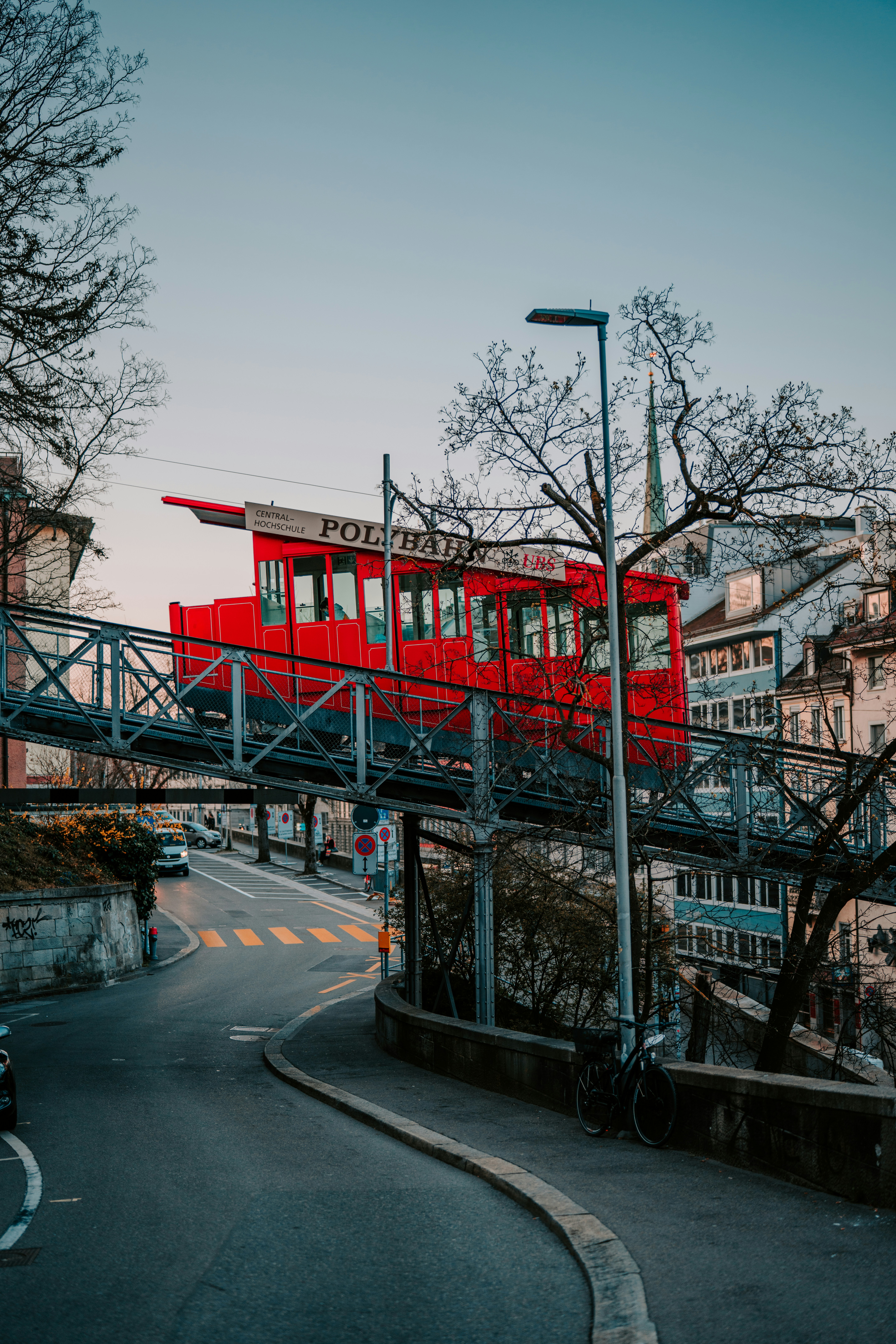
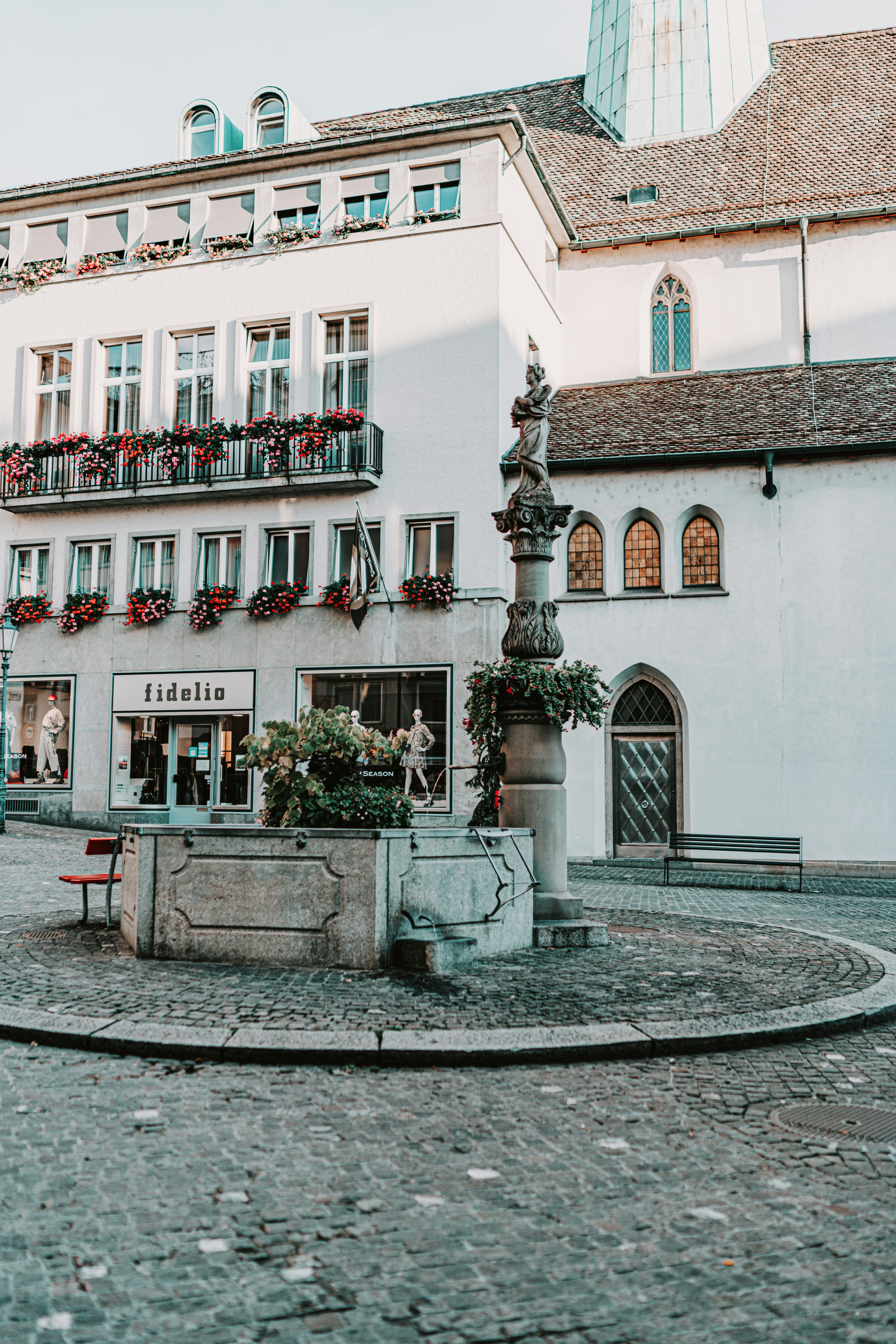
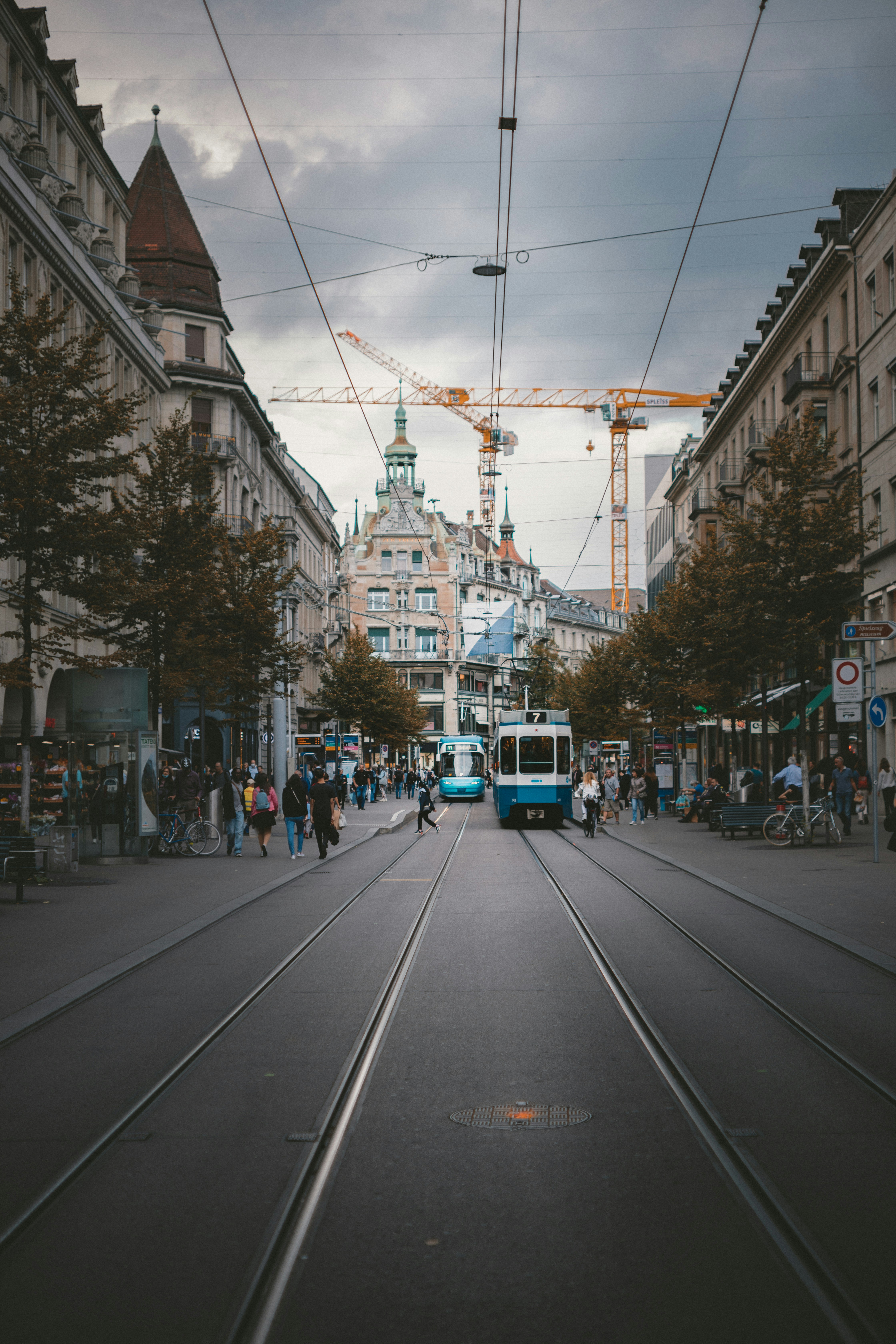
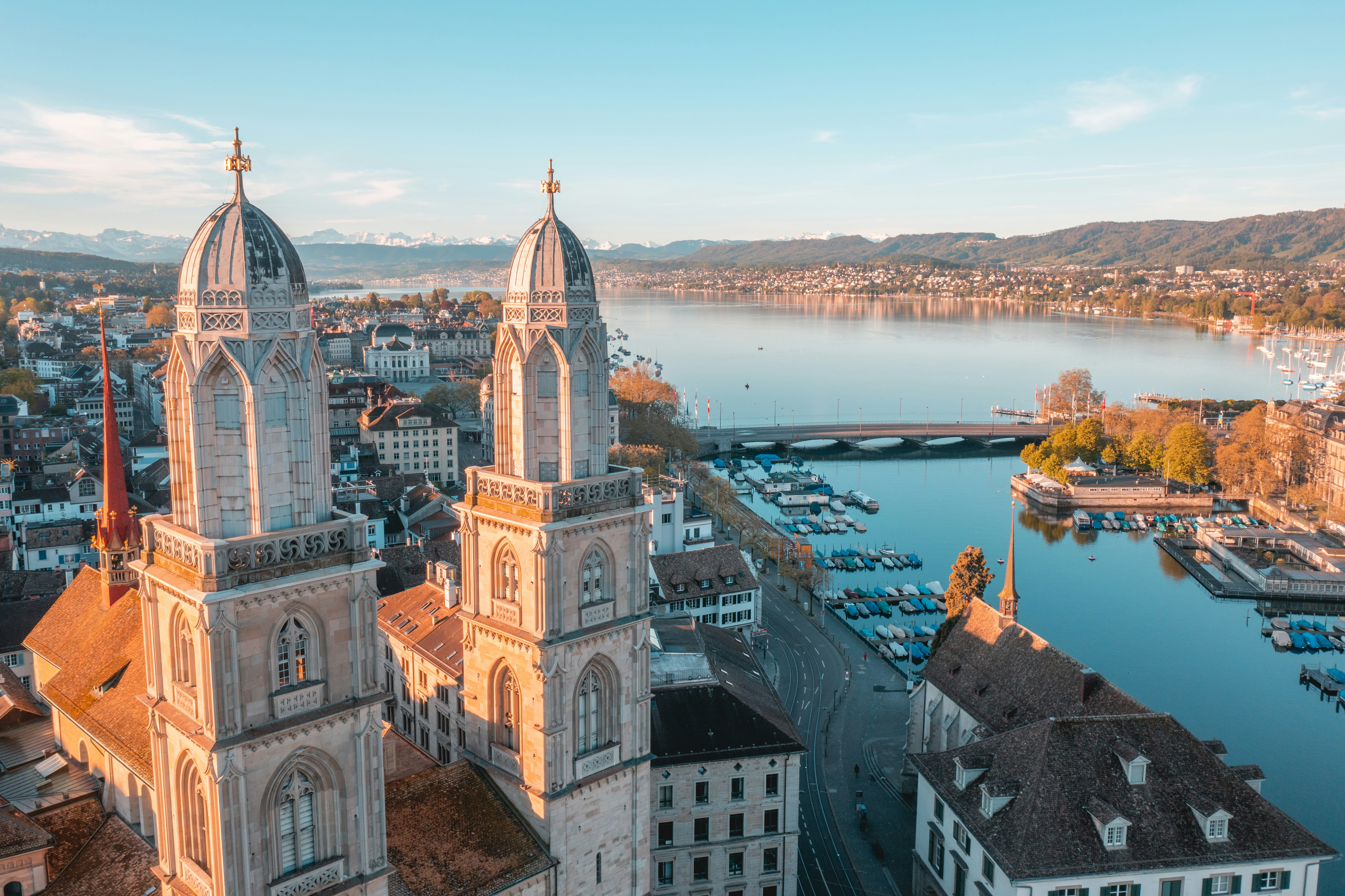
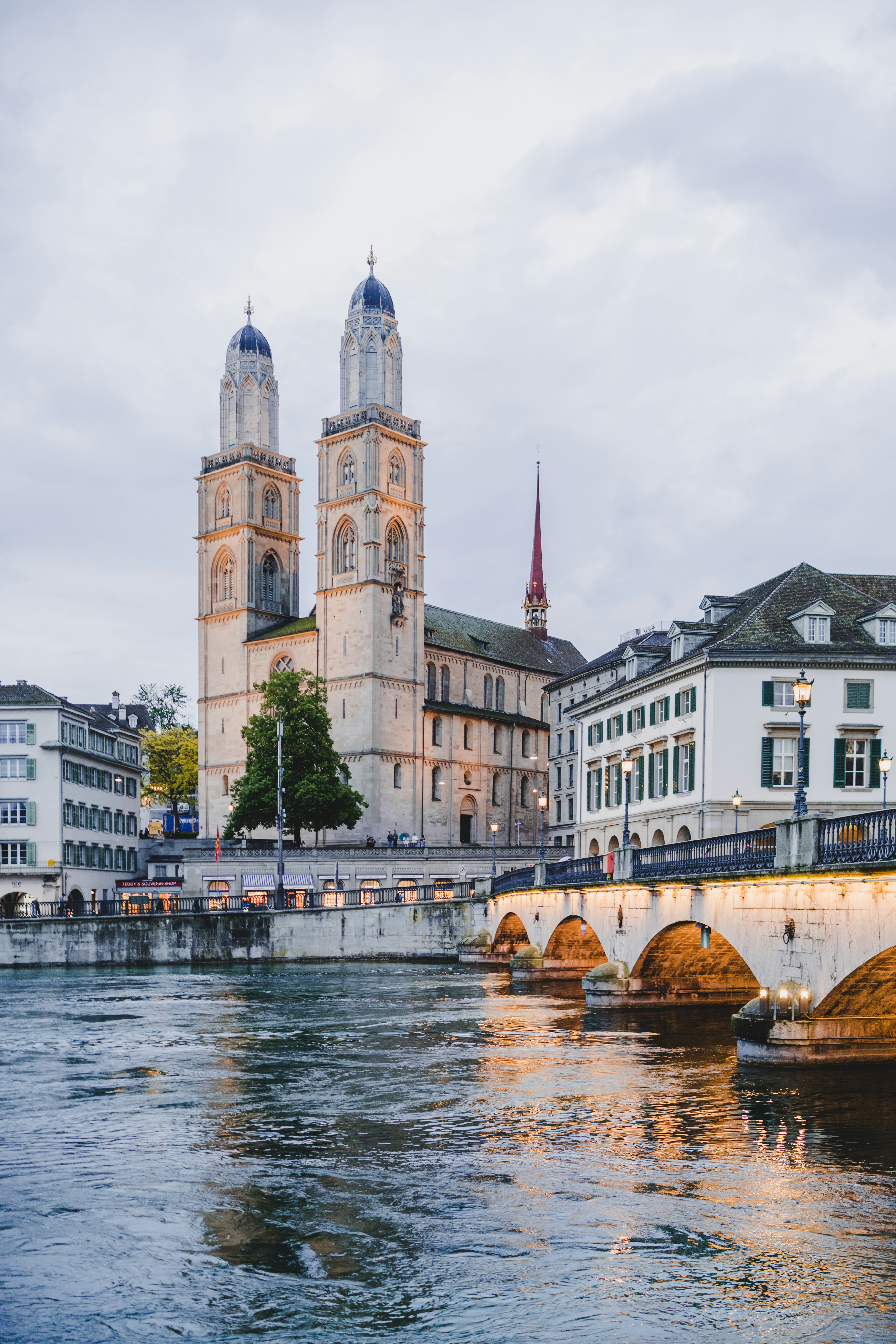
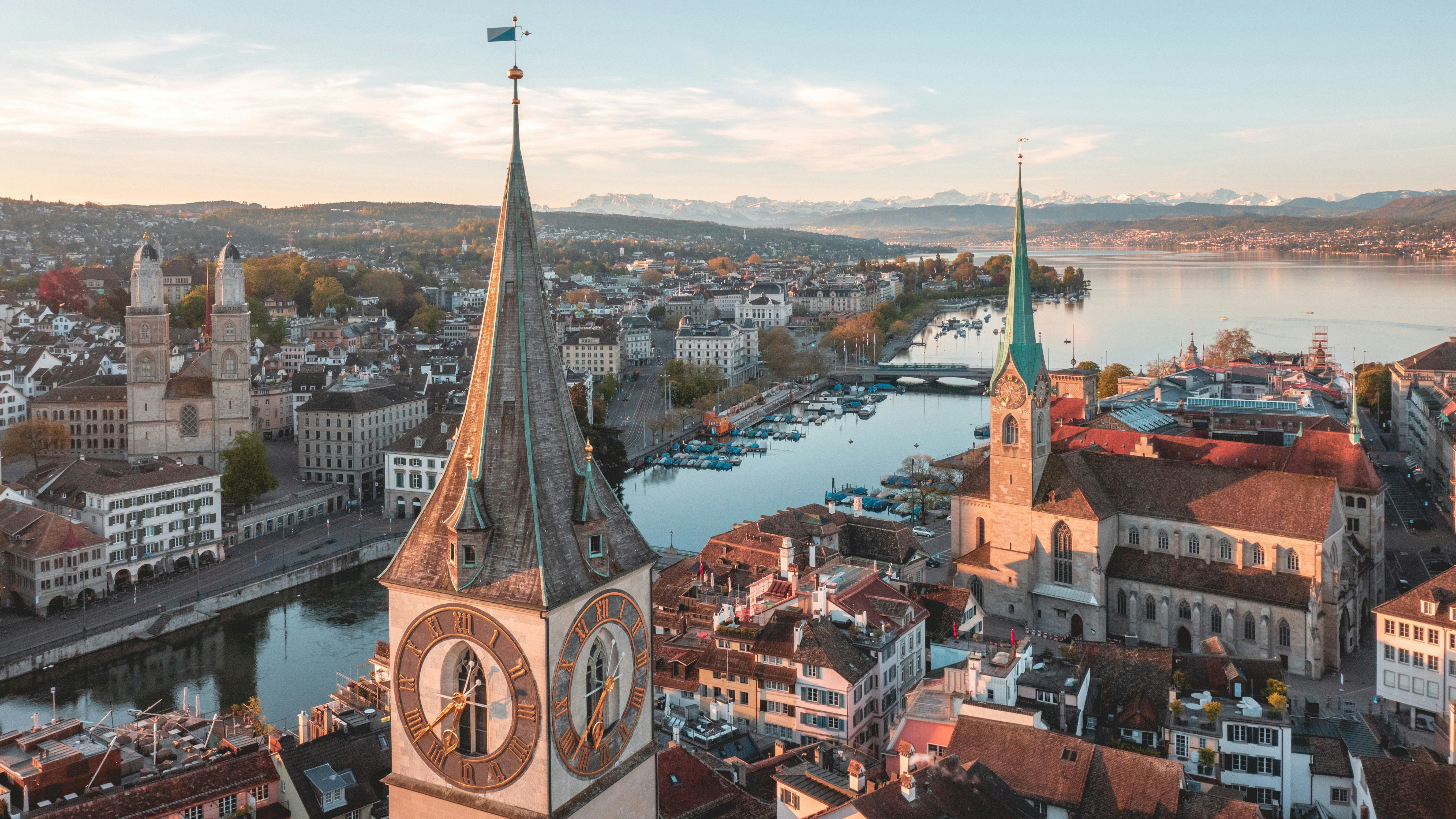
The city of Zurich, a global center for banking and finance, lies at the north end of Lake Zurich in northern Switzerland. The picturesque lanes of the central Altstadt (Old Town), on either side of the Limmat River, reflect its pre-medieval history. Waterfront promenades like the Limmatquai follow the river toward the 17th-century Rathaus
About Zurich
The city of Zurich, a global center for banking and finance, lies at the north end of Lake Zurich in northern Switzerland. The picturesque lanes of the central Altstadt (Old Town), on either side of the Limmat River, reflect its pre-medieval history. Waterfront promenades like the Limmatquai follow the river toward the 17th-century Rathaus
About Lucerne
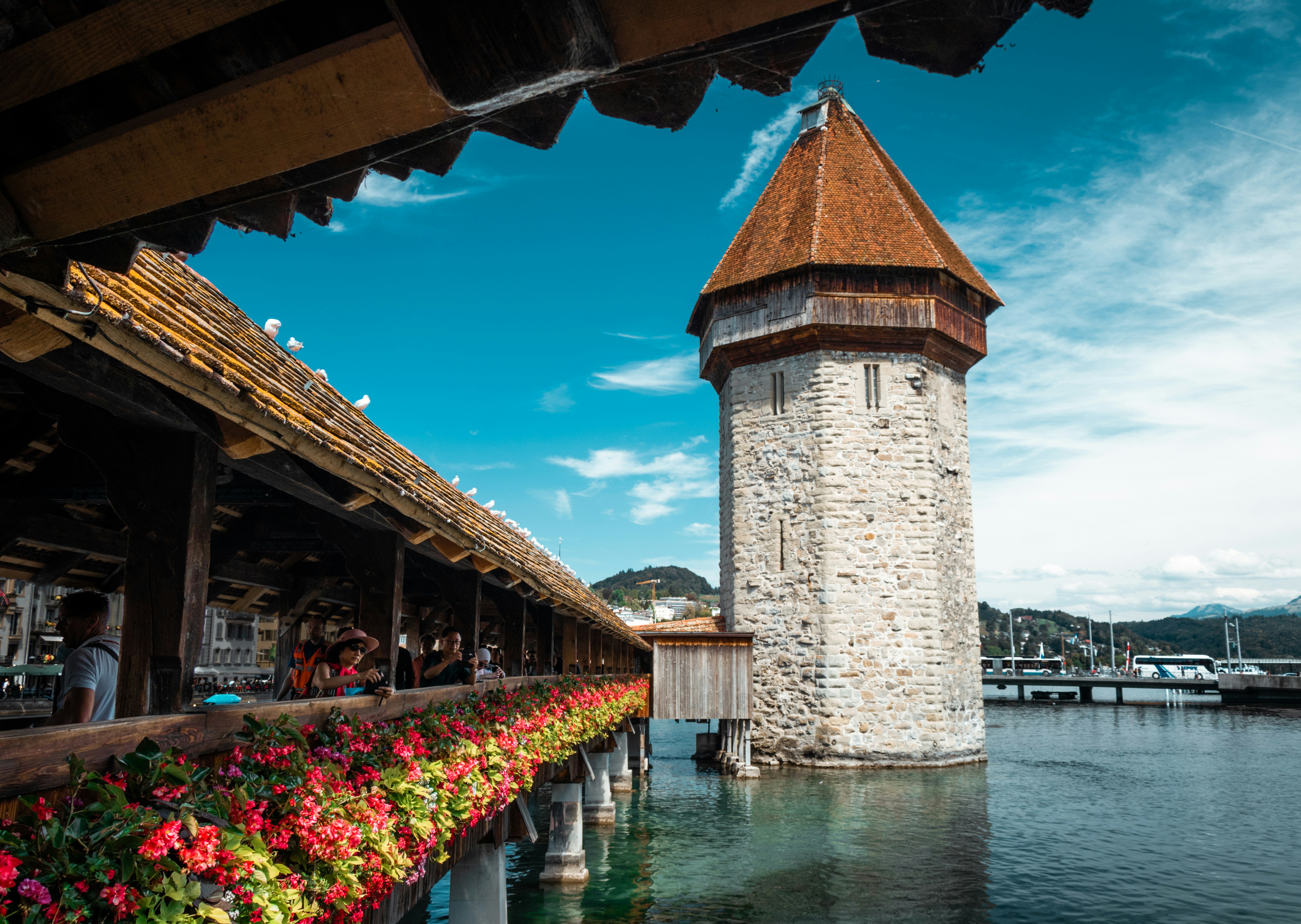
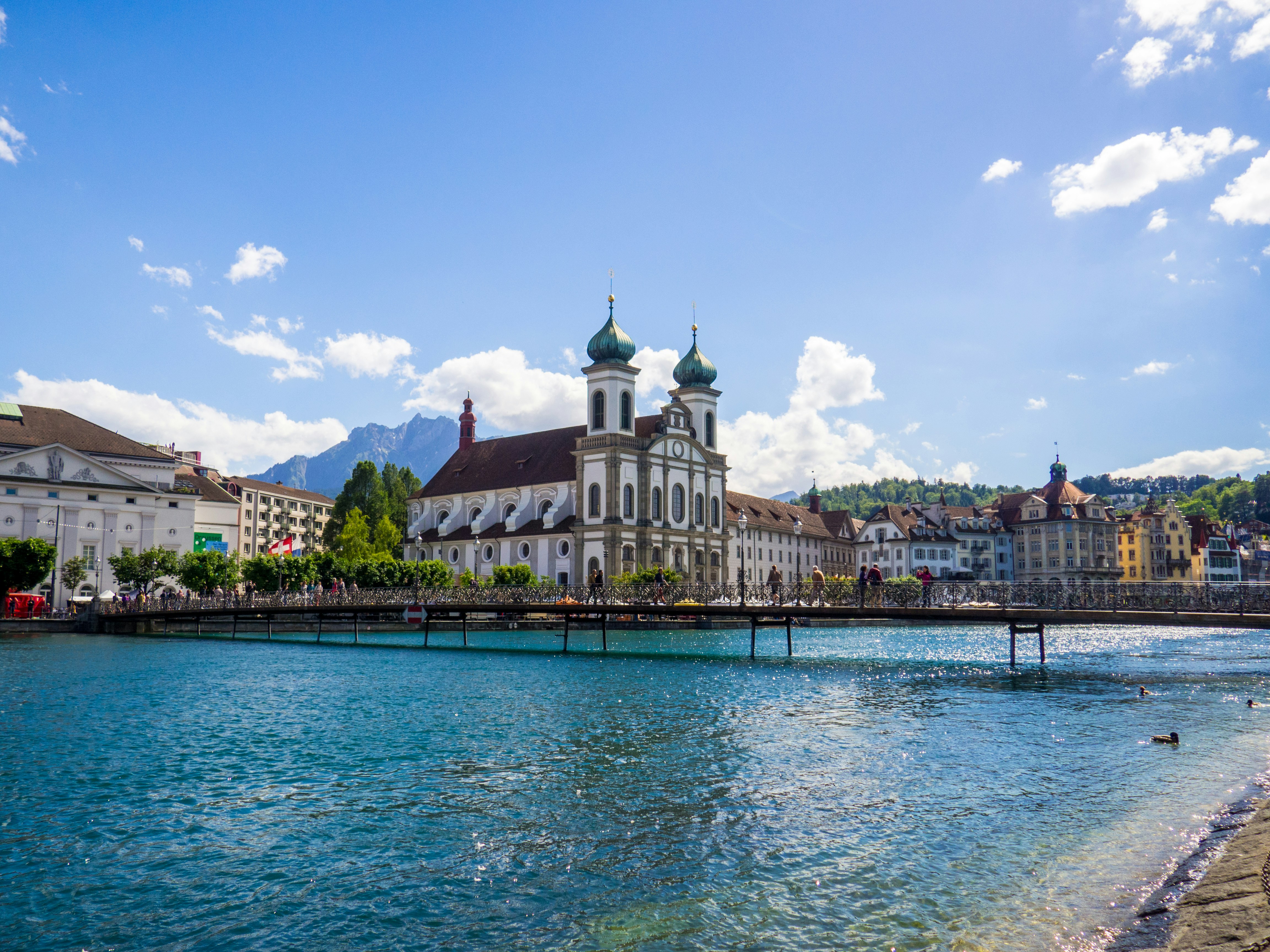
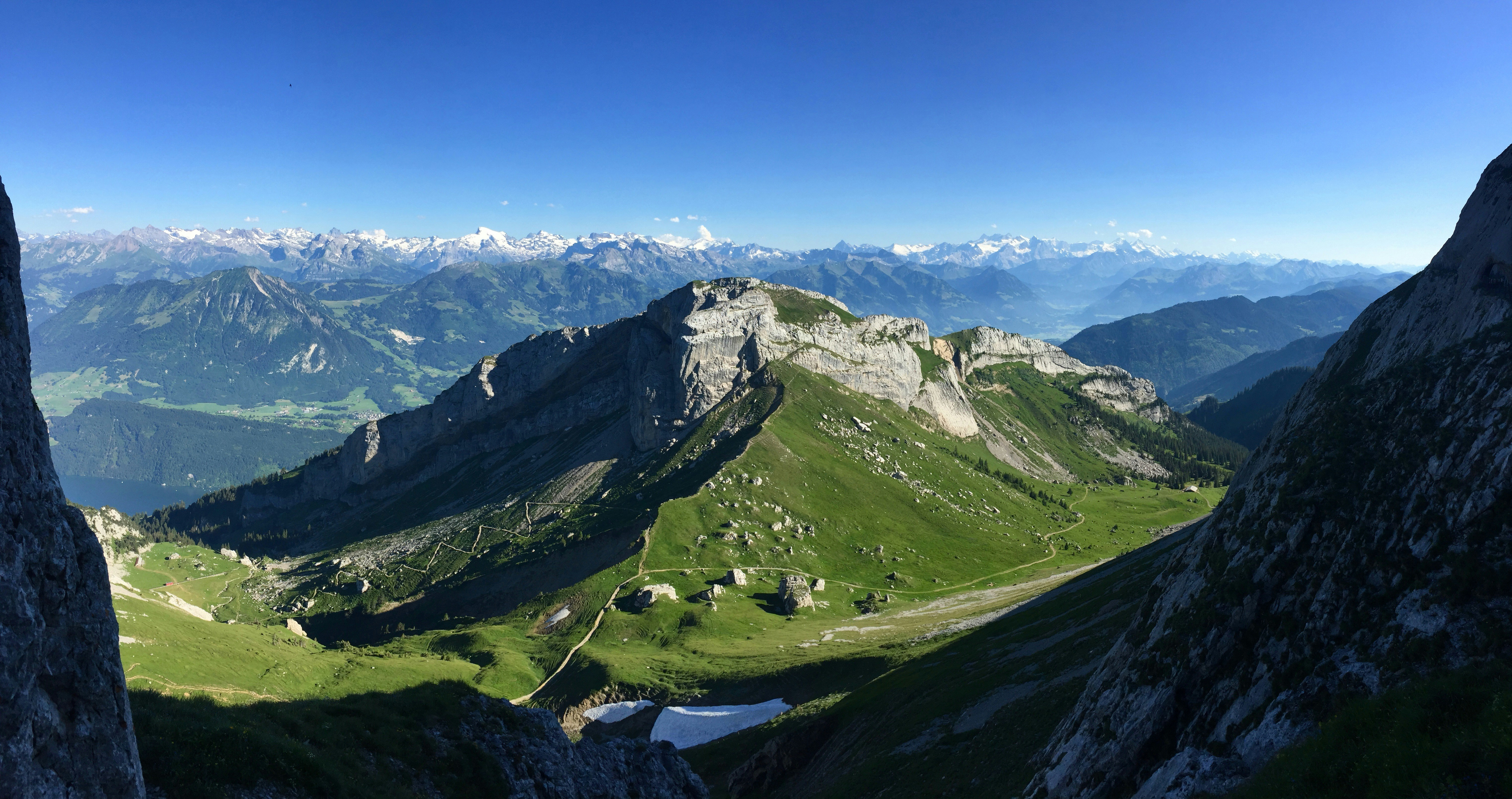
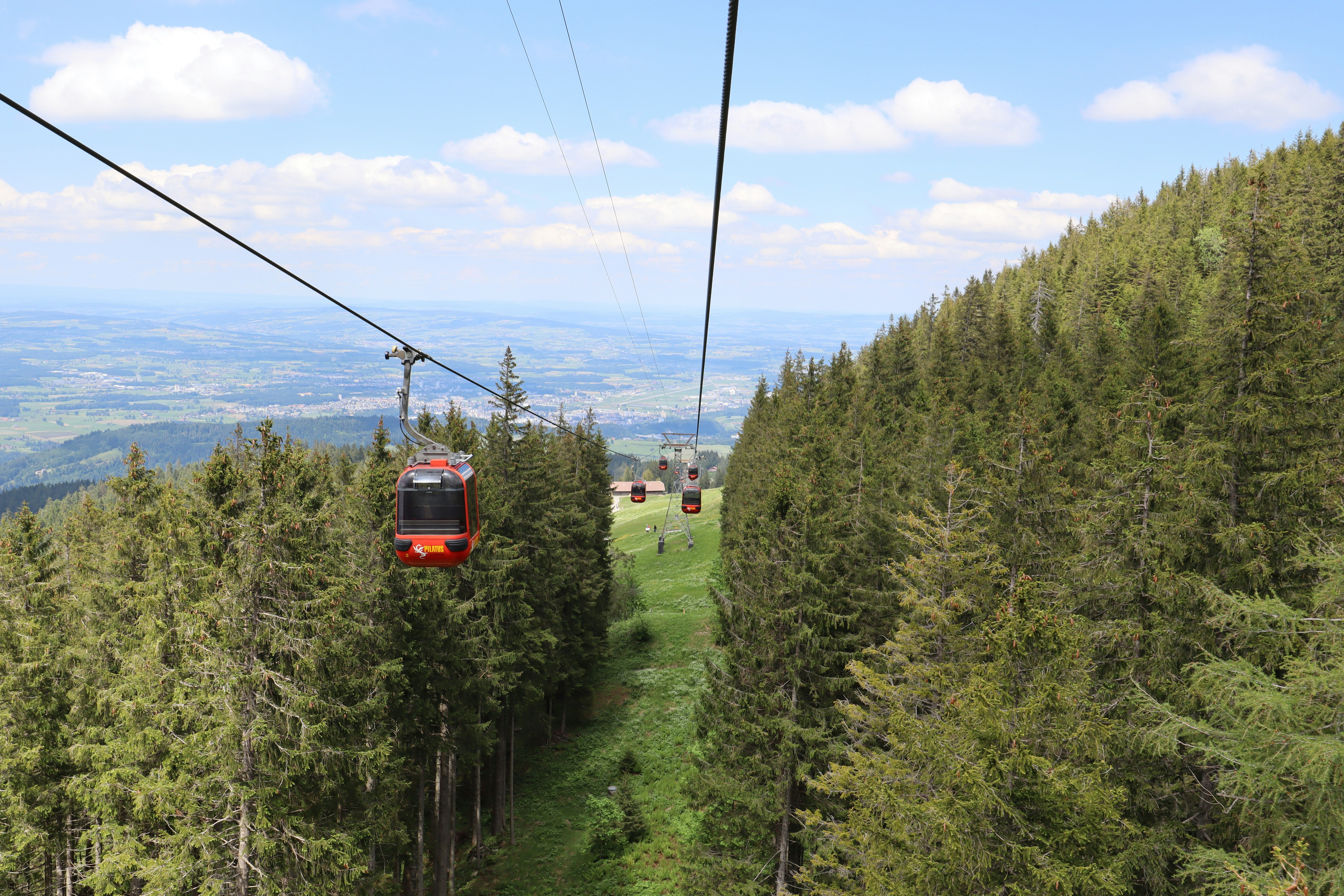
Lucerne, a compact city in Switzerland known for its preserved medieval architecture, sits amid snowcapped mountains on Lake Lucerne. Its colorful Altstadt (Old Town) is bordered on the north by 870m Museggmauer (Musegg Wall), a 14-century rampart. The covered Kapellbrücke (Chapel Bridge), built in 1333, links the Aldstadt to the Reuss River's right bank.
About Lucerne
Lucerne, a compact city in Switzerland known for its preserved medieval architecture, sits amid snowcapped mountains on Lake Lucerne. Its colorful Altstadt (Old Town) is bordered on the north by 870m Museggmauer (Musegg Wall), a 14-century rampart. The covered Kapellbrücke (Chapel Bridge), built in 1333, links the Aldstadt to the Reuss River's right bank.
About Lucerne
Lucerne, a compact city in Switzerland known for its preserved medieval architecture, sits amid snowcapped mountains on Lake Lucerne. Its colorful Altstadt (Old Town) is bordered on the north by 870m Museggmauer (Musegg Wall), a 14-century rampart. The covered Kapellbrücke (Chapel Bridge), built in 1333, links the Aldstadt to the Reuss River's right bank.
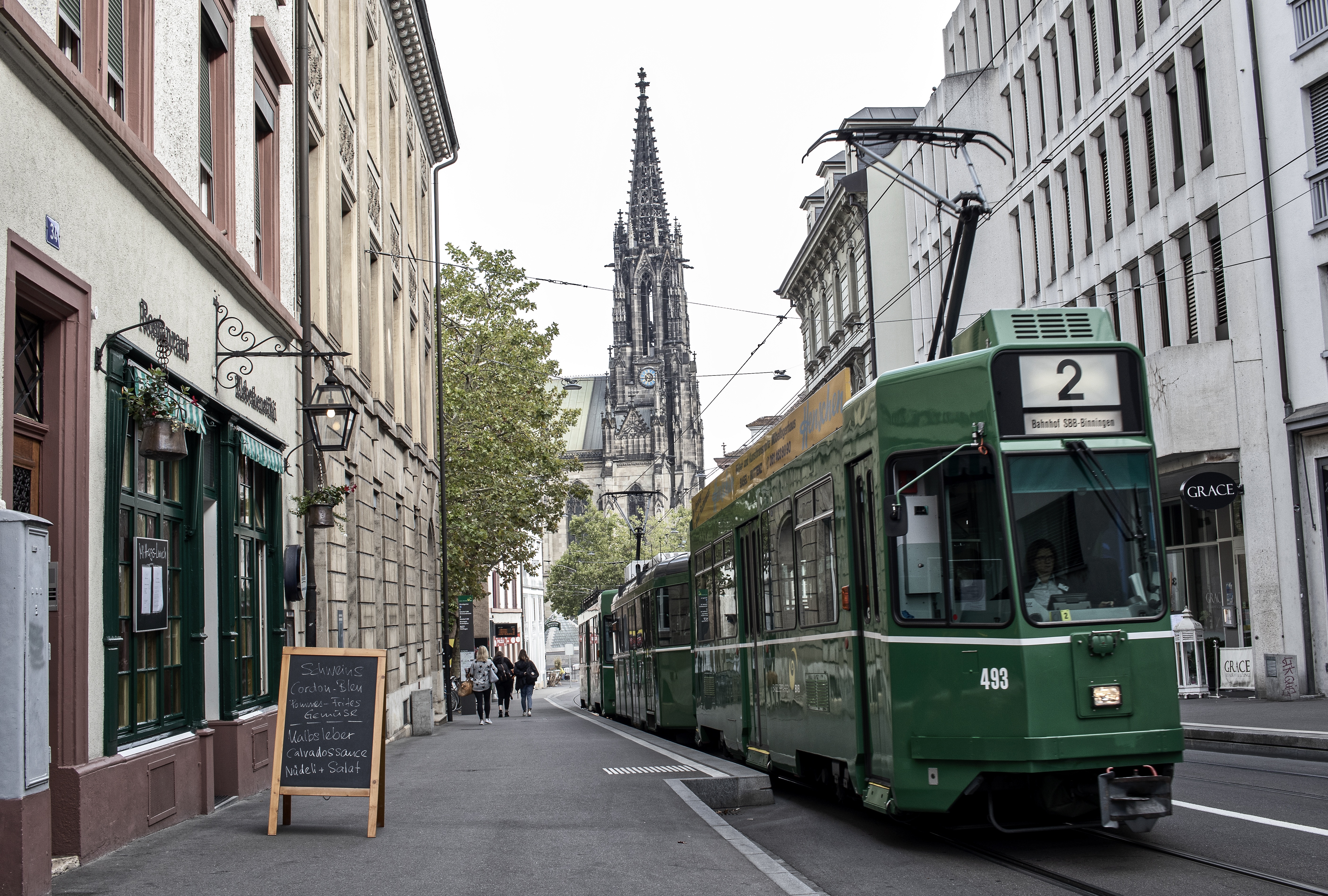
About Basel
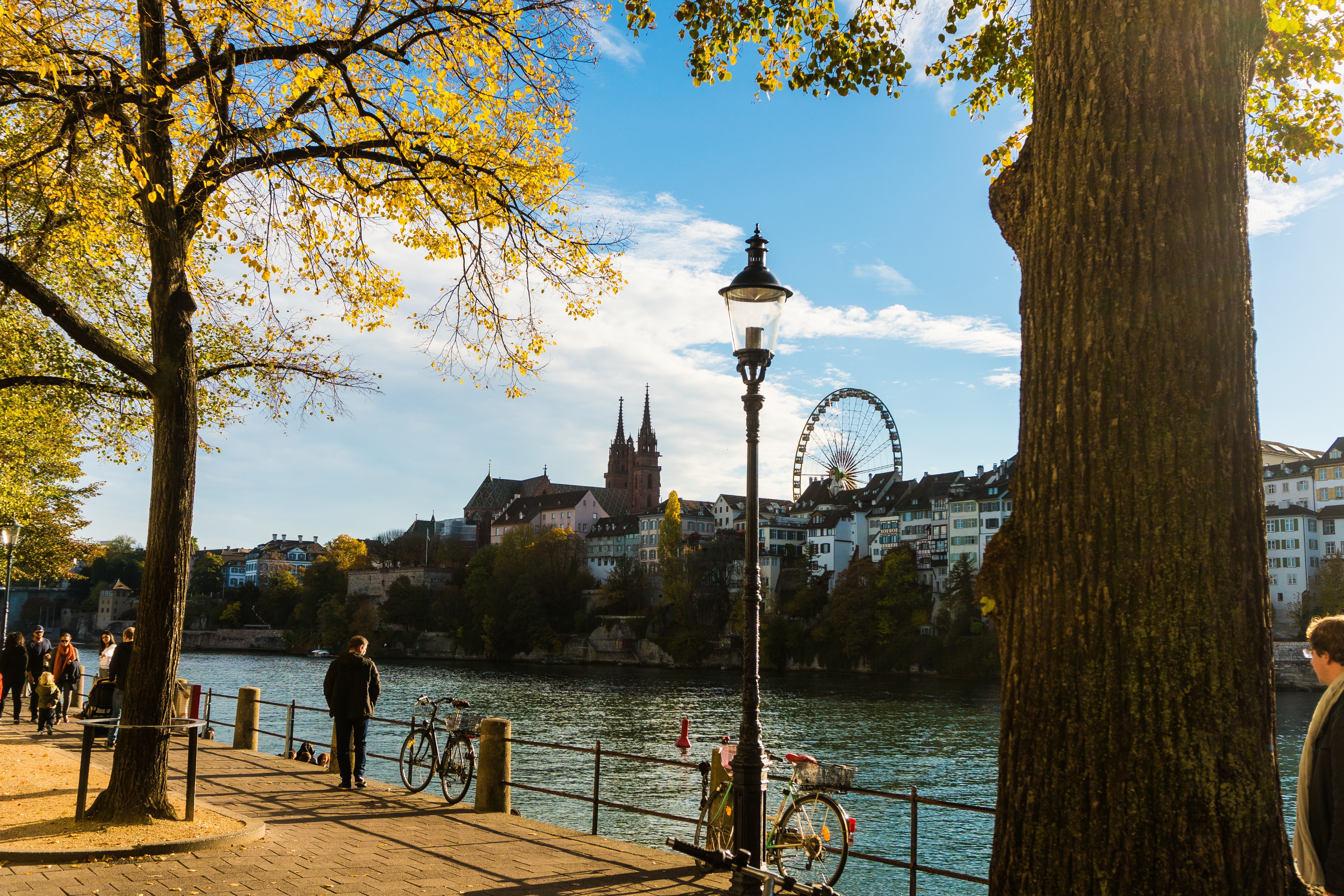
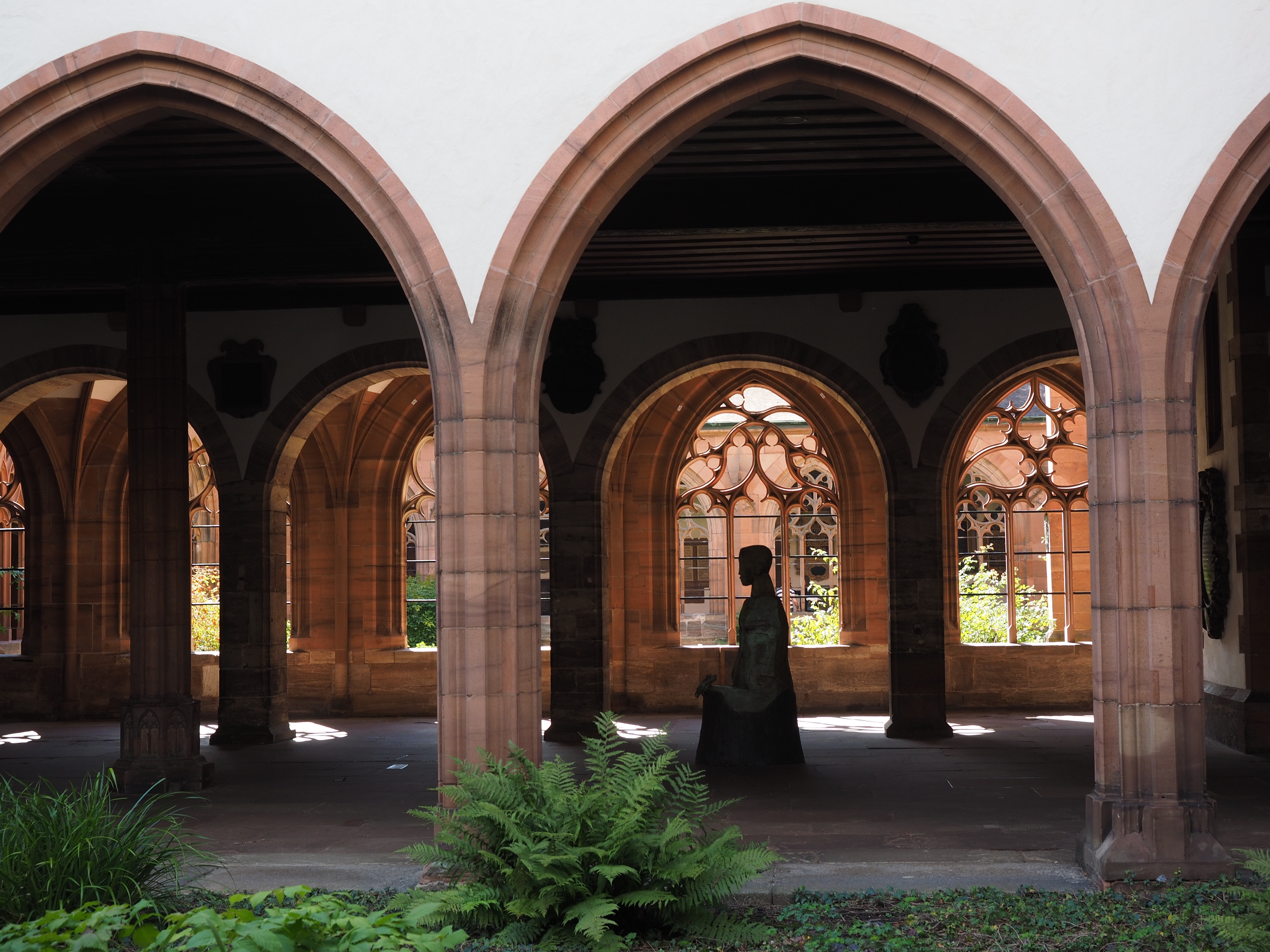
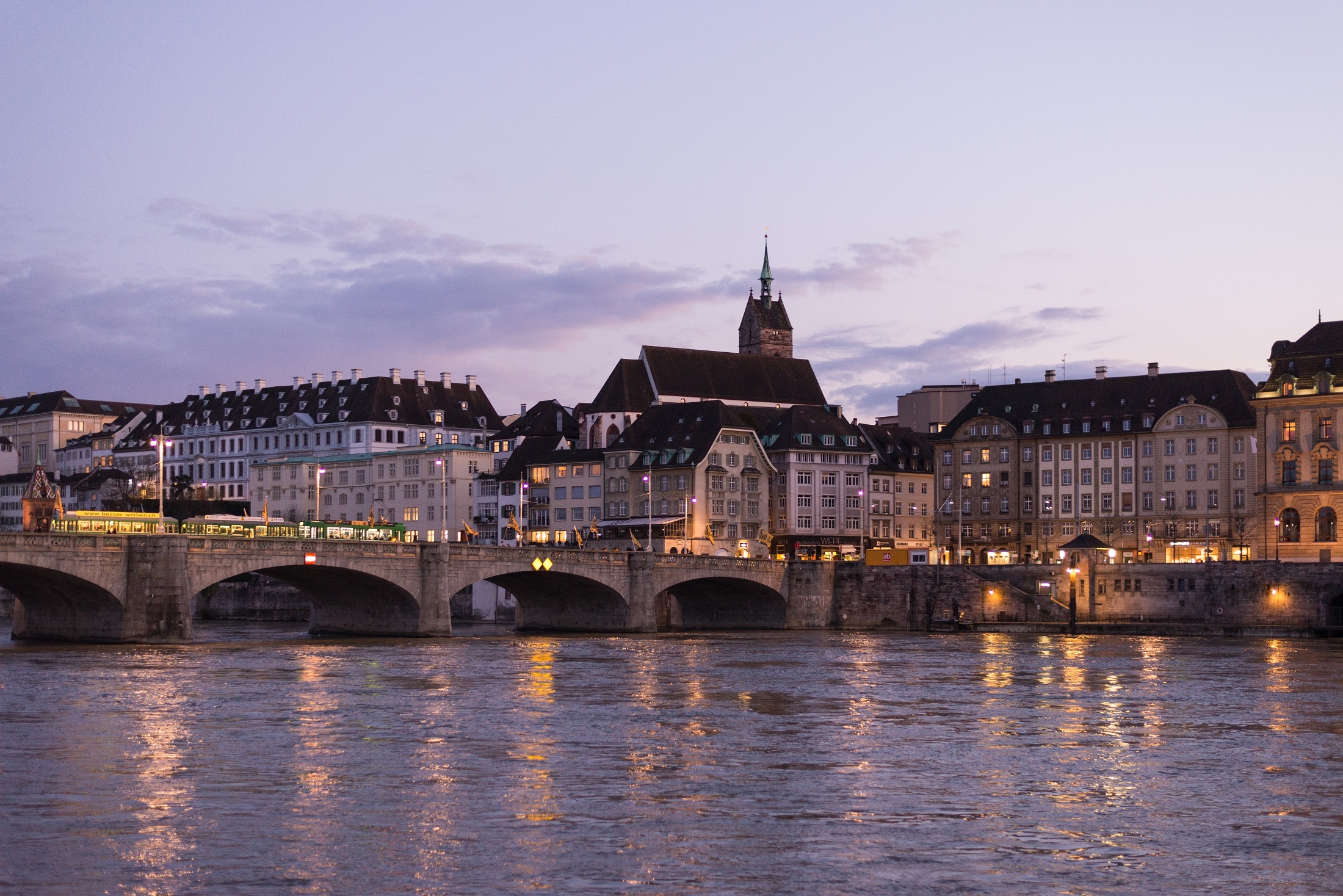
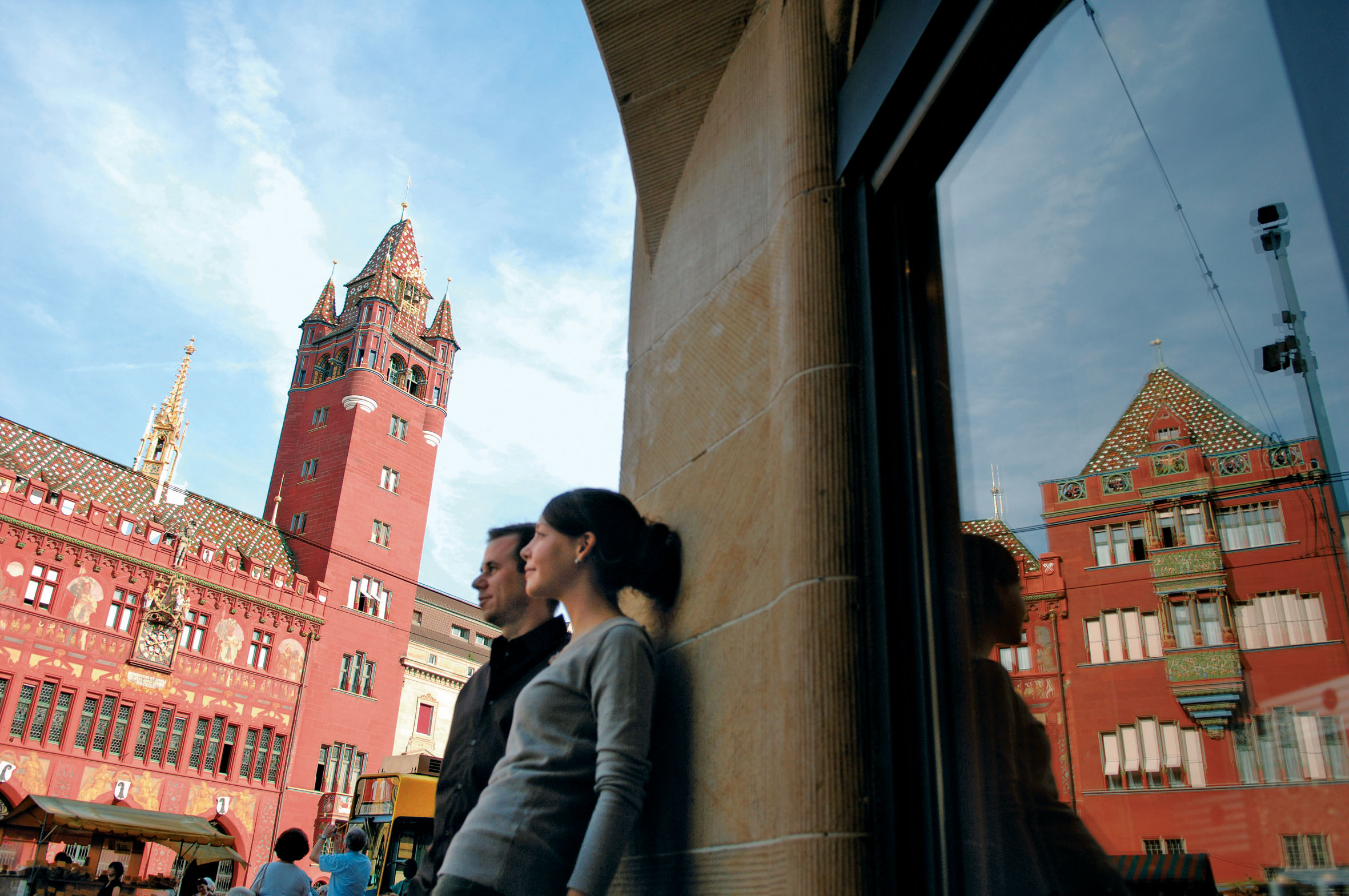
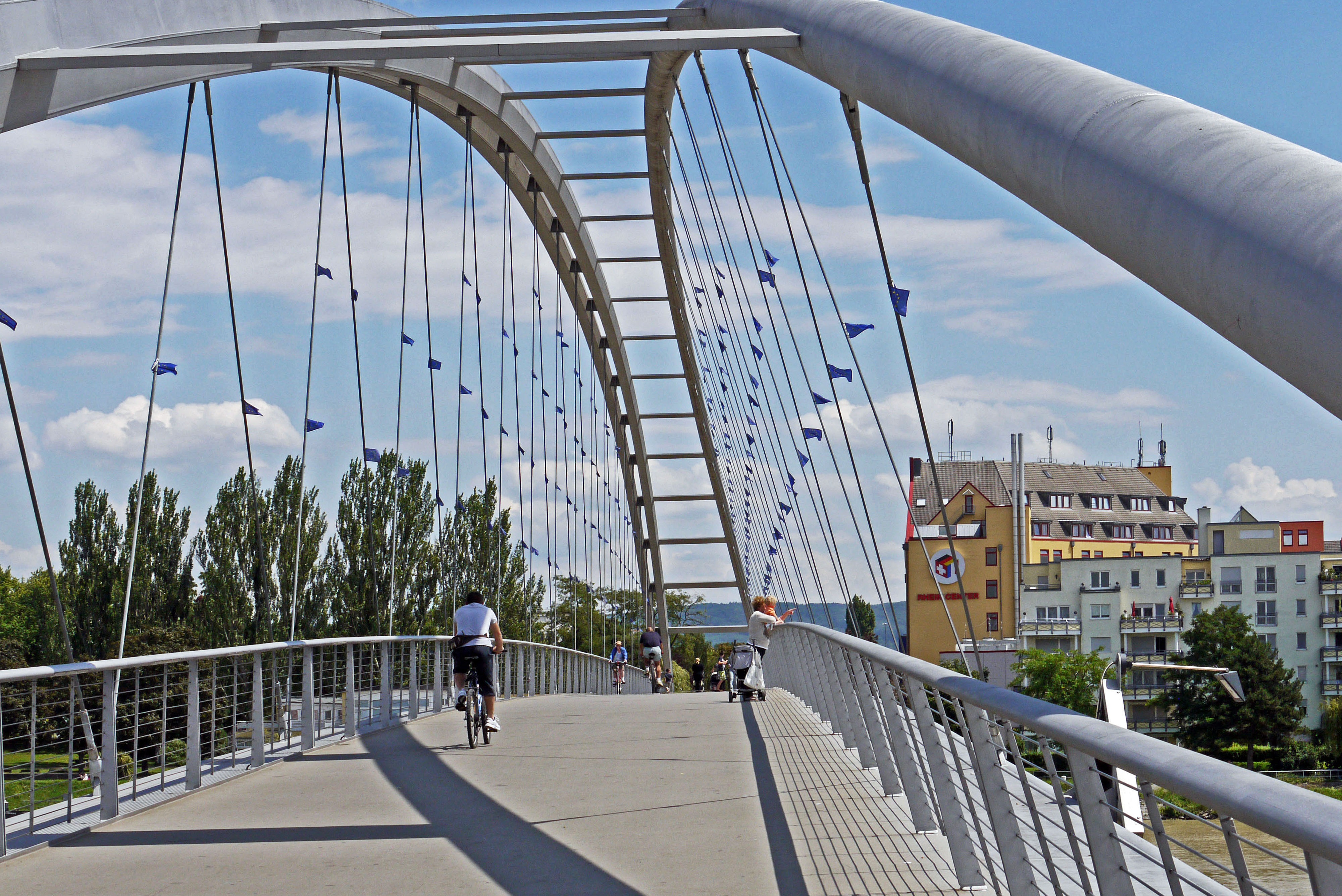
Basel is a city in northwestern Switzerland on the Swiss, French and German borders. It is located on the bend of the River Rhine and benefits from a Mediterranean climate. It is the third most populated city in Switzerland and has been the commercial hub for Swiss arts and culture since the Renaissance. In 1967 the people of Basel voted to acquire two paintings by Picasso, who was so moved by the Basel people that he donated 3 paintings and a study to the city's Kunstmuseum (Museum of Fine Arts). Visit the Augusta Raurica, one of the largest Roman archaeology parks in Switzerland, and enjoy a river crossings over the River Rhine by non-motorised ferries. During the summer months, time is spent outdoors, either swimming in the River Rhine, dining al fresco, enjoying open air concerts, cinema, street parties and festivals. Basel is home to over 20 restaurants that have won GaultMillau or Michelin awards, and boasts Switzerland's largest collection of theatre shows, including modern contemporary dance, touring and puppetry theatre.
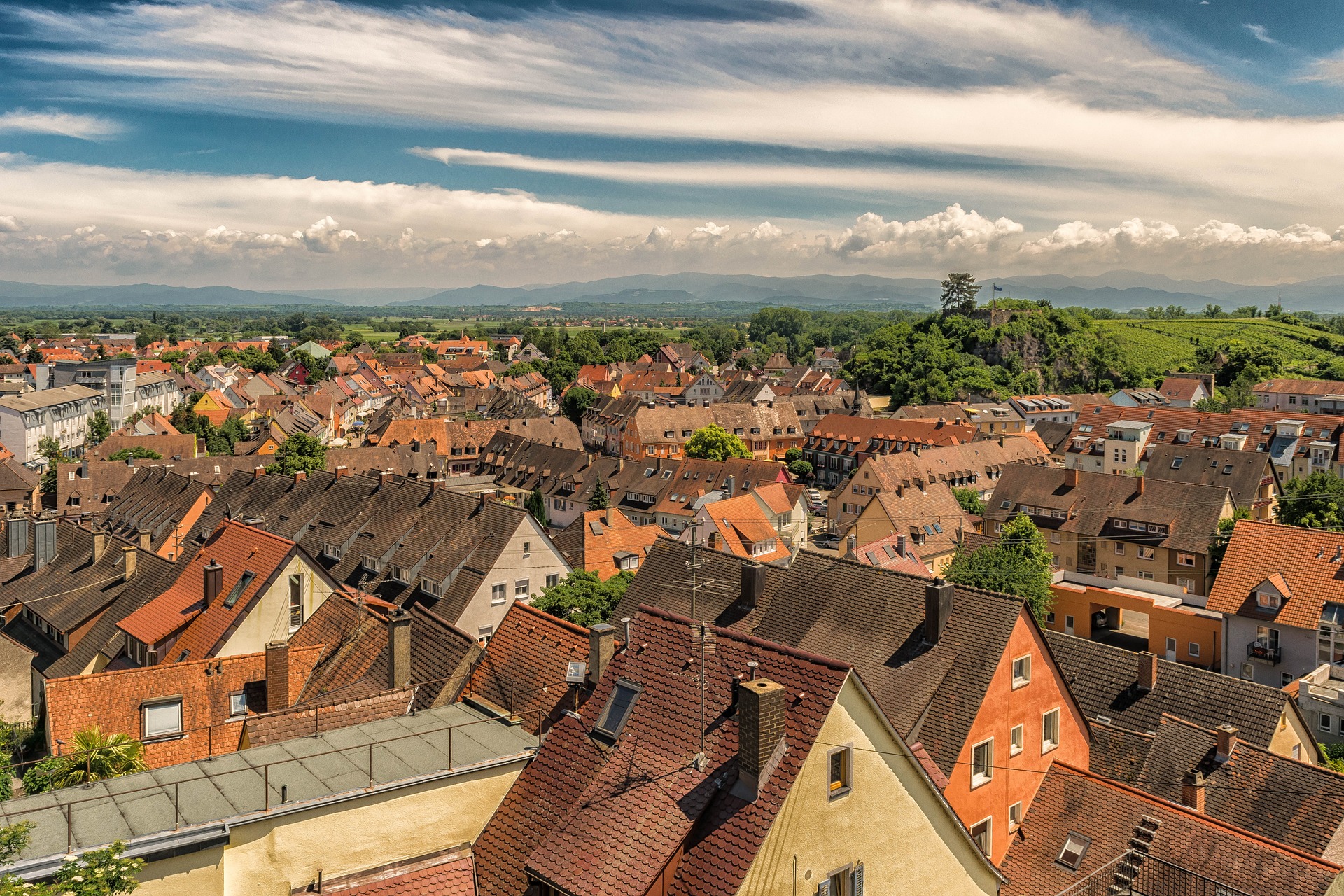
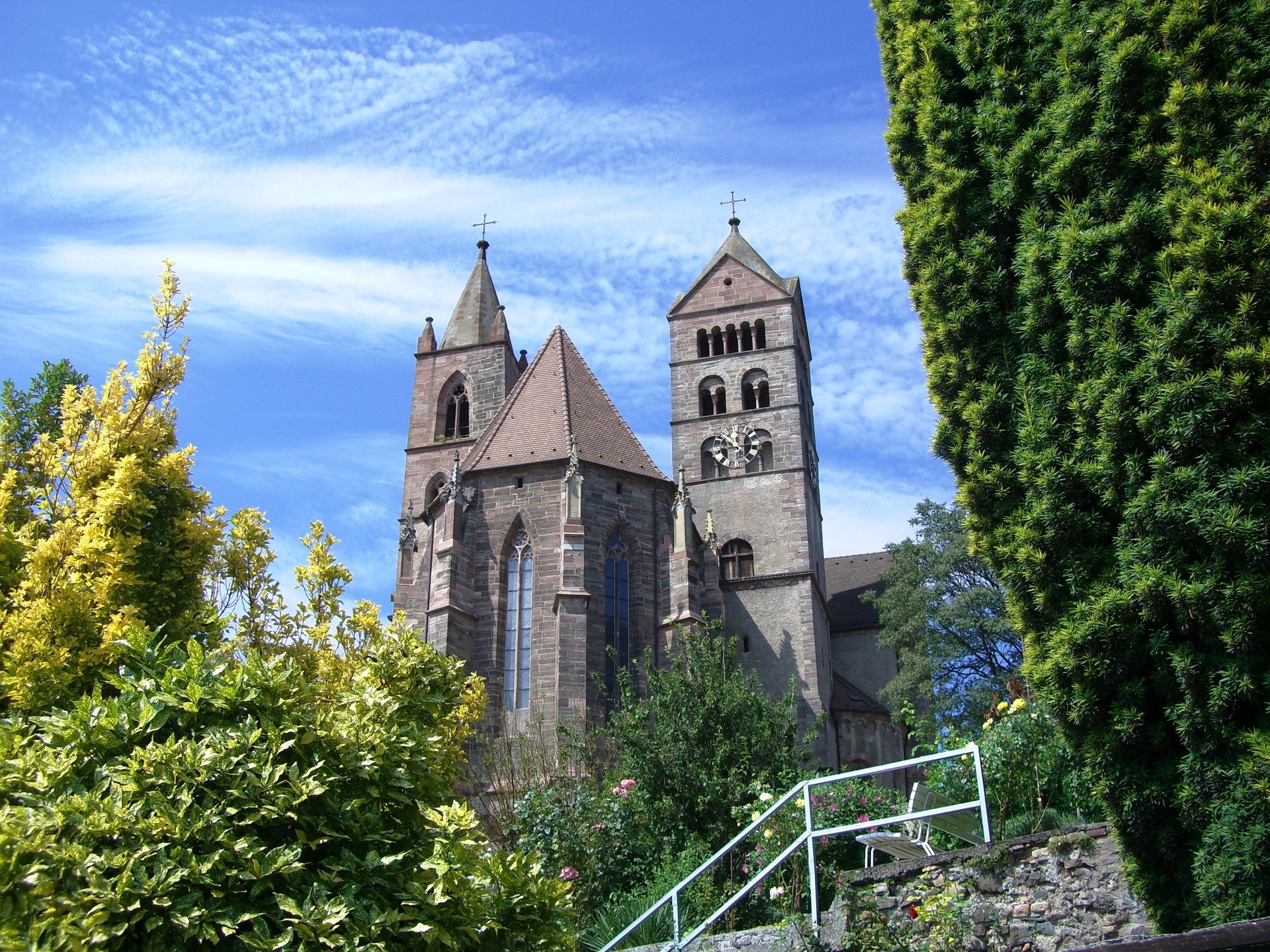
About Breisach
Breisach is a town located in Southwest Germany on the French border. The town is situated in the Rhine Valley on the banks of the river Rhine and dates back over four thousand years. Breisach and its history can be experienced through the City History Museum, which houses a permanent exhibition taking you from Stone Age through the Celtic, to the Romans and Middle Ages, right up to modern day. St Stephen's Cathedral is home to the city’s famous art treasures, the wheel wells, which are housed in the neighbouring Radbrunnenturm with the forty one metre deep water well. The cathedral is also home to many other treasures including the High Altar of Master HL and wall paintings by Martin Schongauer as well as High Gothic and Roman architecture. A visit to the Blue House, the former Jewish Community Centre, is highly recommended. Now owned by the Friends of Former Jewish Community House Breisach it exhibits memorials to Breisach’s Jewish heritage.

About Kehl
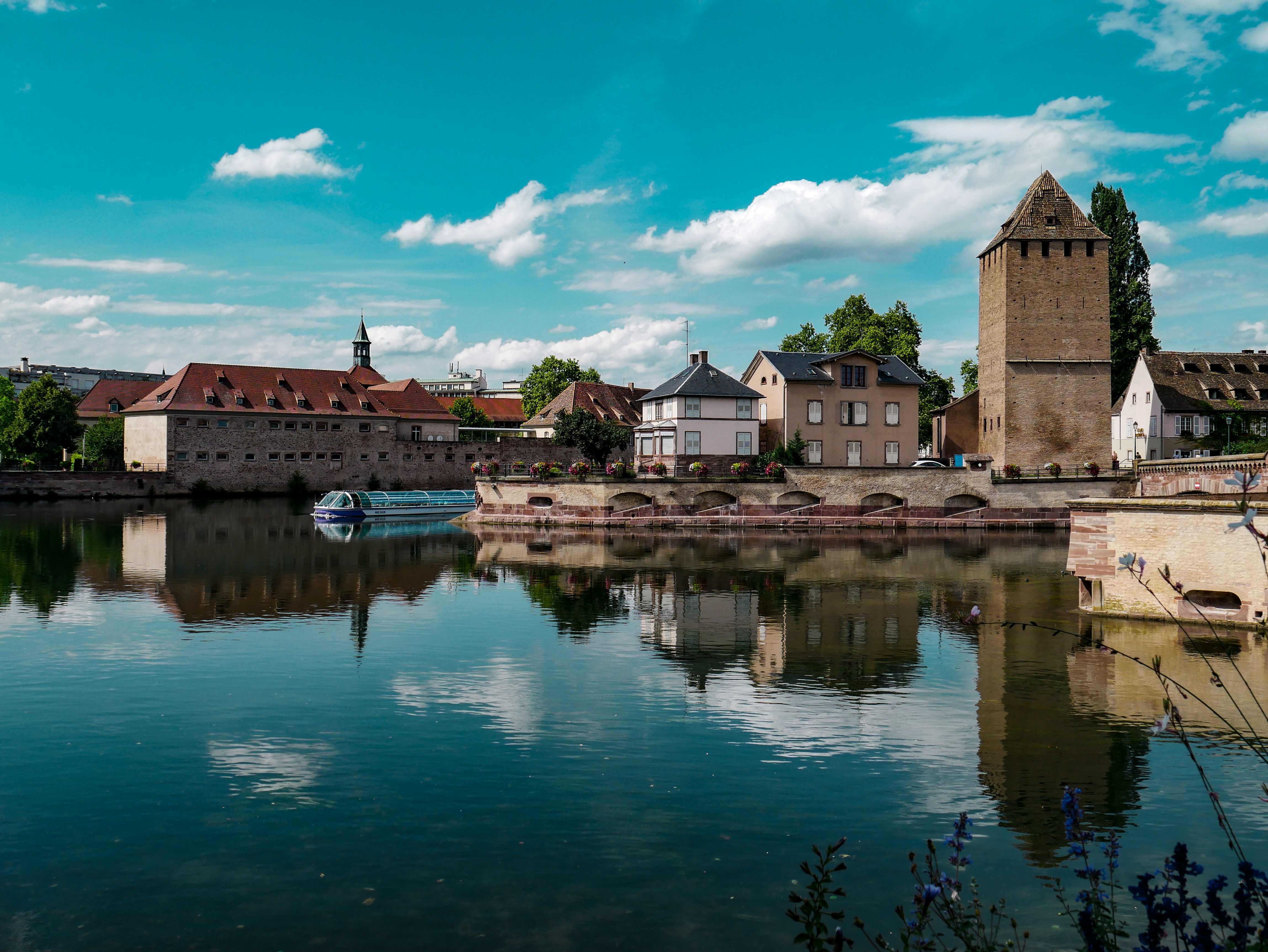
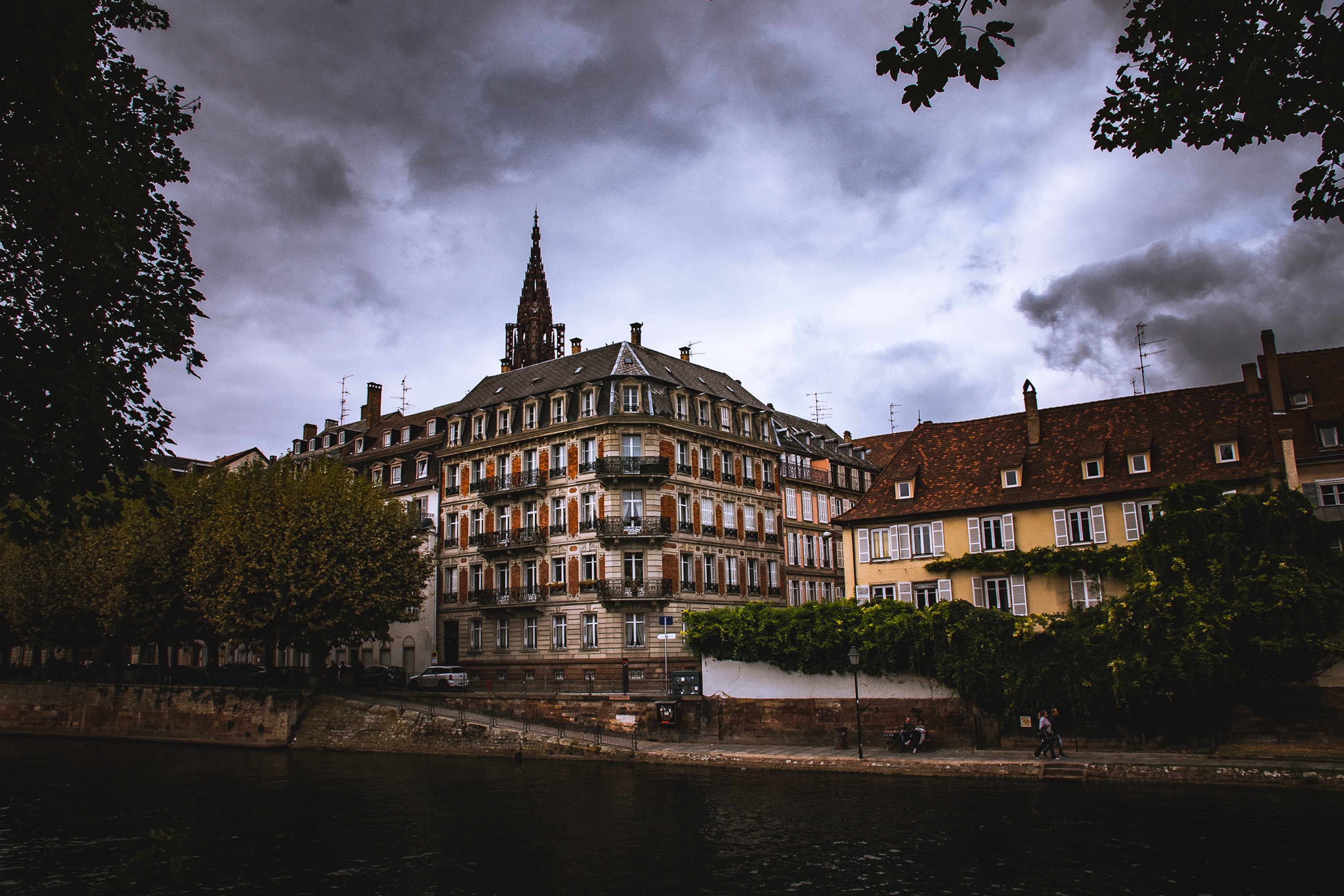
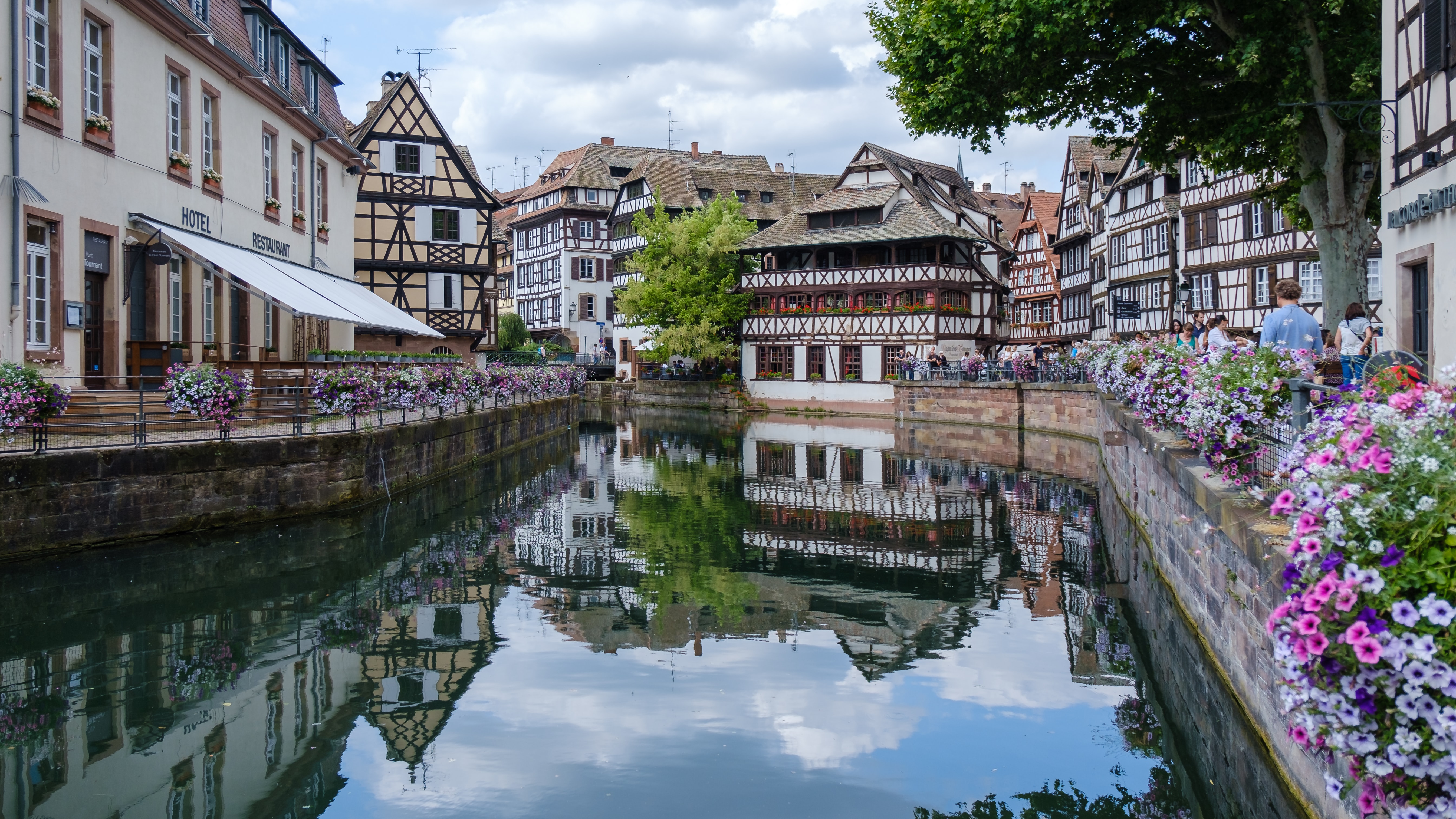
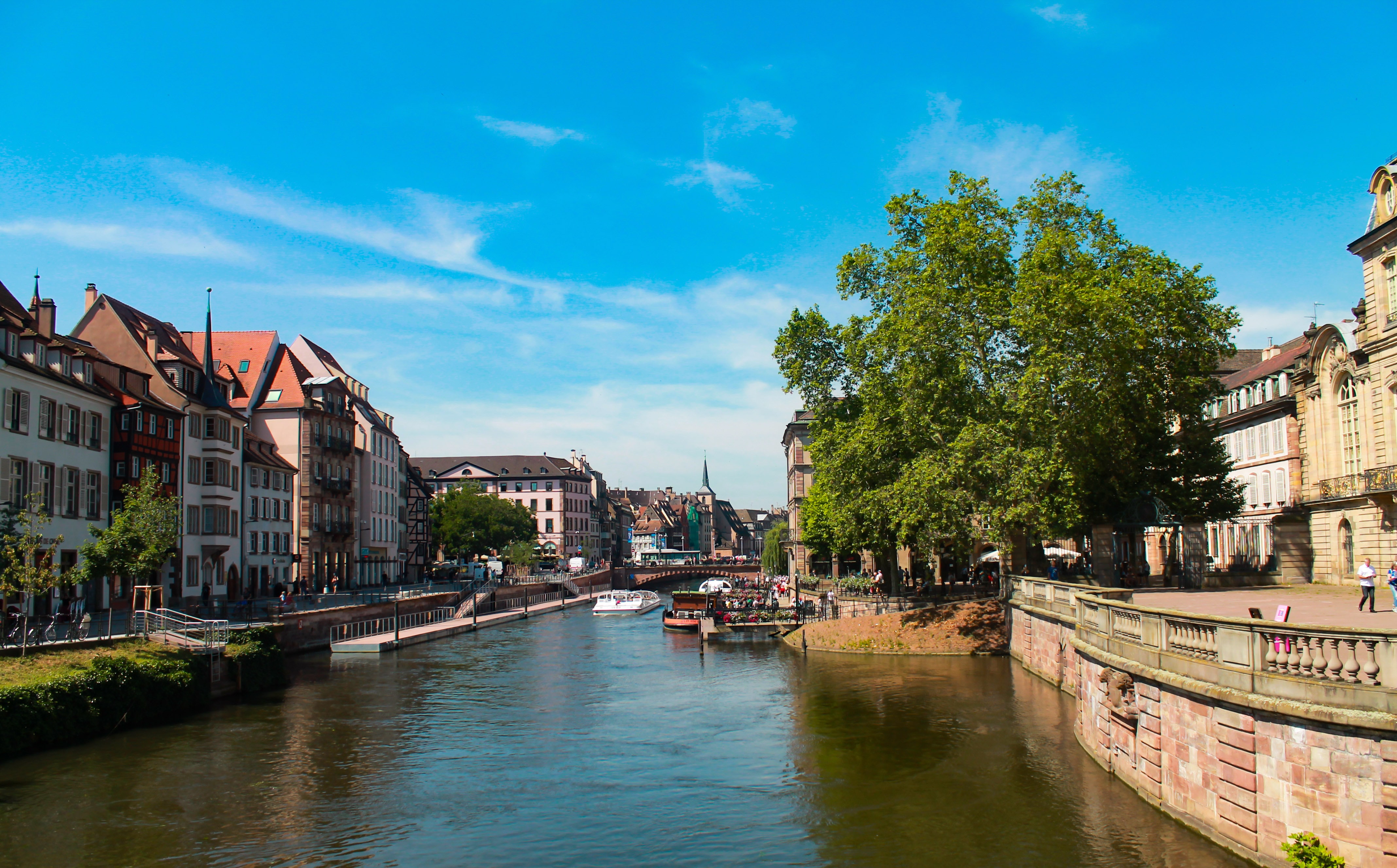
Kehl is a town located in southwest Germany on the River Rhine, across from the French City of Strasbourg. The town is not known as a tourist destination, however it benefits from idyllic landscape and a water-rich environment. Walk or cycle along the Reinpromenade or the garden of the Zweubüchter and enjoy a picnic at one of Kehl’s numerous excavation lakes. Nature lovers will enjoy spotting animals hiding along the rivers, lakes and bushes. Discover Kehl’s turbulent war and peace history with a guided tour of the centre and its surrounding villages. Visitors will also experience the town’s habitat and culture which is characterised through the half timbered houses and streets. Kehl town centre features a large pedestrian zone with many retail outlets, street cafes and outdoor dining to enjoy. A few minutes by public transport and visitors will find themselves in the centre of metropolitan Strasbourg.

About Strasbourg

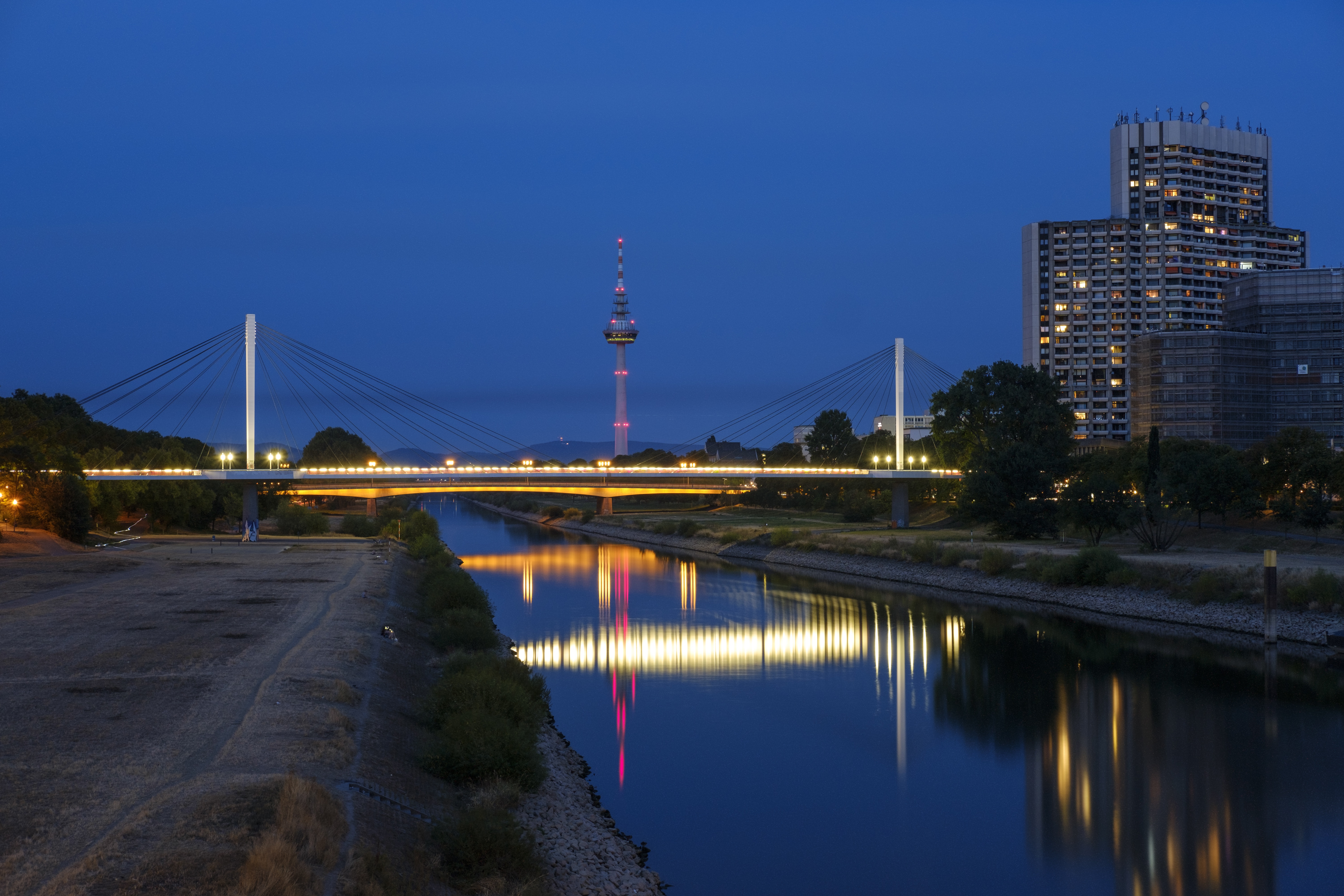
About Mannheim
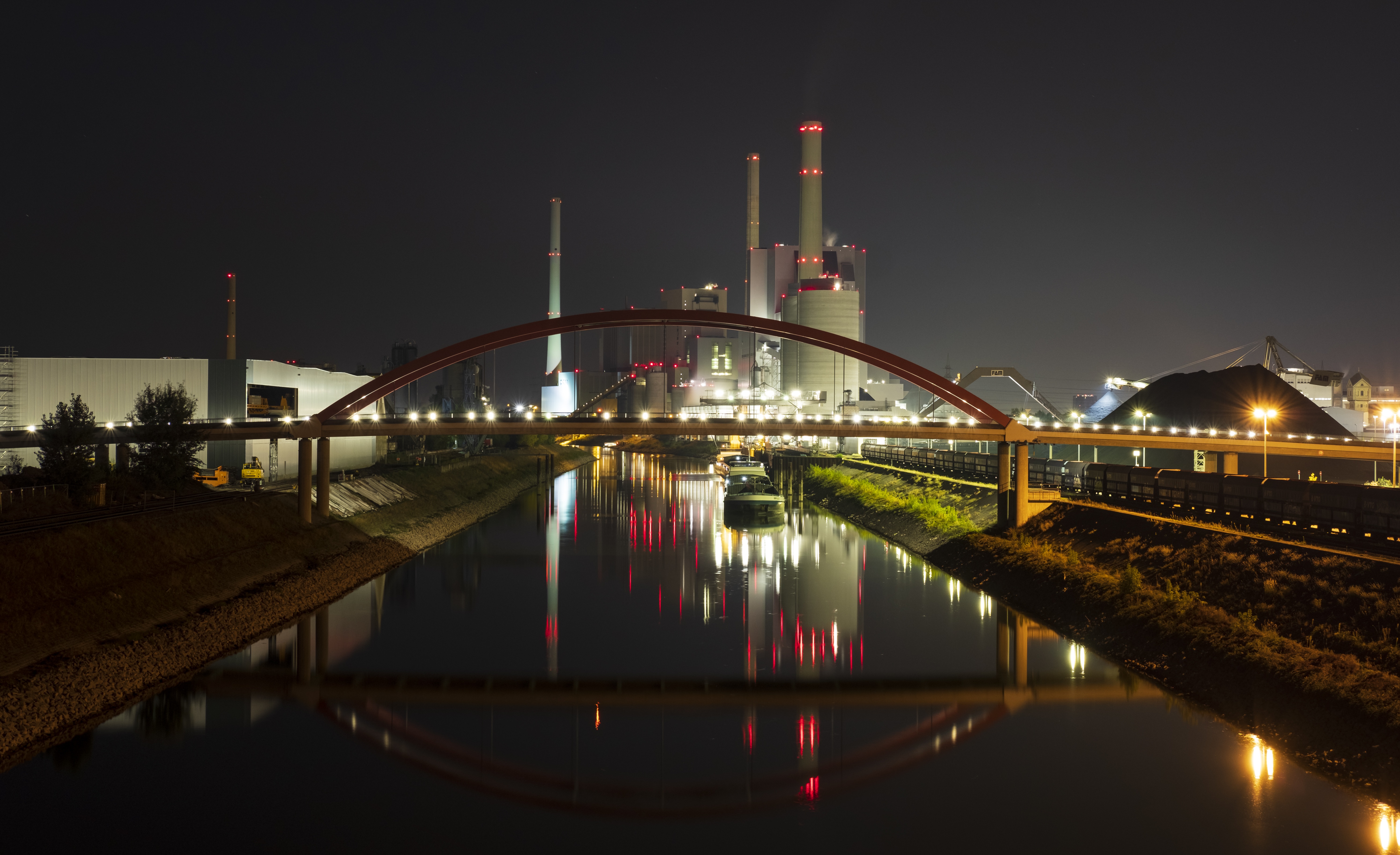
Mannheim, Germany, is a dynamic city known for its distinctive grid layout and vibrant cultural scene. Located at the confluence of the Rhine and Neckar rivers, it features the impressive Mannheim Palace and the lush Luisenpark. The city's modern architecture contrasts with its historical roots, while its thriving arts scene includes theaters, museums, and music festivals. Mannheim is also a key industrial and commercial hub, making it a blend of cultural richness and economic vitality.
About Koblenz
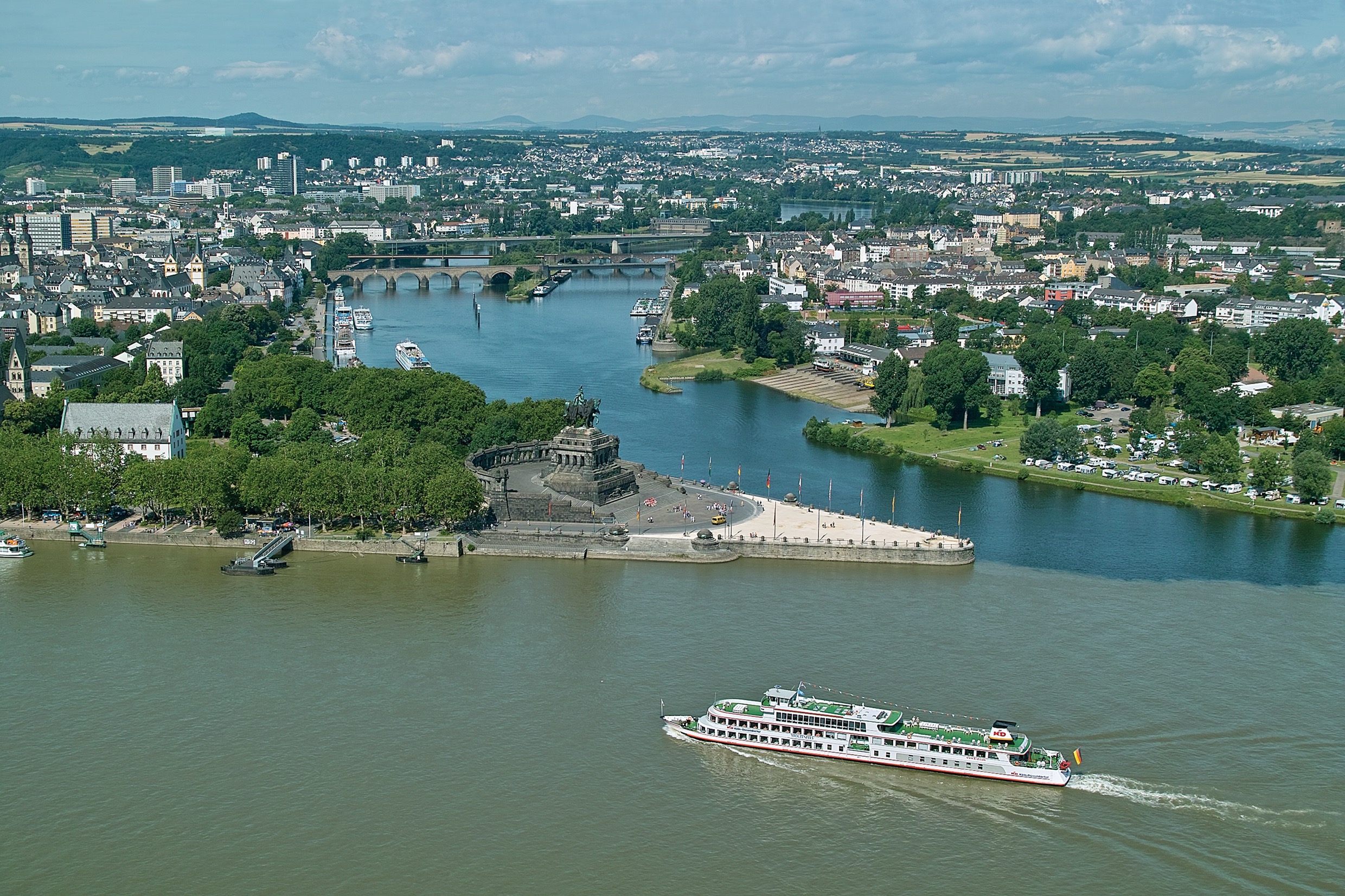
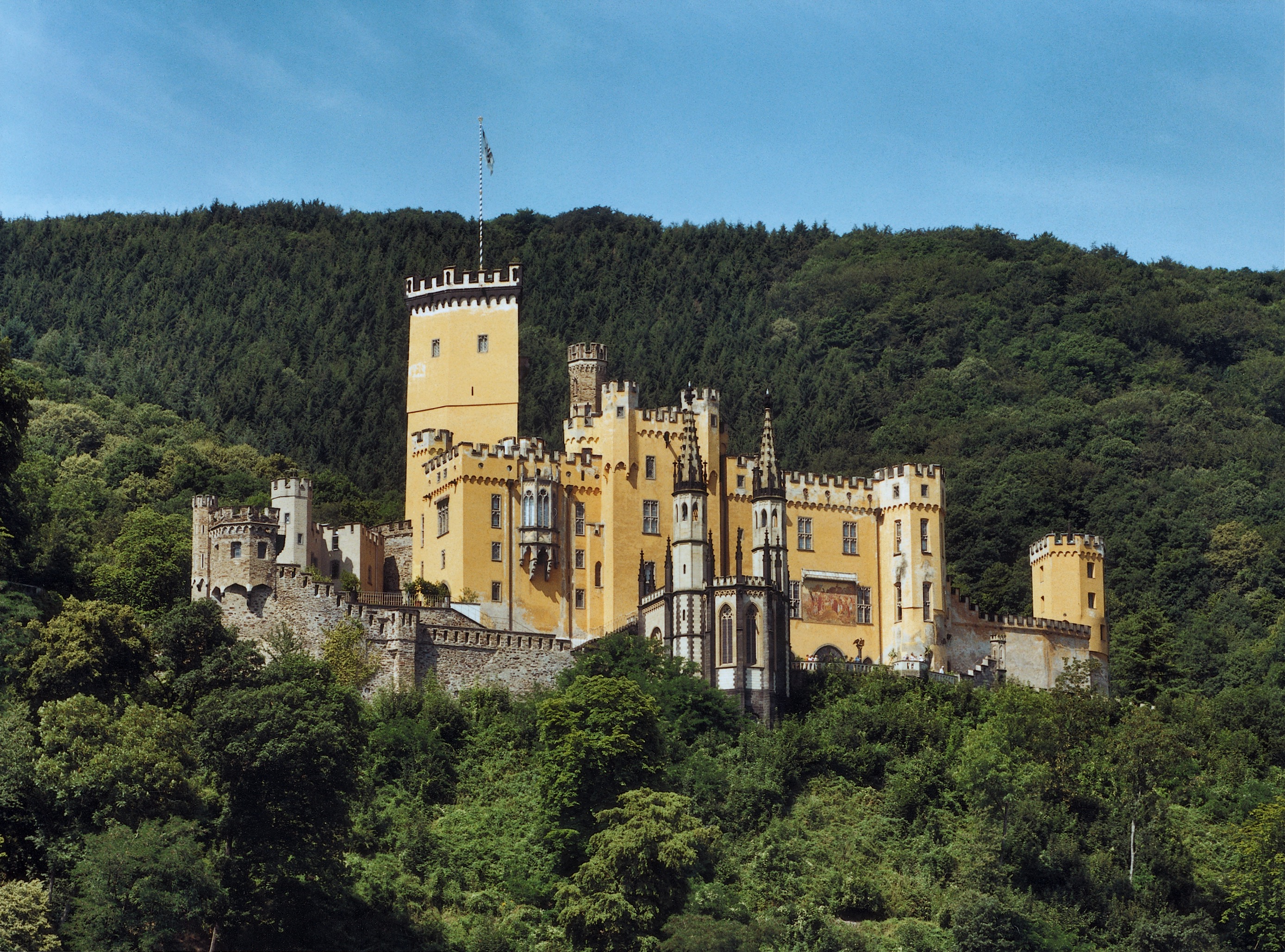
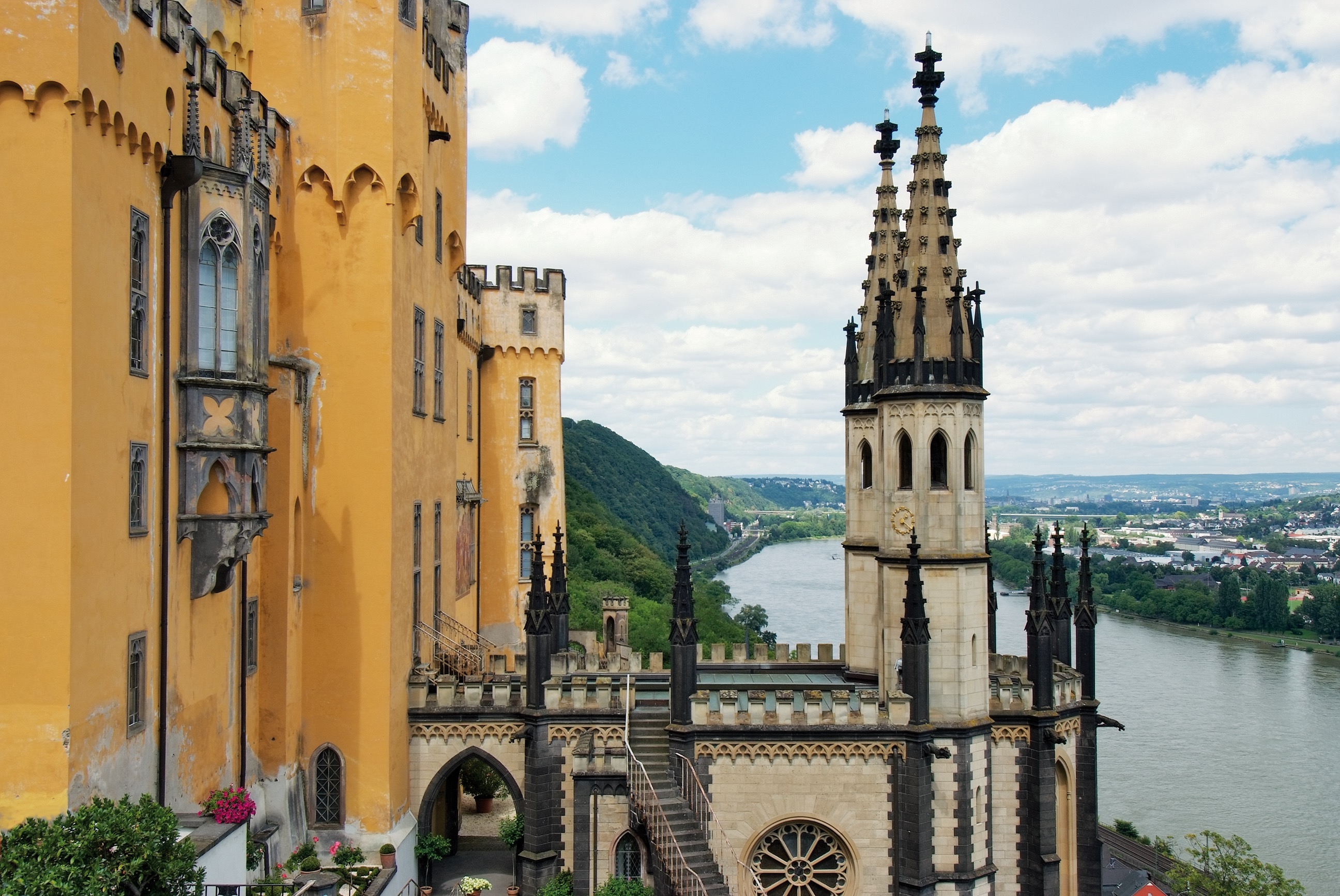
Located in the West of the country, Koblenz is one of the oldest cities in Germany. It is situated on both banks of the river Rhine, at its confluence with the Moselle River. The beginnings of Koblenz can be traced back to its military beginnings around 8 BC. The city is rich in its history and heritage and is easily explored on foot. Take the cable car crossing over the river Rhine for spectacular aerial views or enjoy the city from the one thousand year old fortress, Ehrenbreitstein. The upper middle Rhine Valley is a UNESCO World Heritage Site and its unique landscape can be enjoyed and discovered through the interactive multimedia journey at the Romanticum. Historical and architectural sites of interest include Stolzenfels Castle, the Electoral Palace of Koblenz and Old Town. From the romantic winding streets and small squares of Old Town, stroll through the alleyways from the Church of the Holy Virgin to the St Kastor Basilica and enjoy the picturesque buildings and squares along the way. Koblenz is also very popular for its Riesling and strong Spatburgunder wines since the Romans introduced it two thousand years ago.
About Cologne
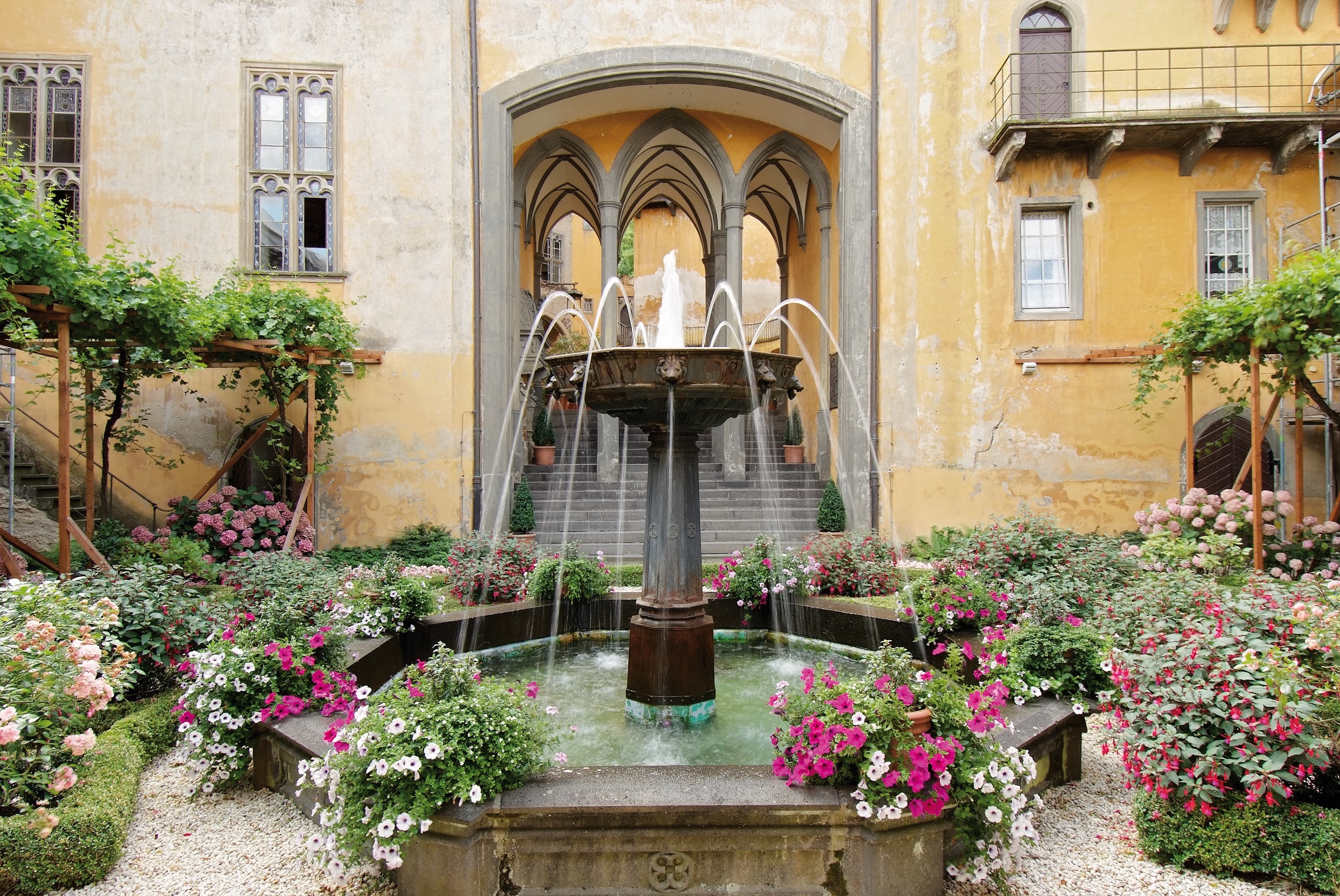
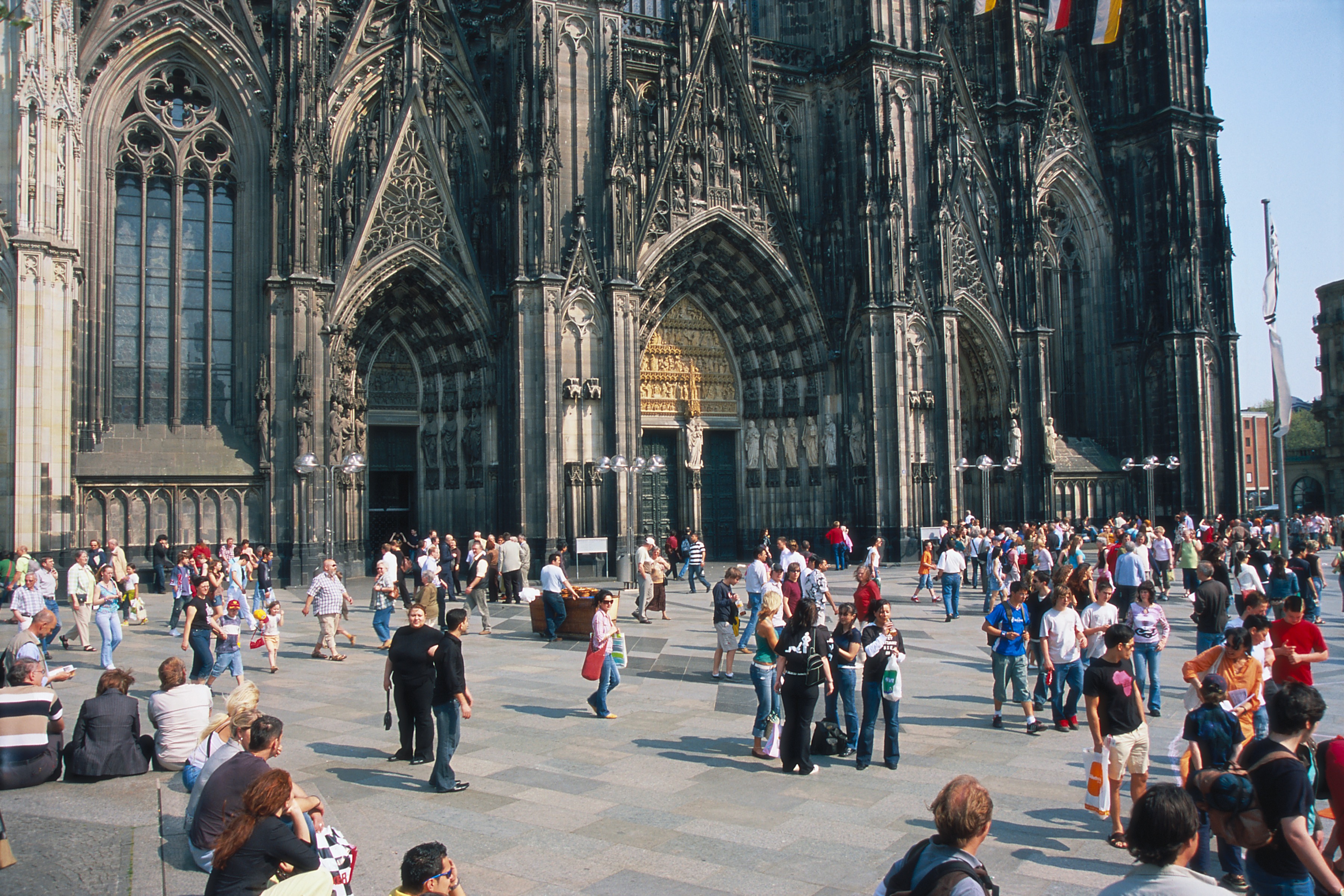
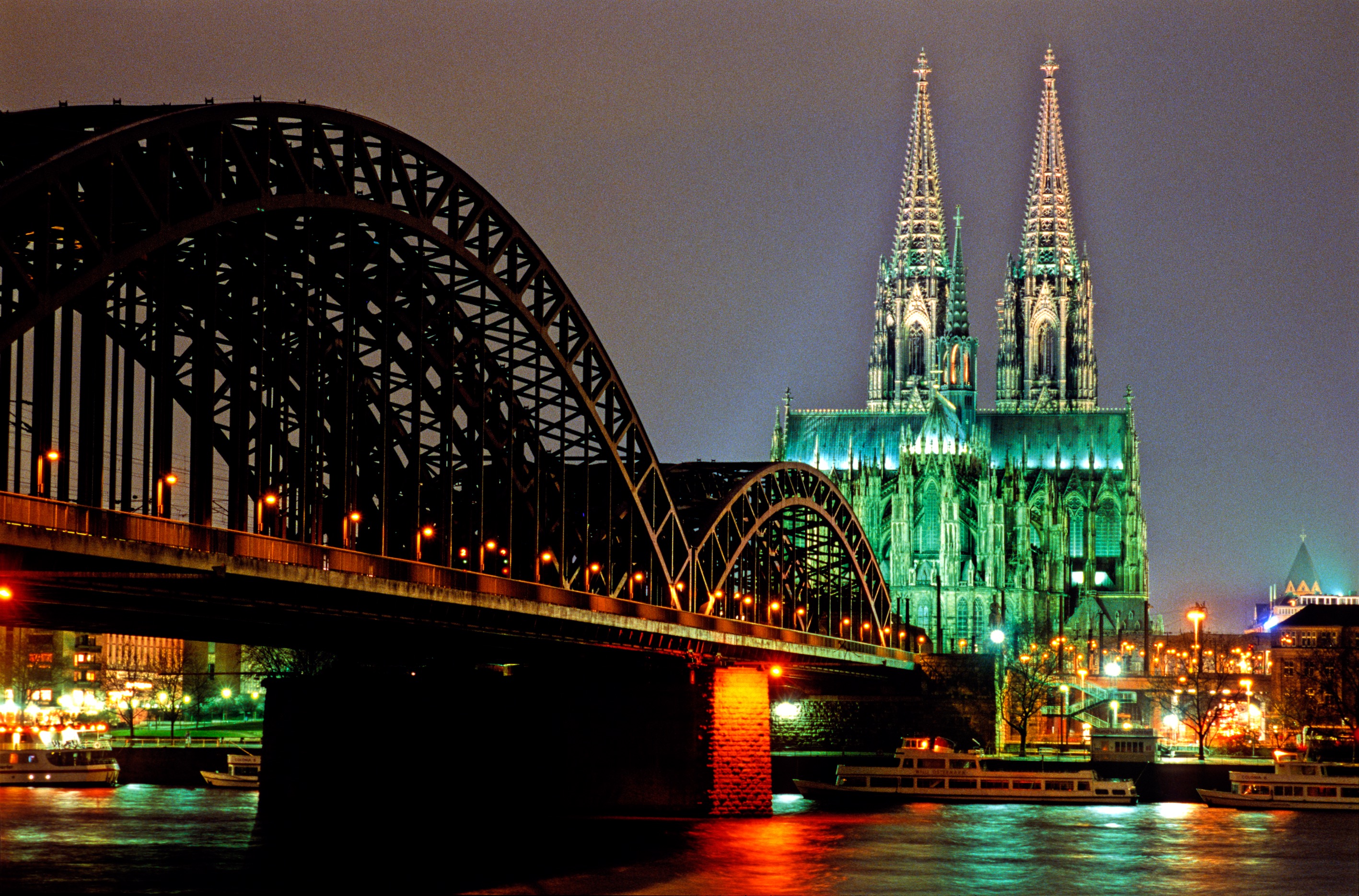
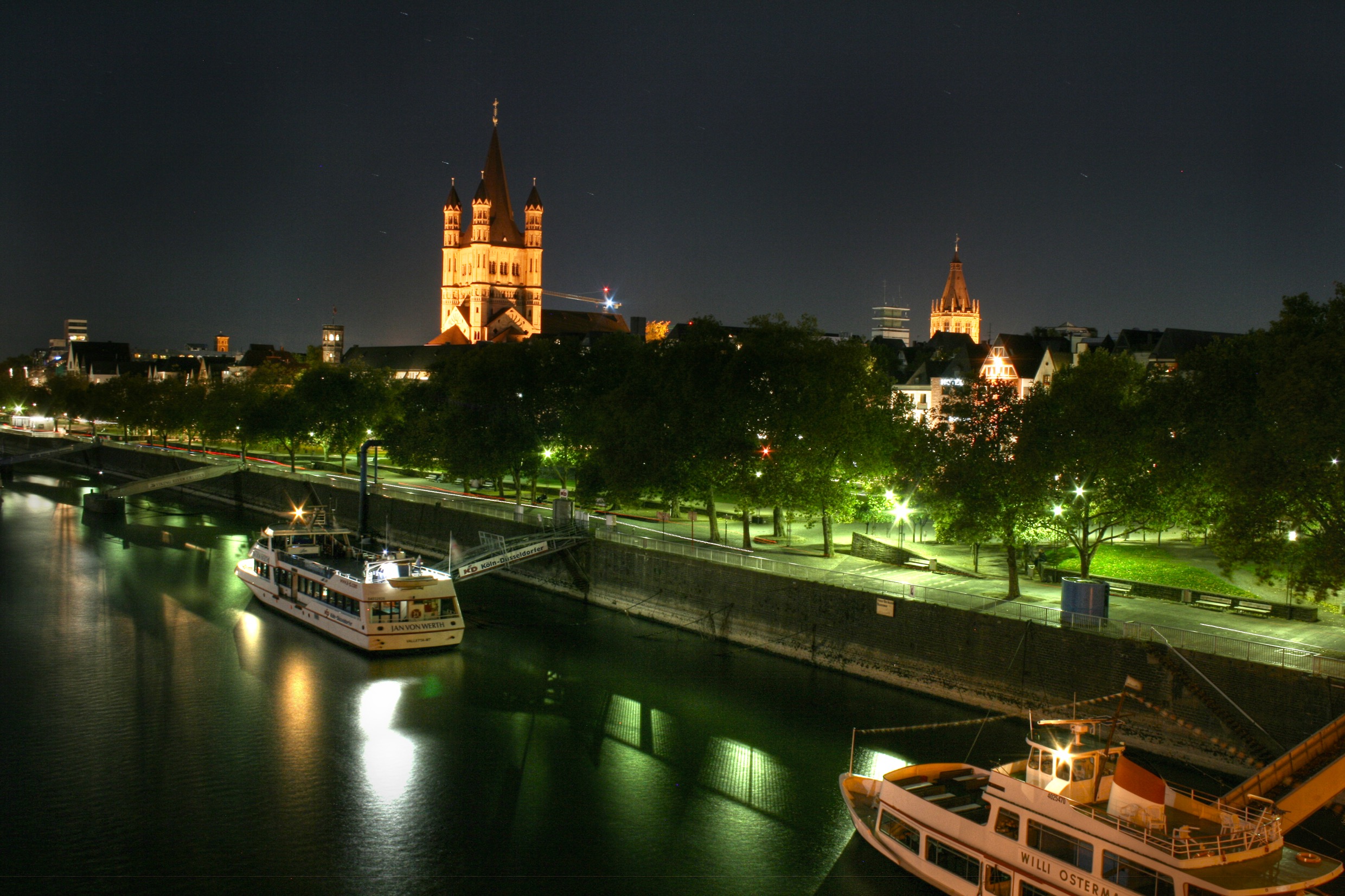
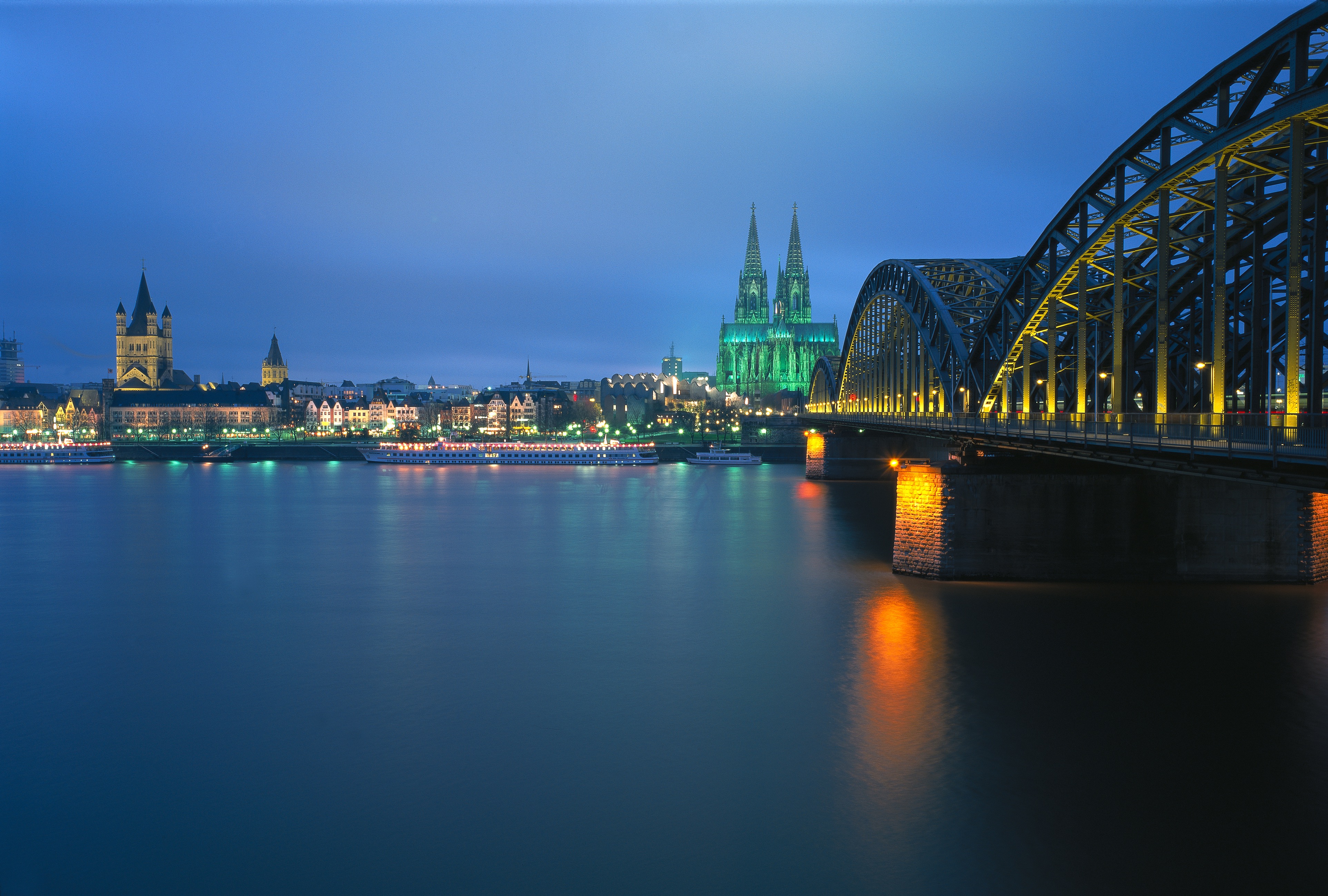
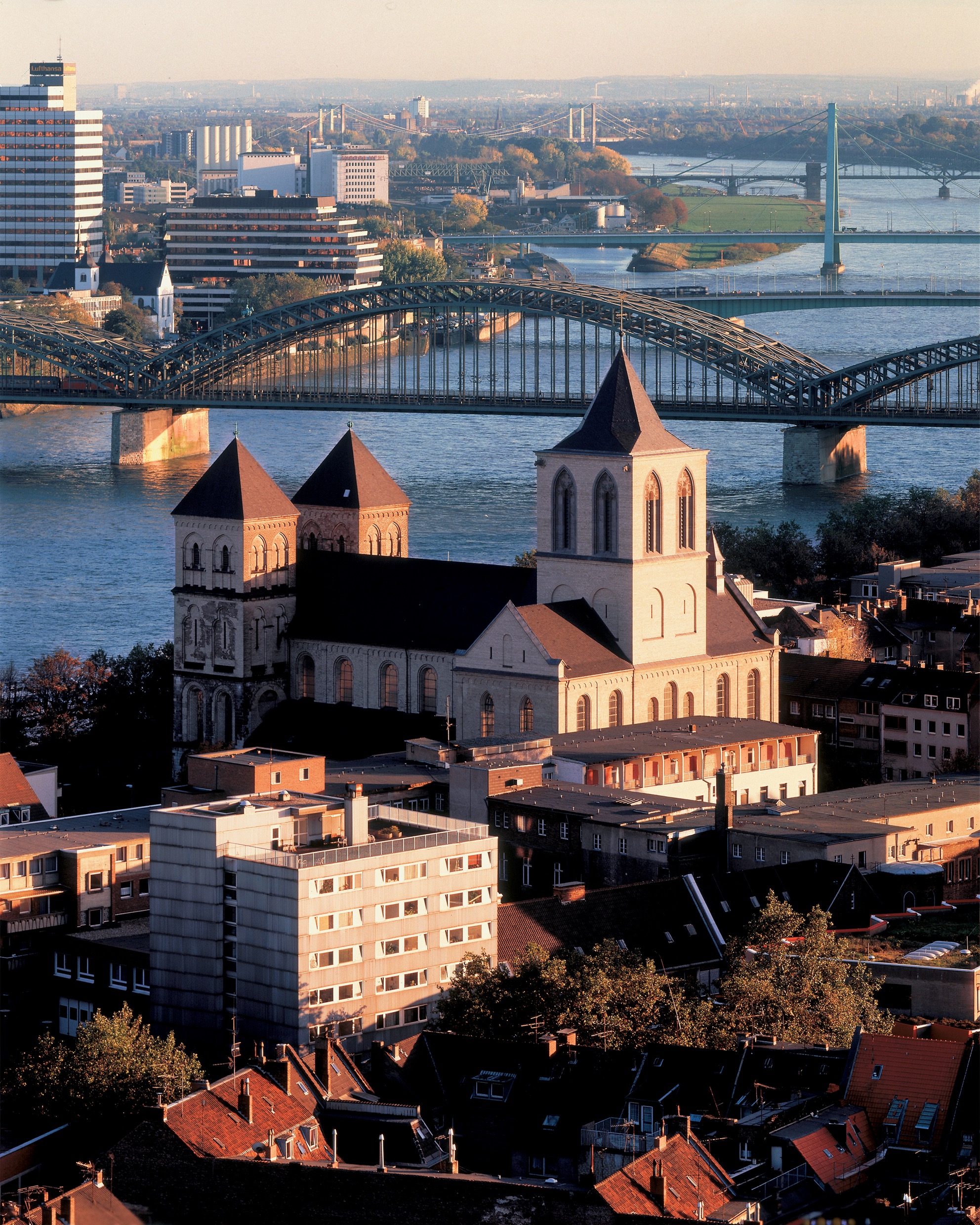
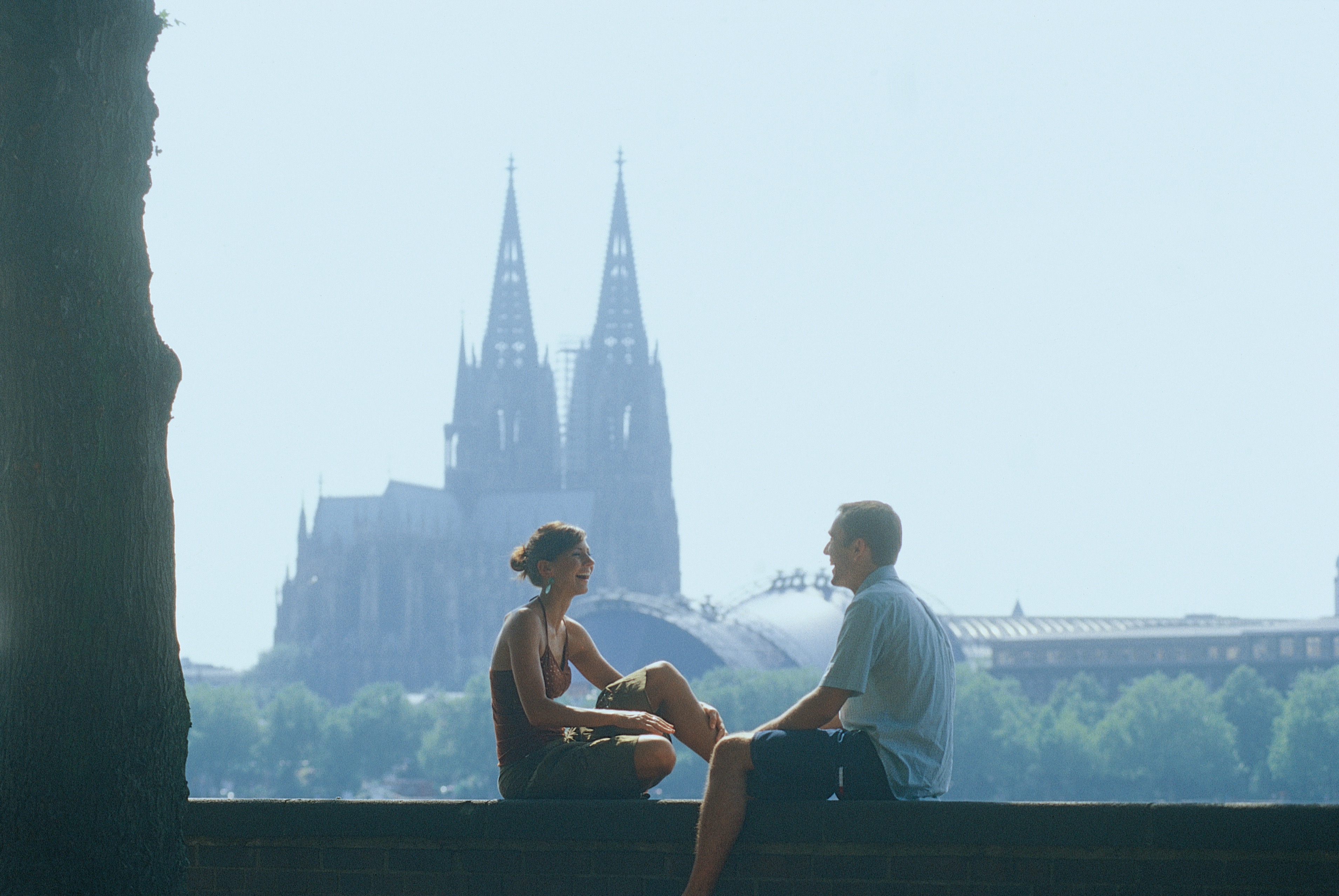
Cologne is a city in western Germany located across the Rhine river. It is the oldest in Germany, dating back 2000 years and is considered the region’s cultural hub. The city is known for its iconic landmark of the twin-spired Cologne Cathedral set against the reconstructed Old Town buildings. When in Old Town, visit the historic Old Town Hall and the Roman Church Great St Martin, or take time out and sit at one of the traditional breweries and enjoy the scenery around you. Historical sites such as the Roman Dionysus mosaic and the medieval Overstolzenhaus are worth a visit too. Another iconic sight in Cologne is at Hohenzollern Bridge. Here, local and tourist couples affix padlocks to the railings of the bridge and swear their loyalty to each other, they then throw the key into the Rhein to ensure everlasting love. Cologne is home to over 30 stages providing cabaret, free ensembles, theatre and dance and also celebrates its openly gay culture.

About Düsseldorf
About Amsterdam
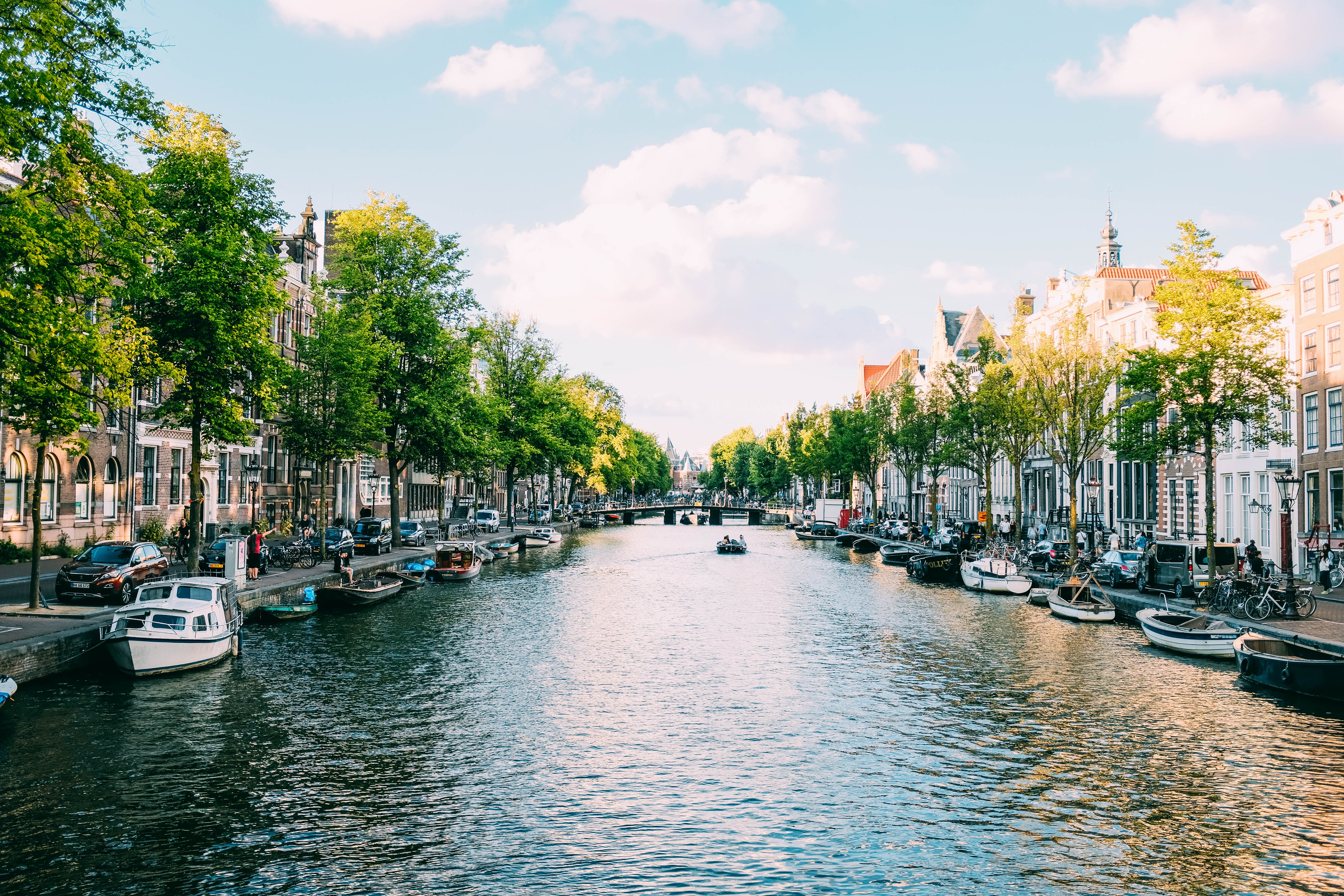
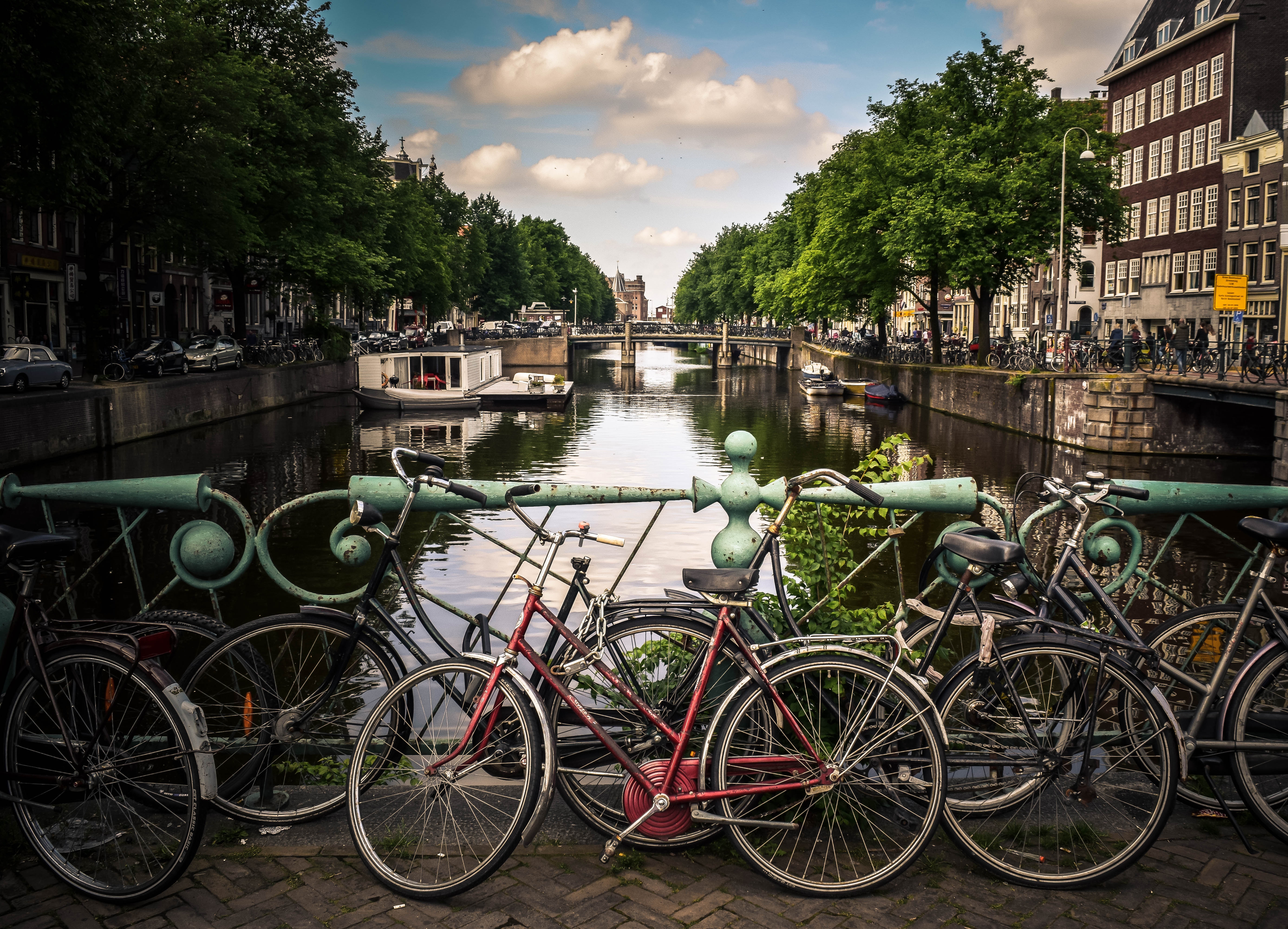
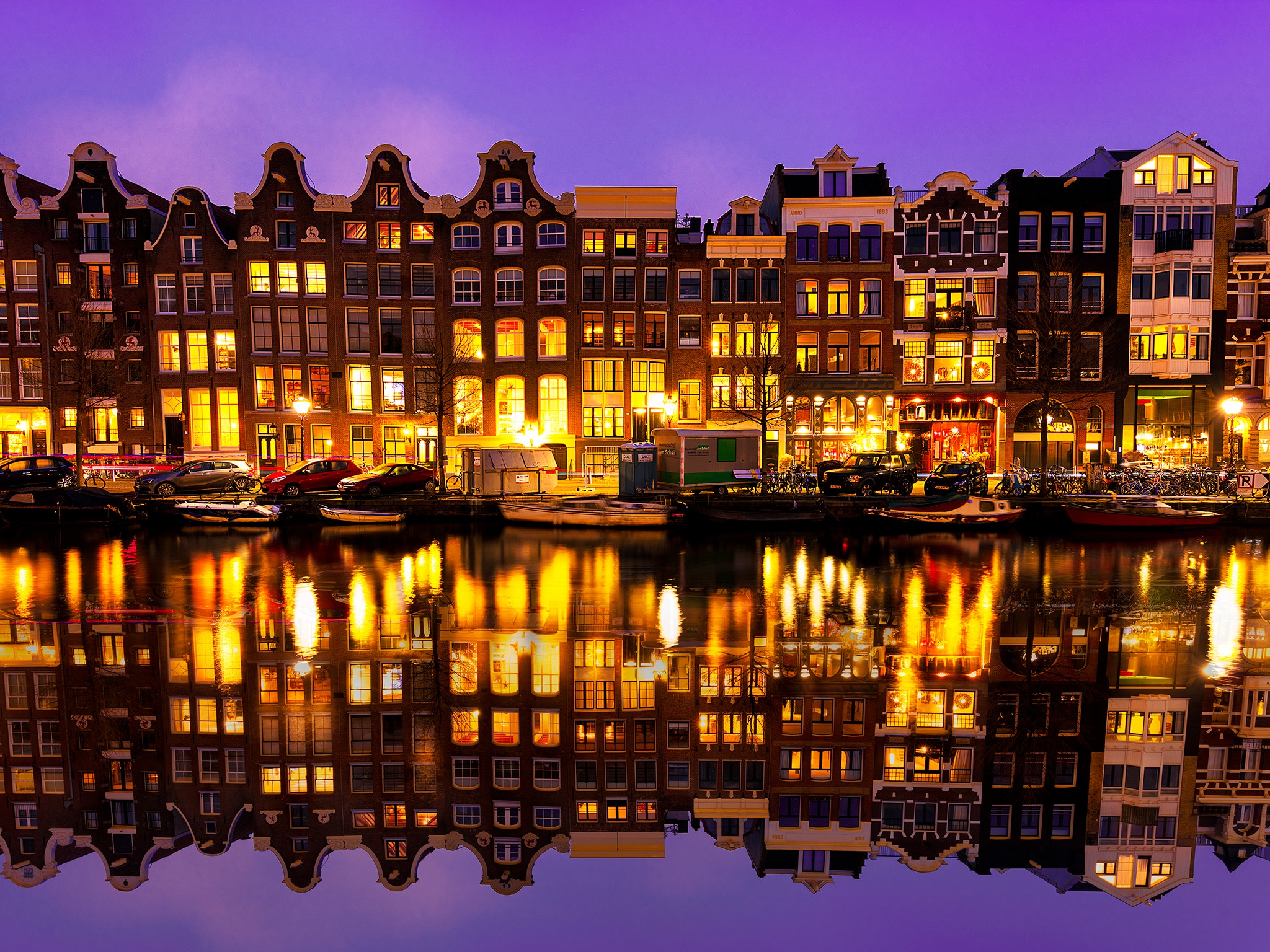
Amsterdam combines the unrivaled beauty of the 17th-century Golden Age city center with plenty of museums and art of the highest order, not to mention a remarkably laid-back atmosphere. It all comes together to make this one of the world's most appealing and offbeat metropolises in the world. Built on a latticework of concentric canals like an aquatic rainbow, Amsterdam is known as the City of Canals—but it's no Venice, content to live on moonlight serenades and former glory. Quite the contrary: on nearly every street here you'll find old and new side by side—quiet corners where time seems to be holding its breath next to streets like neon-lit Kalverstraat, and Red Light ladies strutting by the city's oldest church. Indeed, Amsterdam has as many lovely facets as a 40-carat diamond polished by one of the city's gem cutters. It's certainly a metropolis, but a rather small and very accessible one. Locals tend to refer to it as a big village, albeit one that happens to pack the cultural wallop of a major world destination. There are scores of concerts every day, numerous museums, summertime festivals, and, of course, a legendary year-round party scene. It's pretty much impossible to resist Amsterdam's charms. With 7,000 registered monuments, most of which began as the residences and warehouses of humble merchants, set on 160 man-made canals, and traversed by 1,500 or so bridges, Amsterdam has the largest historical inner city in Europe. Its famous circle of waterways, the grachtengordel, was a 17th-century urban expansion plan for the rich and is a lasting testament to the city’s Golden Age. This town is endearing because of its kinder, gentler nature—but a reputation for championing sex, drugs, and rock ’n’ roll does not alone account for Amsterdam's being one of the most popular destinations in Europe: consider that within a single square mile the city harbors some of the greatest achievements in Western art, from Rembrandt to Van Gogh. Not to mention that this is one of Europe's great walking cities, with so many of its treasures in the untouted details: tiny alleyways barely visible on the map, hidden garden courtyards, shop windows, floating houseboats, hidden hofjes(courtyards with almshouses), sudden vistas of church spires, and gabled roofs that look like so many unframed paintings. And don’t forget that the joy lies in details: elaborate gables and witty gable stones denoting the trade of a previous owner. Keep in mind that those XXX symbols you see all over town are not a mark of the city's triple-X reputation. They're part of Amsterdam's official coat of arms—three St. Andrew's crosses, believed to represent the three dangers that have traditionally plagued the city: flood, fire, and pestilence. The coat's motto ("Valiant, determined, compassionate") was introduced in 1947 by Queen Wilhelmina in remembrance of the 1941 February Strike in Amsterdam—the first time in Europe that non-Jewish people protested against the persecution of Jews by the Nazi regime.
About Amsterdam
Amsterdam combines the unrivaled beauty of the 17th-century Golden Age city center with plenty of museums and art of the highest order, not to mention a remarkably laid-back atmosphere. It all comes together to make this one of the world's most appealing and offbeat metropolises in the world. Built on a latticework of concentric canals like an aquatic rainbow, Amsterdam is known as the City of Canals—but it's no Venice, content to live on moonlight serenades and former glory. Quite the contrary: on nearly every street here you'll find old and new side by side—quiet corners where time seems to be holding its breath next to streets like neon-lit Kalverstraat, and Red Light ladies strutting by the city's oldest church. Indeed, Amsterdam has as many lovely facets as a 40-carat diamond polished by one of the city's gem cutters. It's certainly a metropolis, but a rather small and very accessible one. Locals tend to refer to it as a big village, albeit one that happens to pack the cultural wallop of a major world destination. There are scores of concerts every day, numerous museums, summertime festivals, and, of course, a legendary year-round party scene. It's pretty much impossible to resist Amsterdam's charms. With 7,000 registered monuments, most of which began as the residences and warehouses of humble merchants, set on 160 man-made canals, and traversed by 1,500 or so bridges, Amsterdam has the largest historical inner city in Europe. Its famous circle of waterways, the grachtengordel, was a 17th-century urban expansion plan for the rich and is a lasting testament to the city’s Golden Age. This town is endearing because of its kinder, gentler nature—but a reputation for championing sex, drugs, and rock ’n’ roll does not alone account for Amsterdam's being one of the most popular destinations in Europe: consider that within a single square mile the city harbors some of the greatest achievements in Western art, from Rembrandt to Van Gogh. Not to mention that this is one of Europe's great walking cities, with so many of its treasures in the untouted details: tiny alleyways barely visible on the map, hidden garden courtyards, shop windows, floating houseboats, hidden hofjes(courtyards with almshouses), sudden vistas of church spires, and gabled roofs that look like so many unframed paintings. And don’t forget that the joy lies in details: elaborate gables and witty gable stones denoting the trade of a previous owner. Keep in mind that those XXX symbols you see all over town are not a mark of the city's triple-X reputation. They're part of Amsterdam's official coat of arms—three St. Andrew's crosses, believed to represent the three dangers that have traditionally plagued the city: flood, fire, and pestilence. The coat's motto ("Valiant, determined, compassionate") was introduced in 1947 by Queen Wilhelmina in remembrance of the 1941 February Strike in Amsterdam—the first time in Europe that non-Jewish people protested against the persecution of Jews by the Nazi regime.
About London (Greenwich)
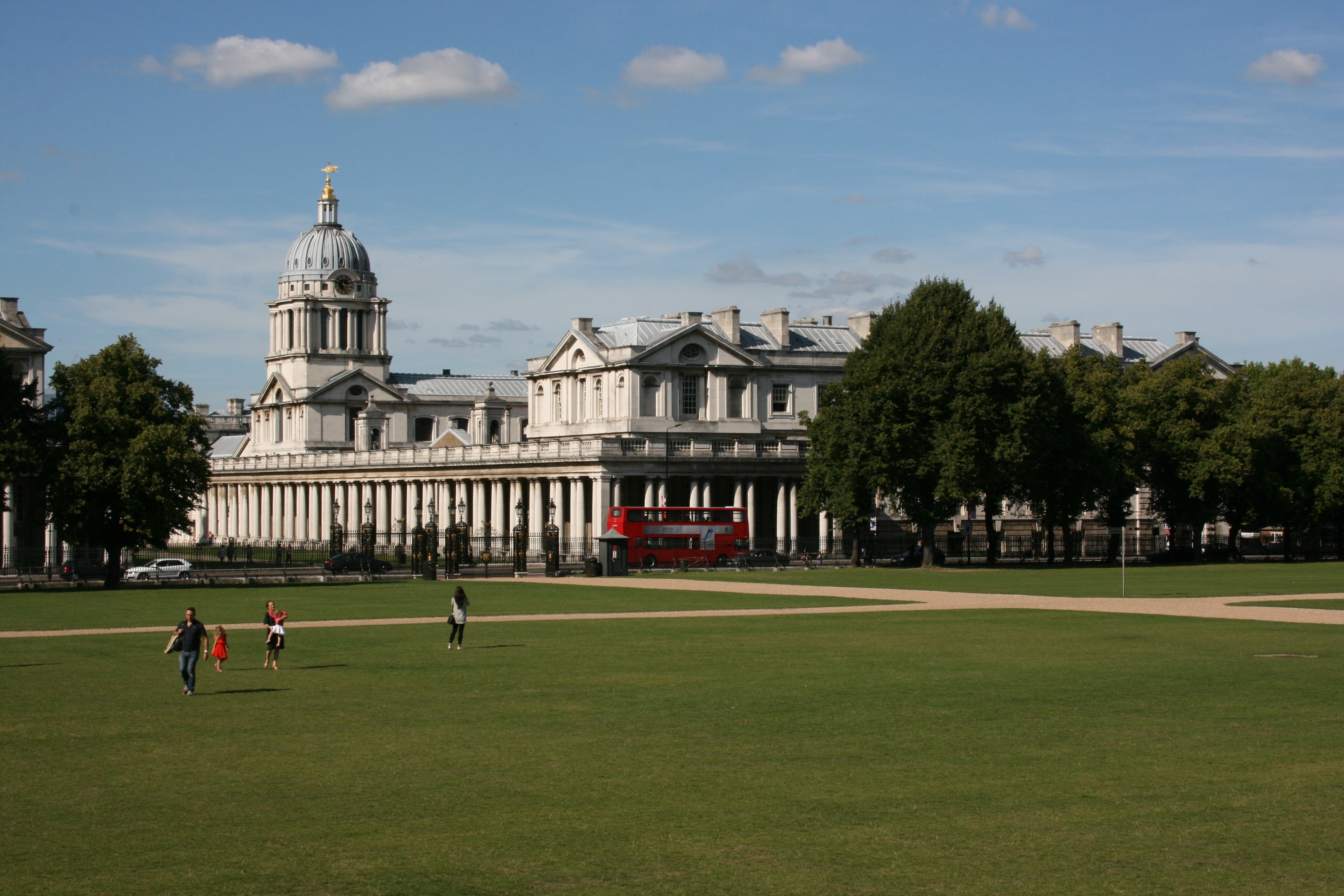
About 8 miles downstream—which means seaward, to the east—from central London, Greenwich is a small borough that looms large across the world. Once the seat of British naval power, it is not only home to the Old Royal Observatory, which measures time for our entire planet, but also the Greenwich Meridian, which divides the world into two—you can stand astride it with one foot in either hemisphere. Bear in mind that the journey to Greenwich is an event in itself. In a rush, you can take the driverless DLR train—but many opt for arriving by boat along the Thames. This way, you glide past famous sights on the London skyline (there’s a guaranteed spine chill on passing the Tower) and ever-changing docklands, and there’s usually a chirpy Cock-er-ney navigator enlivening the journey with his fun commentary. A visit to Greenwich feels like a trip to a rather elegant seaside town—albeit one with more than its fair share of historic sites. The grandiose Old Royal Naval Hospital, designed by Christopher Wren, was originally a home for veteran sailors. Today it’s a popular visitor attraction, with a more glamorous second life as one of the most widely used movie locations in Britain. Greenwich was originally home to one of England's finest Tudor palaces, and the birthplace of Henry VIII, Elizabeth I, and Mary I. Inigo Jones built what is considered the first "classical" building in England in 1616—the Queen's House, which now houses a collection of fine art. Britain was the world’s preeminent naval power for over 500 years, and the excellent National Maritime Museum> details that history in an engaging way. Its prize exhibits include the coat worn by Admiral Lord Nelson (1758–1805) in his final battle—bullet hole and all. The 19th-century tea clipper Cutty Sark was nearly destroyed by fire in 2007, but reopened in 2012 after a painstaking restoration. Now it’s more pristine than ever, complete with an impressive new visitor center. Greenwich Park, London's oldest royal park, is still home to fallow red deer, just as it has been since they were first introduced here for hunting by Henry VIII. The Ranger's House now houses a private art collection, next door to a beautifully manicured rose garden. Above it all is the Royal Observatory, where you can be in two hemispheres at once by standing along the Greenwich Meridian Line, before seeing a high-tech planetarium show. Toward north Greenwich, the hopelessly ambitious Millennium Dome has been successfully reborn as the O2 and now hosts major concerts and stand-up comedy gigs. More adventurous visitors can also go Up the O2 on a climbing expedition across the massive domed surface. Meanwhile, those who prefer excursions of a gentler kind may prefer to journey a couple of miles south of the borough, farther out into London’s southern suburbs, to the shamefully underappreciated Eltham Palace. Once a favorite of Henry VIII, parts of the mansion were transformed into an art deco masterpiece during the 1930s.
About London (Greenwich)
About 8 miles downstream—which means seaward, to the east—from central London, Greenwich is a small borough that looms large across the world. Once the seat of British naval power, it is not only home to the Old Royal Observatory, which measures time for our entire planet, but also the Greenwich Meridian, which divides the world into two—you can stand astride it with one foot in either hemisphere. Bear in mind that the journey to Greenwich is an event in itself. In a rush, you can take the driverless DLR train—but many opt for arriving by boat along the Thames. This way, you glide past famous sights on the London skyline (there’s a guaranteed spine chill on passing the Tower) and ever-changing docklands, and there’s usually a chirpy Cock-er-ney navigator enlivening the journey with his fun commentary. A visit to Greenwich feels like a trip to a rather elegant seaside town—albeit one with more than its fair share of historic sites. The grandiose Old Royal Naval Hospital, designed by Christopher Wren, was originally a home for veteran sailors. Today it’s a popular visitor attraction, with a more glamorous second life as one of the most widely used movie locations in Britain. Greenwich was originally home to one of England's finest Tudor palaces, and the birthplace of Henry VIII, Elizabeth I, and Mary I. Inigo Jones built what is considered the first "classical" building in England in 1616—the Queen's House, which now houses a collection of fine art. Britain was the world’s preeminent naval power for over 500 years, and the excellent National Maritime Museum> details that history in an engaging way. Its prize exhibits include the coat worn by Admiral Lord Nelson (1758–1805) in his final battle—bullet hole and all. The 19th-century tea clipper Cutty Sark was nearly destroyed by fire in 2007, but reopened in 2012 after a painstaking restoration. Now it’s more pristine than ever, complete with an impressive new visitor center. Greenwich Park, London's oldest royal park, is still home to fallow red deer, just as it has been since they were first introduced here for hunting by Henry VIII. The Ranger's House now houses a private art collection, next door to a beautifully manicured rose garden. Above it all is the Royal Observatory, where you can be in two hemispheres at once by standing along the Greenwich Meridian Line, before seeing a high-tech planetarium show. Toward north Greenwich, the hopelessly ambitious Millennium Dome has been successfully reborn as the O2 and now hosts major concerts and stand-up comedy gigs. More adventurous visitors can also go Up the O2 on a climbing expedition across the massive domed surface. Meanwhile, those who prefer excursions of a gentler kind may prefer to journey a couple of miles south of the borough, farther out into London’s southern suburbs, to the shamefully underappreciated Eltham Palace. Once a favorite of Henry VIII, parts of the mansion were transformed into an art deco masterpiece during the 1930s.
About London (Greenwich)
About 8 miles downstream—which means seaward, to the east—from central London, Greenwich is a small borough that looms large across the world. Once the seat of British naval power, it is not only home to the Old Royal Observatory, which measures time for our entire planet, but also the Greenwich Meridian, which divides the world into two—you can stand astride it with one foot in either hemisphere. Bear in mind that the journey to Greenwich is an event in itself. In a rush, you can take the driverless DLR train—but many opt for arriving by boat along the Thames. This way, you glide past famous sights on the London skyline (there’s a guaranteed spine chill on passing the Tower) and ever-changing docklands, and there’s usually a chirpy Cock-er-ney navigator enlivening the journey with his fun commentary. A visit to Greenwich feels like a trip to a rather elegant seaside town—albeit one with more than its fair share of historic sites. The grandiose Old Royal Naval Hospital, designed by Christopher Wren, was originally a home for veteran sailors. Today it’s a popular visitor attraction, with a more glamorous second life as one of the most widely used movie locations in Britain. Greenwich was originally home to one of England's finest Tudor palaces, and the birthplace of Henry VIII, Elizabeth I, and Mary I. Inigo Jones built what is considered the first "classical" building in England in 1616—the Queen's House, which now houses a collection of fine art. Britain was the world’s preeminent naval power for over 500 years, and the excellent National Maritime Museum> details that history in an engaging way. Its prize exhibits include the coat worn by Admiral Lord Nelson (1758–1805) in his final battle—bullet hole and all. The 19th-century tea clipper Cutty Sark was nearly destroyed by fire in 2007, but reopened in 2012 after a painstaking restoration. Now it’s more pristine than ever, complete with an impressive new visitor center. Greenwich Park, London's oldest royal park, is still home to fallow red deer, just as it has been since they were first introduced here for hunting by Henry VIII. The Ranger's House now houses a private art collection, next door to a beautifully manicured rose garden. Above it all is the Royal Observatory, where you can be in two hemispheres at once by standing along the Greenwich Meridian Line, before seeing a high-tech planetarium show. Toward north Greenwich, the hopelessly ambitious Millennium Dome has been successfully reborn as the O2 and now hosts major concerts and stand-up comedy gigs. More adventurous visitors can also go Up the O2 on a climbing expedition across the massive domed surface. Meanwhile, those who prefer excursions of a gentler kind may prefer to journey a couple of miles south of the borough, farther out into London’s southern suburbs, to the shamefully underappreciated Eltham Palace. Once a favorite of Henry VIII, parts of the mansion were transformed into an art deco masterpiece during the 1930s.
About London (Greenwich)
About 8 miles downstream—which means seaward, to the east—from central London, Greenwich is a small borough that looms large across the world. Once the seat of British naval power, it is not only home to the Old Royal Observatory, which measures time for our entire planet, but also the Greenwich Meridian, which divides the world into two—you can stand astride it with one foot in either hemisphere. Bear in mind that the journey to Greenwich is an event in itself. In a rush, you can take the driverless DLR train—but many opt for arriving by boat along the Thames. This way, you glide past famous sights on the London skyline (there’s a guaranteed spine chill on passing the Tower) and ever-changing docklands, and there’s usually a chirpy Cock-er-ney navigator enlivening the journey with his fun commentary. A visit to Greenwich feels like a trip to a rather elegant seaside town—albeit one with more than its fair share of historic sites. The grandiose Old Royal Naval Hospital, designed by Christopher Wren, was originally a home for veteran sailors. Today it’s a popular visitor attraction, with a more glamorous second life as one of the most widely used movie locations in Britain. Greenwich was originally home to one of England's finest Tudor palaces, and the birthplace of Henry VIII, Elizabeth I, and Mary I. Inigo Jones built what is considered the first "classical" building in England in 1616—the Queen's House, which now houses a collection of fine art. Britain was the world’s preeminent naval power for over 500 years, and the excellent National Maritime Museum> details that history in an engaging way. Its prize exhibits include the coat worn by Admiral Lord Nelson (1758–1805) in his final battle—bullet hole and all. The 19th-century tea clipper Cutty Sark was nearly destroyed by fire in 2007, but reopened in 2012 after a painstaking restoration. Now it’s more pristine than ever, complete with an impressive new visitor center. Greenwich Park, London's oldest royal park, is still home to fallow red deer, just as it has been since they were first introduced here for hunting by Henry VIII. The Ranger's House now houses a private art collection, next door to a beautifully manicured rose garden. Above it all is the Royal Observatory, where you can be in two hemispheres at once by standing along the Greenwich Meridian Line, before seeing a high-tech planetarium show. Toward north Greenwich, the hopelessly ambitious Millennium Dome has been successfully reborn as the O2 and now hosts major concerts and stand-up comedy gigs. More adventurous visitors can also go Up the O2 on a climbing expedition across the massive domed surface. Meanwhile, those who prefer excursions of a gentler kind may prefer to journey a couple of miles south of the borough, farther out into London’s southern suburbs, to the shamefully underappreciated Eltham Palace. Once a favorite of Henry VIII, parts of the mansion were transformed into an art deco masterpiece during the 1930s.
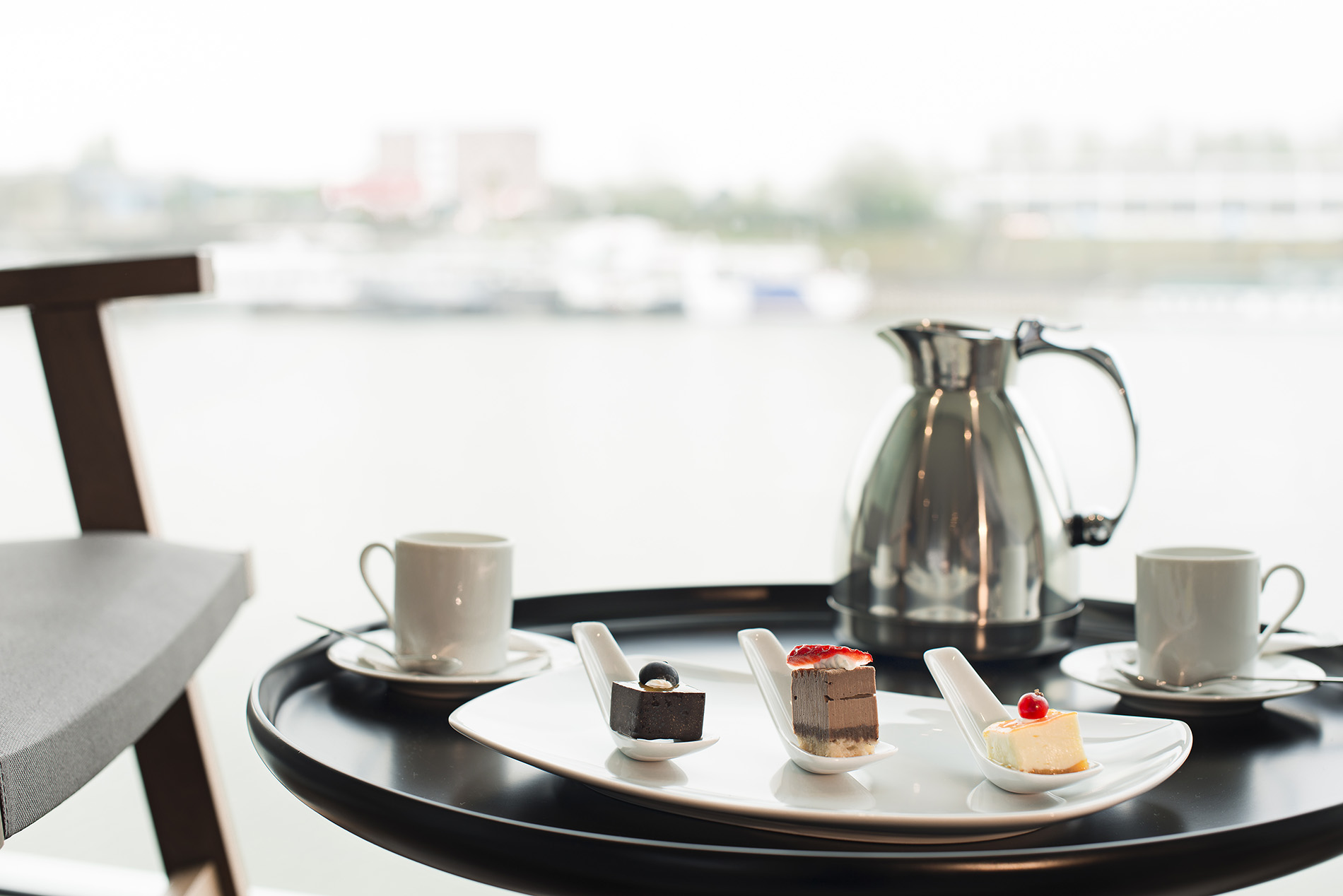
The Owner’s One-Bedroom Suites boast their own separate bedroom which closes off from the rest of the suite. A dedicated lounge area and outdoor balcony, complete with open-air system, allow you to enjoy the views of your surroundings whatever the weather. They also include a selection of special features including a spacious bathroom, walk-in wardrobe and Nespresso™ machine. Your complimentary mini-bar is restocked daily and you’ll have an iPad to use throughout your cruise so you can keep up-to-date with the latest news. For a more intimate dining experience, upon request, you can also order a continental breakfast, pre-dinner canapés and after-dinner sweet treats to enjoy in the privacy of your suite.
Your suite features:
- Outdoor private balcony with open-air
- system
- Separate bedroom and lounge area
- Queen-size or twin hotel-style beds
- Pillow menu
- En-suite bathroom with shower, indulgent
- toiletries, hair dryer, on board
- complimentary bathrobes and slippers
- Walk-in wardrobe
- Complimentary in-suite mini-bar,
- restocked daily with wine, beer and
- soft drinks
- Complimentary Nespresso™ machine
- Continental breakfast, pre-dinner canapés
- and after-dinner sweet treats served in
- your suite
- Four items of laundry per day
- An invite to the top table to enjoy dinner
- with the senior on board team
- Complimentary water, restocked daily
- Complimentary Unlimited Starlink Wi-Fi
- Use of an iPad
- Flat-screen TV and infotainment system
- Individual climate control
- Personal safe
- Umbrella
- Telephone
- Walking sticks
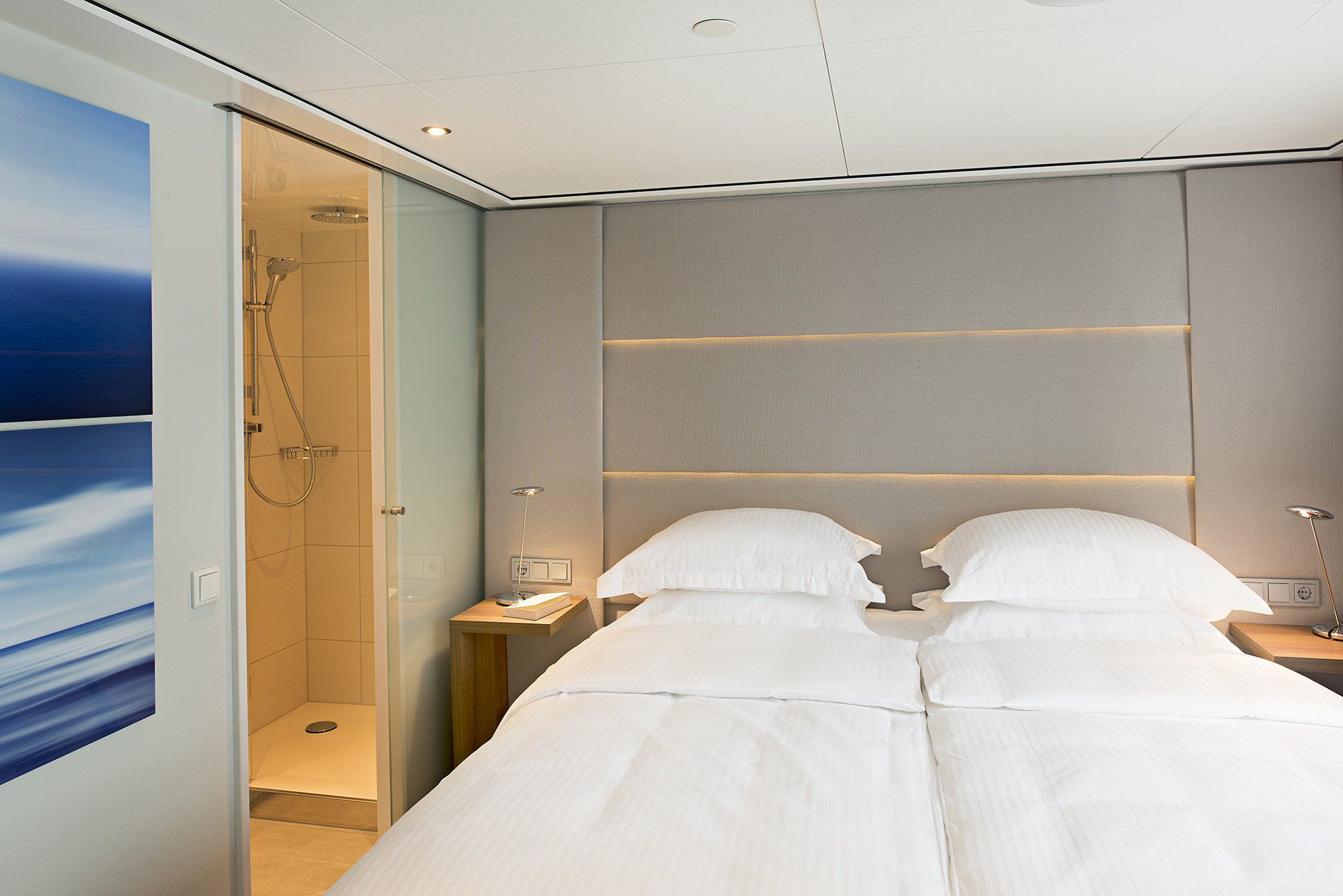
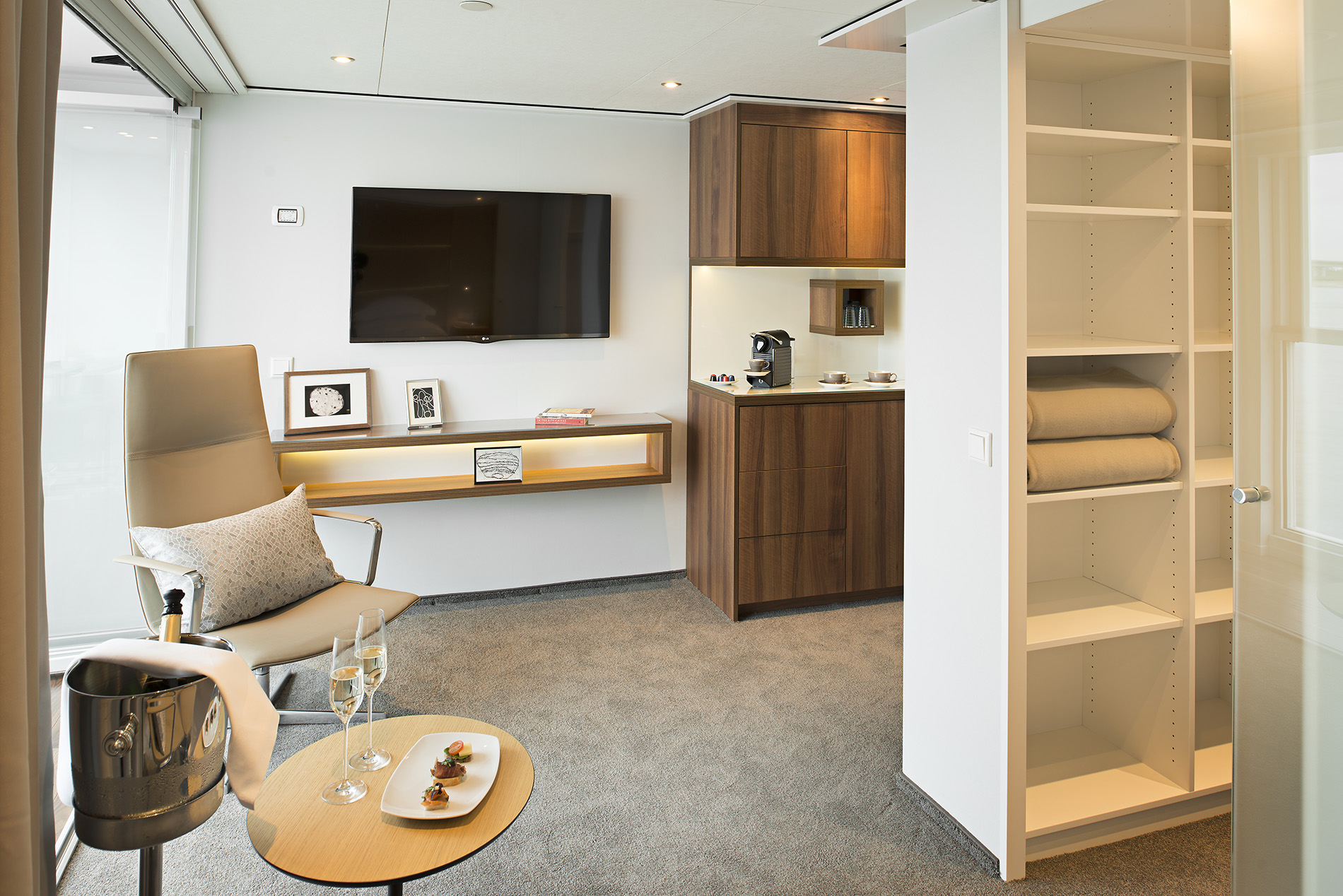
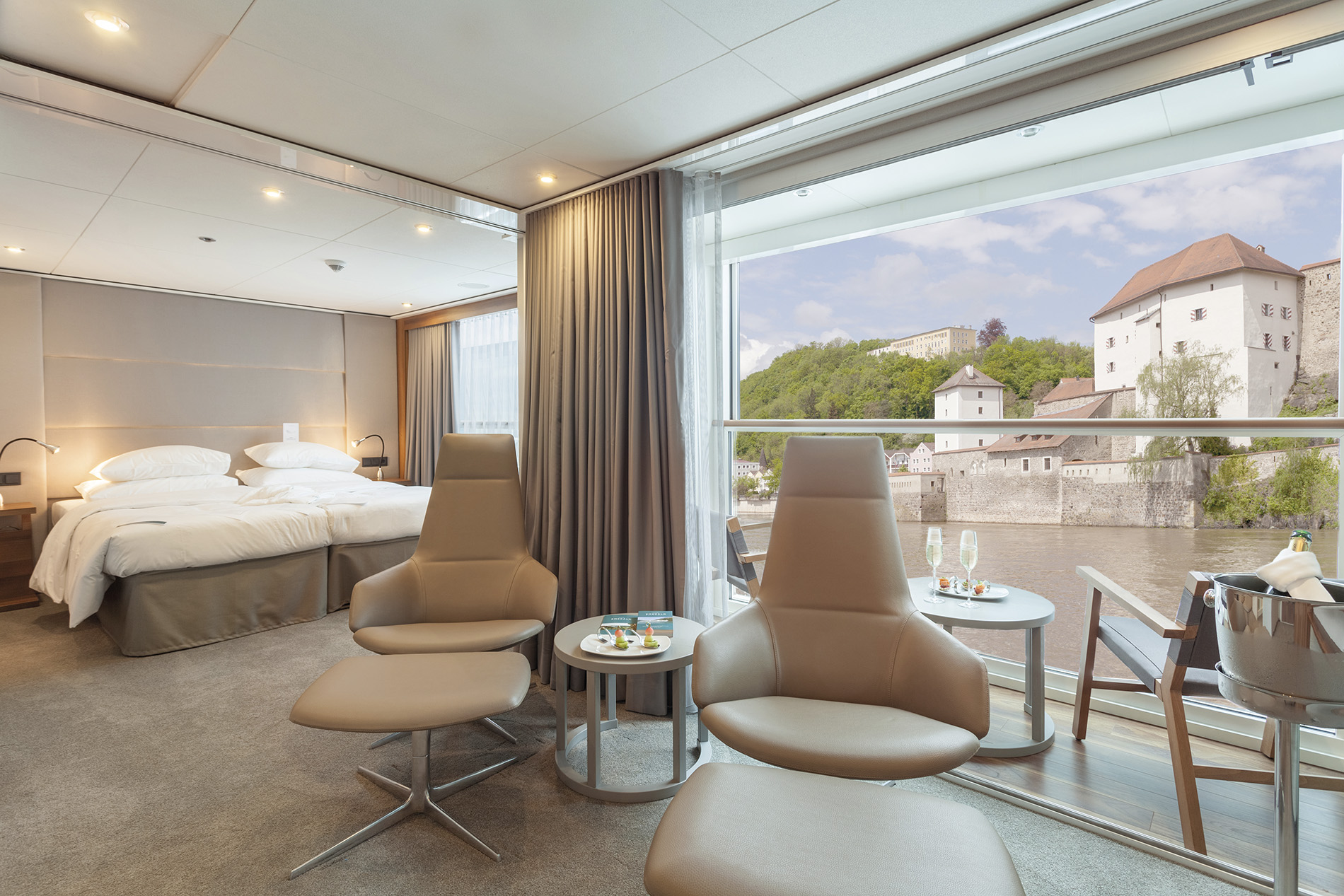
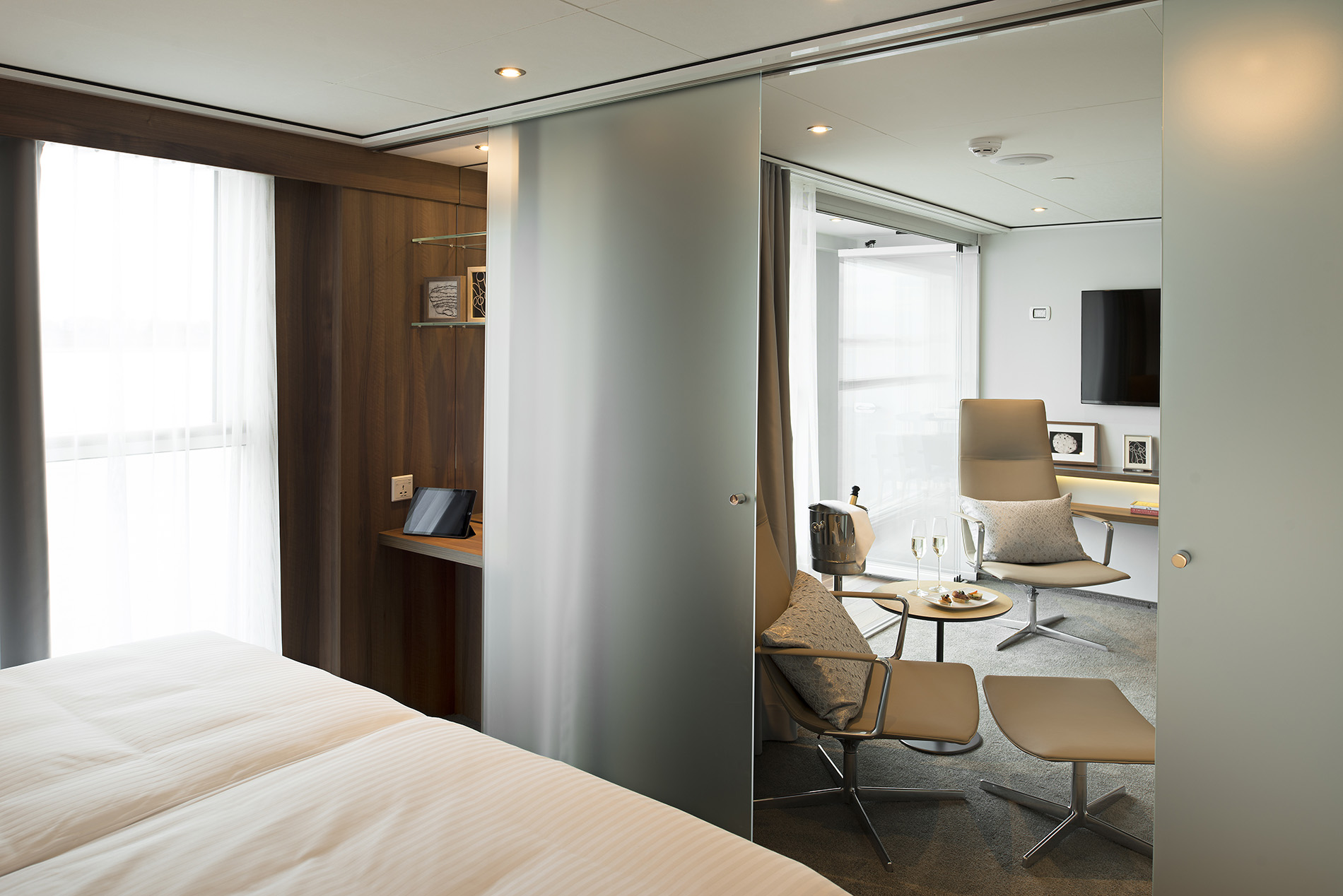
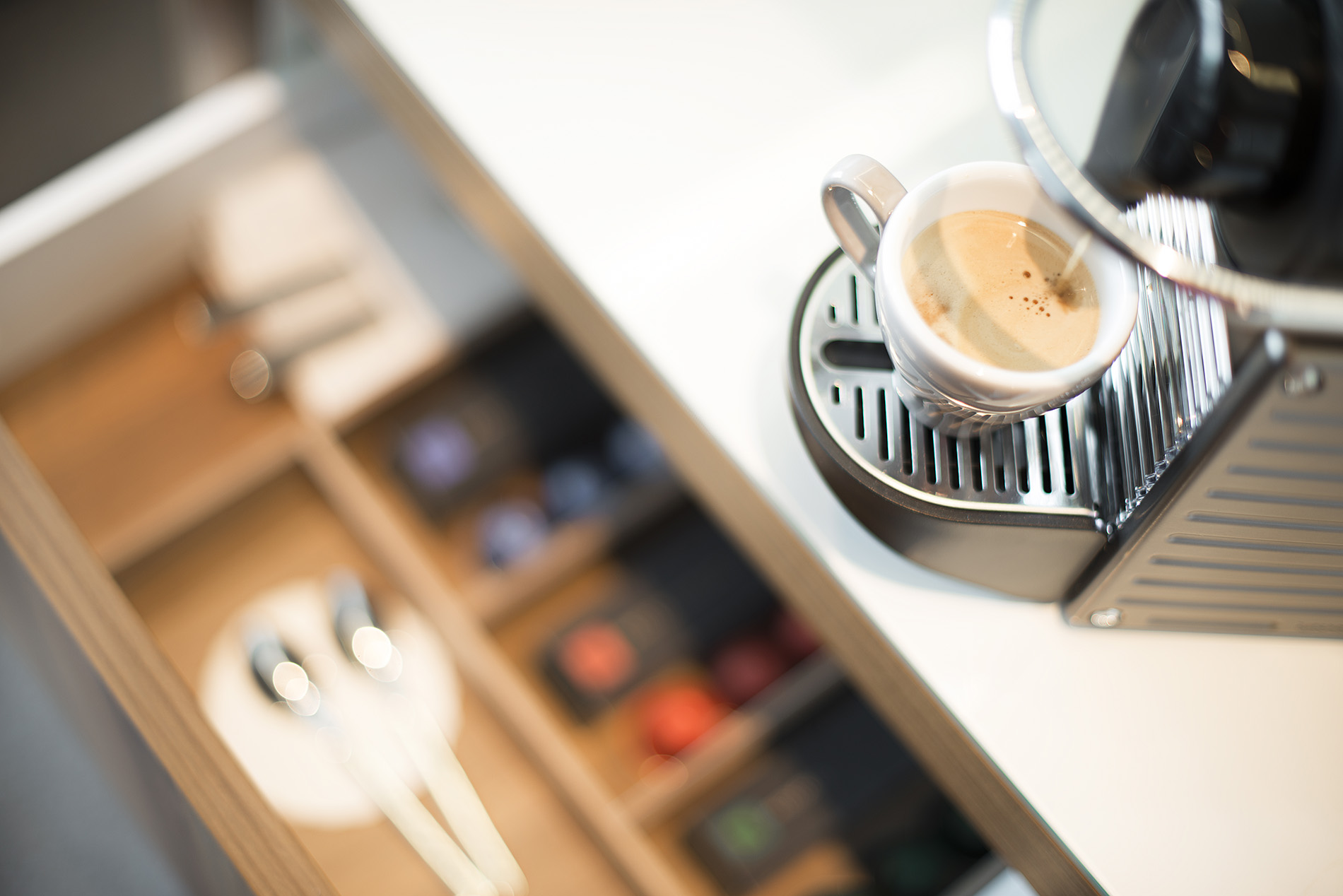
Grand Balcony Suites come with an outdoor private balcony area, complete with open-air system. A pillow menu ensures you have the best night’s sleep possible, and a continental breakfast can be delivered to your room on request.
Suite Inclusions
- Outdoor private balcony with open-air system
- Queen-size or twin hotel-style beds
- Pillow menu
- En-suite bathroom with shower, indulgent toiletries, hair dryer, on-board complimentary bathrobes and slippers
- Mini-bar available at own expense
- Complimentary Nespresso machine
- Continental breakfast, pre-dinner canapés and after-dinner sweet treats served in your suite
- Two items of laundry per day
- Complimentary water, restocked daily
- Complimentary Wi-Fi
- Flat screen TV and infotainment system
- Individual climate control
- Personal safe
- Umbrella
- Telephone
- Walking sticks
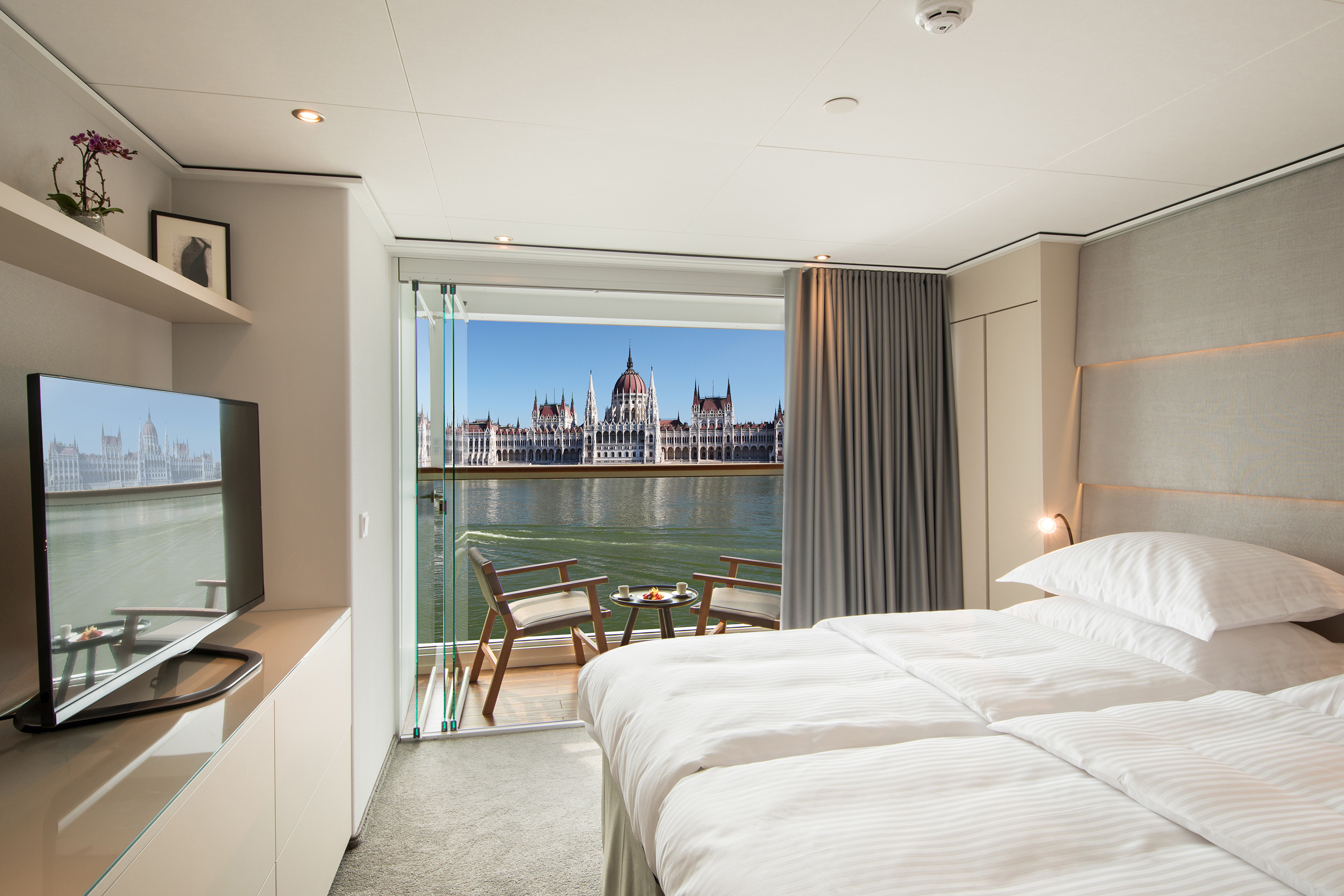
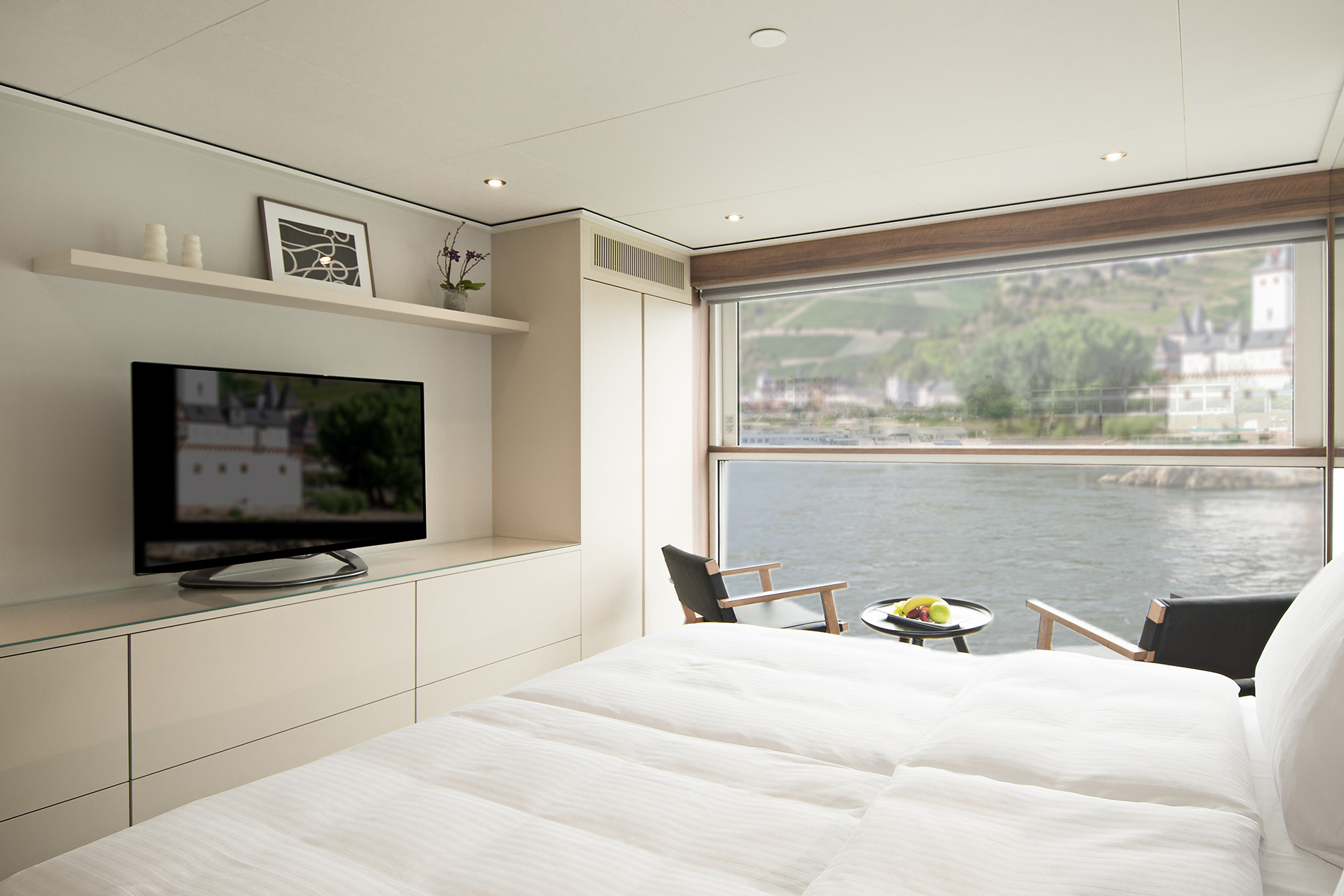
These spacious suites are ideal for uninterrupted views of the stunning scenery passing by. The innovative all-weather balcony system allows the upper part of the suite’s floor-to-ceiling window to drop down at the touch of a button and the indoor decked area allows you to enjoy the sights in all their glory. You’ll also find a mini-fridge, complimentary Wi-Fi, a flat-screen TV and infotainment system, a safe for your valuables and plenty of storage.
Your suite features:
- Indoor balcony with open-air system
- Queen-size or twin hotel-style beds
- En-suite bathroom with shower, indulgent
- toiletries, hair dryer, on board
- complimentary bathrobes and slippers
- Mini-bar with wine, beer and soft drinks
- available to purchase
- Complimentary water, restocked daily
- Complimentary Unlimited Starlink Wi-Fi
- Flat-screen TV and infotainment system
- Individual climate control
- Personal safe
- Umbrella
- Telephone
- Walking sticks
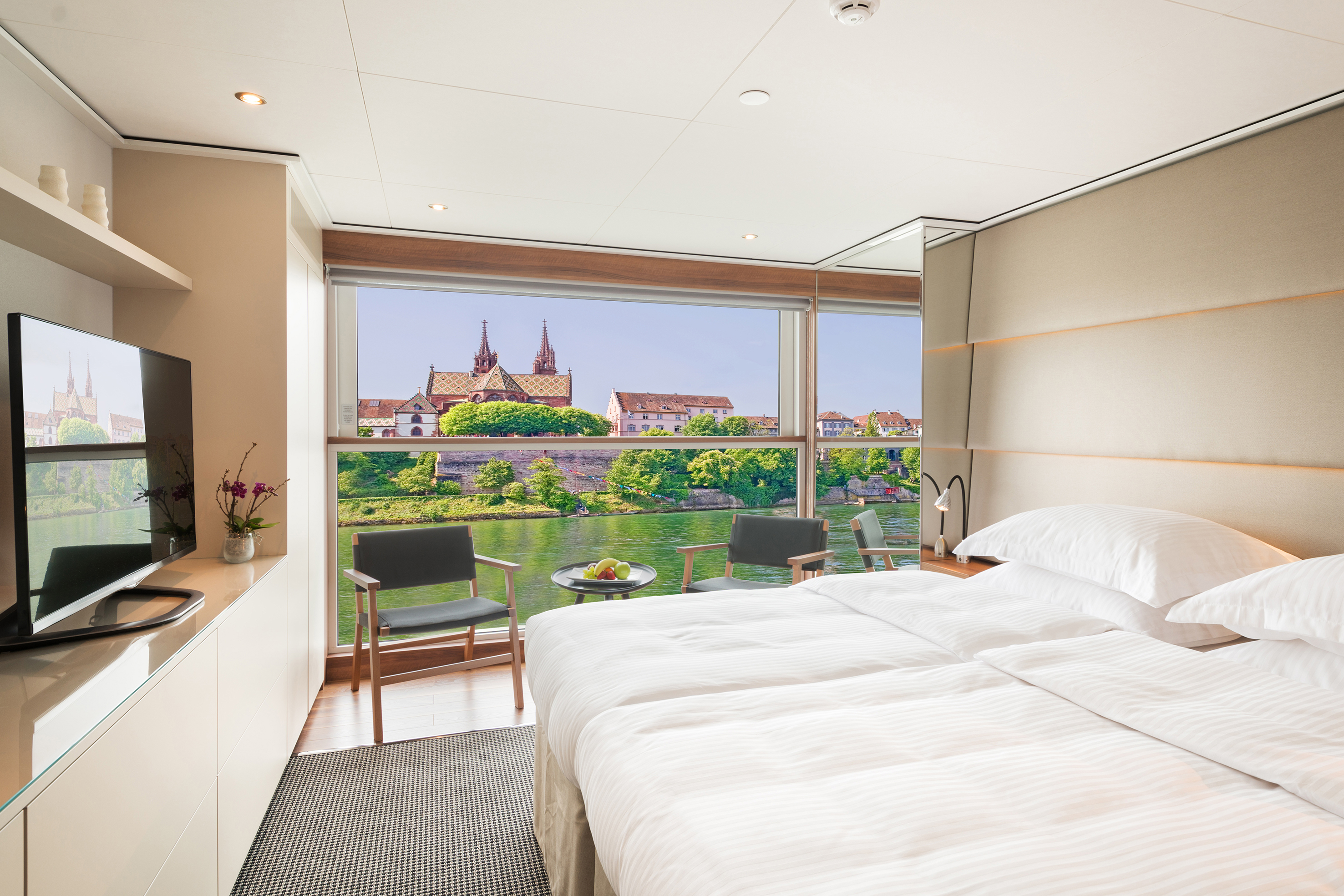
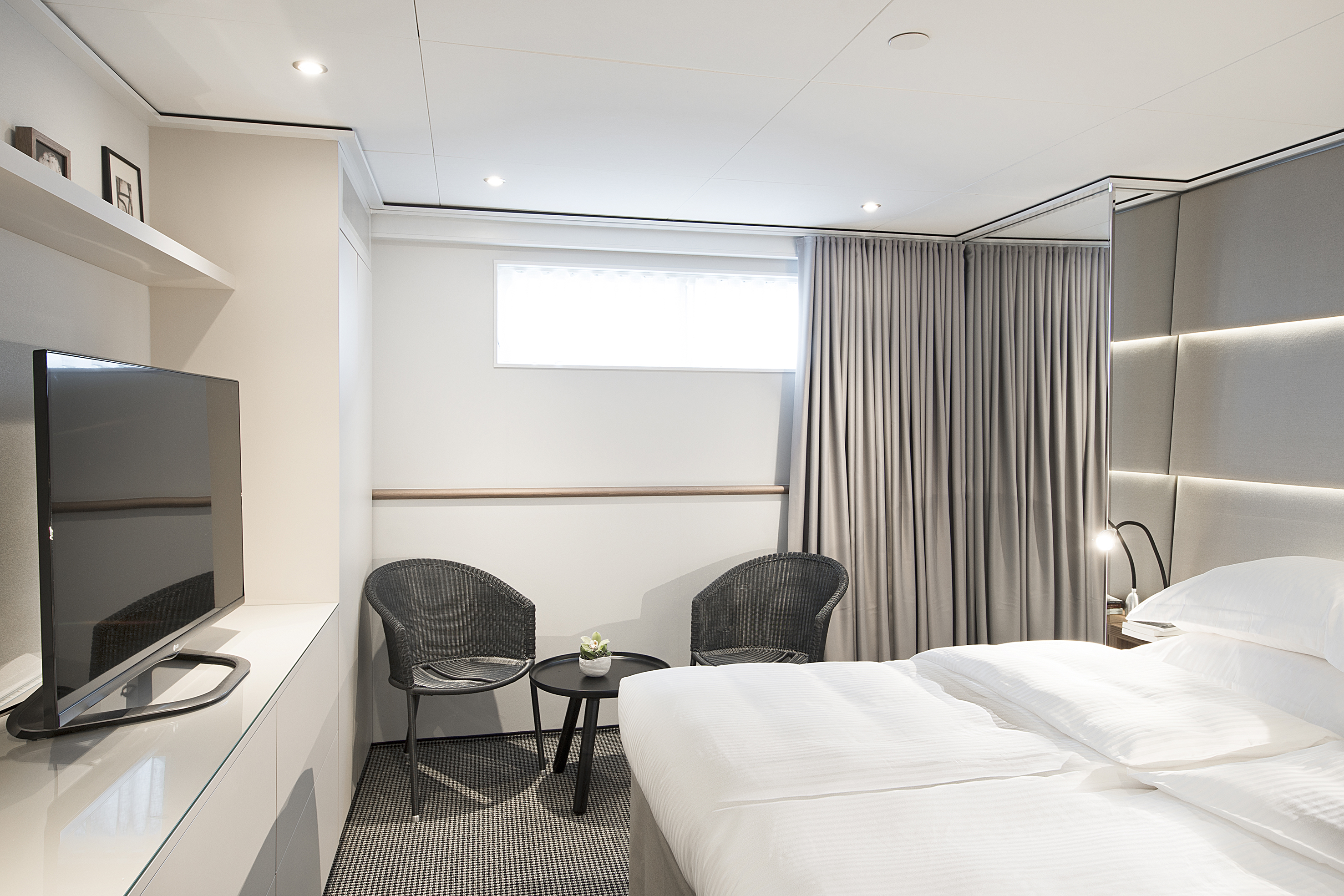
Marrying exceptional comfort with refined and practical design, the staterooms are spacious and luxurious retreats that provide ample room to accommodate two guests. A picture window welcomes in the natural light, beautifully framing the surrounding landscape.
Your suite features:
- Picture window
- Queen-size or twin hotel-style beds
- En-suite bathroom with shower, indulgent toiletries, hair dryer,
- on board complimentary bathrobes and slippers
- Mini-bar with wine, beer and soft drinks available to purchase
- Complimentary water, restocked daily
- Complimentary Unlimited Starlink Wi-Fi
- Flat-screen TV and infotainment system
- Individual climate control
- Personal safe
- Umbrella
- Telephone
- Walking sticks
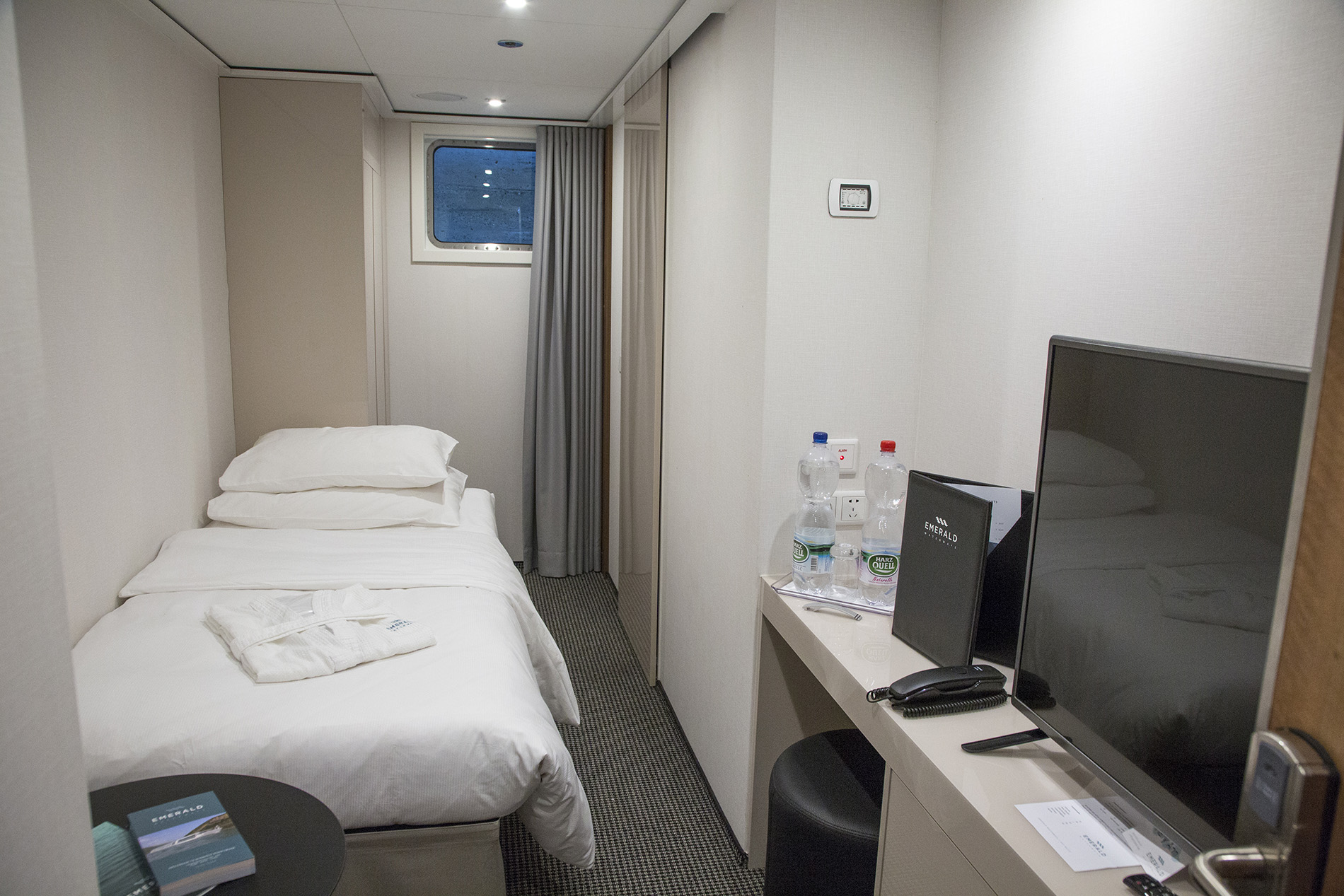
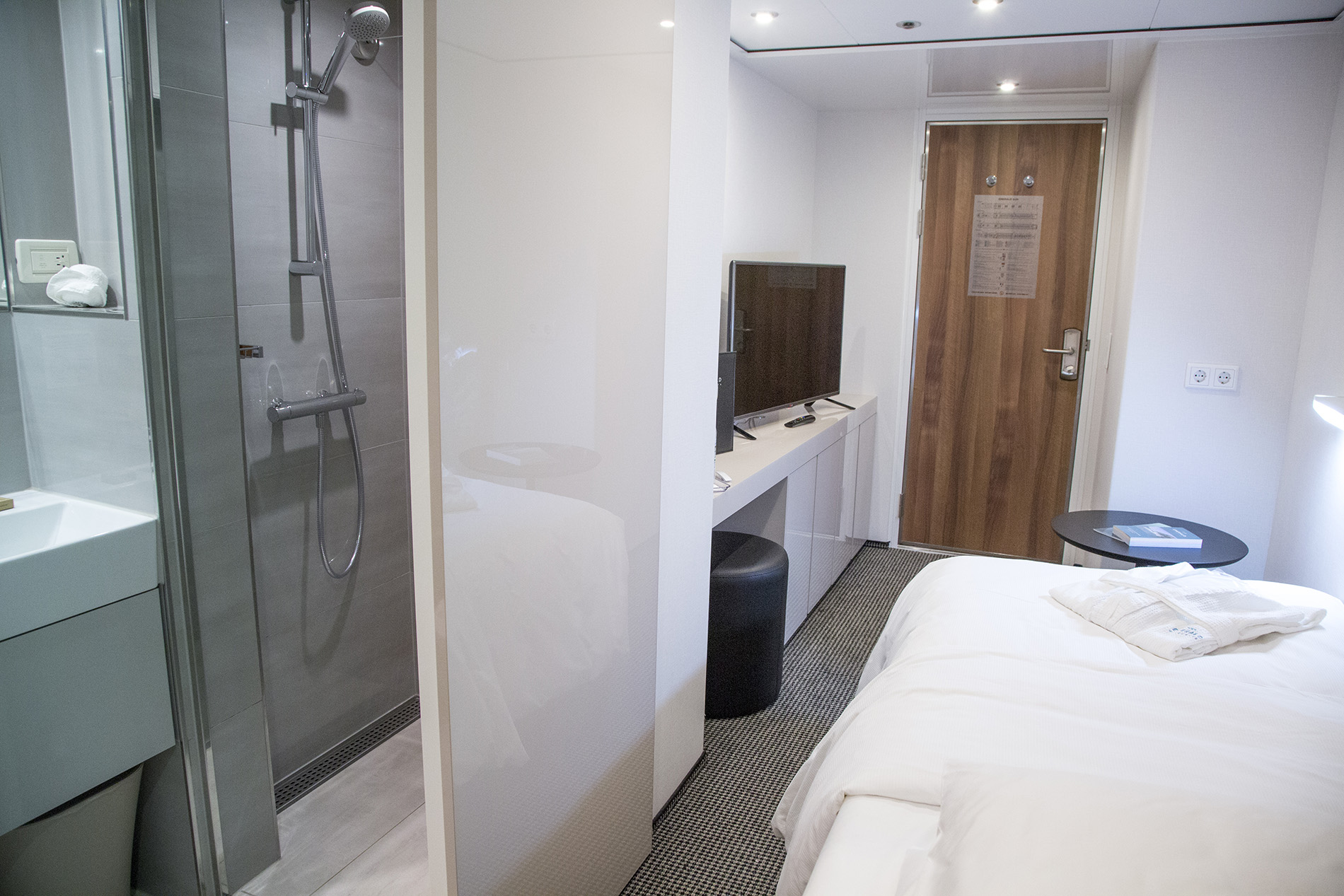
Select Emerald Cruises Star-Ships on the Danube, Moselle, Rhine and Rhône rivers feature Emerald Single Staterooms which are specially created for solo travellers. These tastefully appointed staterooms include a wealth of quality facilities and excellent levels of comfort for an enjoyable stay.
Your suite features:
- Picture window
- Deluxe single bed
- En-suite bathroom with shower, indulgent toiletries, hair dryer,
- on board complimentary bathrobes and slippers
- Mini-bar with wine, beer and soft drinks available to purchase
- Complimentary water, restocked daily
- Complimentary Unlimited Starlink Wi-Fi
- Flat-screen TV and infotainment system
- Individual climate control
- Personal safe
- Umbrella
- Telephone
- Walking sticks
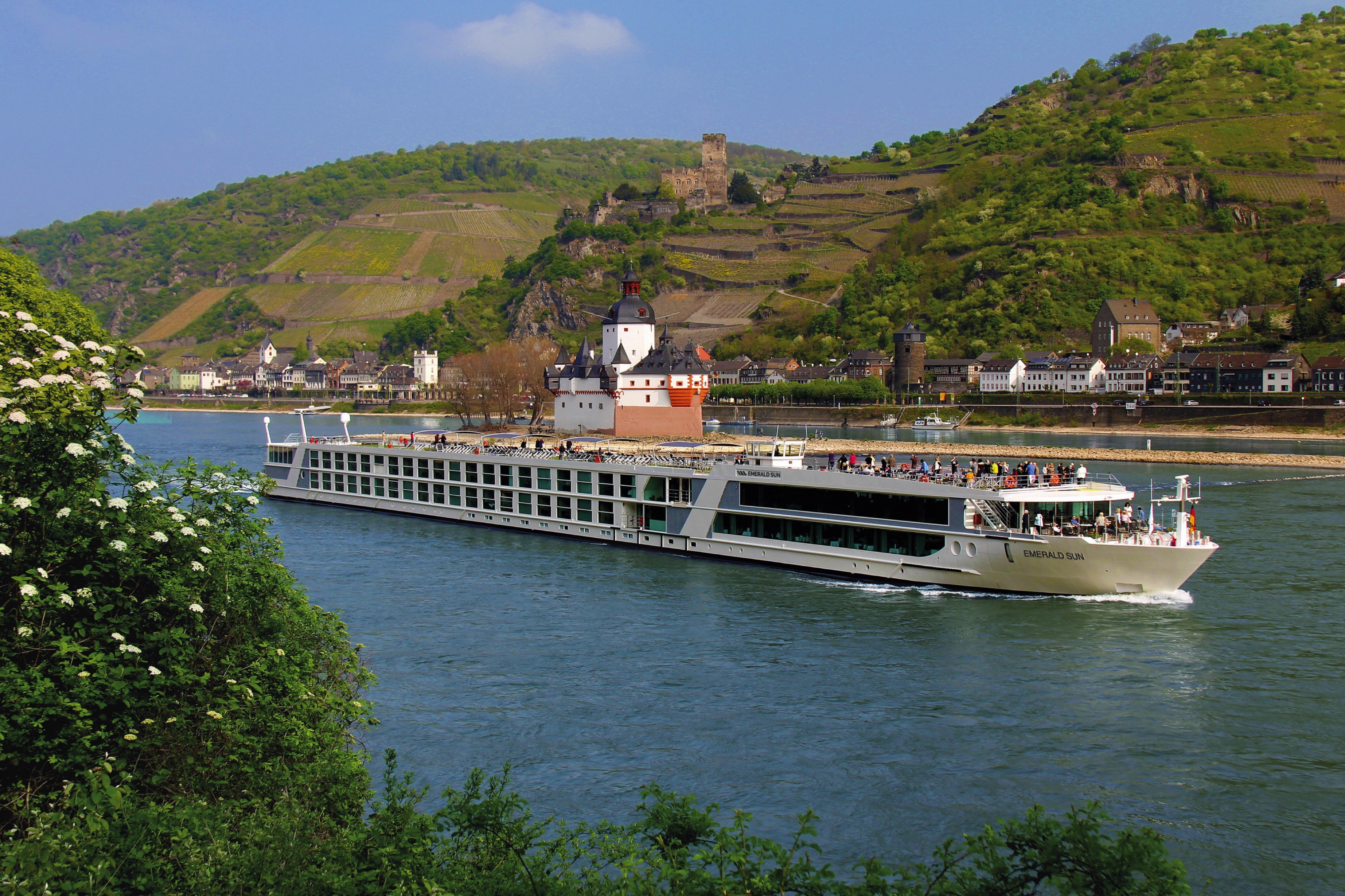
Emerald Sun
Take some time out for yourself and indulge in a relaxing massage or pampering session courtesy of our on board wellness team.
Ship Facts
| Launch Year | 2015 | ||||||
| Refit Year | |||||||
| Language | en | ||||||
| Gross Tonnage | 3544 | ||||||
| Length | 135 | ||||||
| Width | 11 | ||||||
| Currency | EUR | ||||||
| Speed | 13 | ||||||
| Capacity | 180 | ||||||
| Crew Count | 51 | ||||||
| Deck Count | 4 | ||||||
| Cabin Count | 91 | ||||||
| Large Cabin Count | 0 | ||||||
| Wheelchair Cabin Count | 0 | ||||||
| Electrical Plugs |
|
Sun Deck
- Sun deck with deck chairs
- Navigation bridge
- Sky barbecue
- Golf putting green
- Games area
- Retractable glass roof
- Walking track

Horizon Deck
- Daytime pool & bar / evening cinema
- The Terrace
- Horizon bar and lounge
- Grand Balcony Suites
- Owner's One-Bedroom Suites
- Emerald Panorama Balcony Suites
- Lift

Vista Deck
- Reception
- Wellness area
- Fitness area
- Reflections restaurant
- Emerald Panorama Balcony Suites
- Lift

Riviera Deck
- Emerald Staterooms
- Emerald Single Staterooms
- Lift

Delectable dining on board our Star-Ships
Nothing beats sipping on your favourite drink at the Terrace as you watch the stunning scenery pass you by. Setting the benchmark in on board dining, the Reflections Restaurant is an elegant space to enjoy exquisite culinary experiences, imbued with continental flavours.
Explore the unique flavours of the regions you sail through
We believe that food should reflect local flavours, which is why our menus take inspiration from the regions we sail in. Our chefs source local ingredients, creating meals that capture authentic cuisine no matter where your journey takes you.
Reflections Restaurant
Our premiere on board dining spot
With open seating and elegant design, our Reflections Restaurant sets the benchmark in on board dining across our fleet of boutique Star-Ships throughout Europe and Southeast Asia. Here, savour delightful chef-prepared meals for breakfast, lunch, and dinner, with dishes inspired by local flavours and a few favourites you may recognise from home.
The Terrace
Dine alfresco
A beautifully decked area in the forward of our European Star-Ships, The Terrace provides a lovely retreat from which to enjoy a light snack or refreshing drink. Depending on the ship, this partly indoor and outdoor space is a spectacular vantage point from which to soak up the scenery, whatever the weather. This peaceful setting is also a great spot to enjoy a drink as the wonders of the landscape pass by.
Sky Barbecue
Healthy Dining
The freshest ingredients
Dine on delectable meals made with fresh, locally sourced produce.
Lunch with a view
Enjoy healthy meals while soaking in the stunning views and fresh air.
A range of dietary options
Sample amazing vegetarian, vegan, and gluten-free meal options^. ^Please inform your crew of any dietary requirements.
Relax and connect on board in the inviting social spaces
From the chilled and relaxed vibe of the Horizon Bar & Lounge to the open-air surrounds of the Sun Deck, you’ll find plenty of spaces on board to enjoy the company of new-found friends.
Daytime Pool & Bar/Evening Cinema
Pool by day, cinema by night
Exclusive to Emerald Cruises Star-Ships cruising Central Europe and France, the innovative heated indoor pool with is a tranquil haven to swim and take in the passing river views by day. As dusk falls, the floor gently rises to cover the pool, and the space transforms into an intimate cinema or Riverside Lounge – a blissful setting to enjoy magical vistas, read, or socialise to gentle music and soft lighting. Morning stretch sessions will also invigorate you, before seamlessly transforming back into a luxurious pool for the day. Enjoy a touch of innovation on board your Emerald Cruises Star-Ship in Central Europe and France with the heated indoor pool. With expansive river views, it is a tranquil setting to relax by day and on select evenings, the space transforms into a cosy indoor cinema.
Horizon Bar and Lounge
Peruse our extensive drinks menu from the comfort of the Horizon Bar, the principal lounge area on board our boutique Star-Ships. Fitted with comfortable seating, a well-stocked bar and dancefloor and entertainment space, this is the premier spot to relax, unwind or dance the night away at the end of another exceptional day on the river. During the day, you'll also find unlimited coffee and speciality teas here
Sun Deck
From the stunning rooftop deck of our Star-Ships, enjoy panoramic views of the passing landscapes and a selection of activities to keep you entertained.
The Wheelhouse
The wheelhouse is open for all guests to visit during a river cruise itinerary. If you have a particular interest in river navigation, the wheelhouse can provide a wonderful insight into the role of the captain and the intricacies of working through locks.
Reception
If you want to purchase a drinks package, enquire about a DiscoverMORE excursion or simply catch-up with our friendly crew, you’ll always receive a warm welcome in our on-board reception area.