Discover Vietnam & beyond by ocean and river
Discover Vietnam & beyond by ocean and river
Cruise overview
WHY BOOK WITH US?
- ✔ The Deluxe Cruises’ team has extensive experience in ultra-luxury cruising.
- ✔ Call now to speak to our helpful and experienced Cruise Concierge team.
- ✔ Enjoy our Unique Deluxe Cruises Bonus for substantial savings.
- ✔ Our team will tailor your holiday to your exacting requirements.
- ✔ As agents, we work under the protection of each cruise lines ABTA / ATOL licences
About Singapore
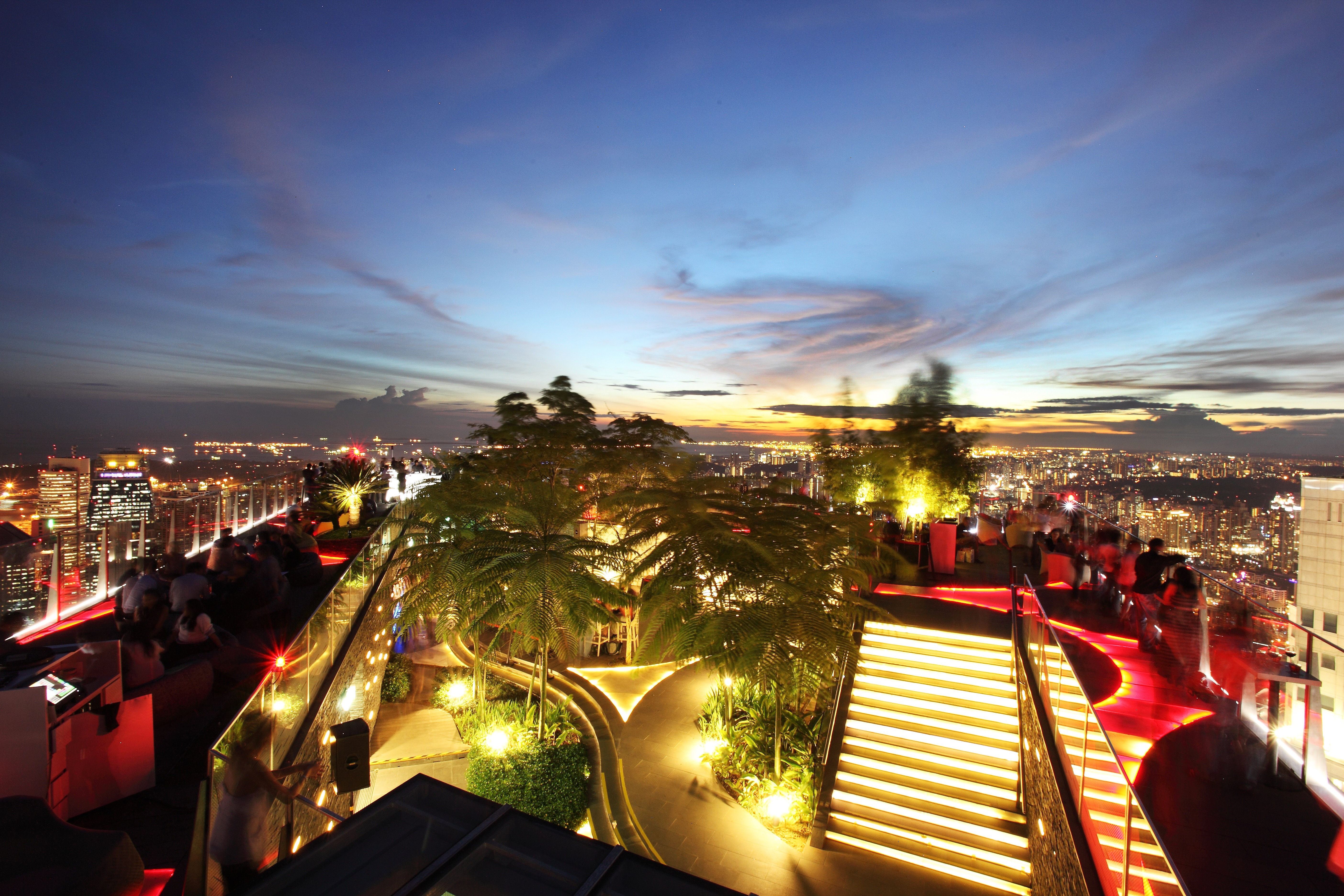
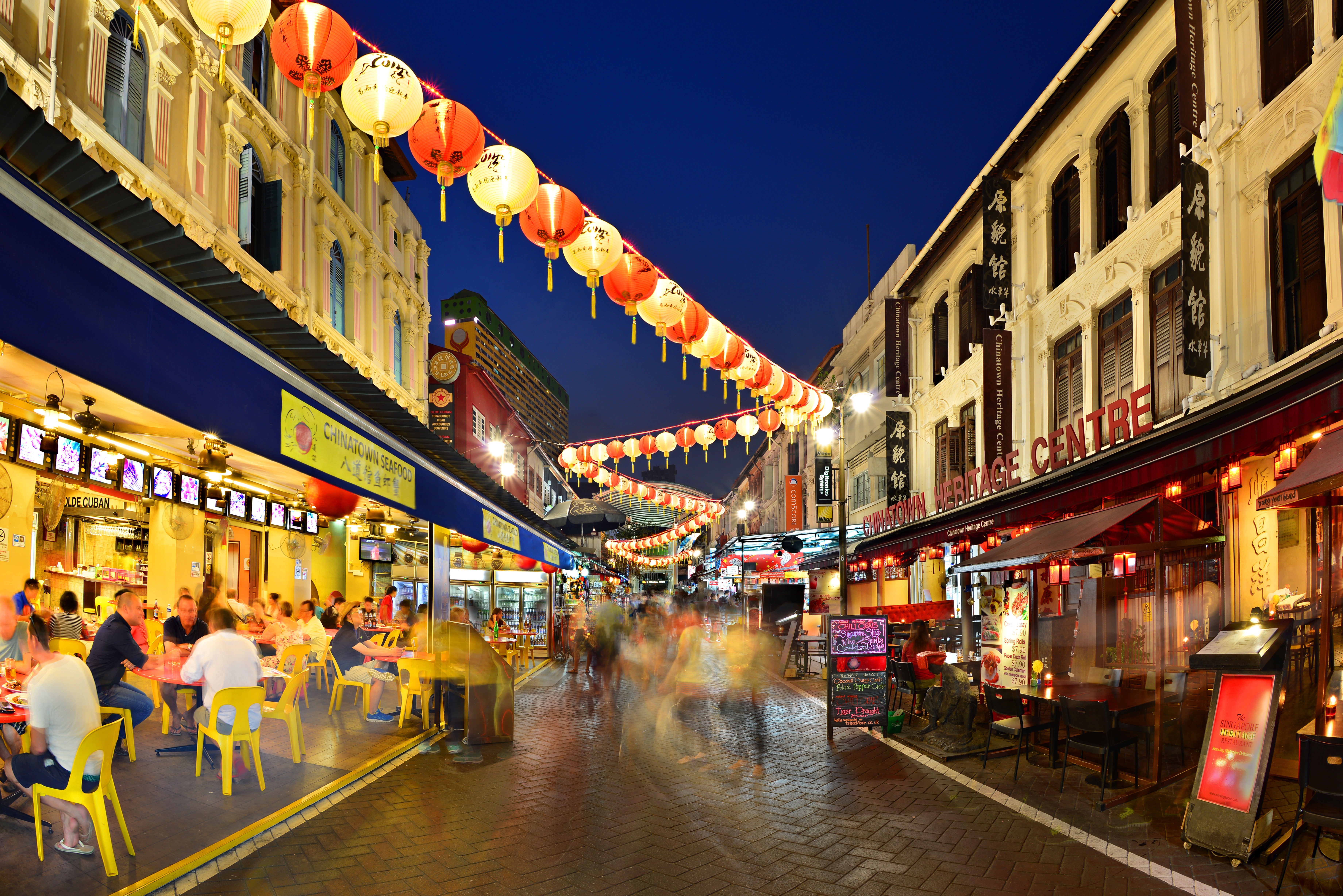
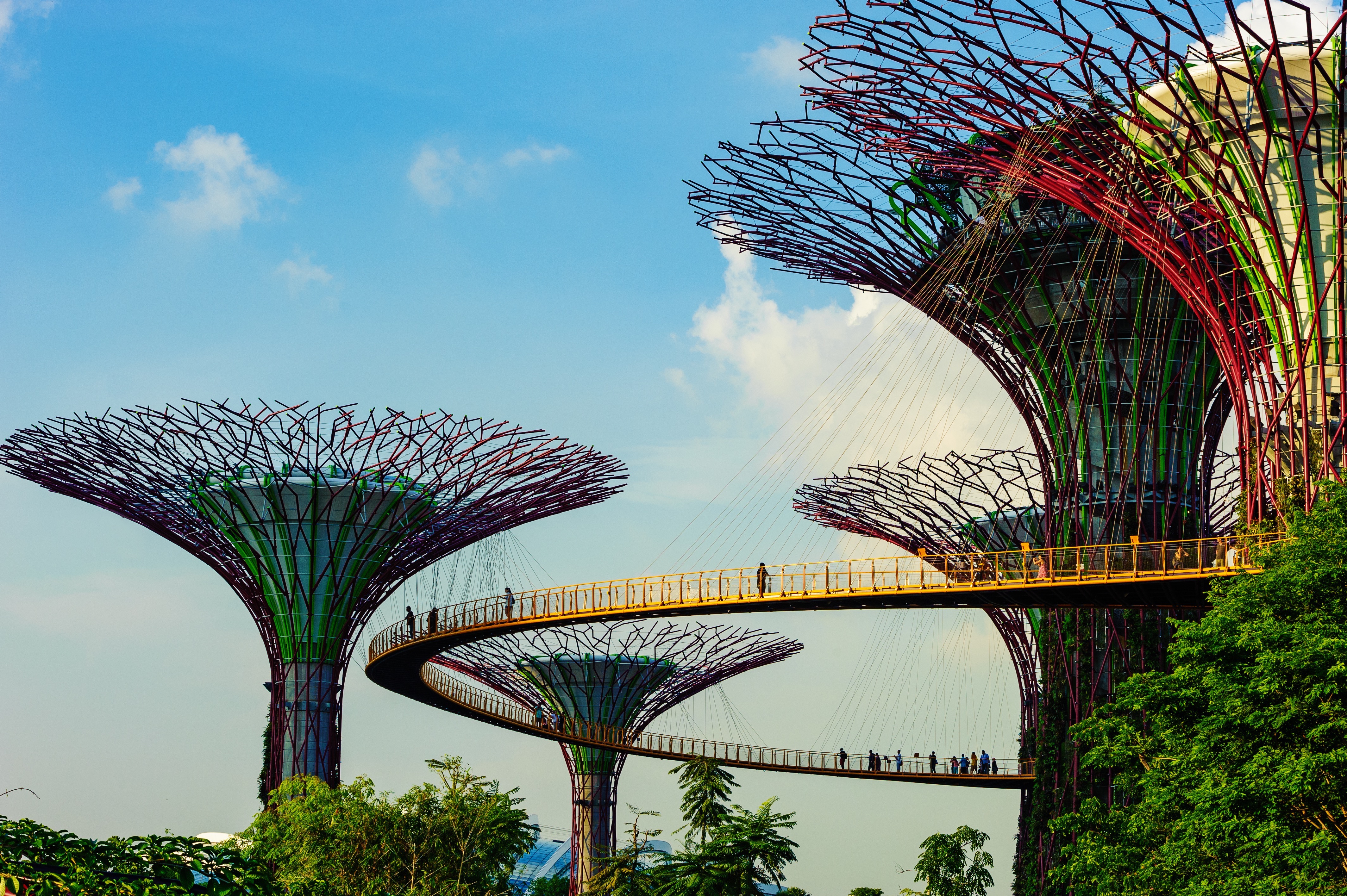
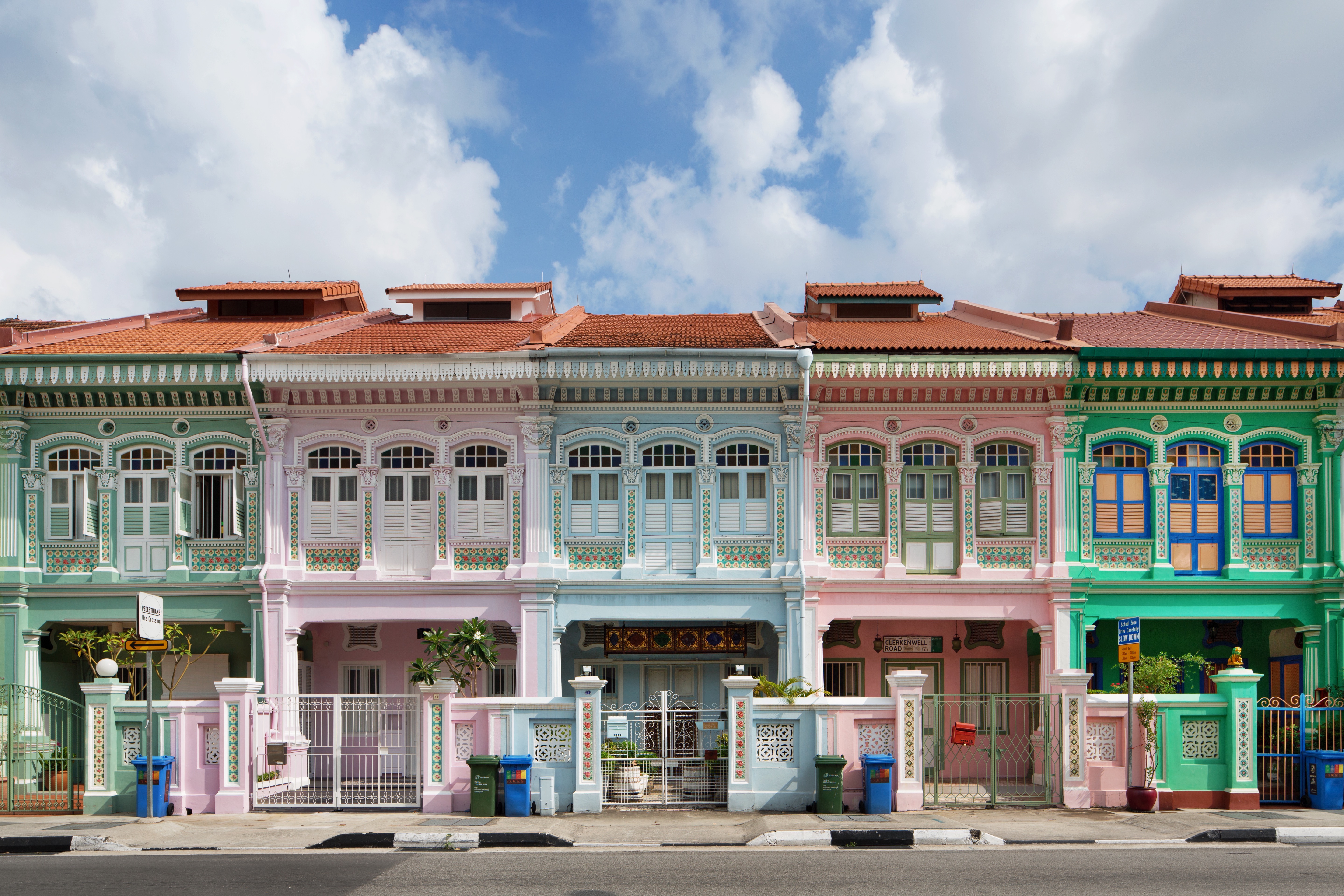
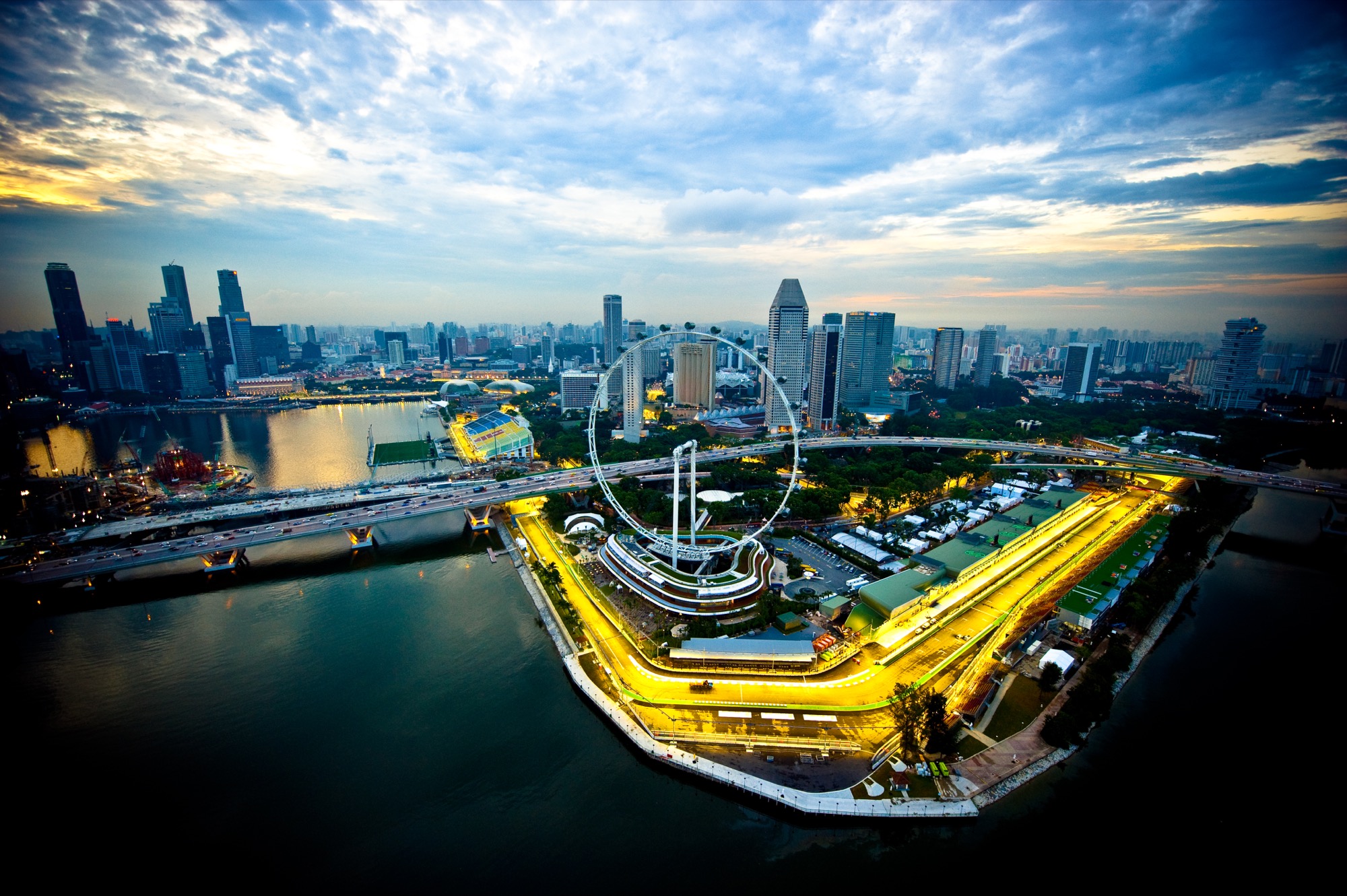
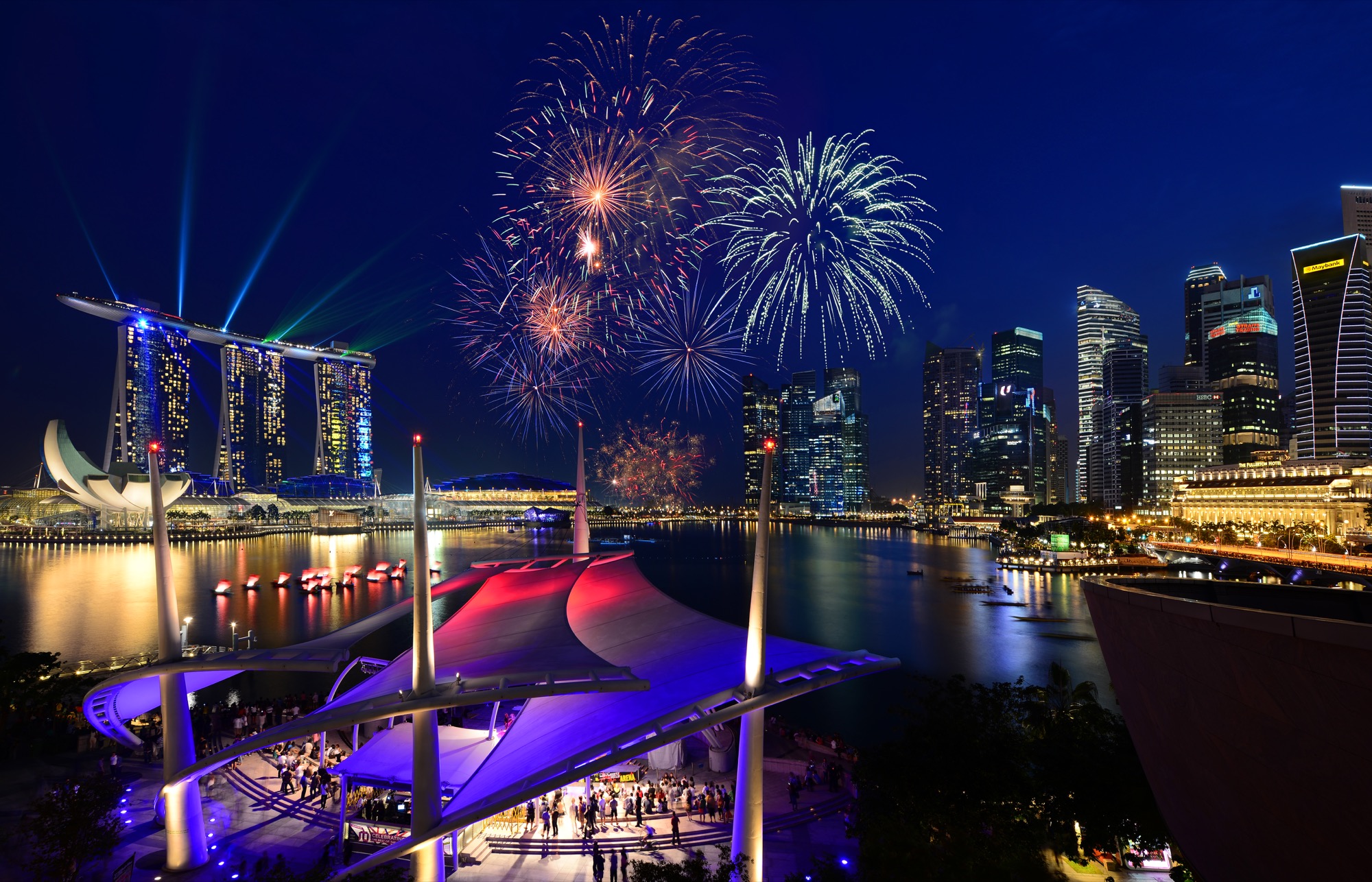
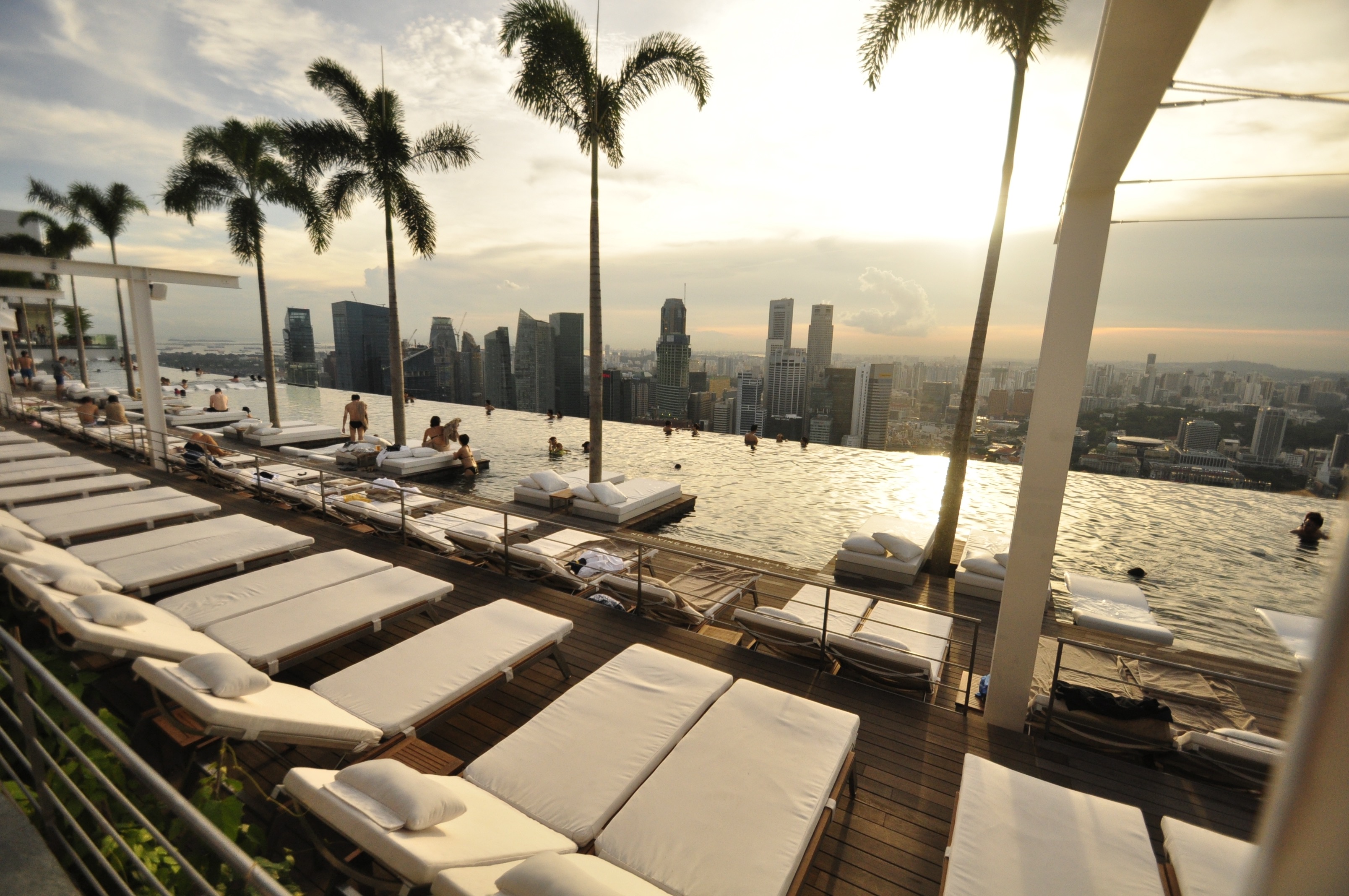
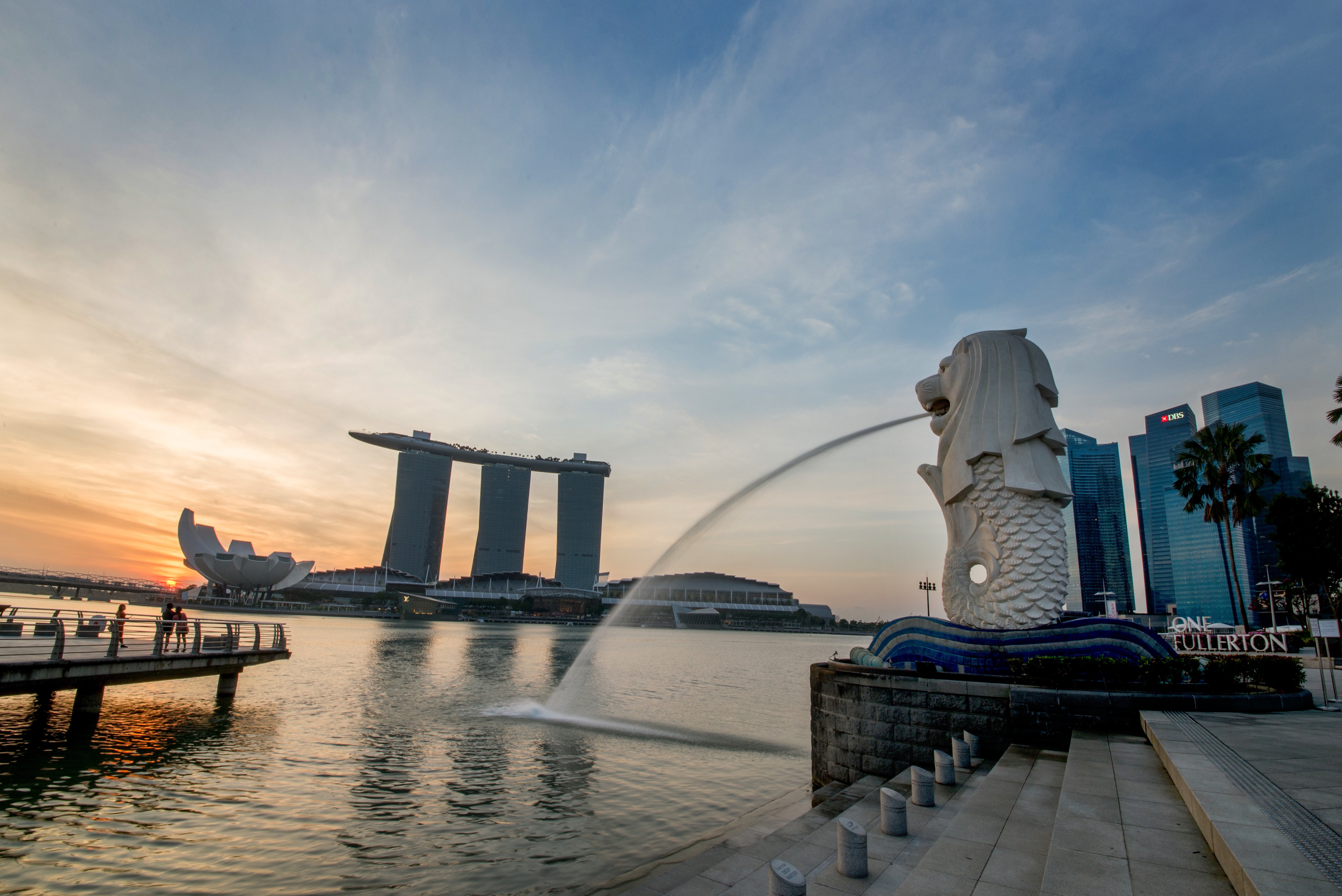
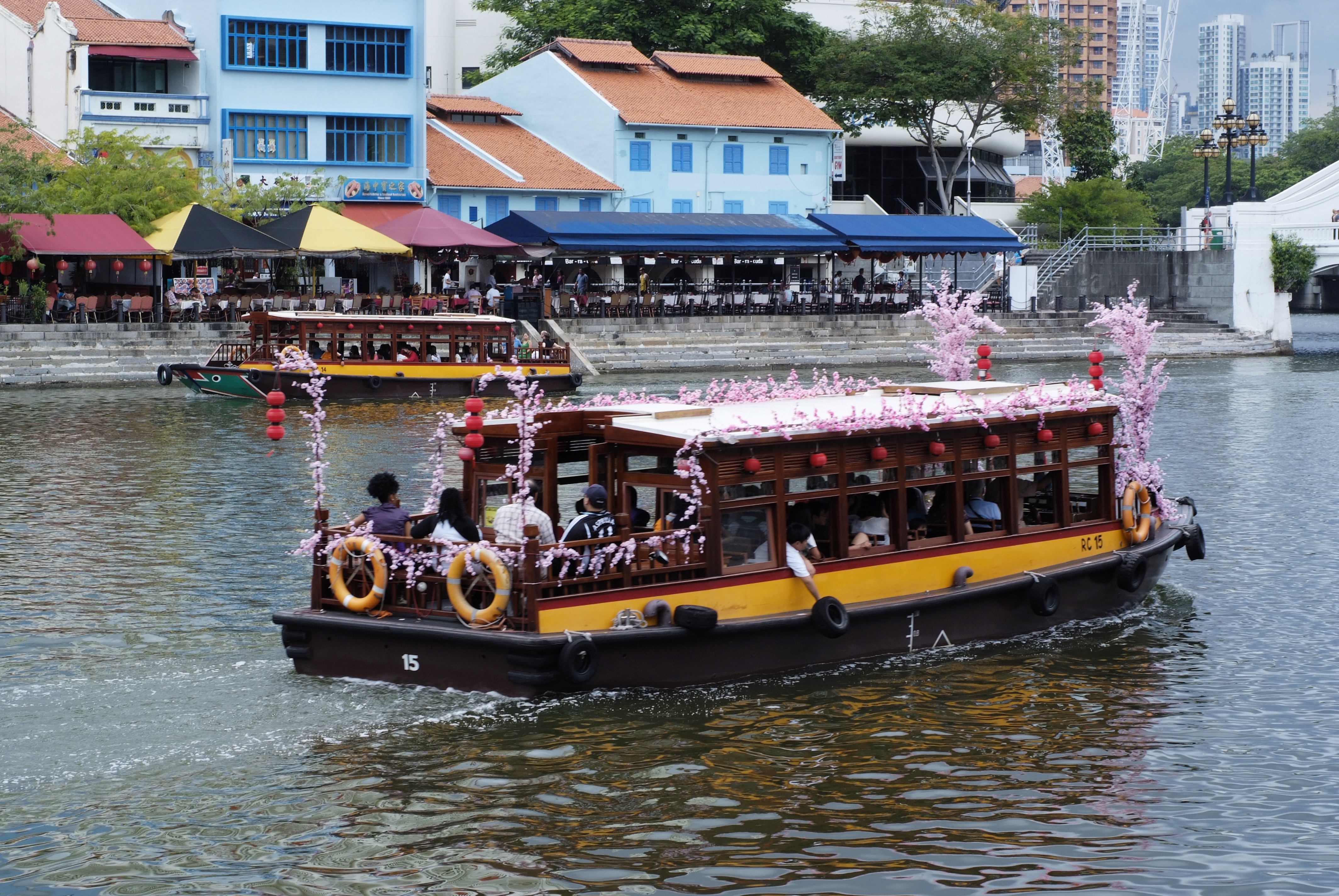
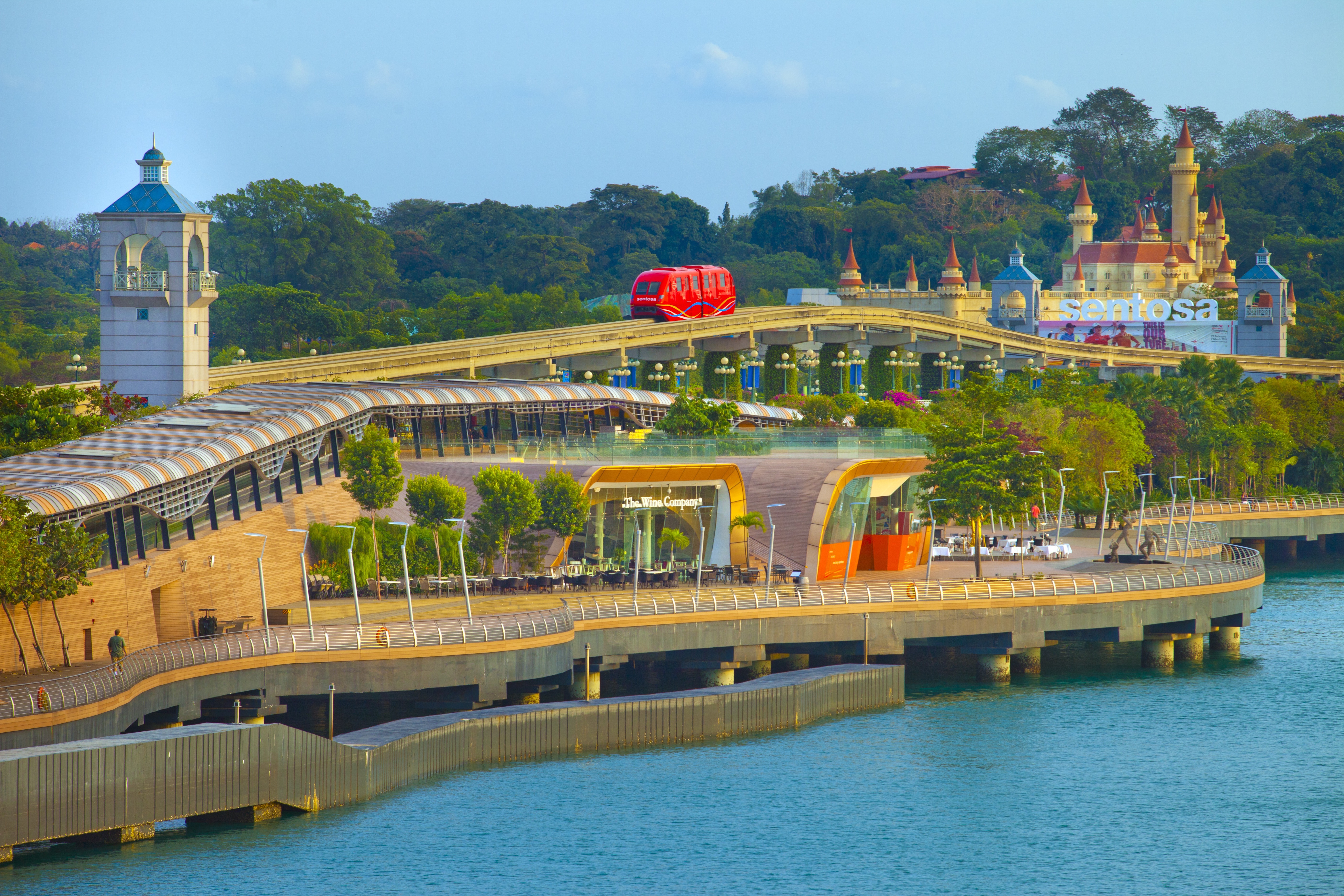
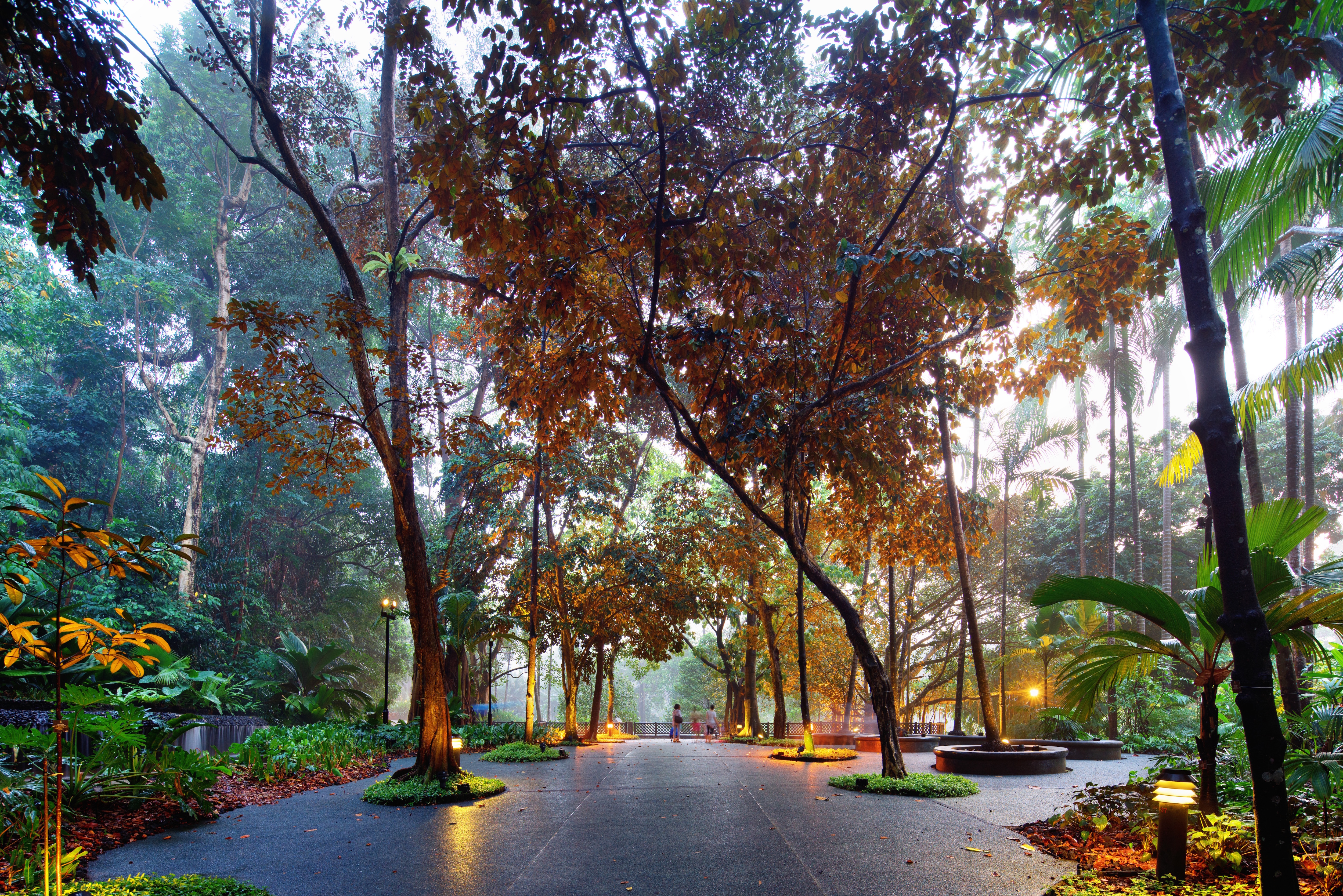
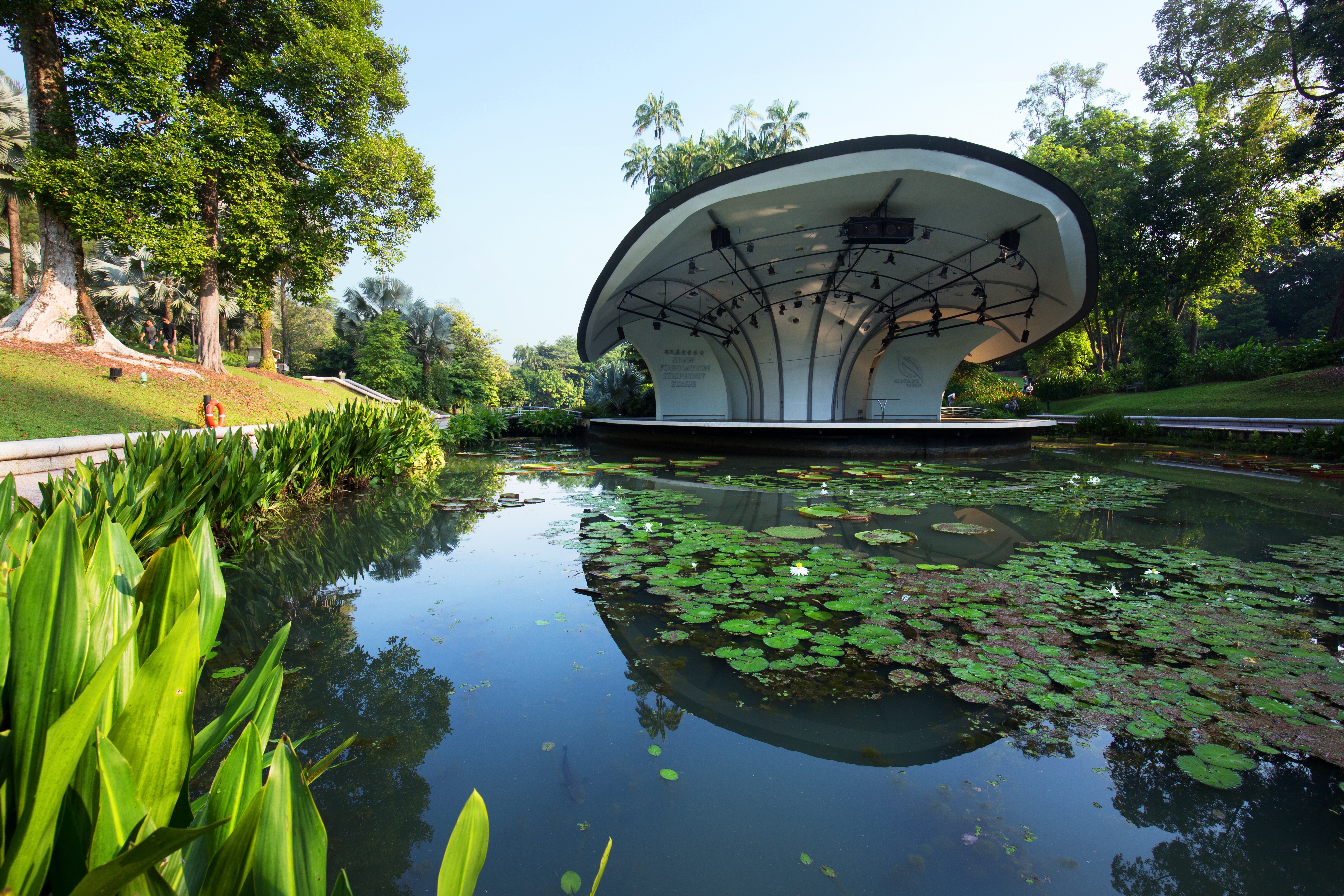
The main island of Singapore is shaped like a flattened diamond, 42 km (26 miles) east to west and 23 km (14 miles) north to south. Near the northern peak is the causeway leading to West Malaysia—Kuala Lumpur is less than four hours away by car. It is at the southern foot where you will find most of the city-state’s action, with its gleaming office towers, working docks, and futuristic "supertrees," which are solar-powered and serve as vertical gardens. Offshore are Sentosa and over 60 smaller islands, most uninhabited, that serve as bases for oil refining or as playgrounds and beach escapes from the city. To the east is Changi International Airport, connected to the city by metro, bus, and a tree-lined parkway. Of the island's total land area, more than half is built up, with the balance made up of parkland, farmland, plantations, swamp areas, and rain forest. Well-paved roads connect all parts of the island, and Singapore city has an excellent, and constantly expanding, public transportation system. The heart of Singapore's history and its modern wealth are in and around the Central Business District. The area includes the skyscrapers in the Central Business District, the 19th-century Raffles Hotel, the convention centers of Marina Square, on up to the top of Ft. Canning. Although most of old Singapore has been knocked down to make way for the modern city, most colonial landmarks have been preserved in the CBD, including early-19th-century buildings designed by the Irish architect George Coleman.
About Singapore
The main island of Singapore is shaped like a flattened diamond, 42 km (26 miles) east to west and 23 km (14 miles) north to south. Near the northern peak is the causeway leading to West Malaysia—Kuala Lumpur is less than four hours away by car. It is at the southern foot where you will find most of the city-state’s action, with its gleaming office towers, working docks, and futuristic "supertrees," which are solar-powered and serve as vertical gardens. Offshore are Sentosa and over 60 smaller islands, most uninhabited, that serve as bases for oil refining or as playgrounds and beach escapes from the city. To the east is Changi International Airport, connected to the city by metro, bus, and a tree-lined parkway. Of the island's total land area, more than half is built up, with the balance made up of parkland, farmland, plantations, swamp areas, and rain forest. Well-paved roads connect all parts of the island, and Singapore city has an excellent, and constantly expanding, public transportation system. The heart of Singapore's history and its modern wealth are in and around the Central Business District. The area includes the skyscrapers in the Central Business District, the 19th-century Raffles Hotel, the convention centers of Marina Square, on up to the top of Ft. Canning. Although most of old Singapore has been knocked down to make way for the modern city, most colonial landmarks have been preserved in the CBD, including early-19th-century buildings designed by the Irish architect George Coleman.
About Bintan Island
About Tioman
About Anambas Islands
About Anambas Islands
About Redang
About Côn Đảo
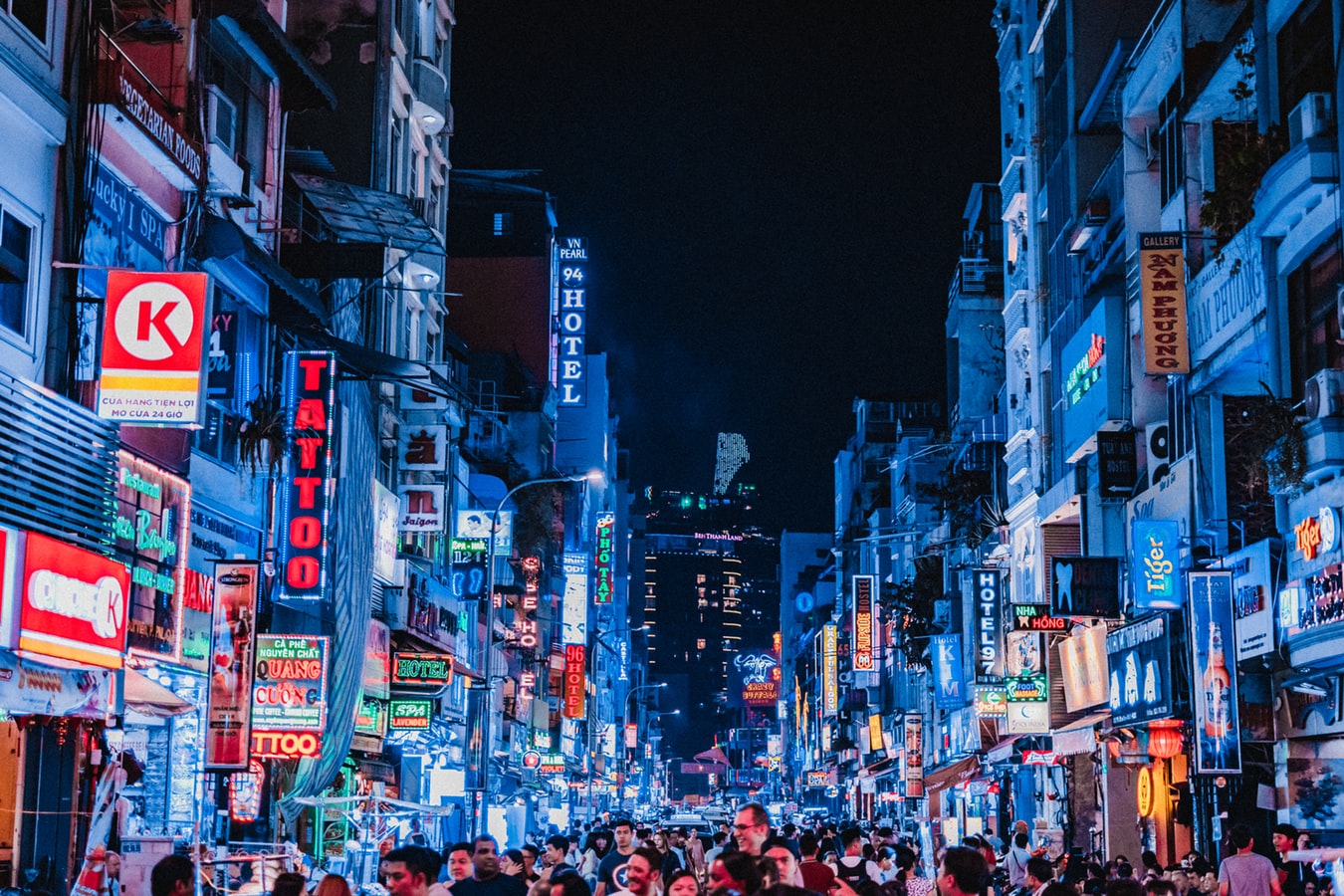
About Ho Chi Minh City
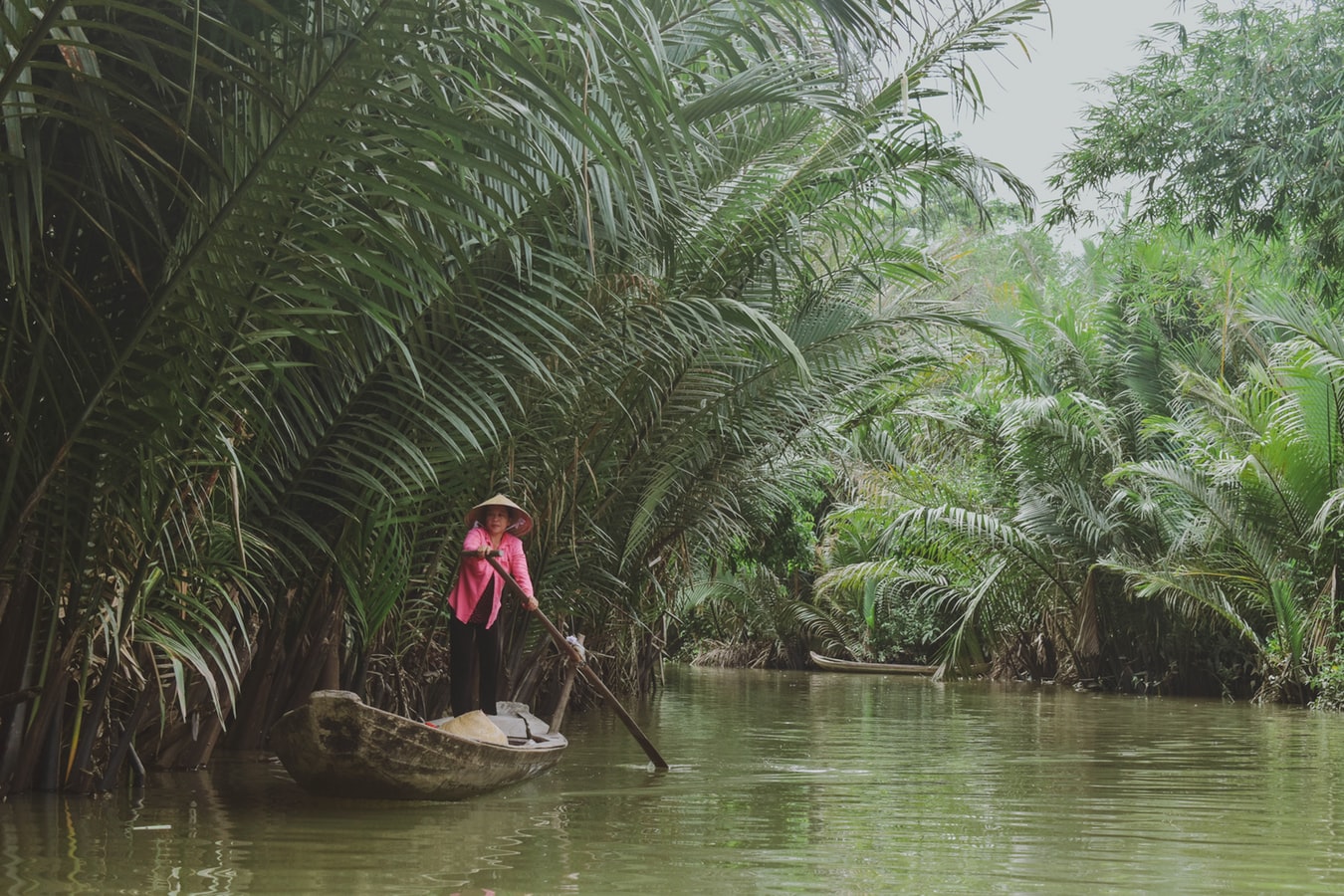
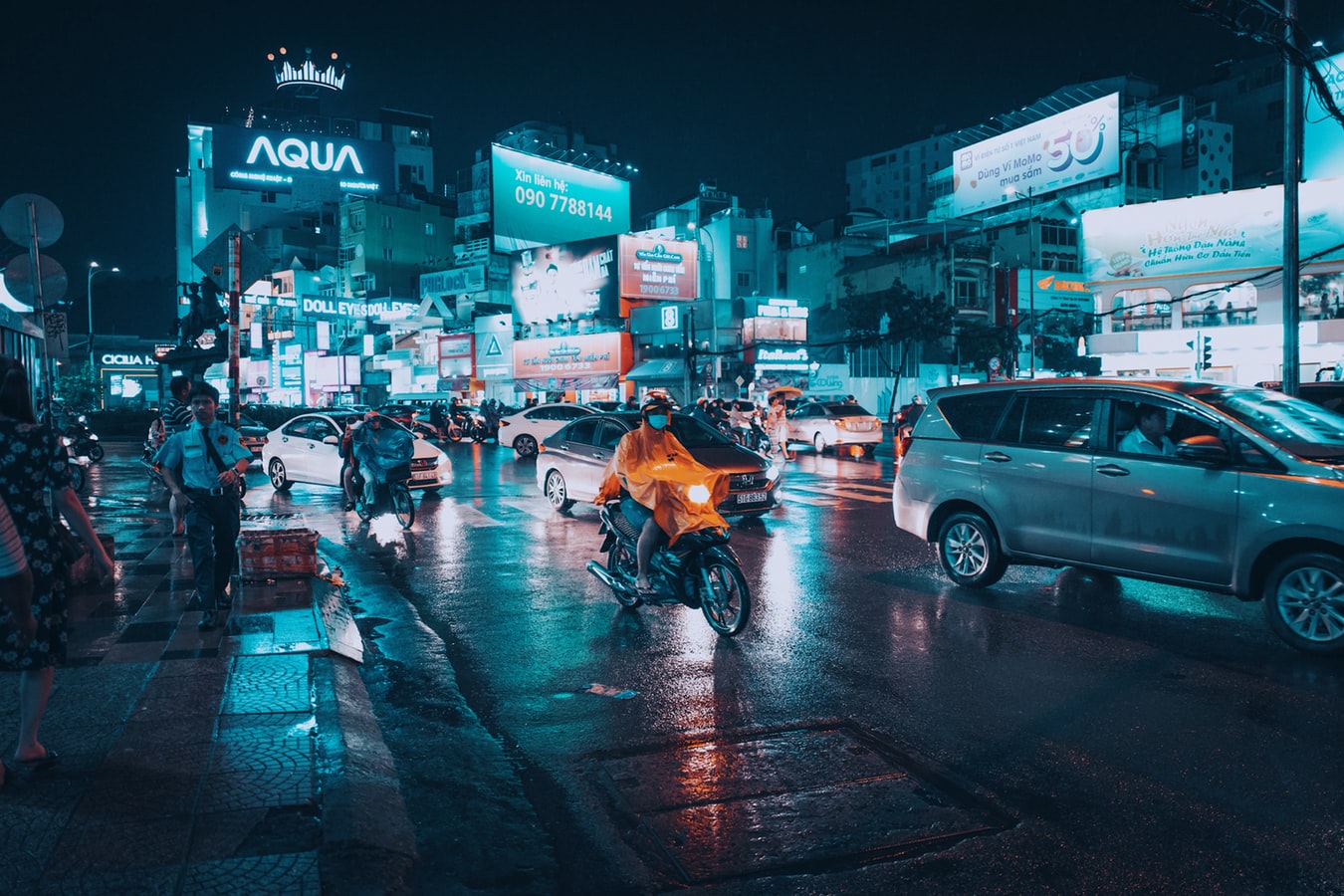
Romantically referred to by the French as the Pearl of the Orient, Ho Chi Minh City today is a super-charged city of sensory overload. Motorbikes zoom day and night along the wide boulevards, through the narrow back alleys and past vendors pushing handcarts hawking goods of all descriptions. Still called Saigon by most residents, this is Vietnam's largest city and the engine driving the country's current economic resurgence, but despite its frenetic pace, it's a friendlier place than Hanoi and locals will tell you the food—simple, tasty, and incorporating many fresh herbs—is infinitely better than in the capital.This is a city full of surprises. The madness of the city's traffic—witness the oddball things that are transported on the back of motorcycles—is countered by tranquil pagodas, peaceful parks, quirky coffee shops, and whole neighborhoods hidden down tiny alleyways, although some of these quiet spots can be difficult to track down. Life in Ho Chi Minh City is lived in public: on the back of motorcycles, on the sidewalks, and in the parks. Even when its residents are at home, they're still on display. With many living rooms opening onto the street, grandmothers napping, babies being rocked, and food being prepared, are all in full view of passersby.Icons of the past endure in the midst of the city’s headlong rush into capitalism. The Hotel Continental, immortalized in Graham Greene's The Quiet American, continues to stand on the corner of old Indochina's most famous thoroughfare, the rue Catinat, known to American G.I.s during the Vietnam War as Tu Do (Freedom) Street and renamed Dong Khoi (Uprising) Street by the Communists. The city still has its ornate opera house and its old French city hall, the Hôtel de Ville. The broad colonial boulevards leading to the Saigon River and the gracious stucco villas are other remnants of the French colonial presence. Grisly reminders of the more recent past can be seen at the city's war-related museums. Residents, however, prefer to look forward rather than back and are often perplexed by tourists' fascination with a war that ended 40 years ago.The Chinese influence on the country is still very much in evidence in the Cholon district, the city's Chinatown, but the modern office towers and international hotels that mark the skyline symbolize Vietnam's fixation on the future.
About Ho Chi Minh City
Romantically referred to by the French as the Pearl of the Orient, Ho Chi Minh City today is a super-charged city of sensory overload. Motorbikes zoom day and night along the wide boulevards, through the narrow back alleys and past vendors pushing handcarts hawking goods of all descriptions. Still called Saigon by most residents, this is Vietnam's largest city and the engine driving the country's current economic resurgence, but despite its frenetic pace, it's a friendlier place than Hanoi and locals will tell you the food—simple, tasty, and incorporating many fresh herbs—is infinitely better than in the capital.This is a city full of surprises. The madness of the city's traffic—witness the oddball things that are transported on the back of motorcycles—is countered by tranquil pagodas, peaceful parks, quirky coffee shops, and whole neighborhoods hidden down tiny alleyways, although some of these quiet spots can be difficult to track down. Life in Ho Chi Minh City is lived in public: on the back of motorcycles, on the sidewalks, and in the parks. Even when its residents are at home, they're still on display. With many living rooms opening onto the street, grandmothers napping, babies being rocked, and food being prepared, are all in full view of passersby.Icons of the past endure in the midst of the city’s headlong rush into capitalism. The Hotel Continental, immortalized in Graham Greene's The Quiet American, continues to stand on the corner of old Indochina's most famous thoroughfare, the rue Catinat, known to American G.I.s during the Vietnam War as Tu Do (Freedom) Street and renamed Dong Khoi (Uprising) Street by the Communists. The city still has its ornate opera house and its old French city hall, the Hôtel de Ville. The broad colonial boulevards leading to the Saigon River and the gracious stucco villas are other remnants of the French colonial presence. Grisly reminders of the more recent past can be seen at the city's war-related museums. Residents, however, prefer to look forward rather than back and are often perplexed by tourists' fascination with a war that ended 40 years ago.The Chinese influence on the country is still very much in evidence in the Cholon district, the city's Chinatown, but the modern office towers and international hotels that mark the skyline symbolize Vietnam's fixation on the future.
About Ben Tre
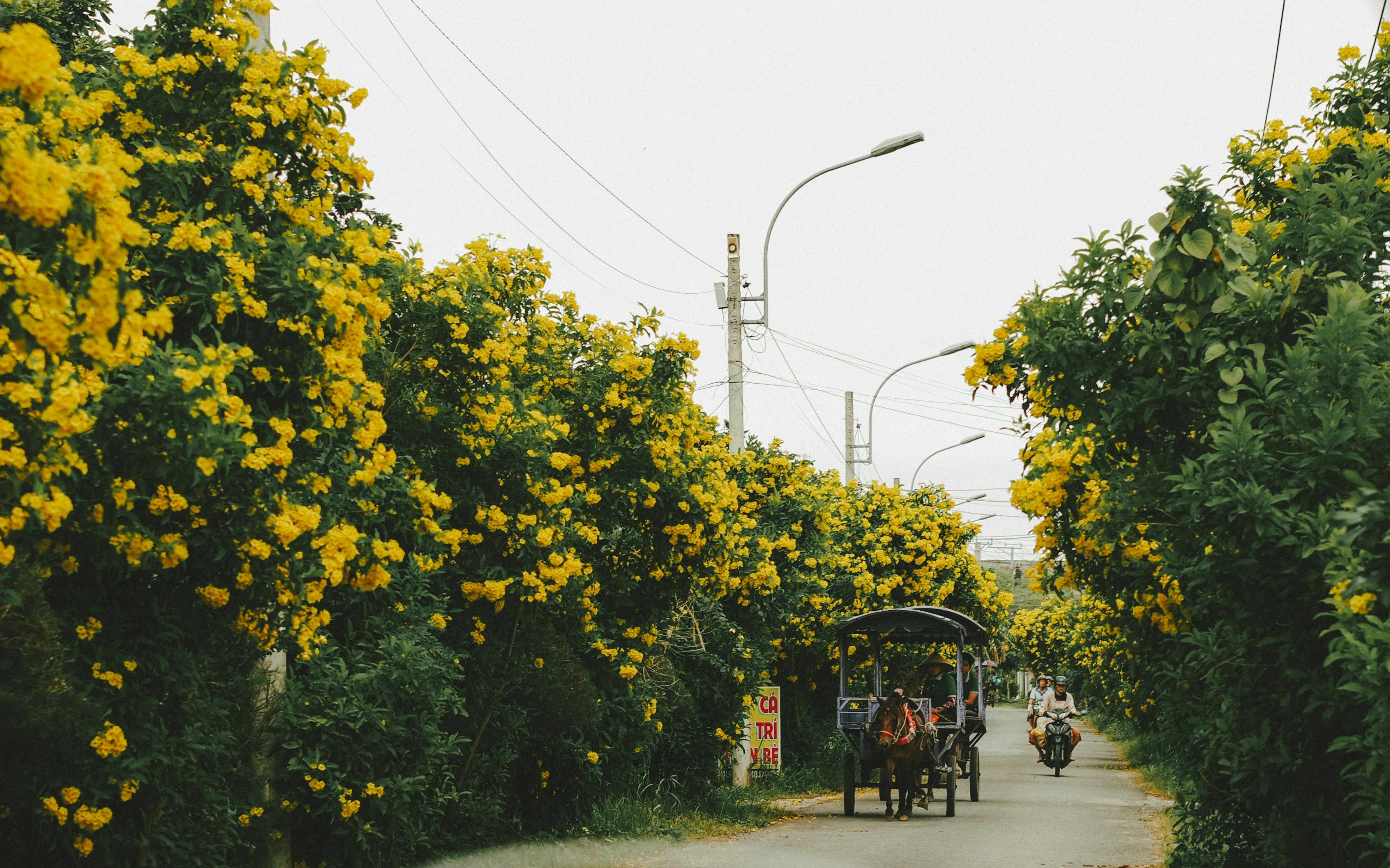
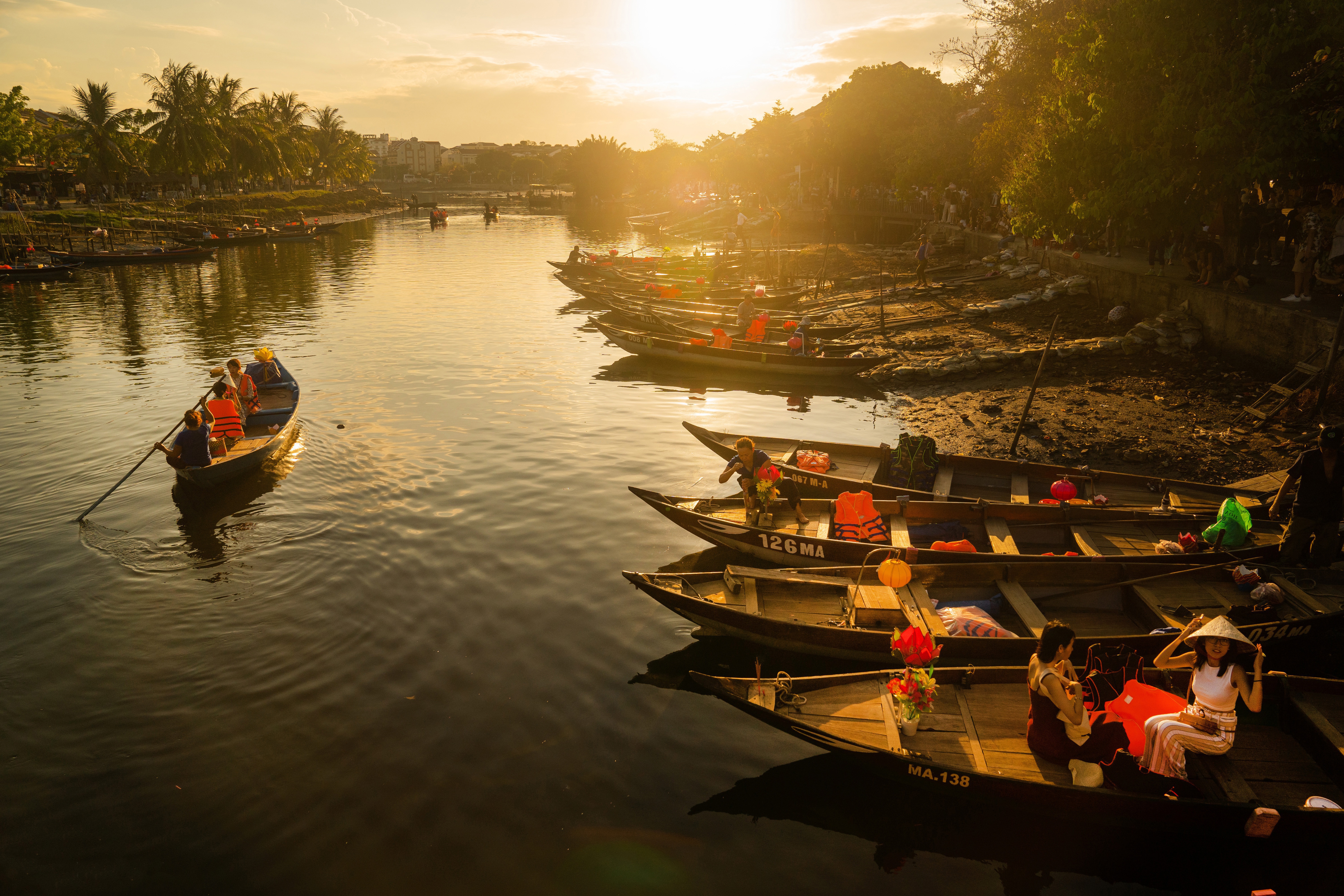
About Sa Déc

About My An Hung
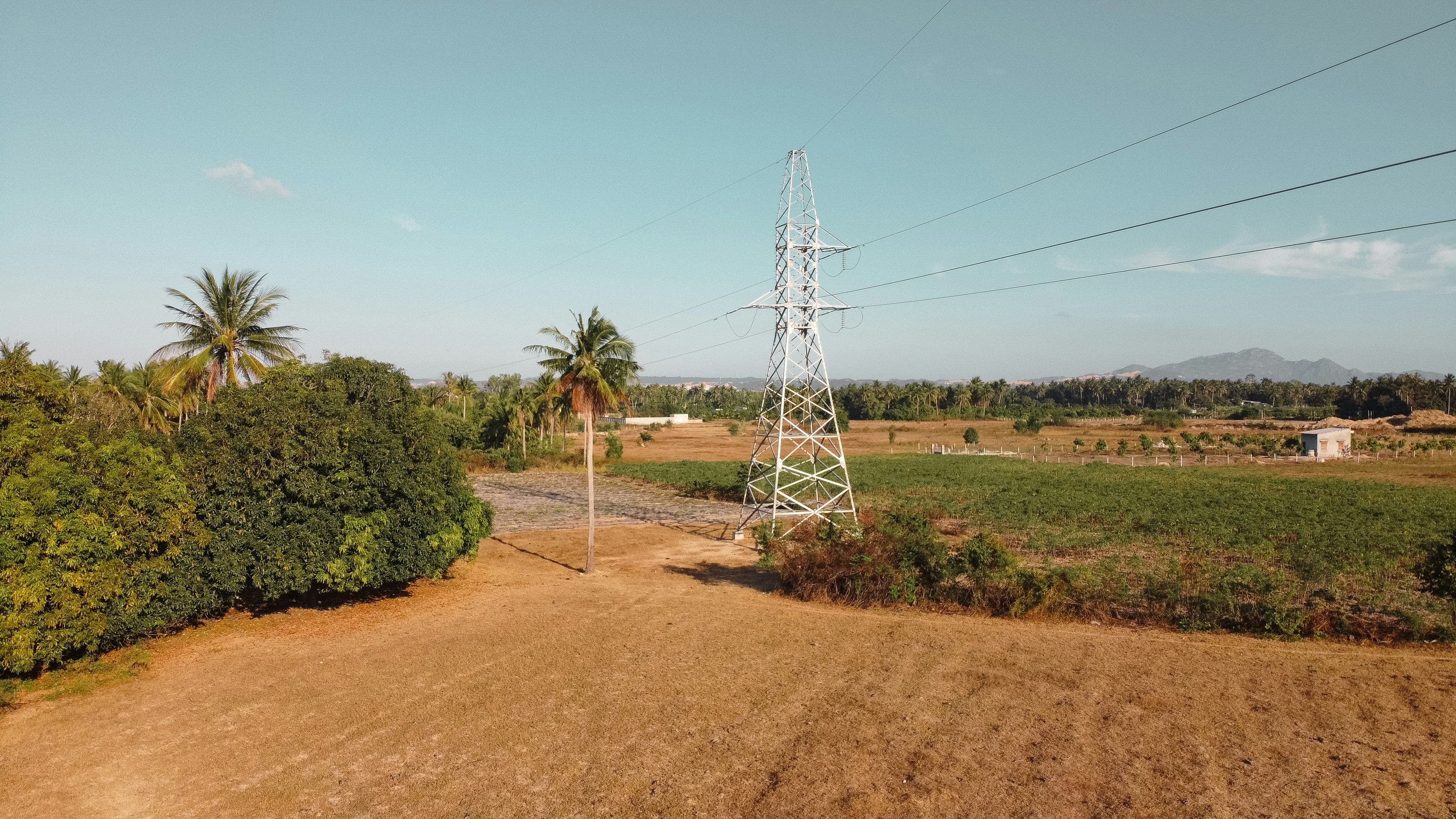
About Giêng Island
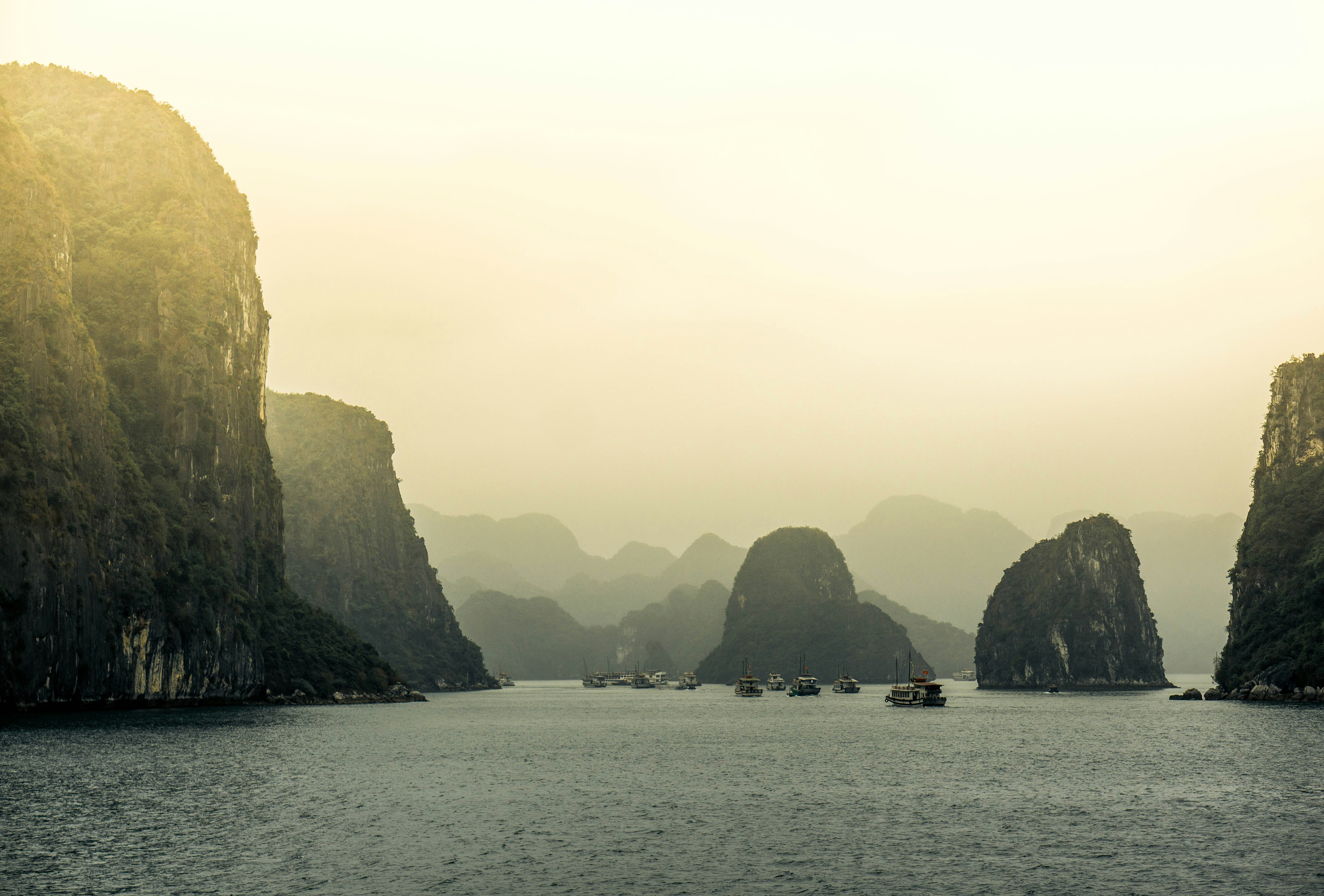
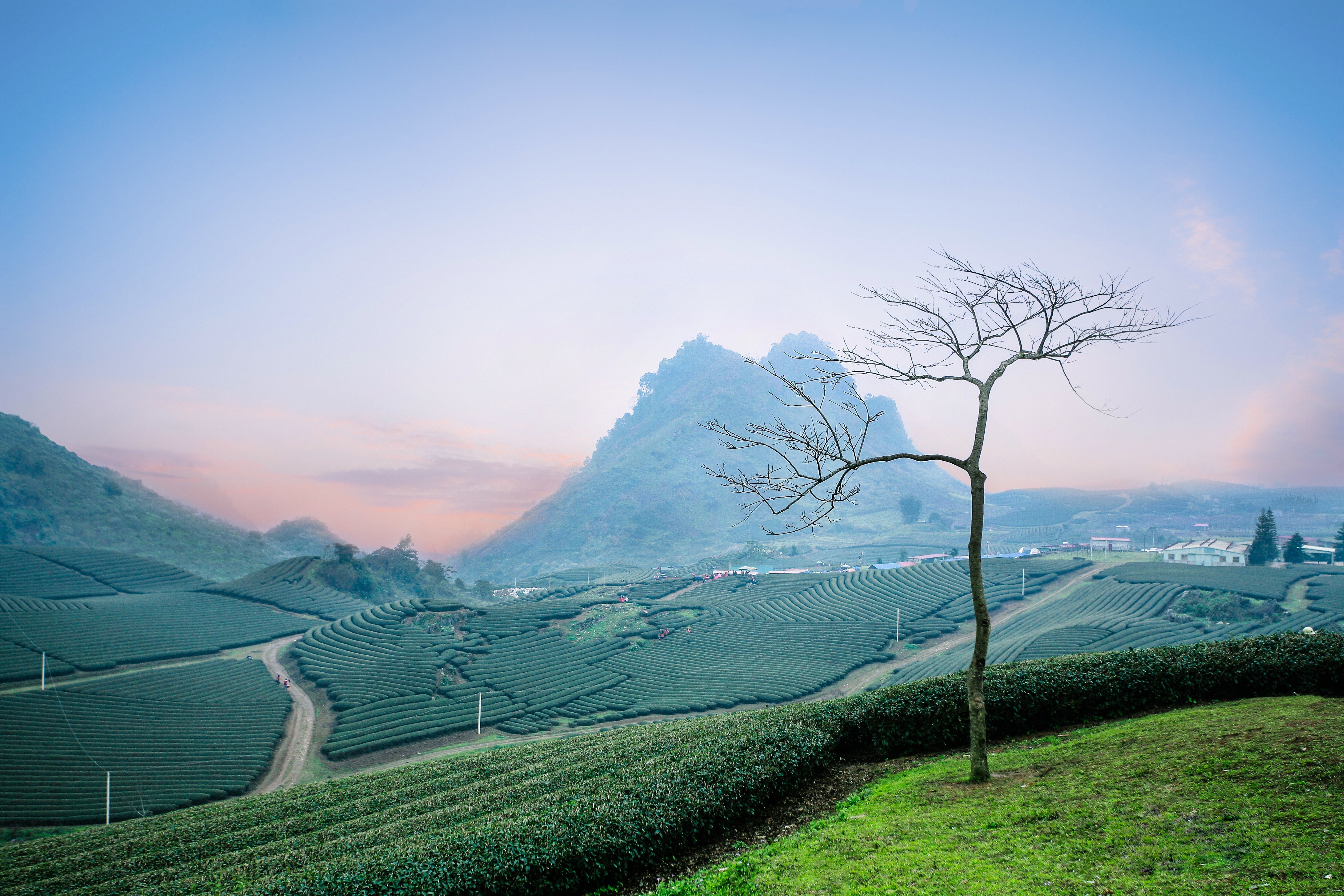
About Tân Châu
About Tân Châu
About Phnom Penh
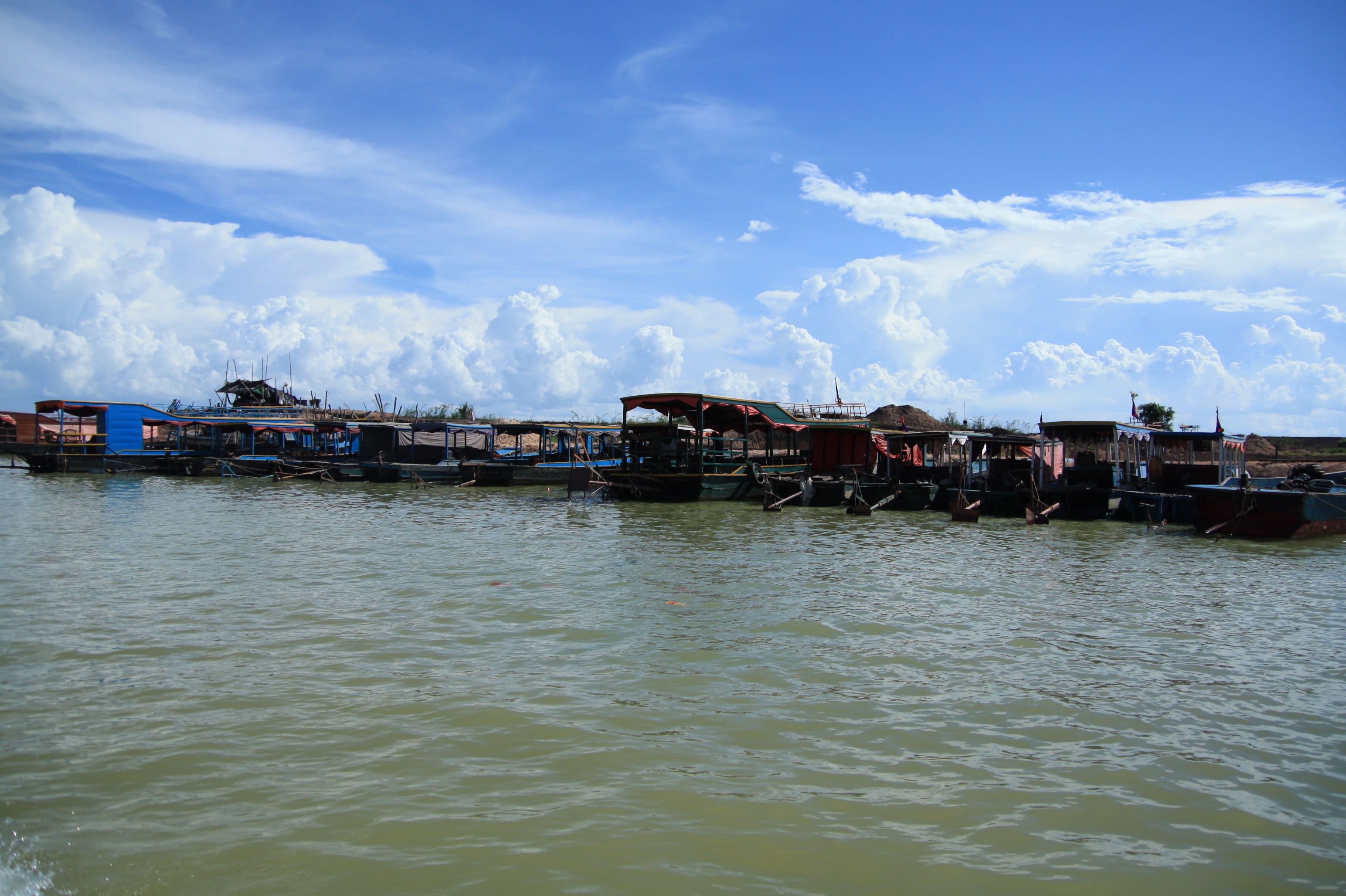
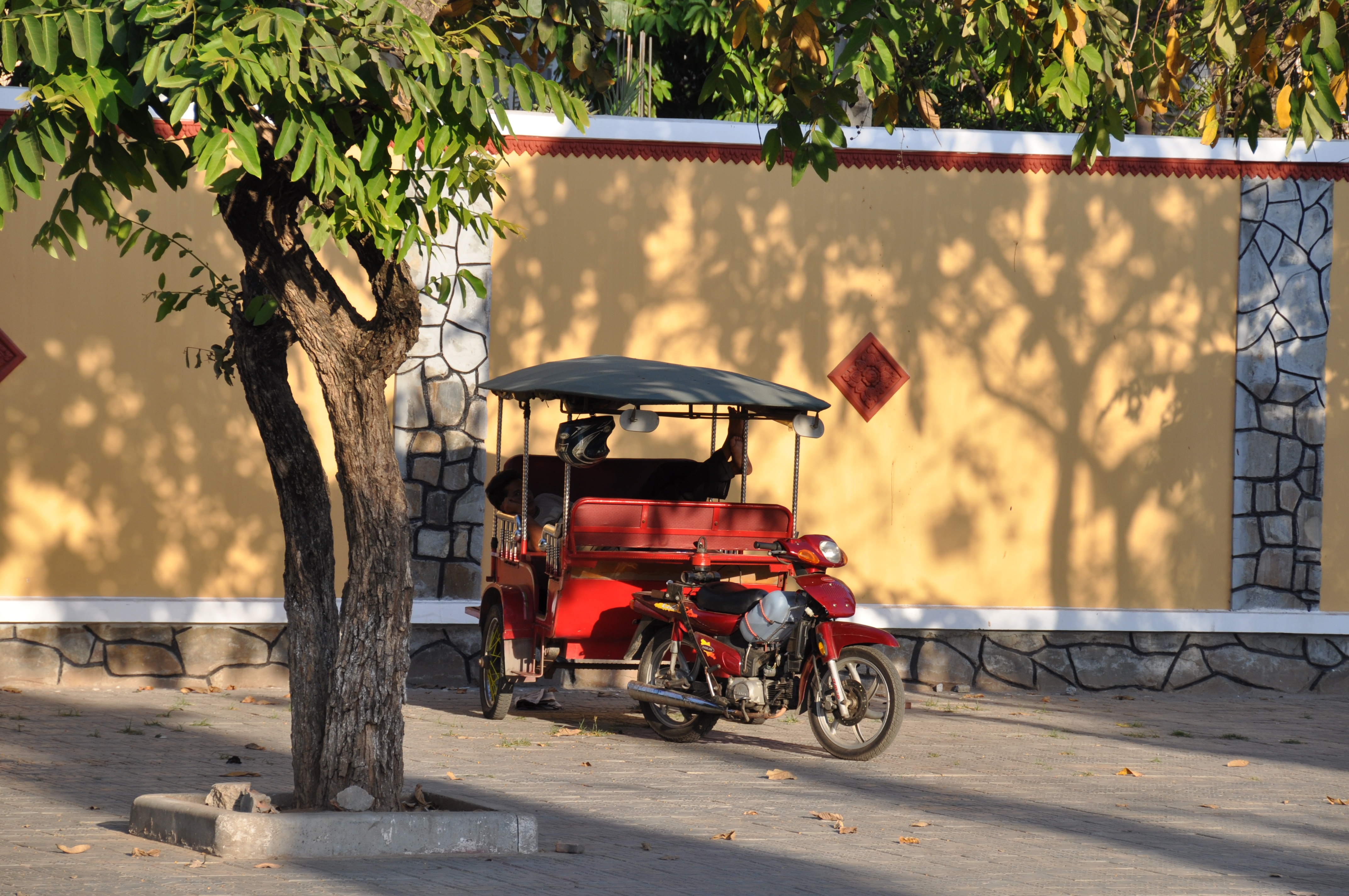
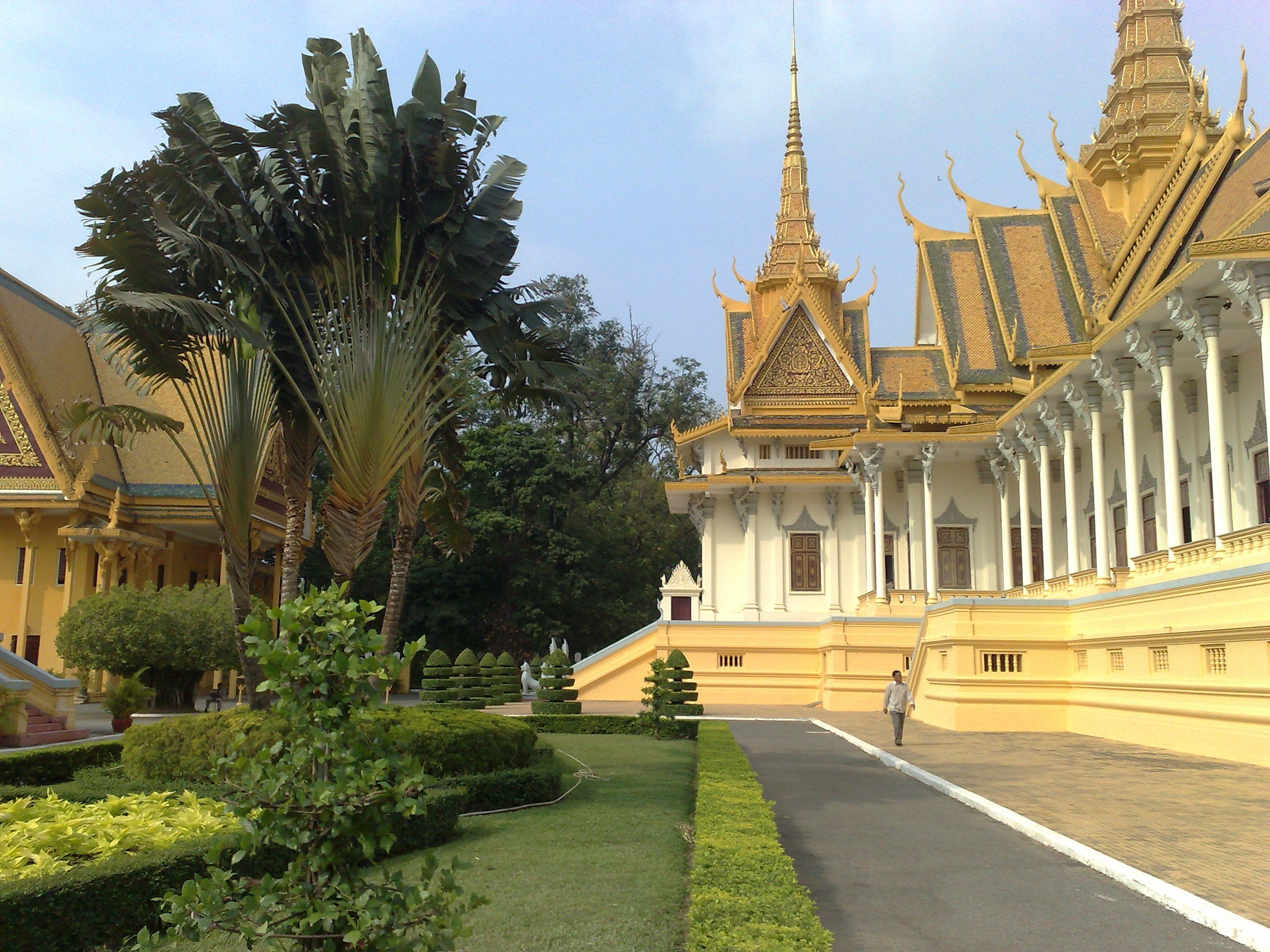
Phnom Penh, Cambodia’s busy capital, sits at the junction of the Mekong and Tonlé Sap rivers. It was a hub for both the Khmer Empire and French colonialists. On its walkable riverfront, lined with parks, restaurants and bars, are the ornate Royal Palace, Silver Pagoda and the National Museum, displaying artifacts from around the country. At the city’s heart is the massive, art deco Central Market.
About Phnom Penh
Phnom Penh, Cambodia’s busy capital, sits at the junction of the Mekong and Tonlé Sap rivers. It was a hub for both the Khmer Empire and French colonialists. On its walkable riverfront, lined with parks, restaurants and bars, are the ornate Royal Palace, Silver Pagoda and the National Museum, displaying artifacts from around the country. At the city’s heart is the massive, art deco Central Market.
About Oudong
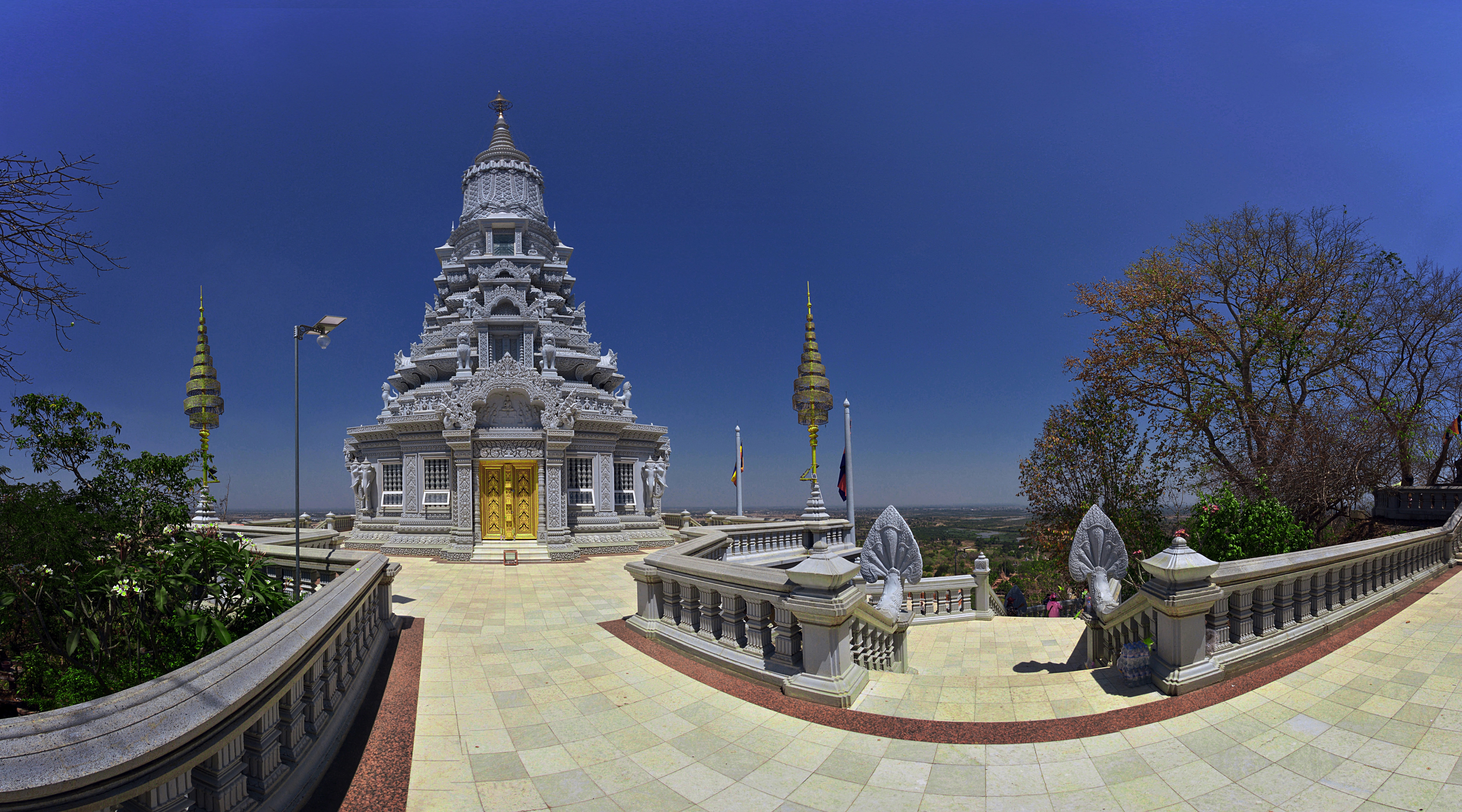
About Rokar Koang
About Rokar Koang
About Siem Reap
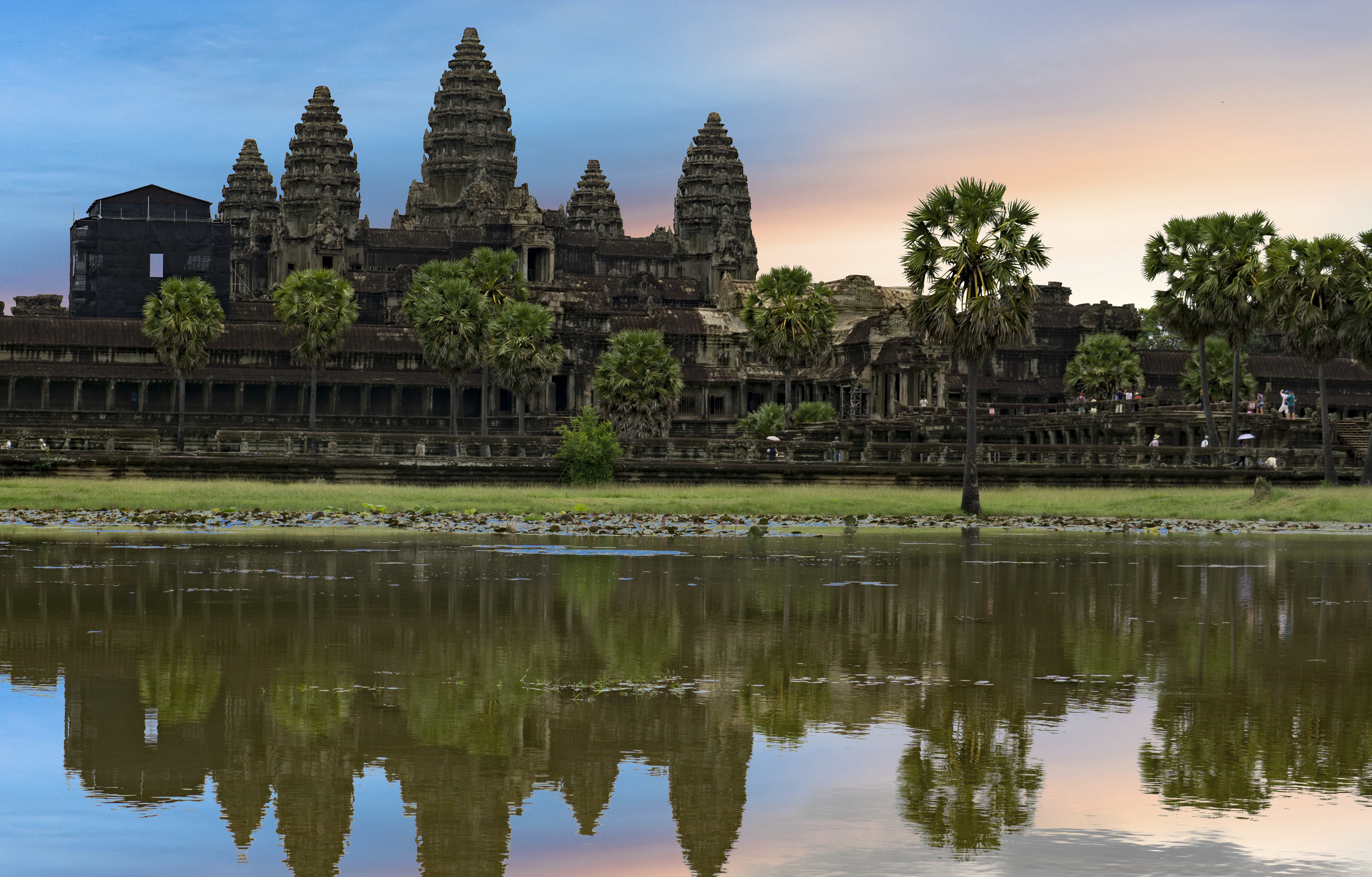
About Siem Reap
About Siem Reap
About Siem Reap
These suites are the largest on board, located on the Pool Deck. Boasting a walk-in wardrobe and separate lounge and bedroom areas, you'll benefit from pure privacy. Your large private terrace enables you to relax alfresco, admiring stunning views.
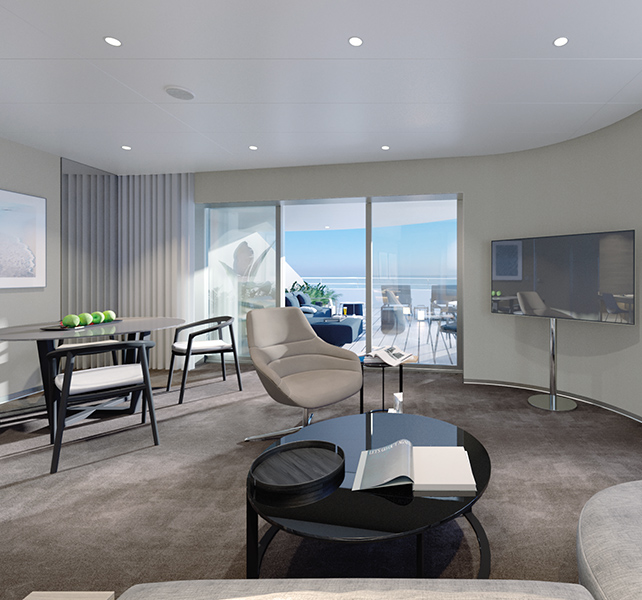
Located on the Pool Deck, these spacious suites feature separate bedroom and lounge areas, and a private balcony for your enjoyment. Make the most of your state-of-the-art tea and coffee-making facilities and enjoy a fruit platter on arrival.
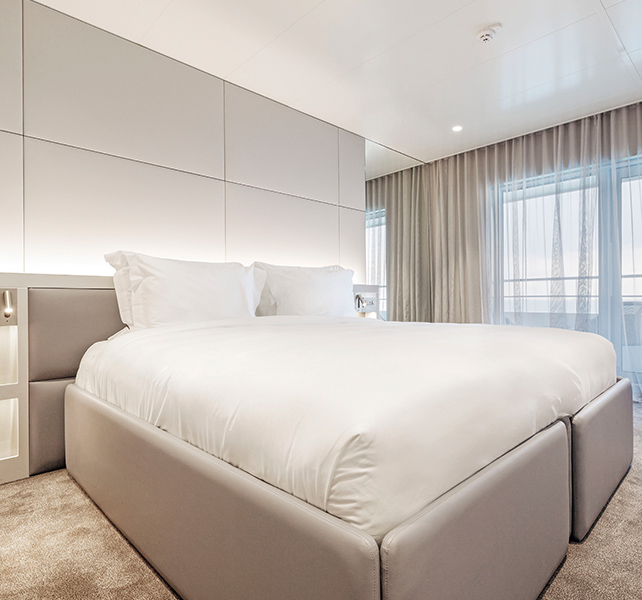
Positioned at the aft of the Observation Deck, you'll be treated to sensational coastal views from your private terrace. Enjoy this spacious suite with a welcome bottle of champagne and a wealth of space for your belongings including a walk-in wardrobe.
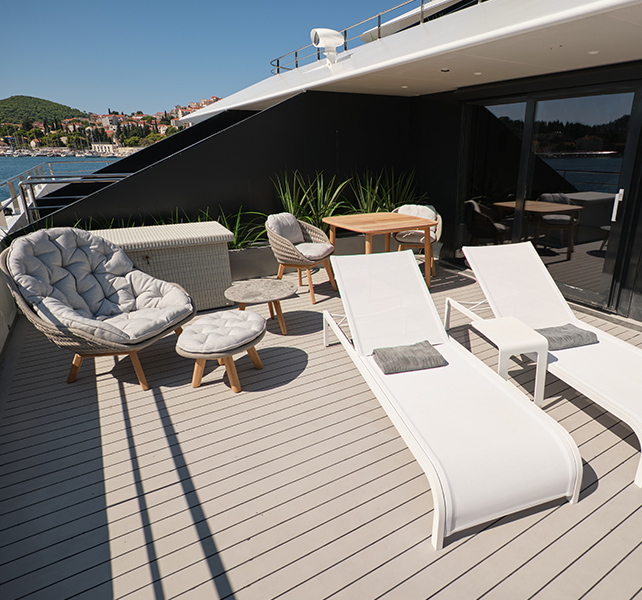
Located across the Observation and Panorama Decks, our Balcony Suites are your stylish home away from home. Enjoy stunning views from your private-access balcony and everything you need for a great night's sleep.
Situated on the Emerald Deck, our Oceanview Staterooms boast ample space and offer stunning views through your ocean-view window. Indulge in the luxurious amenities you'll find here, such as ESPA toiletries in your en-suite bathroom.

Our spacious Terrace Suites take pride of place at the aft of the Panorama Deck. You'll enjoy a private oversized terrace, where you'll be able to soak up the sun. Take advantage of the pillow menu and have up to two items laundered each day.
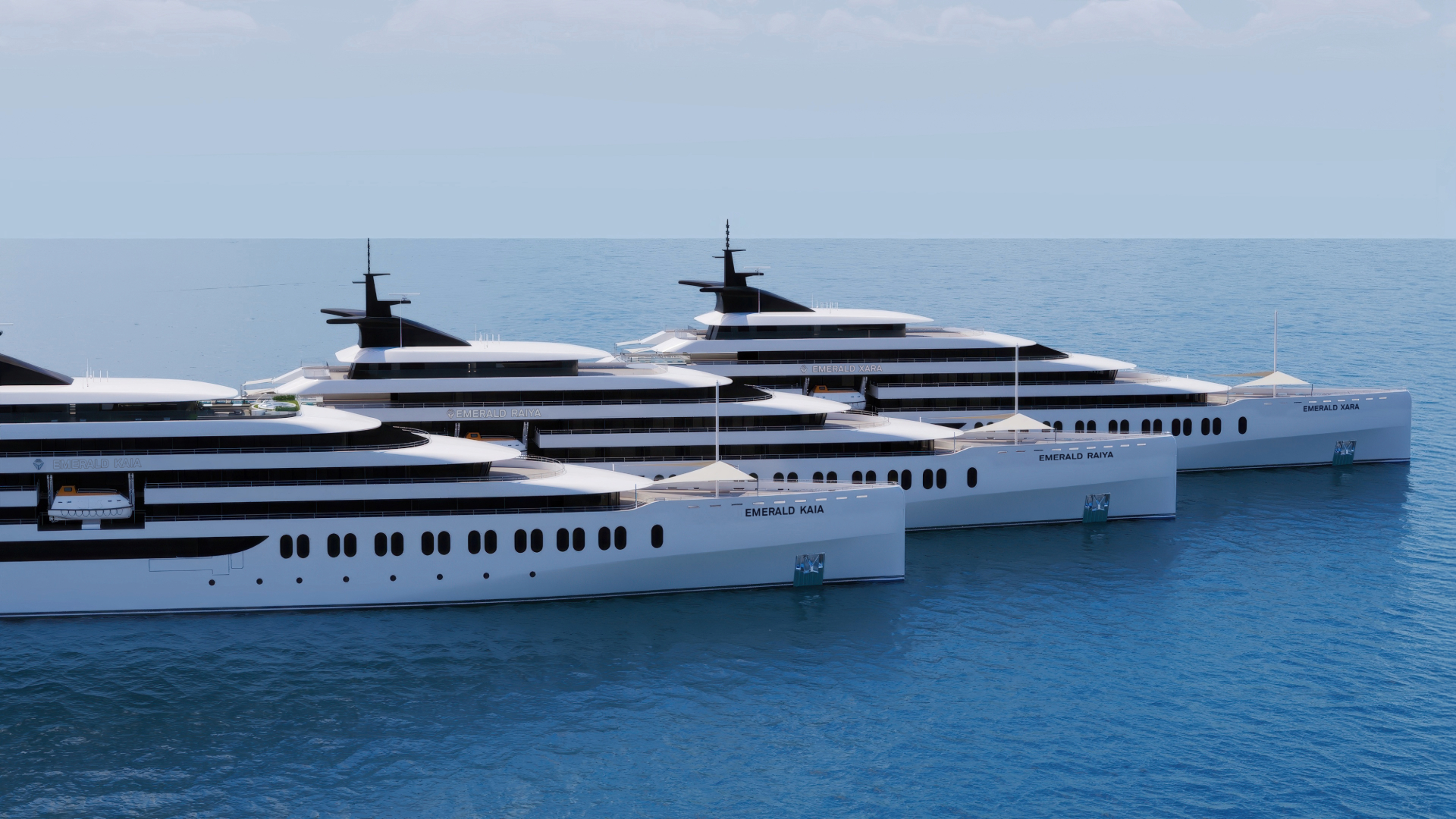
Emerald Xara
Launching in 2028, Emerald Xara will introduce a new dimension of luxury yacht cruising across Asia, Australia and the South Pacific, becoming the first Emerald Yacht to explore these regions. She will embody the same sleek design and on board experience as Emerald Kaia. More details will be revealed soon. Stay informed by signing up below to receive our announcements.
Ship Facts
| Launch Year | 2027 | ||||||||
| Refit Year | |||||||||
| Language | en | ||||||||
| Gross Tonnage | N/A | ||||||||
| Length | 120 | ||||||||
| Width | N/A | ||||||||
| Currency | EUR | ||||||||
| Speed | N/A | ||||||||
| Capacity | 128 | ||||||||
| Crew Count | 92 | ||||||||
| Deck Count | 6 | ||||||||
| Cabin Count | 64 | ||||||||
| Large Cabin Count | N/A | ||||||||
| Wheelchair Cabin Count | N/A | ||||||||
| Electrical Plugs |
|
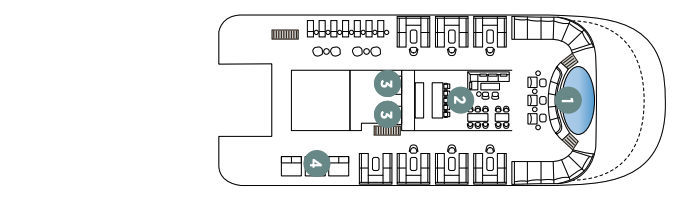
Sky Deck
- Spa Pool (1)
- Sky Bar (2)
- Elevators (3)
- Sky Deck Cabanas (4)
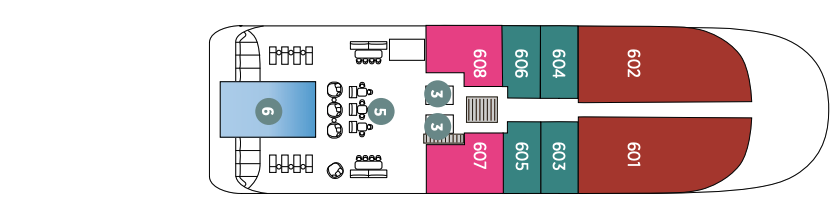
Pool Deck
- Elevators (3)
- Aqua Café (5)
- Aqua Pool (6)
- Owner's Suite
- Balcony Suite
- Deluxe Balcony Suite
Panorama Deck
- Elevators (3)
- Life Boats (8)
- Navigation Bridge (7)
- Balcony Suite
- Terrace Suite
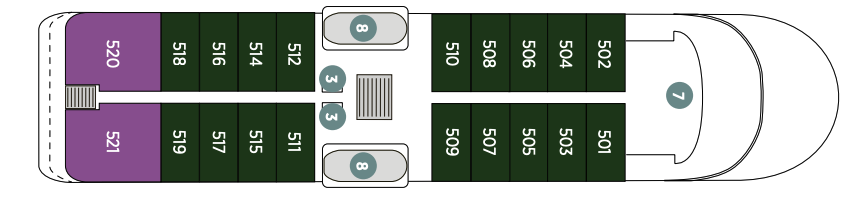
Observation Deck
- Elevators (3)
- Life Boats (8)
- Spa Pool (9)
- Observation Sun Deck (10)
- Observation Lounge (11)
- Self-Service Laundry (12)
- Yacht Suite
- Balcony Suite
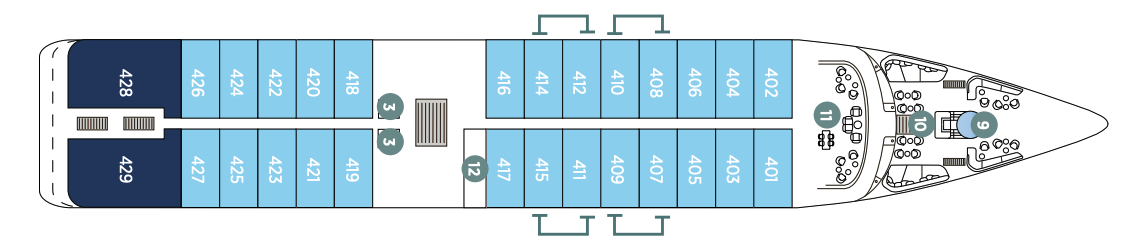
Emerald Deck
- Elevators (3)
- Amici Bar & Lounge (13)
- Reception (14)
- Boutique (15)
- Night Market Grill (16)
- La Cucina Terrace (17)
- Oceanview Stateroom

Wellness Deck
- Elevators (3)
- Medical Center (19)
- Elements Spa (20)
- Sauna (21)
- Infrared Sauna (22)
- Hairdresser (23)
- Tender Boat (24)
- Zodiac (25)
- Gym (26)
- Marina Lounge (27)
- Marina Deck (28)

Delectable dining on board our yachts
Nothing beats sitting down to ocean-fresh seafood and savouring the flavours of each destination, accompanied by the perfect sommelier-paired wine. With elegant dining venues and an attentive service team, your meals promise to be among the highlights of your luxury yacht cruise with us.
Explore the fresh local flavours of the regions you sail through
We believe that food should reflect regional flavours, which is why our chefs source fresh local ingredients as you sail, creating meals that capture authentic cuisine no matter where your journey takes you.
La Cucina
Our premier on board dining spot
Enjoy fine à la carte dining, as well as sumptuous breakfasts and lunches in the serene setting of our spacious La Cucina Dining, taking inspiration from the path you're navigating. This stylish restaurant boasts ample space and you can expect fresh, locally sourced dinners, thoughtfully crafted by our expert chefs. If you prefer to dine alfresco, head out to the adjoining Terrace to enjoy your meals under the sun.
Aqua Pool Cafe
At the Aqua Pool Café, a selection of flatbreads pack a punch with a range of fillings, and revitalising gelato satisfies your sweet tooth. Or, if you need a caffeine boost, grab a delicious coffee to go.
Take in stunning vistas from the Observation Deck. Swim under the sun in the infinity-style Aqua Pool or take a leisurely dip in the Spa Pool. Unwind in the innovative infrared sauna and, on selected days, enjoy swim stops off the Marina Platform.
From the chilled and relaxed vibe of the Amici Bar & Lounge to the open-air surrounds of the Pool Deck and the serene Observation Lounge, you’ll find plenty of spaces on board to enjoy the company of new-found friends or to take a moment for yourself.
Sky Bar
A drink with a view
Fancy taking in stunning vistas with your favourite cocktail? Head the Sky Bar on the Sky Deck and choose from our extensive drinks menu. And, if you need to cool off from the sun, why not take a dip in the nearby Spa Pool?
Observation Sun Deck
A place to relax
Enjoy the serene poolside atmosphere, with exceptional panoramic views.
Marina Lounge
For guests sailing on board Emerald Xara, relax in the stunning Marina Lounge after your aquatic adventures.
Amici Bar & Lounge
Unwind in style
After your evening meal, enjoy a drink from the comfort of the Amici Bar & Lounge, the main lounge area on board our luxury yachts. Our expert mixologists will help you select the perfect drink from our extensive menus, with a range of spirits, wine, beer, cocktails, mocktails, or soft drinks there's something for everyone.