From The Glamorous Principality To Bella Italia
From The Glamorous Principality To Bella Italia
Cruise overview
WHY BOOK WITH US?
- ✔ The Deluxe Cruises’ team has extensive experience in ultra-luxury cruising.
- ✔ Call now to speak to our helpful and experienced Cruise Concierge team.
- ✔ Enjoy our Unique Deluxe Cruises Bonus for substantial savings.
- ✔ Our team will tailor your holiday to your exacting requirements.
- ✔ As agents, we work under the protection of each cruise lines ABTA / ATOL licences
About Monte-Carlo
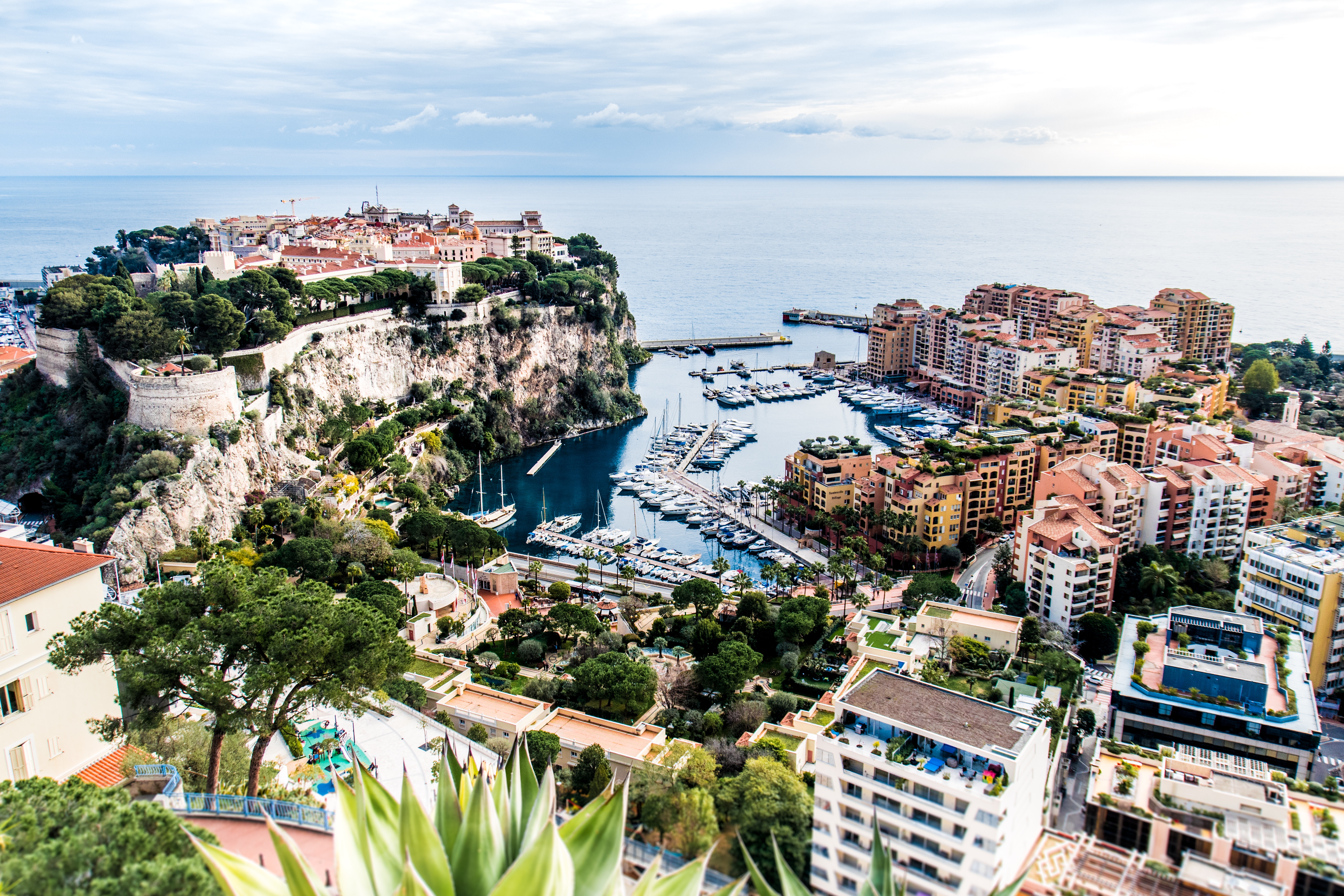
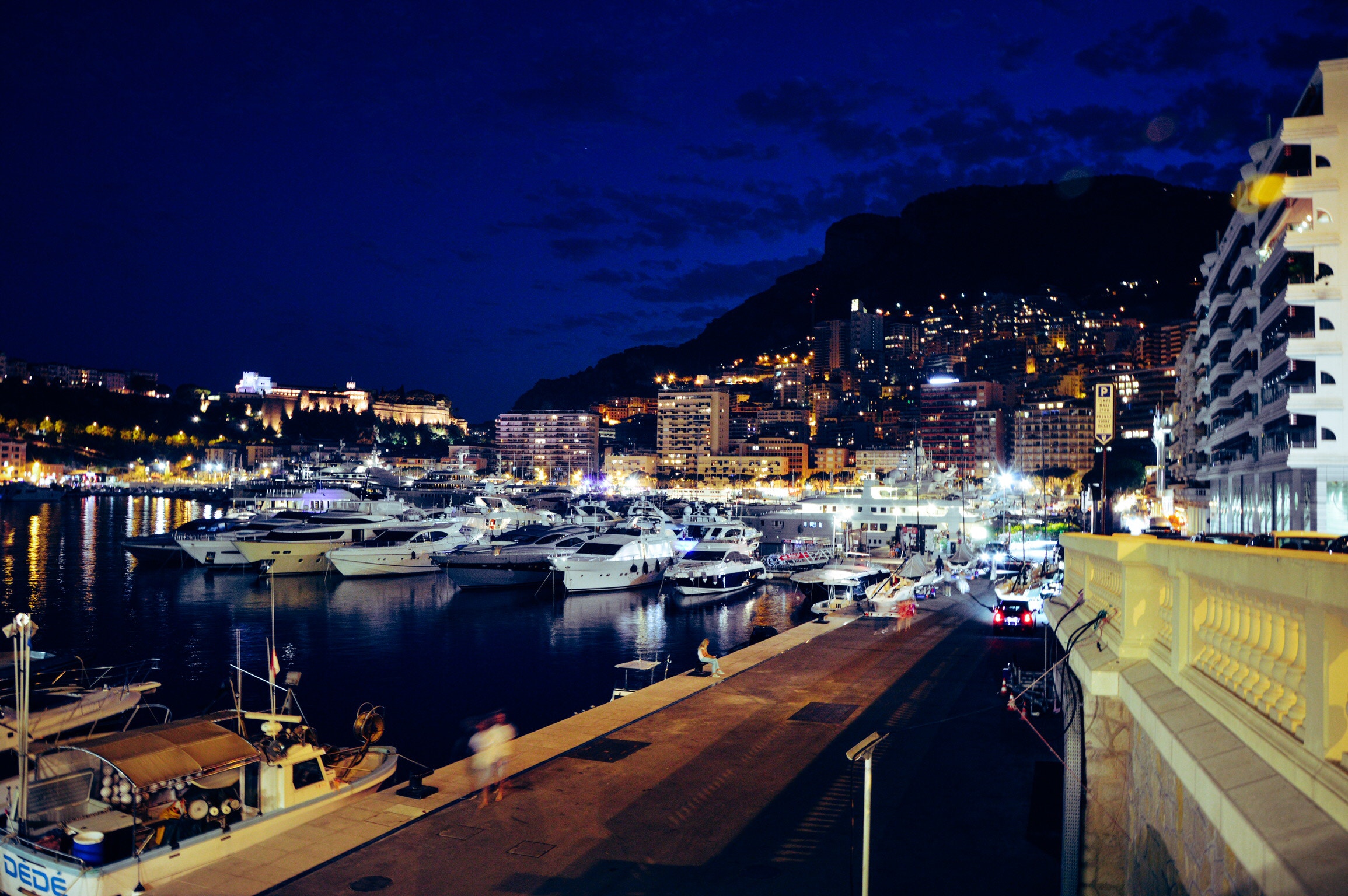
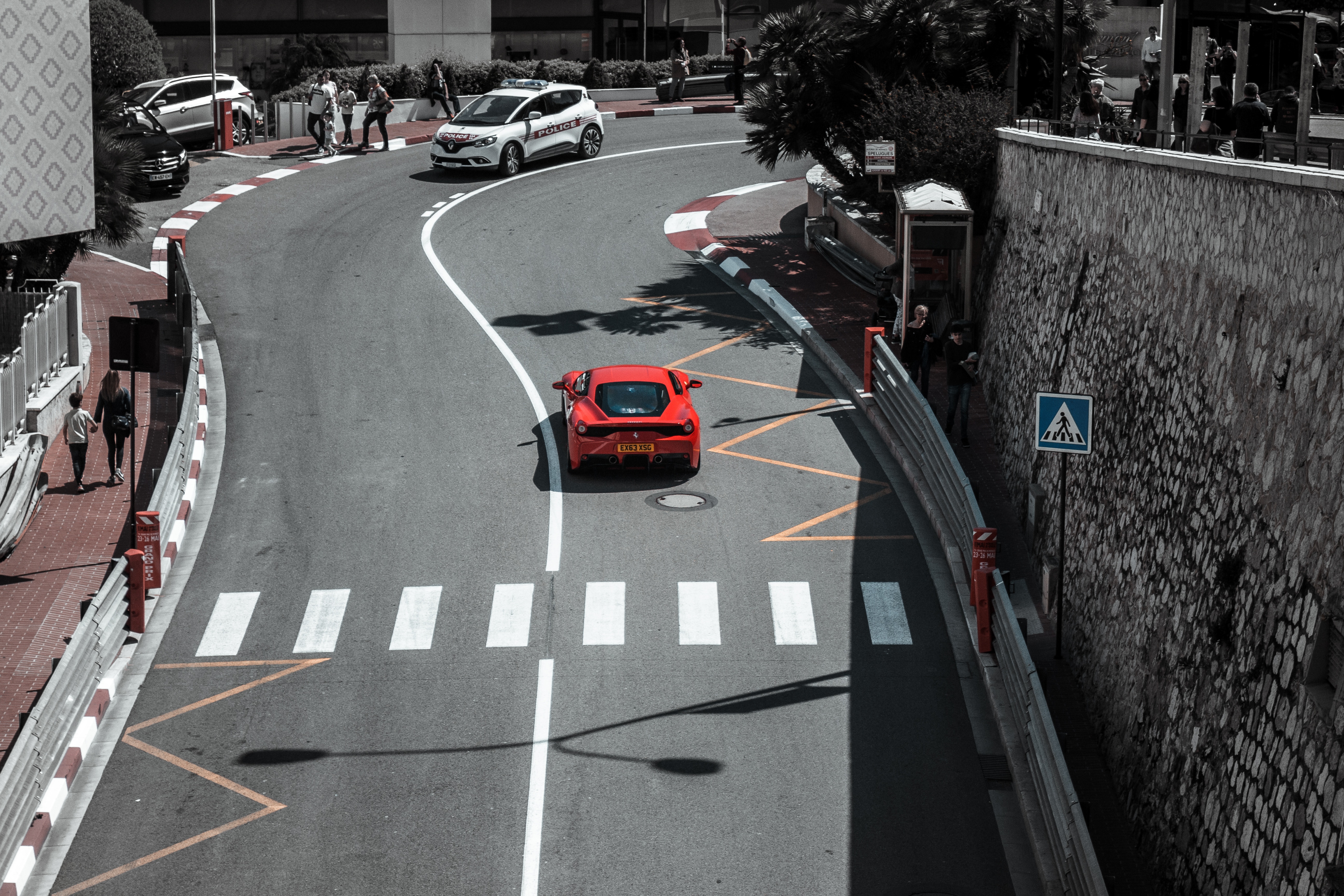
On one of the best stretches of the Mediterranean, this classic luxury destination is one of the most sought-after addresses in the world. With all the high-rise towers you have to look hard to find the Belle Époque grace of yesteryear. But if you head to the town's great 1864 landmark Hôtel de Paris—still a veritable crossroads of the buffed and befurred Euro-gentry—or enjoy a grand bouffe at its famous Louis XV restaurant, or attend the opera, or visit the ballrooms of the casino, you may still be able to conjure up Monaco's elegant past. Prince Albert II, a political science graduate from Amherst College, traces his ancestry to Otto Canella, who was born in 1070. The Grimaldi dynasty began with Otto's great-great-great-grandson, Francesco Grimaldi, also known as Frank the Rogue. Expelled from Genoa, Frank and his cronies disguised themselves as monks and in 1297 seized the fortified medieval town known today as Le Rocher (the Rock). Except for a short break under Napoléon, the Grimaldis have been here ever since, which makes them the oldest reigning family in Europe. In the 1850s a Grimaldi named Charles III made a decision that turned the Rock into a giant blue chip. Needing revenue but not wanting to impose additional taxes on his subjects, he contracted with a company to open a gambling facility. The first spin of the roulette wheel was on December 14, 1856. There was no easy way to reach Monaco then—no carriage roads or railroads—so no one came. Between March 15 and March 20, 1857, one person entered the casino—and won two francs. In 1868, however, the railroad reached Monaco, and it was filled with Englishmen who came to escape the London fog. The effects were immediate. Profits were so great that Charles eventually abolished all direct taxes. Almost overnight, a threadbare principality became an elegant watering hole for European society. Dukes (and their mistresses) and duchesses (and their gigolos) danced and dined their way through a world of spinning roulette wheels and bubbling champagne—preening themselves for nights at the opera, where such artists as Vaslav Nijinsky, Sarah Bernhardt, and Enrico Caruso came to perform. Along with the tax system, its sensational position on a broad, steep peninsula that bulges into the Mediterranean—its harbor sparkling with luxury cruisers, its posh mansions angling awnings toward the nearly perpetual sun—continues to draw the rich and famous. One of the latest French celebrities to declare himself "Monégasque," thus giving up his French passport, is superchef Alain Ducasse, who said that he made the choice out of affection for Monaco rather than tax reasons. Pleasure boats vie with luxury cruisers in their brash beauty and Titanic scale, and teams of handsome young men—themselves dyed blond and tanned to match—scour and polish every gleaming surface. As you might expect, all this glitz doesn't come cheap. Eating is expensive, and even the most modest hotels cost more here than in nearby Nice or Menton. As for taxis, they don't even have meters so you are completely at the driver's mercy (with prices skyrocketing during events such as the Grand Prix). For the frugal, Monaco is the ultimate day-trip, although parking is as coveted as a room with a view. At the very least you can afford a coffee at Starbucks. The harbor district, known as La Condamine, connects the new quarter, officially known as Monte Carlo with Monaco-Ville (or Le Rocher), a medieval town on the Rock, topped by the palace, the cathedral, and the Oceanography Museum. Have no fear that you'll need to climb countless steps to get to Monaco-Ville, as there are plenty of elevators and escalators climbing the steep cliffs. But shuttling between the lovely casino grounds of Monte Carlo and Old Monaco, separated by a vast port, is a daunting proposition for ordinary mortals without wings, so hop on the No. 1 bus from Saint Roman, or No. 2 from the Jardin Exotique - Both stop at Place du Casino and come up to Monaco Ville.
About Monte-Carlo
On one of the best stretches of the Mediterranean, this classic luxury destination is one of the most sought-after addresses in the world. With all the high-rise towers you have to look hard to find the Belle Époque grace of yesteryear. But if you head to the town's great 1864 landmark Hôtel de Paris—still a veritable crossroads of the buffed and befurred Euro-gentry—or enjoy a grand bouffe at its famous Louis XV restaurant, or attend the opera, or visit the ballrooms of the casino, you may still be able to conjure up Monaco's elegant past. Prince Albert II, a political science graduate from Amherst College, traces his ancestry to Otto Canella, who was born in 1070. The Grimaldi dynasty began with Otto's great-great-great-grandson, Francesco Grimaldi, also known as Frank the Rogue. Expelled from Genoa, Frank and his cronies disguised themselves as monks and in 1297 seized the fortified medieval town known today as Le Rocher (the Rock). Except for a short break under Napoléon, the Grimaldis have been here ever since, which makes them the oldest reigning family in Europe. In the 1850s a Grimaldi named Charles III made a decision that turned the Rock into a giant blue chip. Needing revenue but not wanting to impose additional taxes on his subjects, he contracted with a company to open a gambling facility. The first spin of the roulette wheel was on December 14, 1856. There was no easy way to reach Monaco then—no carriage roads or railroads—so no one came. Between March 15 and March 20, 1857, one person entered the casino—and won two francs. In 1868, however, the railroad reached Monaco, and it was filled with Englishmen who came to escape the London fog. The effects were immediate. Profits were so great that Charles eventually abolished all direct taxes. Almost overnight, a threadbare principality became an elegant watering hole for European society. Dukes (and their mistresses) and duchesses (and their gigolos) danced and dined their way through a world of spinning roulette wheels and bubbling champagne—preening themselves for nights at the opera, where such artists as Vaslav Nijinsky, Sarah Bernhardt, and Enrico Caruso came to perform. Along with the tax system, its sensational position on a broad, steep peninsula that bulges into the Mediterranean—its harbor sparkling with luxury cruisers, its posh mansions angling awnings toward the nearly perpetual sun—continues to draw the rich and famous. One of the latest French celebrities to declare himself "Monégasque," thus giving up his French passport, is superchef Alain Ducasse, who said that he made the choice out of affection for Monaco rather than tax reasons. Pleasure boats vie with luxury cruisers in their brash beauty and Titanic scale, and teams of handsome young men—themselves dyed blond and tanned to match—scour and polish every gleaming surface. As you might expect, all this glitz doesn't come cheap. Eating is expensive, and even the most modest hotels cost more here than in nearby Nice or Menton. As for taxis, they don't even have meters so you are completely at the driver's mercy (with prices skyrocketing during events such as the Grand Prix). For the frugal, Monaco is the ultimate day-trip, although parking is as coveted as a room with a view. At the very least you can afford a coffee at Starbucks. The harbor district, known as La Condamine, connects the new quarter, officially known as Monte Carlo with Monaco-Ville (or Le Rocher), a medieval town on the Rock, topped by the palace, the cathedral, and the Oceanography Museum. Have no fear that you'll need to climb countless steps to get to Monaco-Ville, as there are plenty of elevators and escalators climbing the steep cliffs. But shuttling between the lovely casino grounds of Monte Carlo and Old Monaco, separated by a vast port, is a daunting proposition for ordinary mortals without wings, so hop on the No. 1 bus from Saint Roman, or No. 2 from the Jardin Exotique - Both stop at Place du Casino and come up to Monaco Ville.
About Cannes
Cannes is pampered with the luxurious year-round climate that has made it one of the most popular resorts in Europe. Cannes was an important sentinel site for the monks who established themselves on Île St-Honorat in the Middle Ages. Its bay served as nothing more than a fishing port until in 1834 an English aristocrat, Lord Brougham, fell in love with the site during an emergency stopover with a sick daughter. He had a home built here and returned every winter for a sun cure—a ritual quickly picked up by his peers. Between the popularity of Le Train Blue transporting wealthy passengers from Calais, and the introduction in 1936 of France's first paid holidays, Cannes became the destination, a tasteful and expensive breeding ground for the upper-upscale.Cannes has been further glamorized by the ongoing success of its annual film festival, as famous as Hollywood's Academy Awards. About the closest many of us will get to feeling like a film star is a stroll here along La Croisette, the iconic promenade that gracefully curves the wave-washed sand coastline, peppered with chic restaurants and prestigious private beaches. This is precisely the sort of place for which the French invented the verb flâner (to dawdle, saunter): strewn with palm trees and poseurs, its fancy boutiques and status-symbol grand hotels—including the Carlton, the legendary backdrop to Grace Kelly in To Catch a Thief —all vying for the custom of the Louis Vuitton set. This legend is, to many, the heart and soul of the Côte d'Azur.
About Rouen

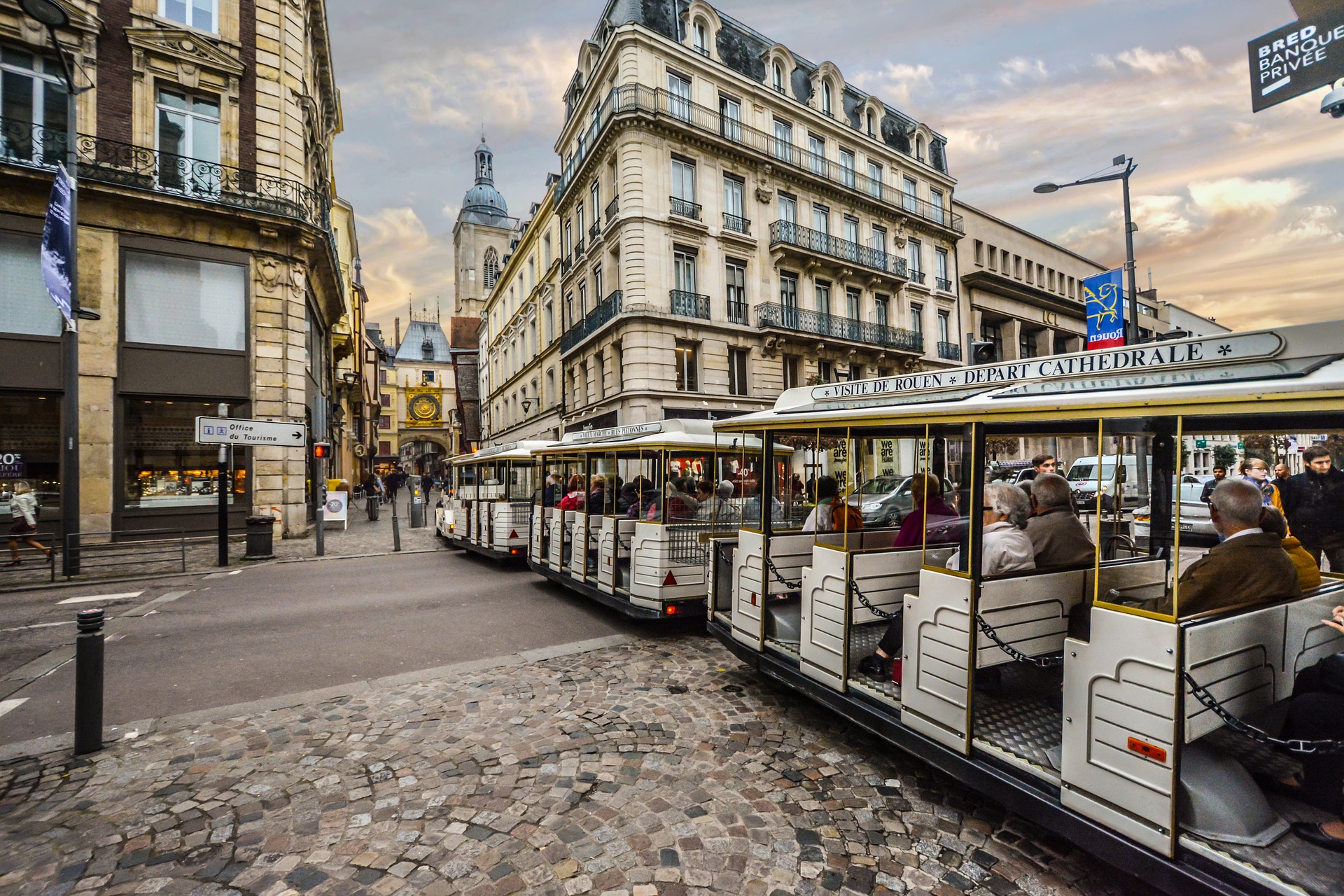
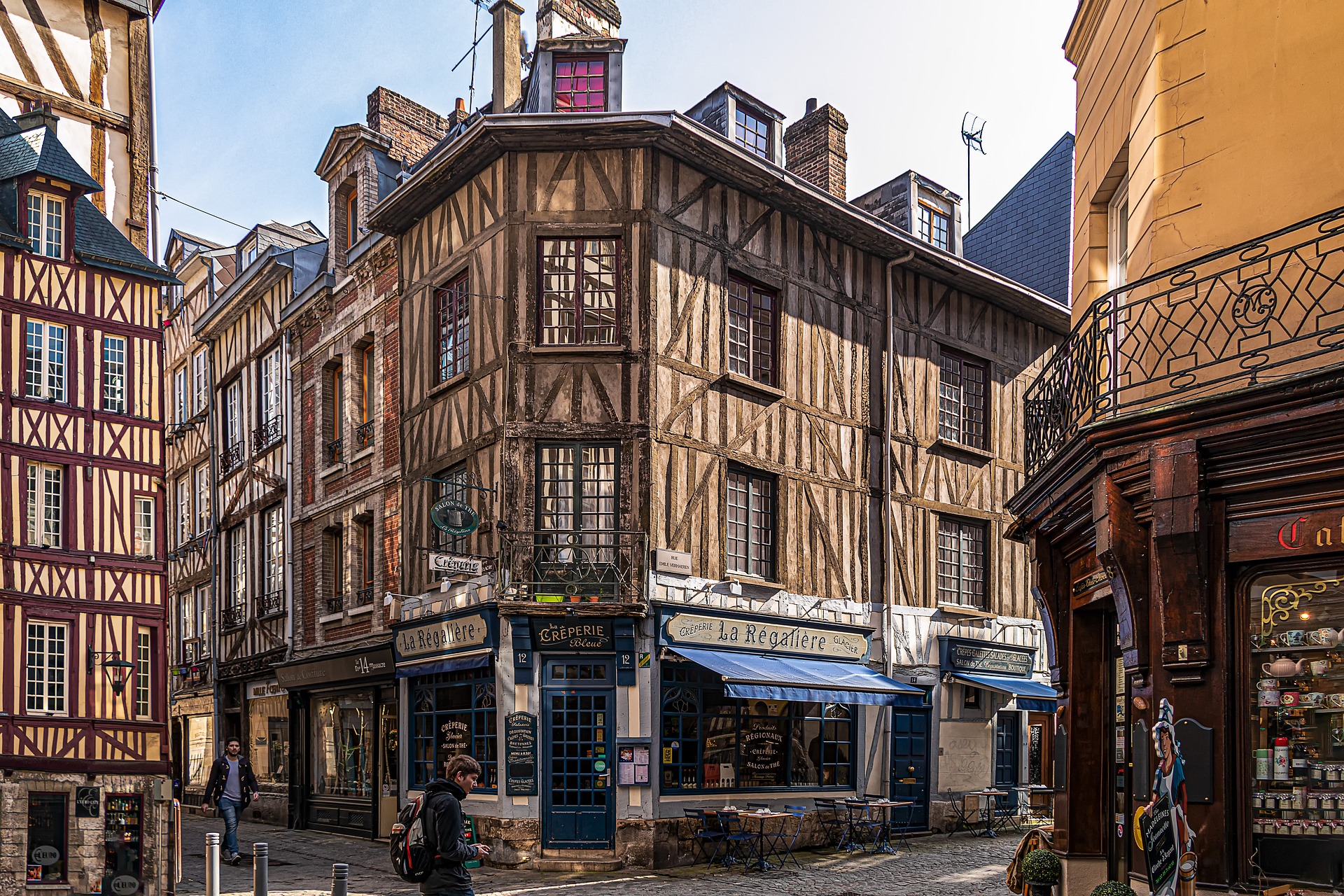
About Livorno
Livorno is a gritty city with a long and interesting history. In the early Middle Ages it alternately belonged to Pisa and Genoa. In 1421 Florence, seeking access to the sea, bought it. Cosimo I (1519–74) started construction of the harbor in 1571, putting Livorno on the map. After Ferdinando I de' Medici (1549–1609) proclaimed Livorno a free city, it became a haven for people suffering from religious persecution; Roman Catholics from England and Jews and Moors from Spain and Portugal, among others, settled here. The Quattro Mori (Four Moors), also known as the Monument to Ferdinando I, commemorates this. (The statue of Ferdinando I dates from 1595, the bronze Moors by Pietro Tacca from the 1620s.)In the following centuries, and particularly in the 18th, Livorno boomed as a port. In the 19th century the town drew a host of famous Britons passing through on their grand tours. Its prominence continued up to World War II, when it was heavily bombed. Much of the town's architecture, therefore, postdates the war, and it's somewhat difficult to imagine what it might have looked like before. Livorno has recovered from the war, however, as it's become a huge point of departure for container ships, as well as the only spot in Tuscany for cruise ships to dock for the day.Most of Livorno's artistic treasures date from the 17th century and aren't all that interesting unless you dote on obscure baroque artists. Livorno's most famous native artist, Amedeo Modigliani (1884–1920), was of much more recent vintage. Sadly, there's no notable work by him in his hometown.There may not be much in the way of art, but it's still worth strolling around the city. The Mercato Nuovo, which has been around since 1894, sells all sorts of fruits, vegetables, grains, meat, and fish. Outdoor markets nearby are also chock-full of local color. The presence of Camp Darby, an American military base just outside town, accounts for the availability of many American products.If you have time, Livorno is worth a stop for lunch or dinner at the very least.
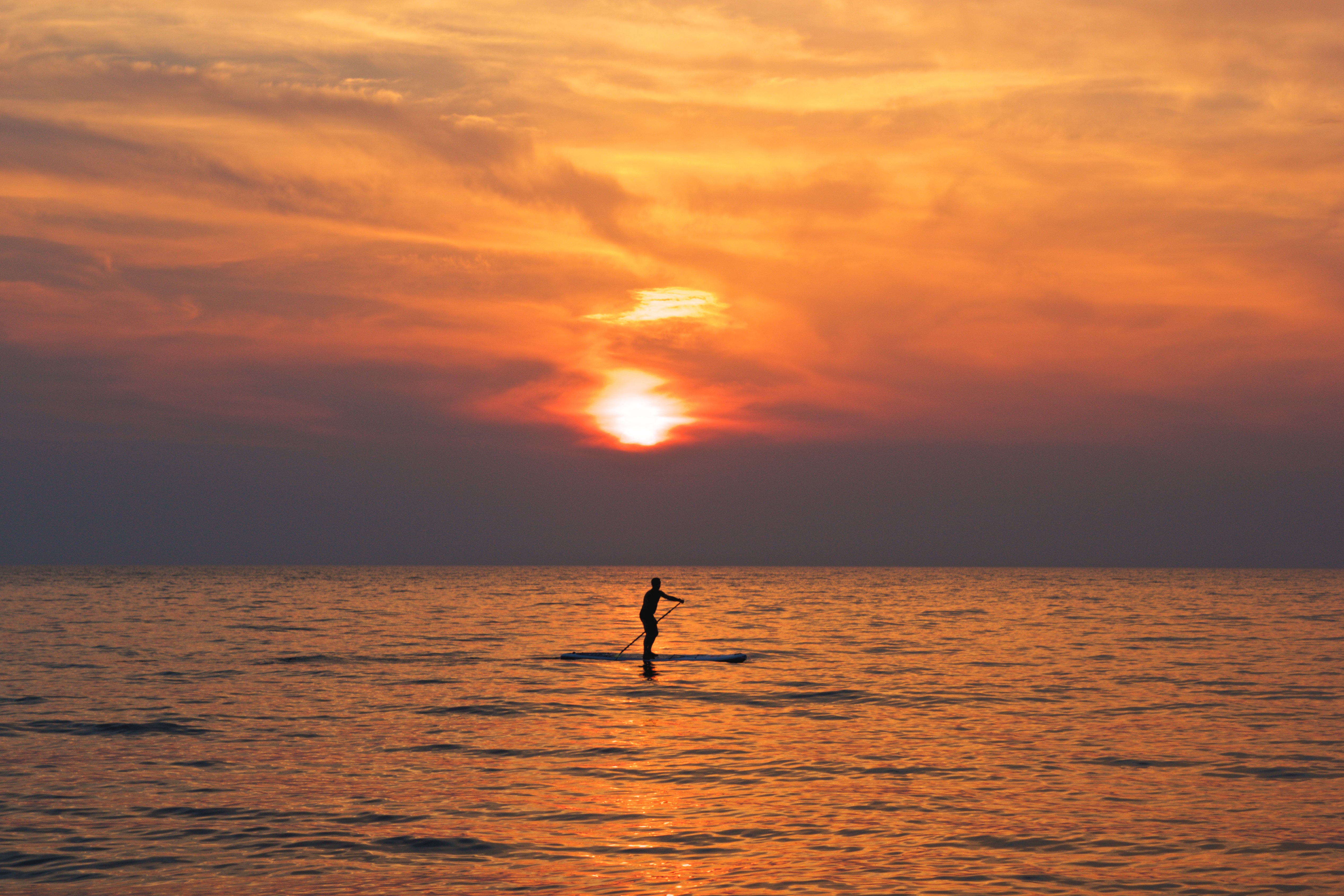
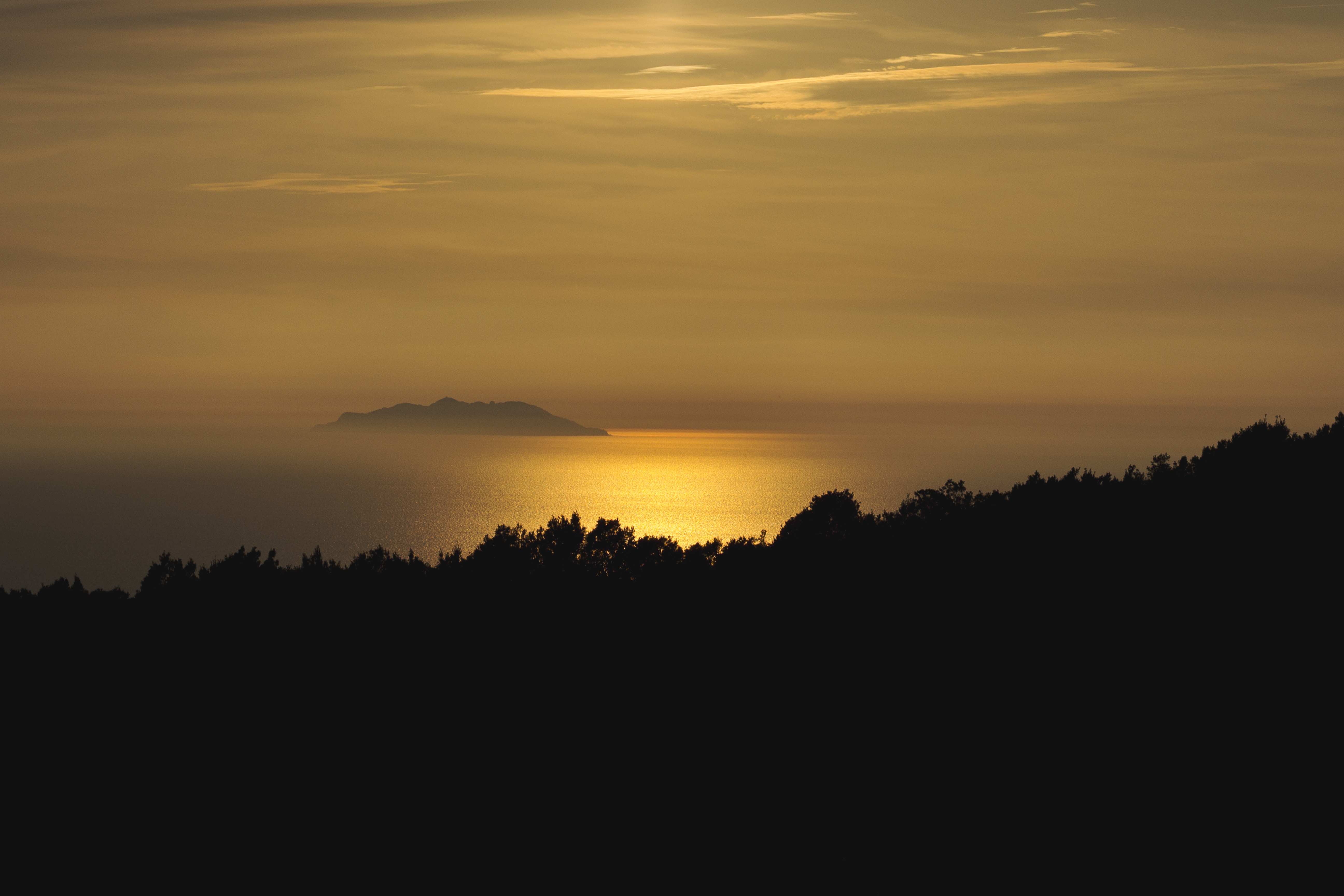
About Portoferraio
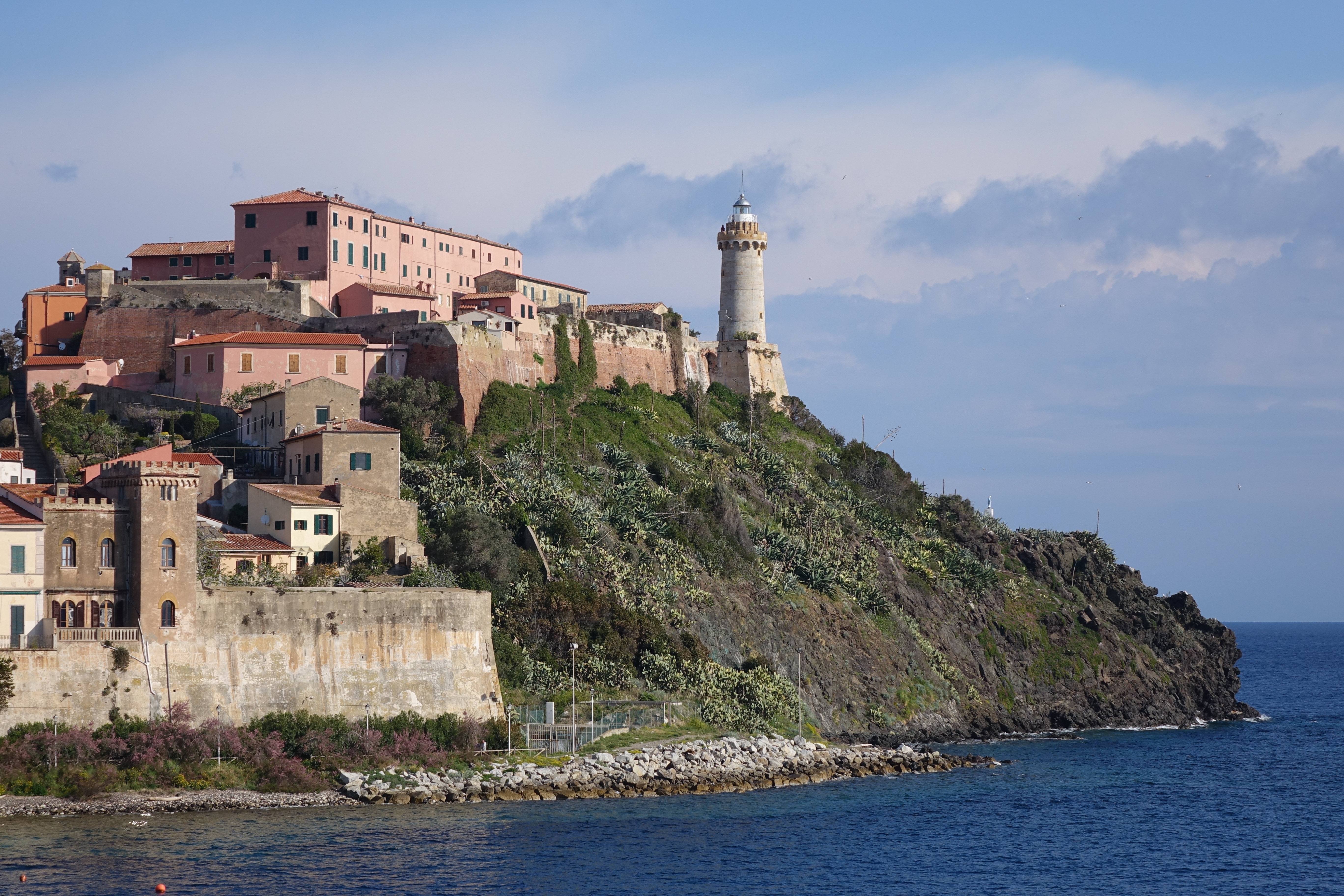
Elba is the Tuscan archipelago's largest island, but it resembles nearby verdant Corsica more than it does its rocky Italian sisters, thanks to a network of underground springs that keep it lush and green. It's this combination of semitropical vegetation and dramatic mountain scenery—unusual in the Mediterranean—that has made Elba so prized for so long, and the island's uniqueness continues to draw boatloads of visitors throughout the warm months. A car is very useful for getting around the island, but public buses stop at most towns several times a day; the tourist office has timetables.
About Porto Cervo

About Trapani, Sicily
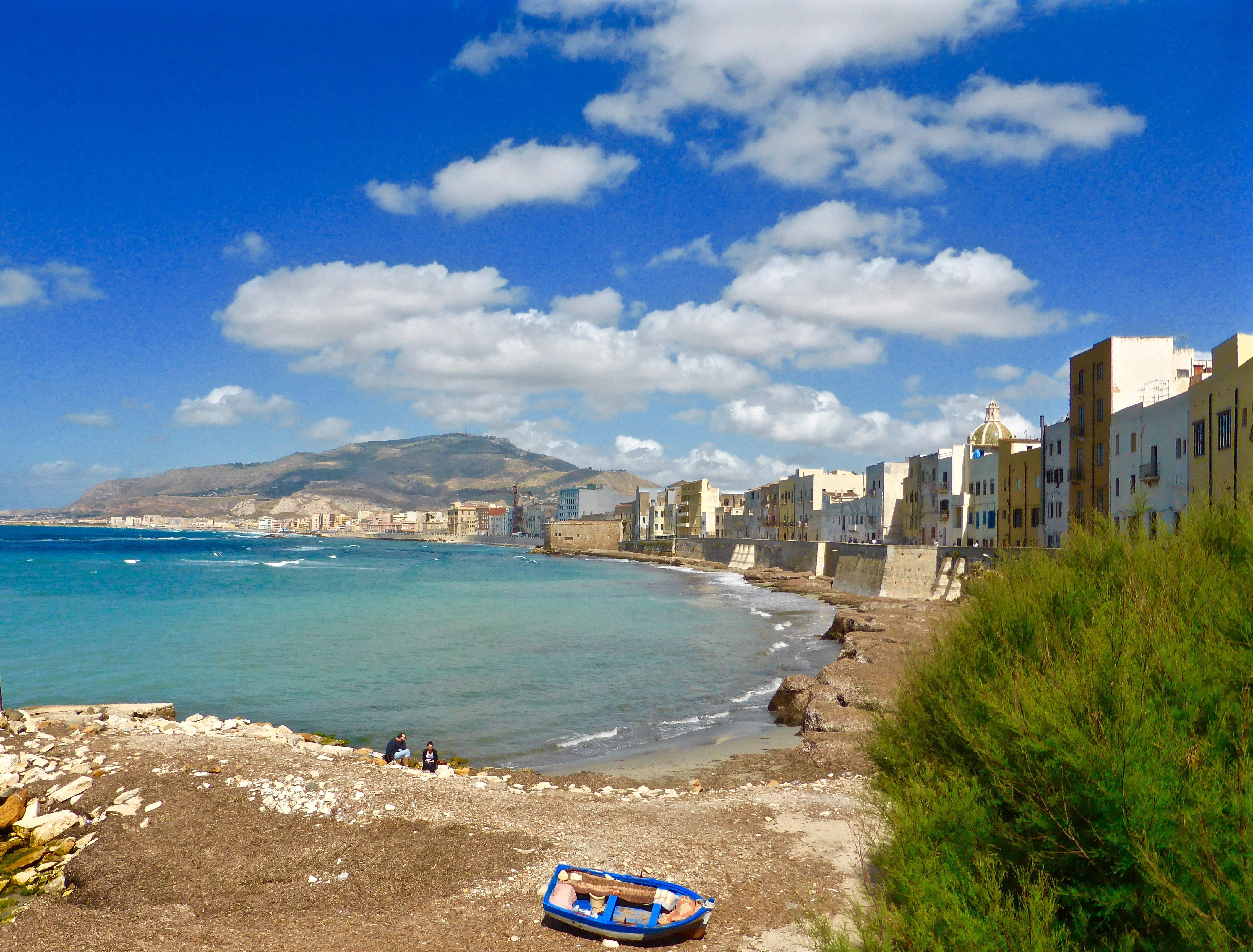
Trapani, the most important town on Sicily’s west coast, lies below the headland of Mount Erice and offers stunning views of the Egadi Islands on a clear day. Trapani’s Old District occupies a scimitarshaped promontory between the open sea on the north and the salt marshes to the south. The ancient industry of extracting salt from the marshes has recently been revived, and it is documented in the Museo delle Saline. In addition to the salt marshes,Trapani’s other interesting environs include the beautiful little hill town of Erice, the promontory of Capo San Vito stretching north beyond the splendid headland of Monte Cofano, the lovely island of Motya and the town of Marsala. Trips farther afield will take you to the magnificent site of Segesta or the Egadi Islands, reached by boat or hydrofoil from Trapani Port.
About Palermo
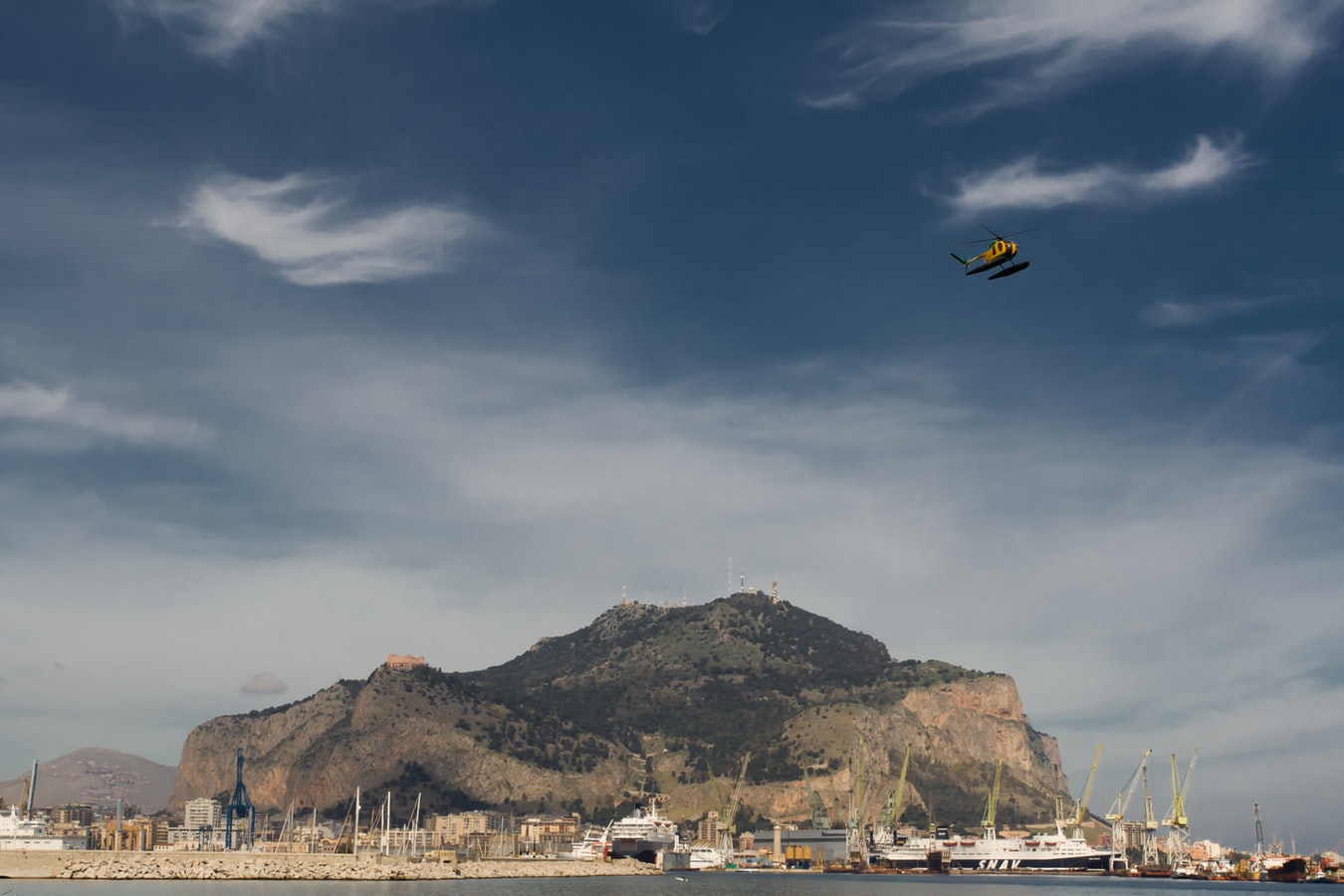
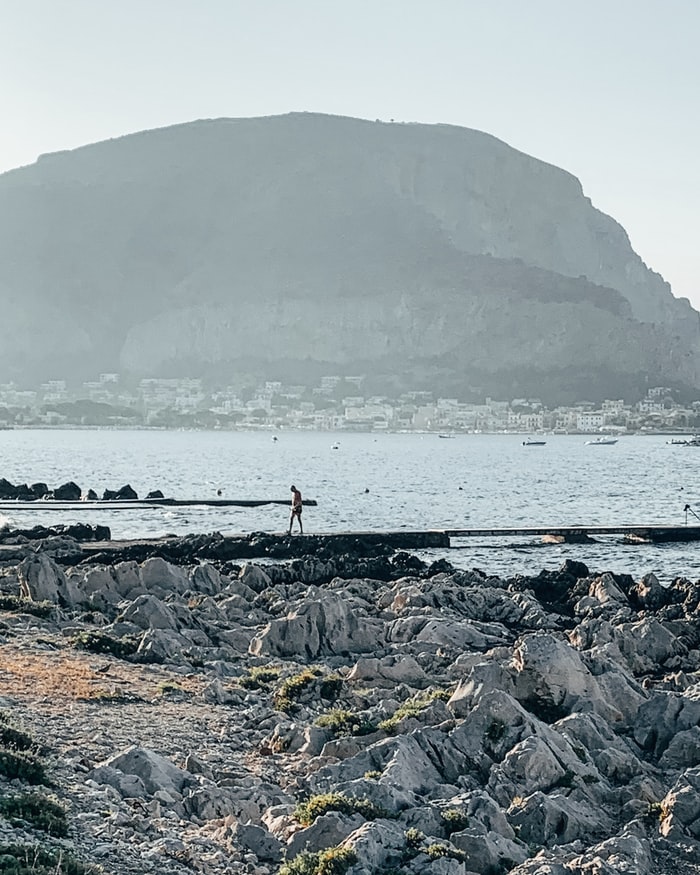
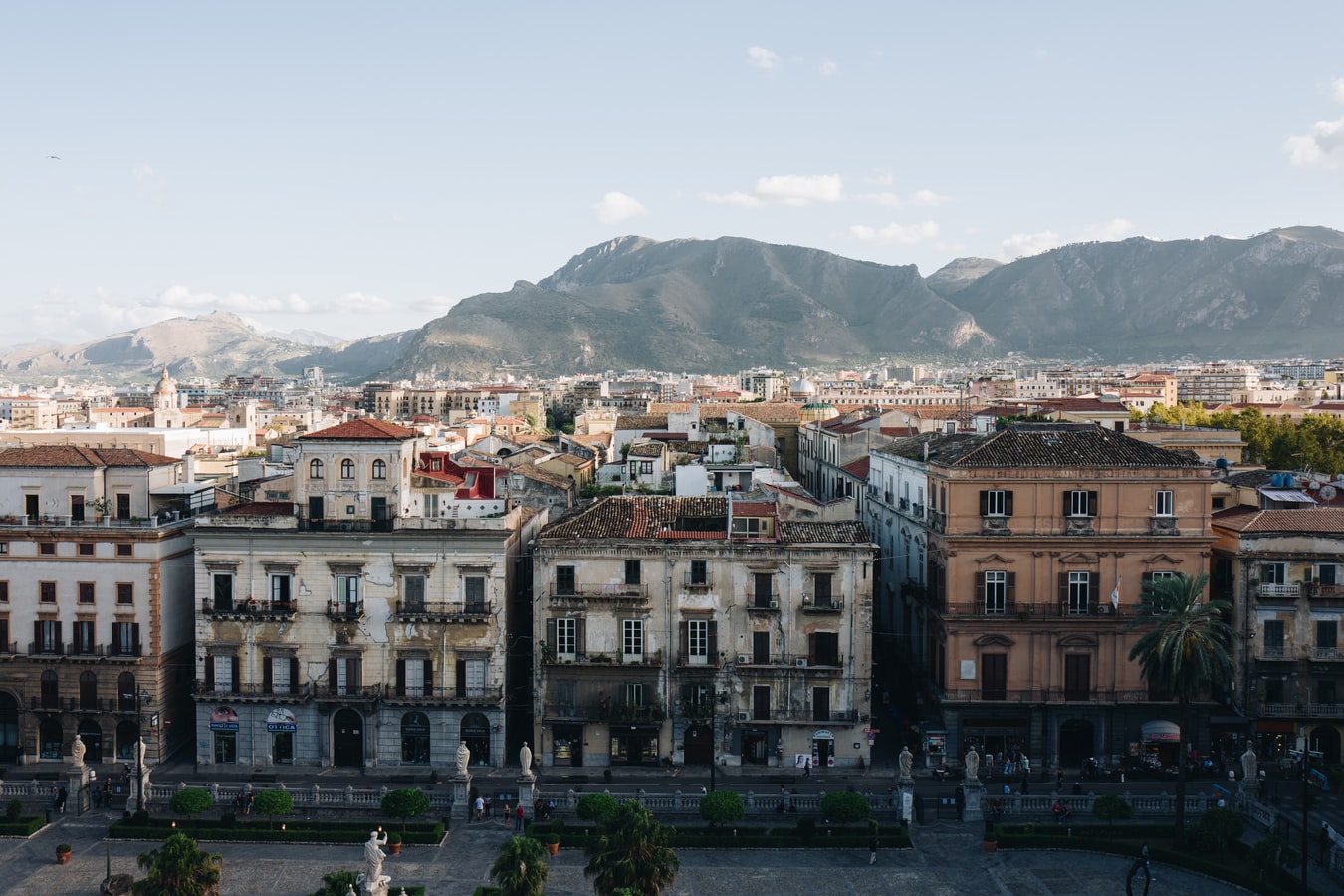
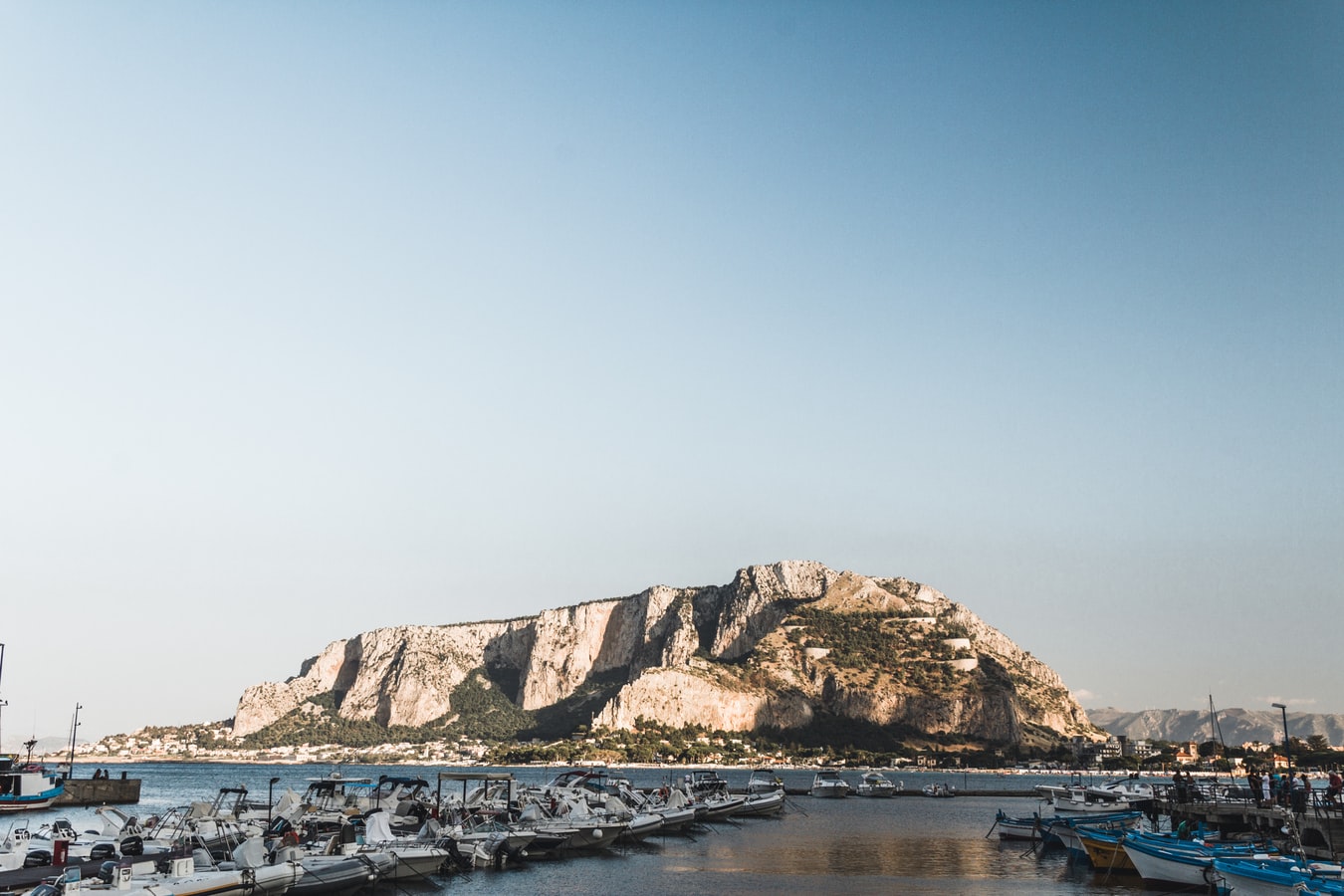
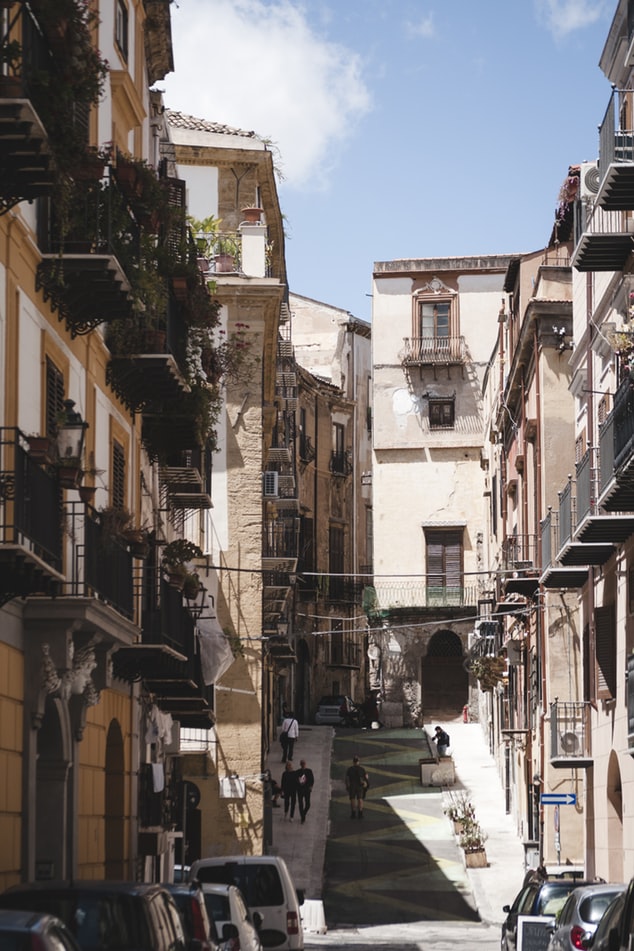
Once the intellectual capital of southern Europe, Palermo has always been at the crossroads of civilization. Favorably situated on a crescent-shaped bay at the foot of Monte Pellegrino, it has attracted almost every culture touching the Mediterranean world. To Palermo's credit, it has absorbed these diverse cultures into a unique personality that is at once Arab and Christian, Byzantine and Roman, Norman and Italian. The city's heritage encompasses all of Sicily's varied ages, but its distinctive aspect is its Arab-Norman identity, an improbable marriage that, mixed in with Byzantine and Jewish elements, created some resplendent works of art. No less noteworthy than the architecture is Palermo's chaotic vitality, on display at some of Italy's most vibrant outdoor markets, public squares, street bazaars, and food vendors, and above all in its grand climax of Italy's most spectacular passeggiata (the leisurely social stroll along the principal thoroughfare).
About Sorrento
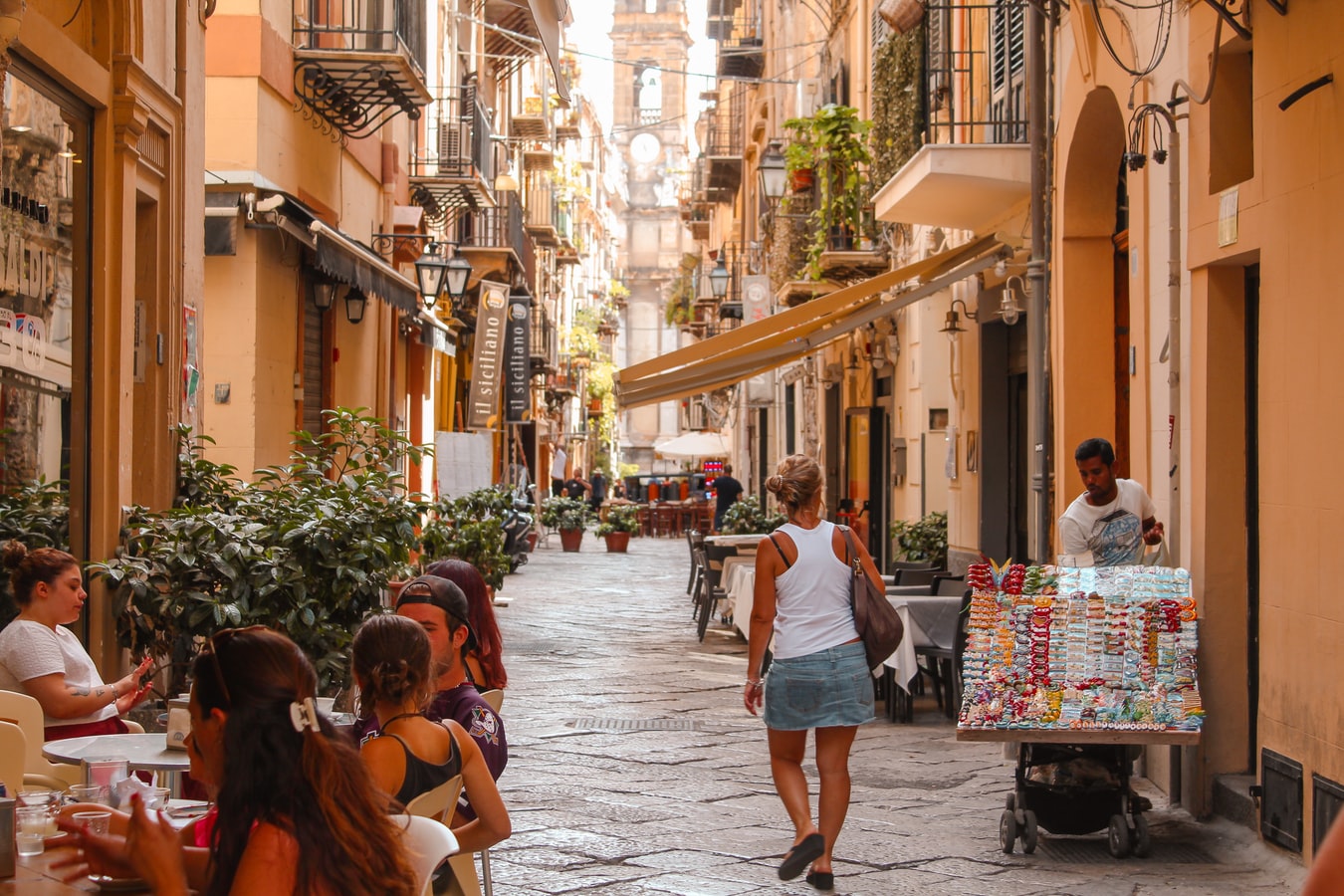
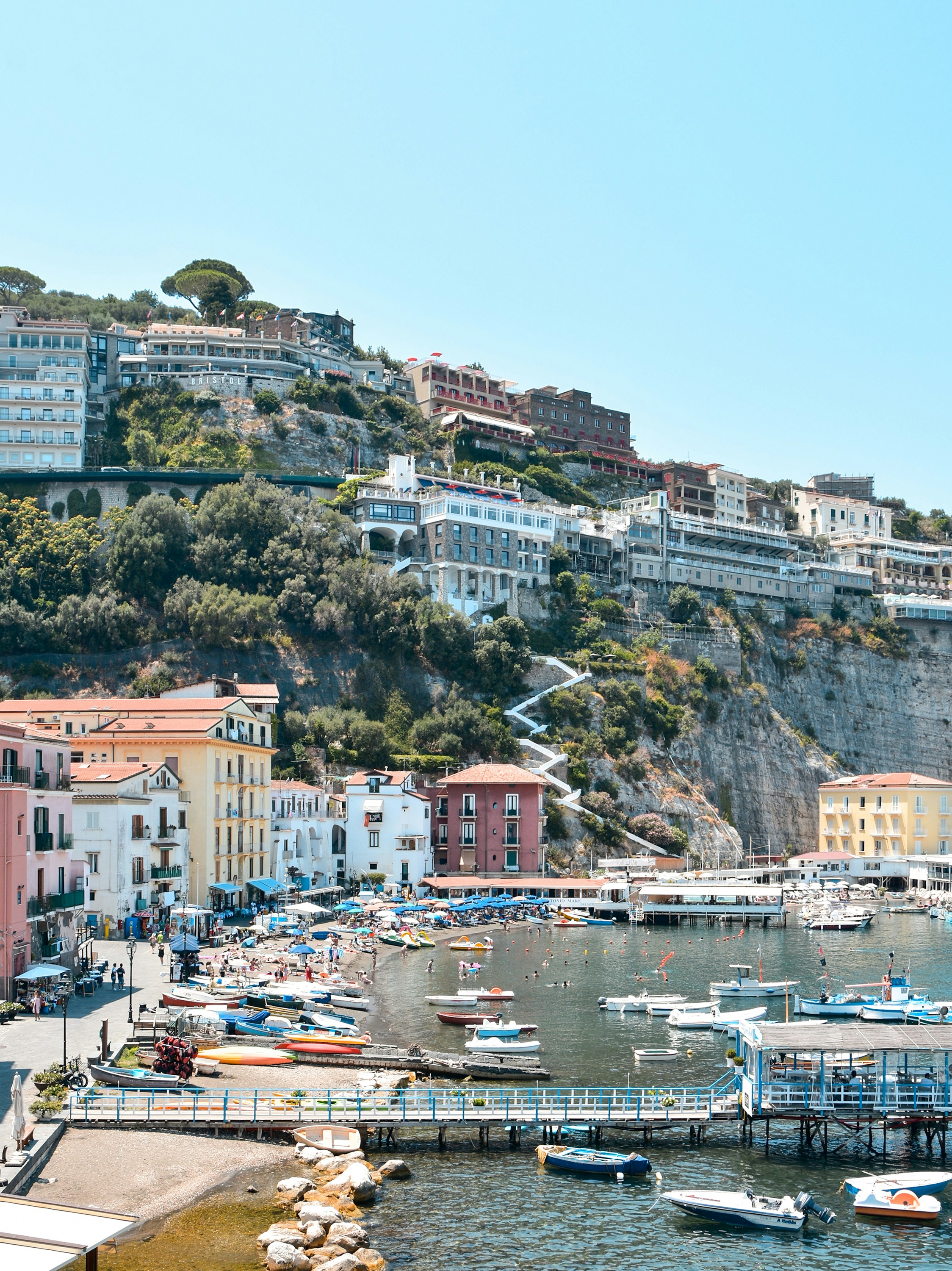
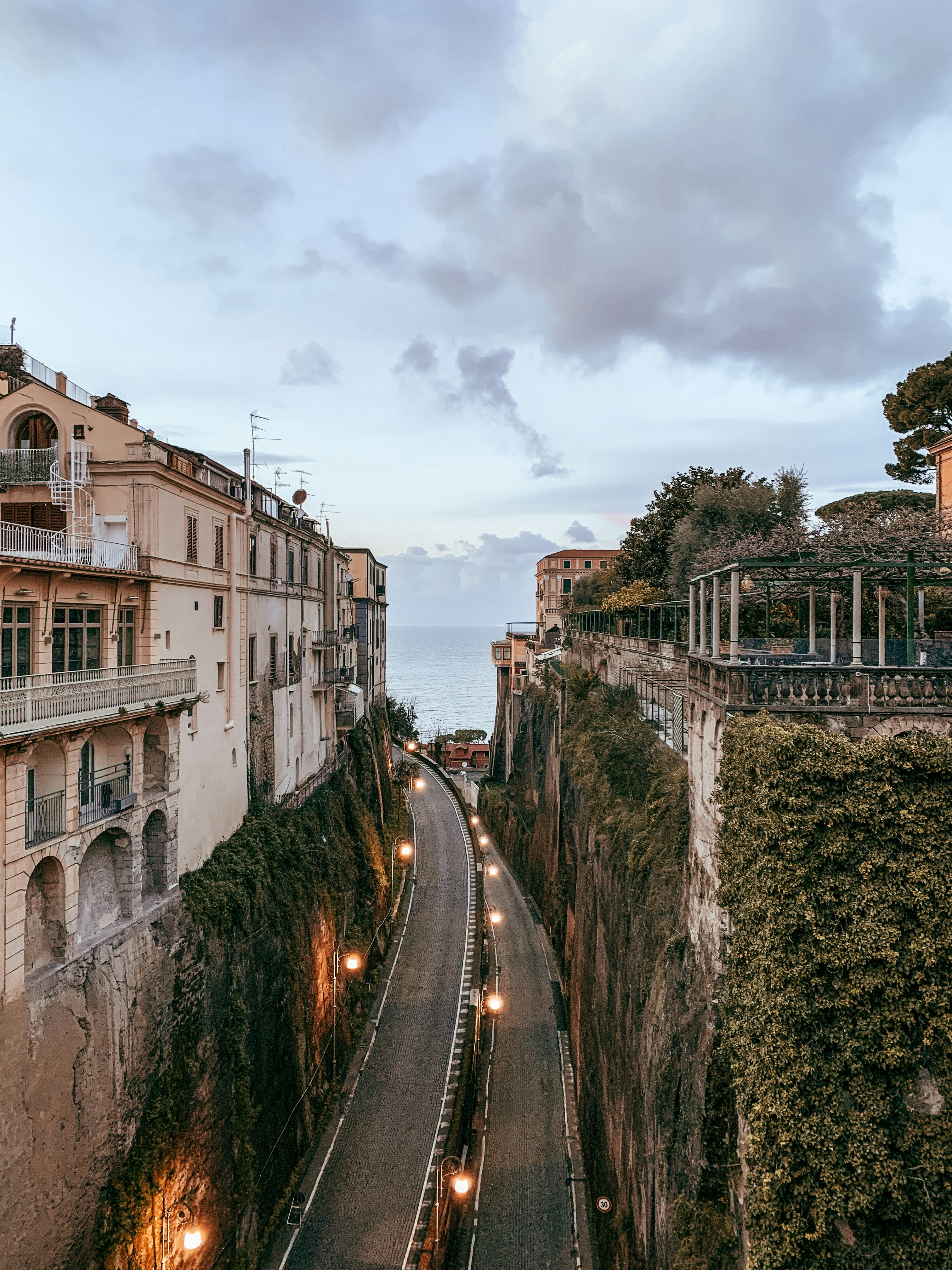
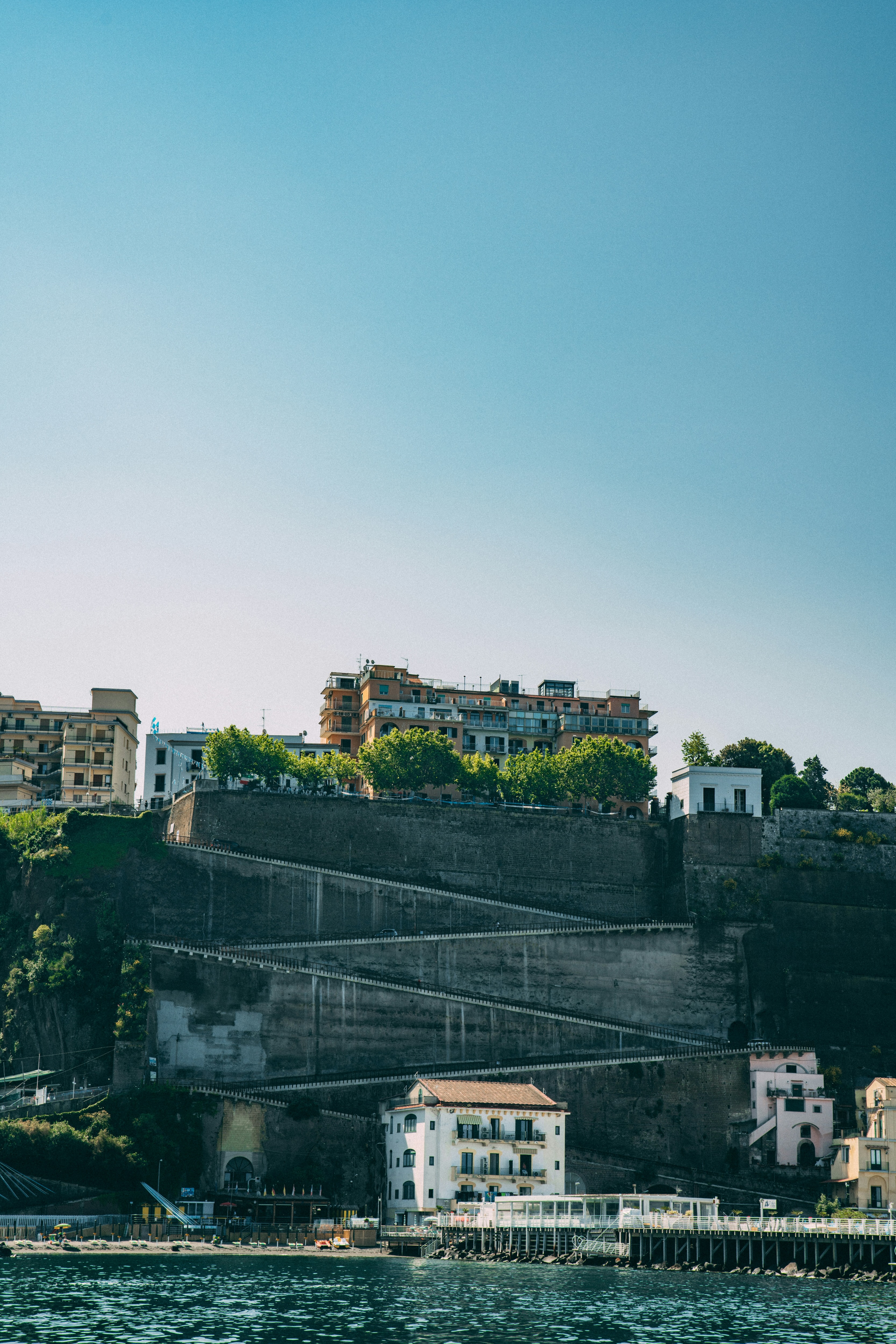
Sorrento may have become a jumping-off point for visitors to Pompeii, Capri, and Amalfi, but you can find countless reasons to love it for itself. The Sorrentine people are fair-minded and hardworking, bubbling with life and warmth. The tuff cliff on which the town rests is spread over the bay, absorbing sunlight, while orange and lemon trees waft their perfume in spring. Winding along a cliff above a small beach and two harbors, the town is split in two by a narrow ravine formed by a former mountain stream. To the east, dozens of hotels line busy Via Correale along the cliff—many have "grand" included in their names, and some indeed still are. To the west, however, is the historic sector, which still enchants. It's a relatively flat area, with winding, stone-paved lanes bordered by balconied buildings, some joined by medieval stone arches. The central piazza is named after the poet Torquato Tasso, born here in 1544. This part of town is a delightful place to walk through. Craftspeople are often at work in their stalls and shops and are happy to let you watch; in fact, that's the point. Music spots and bars cluster in the side streets near Piazza Tasso.
About Ponza Island
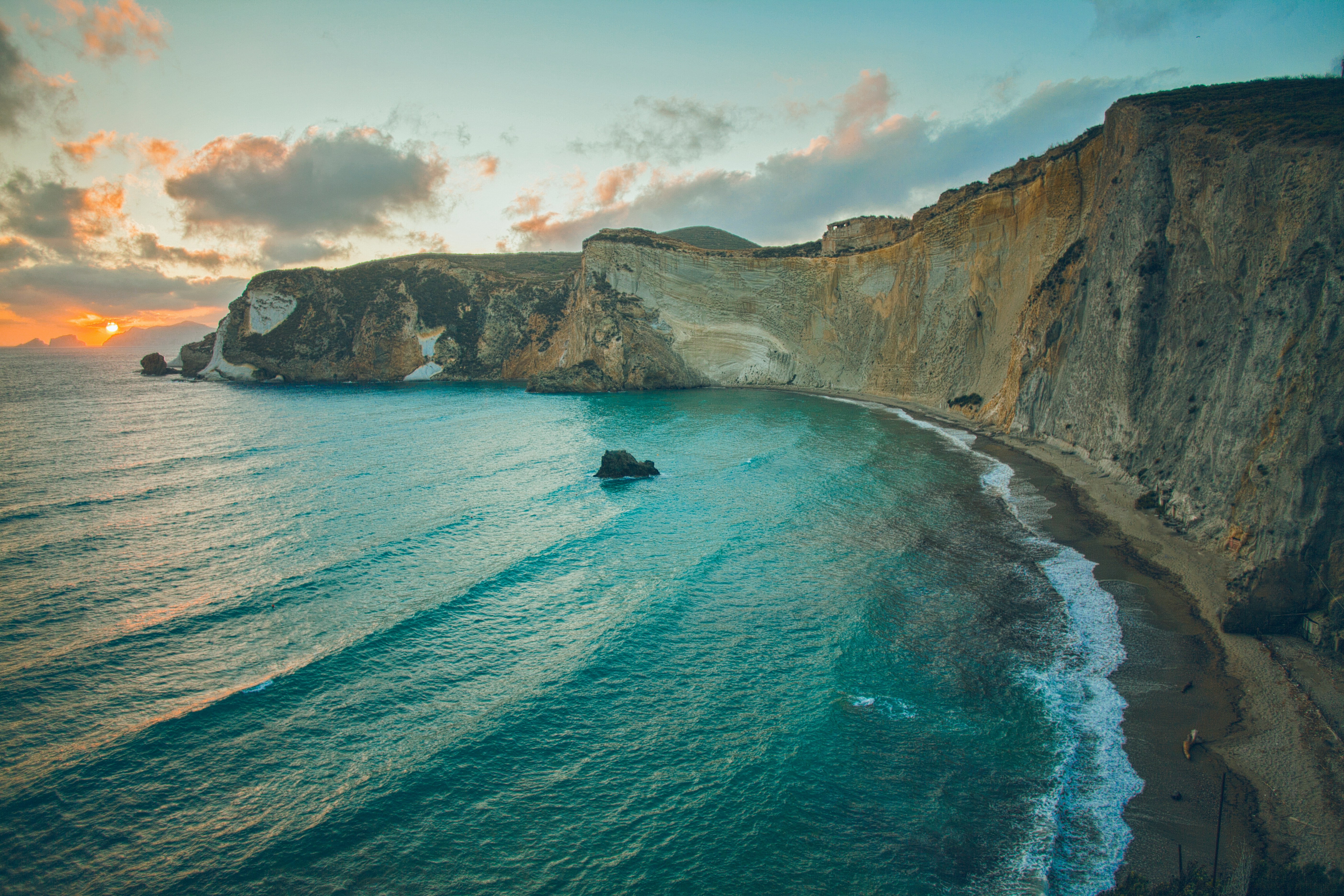
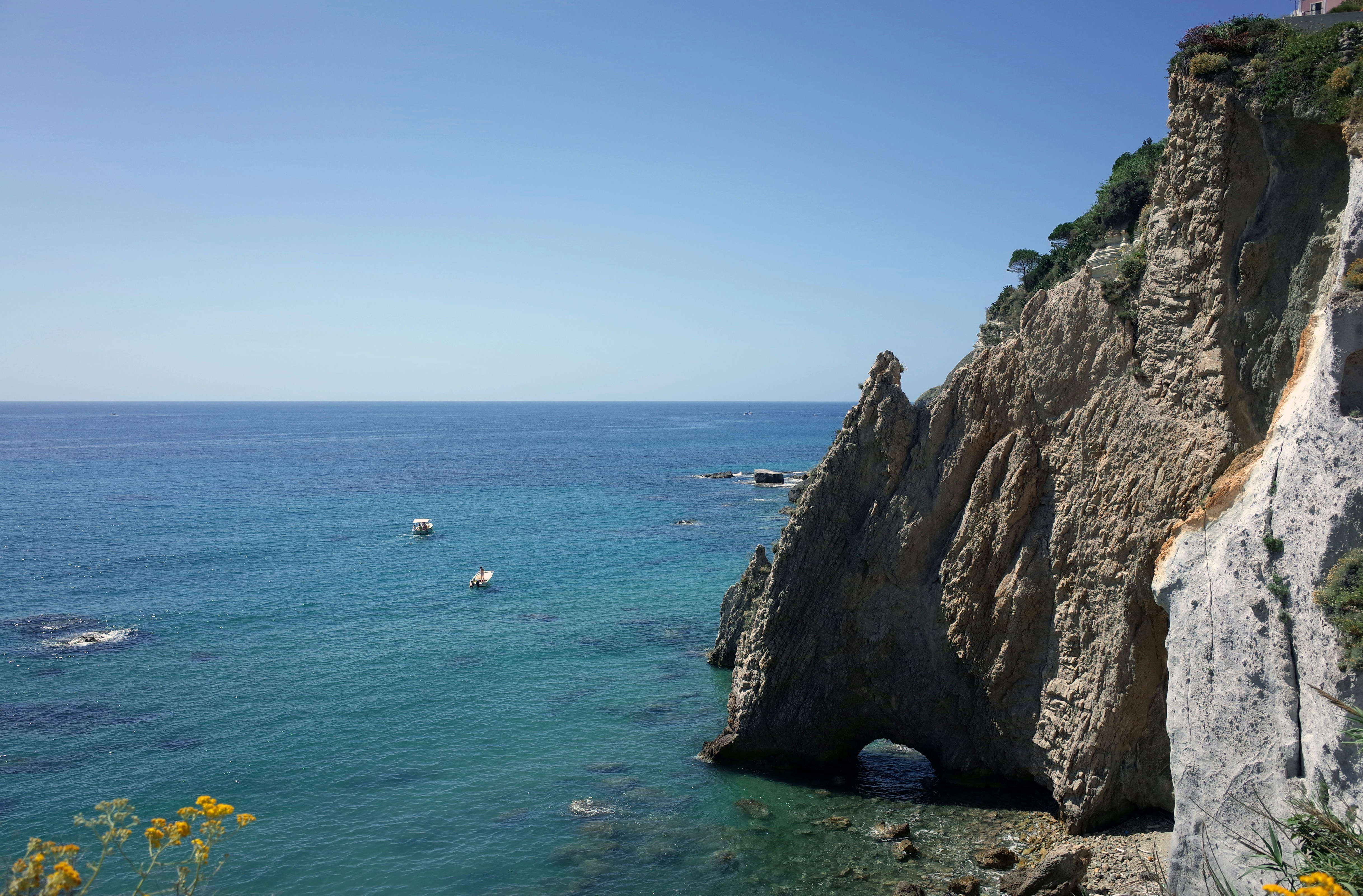
About Civitavecchia
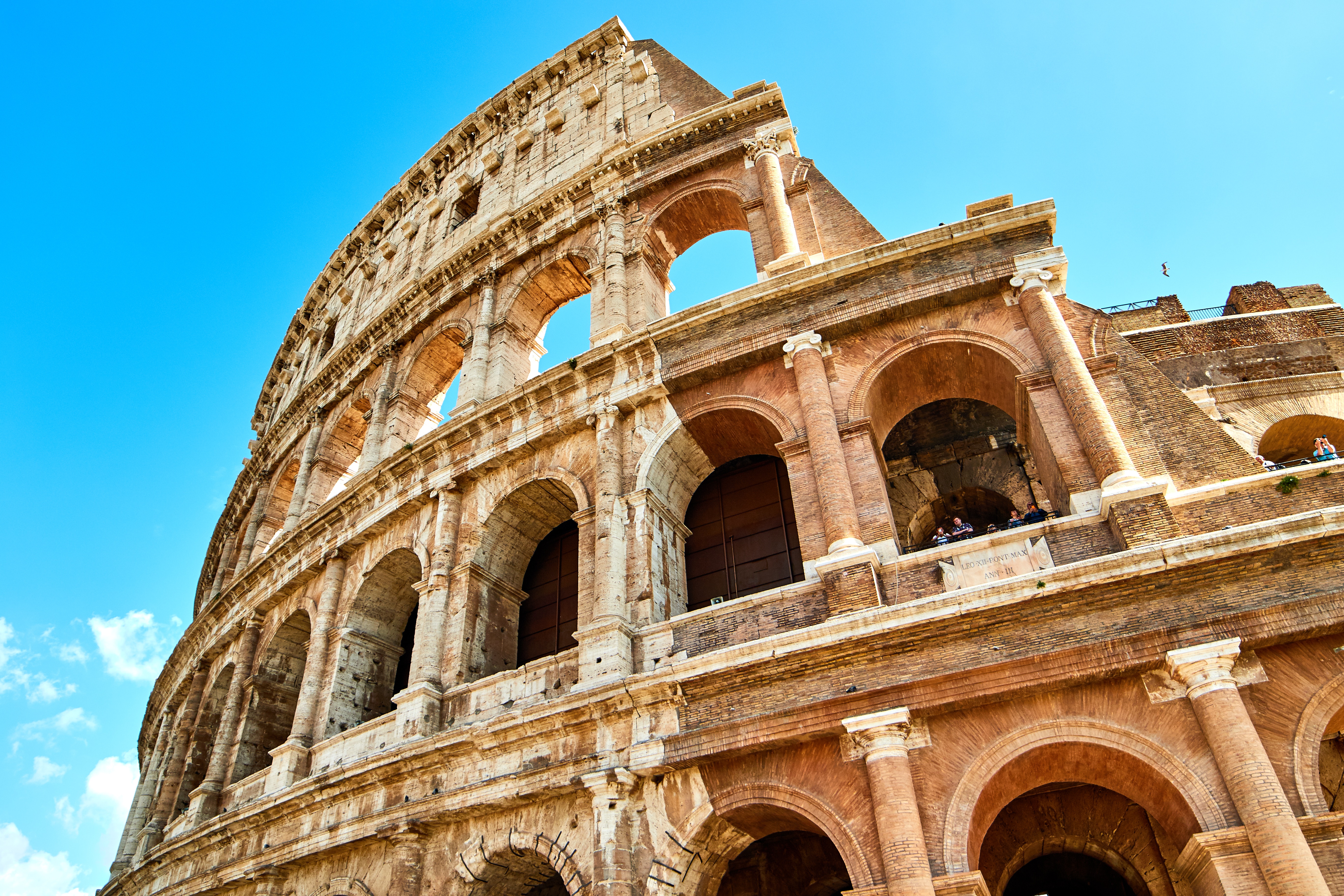
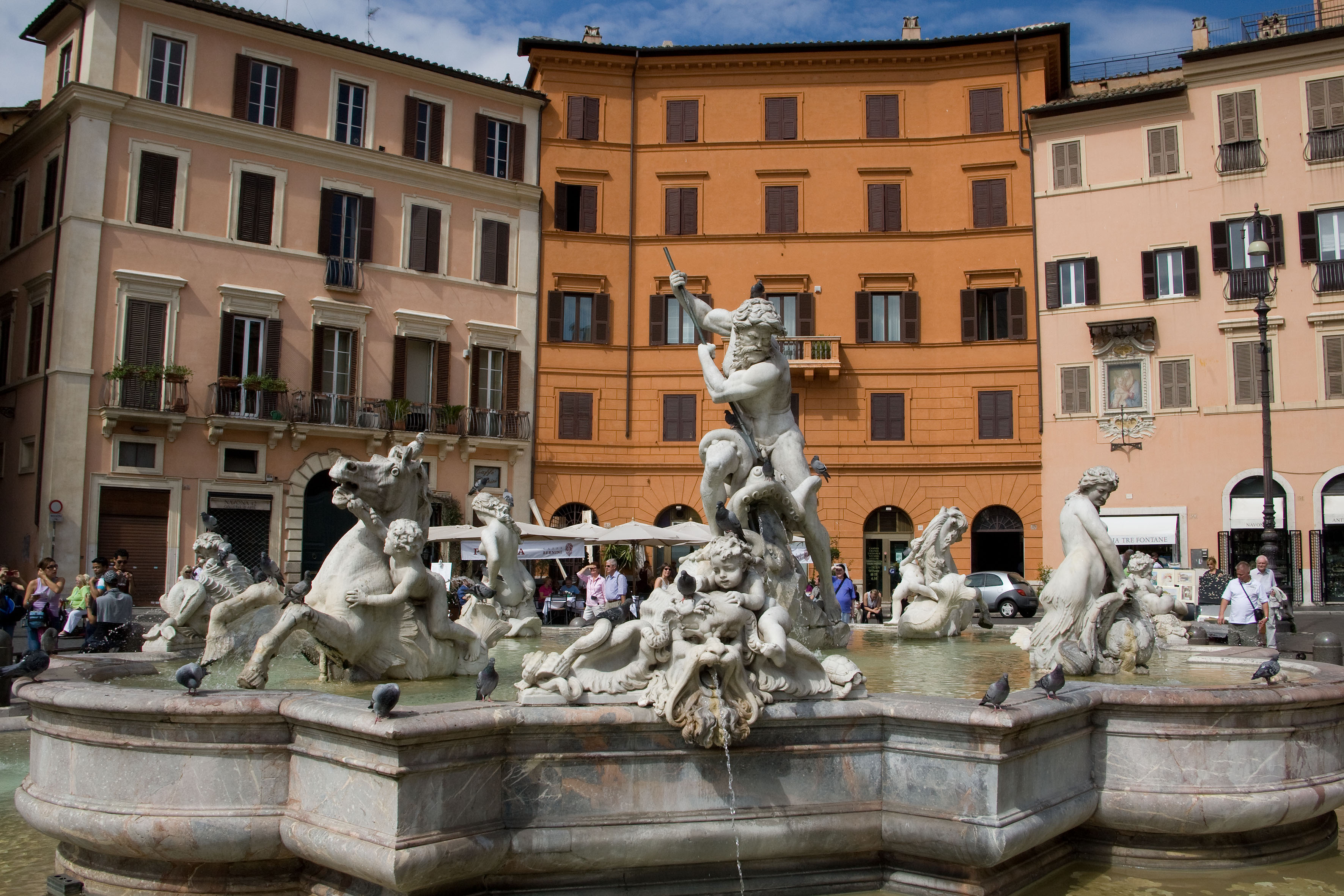
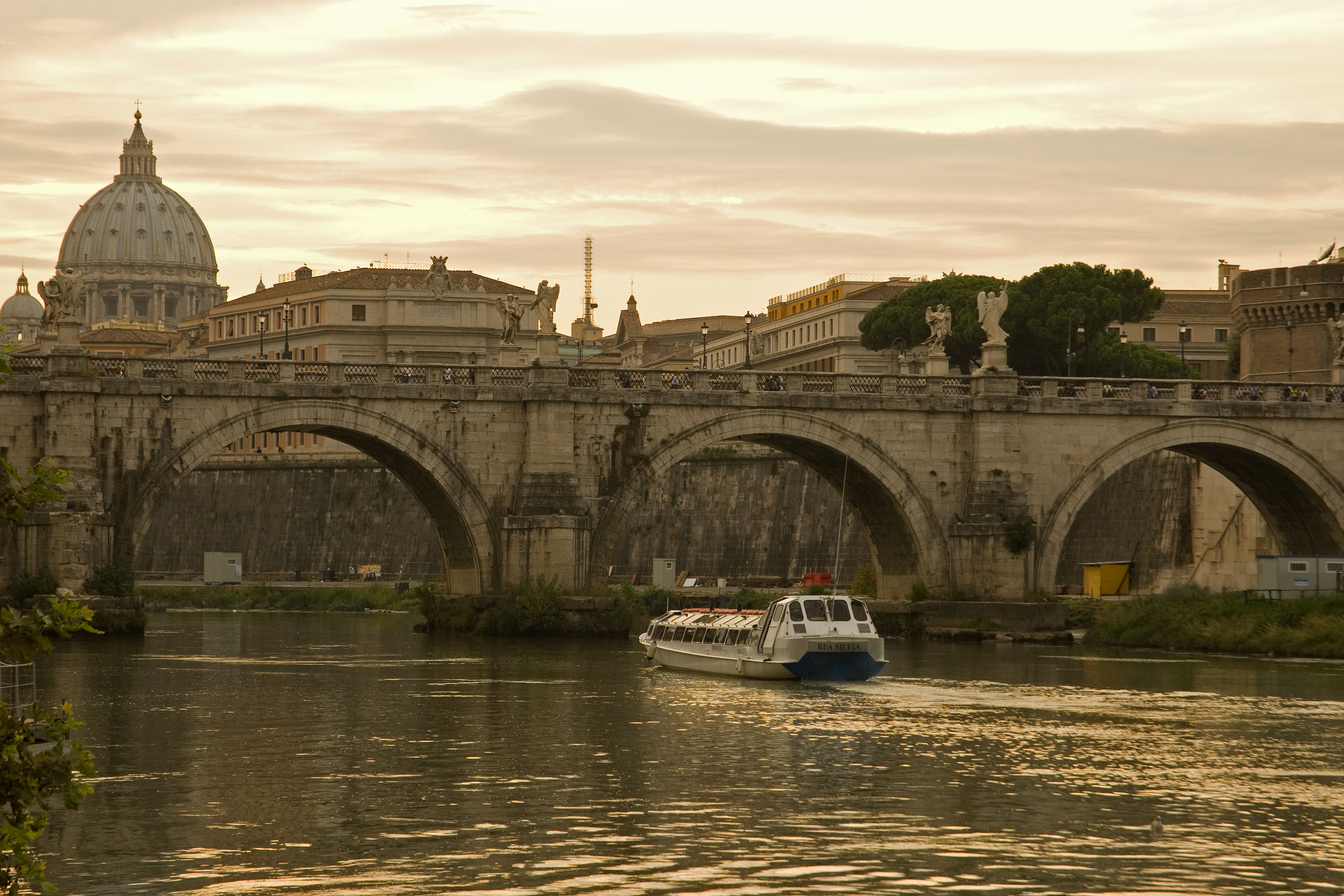
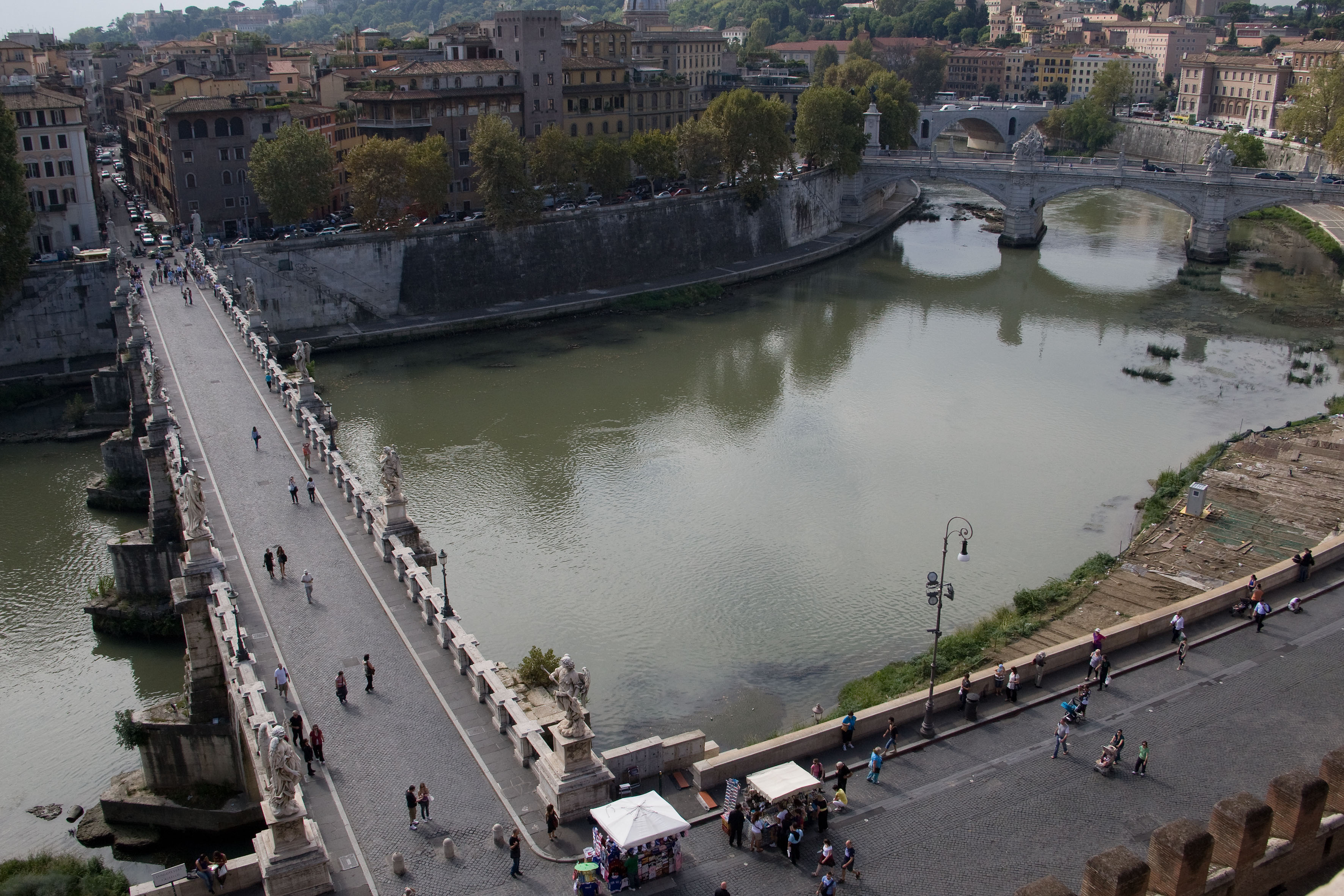
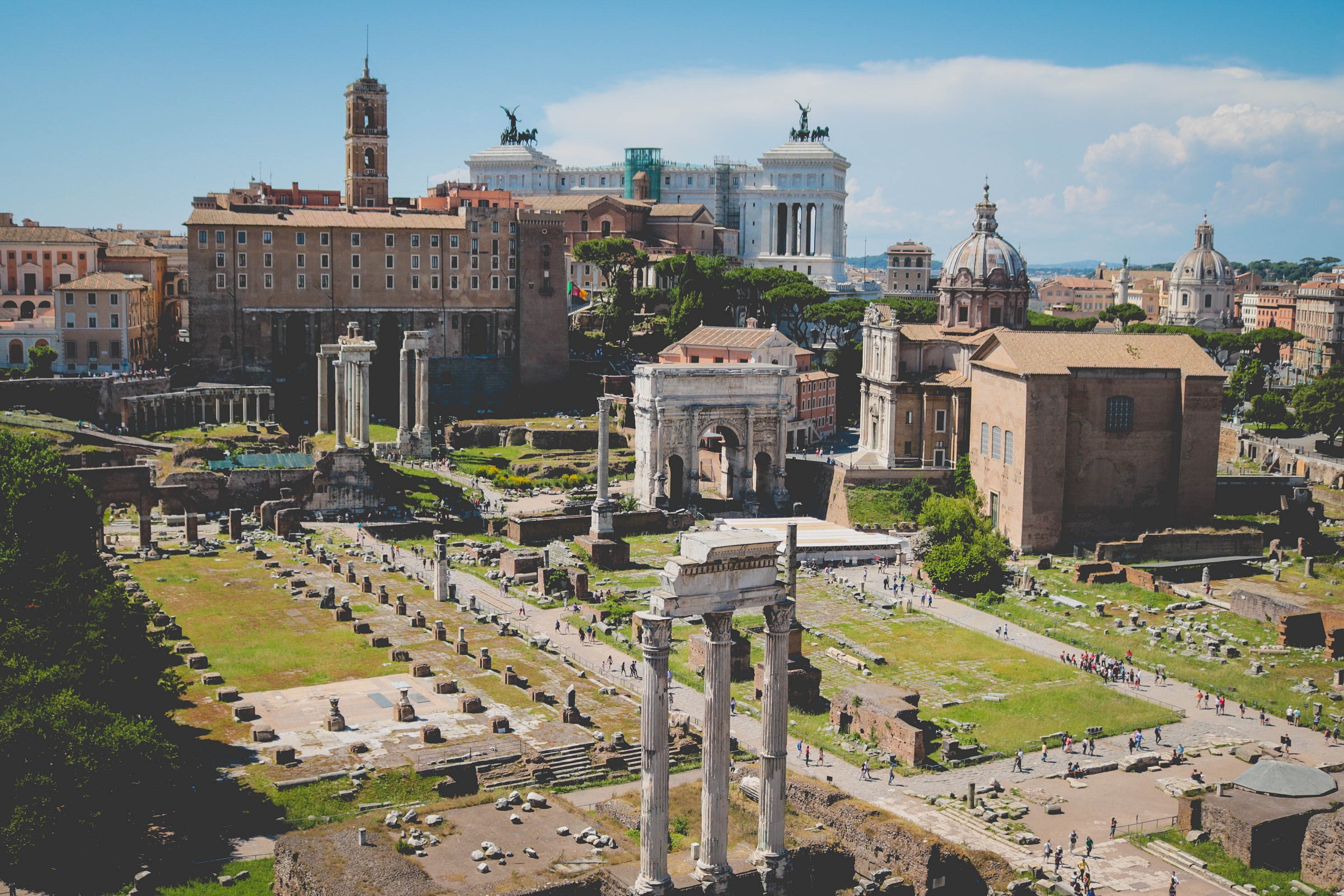
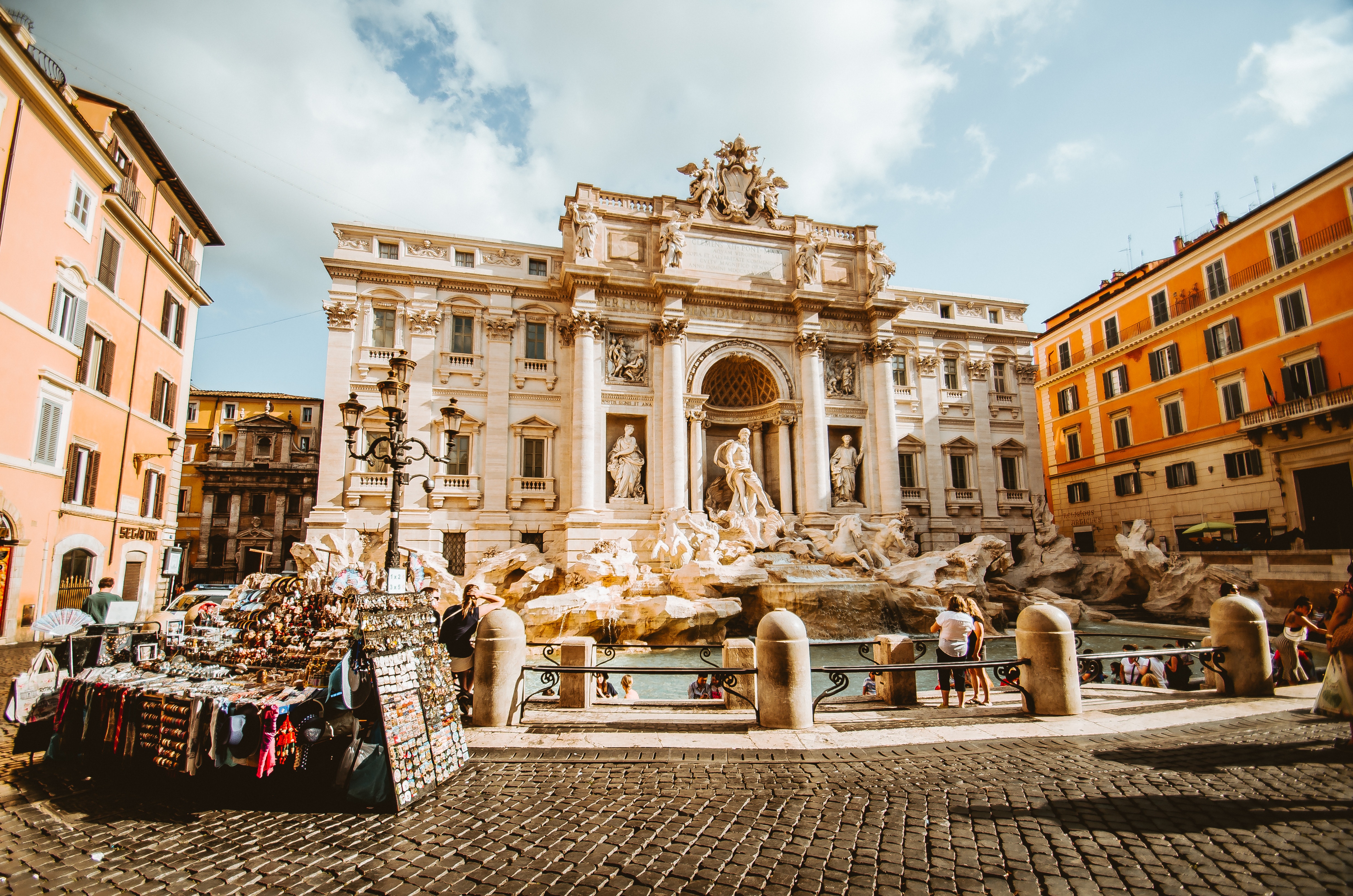
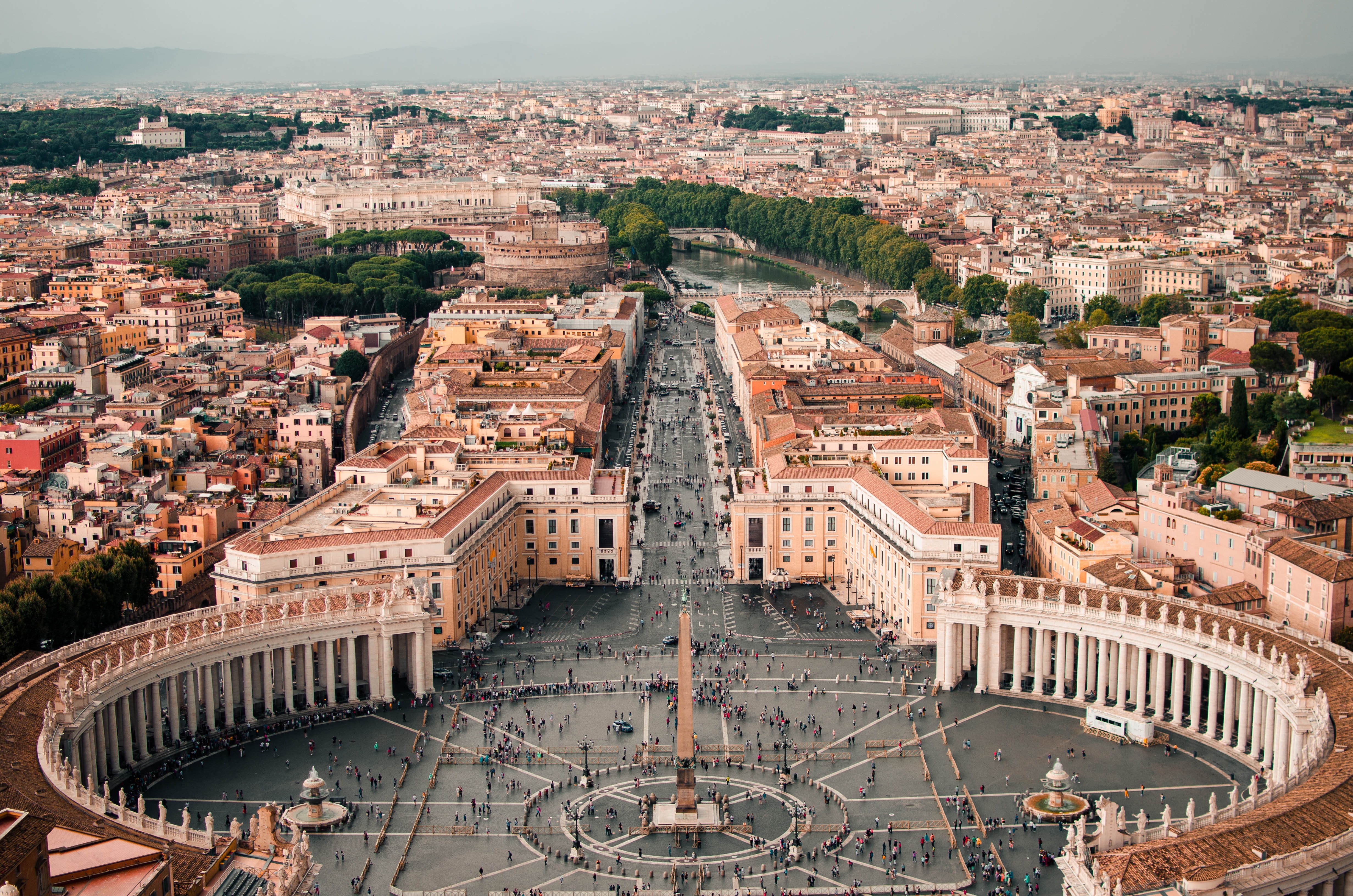
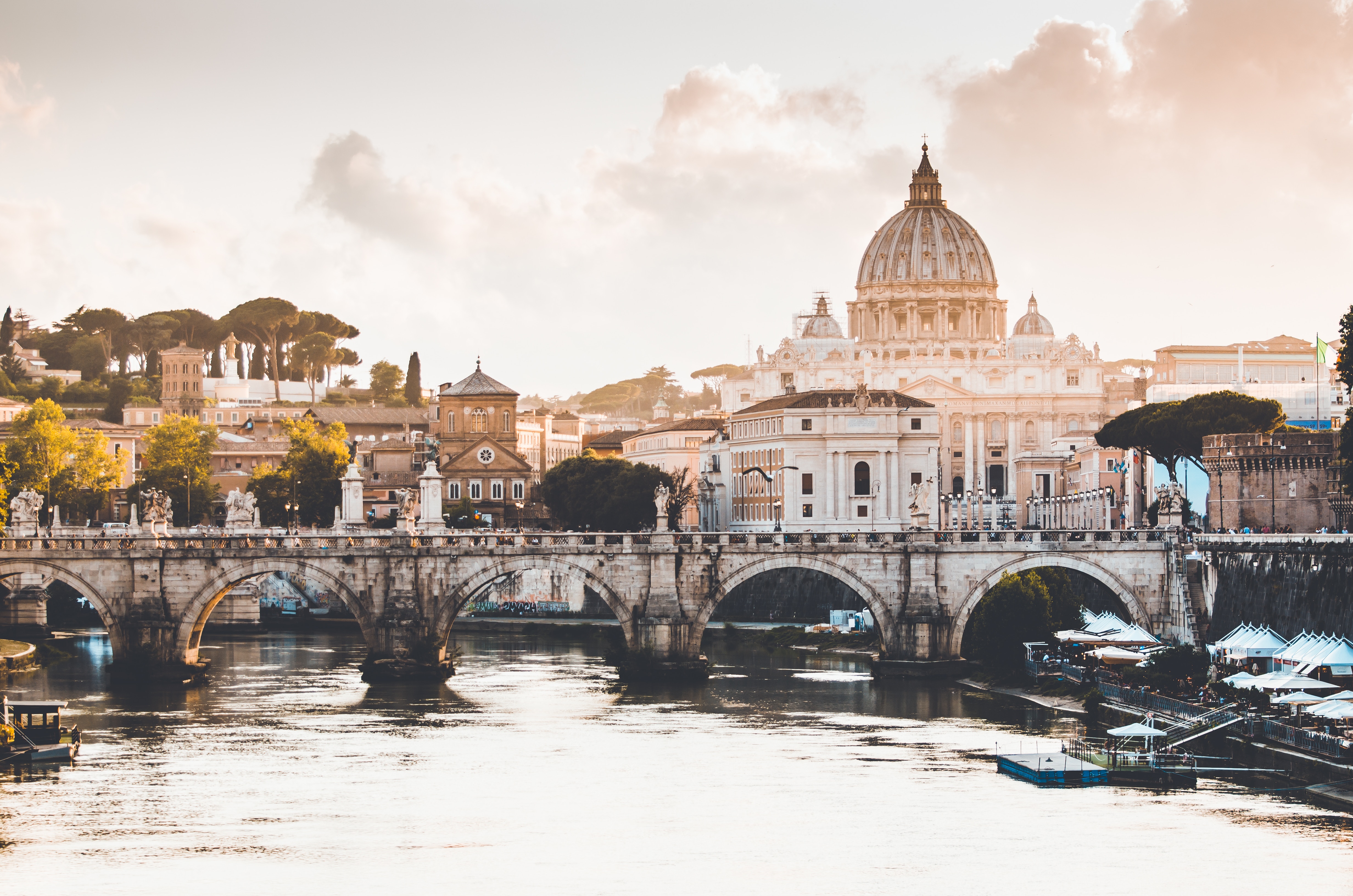
Italy's vibrant capital lives in the present, but no other city on earth evokes its past so powerfully. For over 2,500 years, emperors, popes, artists, and common citizens have left their mark here. Archaeological remains from ancient Rome, art-stuffed churches, and the treasures of Vatican City vie for your attention, but Rome is also a wonderful place to practice the Italian-perfected il dolce far niente, the sweet art of idleness. Your most memorable experiences may include sitting at a caffè in the Campo de' Fiori or strolling in a beguiling piazza.
The Owner Suite is much more than our most exclusive suite, it is an exquisite residence on the seas of the world. Enjoy every conceivable amenity in over 114 square meters of personal freedom.
- Living area: 99 m²; veranda 15 m²
- Separate living and sleeping areas
- Separate dining table
- guest toilet
- bathroom with two sinks
- shower with steam sauna
- whirlpool and daybed in the bathroom area
- butler service
- Free minibar
- Exclusive service privileges (details experience)
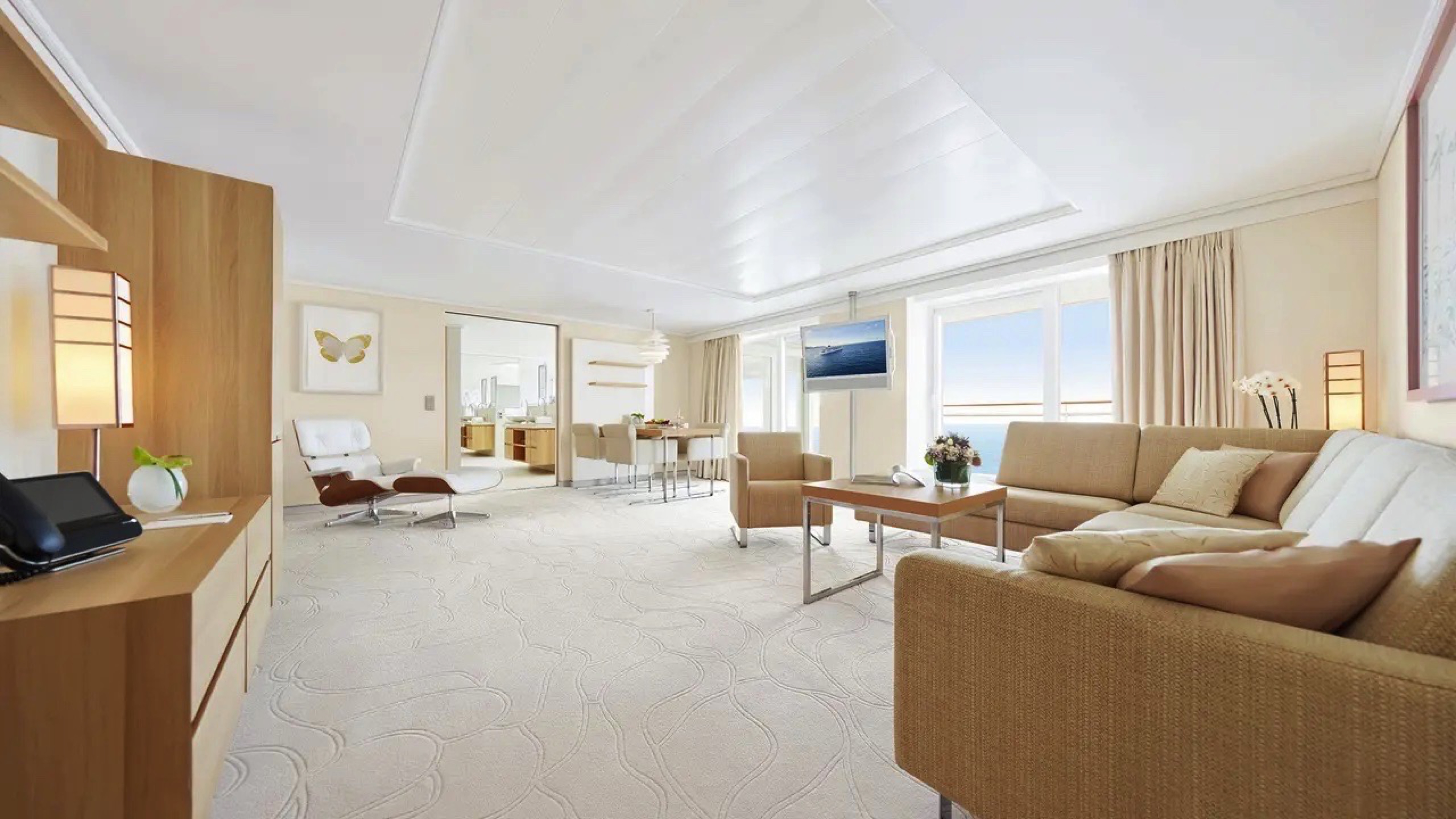
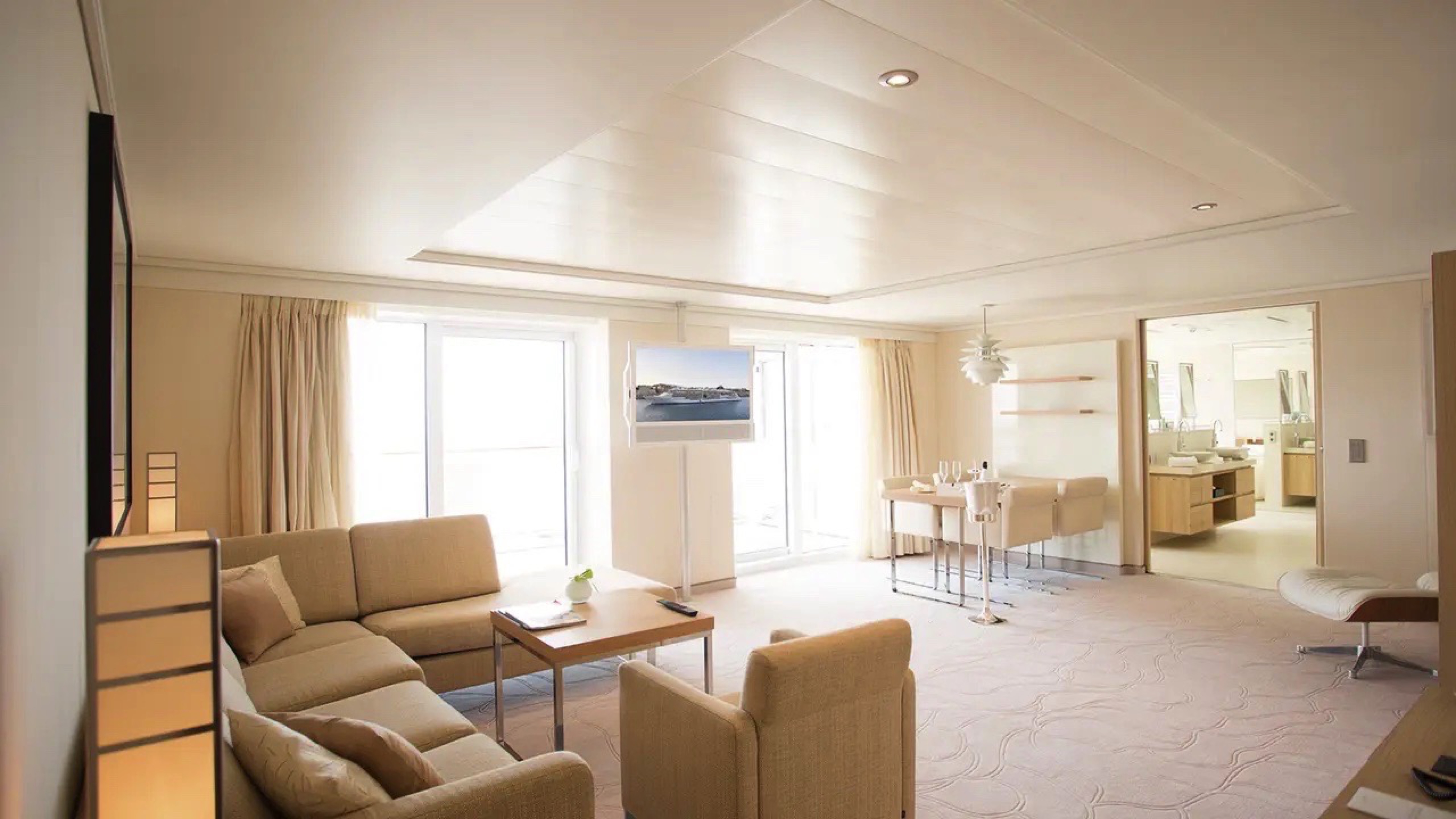
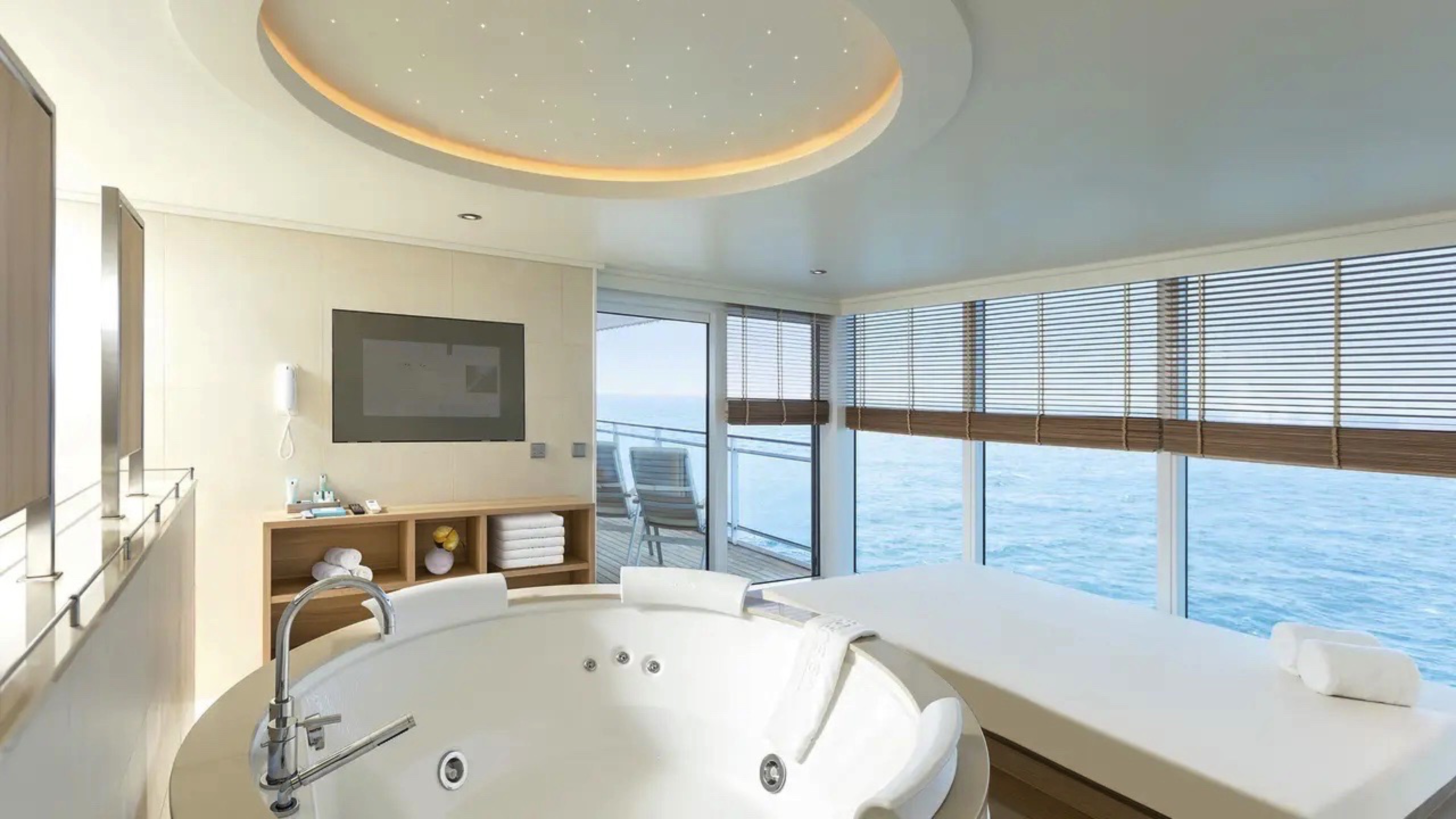
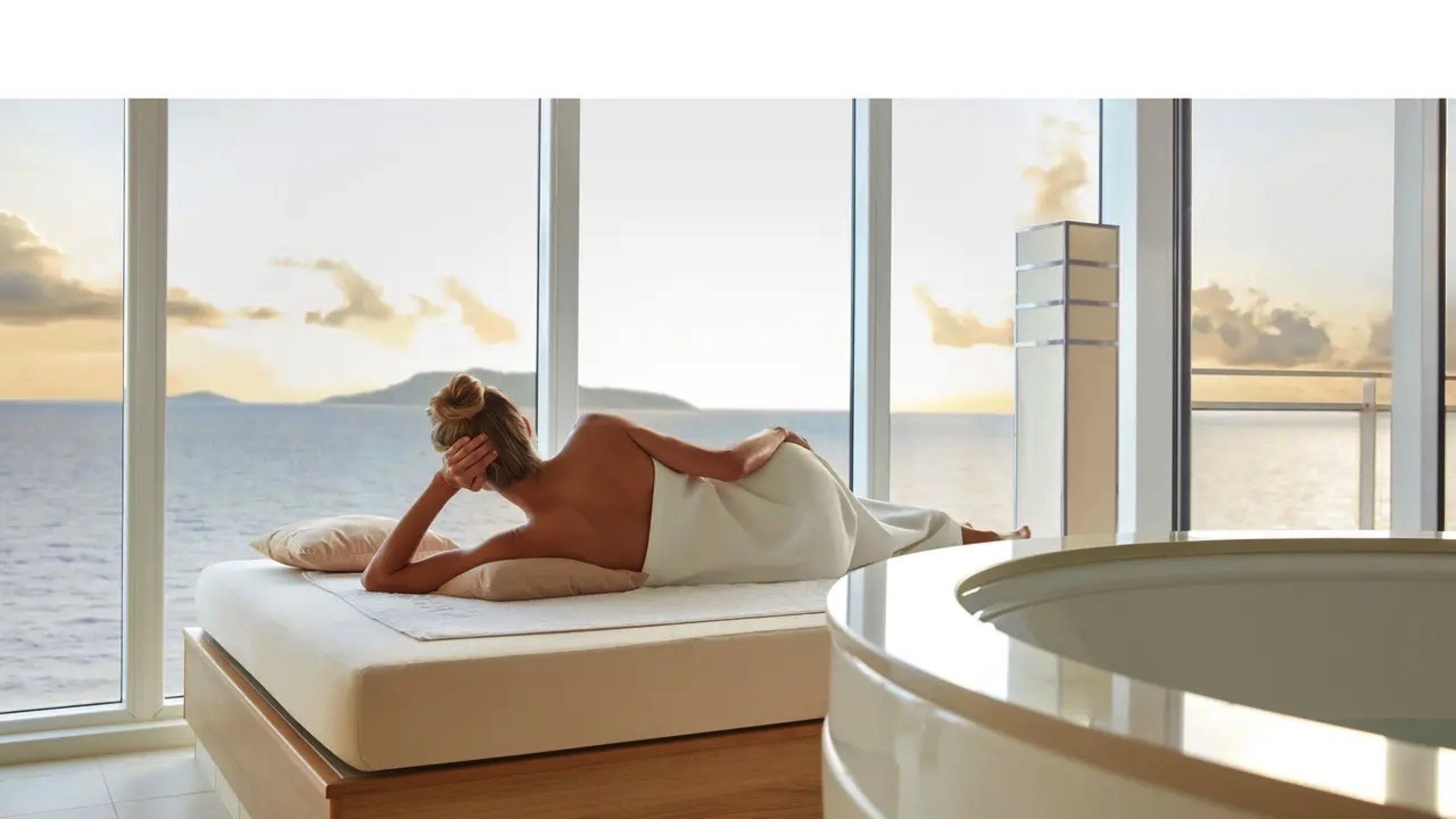
Enjoy luxurious spaciousness on the sea in the Grand Penthouse Suite – in the daybed with a view of the wide sea or while bathing in the middle of the ocean in your private whirlpool.
- Living area: 78 m²; Veranda: 10 m²
- Separate living and sleeping areas
- Separate dining table
- guest toilet
- bathroom with two sinks
- shower with steam sauna
- whirlpool and daybed in the bathroom
- butler service
- Free minibar
- Exclusive service privileges (detailsexperience)
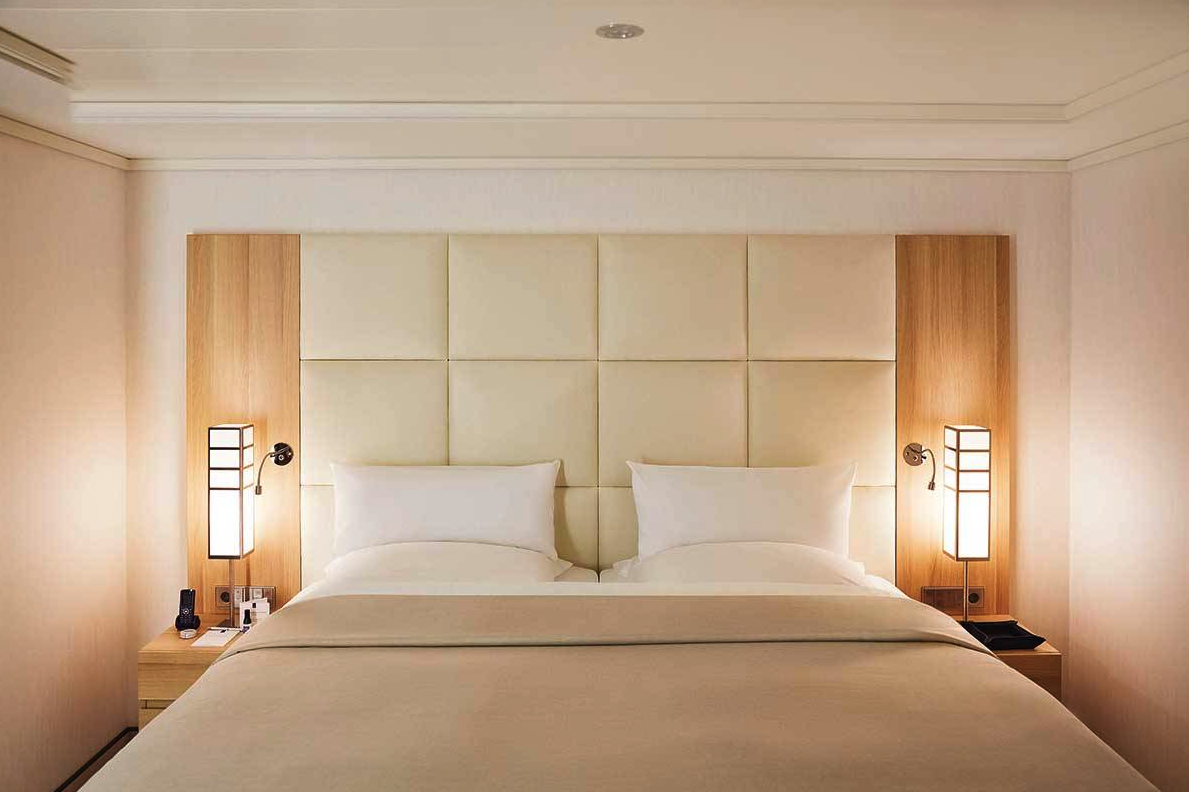
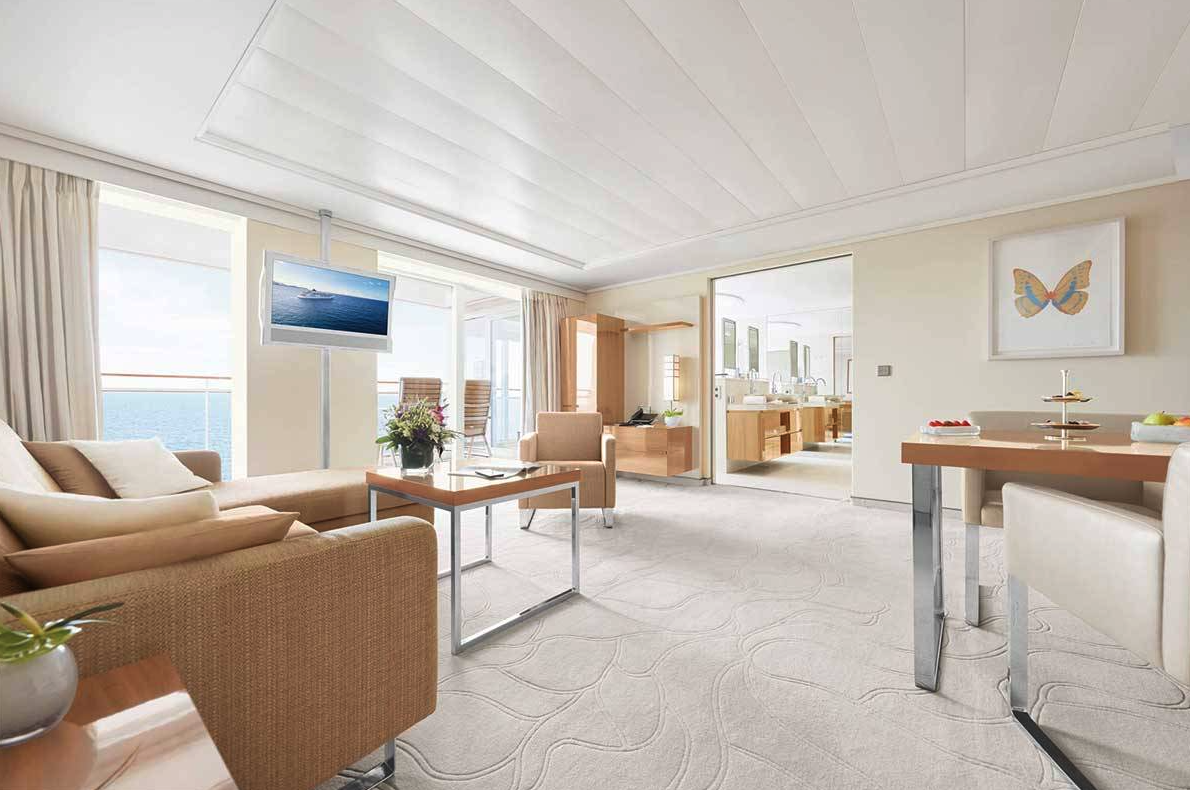
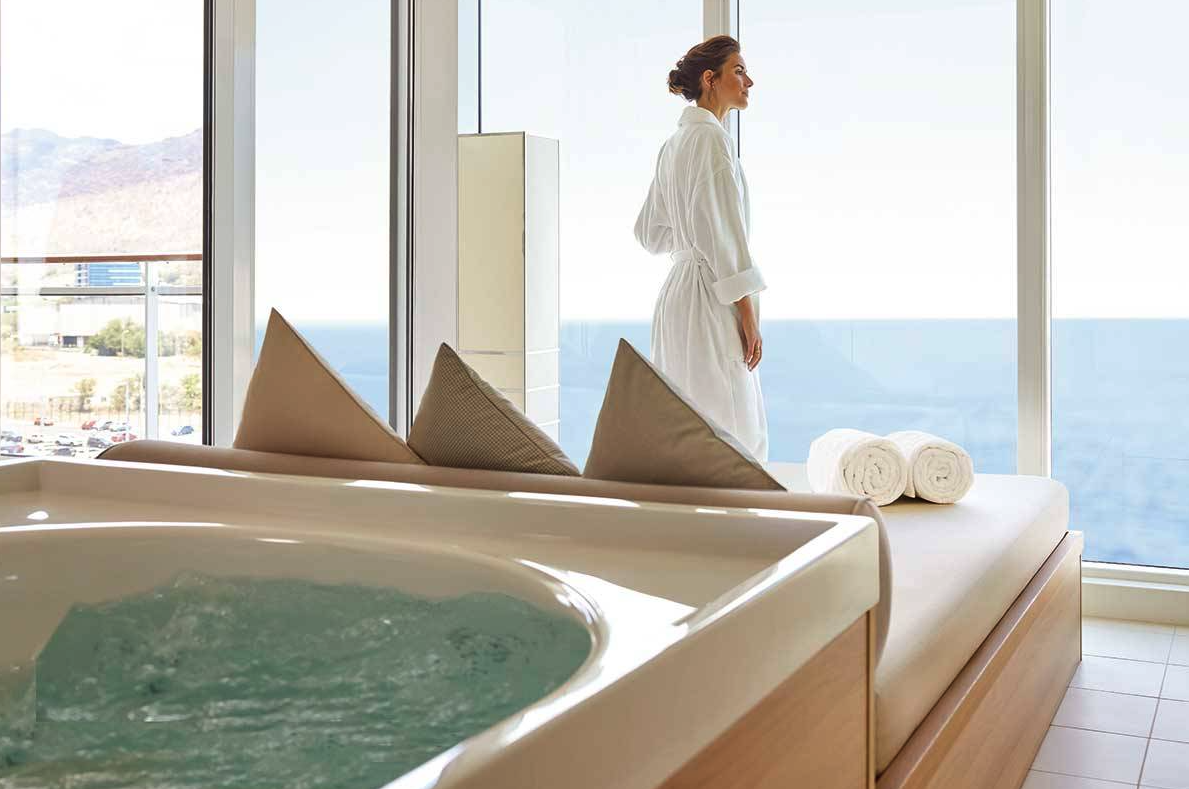
A private oasis of well-being and a stylish haven of peace – in the Grand Ocean Suite you can leave everyday life far behind thanks to a spa bath with panoramic sea views.
- Living area: 42 m²; Veranda: 10 m²
- bathroom with two sinks
- Separate toilet
- daylight in the bathroom
- shower with steam sauna
- whirlpool tub
- Free minibar
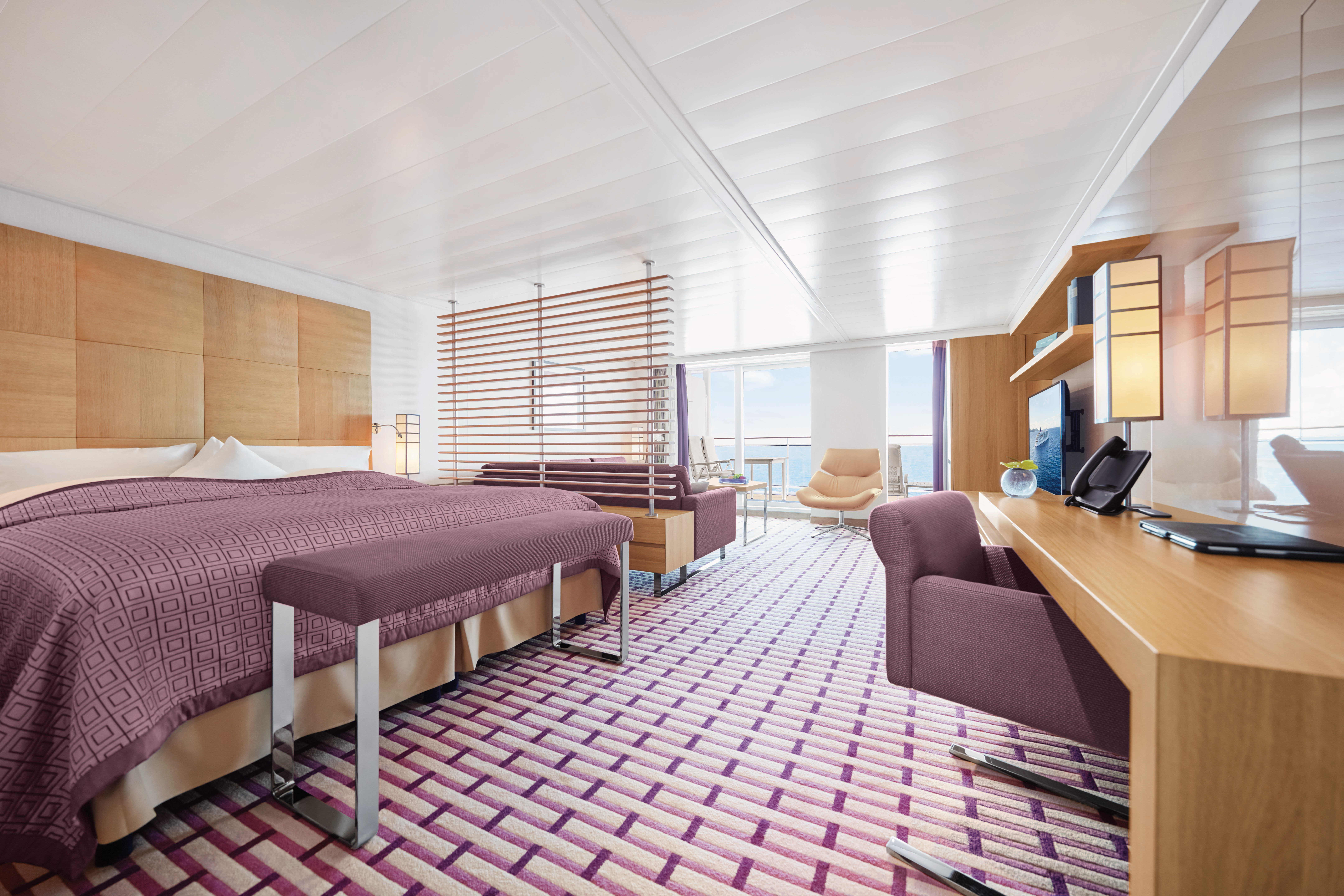
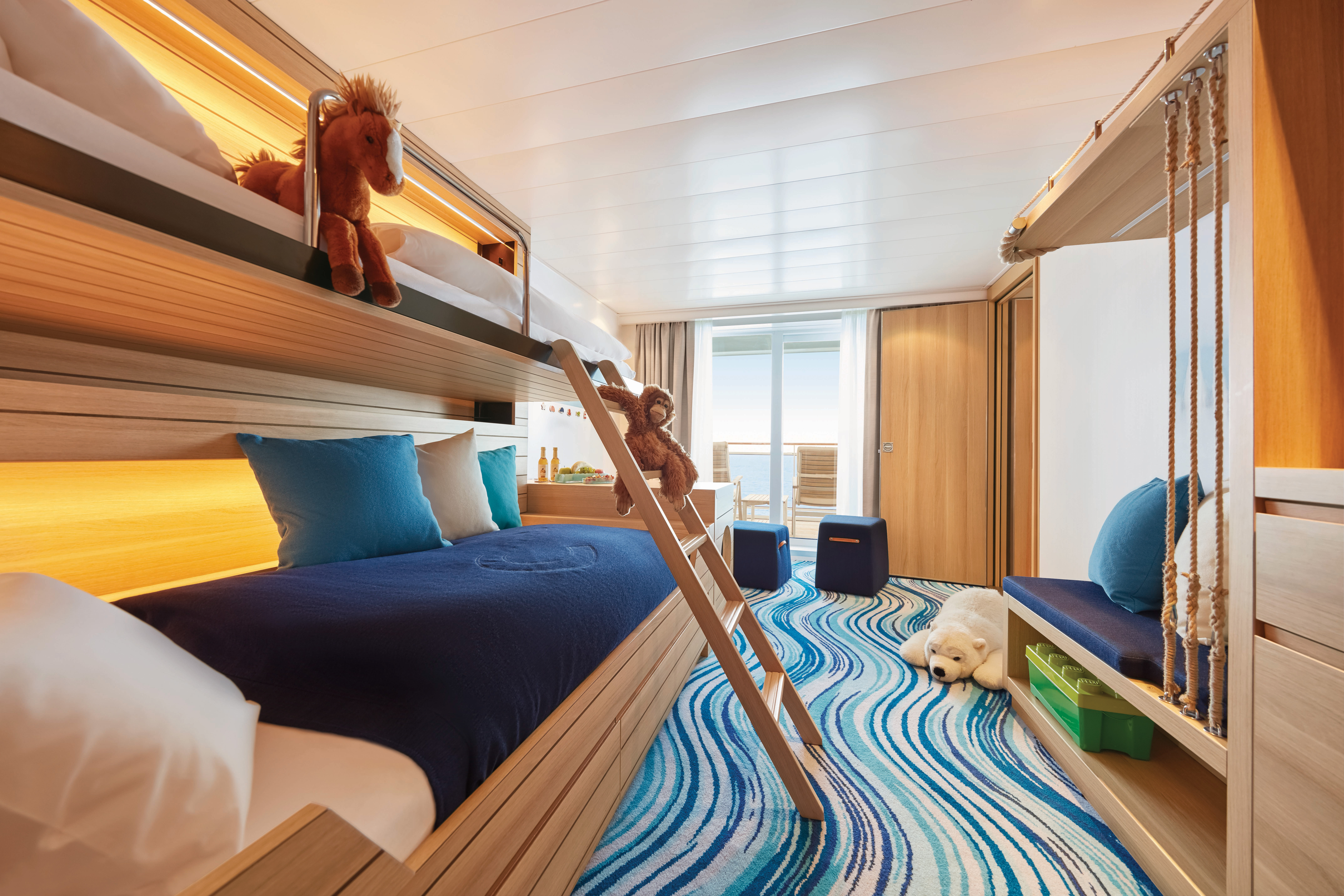
Awonderfully spacious suite with every comfort, uniquely located on the upper decks - is there a nicer place to relax? In the Penthouse Suite, enjoy the endless view of the sea and the amenities of a classic penthouse suite.
- Living area: 42 m²; Veranda: 10 m²
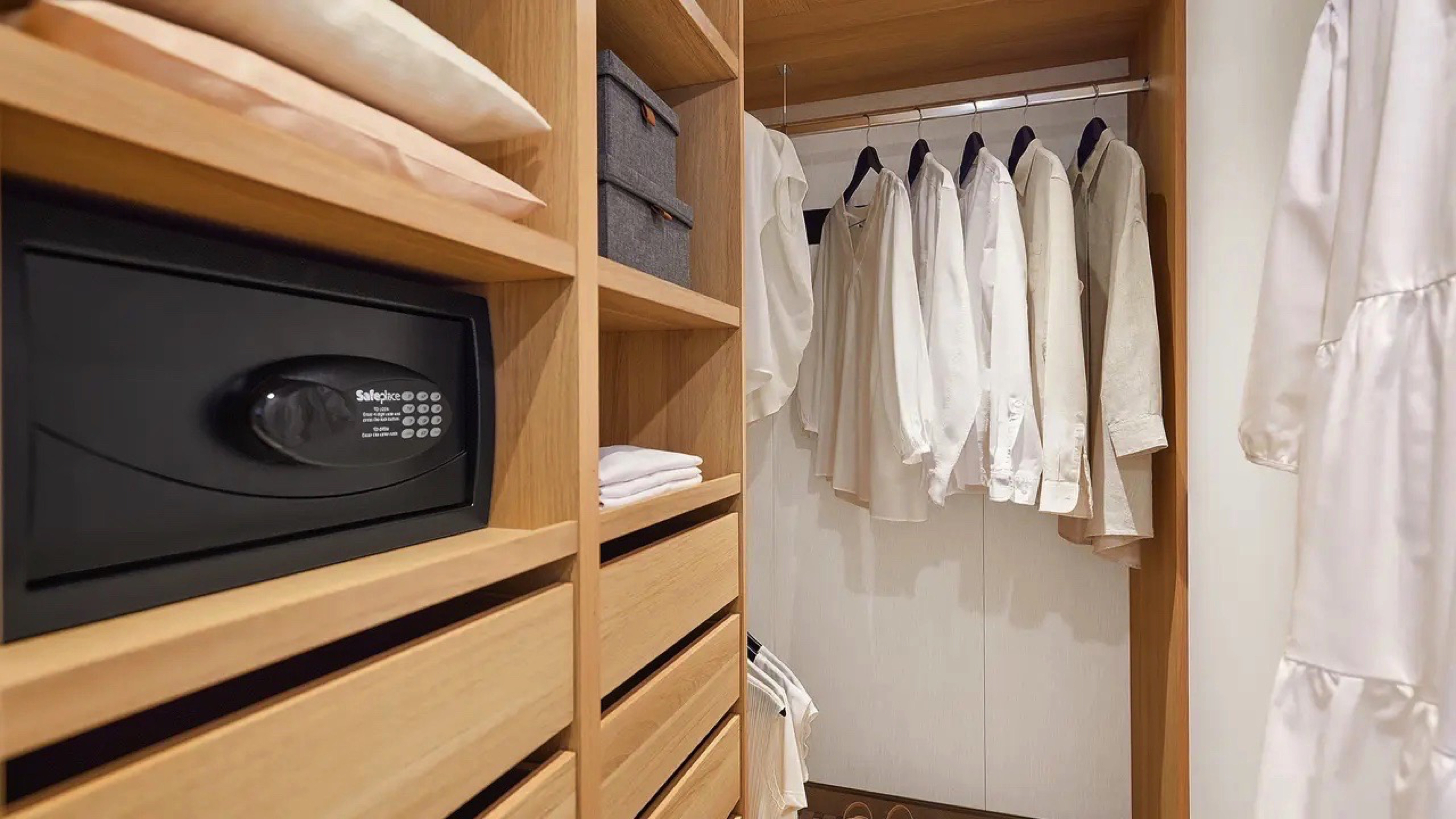
- walk-in closet
- bathroom with two sinks
- whirlpool tub and separate shower
- Separate toilet
- butler service
- Free minibar
- Exclusive service privileges (detailsexperience)
The Penthouse Suite can also be booked with barrier-free facilities (category 13). Here the toilet is in the bathroom.
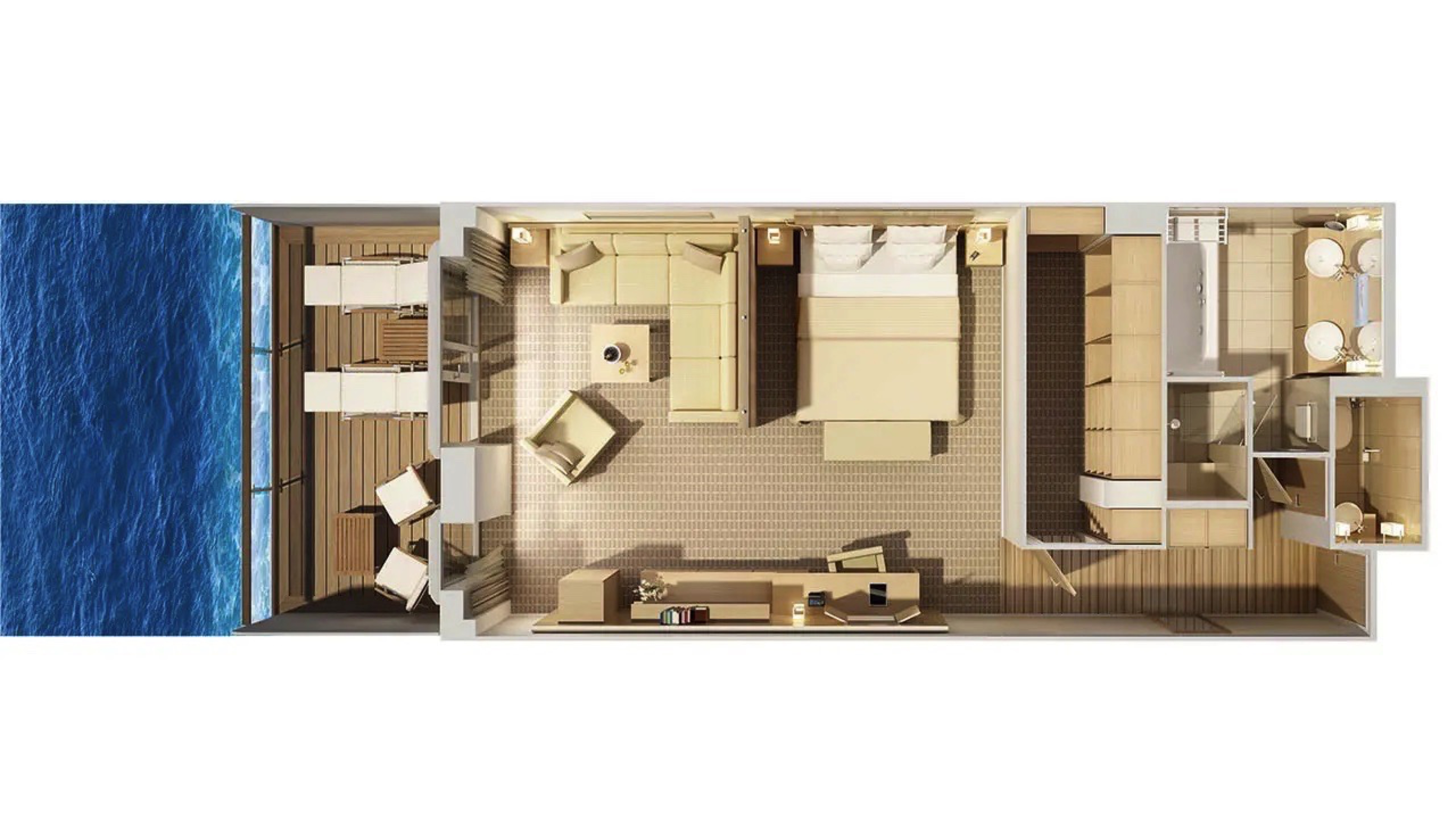
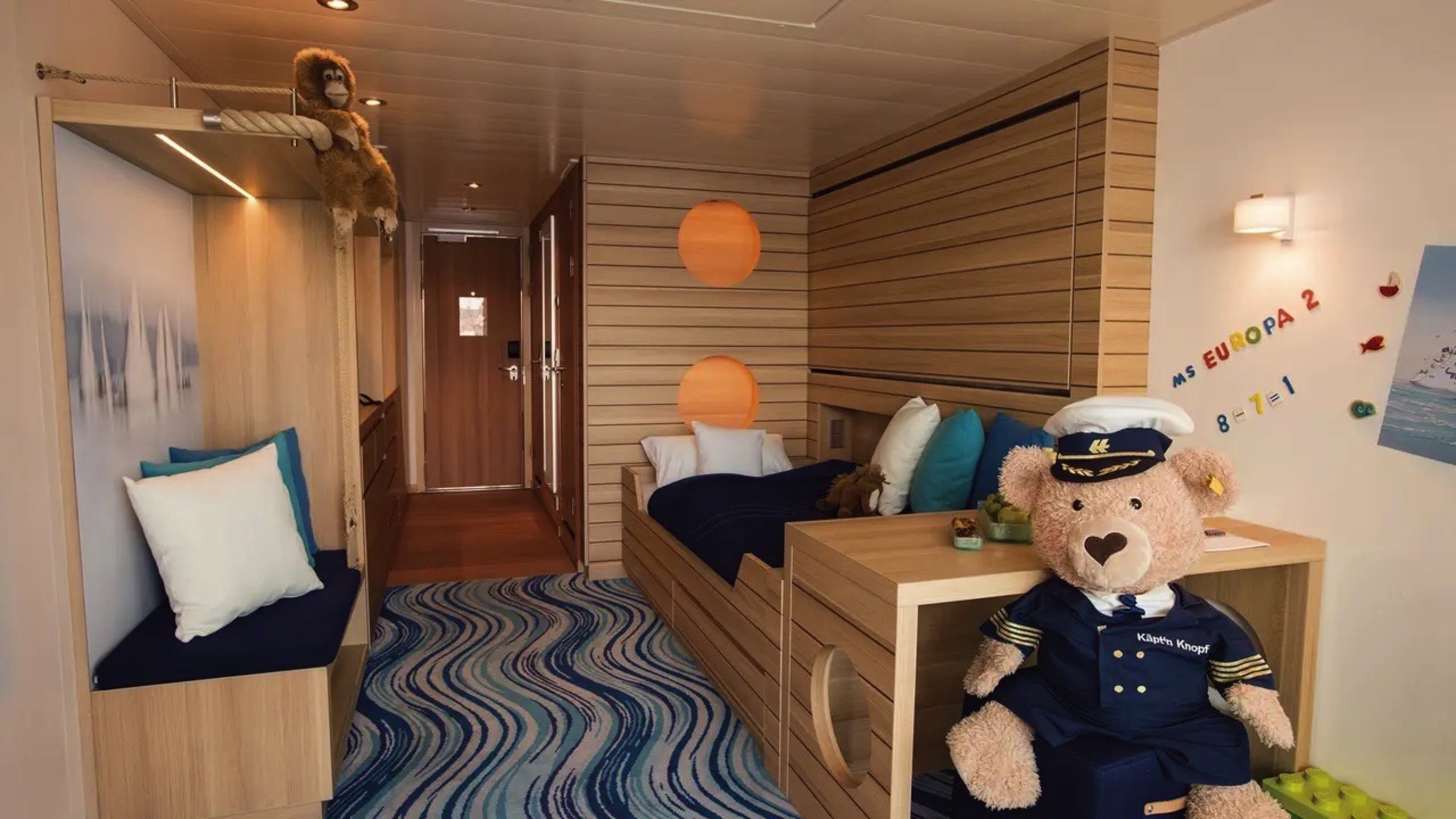
Everyone feels at home here. Lots of space for you and your personal wishes - that's what makes for a relaxing family holiday. In the family apartment, parents and children live in two separate areas that are connected by a door and the balcony. One of the living areas is specifically designed for our younger cruisers.
- Living area: 2× 20 m²; Veranda: 14m² (divisible to 2× 7 m²)
- connecting door between the rooms and verandas
- Separate toilets
- Free minibars
One of the living areas is specifically designed for our younger cruisers:
- Two single beds, one of which is a Pullman bed (80 x 200 cm)
- bathtub (140 x 80 cm)
- Age-appropriate games including games console
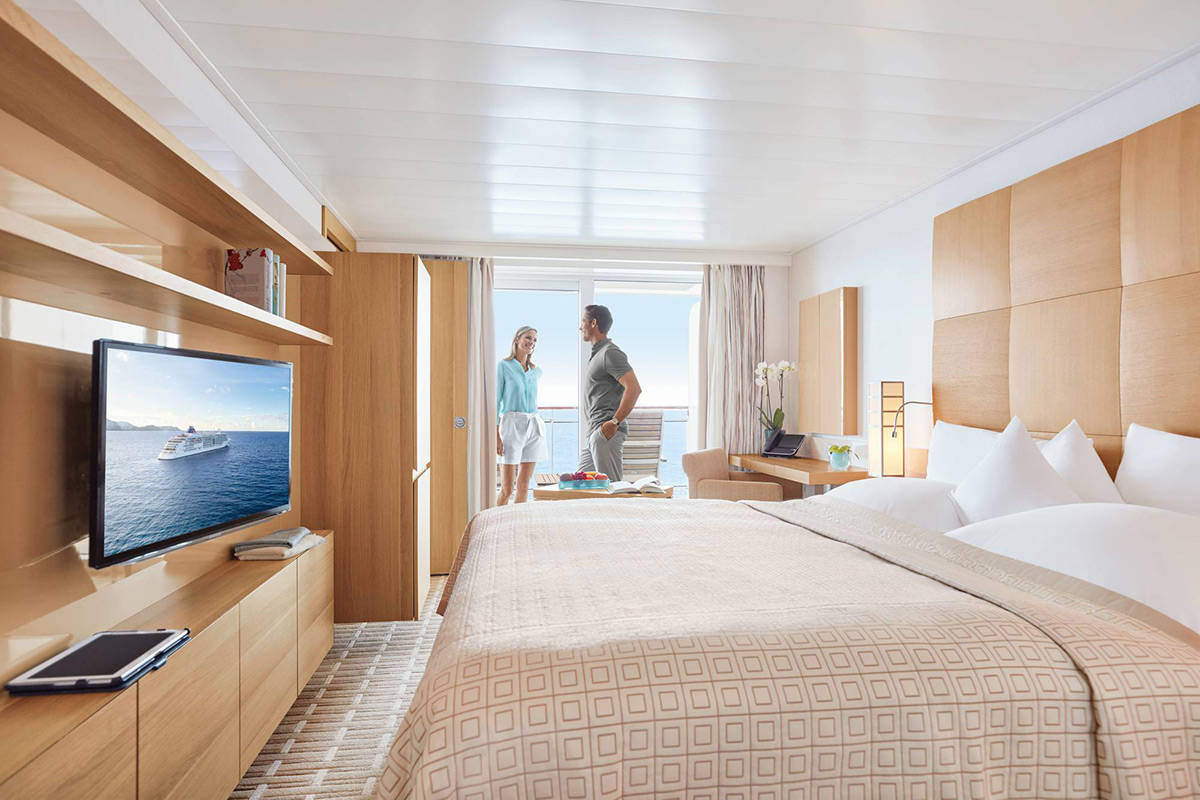
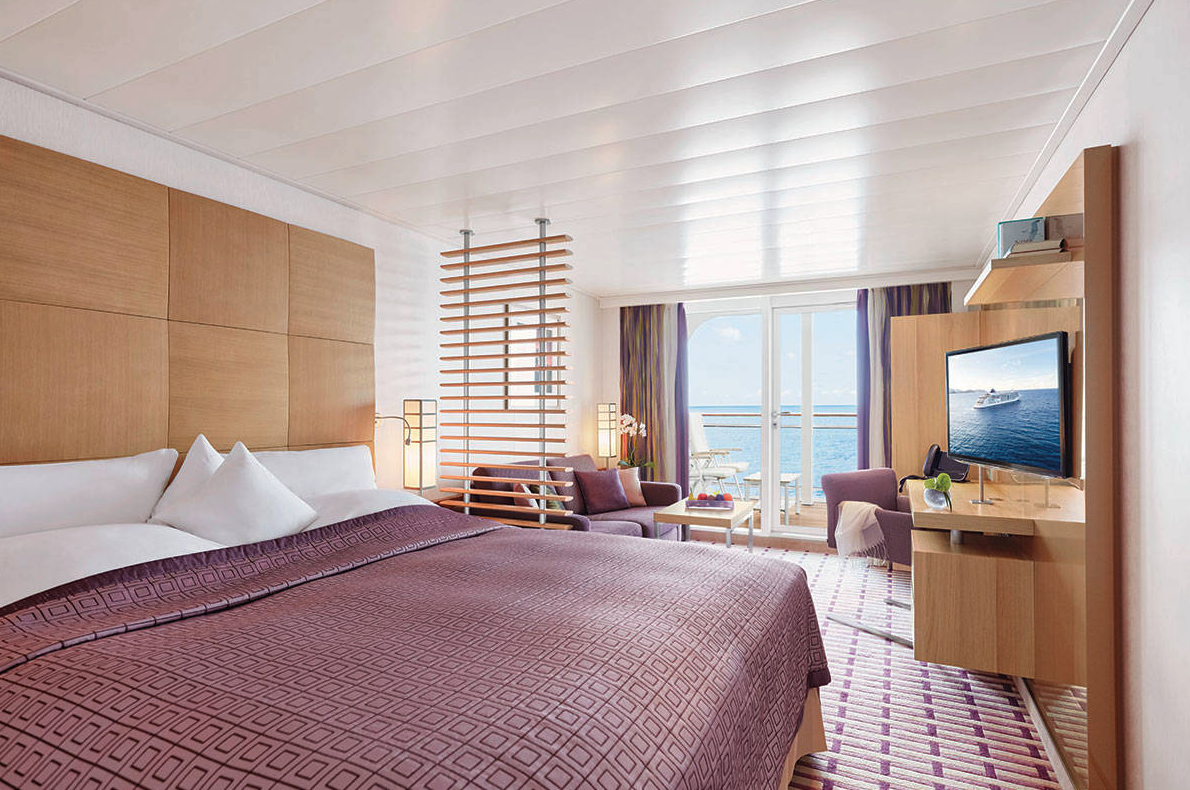
If you want to start the day with a fantastic view, you will have a wonderful time in the Ocean Suite.
- Living area: 28 m²; Veranda: 7 m²
- daylight in the bathroom
- bathroom with two sinks
- whirlpool tub and separate shower
- Separate toilet
- Free minibar
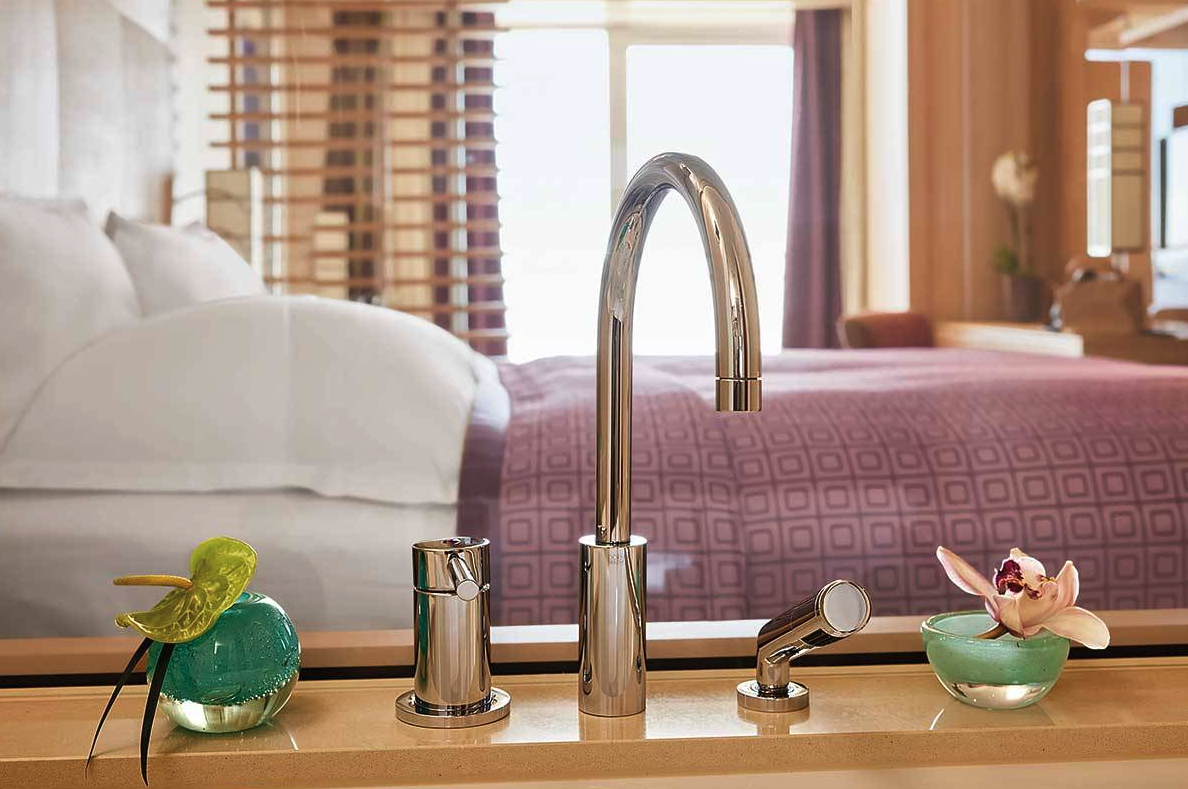
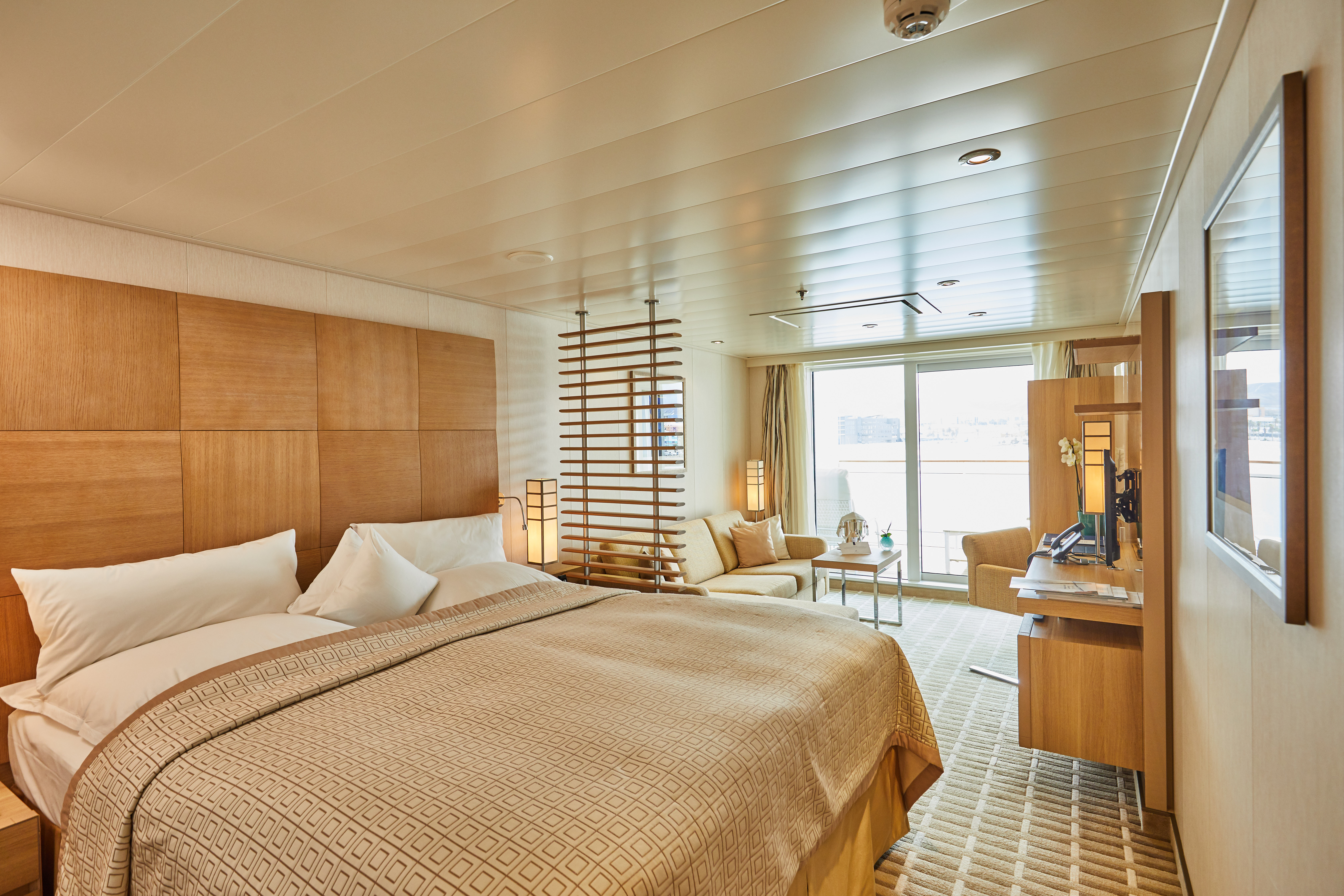
This comfortable suite offers plenty of space for relaxing days on board and a cruise with fantastic views.
- Living area: 28 m²; Veranda: 7 m²
- walk-in closet
- Exclusive living area with chaise longue
- bathtub and separate shower
- Free minibar
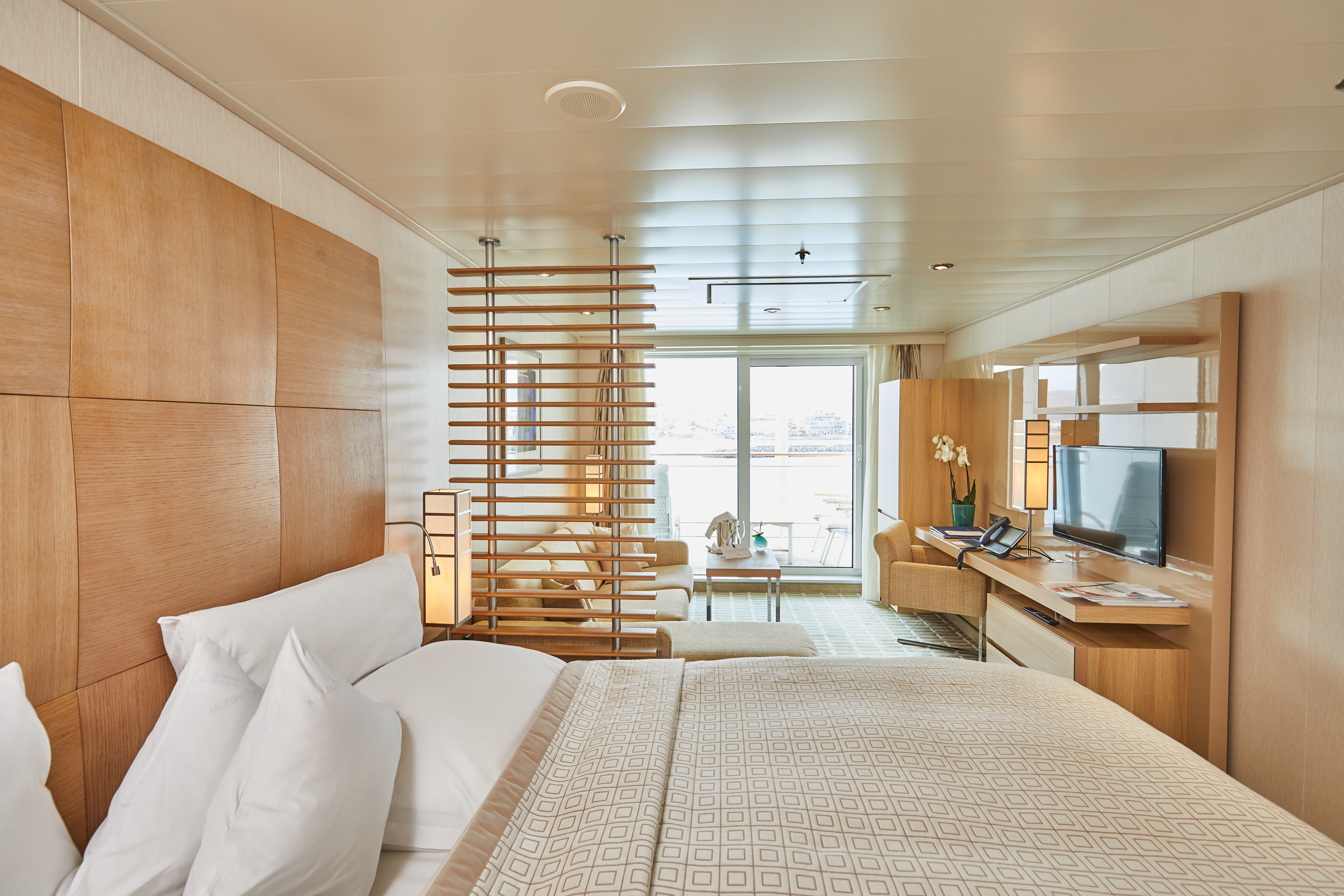
MS EUROPA 2
With a maximum of 500 guests, you can expect the highest level of personal space and individual service. And all this with an extremely luxurious ratio of almost one to one. The EUROPA 2 combines comfort with a high level of flexibility by also heading to small ports and remote corners off the beaten track. Welcome on board the best cruise ship in the world!*
Enjoy every moment
Casual and individual, exquisite and stylish, entirely in line with your requirements – this is the aim of the EUROPA 2 philosophy. Experience a symbiosis of perfection, elegance and aesthetics, and enjoy lifestyle at the highest level in a modern, relaxed atmosphere.
Experience a unique ship
Experience the great freedom - in a relaxed and individual way, yet high quality and stylish. Enjoy a symbiosis of perfection and elegance as well as the highest level of casual luxury - culinary highlights, first-class wellness and fitness offers, exceptional on-board entertainment complemented by the highest level of privacy and individual freedom. With casual luxury for a maximum of 500 guests, the EUROPA 2 combines design and lifestyle, the highest standards and individual freedom.
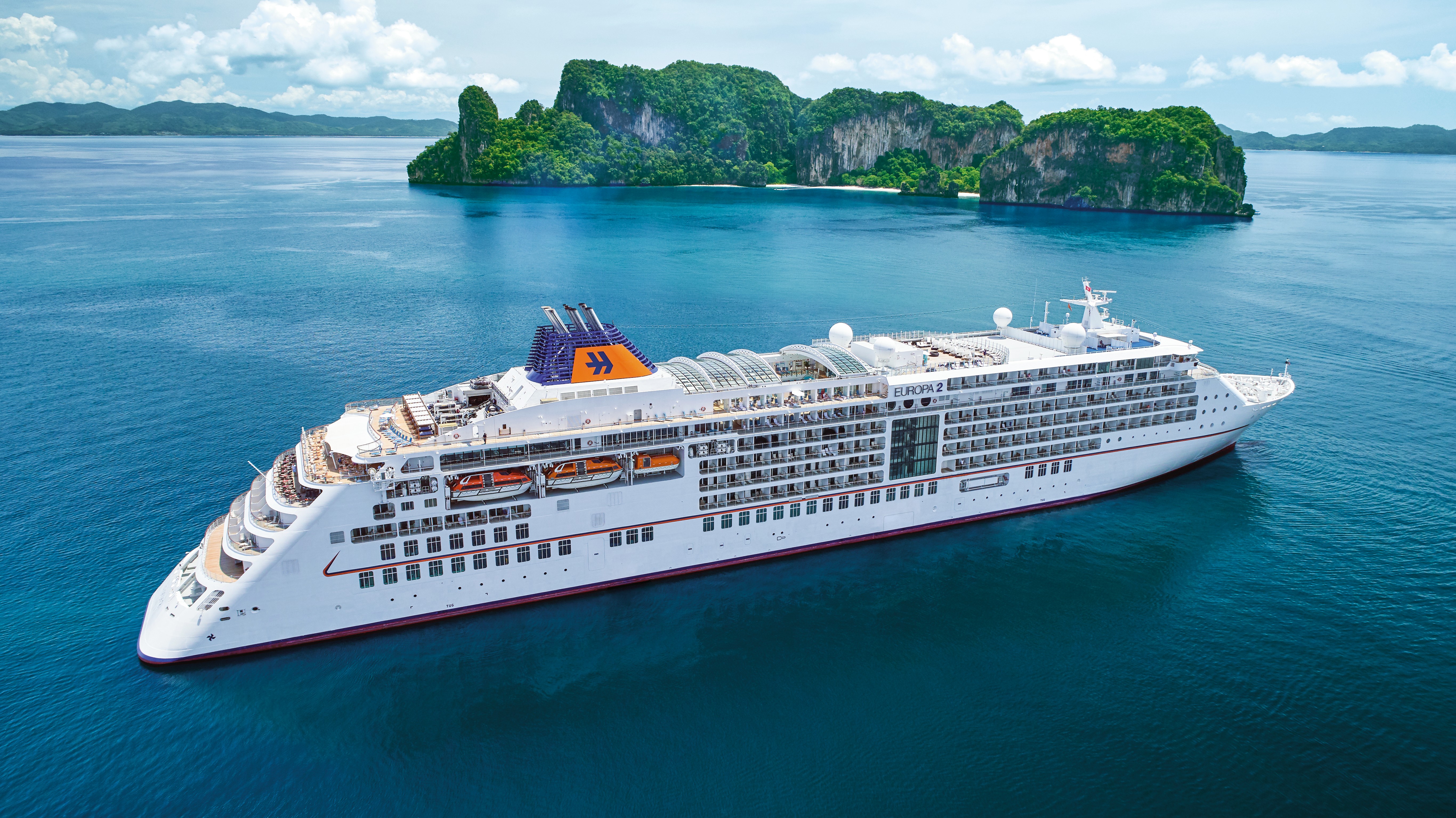
Ship Facts
| Launch Year | 2013 | ||||
| Refit Year | 2017 | ||||
| Language | de+en | ||||
| Gross Tonnage | 42830 | ||||
| Length | 225 | ||||
| Width | 27 | ||||
| Currency | EUR | ||||
| Speed | 21 | ||||
| Capacity | 500 | ||||
| Crew Count | 370 | ||||
| Deck Count | 7 | ||||
| Cabin Count | 251 | ||||
| Large Cabin Count | N/A | ||||
| Wheelchair Cabin Count | 2 | ||||
| Electrical Plugs |
|
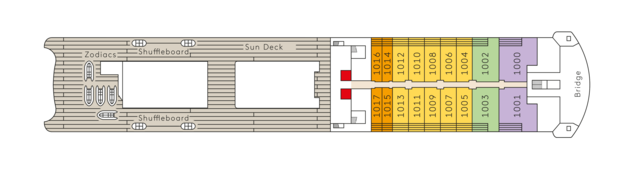
Deck 10
- Zodiacs
- Shuffleboard
- Sun Deck
- Bridge
- Veranda Suites
- Penthouse Suites
- Grand Penthouse Suites
- Owner Suites
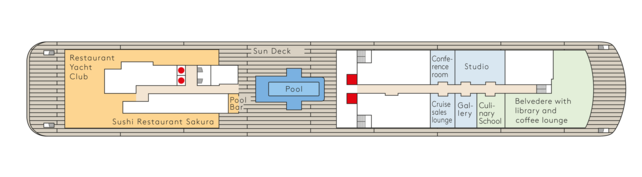
Deck 9
- Restaurant Yacht Club
- Sushi Restaurant Sakura
- Sun Deck
- Pool
- Conference Room
- Studio
- Gallery
- Culinary School
- Belvedere with library and coffee lounge
Deck 8
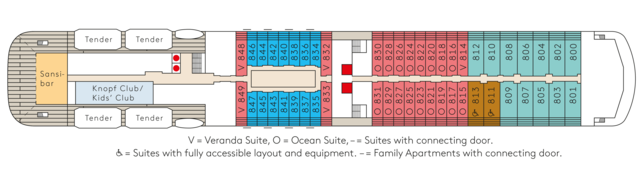
- Sansibar
- Tender
- Knopf Club / Kids Club
- Veranda Suites or Ocean Suites
- Family Apartments
- Penthouse Suites (accessible)
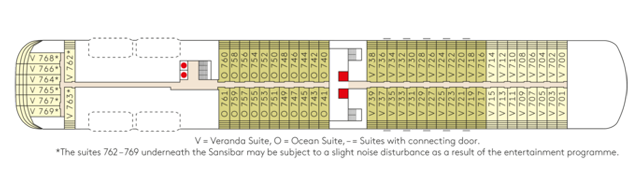
Deck 7
- Veranda Suites or Ocean Suites
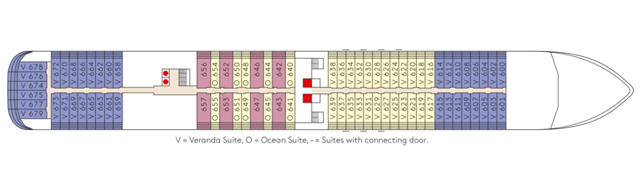
Deck 6
- Veranda Suites or Ocean Suites
- Owner Suites
Deck 5
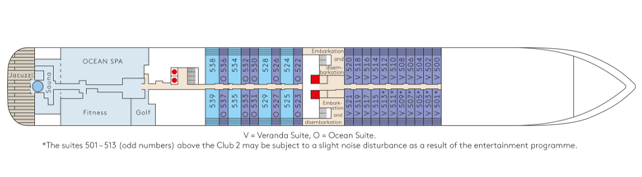
- Ocean Spa
- Sauna
- Jacuzzi
- Golf
- Embarkation and disembarkation
- Grand Ocean Suites
- Veranda Suites or Ocean Suites
Deck 4
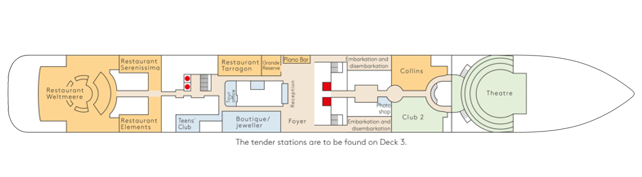
- Restaurant Weltmeere
- Restaurant Serenissima
- Restaurant Elements
- Restaurant Tarragon
- Grand Reserve
- Tour Office
- Teens' Club
- Boutique / Jeweller
- Reception
- Foyer
- Piano Bar
- Embarkation / disembarkation
- Photo shop
- Club 2
- Collins
- Theatre
Haute cuisine. Extremely casual.
With a keen eye for the finest details, the EUROPA 2's chef will open up new culinary horizons for you. He also offers vegetarian cuisine lovers a fine selection of artfully arranged dishes of the highest quality. Enjoy modern creations or timeless classics with more flexible table times and no fixed seating in our gourmet restaurants.
- Exclusive gourmet restaurants, all at no extra charge, with flexible table times and no fixed seating
- Full board: breakfast, late breakfast, lunch and dinner, patisserie and snacks
- Tea and coffee specialties.
Weltmeere
Restaurant Weltmeere is the biggest restaurant on board. It is located at the stern of the ship and is quite striking thanks to its spacious room concept.
The world a la carte
The flagship restaurant in the heart of the EUROPA 2: Enjoy a daily changing international gourmet cuisine and go on a culinary journey. The Weltmeere bears the very personal signature of our chef and stands for creative culinary highlights - always interpreted in a new and unusual way, of course also vegetarian.
CREATIVE CUISINE WITH A PERSONAL TOUCH
Our chef de cuisine looks forward to pampering you with the highest possible standard of cuisine. The culinary range spans from international to vegetarian menus, which are all interpreted in new and surprising ways.
- The restaurant on board where our chefs de cuisine demonstrate their very personal flair.
- Magical culinary moments with international and vegetarian menus, always interpreted in new and unusual ways.
Tarragon
The Tarragon stands for great French cuisine and bistro classics, served in a stylish Art Deco atmosphere. Look forward to specialties that are as simple as they are sophisticated - like the beef tartare prepared fresh at the table.
Elements
Whether Indian, Vietnamese or traditional Chinese – at Elements the sun rises in the east, even in culinary terms. Enjoy the variety of Asian cuisine, the aroma of lemongrass, seafood and lime – and the exotic, modern flair of Elements.
Serenissima
Experience exquisite classics of Italian-Mediterranean cuisine: The Serenissima combines everything you love about Italian enjoyment and lifestyle. The house recommendation is the Ditaloni con Aragosta Marinata allo Zafferano.
Yacht Club
At the Yacht Club you can enjoy the finest cuisine from breakfast to dinner and an incomparable panoramic view of the sea. Look forward to fresh salads, antipasti from the buffet and grill specialties, fish, pasta and dishes prepared à la minute directly from the open cooking stations.
Sakura
Our Asian chef has mastered the art of conjuring up small masterpieces from the finest ingredients. The results are traditional and modern interpretations of Japanese cuisine as well as exquisite sushi, from classic to creative. In the relaxed atmosphere of the Sakura, you can enjoy an exclusive menu - with a sea view, of course.
Grand Reserve
The Grande Réserve, which is connected to the Tarragon, is all about exquisite wines, which you can also taste in a small group under the guidance of a sommelier (for an additional charge).
Lights out, spotlight on.
When the curtain opens, an unforgettable evening begins. With great acrobatics, dance, comedy, interesting talks, lectures or moving music from classical to pop. Let yourself be inspired by artists, performers and entertainers of the highest level on board the EUROPA 2. A varied show and a diverse entertainment program await you on every trip.
Enjoyment is a question of style
Six bars with unique charm to celebrate the day or night. Each with its own, distinctive atmosphere, from loungey to glamorous. This way you can give every night the perfect start and every day the perfect end. Discover the largest selection of champagne at sea on board the EUROPA 2 and let our sommeliers inspire you.
- Daily changing entertainment program with lectures, concerts, workshops and a sophisticated evening program, for example with live shows or readings
- Free internet on board - One hour per guest per day.
Zanzibar
The younger sister of the Sansibar on Sylt sees much more of the world: the view from the open-air bar over the sea and the parties on the dance floor to DJ sounds are unforgettable. And for a late breakfast and small dishes in the afternoon and evening, it is also the top location.
Belvedere
With its incomparable panorama, the Belvedere is a cozy place to linger. But above all, it is an atmospheric lounge where readings and concerts also take place.
Piano Bar
The piano bar follows the tradition of bars in classic grand hotels: you can reflect on the day with a first-class drink and pleasantly understated music from the Steinway grand piano. You can also enjoy a sea view that probably no other hotel in the world can offer.
Club 2
With its cosy bar and lounge area and small stage, Club 2 adapts to the theme of the itinerary and is constantly reinventing itself with its colour and lighting concept. Let the day end with exquisite drinks and small snacks, in keeping with the destination, and be inspired by the diverse entertainment programme.
Collins
The perfect setting for the perfect drink, nothing more and nothing less. In a classic, stylish ambience with club chairs and precious woods. With Cuban specialties from the humidor.
Theatre
- Multifaceted shows.
- Performances with numerous guest stars, soloists, entertainers and acrobats.
- Concerts from classical music to pop.
- Vaudeville highlights.
- State-of-the-art stage technology with LED screen.
Art
art2sea
Look forward to an inspiring journey into the world of art - art2sea welcomes important artists, gallery owners, art experts or curators from major museums. In cooperation with renowned experts, fascinating insights into the international art world are created. Exclusive exhibition, gallery and museum visits offer you a look behind the scenes.
Art on the High Seas
A walk through the bright corridors of the EUROPA 2 is as inspiring as a day in a museum of contemporary art. More than 890 original paintings and exhibits, photographs and sculptures - from Damien Hirst to Gerhard Richter - accompany the ship and its guests around the world. This collection is complemented by changing exhibitions and lectures by artists on various art historical topics.
pool bar
In the pool or at the bar next to it – where does the perfect refreshment await? The relaxed meeting point on the pool deck serves snacks for breakfast and lunch, legendary waffles in the afternoon, fresh juices and coffee specialties. It offers a casual atmosphere until the evening.
MS EUROPA Unplugged
Instead of in large concert halls, you can experience your star acoustically and up close - the concerts in the EUROPA 2 theatre thus have an almost private touch. Enjoy exclusive encounters with outstanding musicians.