Kia Ora – Intensive New Zealand Experiences
Kia Ora – Intensive New Zealand Experiences
Cruise overview
WHY BOOK WITH US?
- ✔ The Deluxe Cruises’ team has extensive experience in ultra-luxury cruising.
- ✔ Call now to speak to our helpful and experienced Cruise Concierge team.
- ✔ Enjoy our Unique Deluxe Cruises Bonus for substantial savings.
- ✔ Our team will tailor your holiday to your exacting requirements.
- ✔ As agents, we work under the protection of each cruise lines ABTA / ATOL licences
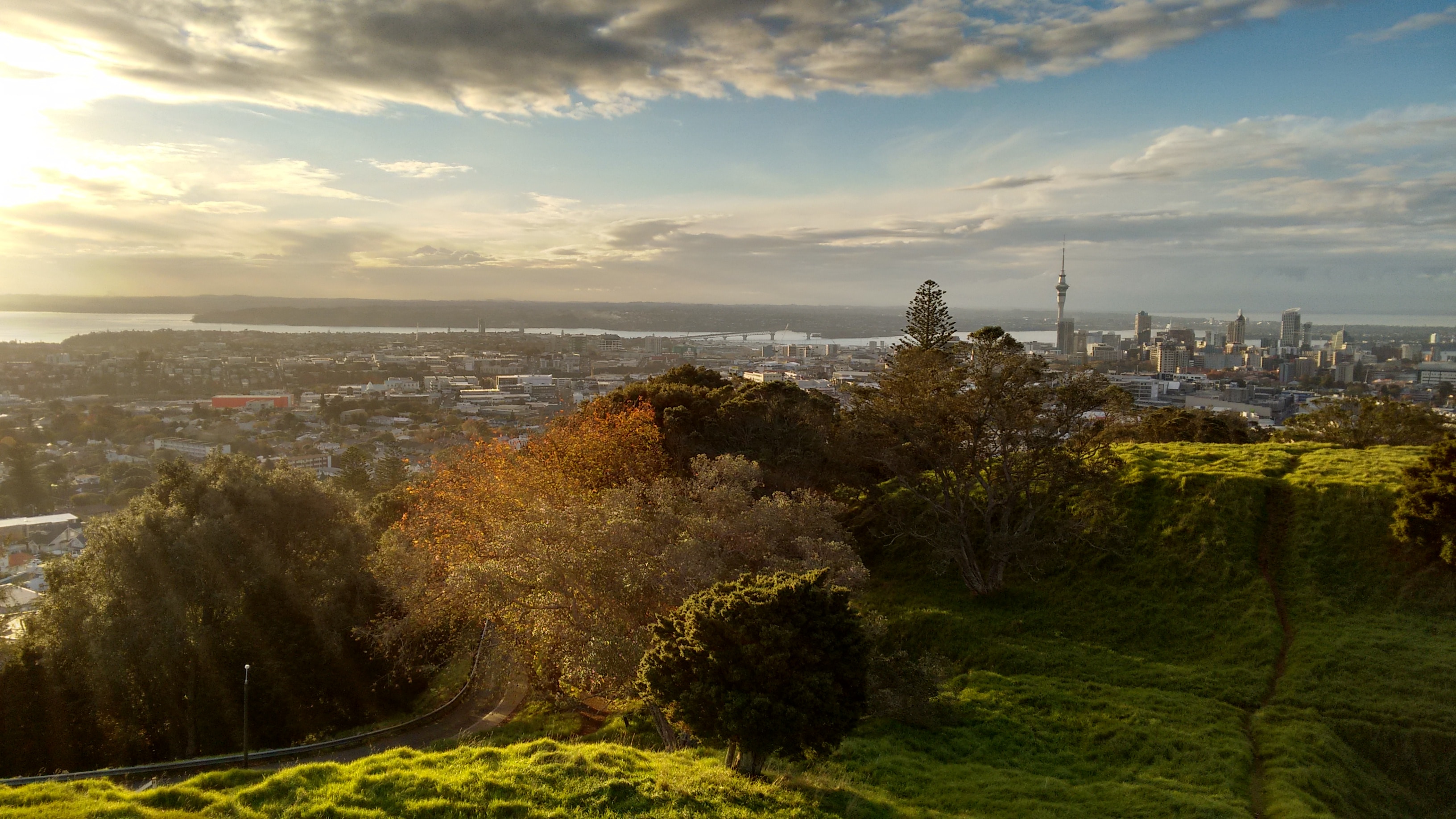
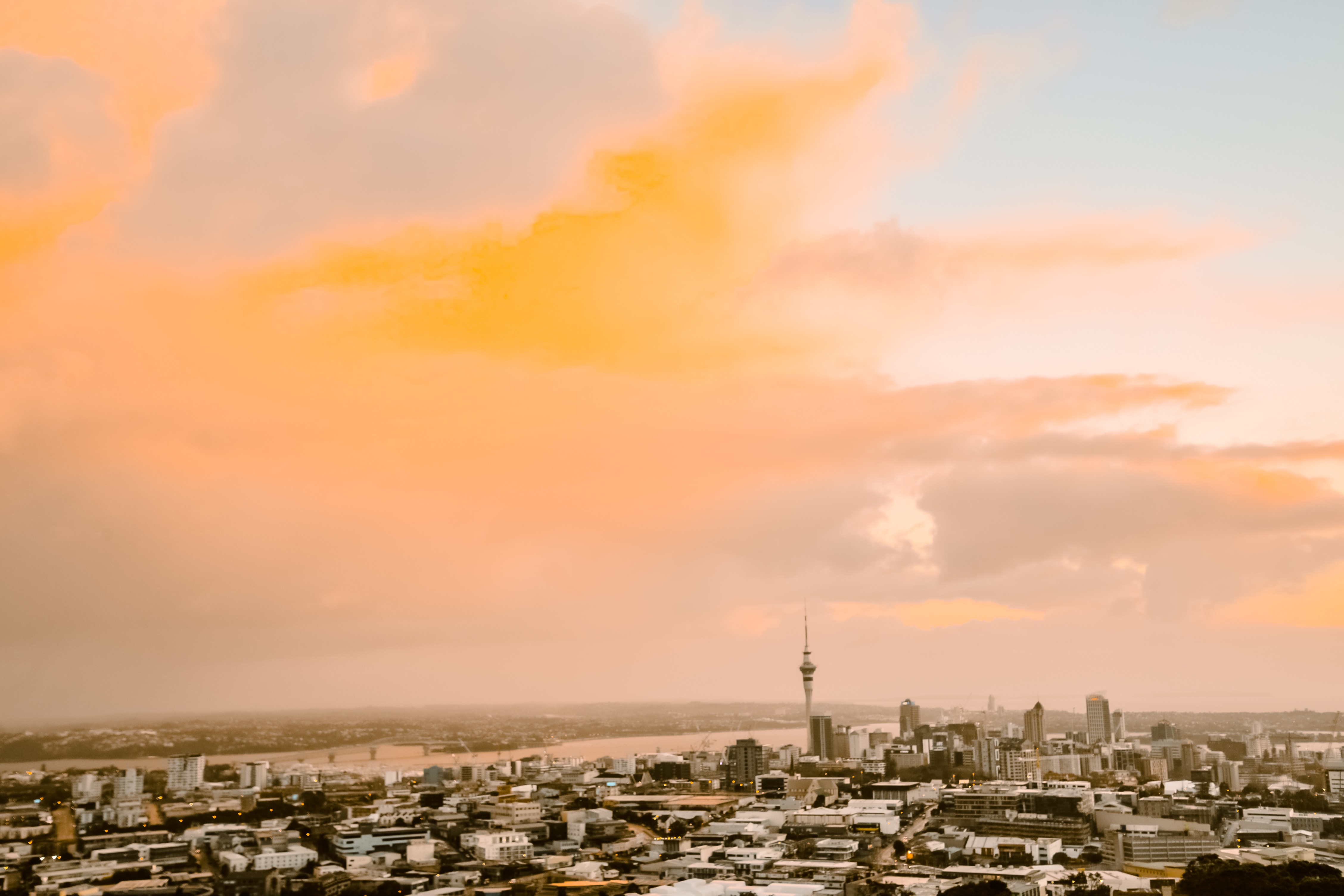
About Auckland
About Tauranga
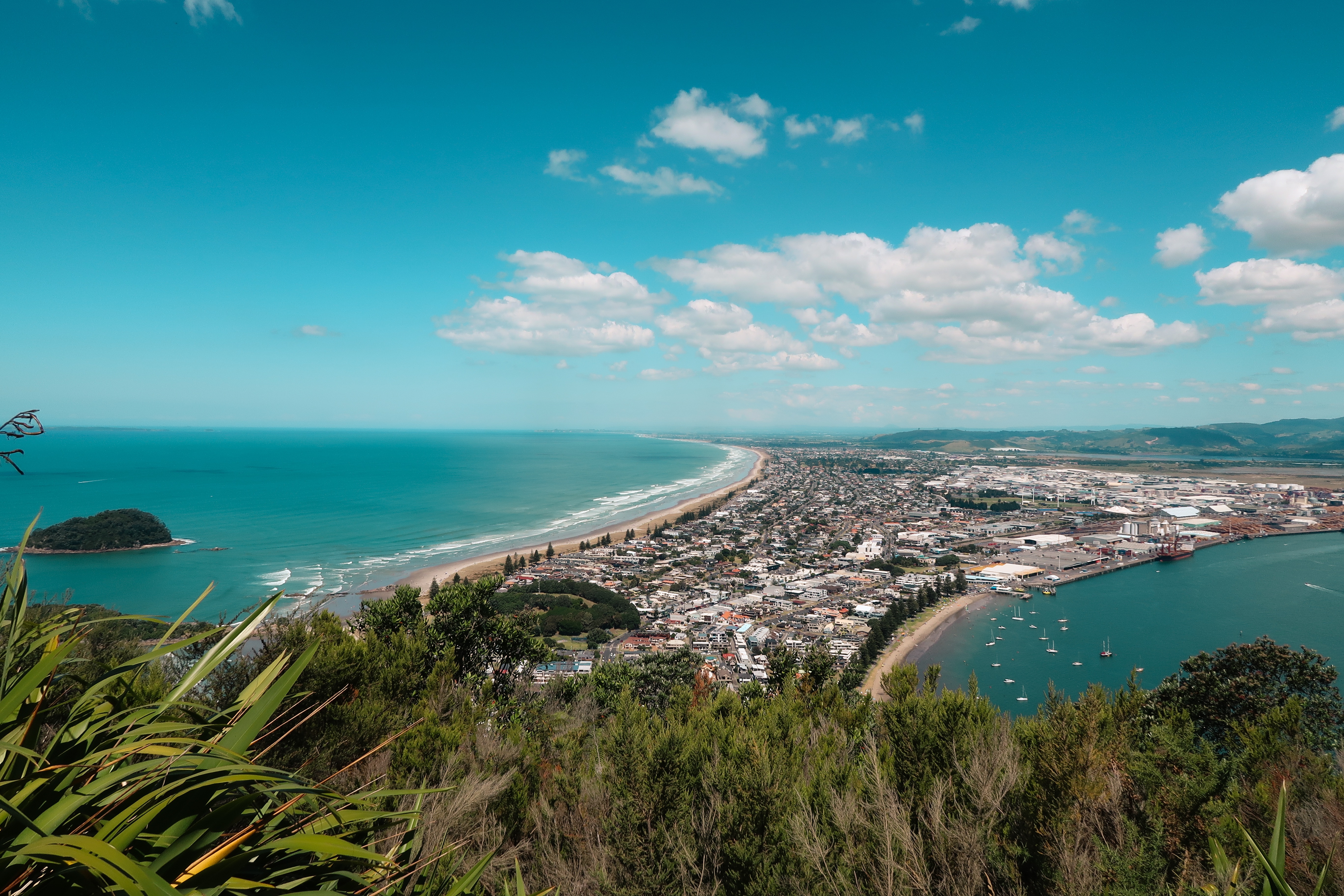
The population center of the Bay of Plenty, Tauranga is one of New Zealand's fastest-growing cities. Along with its neighbor, Whakatane, this seaside city claims to be one of the country's sunniest towns. Unlike most local towns, Tauranga doesn't grind to a halt in the off-season, because it has one of the busiest ports in the country, and the excellent waves at the neighboring beach resort of Mount Maunganui—just across Tauranga's harbor bridge—always draw surfers and holiday folk.
About Napier
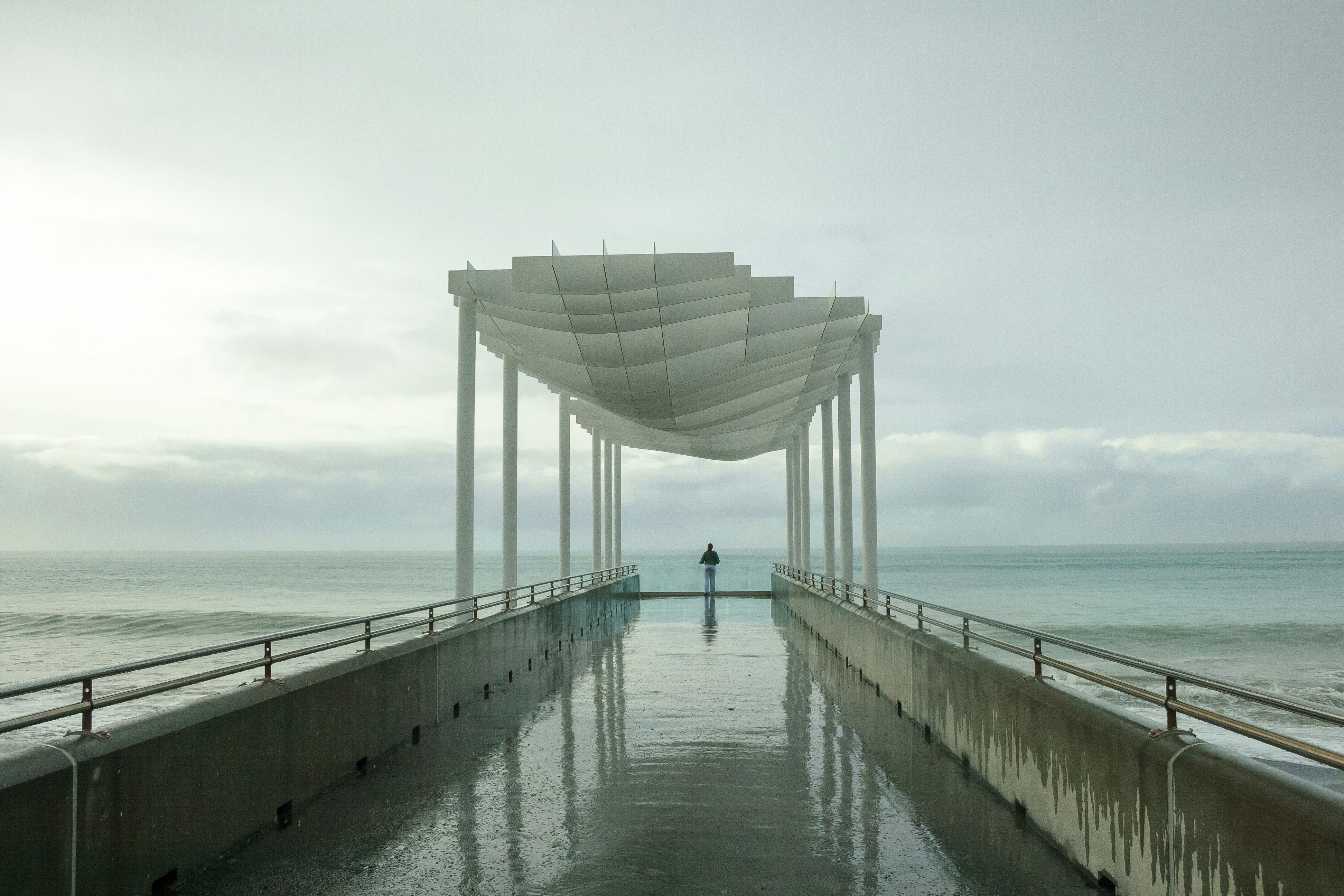
The earthquake that struck Napier at 10:46 am on February 3, 1931, was—at 7.8 on the Richter scale—the largest quake ever recorded in New Zealand. The coastline was wrenched upward several feet. Almost all the town's brick buildings collapsed; many people were killed on the footpaths as they rushed outside. The quake triggered fires throughout town, and with water mains shattered, little could be done to stop the blazes that devoured the remaining wooden structures. Only a few buildings survived (the Public Service Building with its neoclassical pillars is one), and the death toll was well over 100.The surviving townspeople set up tents and cookhouses in Nelson Park, and then tackled the city's reconstruction at a remarkable pace. In the rush to rebuild, Napier went mad for art deco, the bold, geometric style that had burst on the global design scene in 1925. Now a walk through the art deco district, concentrated between Emerson, Herschell, Dalton, and Browning streets, is a stylistic immersion. The decorative elements are often above the ground floors, so keep your eyes up.
About Wellington
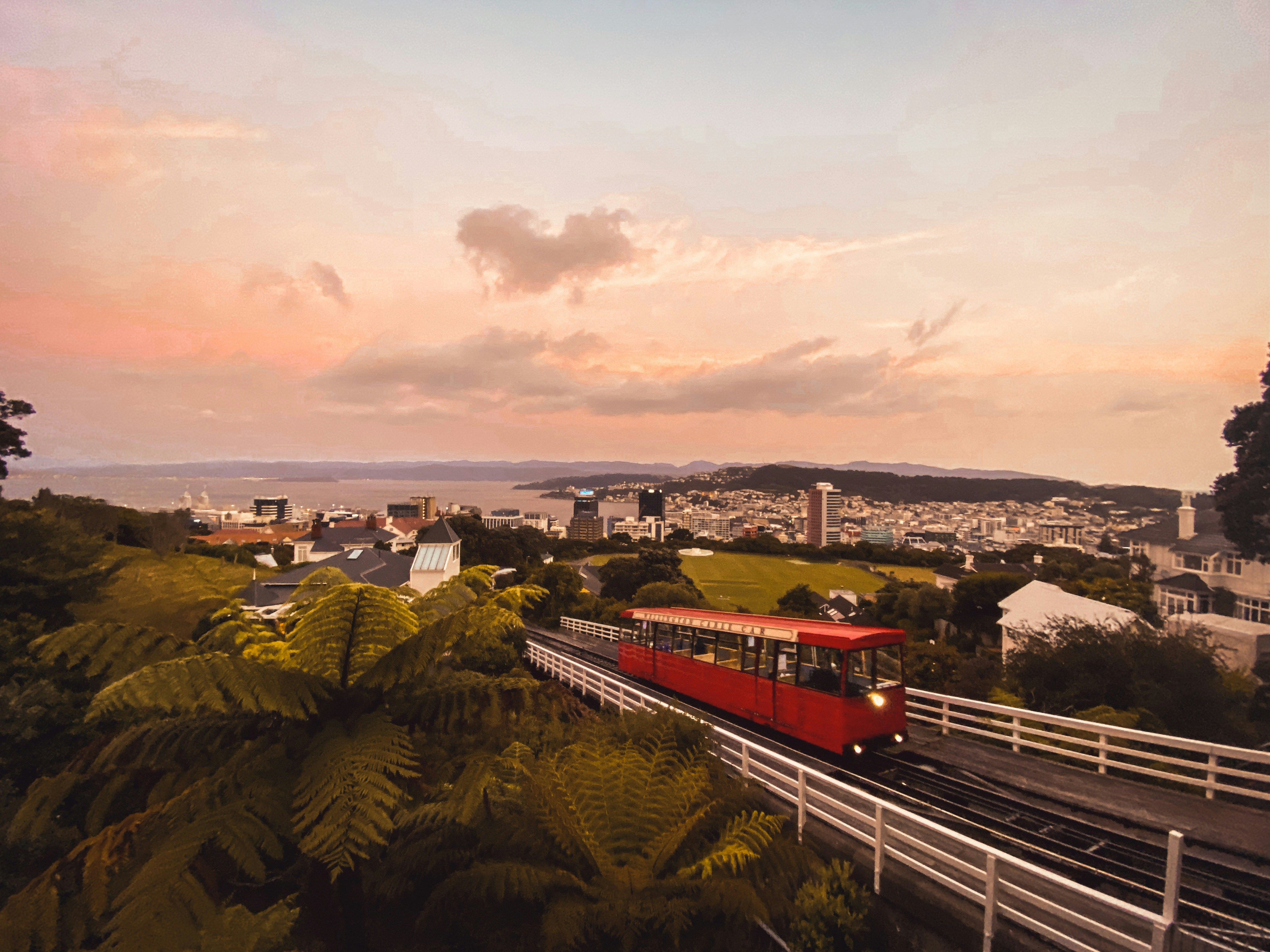
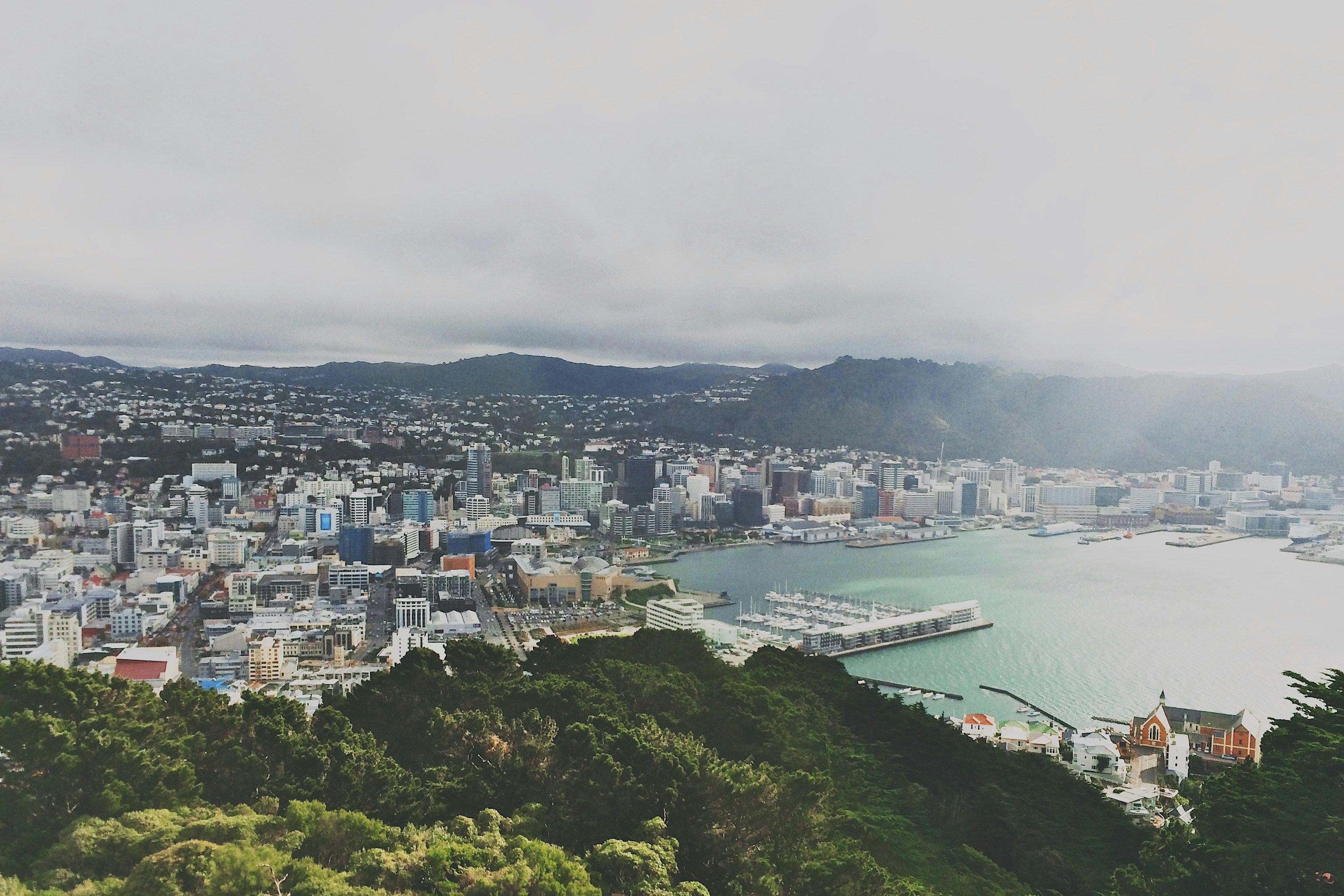
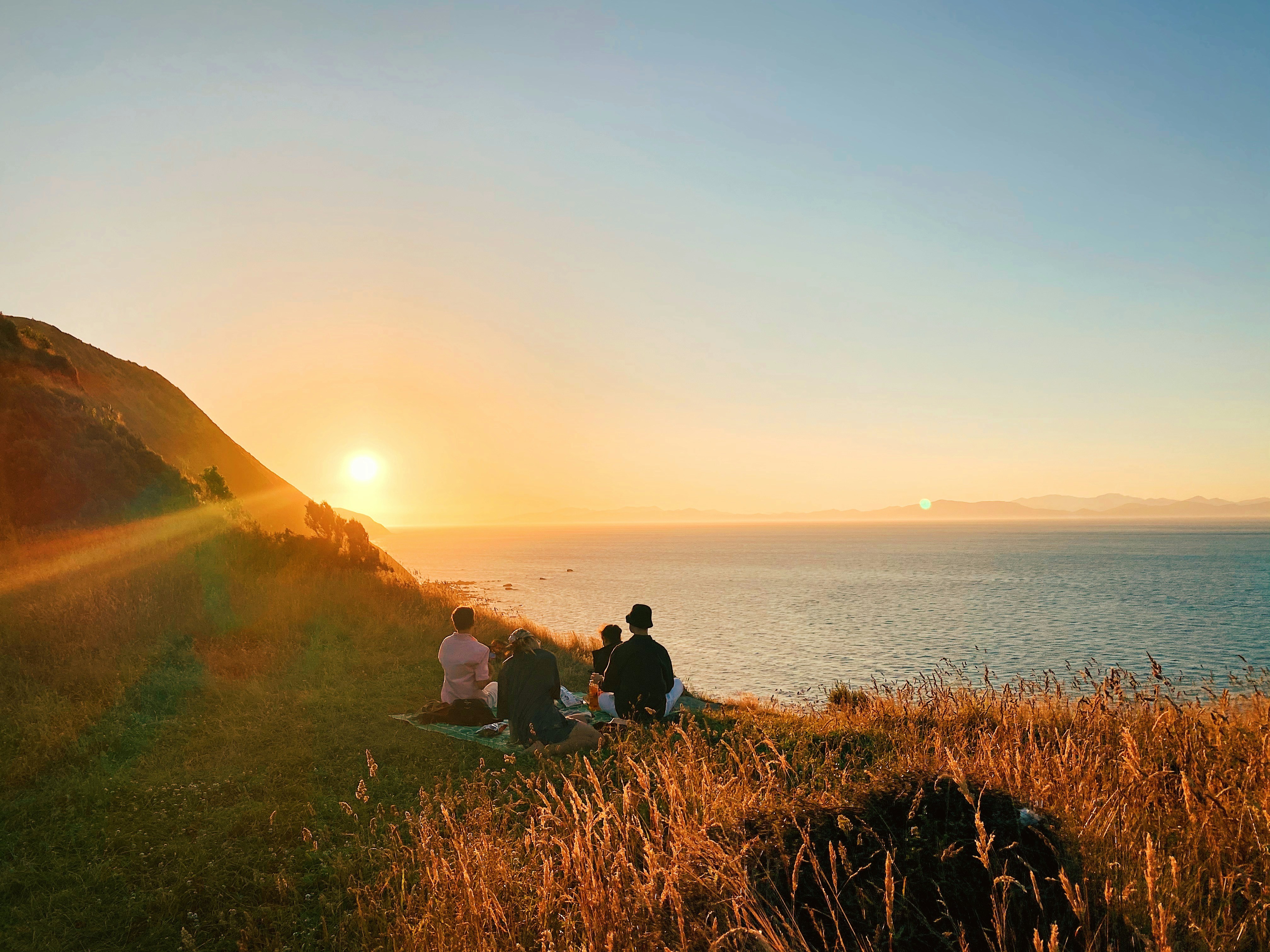
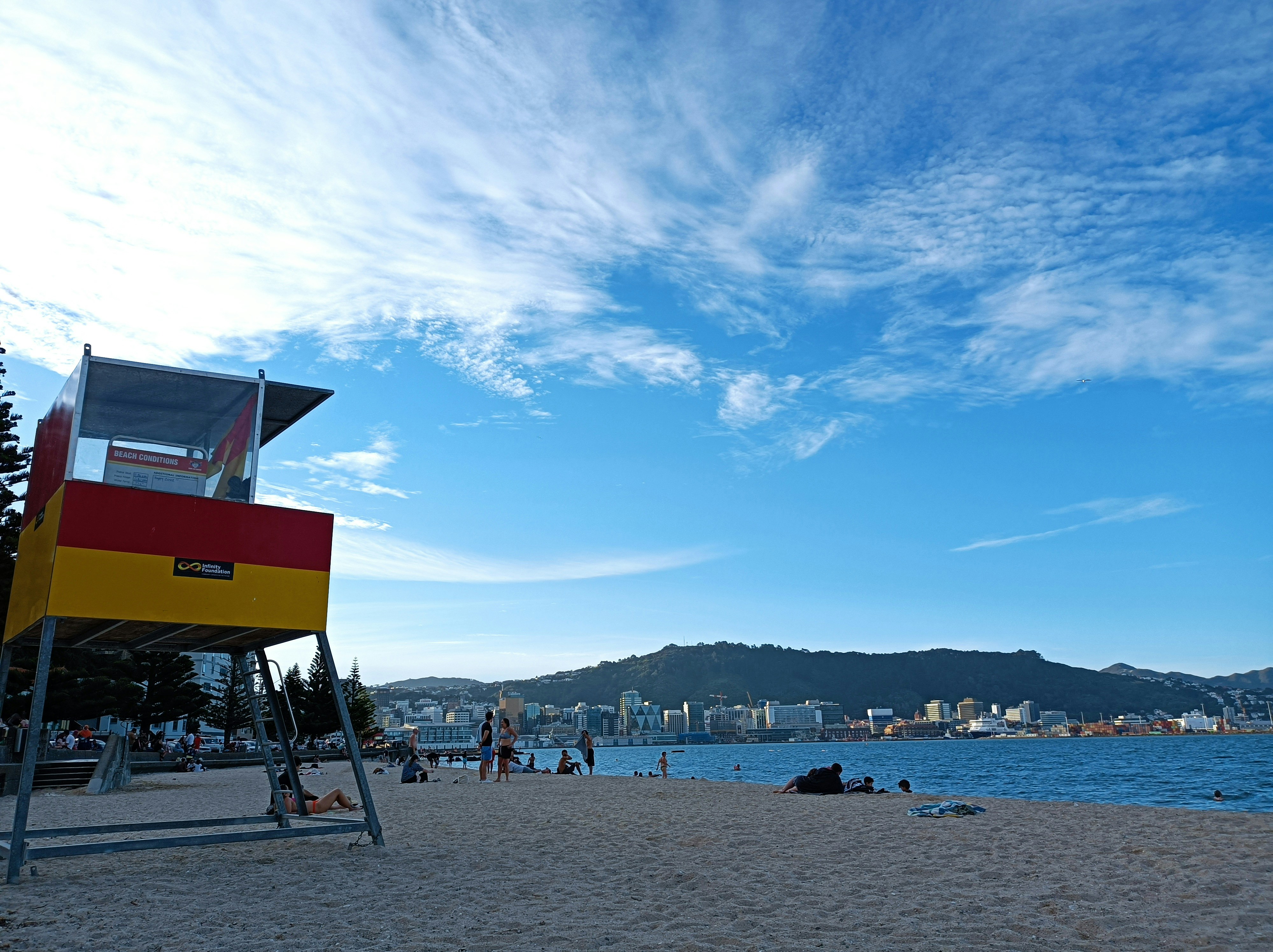
New Zealand's capital is, arguably, the country's most cosmopolitan metropolis. It's world-class Te Papa Tongarewa-Museum of New Zealand is a don't-miss attraction, and the burgeoning film industry led, of course, by the Lord of the Rings extravaganzas has injected new life into the local arts scene. Attractive and compact enough to be explored easily on foot, Wellington is a booming destination. Modern high-rise buildings gaze over Port Nicholson, surely one of the finest natural anchorages in the world. Known to local Māori as The Great Harbor of Tara, its two massive arms form the jaws of the fish of Maui from Māori legend. Sometimes referred to as the windy city, Wellington has been the seat of New Zealand's government since 1865.



About Kaikoura
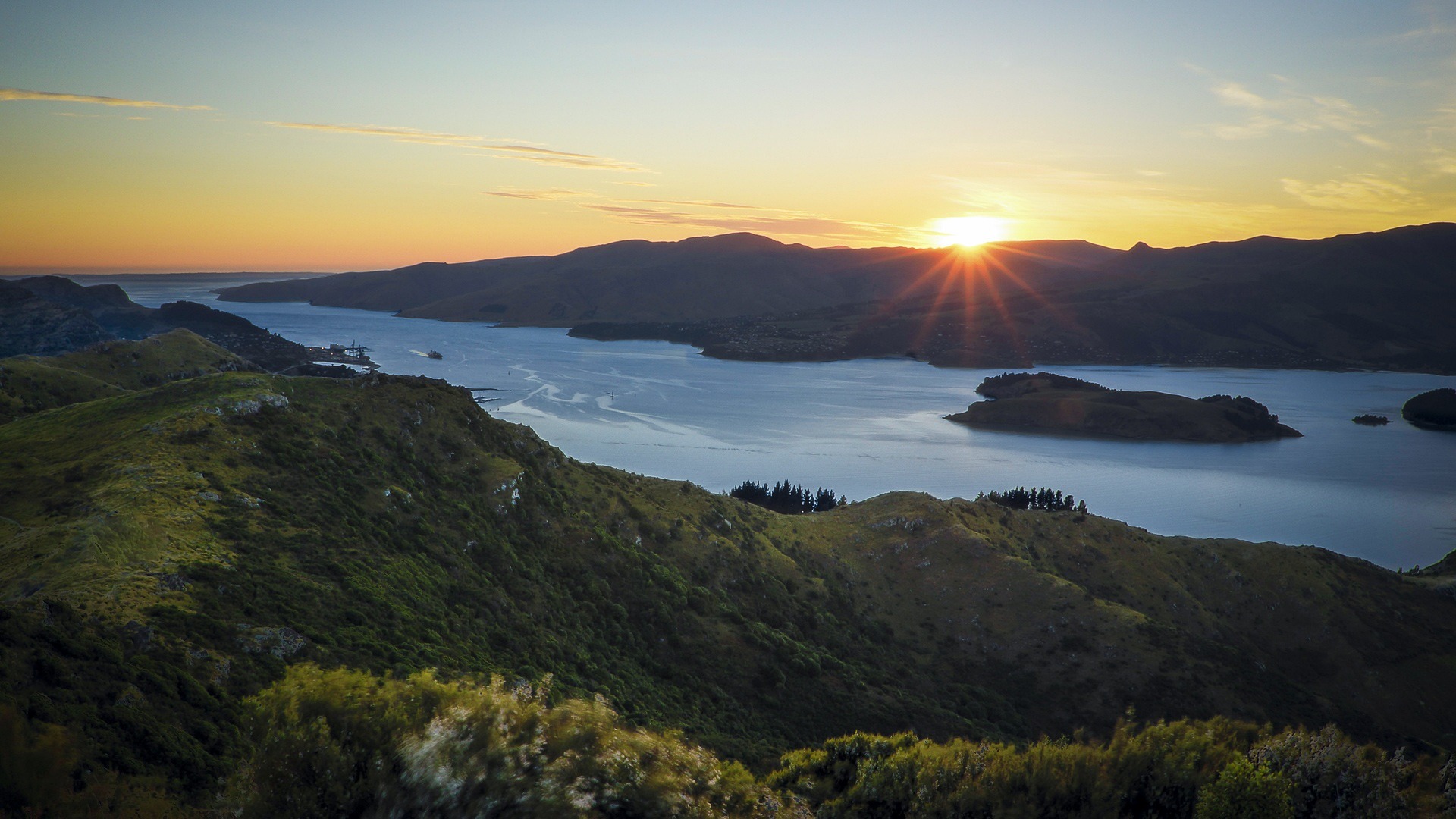
About Lyttelton
Your initial impression of Christchurch will likely be one of a genteel, green city. Joggers loop through shady Hagley Park, and punters ply the narrow Avon River, which bubbles between banks lined with willows and oaks. With a population approaching 350,000, Christchurch is the largest South Island city, and the second-largest in the country. It is also the forward supply depot for the main U.S. Antarctic base at McMurdo Sound. The face of Christchurch is changing rapidly, fueled by both internal and international immigration. The Māori community, although still below the national average in size, is growing. Ngai Tahu, the main South Island Māori tribe, settled Treaty of Waitangi claims in 1997 and have been investing in tourism ventures. Old wooden bungalows are making way for town houses, the arts scene is flourishing, and the city's university attracts cutting-edge technology companies. In short, there's plenty of fresh energy percolating underneath the English veneer.
About Timaru
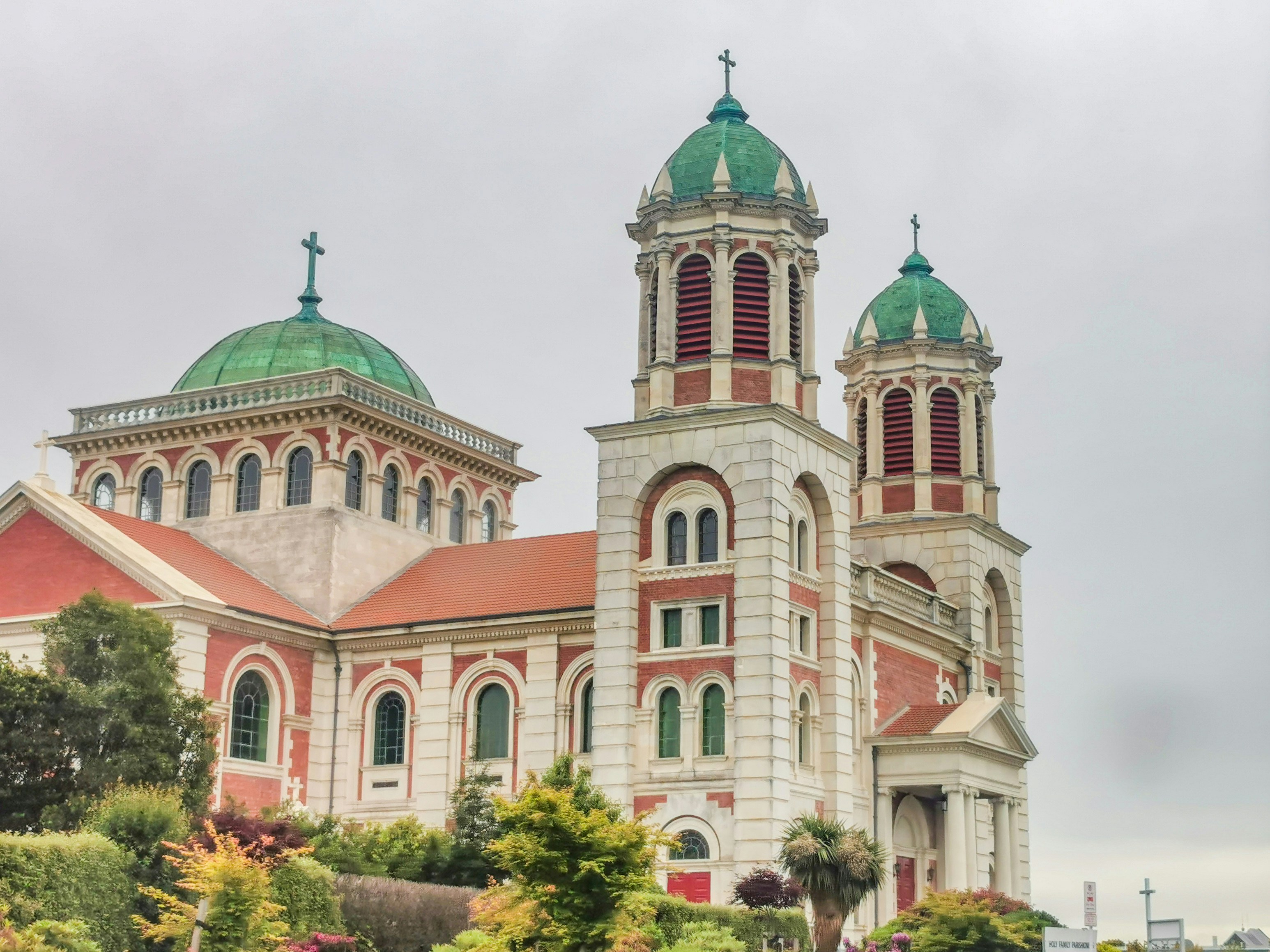
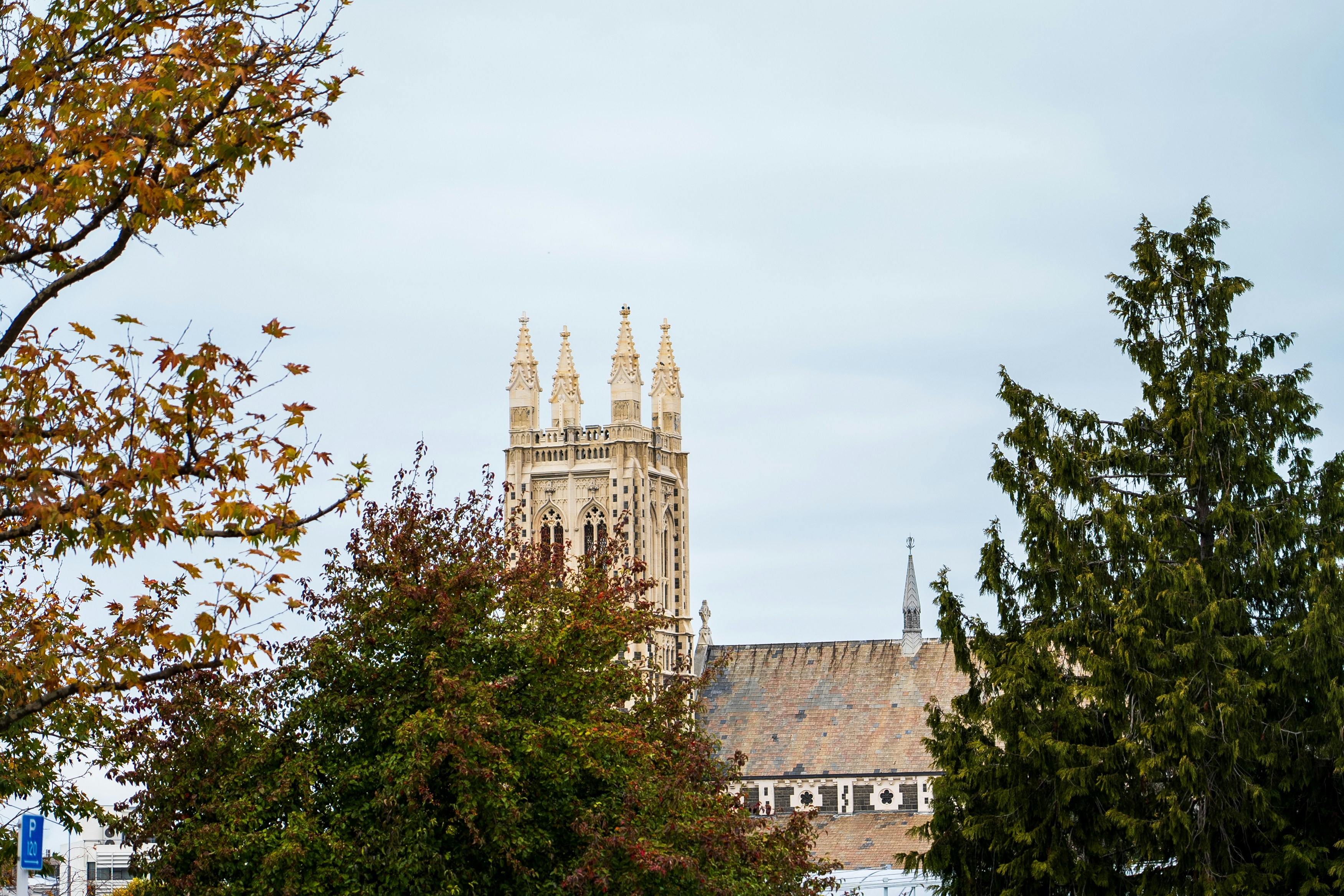
Situated almost equidistant between Christchurch and Dunedin, Timaru has oft been overlooked by those just needing to get from one city to another but more fool them! The town’s name comes from the Māori name Te Maru, meaning ‘place of shelter’ and the pretty town reveals not only stunning Middle Earth landscape and views to write home about, but an intact Victorian / Edwardian shopping precinct with many of the building being built in local volcanic bluestone. Understandably, beach life is very important here and the long ribbons of white sandy beaches and clean seas are perfect for a swimming, sunning and spoiling yourself! Voted one of New Zealand’s top 10 most loved beaches, Caroline Bay is simply a treasure. Built on the rolling hills created from the lava flows of the extinct Mt Horrible volcano, Timaru is a melting pot of culture, history, adventure and dramatic scenery. Art lovers too will not be left wanting as the city’s art gallery holds the third largest public art collection in the South Island. Walking enthusiasts will not want to miss one of the many walks along the coast or rivers that vary from short paved paths – ideal for pushchairs and wheelchairs to longer, more strenuous hikes. Well signposted and maintained, these tracks are especially beautiful in the autumn when the leaves are turning colour. And do not forget to be on the lookout for penguins, which will happily waddle alongside you some of the way!

About Oban
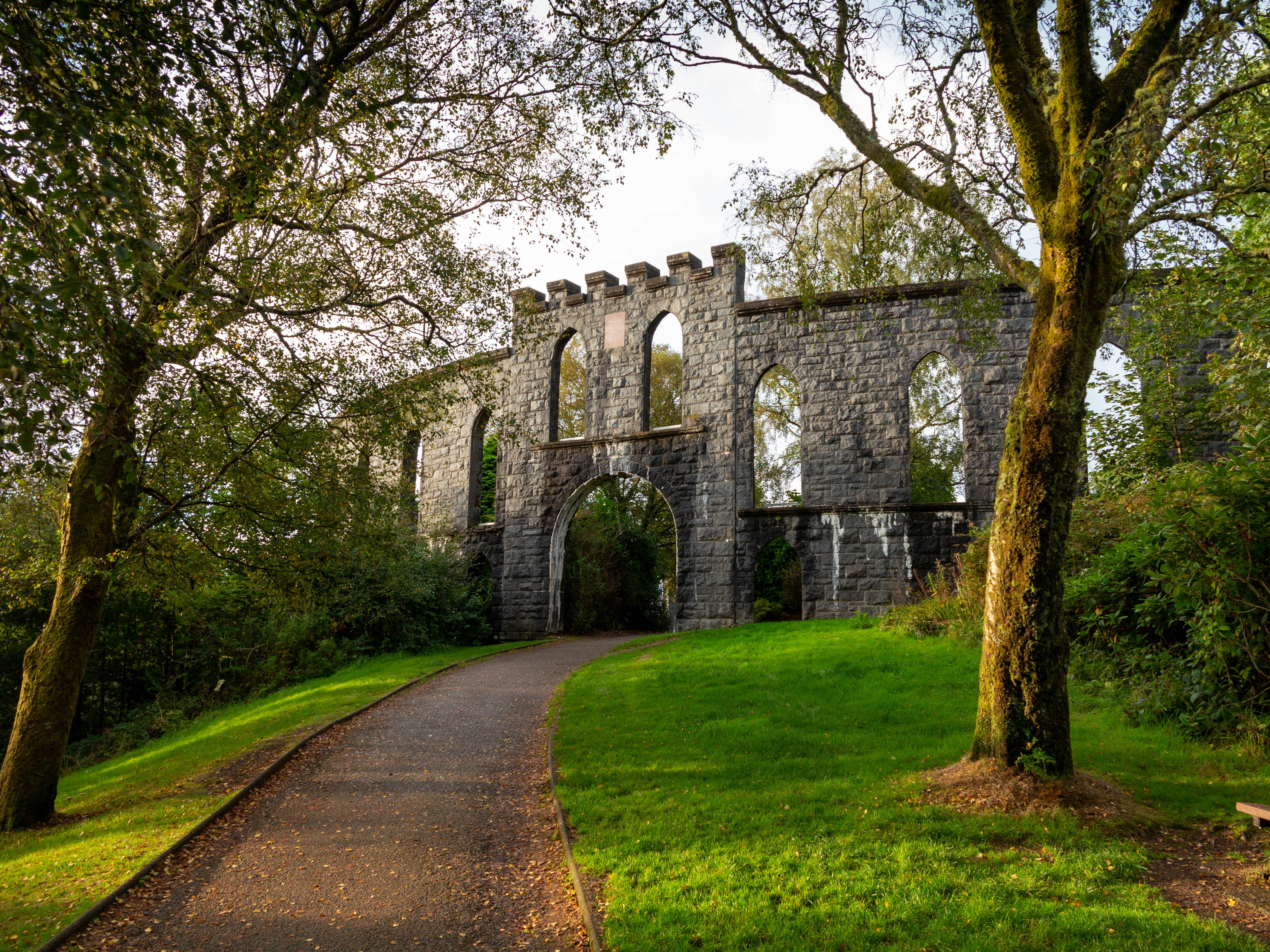
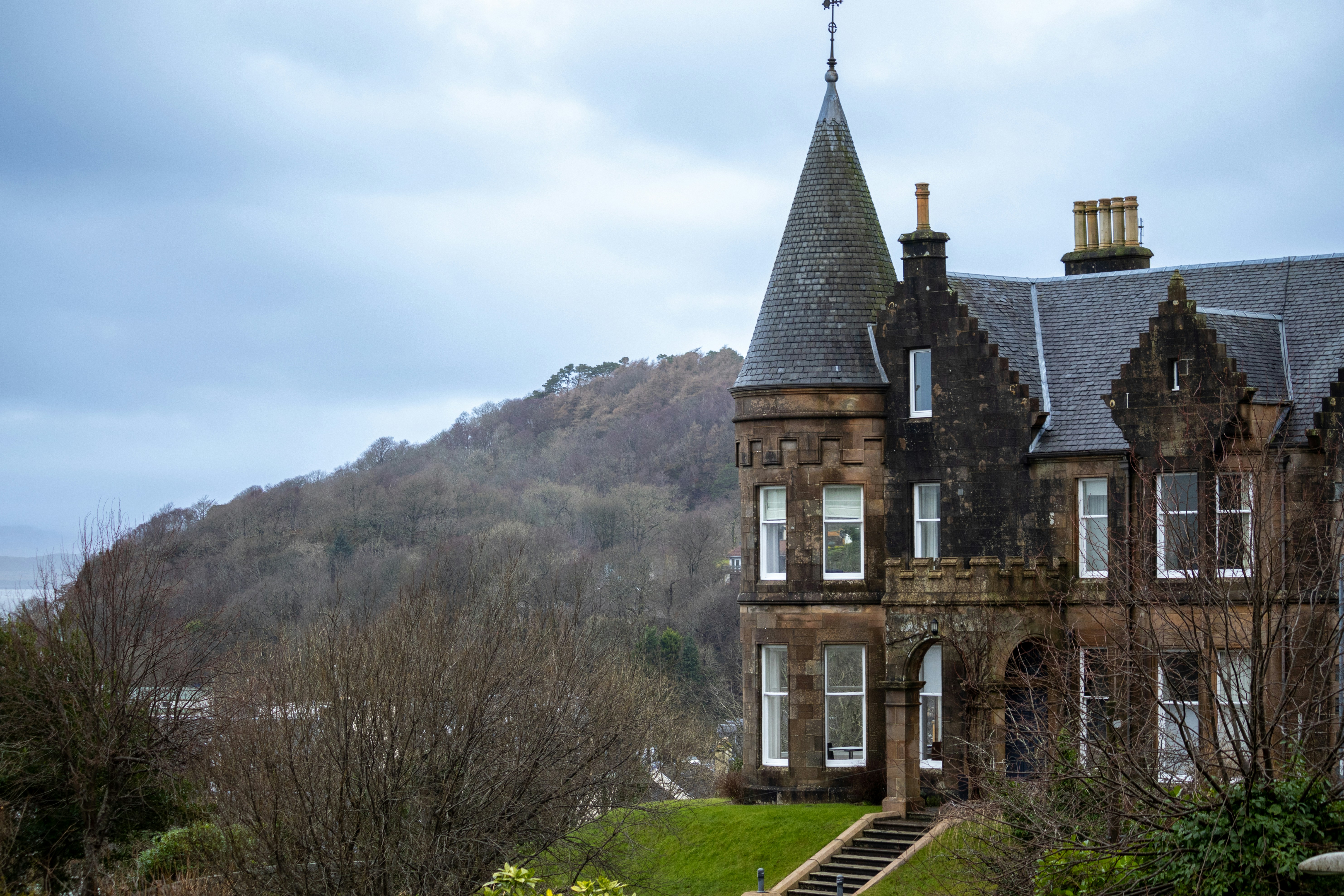
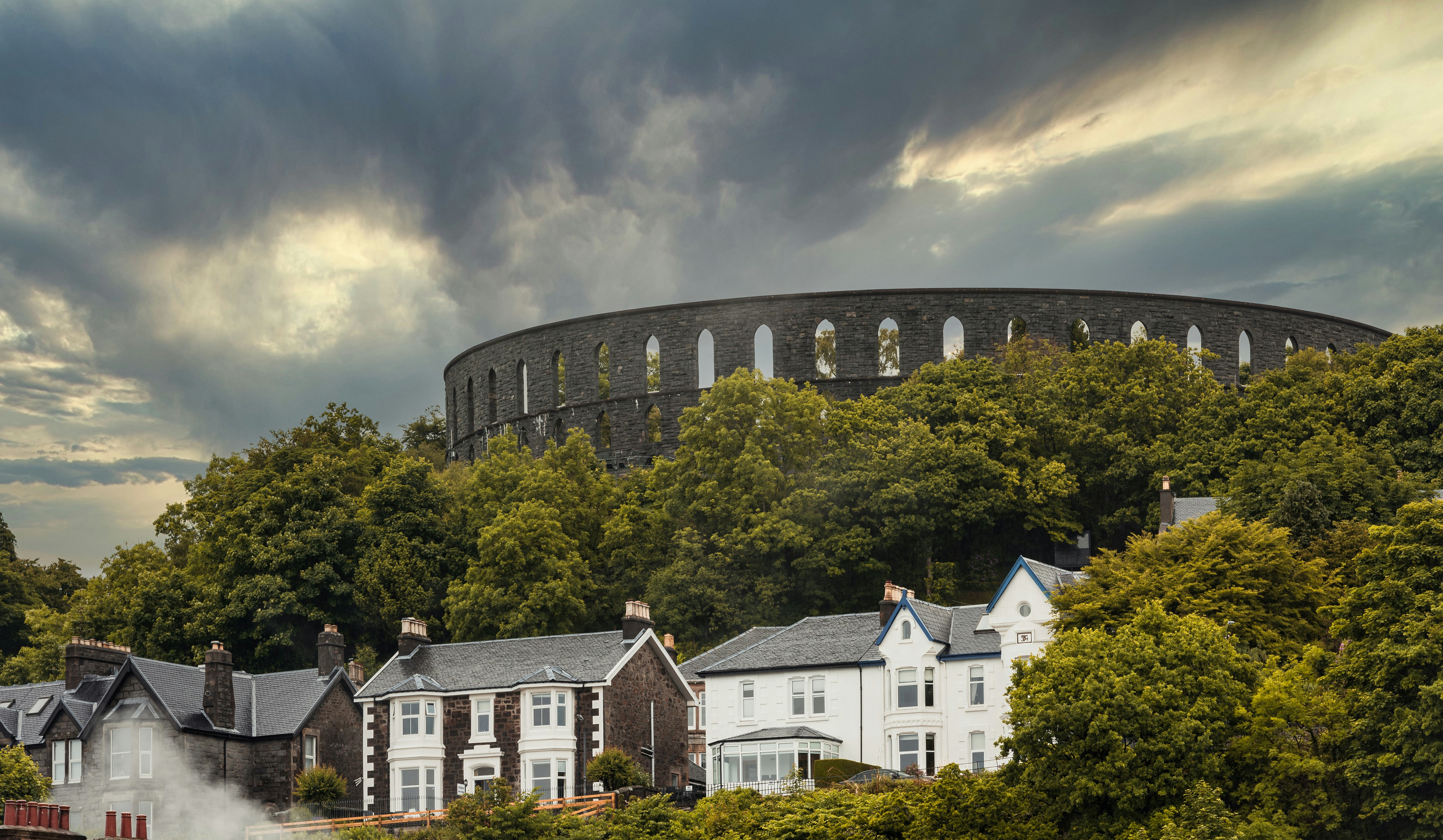
Oban, "little bay" in Gaelic, today has a resident population of 8,500 and is the unofficial capital of the West Highlands - the "Gateway to the Isles." The panoramic views of the mountains, lochs and islands which have captivated artists, authors, composers, and poets for centuries are as striking now as they were when Dunollie Castle, a ruined keep which has stood sentinel over the narrow entrance to the sheltered bay for around six hundred years, was the northern outpost of the Dalriadic Scots. It is no surprise to find Oban in the 21st-century remains a magnet for travellers from all over the world. The town's present day popularity owes much to the Victorians, and as early as 1812, when the Comet steamship linked Oban with Glasgow, the town played host to intrepid travellers touring Staffa - the inspiration for Mendelssohn's Hebridean Overture - and Iona - home of Scottish Christianity since St Columba stepped ashore in AD563. Indeed once Oban had the royal seal of approval from Queen Victoria, who called it "one of the finest spots we have seen," the town's destiny as an endearingly enchanting holiday destination was as firmly set as the lava columns of Fingal's Cave in Oban is justifiably known as the “gateway to the Isles.” The town's south pier is the embarkation point for car ferries to Mull, Coll, Tiree, Barra, South Uist, Colonsay, Lismore and Islay. From these islands you can travel further a field to Iona, Staffa and to many of the smaller less well known isles.

About Milford Sound
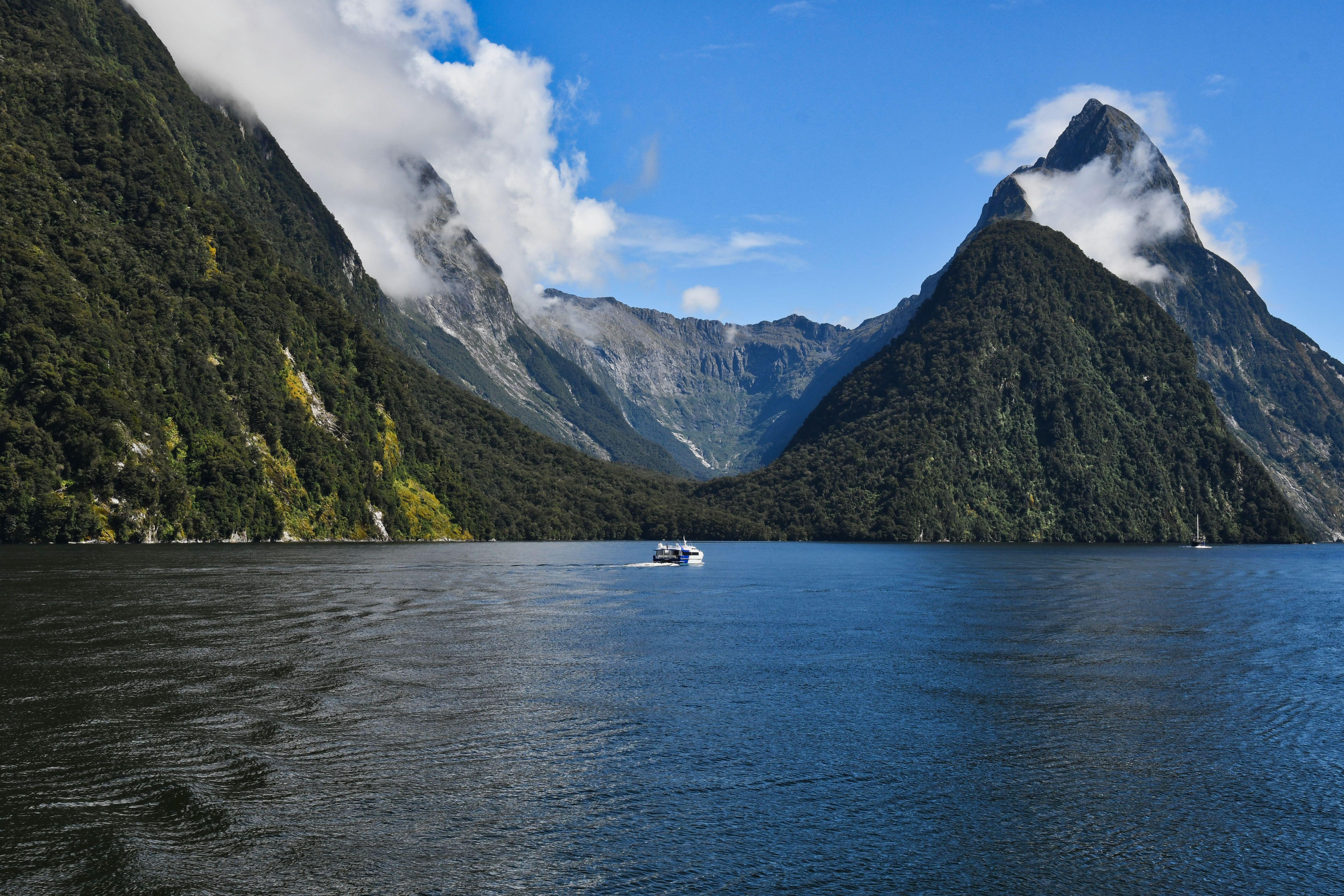
New Zealand fiord country along with Fiordland National Park is one of New Zealand's premier attractions. Incredibly beautiful, wild and remote, the region is an intriguing combination of rugged mountain ranges, dense rainforest, solitary alpine lakes, sparkling rivers and splashing waterfalls. Much of Fiordland is virtually unexplored wilderness and still the habitat of rare birds. As the ship cruises the beautiful Doubtful, Dusky and Milford Sounds, experience the majestic fiordland of South Island's western coast. Captain James Cook sailed along this coast in 1770 and again in 1773, when he anchored at Dusky Sound for a rest and ship repair. Doubtful Sound is one of the region's most majestic fiords. It is ten times larger than Milford Sound. As the ship cruises into Hall Arm, gaze at vertical cliffs and mighty waterfalls plunging over sheer rock faces. In fine weather, mountains and greenery are reflected in the protected waters of the fiord. Farther north lies Milford Sound. Far from any populated area, Milford Sound is famous for its grandeur and spectacular beauty. It is perhaps the best example of New Zealand's renowned classic landscape of steep granite peaks framing glacier-carved inlets with mirrored reflections on dark waters. Dominating the scene is Milford's landmark, the triangular pinnacle of Mitre Peak. Along the sheer cliffs, several waterfalls tumble more than 500 feet (154 metres) into the sheltered Sound. Only a few moored boats and a scattering of buildings at the head of the Sound break the unity of mountains, forest and water. This spectacular beauty and unspoiled setting is yours to enjoy as the ship cruises Milford Sound.
About Kaiteriteri, South Island
About Nelson
About Picton
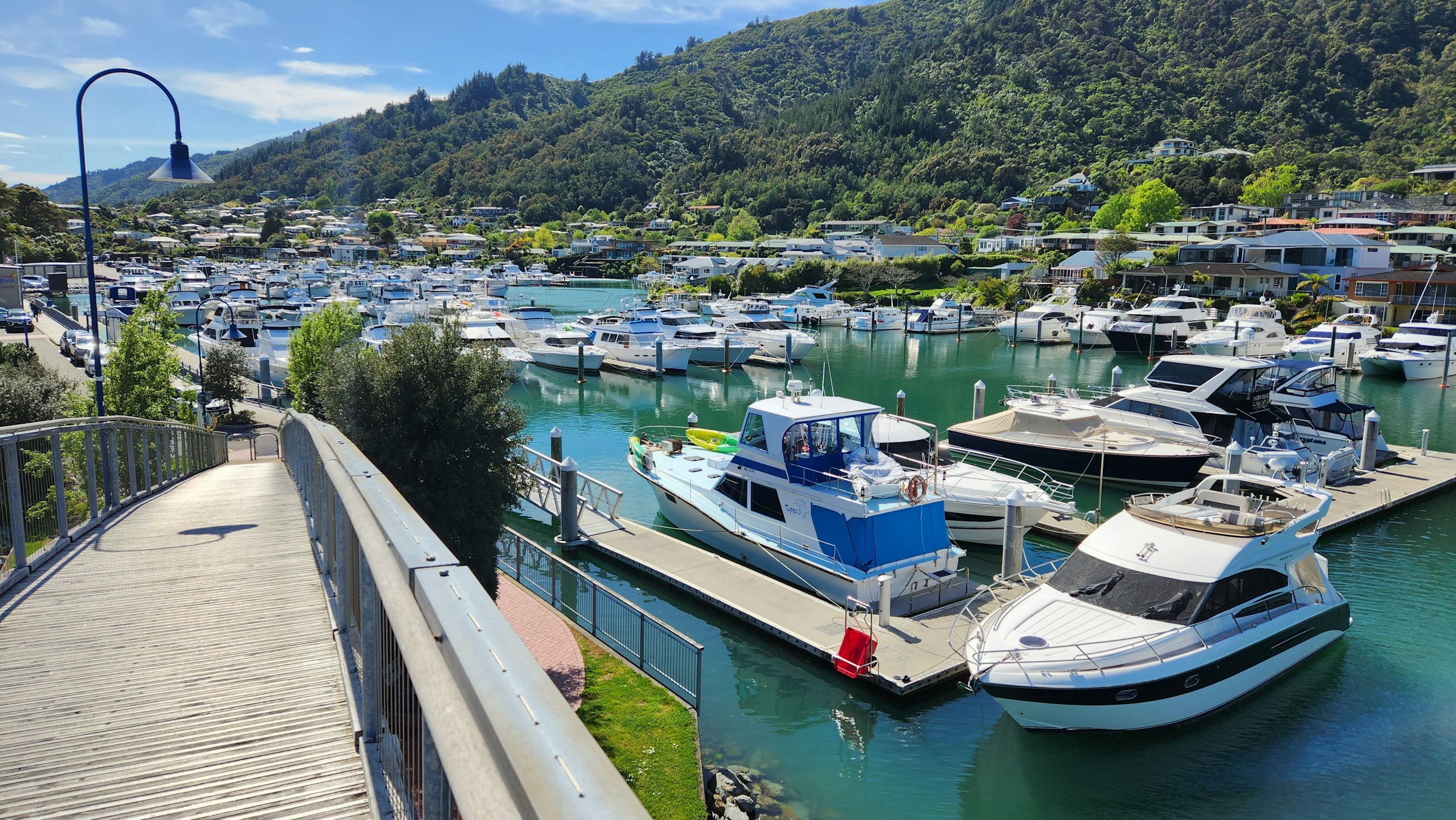
The maritime township of Picton (population 4,000) lies at the head of Queen Charlotte Sound and is the arrival point for ferries from the North Island, as well as a growing number of international cruise ships. It plays a major role in providing services and transport by water taxi to a multitude of remote communities in the vast area of islands, peninsulas, and waterways that make up the Marlborough Sounds Maritime Park. There's plenty to do in town, with crafts markets in summer, historical sights to see, and walking tracks to scenic lookouts over the sounds. The main foreshore is lined by London Quay, which looks up Queen Charlotte Sound to the bays beyond. High Street runs down to London Quay from the hills, and between them these two streets make up the center of town.
About New Plymouth
About Bay of Islands
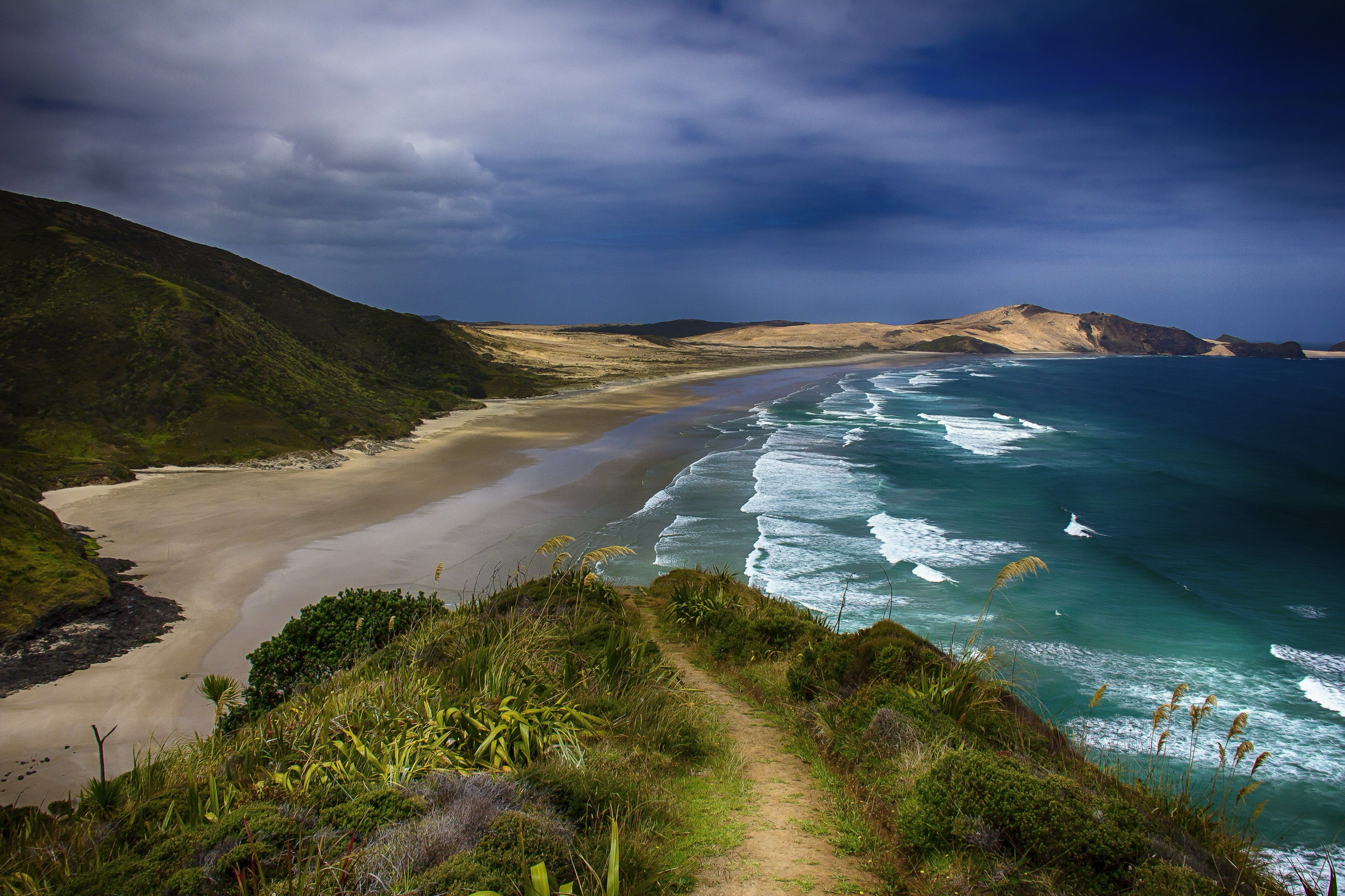
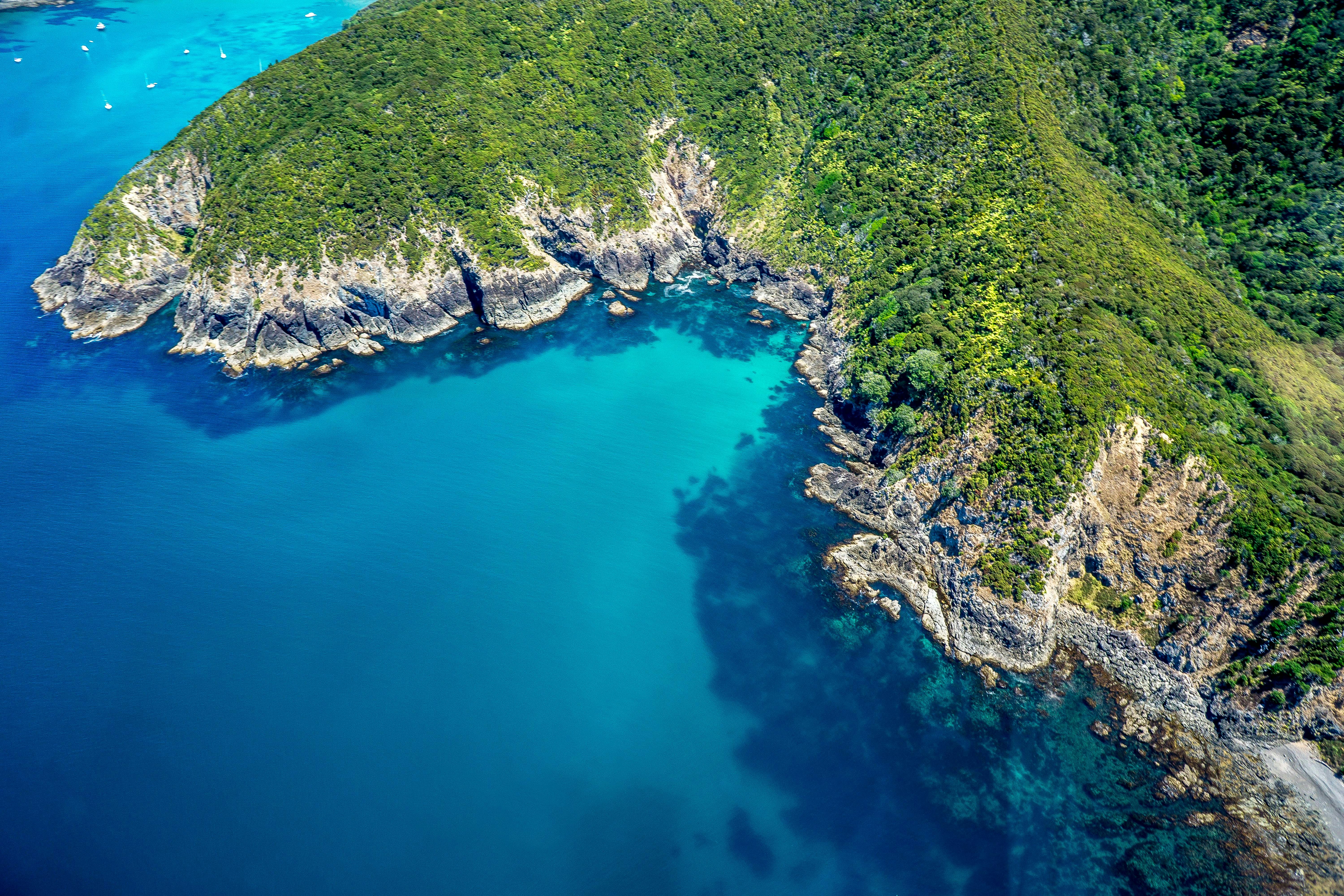
The Tasman Sea on the west and the Pacific Ocean on the east meet at thetop of North Island at Cape Reinga. No matter what route you take, you'll passfarms and forests, marvellous beaches, and great open spaces. The East Coast,up to the Bay of Islands, is Northland's most densely populated, often withrefugees from bigger cities—looking for a more relaxed life—clustered aroundbreathtaking beaches. The first decision on the drive north comes at the footof the Brynderwyn Hills. Turning left will take you up the West Coast throughareas once covered with forests and now used for either agricultural orhorticulture. Driving over "the Brynderwyns," as they are known,takes you to Whangarei, the only city in Northland. If you're in the mood for adiversion, you can slip to the beautiful coastline and take in Waipu Cove, anarea settled by Scots, and Laings Beach, where million-dollar homes sit next tosmall Kiwi beach houses.An hour's drive farther north is the Bay of Islands, known all over theworld for its beauty. There you will find lush forests, splendid beaches, andshimmering harbors. The Treaty of Waitangi was signed here in 1840 betweenMāoriand the British Crown, establishing the basis for the modern New Zealandstate. Every year on February 6, the extremely beautiful Waitangi Treaty Ground(the name means weeping waters) is the sight of a celebration of the treaty andprotests by Māori unhappy with it. Continuing north on the East Coast, theagricultural backbone of the region is even more evident and a series ofwinding loop roads off the main highway will take you to beaches that are bothbeautiful and isolated where you can swim, dive, picnic, or just laze. .The West Coast is even less populated, and the coastline is rugged andwindswept. In the Waipoua Forest, you will find some of New Zealand's oldestand largest kauri trees; the winding road will also take you past mangroveswamps. Crowning the region is the spiritually significant Cape Reinga, theheadland at the top of the vast stretch of 90 Mile Beach, where it's believedMāori souls depart after death. Today Māori make up roughly a quarter of thearea's population (compared with the national average of about 15%). The legendaryMāori navigator Kupe was said to have landed on the shores of Hokianga Harbour,where the first arrivals made their home. Many different wi (tribes) livedthroughout Northland, including Ngapuhi (the largest), Te Roroa, Ngati Wai,Ngati Kuri, Te Aupouri, Ngaitakoto, Ngati Kahu, and Te Rarawa. Many Māoriherecan trace their ancestry to the earliest inhabitants
About Auckland
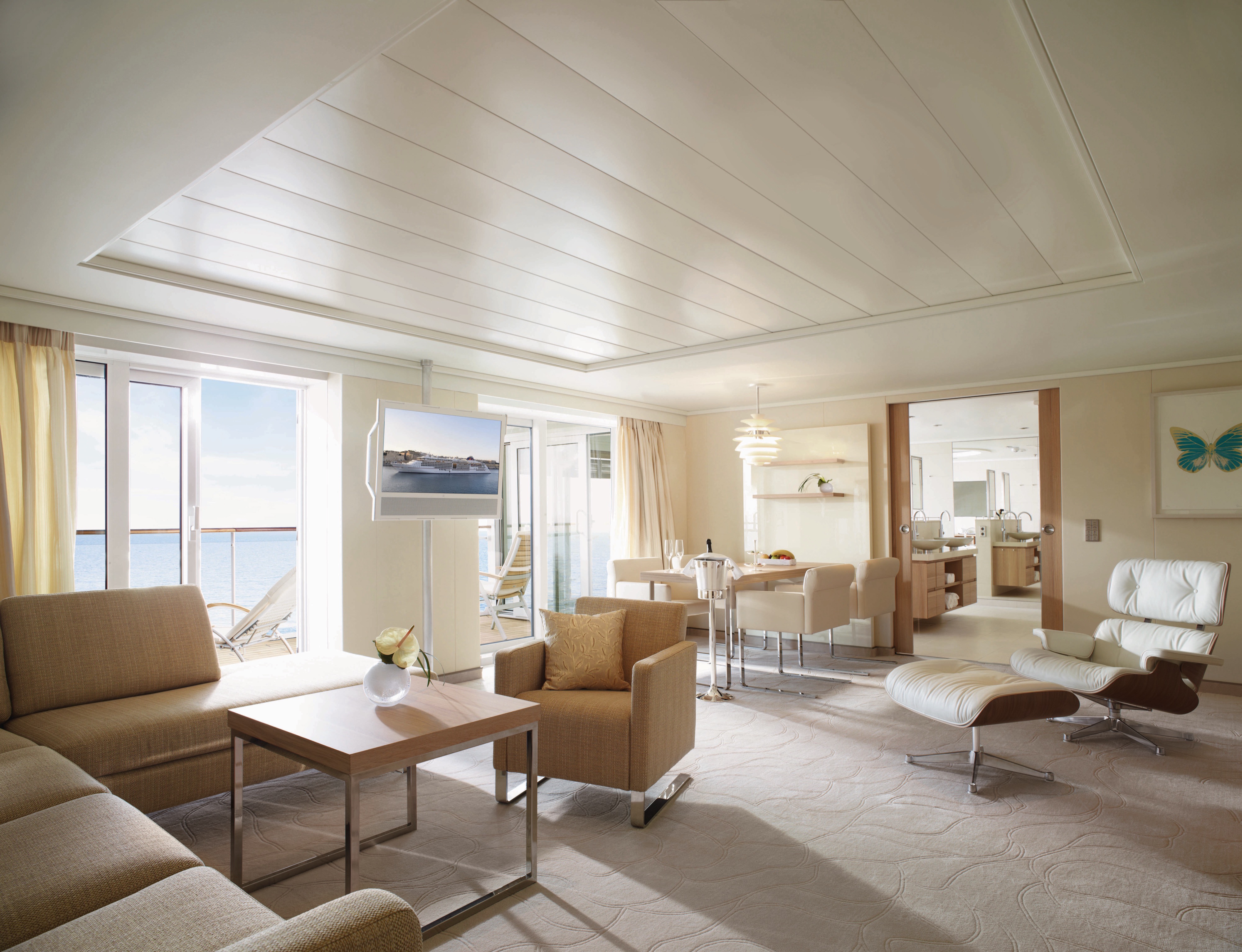
The Owner's Suite is so much more than our most exclusive suite; it is an exquisite home on the oceans of the world. Enjoy all the amenities you could possibly need, spread over more than 114 m²/1,227 ft² of personal freedom.
- Living area: 99 m²/1,066 ft²; veranda: 15 m²/161 ft²
- Separate living and sleeping areas
- Separate dining table
- Guest toilet
- Bathroom with two sinks
- Shower with steam sauna
- Whirlpool and daybed in the bathroom
- Butler service
- Free mini bar
- Exclusive service privileges
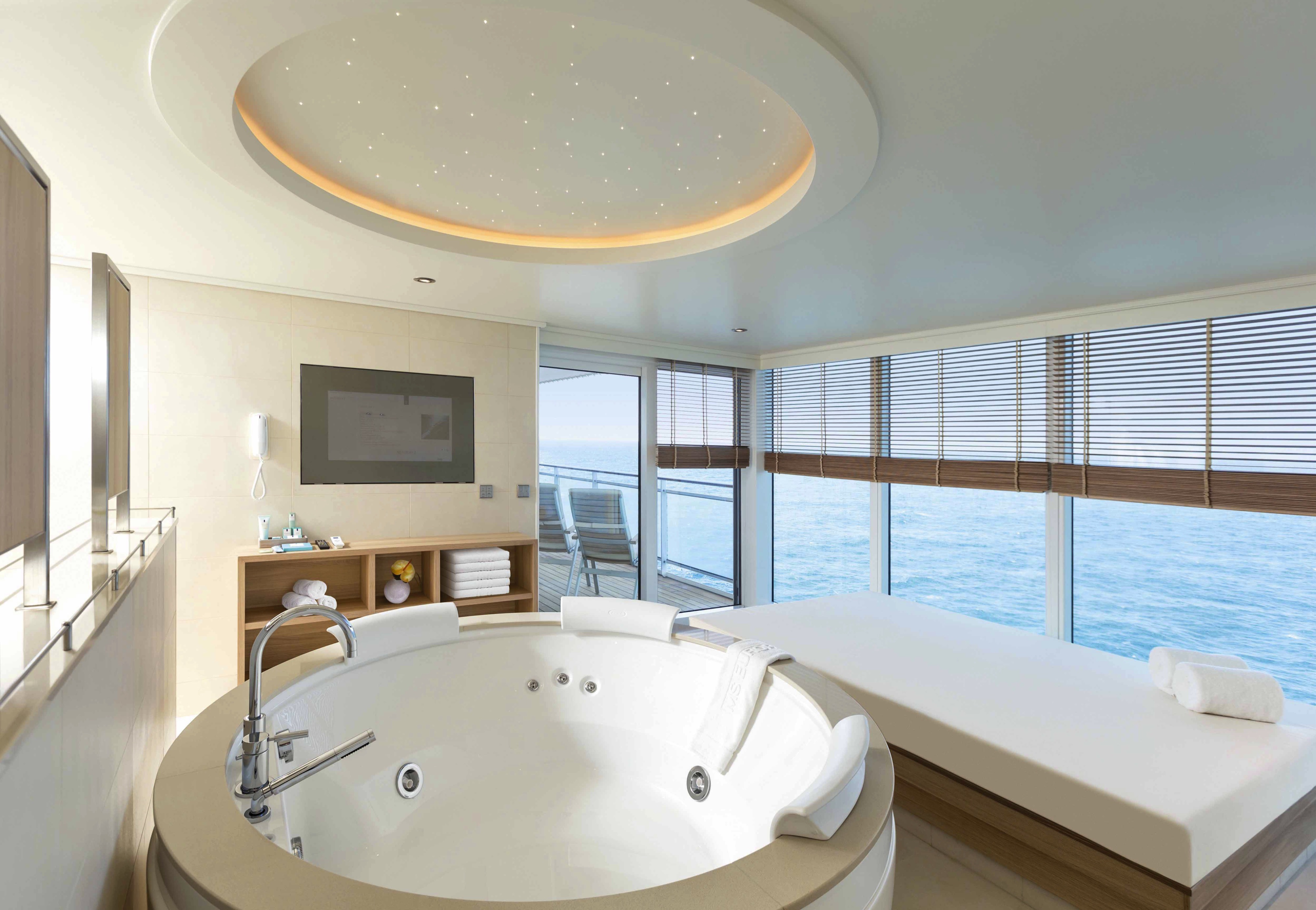
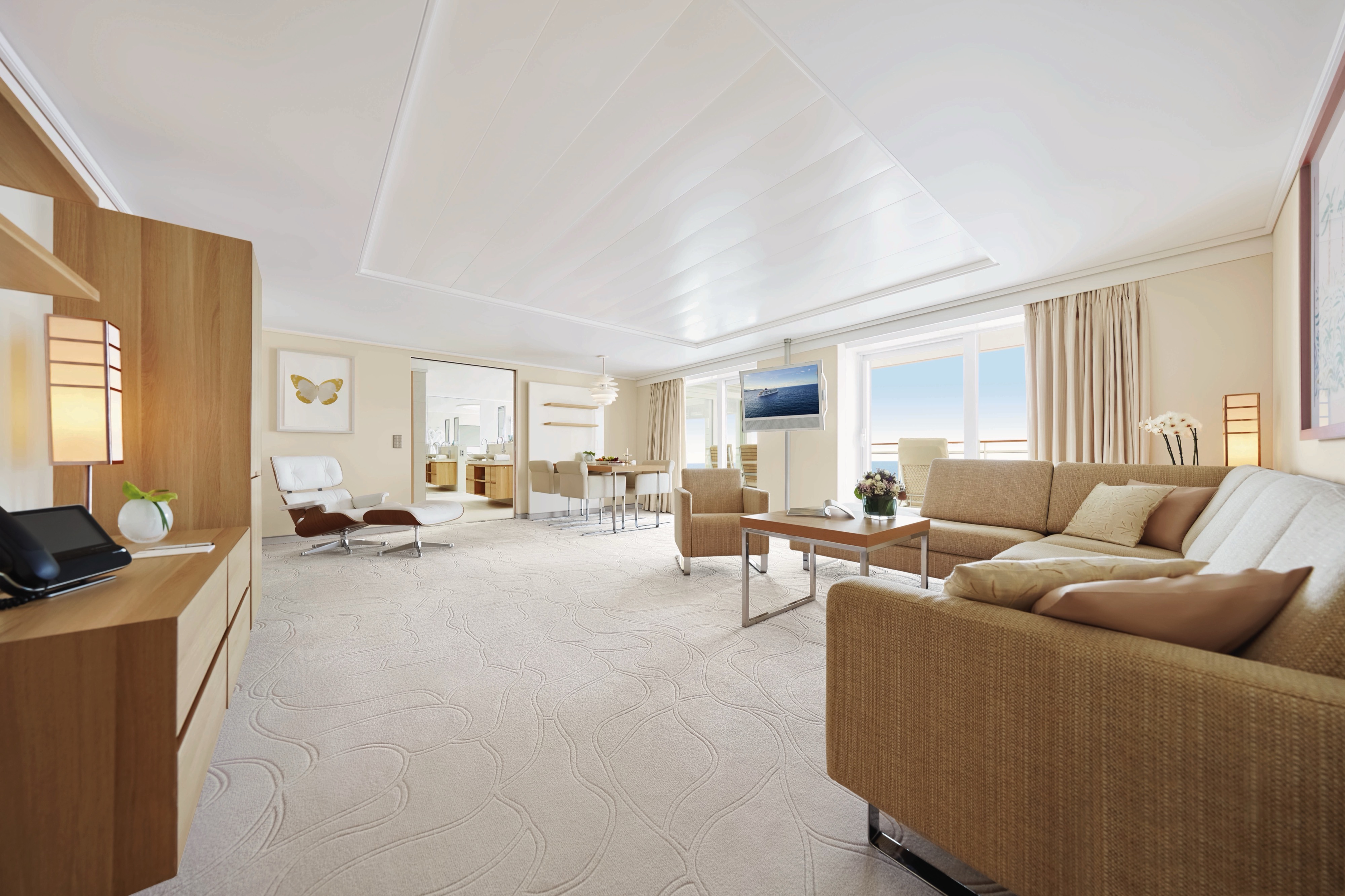
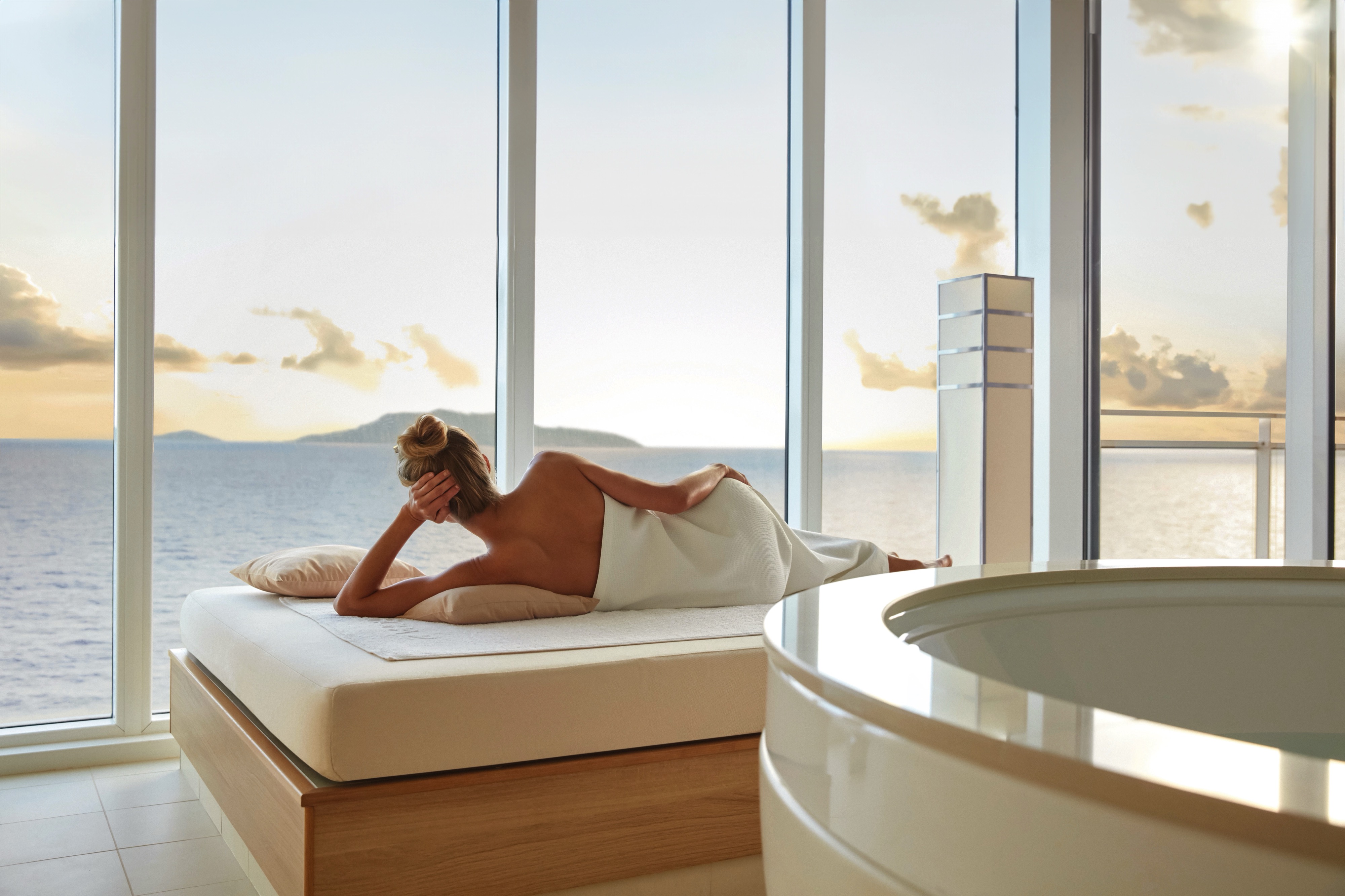
In the Grand Penthouse Suite, you can enjoy lavishness at sea - on a daybed with view of the endless sea, or while taking a bath in the middle of the ocean in your private whirlpool.
- Living areas: 78 m²/840 ft²; veranda: 10 m²/108 ft²
- Separate living and sleeping areas
- Separate dining table
- Guest toilet
- Bathroom with two sinks
- Shower with steam sauna
- Whirlpool and daybed in the bathroom
- Butler service
- Free mini bar
- Exclusive service privileges
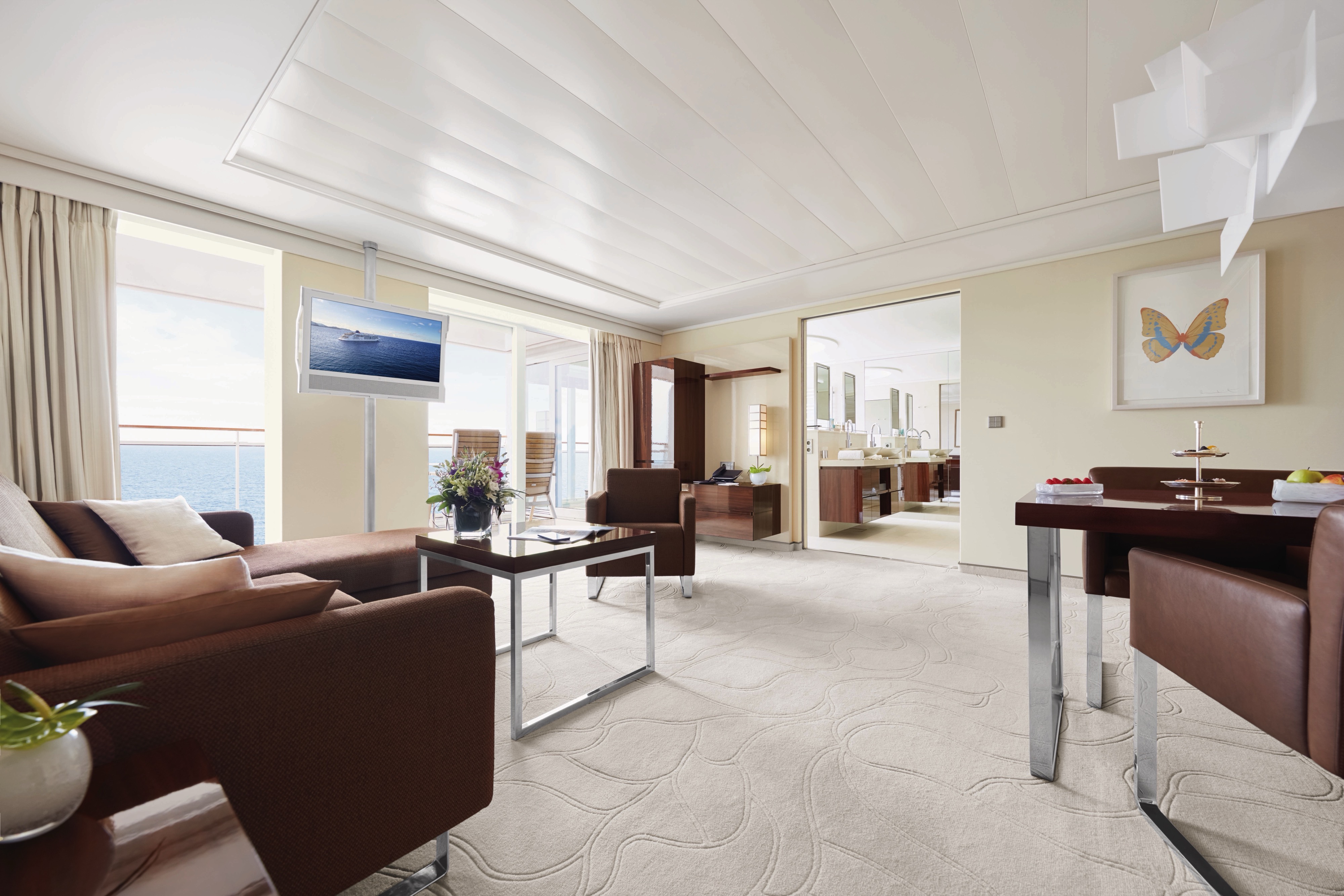
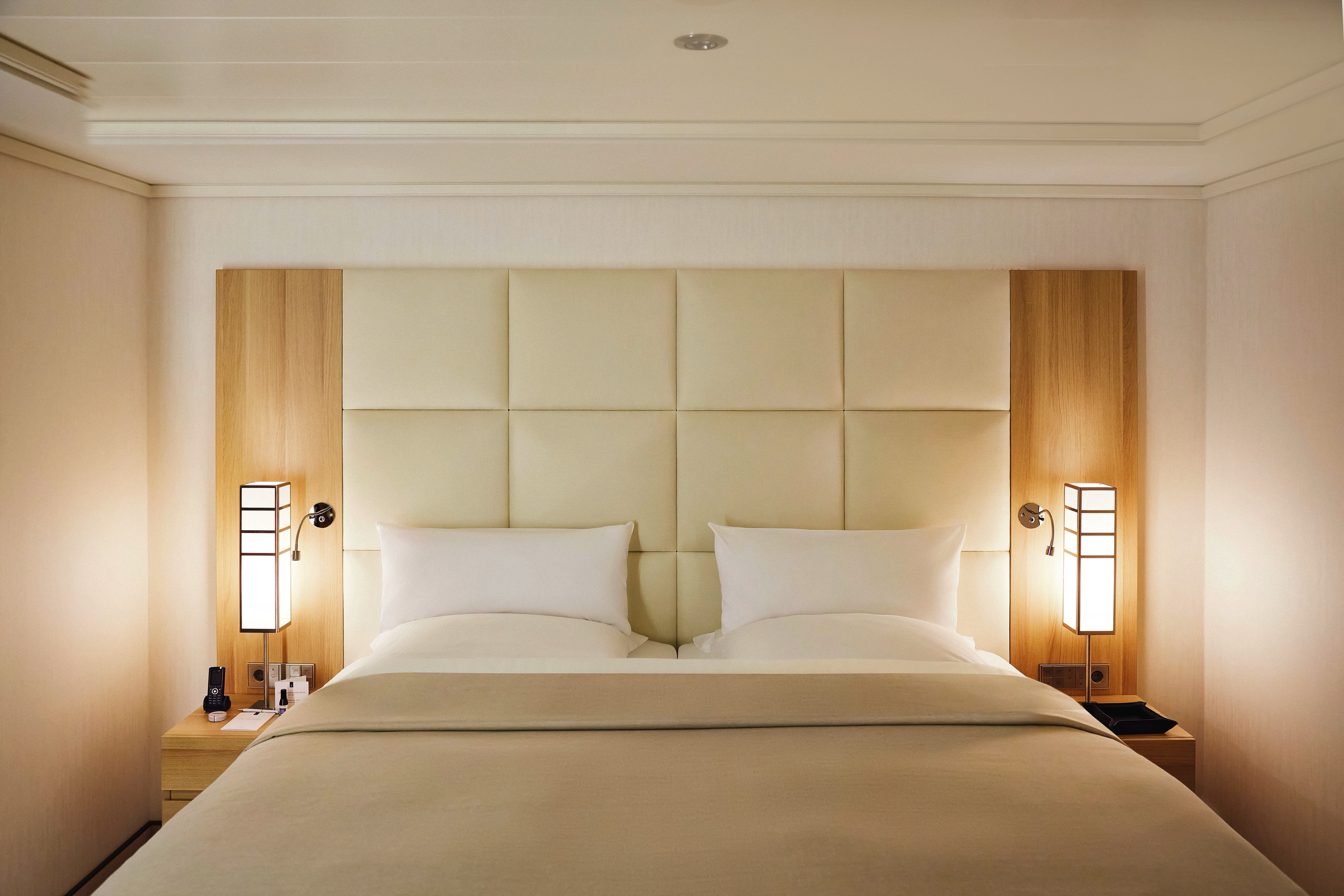
In the Grand Ocean Suite, you can leave all your worries far behind you. Pamper your body and soul at the highest level - with warm colour tones and a spa bath with a panoramic view over the sea.
- Living area: 42 m²/452 ft²; veranda: 10 m²/ 108 ft²
- Bathroom with two sinks
- Separate toilet
- Natural light in the bathroom
- Shower with steam sauna
- Whirlpool tub
- Free mini bar
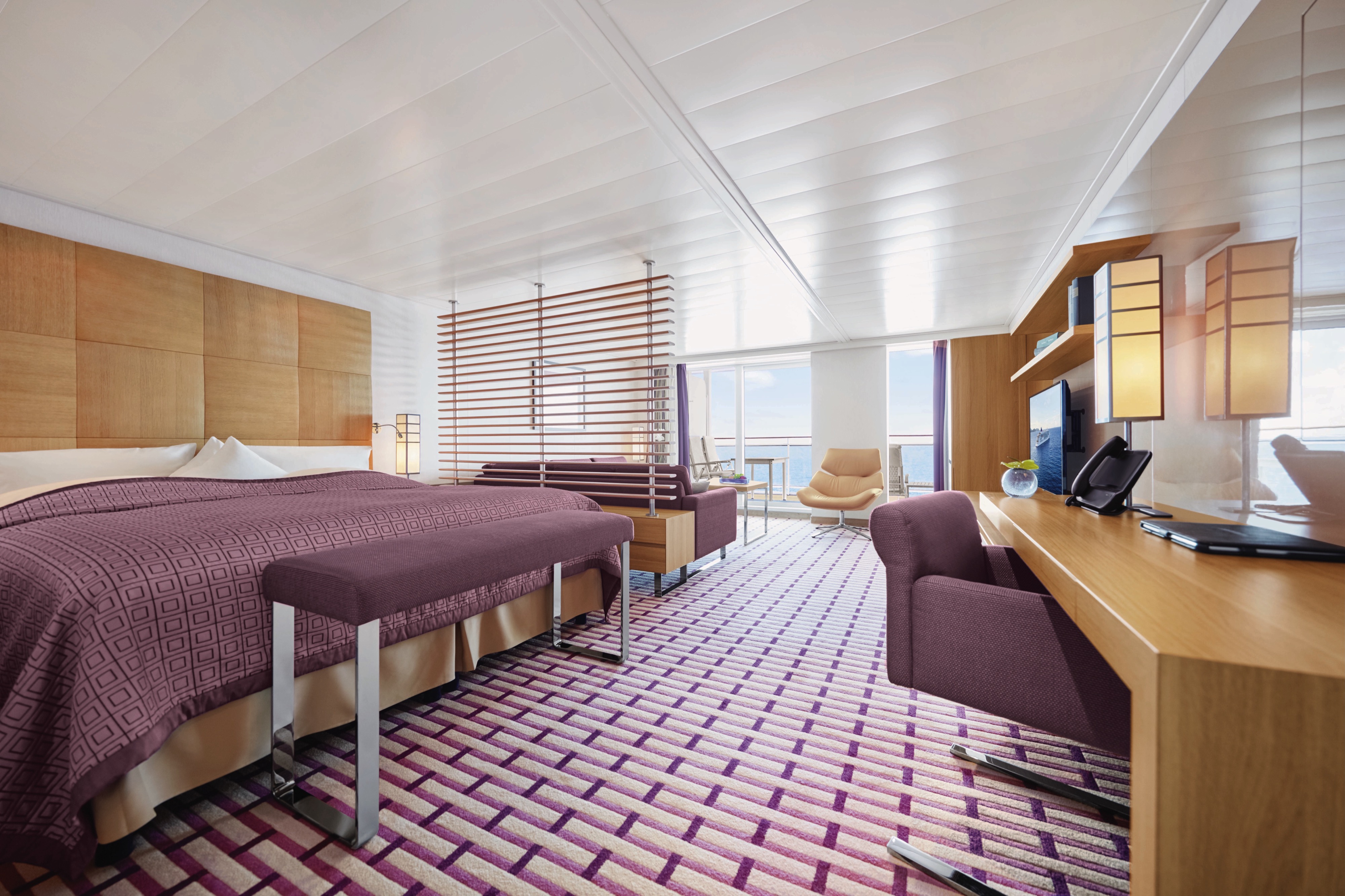
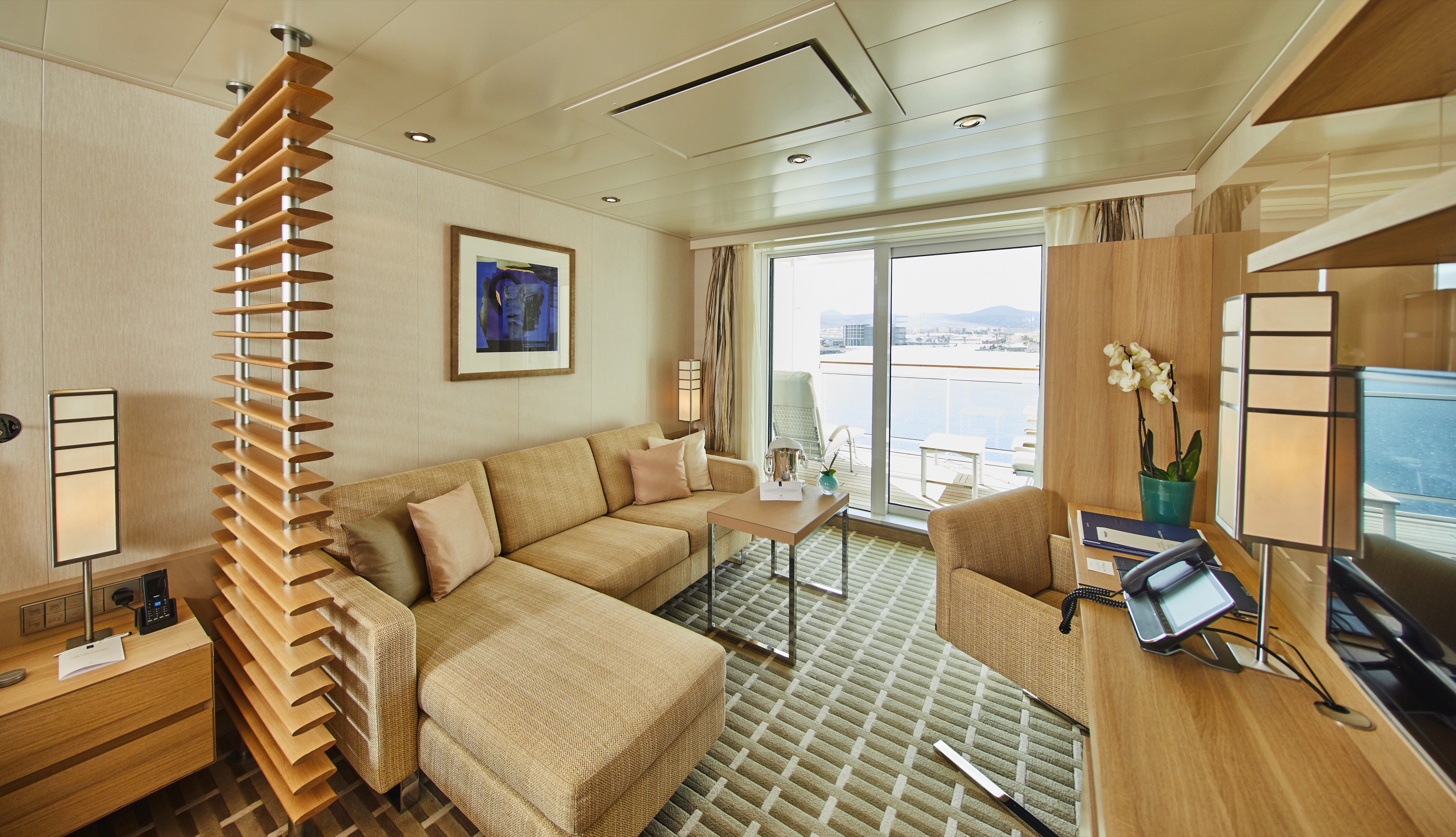
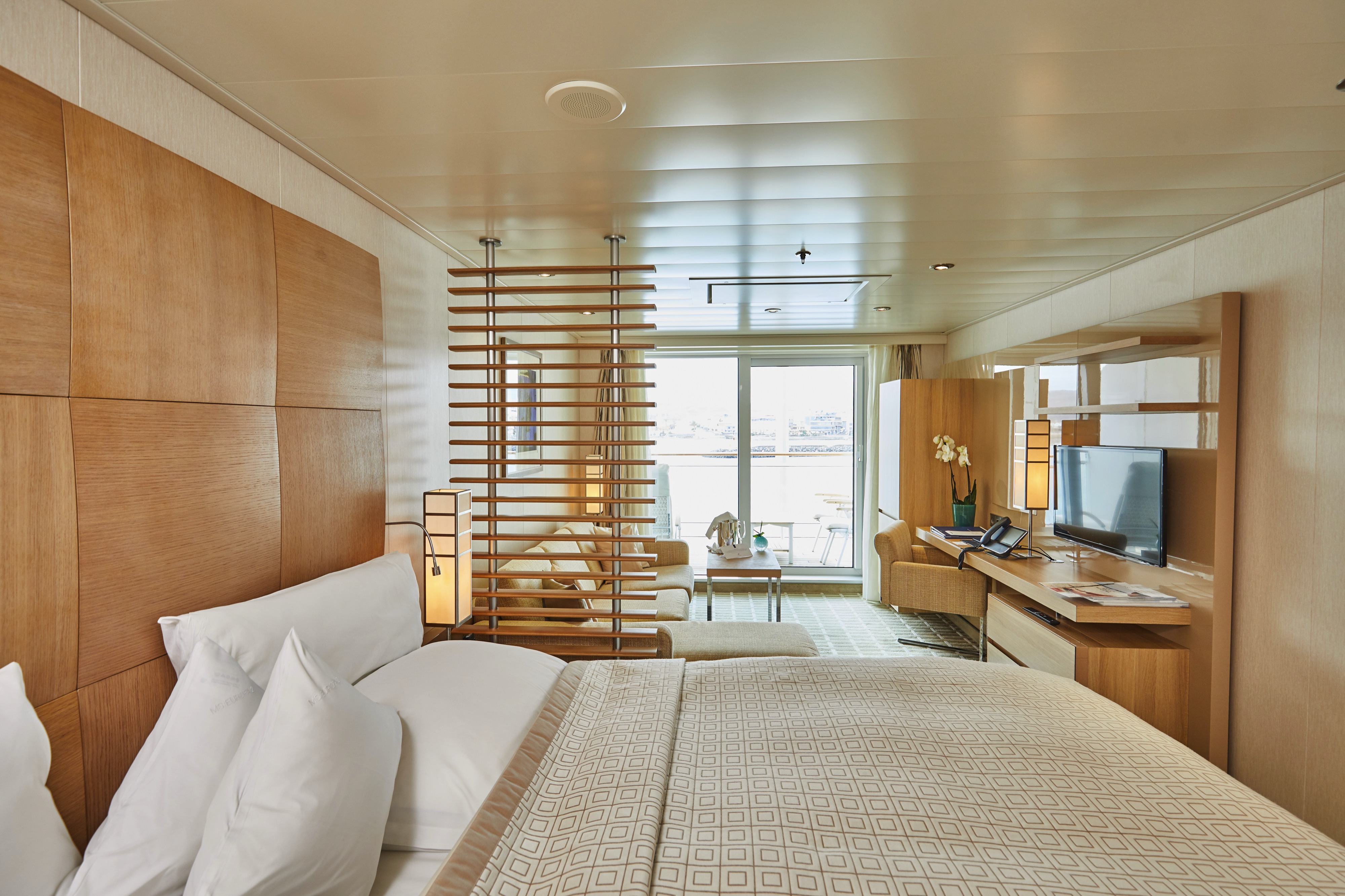
A wonderfully spacious suite offering the utmost comfort, uniquely located on the upper decks - is there a better place to relax? In the Penthouse Suite, you can enjoy endless views over the sea and all the amenities of a classic Penthouse Suite.
- Living area: 42 m²/452 ft²; veranda: 10 m²/108 ft²
- Walk-in wardrobe
- Bathroom with two sinks
- Whirlpool tub and separate shower
- Separate toilet
- Butler service
- Free mini bar
- Exclusive service privileges
A Penthouse Suite with fully accessible facilities can also be booked (category 13). Here the toilet is in the bathroom.
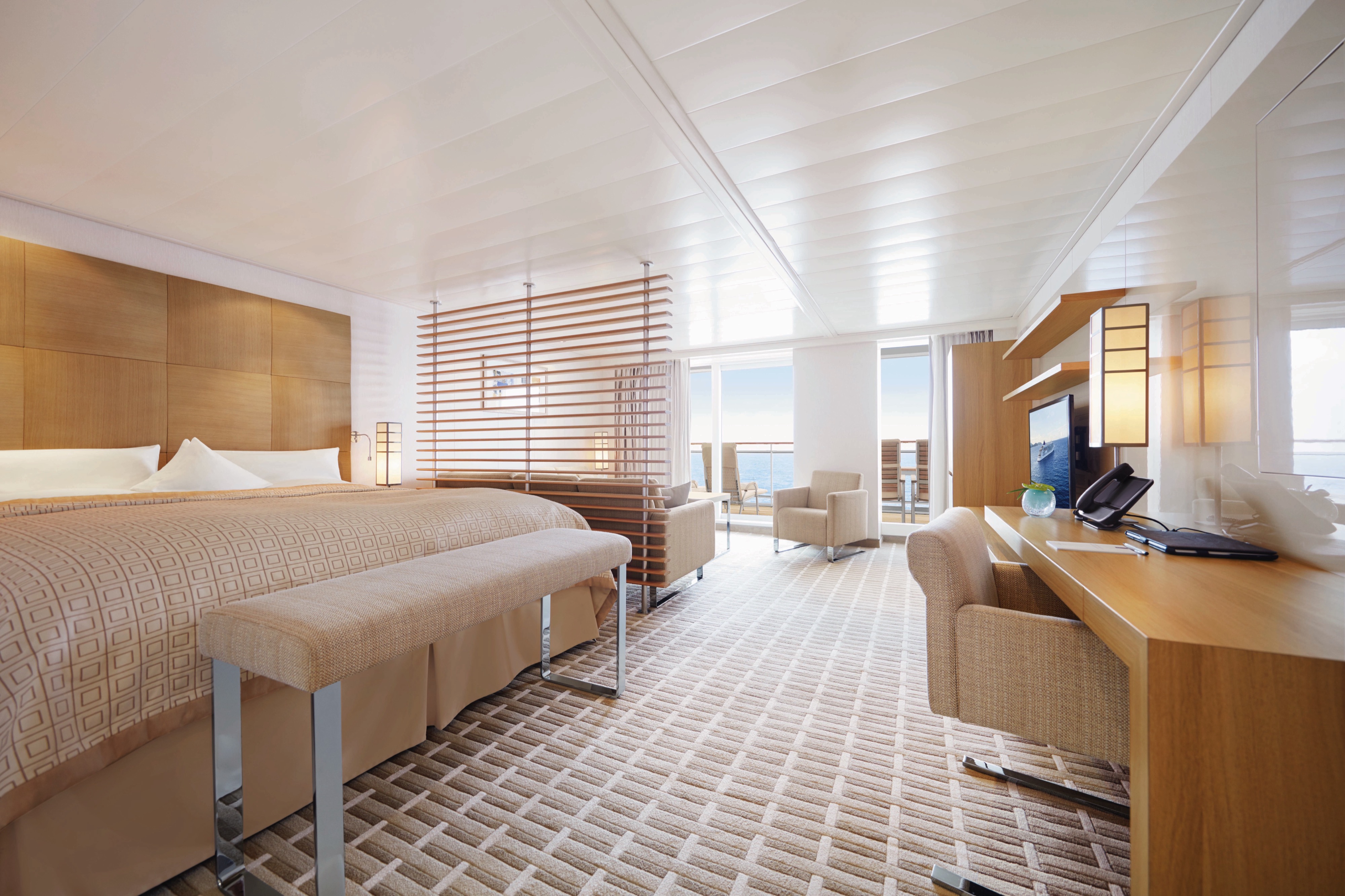
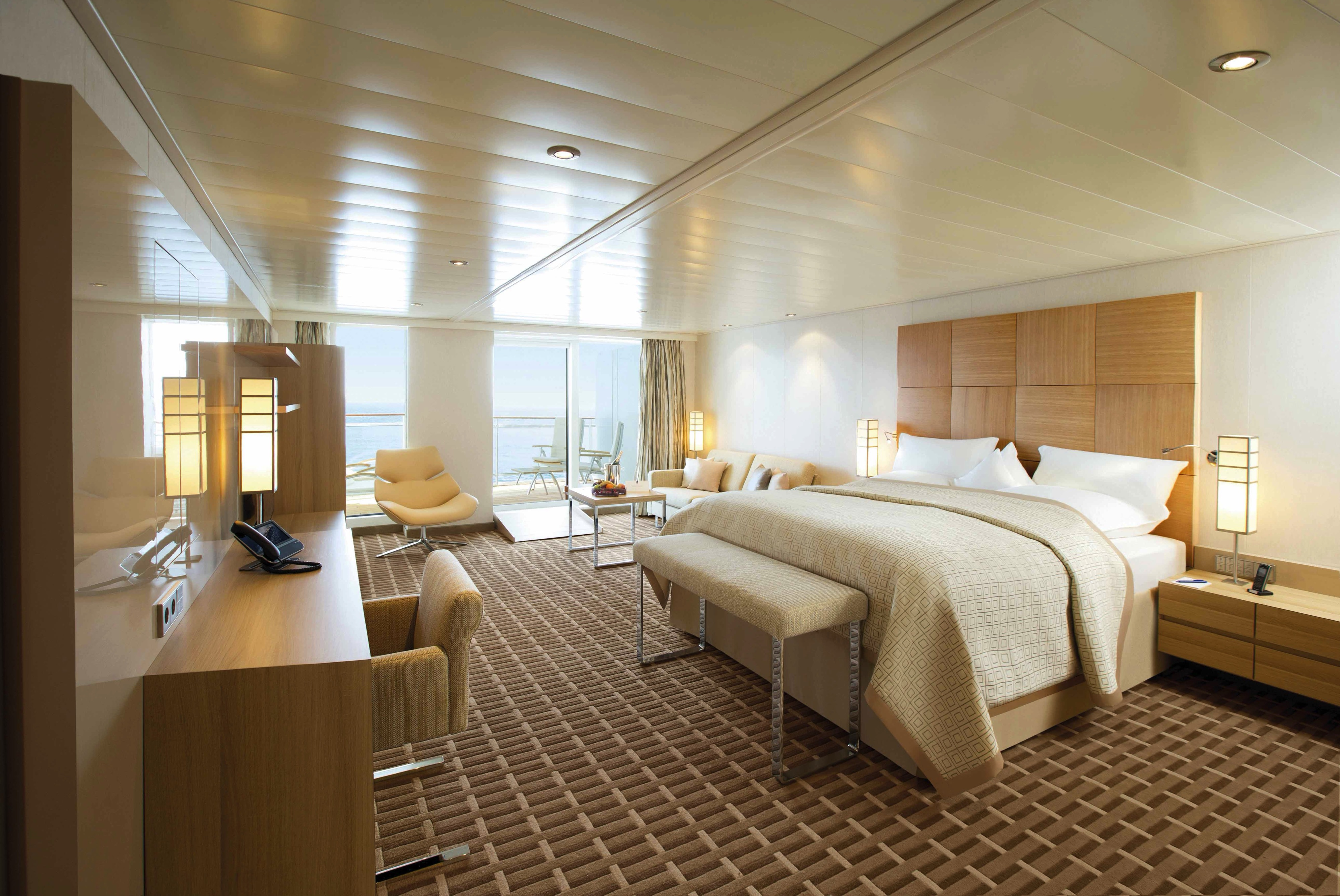
Those who like to start their day with a fantastic view will have a wonderful time in the Ocean Suite. The bathrooms in this category all provide plenty of natural light. Treat yourself to this special luxury and look out over the open ocean from your own bath.
- Living area: 28 m²/301 ft²; veranda: 7 m²/75 ft²
- Natural light in the bathroom
- Bathroom with two sinks
- Whirlpool tub and separate shower
- Separate toilet
- Free mini bar
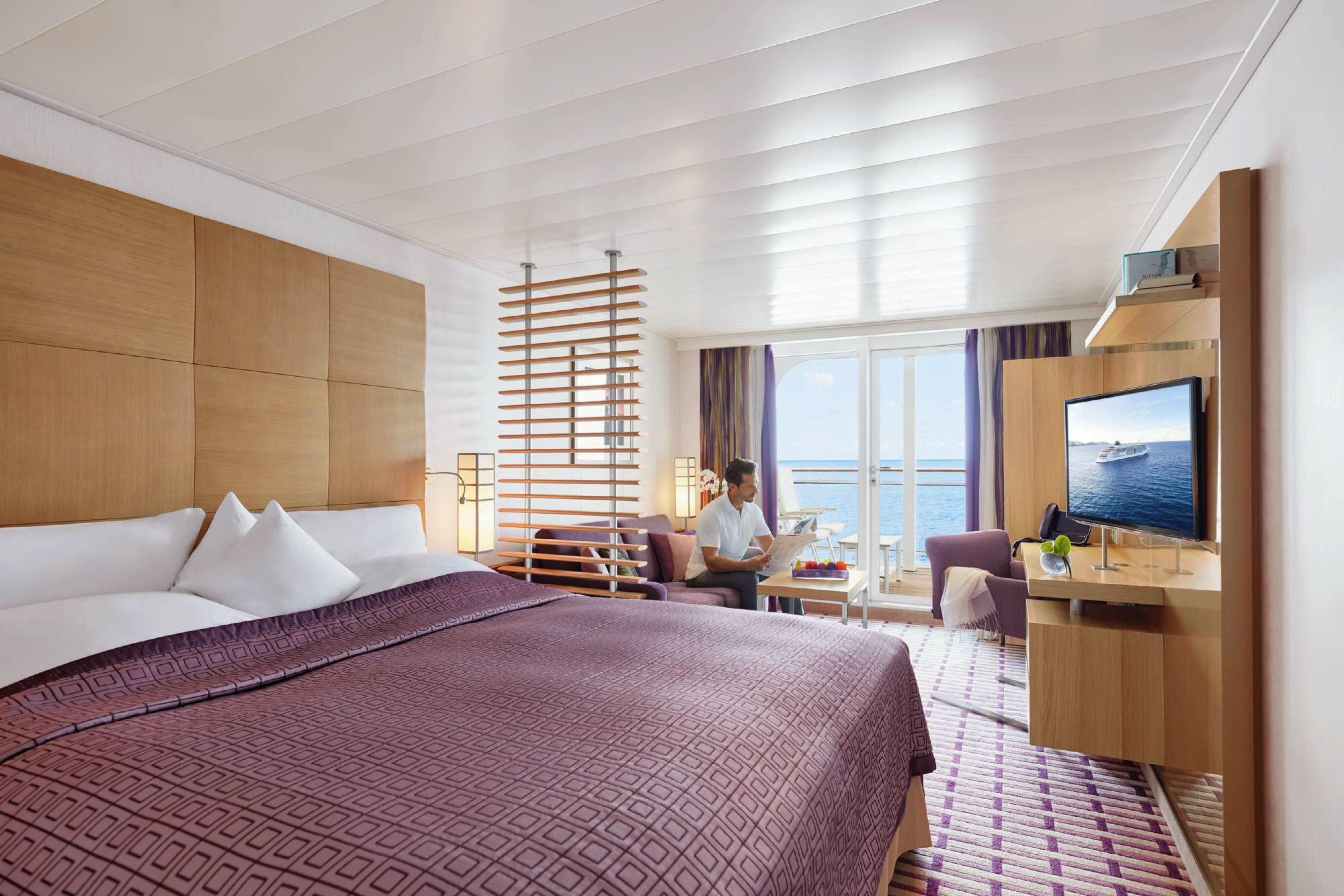
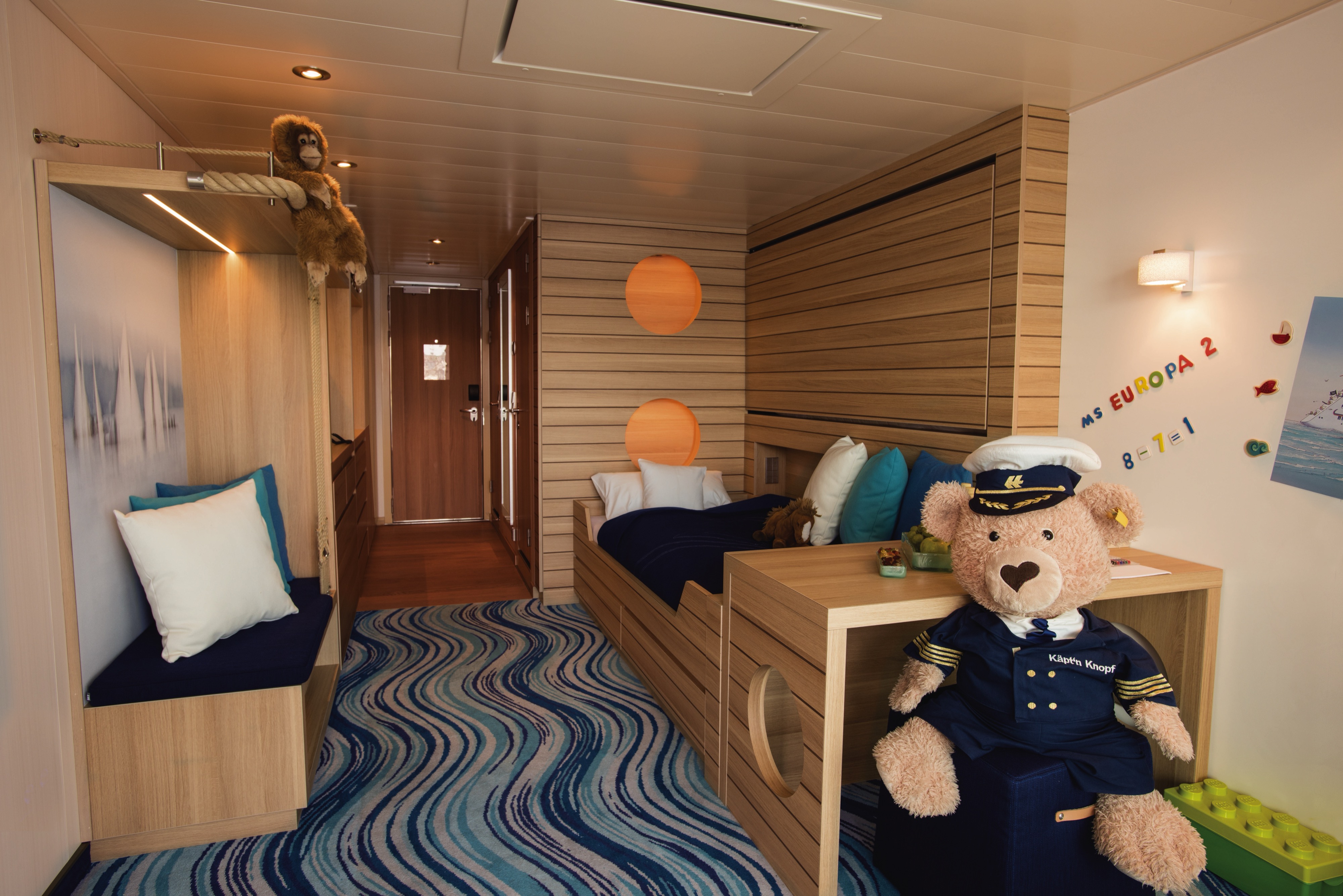
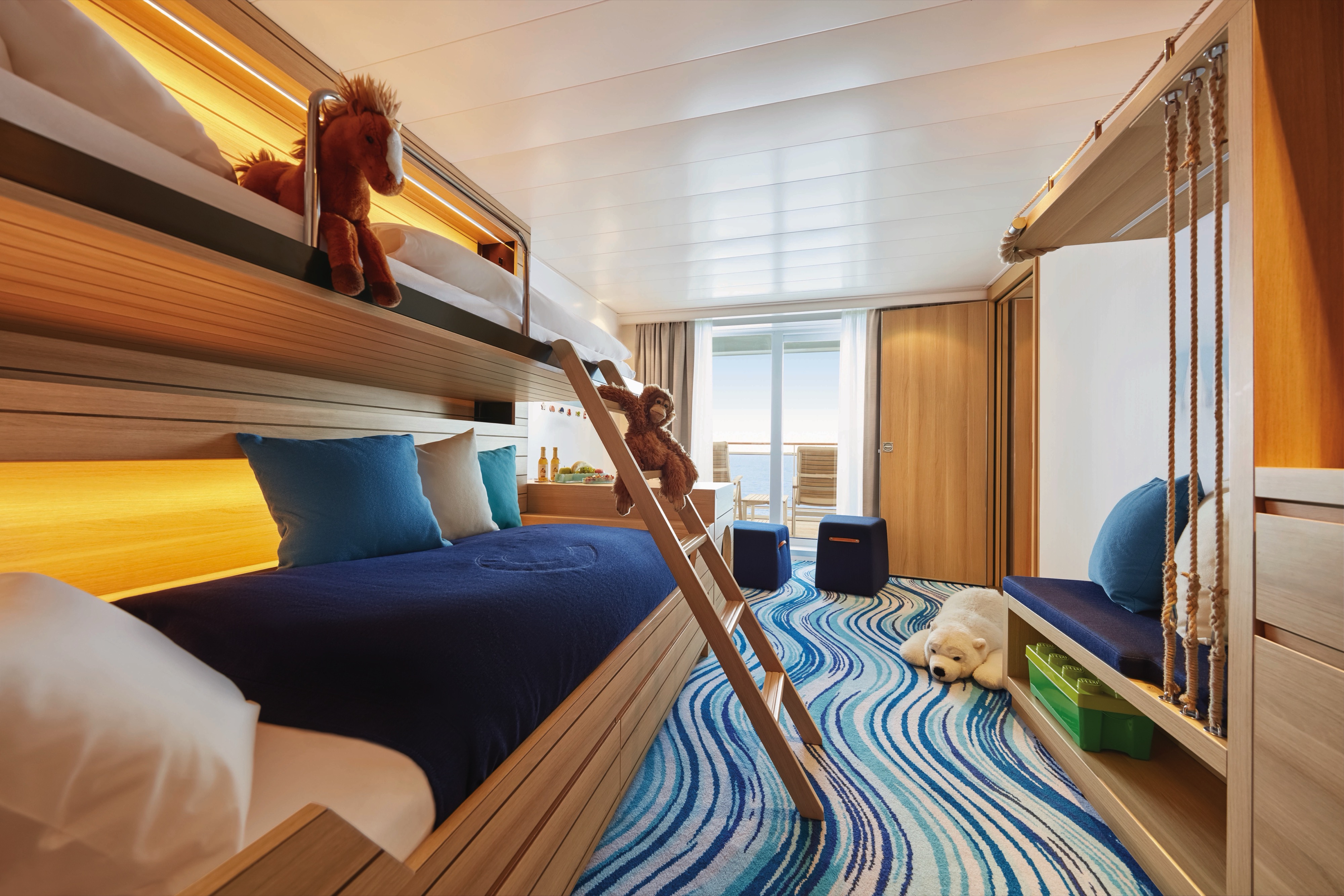
Where everyone will feel comfortable. Plenty of room for you and your personal needs - creating a relaxing family holiday. In the Family Apartments, children and parents live in two separate areas connected by a door and a veranda. The furniture of one of the living areas has been tailored especially for our younger passengers.
Selected equipment features
- Living area: 2× 20 m²/ 2x 215 ft², veranda: 14 m²/150 ft², divisible into 2x 7 m²/ 2x 75 ft²
- Connecting door between the rooms and the verandas
- Separate toilets
- Free mini bars
The furniture of one of the living areas has been tailored especially for our younger passengers:
- Two twin beds, one of which is a Pullman (80 × 200 cm/2 × 6 ft)
- Bathtub (140 × 80 cm/4 × 2 ft)
- Age-appropriate range of toys and games including a games console
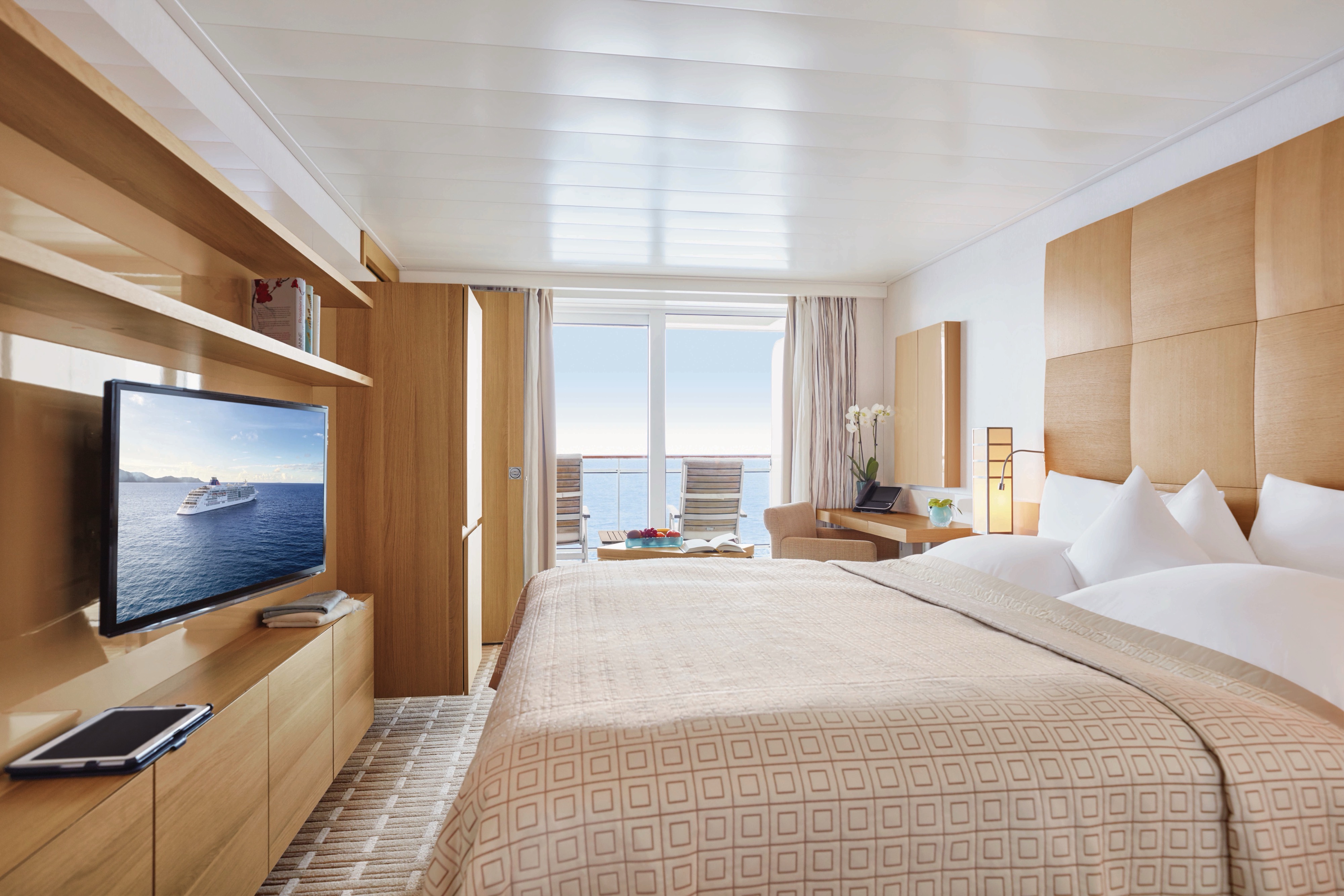
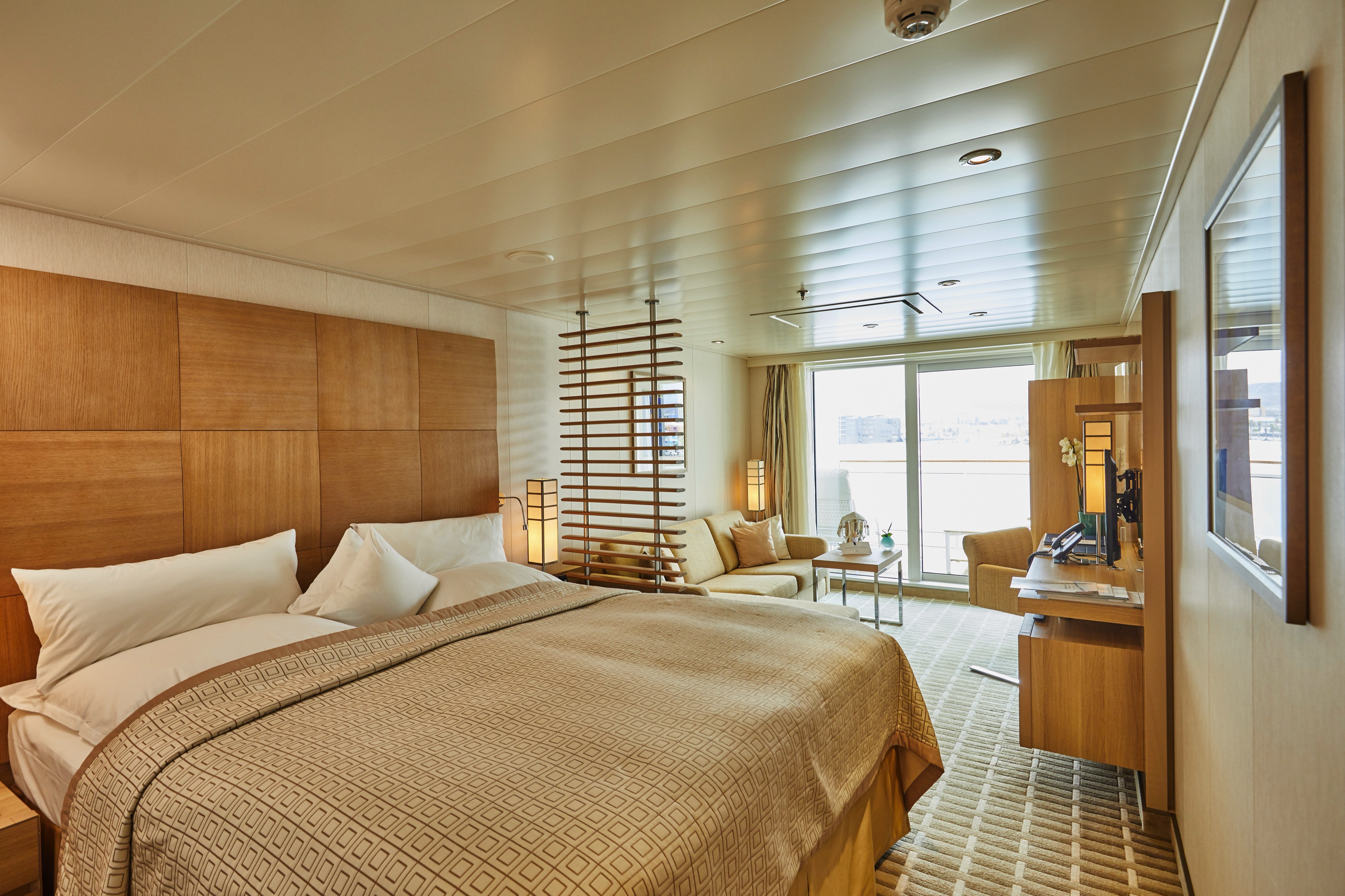
This comfortable suite has plenty of space for relaxing days on board and boasts wonderful views. The spacious veranda affords a magnificent view over the open sea and the first port lights on the horizon.
- Living area: 28 m²/301 ft²; veranda: 7 m²/75 ft²
- Walk-in wardrobe
- Exclusive living area with a chaise longue
- Bathtub and separate shower
- Free mini bar
MS EUROPA 2
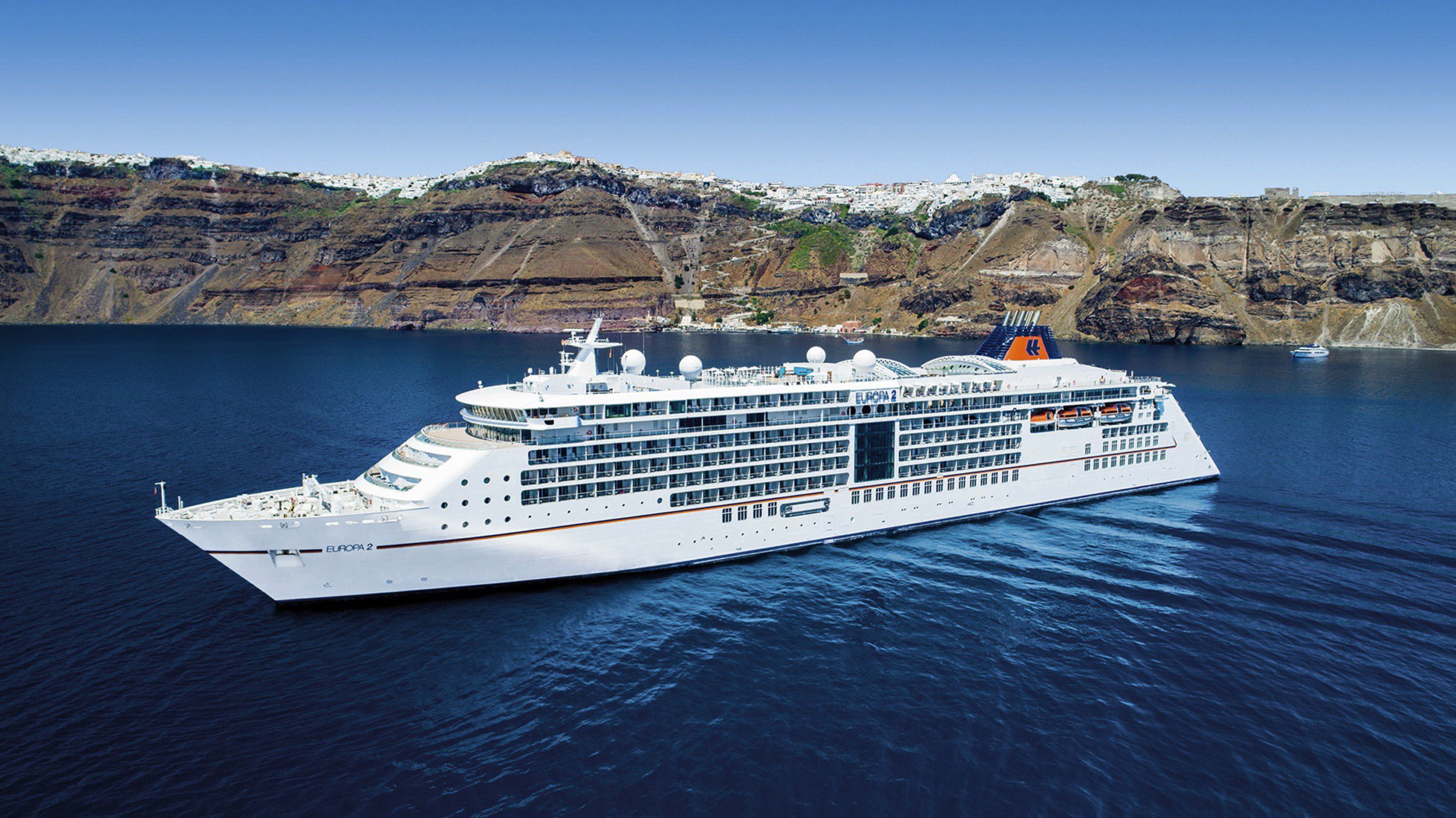
With a maximum of 500 guests, you can expect the highest level of personal space and individual service. And all this with an extremely luxurious ratio of almost one to one. The EUROPA 2 combines comfort with a high level of flexibility by also heading to small ports and remote corners off the beaten track. Welcome on board the best cruise ship in the world!*
Enjoy every moment
Casual and individual, exquisite and stylish, entirely in line with your requirements – this is the aim of the EUROPA 2 philosophy. Experience a symbiosis of perfection, elegance and aesthetics, and enjoy lifestyle at the highest level in a modern, relaxed atmosphere.
Experience a unique ship
Experience the great freedom - in a relaxed and individual way, yet high quality and stylish. Enjoy a symbiosis of perfection and elegance as well as the highest level of casual luxury - culinary highlights, first-class wellness and fitness offers, exceptional on-board entertainment complemented by the highest level of privacy and individual freedom. With casual luxury for a maximum of 500 guests, the EUROPA 2 combines design and lifestyle, the highest standards and individual freedom.
Ship Facts
| Launch Year | 2013 | ||||||
| Refit Year | 2020 | ||||||
| Language | de+en | ||||||
| Gross Tonnage | 42830 | ||||||
| Length | 225 | ||||||
| Width | 27 | ||||||
| Currency | EUR | ||||||
| Speed | 21 | ||||||
| Capacity | 500 | ||||||
| Crew Count | 370 | ||||||
| Deck Count | 7 | ||||||
| Cabin Count | 251 | ||||||
| Large Cabin Count | N/A | ||||||
| Wheelchair Cabin Count | 2 | ||||||
| Electrical Plugs |
|
Deck 10
- Zodiacs
- Shuffleboard
- Sun Deck
- Bridge
- Veranda Suites
- Penthouse Suites
- Grand Penthouse Suites
- Owner Suites

Deck 9
- Restaurant Yacht Club
- Sushi Restaurant Sakura
- Sun Deck
- Pool
- Conference Room
- Studio
- Gallery
- Culinary School
- Belvedere with library and coffee lounge

Deck 8
- Sansibar
- Tender
- Knopf Club / Kids Club
- Veranda Suites or Ocean Suites
- Family Apartments
- Penthouse Suites (accessible)

Deck 7
- Veranda Suites or Ocean Suites

Deck 6
- Veranda Suites or Ocean Suites
- Owner Suites

Deck 5
- Ocean Spa
- Sauna
- Jacuzzi
- Golf
- Embarkation and disembarkation
- Grand Ocean Suites
- Veranda Suites or Ocean Suites

Deck 4
- Restaurant Weltmeere
- Restaurant Serenissima
- Restaurant Elements
- Restaurant Tarragon
- Grand Reserve
- Tour Office
- Teens' Club
- Boutique / Jeweller
- Reception
- Foyer
- Piano Bar
- Embarkation / disembarkation
- Photo shop
- Club 2
- Collins
- Theatre

With an eye for detail, the EUROPA 2 chefs are constantly opening up new culinary horizons. They also offer a fine selection of artfully presented dishes at the highest level for those who prefer vegetarian cuisine. Enjoy modern creations or timeless classics with flexible mealtimes and no fixed seating plans in our seven gourmet restaurants.
Restaurant Weltmeere
The flagship restaurant at the heart of the EUROPA 2: enjoy an international gourmet menu that changes every day, and embark on a culinary voyage of discovery. Weltmeere bears the very personal hallmark of our chef and stands for creative culinary sensations – always interpreted in new and extraordinary ways, with vegetarians also catered for.
Tarragon
Tarragon stands for great French cuisine and bistro classics, served in an art-deco-style setting. You can look forward to specialities that are at once simple and sophisticated, such as beef tartare prepared at the table.
Elements
Whether Indian, Vietnamese or traditional Chinese dishes – Elements offers a feast for the senses of everyone with a penchant for the flavours of the East. Enjoy varied Asian cuisine, the aroma of lemongrass, seafood and lime – and Elements’ exotic, modern ambience.
Serenissima
Exquisite classics and new interpretations of the flavours of the Italian Mediterranean: the Serenissima combines the best of Italy's flavours and lifestyle. The house speciality is the malfatti tartufo.
Yacht Club
At the Yacht Club you can experience the finest cuisine and an unforgettable panoramic ocean view, from breakfast to dinner time. Fresh salads, antipasti from the buffet and freshly grilled specialities, fish, pasta and dishes cooked a la minute direct from the open chef’s stations await you.
Sakura
Our master chef for Asian cuisine has perfected the art of conjuring up small masterpieces from the finest ingredients. The result is traditional and modern interpretations of Japanese cuisine, as well as exquisite sushi dishes ranging from classic to creative. Sample the culinary delights from an exclusive menu while enjoying the ocean view in the Sakura’s relaxed setting.
Restaurant Grande Réserve
Connected to the Tarragon, the Grande Reserve focuses on fine wines, which you can taste in small groups under the direction of a sommelier (at extra cost).
When the curtain rises, an unforgettable evening begins. With marvellous acrobatics, dance, comedy, interesting talks, lectures or moving music from classical to pop. On board the EUROPA 2, you will be enthralled by artists, performers and entertainers of the highest calibre. Varied shows and a diverse entertainment programme await you on every voyage.
Sansibar
The younger sister of the Sansibar on Sylt sees much more of the world: the view from the open-air bar over the sea and the parties on the dance floor to DJ sounds are unforgettable. And for a late breakfast and small dishes in the afternoon and evening, it is also the top location.
Belvedere
Providing breathtaking panoramic views when the ship is entering or leaving the harbour, the Belvedere is the ideal place to enjoy a little time out. But it’s also an atmospheric lounge with a library, where select coffee and tea specialities are served. Readings and concerts are also held here.
Piano Bar
The Piano Bar is modelled on the bars found in classic grand hotels: a place to sit back with a first-class drink while you reflect on the highlights of your day and enjoy relaxing music from the Steinway grand piano. All this plus an ocean view that no hotel in the world can match.
Club 2
Whether for musical entertainment, readings, cabaret or comedy, Club 2 – with its bar and lounge area and small stage – will also adapt its ambience to the cruise route, constantly changing its colour and lighting concept. Bring your day to a close enjoying our fine selection of drinks and snacks that match the destination, and be inspired by our varied entertainment programme.
Collins
The perfect backdrop for the perfect drink – nothing more, nothing less. The atmosphere is traditional and stylish, with armchairs and high-grade woods. The menu features Cuban specialities from the humidor, as well as a large gin selection.
Theatre
Alexander Ekman meets EUROPA 2
Experience contemporary dance at the highest level with a piece created exclusively for the EUROPA 2. The celebrated choreographer Alexander Ekman brings together the best dancers from the world's most renowned companies to form a unique ensemble.
In his dynamic and powerful production, he seamlessly integrates the movements of the ship at sea and the movements of the people on board into the choreography, skilfully combining elements of humour and satire to bring athleticism, precision and theatricality to the stage with a playful wink.
Sydney Dance Company with Rafael Bonachela
Led by Rafael Bonachela – one of the most innovative choreographers of our time – the Sydney Dance Company will present two outstanding works on board EUROPA 2, including a world premiere created exclusively for the ship. Spanish-born and based in Australia, Bonachela is known for emotionally charged and physically demanding contemporary dance. His international breakthrough came in 2002 with choreography for Kylie Minogue at the Brit Awards, followed by her “Fever Tour”. Collaborations with artists like Björk highlight his creative range. On the Canary Islands cruise in spring 2026, the company will perform a current piece and a newly created premiere, inspired by South American and Spanish music. A highly aesthetic and powerful evening awaits – a world-class debut at sea.
Diego Tortelli & Compagnia Aterballetto
In 2026, Diego Tortelli will make his debut on EUROPA 2 with the renowned Italian ensemble Compagnia Aterballetto. For Hapag-Lloyd Cruises, he is creating a new piece exploring human connection in times of digital transformation – atmospheric, sensual, and fragile. Known for blending classical technique with contemporary storytelling, Tortelli is a leading voice in modern dance. On two cruises, he will present an existing work and a specially adapted premiere developed exclusively with Aterballetto for this unique setting. A poetic experience – resonant and unforgettable.
Circus & acrobatics
Experience fascinating circus and acrobatic shows that take you into a world full of amazement and impressive body control. Unique performances by award-winning artists and innovative choreographers reflect the pulse of the times.
Highlights include collaborations with leading circus companies such as Circa Contemporary Circus, whose modern and captivating productions inspire audiences worldwide. The Feuerwerk der Turnkunst with its energetic performances and the renowned GOP-Varieté with its impressive artistry are just as inspiring. Another highlight is the acrobatic group Gravity & Other Myths, which sets new standards with creative choreography and spectacular acts and creates unforgettable moments on every journey - a true celebration of physical art in a new dimension.
ART 2 SEA
With ART 2 SEA, the EUROPA 2 offers a unique cultural experience that combines contemporary art with an exclusive cruise experience. On board, you’ll find one of the largest collections of modern art at sea, rotating exhibitions in the ship’s gallery, as well as inspiring artist talks and lectures. The program is complemented by curated art excursions ashore. ART 2 SEA invites you to rediscover art in a relaxed atmosphere—whether as an art lover or a curious explorer.
890 original paintings and exhibits, as well as photographs and sculptures by artists including Damien Hirst and Gerhard Richter, accompany the ship and its guests around the world. The collection is complemented by changing exhibitions and lectures by artists on various aspects of art history. Enjoy fine art on the open sea.
Pool bar
In the pool or at the poolside bar – which is the best place for maximum refreshment? This relaxed meeting place on the Pool Deck serves snacks at breakfast and lunch-time, and our famous waffles in the afternoon, plus fresh juices and coffee specialities. It then takes on a laid-back bar atmosphere until late into the evening.
MS EUROPA Unplugged
Whether on the pool deck or in our modern theatre - here you can meet stars of the current music scene, well-known from radio and television, such as Alvaro Soler or Giovanni Zarrella. Instead of large concert arenas, you will experience intimate private concerts at the highest level - you can't get any closer. Artists such as Kelvin Jones, Tim Bendzko and KAMRAD provide unforgettable moments in a dreamlike setting. Enjoy your favourite act with a suitable drink in your hand while the EUROPA 2 sets course for the next breathtaking destination - in a setting that no concert hall in the world can offer.
Reception & Atrium
Post
The Reception staff will post your postcards and letters from all ports where this facility is available. Your onboard account will be debited with the appropriate charges.
Announcements
To create the full expedition experience, commentaries are provided for interesting passages during the cruise and special animal sightings are reported. The ship’s position is reported in the morning on days at sea. We will also announce via the loudspeakers when the local authorities have cleared the ship and we can go ashore. The volume can be controlled individually in each cabin/suite.
Means of payment
The on-board currency is the euro. An account will be set up for you so that you can make cashless payments during the cruise. You can find out your current account balance at any time using the infotainment system in your cabin/suite. You can then settle the entire account at Reception at the end of your cruise. We accept German EC/Maestro cards and the following credit cards: Mastercard, American Express and Visa. You can also pay in cash. Please note that, in general, foreign currencies cannot be changed on board.
reception@hanseatic-nature.com