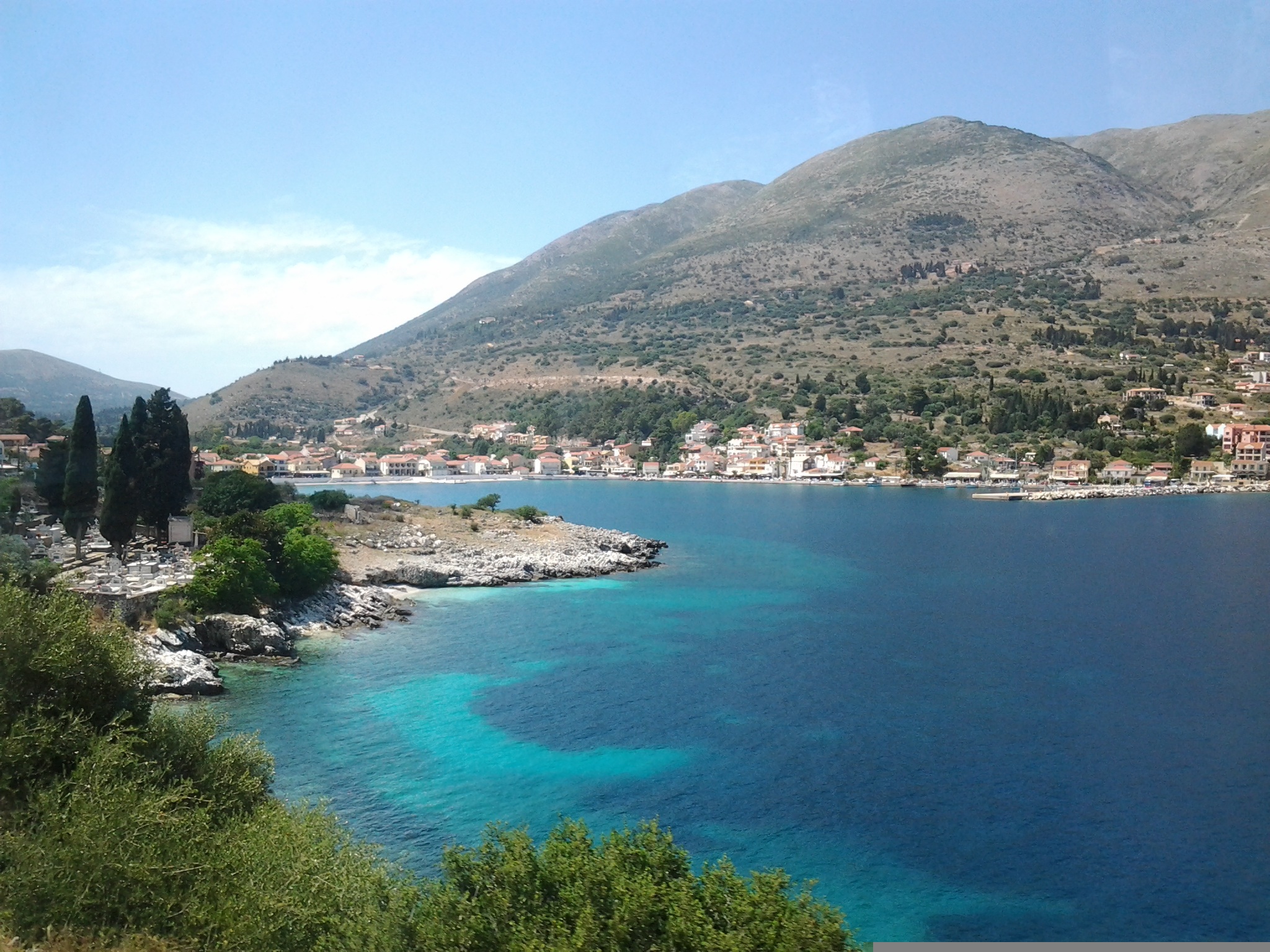
Unique Experiences From Piraeus To Dubrovnik
Unique Experiences From Piraeus To Dubrovnik
Cruise overview
WHY BOOK WITH US?
- ✔ The Deluxe Cruises’ team has extensive experience in ultra-luxury cruising.
- ✔ Call now to speak to our helpful and experienced Cruise Concierge team.
- ✔ Enjoy our Unique Deluxe Cruises Bonus for substantial savings.
- ✔ Our team will tailor your holiday to your exacting requirements.
- ✔ As agents, we work under the protection of each cruise lines ABTA / ATOL licences
About Piraeus
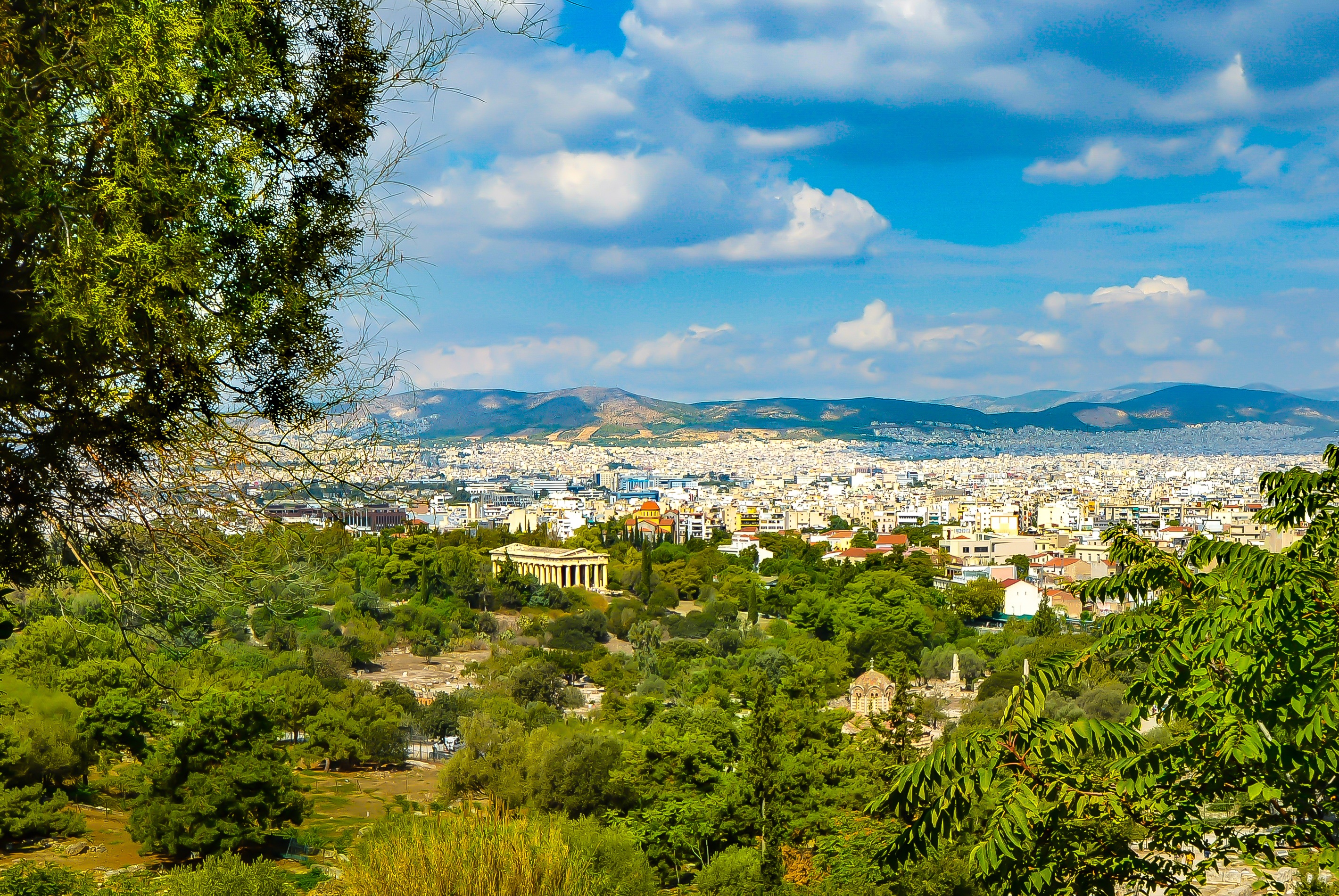
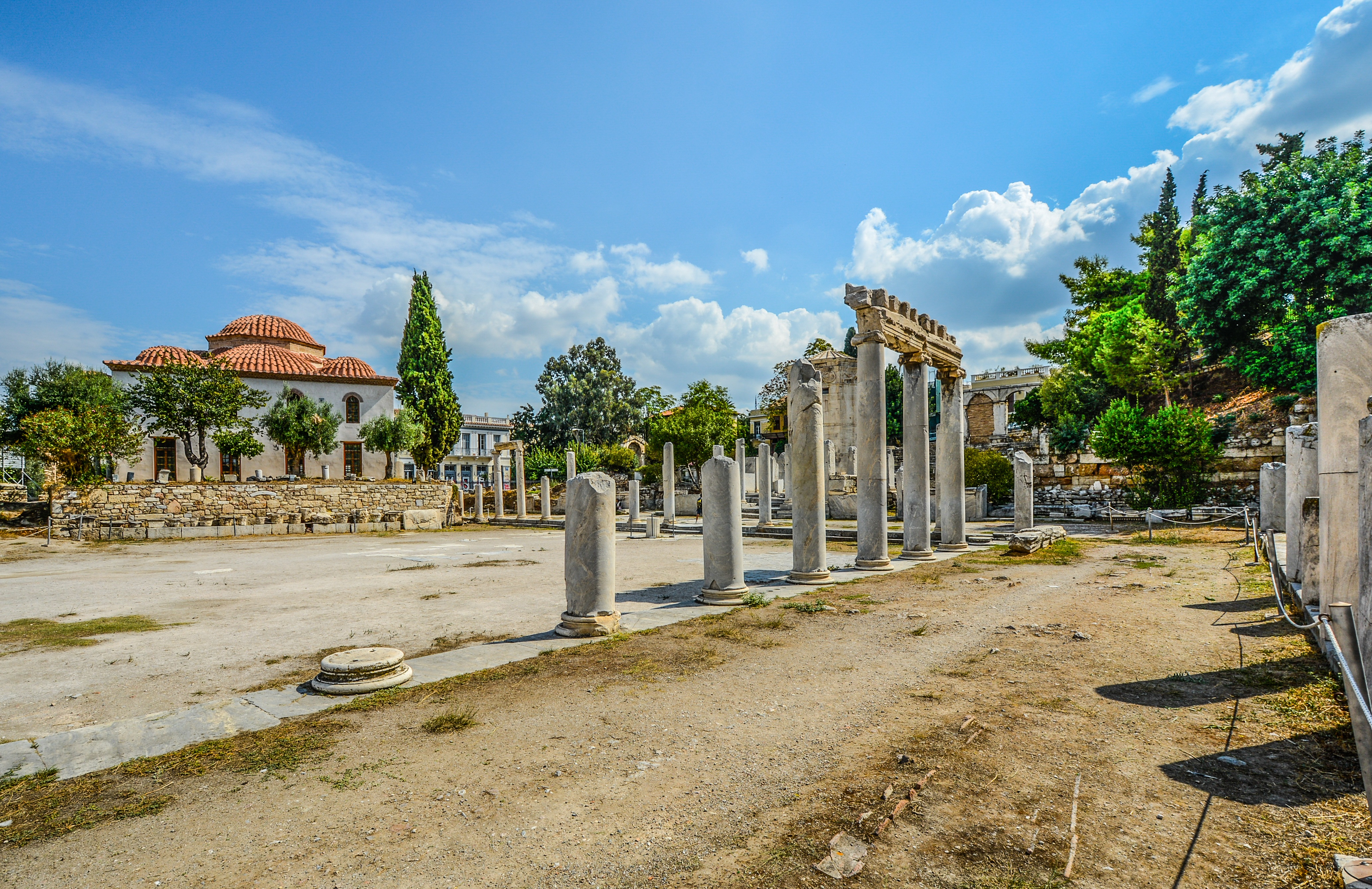
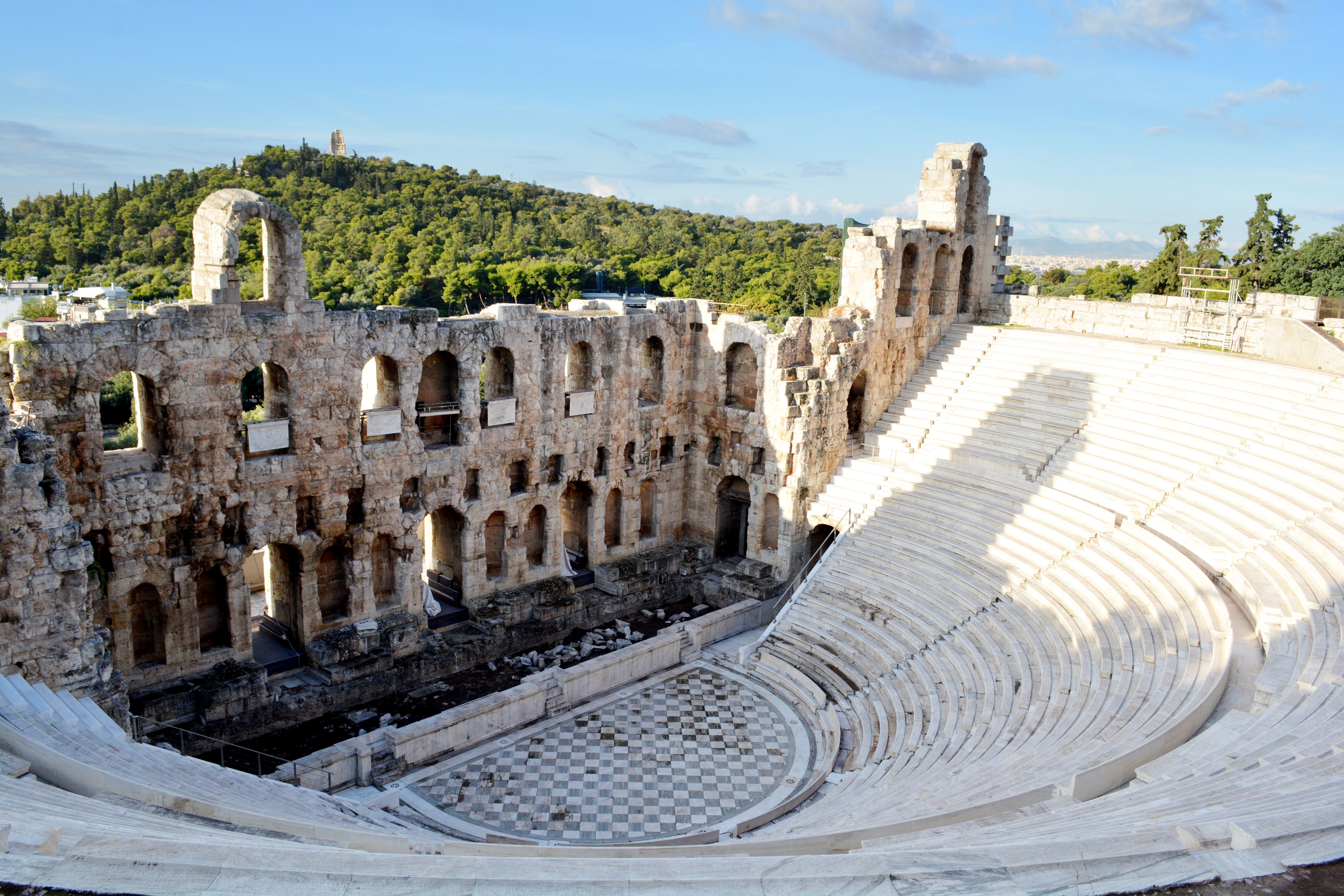
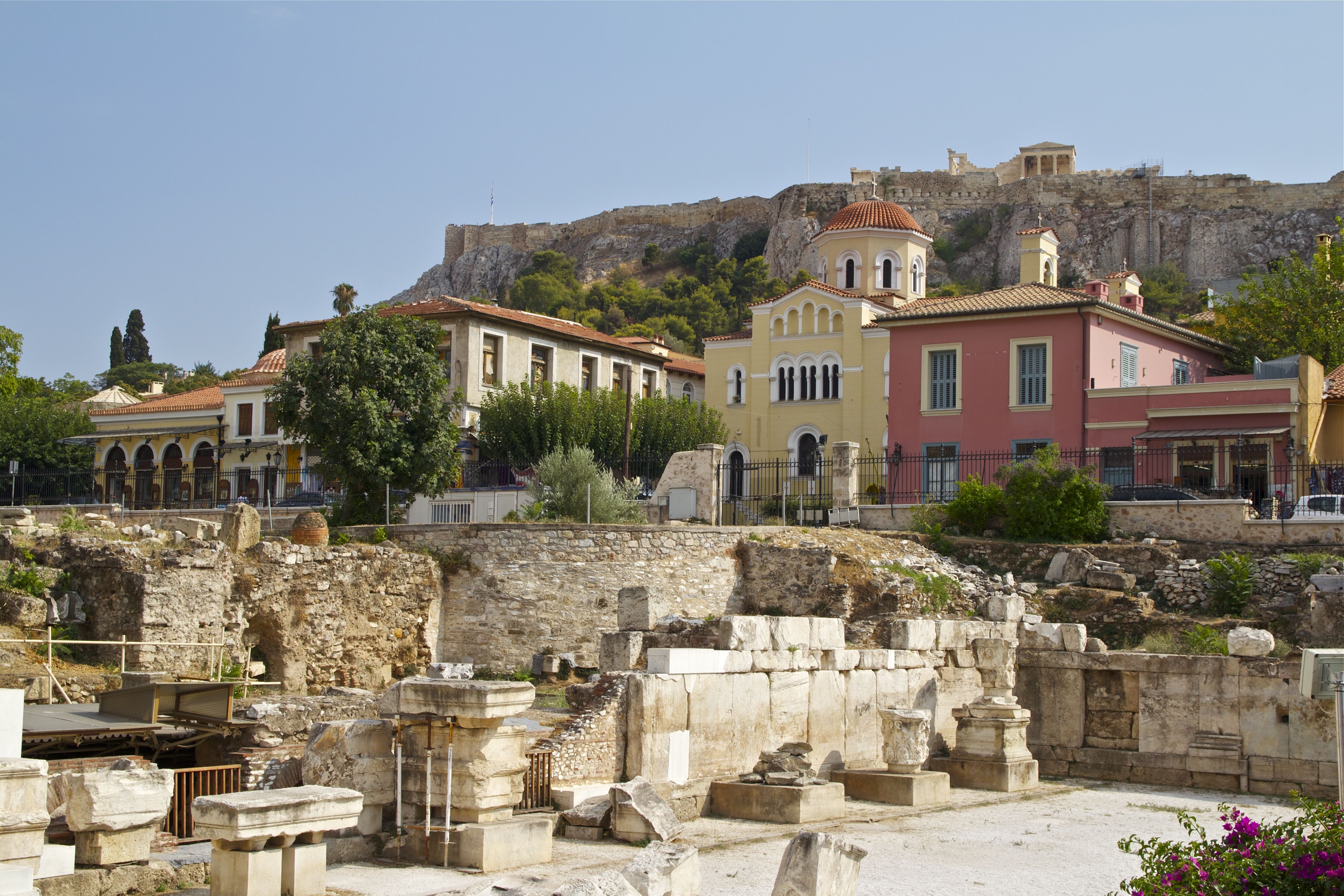
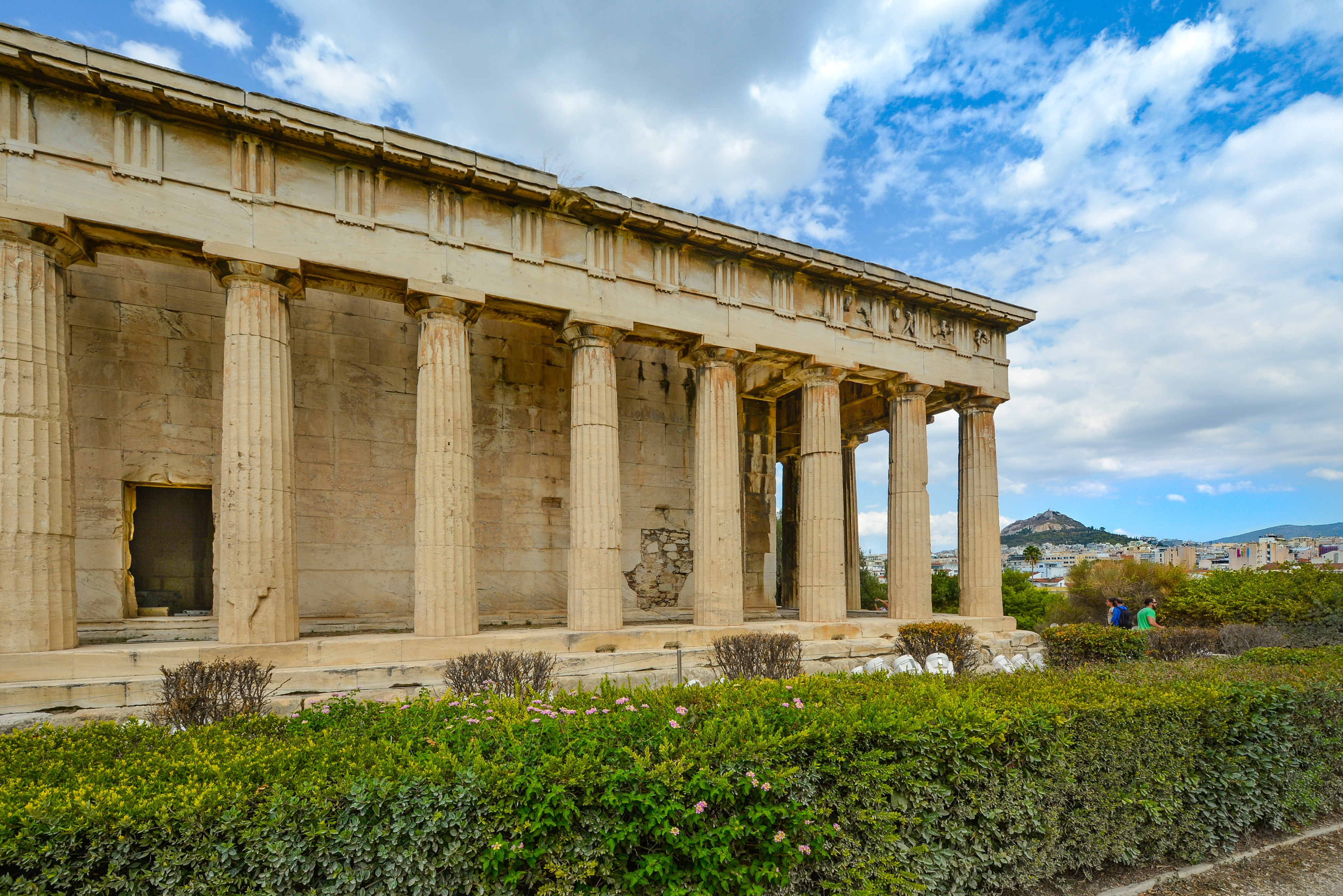
It's no wonder that all roads lead to the fascinating and maddening metropolis of Athens. Lift your eyes 200 feet above the city to the Parthenon, its honey-color marble columns rising from a massive limestone base, and you behold architectural perfection that has not been surpassed in 2,500 years. But, today, this shrine of classical form dominates a 21st-century boomtown. To experience Athens—Athína in Greek—fully is to understand the essence of Greece: ancient monuments surviving in a sea of cement, startling beauty amid the squalor, tradition juxtaposed with modernity. Locals depend on humor and flexibility to deal with the chaos; you should do the same. The rewards are immense. Although Athens covers a huge area, the major landmarks of the ancient Greek, Roman, and Byzantine periods are close to the modern city center. You can easily walk from the Acropolis to many other key sites, taking time to browse in shops and relax in cafés and tavernas along the way. From many quarters of the city you can glimpse "the glory that was Greece" in the form of the Acropolis looming above the horizon, but only by actually climbing that rocky precipice can you feel the impact of the ancient settlement. The Acropolis and Filopappou, two craggy hills sitting side by side; the ancient Agora (marketplace); and Kerameikos, the first cemetery, form the core of ancient and Roman Athens. Along the Unification of Archaeological Sites promenade, you can follow stone-paved, tree-lined walkways from site to site, undisturbed by traffic. Cars have also been banned or reduced in other streets in the historical center. In the National Archaeological Museum, vast numbers of artifacts illustrate the many millennia of Greek civilization; smaller museums such as the Goulandris Museum of Cycladic Art Museum and the Byzantine and Christian Museum illuminate the history of particular regions or periods. Athens may seem like one huge city, but it is really a conglomeration of neighborhoods with distinctive characters. The Eastern influences that prevailed during the 400-year rule of the Ottoman Empire are still evident in Monastiraki, the bazaar area near the foot of the Acropolis. On the northern slope of the Acropolis, stroll through Plaka (if possible by moonlight), an area of tranquil streets lined with renovated mansions, to get the flavor of the 19th-century's gracious lifestyle. The narrow lanes of Anafiotika, a section of Plaka, thread past tiny churches and small, color-washed houses with wooden upper stories, recalling a Cycladic island village. In this maze of winding streets, vestiges of the older city are everywhere: crumbling stairways lined with festive tavernas; dank cellars filled with wine vats; occasionally a court or diminutive garden, enclosed within high walls and filled with magnolia trees and the flaming trumpet-shaped flowers of hibiscus bushes. Formerly run-down old quarters, such as Thission, Gazi and Psirri, popular nightlife areas filled with bars and mezedopoleia (similar to tapas bars), are now in the process of gentrification, although they still retain much of their original charm, as does the colorful produce and meat market on Athinas. The area around Syntagma Square, the tourist hub, and Omonia Square, the commercial heart of the city about 1 km (½ mi) northwest, is distinctly European, having been designed by the court architects of King Otho, a Bavarian, in the 19th century. The chic shops and bistros of ritzy Kolonaki nestle at the foot of Mt. Lycabettus, Athens's highest hill (909 feet). Each of Athens's outlying suburbs has a distinctive character: in the north is wealthy, tree-lined Kifissia, once a summer resort for aristocratic Athenians, and in the south and southeast lie Glyfada, Voula, and Vouliagmeni, with their sandy beaches, seaside bars, and lively summer nightlife. Just beyond the city's southern fringes is Piraeus, a bustling port city of waterside fish tavernas and Saronic Gulf views.

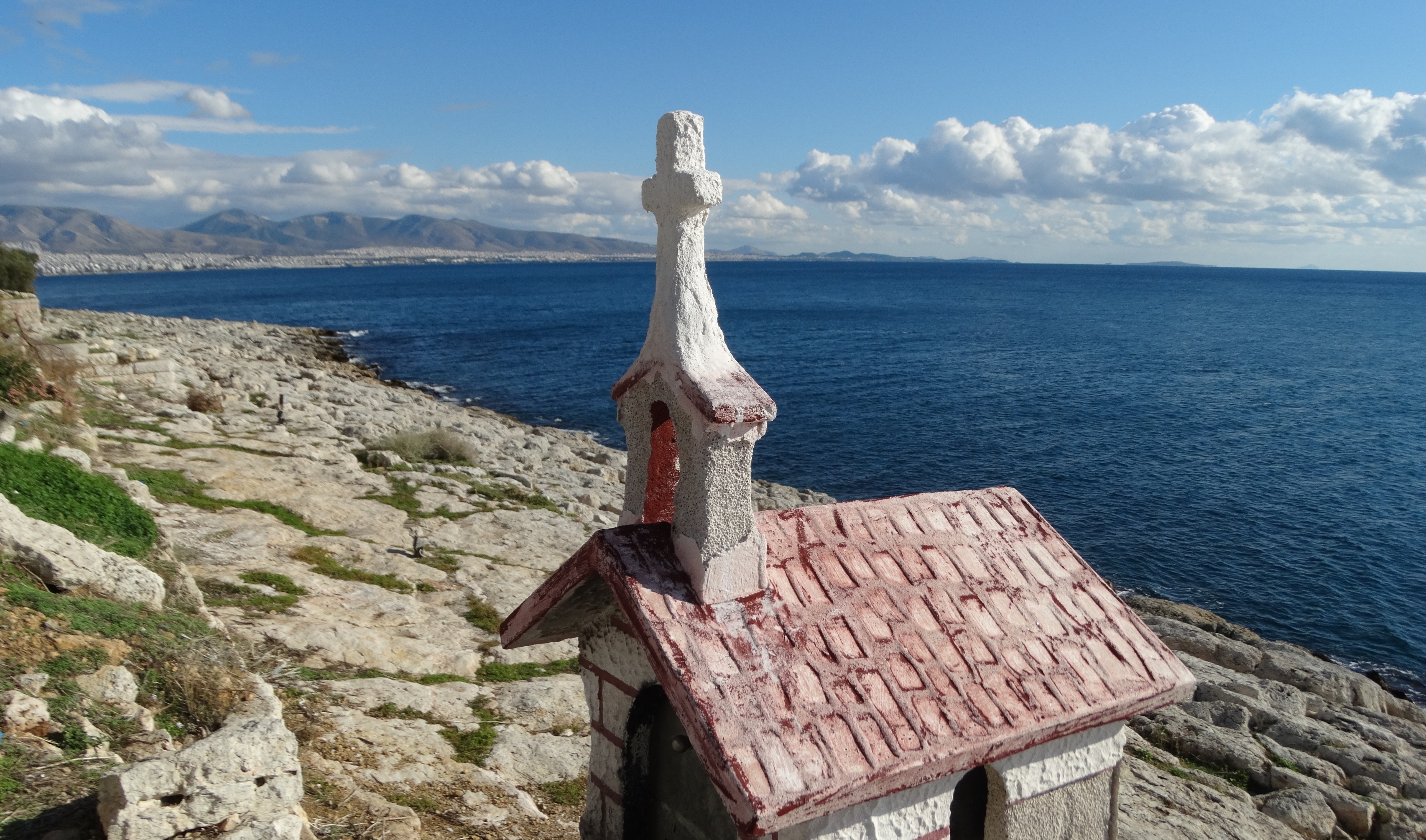
About Agios Nikólaos, Kríti

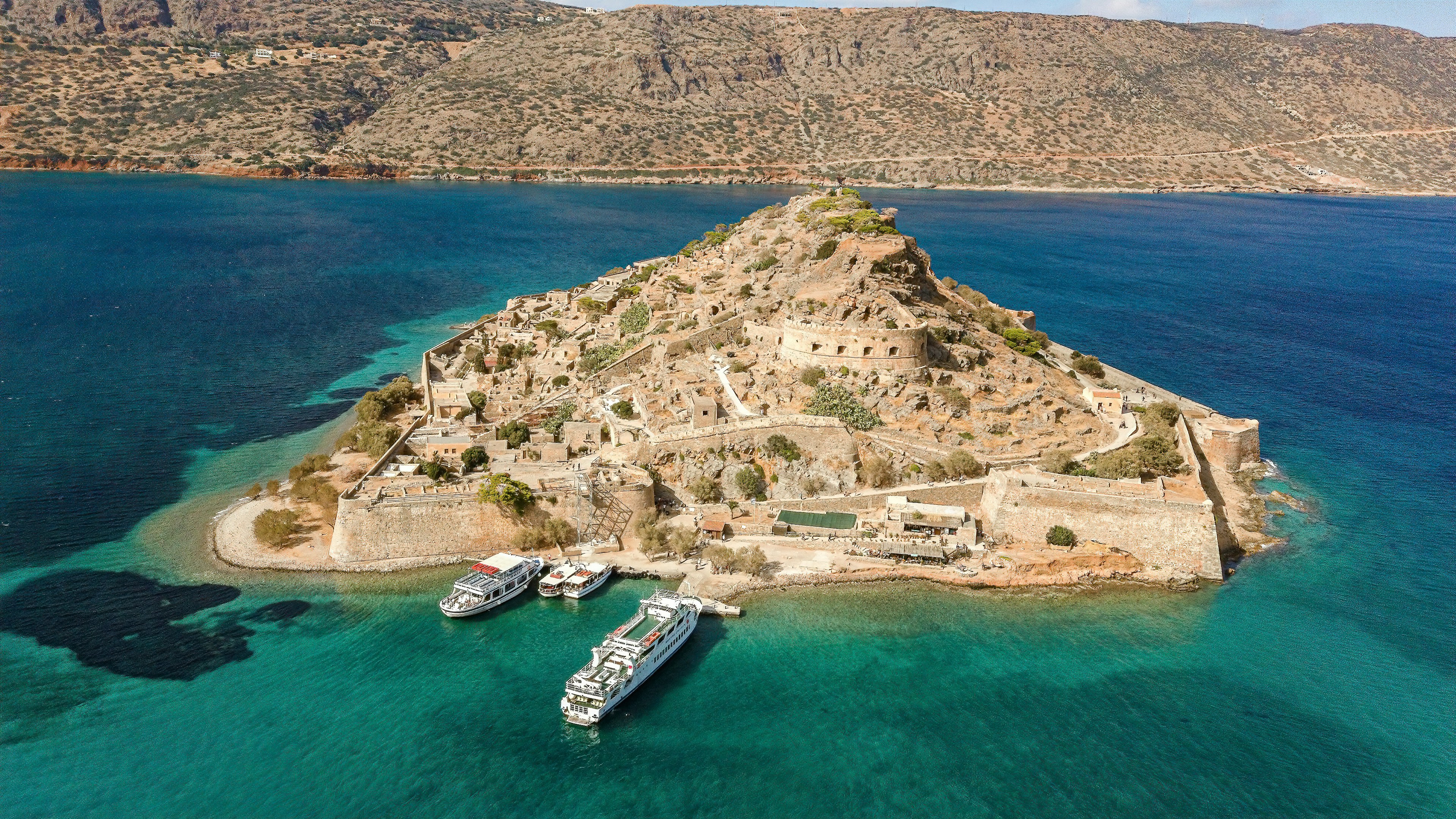
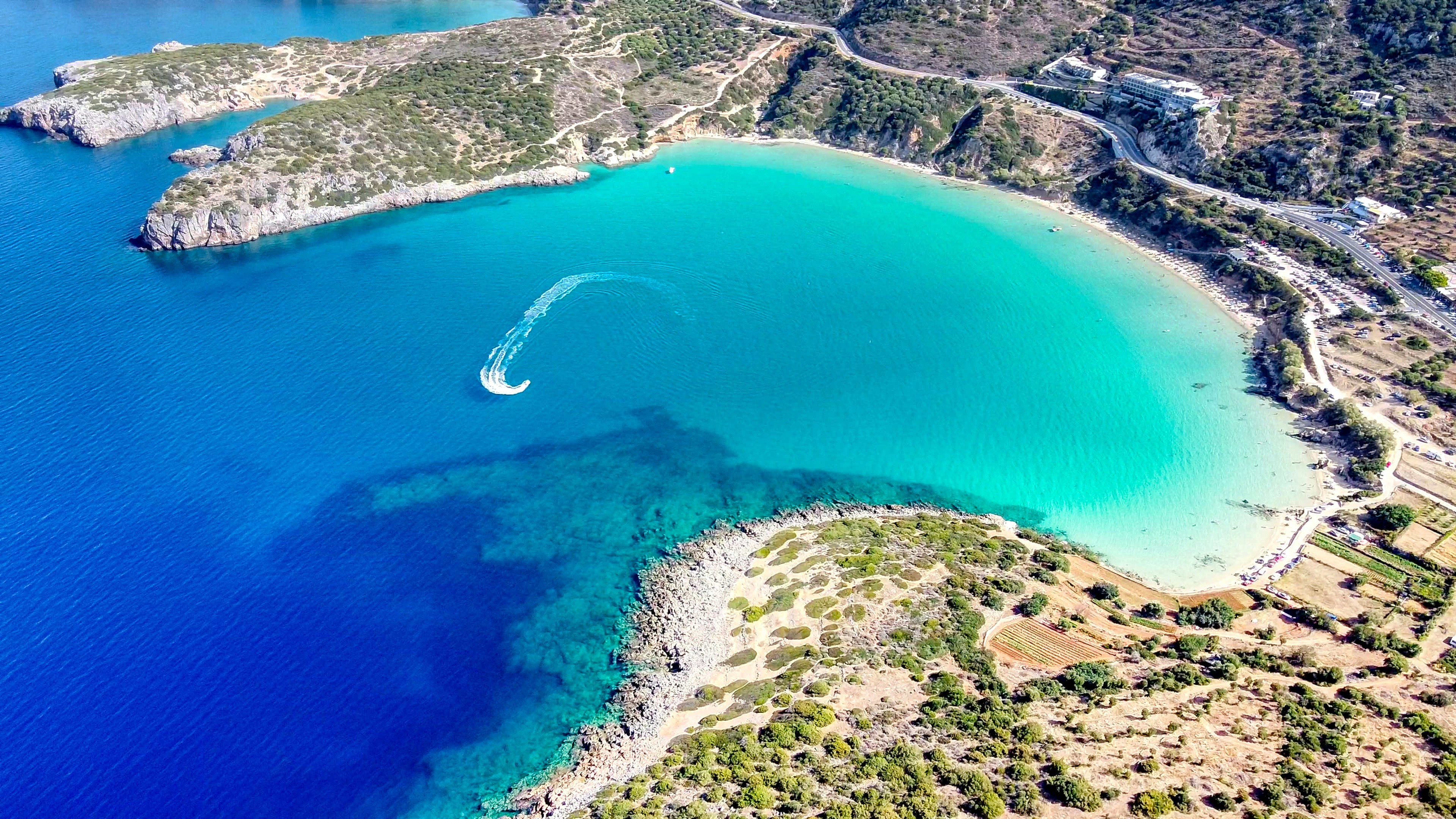
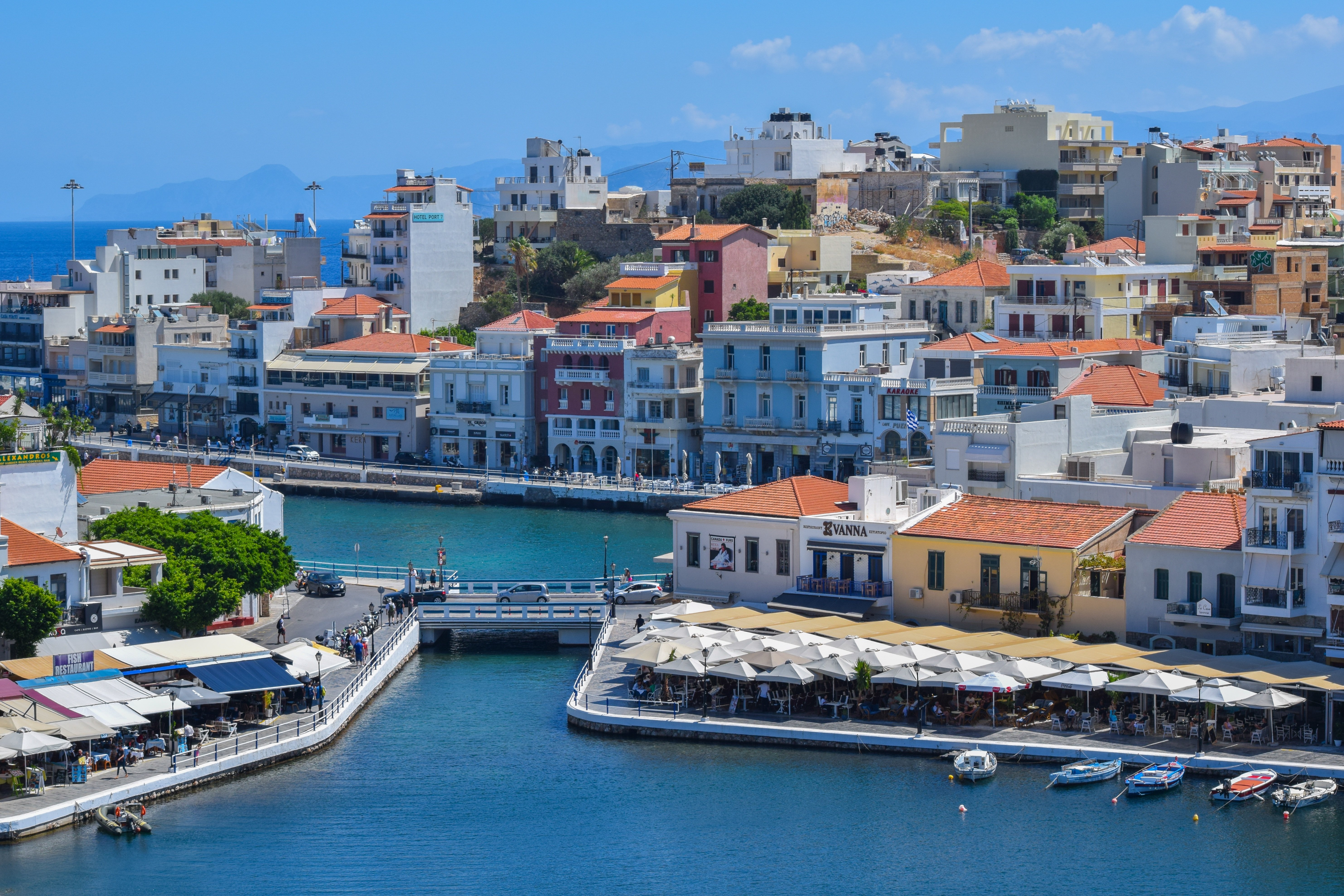
About Monemvasía
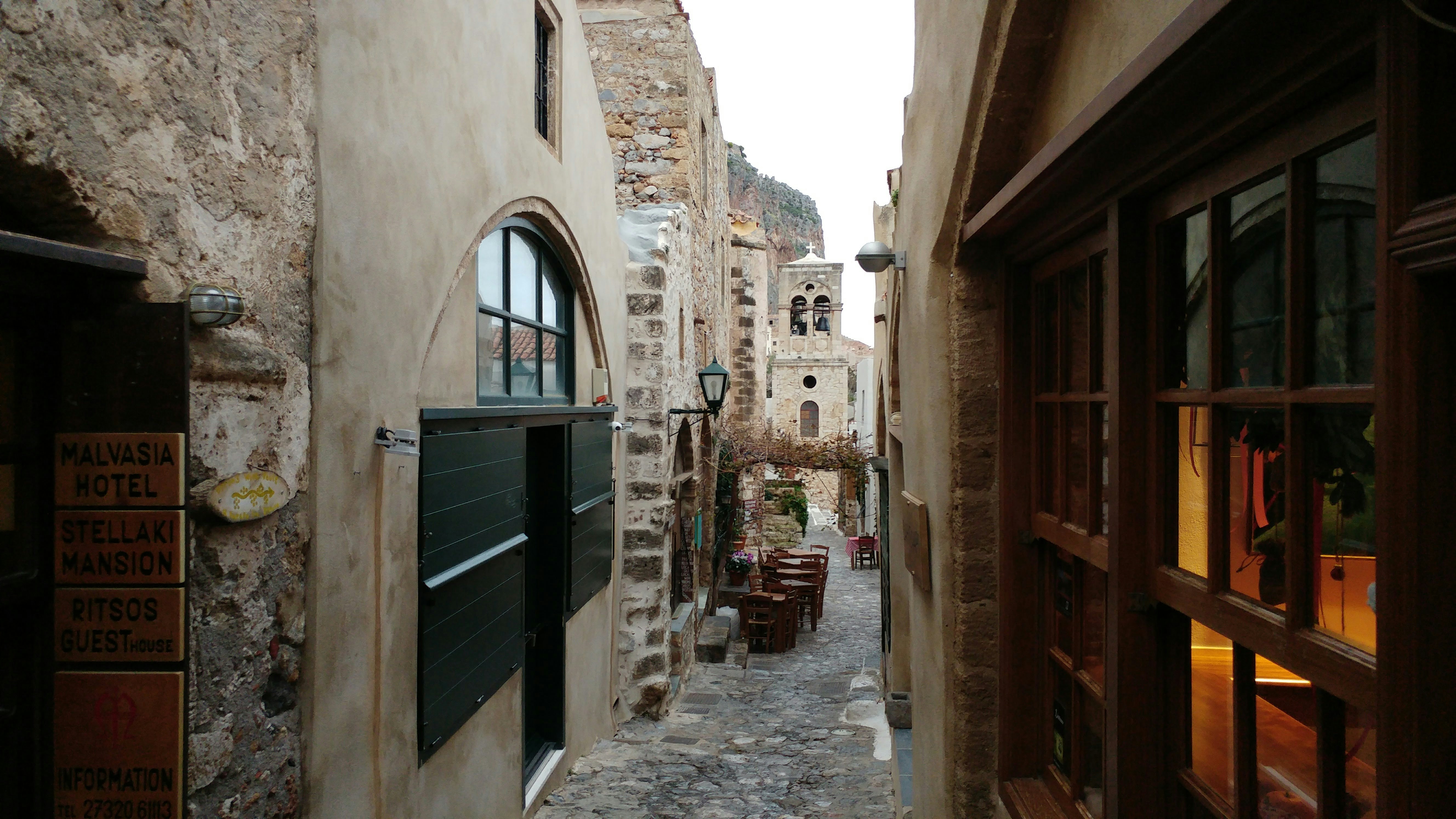
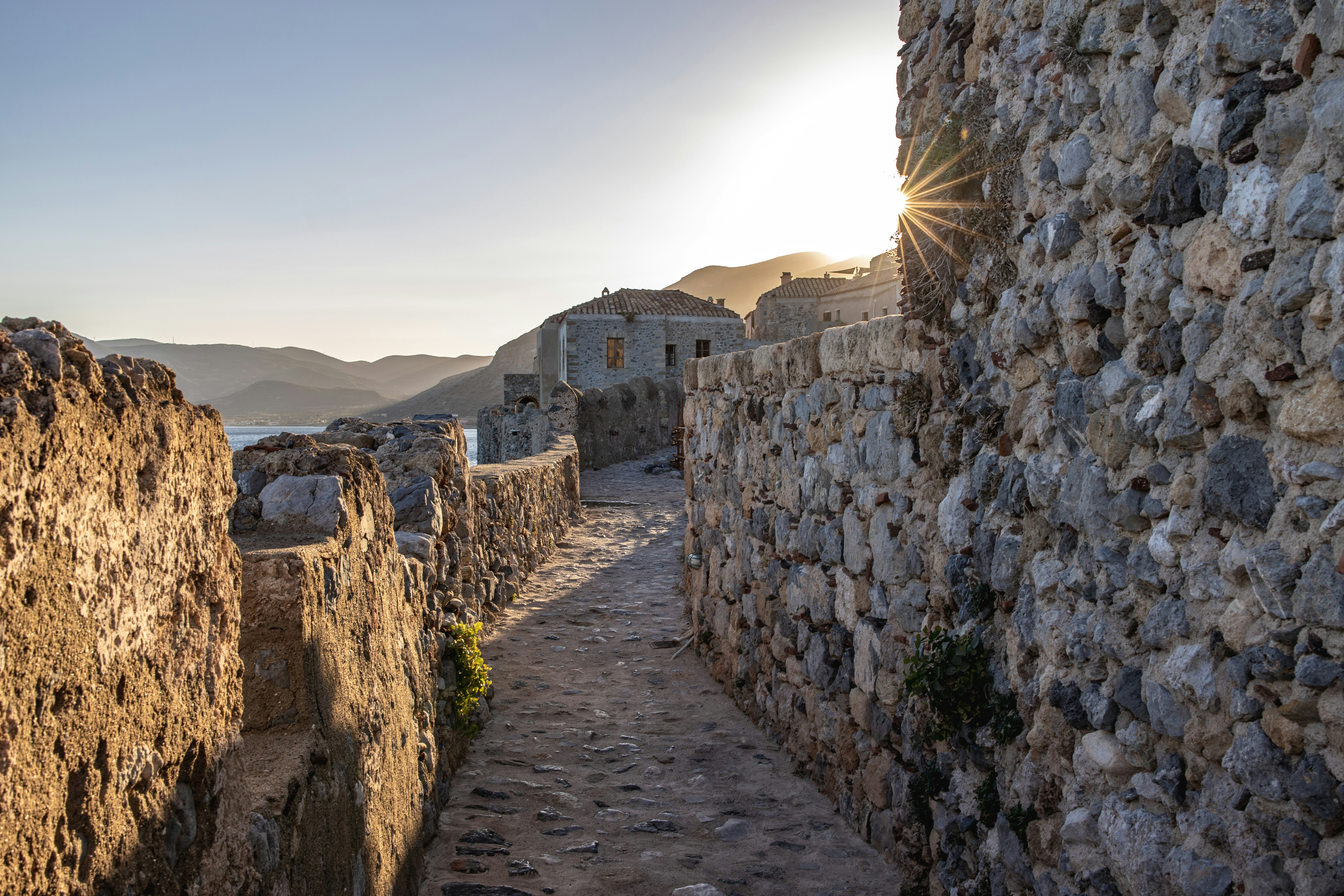
Monemvasia boasts a varied and colorful history that can be traced to the 8th-century when Greeks fleeing the Slav invasion of Lakonia found refuge here. In its heyday it controlled sea travel between the Levant and European shores. The wall-encircled Lower Town extends along the slopes of a 985-foot-high crag that projects into the sea on the east side of the Peloponnese. For centuries an impressive stronghold, population dwindled as the inhabitants moved to the mainland. But with the beginning of a restoration program aimed to preserve Monemvasia's heritage, the Lower Town experienced a new lease on life, and people have begun to return. The Upper Town is situated on top of the Rock of Monemvasia. It is reached via a zigzagging, paved lane. An almost impregnable bastion in earlier days, it has been uninhabited for centuries, but still manages to preserve its magnificent appearance. Visitors today can explore the remains of the ancient citadel-castle and visit the church of Hagia Sofia. From the summit there is also a fantastic view of the surrounding area.
About Pýlos
About Argostoli
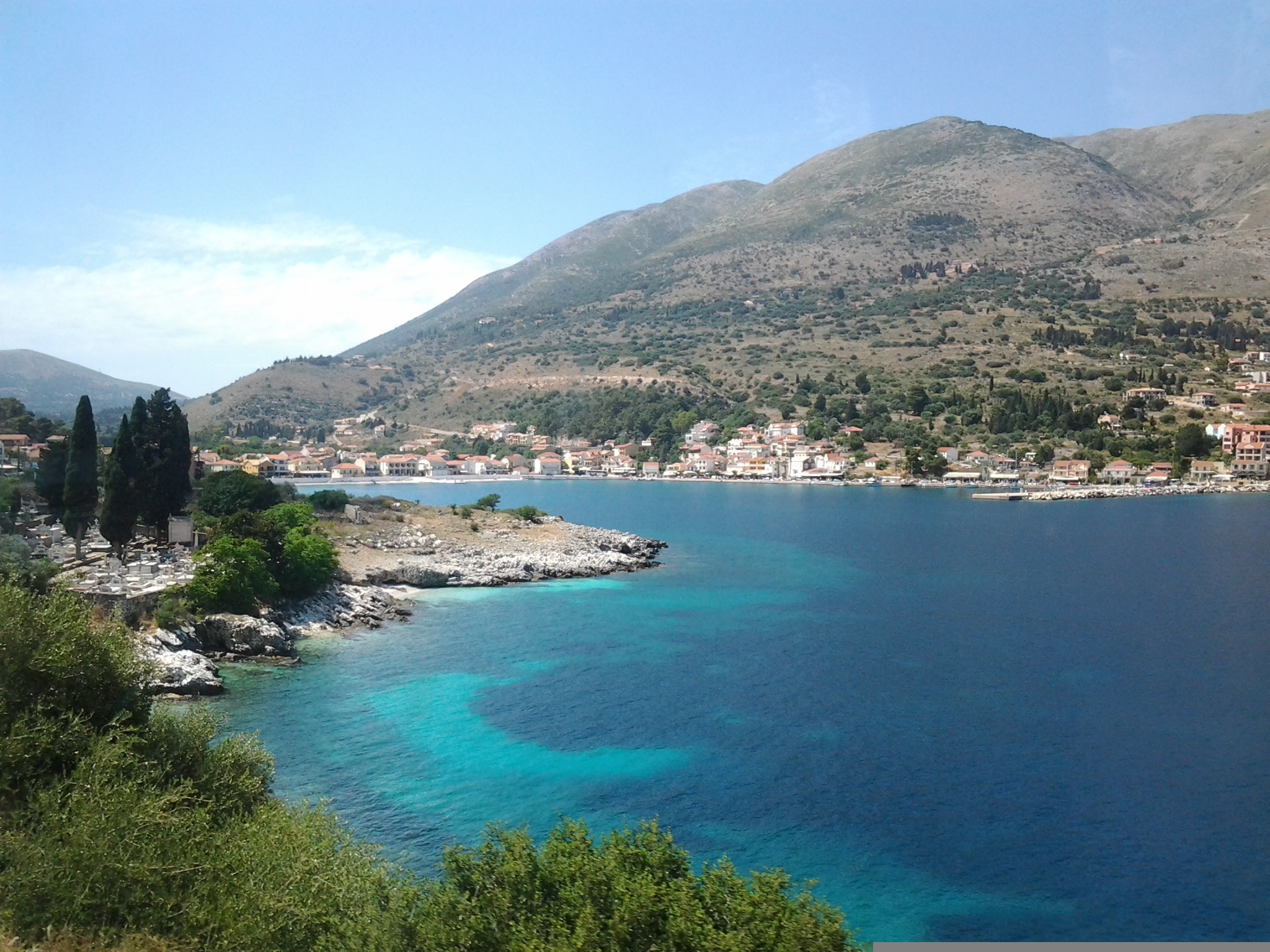
Ground literally to ashes in World War II and wracked by a massive earthquake a decade later, the capital of Kefalonia once more shows pride in its native spirit and natural beauty. The vast harbor on Argostoli’s east side makes an especially attractive port for cruise ships full of visitors who never seem to tire of strolling the cobbled seaside promenade, sipping ouzos in cafés, and stocking up on the succulent Mediterranean fruits in the outdoor markets.
About Lefkáda Island
About Corfu
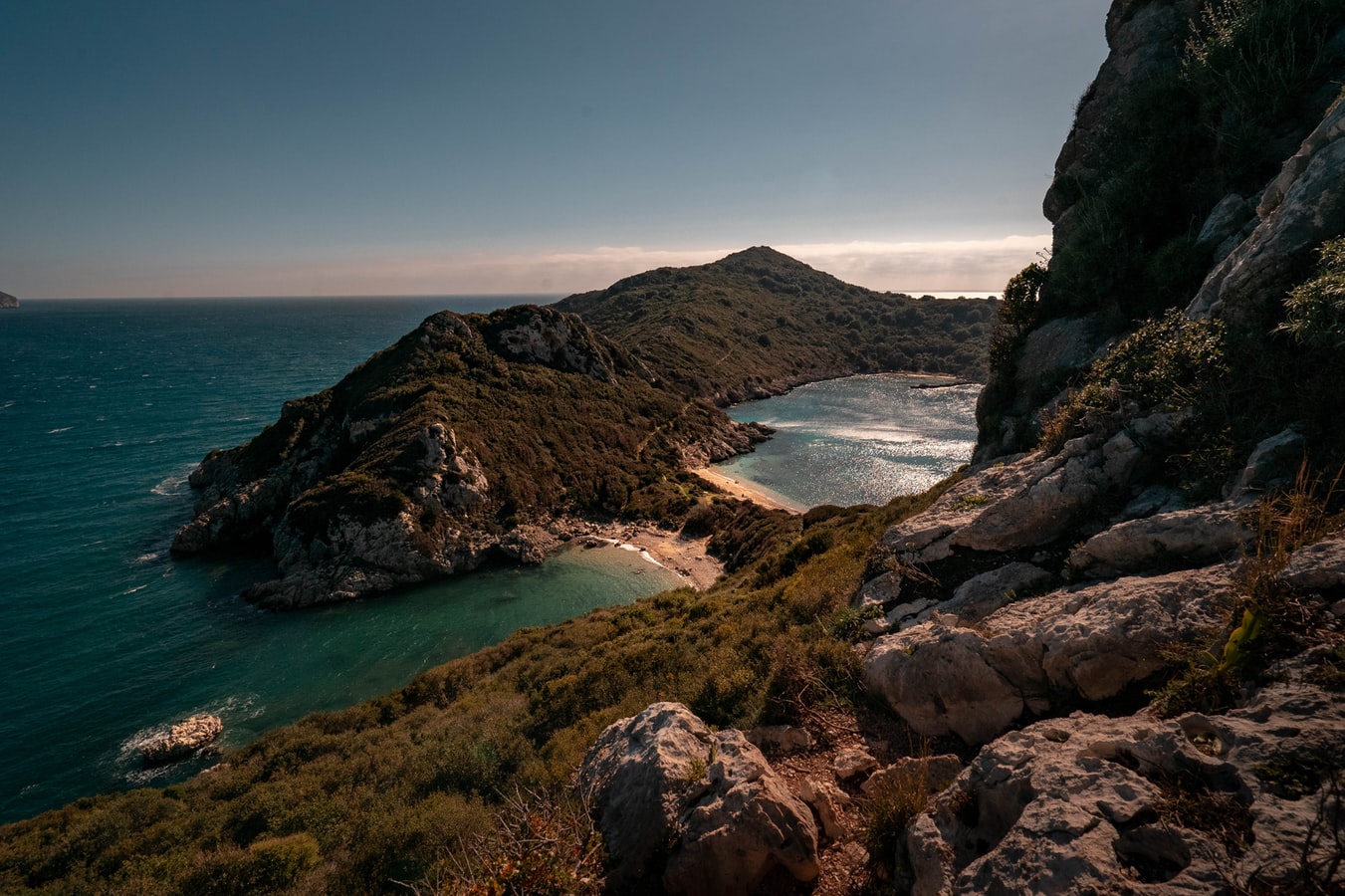
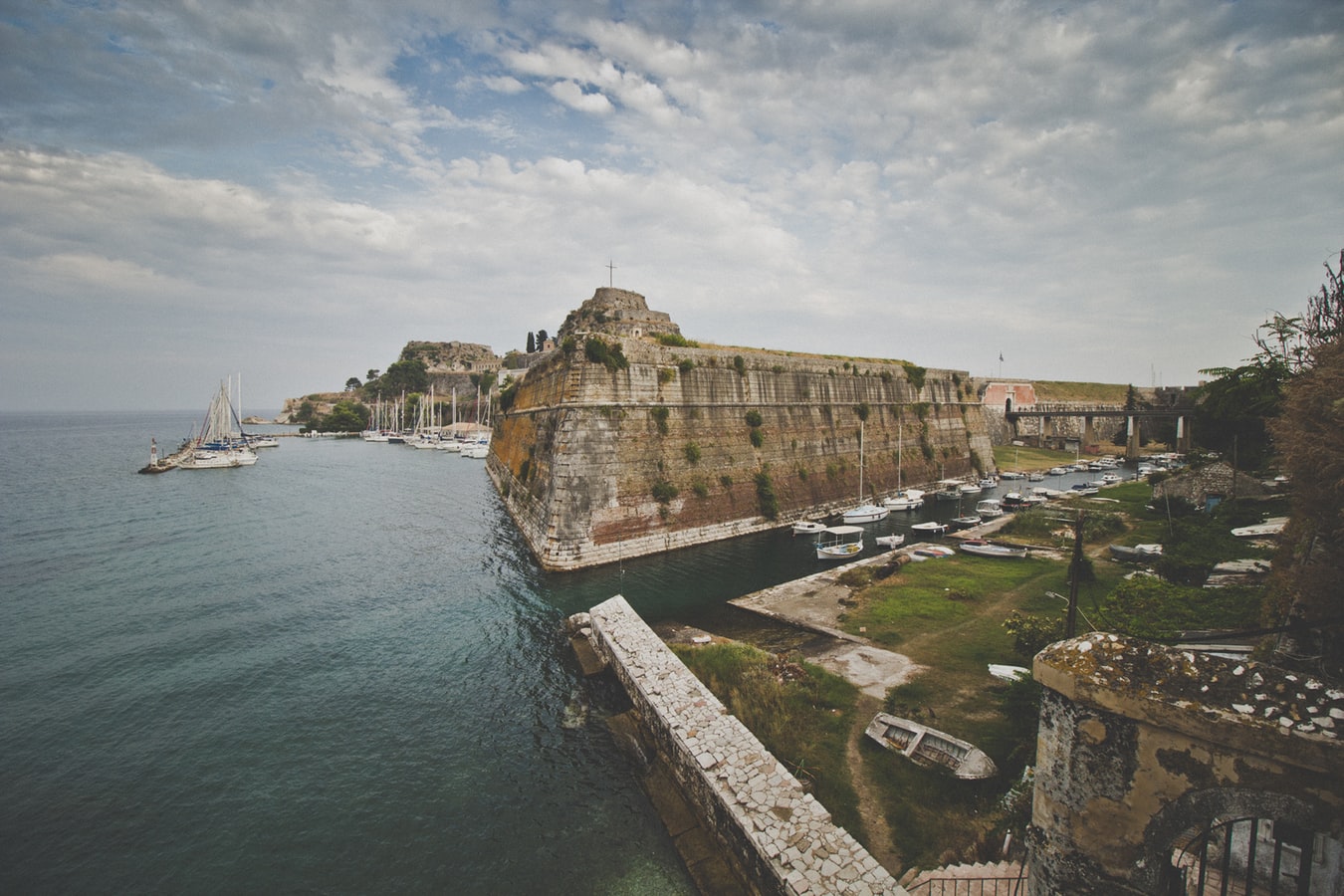
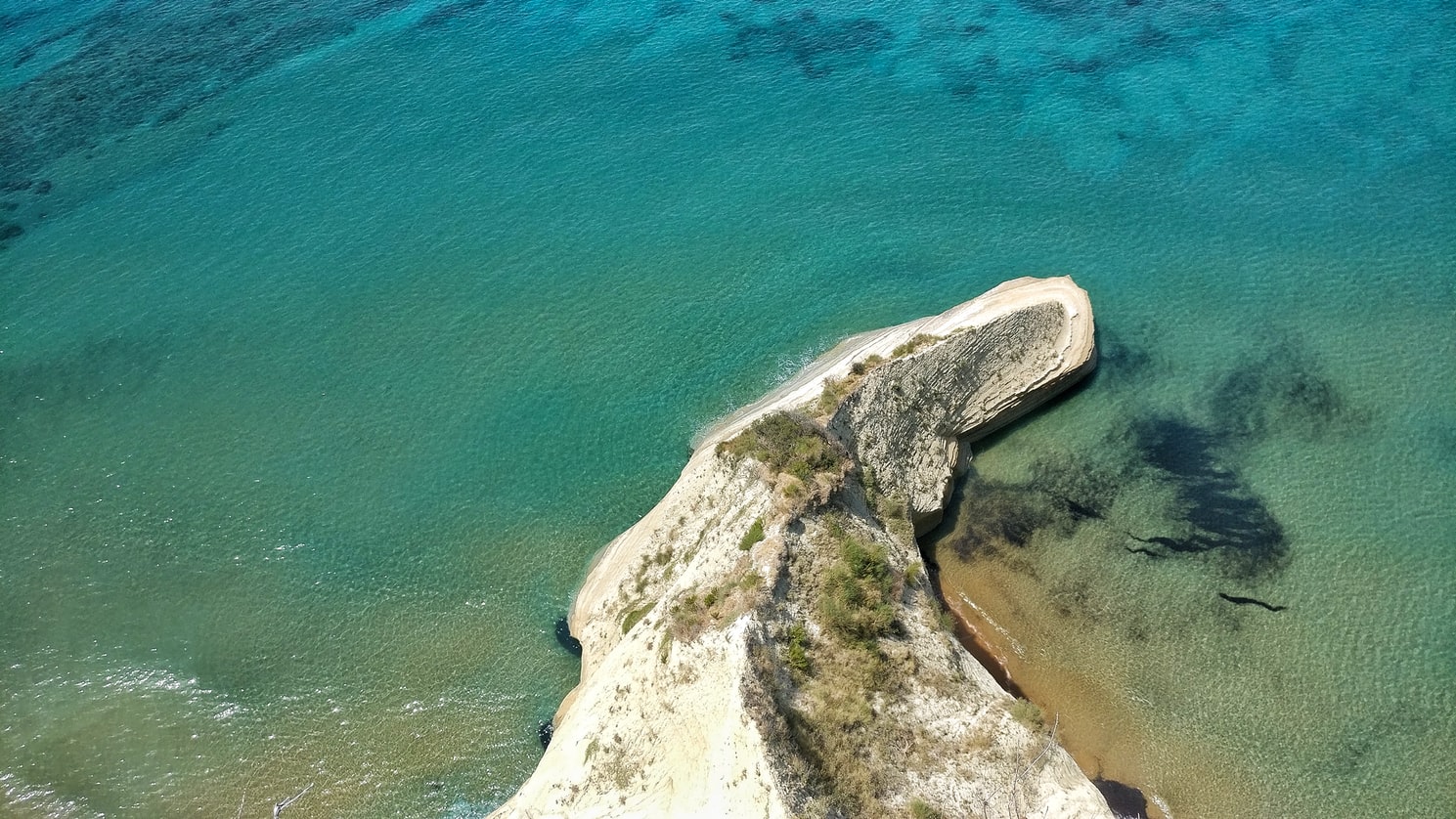
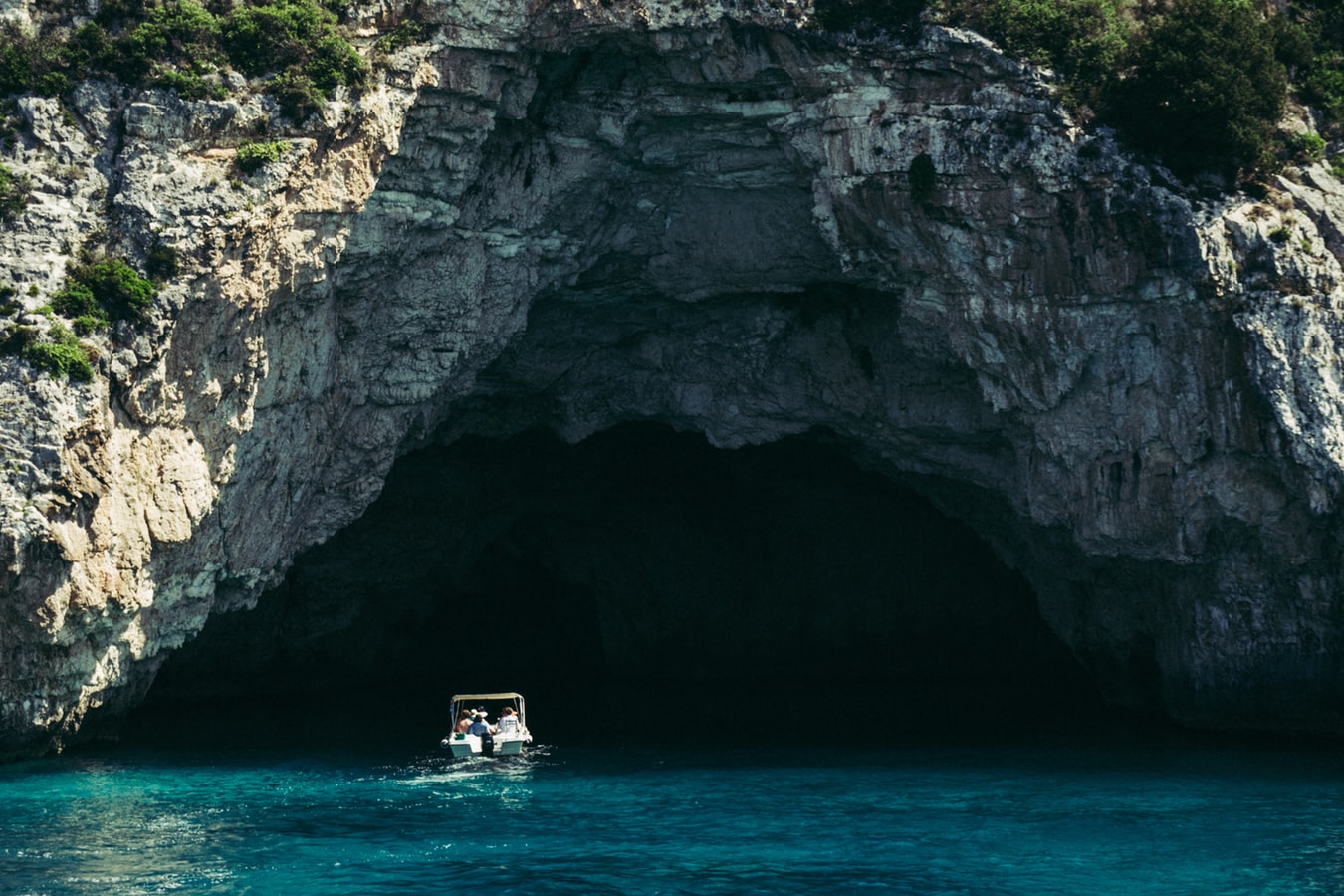
Corfu town today is a vivid tapestry of cultures—a sophisticated weave, where charm, history, and natural beauty blend. Located about midway along the island's east coast, this spectacularly lively capital is the cultural heart of Corfu and has a remarkable historic center that UNESCO designated as a World Heritage Site in 2007. All ships and planes dock or land near Corfu town, which occupies a small peninsula jutting into the Ionian Sea.Whether arriving by ferry from mainland Greece or Italy, from another island, or directly by plane, catch your breath by first relaxing with a coffee or a gelato in Corfu town's shaded Liston Arcade, then stroll the narrow lanes of its pedestrians-only quarter. For an overview of the immediate area, and a quick tour of Mon Repos palace, hop on the little tourist train that runs from May to September. Corfu town has a different feel at night, so book a table at one of its famed tavernas to savor the island's unique cuisine.The best way to get around Corfu town is on foot. The town is small enough so that you can easily walk to every sight. There are local buses, but they do not thread their way into the streets (many now car-free) of the historic center. If you are arriving by ferry or plane, it's best to take a taxi to your hotel. Expect to pay about €10 from the airport or ferry terminal to a hotel in Corfu town. If there are no taxis waiting, you can call for one.
About Sarandë
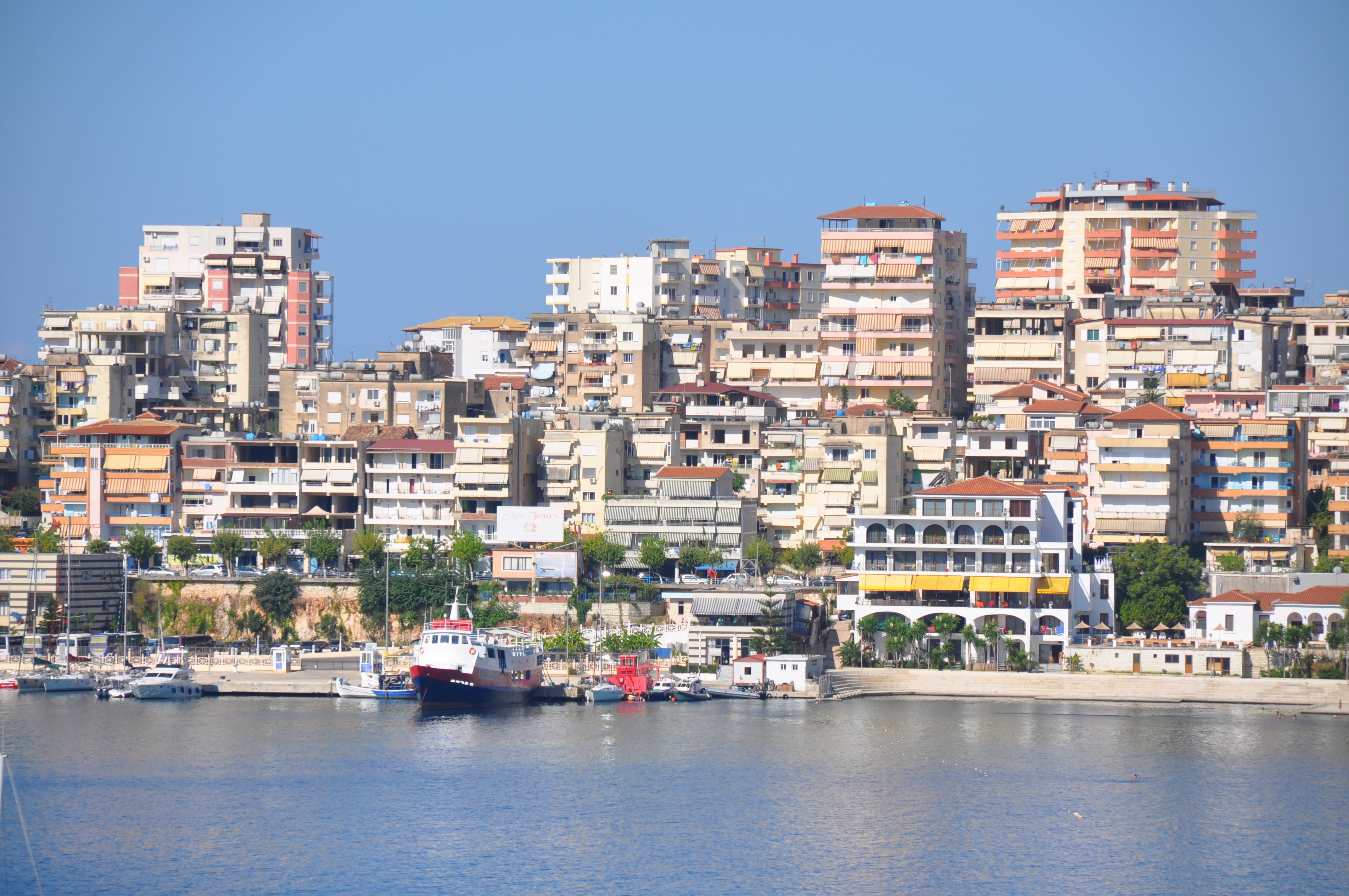
Sarandë is a city in southern Albania on the coast of the Ionian Sea. Sarandë can be reached easily from the Greek island of Corfu by ferry. An early Christian monastery dedicated to 40 saints (Santi Quaranta) gave Sarandë its name. The city center of Sarandë has been scarred by communist architecture but since the fall of communism many small shops and bars have sprung up which give it a Mediterranean feel. This southernmost harbour of Albania was once the ancient port of Onchesmos. Today, Sarandë’s main attractions are its sunny climate and the nearby ruins of Butrint. Please Note: For your convenience, shore excursions offered for this port of call are available to reserve in advance at www.silversea.com, unless otherwise noted in the description. The deadline to reserve these tours is August 19, after which they will be available for purchase on board, unless otherwise noted in the description. Pier Information The ship is scheduled to anchor at Main Pier. The town center is 875 yards from the pier. Taxis are generally available at the pier. Shopping Typical souvenirs include t-shirts, postcards, wood carvings and dolls in national costume. Cuisine Albanian cuisine has been strongly influenced by Turkey. Grilled meats like shisqubap (shish kebab), romstek (minced meat patties) and gofte (meat balls) are served all across the Balkans. Some local dishes include comlek (meat and onion stew), fërges (a rich beef stew), rosto me salcë kosi (roast beef with sour cream) and tavë kosi (mutton with yoghurt. Lake Shkodra carp and Lake Ohrid trout are the most common fish dishes. Try the ice cream (akullore), which is popular everywhere. Other Sites Blue Eye Spring The iridescent blue water gushes from the depths of the earth and feeds the Bistrica River. Catacombs Recently discovered catacombs of the church of the Forty Saints can also be explored. Private arrangements for independent sightseeing may be requested through the Tour Office on board.
About Kotor
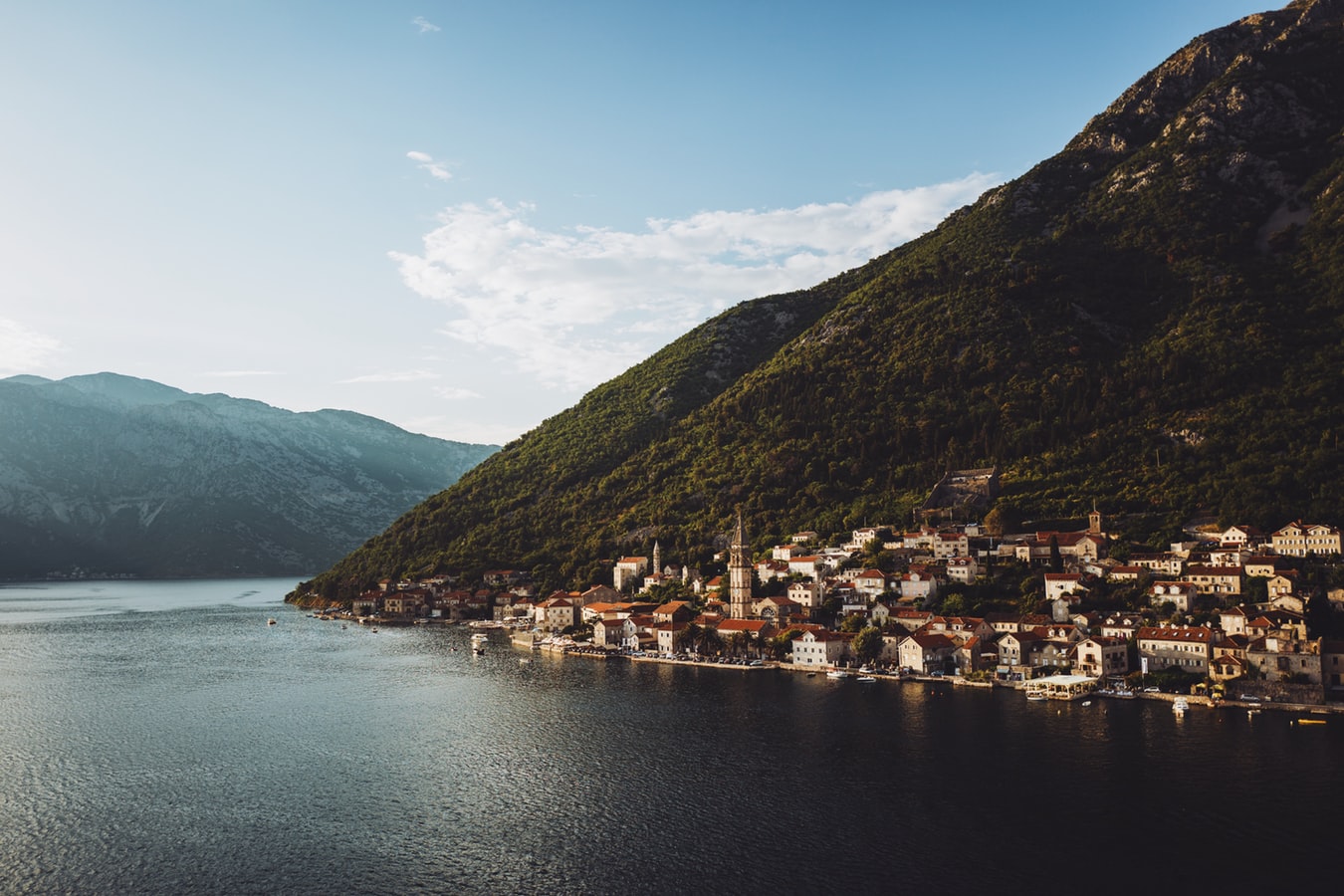
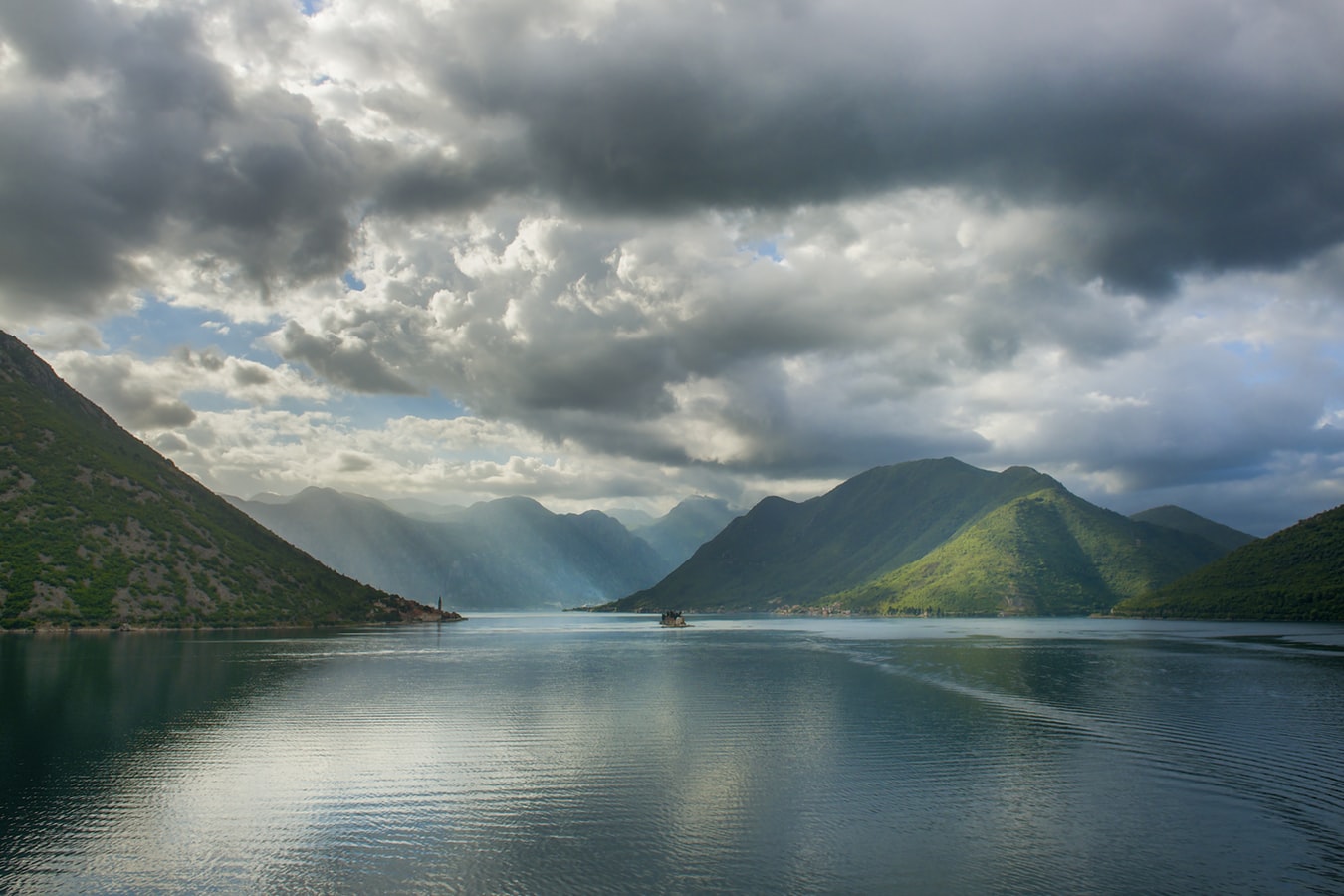
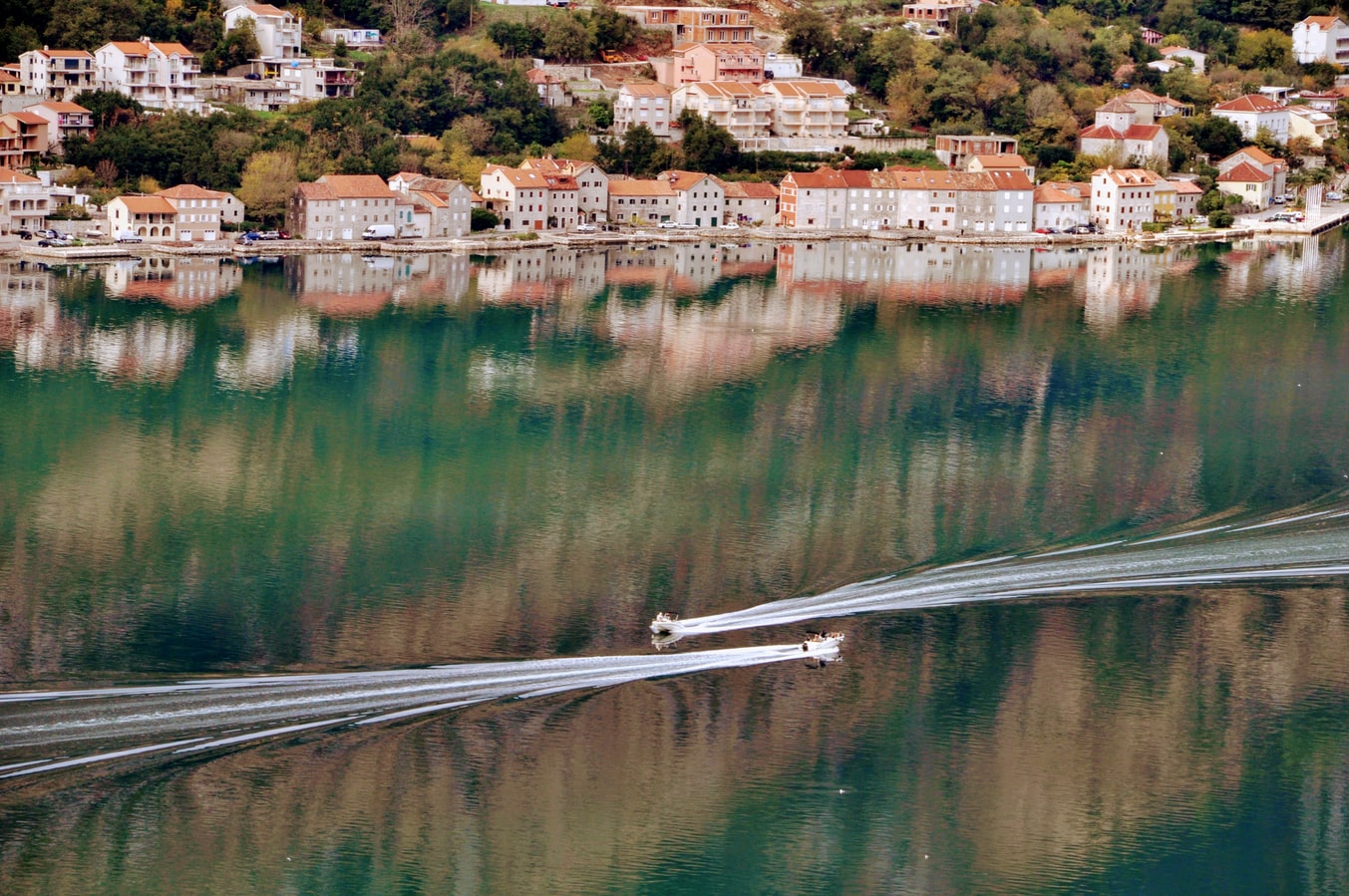
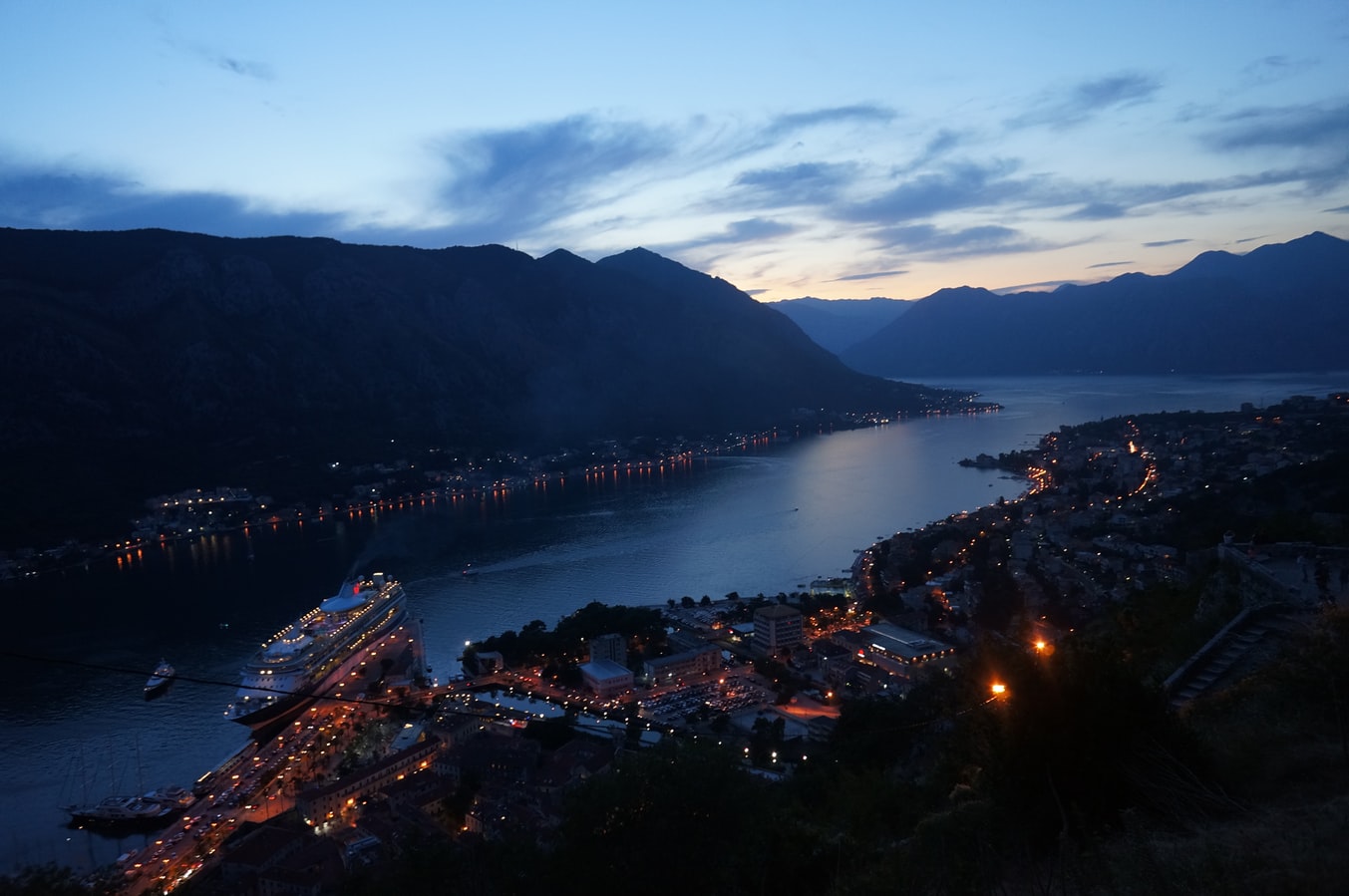
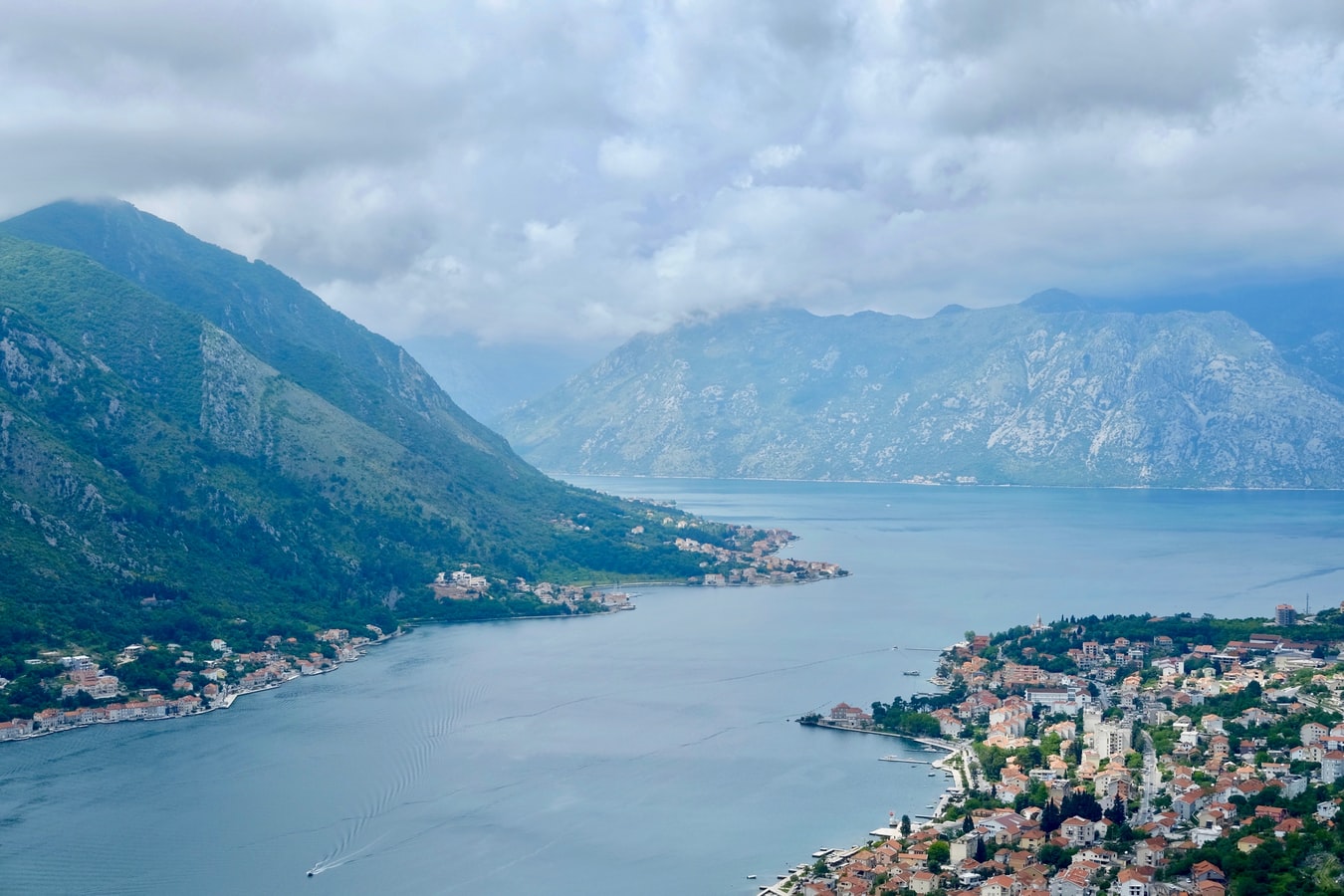
Backed by imposing mountains, tiny Kotor lies hidden from the open sea, tucked into the deepest channel of the Bokor Kotorska (Kotor Bay), which is Europe's most southerly fjord. To many, this town is more charming than its sister UNESCO World Heritage Site, Dubrovnik, retaining more authenticity, but with fewer tourists and spared the war damage and subsequent rebuilding which has given Dubrovnik something of a Disney feel.Kotor's medieval Stari Grad (Old Town) is enclosed within well-preserved defensive walls built between the 9th and 18th centuries and is presided over by a proud hilltop fortress. Within the walls, a labyrinth of winding cobbled streets leads through a series of splendid paved piazzas, rimmed by centuries-old stone buildings. The squares are now haunted by strains from buskers but although many now house trendy cafés and chic boutiques, directions are still given medieval-style by reference to the town’s landmark churches.In the Middle Ages, as Serbia's chief port, Kotor was an important economic and cultural center with its own highly regarded schools of stonemasonry and iconography. From 1391 to 1420 it was an independent city-republic and later, it spent periods under Venetian, Austrian, and French rule, though it was undoubtedly the Venetians who left the strongest impression on the city's architecture. Since the breakup of Yugoslavia, some 70% of the stone buildings in the romantic Old Town have been snapped up by foreigners, mostly Brits and Russians. Porto Montenegro, a new marina designed to accommodate some of the world’s largest super yachts, opened in nearby Tivat in 2011, and along the bay are other charming seaside villages, all with better views of the bay than the vista from Kotor itself where the waterside is congested with cruise ships and yachts. Try sleepy Muo or the settlement of Prčanj in one direction around the bay, or Perast and the Roman mosaics of Risan in the other direction.
About Kotor
Backed by imposing mountains, tiny Kotor lies hidden from the open sea, tucked into the deepest channel of the Bokor Kotorska (Kotor Bay), which is Europe's most southerly fjord. To many, this town is more charming than its sister UNESCO World Heritage Site, Dubrovnik, retaining more authenticity, but with fewer tourists and spared the war damage and subsequent rebuilding which has given Dubrovnik something of a Disney feel.Kotor's medieval Stari Grad (Old Town) is enclosed within well-preserved defensive walls built between the 9th and 18th centuries and is presided over by a proud hilltop fortress. Within the walls, a labyrinth of winding cobbled streets leads through a series of splendid paved piazzas, rimmed by centuries-old stone buildings. The squares are now haunted by strains from buskers but although many now house trendy cafés and chic boutiques, directions are still given medieval-style by reference to the town’s landmark churches.In the Middle Ages, as Serbia's chief port, Kotor was an important economic and cultural center with its own highly regarded schools of stonemasonry and iconography. From 1391 to 1420 it was an independent city-republic and later, it spent periods under Venetian, Austrian, and French rule, though it was undoubtedly the Venetians who left the strongest impression on the city's architecture. Since the breakup of Yugoslavia, some 70% of the stone buildings in the romantic Old Town have been snapped up by foreigners, mostly Brits and Russians. Porto Montenegro, a new marina designed to accommodate some of the world’s largest super yachts, opened in nearby Tivat in 2011, and along the bay are other charming seaside villages, all with better views of the bay than the vista from Kotor itself where the waterside is congested with cruise ships and yachts. Try sleepy Muo or the settlement of Prčanj in one direction around the bay, or Perast and the Roman mosaics of Risan in the other direction.
About Split
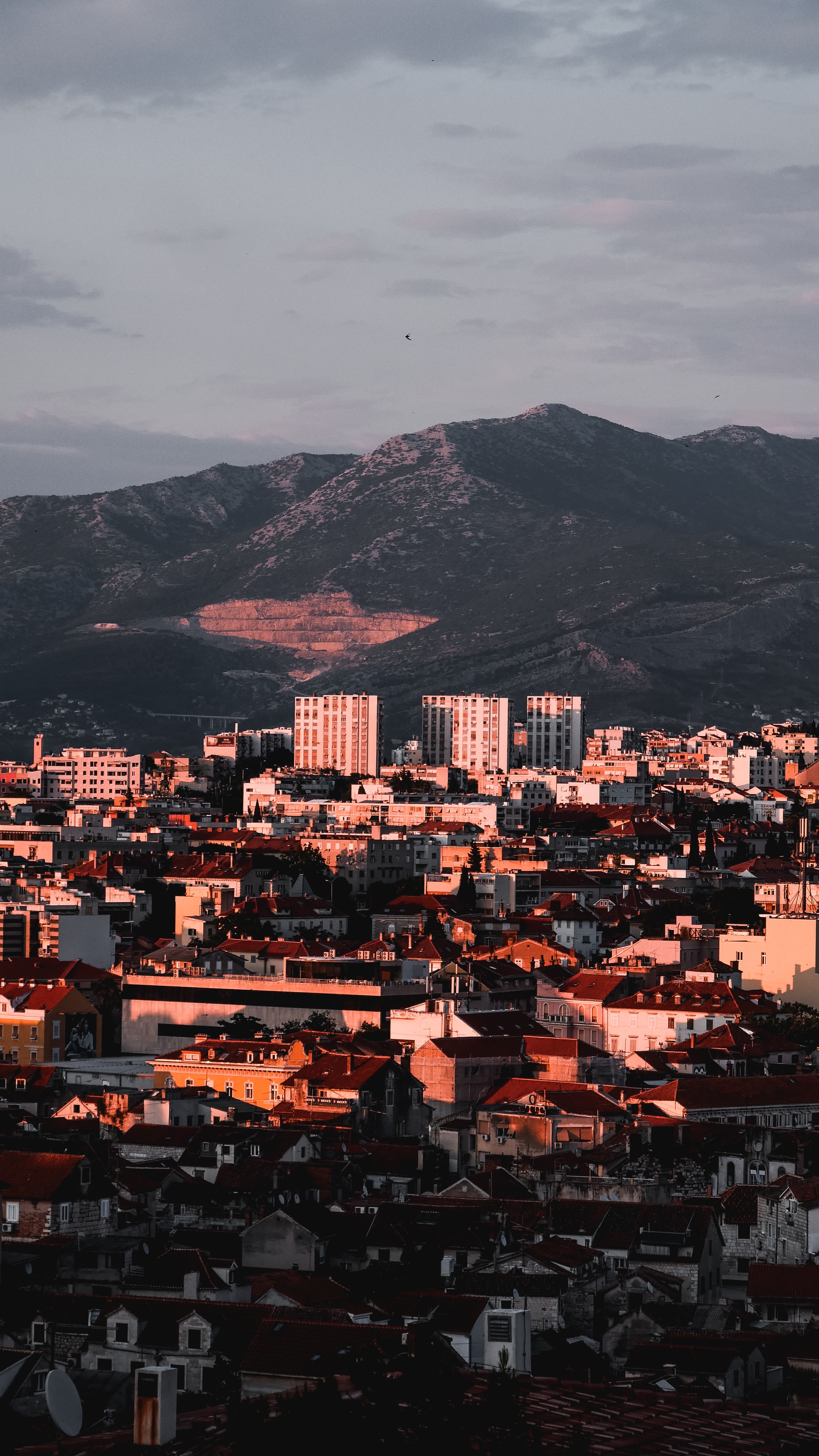
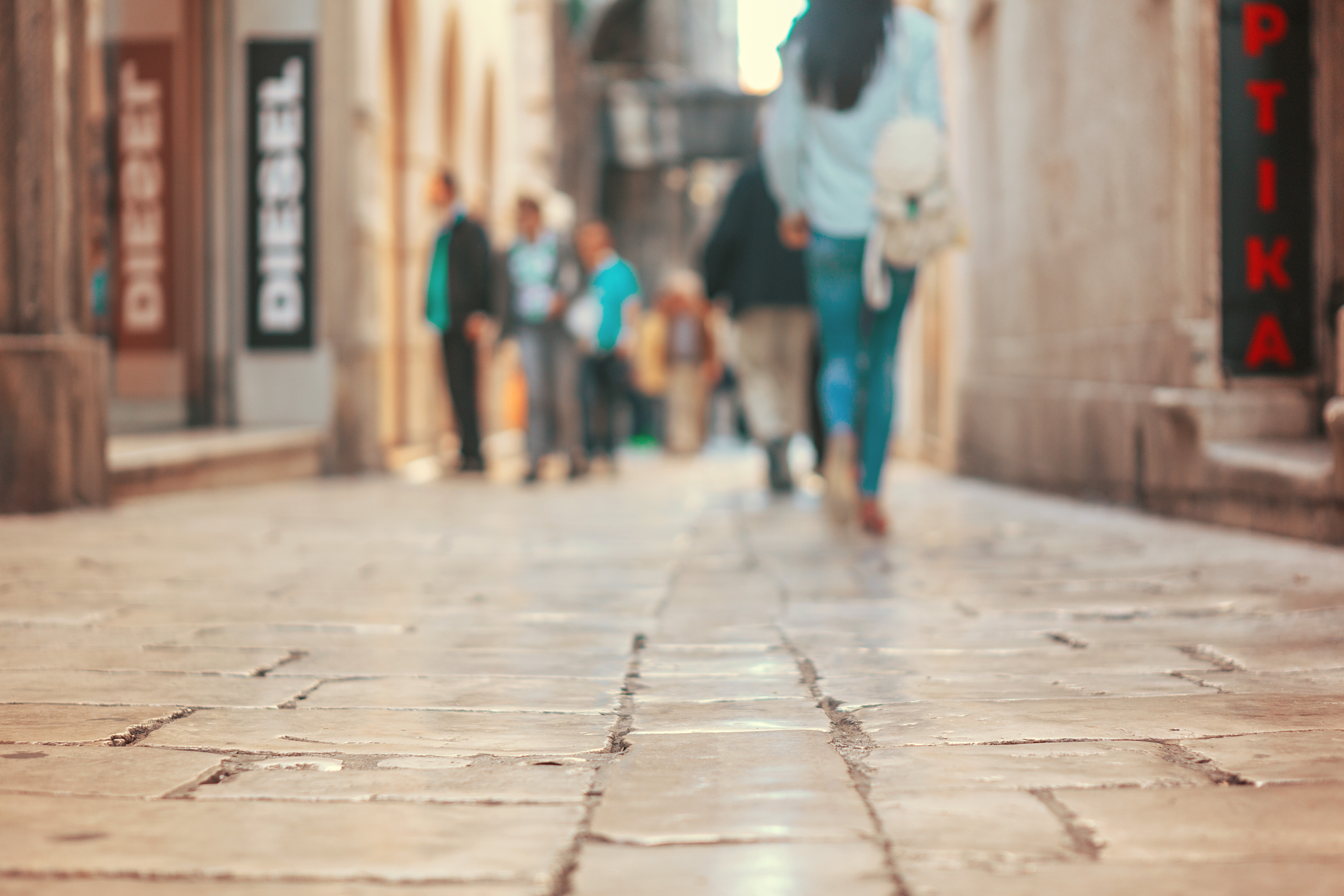
Split's ancient core is so spectacular and unusual that a visit is more than worth your time. The heart of the city lies within the walls of Roman emperor Diocletian's retirement palace, which was built in the 3rd century AD. Diocletian, born in the nearby Roman settlement of Salona in AD 245, achieved a brilliant career as a soldier and became emperor at the age of 40. In 295 he ordered this vast palace to be built in his native Dalmatia, and when it was completed he stepped down from the throne and retired to his beloved homeland. Upon his death, he was laid to rest in an octagonal mausoleum, around which Split's magnificent cathedral was built.In 615, when Salona was sacked by barbarian tribes, those fortunate enough to escape found refuge within the stout palace walls and divided up the vast imperial apartments into more modest living quarters. Thus, the palace developed into an urban center, and by the 11th century the settlement had expanded beyond the ancient walls.Under the rule of Venice (1420–1797), Split—as a gateway to the Balkan interior—became one of the Adriatic's main trading ports, and the city's splendid Renaissance palaces bear witness to the affluence of those times. When the Habsburgs took control during the 19th century, an overland connection to Central Europe was established by the construction of the Split–Zagreb–Vienna railway line.After World War II, the Tito years saw a period of rapid urban expansion: industrialization accelerated and the suburbs extended to accommodate high-rise apartment blocks. Today the historic center of Split is included on UNESCO's list of World Heritage Sites.

About Dubrovnik
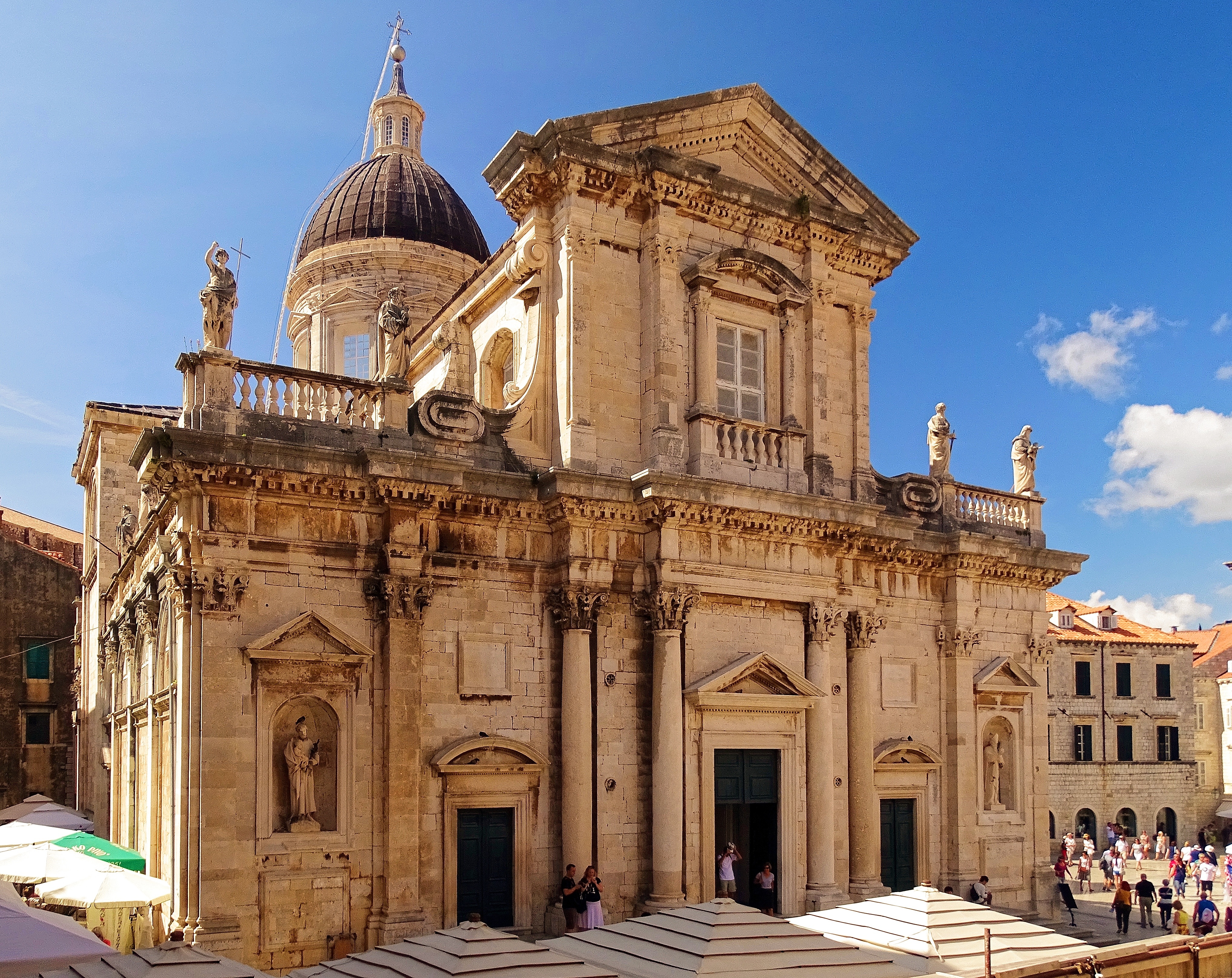
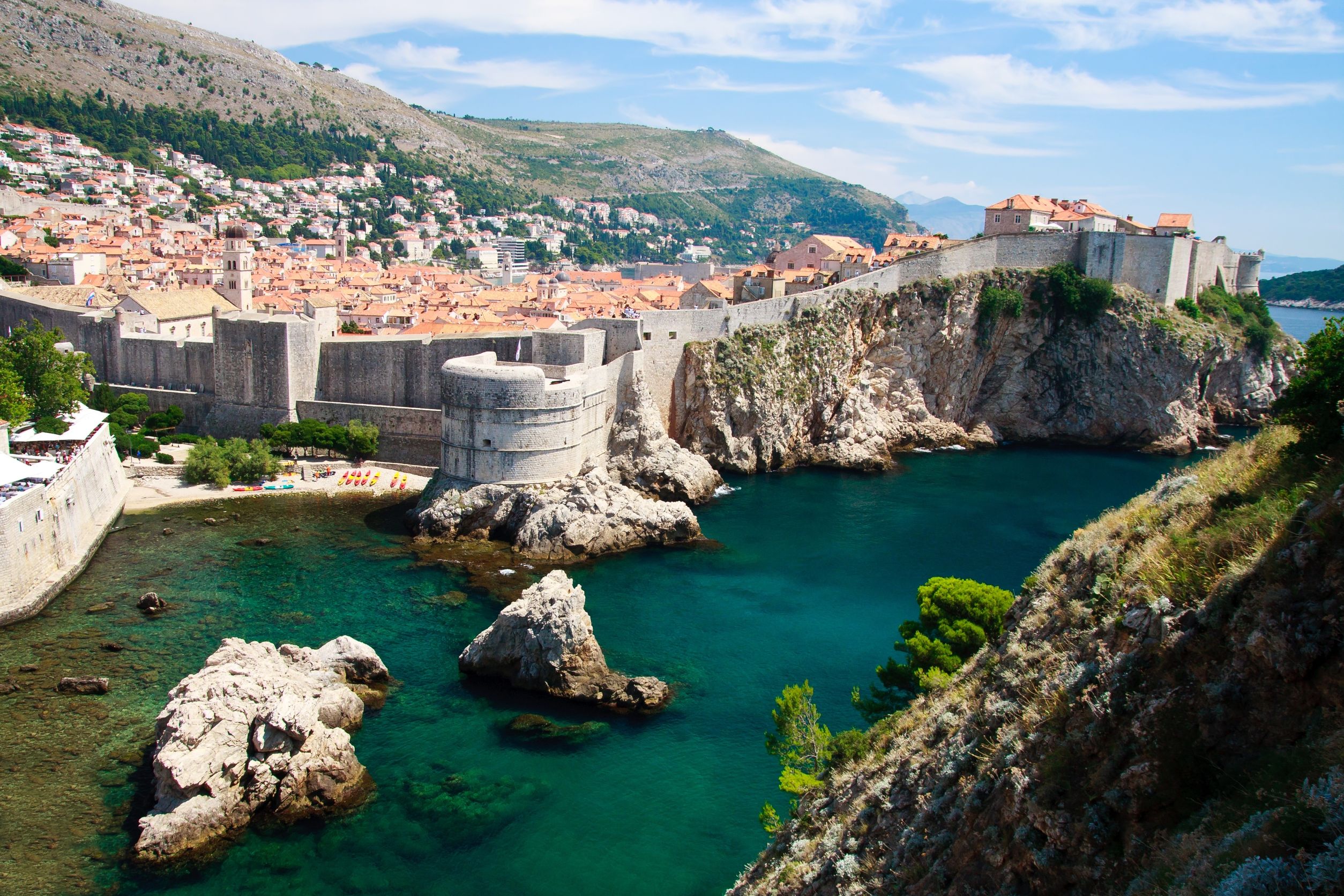
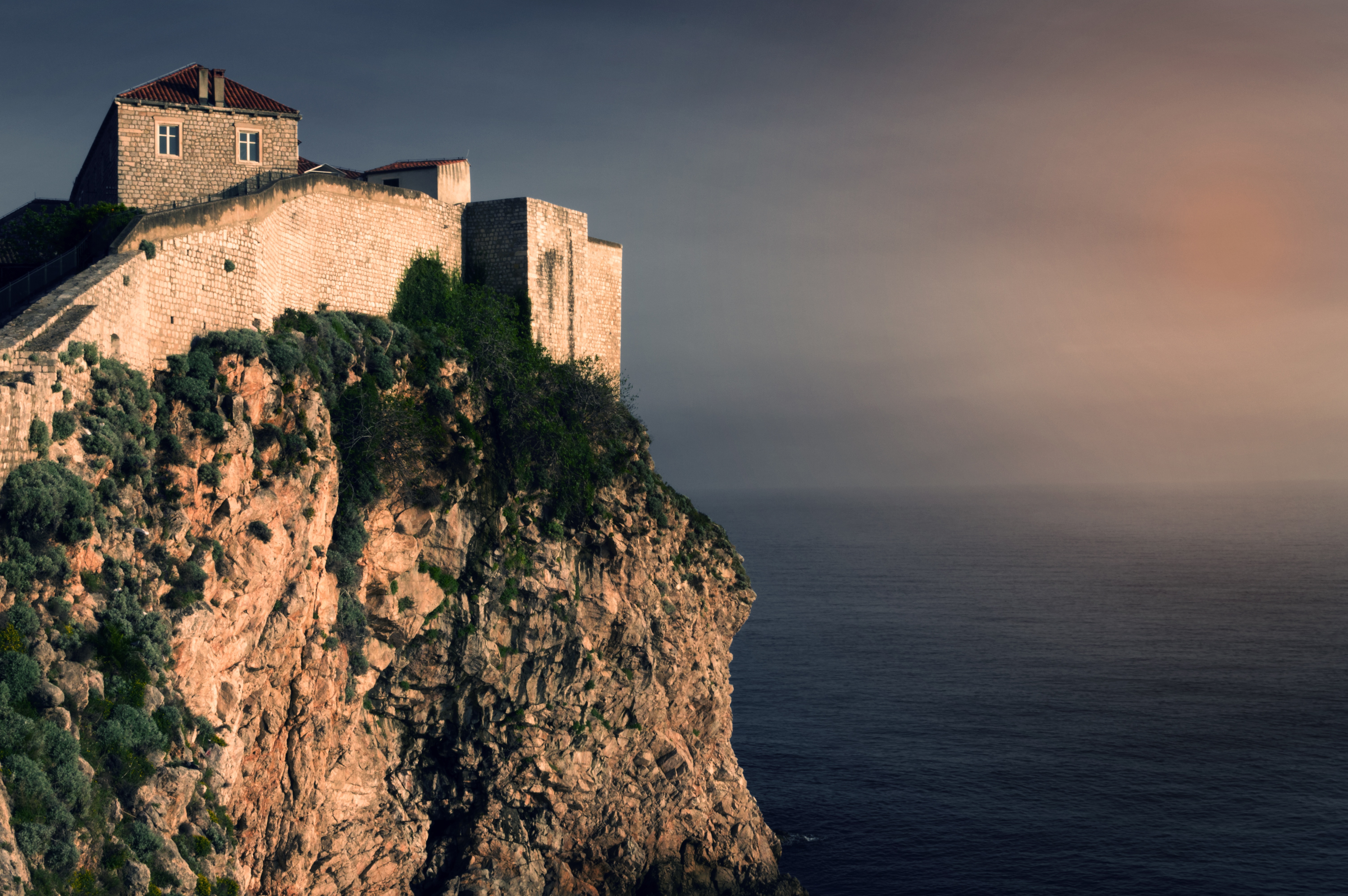
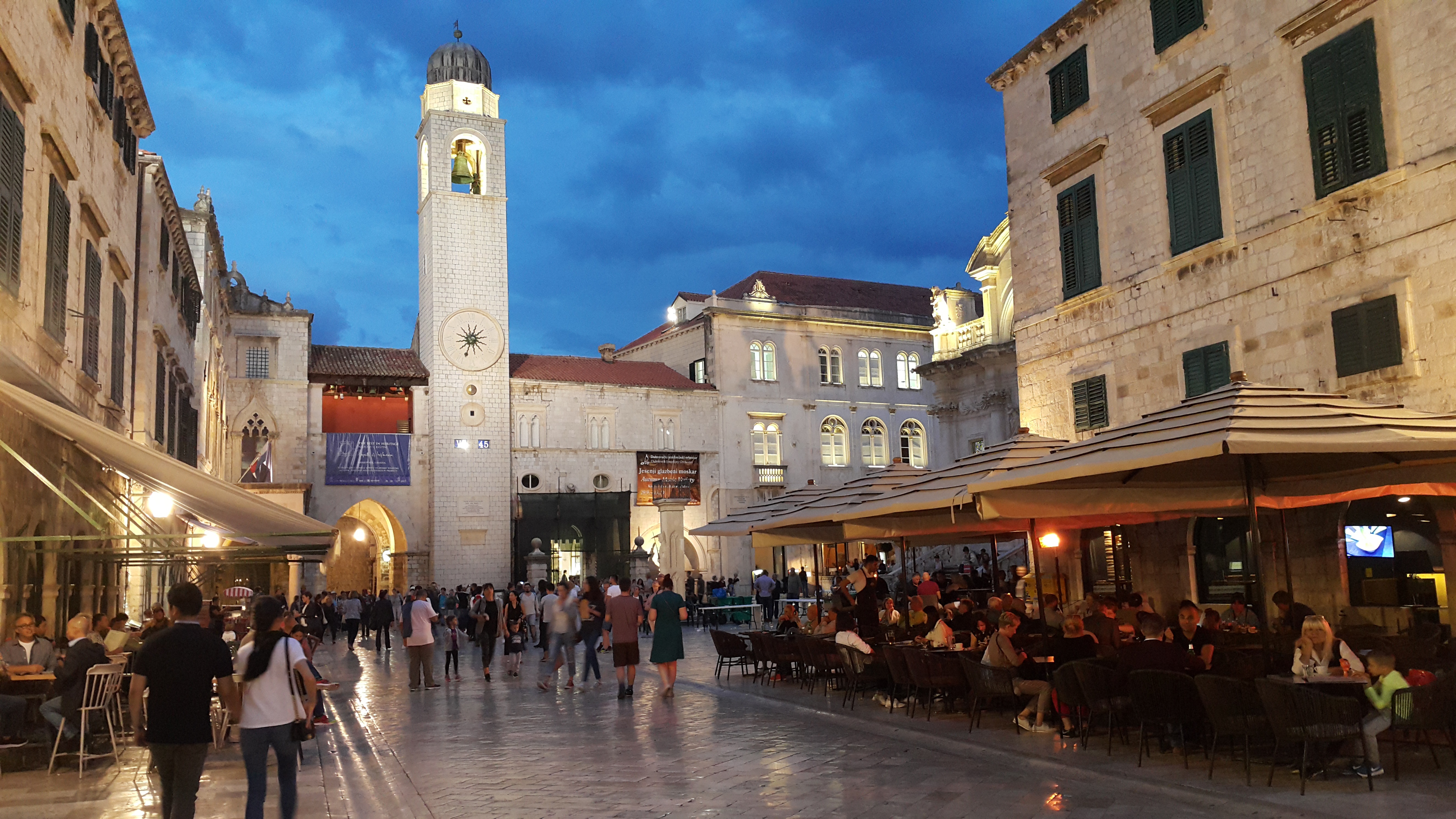
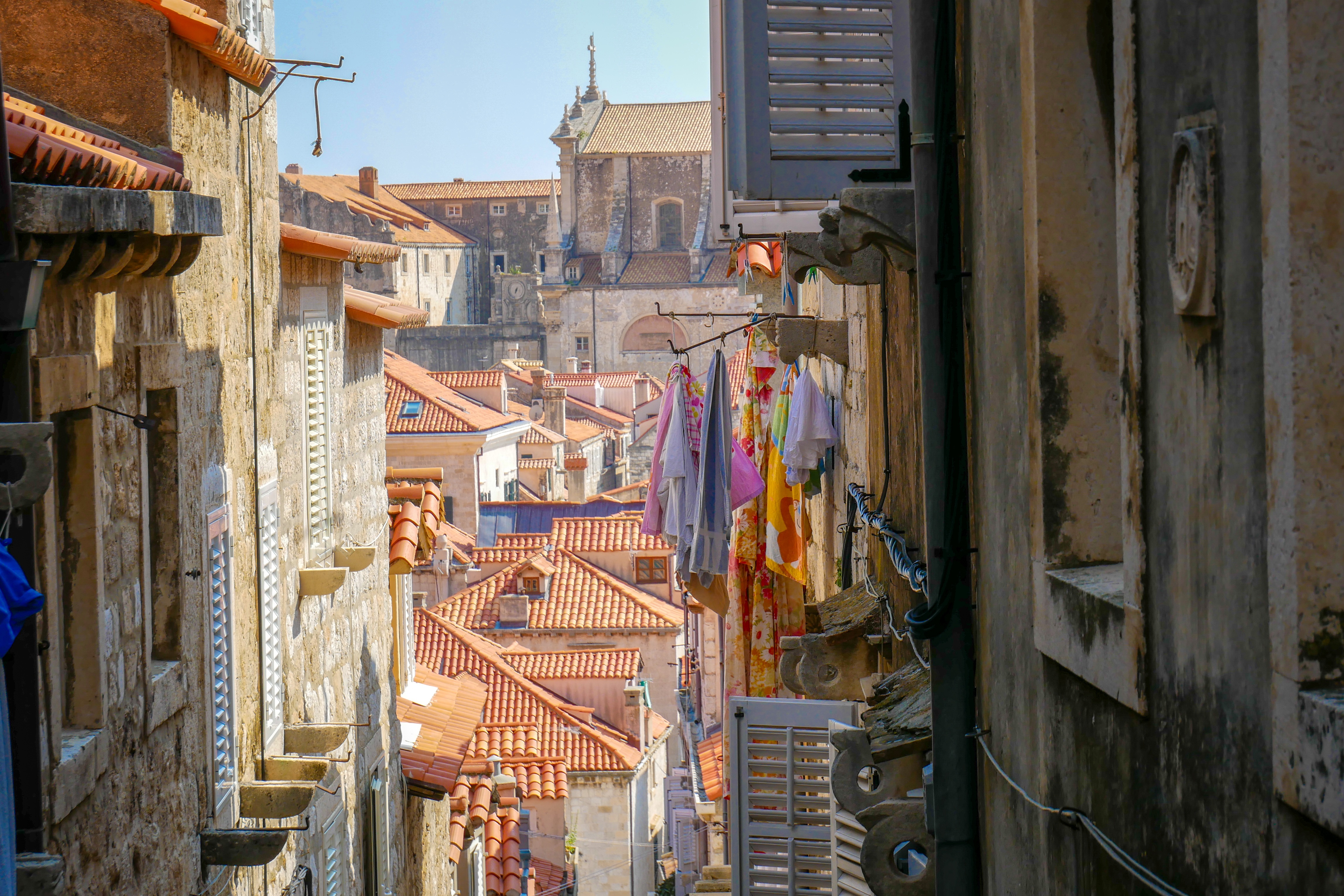
Nothing can prepare you for your first sight of Dubrovnik. Lying 216 km (135 miles) southeast of Split and commanding a jaw-dropping coastal location, it is one of the world's most beautiful fortified cities. Its massive stone ramparts and fortress towers curve around a tiny harbor, enclosing graduated ridges of sun-bleached orange-tiled roofs, copper domes, and elegant bell towers. Your imagination will run wild picturing what it looked like seven centuries ago when the walls were built, without any suburbs or highways around it, just this magnificent stone city rising out of the sea.In the 7th century AD, residents of the Roman city Epidaurum (now Cavtat) fled the Avars and Slavs of the north and founded a new settlement on a small rocky island, which they named Laus, and later Ragusa. On the mainland hillside opposite the island, the Slav settlement called Dubrovnik grew up. In the 12th century the narrow channel separating the two settlements was filled in (now the main street through the Old Town, called Stradun), and Ragusa and Dubrovnik became one. The city was surrounded by defensive walls during the 13th century, and these were reinforced with towers and bastions in the late 15th century.From 1358 to 1808 the city thrived as a powerful and remarkably sophisticated independent republic, reaching its golden age during the 16th century. In 1667 many of its splendid Gothic and Renaissance buildings were destroyed by an earthquake. The defensive walls survived the disaster, and the city was rebuilt in baroque style.Dubrovnik lost its independence to Napoléon in 1808, and in 1815 passed to Austria-Hungary. During the 20th century, as part of Yugoslavia, the city became a popular tourist destination, and in 1979 it was listed as a UNESCO World Heritage Site. During the war for independence, it came under heavy siege. Thanks to careful restoration, few traces of damage remain; however, there are maps inside the Pile and Ploče Gates illustrating the points around the city where damage was done. It’s only when you experience Dubrovnik yourself that you can understand what a treasure the world nearly lost
The Owner's Suite is so much more than our most exclusive suite; it is an exquisite home on the oceans of the world. Enjoy all the amenities you could possibly need, spread over more than 114 m²/1,227 ft² of personal freedom.
- Living area: 99 m²/1,066 ft²; veranda: 15 m²/161 ft²
- Separate living and sleeping areas
- Separate dining table
- Guest toilet
- Bathroom with two sinks
- Shower with steam sauna
- Whirlpool and daybed in the bathroom
- Butler service
- Free mini bar
- Exclusive service privileges
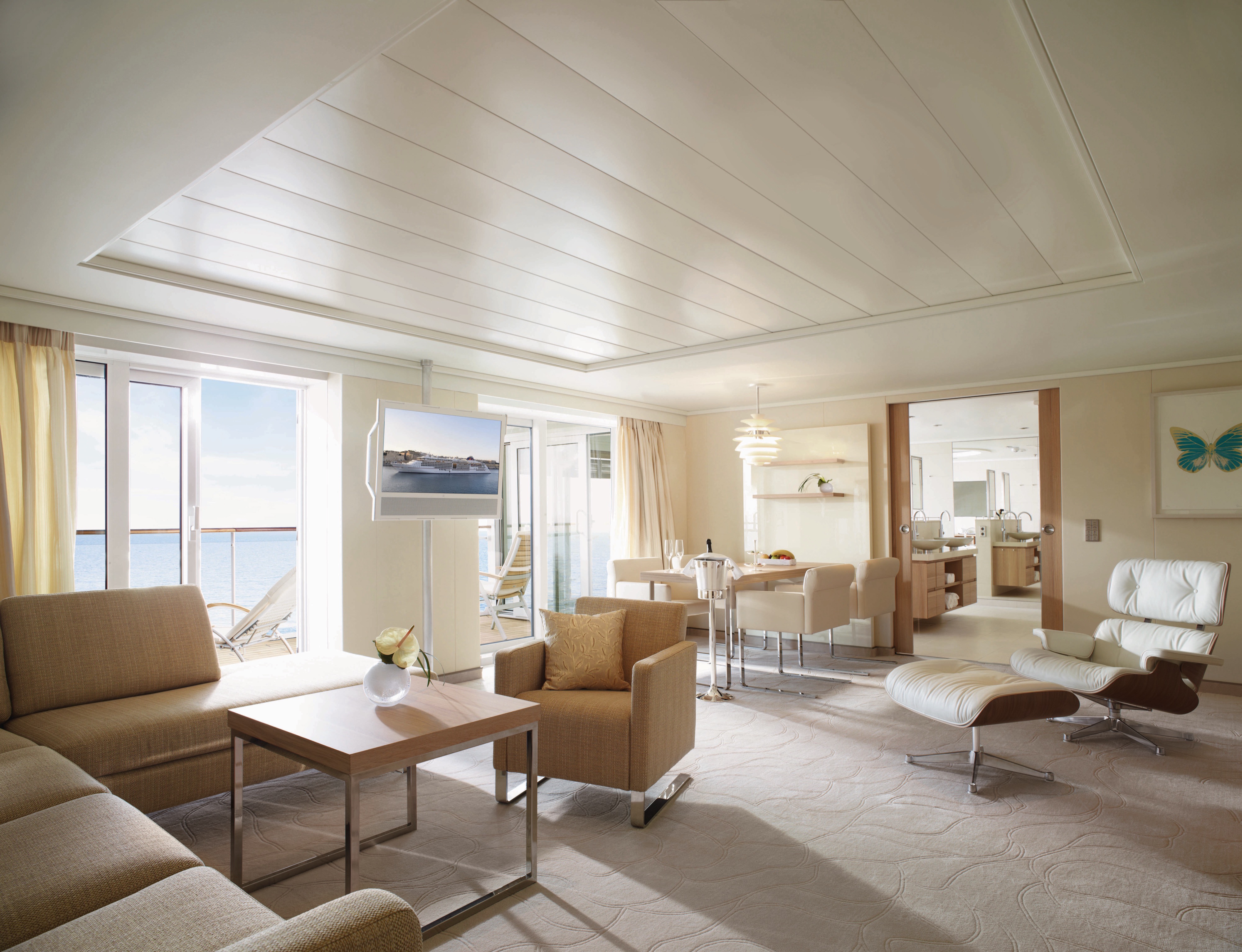
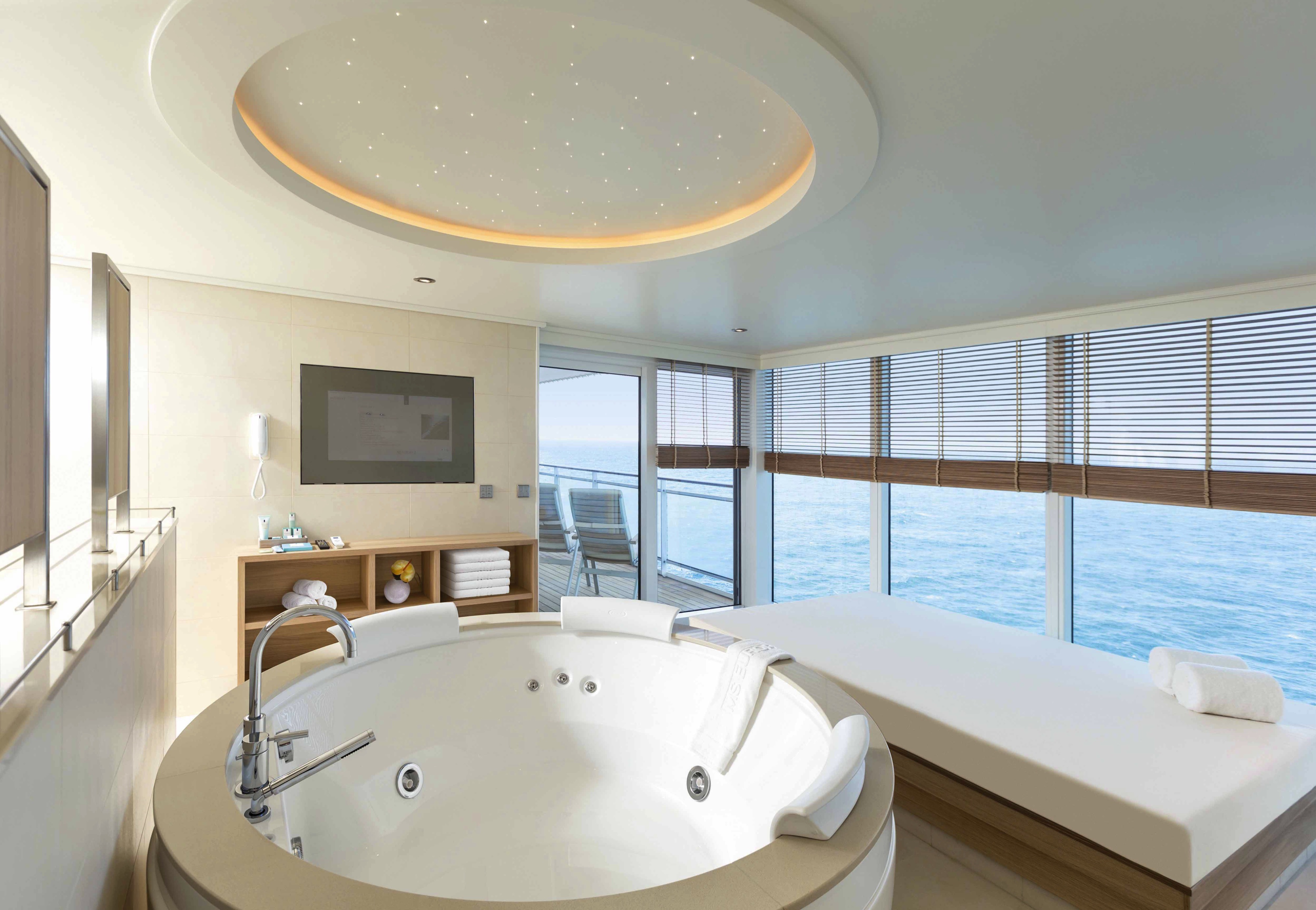
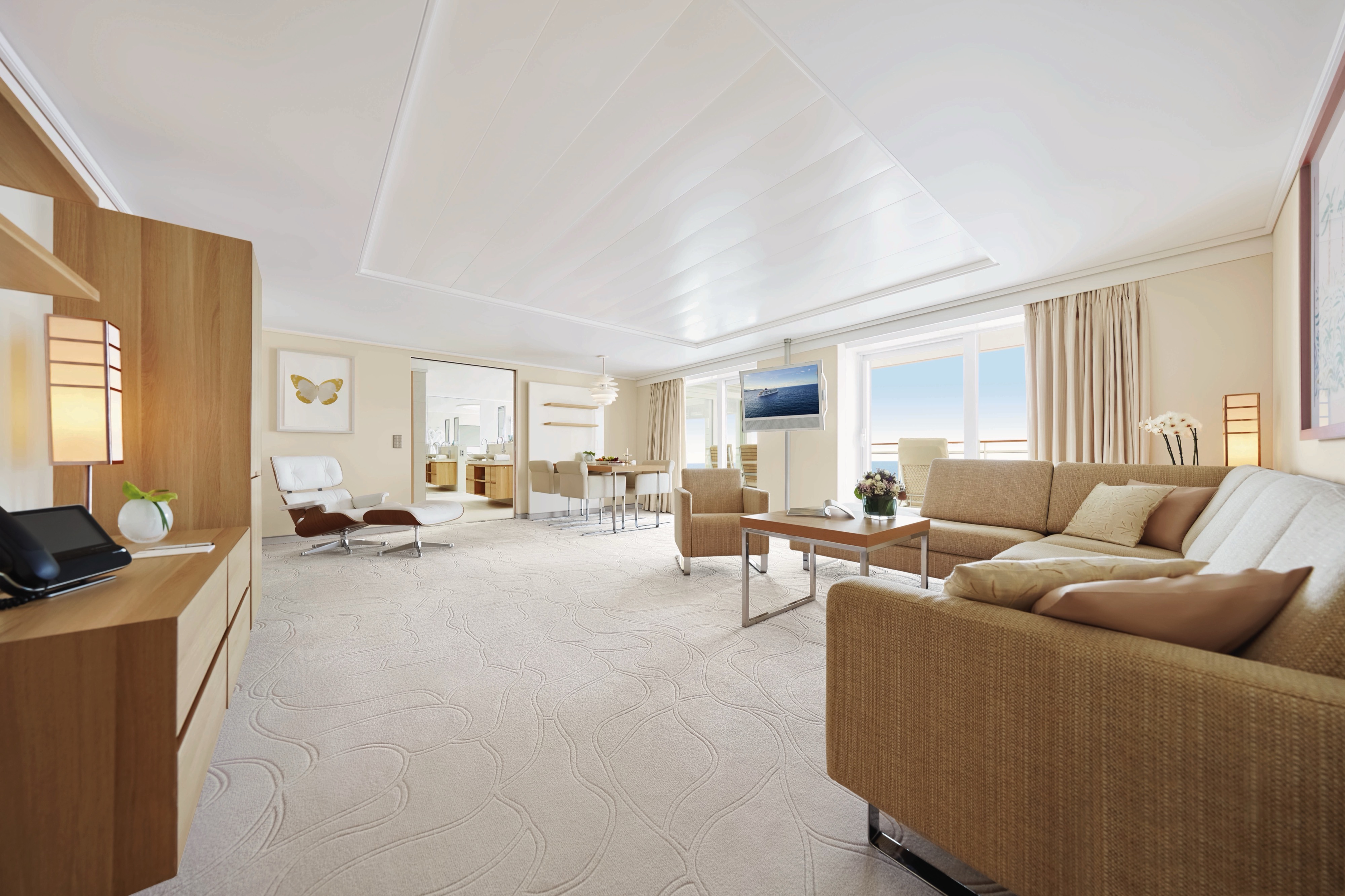
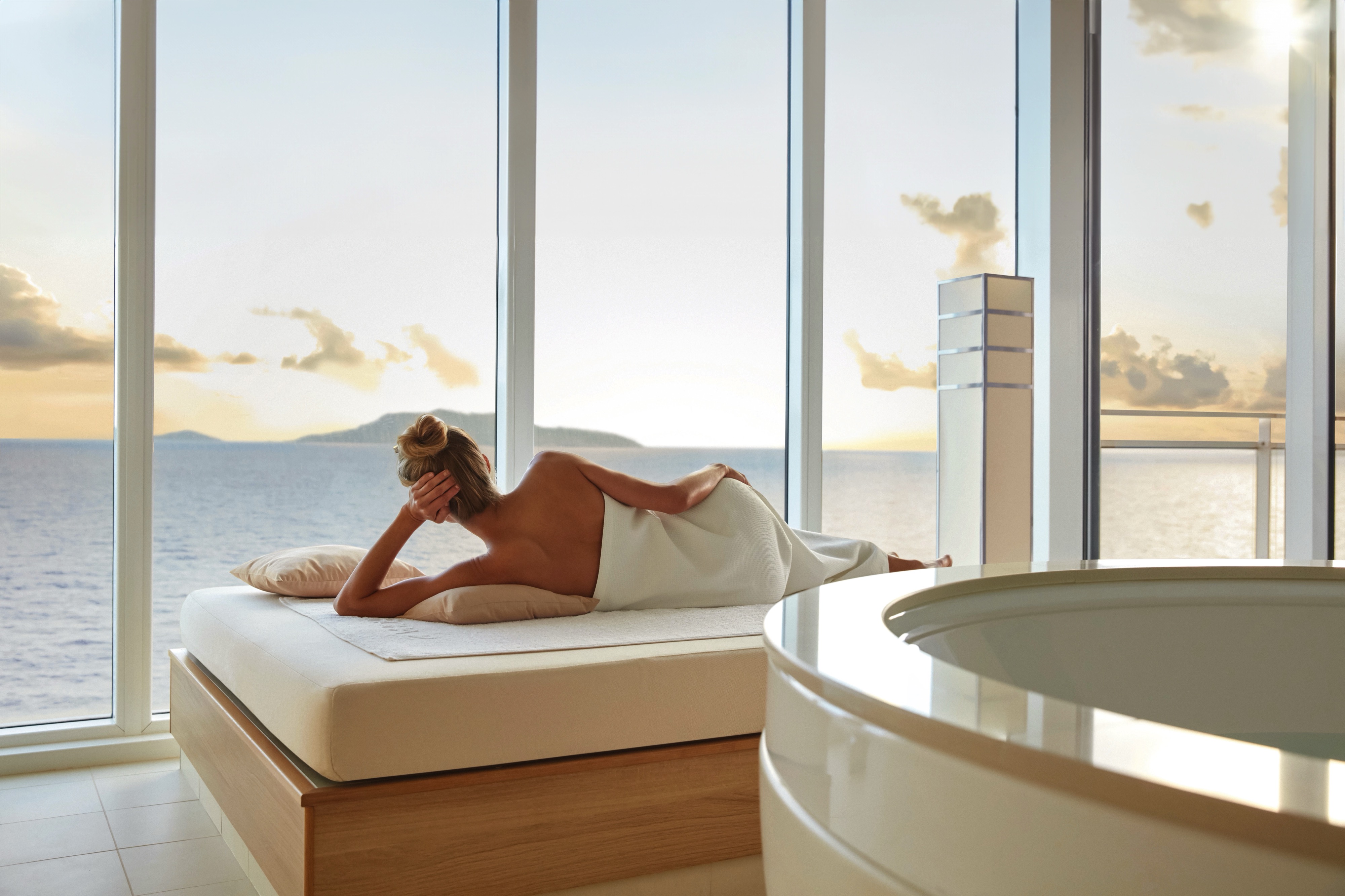
In the Grand Penthouse Suite, you can enjoy lavishness at sea - on a daybed with view of the endless sea, or while taking a bath in the middle of the ocean in your private whirlpool.
- Living areas: 78 m²/840 ft²; veranda: 10 m²/108 ft²
- Separate living and sleeping areas
- Separate dining table
- Guest toilet
- Bathroom with two sinks
- Shower with steam sauna
- Whirlpool and daybed in the bathroom
- Butler service
- Free mini bar
- Exclusive service privileges
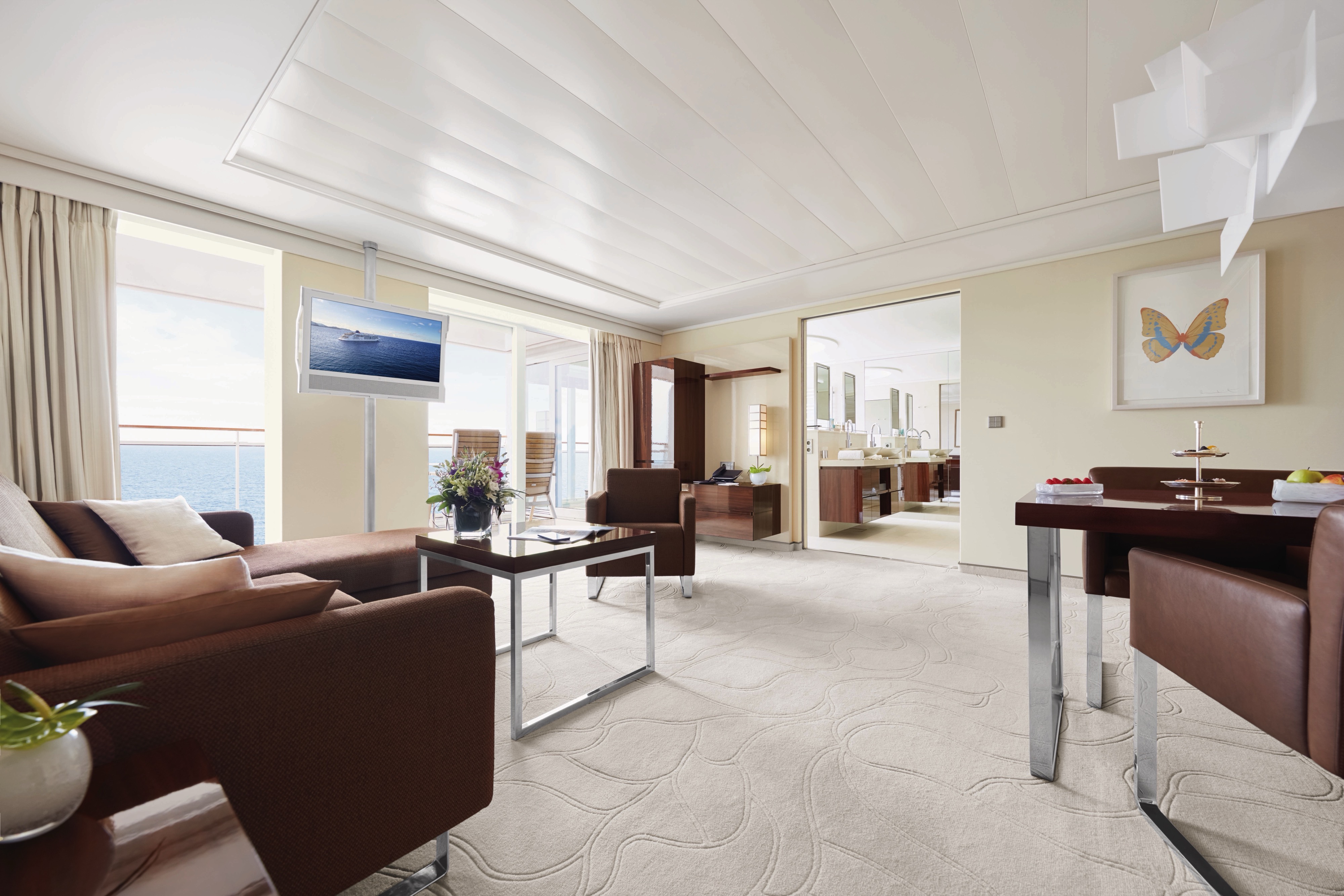
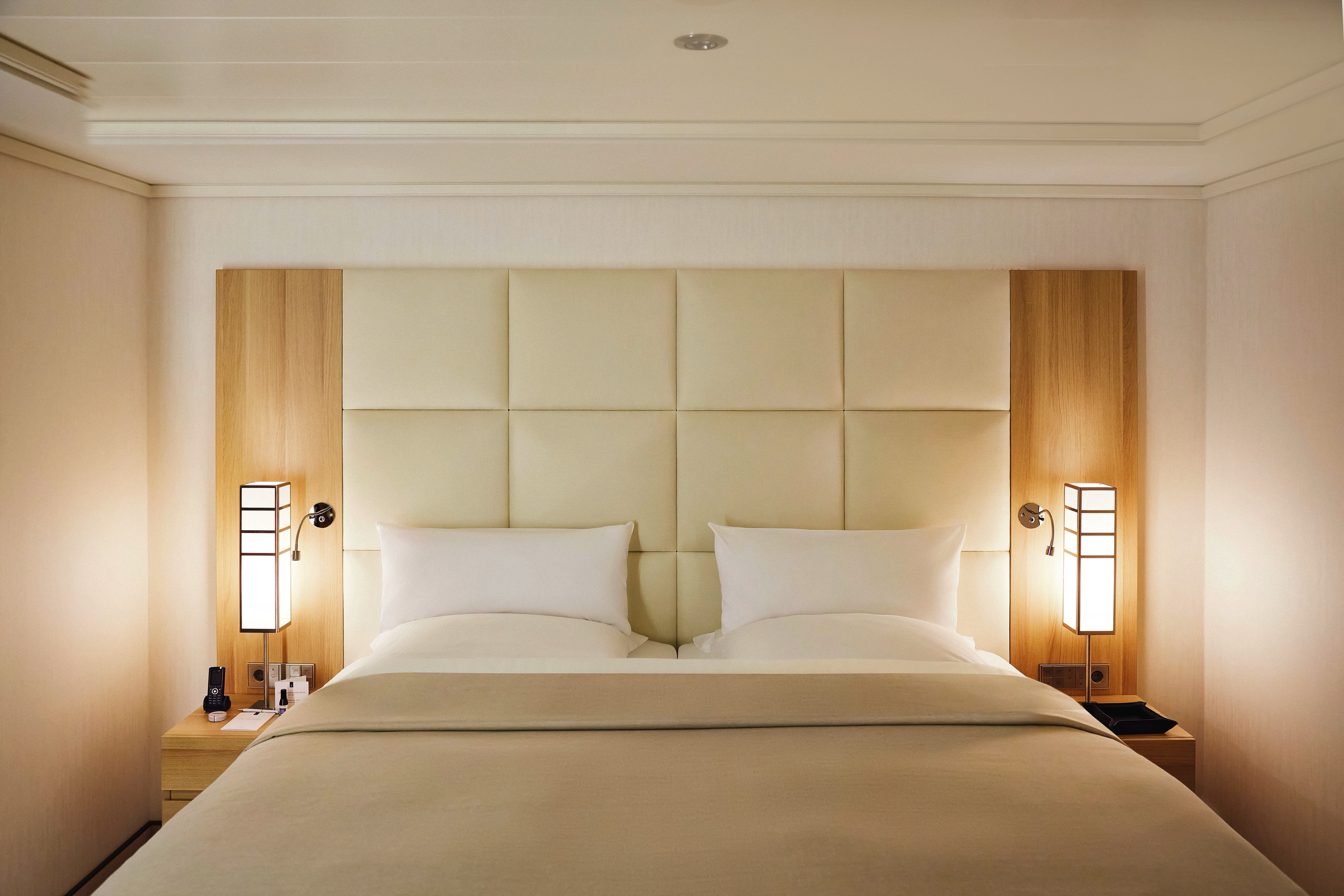
In the Grand Ocean Suite, you can leave all your worries far behind you. Pamper your body and soul at the highest level - with warm colour tones and a spa bath with a panoramic view over the sea.
- Living area: 42 m²/452 ft²; veranda: 10 m²/ 108 ft²
- Bathroom with two sinks
- Separate toilet
- Natural light in the bathroom
- Shower with steam sauna
- Whirlpool tub
- Free mini bar
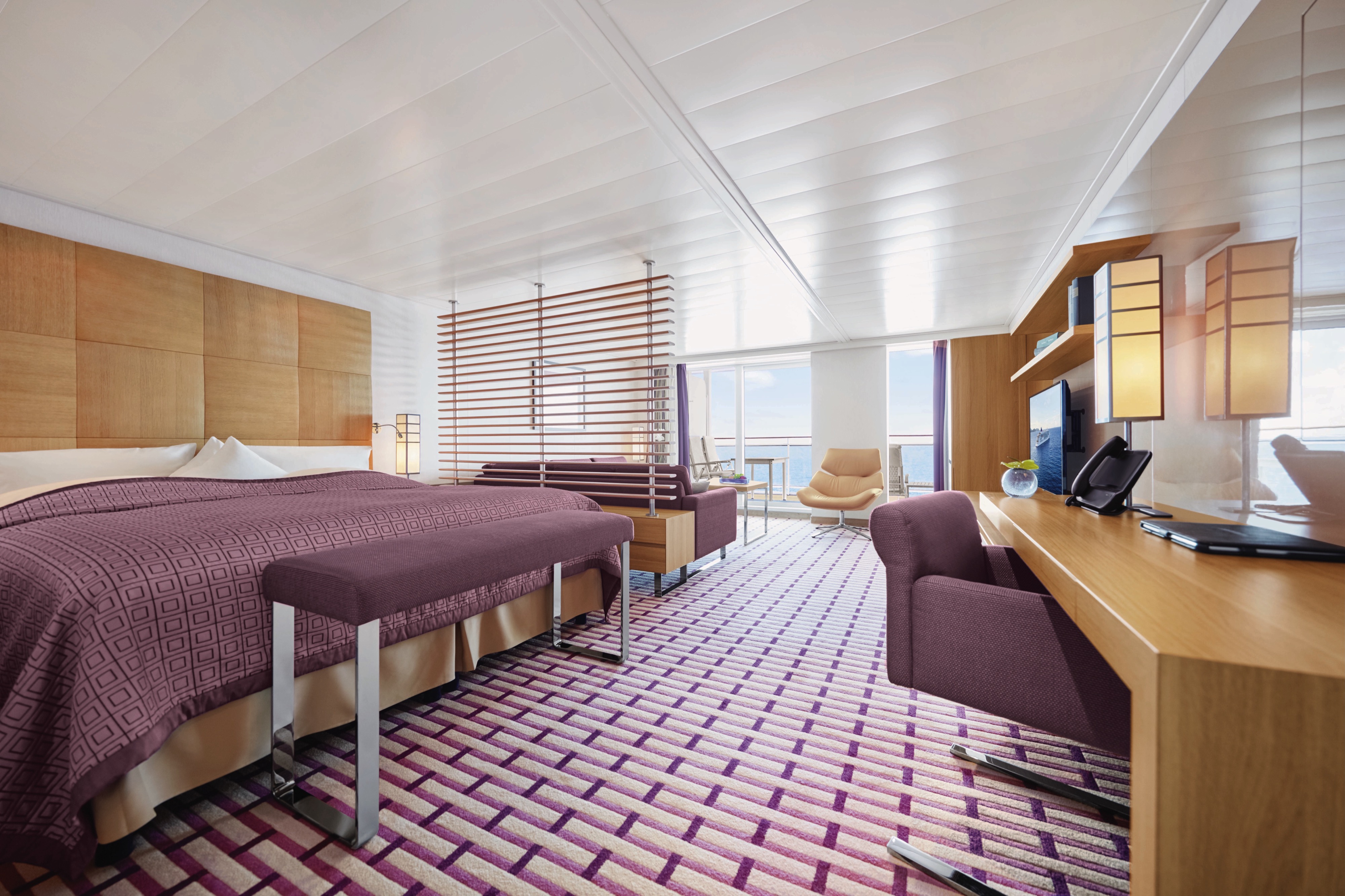
A wonderfully spacious suite offering the utmost comfort, uniquely located on the upper decks - is there a better place to relax? In the Penthouse Suite, you can enjoy endless views over the sea and all the amenities of a classic Penthouse Suite.
- Living area: 42 m²/452 ft²; veranda: 10 m²/108 ft²
- Walk-in wardrobe
- Bathroom with two sinks
- Whirlpool tub and separate shower
- Separate toilet
- Butler service
- Free mini bar
- Exclusive service privileges
A Penthouse Suite with fully accessible facilities can also be booked (category 13). Here the toilet is in the bathroom.
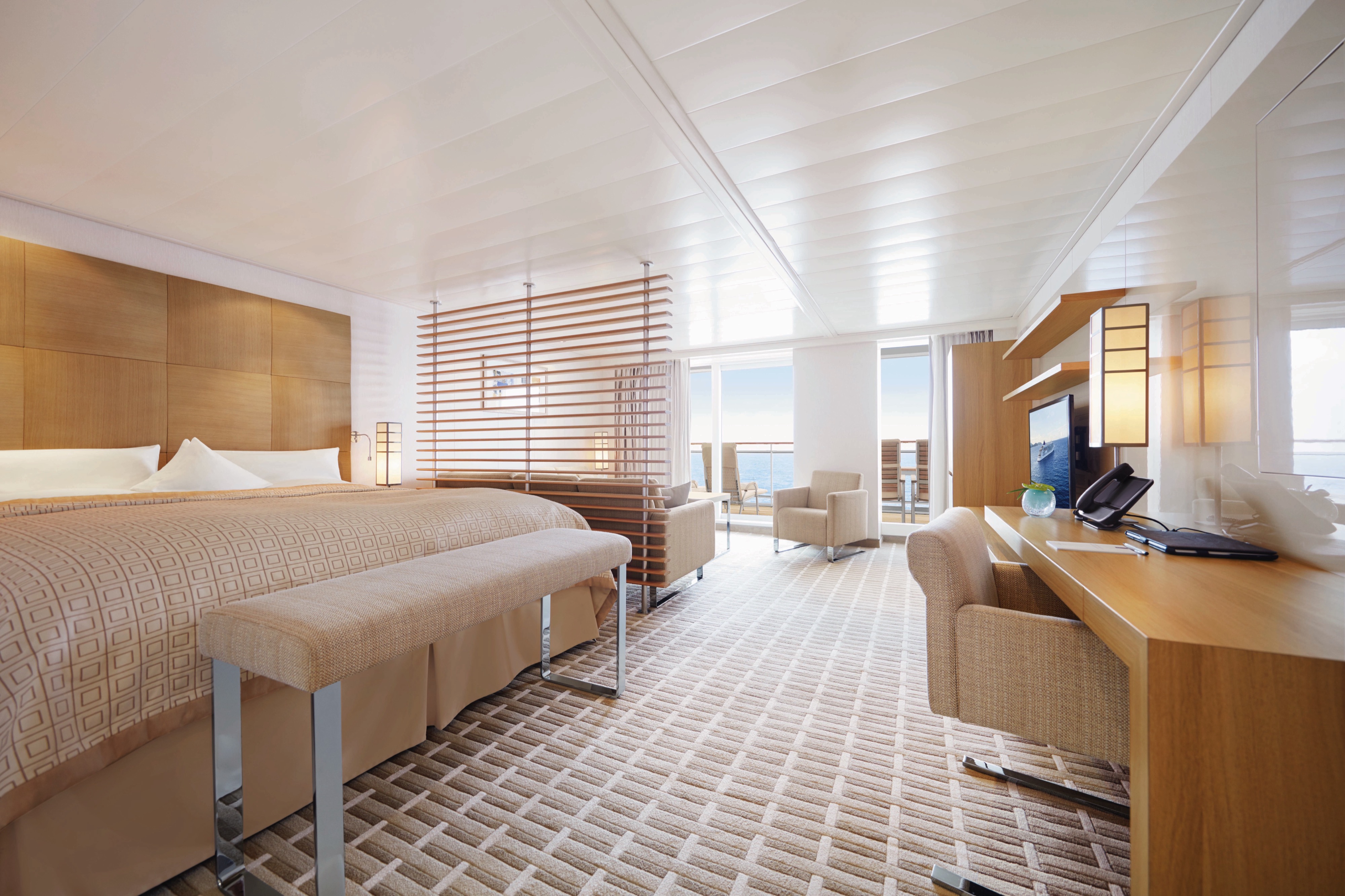
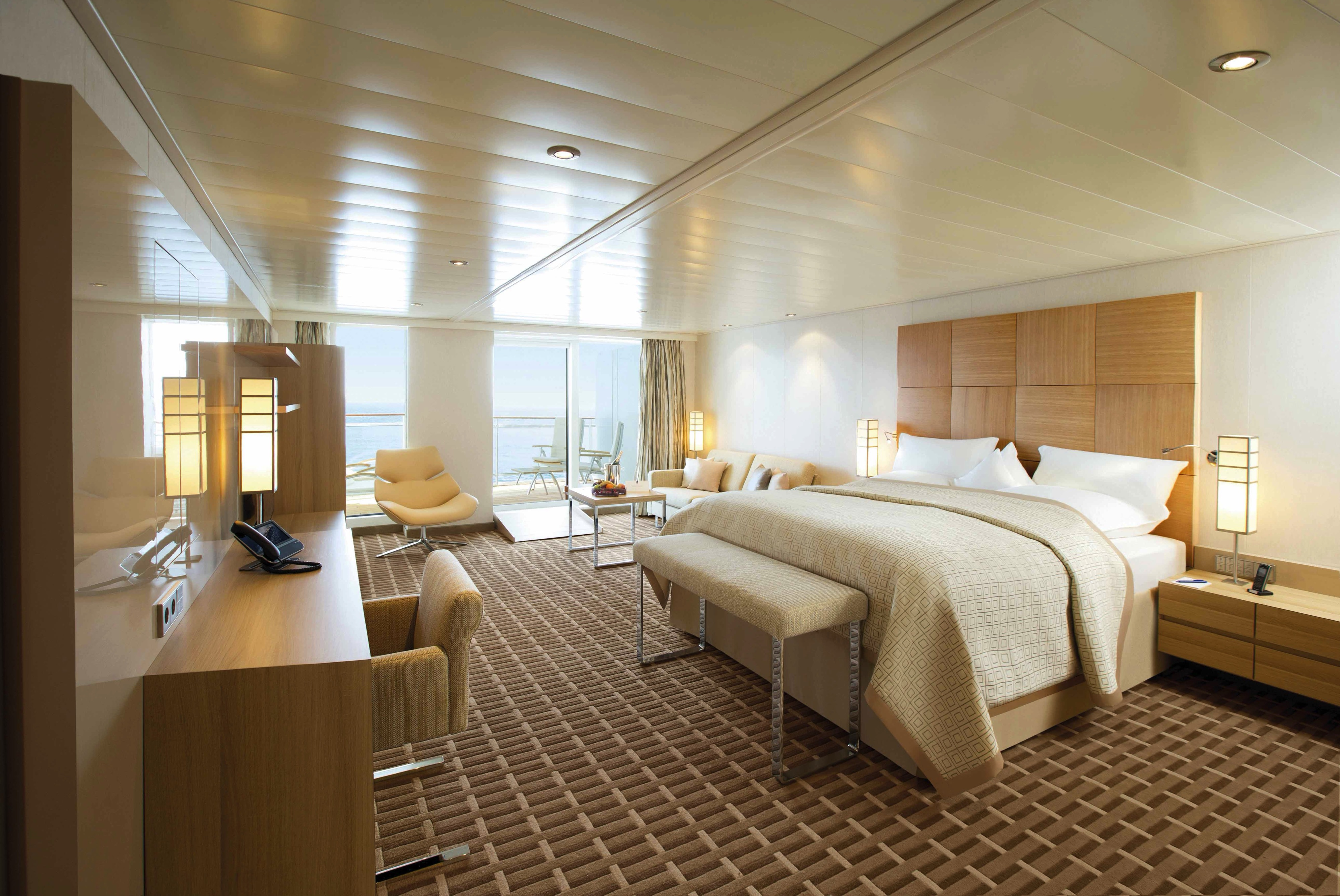
Those who like to start their day with a fantastic view will have a wonderful time in the Ocean Suite. The bathrooms in this category all provide plenty of natural light. Treat yourself to this special luxury and look out over the open ocean from your own bath.
- Living area: 28 m²/301 ft²; veranda: 7 m²/75 ft²
- Natural light in the bathroom
- Bathroom with two sinks
- Whirlpool tub and separate shower
- Separate toilet
- Free mini bar
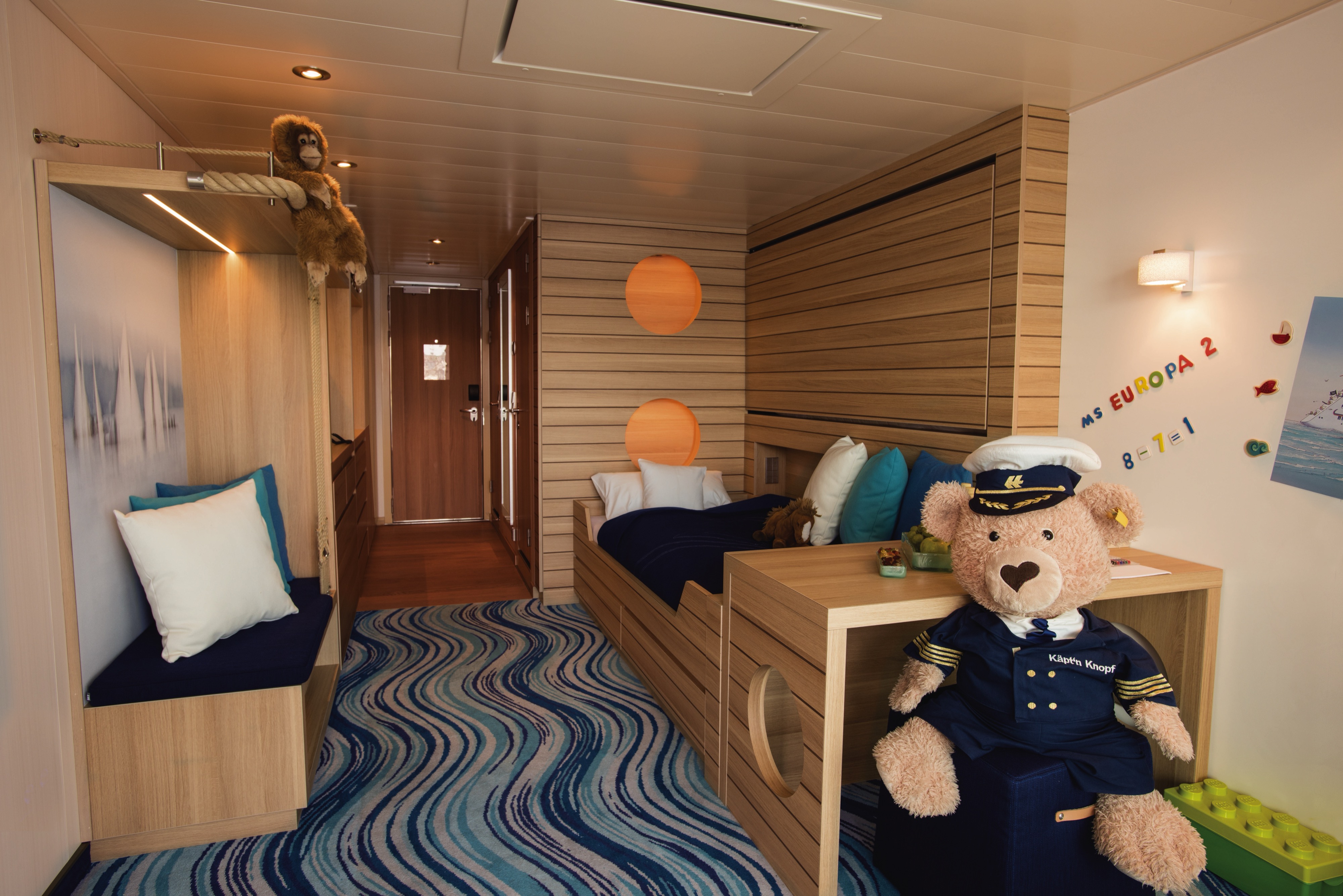
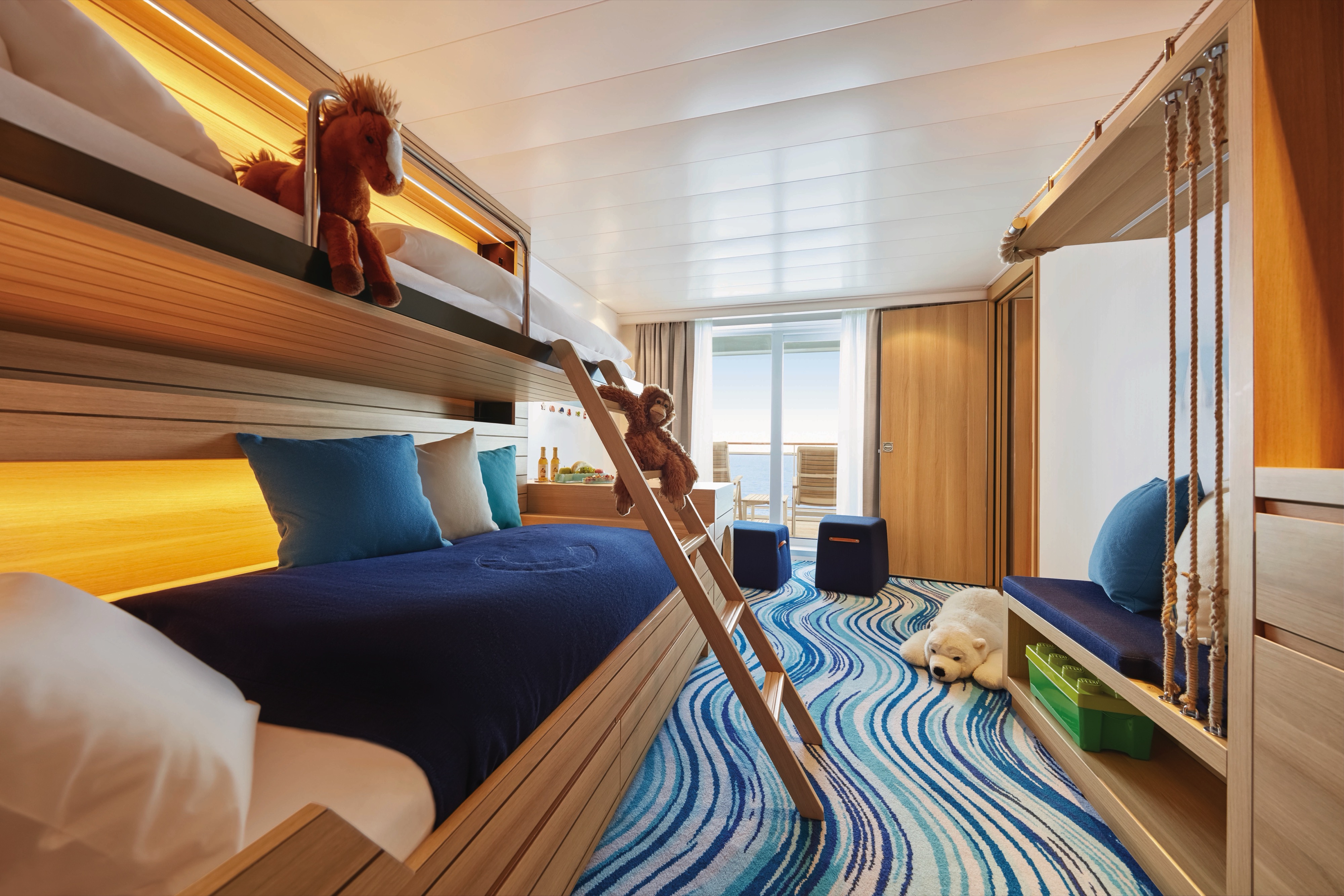
Where everyone will feel comfortable. Plenty of room for you and your personal needs - creating a relaxing family holiday. In the Family Apartments, children and parents live in two separate areas connected by a door and a veranda. The furniture of one of the living areas has been tailored especially for our younger passengers.
Selected equipment features
- Living area: 2× 20 m²/ 2x 215 ft², veranda: 14 m²/150 ft², divisible into 2x 7 m²/ 2x 75 ft²
- Connecting door between the rooms and the verandas
- Separate toilets
- Free mini bars
The furniture of one of the living areas has been tailored especially for our younger passengers:
- Two twin beds, one of which is a Pullman (80 × 200 cm/2 × 6 ft)
- Bathtub (140 × 80 cm/4 × 2 ft)
- Age-appropriate range of toys and games including a games console
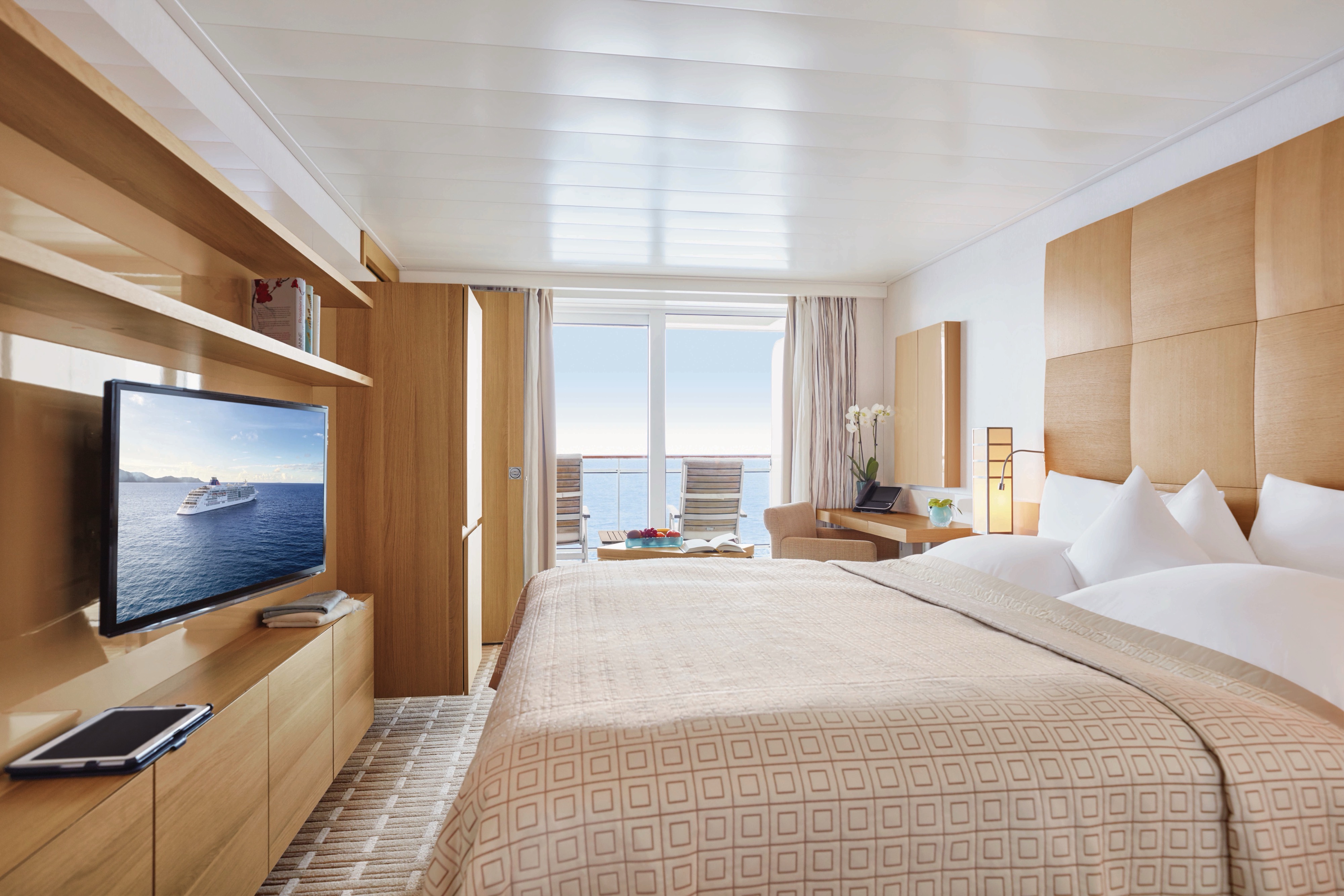
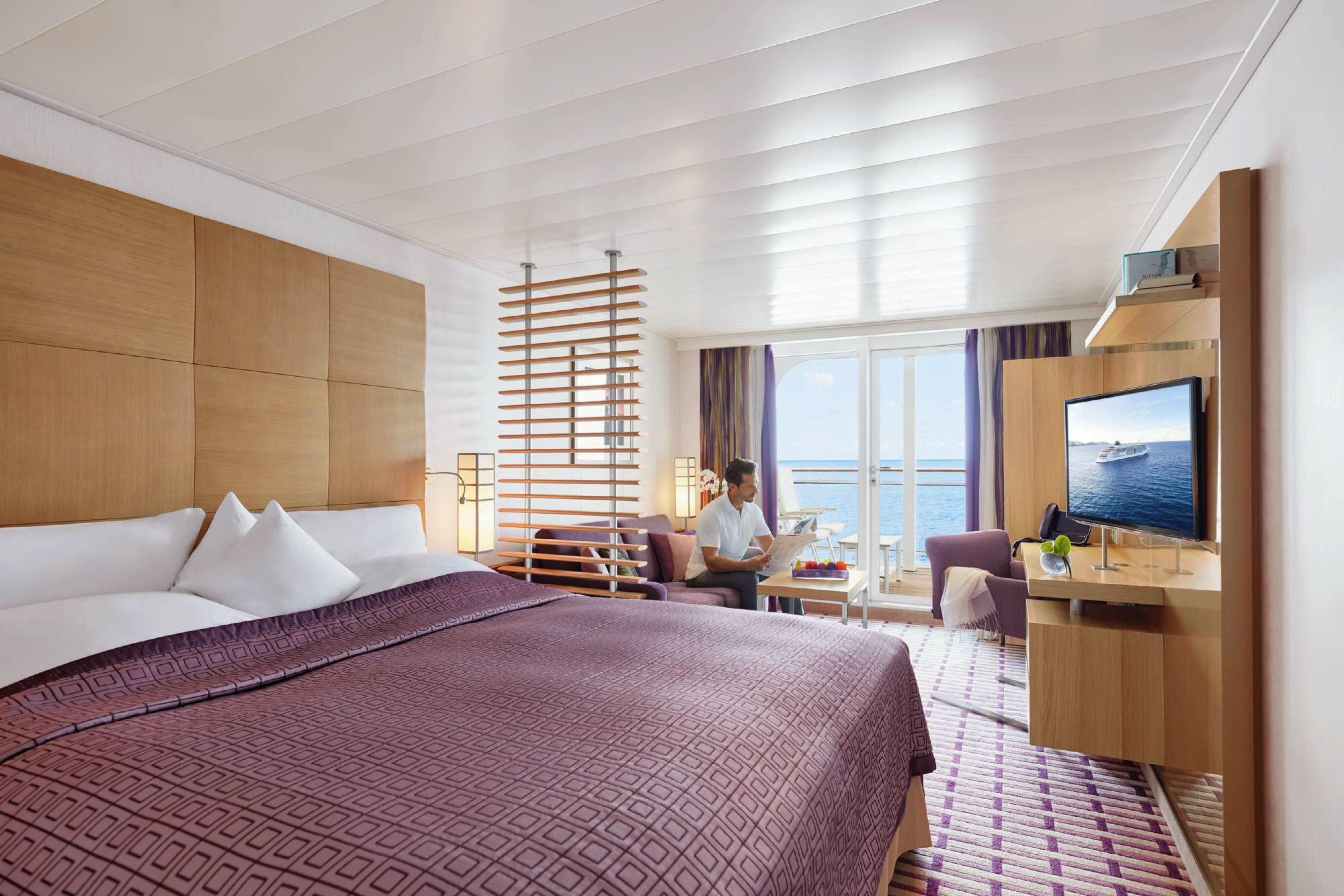
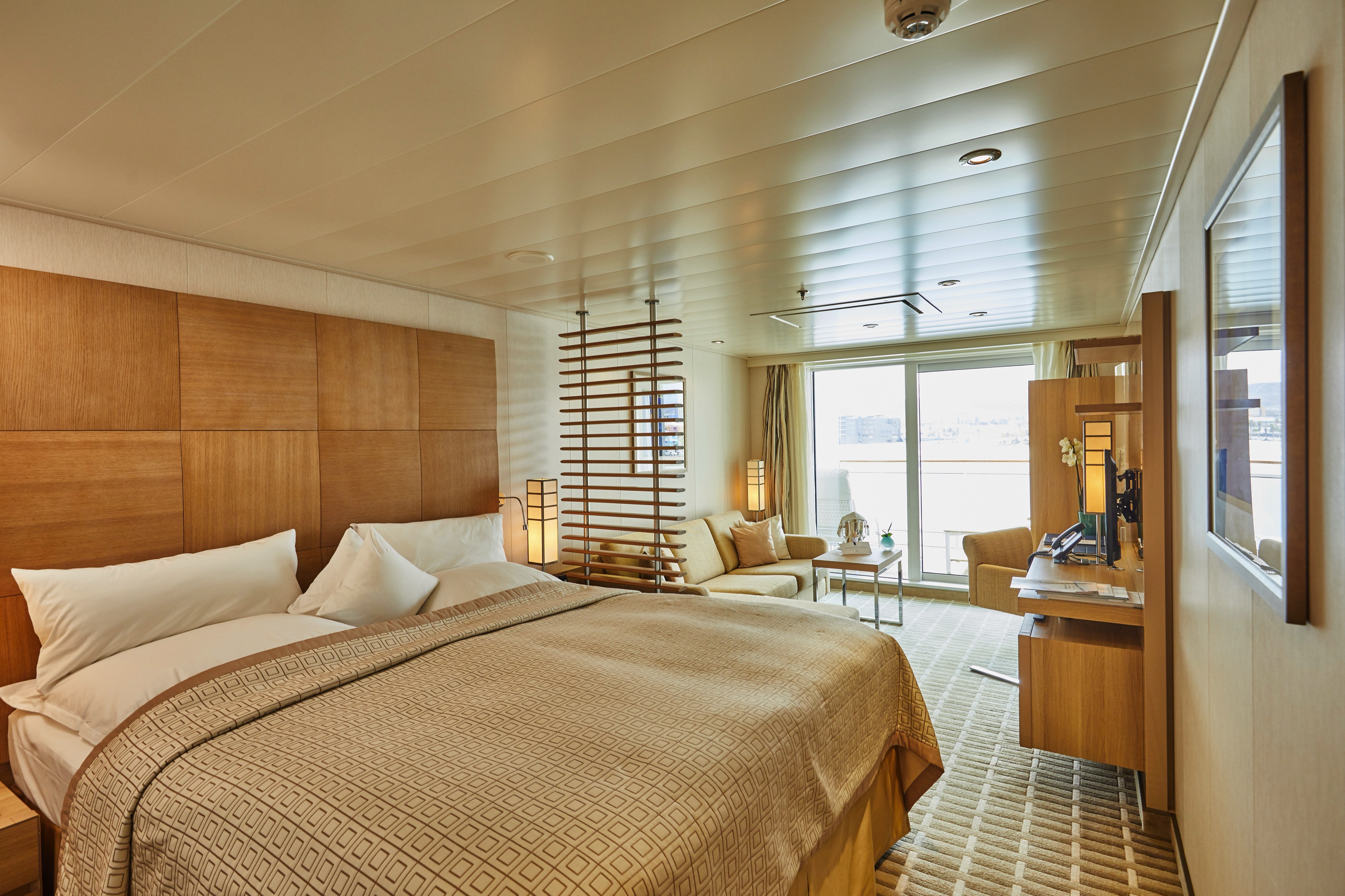
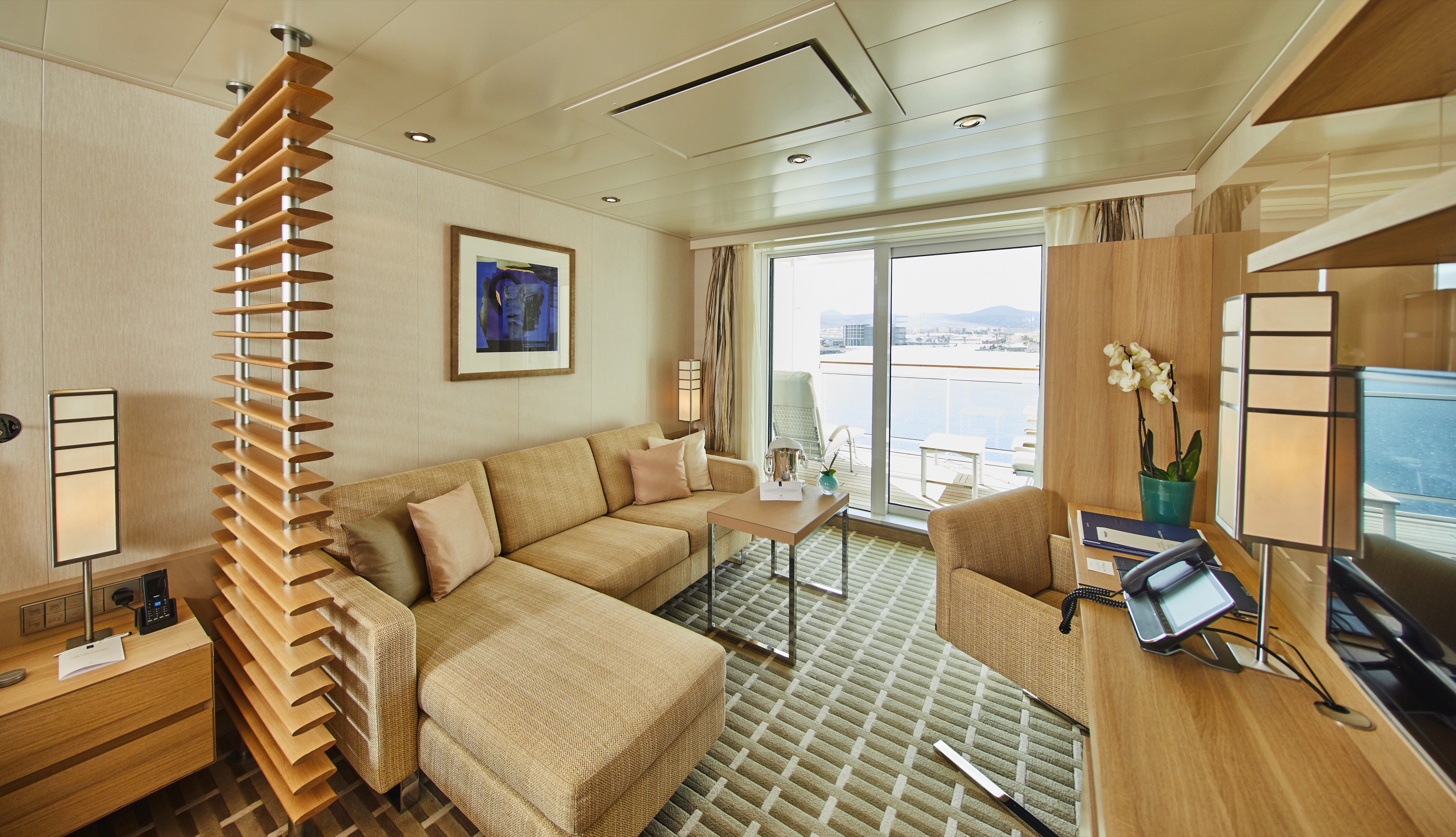
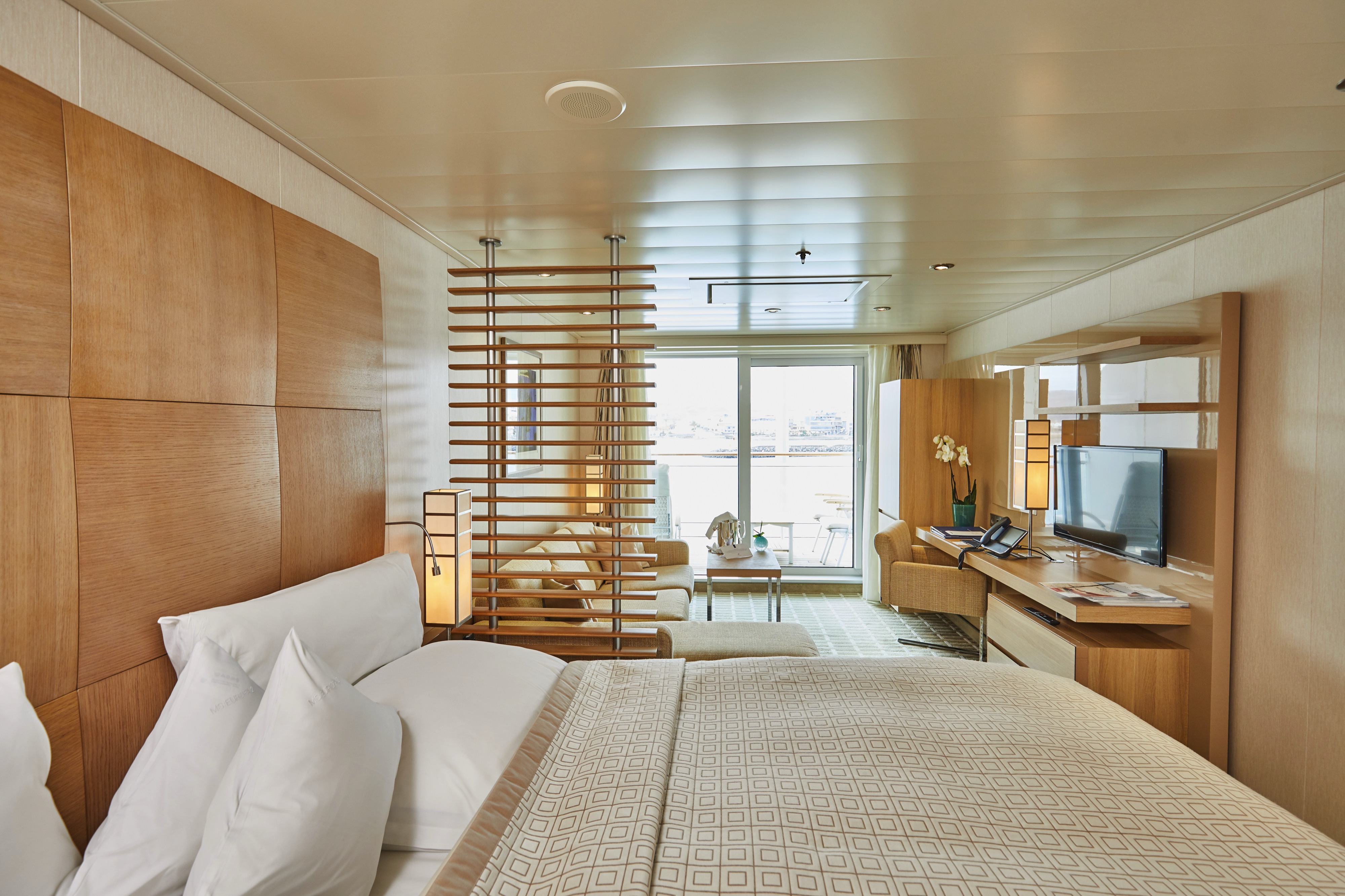
This comfortable suite has plenty of space for relaxing days on board and boasts wonderful views. The spacious veranda affords a magnificent view over the open sea and the first port lights on the horizon.
- Living area: 28 m²/301 ft²; veranda: 7 m²/75 ft²
- Walk-in wardrobe
- Exclusive living area with a chaise longue
- Bathtub and separate shower
- Free mini bar
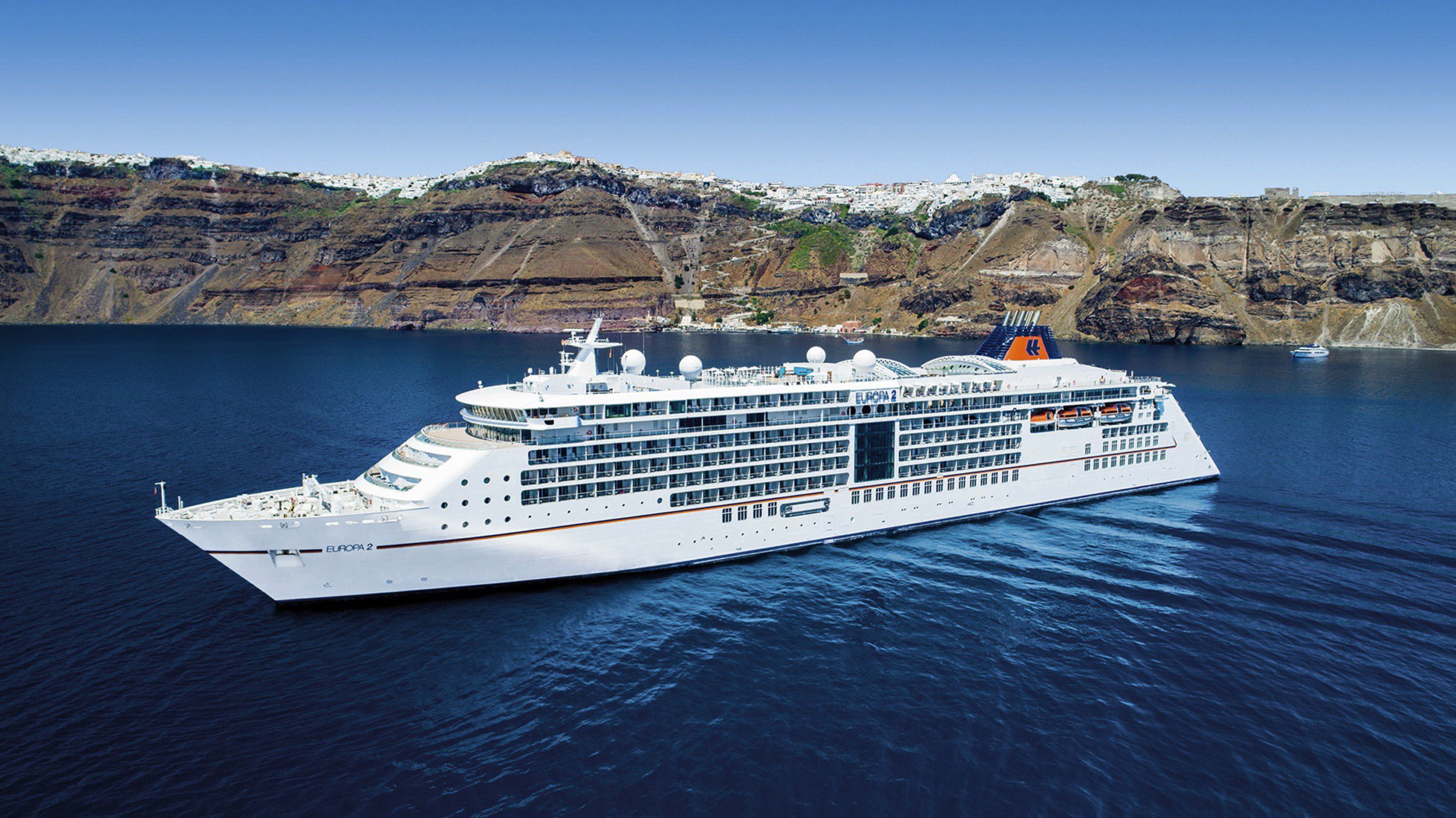
MS EUROPA 2
With a maximum of 500 guests, you can expect the highest level of personal space and individual service. And all this with an extremely luxurious ratio of almost one to one. The EUROPA 2 combines comfort with a high level of flexibility by also heading to small ports and remote corners off the beaten track. Welcome on board the best cruise ship in the world!*
Enjoy every moment
Casual and individual, exquisite and stylish, entirely in line with your requirements – this is the aim of the EUROPA 2 philosophy. Experience a symbiosis of perfection, elegance and aesthetics, and enjoy lifestyle at the highest level in a modern, relaxed atmosphere.
Experience a unique ship
Experience the great freedom - in a relaxed and individual way, yet high quality and stylish. Enjoy a symbiosis of perfection and elegance as well as the highest level of casual luxury - culinary highlights, first-class wellness and fitness offers, exceptional on-board entertainment complemented by the highest level of privacy and individual freedom. With casual luxury for a maximum of 500 guests, the EUROPA 2 combines design and lifestyle, the highest standards and individual freedom.
Ship Facts
| Launch Year | 2013 | ||||||
| Refit Year | 2020 | ||||||
| Language | de+en | ||||||
| Gross Tonnage | 42830 | ||||||
| Length | 225 | ||||||
| Width | 27 | ||||||
| Currency | EUR | ||||||
| Speed | 21 | ||||||
| Capacity | 500 | ||||||
| Crew Count | 370 | ||||||
| Deck Count | 7 | ||||||
| Cabin Count | 251 | ||||||
| Large Cabin Count | N/A | ||||||
| Wheelchair Cabin Count | 2 | ||||||
| Electrical Plugs |
|
Deck 10
- Zodiacs
- Shuffleboard
- Sun Deck
- Bridge
- Veranda Suites
- Penthouse Suites
- Grand Penthouse Suites
- Owner Suites

Deck 9
- Restaurant Yacht Club
- Sushi Restaurant Sakura
- Sun Deck
- Pool
- Conference Room
- Studio
- Gallery
- Culinary School
- Belvedere with library and coffee lounge

Deck 8
- Sansibar
- Tender
- Knopf Club / Kids Club
- Veranda Suites or Ocean Suites
- Family Apartments
- Penthouse Suites (accessible)

Deck 7
- Veranda Suites or Ocean Suites

Deck 6
- Veranda Suites or Ocean Suites
- Owner Suites

Deck 5
- Ocean Spa
- Sauna
- Jacuzzi
- Golf
- Embarkation and disembarkation
- Grand Ocean Suites
- Veranda Suites or Ocean Suites

Deck 4
- Restaurant Weltmeere
- Restaurant Serenissima
- Restaurant Elements
- Restaurant Tarragon
- Grand Reserve
- Tour Office
- Teens' Club
- Boutique / Jeweller
- Reception
- Foyer
- Piano Bar
- Embarkation / disembarkation
- Photo shop
- Club 2
- Collins
- Theatre

With an eye for detail, the EUROPA 2 chefs are constantly opening up new culinary horizons. They also offer a fine selection of artfully presented dishes at the highest level for those who prefer vegetarian cuisine. Enjoy modern creations or timeless classics with flexible mealtimes and no fixed seating plans in our seven gourmet restaurants.
Restaurant Weltmeere
The flagship restaurant at the heart of the EUROPA 2: enjoy an international gourmet menu that changes every day, and embark on a culinary voyage of discovery. Weltmeere bears the very personal hallmark of our chef and stands for creative culinary sensations – always interpreted in new and extraordinary ways, with vegetarians also catered for.
Tarragon
Tarragon stands for great French cuisine and bistro classics, served in an art-deco-style setting. You can look forward to specialities that are at once simple and sophisticated, such as beef tartare prepared at the table.
Elements
Whether Indian, Vietnamese or traditional Chinese dishes – Elements offers a feast for the senses of everyone with a penchant for the flavours of the East. Enjoy varied Asian cuisine, the aroma of lemongrass, seafood and lime – and Elements’ exotic, modern ambience.
Serenissima
Exquisite classics and new interpretations of the flavours of the Italian Mediterranean: the Serenissima combines the best of Italy's flavours and lifestyle. The house speciality is the malfatti tartufo.
Yacht Club
At the Yacht Club you can experience the finest cuisine and an unforgettable panoramic ocean view, from breakfast to dinner time. Fresh salads, antipasti from the buffet and freshly grilled specialities, fish, pasta and dishes cooked a la minute direct from the open chef’s stations await you.
Sakura
Our master chef for Asian cuisine has perfected the art of conjuring up small masterpieces from the finest ingredients. The result is traditional and modern interpretations of Japanese cuisine, as well as exquisite sushi dishes ranging from classic to creative. Sample the culinary delights from an exclusive menu while enjoying the ocean view in the Sakura’s relaxed setting.
Restaurant Grande Réserve
Connected to the Tarragon, the Grande Reserve focuses on fine wines, which you can taste in small groups under the direction of a sommelier (at extra cost).
When the curtain rises, an unforgettable evening begins. With marvellous acrobatics, dance, comedy, interesting talks, lectures or moving music from classical to pop. On board the EUROPA 2, you will be enthralled by artists, performers and entertainers of the highest calibre. Varied shows and a diverse entertainment programme await you on every voyage.
Sansibar
The younger sister of the Sansibar on Sylt sees much more of the world: the view from the open-air bar over the sea and the parties on the dance floor to DJ sounds are unforgettable. And for a late breakfast and small dishes in the afternoon and evening, it is also the top location.
Belvedere
Providing breathtaking panoramic views when the ship is entering or leaving the harbour, the Belvedere is the ideal place to enjoy a little time out. But it’s also an atmospheric lounge with a library, where select coffee and tea specialities are served. Readings and concerts are also held here.
Piano Bar
The Piano Bar is modelled on the bars found in classic grand hotels: a place to sit back with a first-class drink while you reflect on the highlights of your day and enjoy relaxing music from the Steinway grand piano. All this plus an ocean view that no hotel in the world can match.
Club 2
Whether for musical entertainment, readings, cabaret or comedy, Club 2 – with its bar and lounge area and small stage – will also adapt its ambience to the cruise route, constantly changing its colour and lighting concept. Bring your day to a close enjoying our fine selection of drinks and snacks that match the destination, and be inspired by our varied entertainment programme.
Collins
The perfect backdrop for the perfect drink – nothing more, nothing less. The atmosphere is traditional and stylish, with armchairs and high-grade woods. The menu features Cuban specialities from the humidor, as well as a large gin selection.
Theatre
Alexander Ekman meets EUROPA 2
Experience contemporary dance at the highest level with a piece created exclusively for the EUROPA 2. The celebrated choreographer Alexander Ekman brings together the best dancers from the world's most renowned companies to form a unique ensemble.
In his dynamic and powerful production, he seamlessly integrates the movements of the ship at sea and the movements of the people on board into the choreography, skilfully combining elements of humour and satire to bring athleticism, precision and theatricality to the stage with a playful wink.
Sydney Dance Company with Rafael Bonachela
Led by Rafael Bonachela – one of the most innovative choreographers of our time – the Sydney Dance Company will present two outstanding works on board EUROPA 2, including a world premiere created exclusively for the ship. Spanish-born and based in Australia, Bonachela is known for emotionally charged and physically demanding contemporary dance. His international breakthrough came in 2002 with choreography for Kylie Minogue at the Brit Awards, followed by her “Fever Tour”. Collaborations with artists like Björk highlight his creative range. On the Canary Islands cruise in spring 2026, the company will perform a current piece and a newly created premiere, inspired by South American and Spanish music. A highly aesthetic and powerful evening awaits – a world-class debut at sea.
Diego Tortelli & Compagnia Aterballetto
In 2026, Diego Tortelli will make his debut on EUROPA 2 with the renowned Italian ensemble Compagnia Aterballetto. For Hapag-Lloyd Cruises, he is creating a new piece exploring human connection in times of digital transformation – atmospheric, sensual, and fragile. Known for blending classical technique with contemporary storytelling, Tortelli is a leading voice in modern dance. On two cruises, he will present an existing work and a specially adapted premiere developed exclusively with Aterballetto for this unique setting. A poetic experience – resonant and unforgettable.
Circus & acrobatics
Experience fascinating circus and acrobatic shows that take you into a world full of amazement and impressive body control. Unique performances by award-winning artists and innovative choreographers reflect the pulse of the times.
Highlights include collaborations with leading circus companies such as Circa Contemporary Circus, whose modern and captivating productions inspire audiences worldwide. The Feuerwerk der Turnkunst with its energetic performances and the renowned GOP-Varieté with its impressive artistry are just as inspiring. Another highlight is the acrobatic group Gravity & Other Myths, which sets new standards with creative choreography and spectacular acts and creates unforgettable moments on every journey - a true celebration of physical art in a new dimension.
ART 2 SEA
With ART 2 SEA, the EUROPA 2 offers a unique cultural experience that combines contemporary art with an exclusive cruise experience. On board, you’ll find one of the largest collections of modern art at sea, rotating exhibitions in the ship’s gallery, as well as inspiring artist talks and lectures. The program is complemented by curated art excursions ashore. ART 2 SEA invites you to rediscover art in a relaxed atmosphere—whether as an art lover or a curious explorer.
890 original paintings and exhibits, as well as photographs and sculptures by artists including Damien Hirst and Gerhard Richter, accompany the ship and its guests around the world. The collection is complemented by changing exhibitions and lectures by artists on various aspects of art history. Enjoy fine art on the open sea.
Pool bar
In the pool or at the poolside bar – which is the best place for maximum refreshment? This relaxed meeting place on the Pool Deck serves snacks at breakfast and lunch-time, and our famous waffles in the afternoon, plus fresh juices and coffee specialities. It then takes on a laid-back bar atmosphere until late into the evening.
MS EUROPA Unplugged
Whether on the pool deck or in our modern theatre - here you can meet stars of the current music scene, well-known from radio and television, such as Alvaro Soler or Giovanni Zarrella. Instead of large concert arenas, you will experience intimate private concerts at the highest level - you can't get any closer. Artists such as Kelvin Jones, Tim Bendzko and KAMRAD provide unforgettable moments in a dreamlike setting. Enjoy your favourite act with a suitable drink in your hand while the EUROPA 2 sets course for the next breathtaking destination - in a setting that no concert hall in the world can offer.
Reception & Atrium
Post
The Reception staff will post your postcards and letters from all ports where this facility is available. Your onboard account will be debited with the appropriate charges.
Announcements
To create the full expedition experience, commentaries are provided for interesting passages during the cruise and special animal sightings are reported. The ship’s position is reported in the morning on days at sea. We will also announce via the loudspeakers when the local authorities have cleared the ship and we can go ashore. The volume can be controlled individually in each cabin/suite.
Means of payment
The on-board currency is the euro. An account will be set up for you so that you can make cashless payments during the cruise. You can find out your current account balance at any time using the infotainment system in your cabin/suite. You can then settle the entire account at Reception at the end of your cruise. We accept German EC/Maestro cards and the following credit cards: Mastercard, American Express and Visa. You can also pay in cash. Please note that, in general, foreign currencies cannot be changed on board.
reception@hanseatic-nature.com