Time Out In The Adriatic
Time Out In The Adriatic
Cruise overview
WHY BOOK WITH US?
- ✔ The Deluxe Cruises’ team has extensive experience in ultra-luxury cruising.
- ✔ Call now to speak to our helpful and experienced Cruise Concierge team.
- ✔ Enjoy our Unique Deluxe Cruises Bonus for substantial savings.
- ✔ Our team will tailor your holiday to your exacting requirements.
- ✔ As agents, we work under the protection of each cruise lines ABTA / ATOL licences
About Dubrovnik
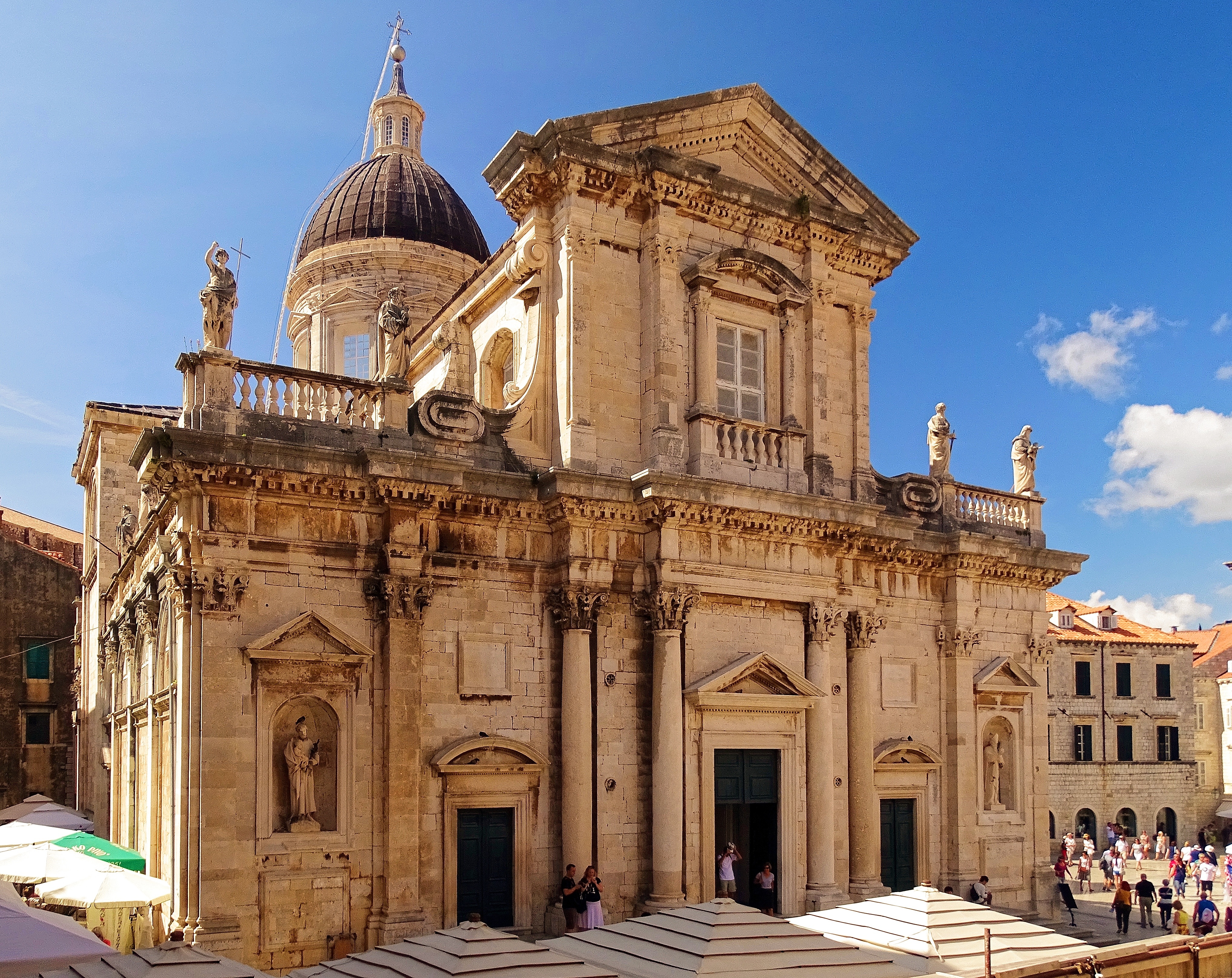
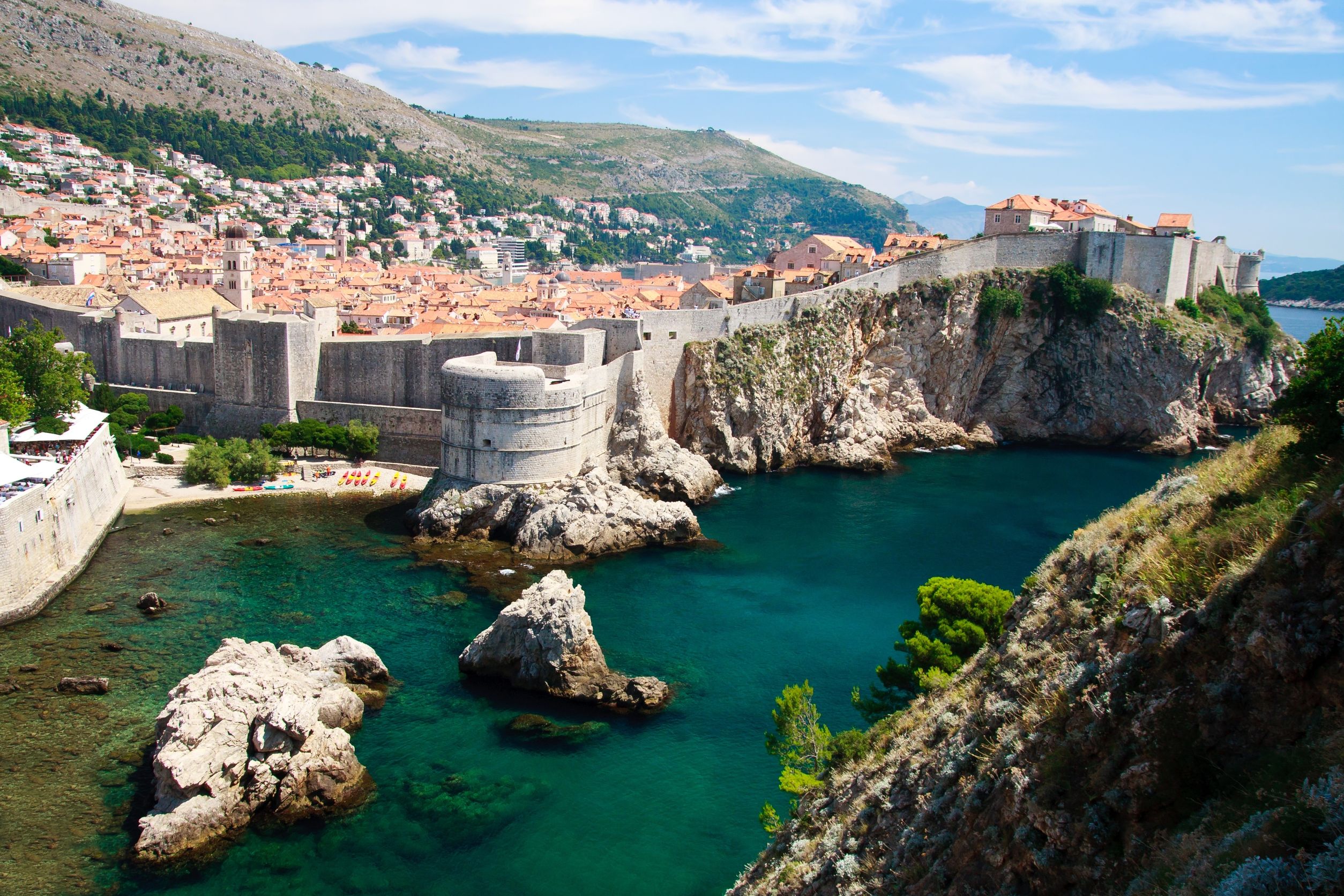
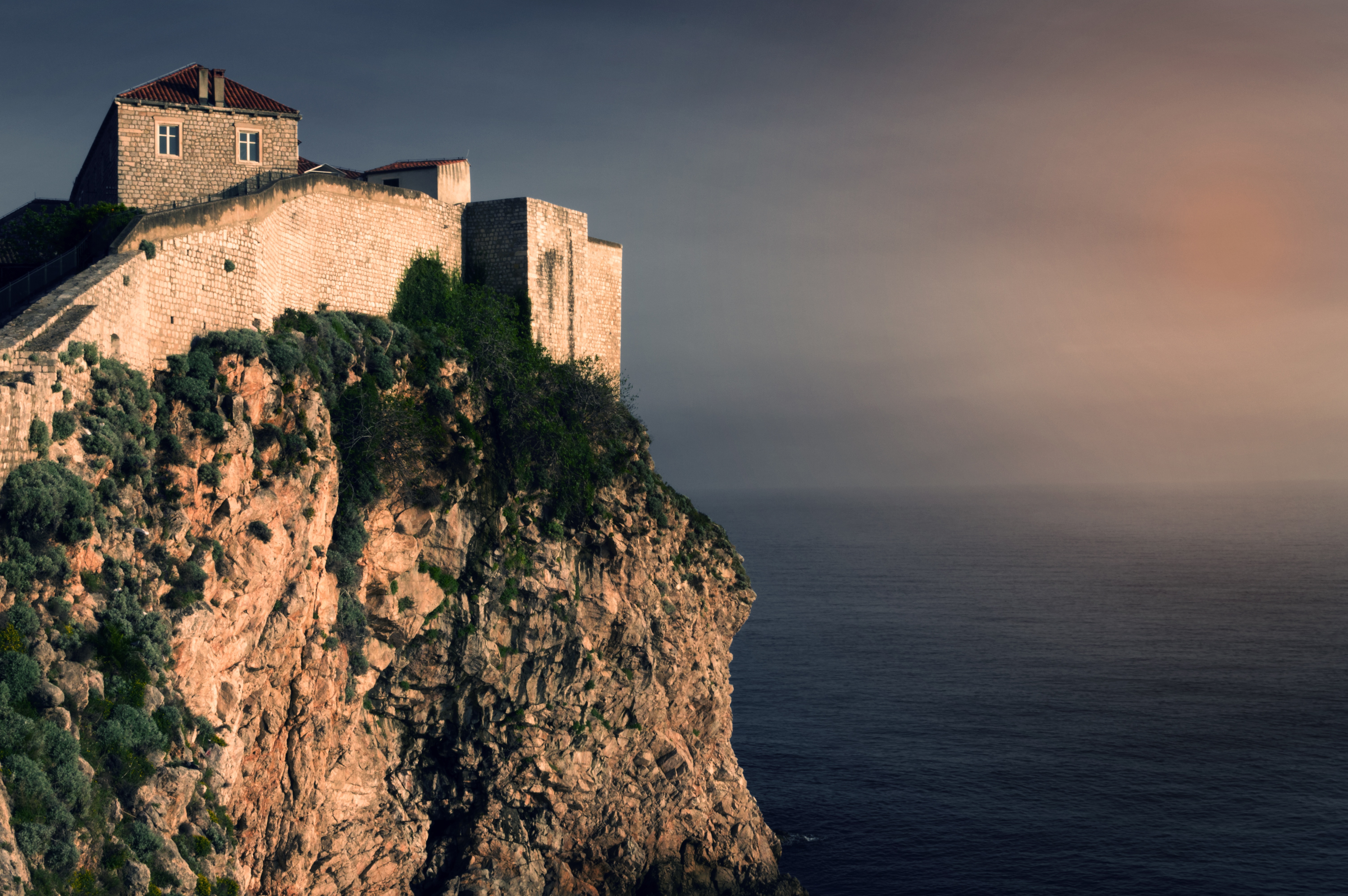
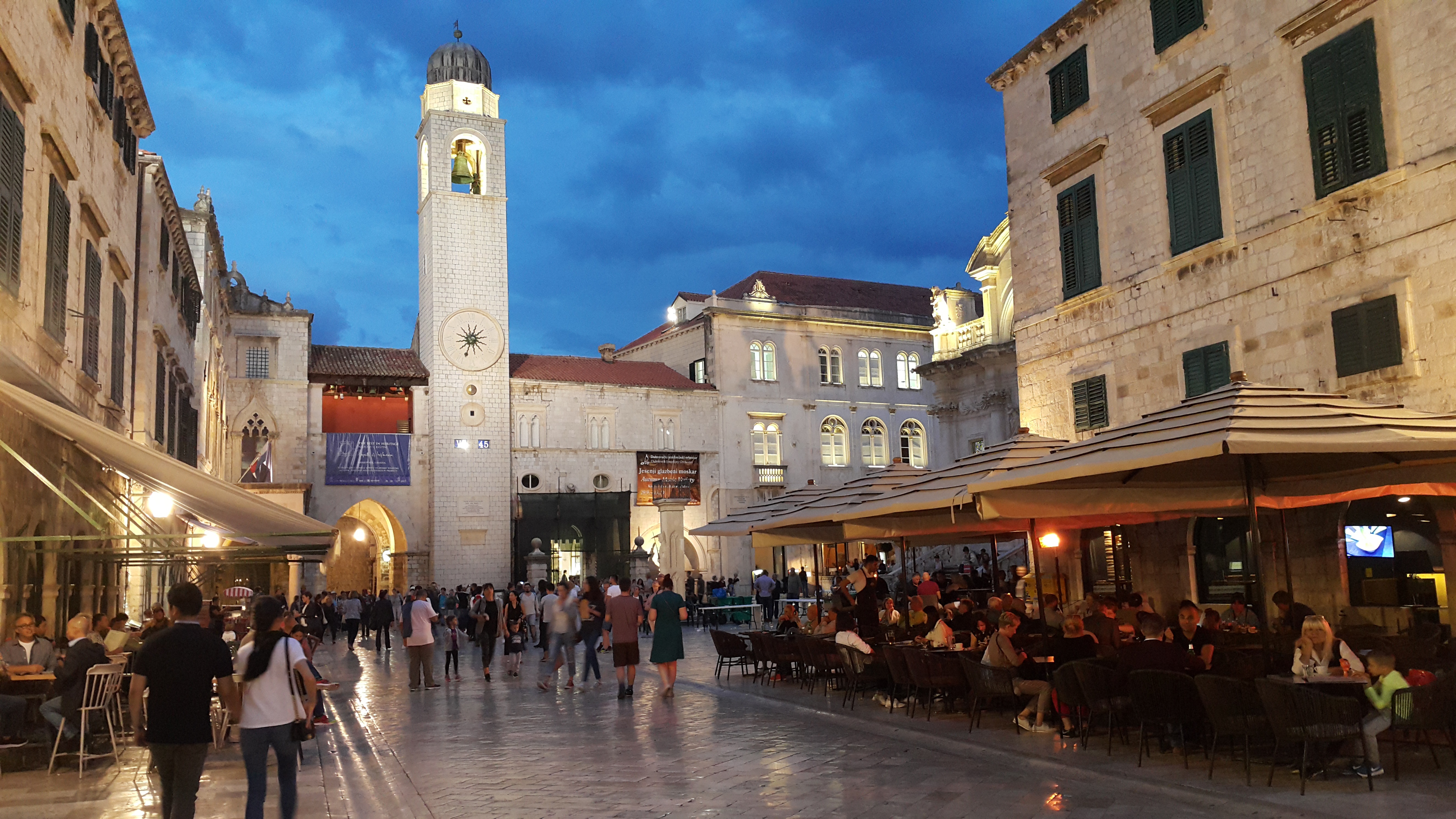
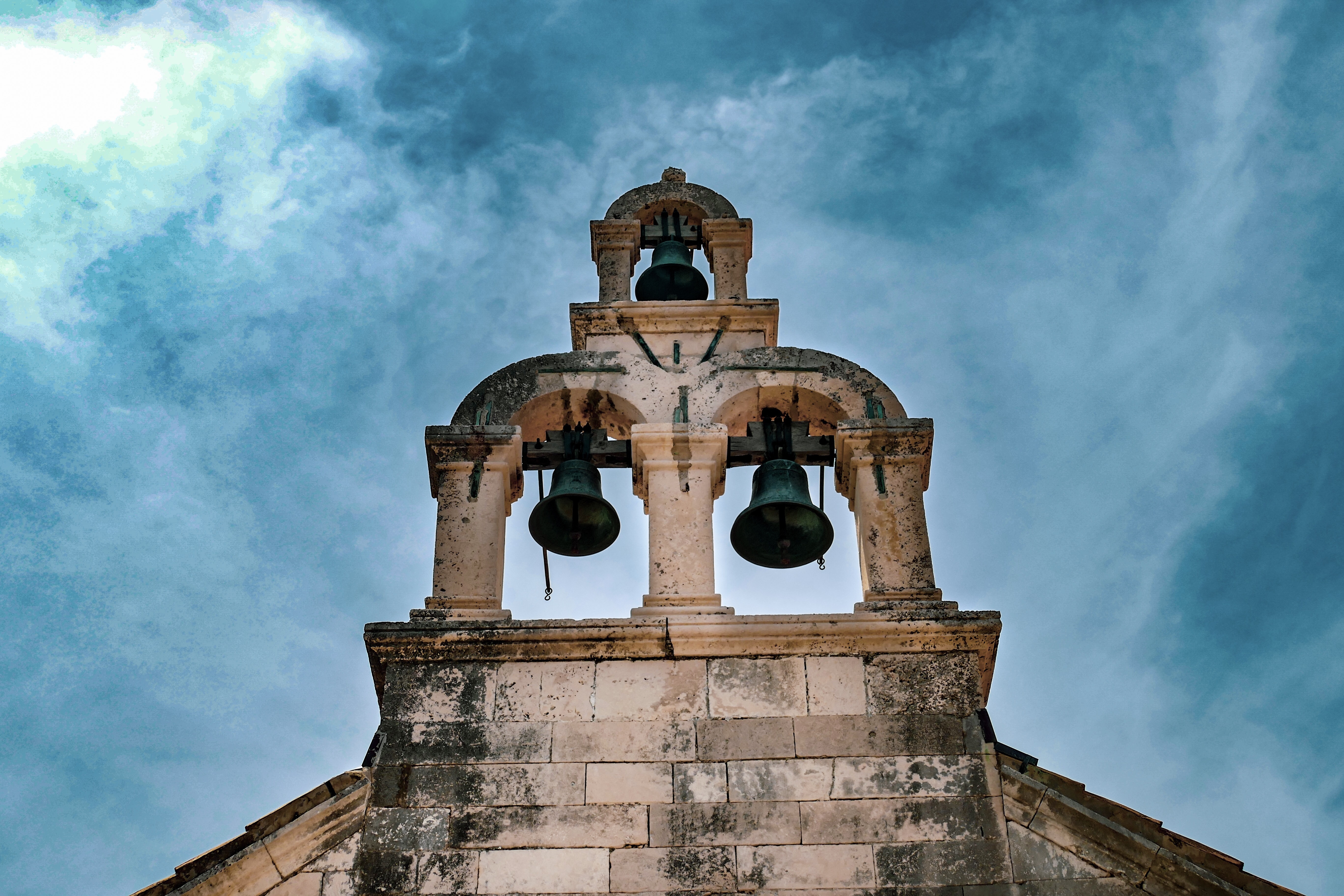
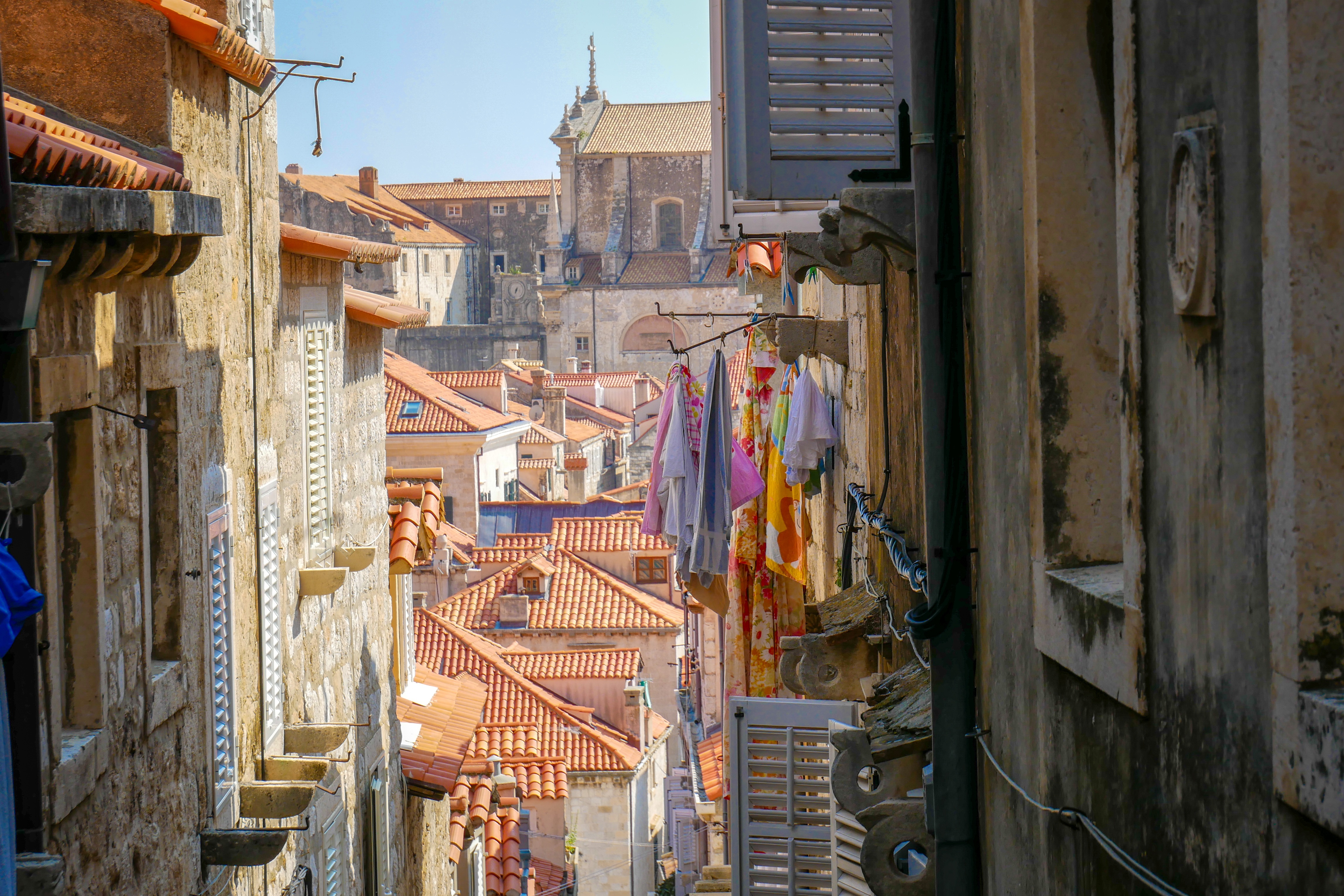
Nothing can prepare you for your first sight of Dubrovnik. Lying 216 km (135 miles) southeast of Split and commanding a jaw-dropping coastal location, it is one of the world's most beautiful fortified cities. Its massive stone ramparts and fortress towers curve around a tiny harbor, enclosing graduated ridges of sun-bleached orange-tiled roofs, copper domes, and elegant bell towers. Your imagination will run wild picturing what it looked like seven centuries ago when the walls were built, without any suburbs or highways around it, just this magnificent stone city rising out of the sea.In the 7th century AD, residents of the Roman city Epidaurum (now Cavtat) fled the Avars and Slavs of the north and founded a new settlement on a small rocky island, which they named Laus, and later Ragusa. On the mainland hillside opposite the island, the Slav settlement called Dubrovnik grew up. In the 12th century the narrow channel separating the two settlements was filled in (now the main street through the Old Town, called Stradun), and Ragusa and Dubrovnik became one. The city was surrounded by defensive walls during the 13th century, and these were reinforced with towers and bastions in the late 15th century.From 1358 to 1808 the city thrived as a powerful and remarkably sophisticated independent republic, reaching its golden age during the 16th century. In 1667 many of its splendid Gothic and Renaissance buildings were destroyed by an earthquake. The defensive walls survived the disaster, and the city was rebuilt in baroque style.Dubrovnik lost its independence to Napoléon in 1808, and in 1815 passed to Austria-Hungary. During the 20th century, as part of Yugoslavia, the city became a popular tourist destination, and in 1979 it was listed as a UNESCO World Heritage Site. During the war for independence, it came under heavy siege. Thanks to careful restoration, few traces of damage remain; however, there are maps inside the Pile and Ploče Gates illustrating the points around the city where damage was done. It’s only when you experience Dubrovnik yourself that you can understand what a treasure the world nearly lost
About Monopoli
About Ravenna
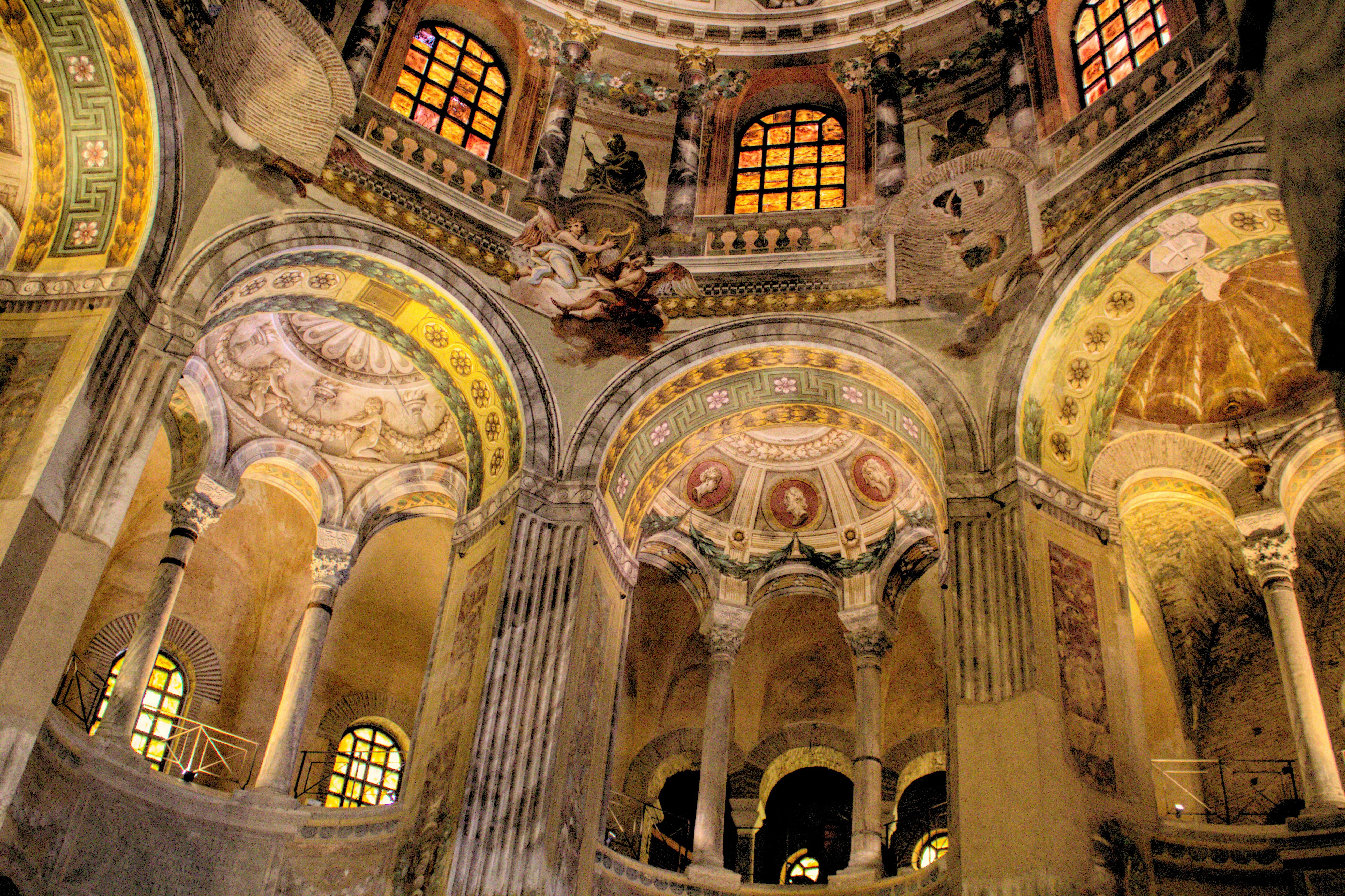
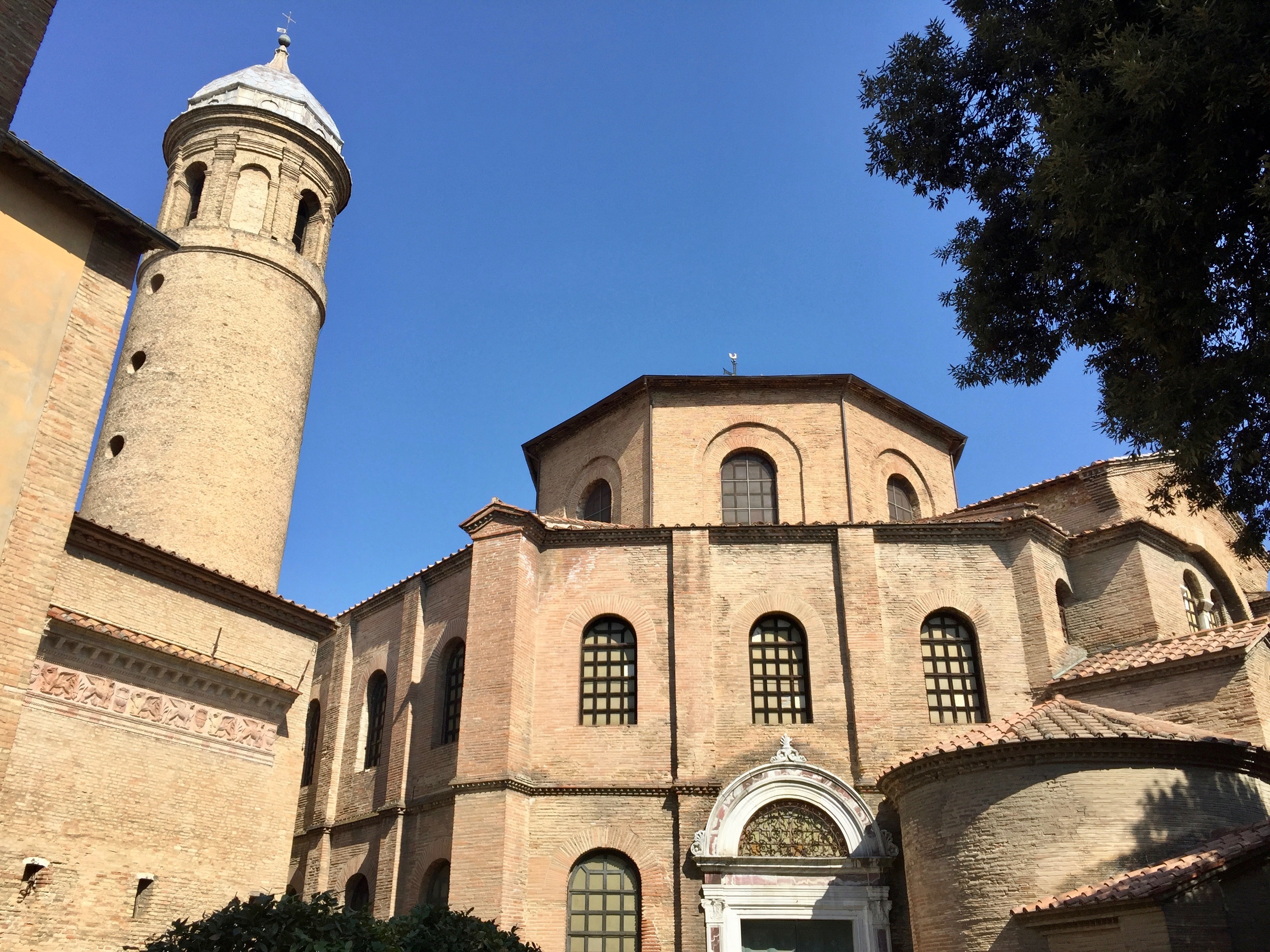
A small, quiet, well-heeled city, Ravenna has brick palaces, cobblestone streets, magnificent monuments, and spectacular Byzantine mosaics. The high point in its civic history occurred in the 5th century, when Pope Honorious moved his court here from Rome. Gothic kings Odoacer and Theodoric ruled the city until it was conquered by the Byzantines in AD 540. Ravenna later fell under the sway of Venice, and then, inevitably, the Papal States.Because Ravenna spent much of its past looking east, its greatest art treasures show that Byzantine influence. Churches and tombs with the most unassuming exteriors contain within them walls covered with sumptuous mosaics. These beautifully preserved Byzantine mosaics put great emphasis on nature, which you can see in the delicate rendering of sky, earth, and animals. Outside Ravenna, the town of Classe hides even more mosaic gems.
About Trieste
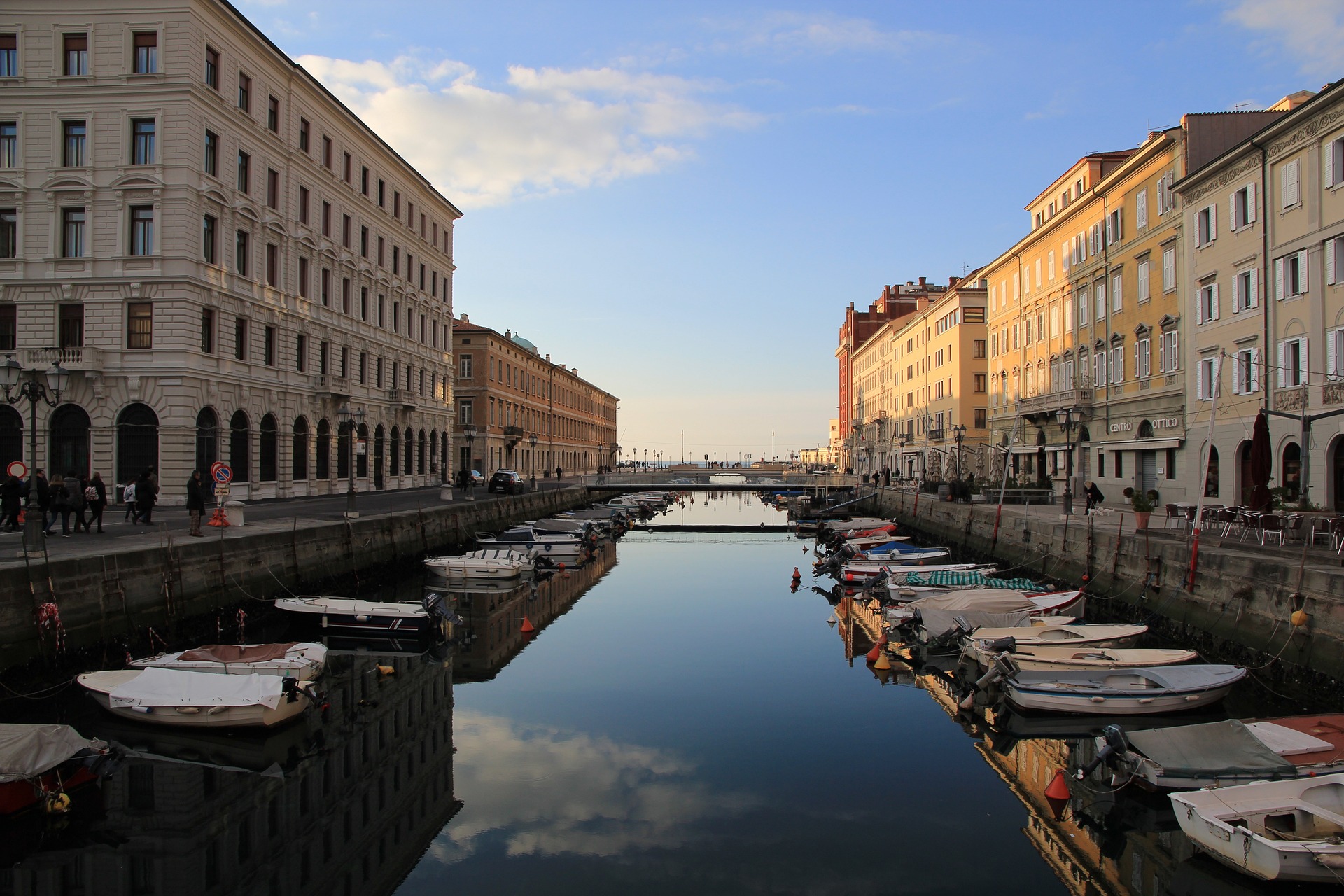
Up until the end of World War I, Trieste was the only port of the vast Austro-Hungarian Empire and therefore a major industrial and financial center. In the early years of the 20th century, Trieste and its surroundings also became famous by their association with some of the most important names of Italian literature, such as Italo Svevo, and English and German letters. James Joyce drew inspiration from the city's multiethnic population, and Rainer Maria Rilke was inspired by the seacoast west of the city. Although it has lost its importance as a port and a center of finance, it has never fully lost its roll as an intellectual center. The streets hold a mix of monumental, neoclassical, and art-nouveau architecture built by the Austrians during Trieste's days of glory, granting an air of melancholy stateliness to a city that lives as much in the past as the present.
About Piran
About Opatija
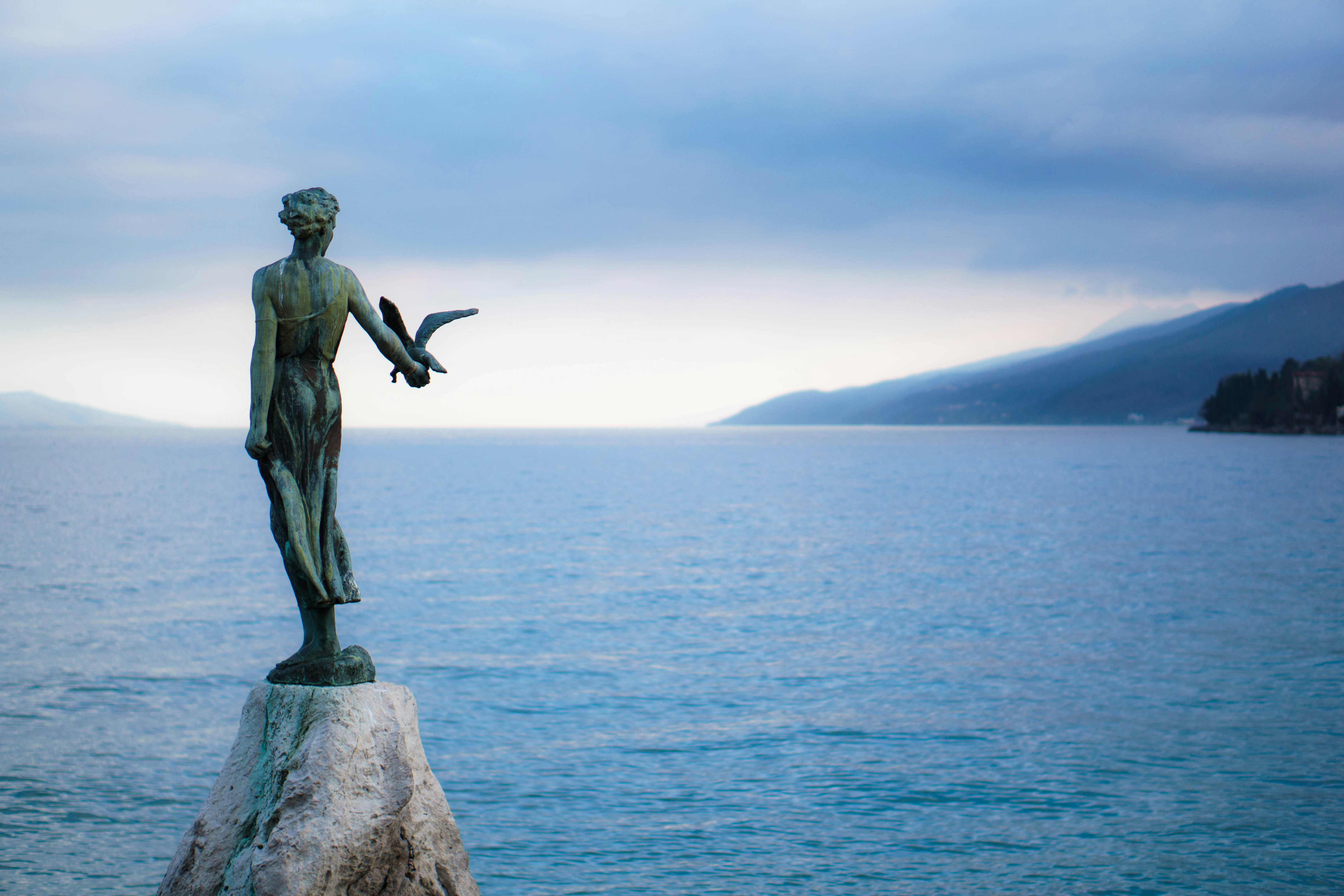
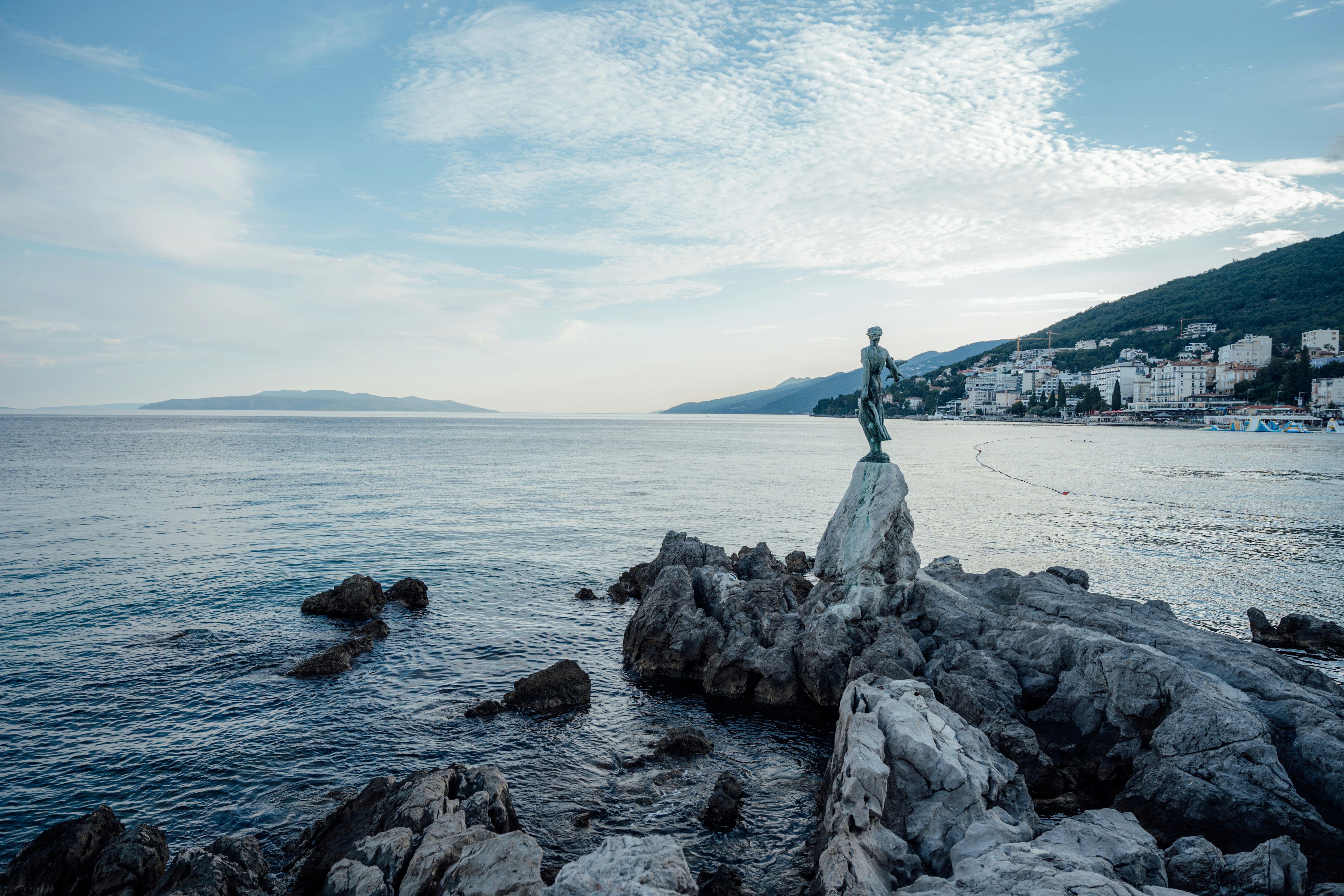
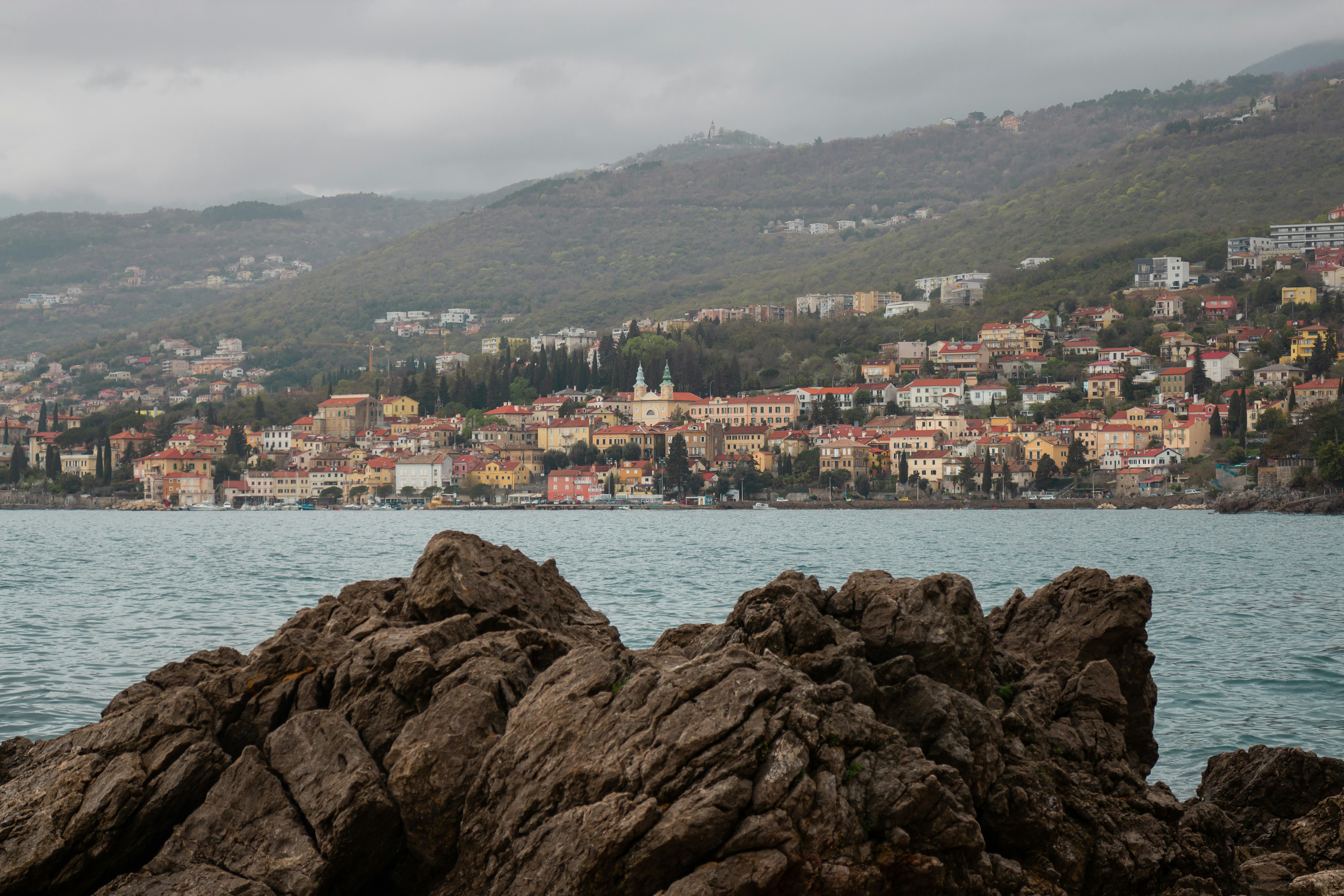
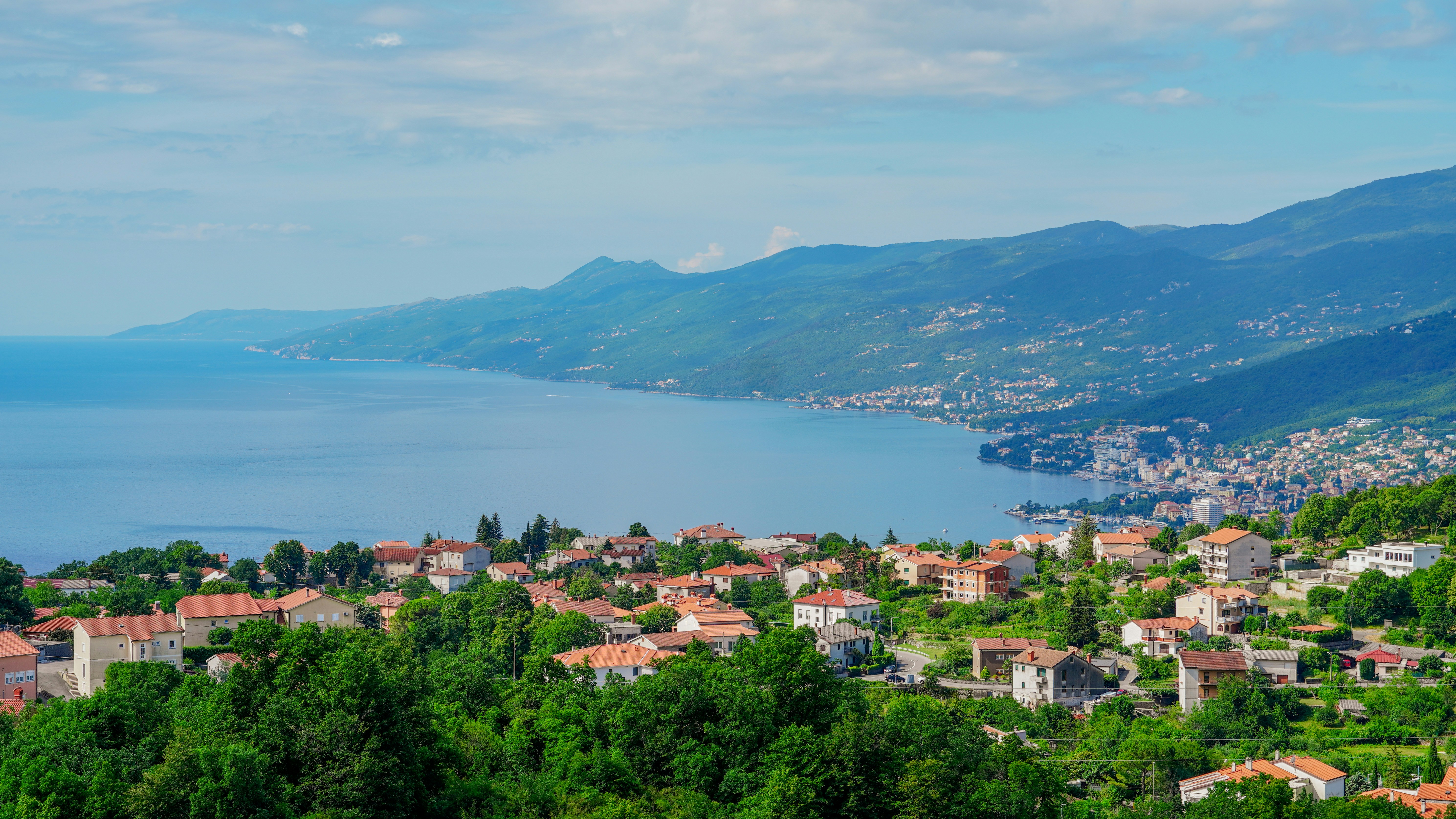
Stroll along Opatija’s seaside promenade, and soak up the splendour, as you enjoy fresh sea air, the sight of waving yacht masts, and the presence of grand ocean-facing buildings. Historically a fashionable destination for European aristocracy, the city is just as in-demand today - with palatial structures watching out over an inviting blue sea, and a border of lush green mountains stretching around the city. Vibrant gardens, glorious weather and endless seafront combine to ensure that Croatia’s original tourist destination remains one of the country’s finest.
About Sibenik
Šibenik's main monument, its Gothic-Renaissance cathedral, built of pale-gray Dalmatian stone and designated a UNESCO World Heritage Site, stands on a raised piazza close to the seafront promenade. From here a network of narrow, cobbled streets leads through the medieval quarter of tightly packed, terra-cotta–roof houses, and up to the ruins of a 16th-century hilltop fortress. The city has never been a real tourist destination. Before the Croatian war for independence, it was a relatively prosperous industrial center, but when the factories closed, Šibenik sank into an economic depression. However, the cathedral more than warrants a look, and it makes a decent base for visiting the waterfalls of Krka National Park.
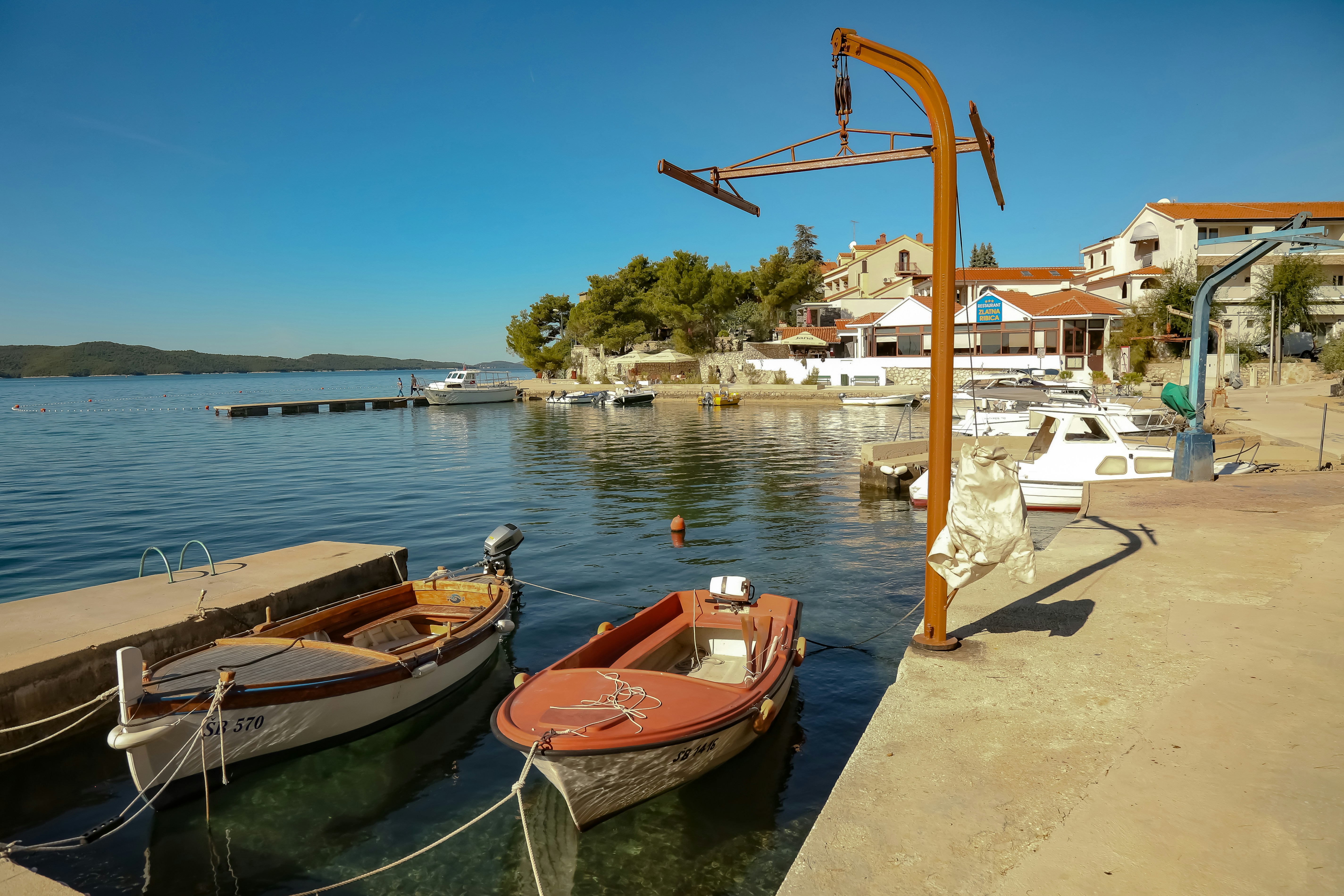
About Hvar Island
The Croatian island of Hvar bills itself as the "sunniest island in the Adriatic." Not only does it have the figures to back up this claim—an annual average of 2,724 hours of sunshine—but it also makes visitors a sporting proposition, offering them a money-back guarantee if there are seven consecutive days of snow (snow has been known to fall here; the last time being February 2012).
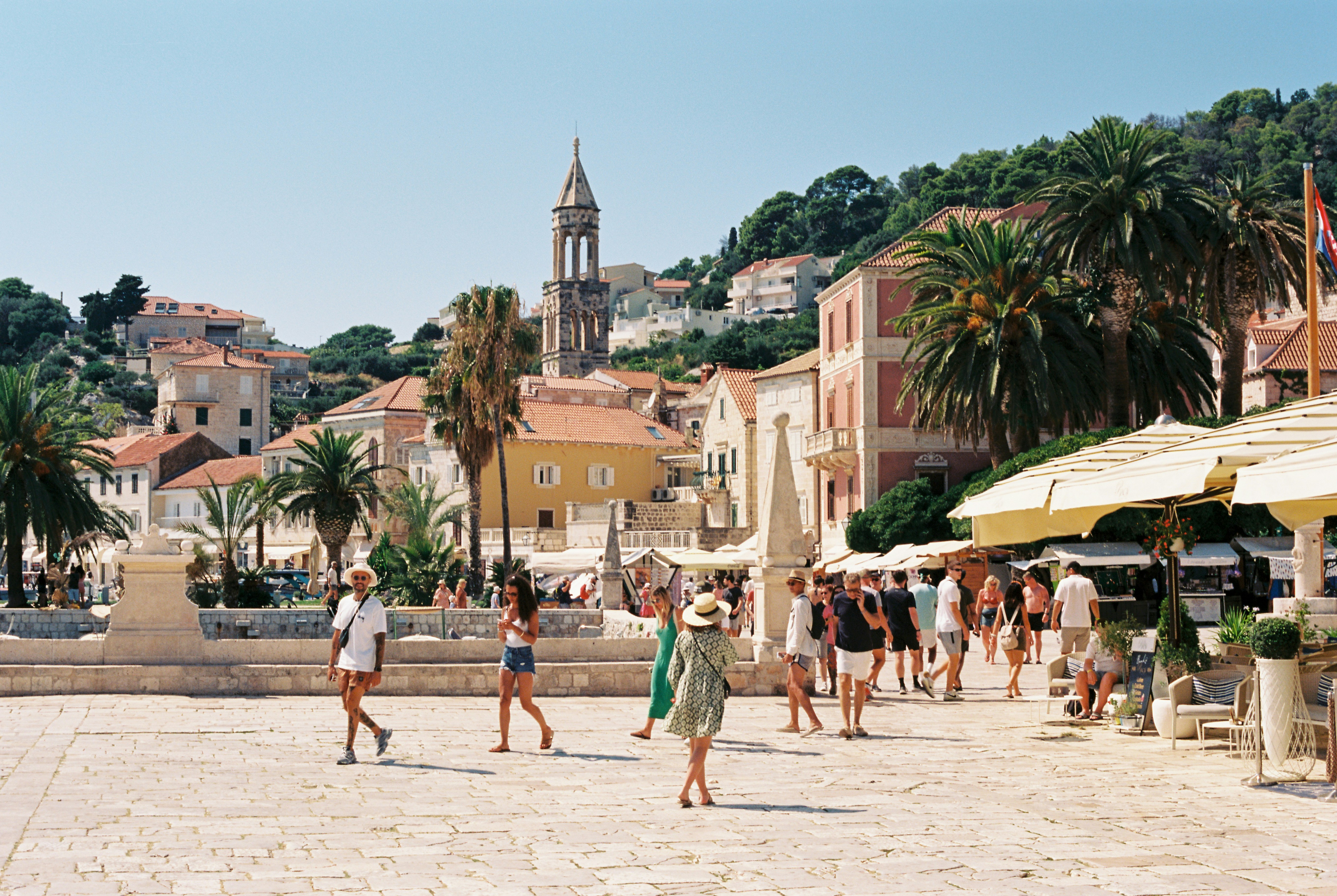
About Dubrovnik
Nothing can prepare you for your first sight of Dubrovnik. Lying 216 km (135 miles) southeast of Split and commanding a jaw-dropping coastal location, it is one of the world's most beautiful fortified cities. Its massive stone ramparts and fortress towers curve around a tiny harbor, enclosing graduated ridges of sun-bleached orange-tiled roofs, copper domes, and elegant bell towers. Your imagination will run wild picturing what it looked like seven centuries ago when the walls were built, without any suburbs or highways around it, just this magnificent stone city rising out of the sea.In the 7th century AD, residents of the Roman city Epidaurum (now Cavtat) fled the Avars and Slavs of the north and founded a new settlement on a small rocky island, which they named Laus, and later Ragusa. On the mainland hillside opposite the island, the Slav settlement called Dubrovnik grew up. In the 12th century the narrow channel separating the two settlements was filled in (now the main street through the Old Town, called Stradun), and Ragusa and Dubrovnik became one. The city was surrounded by defensive walls during the 13th century, and these were reinforced with towers and bastions in the late 15th century.From 1358 to 1808 the city thrived as a powerful and remarkably sophisticated independent republic, reaching its golden age during the 16th century. In 1667 many of its splendid Gothic and Renaissance buildings were destroyed by an earthquake. The defensive walls survived the disaster, and the city was rebuilt in baroque style.Dubrovnik lost its independence to Napoléon in 1808, and in 1815 passed to Austria-Hungary. During the 20th century, as part of Yugoslavia, the city became a popular tourist destination, and in 1979 it was listed as a UNESCO World Heritage Site. During the war for independence, it came under heavy siege. Thanks to careful restoration, few traces of damage remain; however, there are maps inside the Pile and Ploče Gates illustrating the points around the city where damage was done. It’s only when you experience Dubrovnik yourself that you can understand what a treasure the world nearly lost
About Dubrovnik
Nothing can prepare you for your first sight of Dubrovnik. Lying 216 km (135 miles) southeast of Split and commanding a jaw-dropping coastal location, it is one of the world's most beautiful fortified cities. Its massive stone ramparts and fortress towers curve around a tiny harbor, enclosing graduated ridges of sun-bleached orange-tiled roofs, copper domes, and elegant bell towers. Your imagination will run wild picturing what it looked like seven centuries ago when the walls were built, without any suburbs or highways around it, just this magnificent stone city rising out of the sea.In the 7th century AD, residents of the Roman city Epidaurum (now Cavtat) fled the Avars and Slavs of the north and founded a new settlement on a small rocky island, which they named Laus, and later Ragusa. On the mainland hillside opposite the island, the Slav settlement called Dubrovnik grew up. In the 12th century the narrow channel separating the two settlements was filled in (now the main street through the Old Town, called Stradun), and Ragusa and Dubrovnik became one. The city was surrounded by defensive walls during the 13th century, and these were reinforced with towers and bastions in the late 15th century.From 1358 to 1808 the city thrived as a powerful and remarkably sophisticated independent republic, reaching its golden age during the 16th century. In 1667 many of its splendid Gothic and Renaissance buildings were destroyed by an earthquake. The defensive walls survived the disaster, and the city was rebuilt in baroque style.Dubrovnik lost its independence to Napoléon in 1808, and in 1815 passed to Austria-Hungary. During the 20th century, as part of Yugoslavia, the city became a popular tourist destination, and in 1979 it was listed as a UNESCO World Heritage Site. During the war for independence, it came under heavy siege. Thanks to careful restoration, few traces of damage remain; however, there are maps inside the Pile and Ploče Gates illustrating the points around the city where damage was done. It’s only when you experience Dubrovnik yourself that you can understand what a treasure the world nearly lost
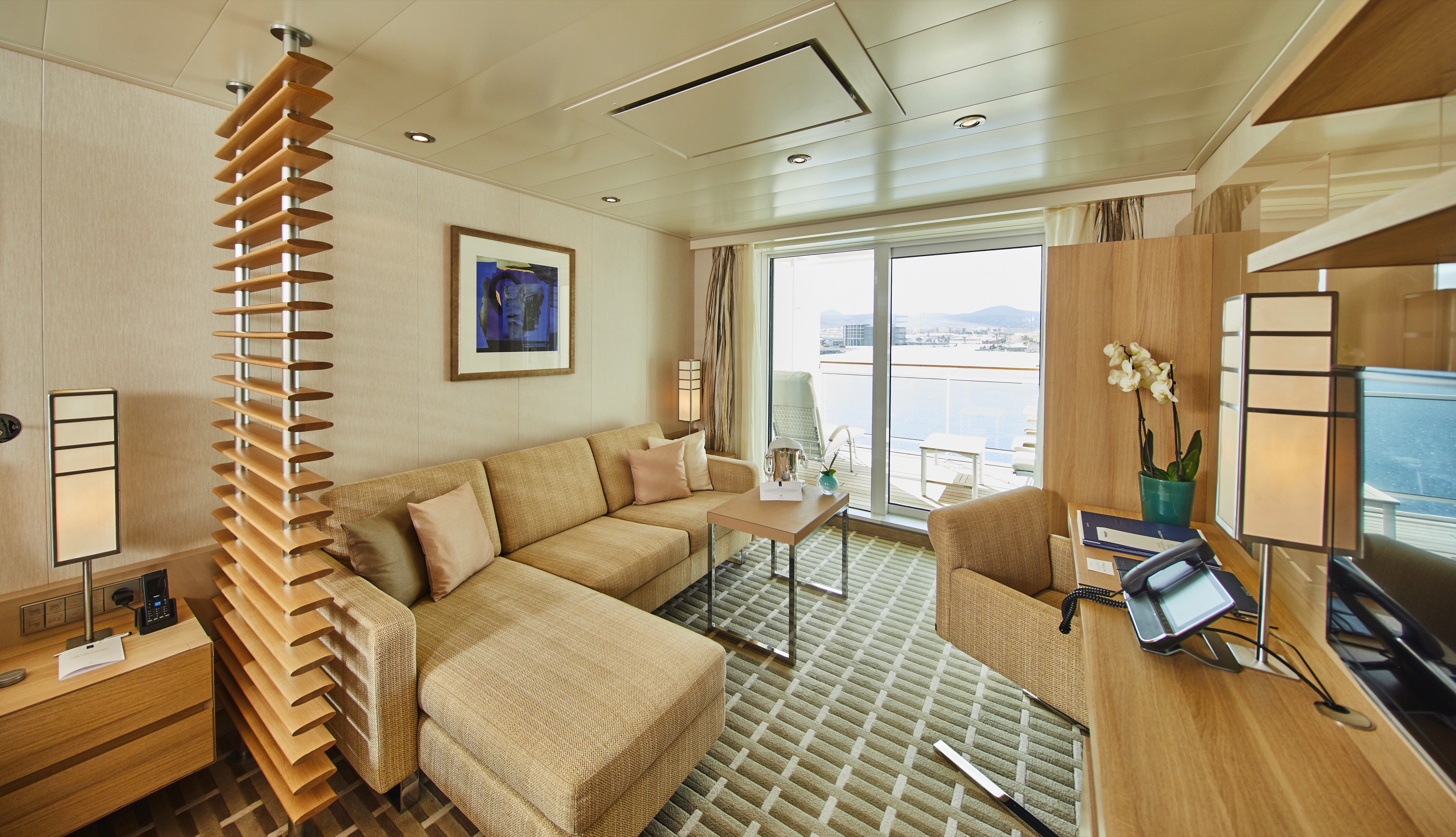
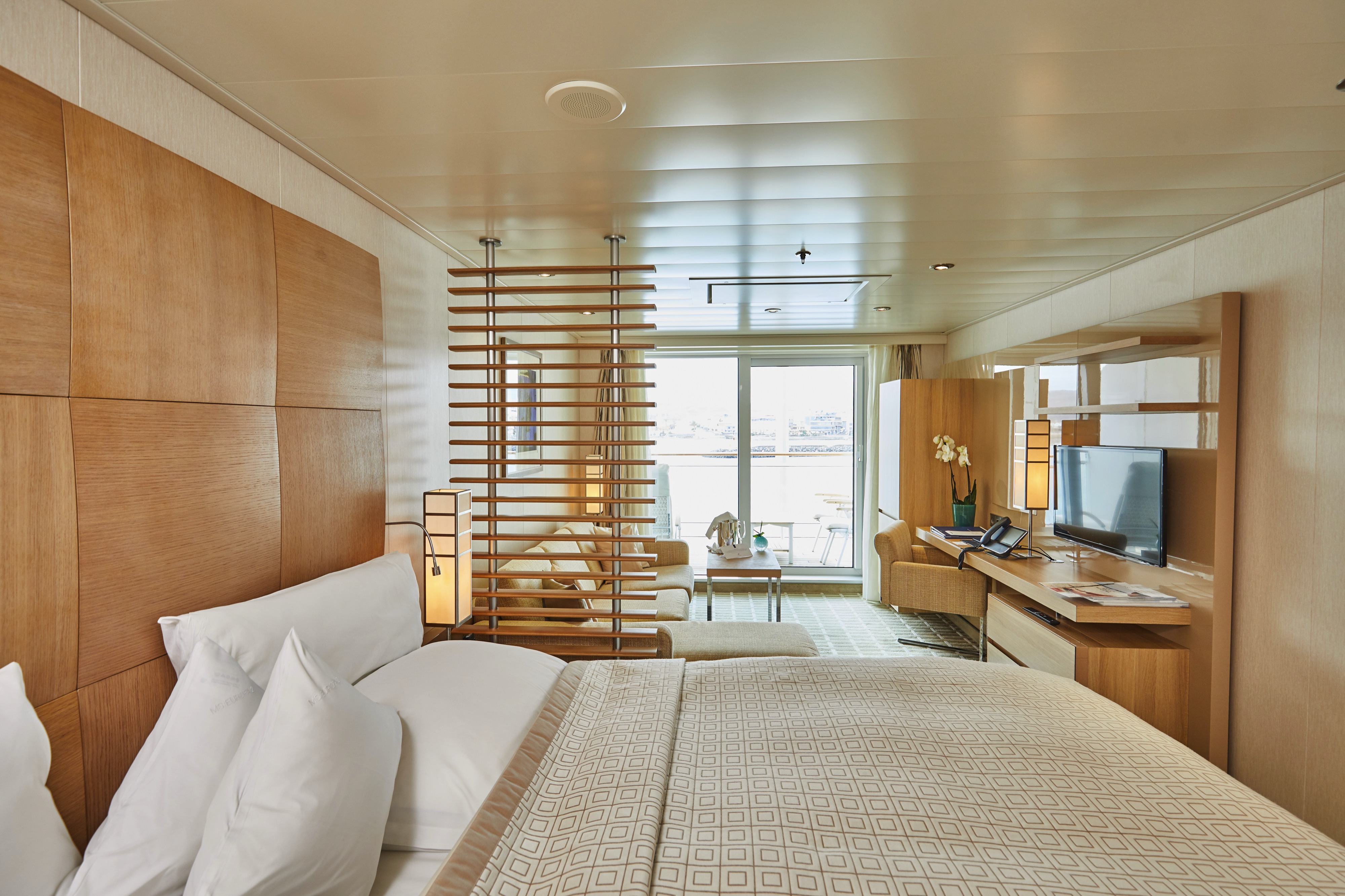
The Owner's Suite is so much more than our most exclusive suite; it is an exquisite home on the oceans of the world. Enjoy all the amenities you could possibly need, spread over more than 114 m²/1,227 ft² of personal freedom.
- Living area: 99 m²/1,066 ft²; veranda: 15 m²/161 ft²
- Separate living and sleeping areas
- Separate dining table
- Guest toilet
- Bathroom with two sinks
- Shower with steam sauna
- Whirlpool and daybed in the bathroom
- Butler service
- Free mini bar
- Exclusive service privileges
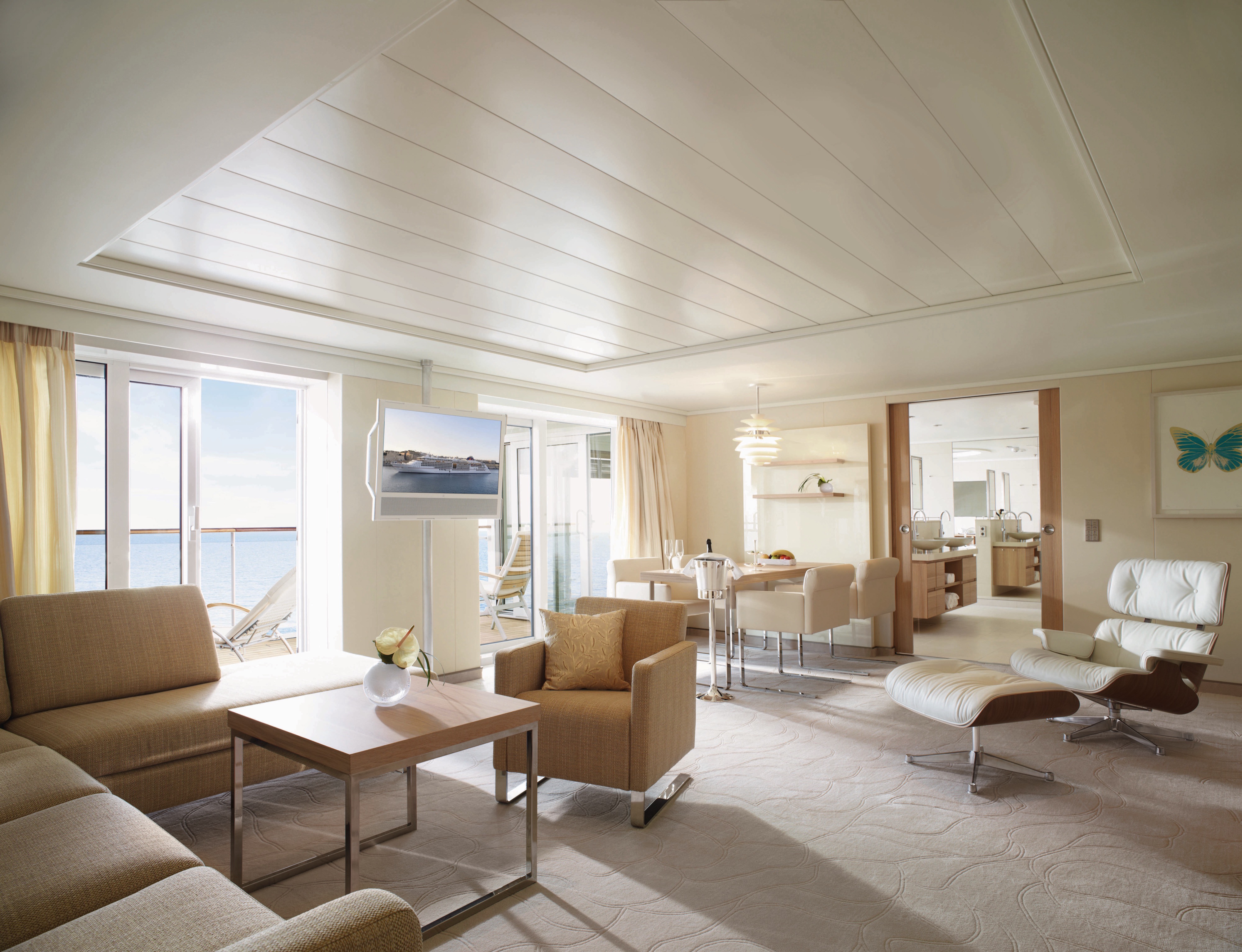
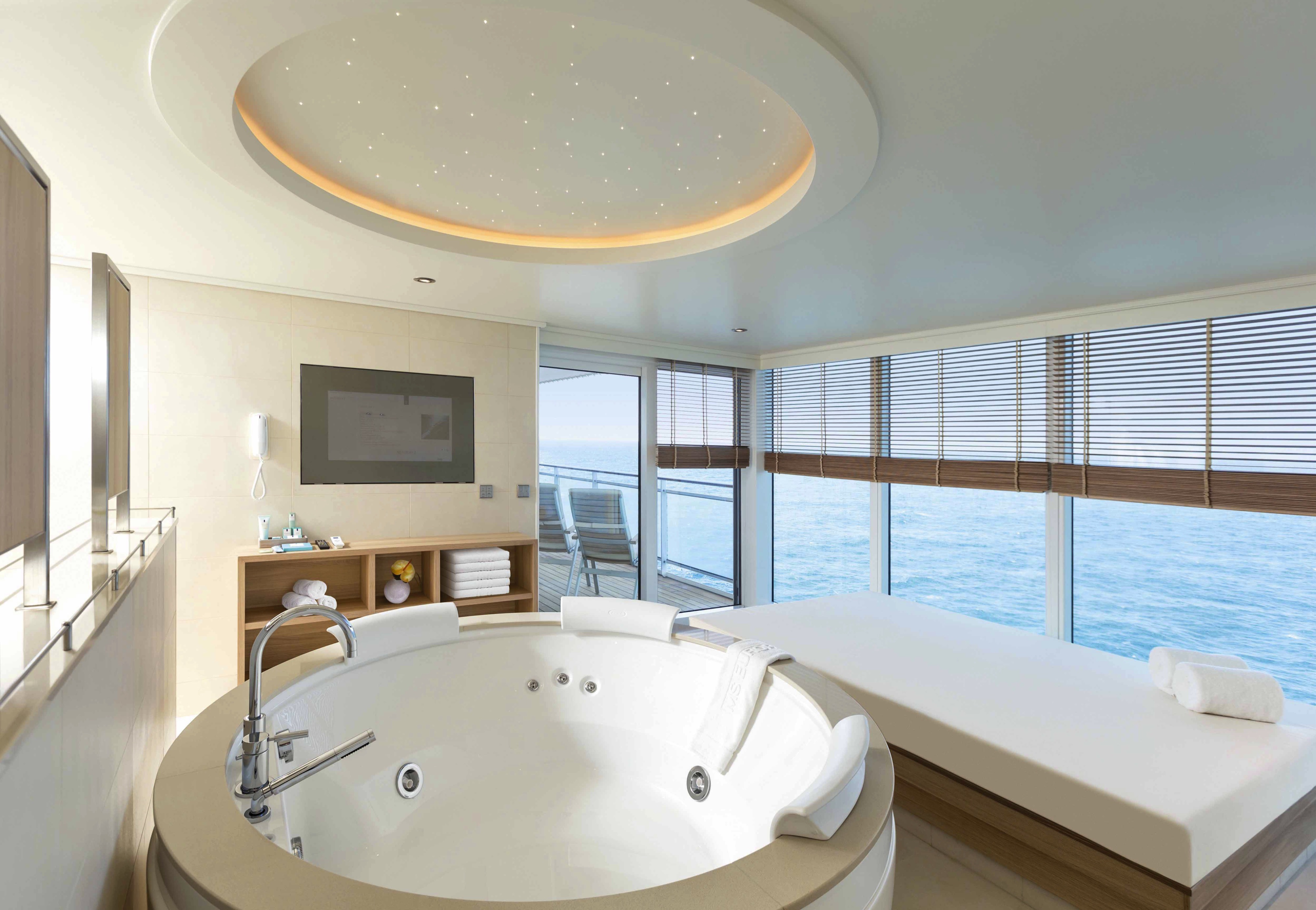
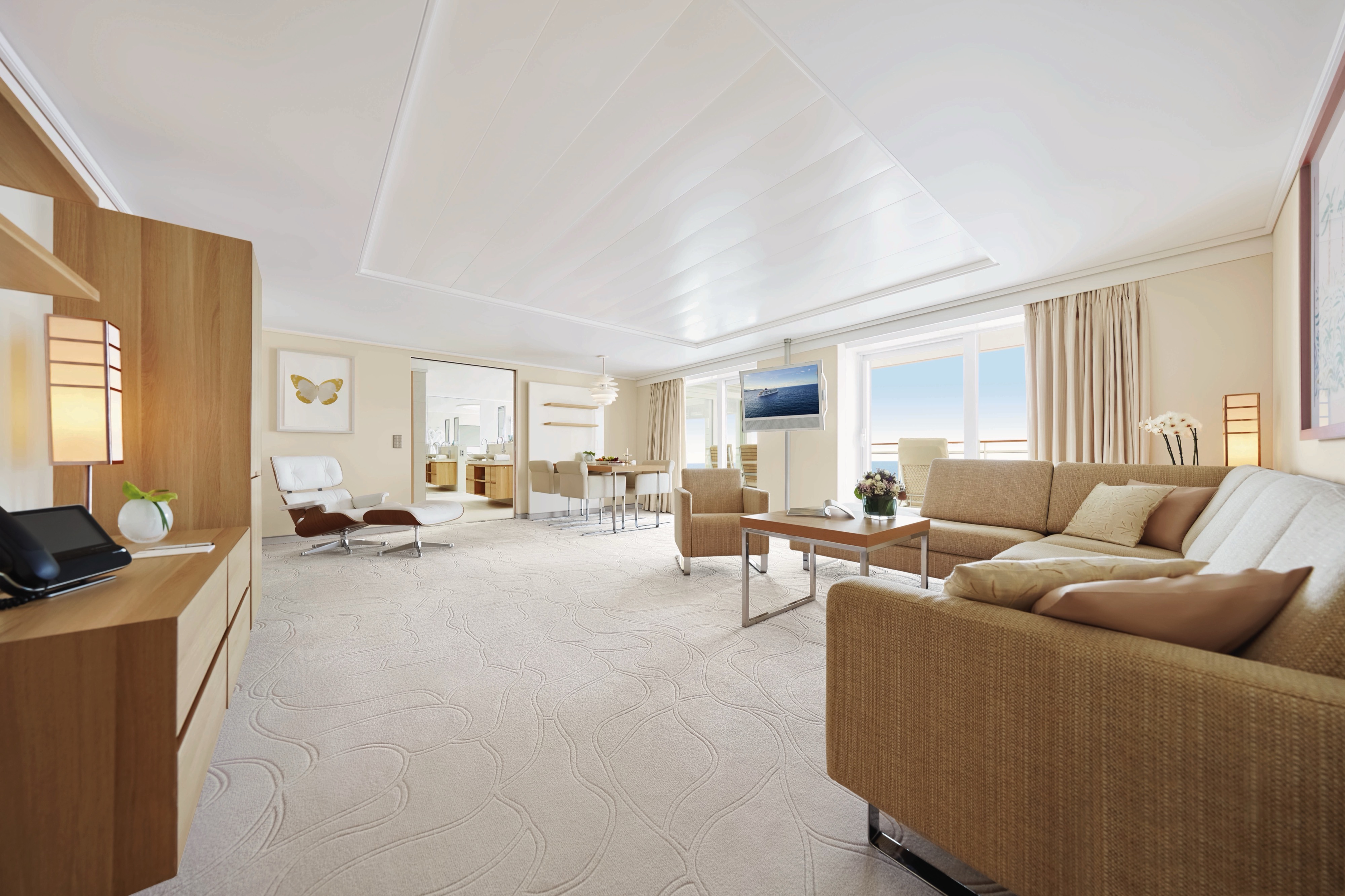
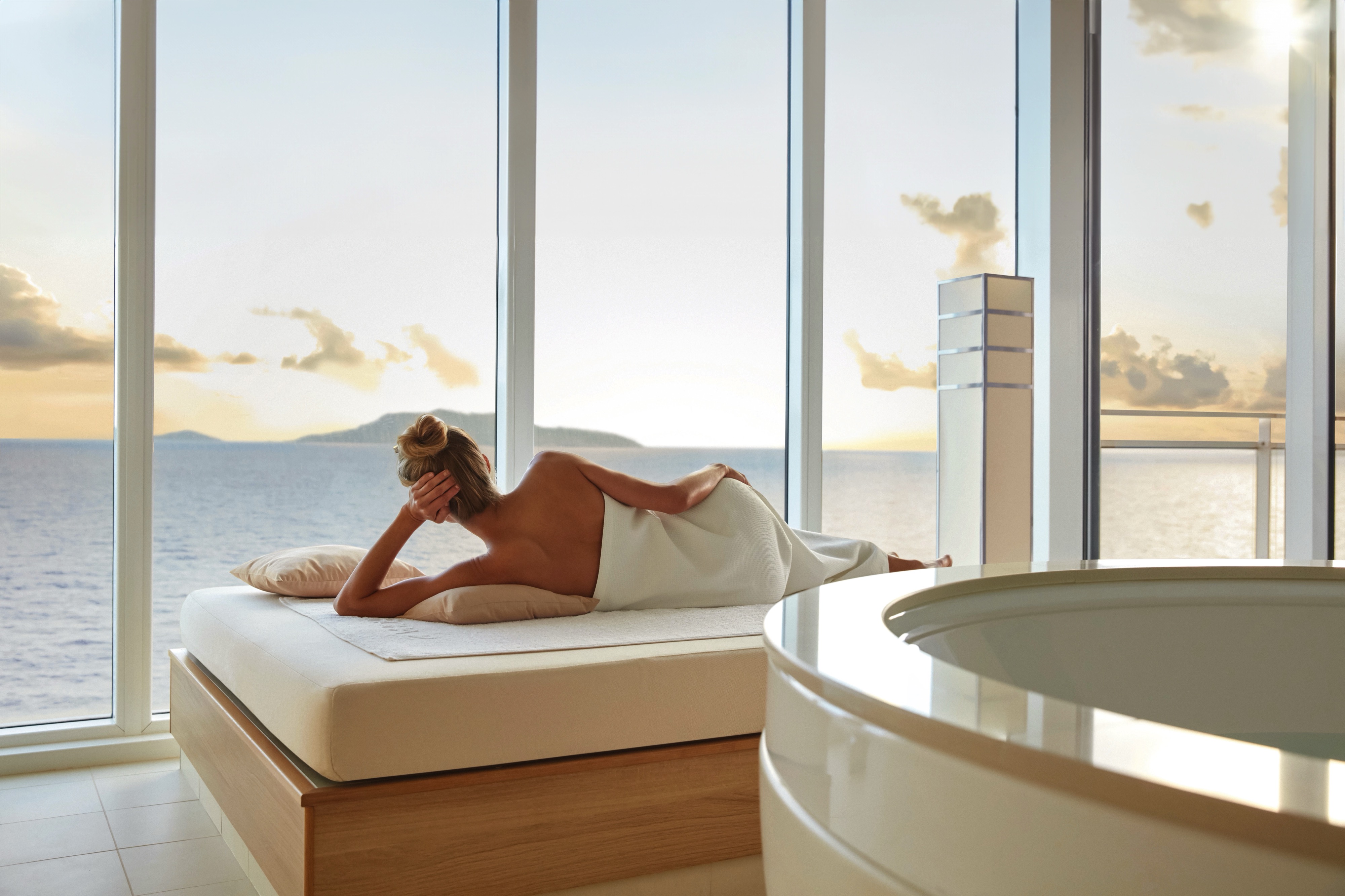
In the Grand Penthouse Suite, you can enjoy lavishness at sea - on a daybed with view of the endless sea, or while taking a bath in the middle of the ocean in your private whirlpool.
- Living areas: 78 m²/840 ft²; veranda: 10 m²/108 ft²
- Separate living and sleeping areas
- Separate dining table
- Guest toilet
- Bathroom with two sinks
- Shower with steam sauna
- Whirlpool and daybed in the bathroom
- Butler service
- Free mini bar
- Exclusive service privileges
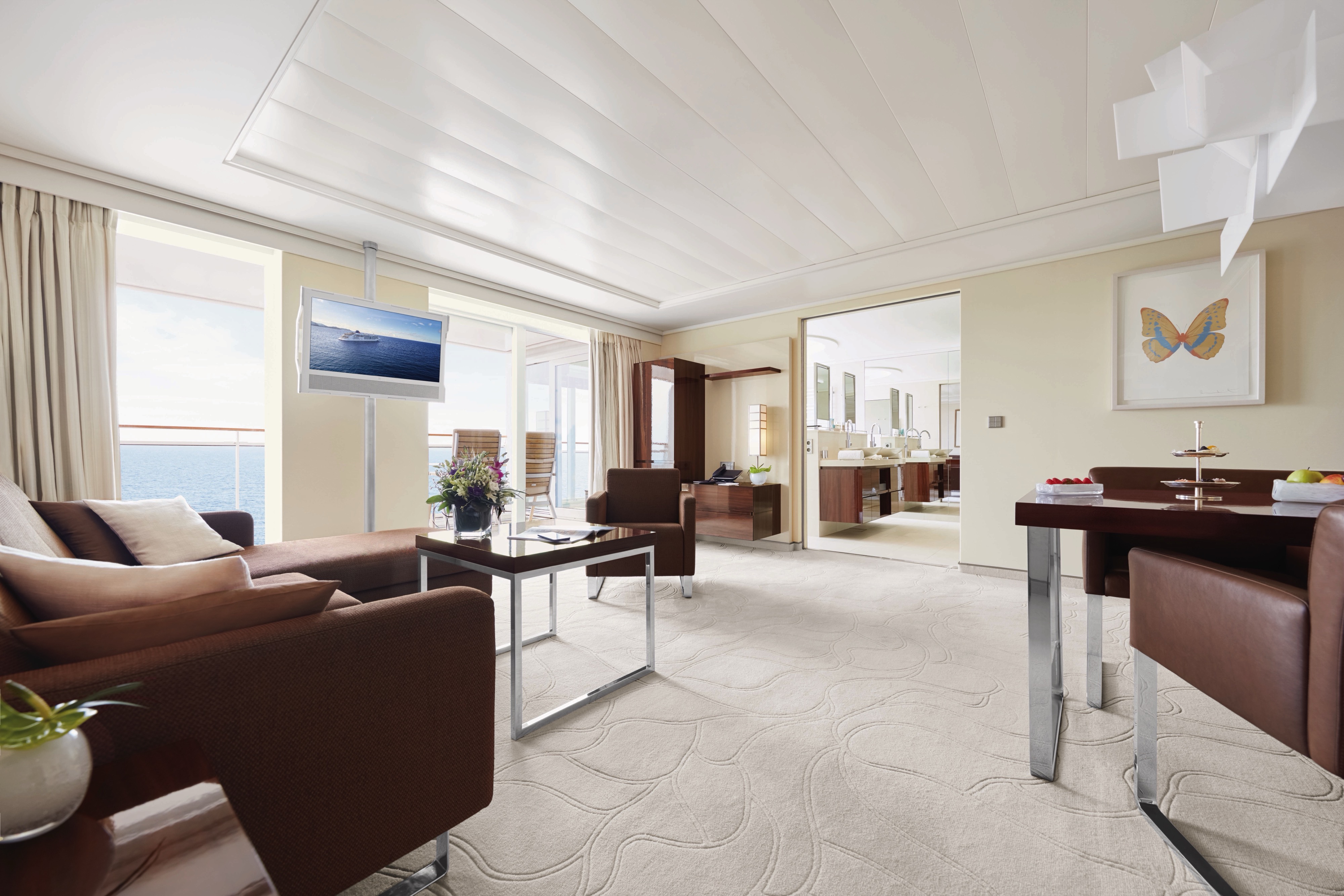
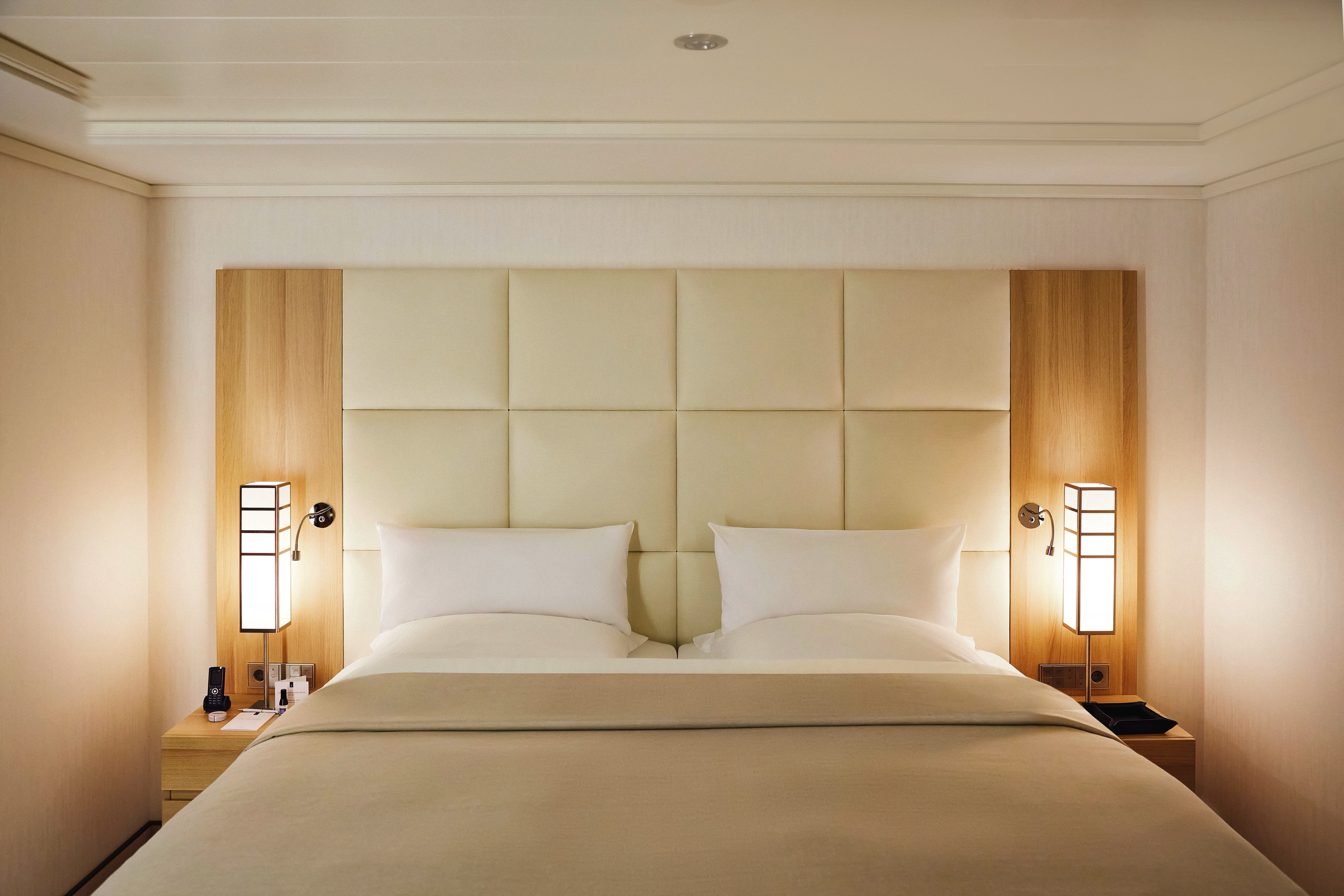
In the Grand Ocean Suite, you can leave all your worries far behind you. Pamper your body and soul at the highest level - with warm colour tones and a spa bath with a panoramic view over the sea.
- Living area: 42 m²/452 ft²; veranda: 10 m²/ 108 ft²
- Bathroom with two sinks
- Separate toilet
- Natural light in the bathroom
- Shower with steam sauna
- Whirlpool tub
- Free mini bar
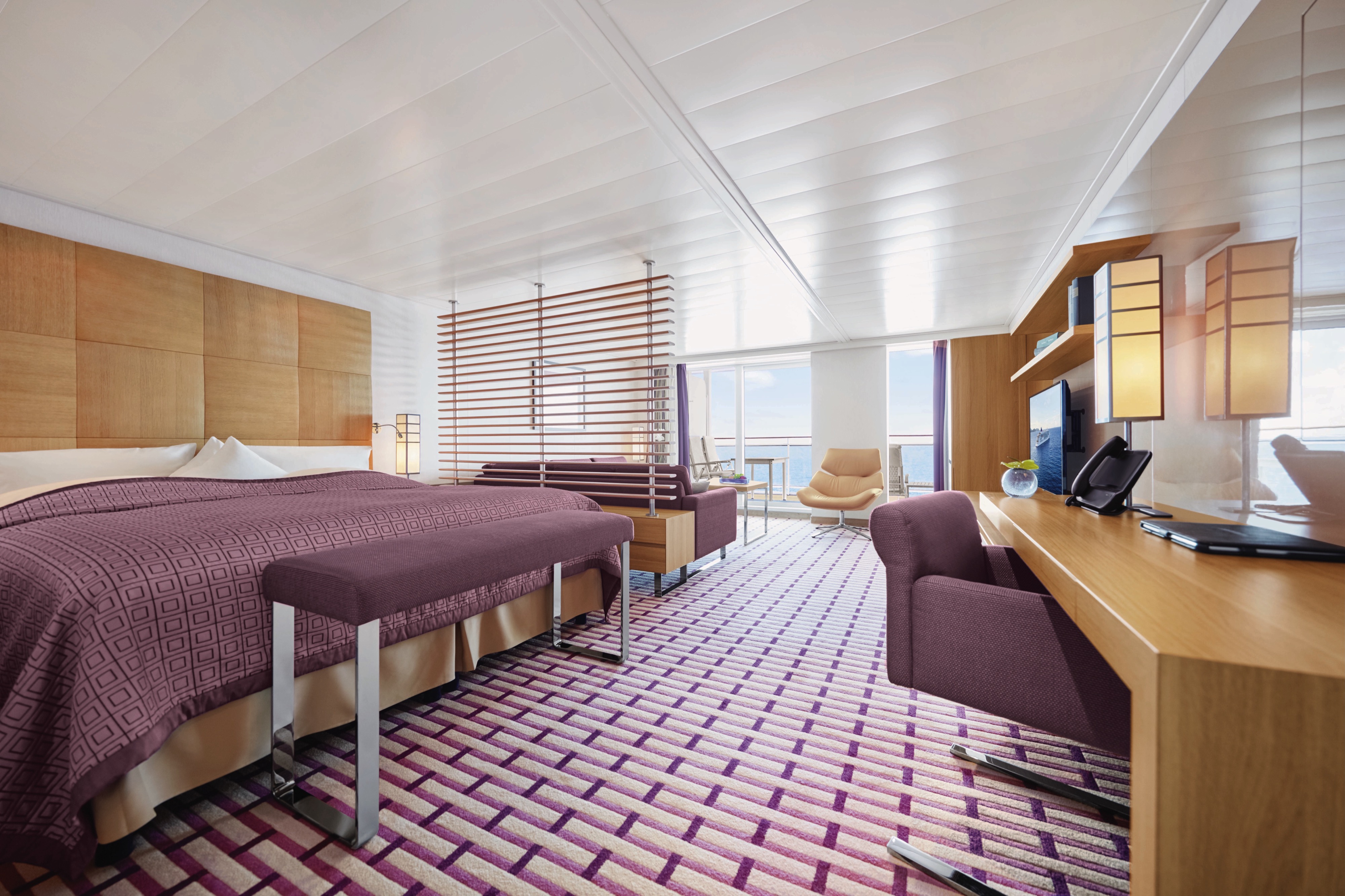
A wonderfully spacious suite offering the utmost comfort, uniquely located on the upper decks - is there a better place to relax? In the Penthouse Suite, you can enjoy endless views over the sea and all the amenities of a classic Penthouse Suite.
- Living area: 42 m²/452 ft²; veranda: 10 m²/108 ft²
- Walk-in wardrobe
- Bathroom with two sinks
- Whirlpool tub and separate shower
- Separate toilet
- Butler service
- Free mini bar
- Exclusive service privileges
A Penthouse Suite with fully accessible facilities can also be booked (category 13). Here the toilet is in the bathroom.
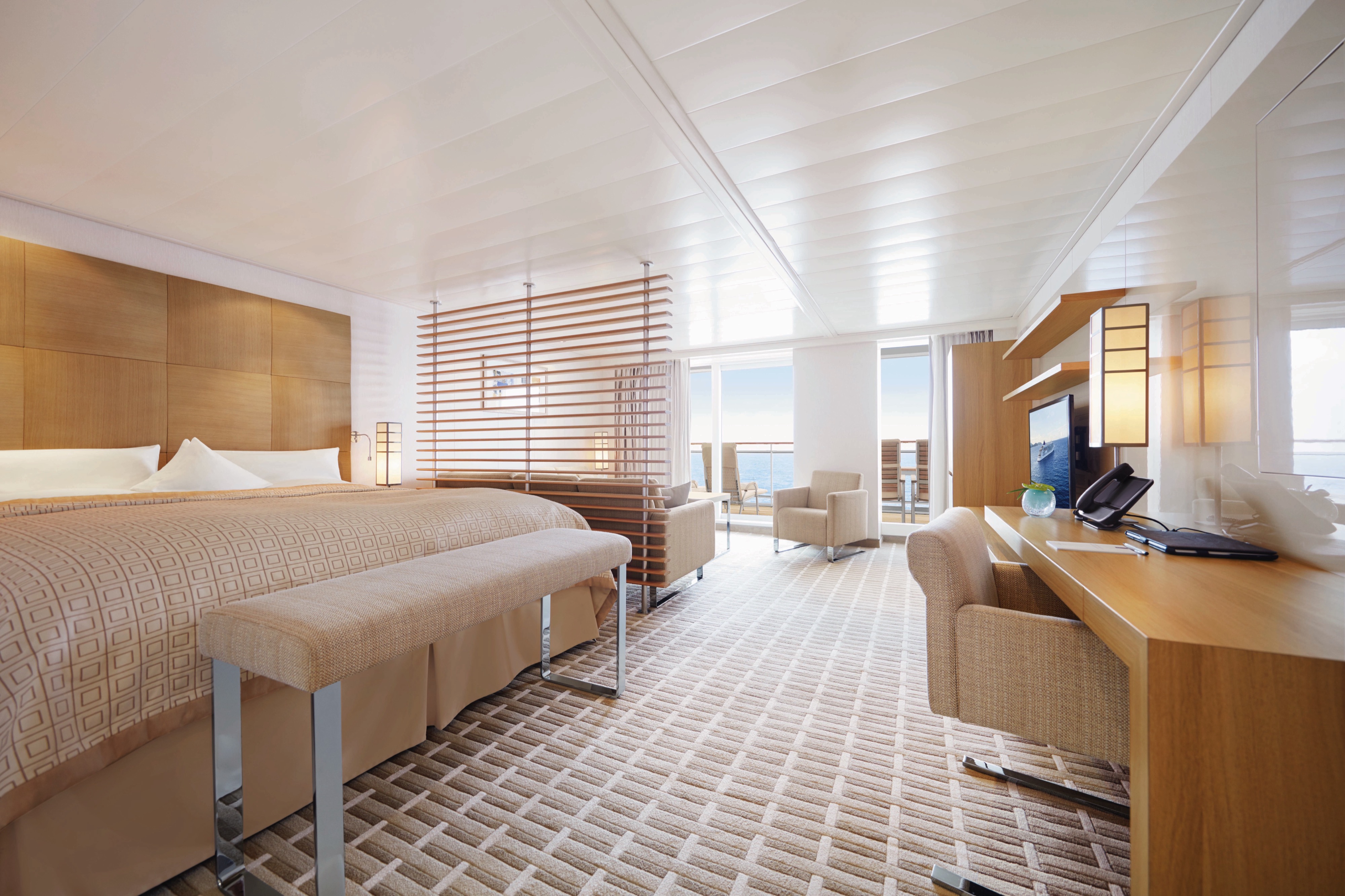
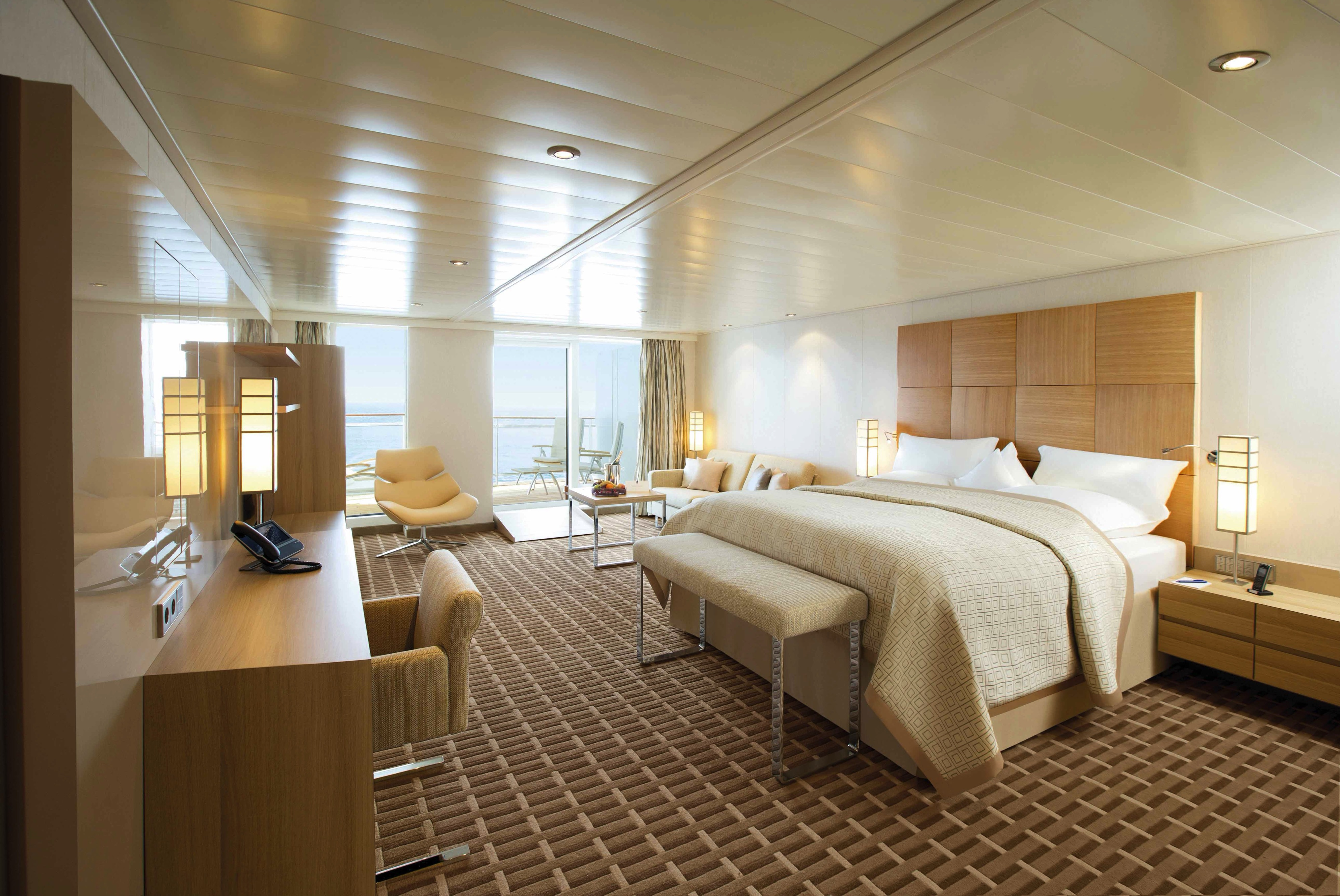
Those who like to start their day with a fantastic view will have a wonderful time in the Ocean Suite. The bathrooms in this category all provide plenty of natural light. Treat yourself to this special luxury and look out over the open ocean from your own bath.
- Living area: 28 m²/301 ft²; veranda: 7 m²/75 ft²
- Natural light in the bathroom
- Bathroom with two sinks
- Whirlpool tub and separate shower
- Separate toilet
- Free mini bar
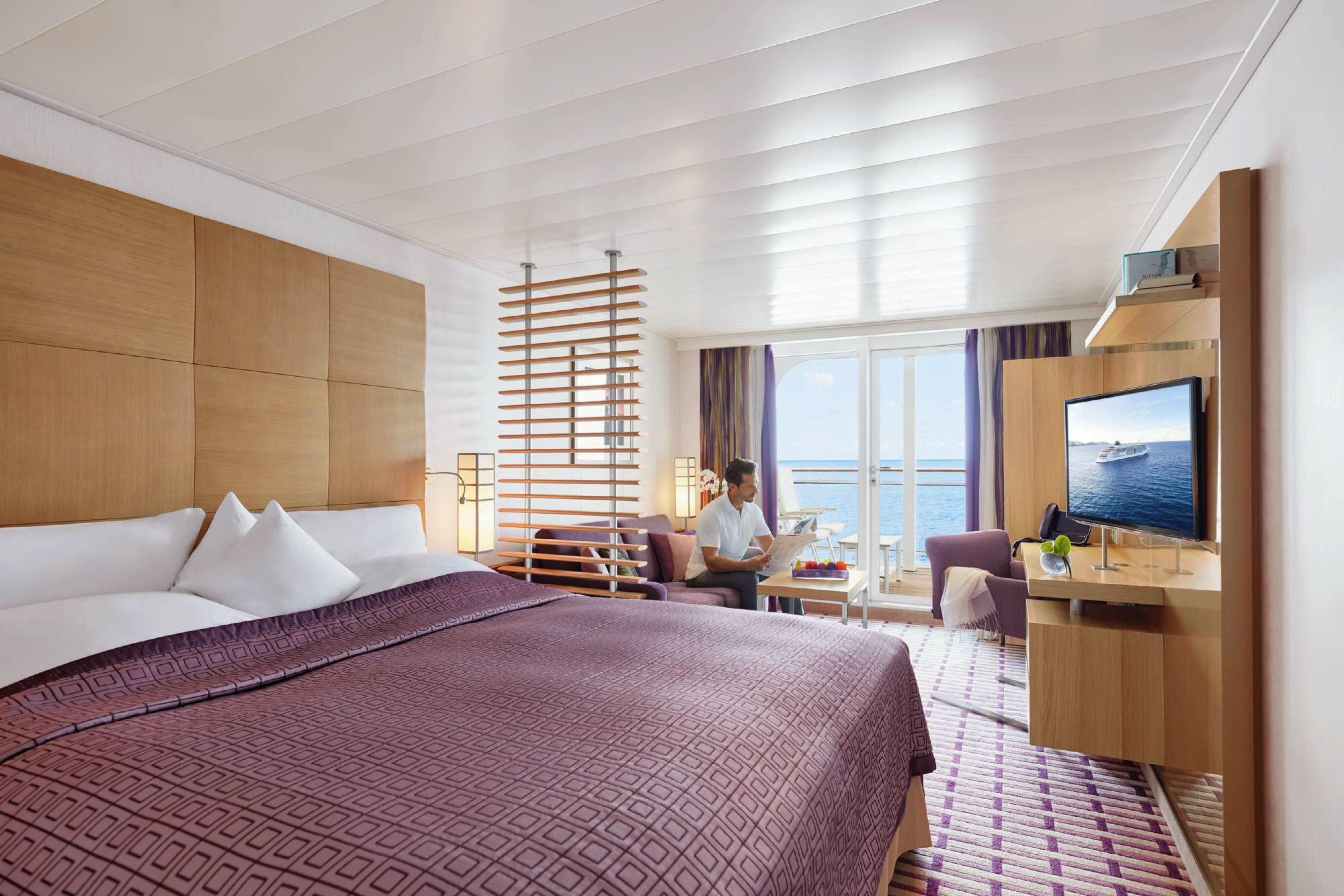
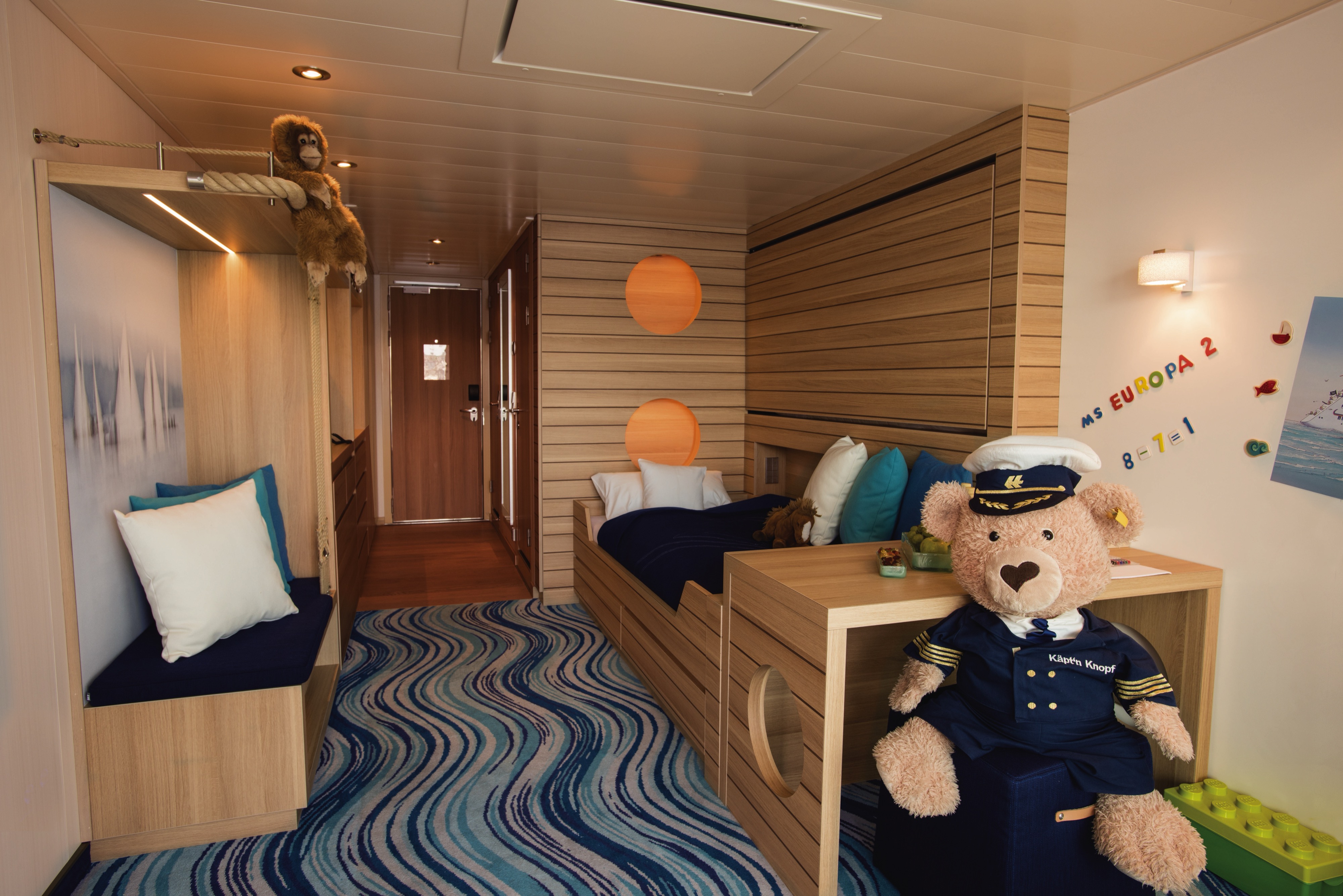
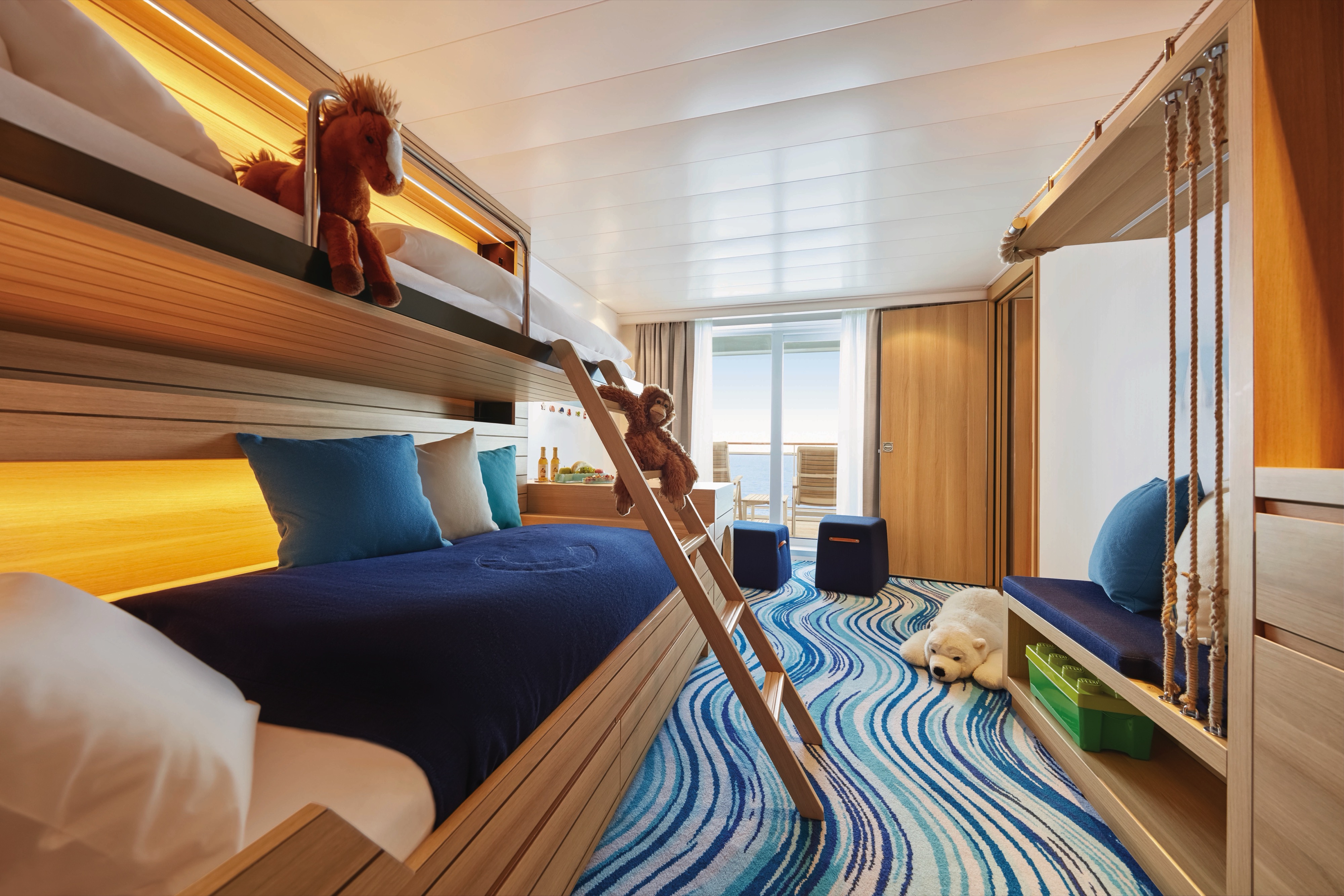
Where everyone will feel comfortable. Plenty of room for you and your personal needs - creating a relaxing family holiday. In the Family Apartments, children and parents live in two separate areas connected by a door and a veranda. The furniture of one of the living areas has been tailored especially for our younger passengers.
Selected equipment features
- Living area: 2× 20 m²/ 2x 215 ft², veranda: 14 m²/150 ft², divisible into 2x 7 m²/ 2x 75 ft²
- Connecting door between the rooms and the verandas
- Separate toilets
- Free mini bars
The furniture of one of the living areas has been tailored especially for our younger passengers:
- Two twin beds, one of which is a Pullman (80 × 200 cm/2 × 6 ft)
- Bathtub (140 × 80 cm/4 × 2 ft)
- Age-appropriate range of toys and games including a games console
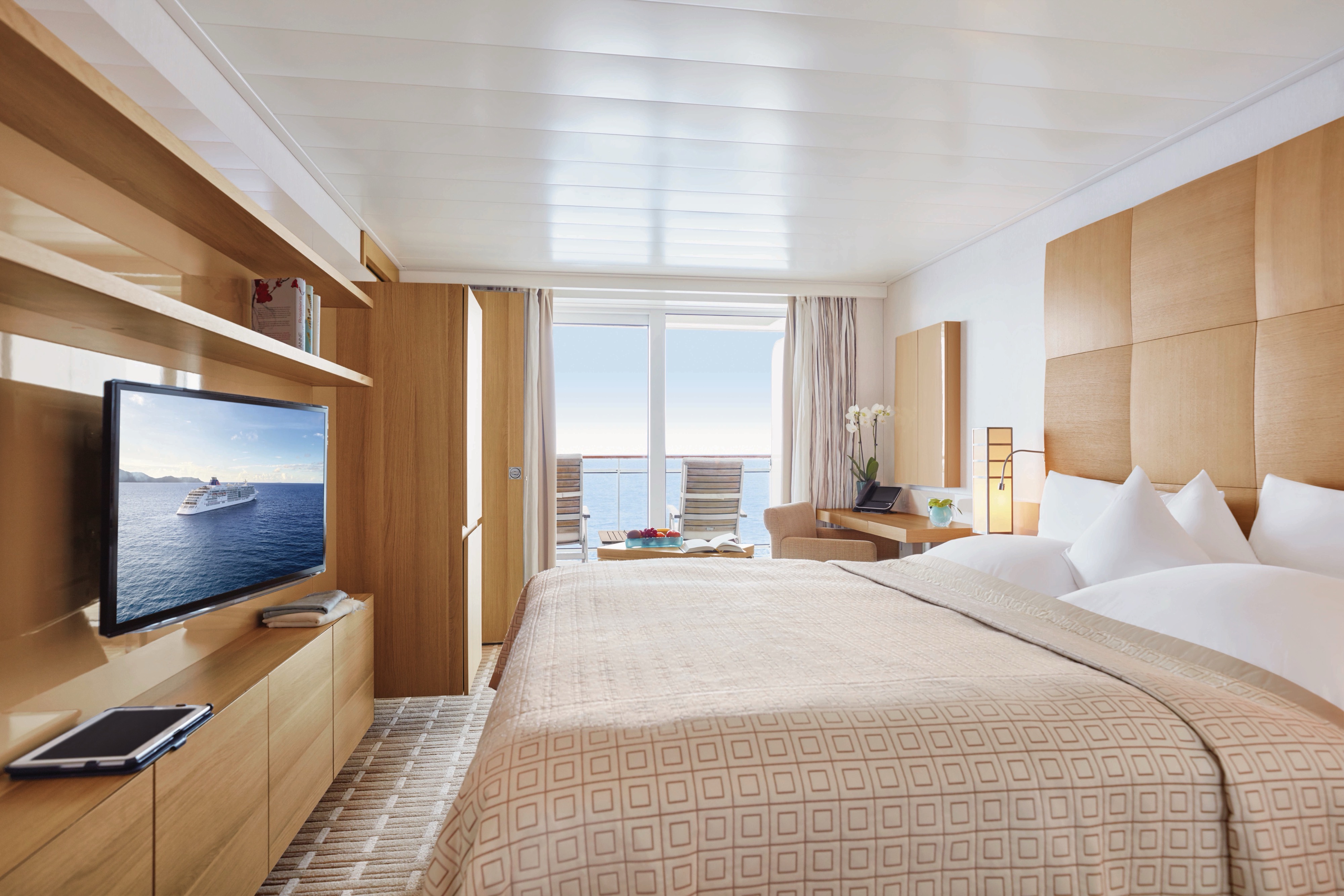
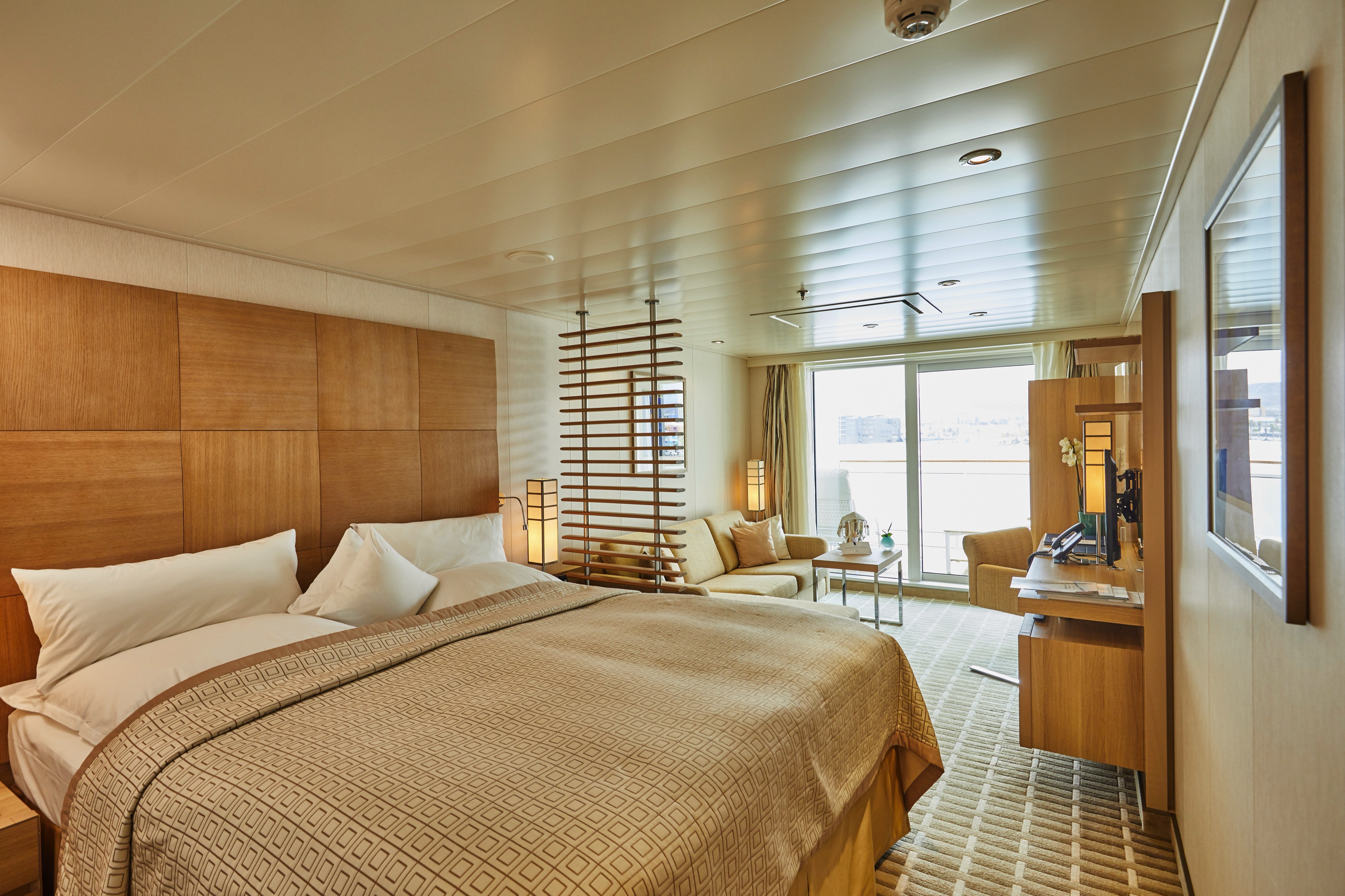
This comfortable suite has plenty of space for relaxing days on board and boasts wonderful views. The spacious veranda affords a magnificent view over the open sea and the first port lights on the horizon.
- Living area: 28 m²/301 ft²; veranda: 7 m²/75 ft²
- Walk-in wardrobe
- Exclusive living area with a chaise longue
- Bathtub and separate shower
- Free mini bar
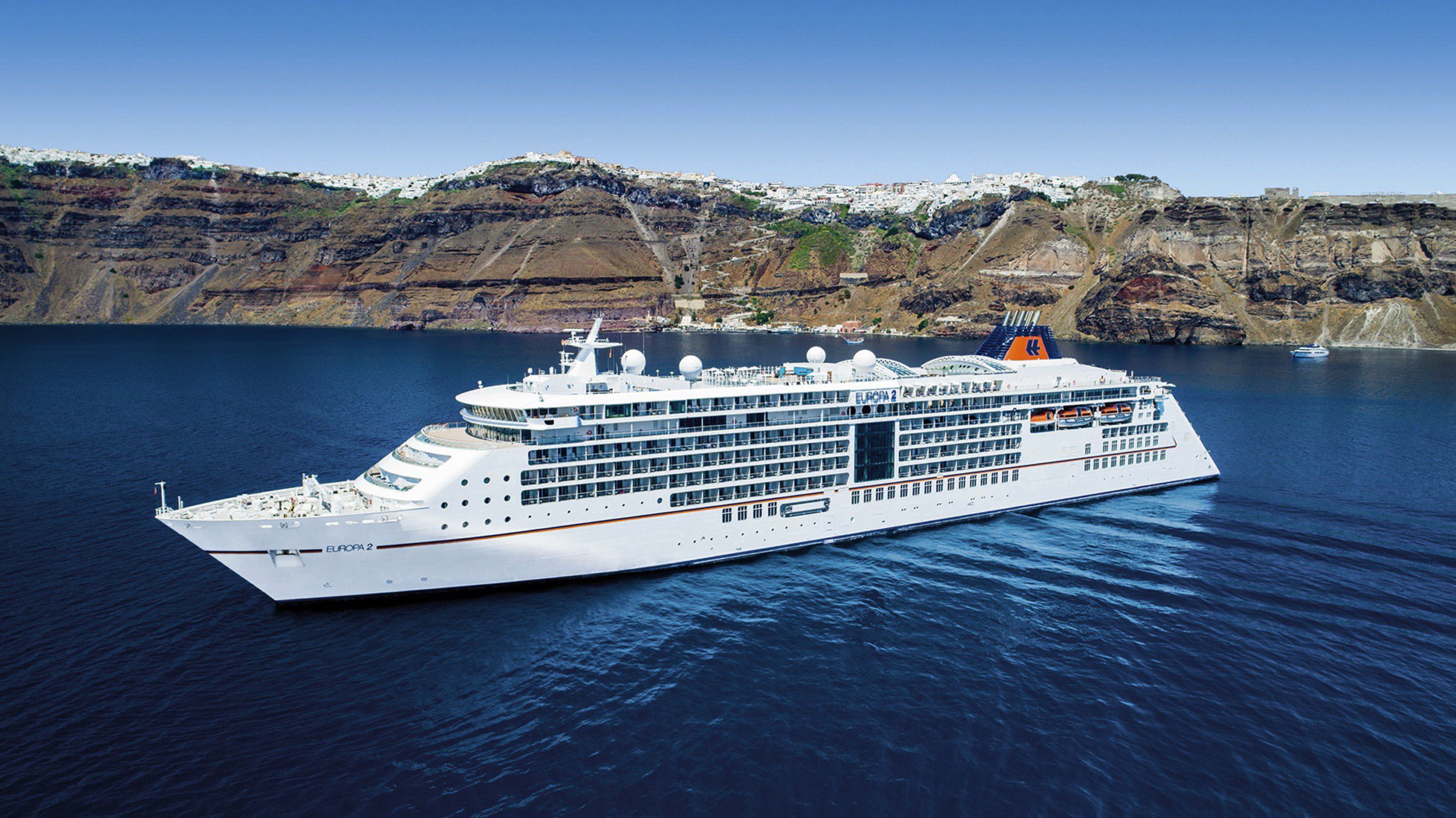
MS EUROPA 2
With a maximum of 500 guests, you can expect the highest level of personal space and individual service. And all this with an extremely luxurious ratio of almost one to one. The EUROPA 2 combines comfort with a high level of flexibility by also heading to small ports and remote corners off the beaten track. Welcome on board the best cruise ship in the world!*
Enjoy every moment
Casual and individual, exquisite and stylish, entirely in line with your requirements – this is the aim of the EUROPA 2 philosophy. Experience a symbiosis of perfection, elegance and aesthetics, and enjoy lifestyle at the highest level in a modern, relaxed atmosphere.
Experience a unique ship
Experience the great freedom - in a relaxed and individual way, yet high quality and stylish. Enjoy a symbiosis of perfection and elegance as well as the highest level of casual luxury - culinary highlights, first-class wellness and fitness offers, exceptional on-board entertainment complemented by the highest level of privacy and individual freedom. With casual luxury for a maximum of 500 guests, the EUROPA 2 combines design and lifestyle, the highest standards and individual freedom.
Ship Facts
| Launch Year | 2013 | ||||||
| Refit Year | 2020 | ||||||
| Language | de+en | ||||||
| Gross Tonnage | 42830 | ||||||
| Length | 225 | ||||||
| Width | 27 | ||||||
| Currency | EUR | ||||||
| Speed | 21 | ||||||
| Capacity | 500 | ||||||
| Crew Count | 370 | ||||||
| Deck Count | 7 | ||||||
| Cabin Count | 251 | ||||||
| Large Cabin Count | N/A | ||||||
| Wheelchair Cabin Count | 2 | ||||||
| Electrical Plugs |
|
Deck 10
- Zodiacs
- Shuffleboard
- Sun Deck
- Bridge
- Veranda Suites
- Penthouse Suites
- Grand Penthouse Suites
- Owner Suites

Deck 9
- Restaurant Yacht Club
- Sushi Restaurant Sakura
- Sun Deck
- Pool
- Conference Room
- Studio
- Gallery
- Culinary School
- Belvedere with library and coffee lounge

Deck 8
- Sansibar
- Tender
- Knopf Club / Kids Club
- Veranda Suites or Ocean Suites
- Family Apartments
- Penthouse Suites (accessible)

Deck 7
- Veranda Suites or Ocean Suites

Deck 6
- Veranda Suites or Ocean Suites
- Owner Suites

Deck 5
- Ocean Spa
- Sauna
- Jacuzzi
- Golf
- Embarkation and disembarkation
- Grand Ocean Suites
- Veranda Suites or Ocean Suites

Deck 4
- Restaurant Weltmeere
- Restaurant Serenissima
- Restaurant Elements
- Restaurant Tarragon
- Grand Reserve
- Tour Office
- Teens' Club
- Boutique / Jeweller
- Reception
- Foyer
- Piano Bar
- Embarkation / disembarkation
- Photo shop
- Club 2
- Collins
- Theatre

With an eye for detail, the EUROPA 2 chefs are constantly opening up new culinary horizons. They also offer a fine selection of artfully presented dishes at the highest level for those who prefer vegetarian cuisine. Enjoy modern creations or timeless classics with flexible mealtimes and no fixed seating plans in our seven gourmet restaurants.
Restaurant Weltmeere
The flagship restaurant at the heart of the EUROPA 2: enjoy an international gourmet menu that changes every day, and embark on a culinary voyage of discovery. Weltmeere bears the very personal hallmark of our chef and stands for creative culinary sensations – always interpreted in new and extraordinary ways, with vegetarians also catered for.
Tarragon
Tarragon stands for great French cuisine and bistro classics, served in an art-deco-style setting. You can look forward to specialities that are at once simple and sophisticated, such as beef tartare prepared at the table.
Elements
Whether Indian, Vietnamese or traditional Chinese dishes – Elements offers a feast for the senses of everyone with a penchant for the flavours of the East. Enjoy varied Asian cuisine, the aroma of lemongrass, seafood and lime – and Elements’ exotic, modern ambience.
Serenissima
Exquisite classics and new interpretations of the flavours of the Italian Mediterranean: the Serenissima combines the best of Italy's flavours and lifestyle. The house speciality is the malfatti tartufo.
Yacht Club
At the Yacht Club you can experience the finest cuisine and an unforgettable panoramic ocean view, from breakfast to dinner time. Fresh salads, antipasti from the buffet and freshly grilled specialities, fish, pasta and dishes cooked a la minute direct from the open chef’s stations await you.
Sakura
Our master chef for Asian cuisine has perfected the art of conjuring up small masterpieces from the finest ingredients. The result is traditional and modern interpretations of Japanese cuisine, as well as exquisite sushi dishes ranging from classic to creative. Sample the culinary delights from an exclusive menu while enjoying the ocean view in the Sakura’s relaxed setting.
Restaurant Grande Réserve
Connected to the Tarragon, the Grande Reserve focuses on fine wines, which you can taste in small groups under the direction of a sommelier (at extra cost).
When the curtain rises, an unforgettable evening begins. With marvellous acrobatics, dance, comedy, interesting talks, lectures or moving music from classical to pop. On board the EUROPA 2, you will be enthralled by artists, performers and entertainers of the highest calibre. Varied shows and a diverse entertainment programme await you on every voyage.
Sansibar
The younger sister of the Sansibar on Sylt sees much more of the world: the view from the open-air bar over the sea and the parties on the dance floor to DJ sounds are unforgettable. And for a late breakfast and small dishes in the afternoon and evening, it is also the top location.
Belvedere
Providing breathtaking panoramic views when the ship is entering or leaving the harbour, the Belvedere is the ideal place to enjoy a little time out. But it’s also an atmospheric lounge with a library, where select coffee and tea specialities are served. Readings and concerts are also held here.
Piano Bar
The Piano Bar is modelled on the bars found in classic grand hotels: a place to sit back with a first-class drink while you reflect on the highlights of your day and enjoy relaxing music from the Steinway grand piano. All this plus an ocean view that no hotel in the world can match.
Club 2
Whether for musical entertainment, readings, cabaret or comedy, Club 2 – with its bar and lounge area and small stage – will also adapt its ambience to the cruise route, constantly changing its colour and lighting concept. Bring your day to a close enjoying our fine selection of drinks and snacks that match the destination, and be inspired by our varied entertainment programme.
Collins
The perfect backdrop for the perfect drink – nothing more, nothing less. The atmosphere is traditional and stylish, with armchairs and high-grade woods. The menu features Cuban specialities from the humidor, as well as a large gin selection.
Theatre
Alexander Ekman meets EUROPA 2
Experience contemporary dance at the highest level with a piece created exclusively for the EUROPA 2. The celebrated choreographer Alexander Ekman brings together the best dancers from the world's most renowned companies to form a unique ensemble.
In his dynamic and powerful production, he seamlessly integrates the movements of the ship at sea and the movements of the people on board into the choreography, skilfully combining elements of humour and satire to bring athleticism, precision and theatricality to the stage with a playful wink.
Sydney Dance Company with Rafael Bonachela
Led by Rafael Bonachela – one of the most innovative choreographers of our time – the Sydney Dance Company will present two outstanding works on board EUROPA 2, including a world premiere created exclusively for the ship. Spanish-born and based in Australia, Bonachela is known for emotionally charged and physically demanding contemporary dance. His international breakthrough came in 2002 with choreography for Kylie Minogue at the Brit Awards, followed by her “Fever Tour”. Collaborations with artists like Björk highlight his creative range. On the Canary Islands cruise in spring 2026, the company will perform a current piece and a newly created premiere, inspired by South American and Spanish music. A highly aesthetic and powerful evening awaits – a world-class debut at sea.
Diego Tortelli & Compagnia Aterballetto
In 2026, Diego Tortelli will make his debut on EUROPA 2 with the renowned Italian ensemble Compagnia Aterballetto. For Hapag-Lloyd Cruises, he is creating a new piece exploring human connection in times of digital transformation – atmospheric, sensual, and fragile. Known for blending classical technique with contemporary storytelling, Tortelli is a leading voice in modern dance. On two cruises, he will present an existing work and a specially adapted premiere developed exclusively with Aterballetto for this unique setting. A poetic experience – resonant and unforgettable.
Circus & acrobatics
Experience fascinating circus and acrobatic shows that take you into a world full of amazement and impressive body control. Unique performances by award-winning artists and innovative choreographers reflect the pulse of the times.
Highlights include collaborations with leading circus companies such as Circa Contemporary Circus, whose modern and captivating productions inspire audiences worldwide. The Feuerwerk der Turnkunst with its energetic performances and the renowned GOP-Varieté with its impressive artistry are just as inspiring. Another highlight is the acrobatic group Gravity & Other Myths, which sets new standards with creative choreography and spectacular acts and creates unforgettable moments on every journey - a true celebration of physical art in a new dimension.
ART 2 SEA
With ART 2 SEA, the EUROPA 2 offers a unique cultural experience that combines contemporary art with an exclusive cruise experience. On board, you’ll find one of the largest collections of modern art at sea, rotating exhibitions in the ship’s gallery, as well as inspiring artist talks and lectures. The program is complemented by curated art excursions ashore. ART 2 SEA invites you to rediscover art in a relaxed atmosphere—whether as an art lover or a curious explorer.
890 original paintings and exhibits, as well as photographs and sculptures by artists including Damien Hirst and Gerhard Richter, accompany the ship and its guests around the world. The collection is complemented by changing exhibitions and lectures by artists on various aspects of art history. Enjoy fine art on the open sea.
Pool bar
In the pool or at the poolside bar – which is the best place for maximum refreshment? This relaxed meeting place on the Pool Deck serves snacks at breakfast and lunch-time, and our famous waffles in the afternoon, plus fresh juices and coffee specialities. It then takes on a laid-back bar atmosphere until late into the evening.
MS EUROPA Unplugged
Whether on the pool deck or in our modern theatre - here you can meet stars of the current music scene, well-known from radio and television, such as Alvaro Soler or Giovanni Zarrella. Instead of large concert arenas, you will experience intimate private concerts at the highest level - you can't get any closer. Artists such as Kelvin Jones, Tim Bendzko and KAMRAD provide unforgettable moments in a dreamlike setting. Enjoy your favourite act with a suitable drink in your hand while the EUROPA 2 sets course for the next breathtaking destination - in a setting that no concert hall in the world can offer.
Reception & Atrium
Post
The Reception staff will post your postcards and letters from all ports where this facility is available. Your onboard account will be debited with the appropriate charges.
Announcements
To create the full expedition experience, commentaries are provided for interesting passages during the cruise and special animal sightings are reported. The ship’s position is reported in the morning on days at sea. We will also announce via the loudspeakers when the local authorities have cleared the ship and we can go ashore. The volume can be controlled individually in each cabin/suite.
Means of payment
The on-board currency is the euro. An account will be set up for you so that you can make cashless payments during the cruise. You can find out your current account balance at any time using the infotainment system in your cabin/suite. You can then settle the entire account at Reception at the end of your cruise. We accept German EC/Maestro cards and the following credit cards: Mastercard, American Express and Visa. You can also pay in cash. Please note that, in general, foreign currencies cannot be changed on board.
reception@hanseatic-nature.com