Expedition Chilean Fjords: Geological Testimonies Made Of Stone And Ice
Expedition Chilean Fjords: Geological Testimonies Made Of Stone And Ice
Cruise overview
WHY BOOK WITH US?
- ✔ The Deluxe Cruises’ team has extensive experience in ultra-luxury cruising.
- ✔ Call now to speak to our helpful and experienced Cruise Concierge team.
- ✔ Enjoy our Unique Deluxe Cruises Bonus for substantial savings.
- ✔ Our team will tailor your holiday to your exacting requirements.
- ✔ As agents, we work under the protection of each cruise lines ABTA / ATOL licences
About Ushuaia
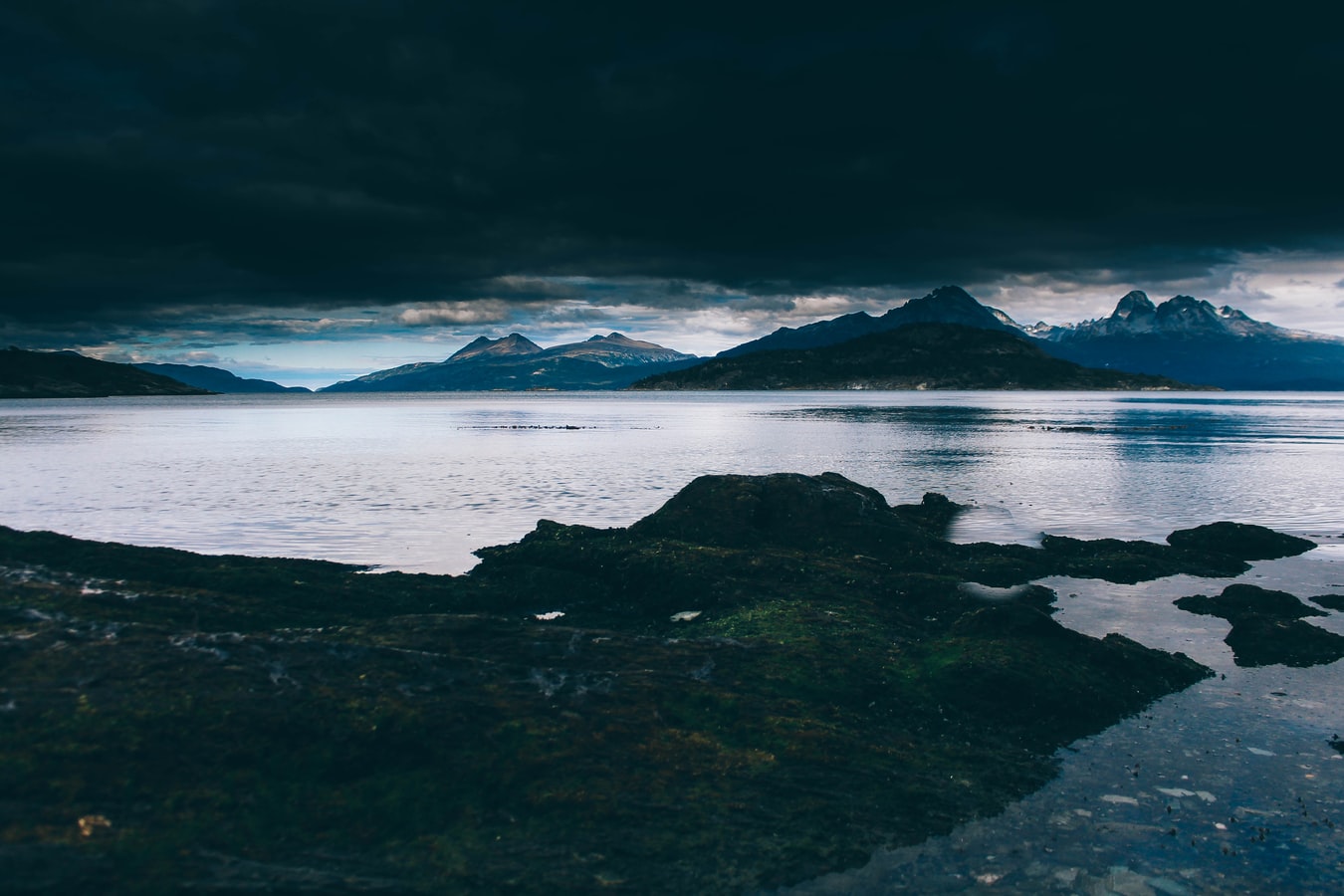
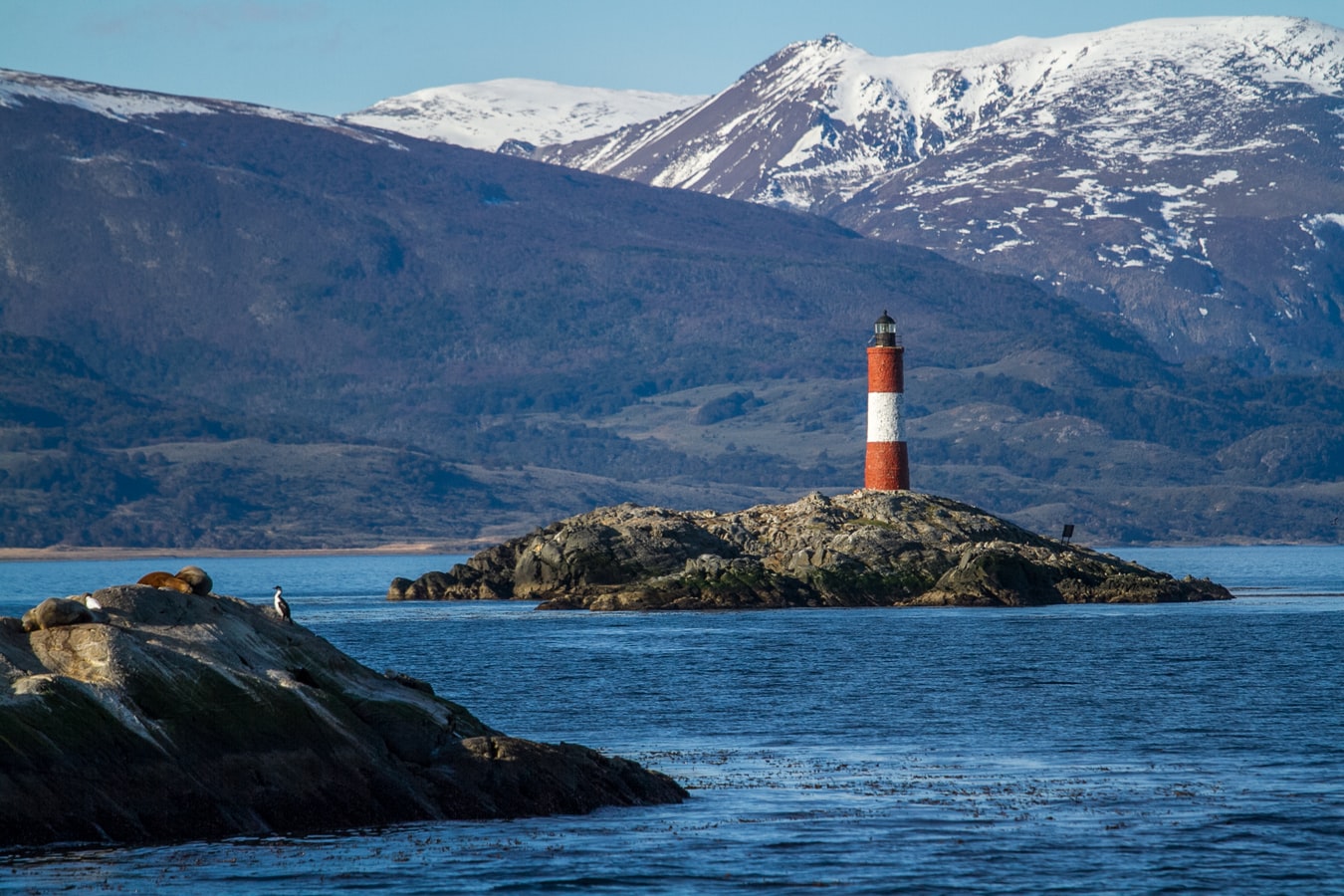
At 55 degrees latitude south, Ushuaia (pronounced oo-swy-ah) is closer to the South Pole than to Argentina's northern border with Bolivia. It is the capital and tourism base for Tierra del Fuego, the island at the southernmost tip of Argentina.Although its stark physical beauty is striking, Tierra del Fuego's historical allure is based more on its mythical past than on rugged reality. The island was inhabited for 6,000 years by Yámana, Haush, Selk'nam, and Alakaluf Indians. But in 1902 Argentina, eager to populate Patagonia to bolster its territorial claims, moved to initiate an Ushuaian penal colony, establishing the permanent settlement of its most southern territories and, by implication, everything in between.When the prison closed in 1947, Ushuaia had a population of about 3,000, made up mainly of former inmates and prison staff. Today the Indians of Darwin's "missing link" theory are long gone—wiped out by diseases brought by settlers and by indifference to their plight—and the 60,000 residents of Ushuaia are hitching their star to tourism.The city rightly (if perhaps too loudly) promotes itself as the southernmost city in the world (Puerto Williams, a few miles south on the Chilean side of the Beagle Channel, is a small town). You can make your way to the tourism office to get your clichéd, but oh-so-necessary, "Southernmost City in the World" passport stamp. Ushuaia feels like a frontier boomtown, at heart still a rugged, weather-beaten fishing village, but exhibiting the frayed edges of a city that quadrupled in size in the '70s and '80s and just keeps growing. Unpaved portions of Ruta 3, the last stretch of the Pan-American Highway, which connects Alaska to Tierra del Fuego, are finally being paved. The summer months (December through March) draw more than 120,000 visitors, and dozens of cruise ships. The city is trying to extend those visits with events like March's Marathon at the End of the World and by increasing the gamut of winter activities buoyed by the excellent snow conditions.A terrific trail winds through the town up to the Martial Glacier, where a ski lift can help cut down a steep kilometer of your journey. The chaotic and contradictory urban landscape includes a handful of luxury hotels amid the concrete of public housing projects. Scores of "sled houses" (wooden shacks) sit precariously on upright piers, ready for speedy displacement to a different site. But there are also many small, picturesque homes with tiny, carefully tended gardens. Many of the newer homes are built in a Swiss-chalet style, reinforcing the idea that this is a town into which tourism has breathed new life. At the same time, the weather-worn pastel colors that dominate the town's landscape remind you that Ushuaia was once just a tiny fishing village, snuggled at the end of the Earth.As you stand on the banks of the Canal Beagle (Beagle Channel) near Ushuaia, the spirit of the farthest corner of the world takes hold. What stands out is the light: at sundown the landscape is cast in a subdued, sensual tone; everything feels closer, softer, and more human in dimension despite the vastness of the setting. The snowcapped mountains reflect the setting sun back onto a stream rolling into the channel, as nearby peaks echo their image—on a windless day—in the still waters.Above the city rise the last mountains of the Andean Cordillera, and just south and west of Ushuaia they finally vanish into the often-stormy sea. Snow whitens the peaks well into summer. Nature is the principal attraction here, with trekking, fishing, horseback riding, wildlife spotting, and sailing among the most rewarding activities, especially in the Parque Nacional Tierra del Fuego (Tierra del Fuego National Park).
About Chilean Fjords
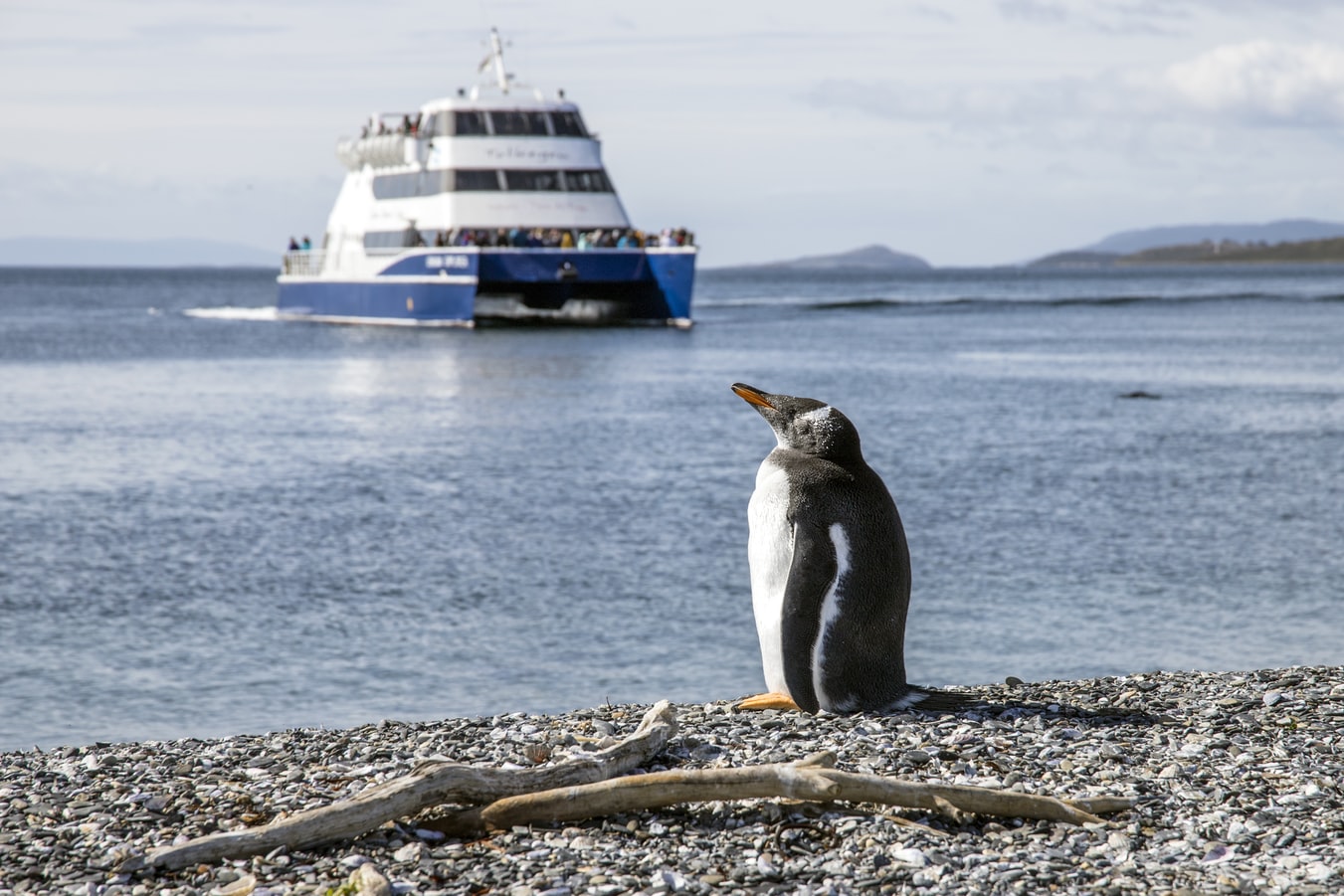
Strewn through the coast of Chile, these beautiful fjords are world renowned for being one of the most awe-inspiring places on earth. Snow-capped volcanoes nestle majestically alongside rolling valleys of ice and frosty glaciers. Rugged beauty, breathtaking scenery not to mention diverse and profuse wildlife abounds – expect to watch whales from the deck, see playful Magellan Penguins and perhaps even spot the rare Andean Condor. Affectionately named “The End of the World” by the Spaniards who discovered the region in eighteenth century in a quest to Christianise South America, these extraordinary waterways not only encompass a medley of jagged mountains and iceberg strewn bays, but feature a kaleidoscopic spectrum of unexpected colour that offers photographic opportunities like no other destination.
About Chilean Fjords
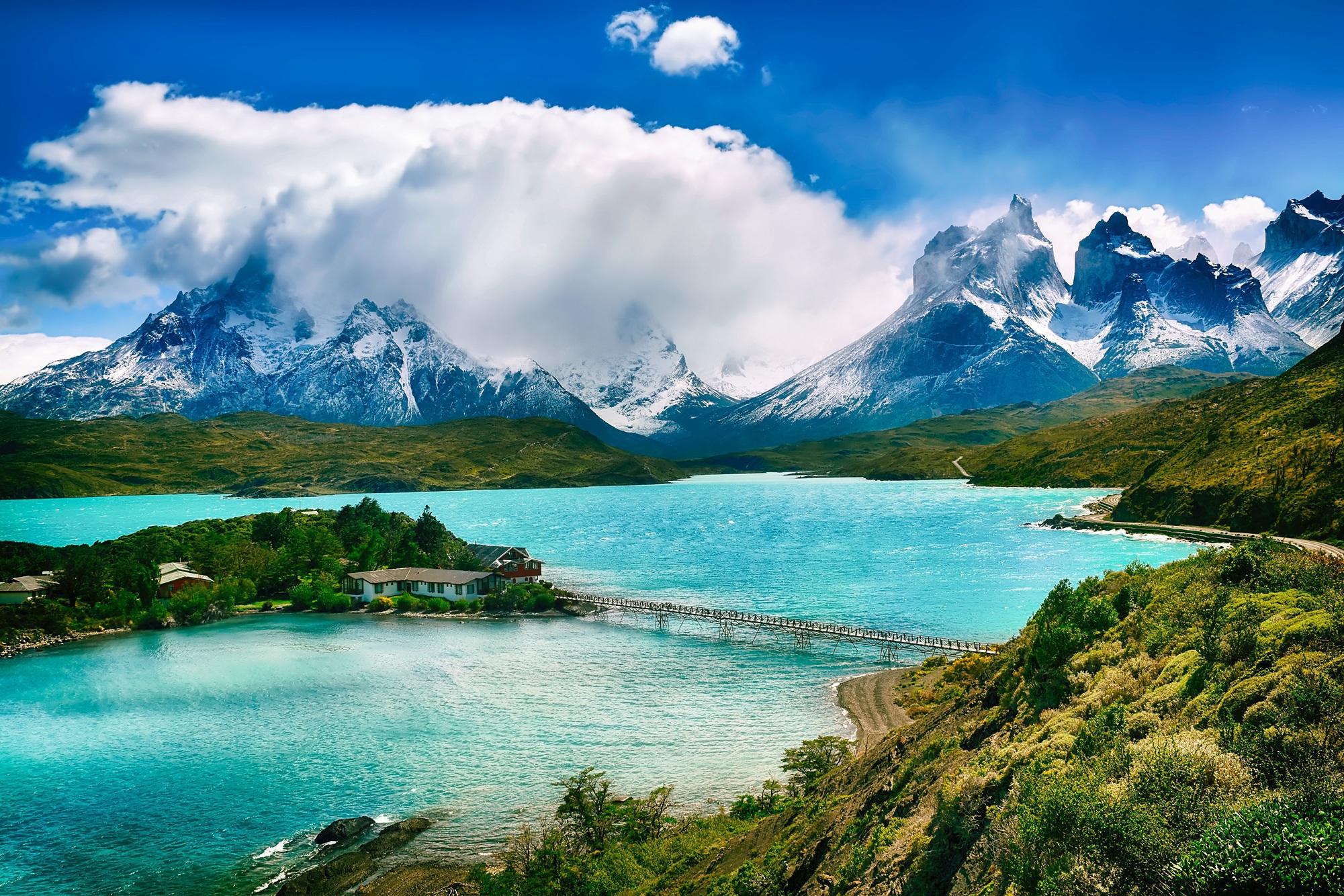
Strewn through the coast of Chile, these beautiful fjords are world renowned for being one of the most awe-inspiring places on earth. Snow-capped volcanoes nestle majestically alongside rolling valleys of ice and frosty glaciers. Rugged beauty, breathtaking scenery not to mention diverse and profuse wildlife abounds – expect to watch whales from the deck, see playful Magellan Penguins and perhaps even spot the rare Andean Condor. Affectionately named “The End of the World” by the Spaniards who discovered the region in eighteenth century in a quest to Christianise South America, these extraordinary waterways not only encompass a medley of jagged mountains and iceberg strewn bays, but feature a kaleidoscopic spectrum of unexpected colour that offers photographic opportunities like no other destination.
About Valparaiso
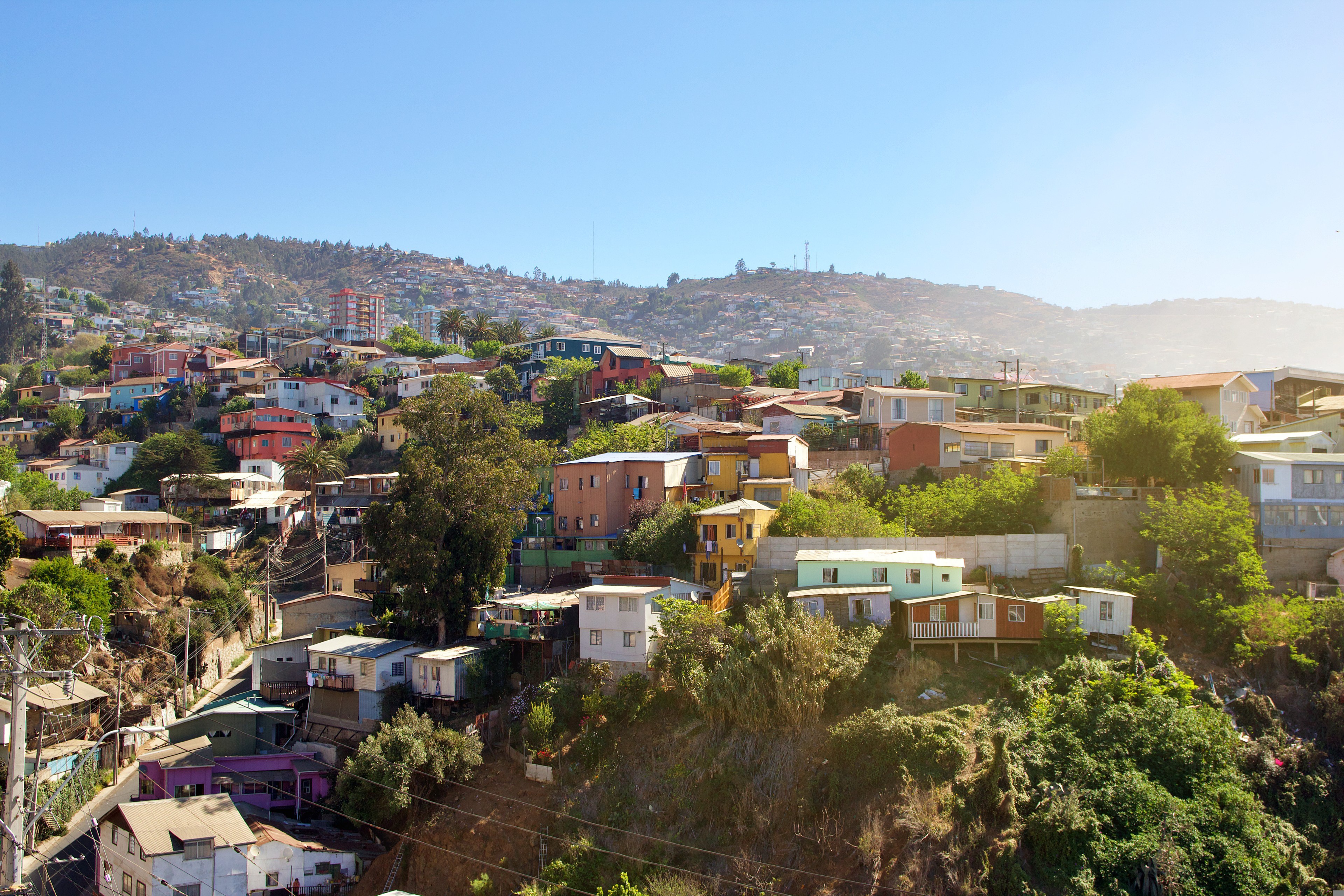
Valparaíso's dramatic topography—45 cerros, or hills, overlooking the ocean—requires the use of winding pathways and wooden ascensores (funiculars) to get up many of the grades. The slopes are covered by candy-color houses—there are almost no apartments in the city—most of which have exteriors of corrugated metal peeled from shipping containers decades ago. Valparaíso has served as Santiago's port for centuries. Before the Panama Canal opened, Valparaíso was the busiest port in South America. Harsh realities—changing trade routes, industrial decline—have diminished its importance, but it remains Chile's principal port. Most shops, banks, restaurants, bars, and other businesses cluster along the handful of streets called El Plan (the flat area) that are closest to the shoreline. Porteños (which means "the residents of the port") live in the surrounding hills in an undulating array of colorful abodes. At the top of any of the dozens of stairways, the paseos (promenades) have spectacular views; many are named after prominent Yugoslavian, Basque, and German immigrants. Neighborhoods are named for the hills they cover. With the jumble of power lines overhead and the hundreds of buses that slow down—but never completely stop—to pick up agile riders, it's hard to forget you're in a city. Still, walking is the best way to experience Valparaíso. Be careful where you step, though—locals aren't very conscientious about curbing their dogs.
About Chañaral Island
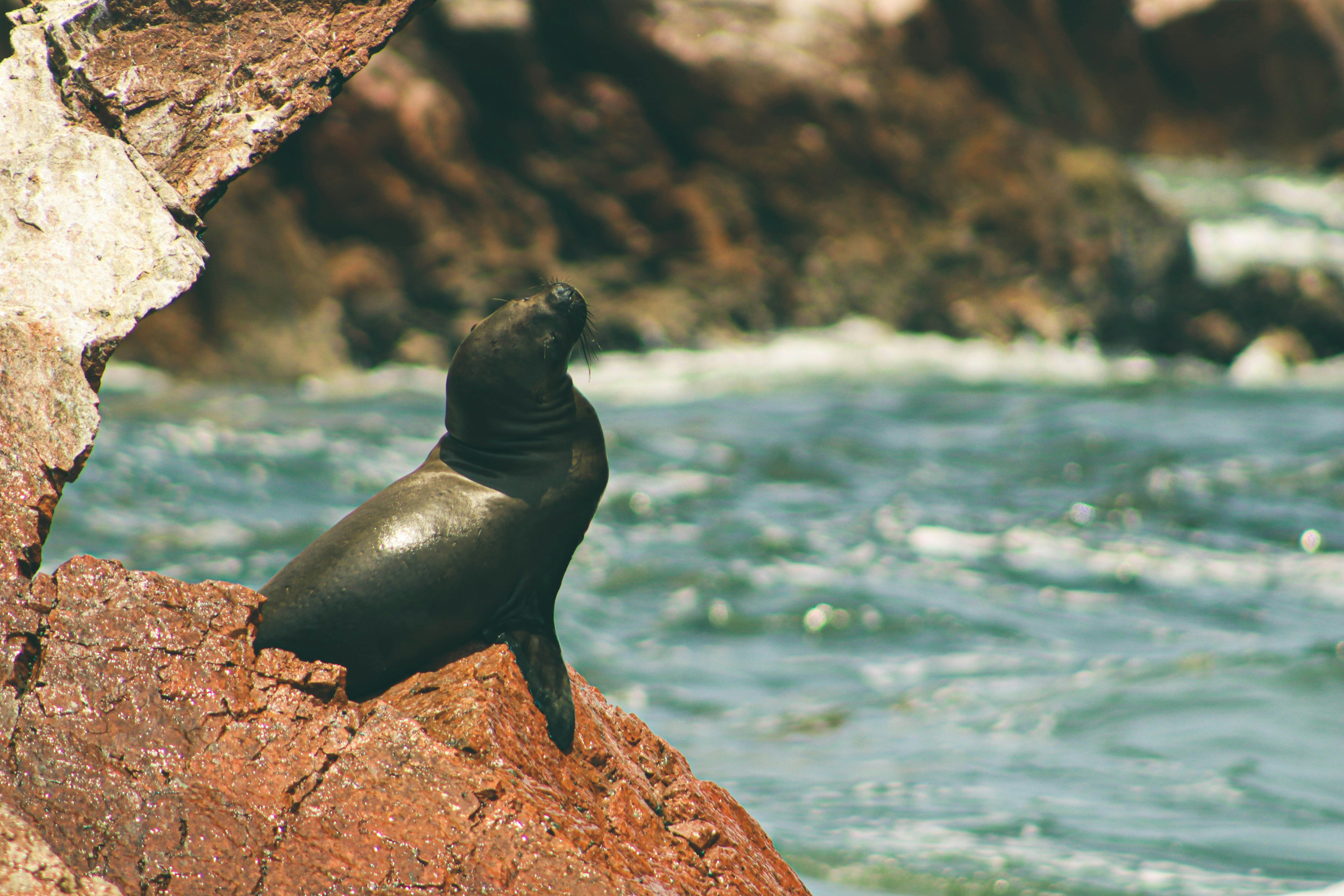
Isla Chañaral is located just off the Central Chilean coast and, along with two other smaller islands, is part of the Humboldt Penguin National Reserve. The islands are an important breeding site for Humboldt Penguins. Sea lions rest on the rocky cliff ledges, while rare South American marine otters have been known to slide in and out of the waters along the coastline, and playful bottlenose dolphins swim in the surrounding seas. The island itself consists of an upper and a lower plateau. The lower level is covered in shrubby vegetation peppered with cacti, while the high plateau appears desolate in contrast.
About Iquique
About Paracas
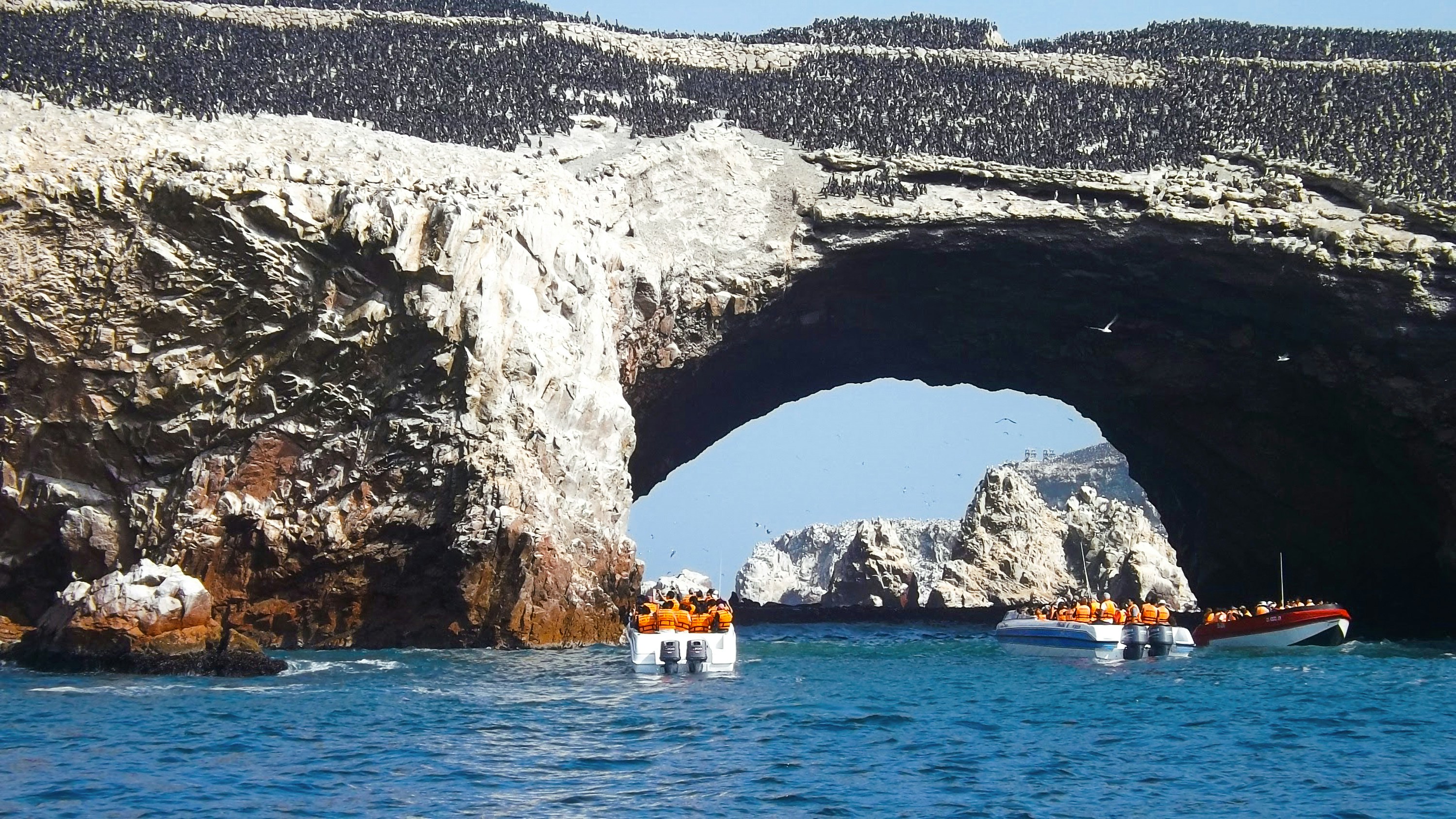
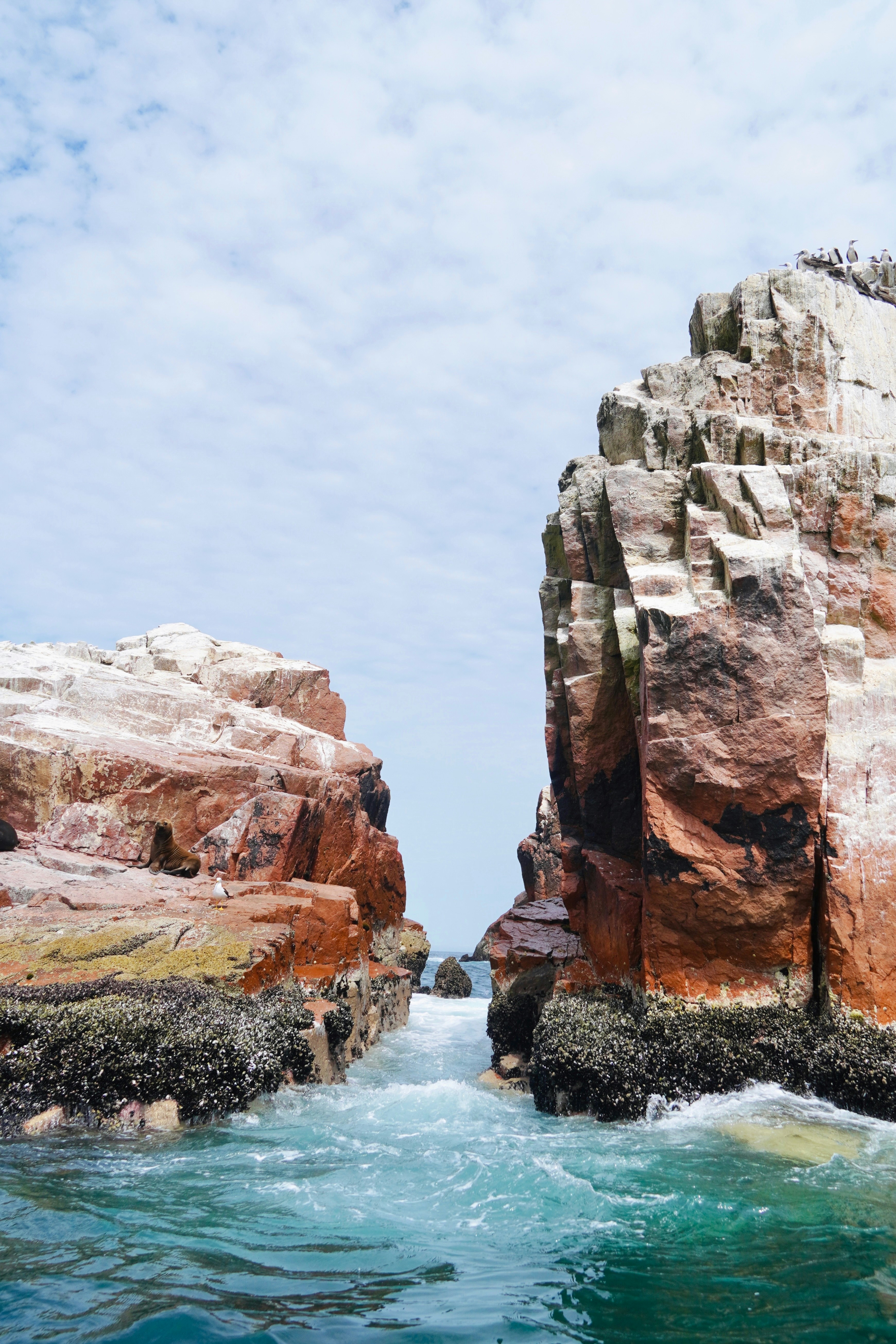
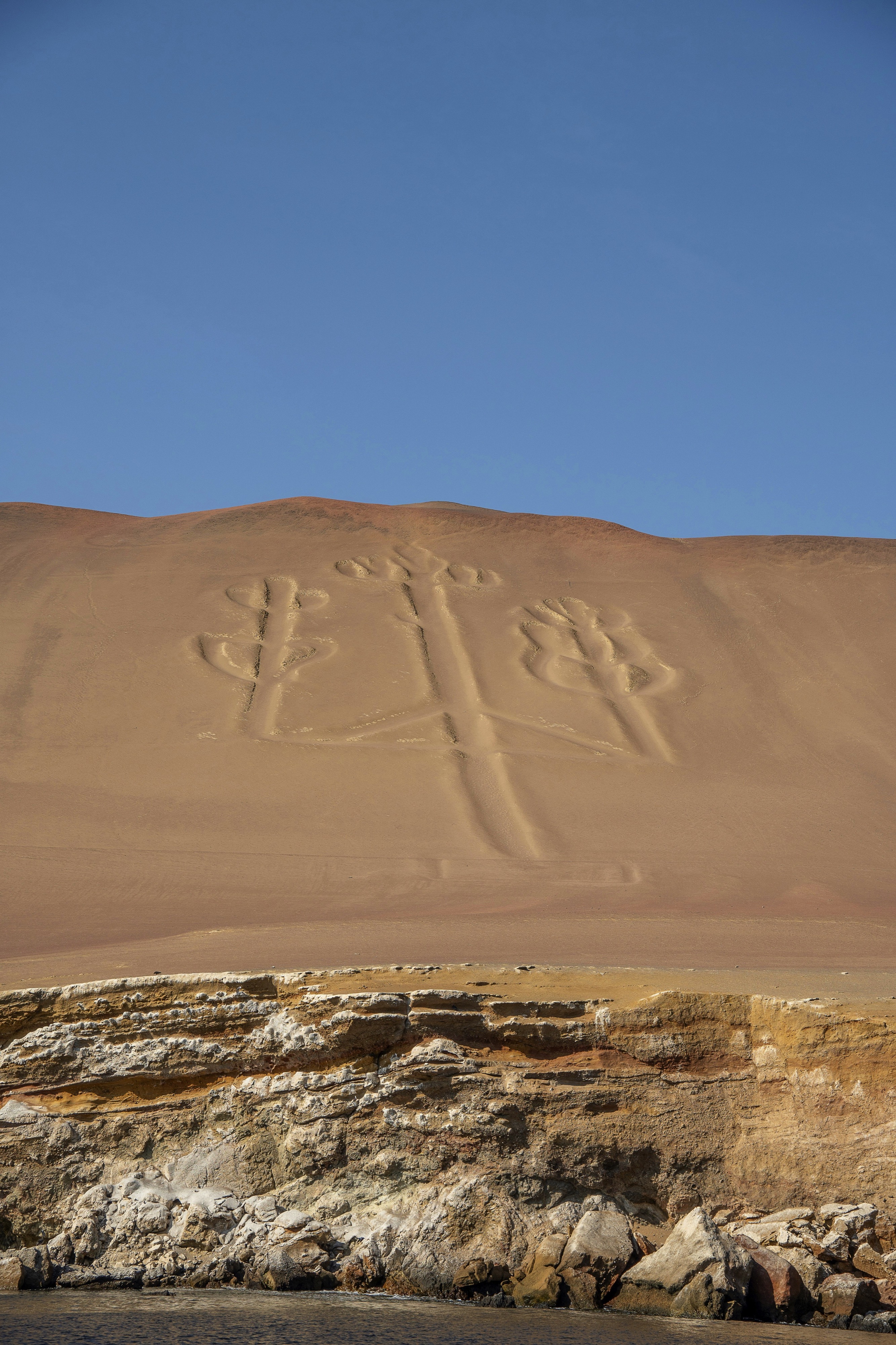
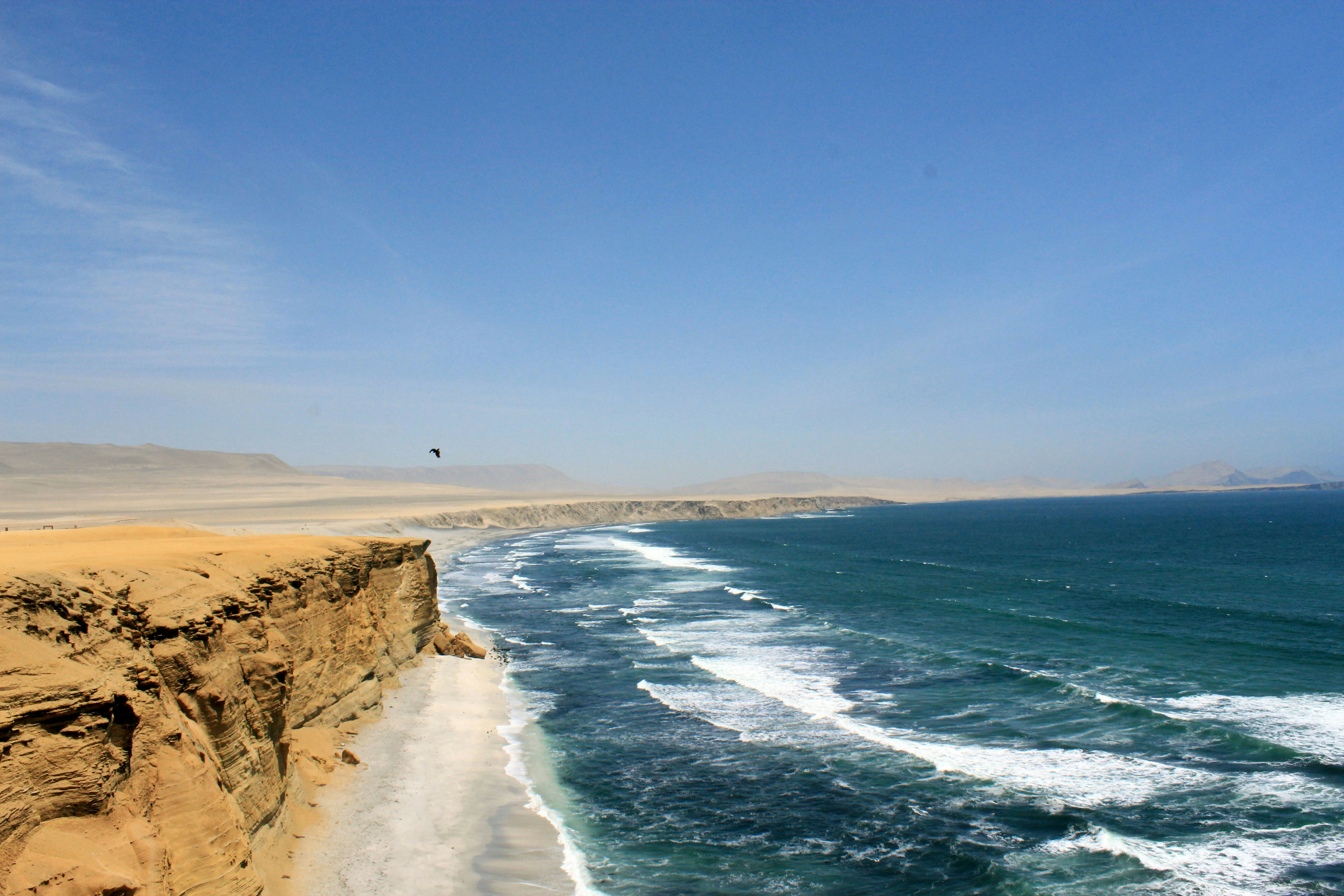
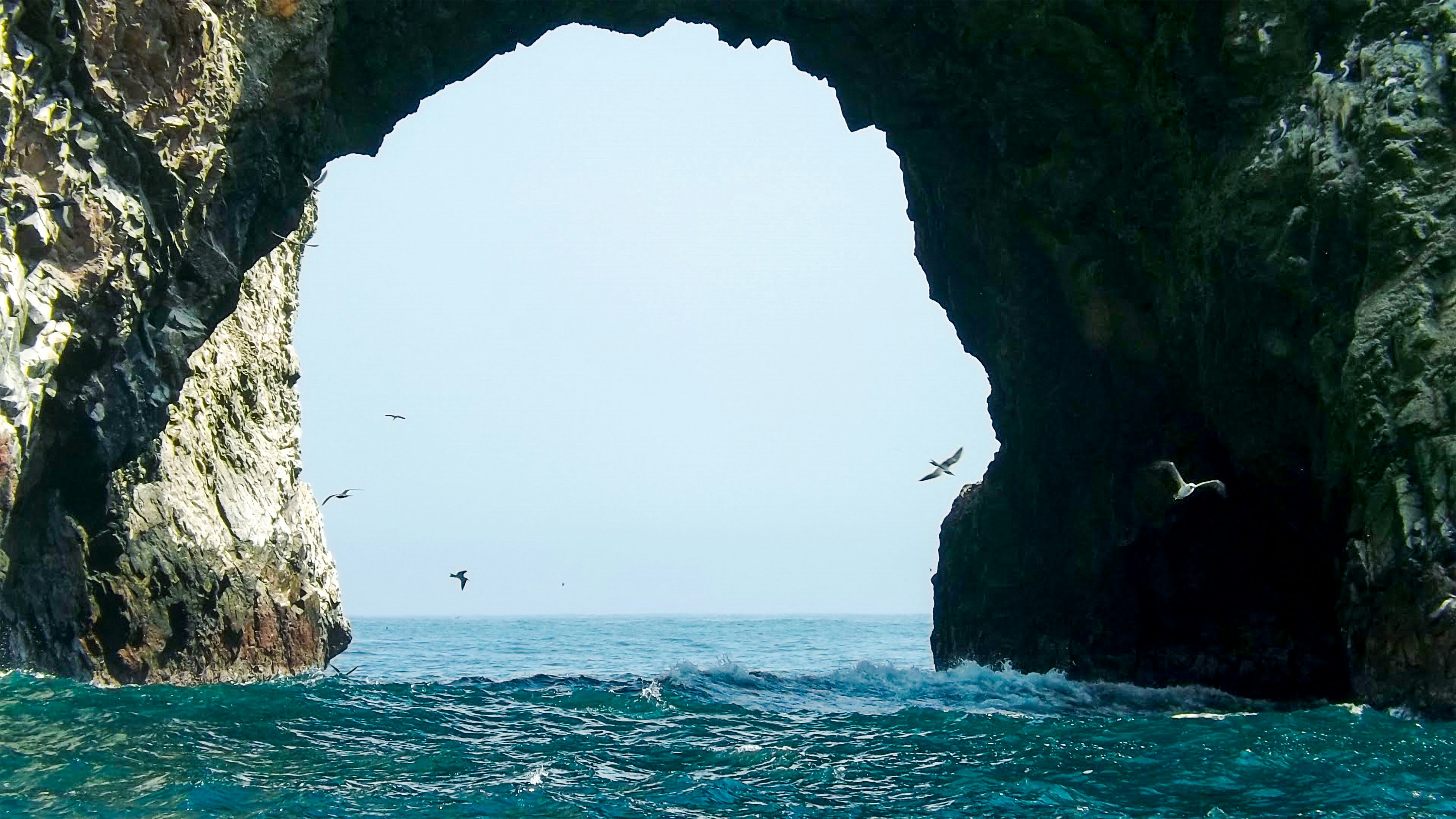
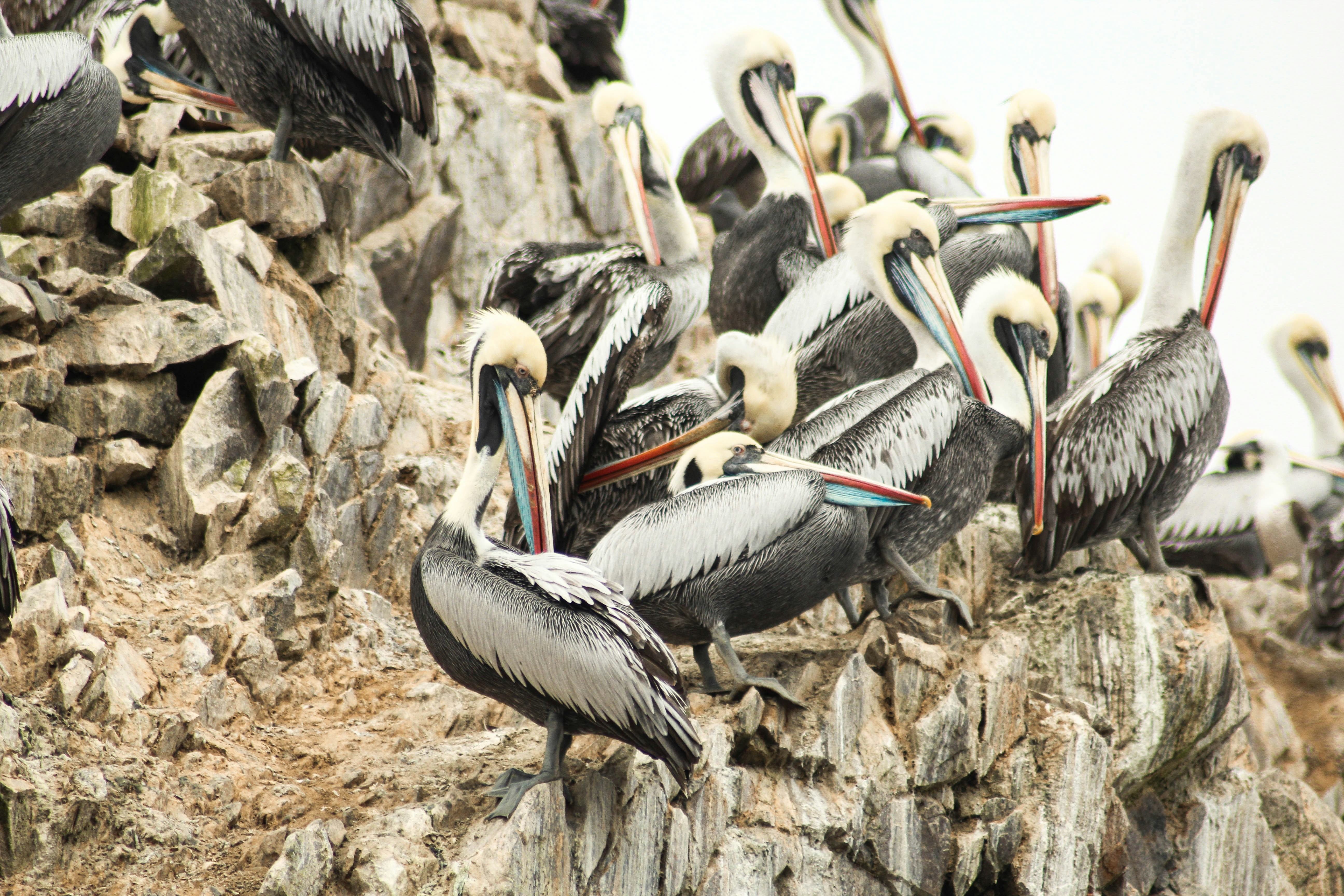
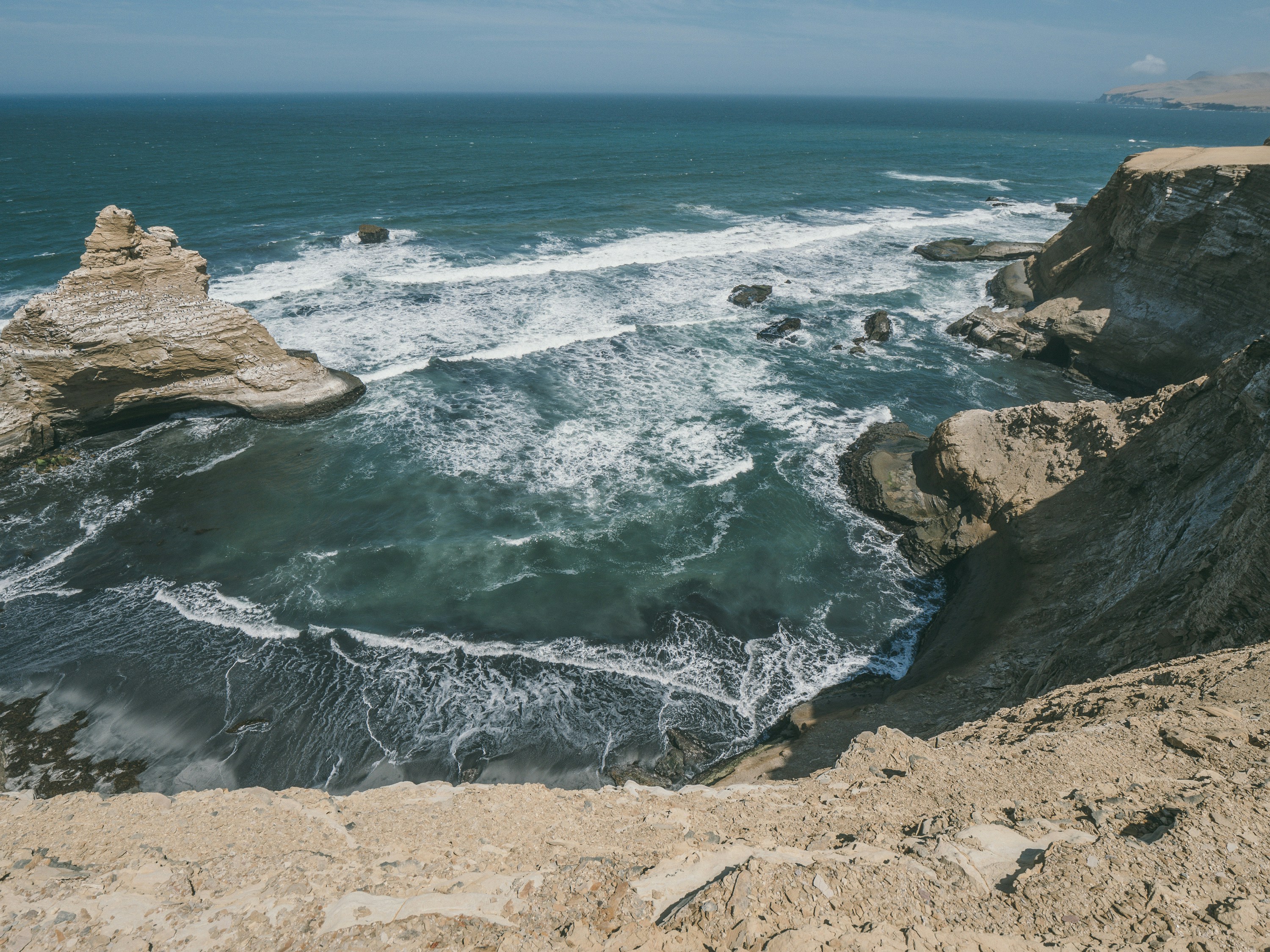
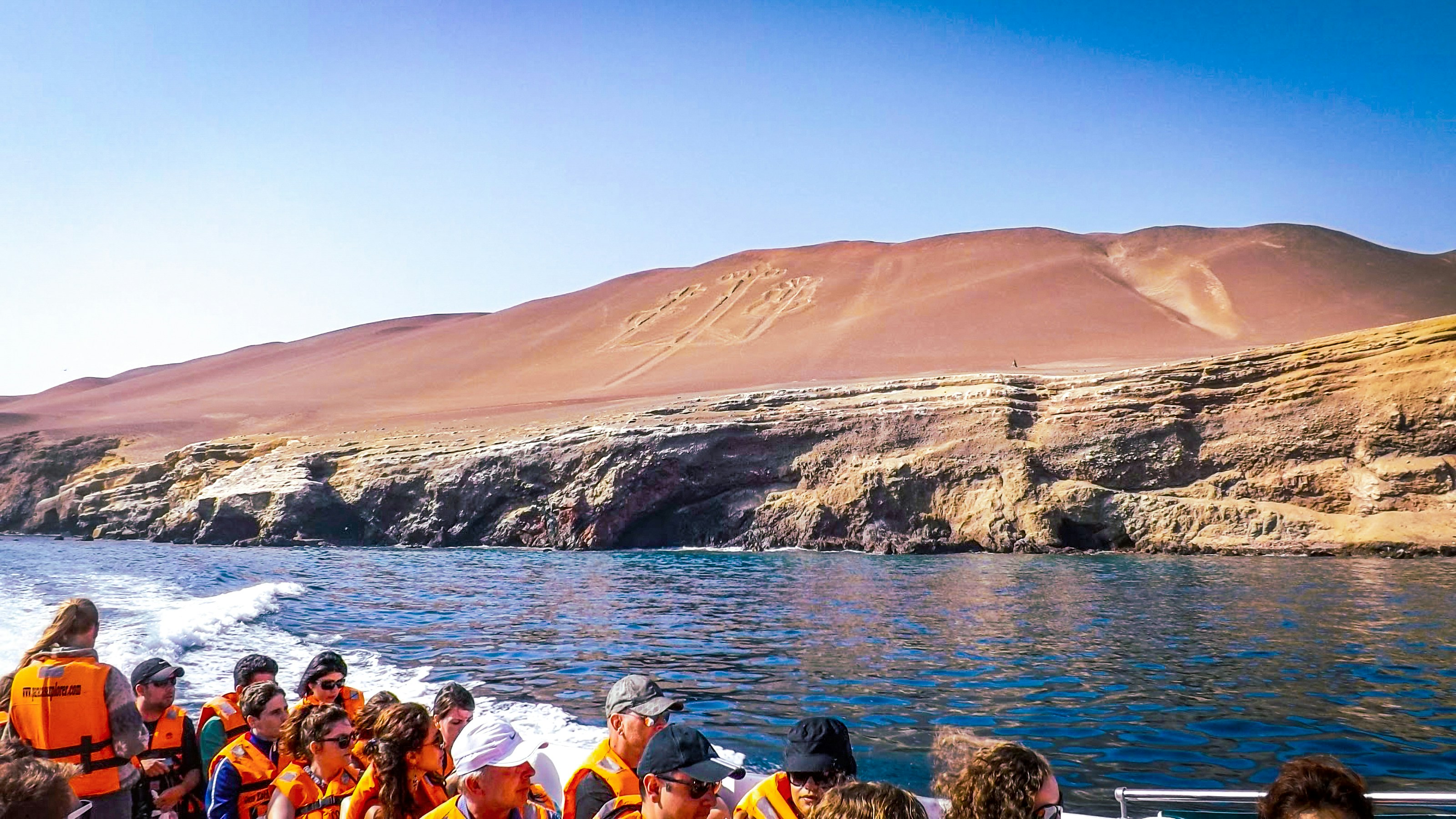
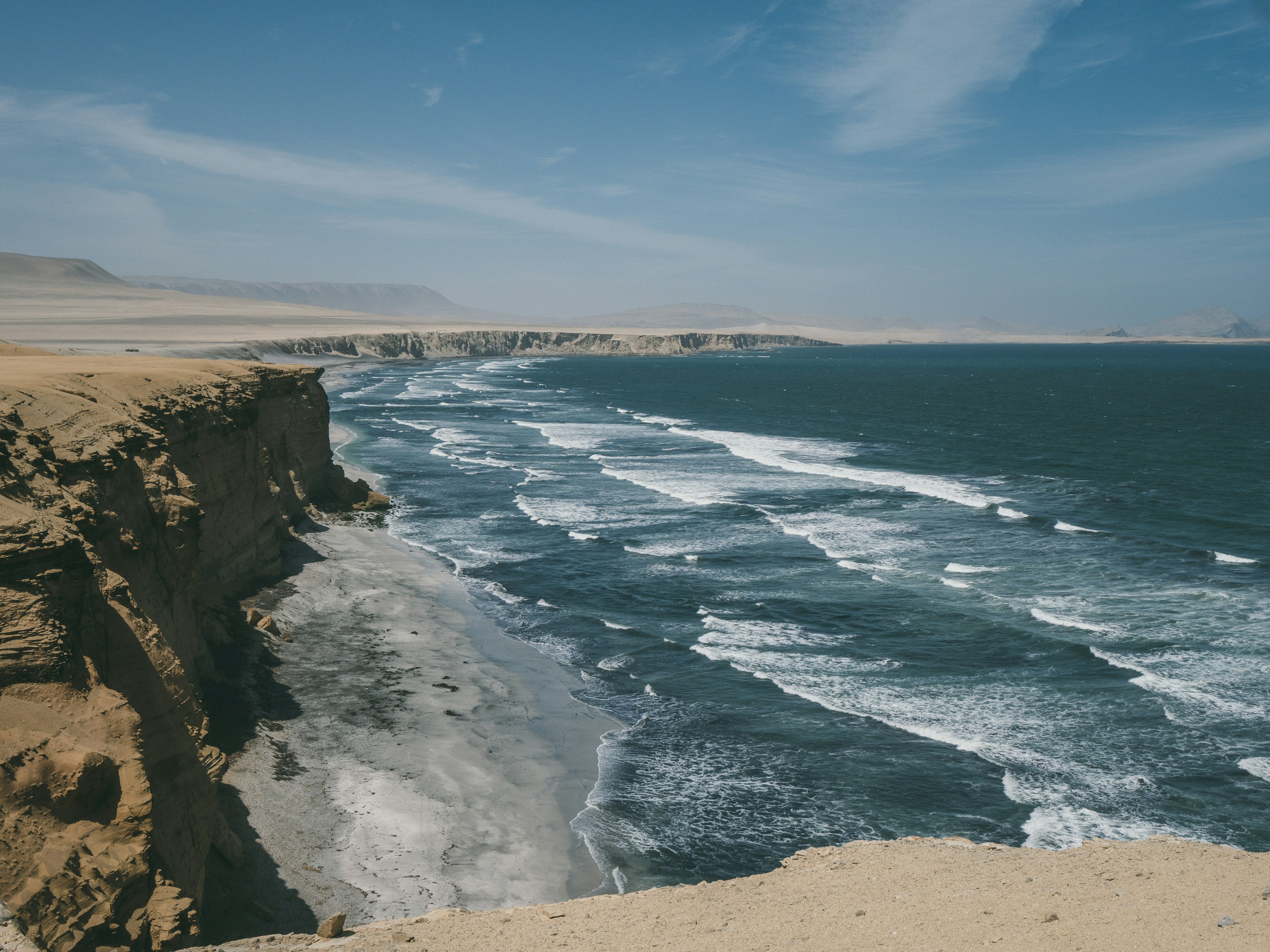
The port city of Paracas is blessed with magnificent natural beauty and rich historical importance, offerings inviting beaches, ideal weather and pleasant scenery — a combination that draws visitors throughout the year. The shores of the Paracas Peninsula and waters of the bay teem with wildlife and have been declared a national reserve. Condors frequently can be seen gliding on the sea winds or perched on the cliffs; pink flamingos often rest here on their migratory flights. The complex interaction between wind and ocean, sun and land has transformed this region into a kind of lunarscape under an equatorial sun. Another reason for travellers to come to this area is its proximity to the famous and mysterious Nazca Lines. Visible from the air, these strange markings stretch for miles on a large barren plain and have bewildered archaeologists, historians and mathematicians since their discovery over a century ago. The earliest Andean people found shelter here. The Paracas culture was known for fine weavings in geometrical designs and vibrant colours, which have been preserved for thousands of years by the dry climate. Some of the finest examples are in museums in Lima. The town of Ica is Peru’s finest wine centre, as well as home to the fiery brandy-derived beverage known as Pisco. The surrounding area features oases with springs considered to have medicinal cures. Pier Information The ship is scheduled to dock at Port of Paracas, about a 45-minute drive from Ica. There are no passenger facilities at the pier. Shopping Shopping opportunities are limited; some souvenirs can be found at the museum in Ica. A bottle of Peruvian Pisco (grape brandy) makes a nice memento. The local currency is the nuevo sol. Cuisine Seafood is highly recommended, however, we recommend you dine only in the hotel restaurants in Peru’s southern region. Be sure to sample the national drink pisco sour and the area’s excellent wines. Always drink bottled water and avoid ice cubes. Other Sites The Bay of Paracas is sheltered by the Paracas peninsula, noted as one of the best marine reserves in the world. This is also a popular resort area thanks to its beautiful bay, beaches and dependable warm weather. Facilities include swimming pools, tennis courts, miniature golf and a good restaurant. For those who are looking for a little adventure dune buggies are available. Local boat trips can be booked to the Ballestas Islands but be aware that commentary is given in Spanish. Private arrangements for independent sightseeing are limited in this port as cars have to come from Lima. Please submit your request to the Tour Office early in the cruise.
About Callao
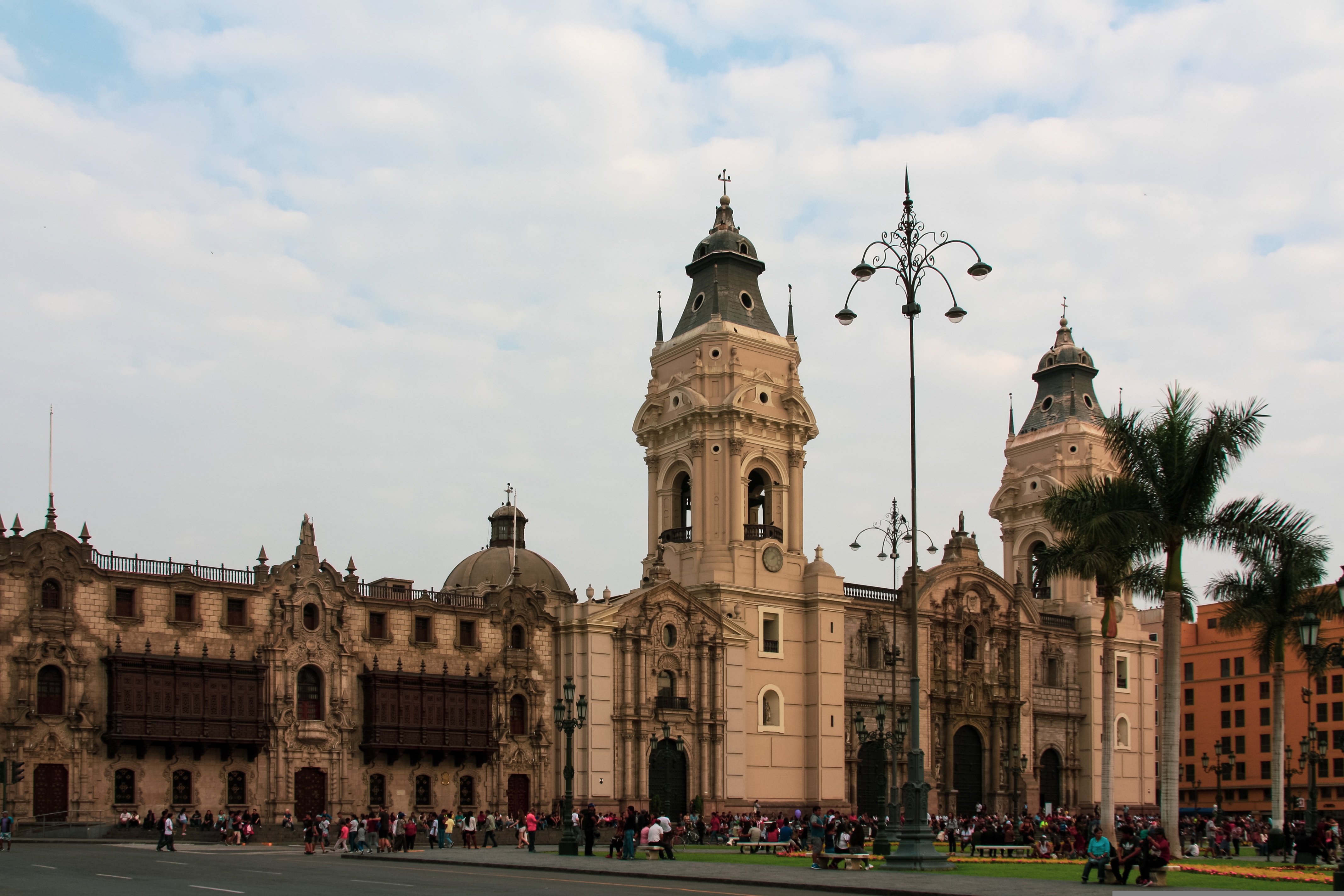
When people discuss great South American cities, Lima is often overlooked. But Peru's capital can hold its own against its neighbors. It has an oceanfront setting, colonial-era splendor, sophisticated dining, and nonstop nightlife.It's true that the city—clogged with traffic and choked with fumes—doesn't make a good first impression, especially since the airport is in an industrial neighborhood. But wander around the regal edifices surrounding the Plaza de Armas, among the gnarled olive trees of San Isidro's Parque El Olivar, or along the winding lanes in the coastal community of Barranco, and you'll find yourself charmed.In 1535 Francisco Pizarro found the perfect place for the capital of Spain's colonial empire. On a natural port, the so-called Ciudad de los Reyes (City of Kings) allowed Spain to ship home all the gold the conquistador plundered from the Inca. Lima served as the capital of Spain's South American empire for 300 years, and it's safe to say that no other colonial city enjoyed such power and prestige during this period.When Peru declared its independence from Spain in 1821, the declaration was read in the square that Pizarro had so carefully designed. Many of the colonial-era buildings around the Plaza de Armas are standing today. Walk a few blocks in any direction for churches and elegant houses that reveal just how wealthy this city once was. But the poor state of most buildings attests to the fact that the country's wealthy families have moved to neighborhoods to the south over the past century.The walls that surrounded the city were demolished in 1870, making way for unprecedented growth. A former hacienda became the graceful residential neighborhood of San Isidro. In the early 1920s the construction of tree-lined Avenida Arequipa heralded the development of neighborhoods such as bustling Miraflores and bohemian Barranco.Almost a third of the country's population of 29 million lives in the metropolitan area, many of them in relatively poor conos: newer neighborhoods on the outskirts of the city. Most residents of those neighborhoods moved there from mountain villages during the political violence and poverty that marked the 1980s and ’90s, when crime increased dramatically. During the past decade the country has enjoyed peace and steady economic growth, which have been accompanied by many improvements and refurbishment in the city. Residents who used to steer clear of the historic center now stroll along its streets. And many travelers who once would have avoided the city altogether now plan to spend a day here and end up staying two or three.
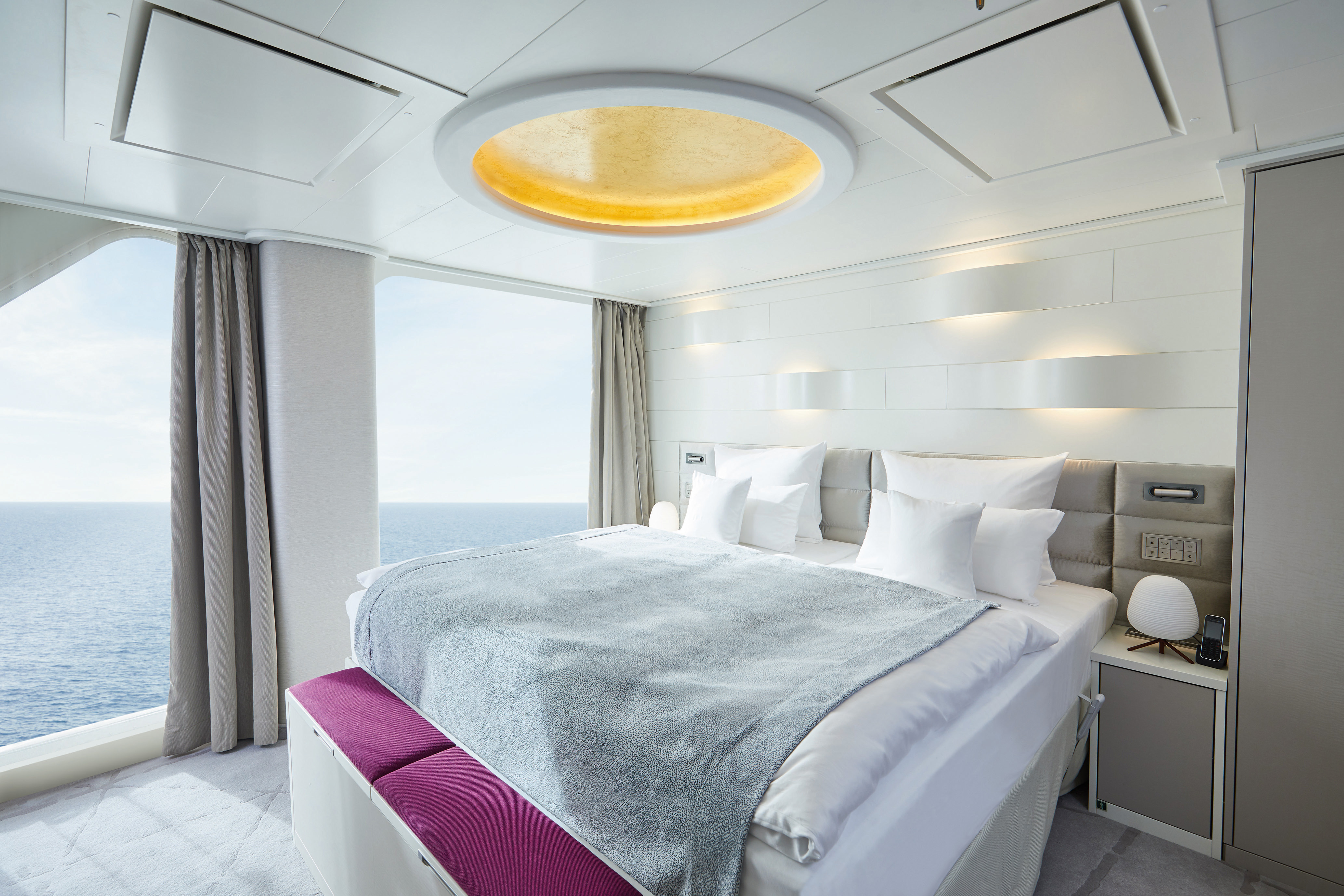
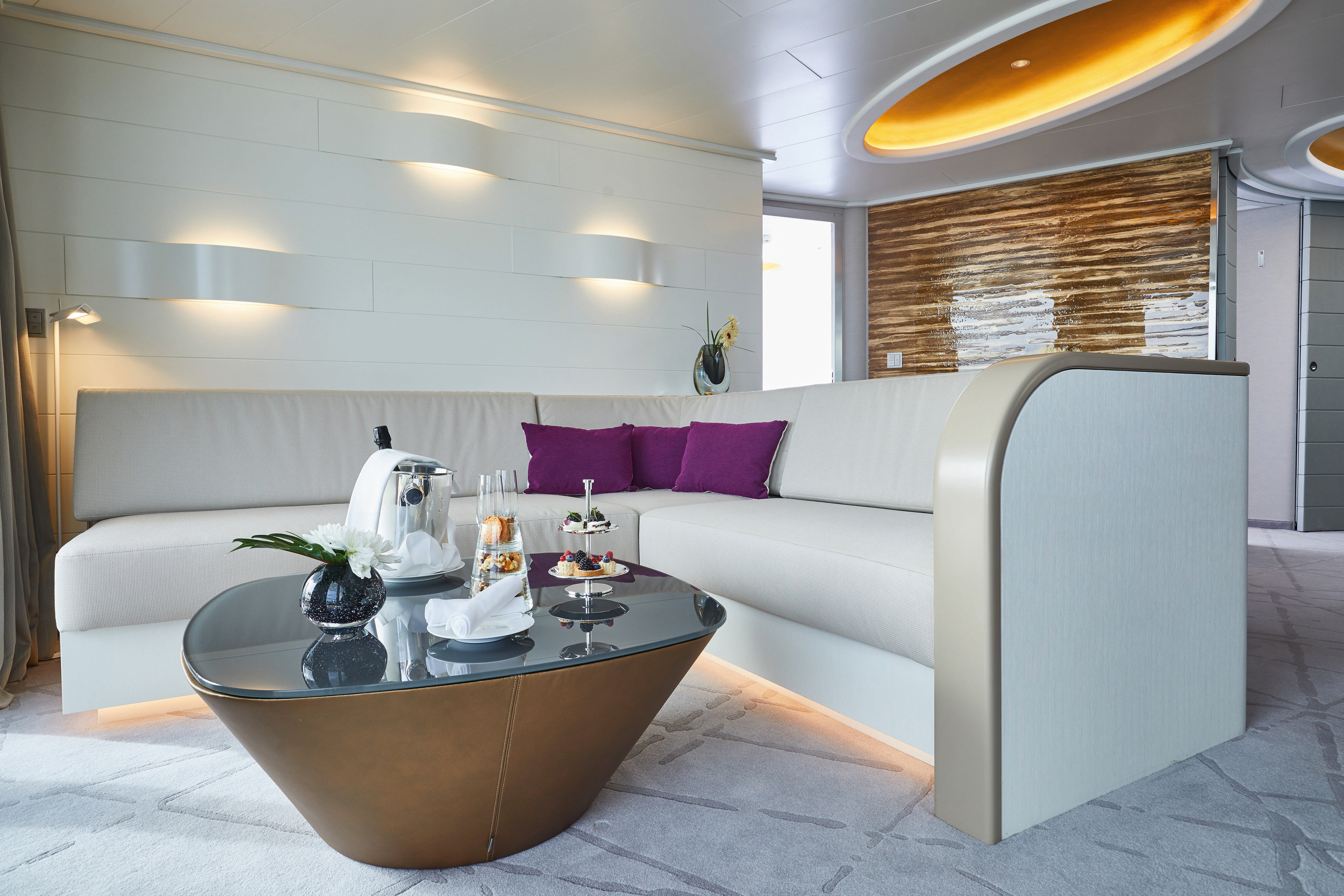
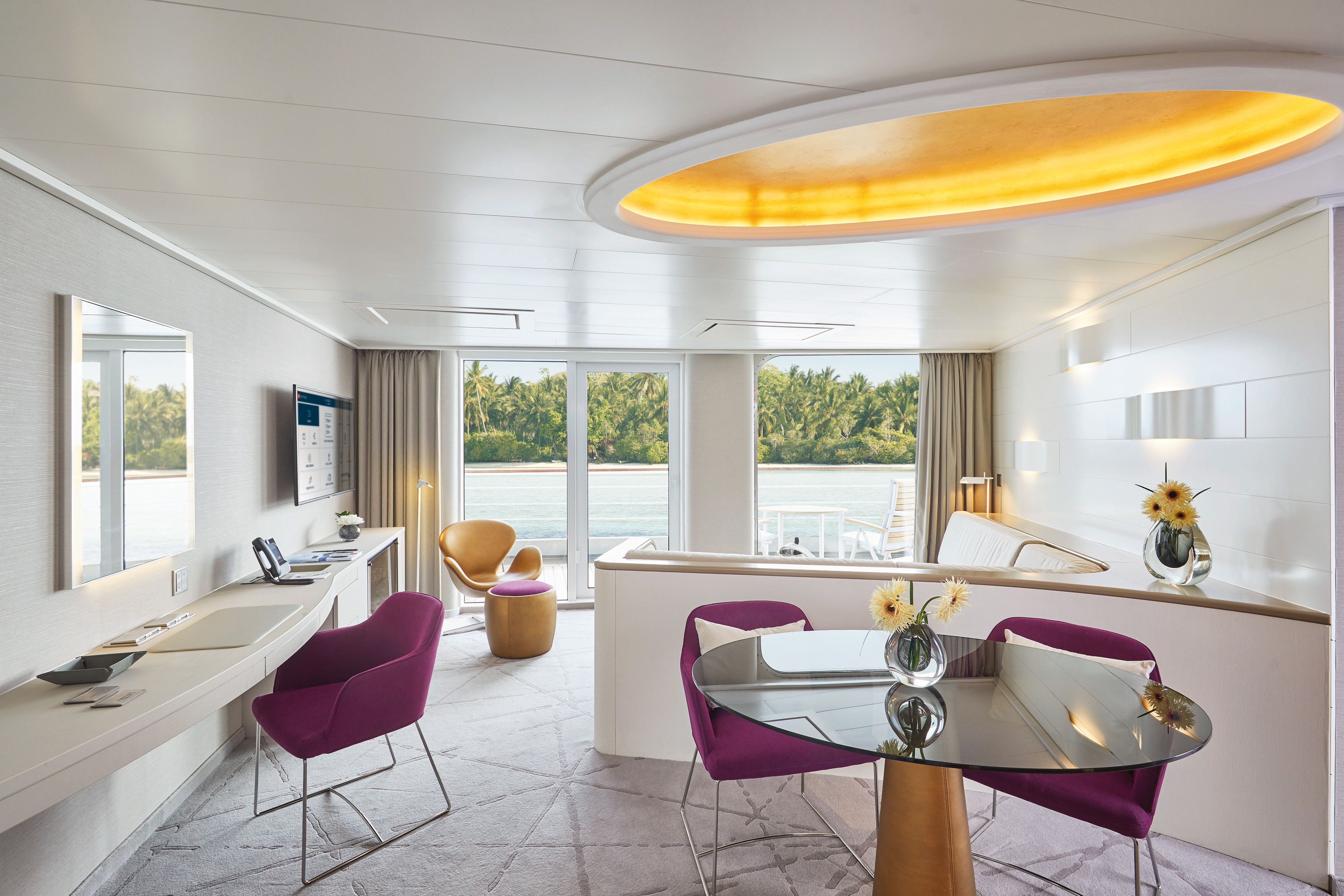
Separate living/sleeping area
- Separate dining area
- Sleeping area with panoramic view
- Separable beds
- TV in living and sleeping areas
- Veranda with space heaters
- Daylight bathroom with two sinks, free-standing bath, rain shower and veranda access
- Steam sauna in shower area
- Heated wall in bathroom (e.g. for towels and wet parkas)
- Separate toilet
- Free mini bar
- Coffee machine
- Extensive infotainment with live broadcast and recordings of expert presentations, forward-view camera, navigation chart, films and much more
- Binoculars in the cabin
- Nordic walking poles
- 24-hour cabin service
- Butler service
- Table reservation in main restaurant
- Free use of Wi-Fi
- Separable beds
- TV in living and sleeping areas
- Bathroom with two sinks and rain shower
- Separate toilet
- Steam sauna in shower area
- Heated wall in bathroom (e.g. for towels and wet parkas)
- Free mini bar
- Coffee machine
- Extensive infotainment with live broadcast and recordings of expert presentations, forward-view camera, navigation chart, films and much more
- Binoculars
- Nordic walking poles
- 24-hour cabin service
- Table reservation in main restaurant (applies to the PLATINUM fare)
- Butler service
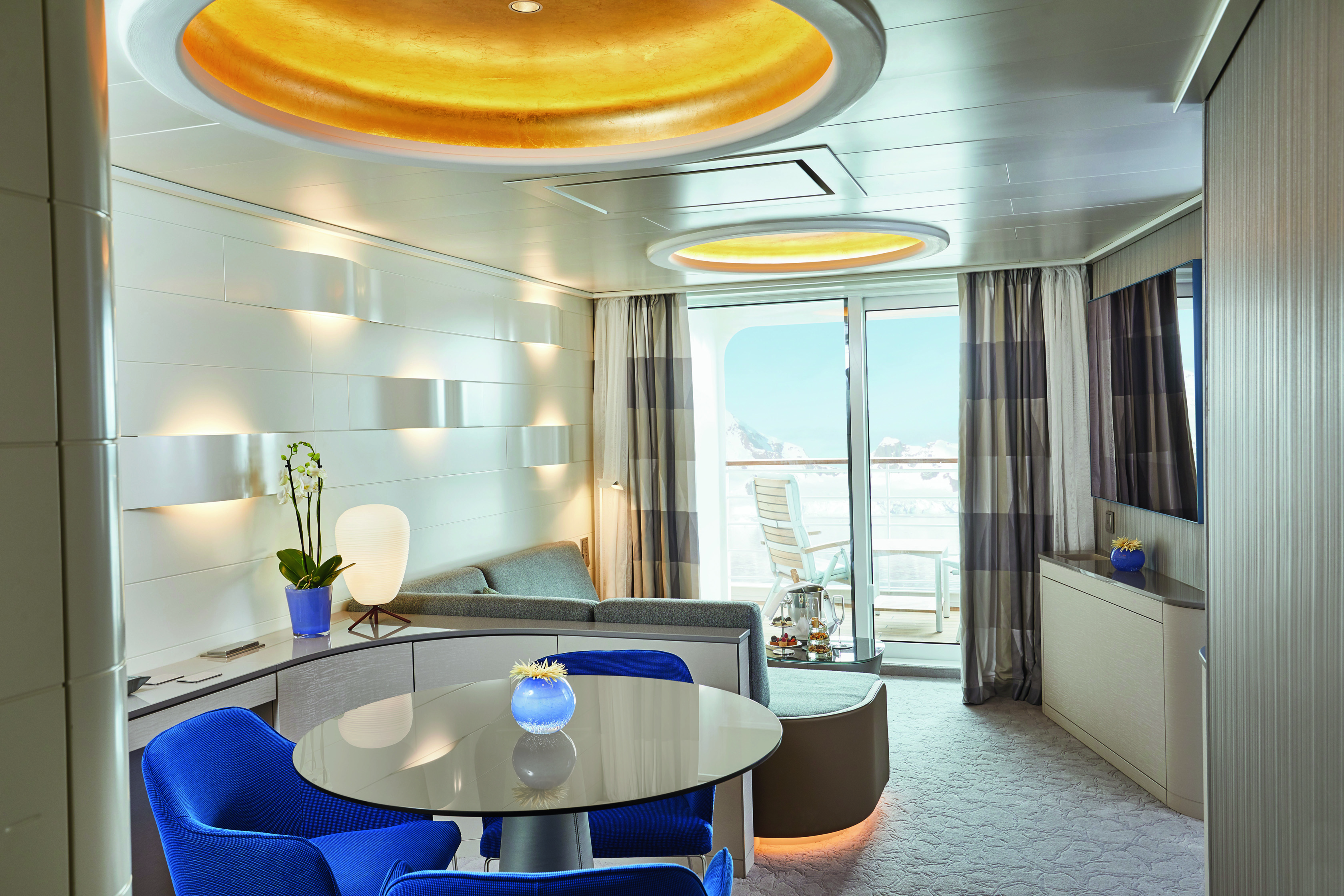
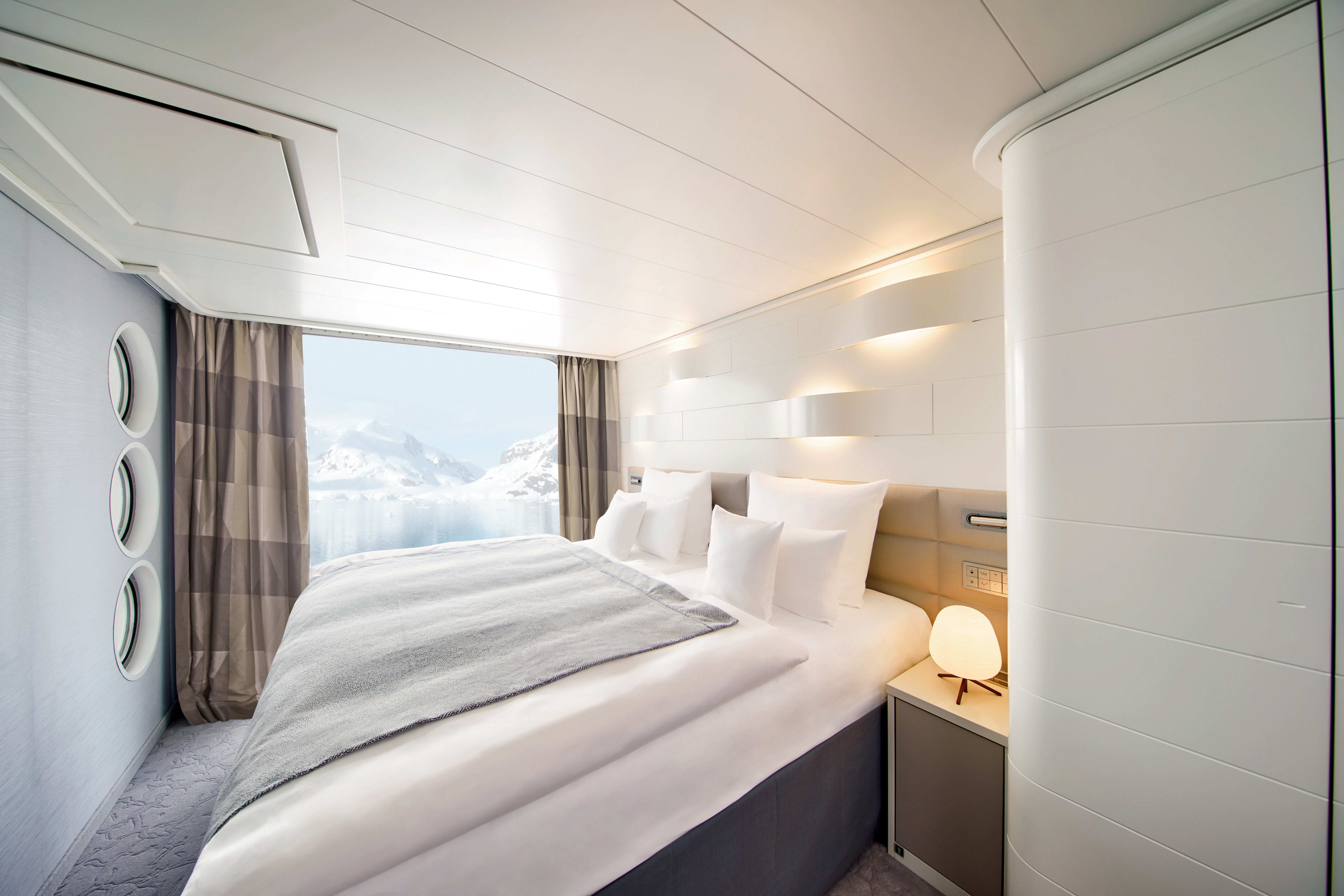
Heated wall in the bathroom (e. g. for towels and wet parkas)
- Rain shower
- Free mini bar (soft drinks)
- Coffee machine
- Separable beds
- Extensive infotainment with live broadcast and recordings of expert presentations, forward-view camera, navigation chart, films and much more
- Binoculars
- Nordic Walking poles
- 24-hour cabin service
- There is one cabin with fully accessible layout and equipment (cabin 404)
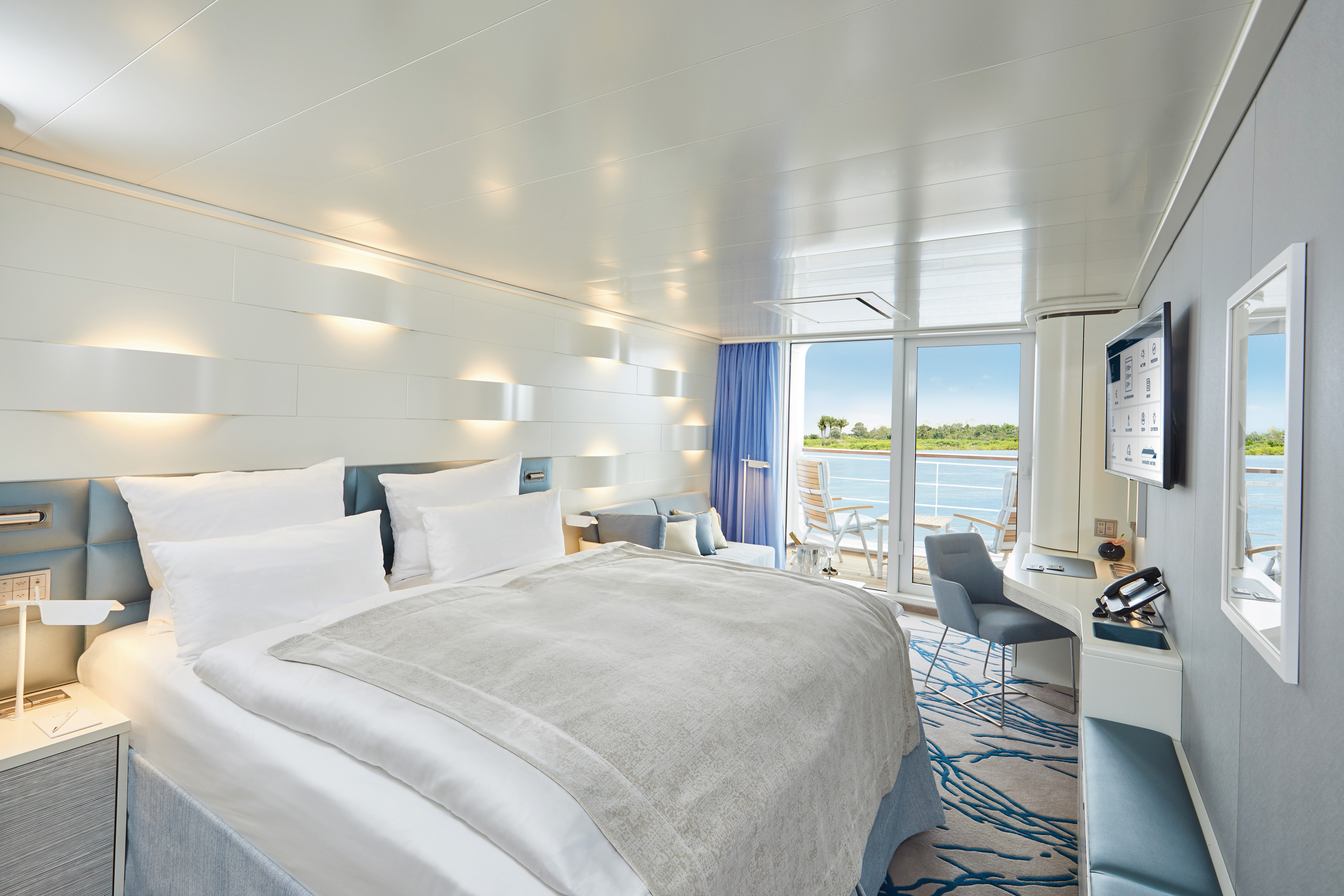
Heated wall in the bathroom (e. g. for towels and wet parkas)
- Rain shower
- Free mini bar (soft drinks)
- Coffee machine
- Separable beds
- Extensive infotainment with live broadcast and recordings of expert presentations, forward-view camera, navigation chart, films and much more
- Binoculars
- Nordic Walking poles
- 24-hour cabin service
- There is one cabin with fully accessible layout and equipment (cabin 404)
The French Balcony Cabins in Category 3 on Deck 6 are approximately 23 m²/248 ft² in size, and those in Category 5 on Deck 7 approximately 21 m²/226 ft². The Balcony Cabins at the stern have a slightly different floor plan.
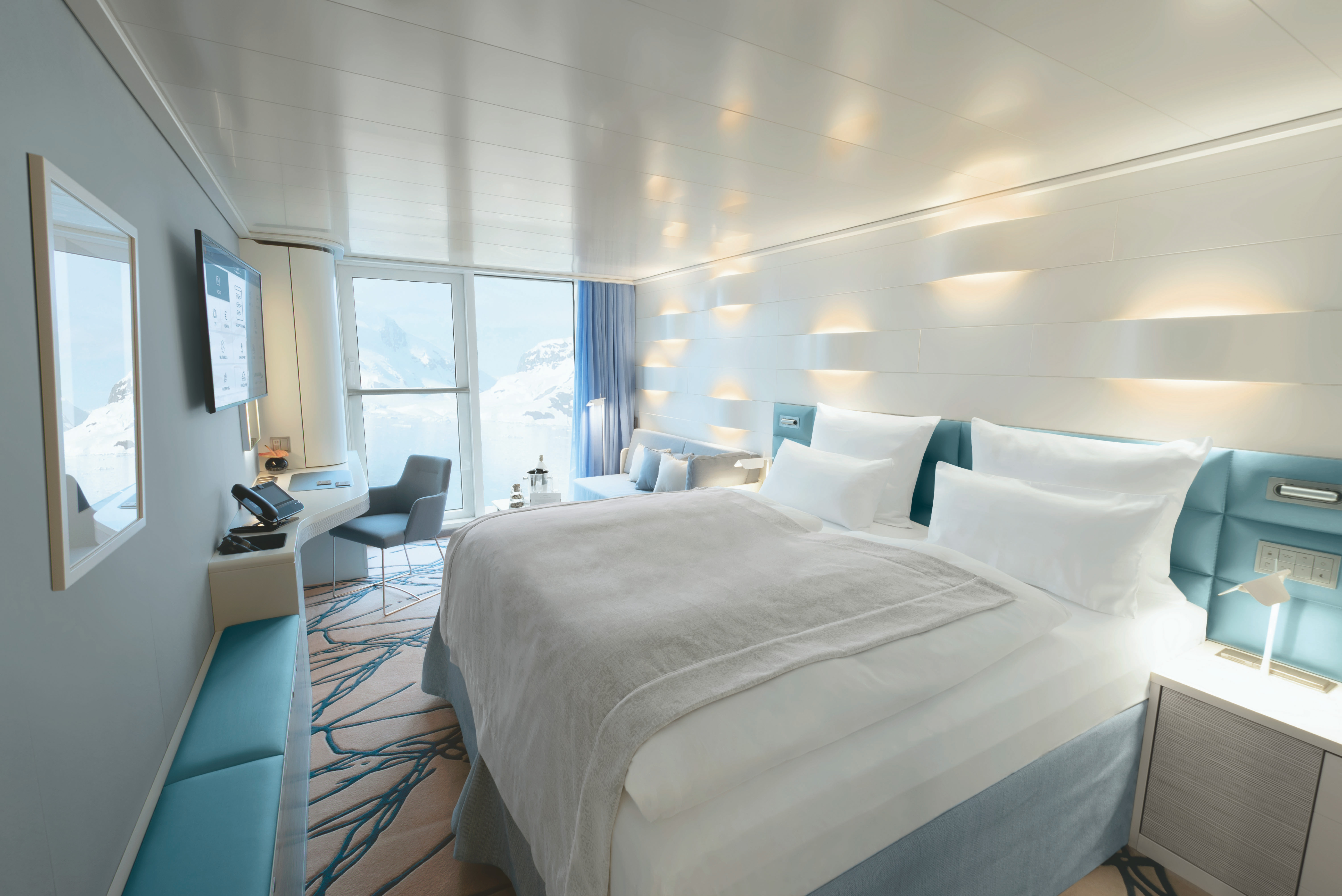
Heated wall in the bathroom (e. g. for towels and wet parkas)
- Rain shower
- Free mini bar (soft drinks)
- Coffee machine
- Separable beds
- Extensive infotainment with live broadcast and recordings of expert presentations, forward-view camera, navigation chart, films and much more
- Binoculars
- Nordic Walking poles
- 24-hour cabin service
- There is one cabin with fully accessible layout and equipment (cabin 404)
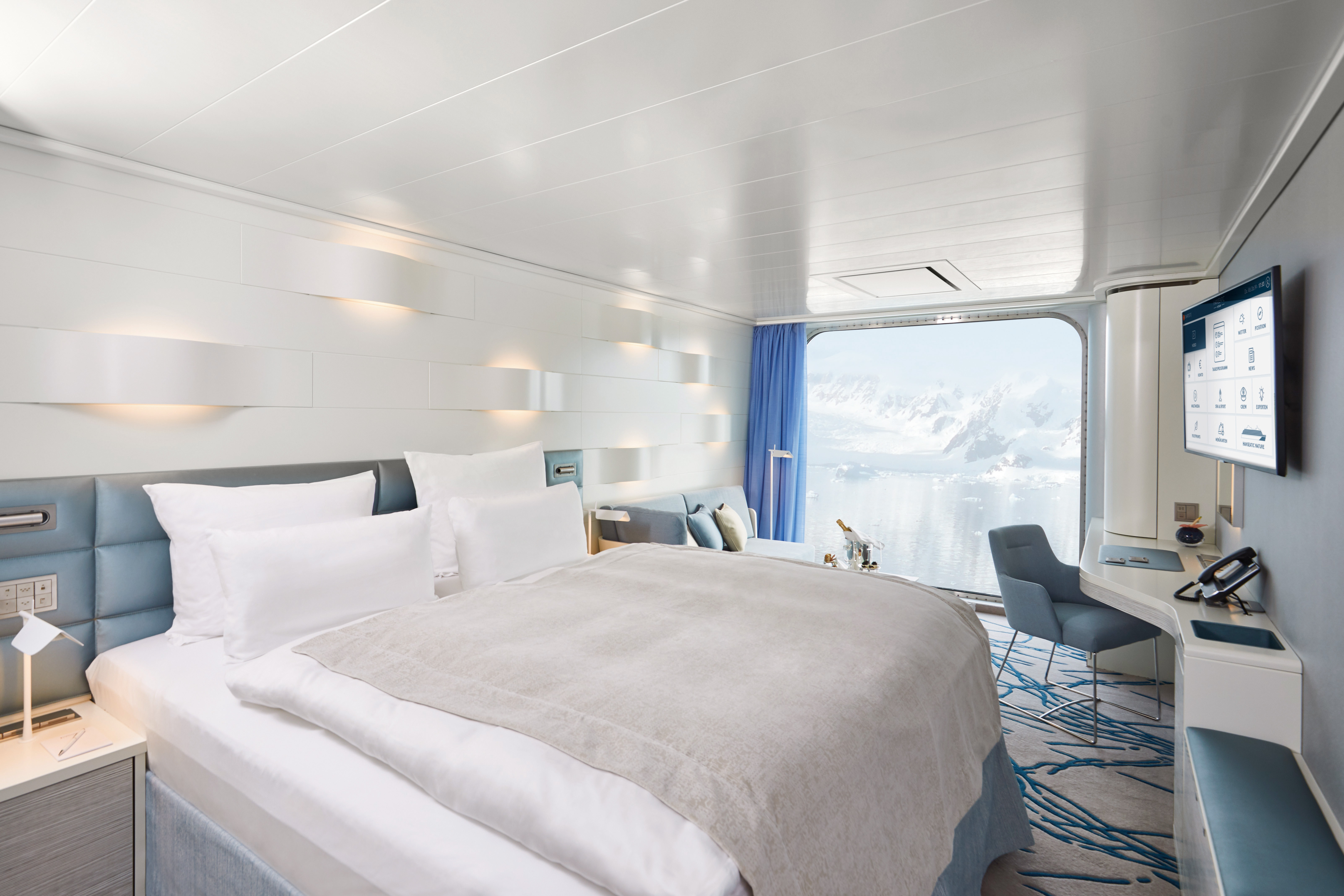
Heated wall in the bathroom (e. g. for towels and wet parkas)
- Rain shower
- Free mini bar (soft drinks)
- Coffee machine
- Separable beds
- Extensive infotainment with live broadcast and recordings of expert presentations, forward-view camera, navigation chart, films and much more
- Binoculars
- Nordic Walking poles
- 24-hour cabin service
- There is one cabin with fully accessible layout and equipment (cabin 404)
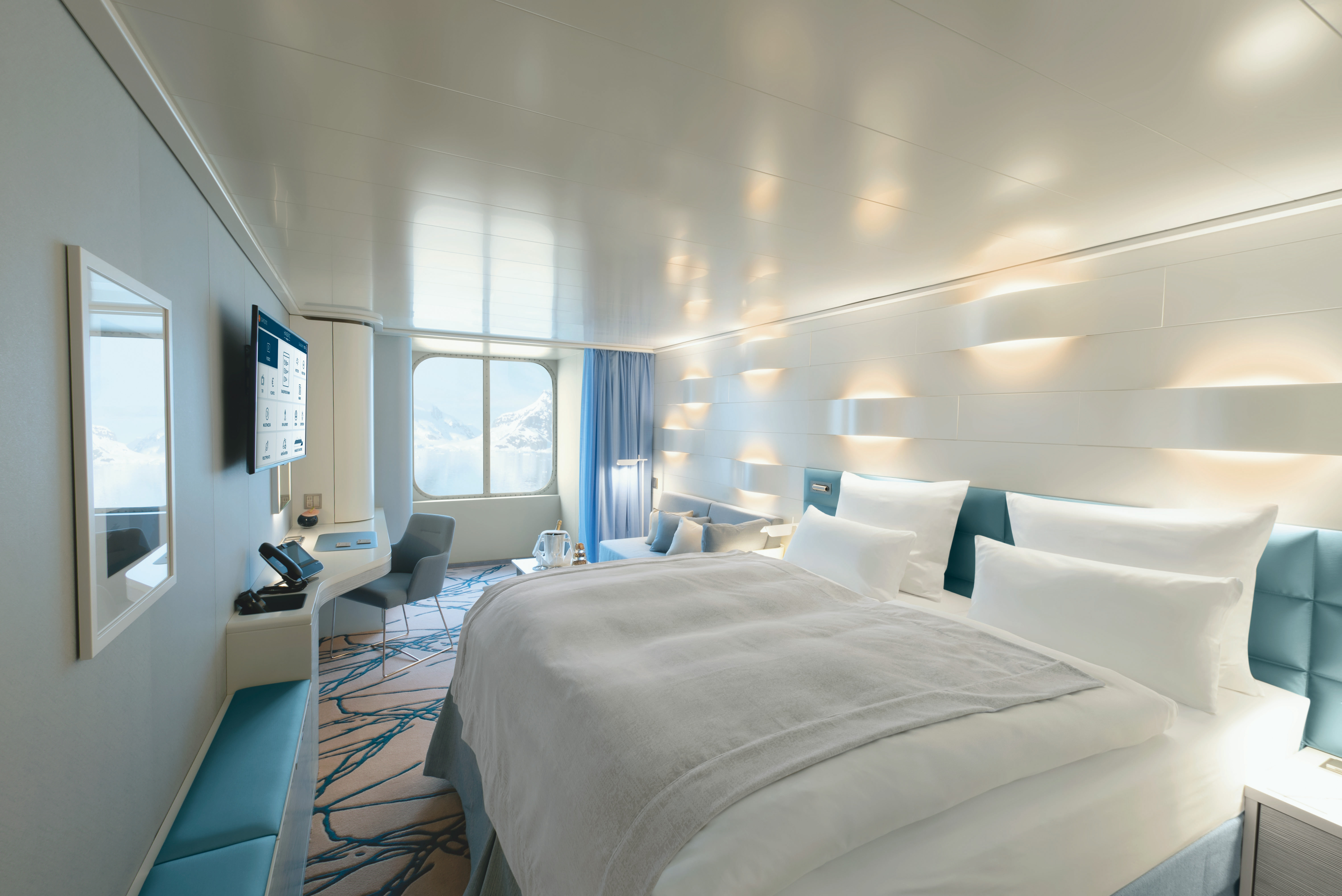
HANSEATIC inspiration
Each of our expeditions is a work of art. Passionately conceived, masterfully realised. A portrait of the world in which there is always something new to discover. And our small, state-of-the-art expedition ships HANSEATIC nature, HANSEATIC inspiration and HANSEATIC spirit (max. 230 guests) are the very best studio where such artistic masterpieces are created. Worlds both faraway and nearby. Ice and tropics. Wildlife paradise or cultural treasure. For every explorer, we offer the right journey of discovery. More than 30 years of experience as the market leader in German-speaking countries.
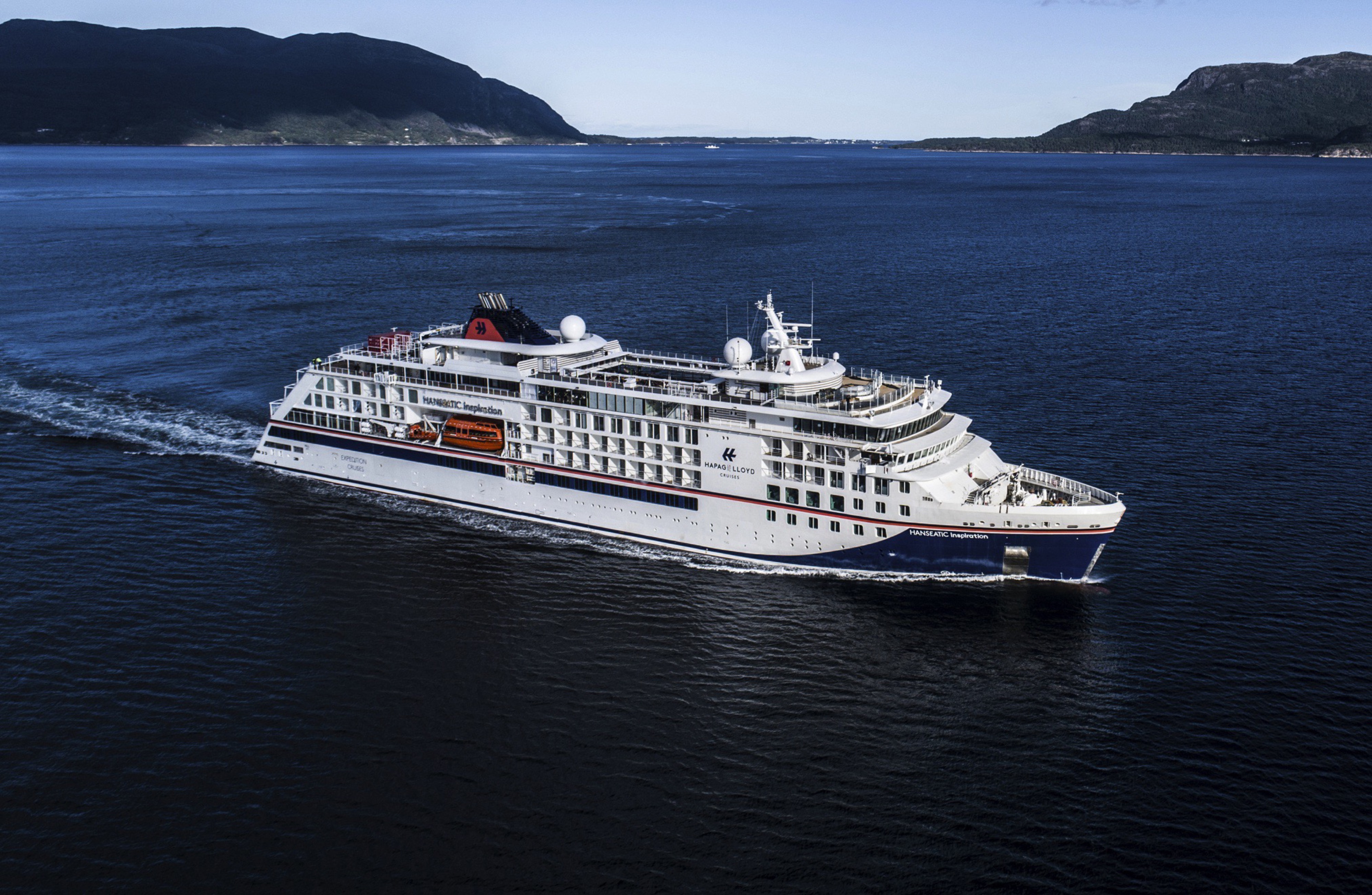
Ship Facts
| Launch Year | 2019 | ||||||
| Refit Year | |||||||
| Language | de+en | ||||||
| Gross Tonnage | 15650 | ||||||
| Length | 138 | ||||||
| Width | 22 | ||||||
| Currency | EUR | ||||||
| Speed | 16 | ||||||
| Capacity | 230 | ||||||
| Crew Count | 175 | ||||||
| Deck Count | 7 | ||||||
| Cabin Count | 127 | ||||||
| Large Cabin Count | N/A | ||||||
| Wheelchair Cabin Count | N/A | ||||||
| Electrical Plugs |
|
Deck 9
- Zodiacs
- Flexible canopy
- Sun Deck
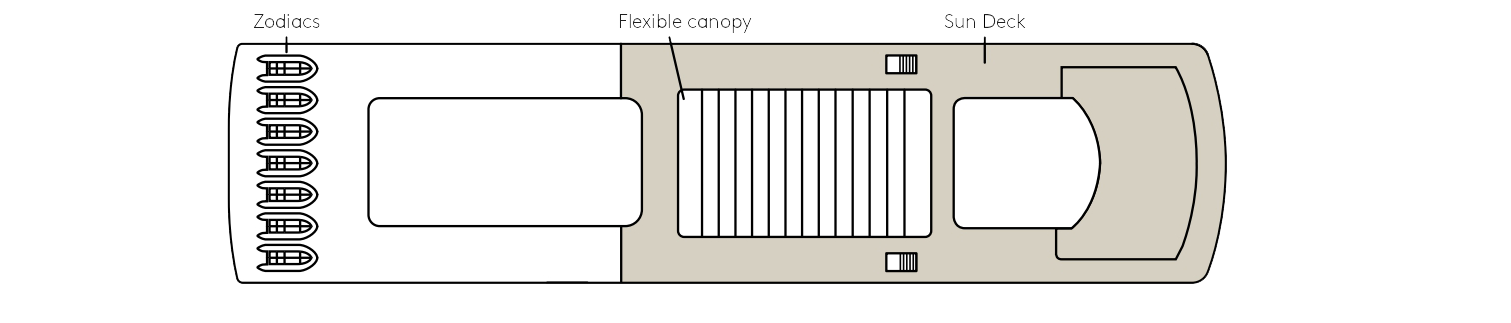
Deck 8
- Sun Deck
- Ocean Academy
- OCEAN SPA
- Course room
- Sports Club
- Hairdresser
- Pool
- Whirlpool
- Glass Balcony
- Pool bar
- Observation Lounge

Deck 7
- Bridge
- Veranda Suite or Ocean Suite
- Penthouse Suite
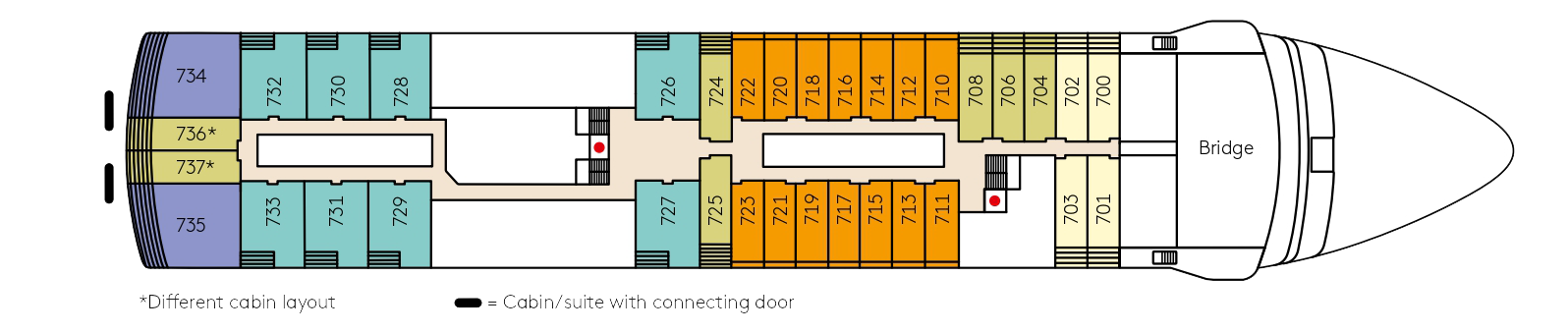
Deck 6
- Tenders
- Inspiration Walk
- Veranda Suite or Ocean Suite
- Grand Ocean Suite
- Penthouse Suite
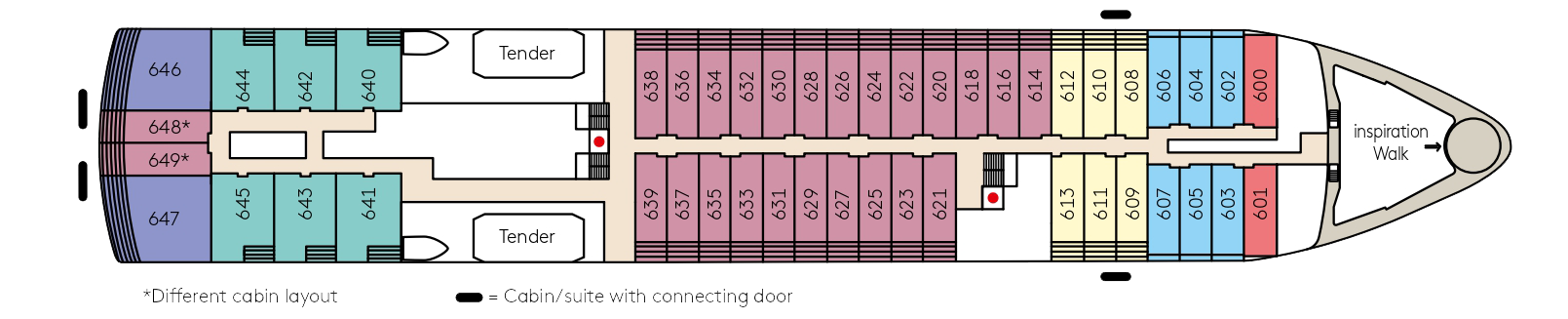
Deck 5
- Lido Restaurant
- Grand Penthouse Suite
- Penthouse Suite
- Veranda Suite or Ocean Suite
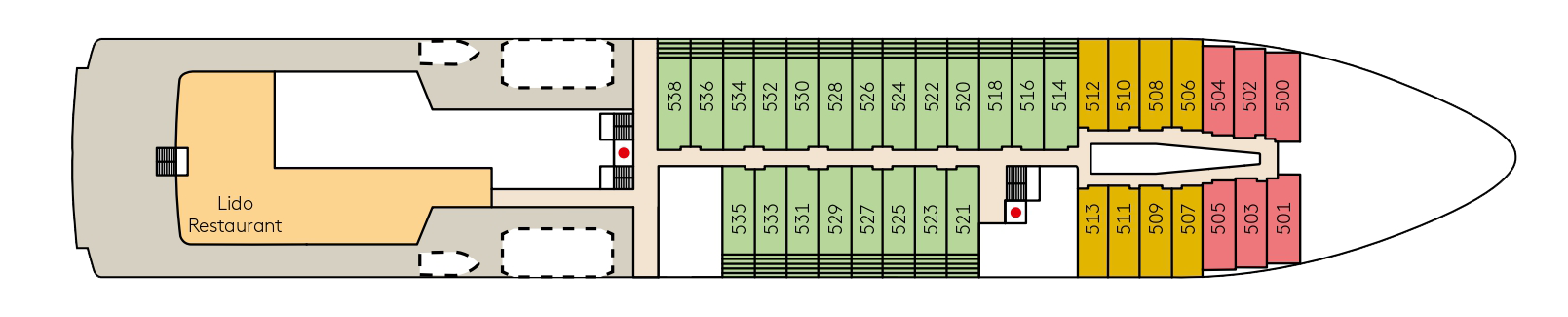
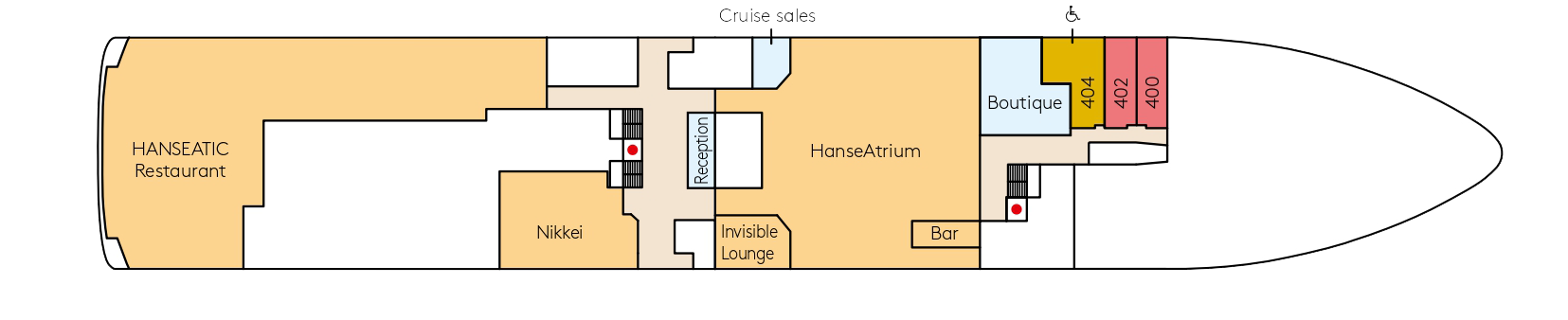
Deck 4
- HANSEATIC Restaurant
- Nikkei
- Reception
- Cruise Sales
- HanseAtrium & Bar
- Boutique
- Penthouse Suite
- Veranda Suite or Ocean Suite
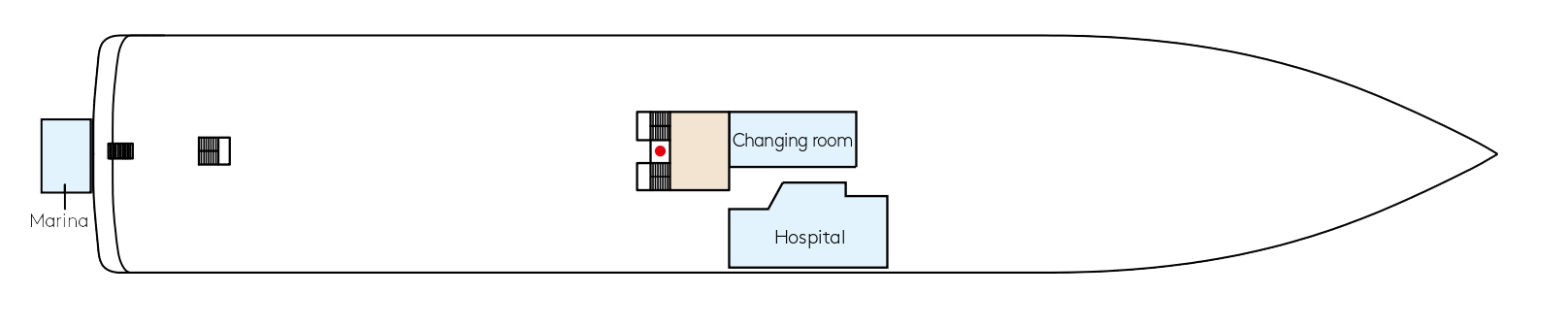
Deck 3
- Changing room
- Hospital
- Marina
A new kind of freedom between adventure and pleasure
Come with us on a culinary voyage of discovery around the globe: on board, three spacious first-class restaurants create a unique and indulgent combination of expedition spirit with international gourmet cuisine. Spend your days and evenings however you wish thanks to flexible mealtimes, a free choice of seating and attentive 24-hour cabin service.
HANSEATIC Restaurant
The spacious HANSEATIC Restaurant of the new expedition class redefines on-board cuisine. From breakfast to dinner, experience our endless variety of creative cuisine at any time of day. Where your ship drops anchor, our top chefs will look to local specialities and conjure up for your plate the aromas of South Africa, the far north, or Europe. Daily changing menus will send your taste buds on a global tour of discovery – accompanied by a selection of wines to suit every palate.
Nikkei
On the HANSEATIC inspiration, fine Japanese creations and Peru's modern trendy cuisine meet in the delightful ambience of the Nikkei.
Lido Restaurant
Expeditions bring you particularly close to the elements. The same applies to our Lido Restaurant. Have breakfast under an open sky, or enjoy a juicy steak cooked to perfection on the large outdoor barbecue – garnished with breathtaking panoramic views. Watch our gourmet chefs at work in the open show kitchen or head straight to the ice cream station for dessert. And why not? After all, the daily grind is far away.
That special touch
Land on a secluded island in a Zodiac and enjoy barbecued fish and chilled drinks with your feet in the sand. Or celebrate with a glass of champagne against a stunning icy backdrop. Our service and ingenuity continue ashore – with a barbecue on the beach, a reception in the ice or exotic delicacies in the depths of the rainforest. This is the feeling of true expedition. This is the taste of true delight.
We would be delighted to welcome you to the bar in the Observation Lounge on Deck 8, at the neighbouring pool bar (depending on the weather) and in the HanseAtrium (only open in the evening) on Deck 4.
Inspiration Walk
The many open deck areas, with details such as the glass balconies and the deck tour at the bow, offer “front-row” experiences of the surrounding sights and nature.
Observation Lounge & Library
A glass of wine in your hand and the magnificent jungle, the captivating wilderness of Nordic fjords or the icy panoramas of the Antarctic directly before you – the perfect end to a day of expeditions. From classic whiskys to fancy aperitif creations, the superbly equipped bars in the Observation Lounge and HanseAtrium serve your favourite drinks as you watch the sun go down. Welcome to the small club of great explorers.
Library
You are welcome to borrow a book on board at any time. Our library is located in the Observation Lounge (Deck 8) and is stocked with a selection of the latest fiction books, travel literature and information about the cruising area.
Invisible Lounge
In indoor areas, smoking is only permitted in the Invisible Lounge (Deck 4). Outdoors, there is a designated smoking area on the portside near the pool.
Reception
Post
The Reception staff will post your postcards and letters from all ports where this facility is available. Your onboard account will be debited with the appropriate charges.
Announcements
To create the full expedition experience, commentaries are provided for interesting passages during the cruise and special animal sightings are reported. The ship’s position is reported in the morning on days at sea. We will also announce via the loudspeakers when the local authorities have cleared the ship and we can go ashore. The volume can be controlled individually in each cabin/suite.
Means of payment
The on-board currency is the euro. An account will be set up for you so that you can make cashless payments during the cruise. You can find out your current account balance at any time using the infotainment system in your cabin/suite. You can then settle the entire account at Reception at the end of your cruise. We accept German EC/Maestro cards and the following credit cards: Mastercard, American Express and Visa. You can also pay in cash. Please note that, in general, foreign currencies cannot be changed on board.
reception@hanseatic-nature.com
Boutique
Find a stylish souvenir for yourself or for others and browse through the varied product range in our on-board boutique (Deck 4, behind the HanseAtrium). Alongside fashion, jewellery, perfume and accessories, you will also find practical everyday items.