Western Europe (Music Cruise): A Medley Of Man-Made And Natural Masterpieces
Western Europe (Music Cruise): A Medley Of Man-Made And Natural Masterpieces
Cruise overview
WHY BOOK WITH US?
- ✔ The Deluxe Cruises’ team has extensive experience in ultra-luxury cruising.
- ✔ Call now to speak to our helpful and experienced Cruise Concierge team.
- ✔ Enjoy our Unique Deluxe Cruises Bonus for substantial savings.
- ✔ Our team will tailor your holiday to your exacting requirements.
- ✔ As agents, we work under the protection of each cruise lines ABTA / ATOL licences
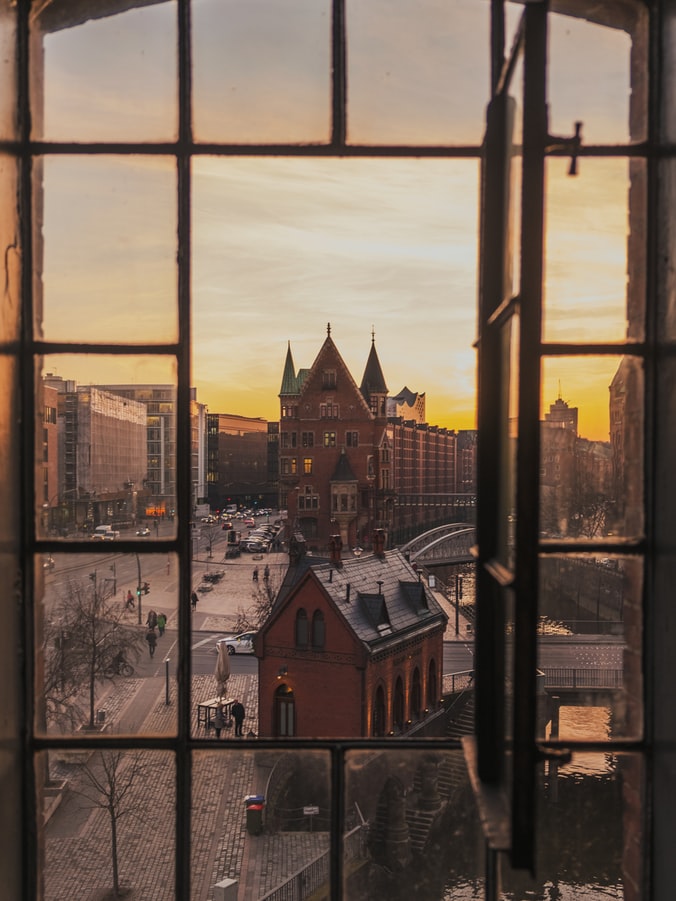
About Hamburg
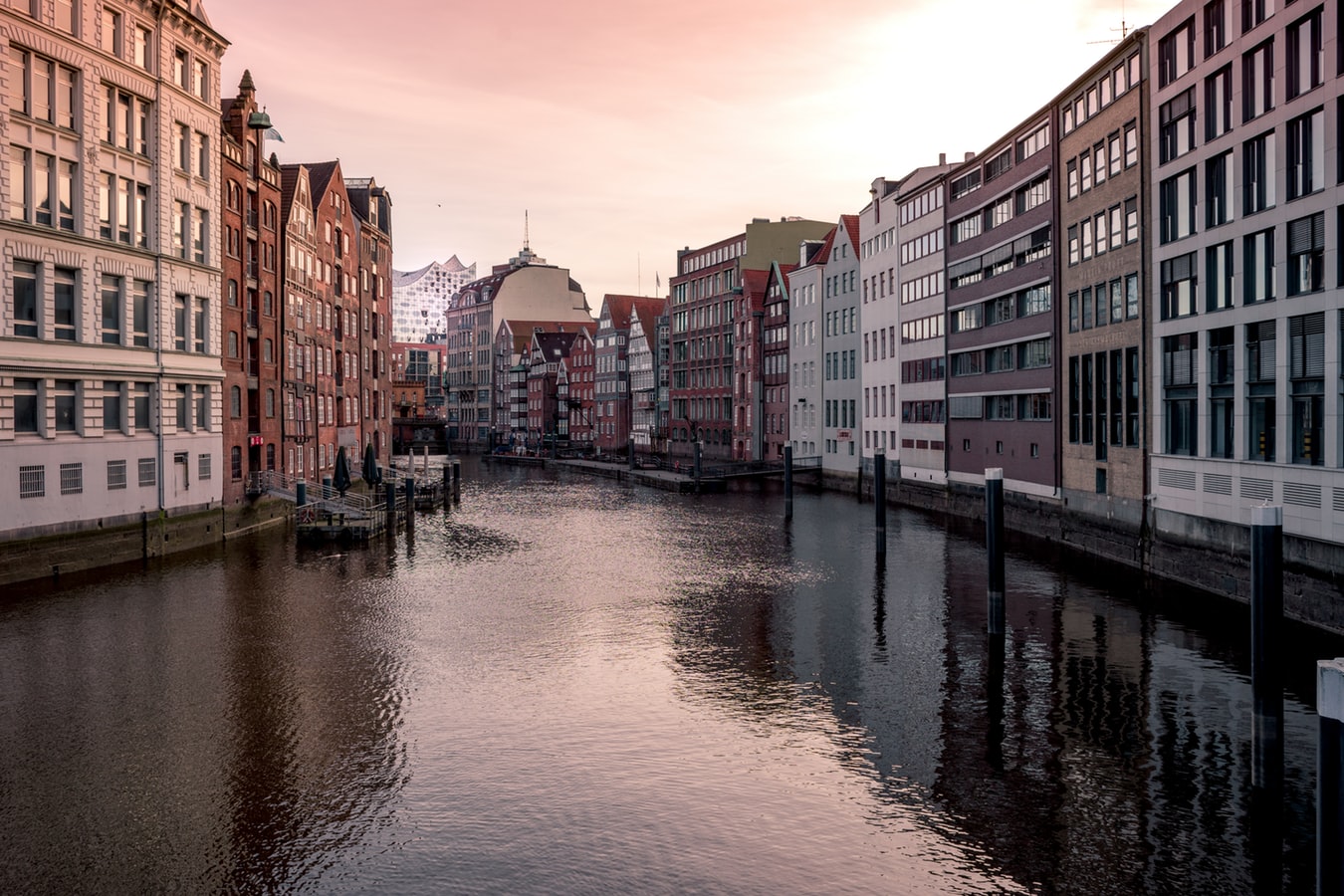
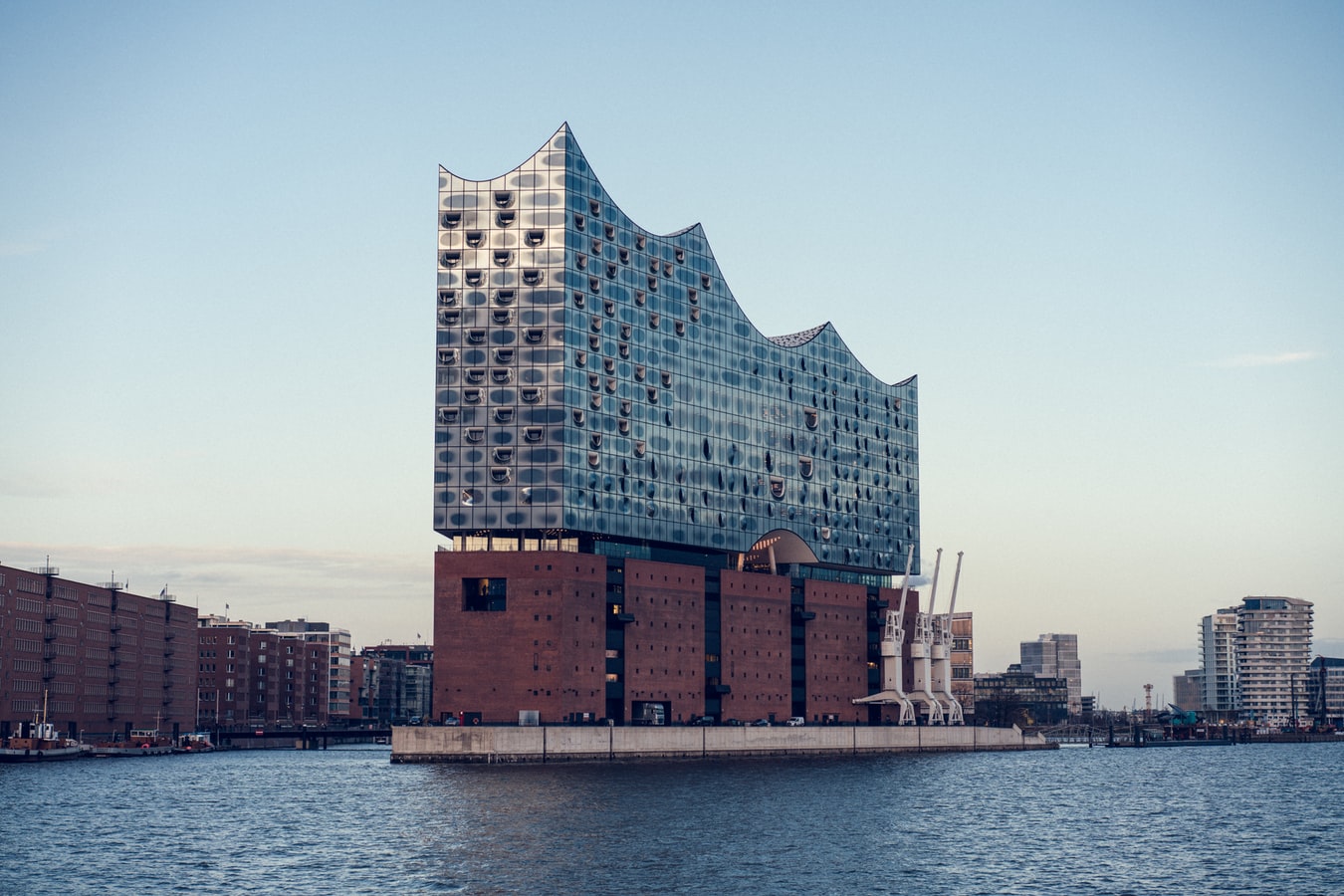
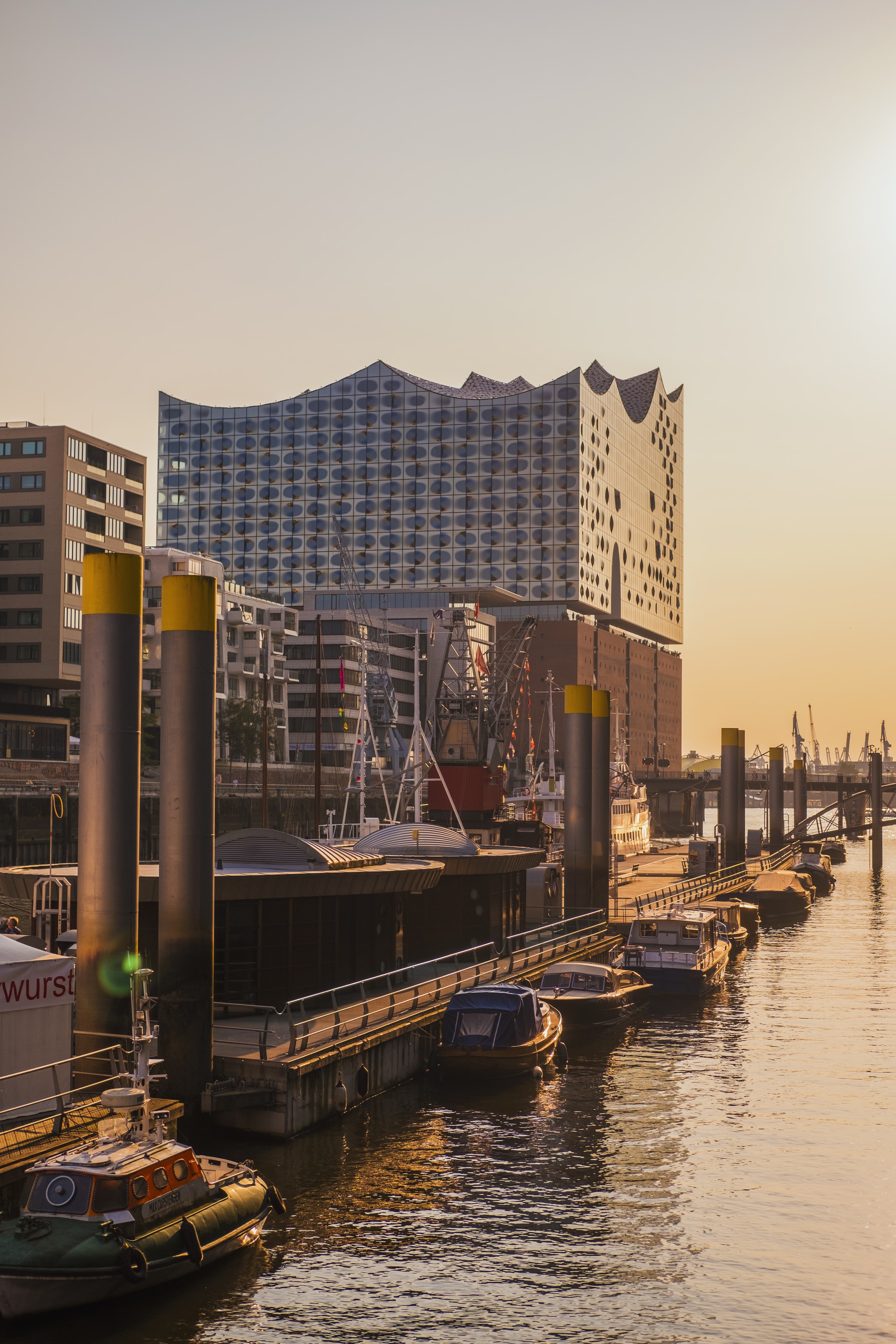
Hamburg is Germany’s second-largest city with a history dating back to Charlemagne. A major port, this vibrant city is home to art and culture, extensive shopping facilities, Baroque buildings and waterfront vistas. With its well-known fish market, art galleries and Museums together with several beautiful parks including a botanical garden, this is a city with something for everyone. British visitors who remember the Swinging Sixties may like to visit the streets around Grosse Freiheit, where an unknown pop group called The Beatles gave their first public performances in various local clubs before achieving worldwide fame.
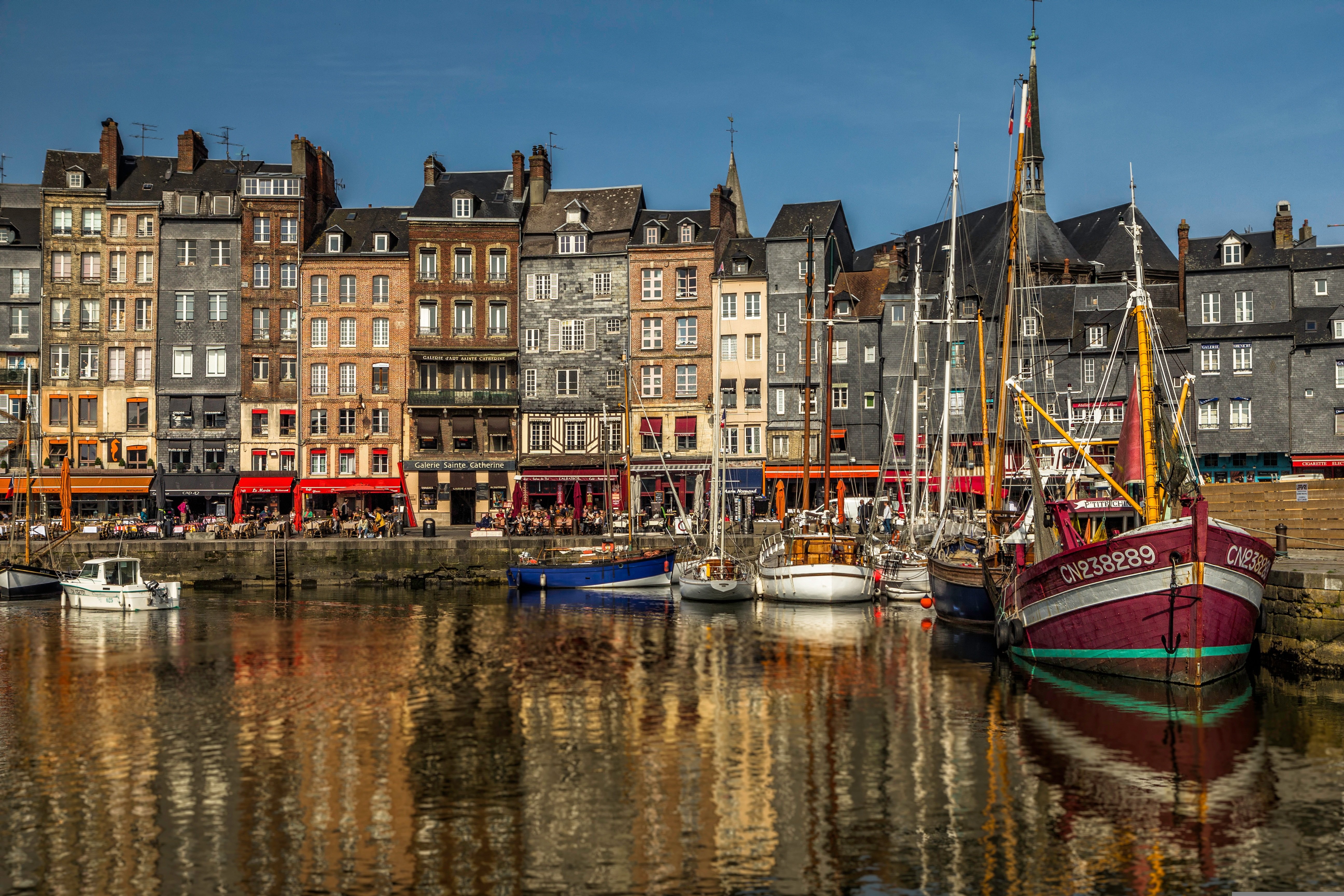
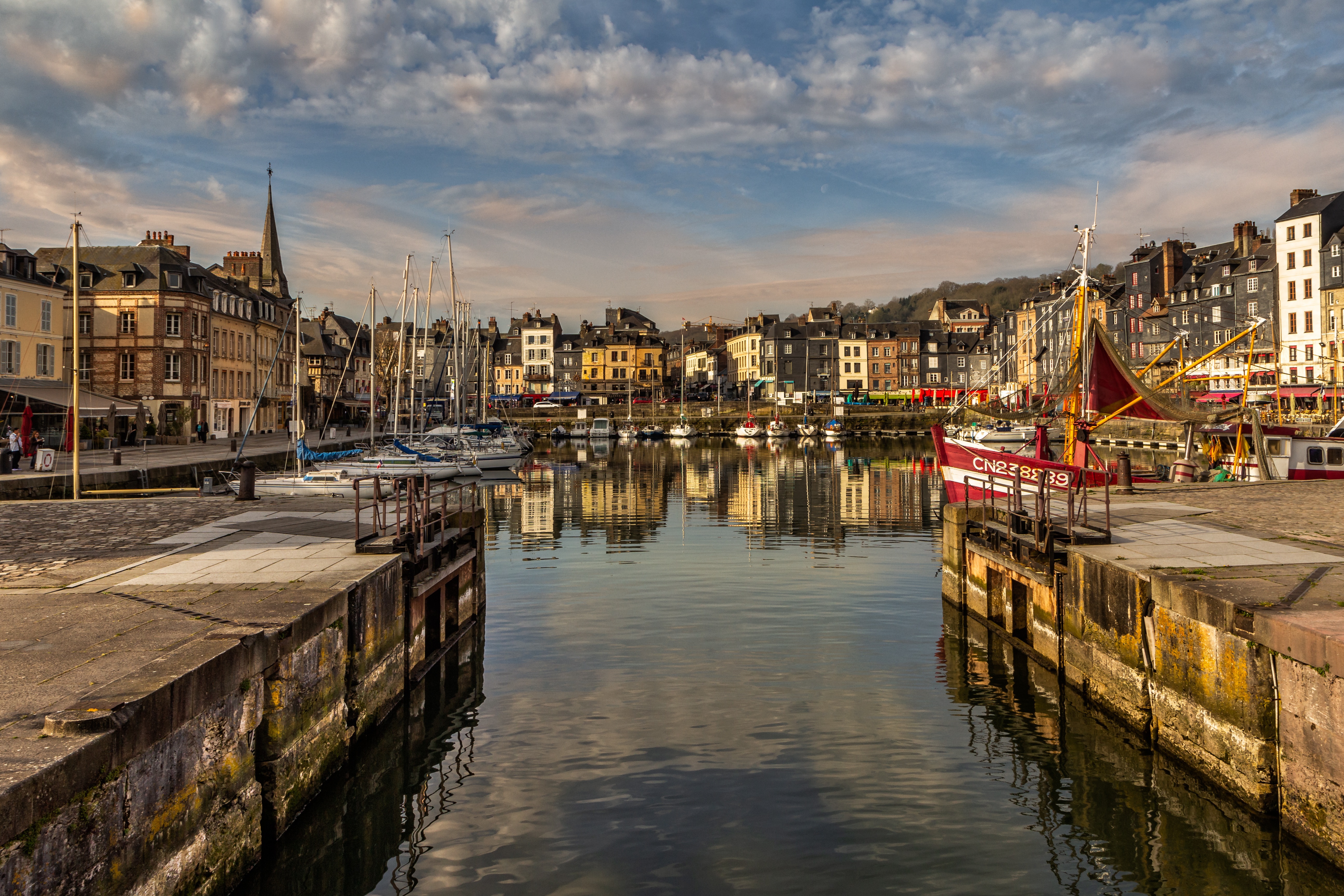
About Honfleur
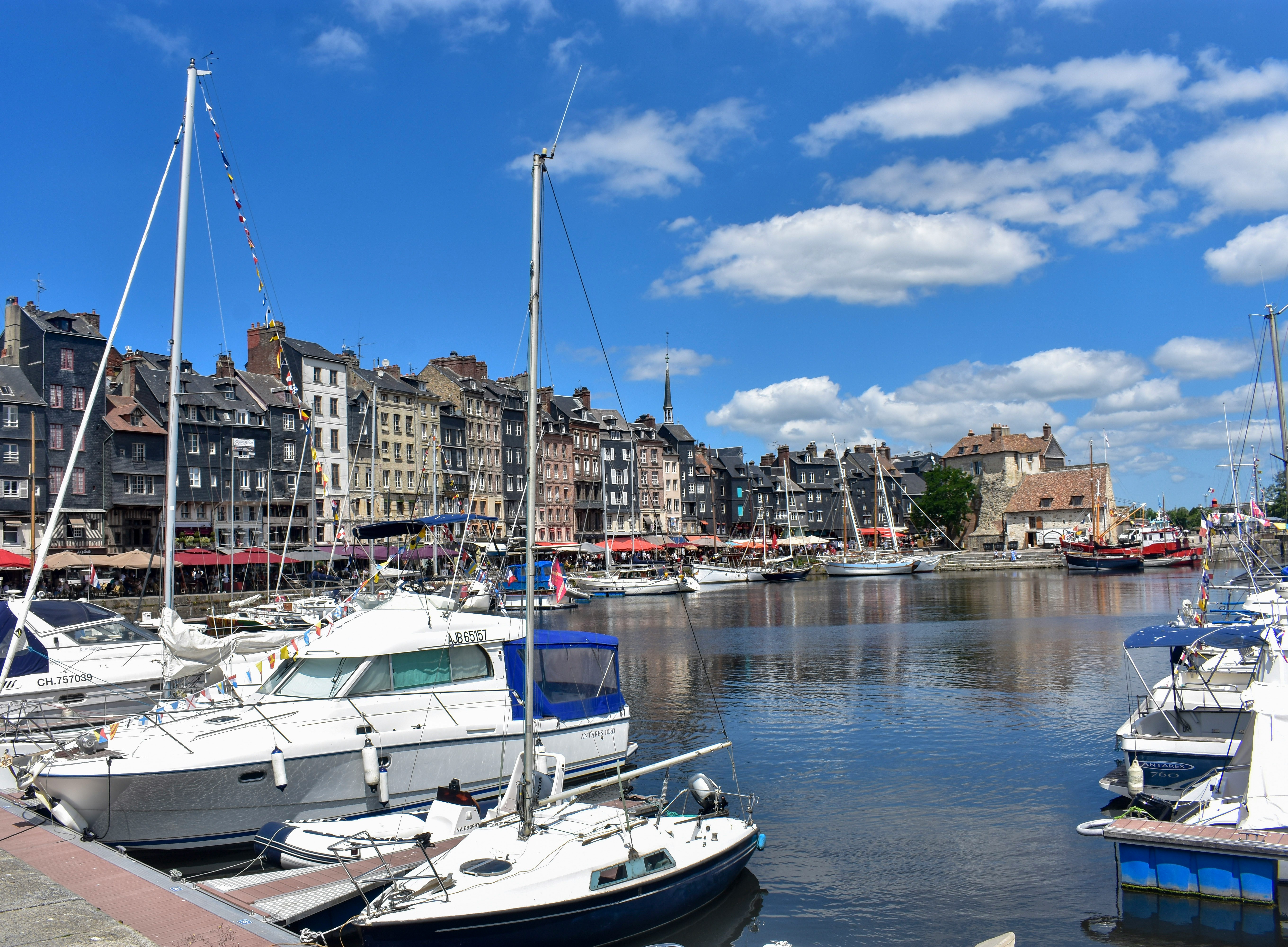
Honfleur, the most picturesque of the Côte Fleurie's seaside towns, is a time-burnished place with a surplus of half-timber houses and cobbled streets that are lined with a stunning selection of stylish boutiques. Much of its Renaissance architecture remains intact—especially around the 17th-century Vieux Bassin harbor, where the water is fronted on one side by two-story stone houses with low, sloping roofs and on the other by tall slate-topped houses with wooden facades. Maritime expeditions (including some of the first voyages to Canada) departed from here; later, Impressionists were inspired to capture it on canvas. But the town as a whole has become increasingly crowded since the Pont de Normandie opened in 1995. Providing a direct link with Upper Normandy, the world's sixth-largest cable-stayed bridge is supported by two concrete pylons taller than the Eiffel Tower and designed to resist winds of 257 kph (160 mph).

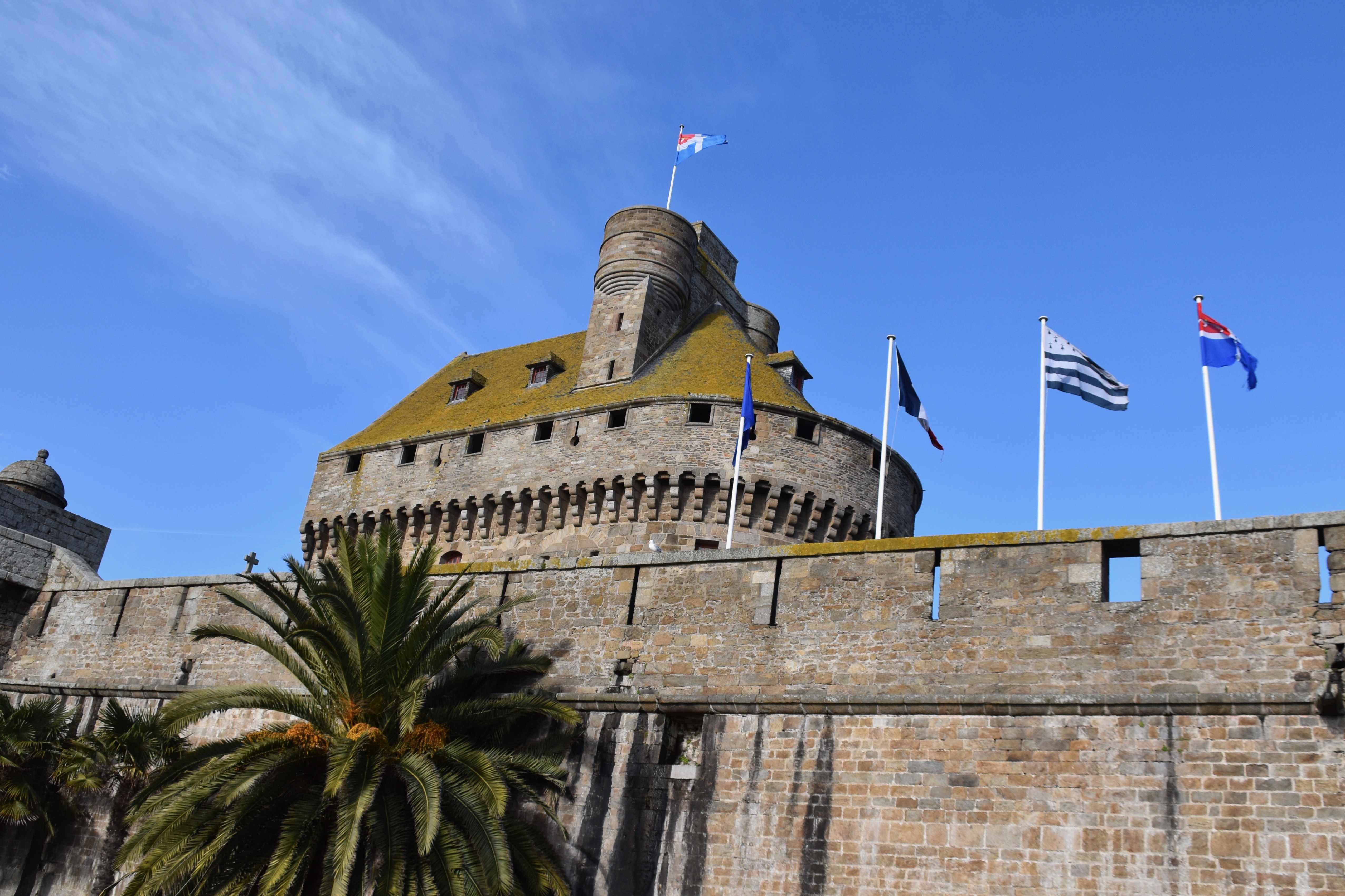
About Saint-Malo
Thrust out into the sea and bound to the mainland only by tenuous man-made causeways, romantic St-Malo has built a reputation as a breeding ground for phenomenal sailors. Many were fishermen, but others—most notably Jacques Cartier, who claimed Canada for Francis I in 1534—were New World explorers. Still others were corsairs, "sea dogs" paid by the French crown to harass the Limeys across the Channel: legendary ones like Robert Surcouf and Duguay-Trouin helped make St-Malo rich through their pillaging, in the process earning it the nickname "the pirates' city." The St-Malo you see today isn’t quite the one they called home because a weeklong fire in 1944, kindled by retreating Nazis, wiped out nearly all of the old buildings. Restoration work was more painstaking than brilliant, but the narrow streets and granite houses of the Vieille Ville were satisfactorily recreated, enabling St-Malo to regain its role as a busy fishing port, seaside resort, and tourist destination. The ramparts that help define this city figuratively and literally are authentic, and the flames also spared houses along Rue de Pelicot in the Vieille Ville. Battalions of tourists invade this quaint part of town in summer, so arrive off-season if you want to avoid crowds.
About La Pallice
About Bilbao
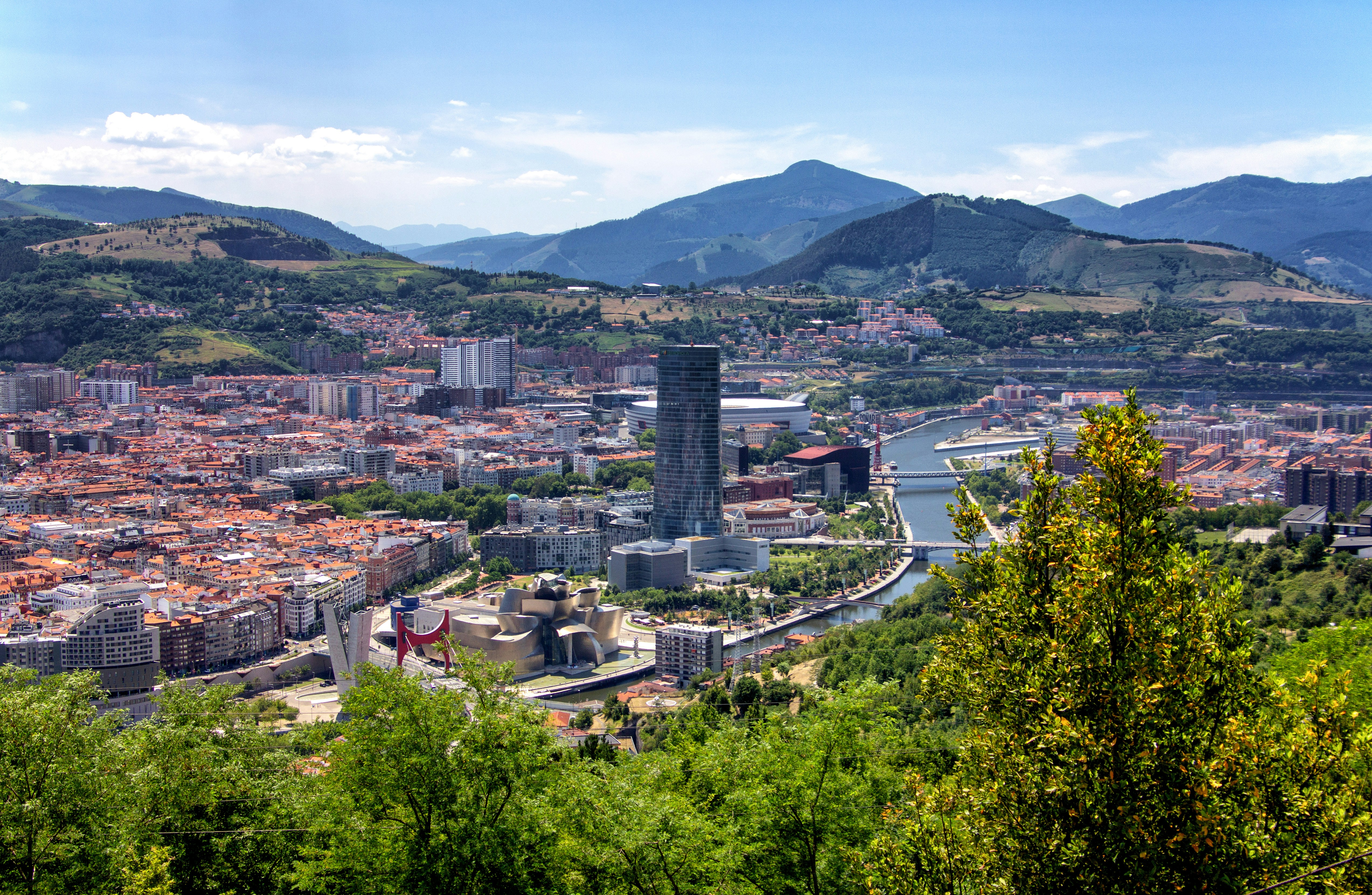
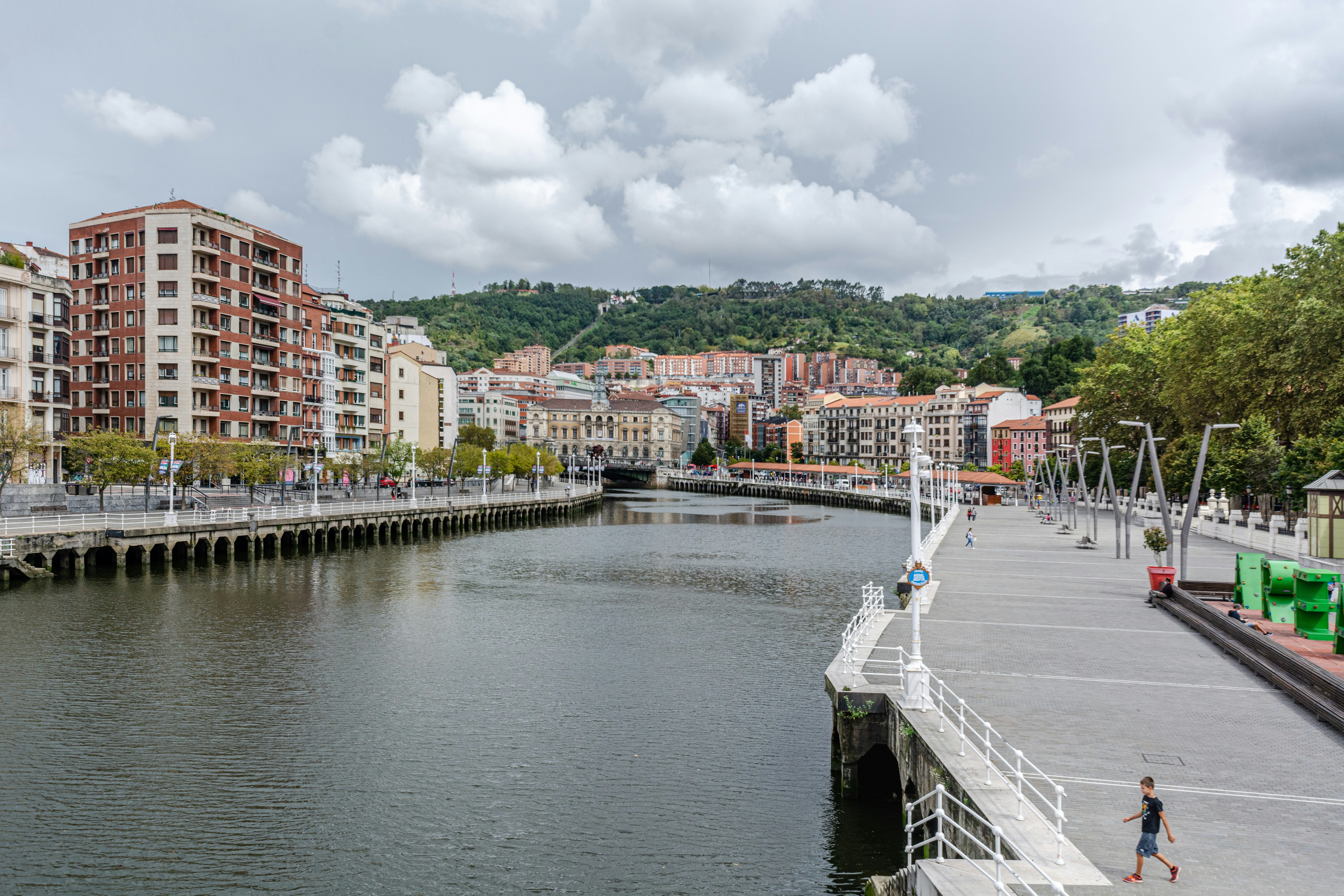
Time in Bilbao (Bilbo, in Euskera) may be recorded as BG or AG (Before Guggenheim or After Guggenheim). Never has a single monument of art and architecture so radically changed a city. Frank Gehry's stunning museum, Norman Foster's sleek subway system, the Santiago Calatrava glass footbridge and airport, the leafy César Pelli Abandoibarra park and commercial complex next to the Guggenheim, and the Philippe Starck AlhóndigaBilbao cultural center have contributed to an unprecedented cultural revolution in what was once the industry capital of the Basque Country.Greater Bilbao contains almost 1 million inhabitants, nearly half the total population of the Basque Country. Founded in 1300 by Vizcayan noble Diego López de Haro, Bilbao became an industrial center in the mid-19th century, largely because of the abundance of minerals in the surrounding hills. An affluent industrial class grew up here, as did the working class in suburbs that line the Margen Izquierda (Left Bank) of the Nervión estuary.Bilbao's new attractions get more press, but the city's old treasures still quietly line the banks of the rust-color Nervión River. The Casco Viejo (Old Quarter)—also known as Siete Calles (Seven Streets)—is a charming jumble of shops, bars, and restaurants on the river's Right Bank, near the Puente del Arenal bridge. This elegant proto-Bilbao nucleus was carefully restored after devastating floods in 1983. Throughout the Casco Viejo are ancient mansions emblazoned with family coats of arms, wooden doors, and fine ironwork balconies. The most interesting square is the 64-arch Plaza Nueva, where an outdoor market is pitched every Sunday morning.Walking the banks of the Nervión is a satisfying jaunt. After all, this was how—while out on a morning jog—Guggenheim director Thomas Krens first discovered the perfect spot for his project, nearly opposite the right bank's Deusto University. From the Palacio de Euskalduna upstream to the colossal Mercado de la Ribera, parks and green zones line the river. César Pelli's Abandoibarra project fills in the half mile between the Guggenheim and the Euskalduna bridge with a series of parks, the Deusto University library, the Meliá Bilbao Hotel, and a major shopping center.On the left bank, the wide, late-19th-century boulevards of the Ensanche neighborhood, such as Gran Vía (the main shopping artery) and Alameda de Mazarredo, are the city's more formal face. Bilbao's cultural institutions include, along with the Guggenheim, a major museum of fine arts (the Museo de Bellas Artes) and an opera society (Asociación Bilbaína de Amigos de la Ópera, or ABAO) with 7,000 members from Spain and southern France. In addition, epicureans have long ranked Bilbao's culinary offerings among the best in Spain. Don't miss a chance to ride the trolley line, the Euskotram, for a trip along the river from Atxuri Station to Basurto's San Mamés soccer stadium, reverently dubbed "la Catedral del Fútbol" (the Cathedral of Football).
About Gijón
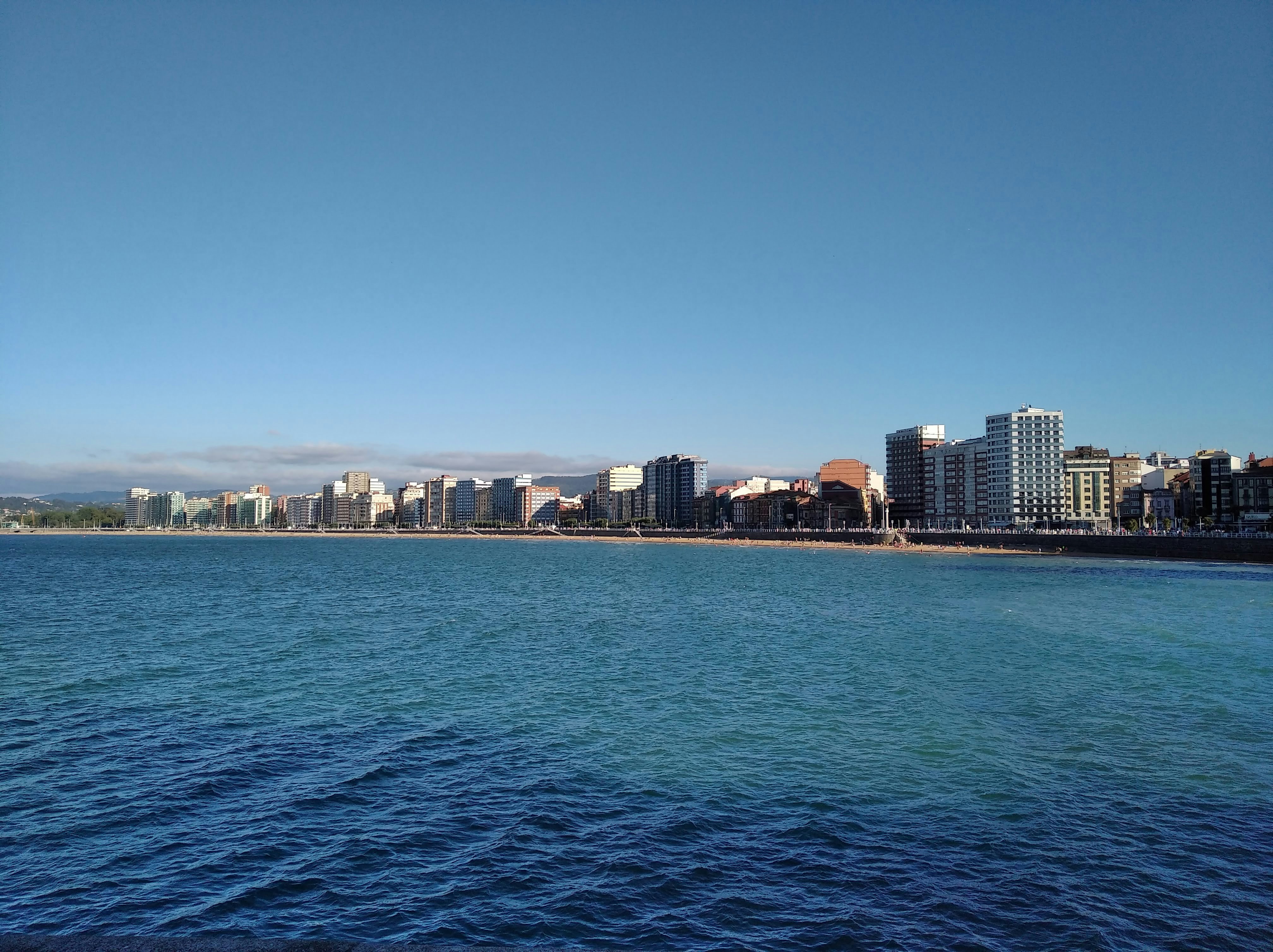
The Campo Valdés baths, dating back to the 1st century AD, and other reminders of Gijón's time as an ancient Roman port remain visible downtown. Gijón was almost destroyed in a 14th-century struggle over the Castilian throne, but by the 19th century it was a thriving port and industrial city. The modern-day city is part fishing port, part summer resort, and part university town, packed with cafés, restaurants, and sidrerías.


About La Coruña
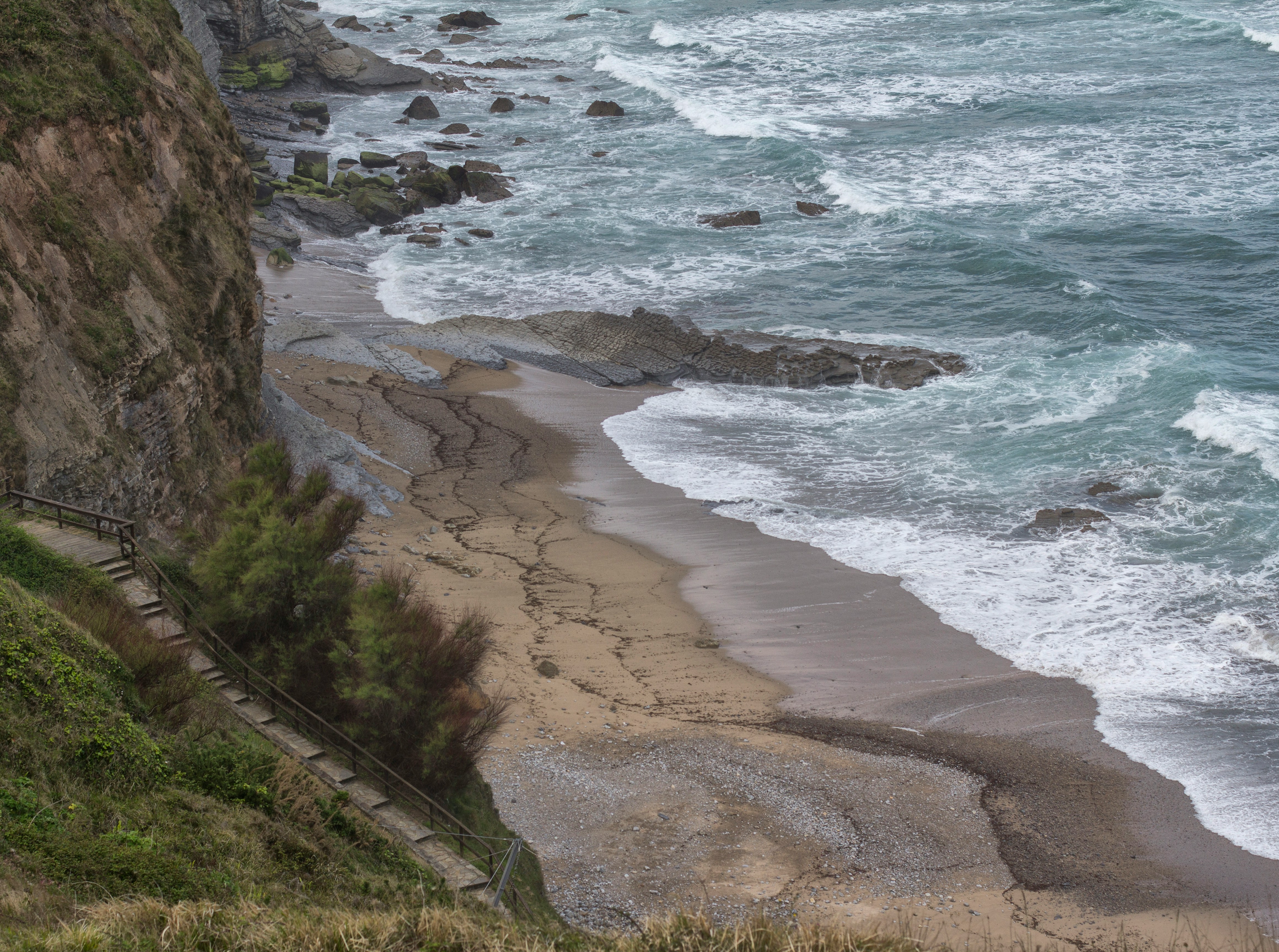
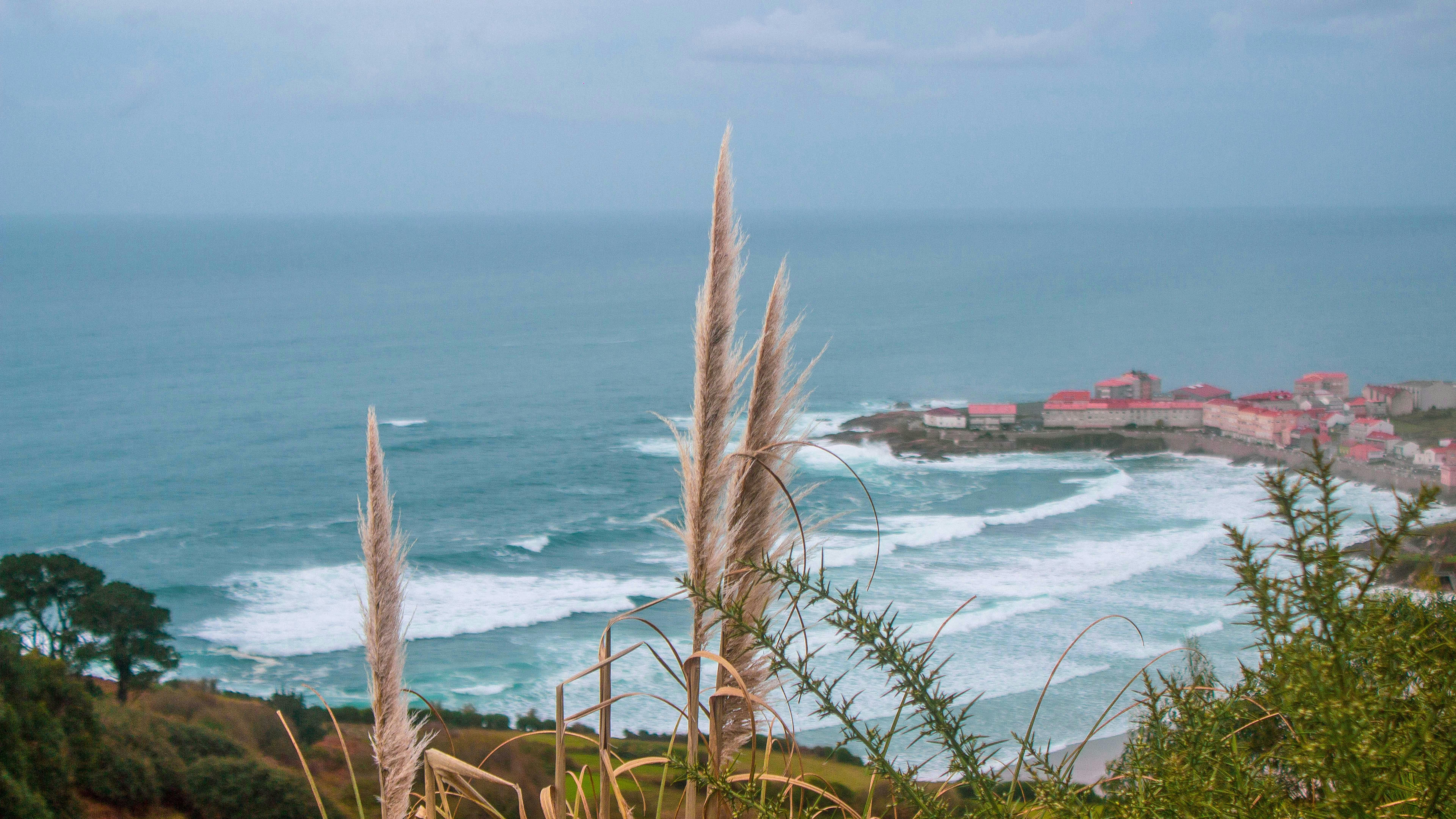
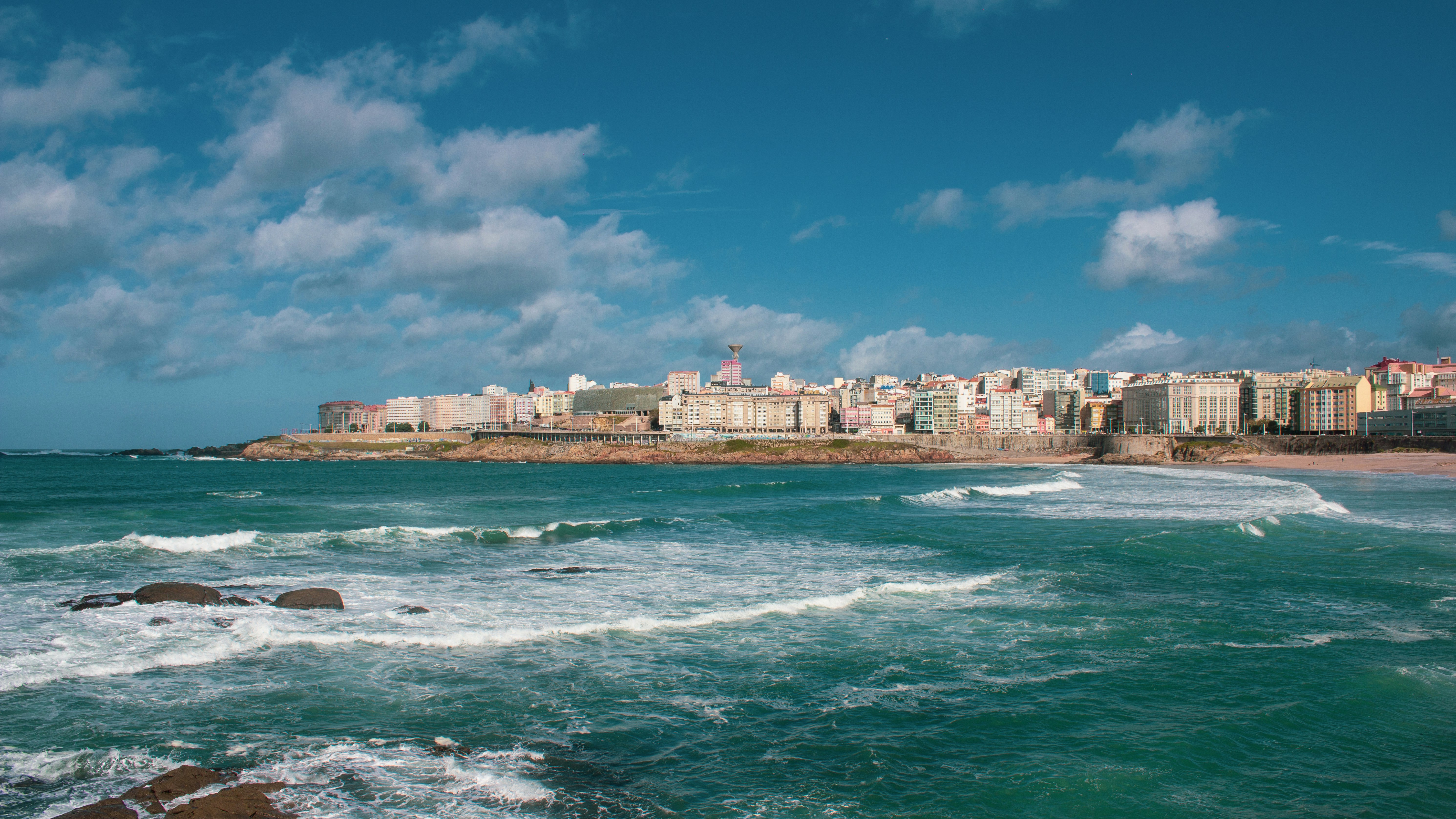
La Coruña, the largest city in Spain's Galicia region, is among the country's busiest ports. The remote Galicia area is tucked into the northwest corner of the Iberian Peninsula, surprising visitors with its green and misty countryside that is so much unlike other parts of Spain. The name "Galicia" is Celtic in origin, for it was the Celts who occupied the region around the 6th-century BC and erected fortifications. La Coruña was already considered an important port under the Romans. They were followed by an invasion of Suevians, Visigoths and, much later in 730, the Moors. It was after Galicia was incorporated into the Kingdom of Asturias that the epic saga of the Pilgrimage to Santiago (St. James) began. From the 15th century, overseas trade developed rapidly; in 1720, La Coruña was granted the privilege of trading with America - a right previously only held by Cadiz and Seville. This was the great era when adventurous men voyaged to the colonies and returned with vast riches. Today, the city's significant expansion is evident in three distinct quarters: the town centre located along the isthmus; the business and commercial centre with wide avenues and shopping streets; and the "Ensanche" to the south, occupied by warehouses and factories. Many of the buildings in the old section feature the characteristic glazed façades that have earned La Coruña the name "City of Crystal." Plaza Maria Pita, the beautiful main square, is named after the local heroine who saved the town in 1589 when she seized the English standard from the beacon and gave the alarm, warning her fellow townsmen of the English attack.
About Vigo
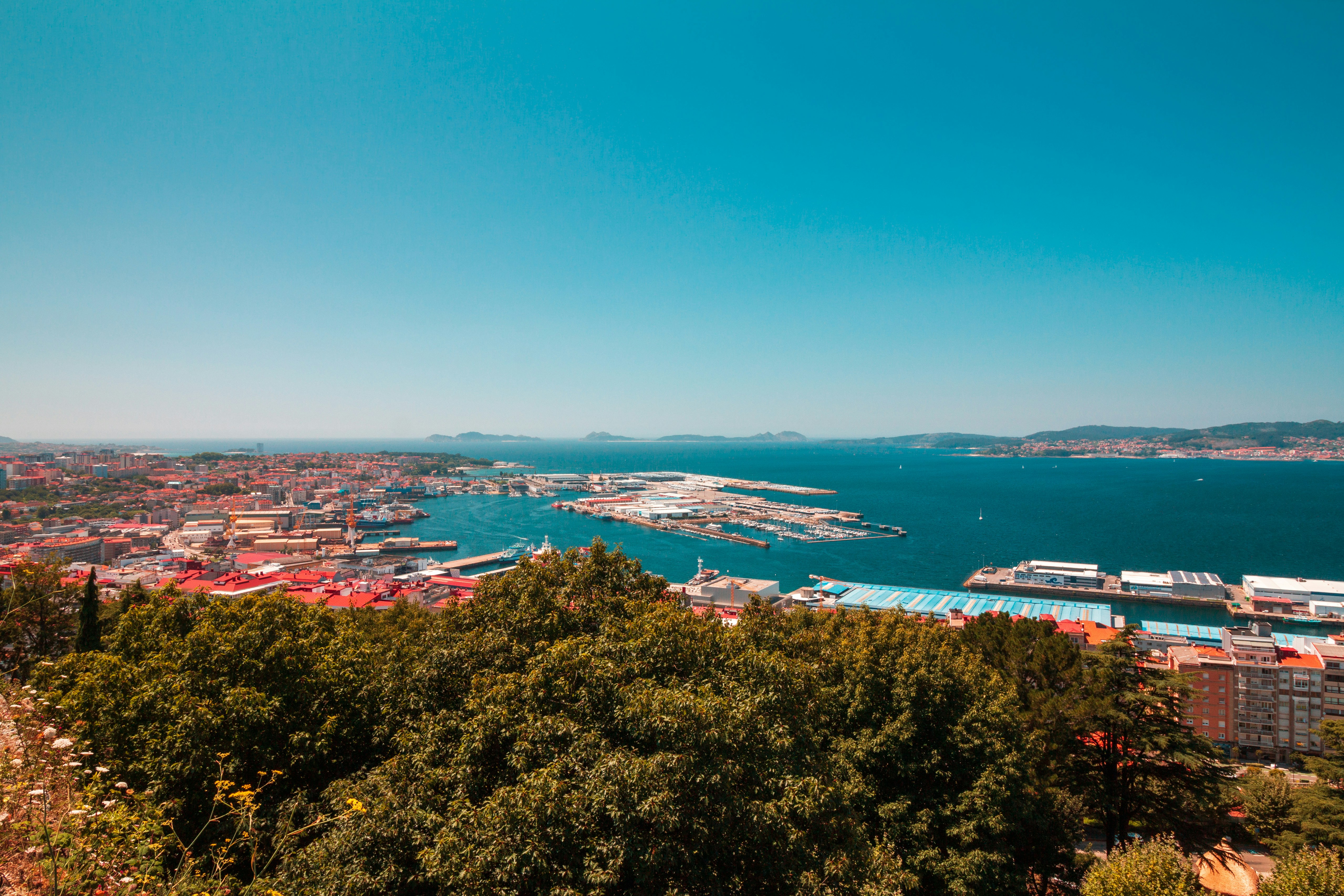
Dating from Roman times, the Galician city of Vigo has a fine natural harbour and is renowned as the biggest fishing port in the world. It is also full of history - it was in this fjord-like quay that the English and Dutch defeated the French and Spanish fleets in 1702. Today, the attractive marinas stand in contrast to the industrialised areas of the city, while further exploration will reveal the characteristic 17th-century architecture and attractive countryside beyond. The charming Old Town is a delight, with its labyrinth of winding narrow streets and shaded squares. Nearby is the Cathedral city of Tui, and further to the north is the pilgrimage centre of Santiago de Compostela, which can be reached by car in approximately 1¼ hours.
About Leixões
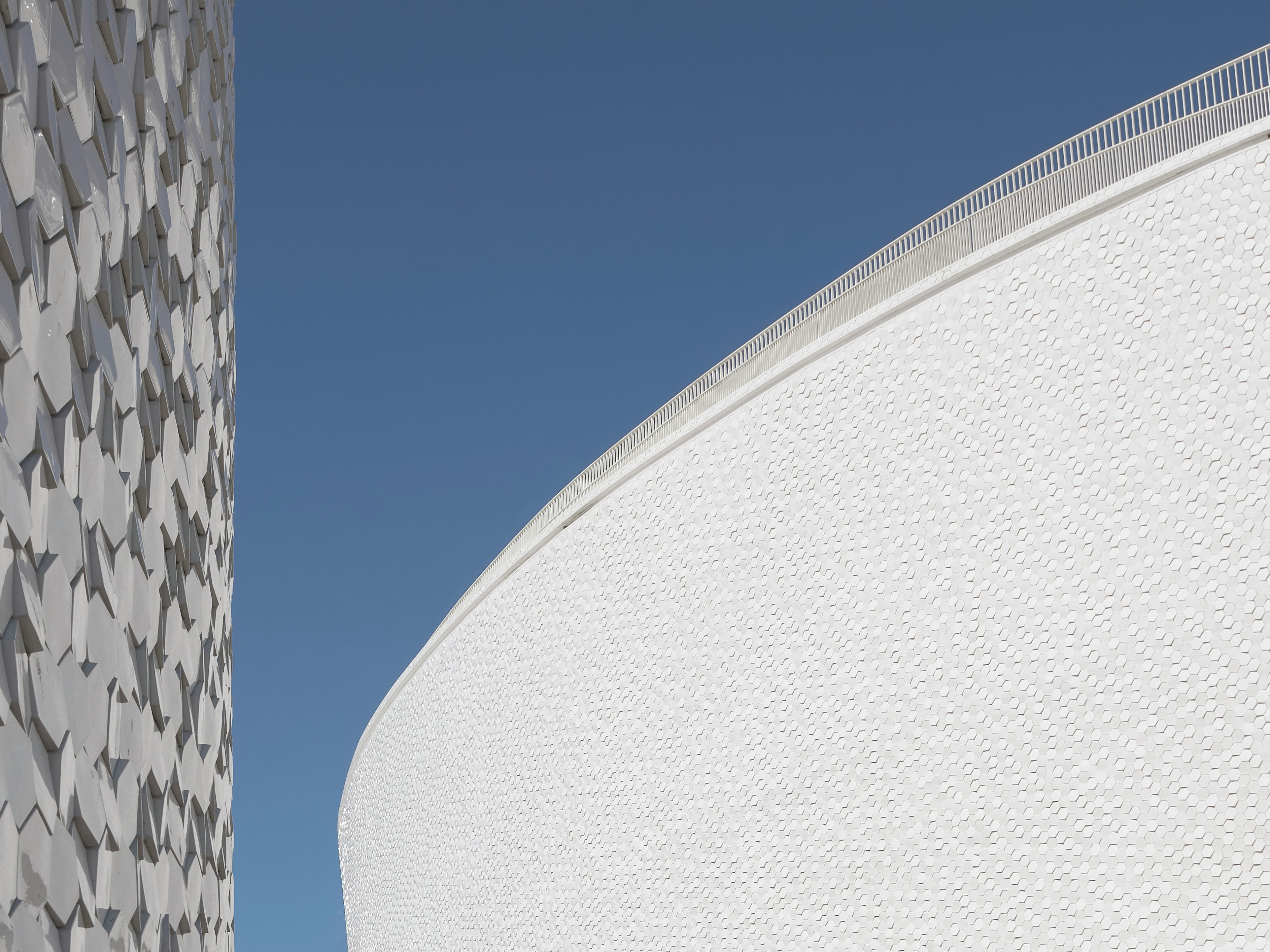
Ever since the Romans constructed a fort here and began using it as a trading post, Oporto has been a prosperous commercial centre. In the 15th and 16th centuries the city benefited from the wealth generated by Portugal’s maritime discoveries, and later, the establishment of a lucrative wine trade with Britain compensated for the loss of the spice trade. Today, Portugal’s second-largest city is a thriving, cosmopolitan place and is famous for its production of the fortified, sweet 'port' wine. Its historic centre is a UNESCO World Heritage Site and the city was also awarded the status of European Capital of Culture in 2001. A large sandbar prevents ships from sailing into Oporto itself, so for over a century they have used nearby Leixões instead, a man-made seaport constructed nine miles from the city. Leixões is one of Portugal's major sea ports and is also home to one of the country's oldest football clubs, winners of the Taça de Portugal cup in 1961.
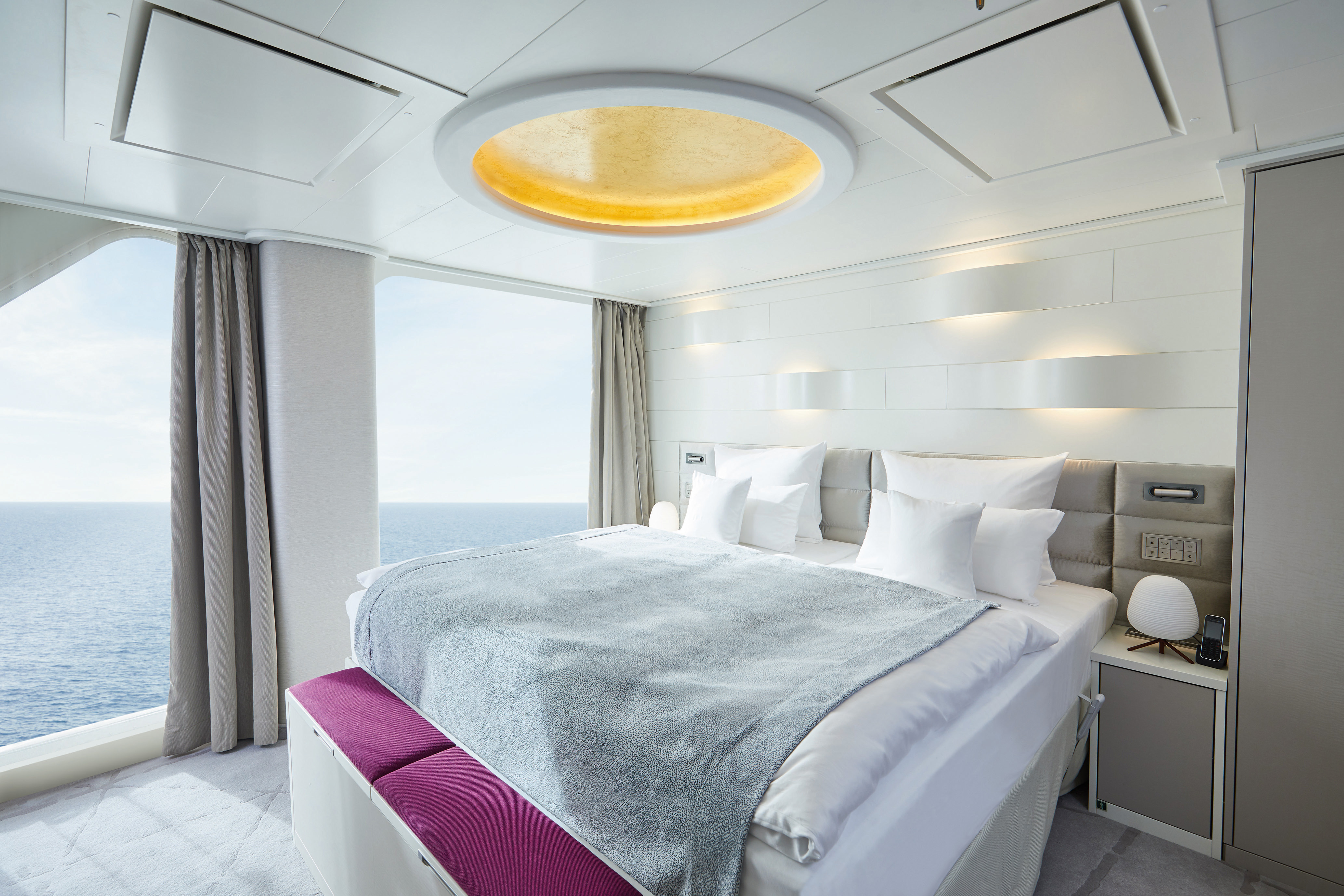
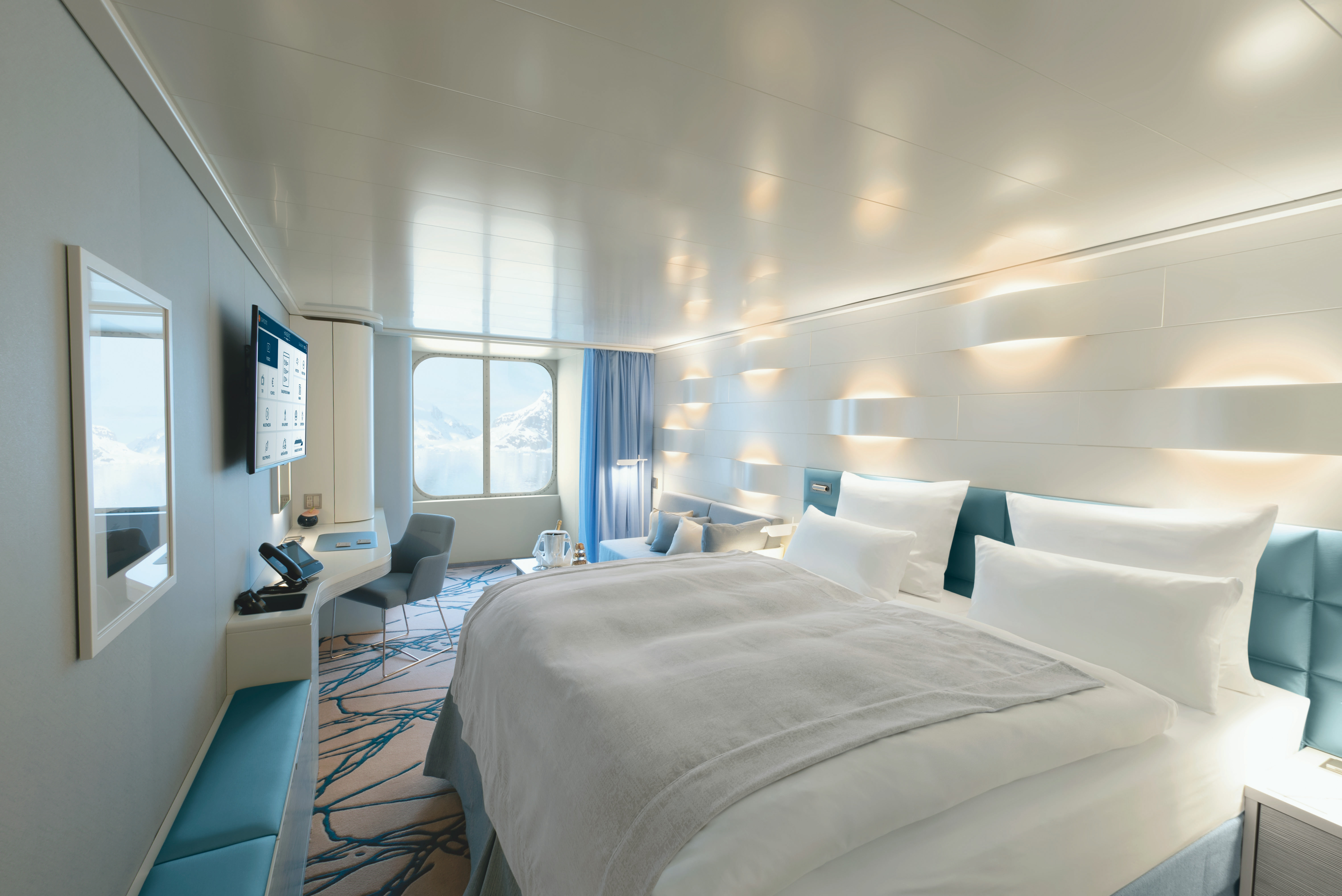
- Separate living/sleeping area
- Separate dining area
- Sleeping area with panoramic view
- Separable beds
- TV in living and sleeping areas
- Veranda with space heaters
- Daylight bathroom with two sinks, free-standing bath, rain shower and veranda access
- Steam sauna in shower area
- Heated wall in bathroom (e.g. for towels and wet parkas)
- Separate toilet
- Free mini bar
- Coffee machine
- Extensive infotainment with live broadcast and recordings of expert presentations, forward-view camera, navigation chart, films and much more
- Binoculars in the cabin
- Nordic walking poles
- 24-hour cabin service
- Butler service
- Table reservation in main restaurant
- Free use of Wi-Fi
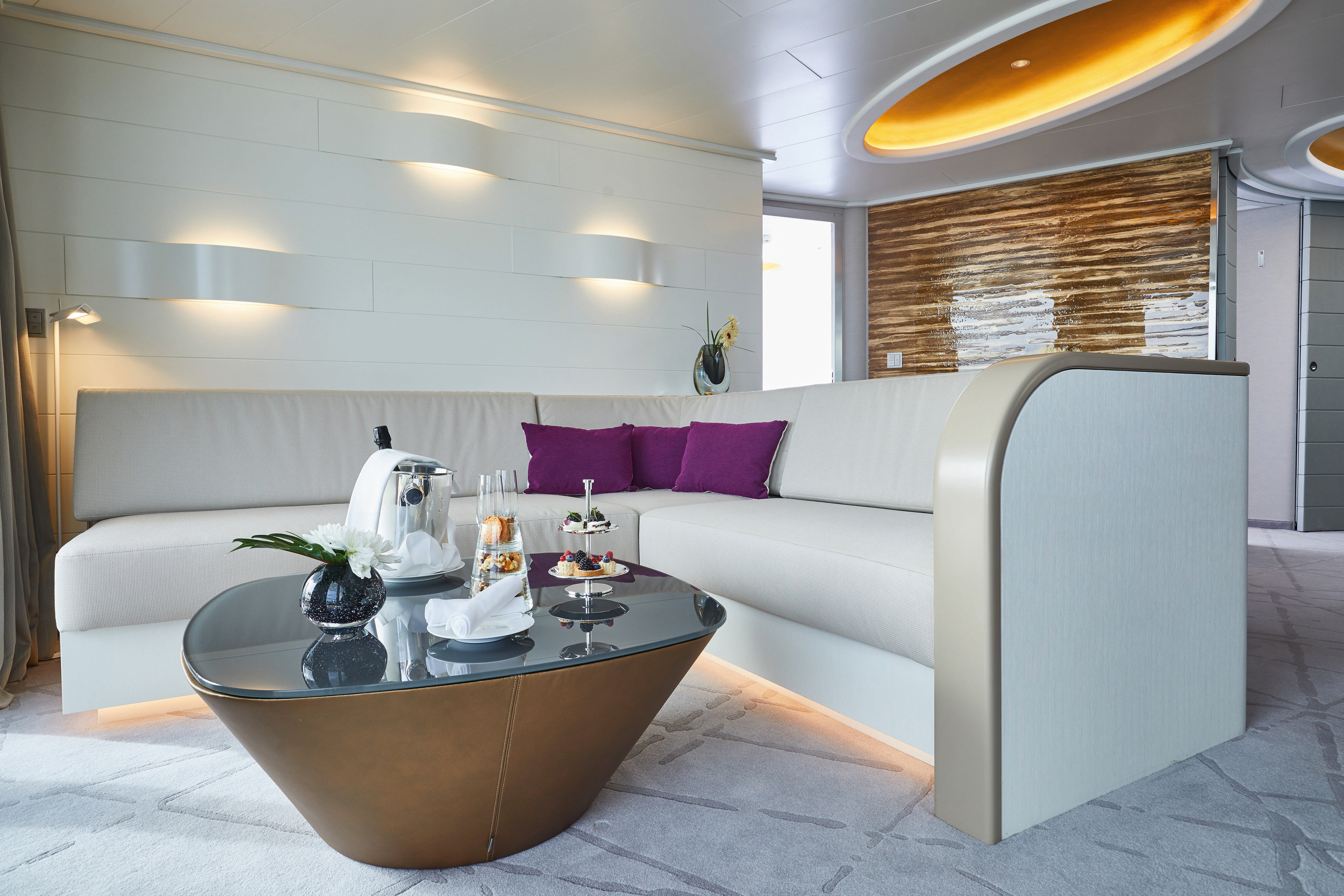
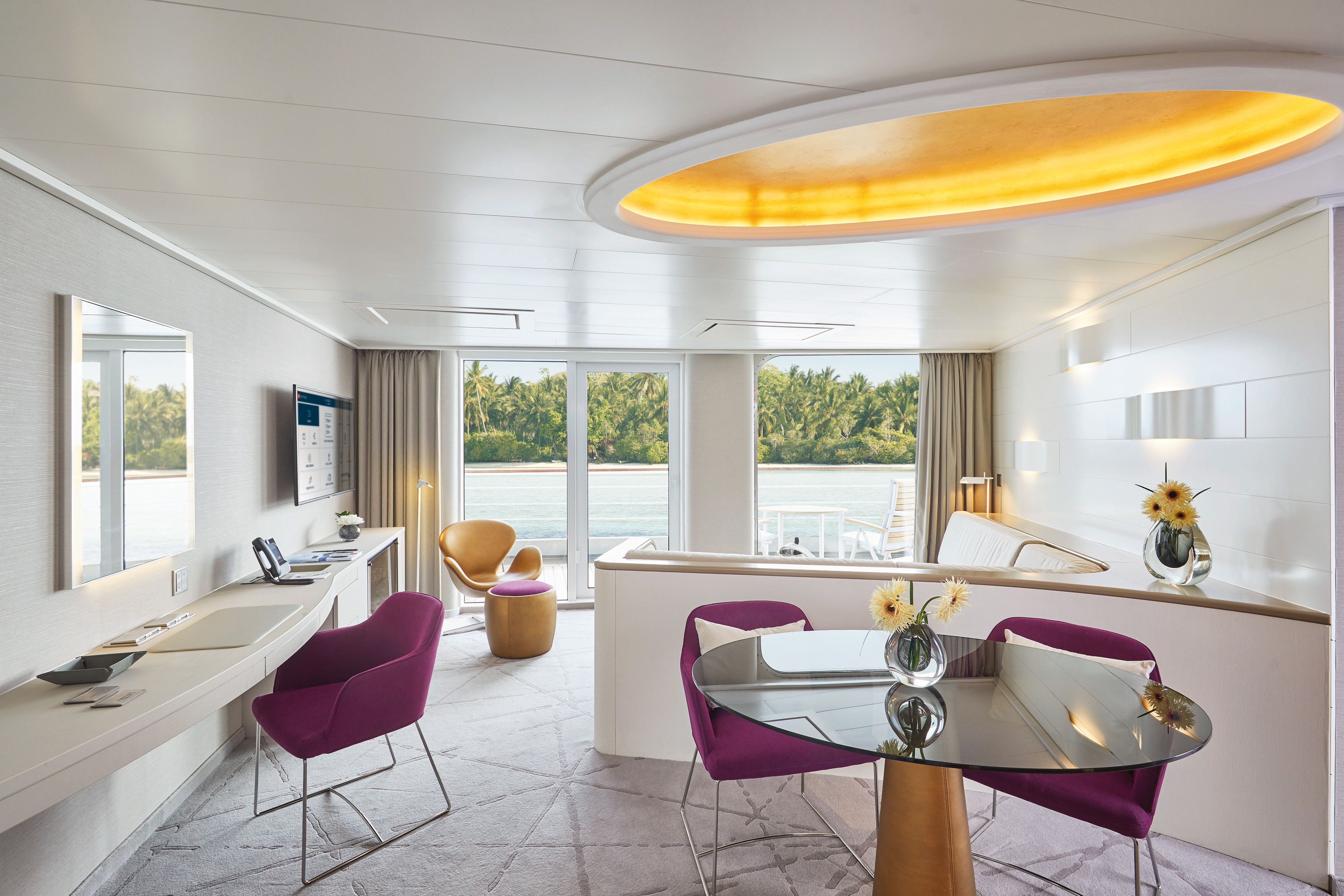
- Separate living/sleeping area
- Separate dining area
- Sleeping area with panoramic view
- Separable beds
- TV in living and sleeping areas
- Bathroom with two sinks and rain shower
- Separate toilet
- Steam sauna in shower area
- Heated wall in bathroom (e.g. for towels and wet parkas)
- Free mini bar
- Coffee machine
- Extensive infotainment with live broadcast and recordings of expert presentations, forward-view camera, navigation chart, films and much more
- Binoculars in the cabin
- Nordic walking poles
- 24-hour cabin service
- Table reservation in main restaurant (applies to the PLATINUM fare)
- Butler service
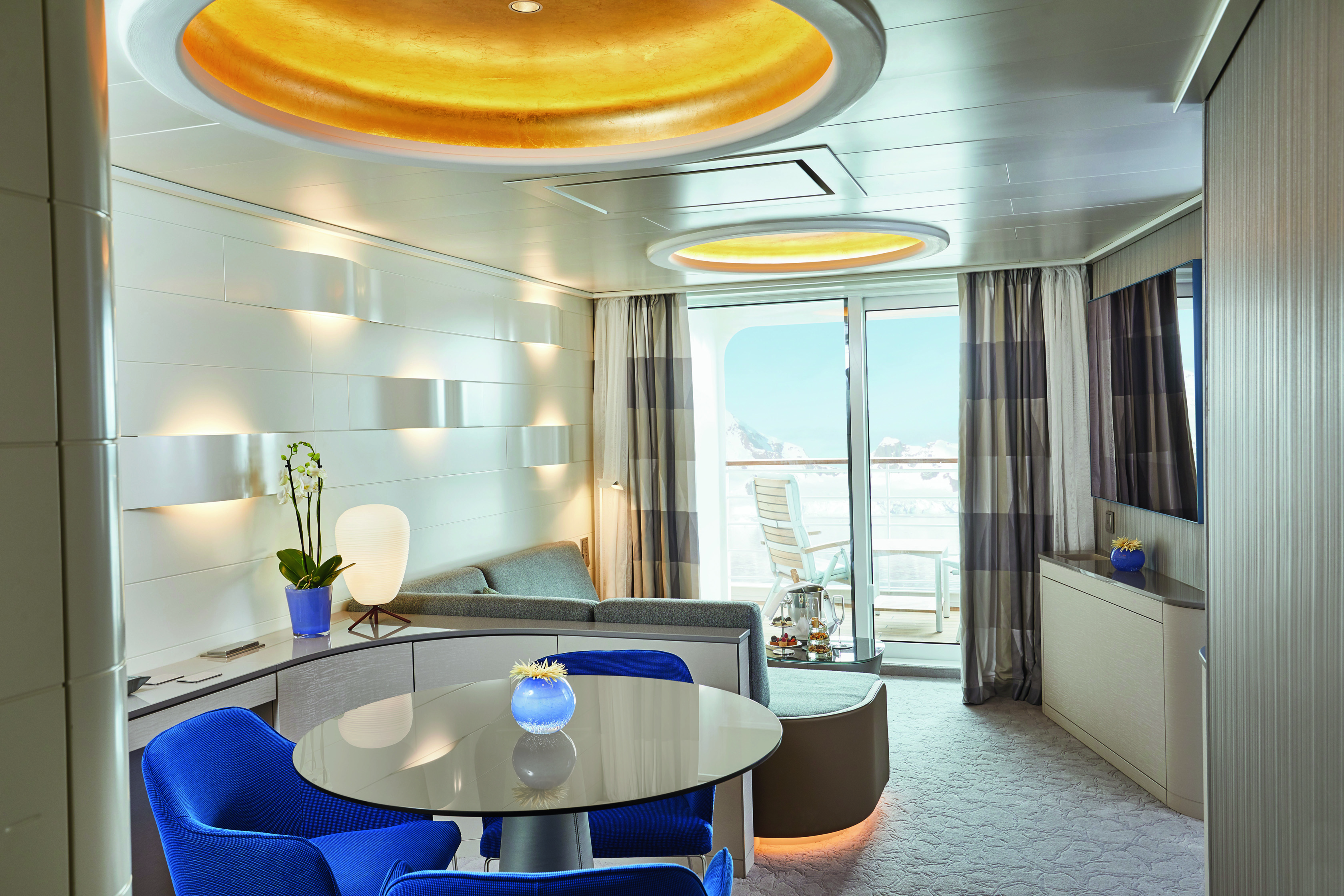
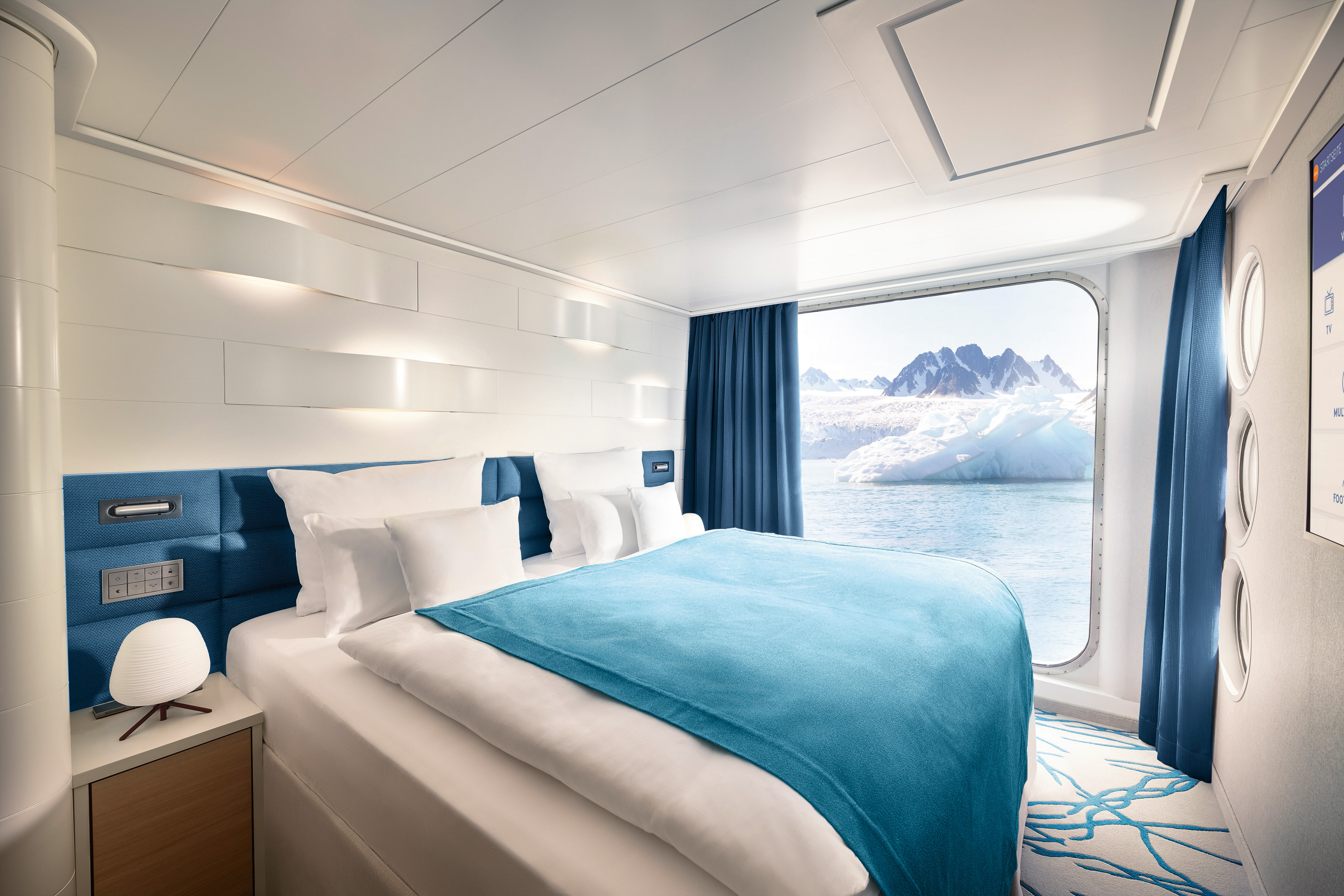
- Heated wall in the bathroom (e. g. for towels and wet parkas)
- Rain shower
- Free mini bar (soft drinks)
- Coffee machine
- Separable beds
- Extensive infotainment with live broadcast and recordings of expert presentations, forward-view camera, navigation chart, films and much more
- Binoculars
- Nordic Walking poles
- 24-hour cabin service
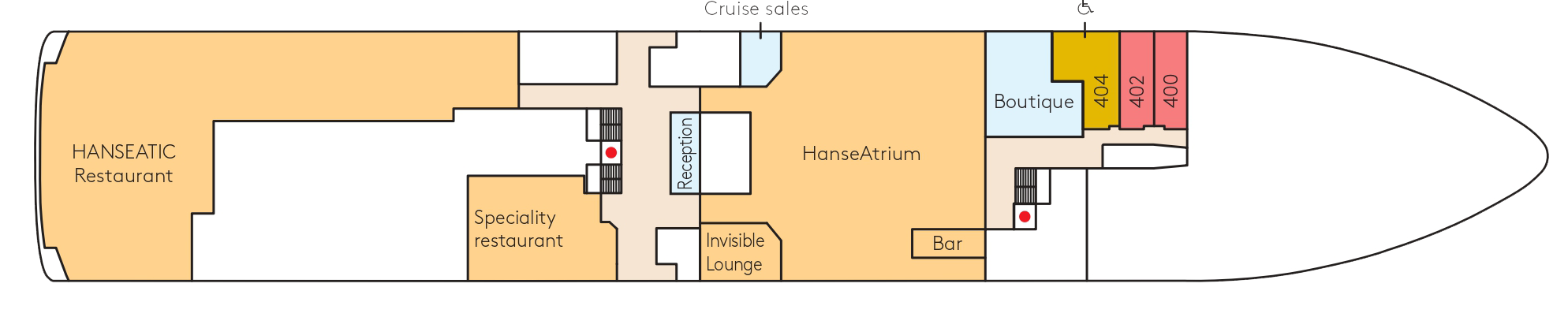
- There is one cabin with fully accessible layout and equipment (cabin 404)
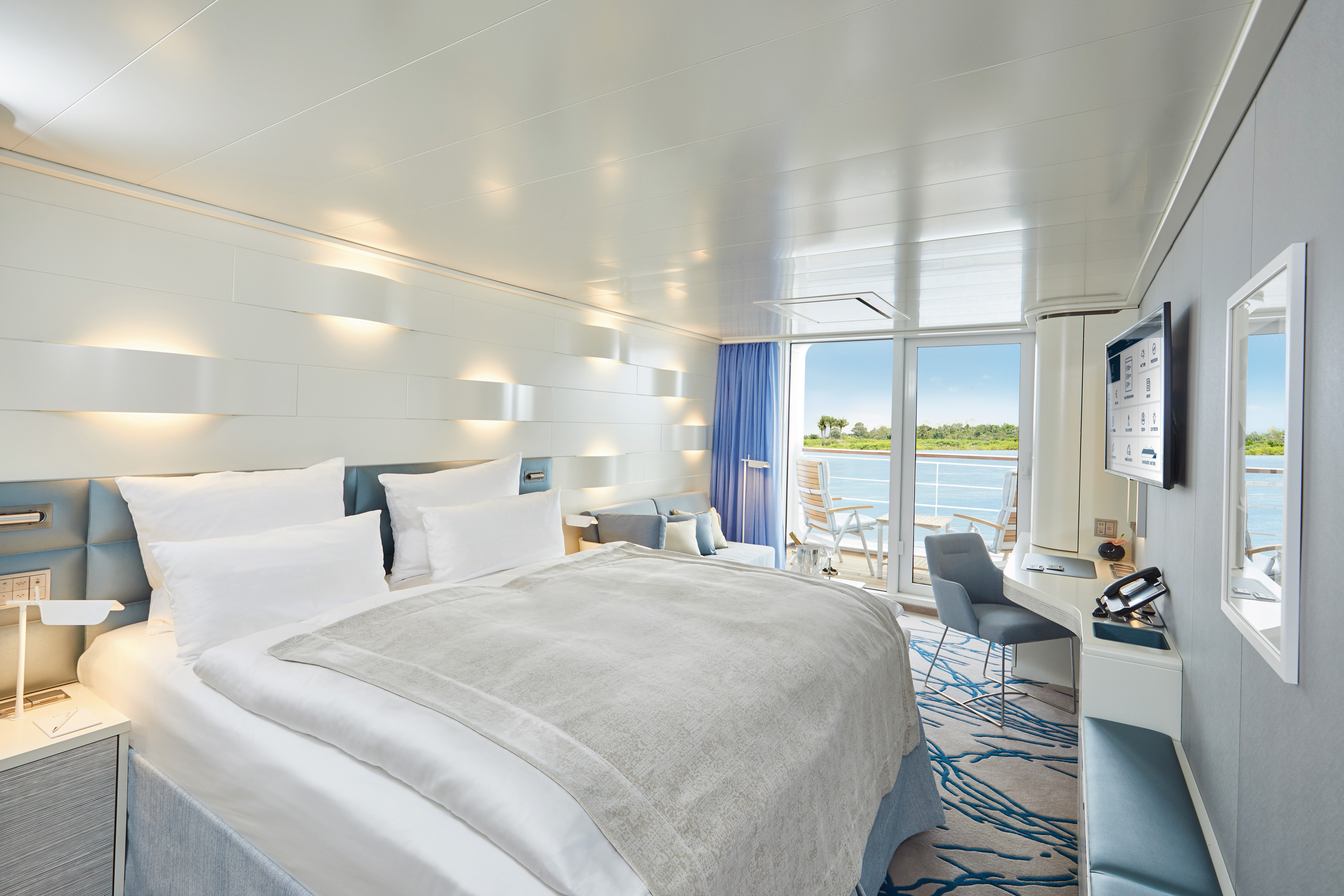
- Heated wall in the bathroom (e. g. for towels and wet parkas)
- Rain shower
- Free mini bar (soft drinks)
- Coffee machine
- Separable beds
- Extensive infotainment with live broadcast and recordings of expert presentations, forward-view camera, navigation chart, films and much more
- Binoculars
- Nordic Walking poles
- 24-hour cabin service
- There is one cabin with fully accessible layout and equipment (cabin 404)
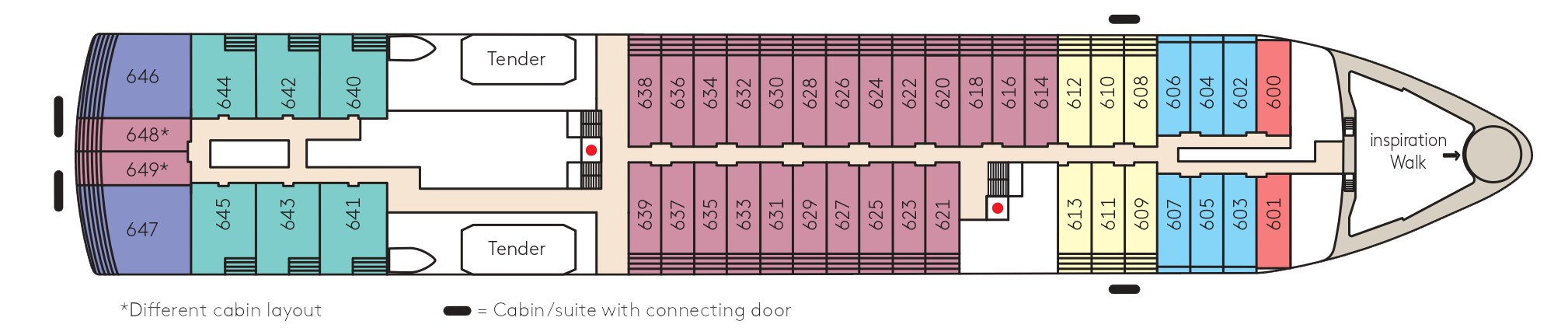
The French Balcony Cabins in Category 3 on Deck 6 are approximately 23 m²/248 ft² in size, and those in Category 5 on Deck 7 approximately 21 m²/226 ft². The Balcony Cabins at the stern have a slightly different floor plan.
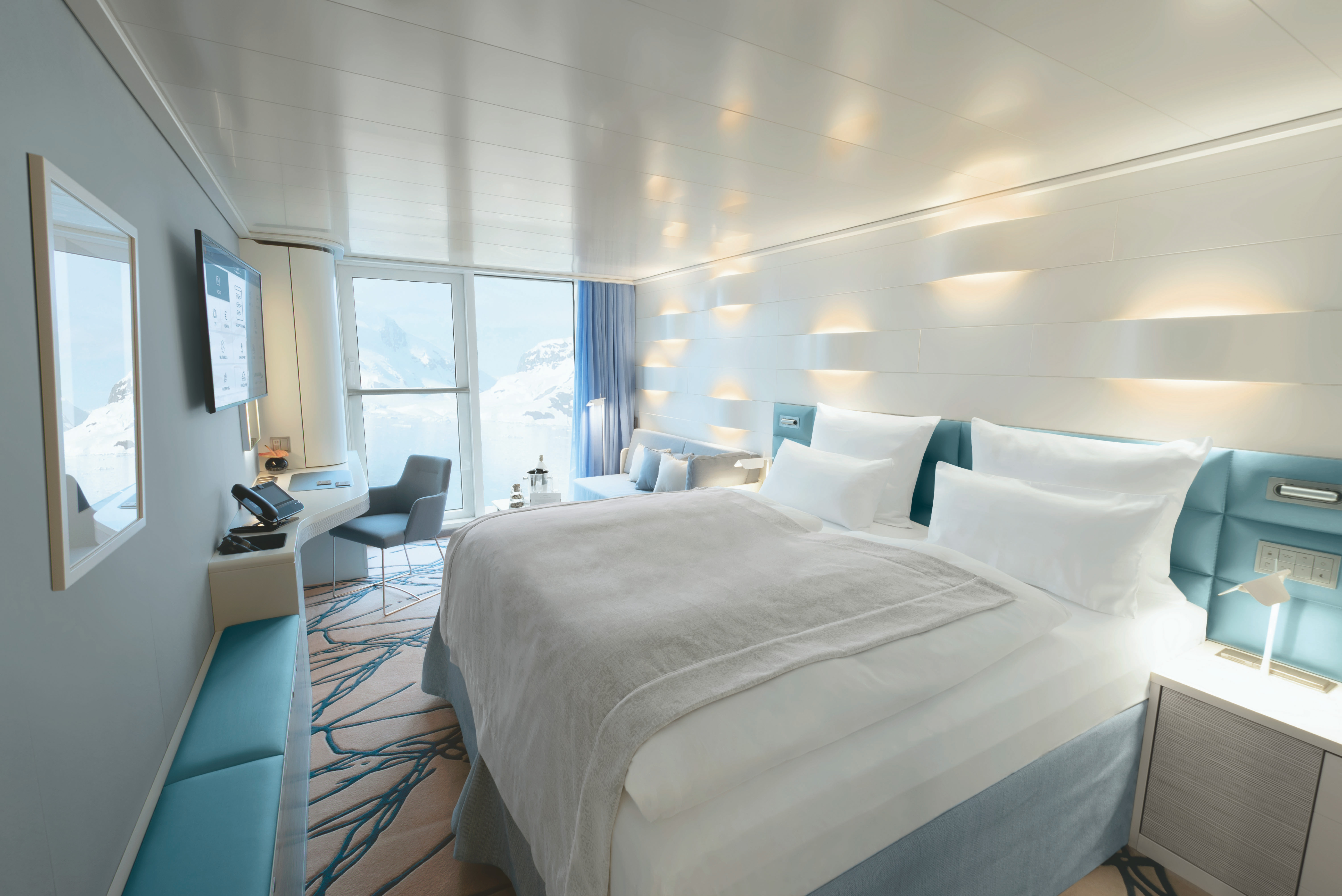
- Heated wall in the bathroom (e. g. for towels and wet parkas)
- Rain shower
- Free mini bar (soft drinks)
- Coffee machine
- Separable beds
- Extensive infotainment with live broadcast and recordings of expert presentations, forward-view camera, navigation chart, films and much more
- Binoculars
- Nordic Walking poles
- 24-hour cabin service
- There is one cabin with fully accessible layout and equipment (cabin 404)
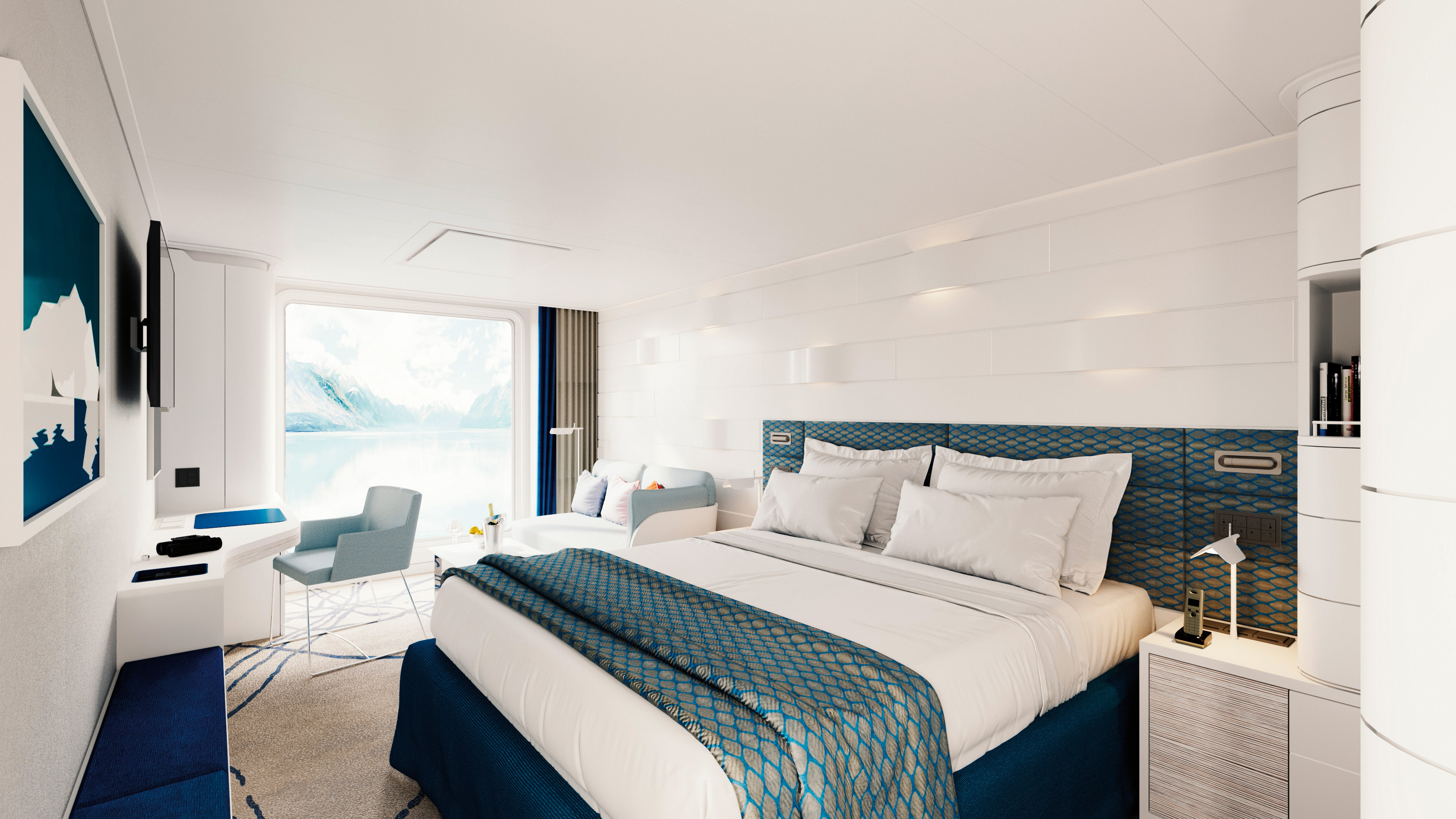
- Heated wall in the bathroom (e. g. for towels and wet parkas)
- Rain shower
- Free mini bar (soft drinks)
- Coffee machine
- Separable beds
- Extensive infotainment with live broadcast and recordings of expert presentations, forward-view camera, navigation chart, films and much more
- Binoculars
- Nordic Walking poles
- 24-hour cabin service
- There is one cabin with fully accessible layout and equipment (cabin 404)
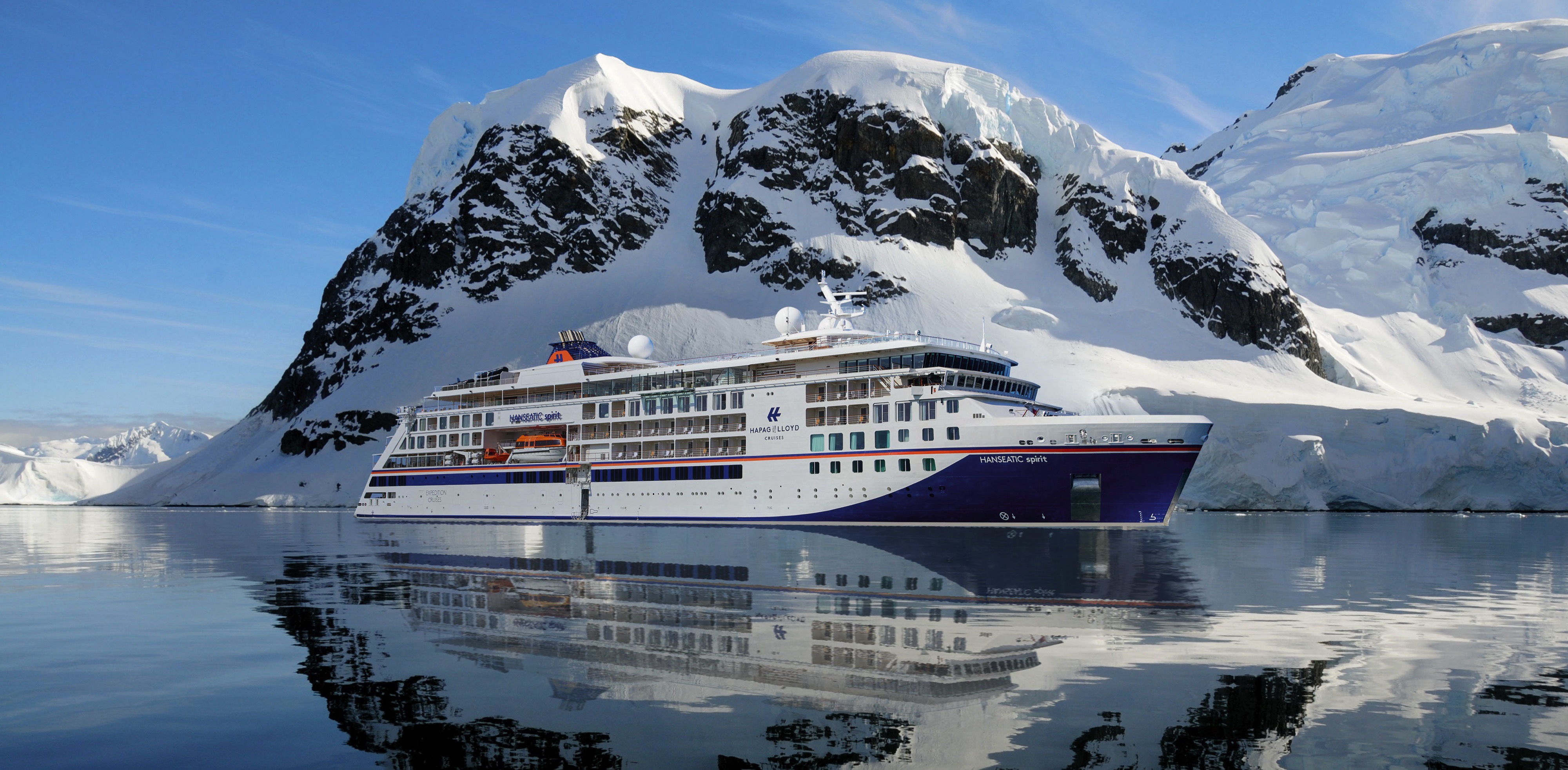
HANSEATIC spirit
Each of our expeditions is a work of art. Passionately conceived, masterfully realised. A portrait of the world in which there is always something new to discover. And our small, state-of-the-art expedition ships HANSEATIC nature, HANSEATIC inspiration and HANSEATIC spirit (max. 230 guests) are the very best studio where such artistic masterpieces are created. Worlds both faraway and nearby. Ice and tropics. Wildlife paradise or cultural treasure. For every explorer, we offer the right journey of discovery. More than 30 years of experience as the market leader in German-speaking countries.
Ship Facts
| Launch Year | 2019 | ||||||
| Refit Year | |||||||
| Language | de+en | ||||||
| Gross Tonnage | 15650 | ||||||
| Length | 138 | ||||||
| Width | 22 | ||||||
| Currency | EUR | ||||||
| Speed | 16 | ||||||
| Capacity | 230 | ||||||
| Crew Count | 175 | ||||||
| Deck Count | 7 | ||||||
| Cabin Count | 127 | ||||||
| Large Cabin Count | N/A | ||||||
| Wheelchair Cabin Count | N/A | ||||||
| Electrical Plugs |
|
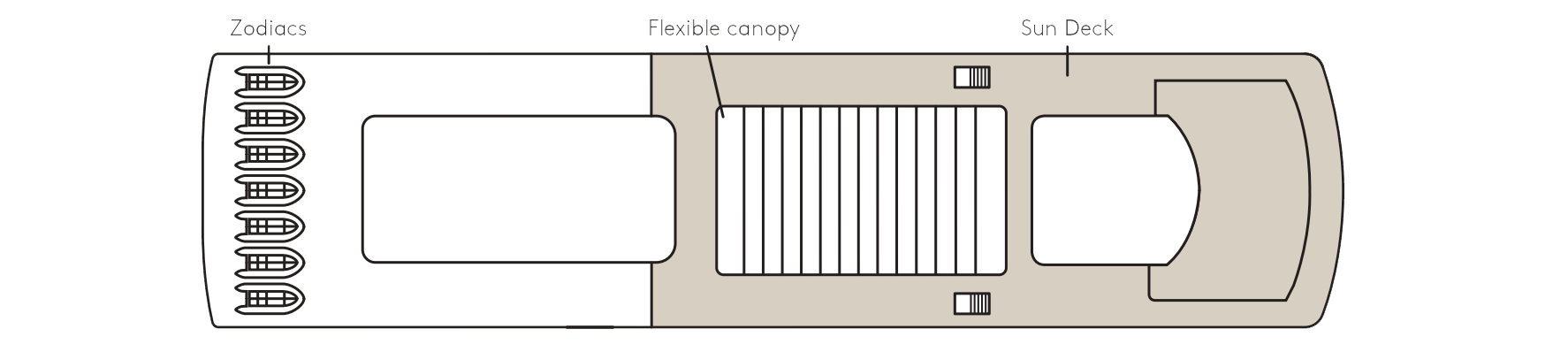
Deck 9
- Zodiacs
- Flexible canopy
- Sun Deck
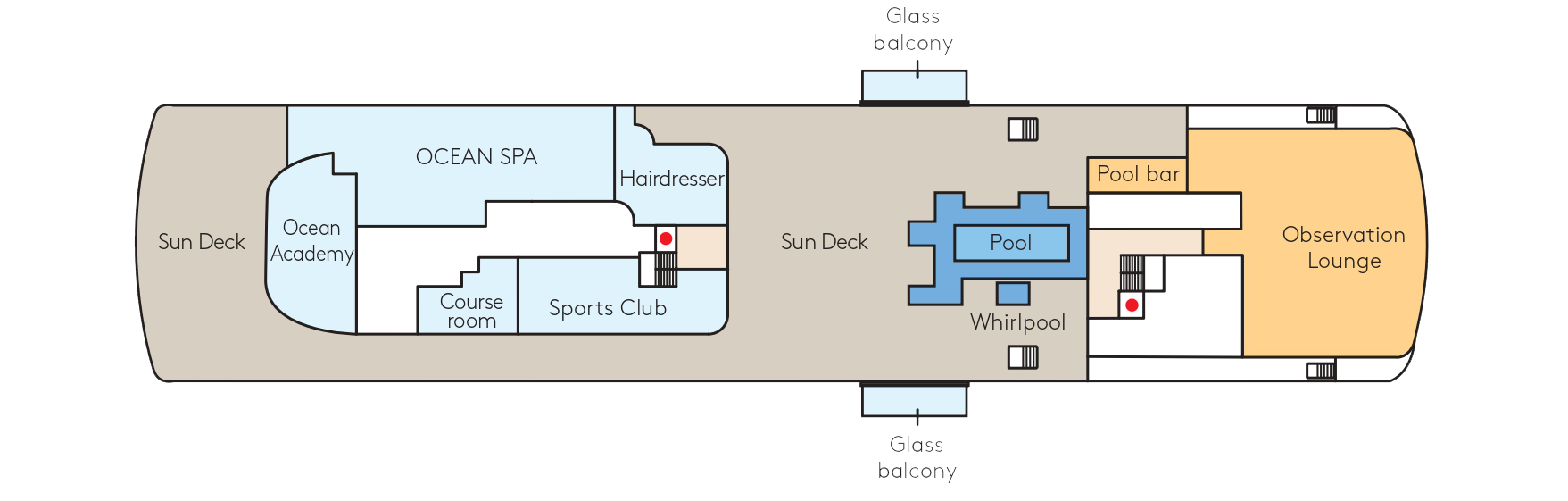
Deck 8
- Sun Deck
- Ocean Academy
- OCEAN SPA
- Course room
- Sports Club
- Hairdresser
- Pool
- Whirlpool
- Glass Balcony
- Pool bar
- Observation Lounge
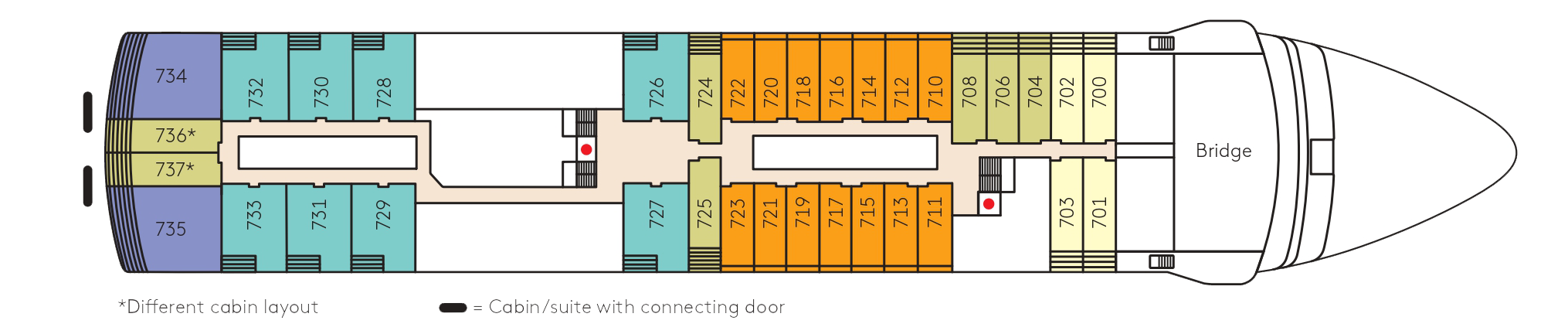
Deck 7
- Bridge
- Veranda Suite or Ocean Suite
- Penthouse Suite
Deck 6
- Tenders
- Inspiration Walk
- Veranda Suite or Ocean Suite
- Grand Ocean Suite
- Penthouse Suite
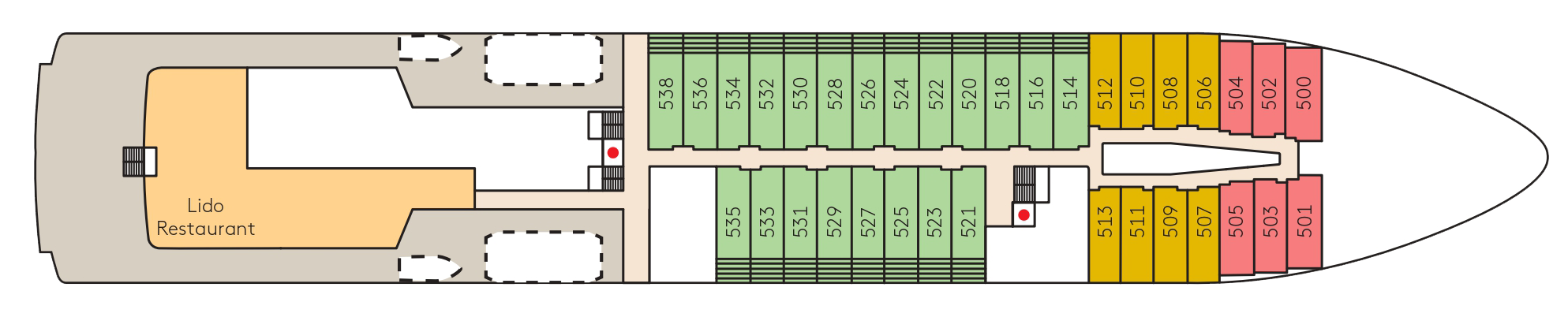
Deck 5
- Lido Restaurant
- Grand Penthouse Suite
- Penthouse Suite
- Veranda Suite or Ocean Suite
Deck 4
- HANSEATIC Restaurant
- Nikkei
- Reception
- Cruise Sales
- HanseAtrium & Bar
- Boutique
- Penthouse Suite
- Veranda Suite or Ocean Suite
Deck 3
- Changing room
- Hospital
- Marina

A new kind of freedom between adventure and pleasure
Come with us on a culinary voyage of discovery around the globe: on board, three spacious first-class restaurants create a unique and indulgent combination of expedition spirit with international gourmet cuisine. Spend your days and evenings however you wish thanks to flexible mealtimes, a free choice of seating and attentive 24-hour cabin service.
HANSEATIC Restaurant
The spacious HANSEATIC Restaurant of the new expedition class redefines on-board cuisine. From breakfast to dinner, experience our endless variety of creative cuisine at any time of day. Where your ship drops anchor, our top chefs will look to local specialities and conjure up for your plate the aromas of South Africa, the far north, or Europe. Daily changing menus will send your taste buds on a global tour of discovery – accompanied by a selection of wines to suit every palate.
L'esprit
The l'esprit on the HANSEATIC spirit celebrates the spirit of French cuisine. A tribute to culinary expertise and Mediterranean lightness.
Lido Restaurant
Expeditions bring you particularly close to the elements. The same applies to our Lido Restaurant. Have breakfast under an open sky, or enjoy a juicy steak cooked to perfection on the large outdoor barbecue – garnished with breathtaking panoramic views. Watch our gourmet chefs at work in the open show kitchen or head straight to the ice cream station for dessert. And why not? After all, the daily grind is far away.
That special touch
Land on a secluded island in a Zodiac and enjoy barbecued fish and chilled drinks with your feet in the sand. Or celebrate with a glass of champagne against a stunning icy backdrop. Our service and ingenuity continue ashore – with a barbecue on the beach, a reception in the ice or exotic delicacies in the depths of the rainforest. This is the feeling of true expedition. This is the taste of true delight.
A glass of wine in your hand and the magnificent jungle, the captivating wilderness of Nordic fjords or the icy panoramas of the Antarctic directly before you – the perfect end to a day of expeditions. From classic whiskys to fancy aperitif creations, the superbly equipped bars in the Observation Lounge and HanseAtrium serve your favourite drinks as you watch the sun go down. Welcome to the small club of great explorers.
Glass Balconies
The glass balcony beneath your feet allows you to hover above the water and reveals the endless expanse and beauty of the ocean. Watch whales and large porpoises as they follow the ship, thrilling you as they leap and swim. Being so close to creation is an indescribable feeling.
Inspiration Walk
The deck tour at the bow offers extraordinarily intensive experiences: when whales jump for joy and polar bears take an icy bath, you will be the first to see these fascinating natural spectacles.
Observation Lounge & Library
Stroll the spacious decks and feel the stars almost within reach – the terraced Observation Deck with a panoramic view is but one place to fulfil your dream. You can also quench your thirst for adventure in the comfortable surroundings of the Observation Lounge. The large full-glass windows provide a 180-degree view of the moon and sea while you reflect on your unforgettable travel days over a glass of wine.
Library
You are welcome to borrow a book on board at any time. Our library is located in the Observation Lounge (Deck 8) and is stocked with a selection of the latest fiction books, travel literature and information about the cruising area.
Invisible Lounge
Located on Deck 4.
Reception
Post
The Reception staff will post your postcards and letters from all ports where this facility is available. Your onboard account will be debited with the appropriate charges.
Announcements
To create the full expedition experience, commentaries are provided for interesting passages during the cruise and special animal sightings are reported. The ship’s position is reported in the morning on days at sea. We will also announce via the loudspeakers when the local authorities have cleared the ship and we can go ashore. The volume can be controlled individually in each cabin/suite.
Means of payment
The on-board currency is the euro. An account will be set up for you so that you can make cashless payments during the cruise. You can find out your current account balance at any time using the infotainment system in your cabin/suite. You can then settle the entire account at Reception at the end of your cruise. We accept German EC/Maestro cards and the following credit cards: Mastercard, American Express and Visa. You can also pay in cash. Please note that, in general, foreign currencies cannot be changed on board.
reception@hanseatic-nature.com
HanseAtrium
the superbly equipped bars in the Observation Lounge and HanseAtrium serve your favourite drinks as you watch the sun go down. Welcome to the small club of great explorers.