Crowning Ancient Cultures
Crowning Ancient Cultures
Cruise overview
WHY BOOK WITH US?
- ✔ The Deluxe Cruises’ team has extensive experience in ultra-luxury cruising.
- ✔ Call now to speak to our helpful and experienced Cruise Concierge team.
- ✔ Enjoy our Unique Deluxe Cruises Bonus for substantial savings.
- ✔ Our team will tailor your holiday to your exacting requirements.
- ✔ As agents, we work under the protection of each cruise lines ABTA / ATOL licences
About Southampton
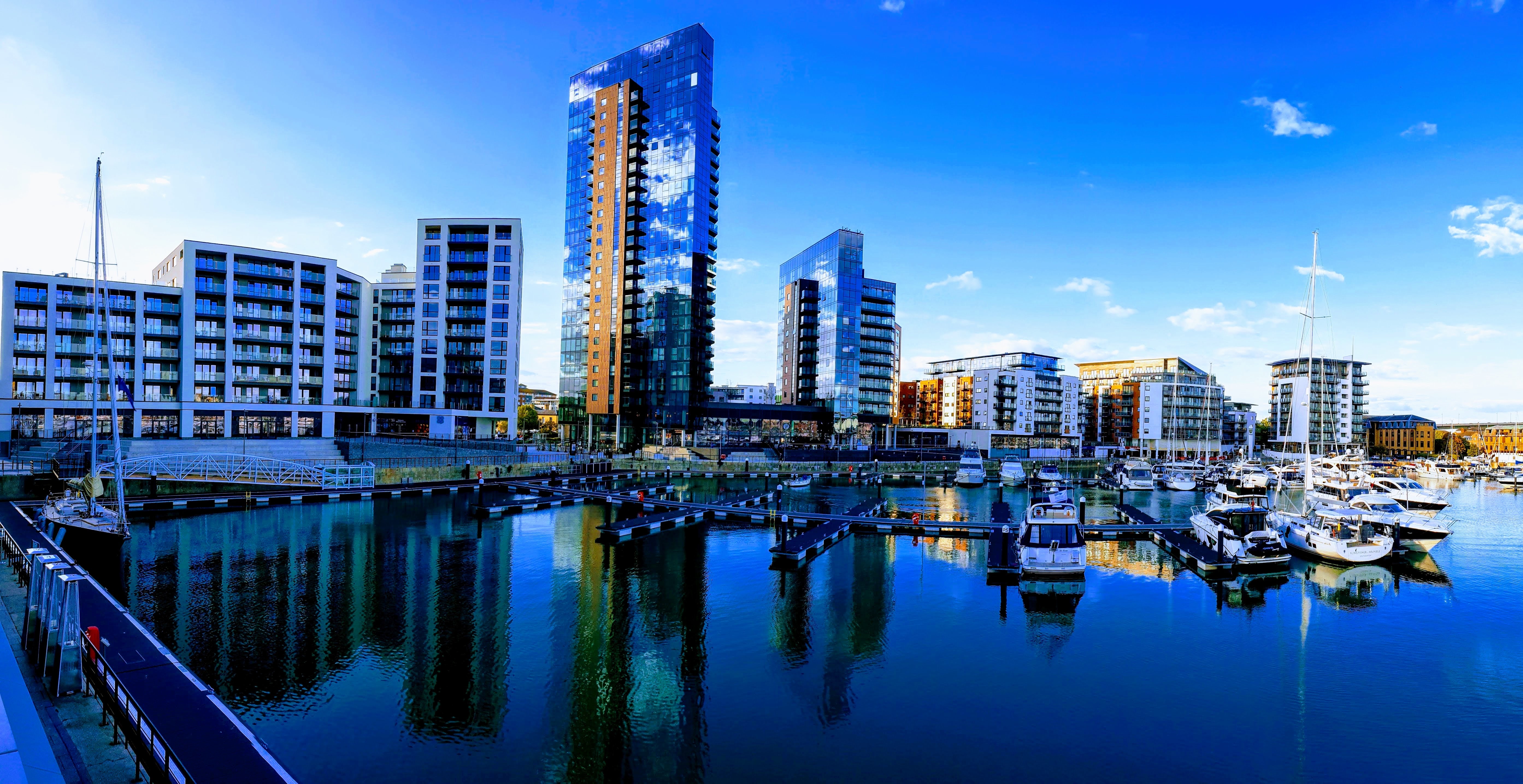
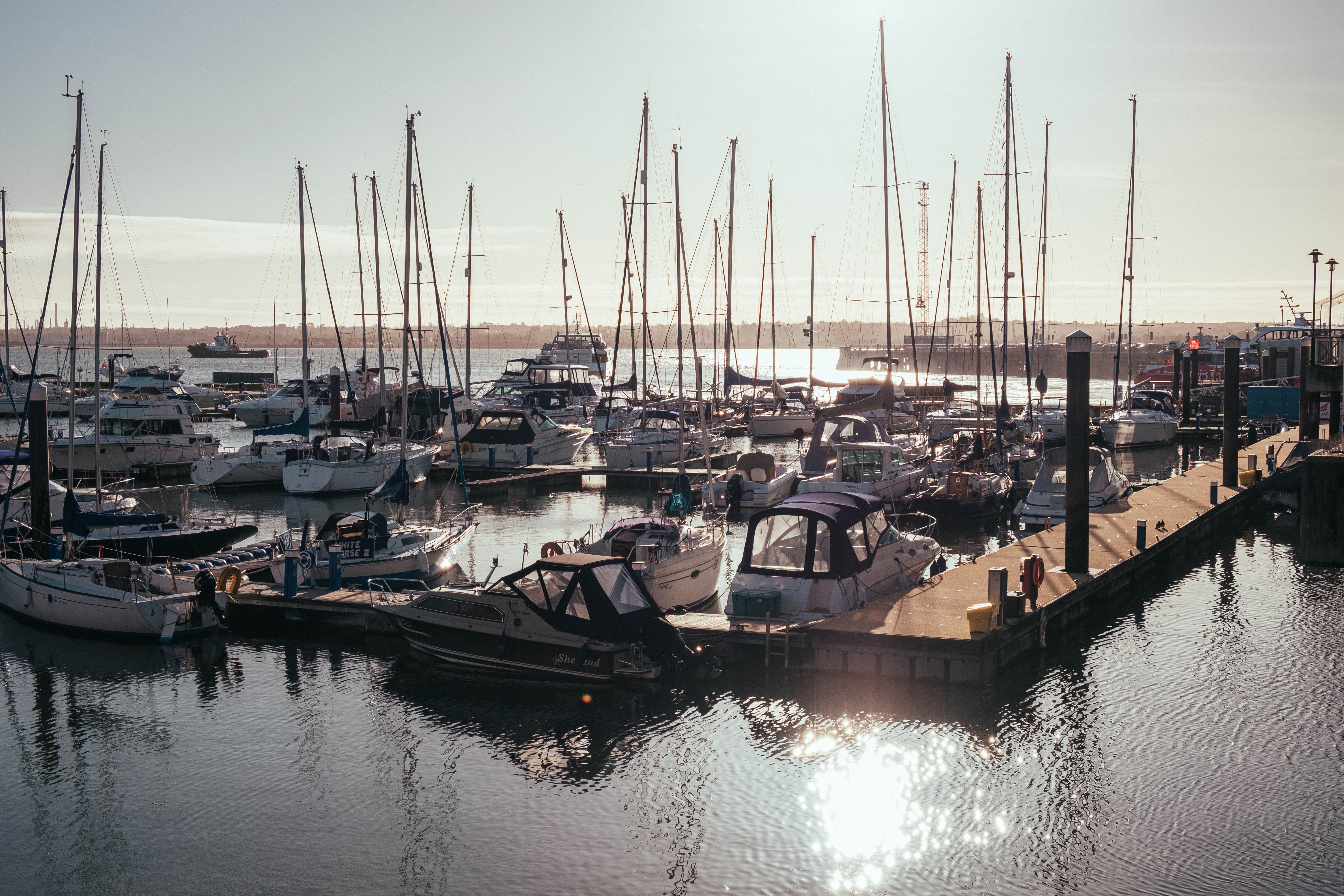
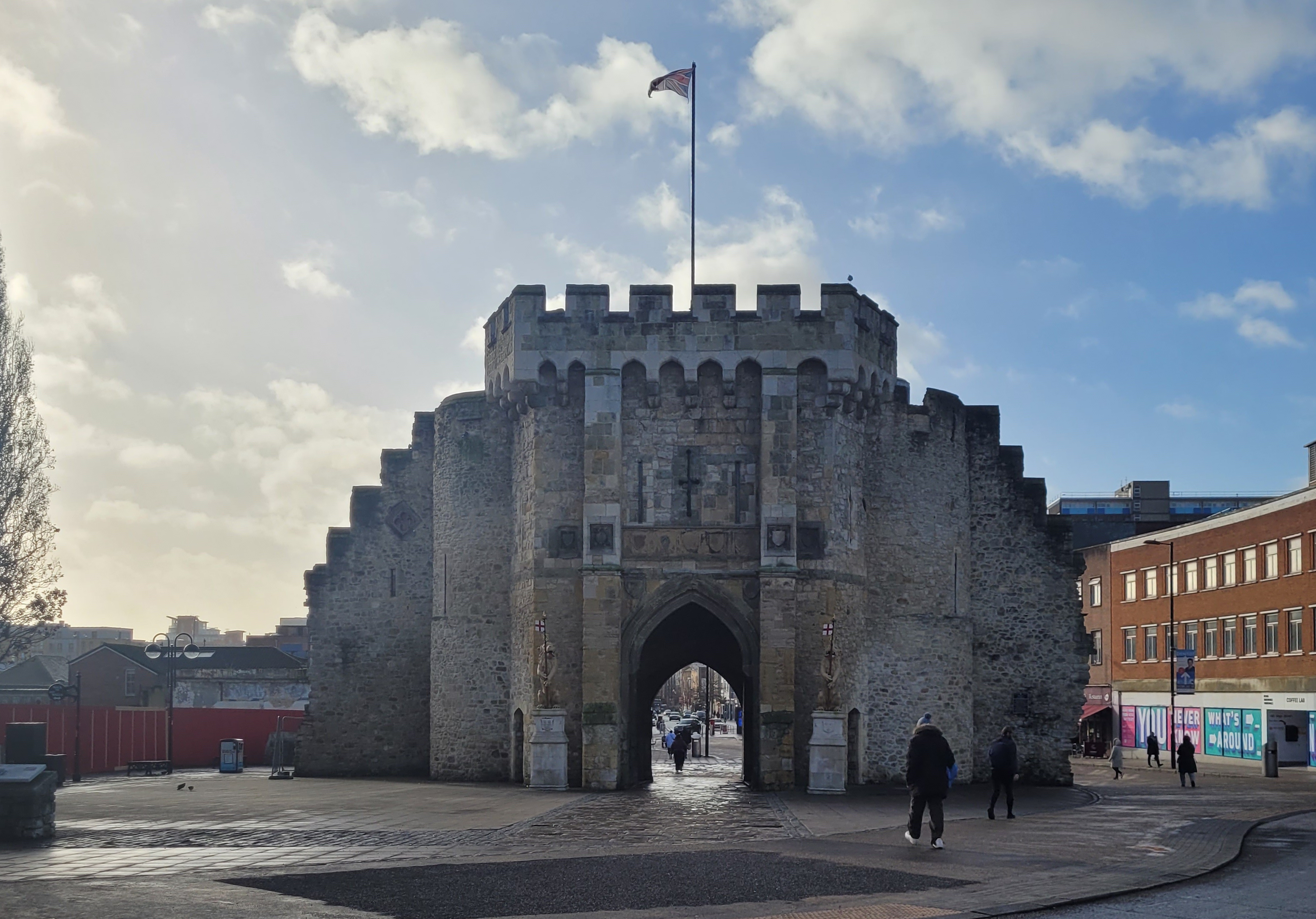
Lying near the head of Southampton Water, a peninsula between the estuaries of the Rivers Test and Itchen, Southampton is Britain’s largest cruise port. It has been one of England’s major ports since the Middle Ages, when it exported wool and hides from the hinterland and imported wine from Bordeaux. The city suffered heavy damage during World War Two and as a result the centre has been extensively rebuilt, but there are still some interesting medieval buildings including the Bargate, one of the finest city gatehouses in England.
About La Rochelle
About Bordeaux
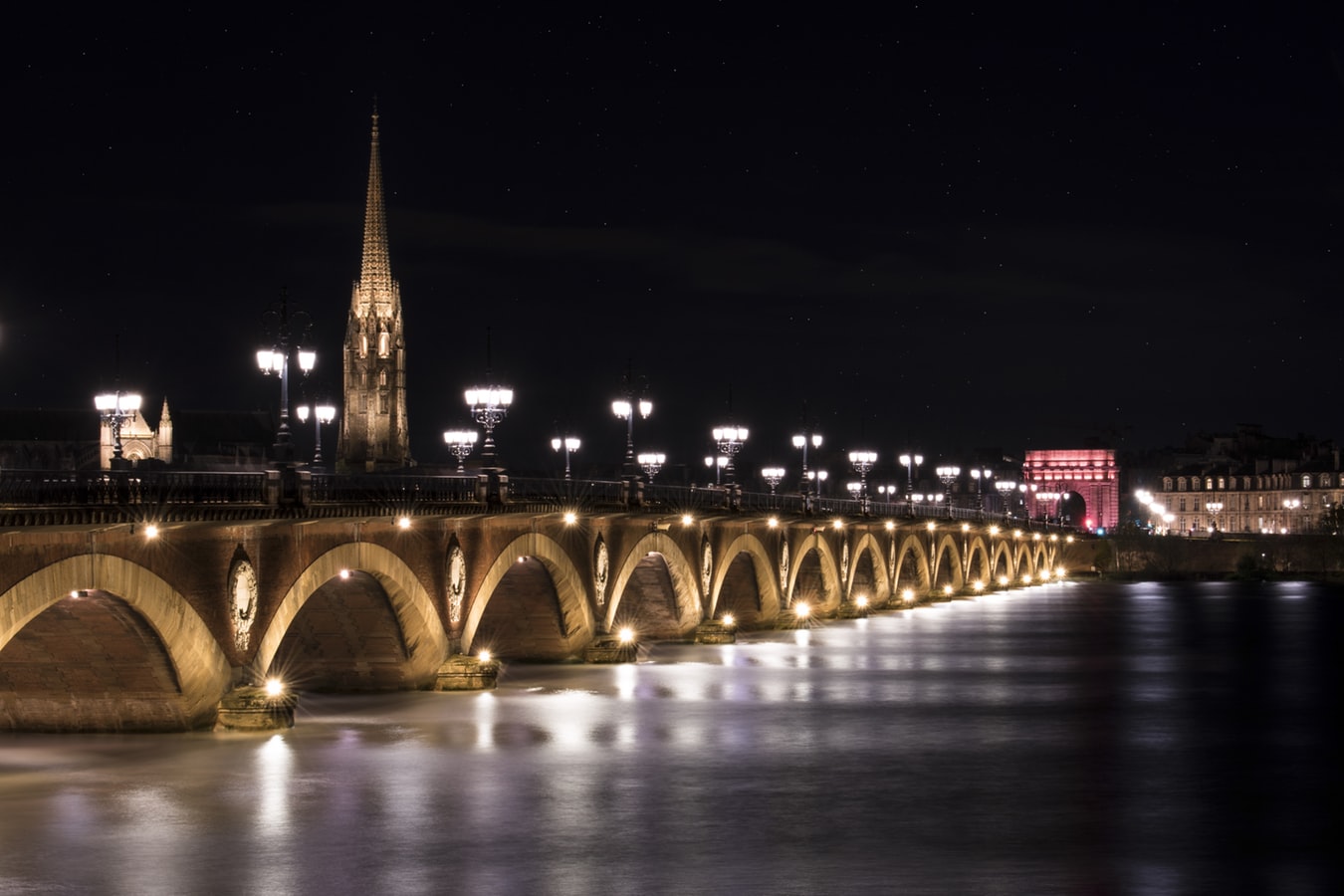
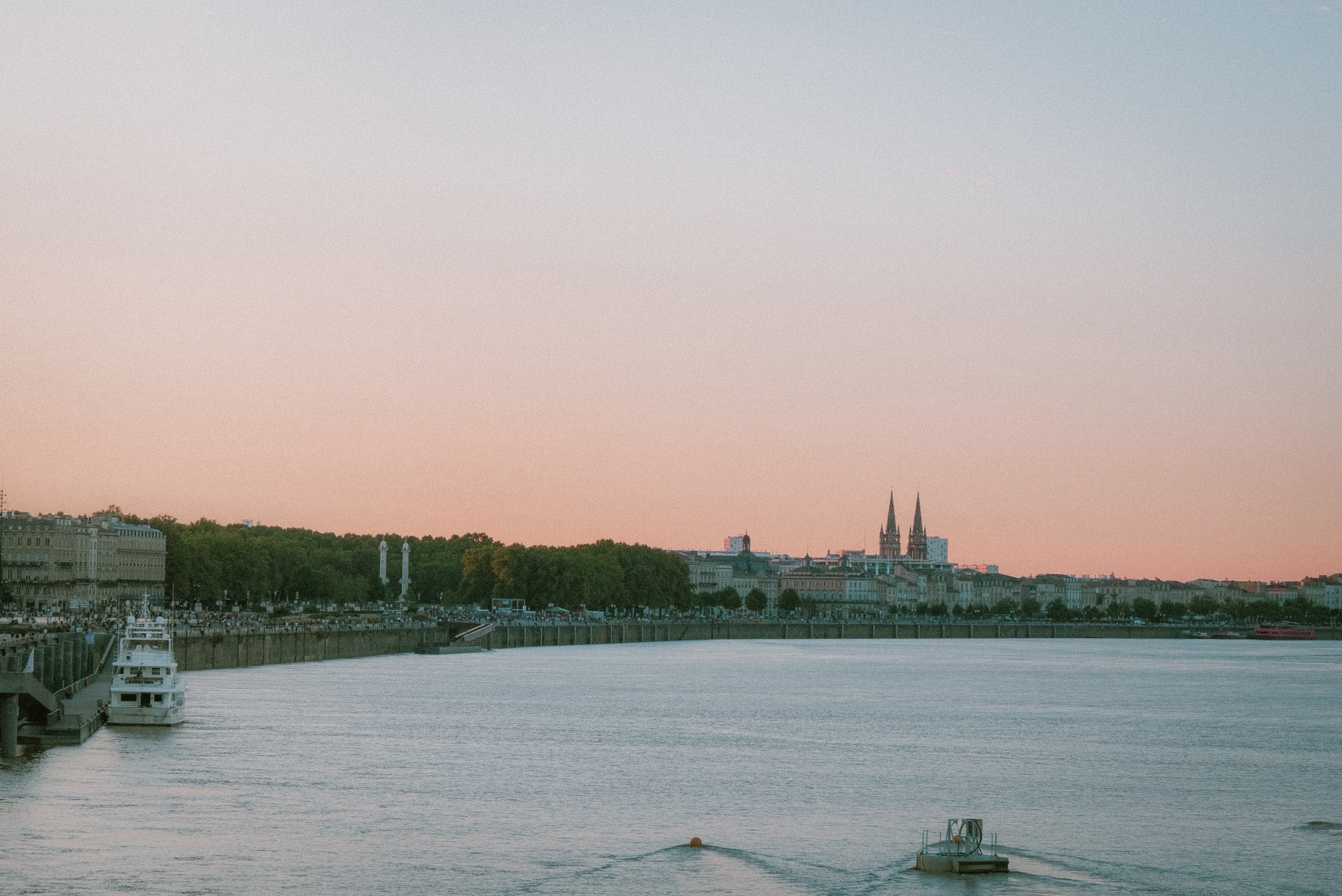
Bordeaux as a whole, rather than any particular points within it, is what you'll want to visit in order to understand why Victor Hugo described it as Versailles plus Antwerp, and why the painter Francisco de Goya, when exiled from his native Spain, chose it as his last home (he died here in 1828). The capital of southwest France and the region's largest city, Bordeaux remains synonymous with the wine trade: wine shippers have long maintained their headquarters along the banks of the Garonne, while buyers from around the world arrive for the huge biennial Vinexpo show (held in odd-number years).Bordeaux is, admittedly, a less exuberant city than many others in France, but lively and stylish elements are making a dent in its conservative veneer. The cleaned-up riverfront is said by some, after a bottle or two, to exude an elegance reminiscent of St. Petersburg, and that aura of 18th-century élan also permeates the historic downtown sector—“le vieux Bordeaux"—where fine shops invite exploration. To the south of the city center are old docklands undergoing renewal—one train station has now been transformed into a big multiplex movie theater—but the area is still a bit shady. To get a feel for the historic port of Bordeaux, take the 90-minute boat trip that leaves Quai Louis-XVIII every weekday afternoon, or the regular passenger ferry that plies the Garonne between Quai Richelieu and the Pont d'Aquitaine in summer. A nice time to stroll around the city center is the first Sunday of the month, when it's pedestrian-only and vehicles are banned.
About Bordeaux
Bordeaux as a whole, rather than any particular points within it, is what you'll want to visit in order to understand why Victor Hugo described it as Versailles plus Antwerp, and why the painter Francisco de Goya, when exiled from his native Spain, chose it as his last home (he died here in 1828). The capital of southwest France and the region's largest city, Bordeaux remains synonymous with the wine trade: wine shippers have long maintained their headquarters along the banks of the Garonne, while buyers from around the world arrive for the huge biennial Vinexpo show (held in odd-number years).Bordeaux is, admittedly, a less exuberant city than many others in France, but lively and stylish elements are making a dent in its conservative veneer. The cleaned-up riverfront is said by some, after a bottle or two, to exude an elegance reminiscent of St. Petersburg, and that aura of 18th-century élan also permeates the historic downtown sector—“le vieux Bordeaux"—where fine shops invite exploration. To the south of the city center are old docklands undergoing renewal—one train station has now been transformed into a big multiplex movie theater—but the area is still a bit shady. To get a feel for the historic port of Bordeaux, take the 90-minute boat trip that leaves Quai Louis-XVIII every weekday afternoon, or the regular passenger ferry that plies the Garonne between Quai Richelieu and the Pont d'Aquitaine in summer. A nice time to stroll around the city center is the first Sunday of the month, when it's pedestrian-only and vehicles are banned.
About Bilbao
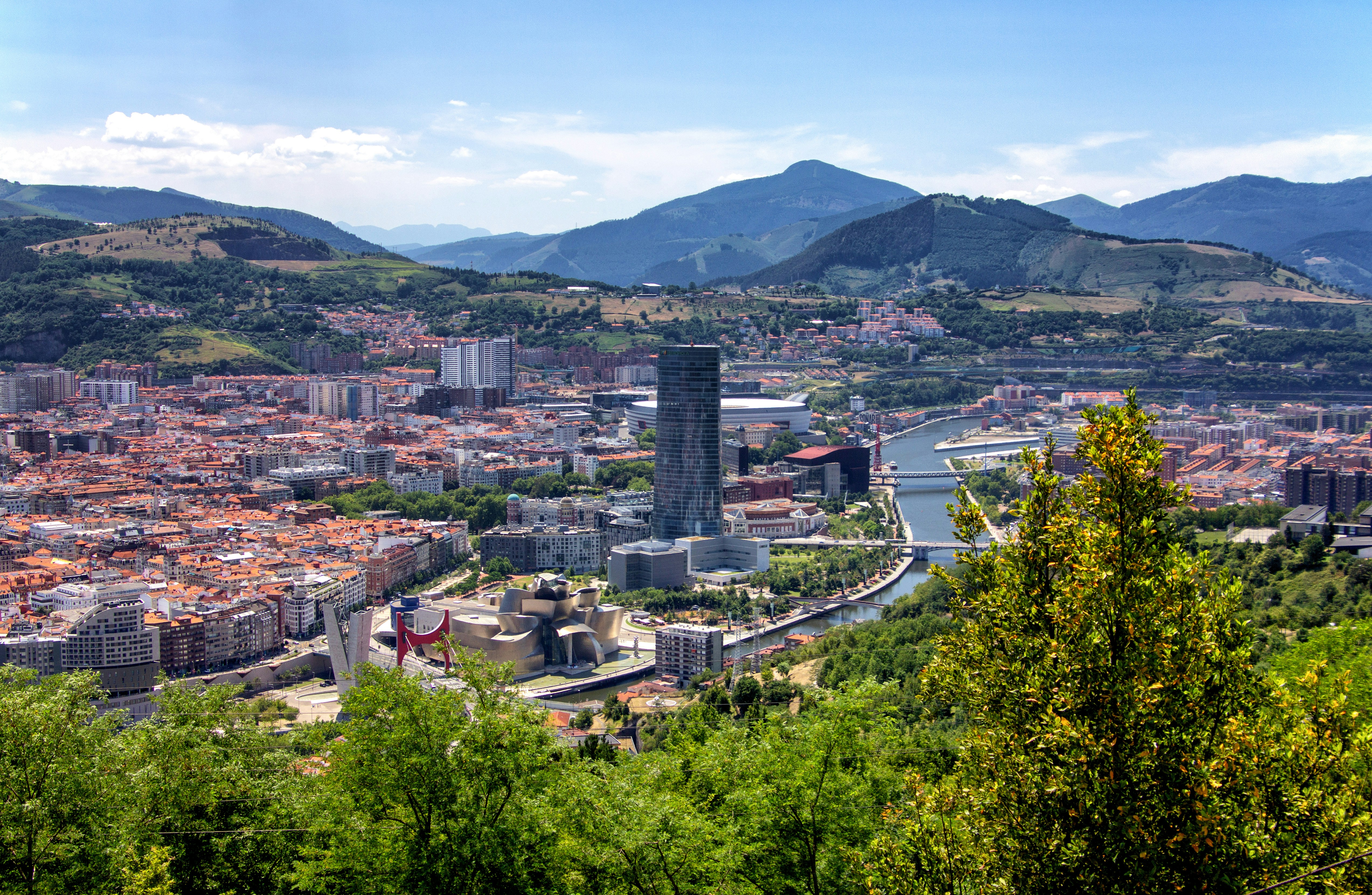
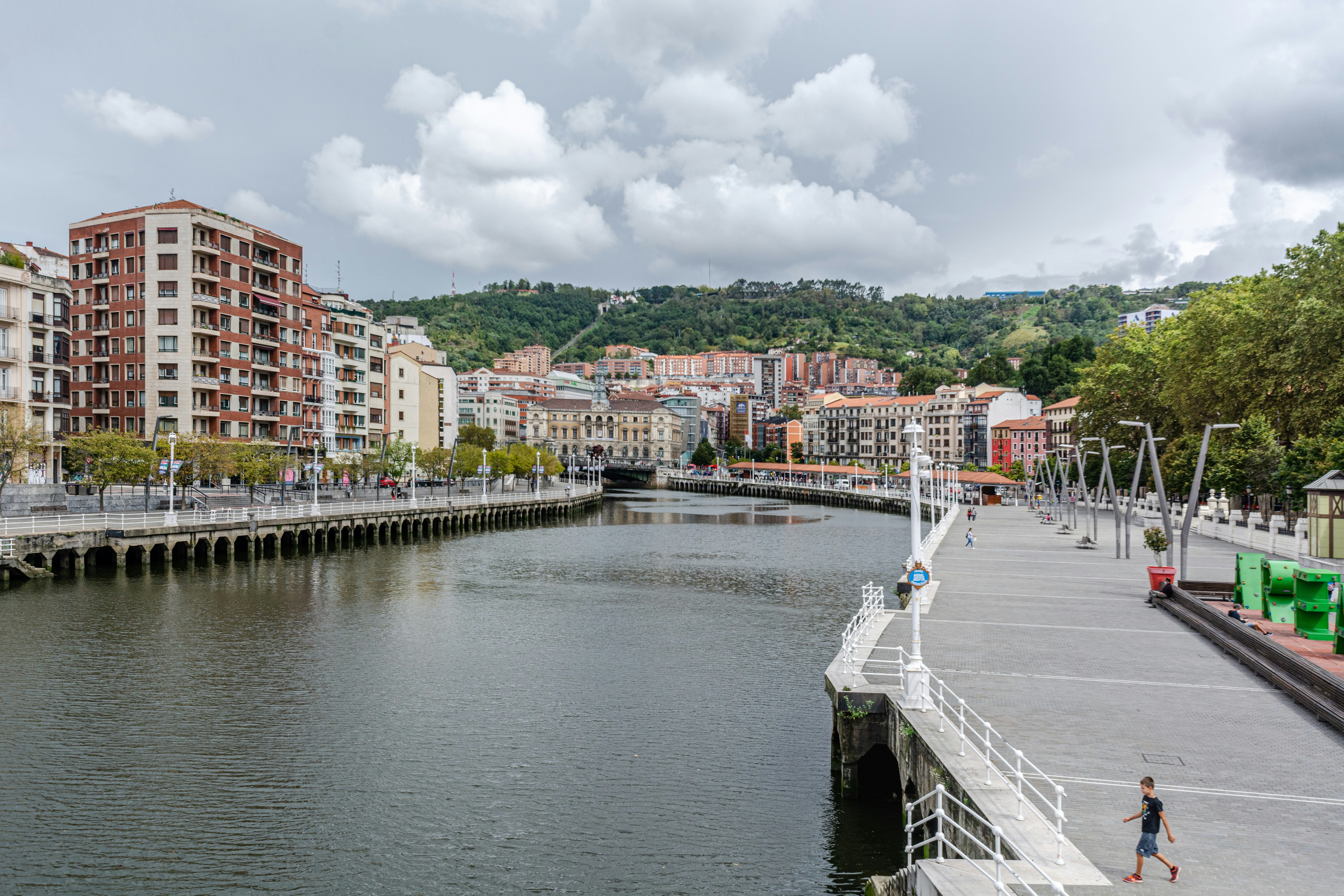
Time in Bilbao (Bilbo, in Euskera) may be recorded as BG or AG (Before Guggenheim or After Guggenheim). Never has a single monument of art and architecture so radically changed a city. Frank Gehry's stunning museum, Norman Foster's sleek subway system, the Santiago Calatrava glass footbridge and airport, the leafy César Pelli Abandoibarra park and commercial complex next to the Guggenheim, and the Philippe Starck AlhóndigaBilbao cultural center have contributed to an unprecedented cultural revolution in what was once the industry capital of the Basque Country.Greater Bilbao contains almost 1 million inhabitants, nearly half the total population of the Basque Country. Founded in 1300 by Vizcayan noble Diego López de Haro, Bilbao became an industrial center in the mid-19th century, largely because of the abundance of minerals in the surrounding hills. An affluent industrial class grew up here, as did the working class in suburbs that line the Margen Izquierda (Left Bank) of the Nervión estuary.Bilbao's new attractions get more press, but the city's old treasures still quietly line the banks of the rust-color Nervión River. The Casco Viejo (Old Quarter)—also known as Siete Calles (Seven Streets)—is a charming jumble of shops, bars, and restaurants on the river's Right Bank, near the Puente del Arenal bridge. This elegant proto-Bilbao nucleus was carefully restored after devastating floods in 1983. Throughout the Casco Viejo are ancient mansions emblazoned with family coats of arms, wooden doors, and fine ironwork balconies. The most interesting square is the 64-arch Plaza Nueva, where an outdoor market is pitched every Sunday morning.Walking the banks of the Nervión is a satisfying jaunt. After all, this was how—while out on a morning jog—Guggenheim director Thomas Krens first discovered the perfect spot for his project, nearly opposite the right bank's Deusto University. From the Palacio de Euskalduna upstream to the colossal Mercado de la Ribera, parks and green zones line the river. César Pelli's Abandoibarra project fills in the half mile between the Guggenheim and the Euskalduna bridge with a series of parks, the Deusto University library, the Meliá Bilbao Hotel, and a major shopping center.On the left bank, the wide, late-19th-century boulevards of the Ensanche neighborhood, such as Gran Vía (the main shopping artery) and Alameda de Mazarredo, are the city's more formal face. Bilbao's cultural institutions include, along with the Guggenheim, a major museum of fine arts (the Museo de Bellas Artes) and an opera society (Asociación Bilbaína de Amigos de la Ópera, or ABAO) with 7,000 members from Spain and southern France. In addition, epicureans have long ranked Bilbao's culinary offerings among the best in Spain. Don't miss a chance to ride the trolley line, the Euskotram, for a trip along the river from Atxuri Station to Basurto's San Mamés soccer stadium, reverently dubbed "la Catedral del Fútbol" (the Cathedral of Football).
About Gijón
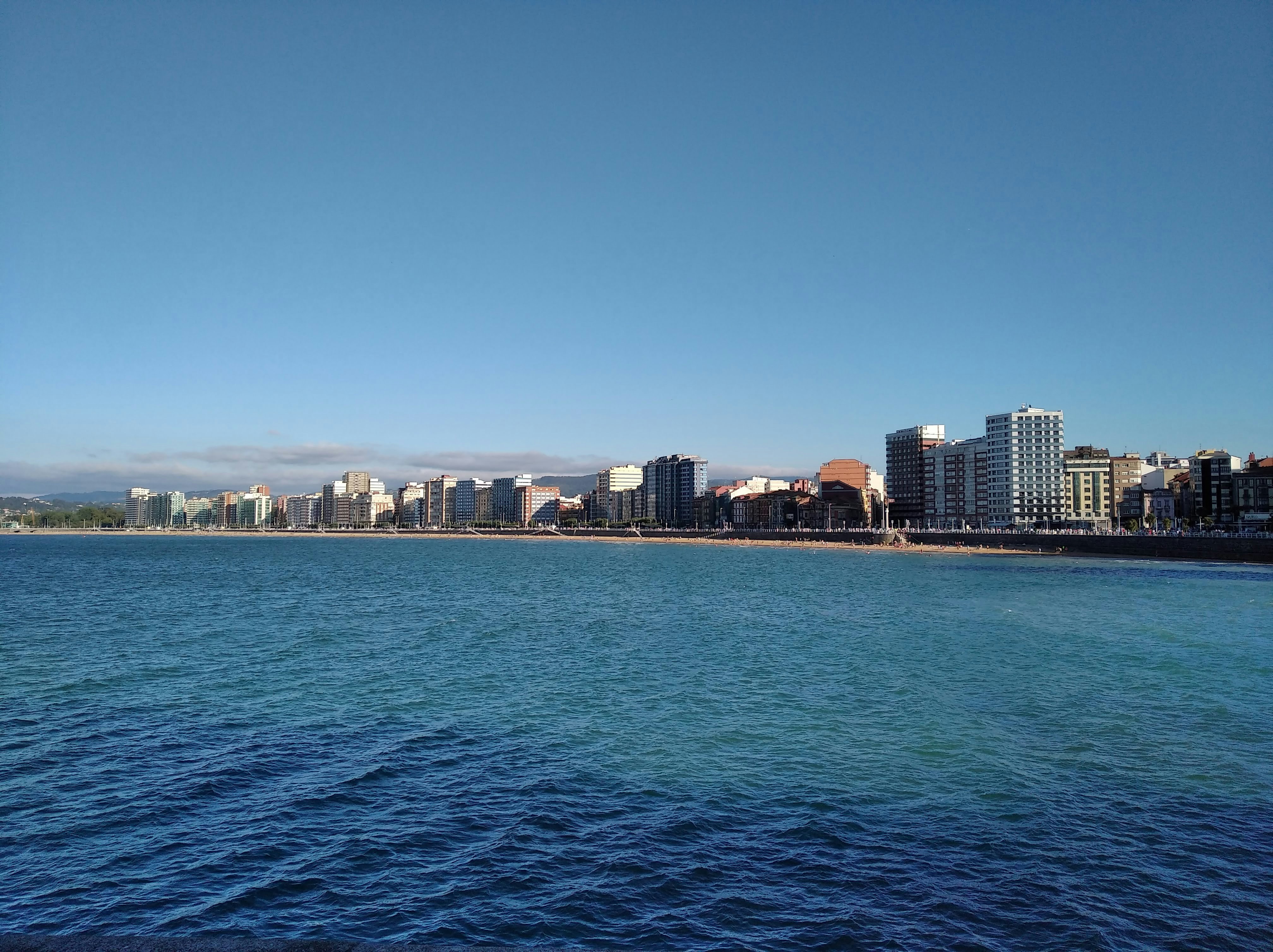
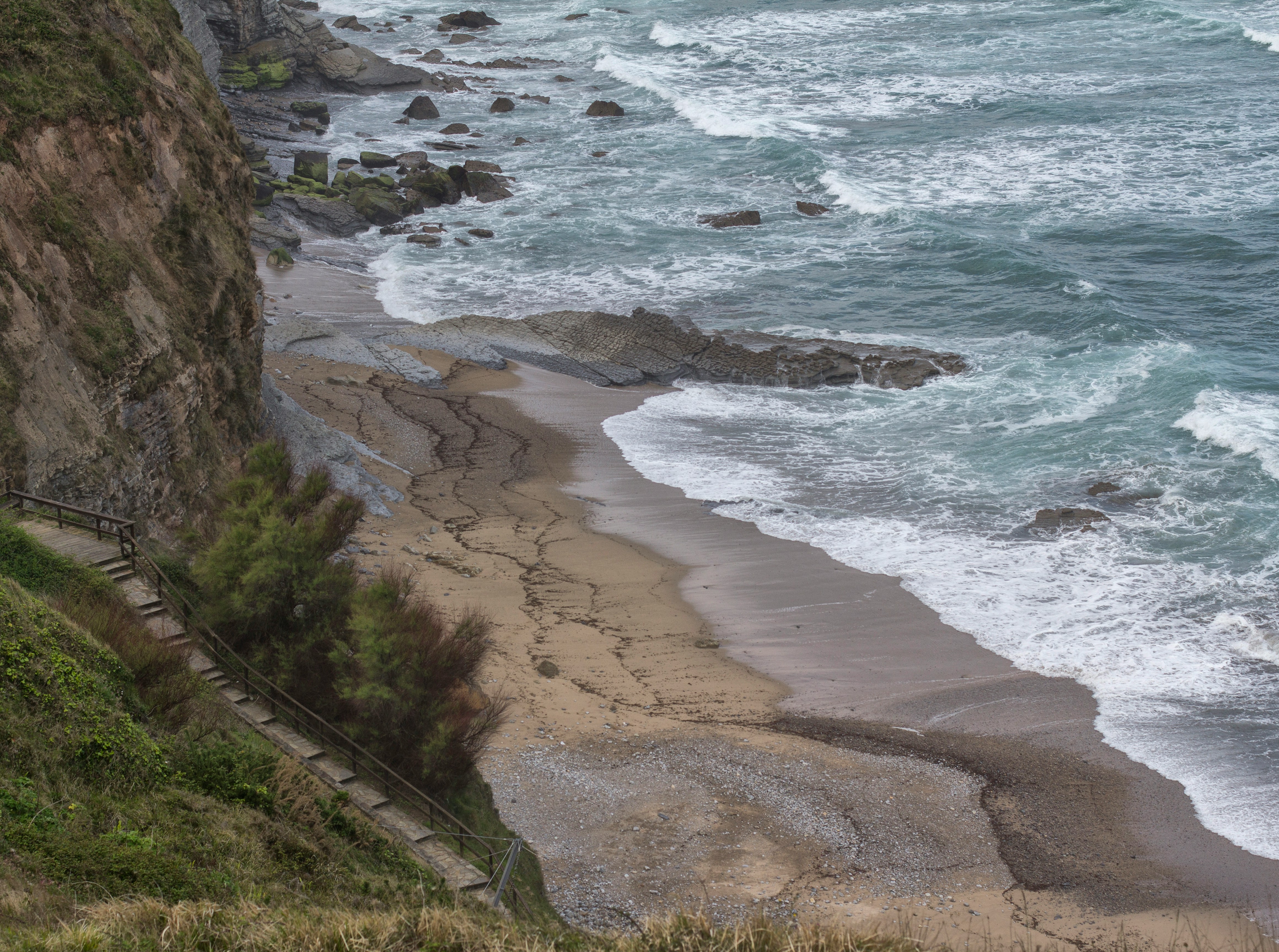
The Campo Valdés baths, dating back to the 1st century AD, and other reminders of Gijón's time as an ancient Roman port remain visible downtown. Gijón was almost destroyed in a 14th-century struggle over the Castilian throne, but by the 19th century it was a thriving port and industrial city. The modern-day city is part fishing port, part summer resort, and part university town, packed with cafés, restaurants, and sidrerías.


About La Coruña
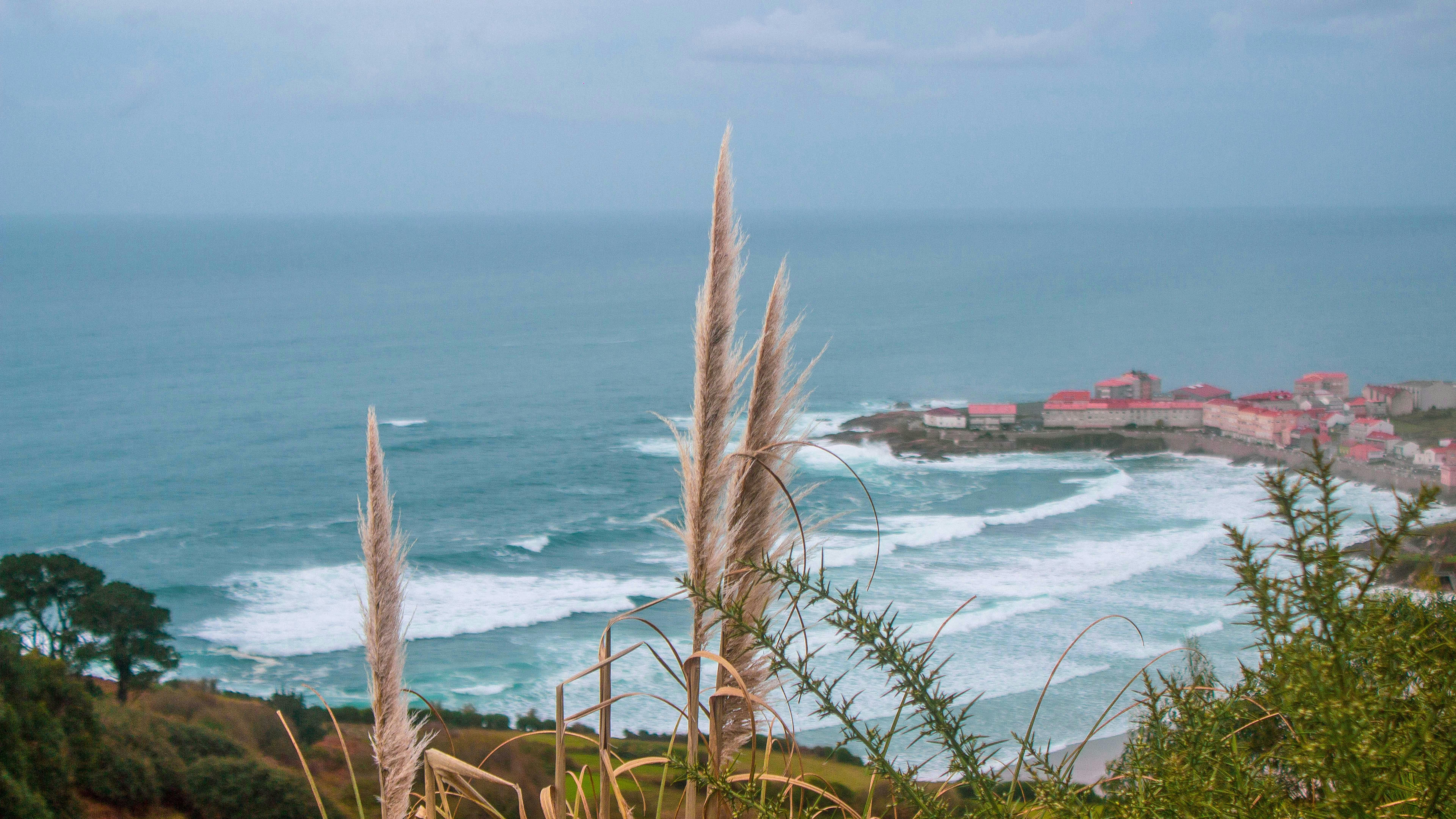
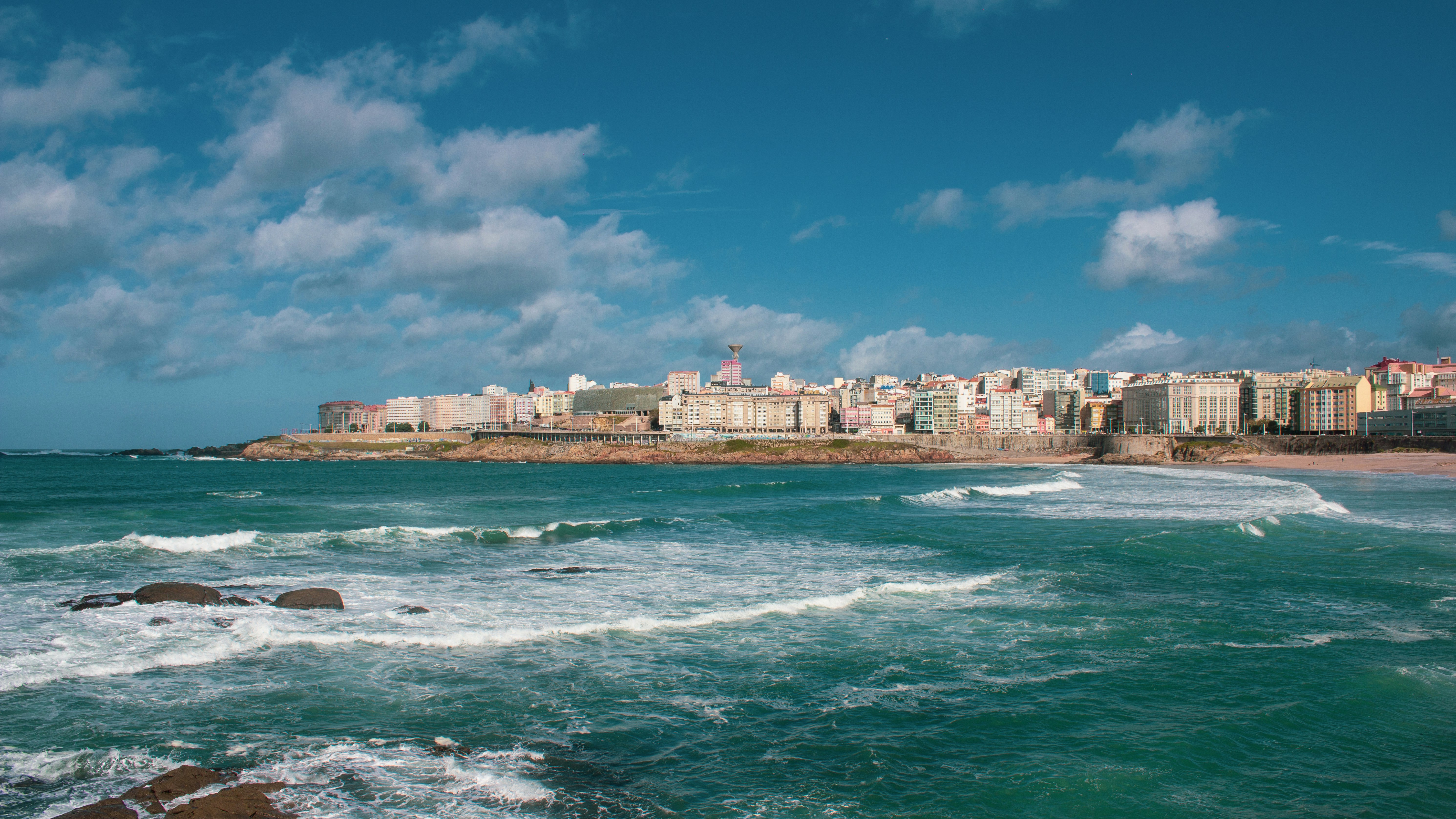
La Coruña, the largest city in Spain's Galicia region, is among the country's busiest ports. The remote Galicia area is tucked into the northwest corner of the Iberian Peninsula, surprising visitors with its green and misty countryside that is so much unlike other parts of Spain. The name "Galicia" is Celtic in origin, for it was the Celts who occupied the region around the 6th-century BC and erected fortifications. La Coruña was already considered an important port under the Romans. They were followed by an invasion of Suevians, Visigoths and, much later in 730, the Moors. It was after Galicia was incorporated into the Kingdom of Asturias that the epic saga of the Pilgrimage to Santiago (St. James) began. From the 15th century, overseas trade developed rapidly; in 1720, La Coruña was granted the privilege of trading with America - a right previously only held by Cadiz and Seville. This was the great era when adventurous men voyaged to the colonies and returned with vast riches. Today, the city's significant expansion is evident in three distinct quarters: the town centre located along the isthmus; the business and commercial centre with wide avenues and shopping streets; and the "Ensanche" to the south, occupied by warehouses and factories. Many of the buildings in the old section feature the characteristic glazed façades that have earned La Coruña the name "City of Crystal." Plaza Maria Pita, the beautiful main square, is named after the local heroine who saved the town in 1589 when she seized the English standard from the beacon and gave the alarm, warning her fellow townsmen of the English attack.
About La Coruña
La Coruña, the largest city in Spain's Galicia region, is among the country's busiest ports. The remote Galicia area is tucked into the northwest corner of the Iberian Peninsula, surprising visitors with its green and misty countryside that is so much unlike other parts of Spain. The name "Galicia" is Celtic in origin, for it was the Celts who occupied the region around the 6th-century BC and erected fortifications. La Coruña was already considered an important port under the Romans. They were followed by an invasion of Suevians, Visigoths and, much later in 730, the Moors. It was after Galicia was incorporated into the Kingdom of Asturias that the epic saga of the Pilgrimage to Santiago (St. James) began. From the 15th century, overseas trade developed rapidly; in 1720, La Coruña was granted the privilege of trading with America - a right previously only held by Cadiz and Seville. This was the great era when adventurous men voyaged to the colonies and returned with vast riches. Today, the city's significant expansion is evident in three distinct quarters: the town centre located along the isthmus; the business and commercial centre with wide avenues and shopping streets; and the "Ensanche" to the south, occupied by warehouses and factories. Many of the buildings in the old section feature the characteristic glazed façades that have earned La Coruña the name "City of Crystal." Plaza Maria Pita, the beautiful main square, is named after the local heroine who saved the town in 1589 when she seized the English standard from the beacon and gave the alarm, warning her fellow townsmen of the English attack.
About Vigo
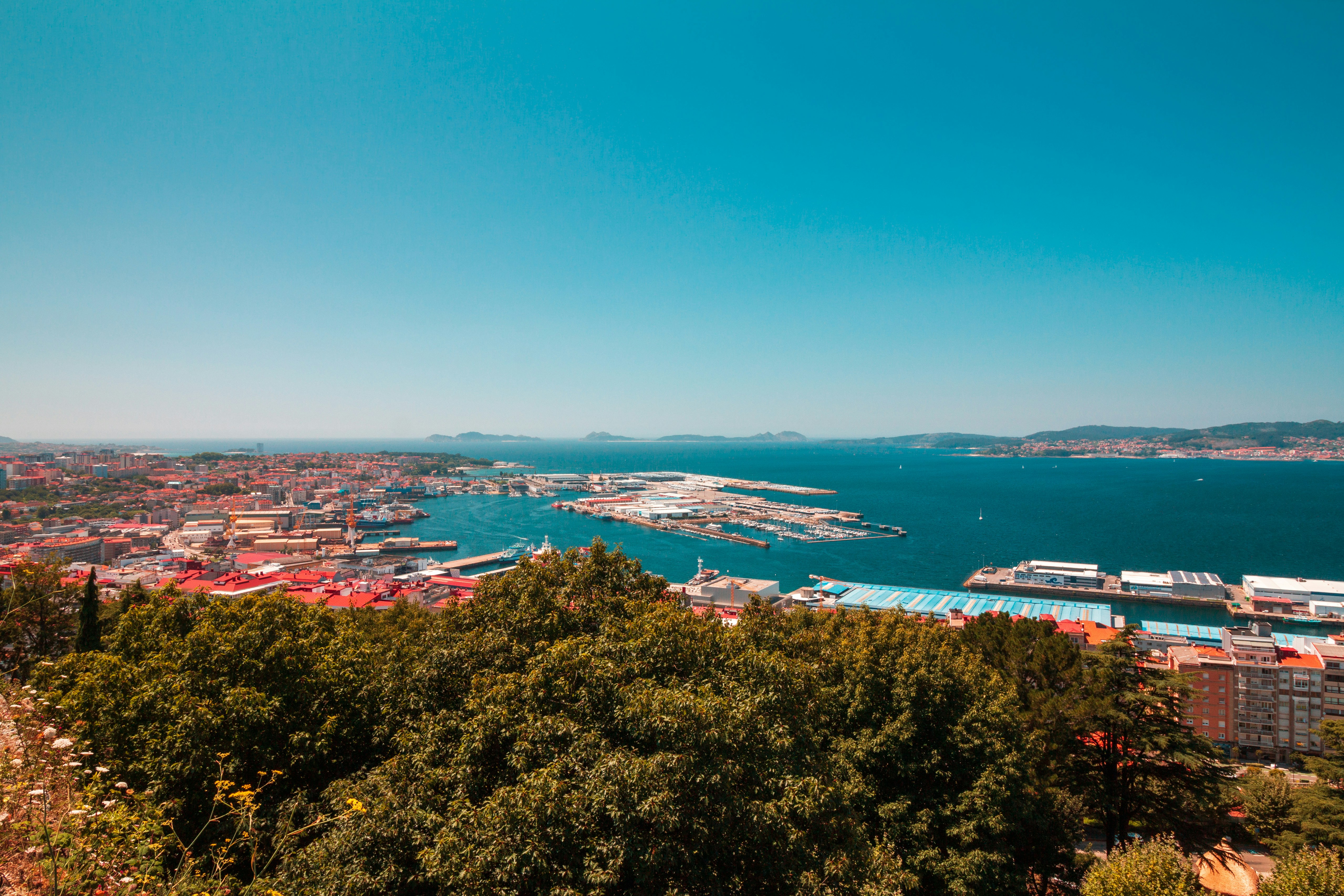
Dating from Roman times, the Galician city of Vigo has a fine natural harbour and is renowned as the biggest fishing port in the world. It is also full of history - it was in this fjord-like quay that the English and Dutch defeated the French and Spanish fleets in 1702. Today, the attractive marinas stand in contrast to the industrialised areas of the city, while further exploration will reveal the characteristic 17th-century architecture and attractive countryside beyond. The charming Old Town is a delight, with its labyrinth of winding narrow streets and shaded squares. Nearby is the Cathedral city of Tui, and further to the north is the pilgrimage centre of Santiago de Compostela, which can be reached by car in approximately 1¼ hours.
About Lisbon
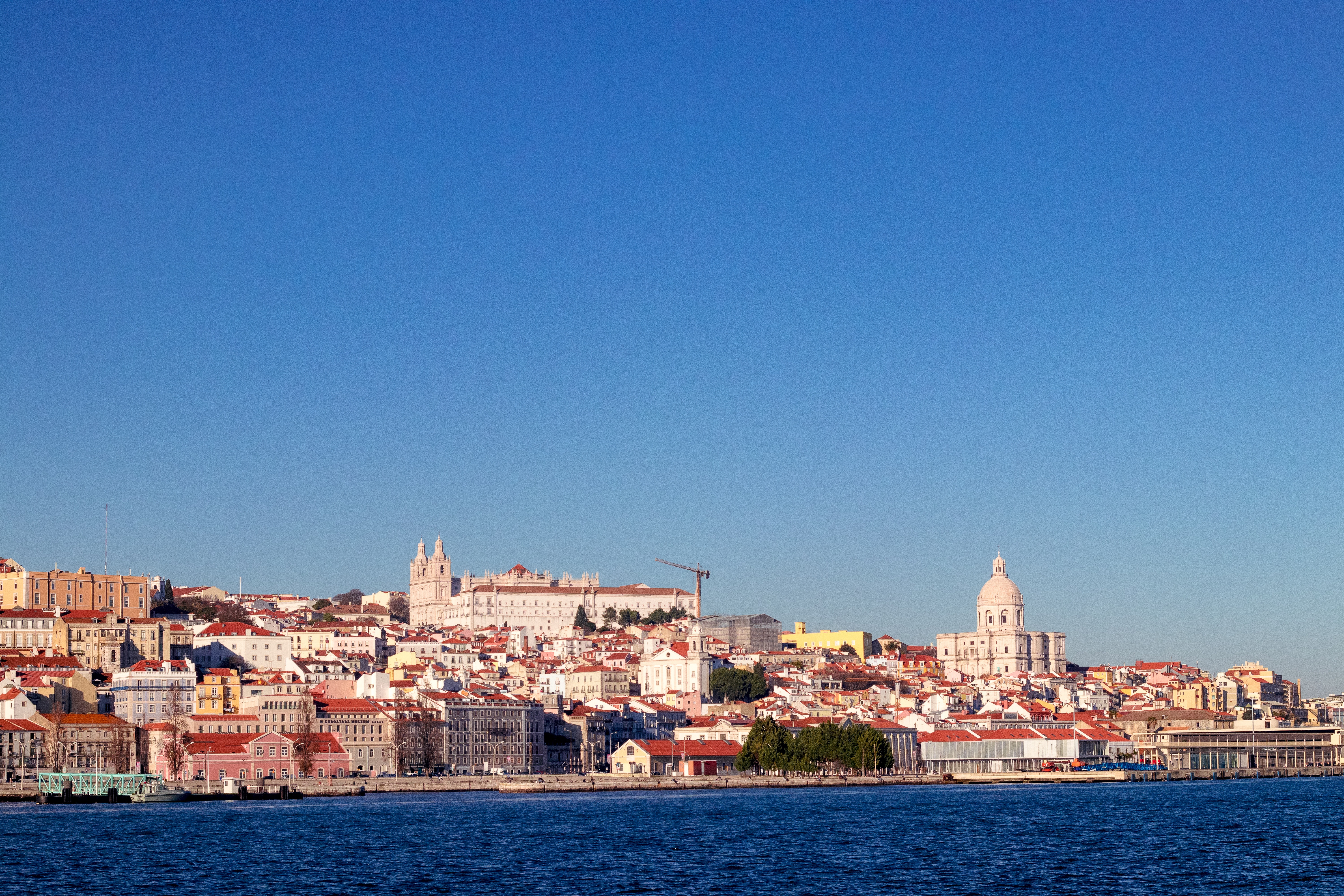
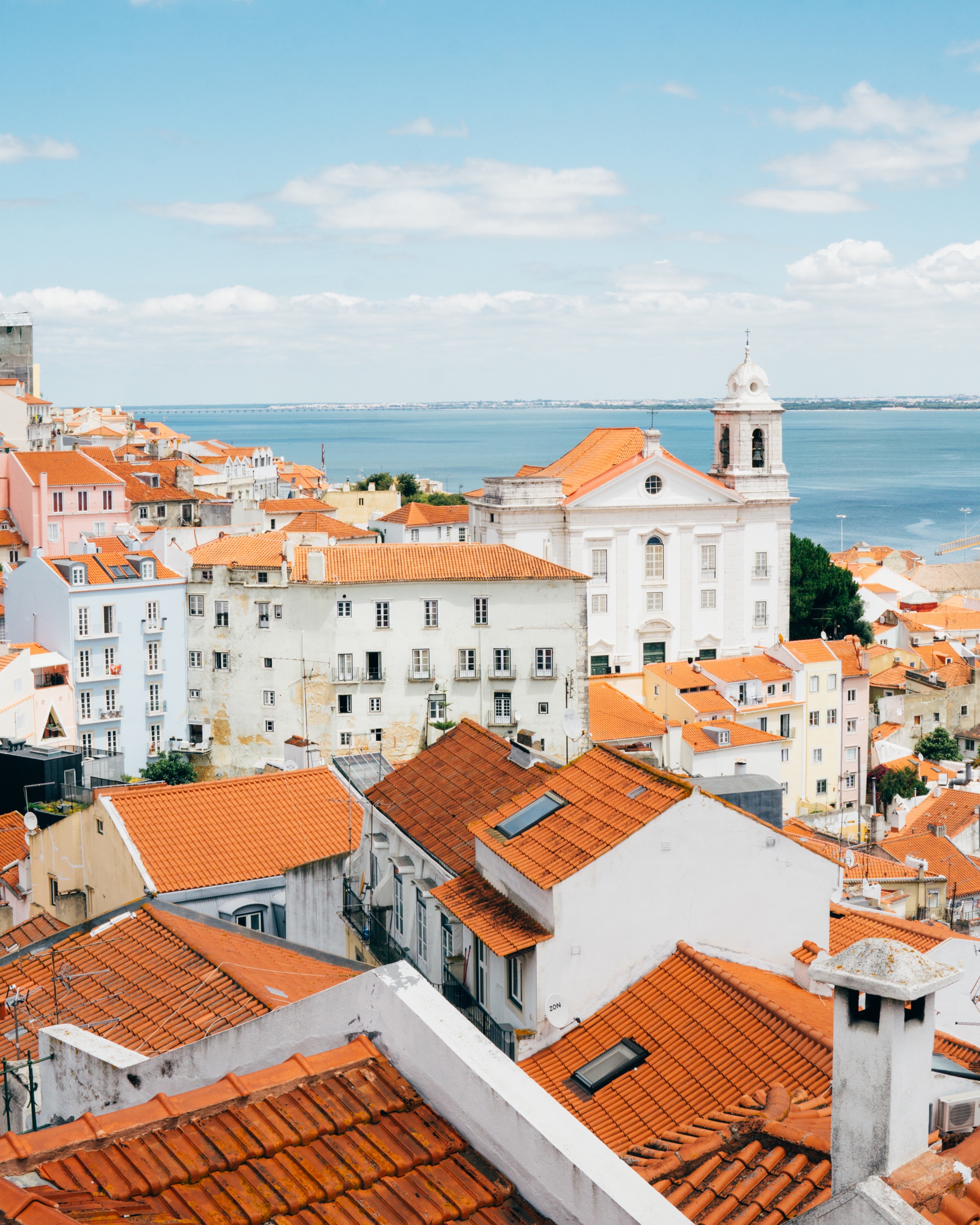
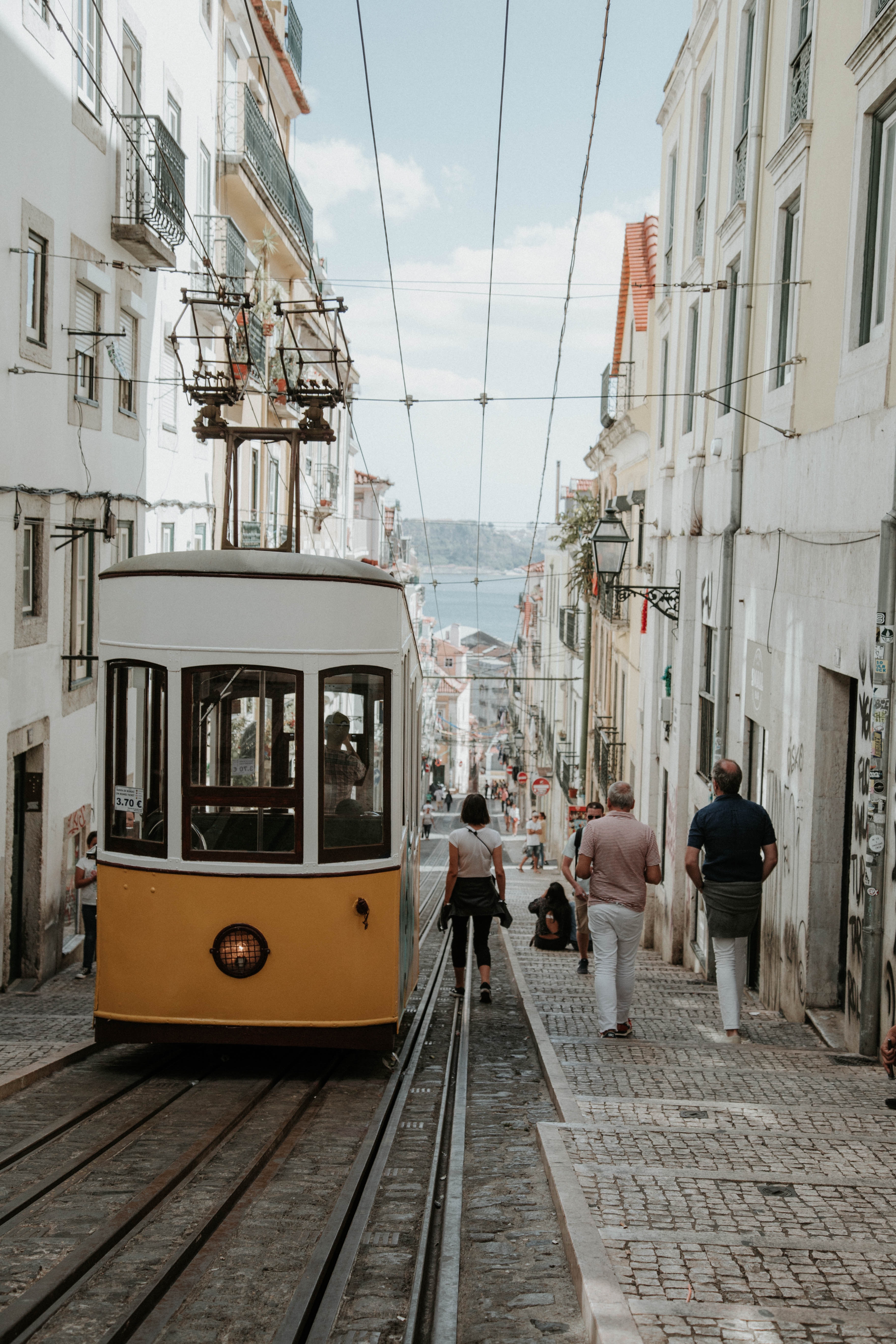
Set on seven hills on the banks of the River Tagus, Lisbon has been the capital of Portugal since the 13th century. It is a city famous for its majestic architecture, old wooden trams, Moorish features and more than twenty centuries of history. Following disastrous earthquakes in the 18th century, Lisbon was rebuilt by the Marques de Pombal who created an elegant city with wide boulevards and a great riverfront and square, Praça do Comércio. Today there are distinct modern and ancient sections, combining great shopping with culture and sightseeing in the Old Town, built on the city's terraced hillsides. The distance between the ship and your tour vehicle may vary. This distance is not included in the excursion grades.
About Portimão
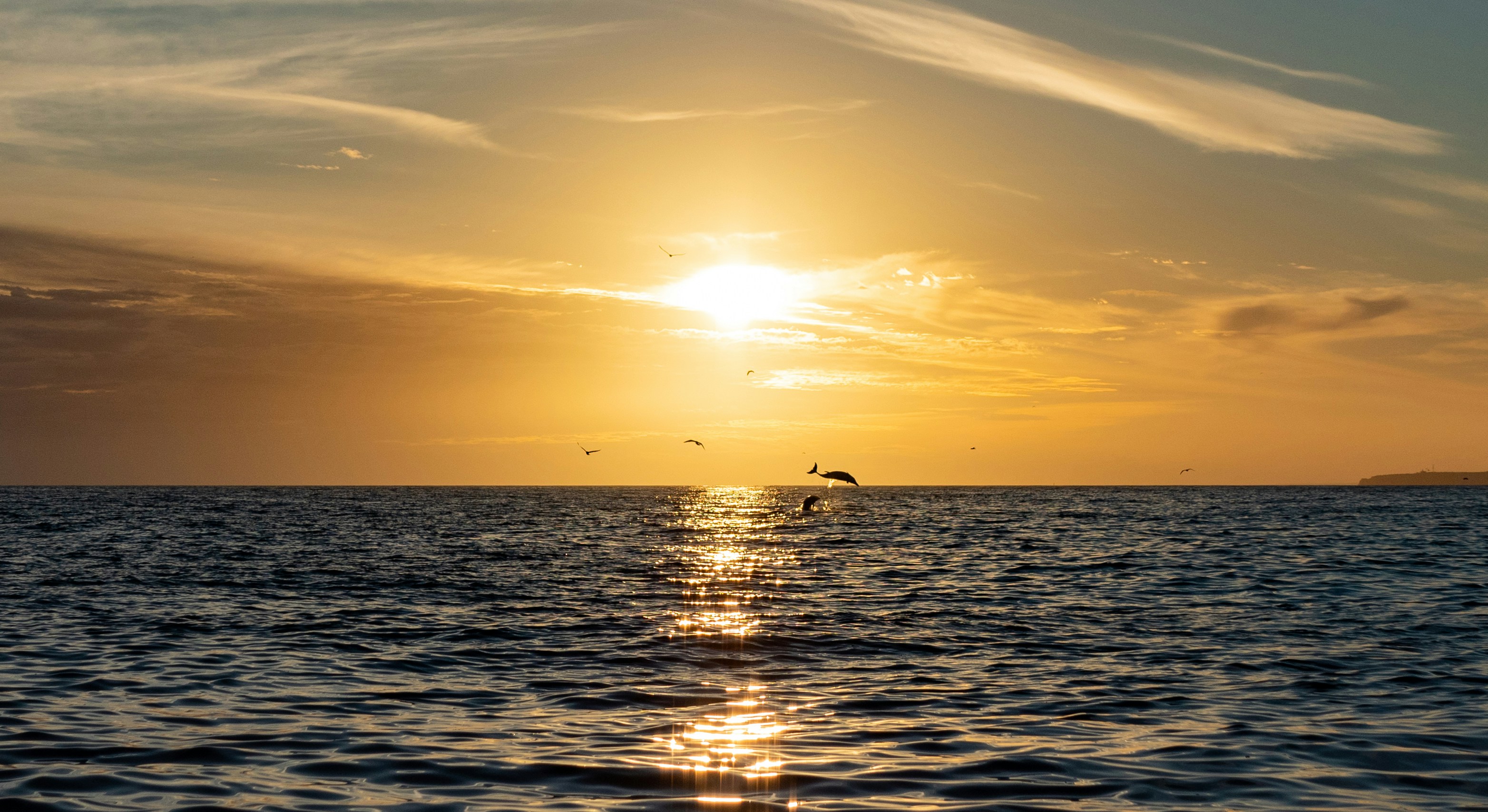
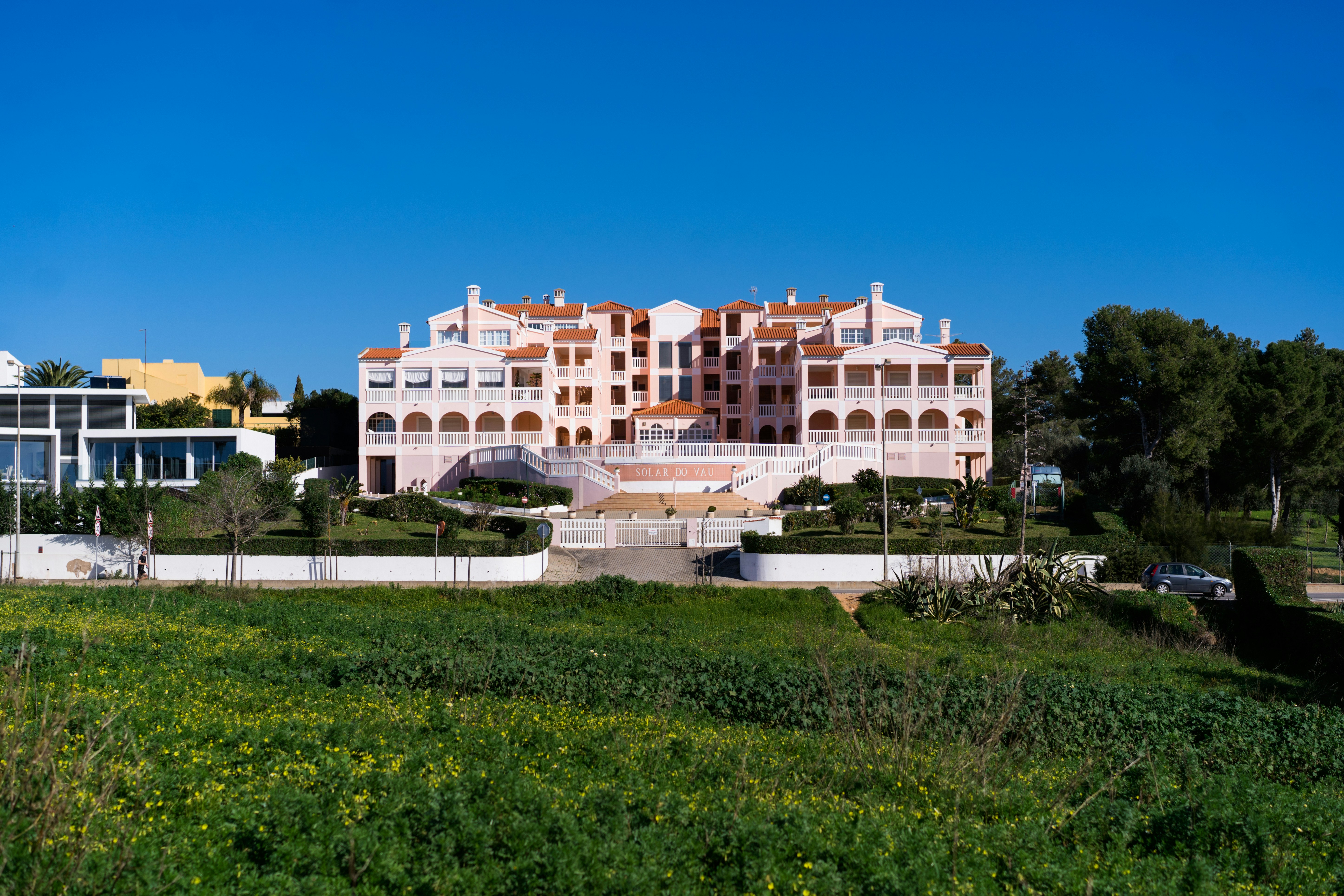
Portimão is a major fishing port, and significant investment has been poured into transforming it into an attractive cruise port as well. The city itself is spacious and has several good shopping streets—though sadly many of the more traditional retailers have closed in the wake of the global economic crisis. There is also a lovely riverside area that just begs to be strolled (lots of the coastal cruises depart from here). Don’t leave without stopping for an alfresco lunch at the Doca da Sardinha ("sardine dock") between the old bridge and the railway bridge. You can sit at one of many inexpensive establishments, eating charcoal-grilled sardines (a local specialty) accompanied by chewy fresh bread, simple salads, and local wine.
About Málaga
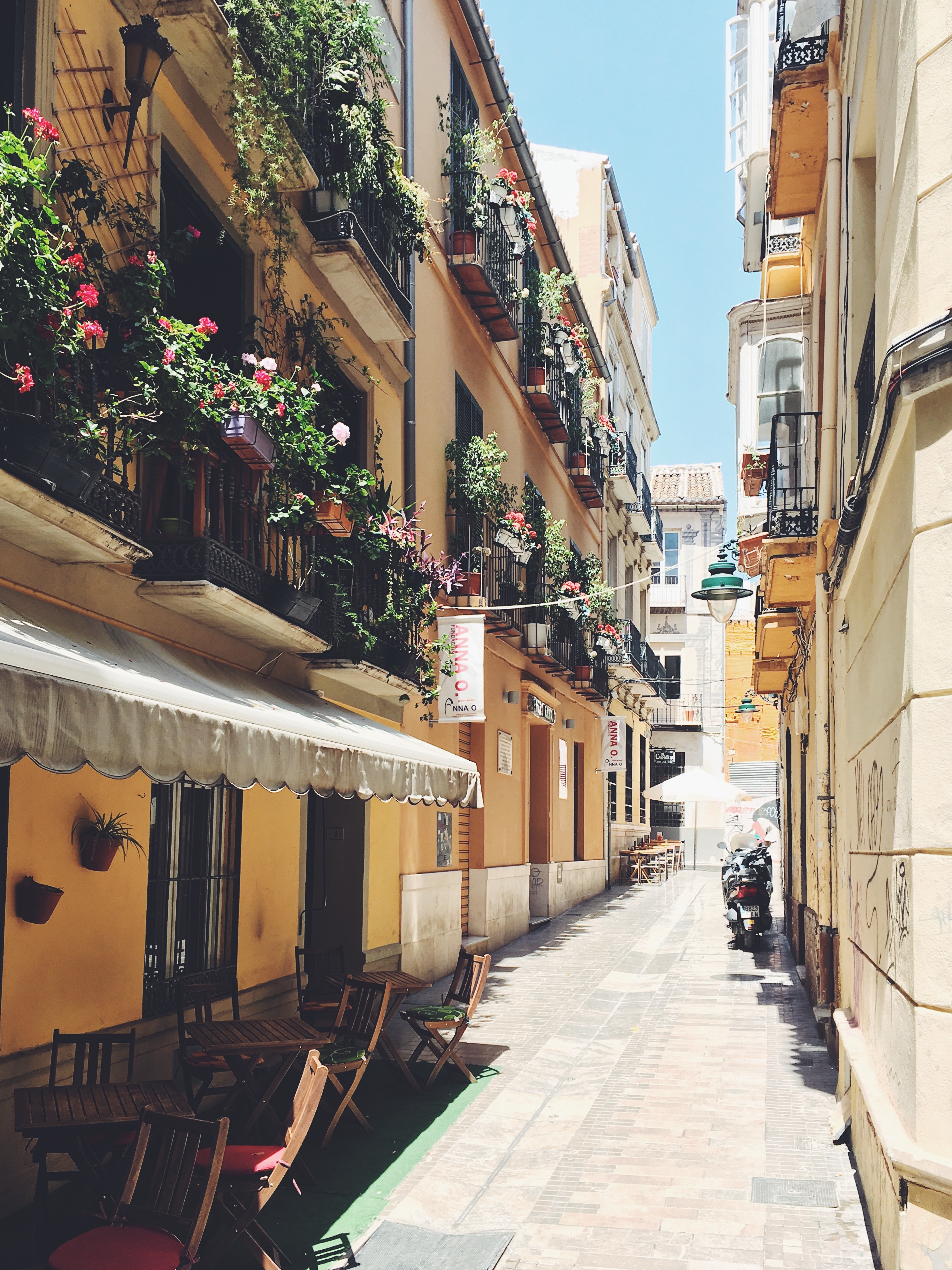
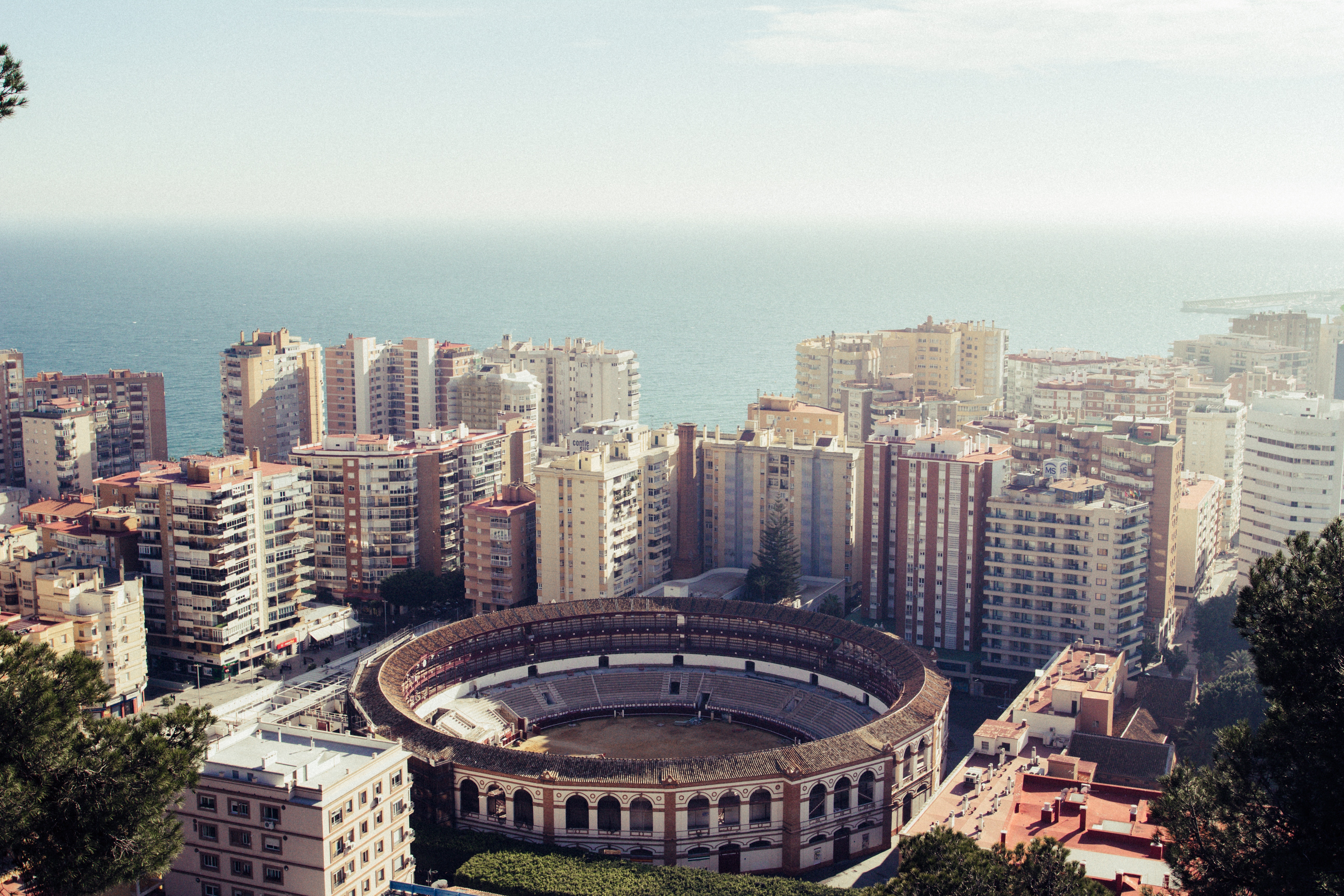
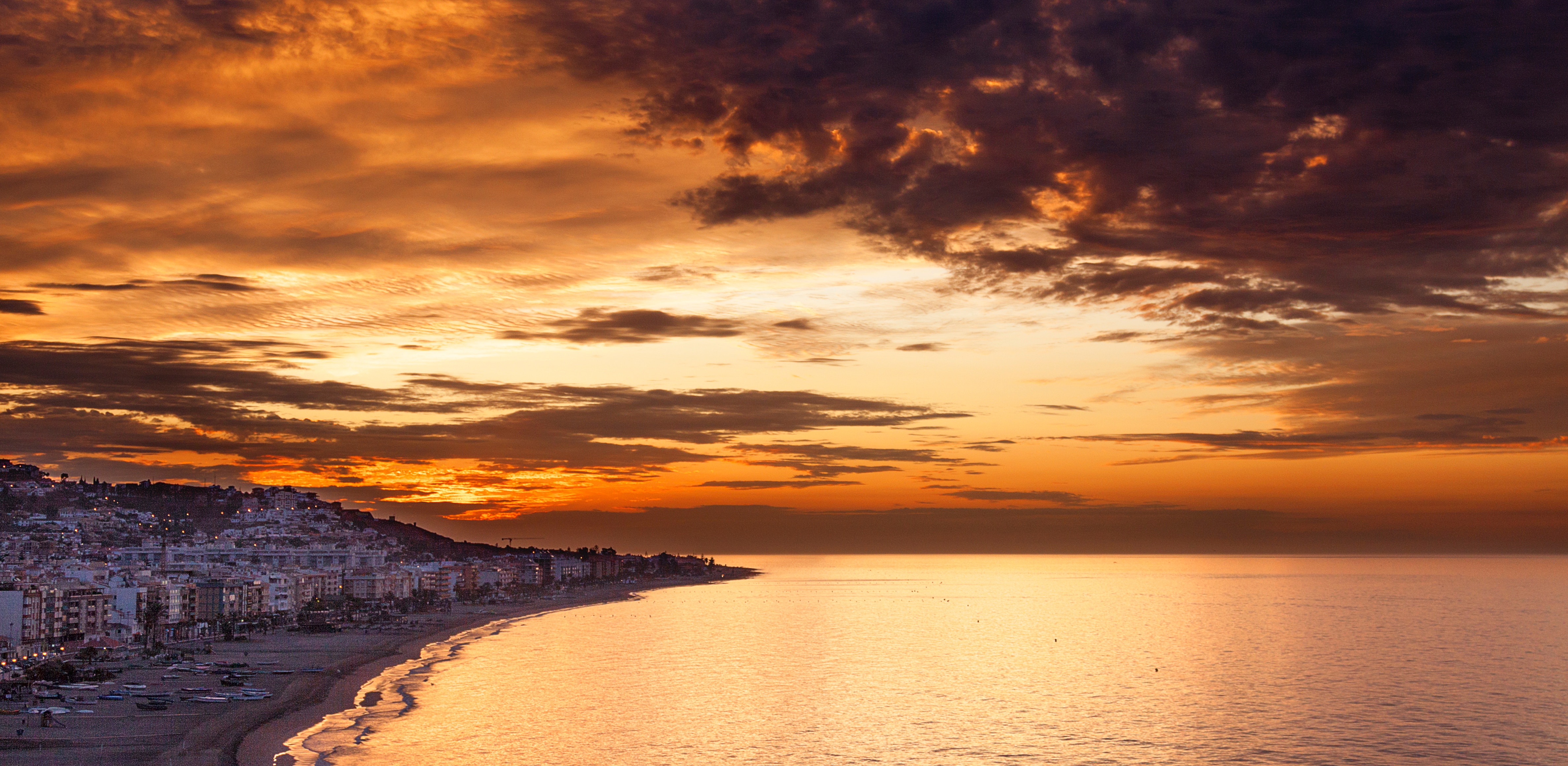
As you sail into Malaga you will notice what an idyllic setting the city enjoys on the famous Costa del Sol. To the east of this provincial capital, the coast along the region of La Axarqua is scattered with villages, farmland and sleepy fishing hamlets - the epitome of traditional rural Spain. To the west stretches a continuous city where the razzmatazz and bustle creates a colourful contrast that is easily recognisable as the Costa del Sol. Surrounding the region, the Penibéetica Mountains provide an attractive backdrop overlooking the lower terraced slopes which yield olives and almonds. This spectacular mountain chain shelters the province from cold northerly winds, giving it a reputation as a therapeutic and exotic place in which to escape from cold northern climes. Malaga is also the gateway to many of Andalusia's enchanting historic villages, towns and cities.
About Alicante
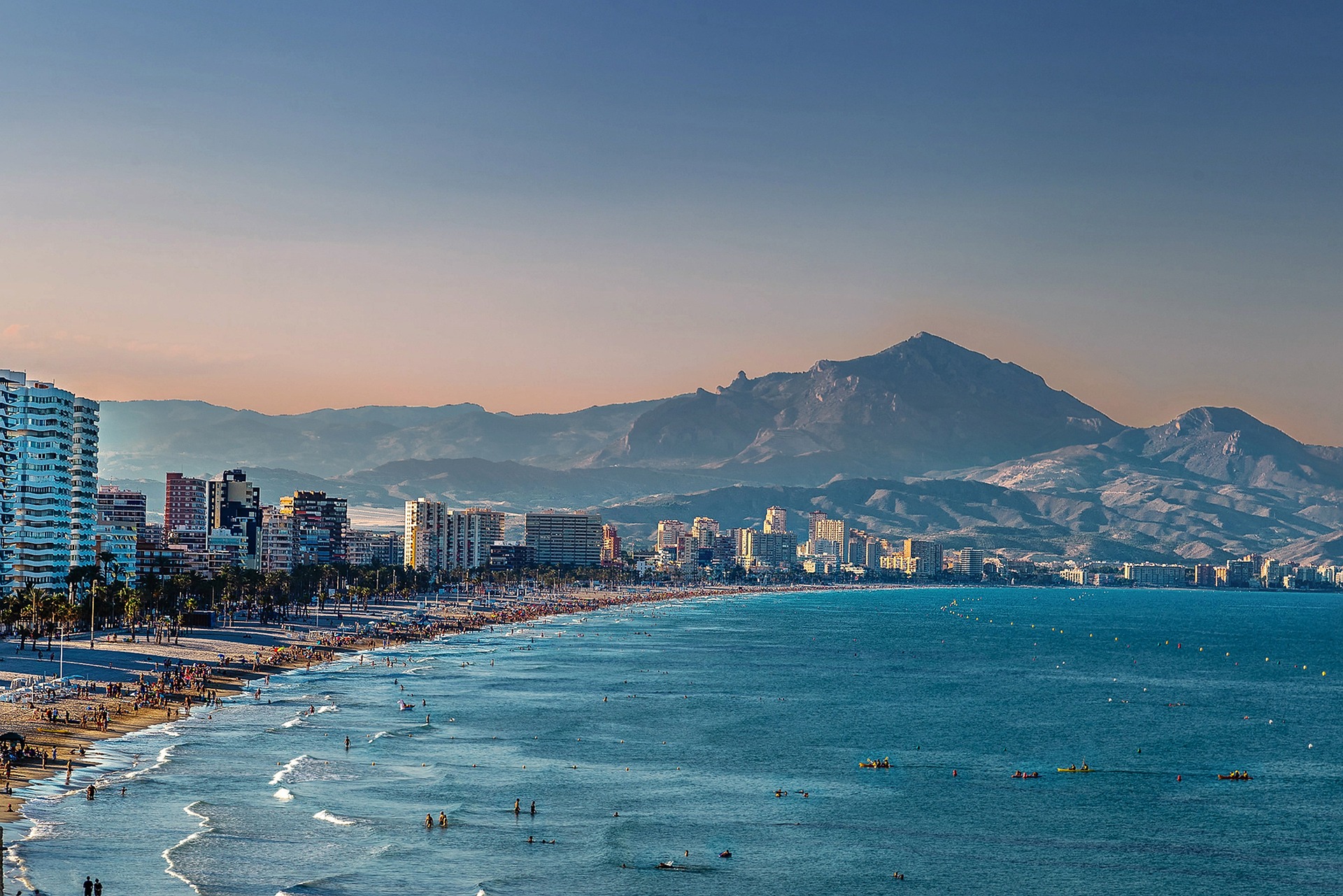
The provincial capital of the Valencian Community serves as a gateway to the huge influx of tourists that flock to the Costa Blanca resorts every year. Alicante is popular with holidaymakers who arrive for the warm, Mediterranean climate and seemingly endless golden beaches. However, there is much more to this city than sand and sun. With a picturesque waterfront, a hugely impressive castle, buzzing nightlife and a rich, complex history, Alicante is a fascinating destination all year round.
About Barcelona
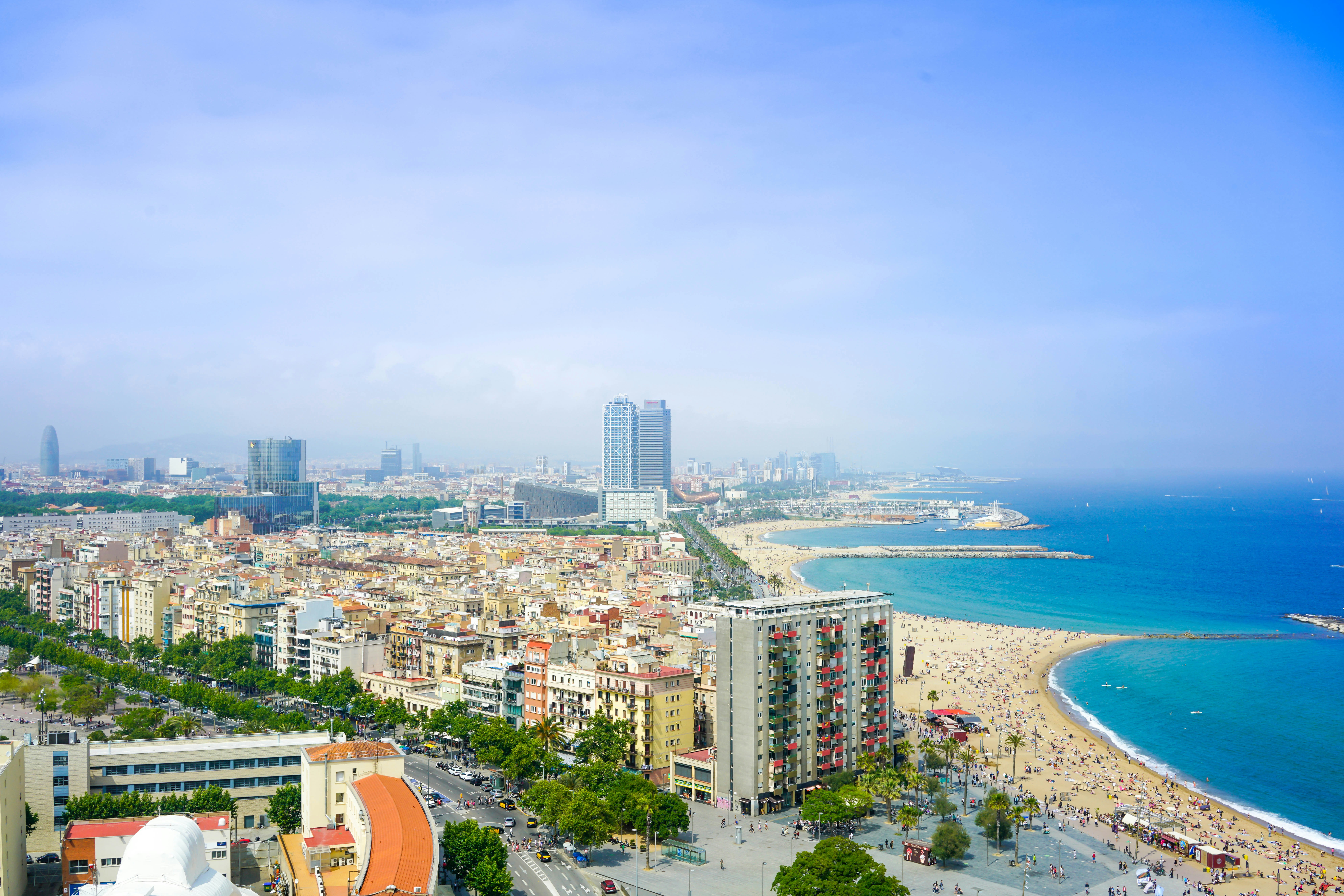
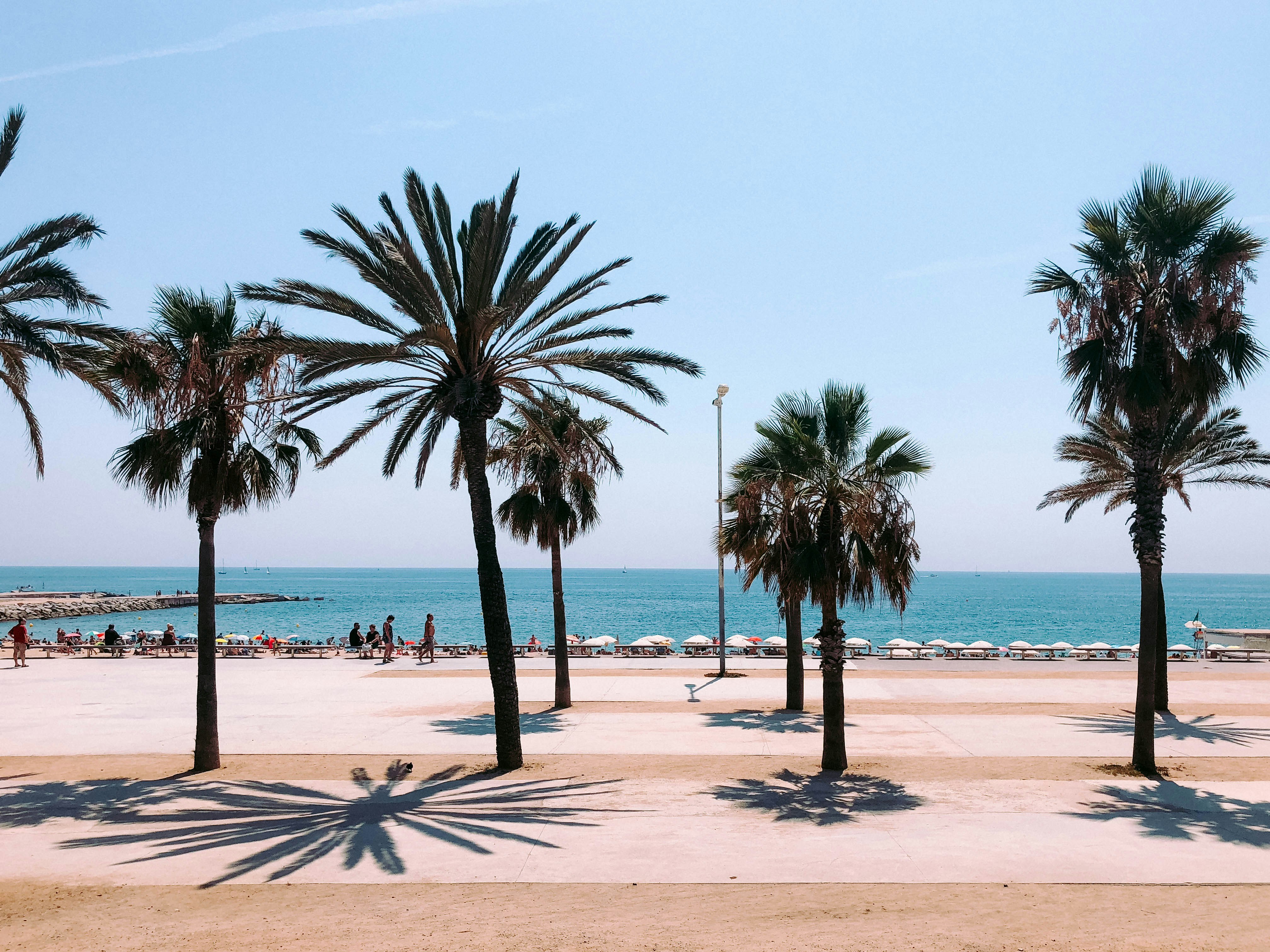
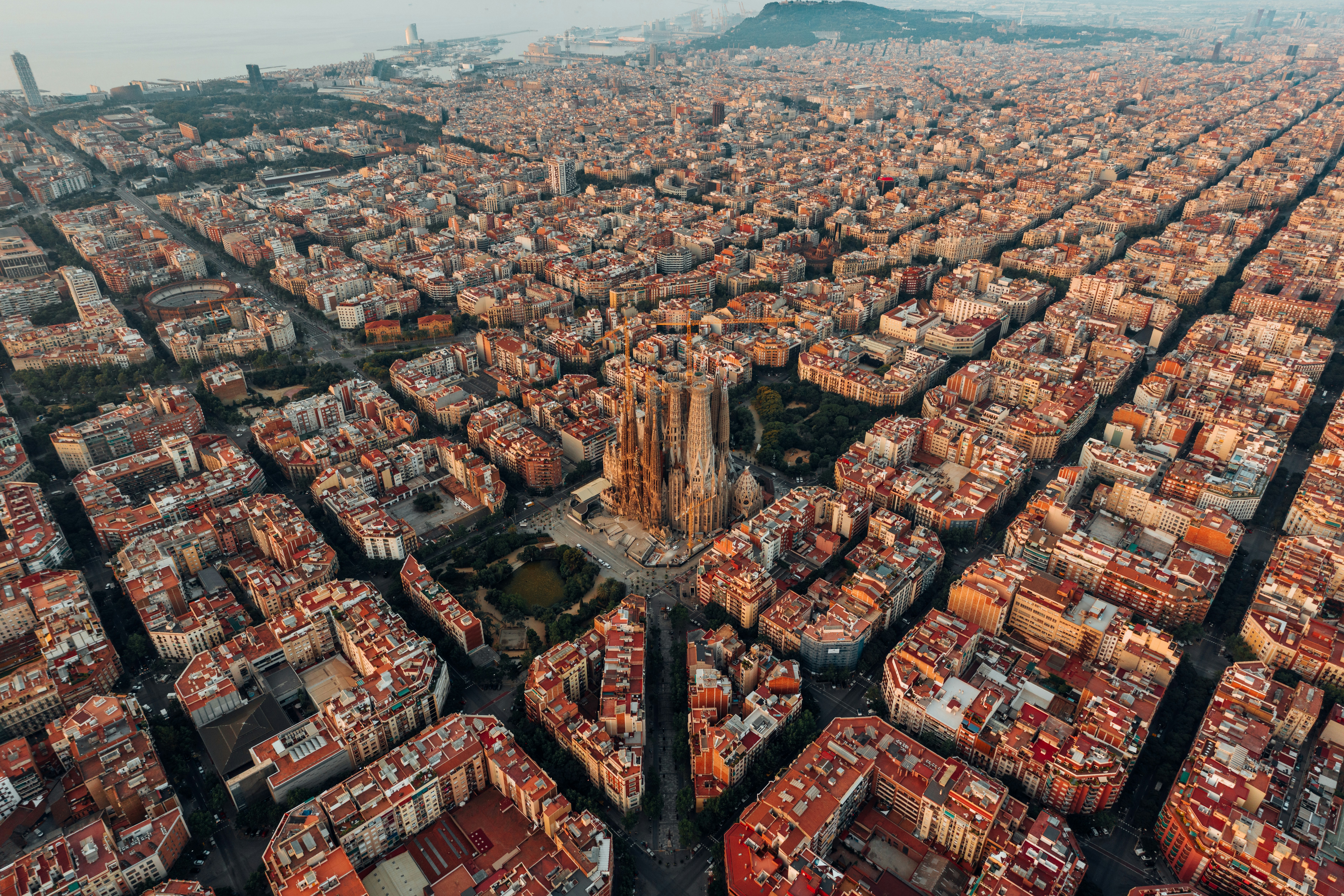
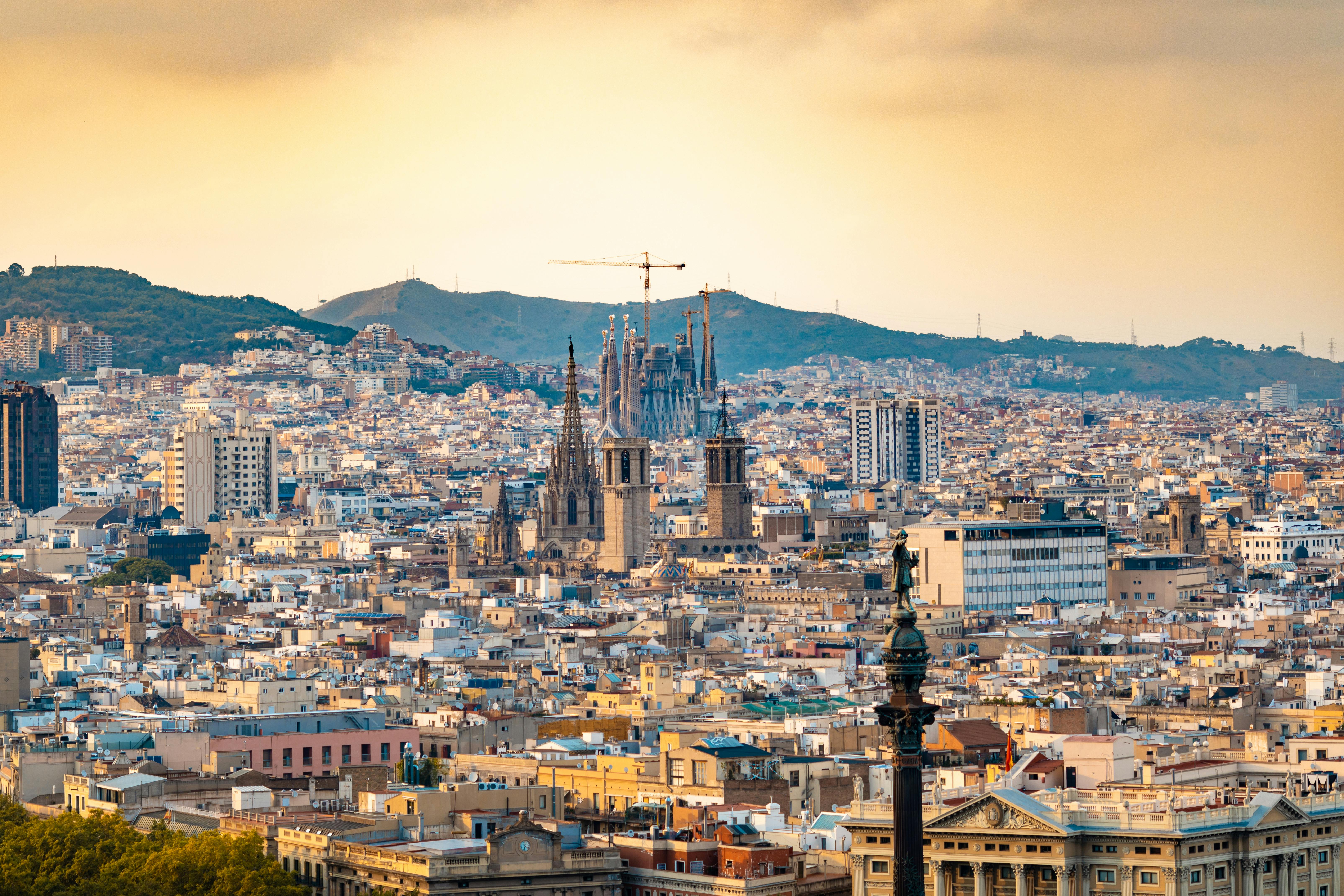
The infinite variety of street life, the nooks and crannies of the medieval Barri Gòtic, the ceramic tile and stained glass of Art Nouveau facades, the art and music, the throb of street life, the food (ah, the food!)—one way or another, Barcelona will find a way to get your full attention. The capital of Catalonia is a banquet for the senses, with its beguiling mix of ancient and modern architecture, tempting cafés and markets, and sun-drenched Mediterranean beaches. A stroll along La Rambla and through waterfront Barceloneta, as well as a tour of Gaudí's majestic Sagrada Famíliaand his other unique creations, are part of a visit to Spain's second-largest city. Modern art museums and chic shops call for attention, too. Barcelona's vibe stays lively well into the night, when you can linger over regional wine and cuisine at buzzing tapas bars.
About Marseille
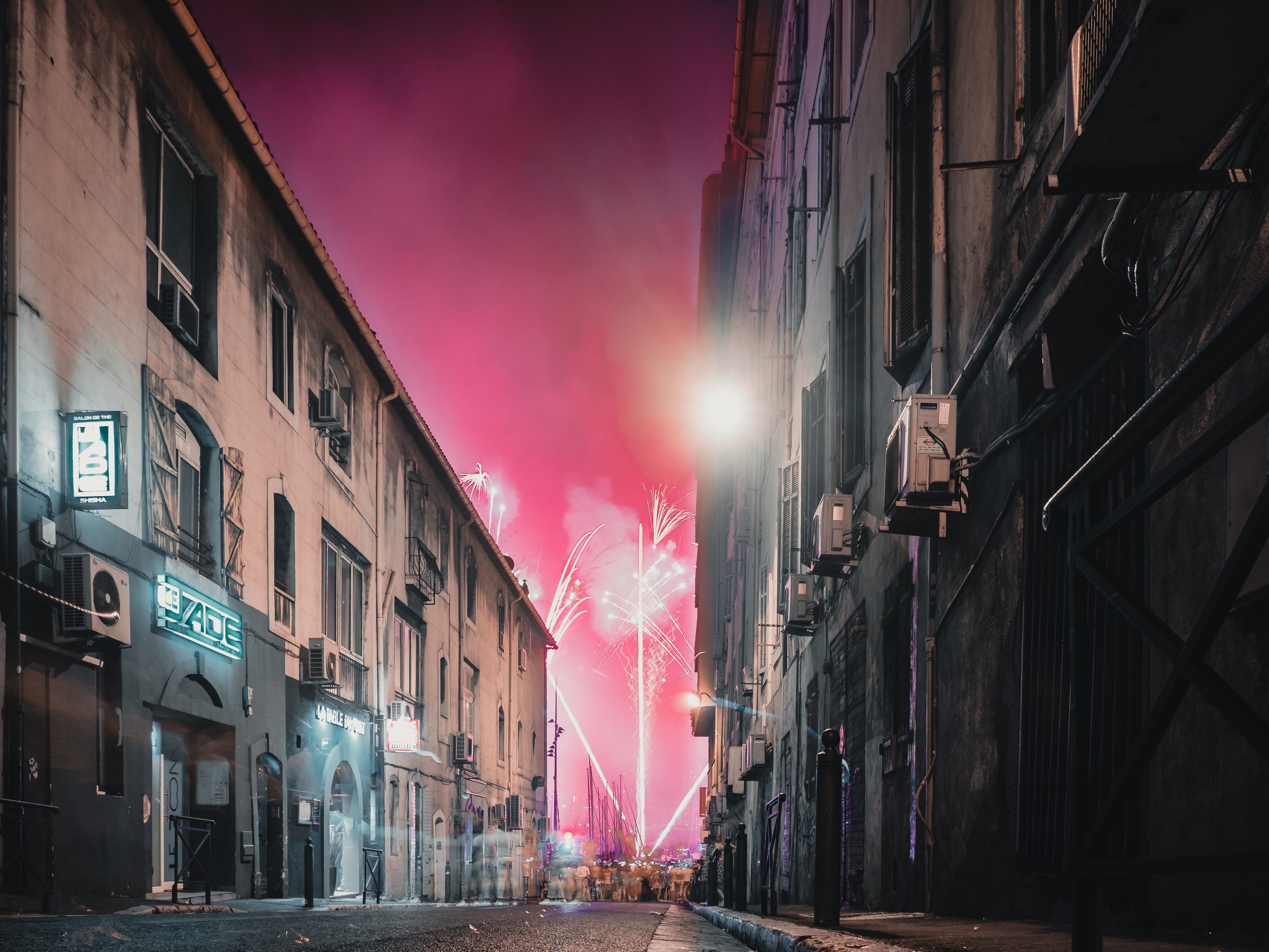
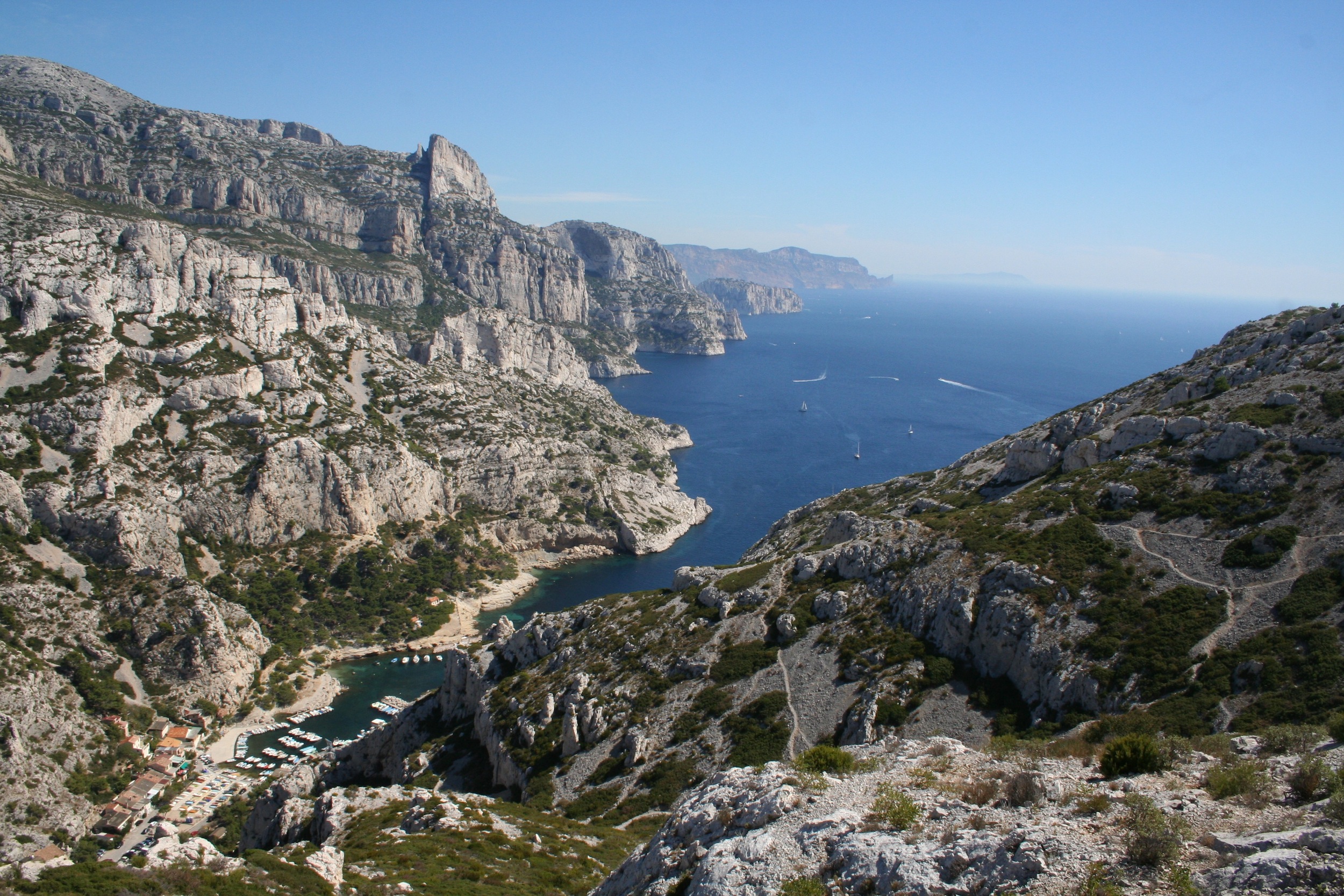
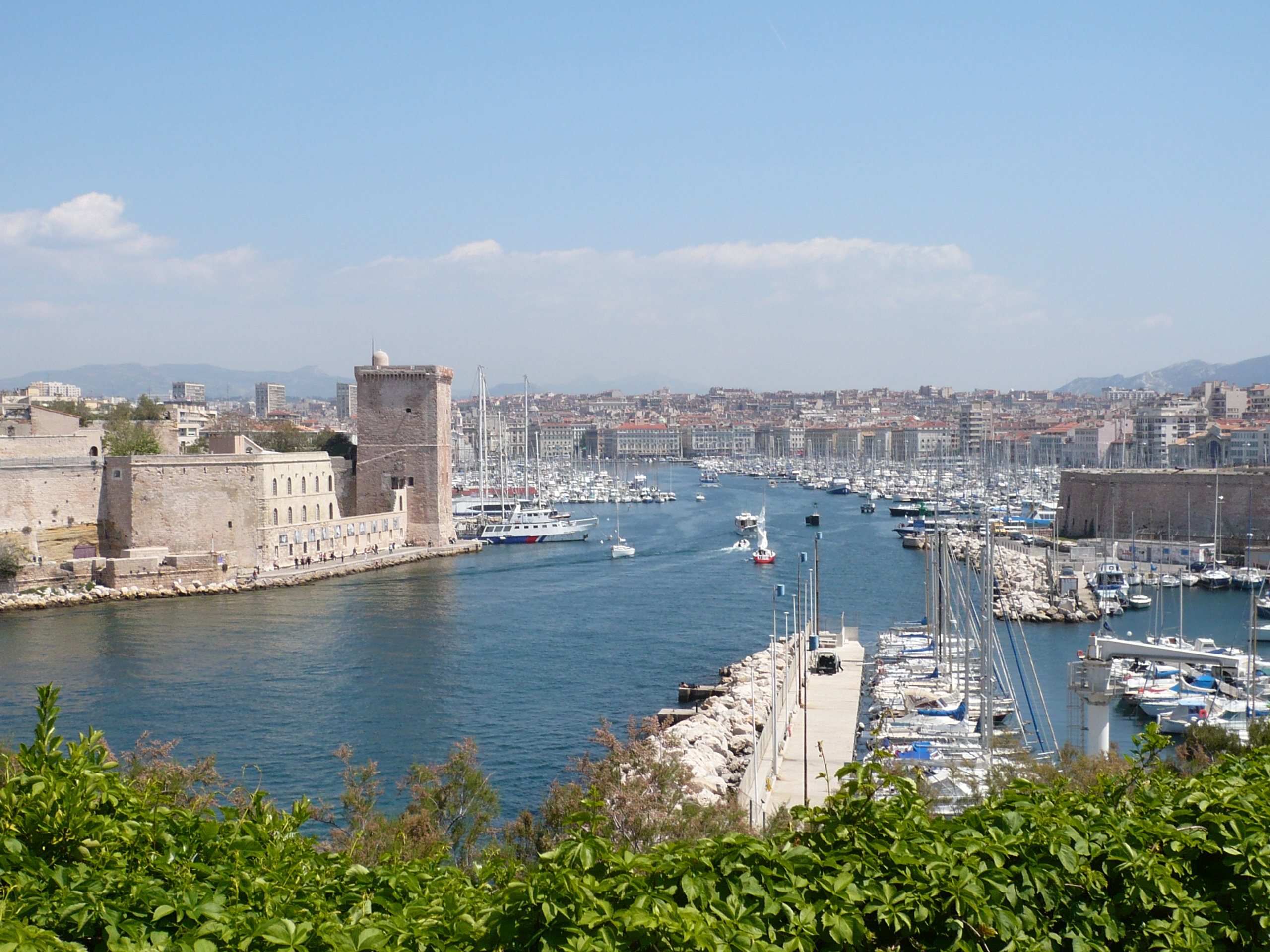
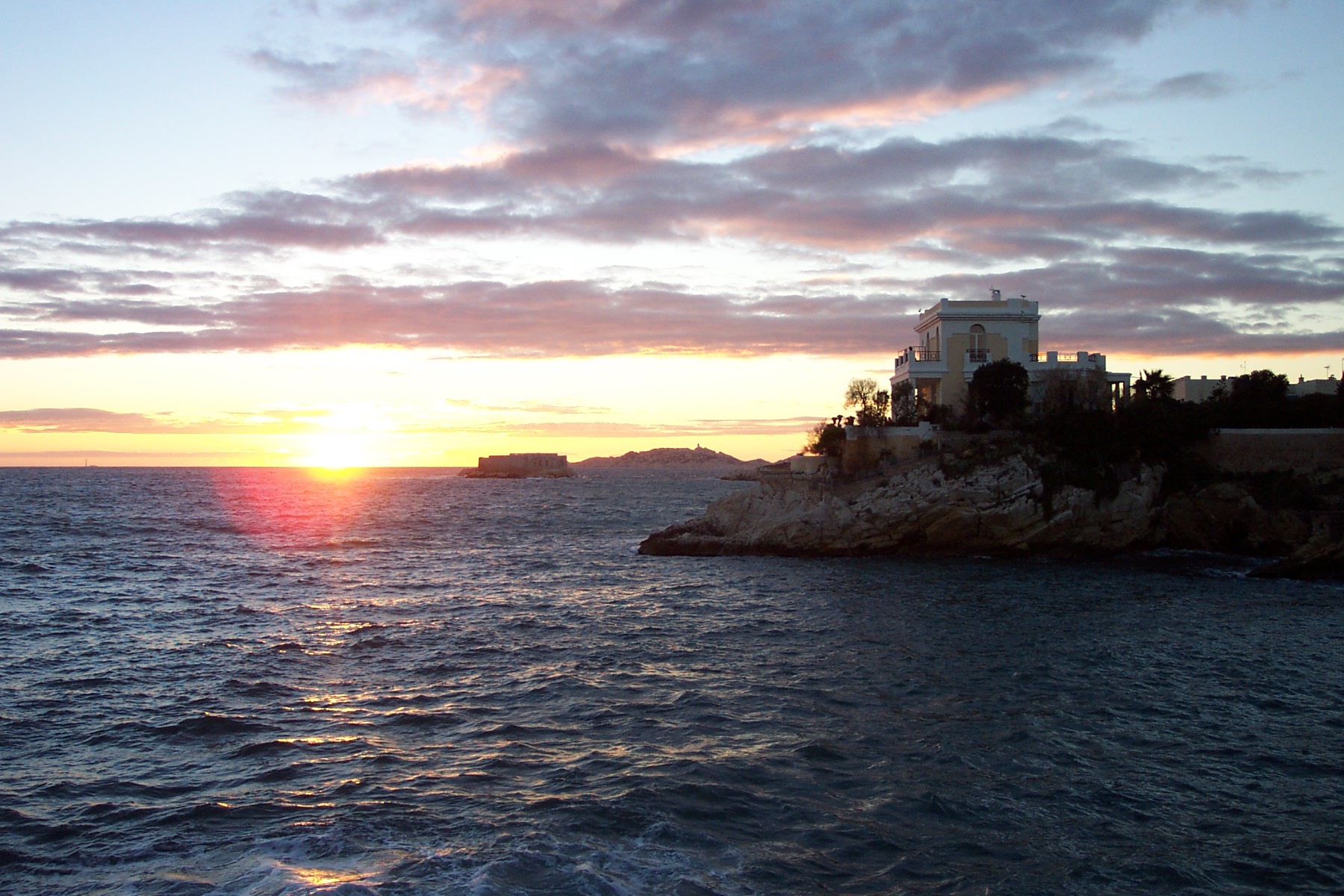
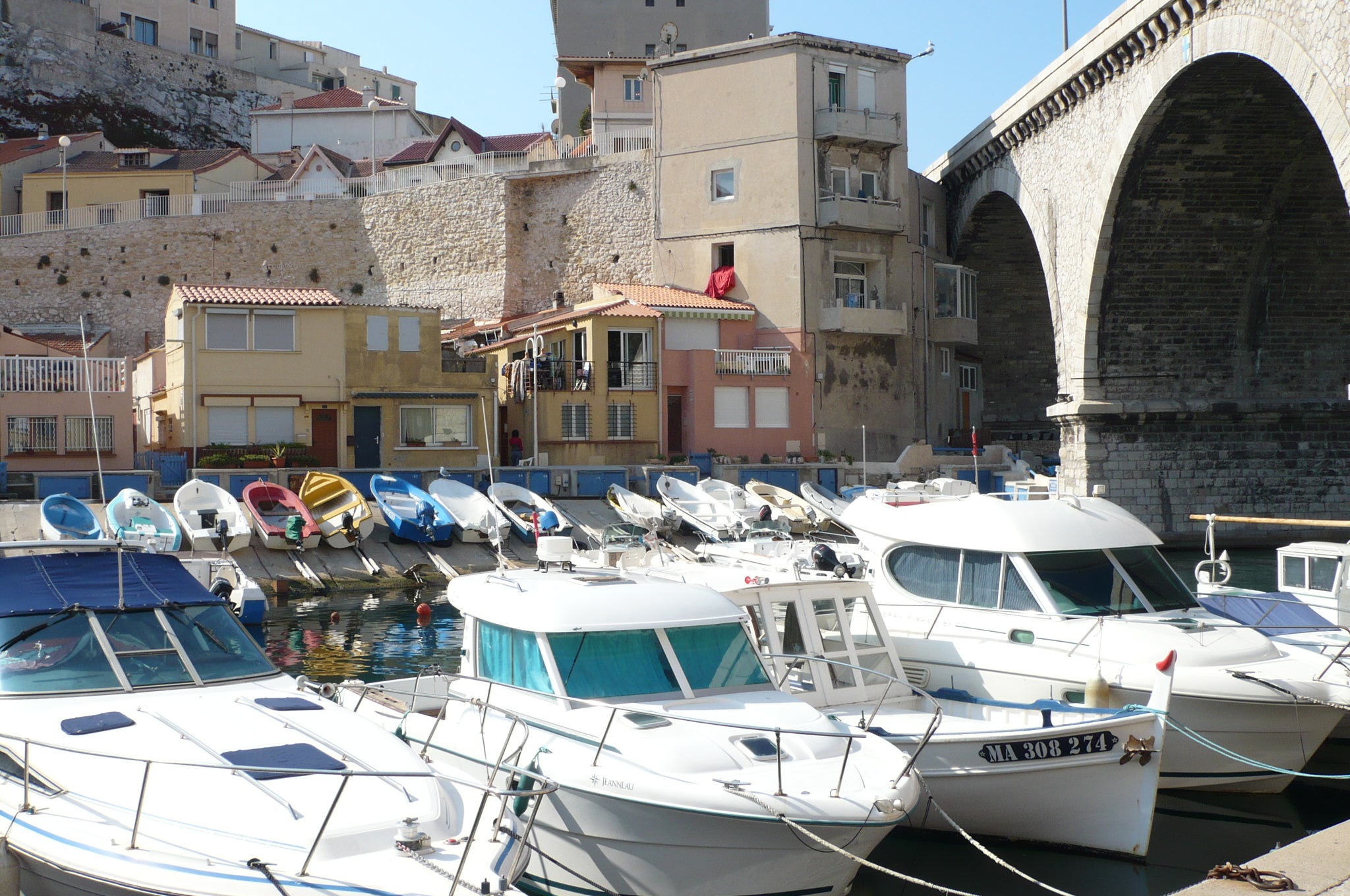
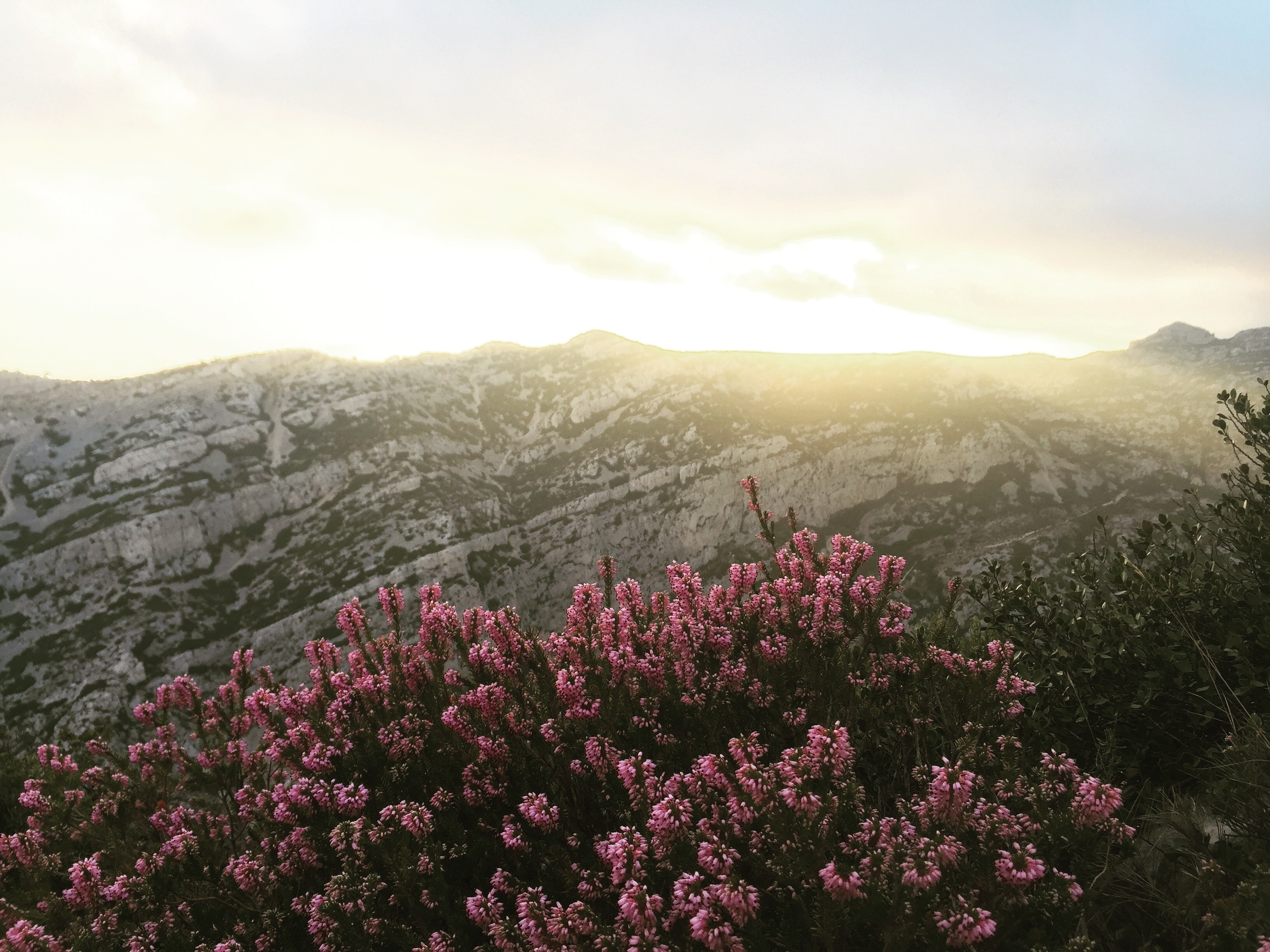
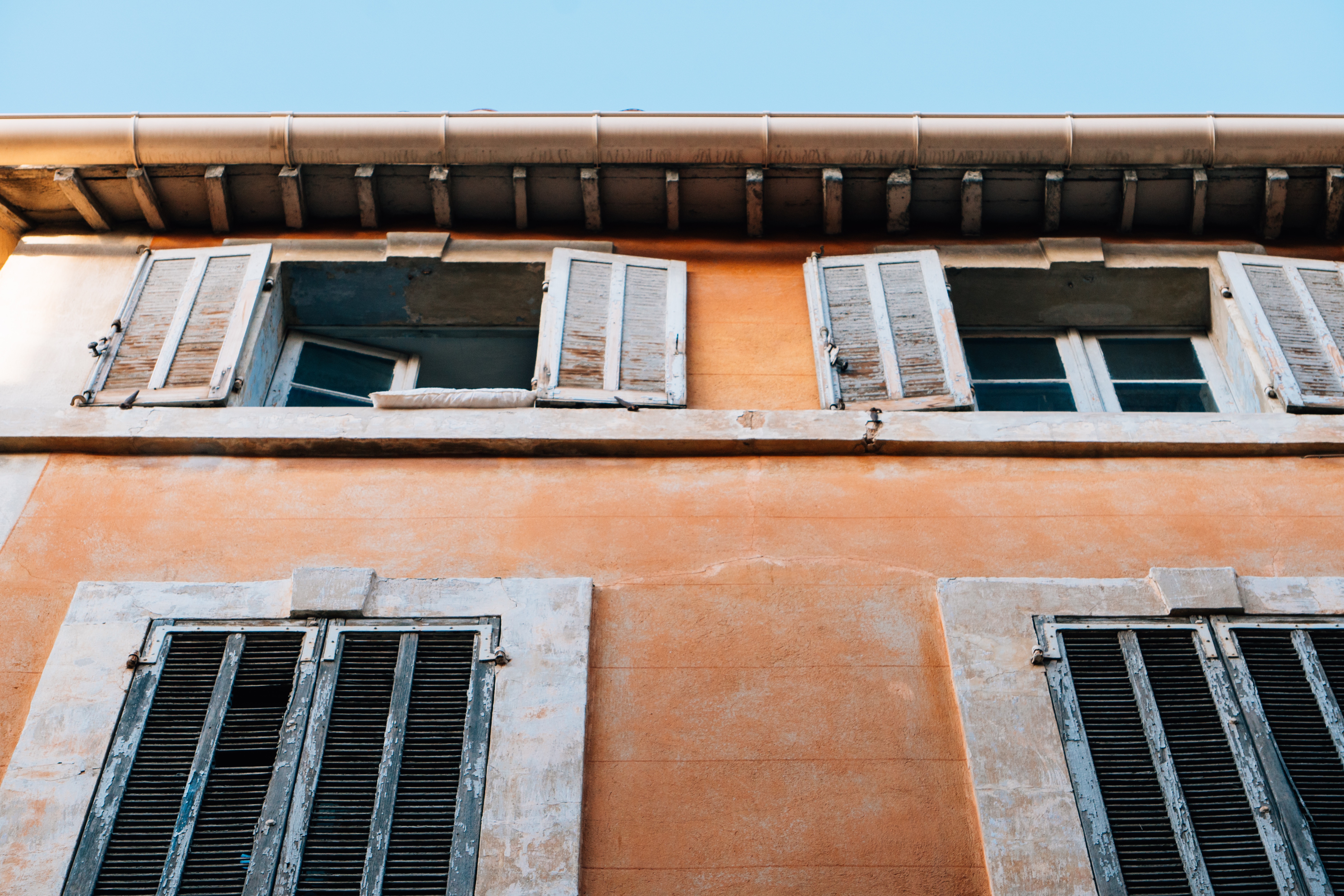
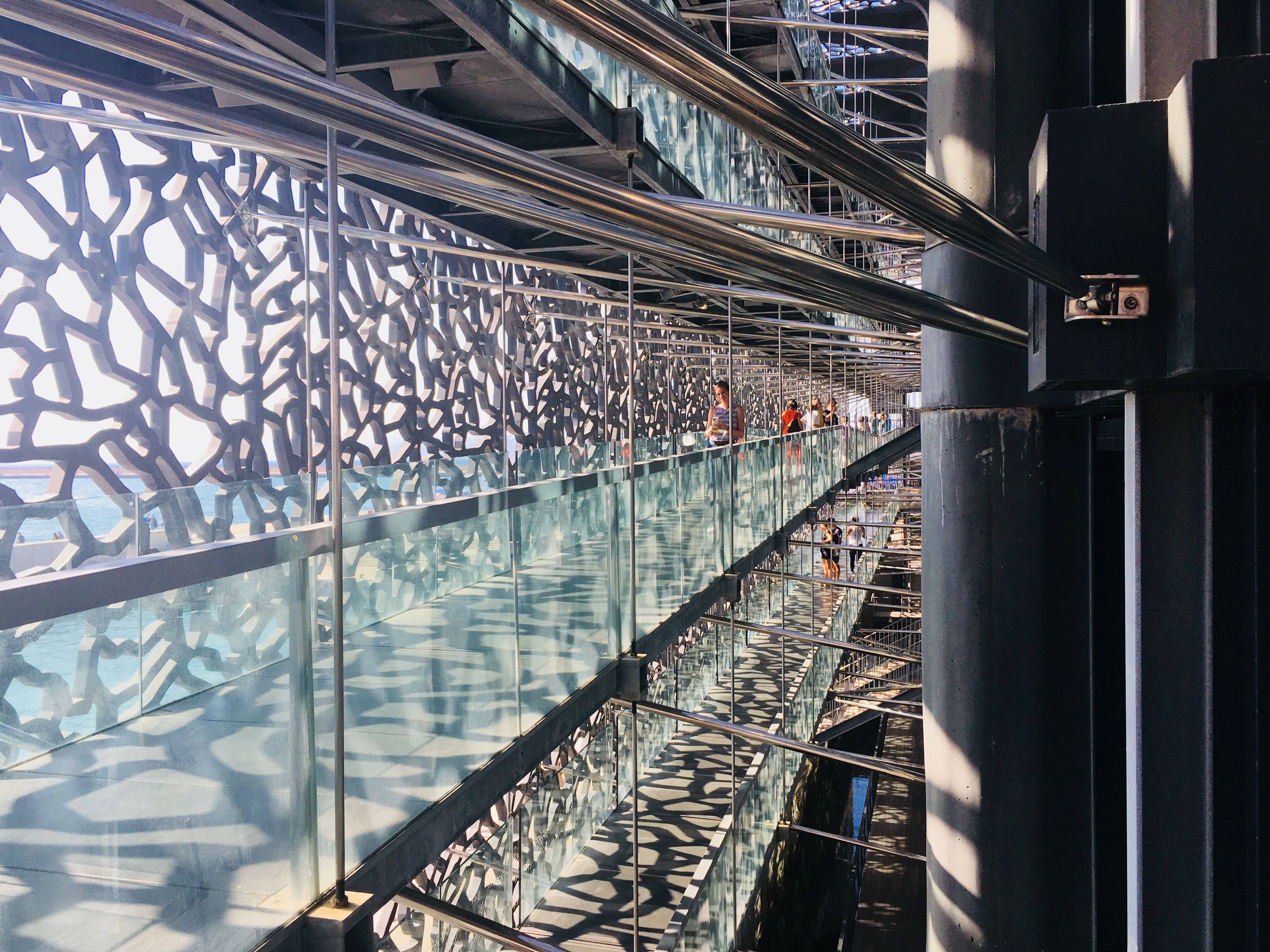
Since being designated a European Capital of Culture for 2013, with an estimated €660 million of funding in the bargain, Marseille has been in the throes of an extraordinary transformation, with no fewer than five major new arts centers, a beautifully refurbished port, revitalized neighborhoods, and a slew of new shops and restaurants. Once the underdog, this time-burnished city is now welcoming an influx of weekend tourists who have colonized entire neighborhoods and transformed them into elegant pieds-à-terre (or should we say, mer). The second-largest city in France, Marseille is one of Europe's most vibrant destinations. Feisty and fond of broad gestures, it is also as complicated and as cosmopolitan now as it was when a band of Phoenician Greeks first sailed into the harbor that is today's Vieux Port in 600 BC. Legend has it that on that same day a local chieftain's daughter, Gyptis, needed to choose a husband, and her wandering eyes settled on the Greeks' handsome commander Protis. Her dowry brought land near the mouth of the Rhône, where the Greeks founded Massalia, the most important Continental shipping port in antiquity. The port flourished for some 500 years as a typical Greek city, enjoying the full flush of classical culture, its gods, its democratic political system, its sports and theater, and its naval prowess. Caesar changed all that, besieging the city in 49 BC and seizing most of its colonies. In 1214 Marseille was seized again, this time by Charles d'Anjou, and was later annexed to France by Henri IV in 1481, but it was not until Louis XIV took the throne that the biggest transformations of the port began; he pulled down the city walls in 1666 and expanded the port to the Rive Neuve (New Riverbank). The city was devastated by plague in 1720, losing more than half its population. By the time of the Revolution, Marseille was on the rebound once again, with industries of soap manufacturing and oil processing flourishing, encouraging a wave of immigration from Provence and Italy. With the opening of the Suez Canal in 1869, Marseille became the greatest boomtown in 19th-century Europe. With a large influx of immigrants from areas as exotic as Tangiers, the city quickly acquired the multicultural population it maintains to this day.
About Livorno
Livorno is a gritty city with a long and interesting history. In the early Middle Ages it alternately belonged to Pisa and Genoa. In 1421 Florence, seeking access to the sea, bought it. Cosimo I (1519–74) started construction of the harbor in 1571, putting Livorno on the map. After Ferdinando I de' Medici (1549–1609) proclaimed Livorno a free city, it became a haven for people suffering from religious persecution; Roman Catholics from England and Jews and Moors from Spain and Portugal, among others, settled here. The Quattro Mori (Four Moors), also known as the Monument to Ferdinando I, commemorates this. (The statue of Ferdinando I dates from 1595, the bronze Moors by Pietro Tacca from the 1620s.)In the following centuries, and particularly in the 18th, Livorno boomed as a port. In the 19th century the town drew a host of famous Britons passing through on their grand tours. Its prominence continued up to World War II, when it was heavily bombed. Much of the town's architecture, therefore, postdates the war, and it's somewhat difficult to imagine what it might have looked like before. Livorno has recovered from the war, however, as it's become a huge point of departure for container ships, as well as the only spot in Tuscany for cruise ships to dock for the day.Most of Livorno's artistic treasures date from the 17th century and aren't all that interesting unless you dote on obscure baroque artists. Livorno's most famous native artist, Amedeo Modigliani (1884–1920), was of much more recent vintage. Sadly, there's no notable work by him in his hometown.There may not be much in the way of art, but it's still worth strolling around the city. The Mercato Nuovo, which has been around since 1894, sells all sorts of fruits, vegetables, grains, meat, and fish. Outdoor markets nearby are also chock-full of local color. The presence of Camp Darby, an American military base just outside town, accounts for the availability of many American products.If you have time, Livorno is worth a stop for lunch or dinner at the very least.
About Livorno
Livorno is a gritty city with a long and interesting history. In the early Middle Ages it alternately belonged to Pisa and Genoa. In 1421 Florence, seeking access to the sea, bought it. Cosimo I (1519–74) started construction of the harbor in 1571, putting Livorno on the map. After Ferdinando I de' Medici (1549–1609) proclaimed Livorno a free city, it became a haven for people suffering from religious persecution; Roman Catholics from England and Jews and Moors from Spain and Portugal, among others, settled here. The Quattro Mori (Four Moors), also known as the Monument to Ferdinando I, commemorates this. (The statue of Ferdinando I dates from 1595, the bronze Moors by Pietro Tacca from the 1620s.)In the following centuries, and particularly in the 18th, Livorno boomed as a port. In the 19th century the town drew a host of famous Britons passing through on their grand tours. Its prominence continued up to World War II, when it was heavily bombed. Much of the town's architecture, therefore, postdates the war, and it's somewhat difficult to imagine what it might have looked like before. Livorno has recovered from the war, however, as it's become a huge point of departure for container ships, as well as the only spot in Tuscany for cruise ships to dock for the day.Most of Livorno's artistic treasures date from the 17th century and aren't all that interesting unless you dote on obscure baroque artists. Livorno's most famous native artist, Amedeo Modigliani (1884–1920), was of much more recent vintage. Sadly, there's no notable work by him in his hometown.There may not be much in the way of art, but it's still worth strolling around the city. The Mercato Nuovo, which has been around since 1894, sells all sorts of fruits, vegetables, grains, meat, and fish. Outdoor markets nearby are also chock-full of local color. The presence of Camp Darby, an American military base just outside town, accounts for the availability of many American products.If you have time, Livorno is worth a stop for lunch or dinner at the very least.
About Salerno
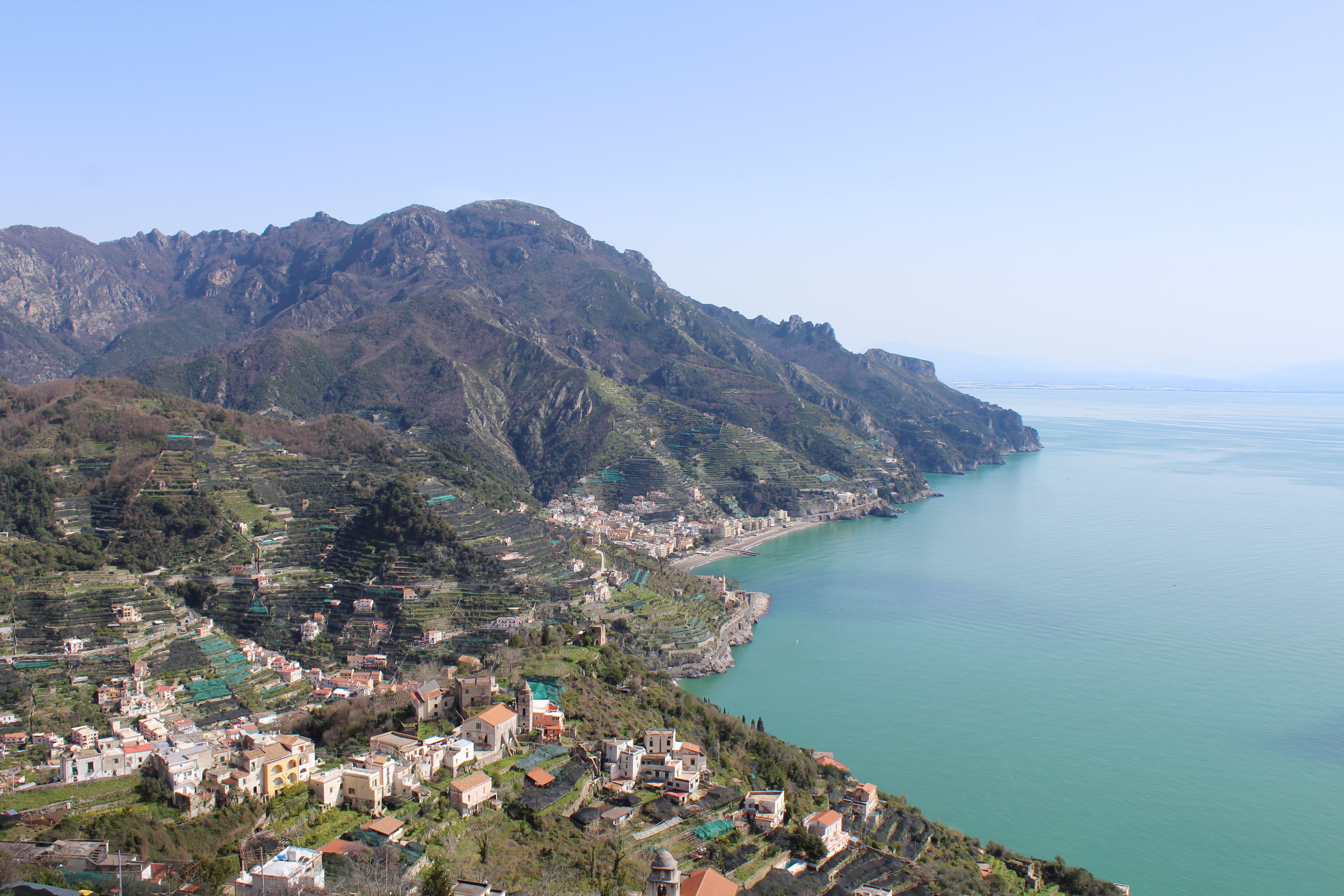
Salerno is an Italian city located on the Gulf of Salerno. Famous for being home to the first medical university, Salerno is a great destination for anyone looking for gorgeous sea views filled with sunshine and Italian food.
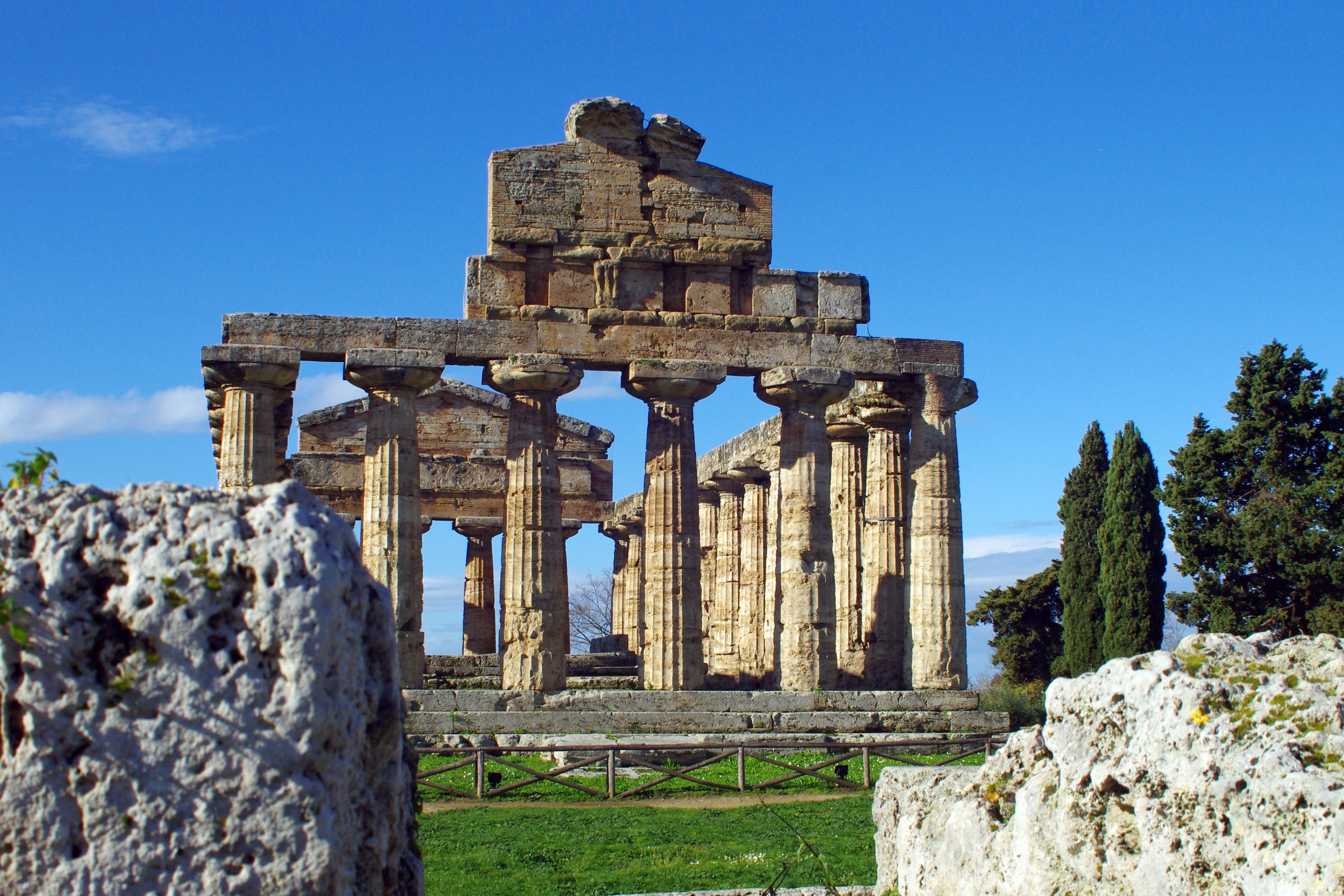
About Catania
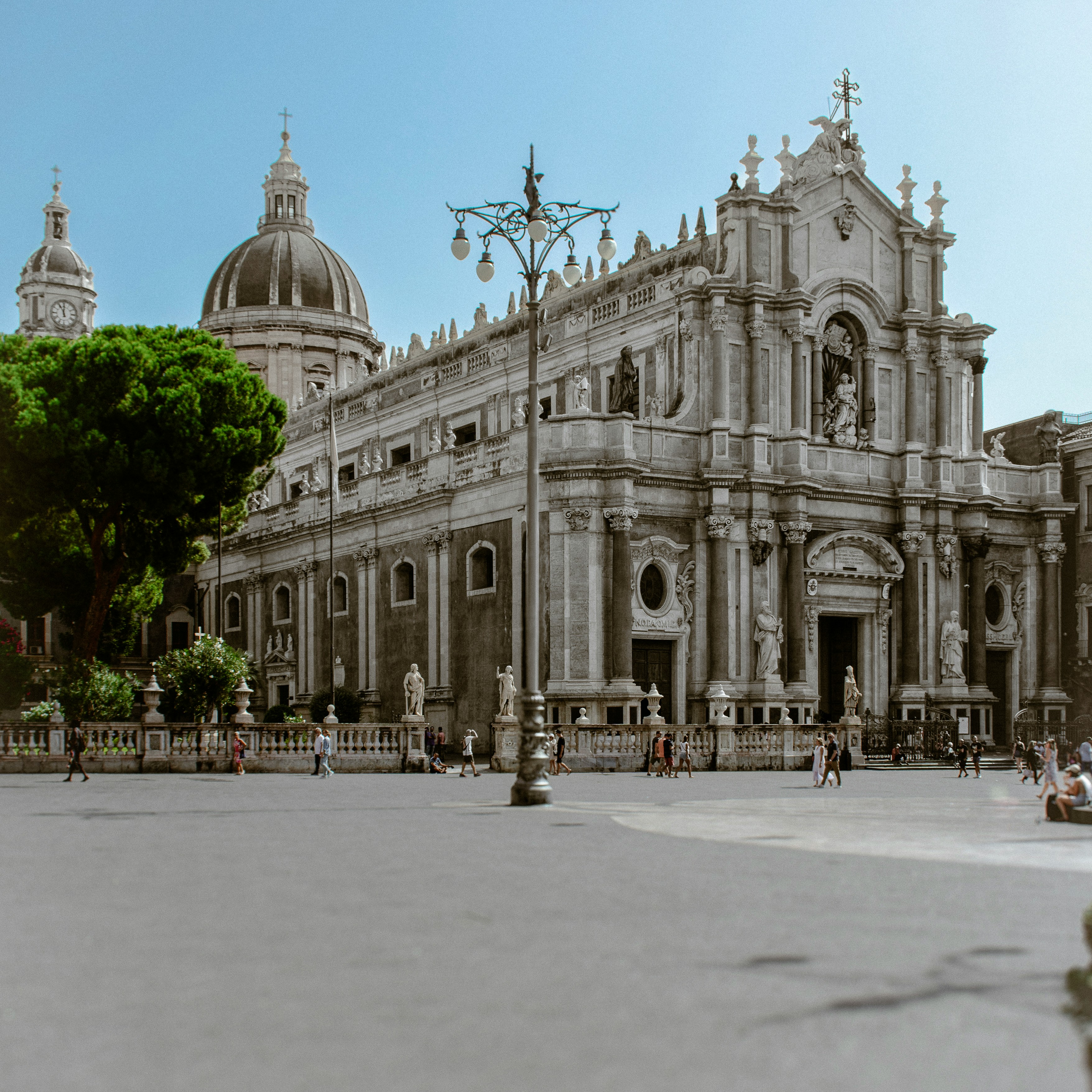
Catania is an ancient port city on Sicily's east coast. It sits at the foot of Mt. Etna, an active volcano with trails leading up to the summit. The city's wide central square, Piazza del Duomo, features the whimsical Fontana dell'Elefante statue and richly decorated Catania Cathedral. In the southwest corner of the square, La Pescheria weekday fish market is a rowdy spectacle surrounded by seafood restaurants.
About Corfu
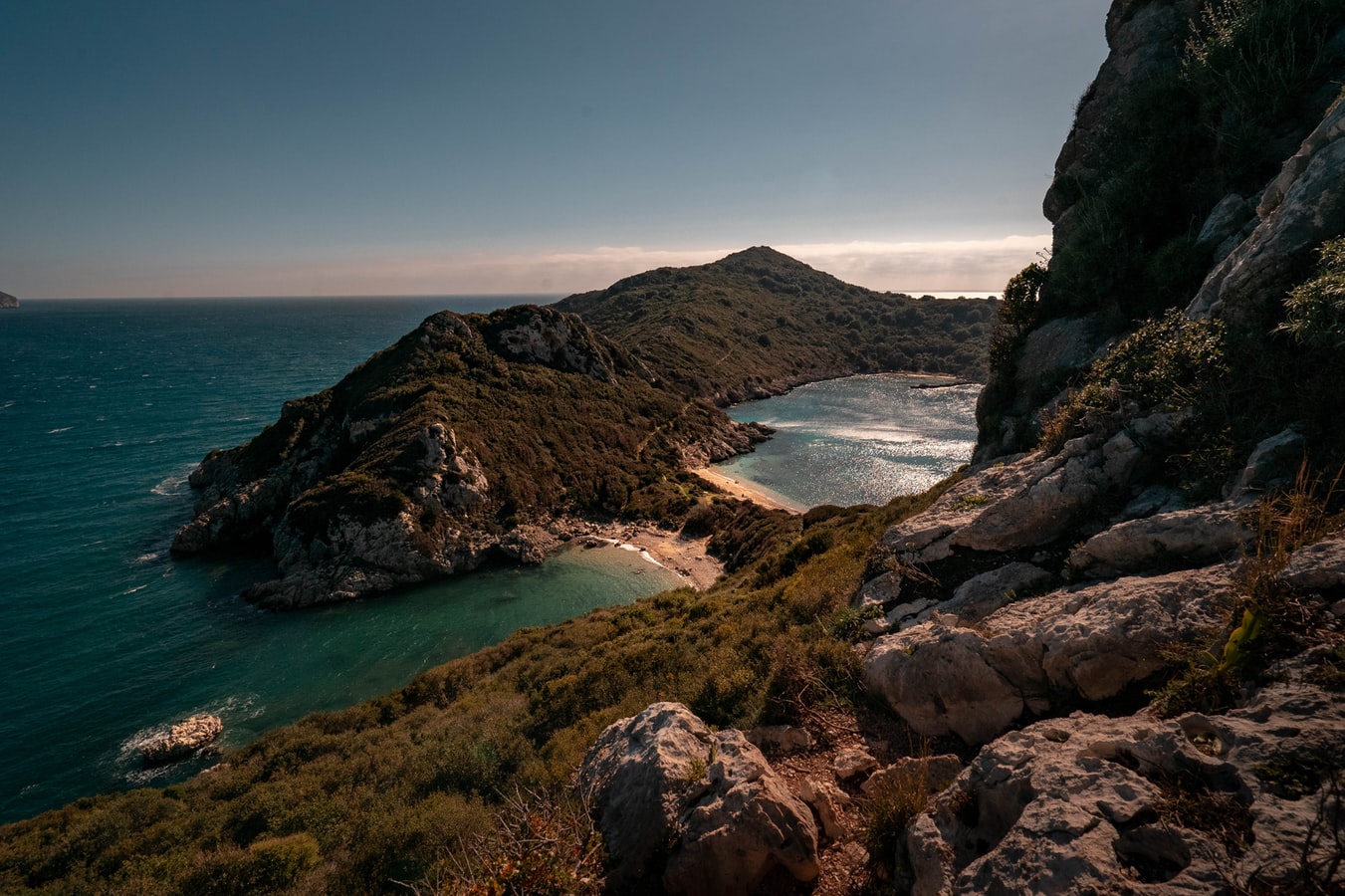
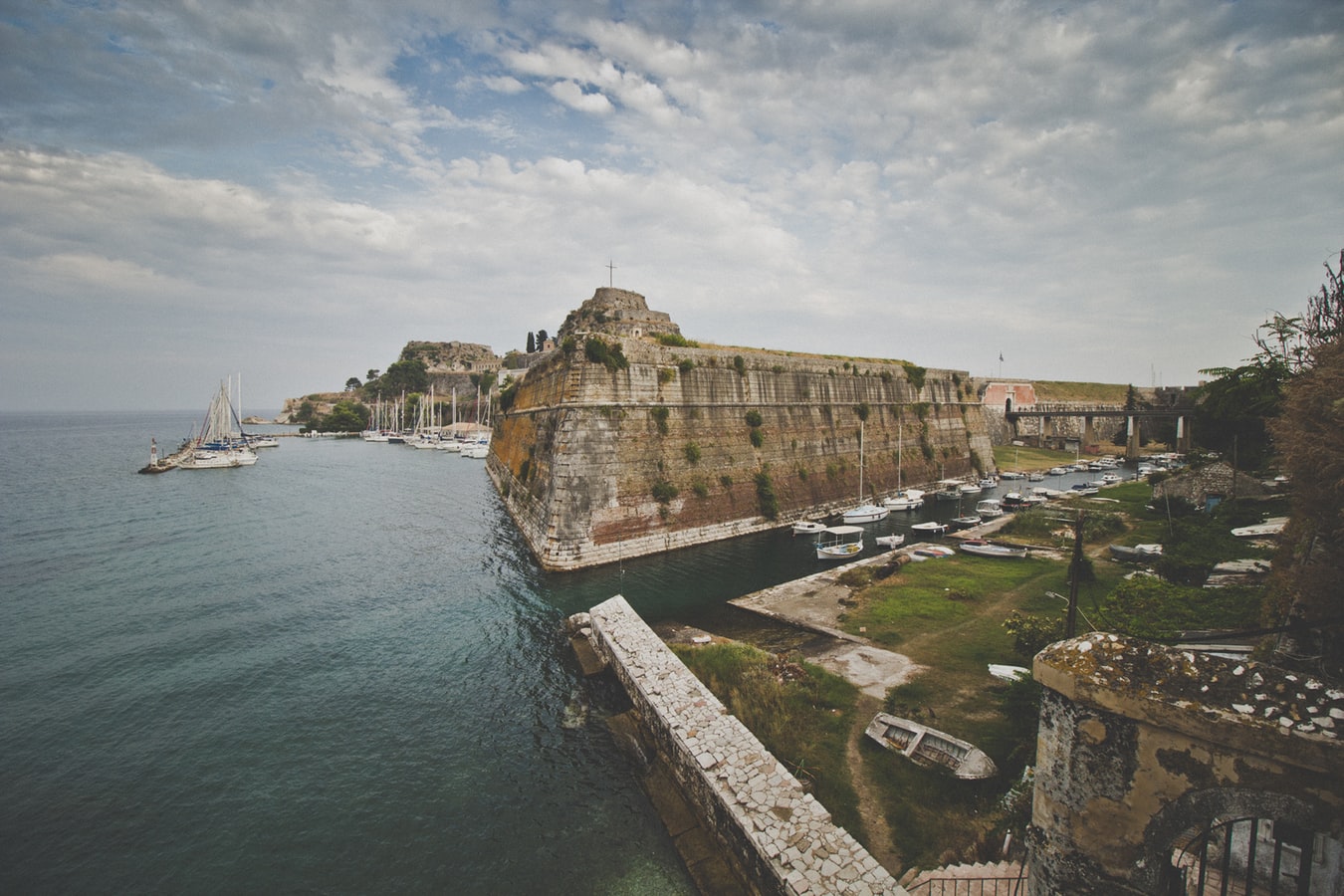
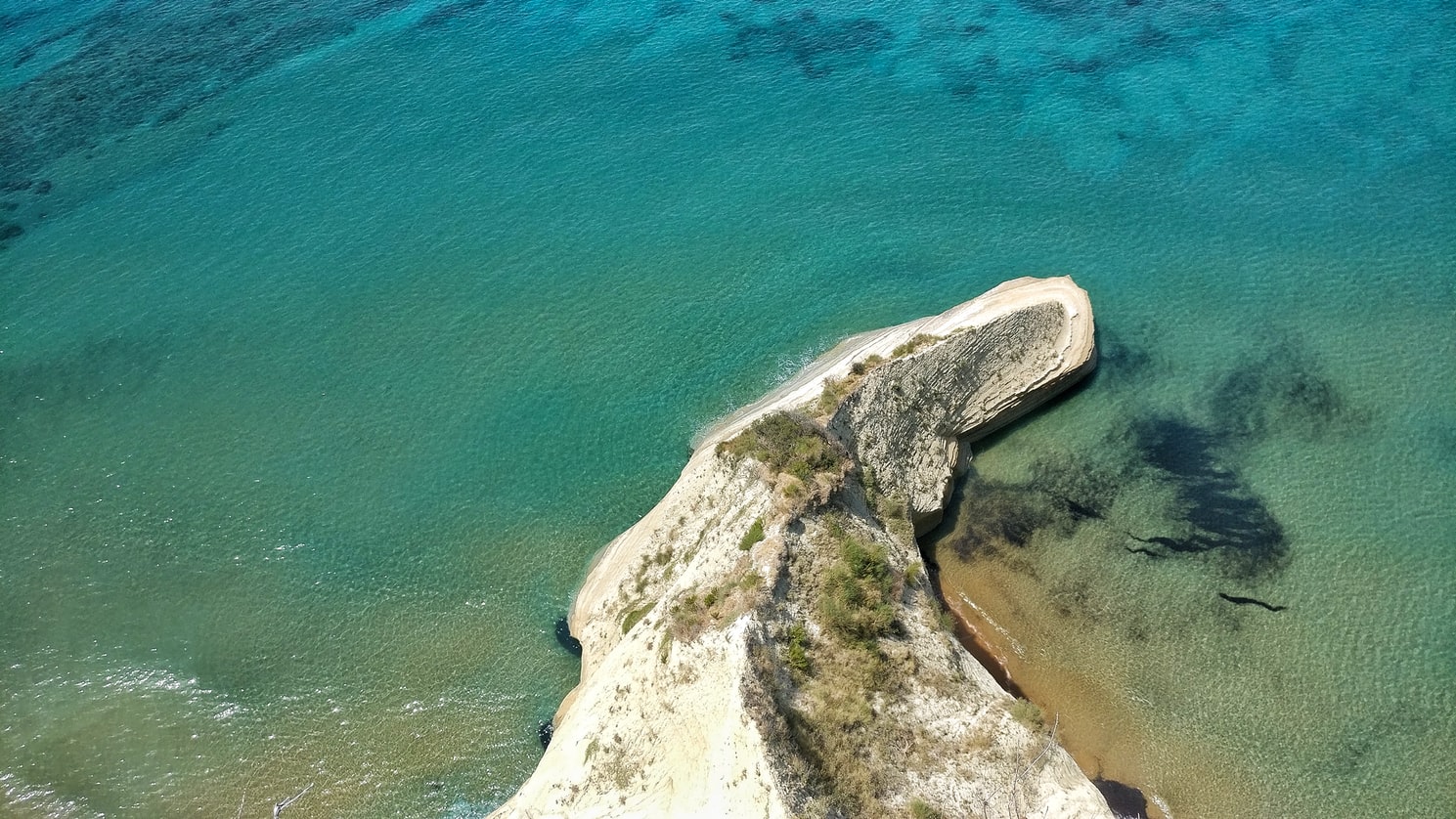
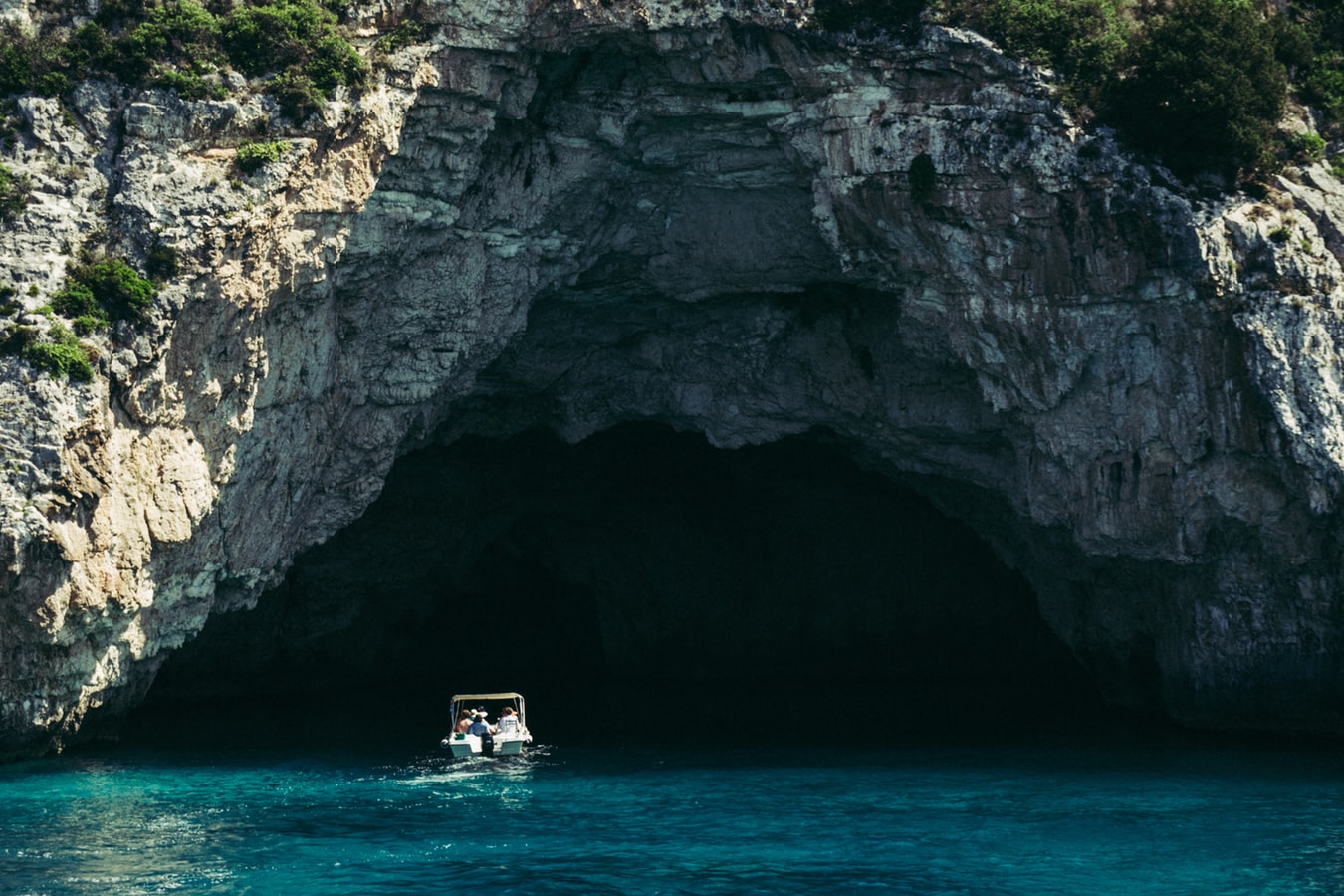
Corfu town today is a vivid tapestry of cultures—a sophisticated weave, where charm, history, and natural beauty blend. Located about midway along the island's east coast, this spectacularly lively capital is the cultural heart of Corfu and has a remarkable historic center that UNESCO designated as a World Heritage Site in 2007. All ships and planes dock or land near Corfu town, which occupies a small peninsula jutting into the Ionian Sea.Whether arriving by ferry from mainland Greece or Italy, from another island, or directly by plane, catch your breath by first relaxing with a coffee or a gelato in Corfu town's shaded Liston Arcade, then stroll the narrow lanes of its pedestrians-only quarter. For an overview of the immediate area, and a quick tour of Mon Repos palace, hop on the little tourist train that runs from May to September. Corfu town has a different feel at night, so book a table at one of its famed tavernas to savor the island's unique cuisine.The best way to get around Corfu town is on foot. The town is small enough so that you can easily walk to every sight. There are local buses, but they do not thread their way into the streets (many now car-free) of the historic center. If you are arriving by ferry or plane, it's best to take a taxi to your hotel. Expect to pay about €10 from the airport or ferry terminal to a hotel in Corfu town. If there are no taxis waiting, you can call for one.
About Trieste
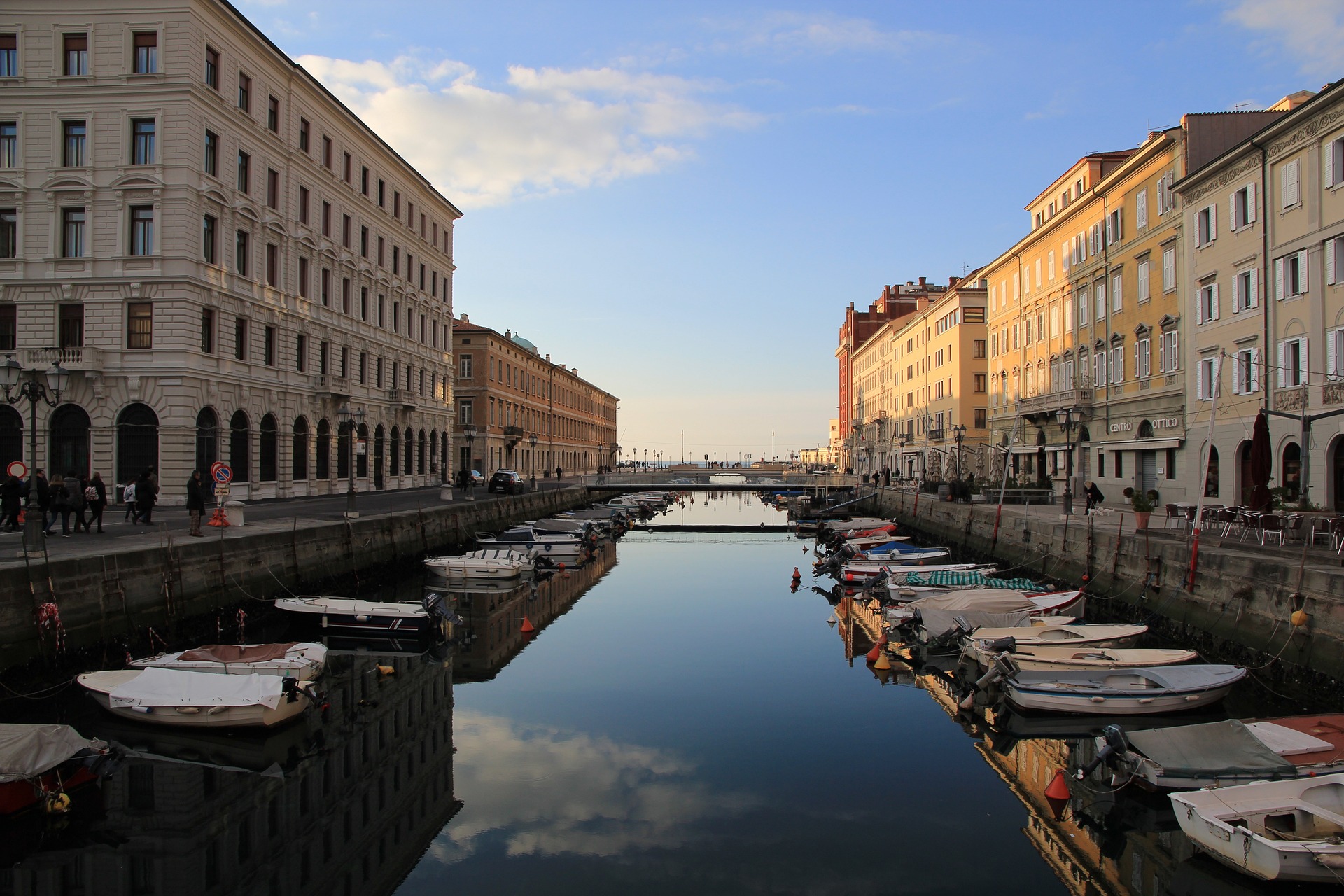
Up until the end of World War I, Trieste was the only port of the vast Austro-Hungarian Empire and therefore a major industrial and financial center. In the early years of the 20th century, Trieste and its surroundings also became famous by their association with some of the most important names of Italian literature, such as Italo Svevo, and English and German letters. James Joyce drew inspiration from the city's multiethnic population, and Rainer Maria Rilke was inspired by the seacoast west of the city. Although it has lost its importance as a port and a center of finance, it has never fully lost its roll as an intellectual center. The streets hold a mix of monumental, neoclassical, and art-nouveau architecture built by the Austrians during Trieste's days of glory, granting an air of melancholy stateliness to a city that lives as much in the past as the present.
About Rijeka
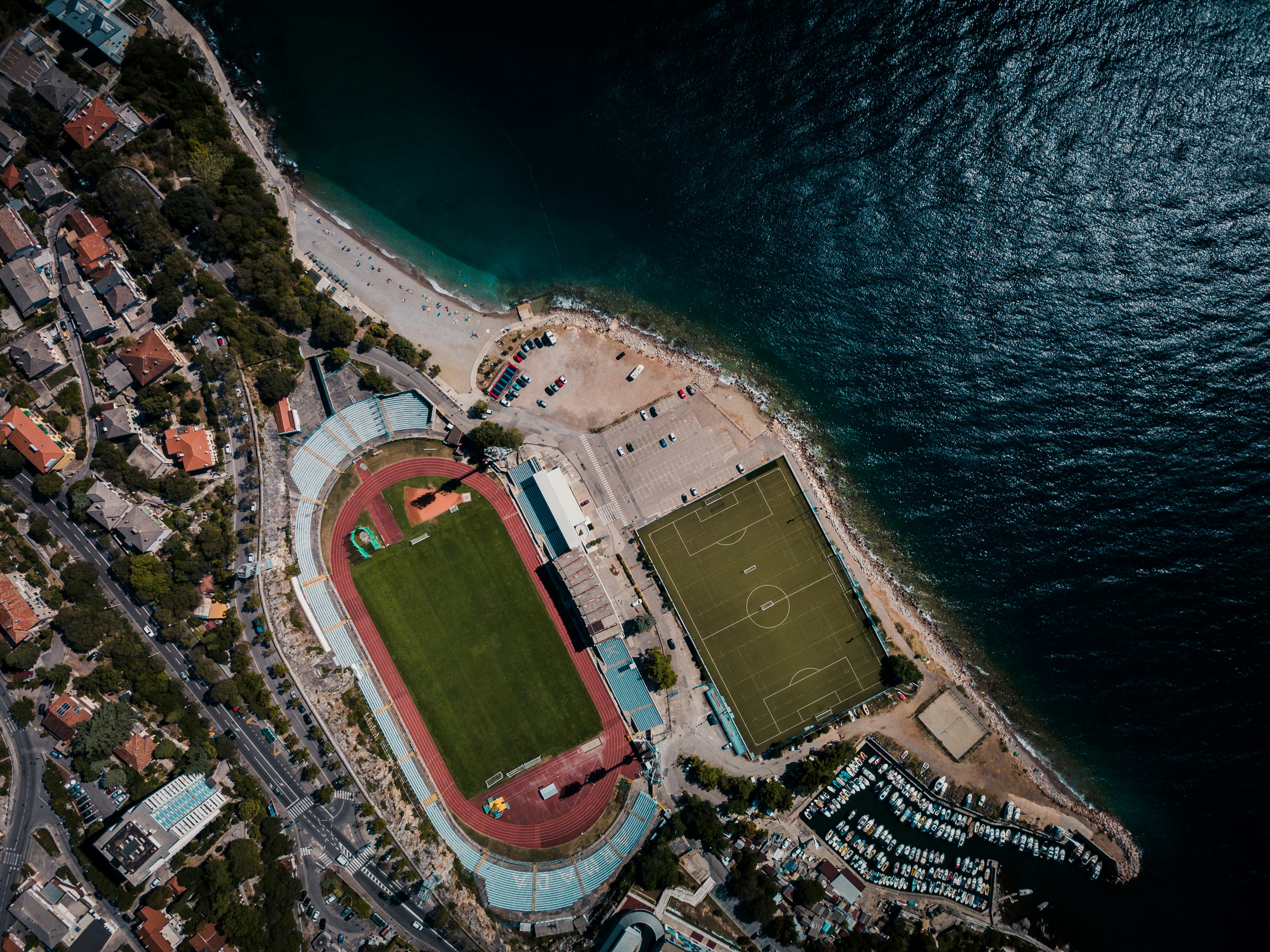
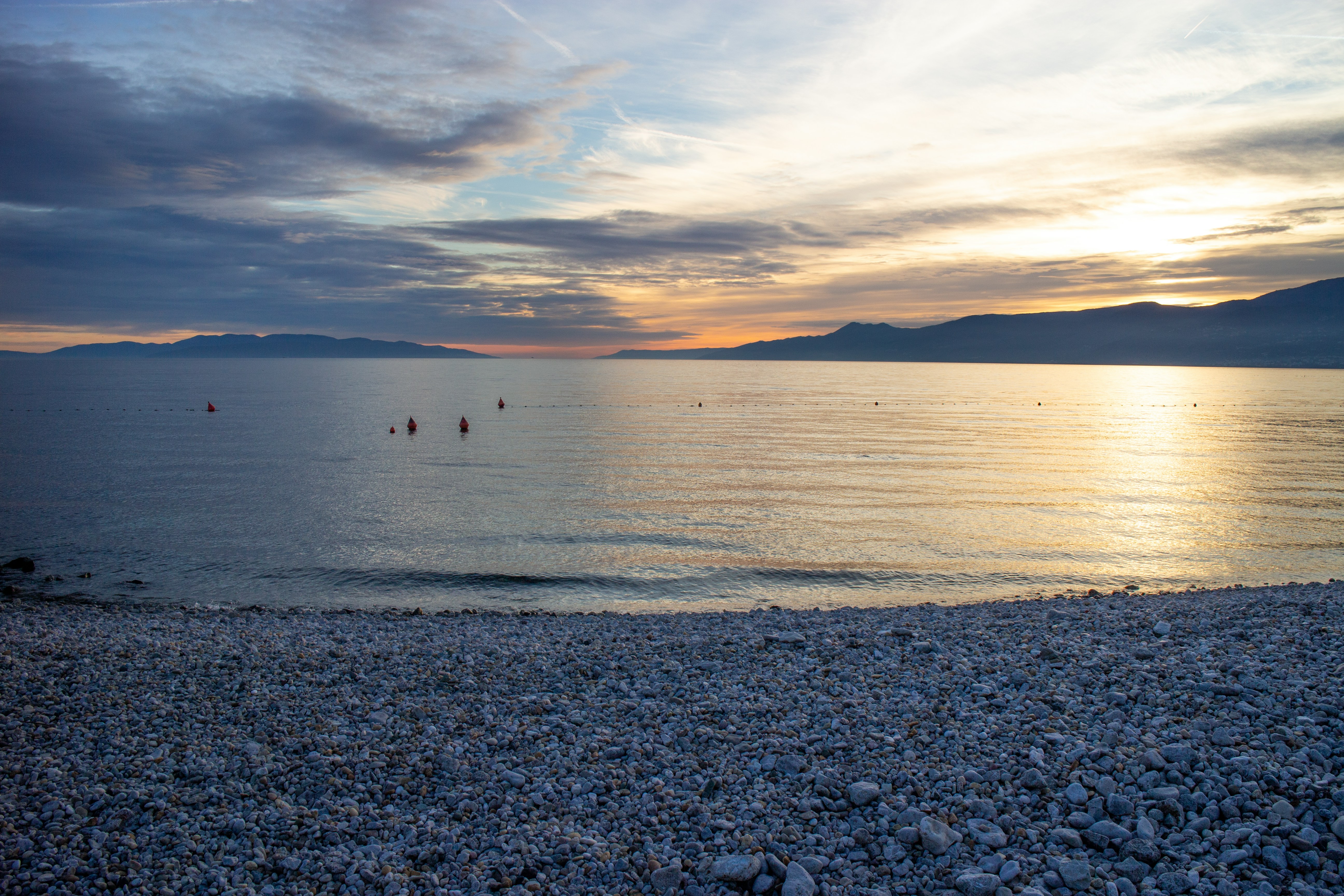
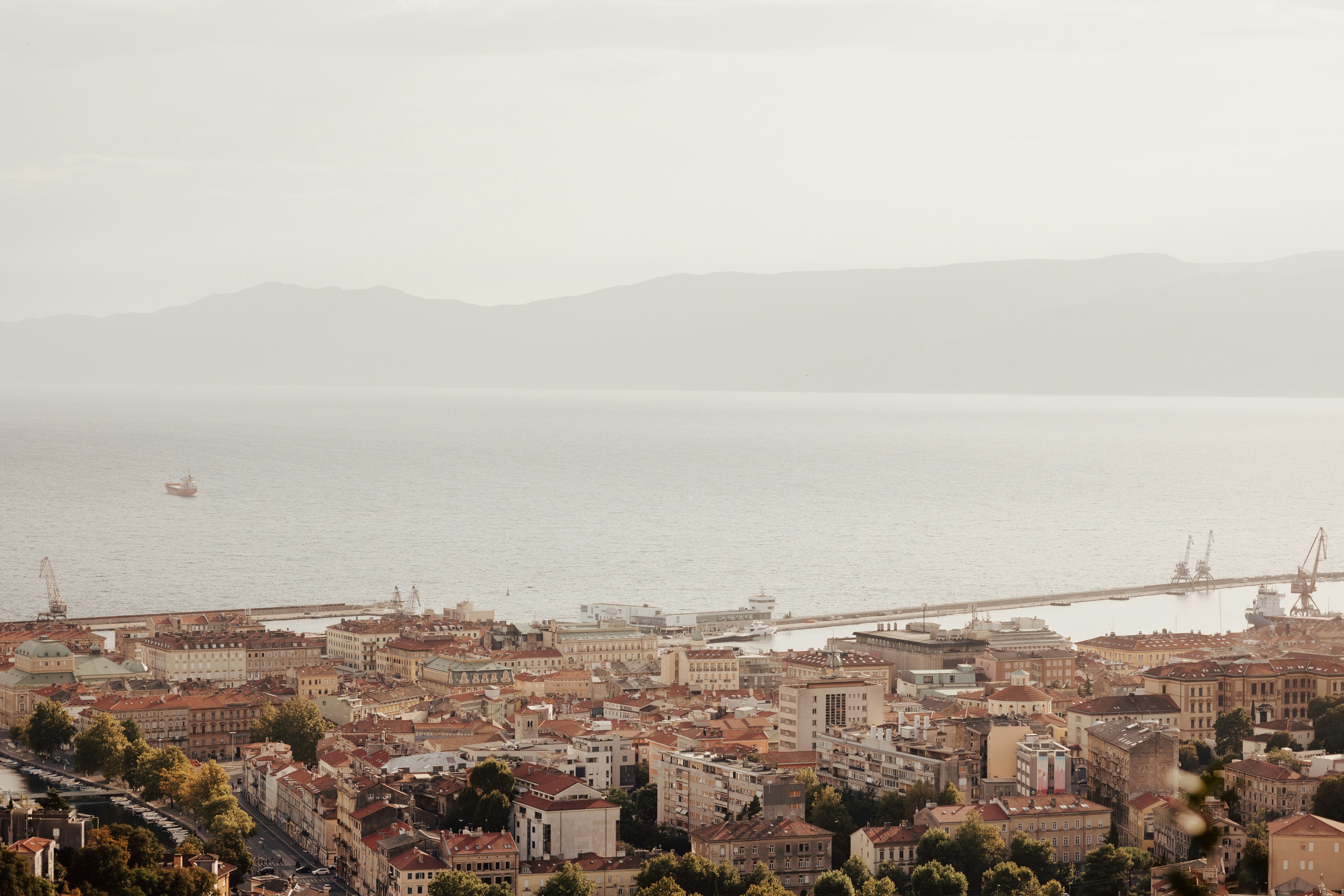
Water is the essence of Kvarner, and the region's largest city expresses this simply. Whether in Croatian or Italian (Fiume) the translation of the name to English is the same: river. Although the history of Croatia's third city goes back to the days of Imperial Rome, modern Rijeka evolved under the rule of Austria-Hungary. The historic core retains vestiges of the old Habsburg monarchy from the time when Rijeka served as the empire's outlet to the Adriatic. During the 1960s, under Yugoslavia, the suburbs expanded rapidly. Rijeka is the country's largest port, with a huge shipyard, massive dry-dock facilities, refineries, and other heavy industries offering large-scale employment. Since the breakup of Yugoslavia, however, Rijeka's role as a shipping town has declined significantly. Much business shifted north to the smaller Slovene ports during the crippling wars of the 1990s, and although some has returned, the volume remains less than half that seen in 1980.
About Hvar Island
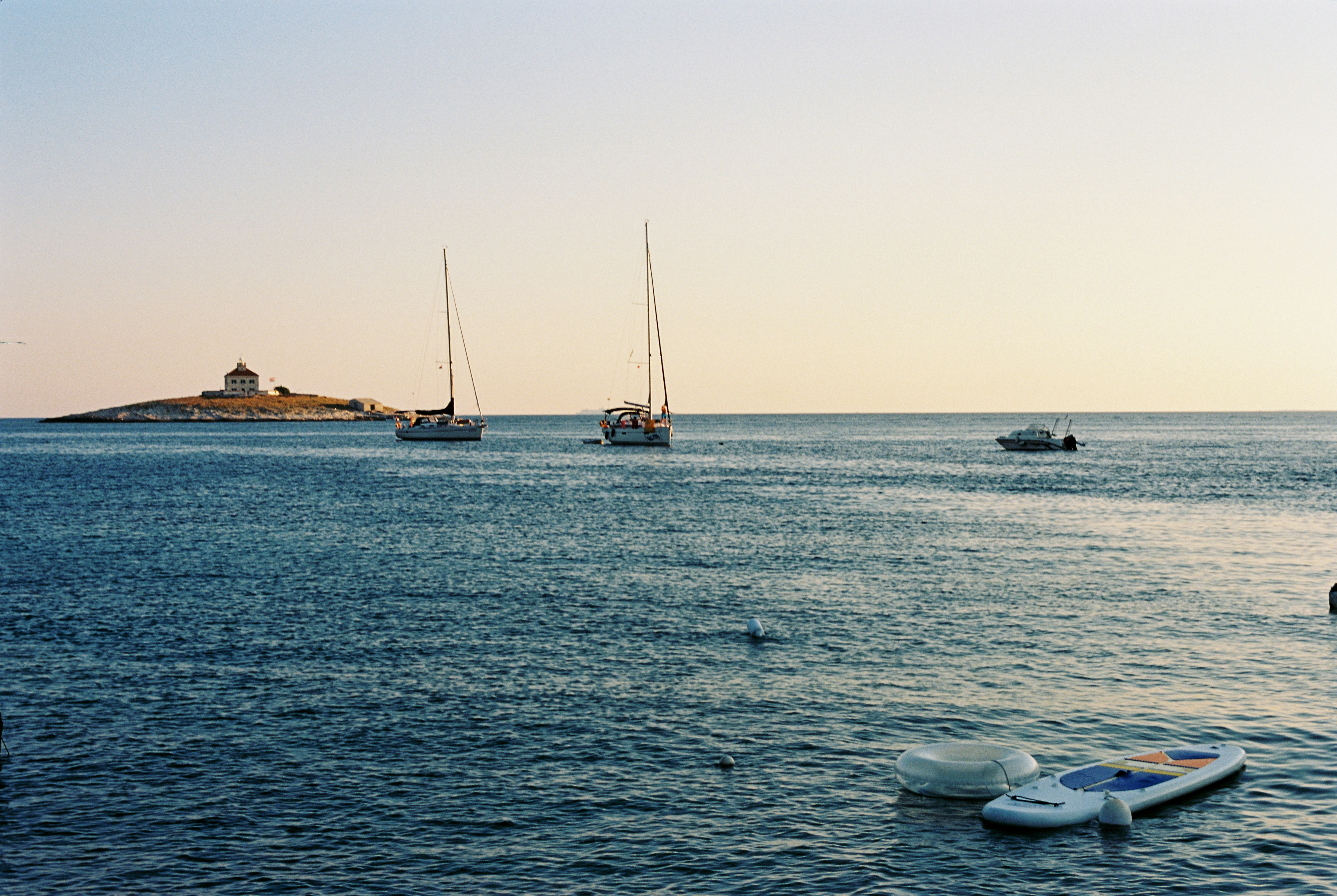
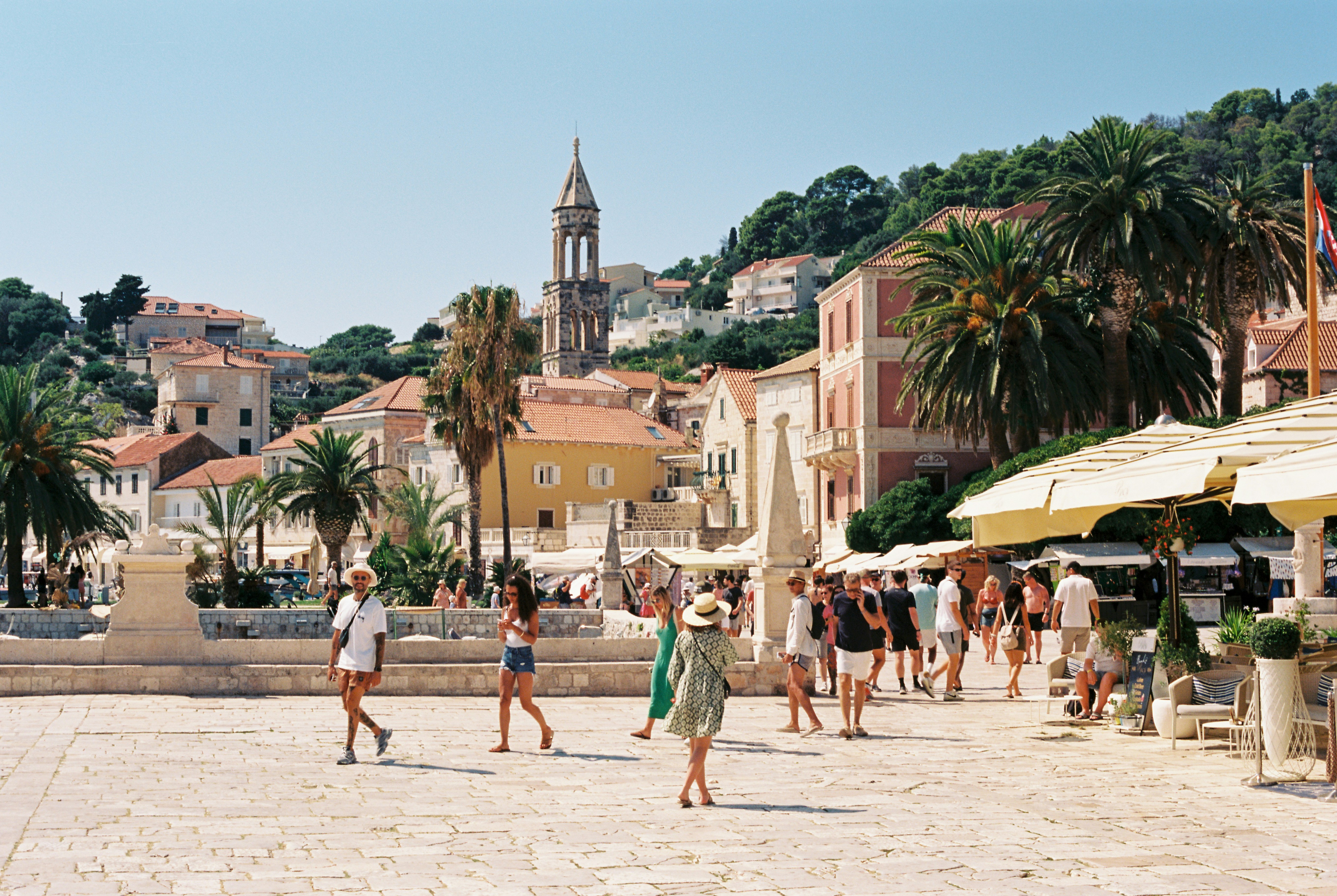
The Croatian island of Hvar bills itself as the "sunniest island in the Adriatic." Not only does it have the figures to back up this claim—an annual average of 2,724 hours of sunshine—but it also makes visitors a sporting proposition, offering them a money-back guarantee if there are seven consecutive days of snow (snow has been known to fall here; the last time being February 2012).
About Sarandë
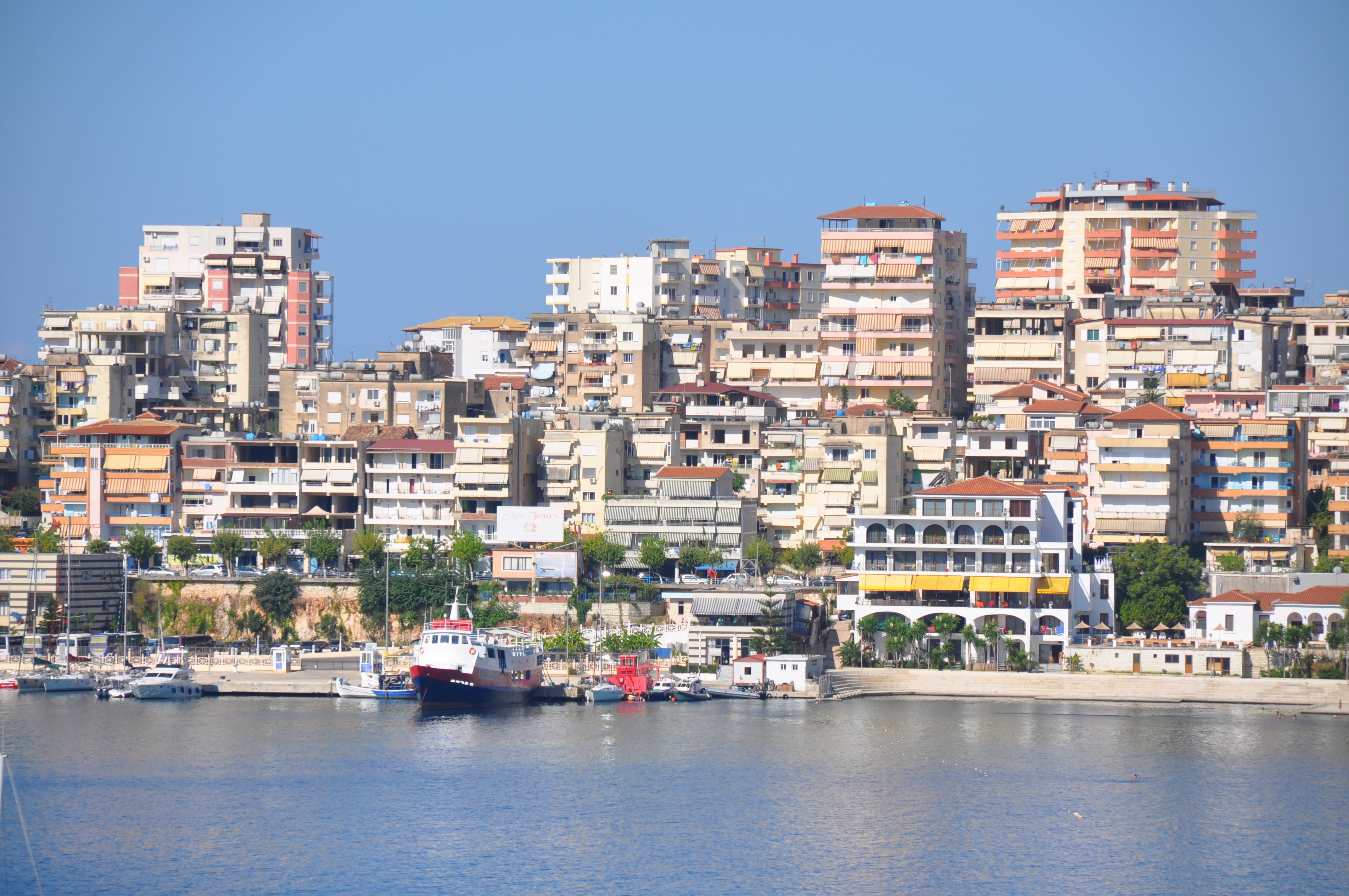
Sarandë is a city in southern Albania on the coast of the Ionian Sea. Sarandë can be reached easily from the Greek island of Corfu by ferry. An early Christian monastery dedicated to 40 saints (Santi Quaranta) gave Sarandë its name. The city center of Sarandë has been scarred by communist architecture but since the fall of communism many small shops and bars have sprung up which give it a Mediterranean feel. This southernmost harbour of Albania was once the ancient port of Onchesmos. Today, Sarandë’s main attractions are its sunny climate and the nearby ruins of Butrint. Please Note: For your convenience, shore excursions offered for this port of call are available to reserve in advance at www.silversea.com, unless otherwise noted in the description. The deadline to reserve these tours is August 19, after which they will be available for purchase on board, unless otherwise noted in the description. Pier Information The ship is scheduled to anchor at Main Pier. The town center is 875 yards from the pier. Taxis are generally available at the pier. Shopping Typical souvenirs include t-shirts, postcards, wood carvings and dolls in national costume. Cuisine Albanian cuisine has been strongly influenced by Turkey. Grilled meats like shisqubap (shish kebab), romstek (minced meat patties) and gofte (meat balls) are served all across the Balkans. Some local dishes include comlek (meat and onion stew), fërges (a rich beef stew), rosto me salcë kosi (roast beef with sour cream) and tavë kosi (mutton with yoghurt. Lake Shkodra carp and Lake Ohrid trout are the most common fish dishes. Try the ice cream (akullore), which is popular everywhere. Other Sites Blue Eye Spring The iridescent blue water gushes from the depths of the earth and feeds the Bistrica River. Catacombs Recently discovered catacombs of the church of the Forty Saints can also be explored. Private arrangements for independent sightseeing may be requested through the Tour Office on board.
About Argostoli
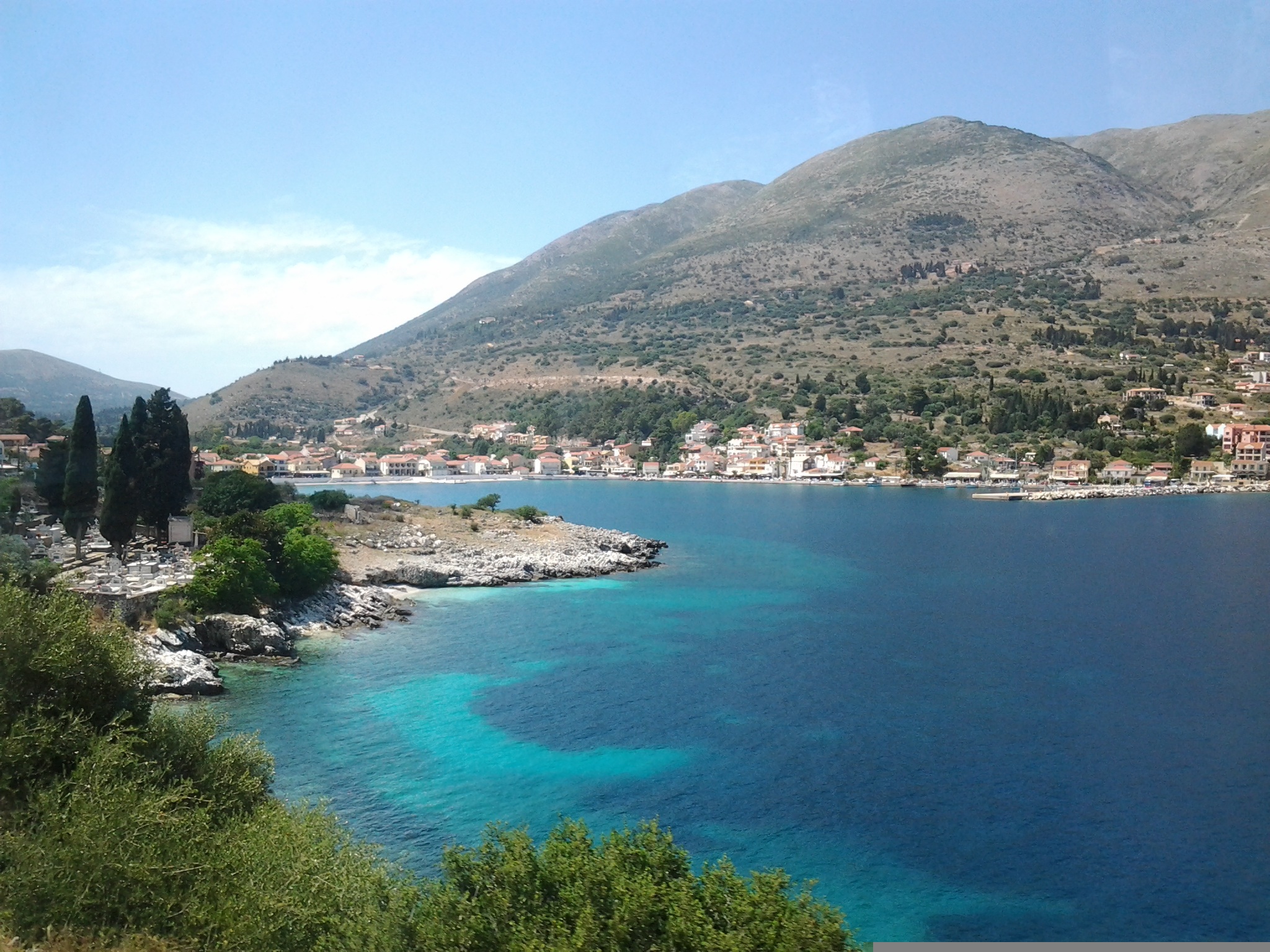
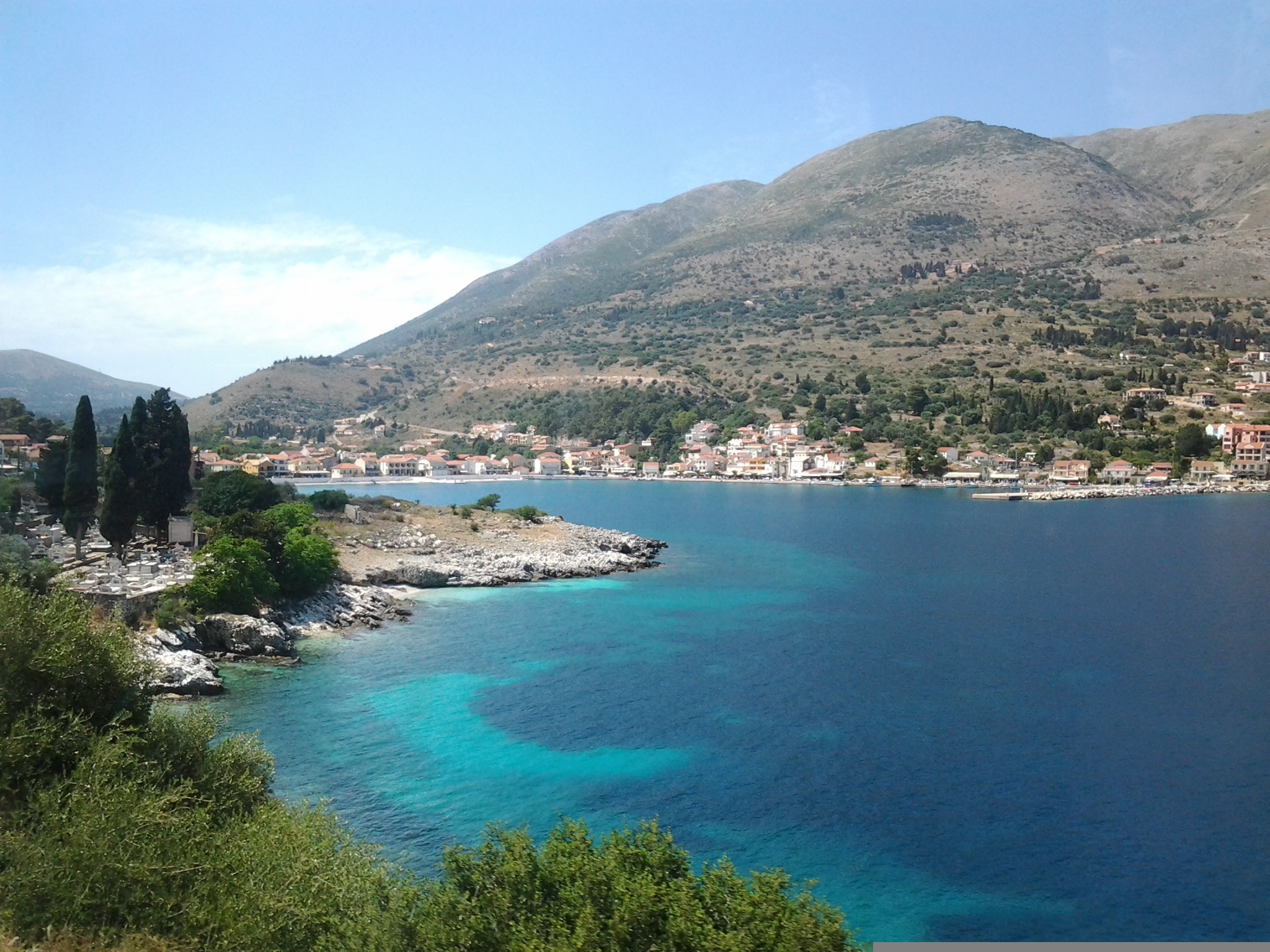
Ground literally to ashes in World War II and wracked by a massive earthquake a decade later, the capital of Kefalonia once more shows pride in its native spirit and natural beauty. The vast harbor on Argostoli’s east side makes an especially attractive port for cruise ships full of visitors who never seem to tire of strolling the cobbled seaside promenade, sipping ouzos in cafés, and stocking up on the succulent Mediterranean fruits in the outdoor markets.
About Khania
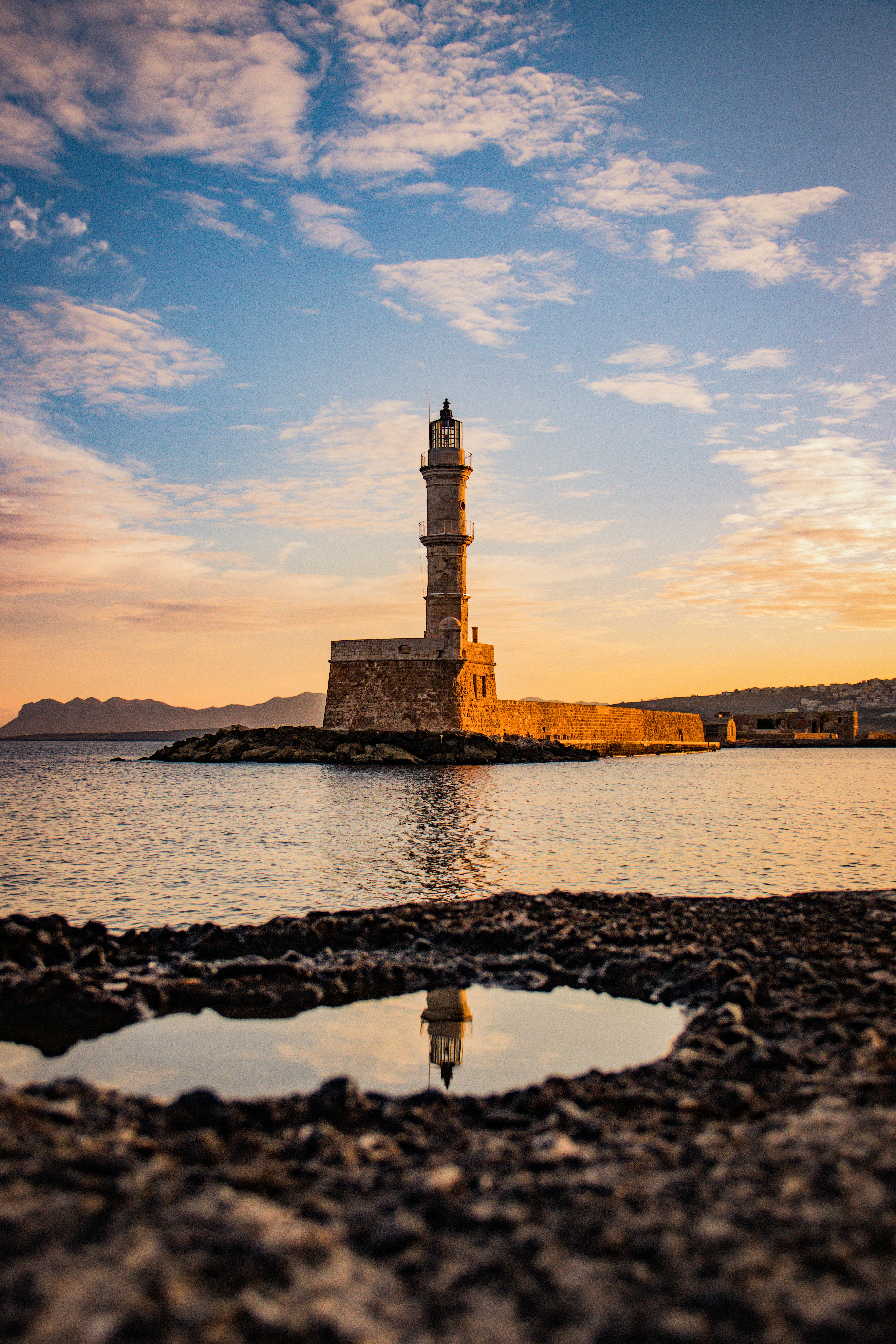
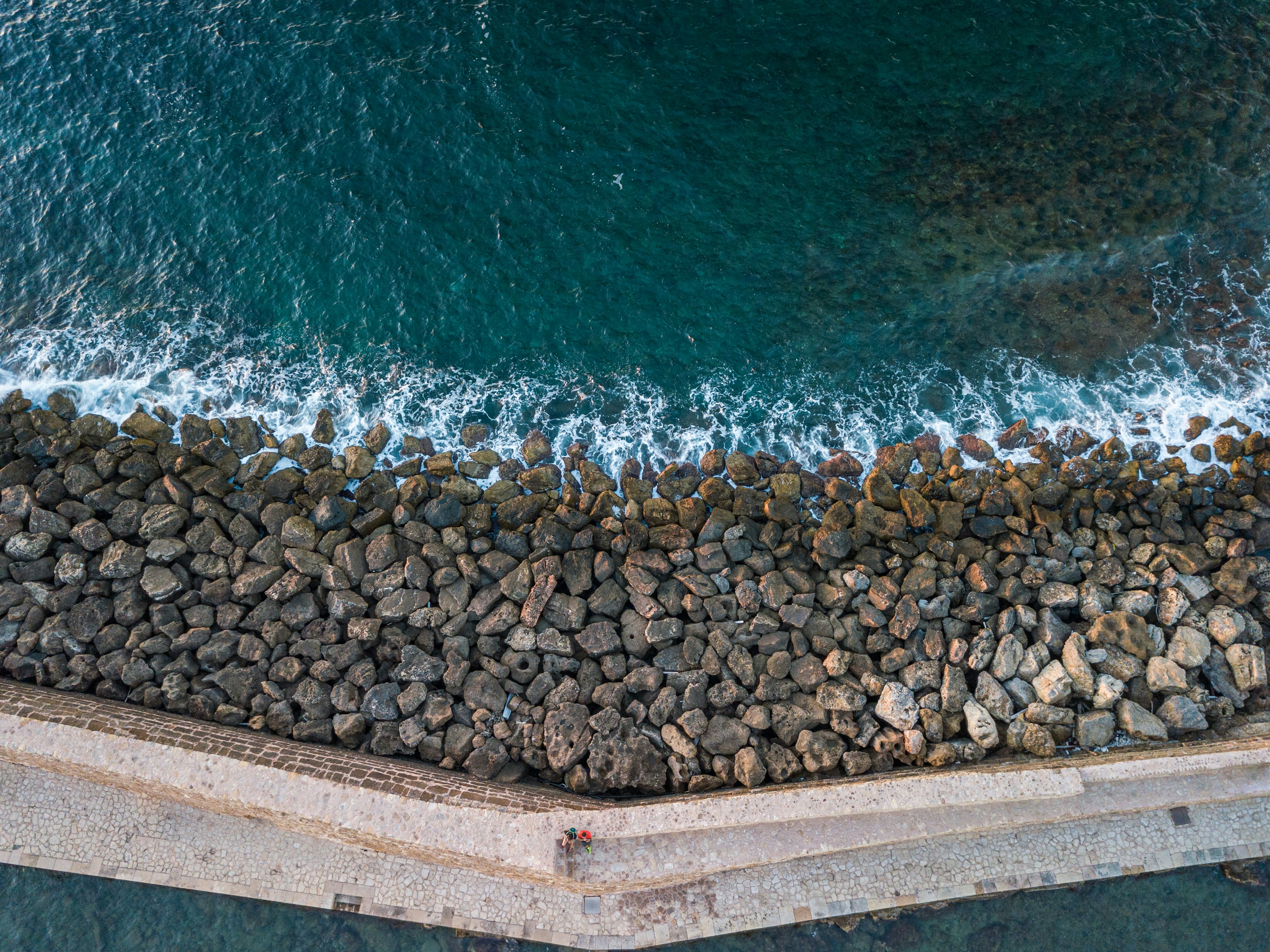
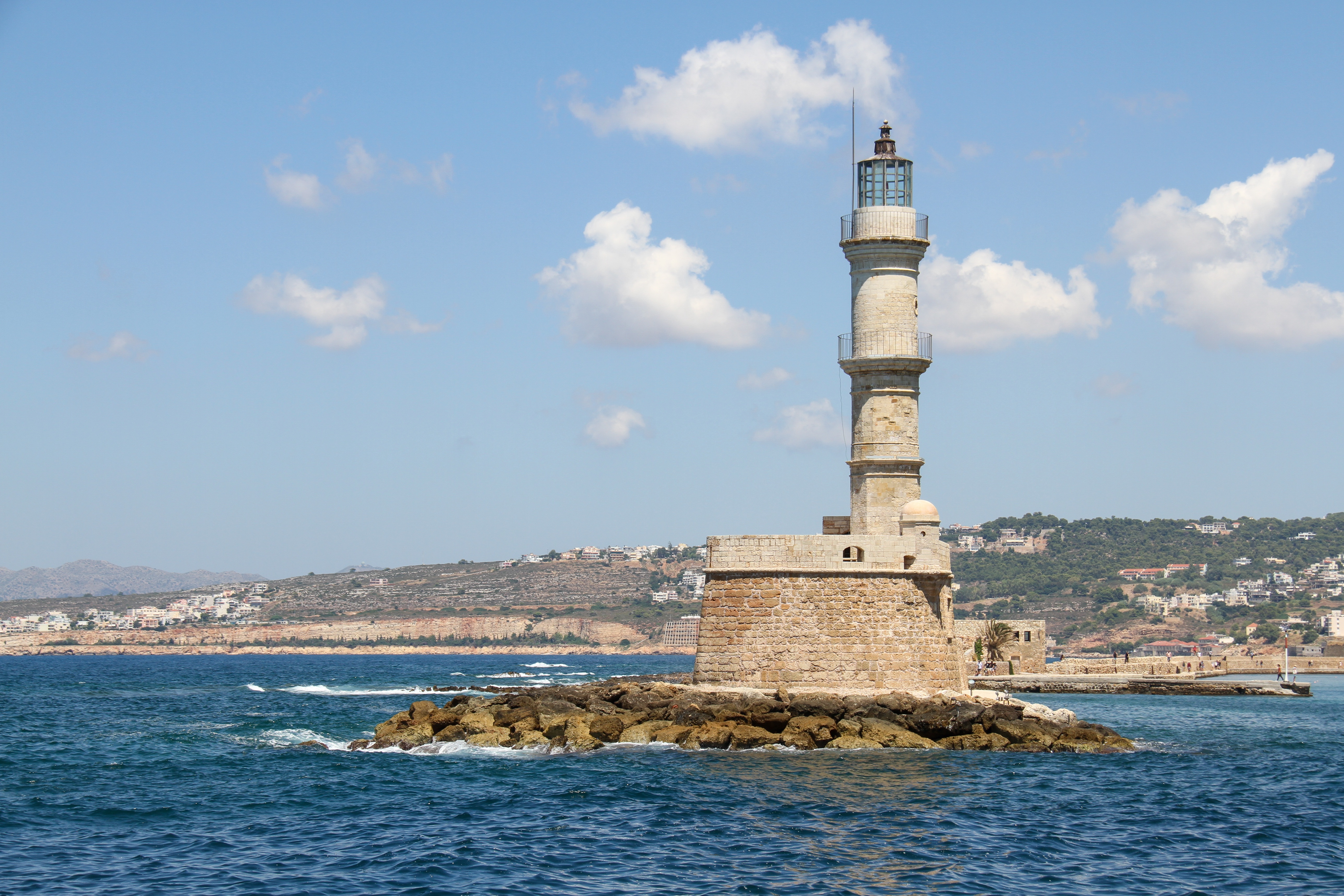
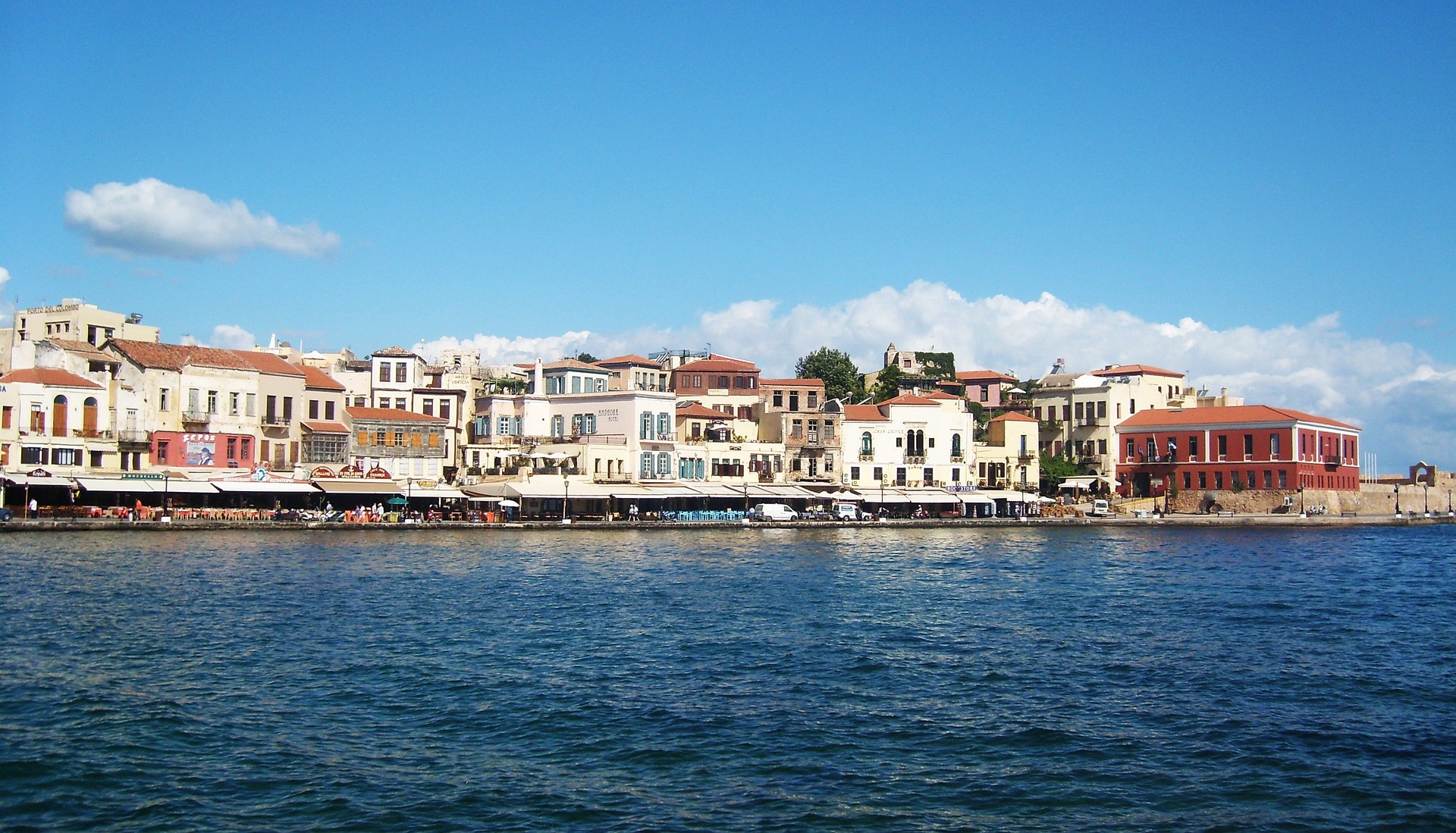
The second-largest city in Crete and capital of the Homonym Prefecture, Chania is located in Minoan Kidonia at the end of the Homonym Gulf between the Akrotiri and Onicha peninsulas. Chania City is divided into two parts; the Old Town, which is comprised of several connected districts built around the old Venetian Harbour, and New Town, a larger, more modern city whose centre is situated next to, and south of, the Old Town. The Old Town is home to Venetian buildings and Turkish elements that combine to create a unique architectural style, and is considered to be the most beautiful urban district on Crete. It was once surrounded by old Venetian fortifications that separated it from the New Town; however, only the eastern and western parts remain today. Due to its compact size, Skiathos can be easily explored in just a single day.
About Mykonos
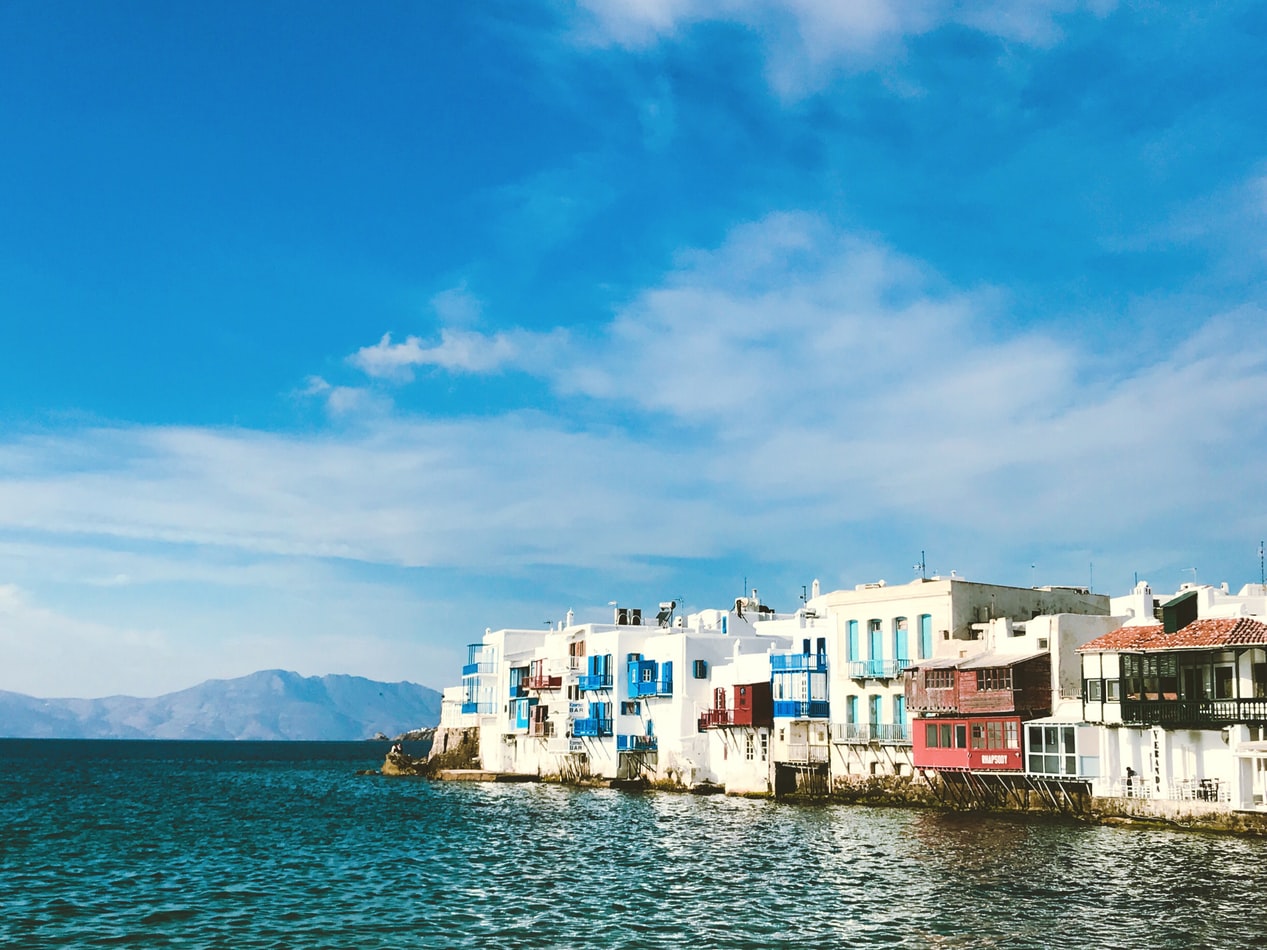
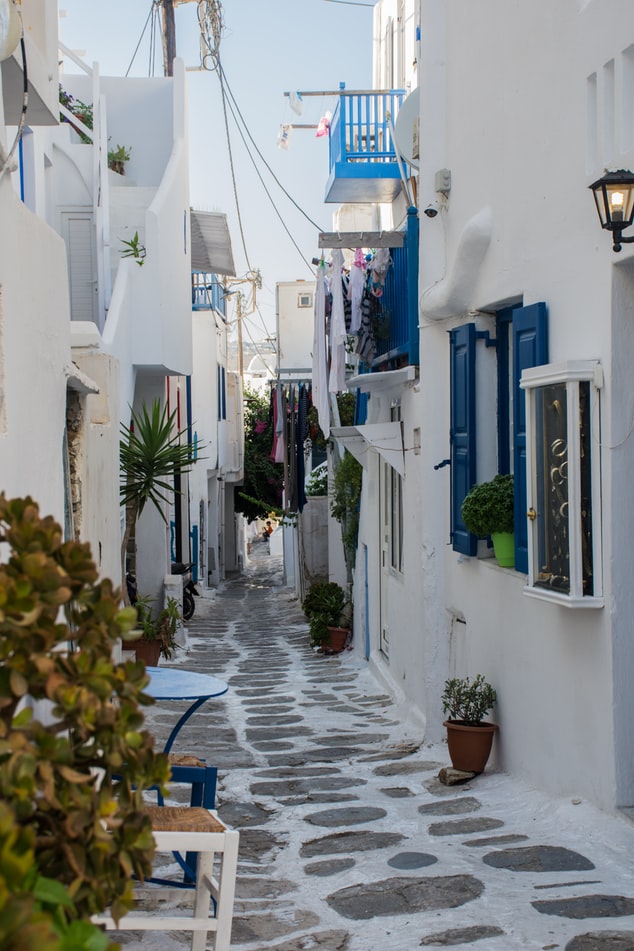
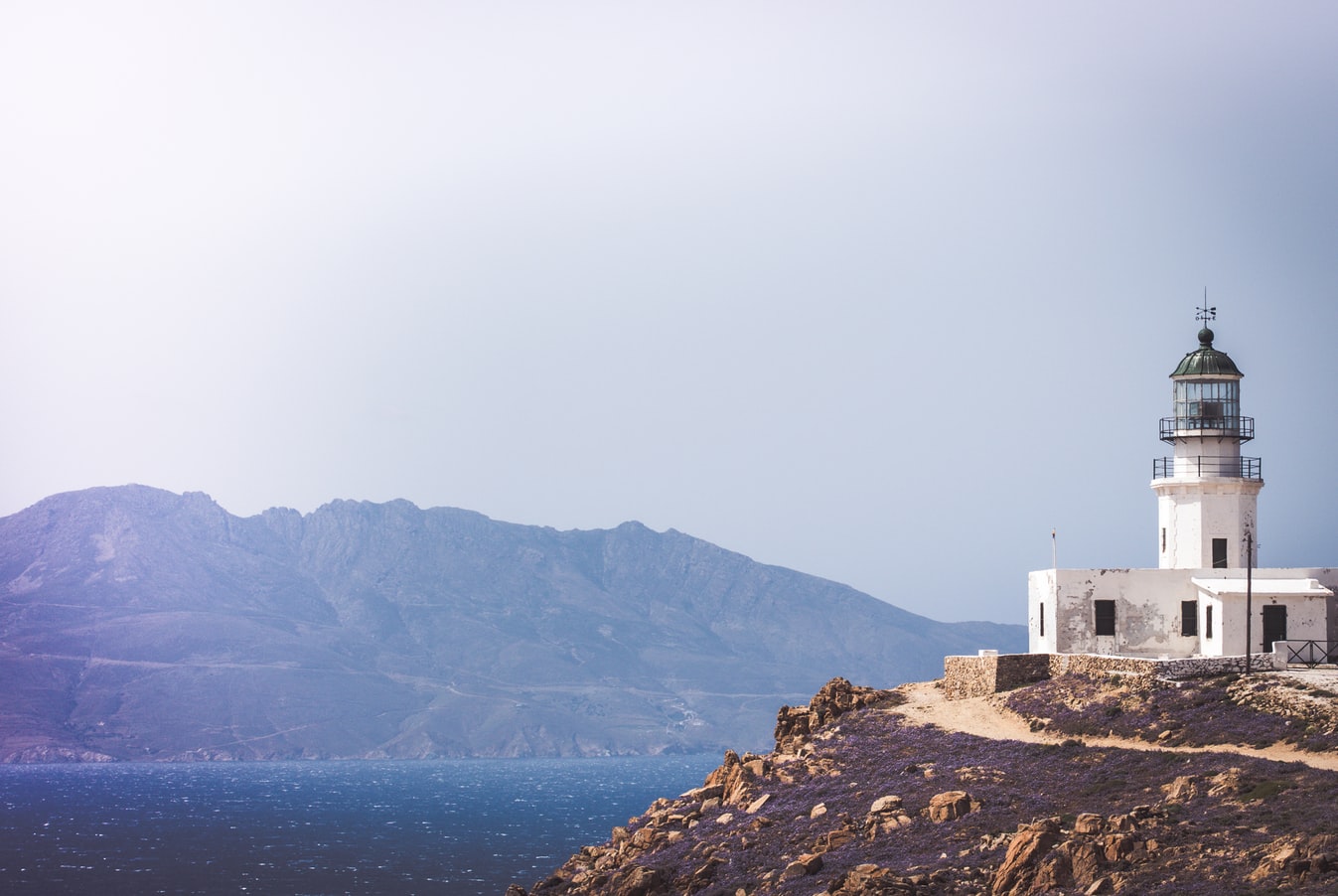
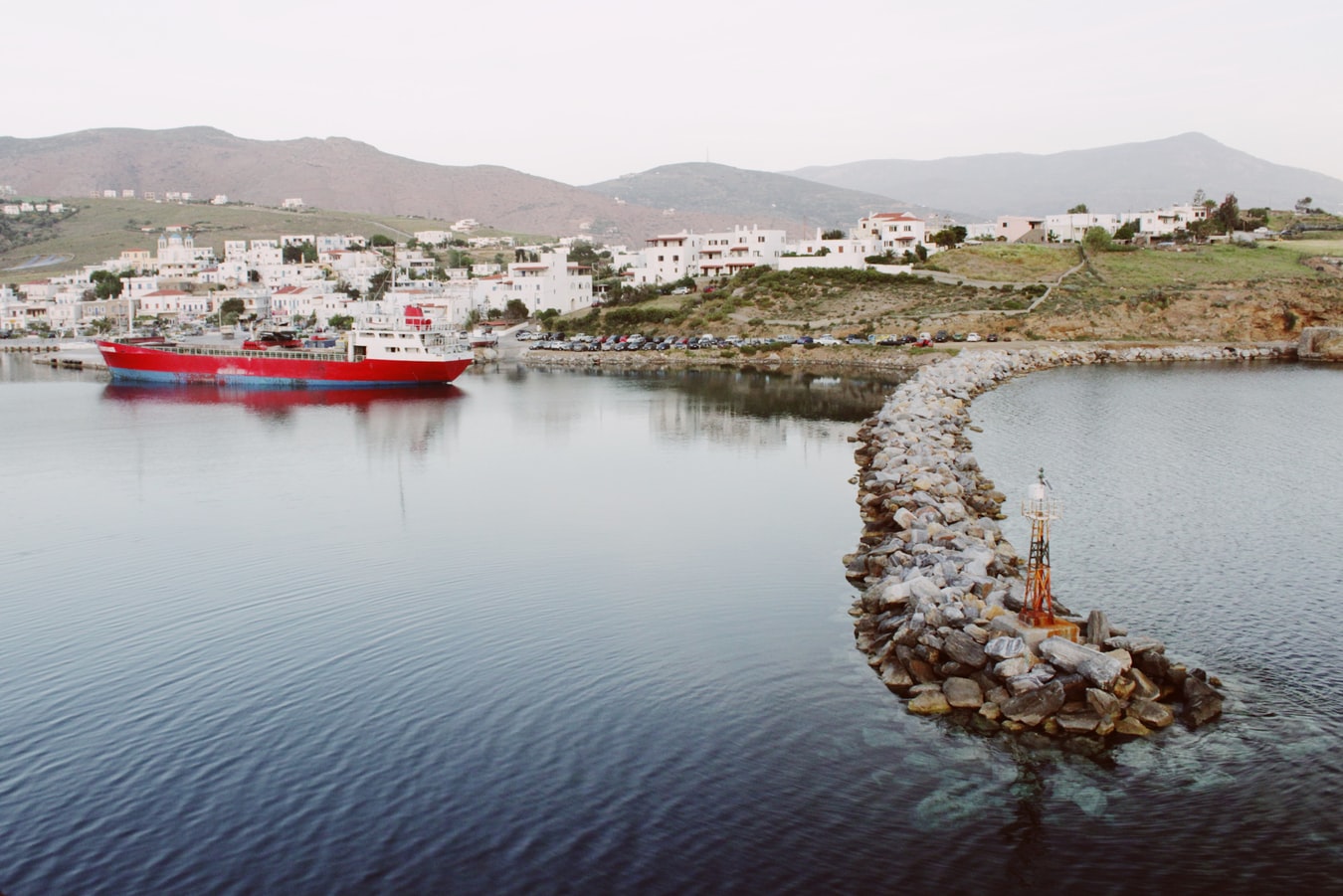
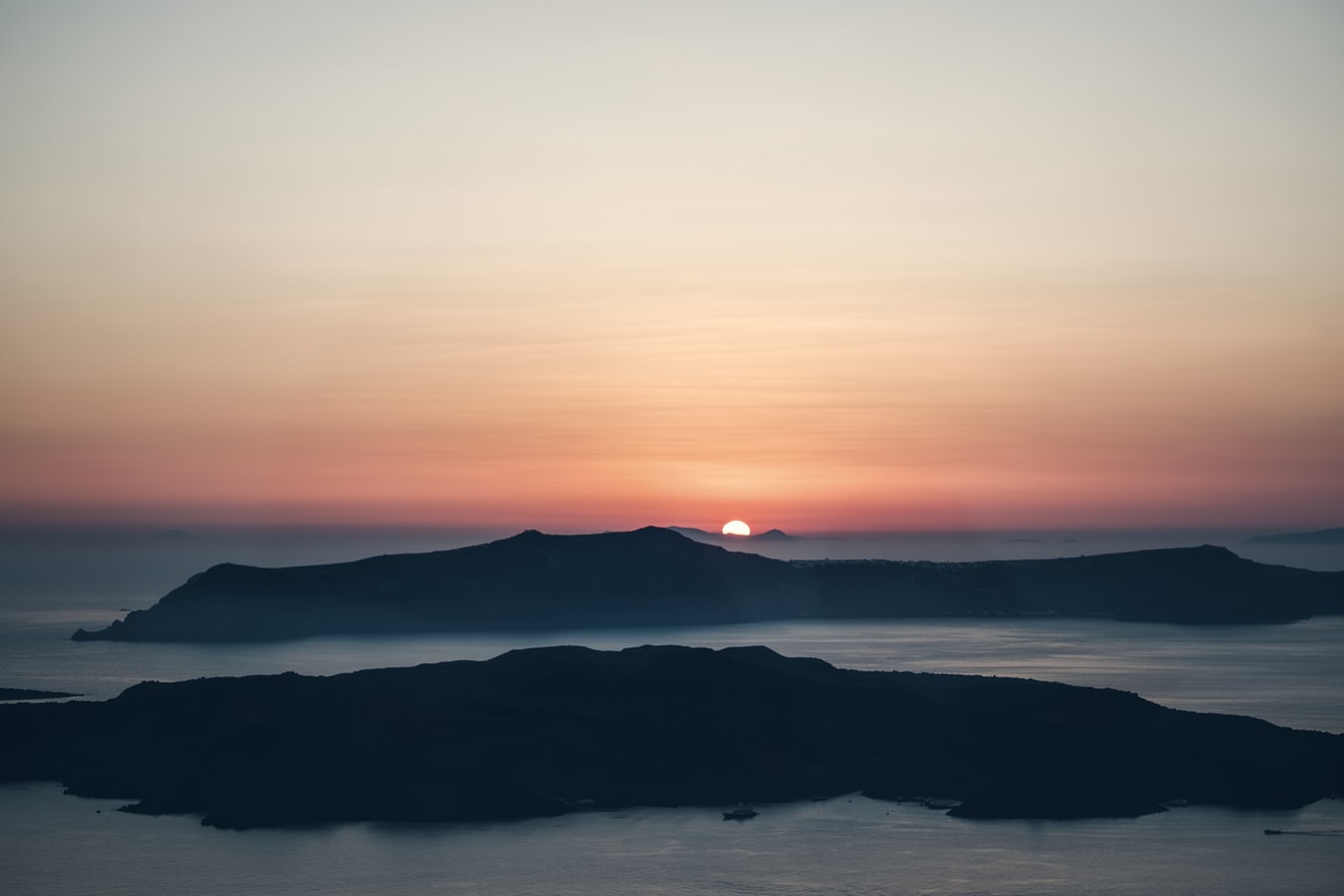
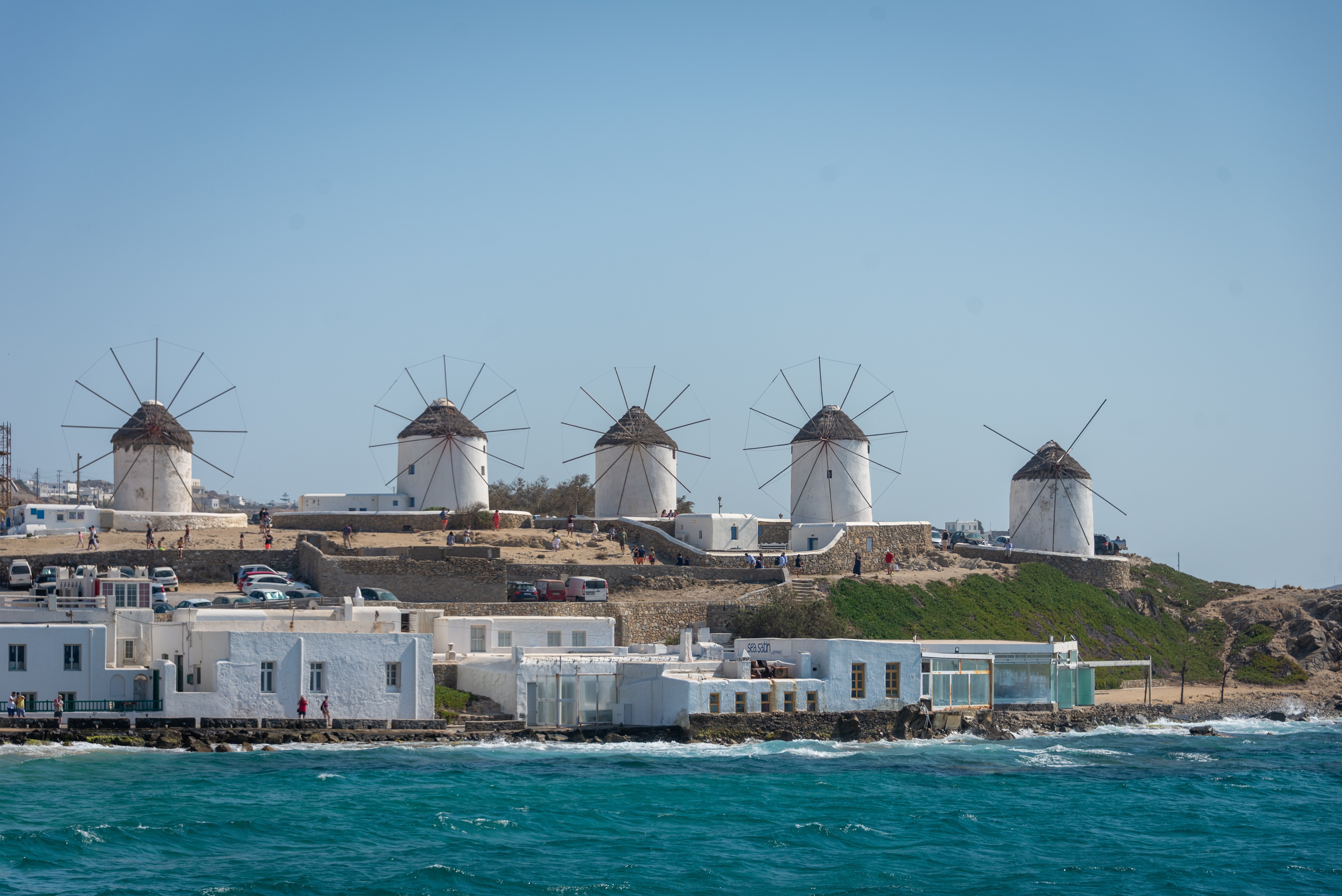
Although the fishing boats still go out in good weather, Mykonos largely makes its living from tourism these days. The summer crowds have turned one of the poorest islands in Greece into one of the richest. Old Mykonians complain that their young, who have inherited stores where their grandfathers once sold eggs or wine, get so much rent that they have lost ambition, and in summer sit around pool bars at night with their friends, and hang out in Athens in winter when island life is less scintillating. Put firmly on the map by Jackie O in the 1960s, Mykonos town—called Hora by the locals—remains the Saint-Tropez of the Greek islands. The scenery is memorable, with its whitewashed streets, Little Venice, the Kato Myli ridge of windmills, and Kastro, the town's medieval quarter. Its cubical two- or three-story houses and churches, with their red or blue doors and domes and wooden balconies, have been long celebrated as some of the best examples of classic Cycladic architecture. Luckily, the Greek Archaeological Service decided to preserve the town, even when the Mykonians would have preferred to rebuild, and so the Old Town has been impressively preserved. Pink oleander, scarlet hibiscus, and trailing green pepper trees form a contrast amid the dazzling whiteness, whose frequent renewal with whitewash is required by law. Any visitor who has the pleasure of getting lost in its narrow streets (made all the narrower by the many outdoor stone staircases, which maximize housing space in the crowded village) will appreciate how its confusing layout was designed to foil pirates—if it was designed at all. After Mykonos fell under Turkish rule in 1537, the Ottomans allowed the islanders to arm their vessels against pirates, which had a contradictory effect: many of them found that raiding other islands was more profitable than tilling arid land. At the height of Aegean piracy, Mykonos was the principal headquarters of the corsair fleets—the place where pirates met their fellows, found willing women, and filled out their crews. Eventually the illicit activity evolved into a legitimate and thriving trade network. Morning on Mykonos town's main quay is busy with deliveries, visitors for the Delos boats, lazy breakfasters, and street cleaners dealing with the previous night's mess. In late morning the cruise-boat people arrive, and the shops are all open. In early afternoon, shaded outdoor tavernas are full of diners eating salads (Mykonos's produce is mostly imported); music is absent or kept low. In mid- and late afternoon, the town feels sleepy, since so many people are at the beach, on excursions, or sleeping in their air-conditioned rooms; even some tourist shops close for siesta. By sunset, people have come back from the beach, having taken their showers and rested. At night, the atmosphere in Mykonos ramps up. The cruise-boat people are mostly gone, coughing three-wheelers make no deliveries in the narrow streets, and everyone is dressed sexy for summer and starting to shimmy with the scene. Many shops stay open past midnight, the restaurants fill up, and the bars and discos make ice cubes as fast as they can. Ready to dive in? Begin your tour of Mykonos town (Hora) by starting out at its heart: Mando Mavrogenous Square.
About Piraeus
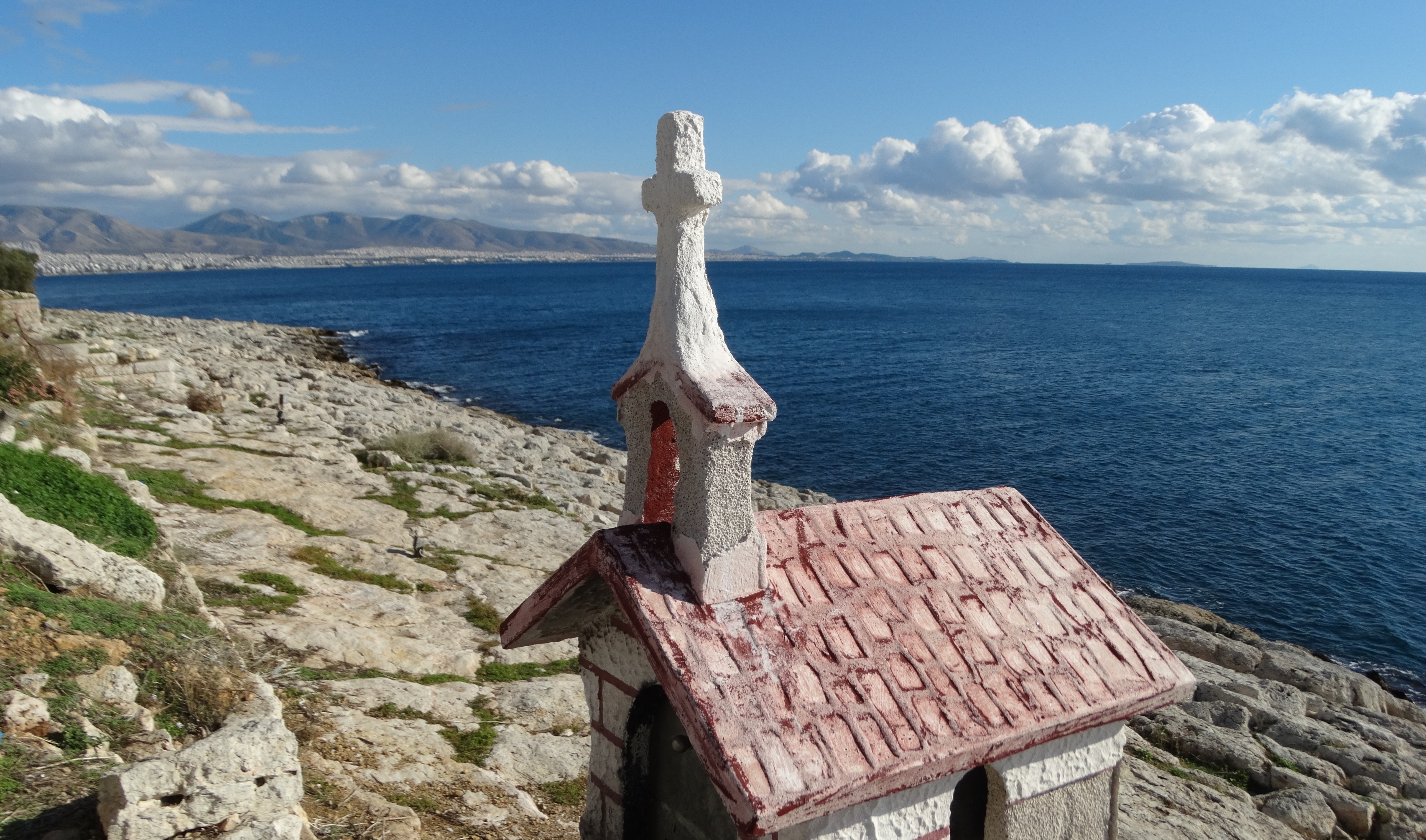
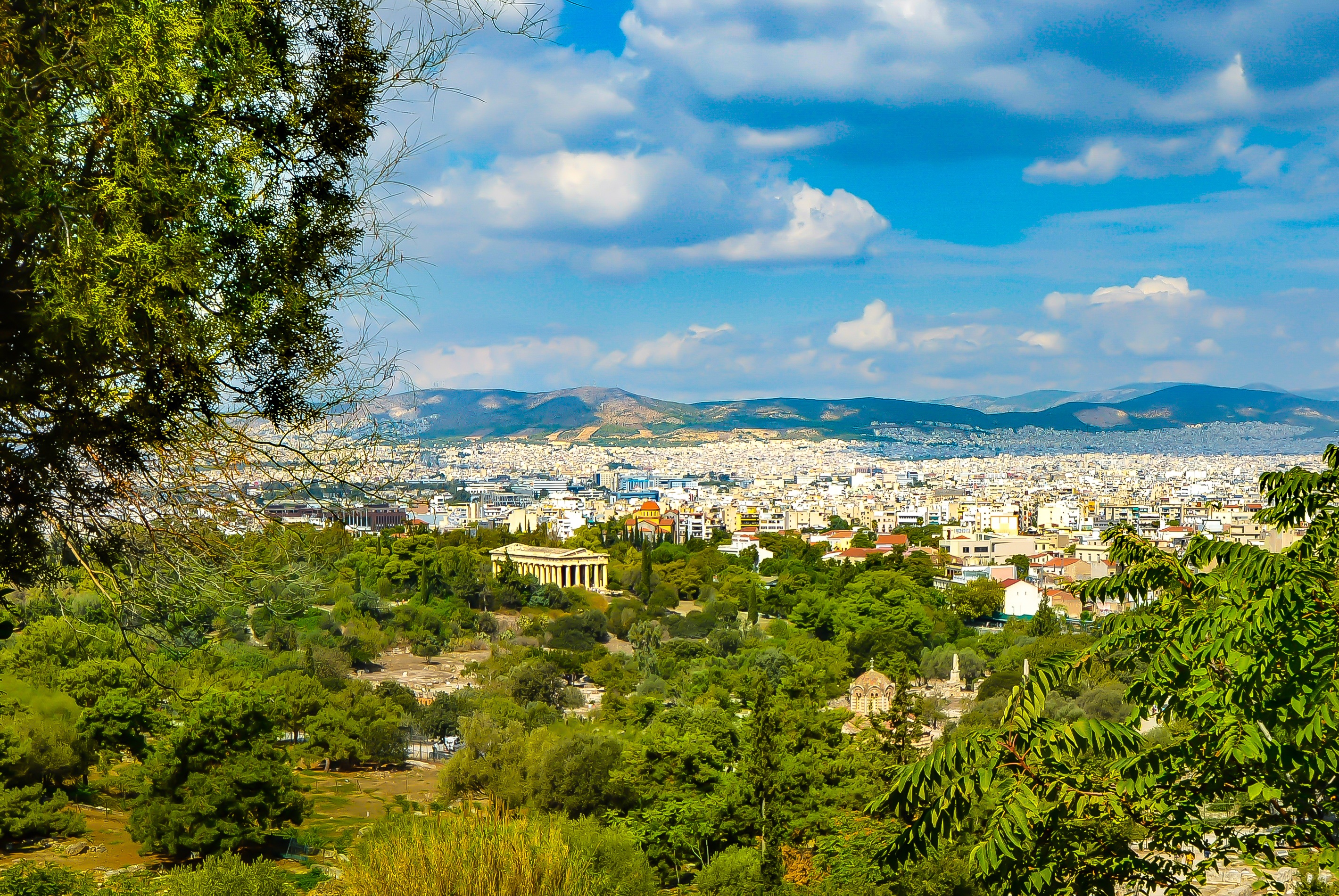
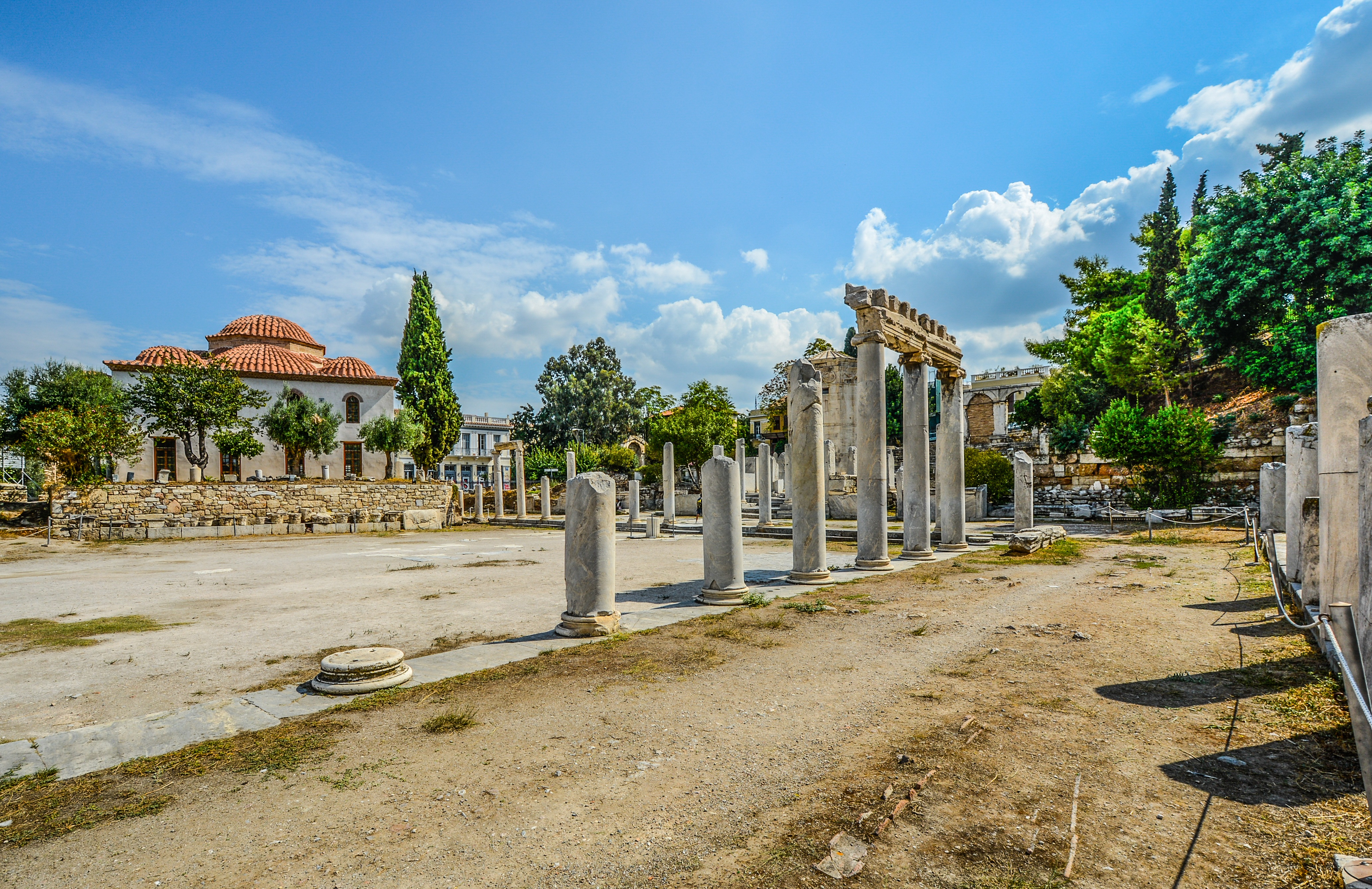
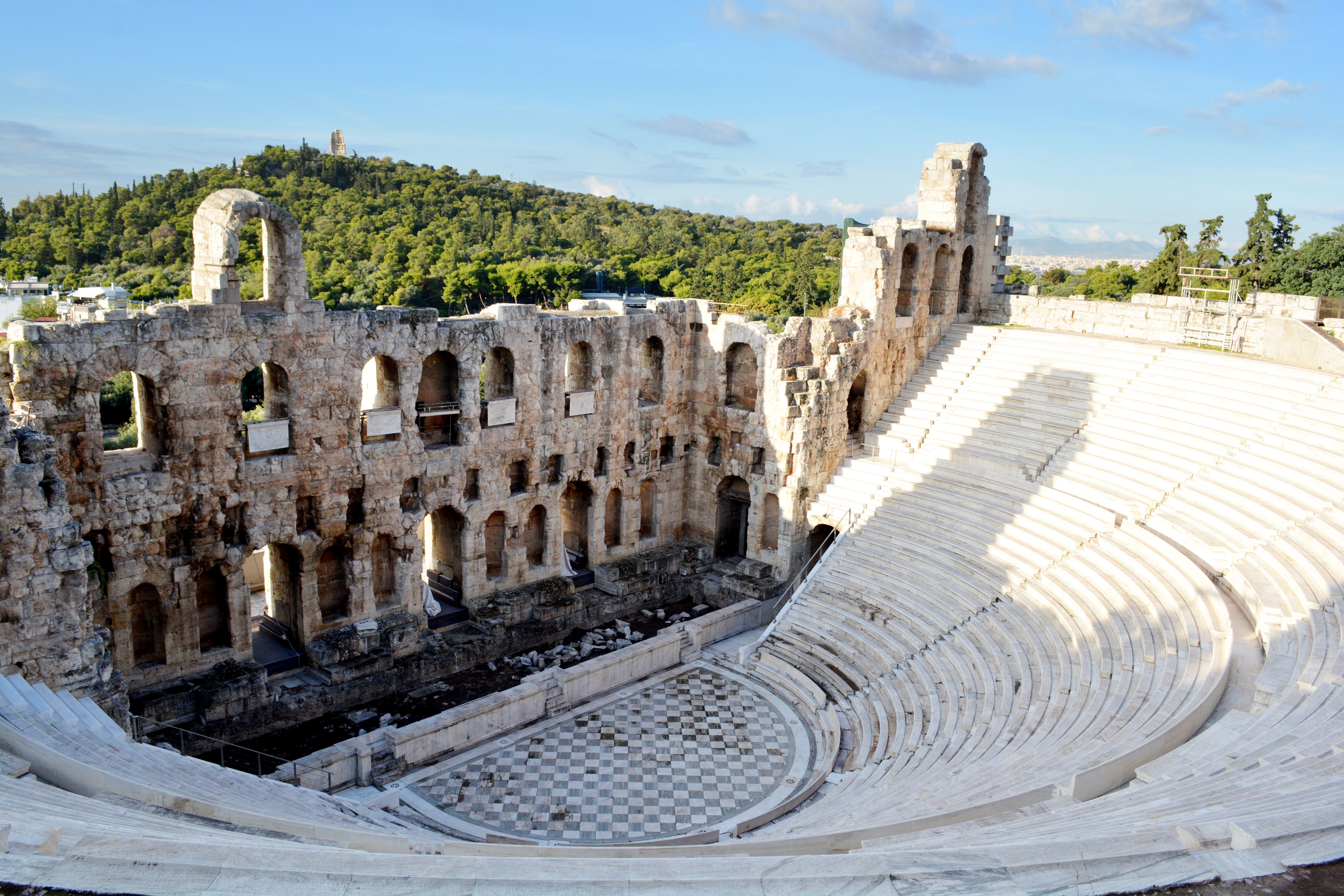
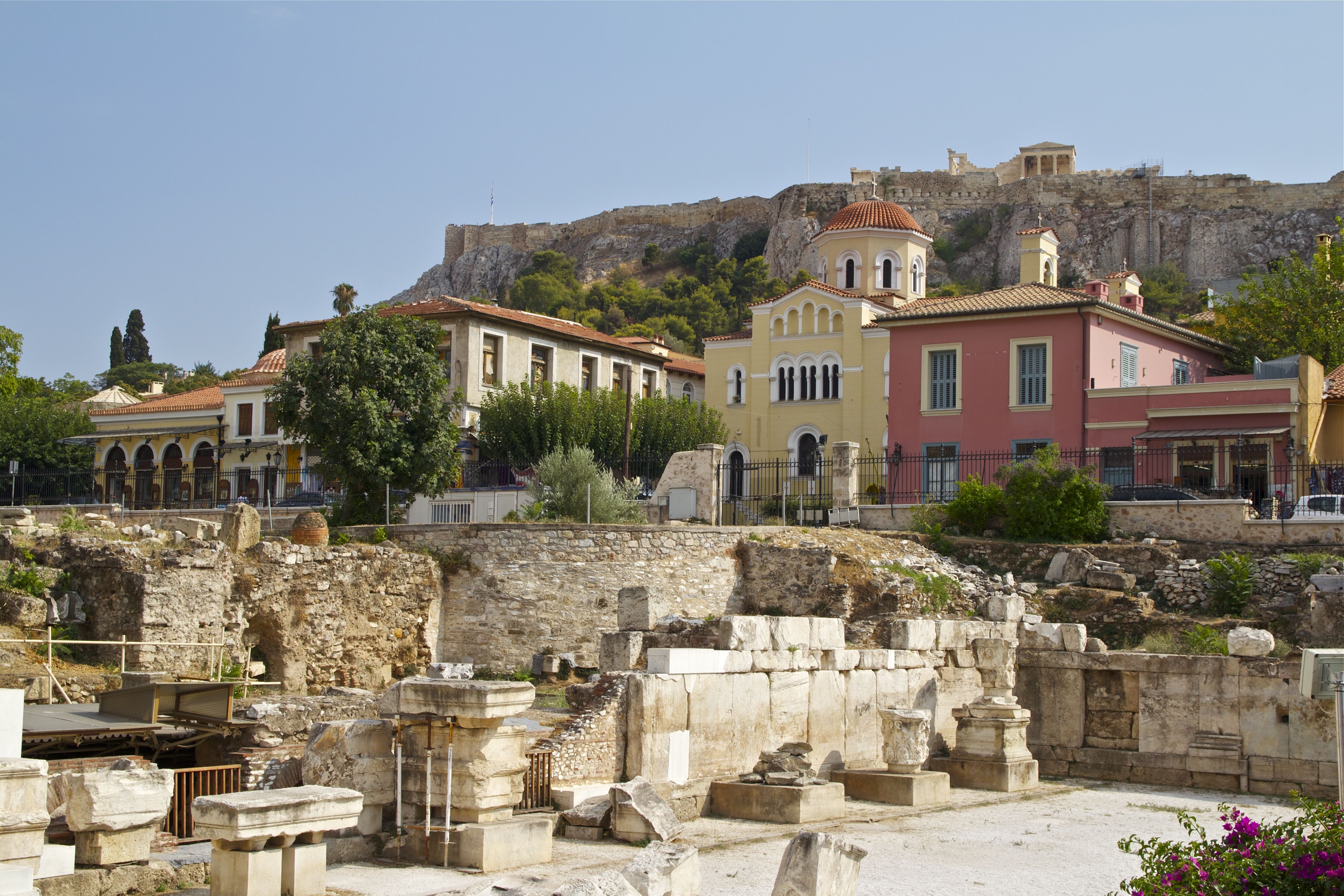
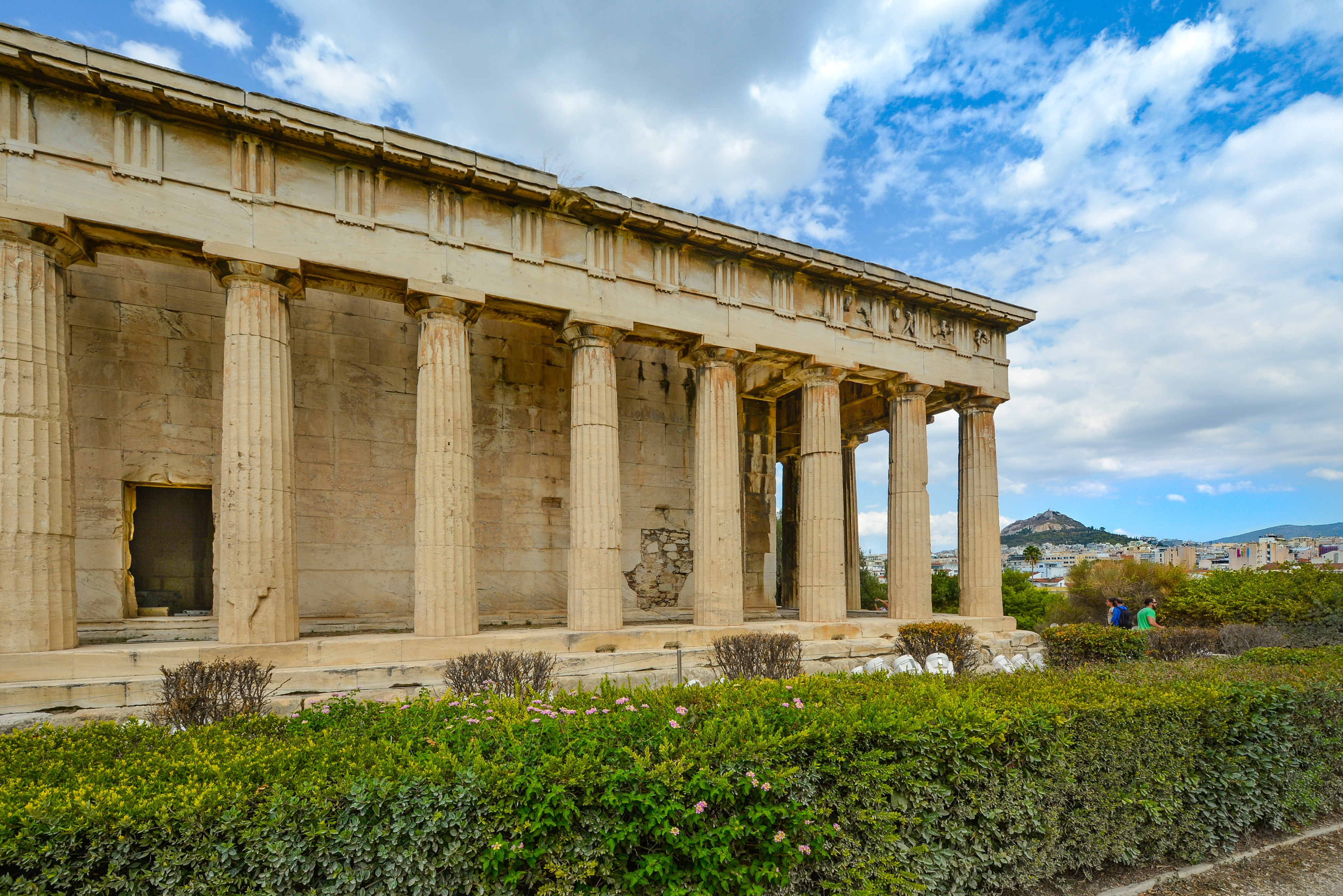
It's no wonder that all roads lead to the fascinating and maddening metropolis of Athens. Lift your eyes 200 feet above the city to the Parthenon, its honey-color marble columns rising from a massive limestone base, and you behold architectural perfection that has not been surpassed in 2,500 years. But, today, this shrine of classical form dominates a 21st-century boomtown. To experience Athens—Athína in Greek—fully is to understand the essence of Greece: ancient monuments surviving in a sea of cement, startling beauty amid the squalor, tradition juxtaposed with modernity. Locals depend on humor and flexibility to deal with the chaos; you should do the same. The rewards are immense. Although Athens covers a huge area, the major landmarks of the ancient Greek, Roman, and Byzantine periods are close to the modern city center. You can easily walk from the Acropolis to many other key sites, taking time to browse in shops and relax in cafés and tavernas along the way. From many quarters of the city you can glimpse "the glory that was Greece" in the form of the Acropolis looming above the horizon, but only by actually climbing that rocky precipice can you feel the impact of the ancient settlement. The Acropolis and Filopappou, two craggy hills sitting side by side; the ancient Agora (marketplace); and Kerameikos, the first cemetery, form the core of ancient and Roman Athens. Along the Unification of Archaeological Sites promenade, you can follow stone-paved, tree-lined walkways from site to site, undisturbed by traffic. Cars have also been banned or reduced in other streets in the historical center. In the National Archaeological Museum, vast numbers of artifacts illustrate the many millennia of Greek civilization; smaller museums such as the Goulandris Museum of Cycladic Art Museum and the Byzantine and Christian Museum illuminate the history of particular regions or periods. Athens may seem like one huge city, but it is really a conglomeration of neighborhoods with distinctive characters. The Eastern influences that prevailed during the 400-year rule of the Ottoman Empire are still evident in Monastiraki, the bazaar area near the foot of the Acropolis. On the northern slope of the Acropolis, stroll through Plaka (if possible by moonlight), an area of tranquil streets lined with renovated mansions, to get the flavor of the 19th-century's gracious lifestyle. The narrow lanes of Anafiotika, a section of Plaka, thread past tiny churches and small, color-washed houses with wooden upper stories, recalling a Cycladic island village. In this maze of winding streets, vestiges of the older city are everywhere: crumbling stairways lined with festive tavernas; dank cellars filled with wine vats; occasionally a court or diminutive garden, enclosed within high walls and filled with magnolia trees and the flaming trumpet-shaped flowers of hibiscus bushes. Formerly run-down old quarters, such as Thission, Gazi and Psirri, popular nightlife areas filled with bars and mezedopoleia (similar to tapas bars), are now in the process of gentrification, although they still retain much of their original charm, as does the colorful produce and meat market on Athinas. The area around Syntagma Square, the tourist hub, and Omonia Square, the commercial heart of the city about 1 km (½ mi) northwest, is distinctly European, having been designed by the court architects of King Otho, a Bavarian, in the 19th century. The chic shops and bistros of ritzy Kolonaki nestle at the foot of Mt. Lycabettus, Athens's highest hill (909 feet). Each of Athens's outlying suburbs has a distinctive character: in the north is wealthy, tree-lined Kifissia, once a summer resort for aristocratic Athenians, and in the south and southeast lie Glyfada, Voula, and Vouliagmeni, with their sandy beaches, seaside bars, and lively summer nightlife. Just beyond the city's southern fringes is Piraeus, a bustling port city of waterside fish tavernas and Saronic Gulf views.

About Páros
About Heraklion (Iraklion), Crete
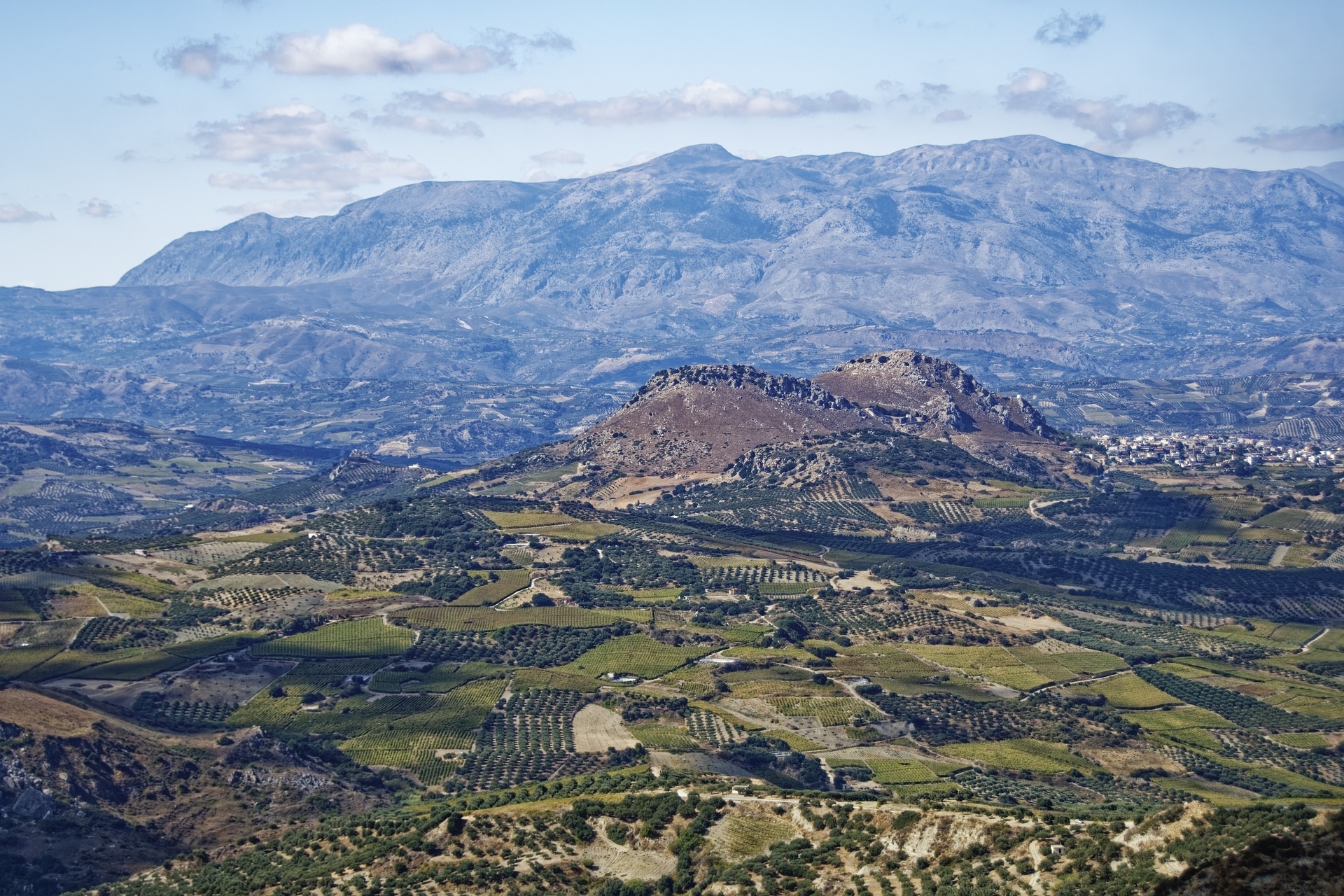
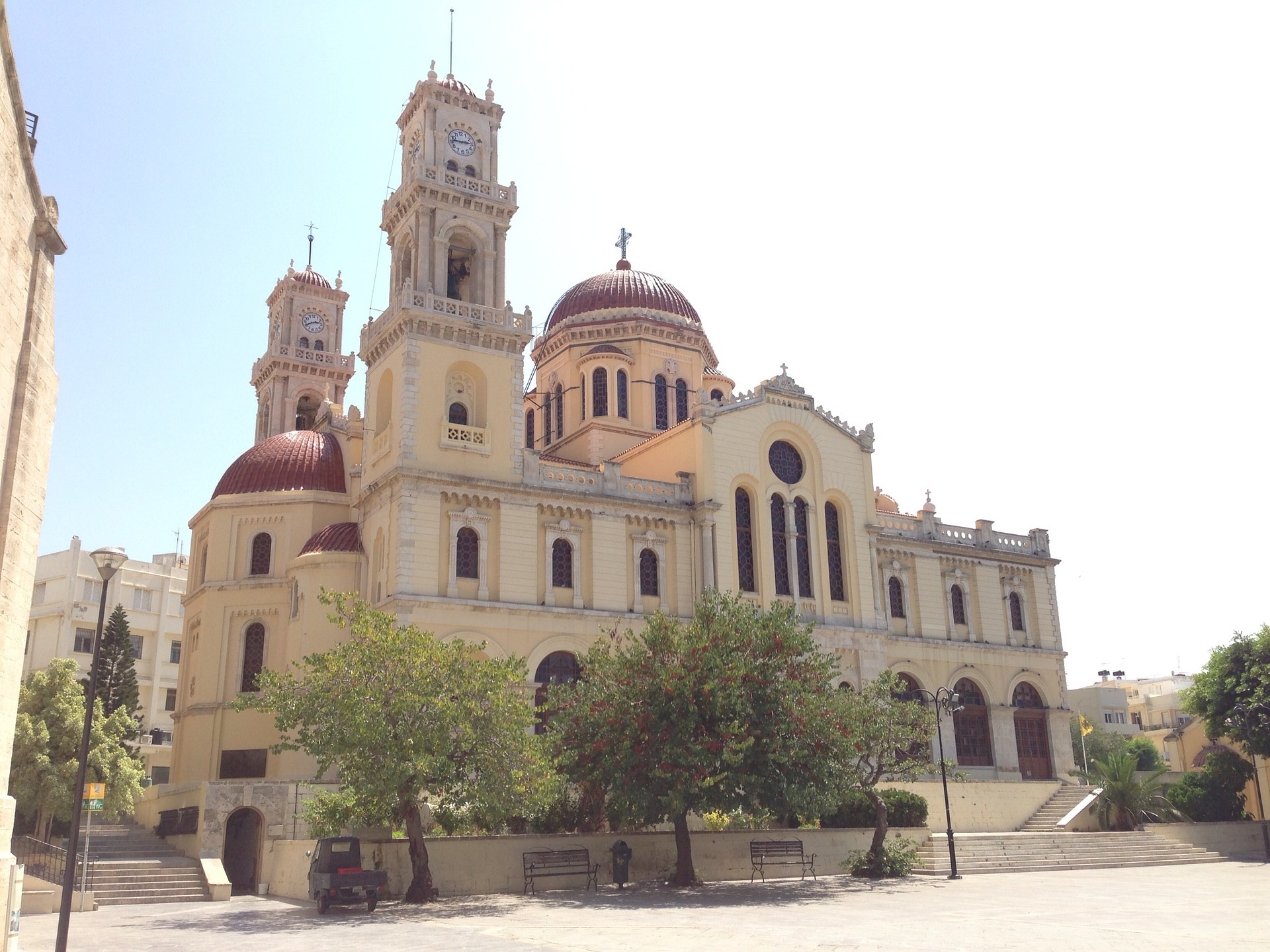
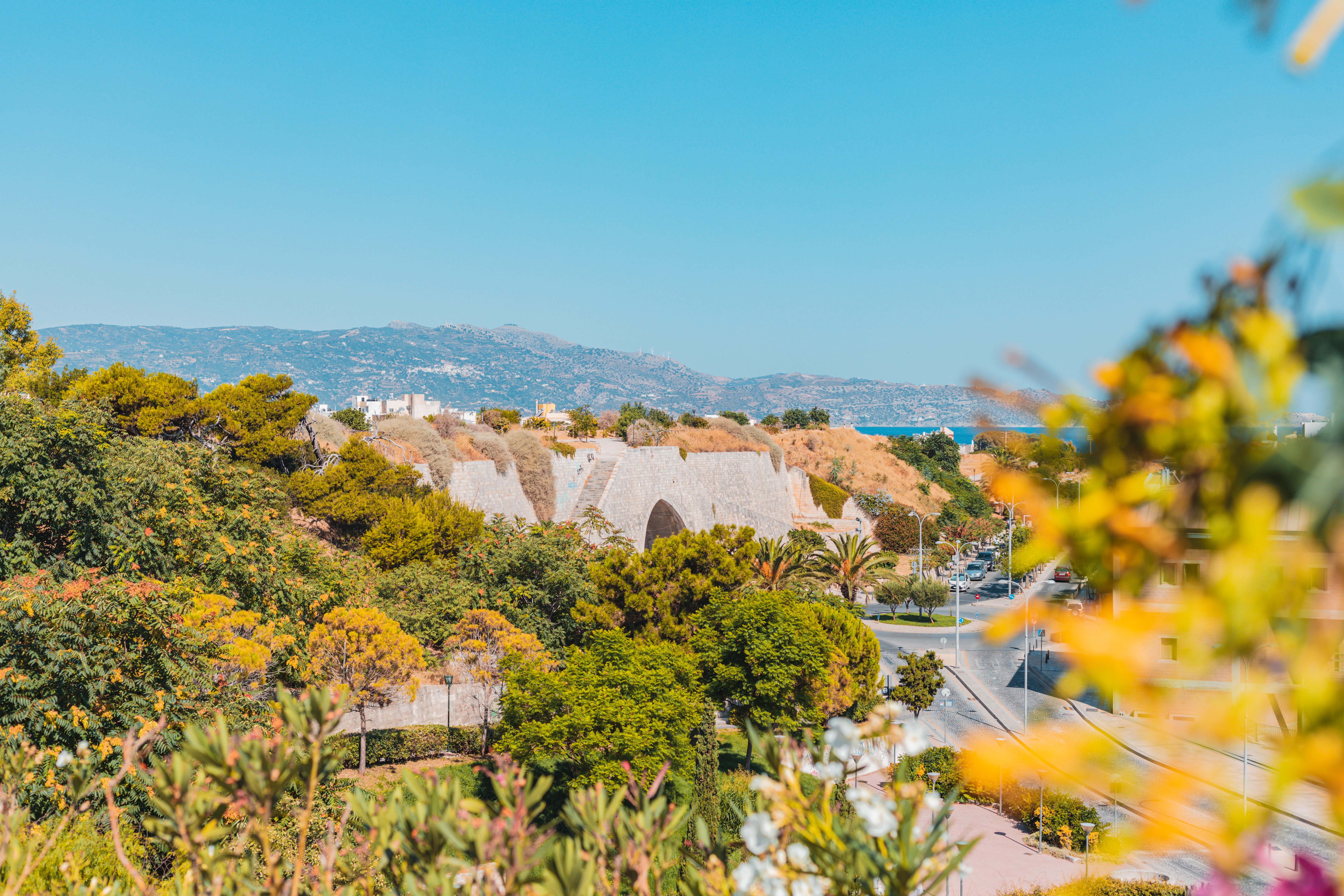
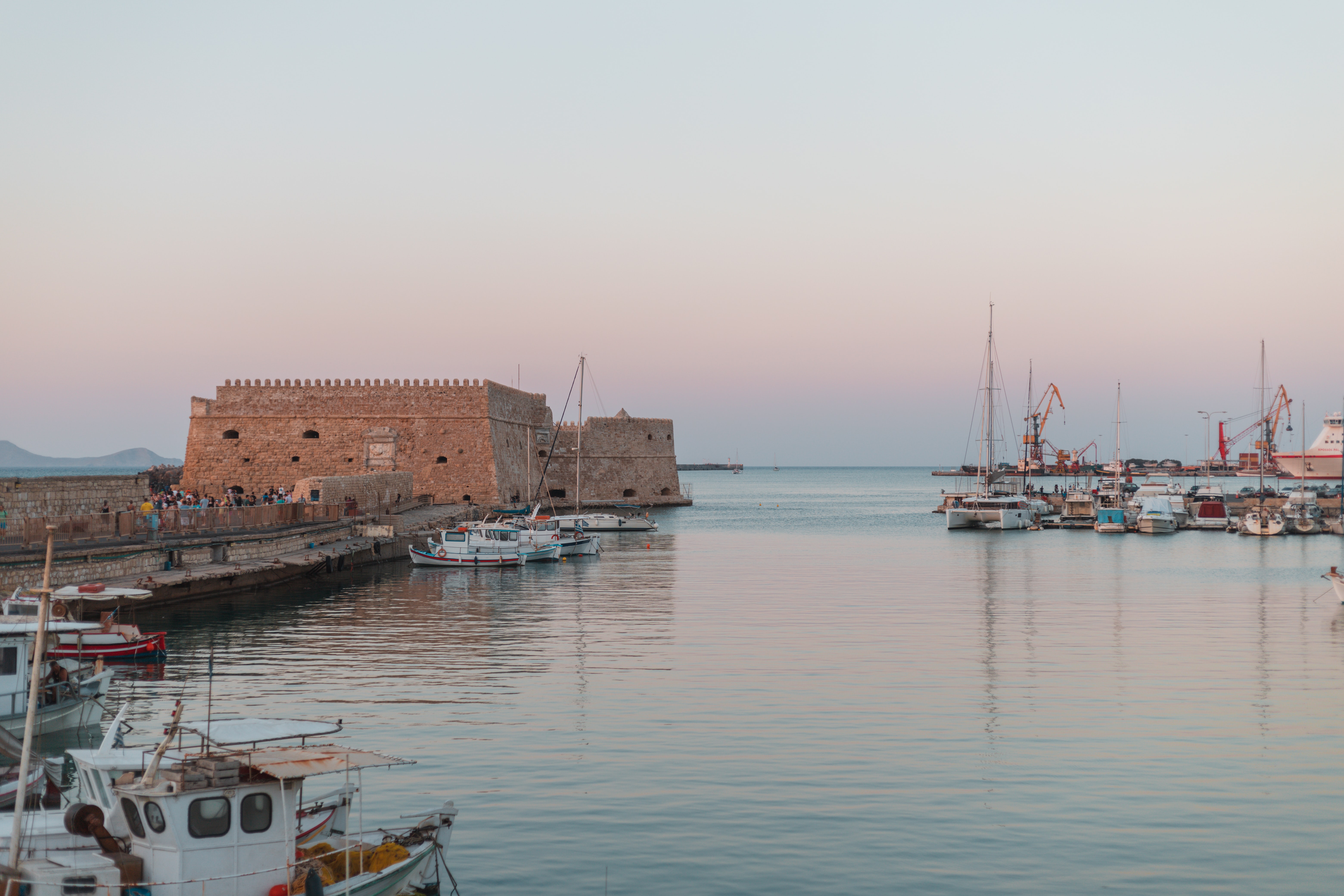
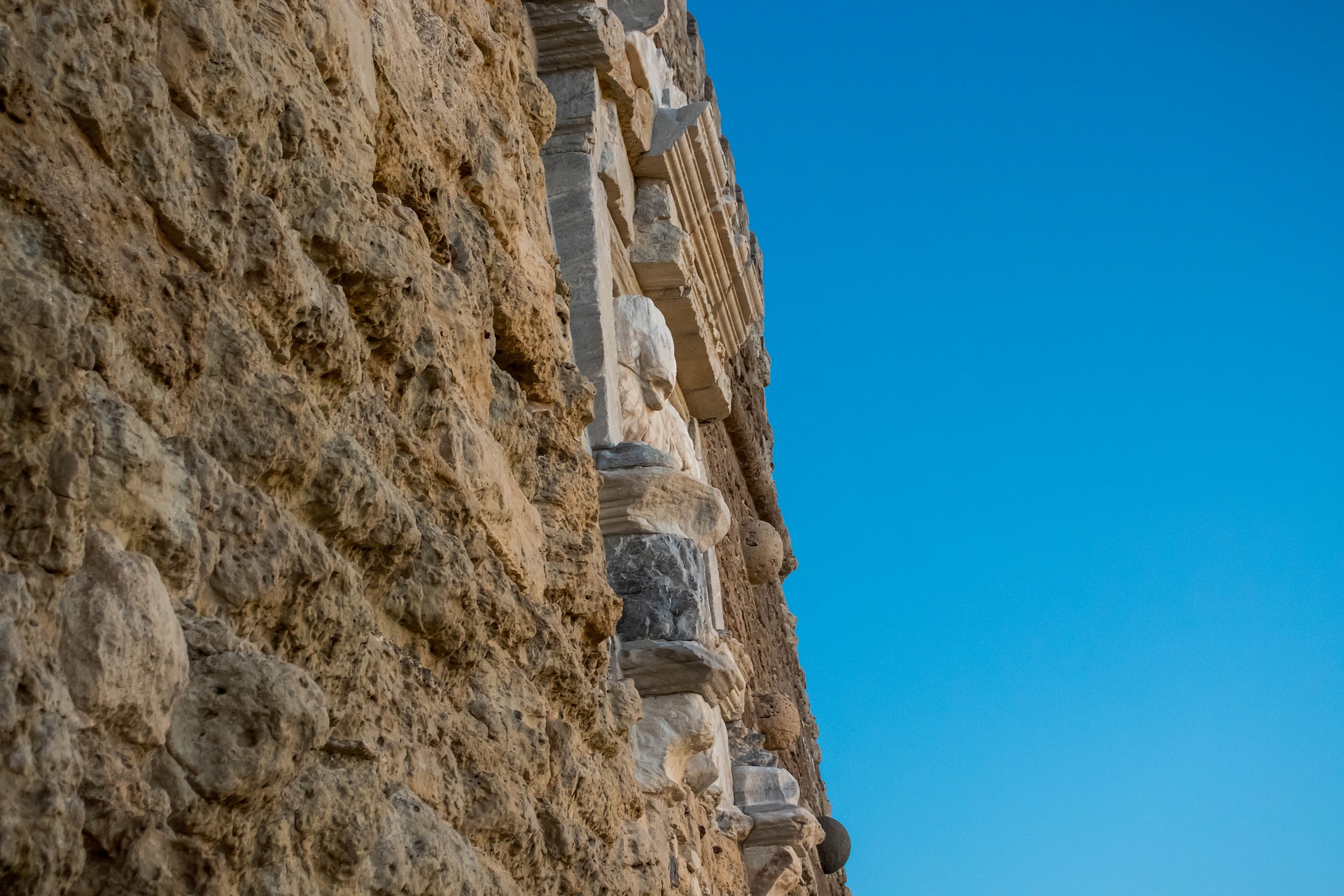
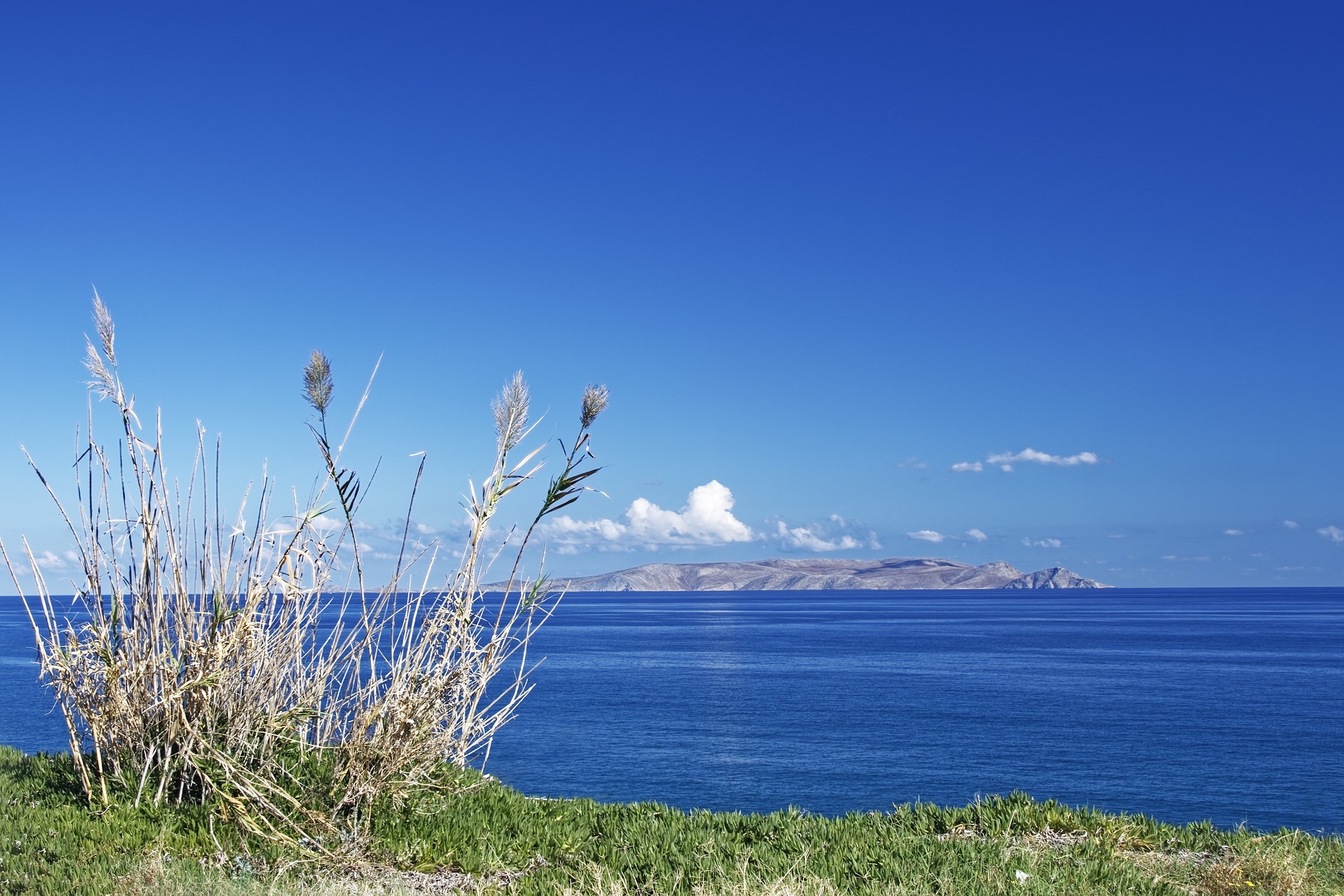
Having been controlled by Arabic, Venetian and Ottoman empires over the years - it's no surprise that Heraklion is a diverse patchwork of exotic cultures and historical treasures. Celebrated as the birthplace of the Spanish Renaissance artist, El Greco, you can visit to explore the storied ruins of the Minoan empire's capital, and unearth the rich cultural treasures that Crete’s bustling modern capital has to offer.
About Rhodes
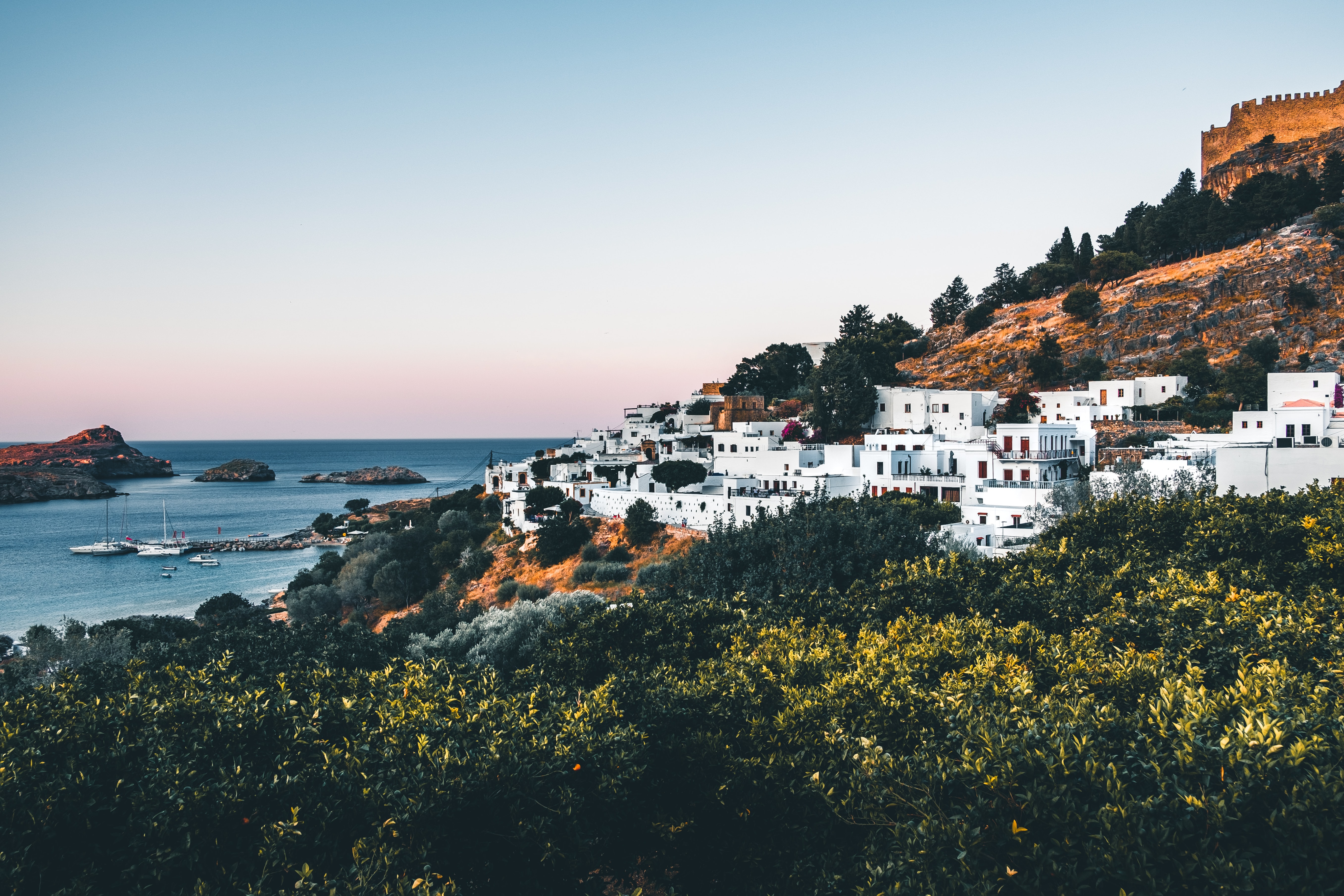
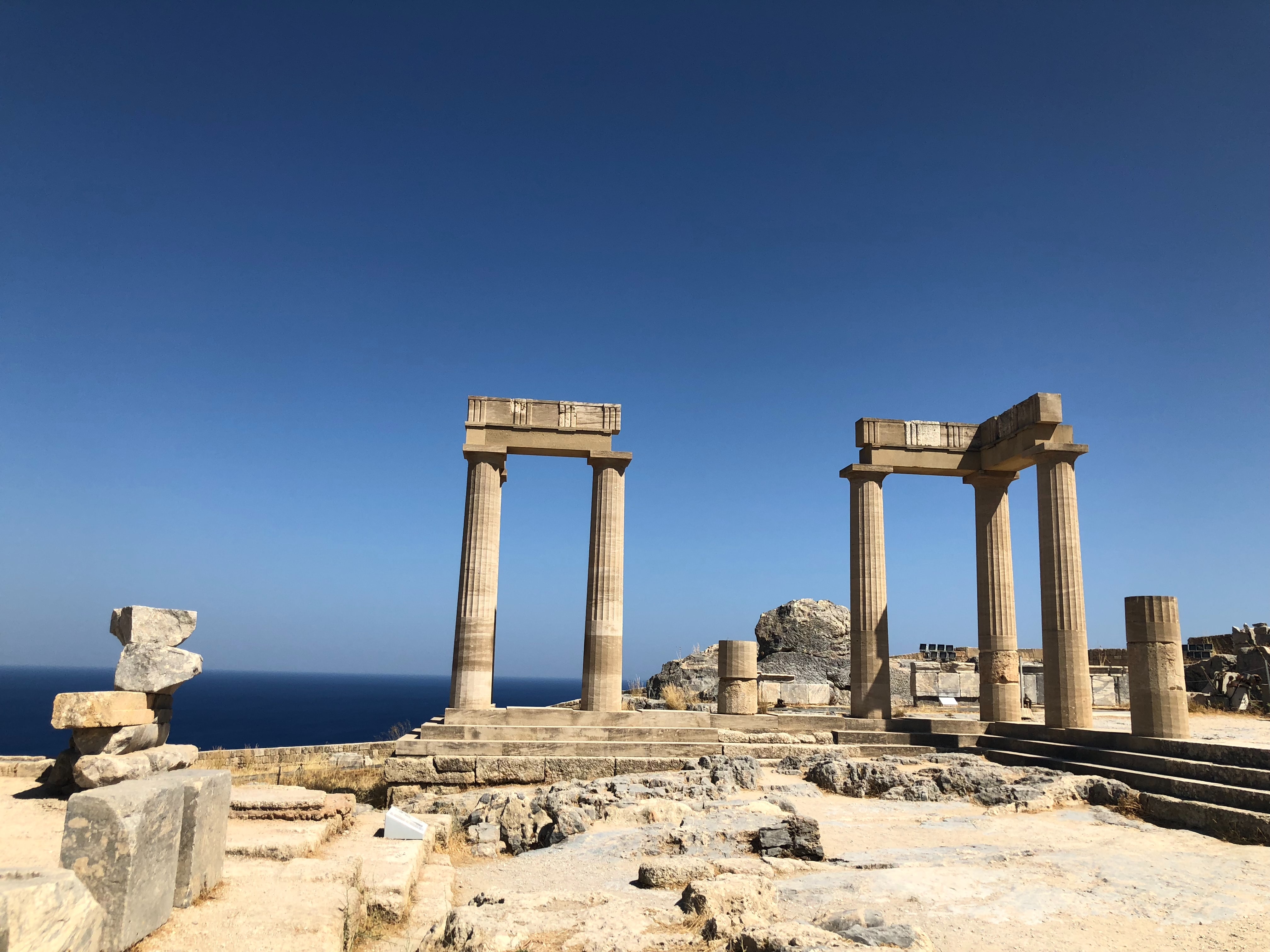
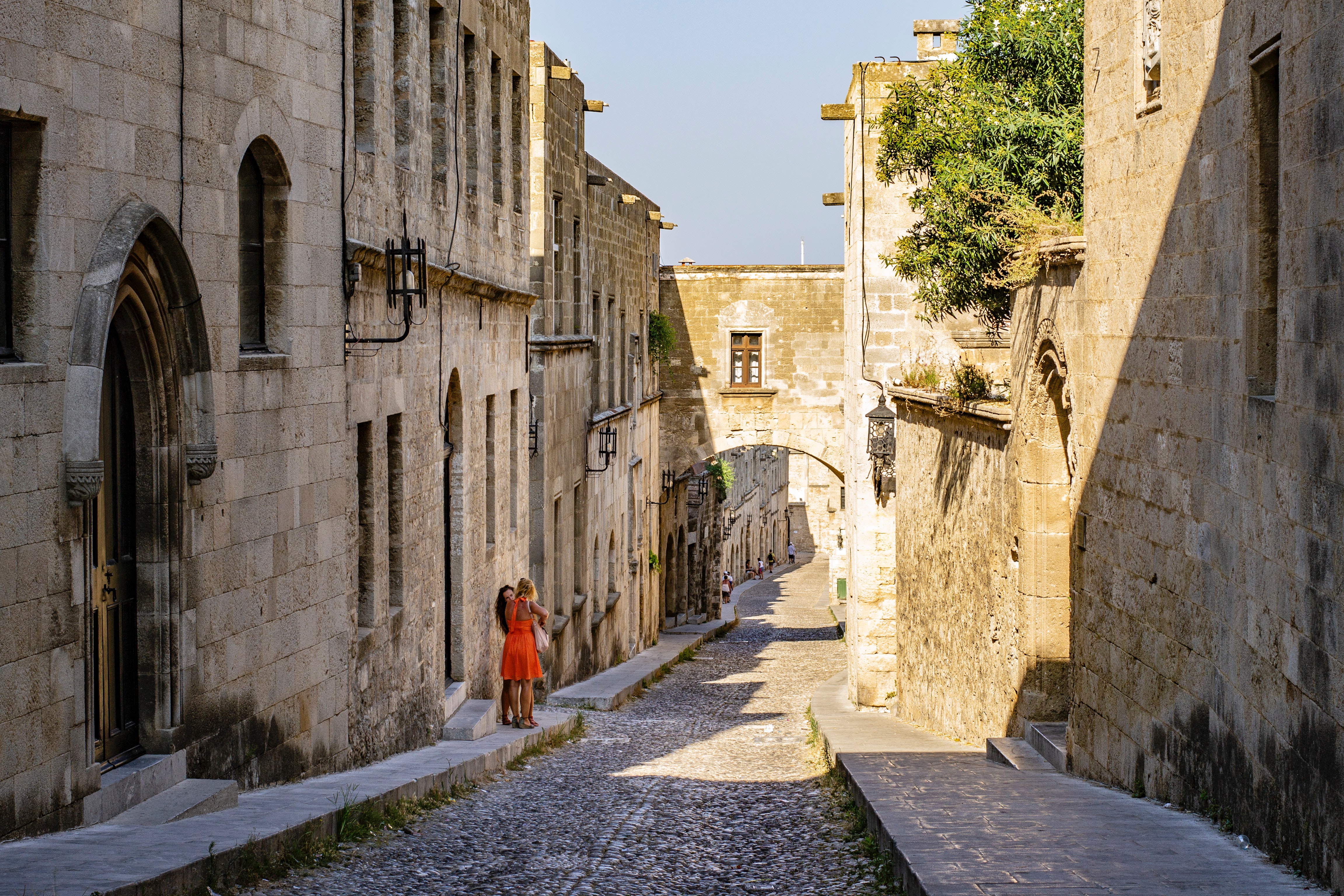
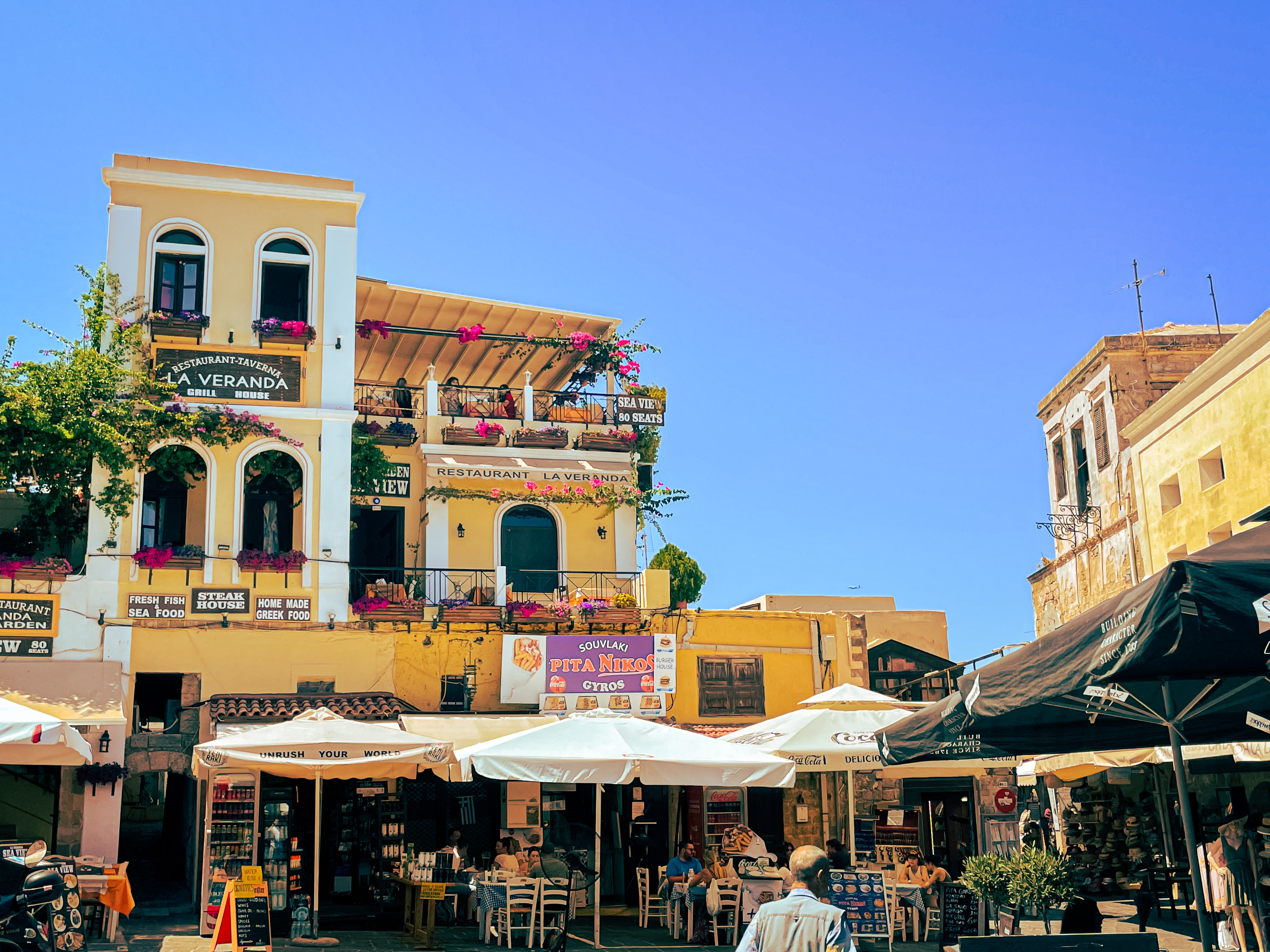
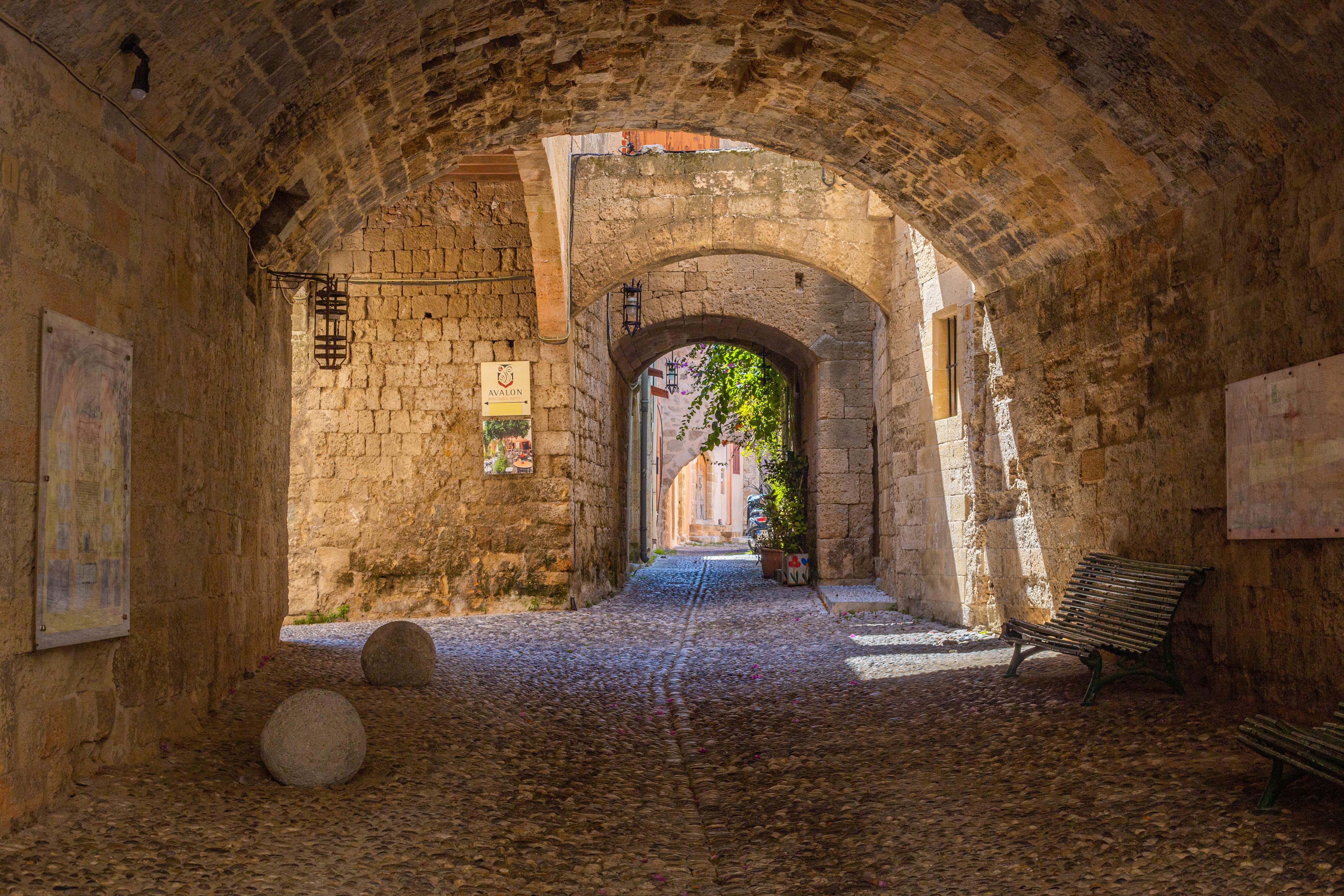
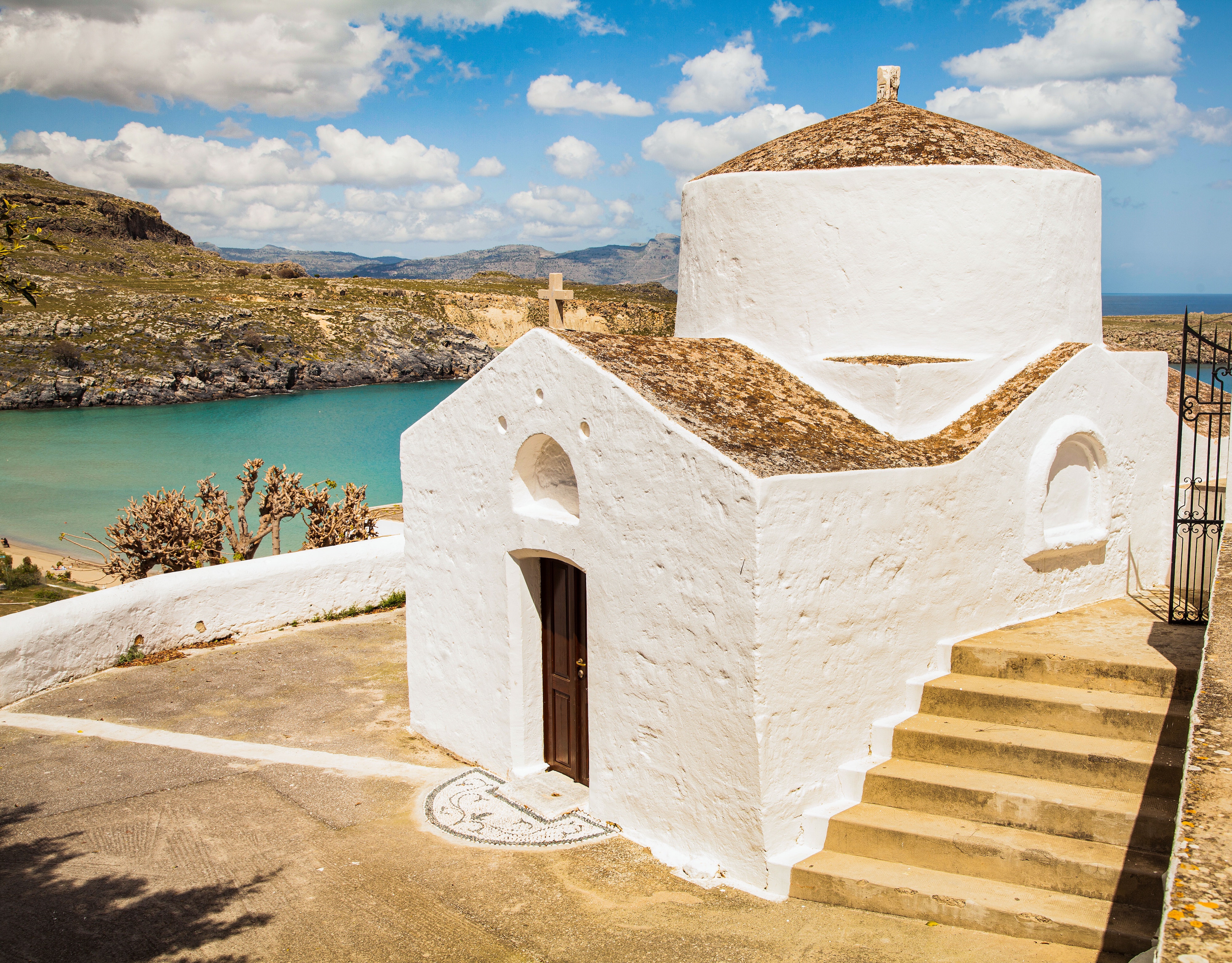
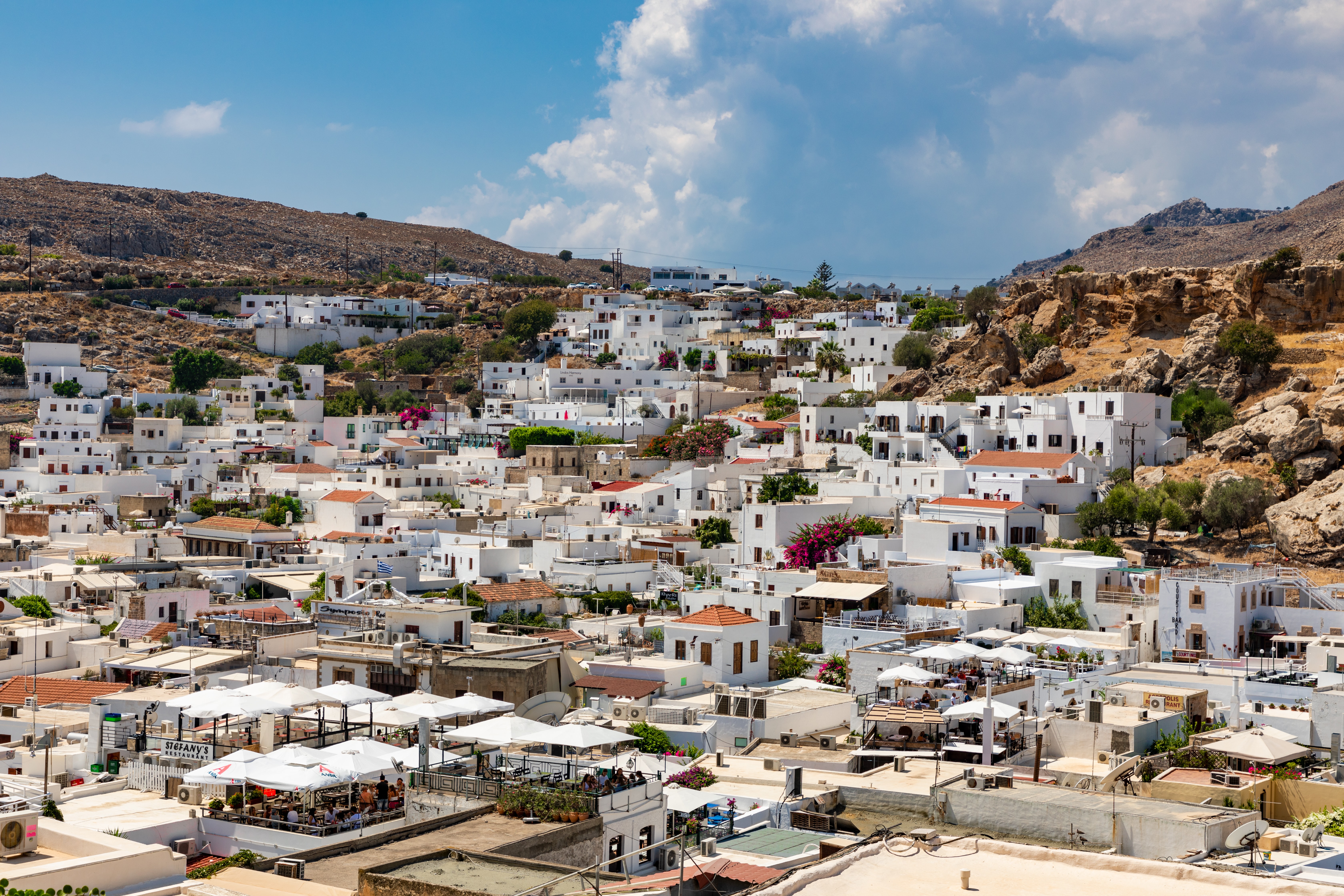
Early travelers described Rhodes as a town of two parts: a castle or high town (Collachium) and a lower city. Today Rhodes town—sometimes referred to as Ródos town—is still a city of two parts: the Old Town, a UNESCO World Heritage site that incorporates the high town and lower city, and the modern metropolis, or New Town, spreading away from the walls that encircle the Old Town. The narrow streets of the Old Town are for the most part closed to cars and are lined with Orthodox and Catholic churches, Turkish houses (some of which follow the ancient orthogonal plan), and medieval public buildings with exterior staircases and facades elegantly constructed of well-cut limestone from Lindos. Careful reconstruction in recent years has enhanced the harmonious effect.
About Pátmos
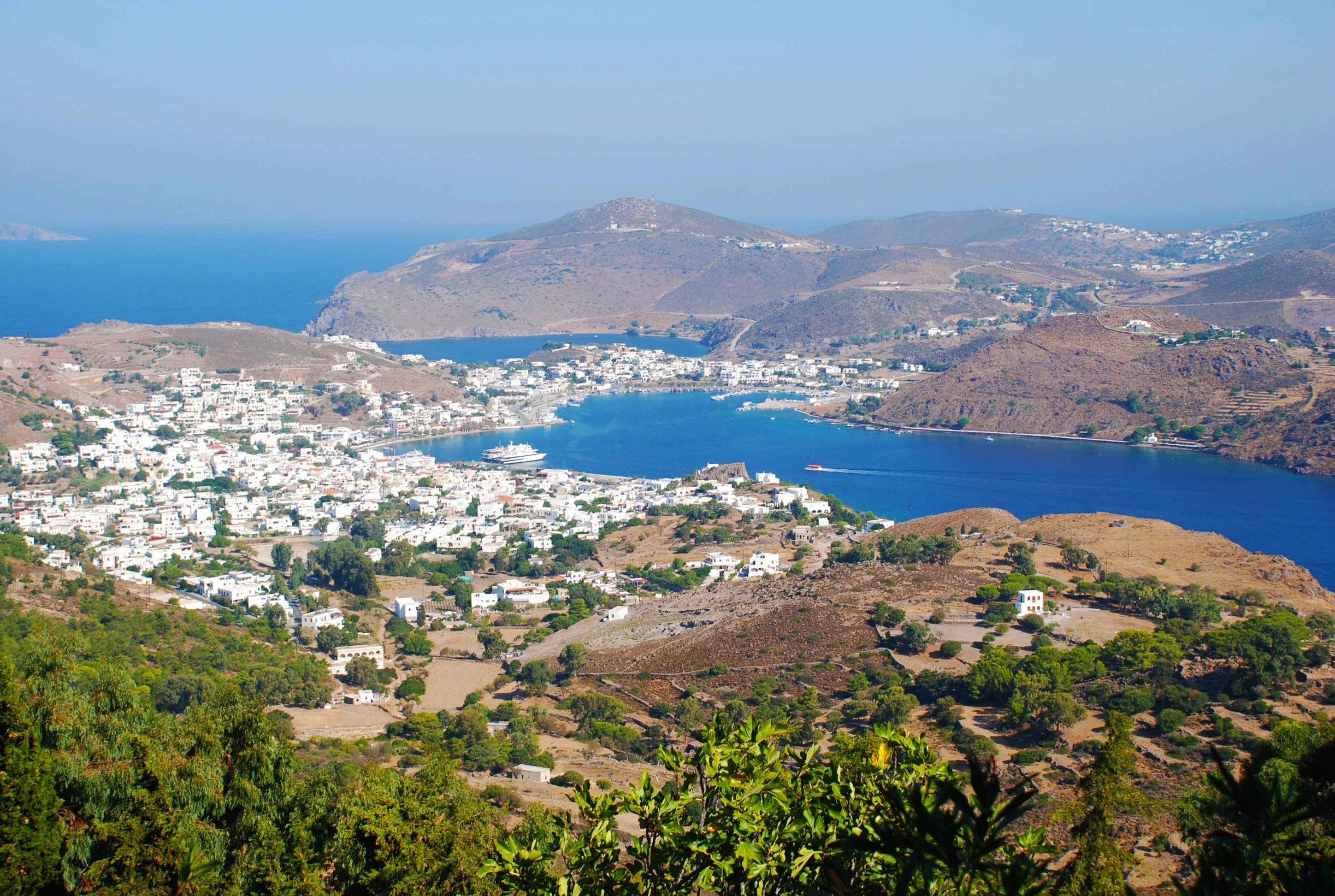
For better or worse, it can be difficult to reach Patmos—for many travelers, this lack of access is definitely for the better, since the island retains the air of an unspoiled retreat. Rocky and barren, the small, 34-square-km (21-square-mi) island lies beyond the islands of Kalymnos and Leros, northwest of Kos. Here on a hillside is the Monastery of the Apocalypse, which enshrines the cave where St. John received the Revelation in AD 95. Scattered evidence of Mycenaean presence remains on Patmos, and walls of the classical period indicate the existence of a town near Skala. Most of the island's approximately 2,800 people live in three villages: Skala, medieval Chora, and the small rural settlement of Kambos. The island is popular among the faithful making pilgrimages to the monastery as well as with vacationing Athenians and a newly growing community of international trendsetters—designers, artists, poets, and “taste gurus” (to quote Vogue’s July 2011 write-up of the island)—who have bought homes in Chora. These stylemeisters followed in the footsteps of Alexandrian John Stefanidis and the English artist Teddy Millington-Drake who, in the early ’60s, set about creating what eventually became hailed as one of the most gorgeous island homes in the world. The word soon spread thanks to their many guests (who included Jacqueline Kennedy Onassis) but, happily, administrators have carefully contained development, and as a result, Patmos retains its charm and natural beauty—even in the busy month of August.

About Izmir
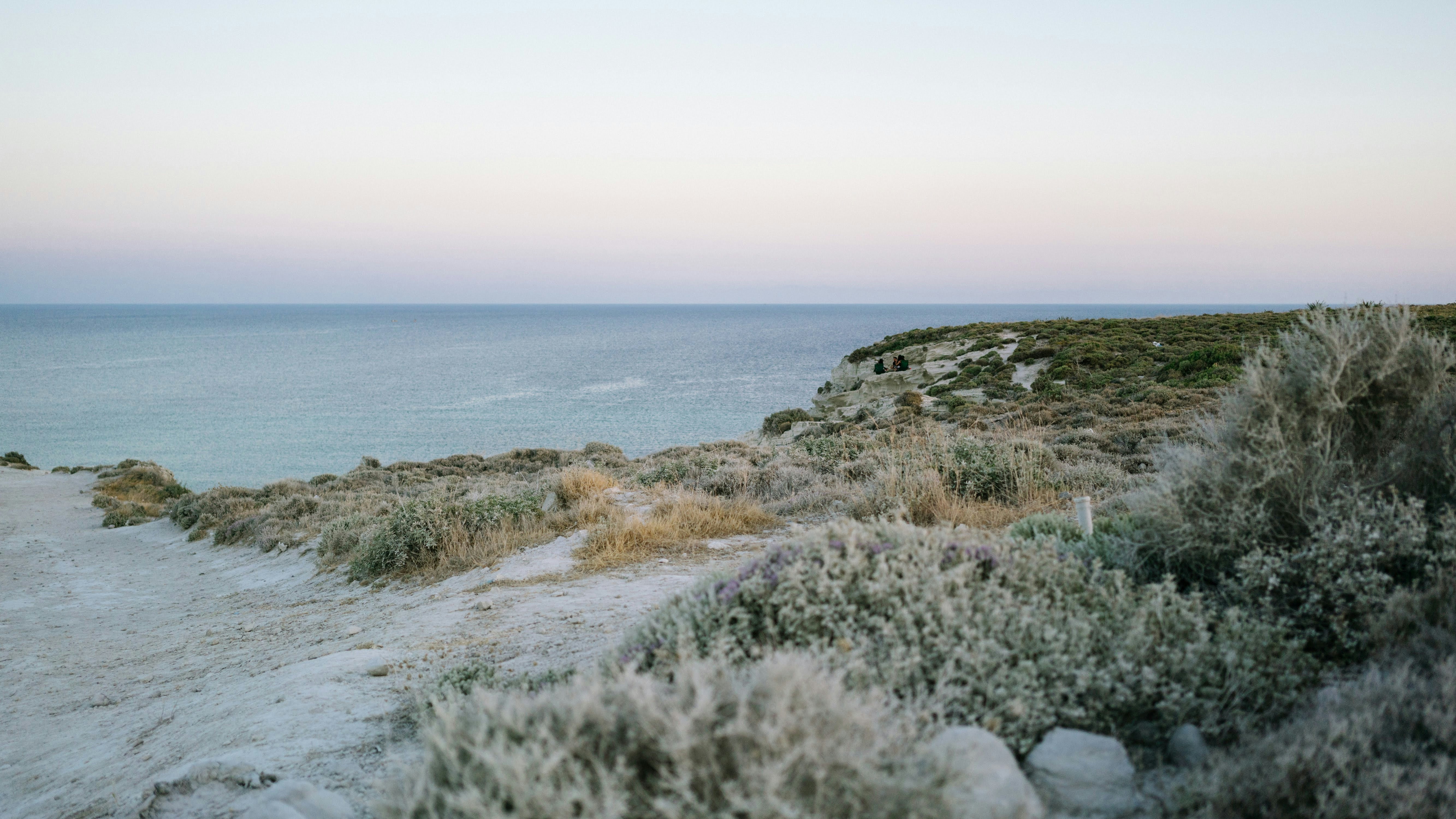
Composed of nine metropolitan districts, Izmir is the third largest city in Turkey and the country’s second largest port after Istanbul.
About Istanbul
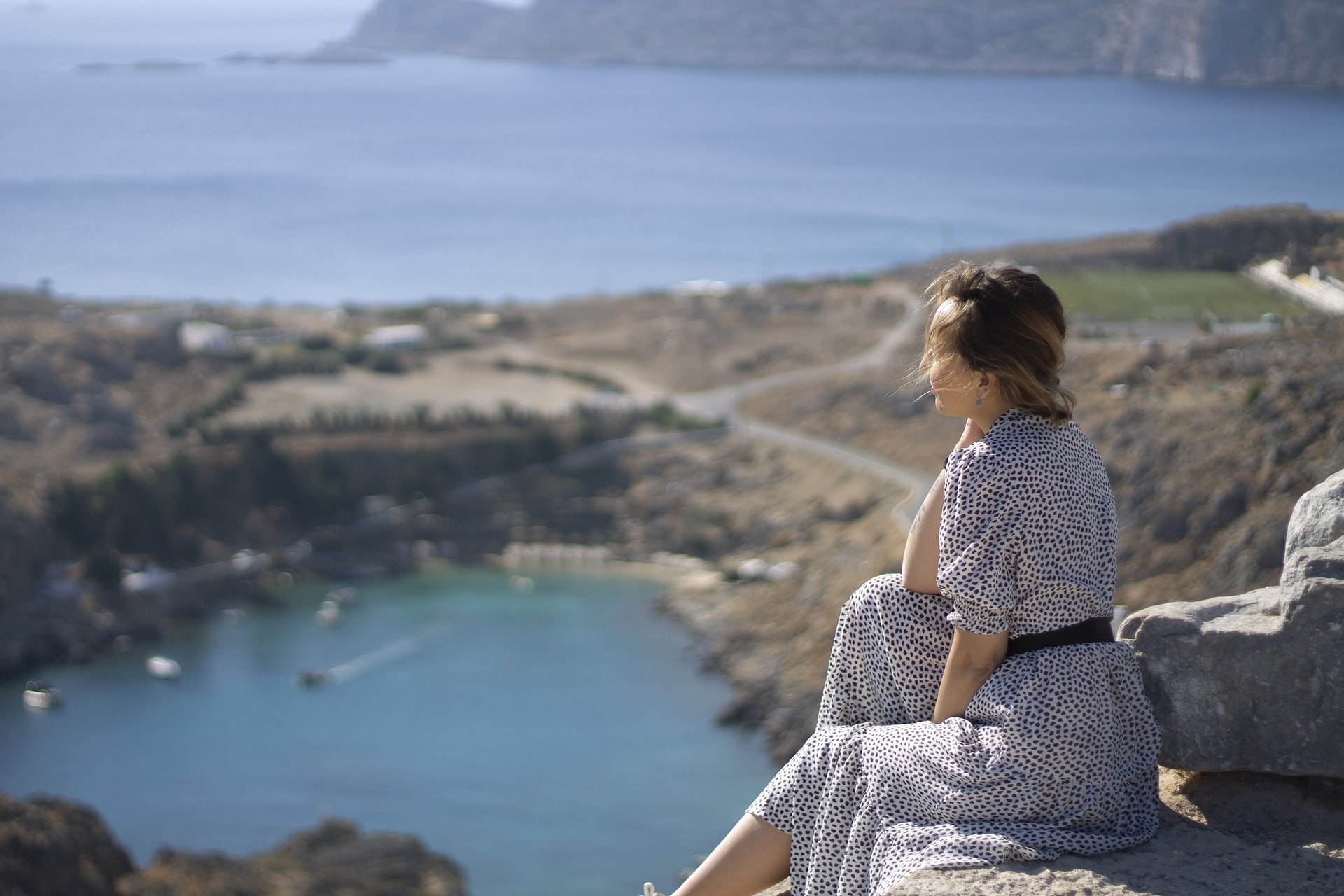
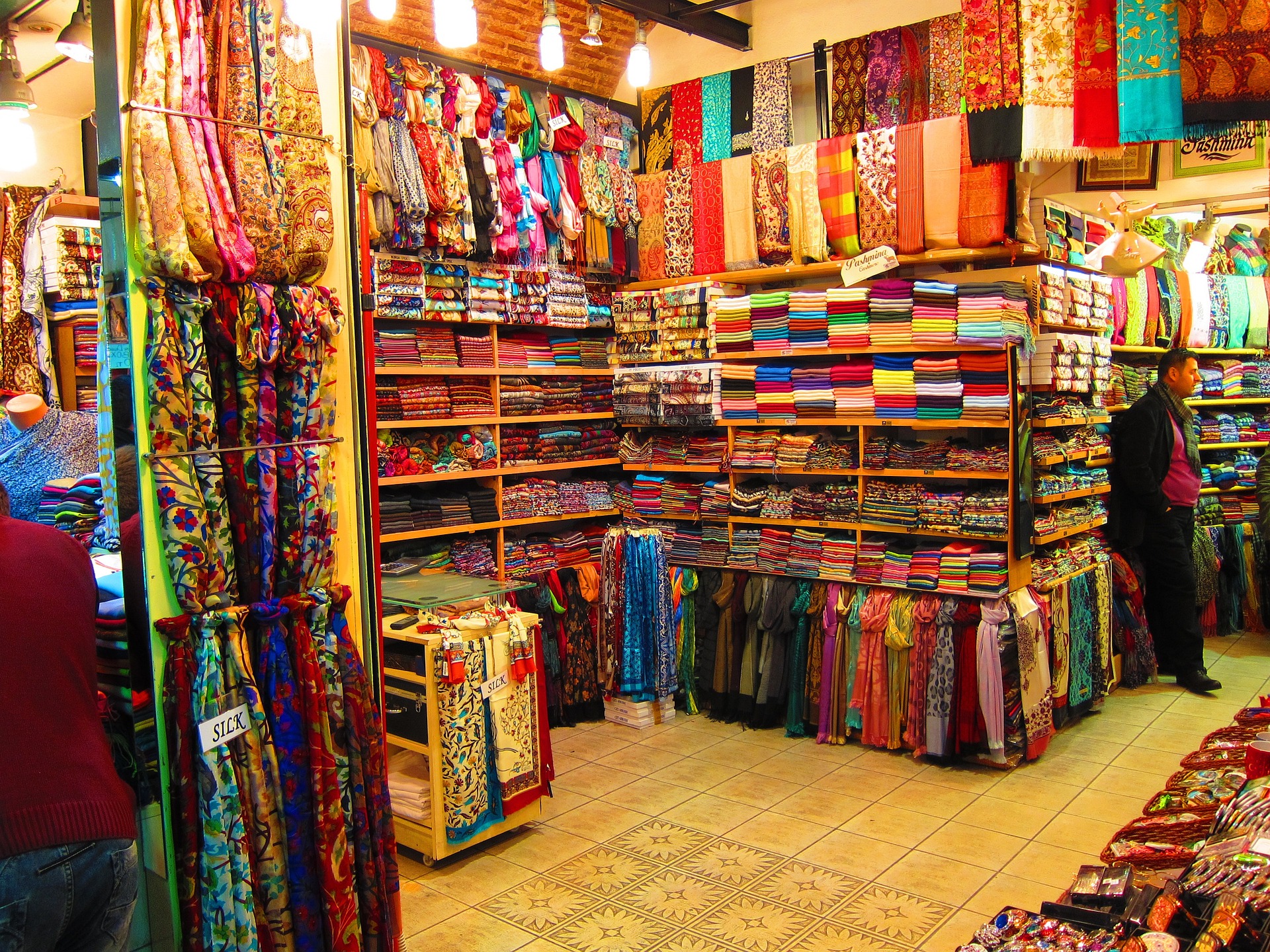
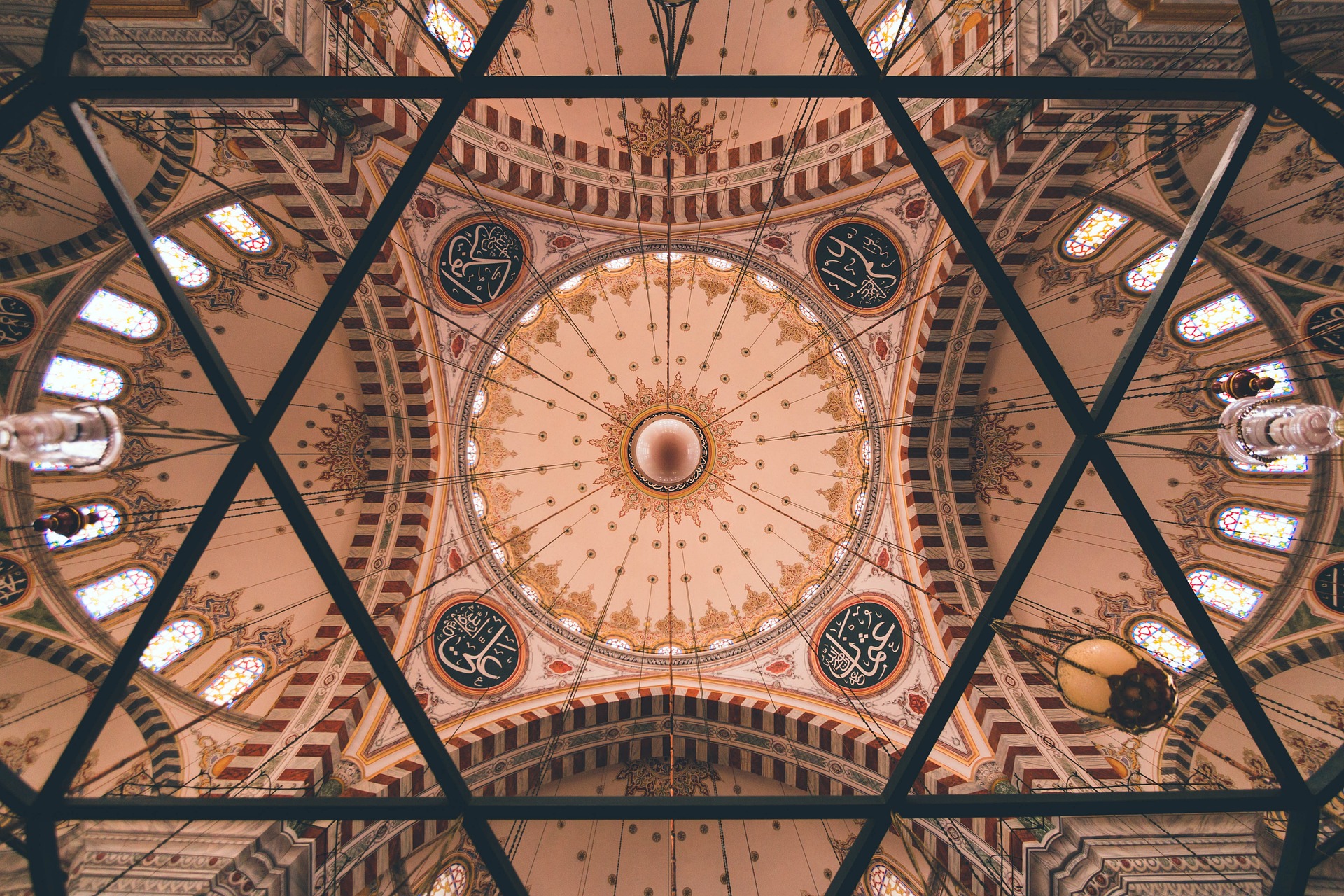
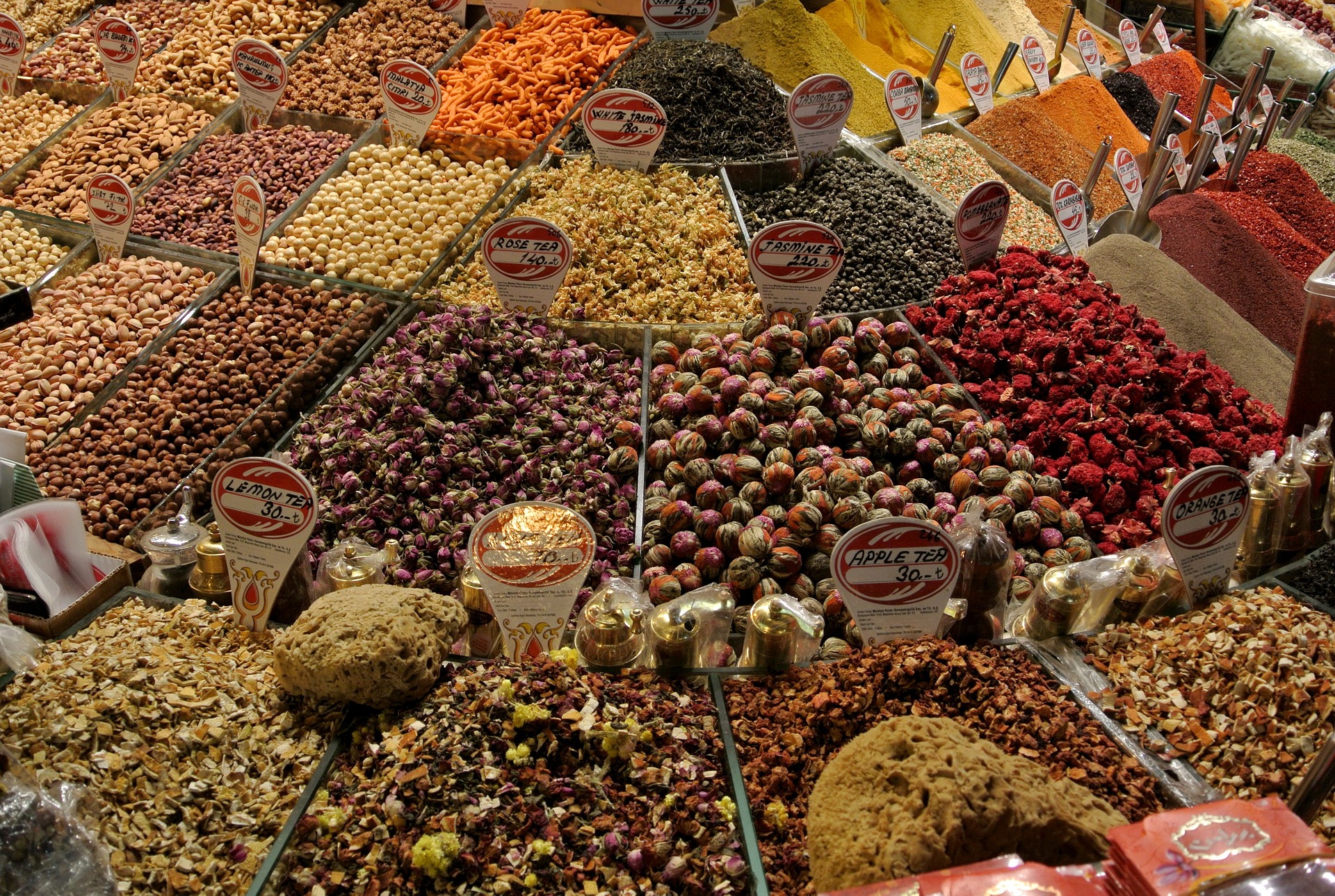
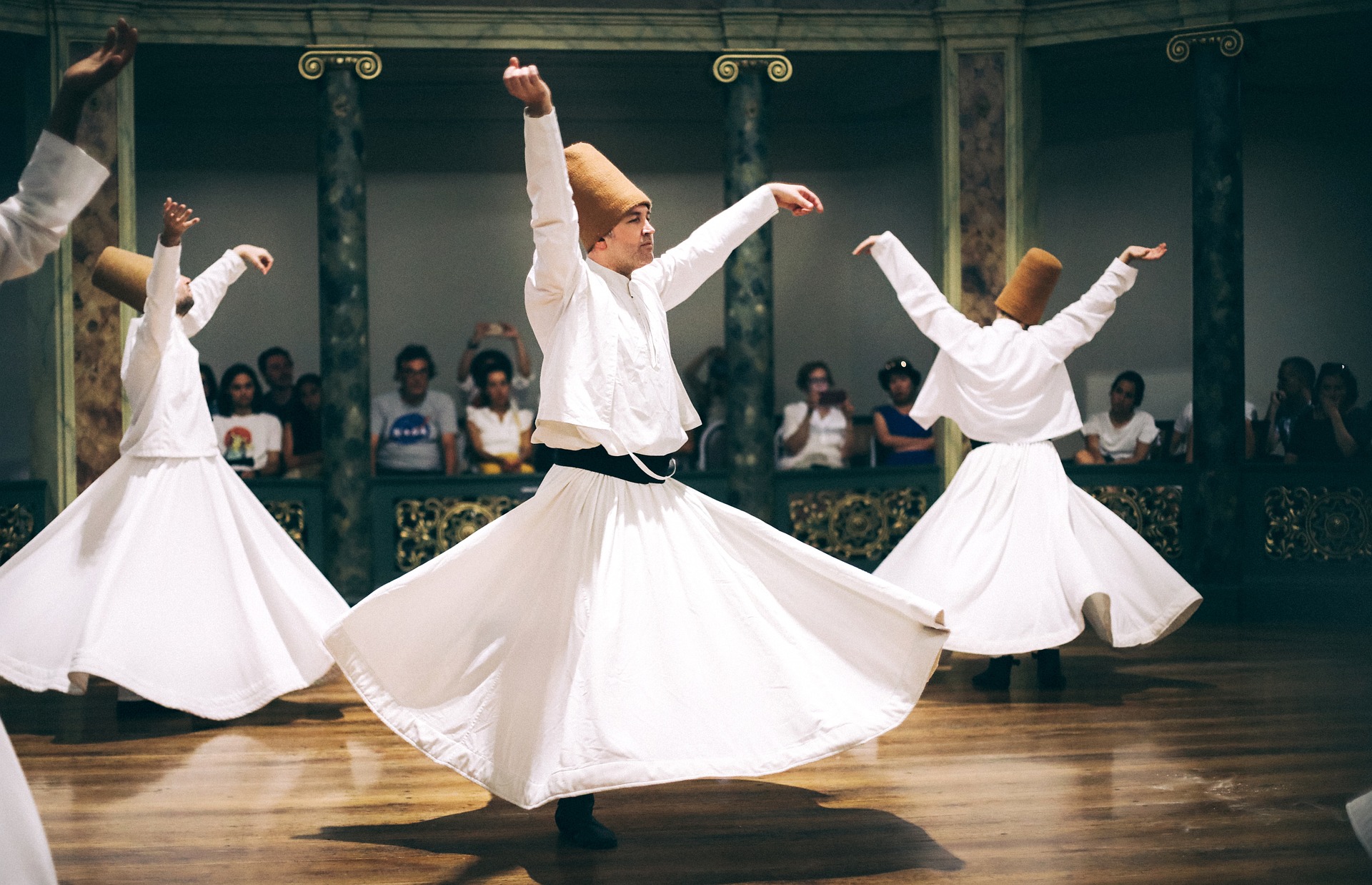
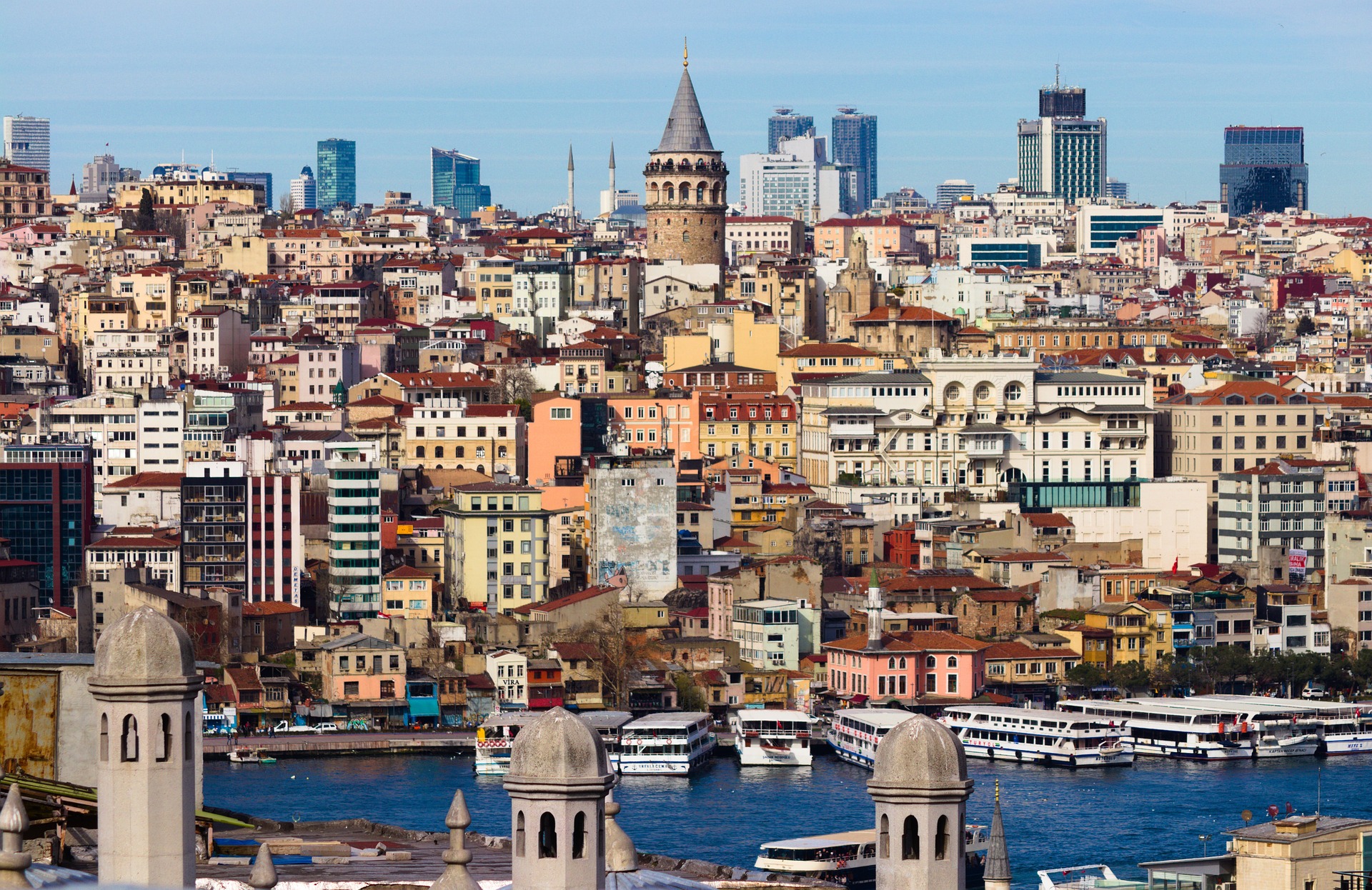
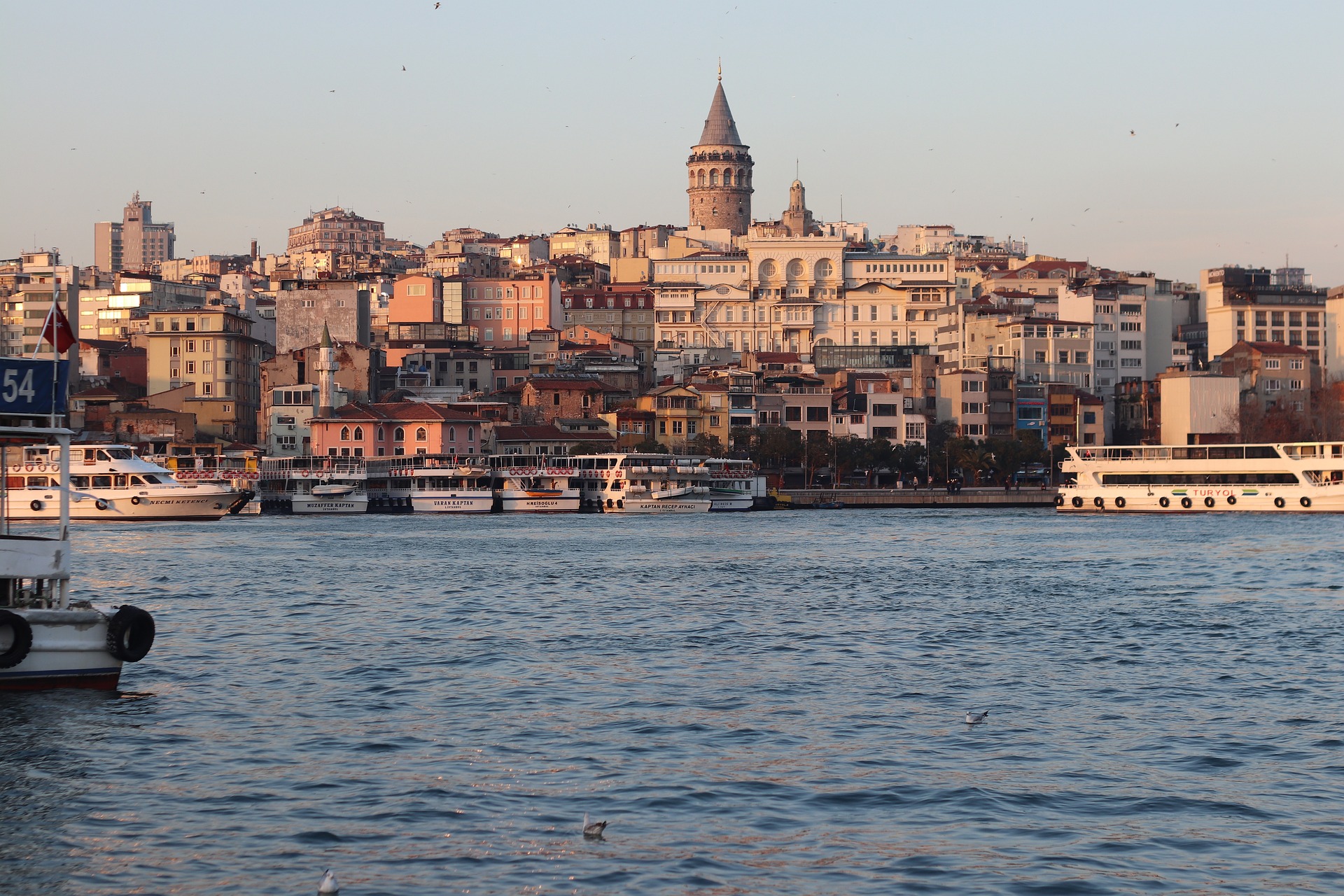
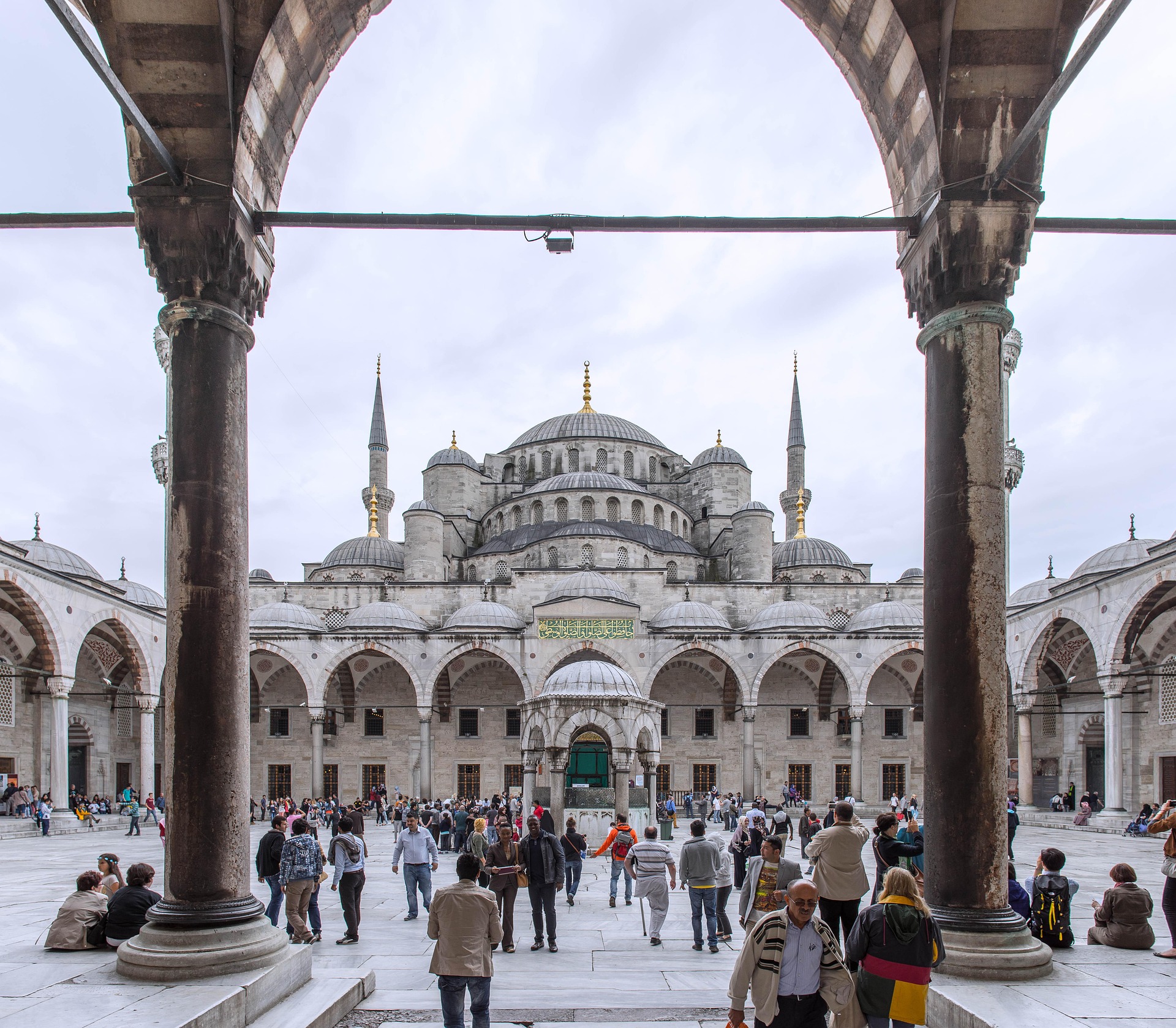
The only city in the world that can lay claim to straddling two continents, Istanbul—once known as Constantinople, capital of the Byzantine and then the Ottoman Empire—has for centuries been a bustling metropolis with one foot in Europe and the other in Asia. Istanbul embraces this enviable position with both a certain chaos and inventiveness, ever evolving as one of the world’s most cosmopolitan crossroads. It’s often said that Istanbul is the meeting point of East and West, but visitors to this city built over the former capital of two great empires are likely to be just as impressed by the juxtaposition of old and new. Office towers creep up behind historic palaces, women in chic designer outfits pass others wearing long skirts and head coverings, peddlers’ pushcarts vie with battered old Fiats and shiny BMWs for dominance of the noisy, narrow streets, and the Grand Bazaar competes with modern shopping malls. At dawn, when the muezzin's call to prayer resounds from ancient minarets, there are inevitably a few hearty revelers still making their way home from nightclubs and bars. Most visitors to this sprawling city of more than 14 million will first set foot in the relatively compact Old City, where the legacy of the Byzantine and Ottoman empires can be seen in monumental works of architecture like the brilliant Aya Sofya and the beautifully proportioned mosques built by the great architect Sinan. Though it would be easy to spend days, if not weeks, exploring the wealth of attractions in the historical peninsula, visitors should make sure also to venture elsewhere in order to experience the vibrancy of contemporary Istanbul. With a lively nightlife propelled by its young population and an exciting arts scene that’s increasingly on the international radar—thanks in part to its stint as the European Capital of Culture in 2010—Istanbul is truly a city that never sleeps. It’s also a place where visitors will feel welcome: Istanbul may be on the Bosphorus, but at heart it’s a Mediterranean city, whose friendly inhabitants are effusively social and eager to share what they love most about it.
About Istanbul
The only city in the world that can lay claim to straddling two continents, Istanbul—once known as Constantinople, capital of the Byzantine and then the Ottoman Empire—has for centuries been a bustling metropolis with one foot in Europe and the other in Asia. Istanbul embraces this enviable position with both a certain chaos and inventiveness, ever evolving as one of the world’s most cosmopolitan crossroads. It’s often said that Istanbul is the meeting point of East and West, but visitors to this city built over the former capital of two great empires are likely to be just as impressed by the juxtaposition of old and new. Office towers creep up behind historic palaces, women in chic designer outfits pass others wearing long skirts and head coverings, peddlers’ pushcarts vie with battered old Fiats and shiny BMWs for dominance of the noisy, narrow streets, and the Grand Bazaar competes with modern shopping malls. At dawn, when the muezzin's call to prayer resounds from ancient minarets, there are inevitably a few hearty revelers still making their way home from nightclubs and bars. Most visitors to this sprawling city of more than 14 million will first set foot in the relatively compact Old City, where the legacy of the Byzantine and Ottoman empires can be seen in monumental works of architecture like the brilliant Aya Sofya and the beautifully proportioned mosques built by the great architect Sinan. Though it would be easy to spend days, if not weeks, exploring the wealth of attractions in the historical peninsula, visitors should make sure also to venture elsewhere in order to experience the vibrancy of contemporary Istanbul. With a lively nightlife propelled by its young population and an exciting arts scene that’s increasingly on the international radar—thanks in part to its stint as the European Capital of Culture in 2010—Istanbul is truly a city that never sleeps. It’s also a place where visitors will feel welcome: Istanbul may be on the Bosphorus, but at heart it’s a Mediterranean city, whose friendly inhabitants are effusively social and eager to share what they love most about it.
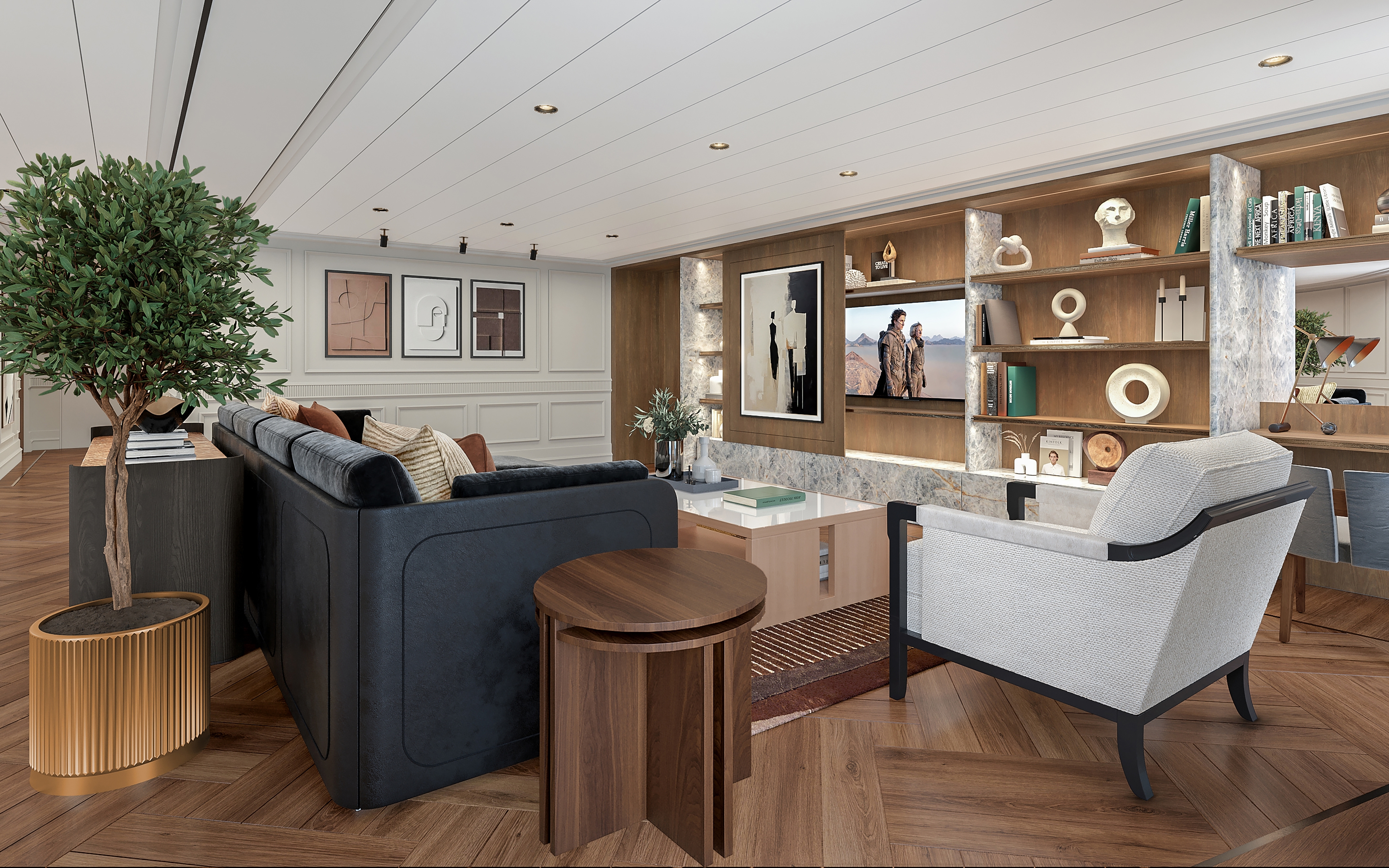
Oceania Sonata’s four two-bedroom Owner’s Suites span more than 2,500 square feet and are ideally situated to offer magnificent views, thanks to the expansive verandas off the living room and both bedrooms, that summon the sapphire seas. These holiday retreats are styled with designer fabrics and furnishings that exude opulence yet evoke the comforts of home to create a familiar luxury. Savor an in-suite repast in the elegant dining room and then indulge in convivial conversation in the stylish living area. In the master bedroom, bask in relaxation with a plush king-size bed and a bathroom featuring spa-caliber facilities. The spacious guest suite offers a bedroom with queen-size bed, floor-to-ceiling glass doors and a lavish marble bath. Oceania Sonata’s Owner’s Suites invite you to survey the world from the pinnacle of luxurious living at sea.
Owner's Suite Privileges+In addition to Concierge Level privileges
- Priority luggage delivery
- Exclusive card-only access to private Executive Lounge staffed by a dedicated Concierge featuring complimentary sodas, coffees and snacks throughout the day
- 24-hour Butler service
- Optional private in-suite embarkation day lunch from noon to 2 pm in Owner’s Suites
- Complimentary in-suite bar setup with 6 full-size bottles of your choice of premium spirits and wines from our suite beverage menu
- Complimentary welcome bottle of Champagne
- In-suite illy® coffee maker and pods
- Fresh fruit basket upon request
- Choice of daily newspaper
- Exclusive pillow menu
- Course-by-course in-suite dining+
- Order in from any of our specialty restaurants+
- Coordination of shoreside dinner and entertainment reservations
- Last-minute luggage collection
- Packing and unpacking upon request
- Complimentary garment pressing+
- Complimentary shoeshine service
- Gourmet evening canapés upon request
- Special services upon request
+Certain limitations apply
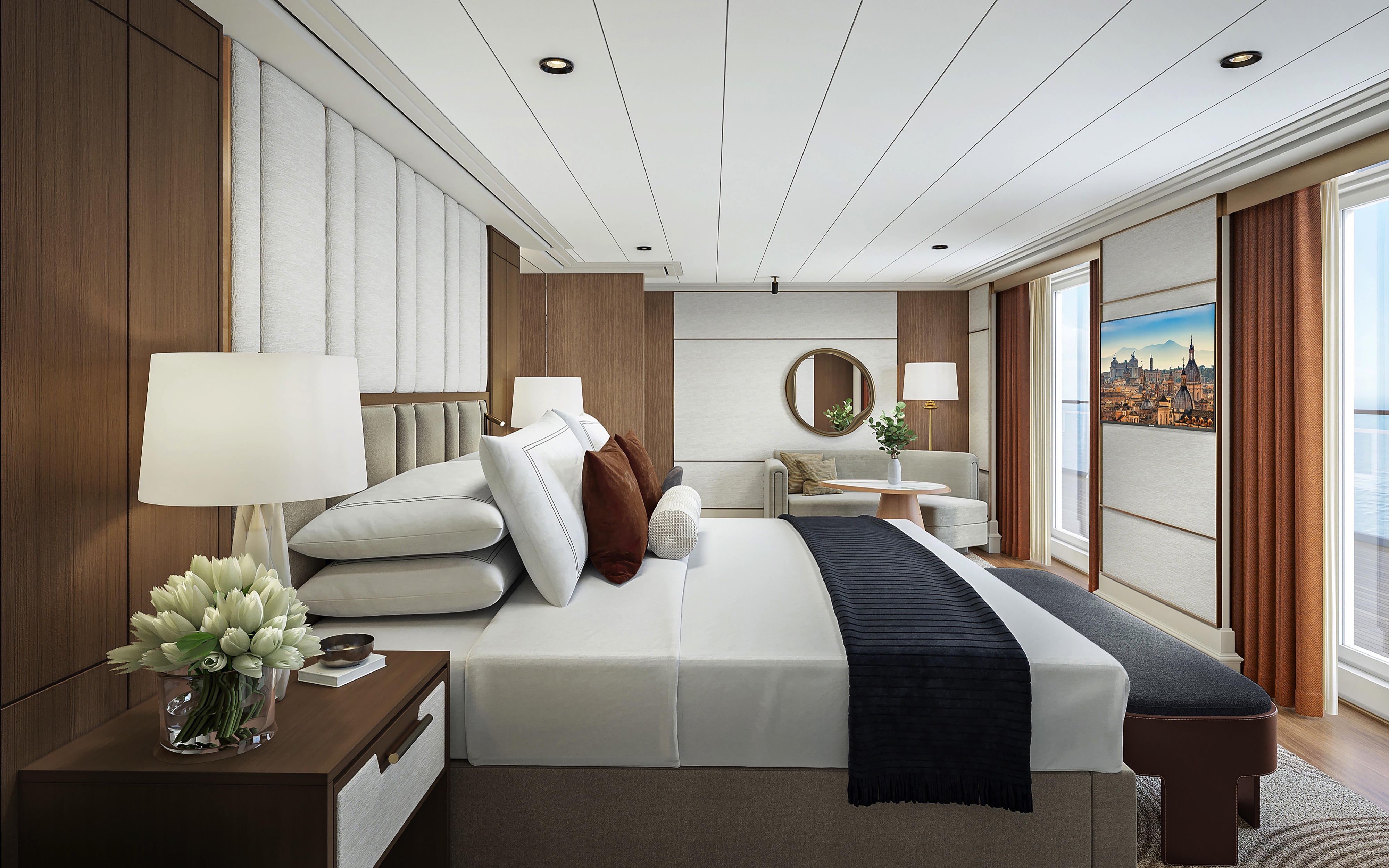
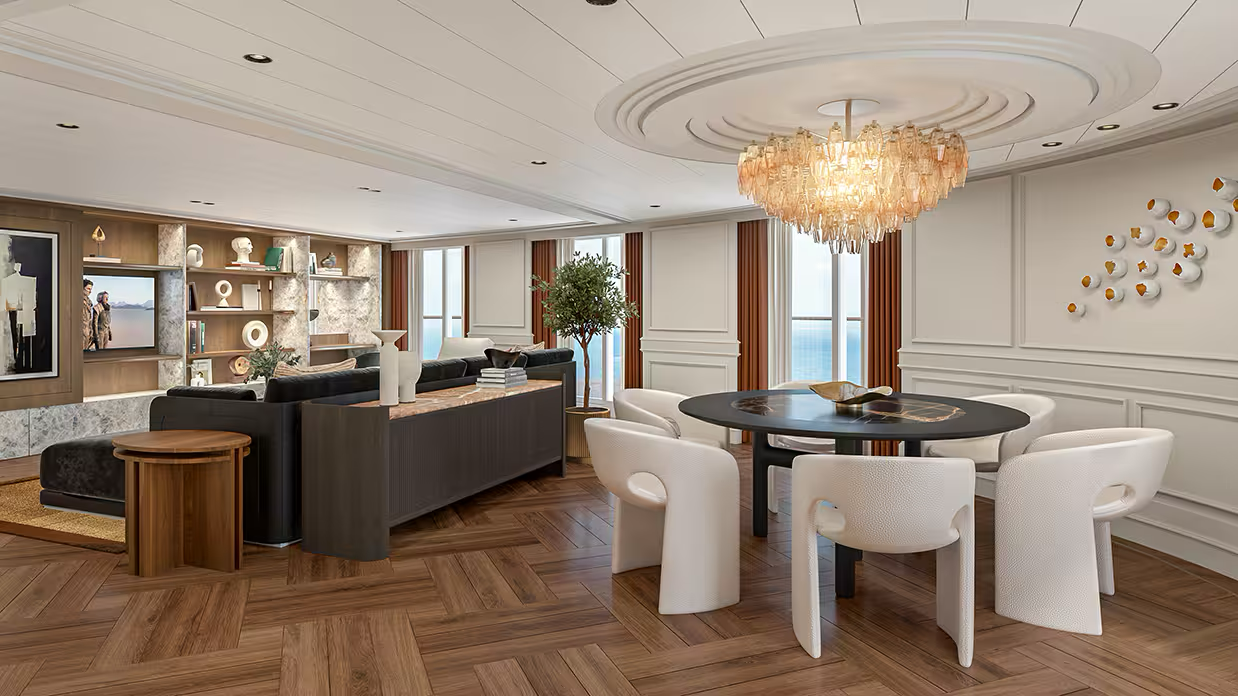
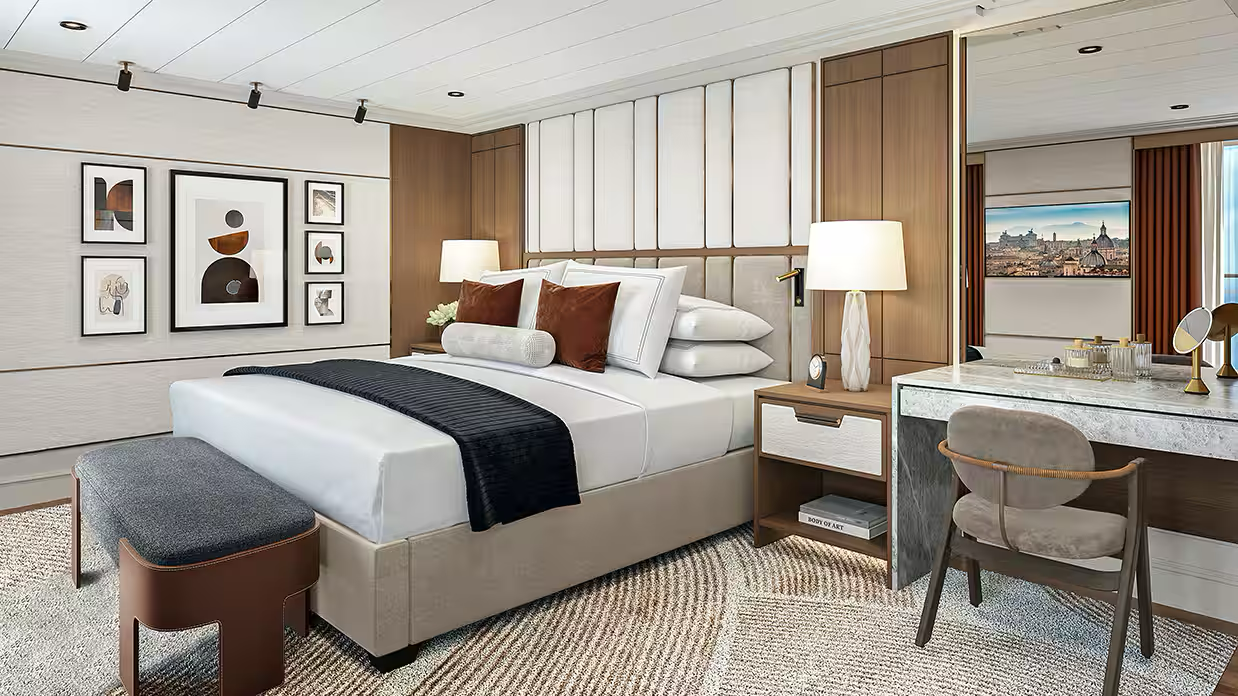
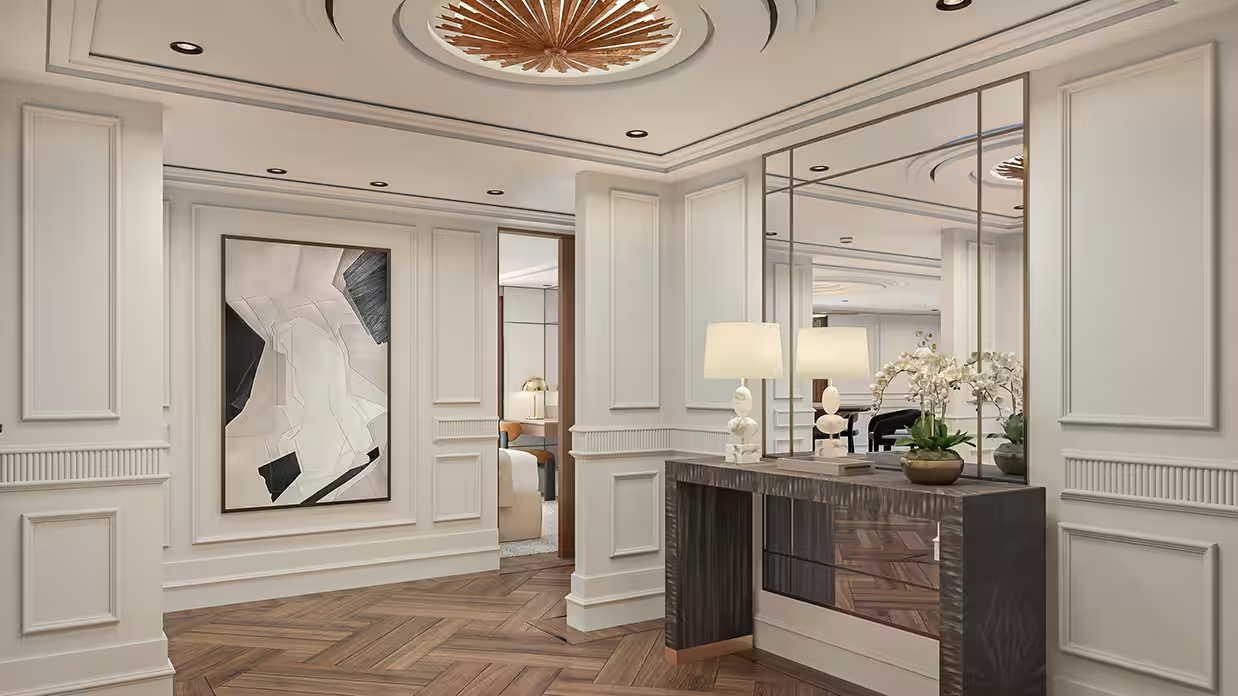
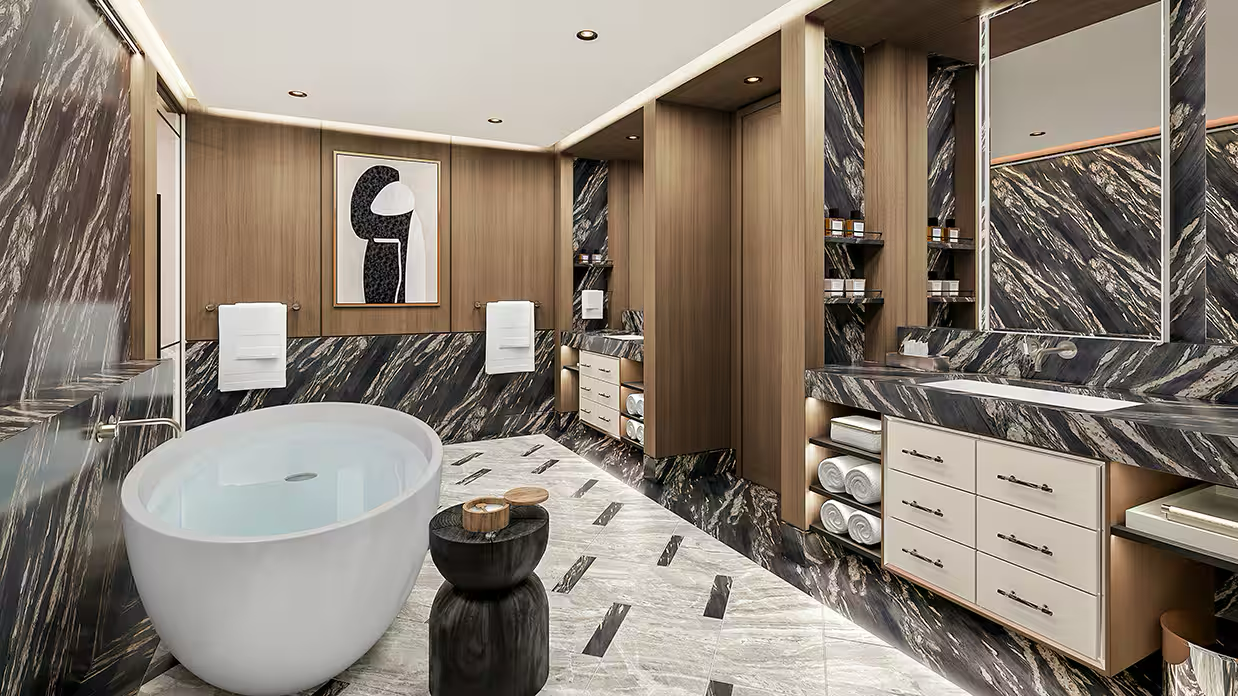
A proper vacation home always boasts a waterfront location, and the eight Vista Suites are no exception. Each features sweeping ocean views and measures more than 1,900 square feet. The focus is on the world outside, with rich earthen tones complementing the indigo blues of the sea and luminescent cerulean sky. An airy living room, dining room, bar and master suite, all outfitted with plush furnishings with marble and granite accents, open to expansive wraparound teak verandas. The sublime bedroom features a plush king-size bed, spacious wardrobe and dressing area, and a dazzling master bath with double vanities, a rainforest shower and a porcelain soaking tub that rivals any found in a shoreside home.
Vista Suite Privileges+In addition to Concierge Level privileges
- Priority luggage delivery
- Exclusive card-only access to private Executive Lounge staffed by a dedicated Concierge featuring complimentary sodas, coffees and snacks throughout the day
- 24-hour Butler service
- Complimentary in-suite bar setup with 6 full-size bottles of your choice of premium spirits and wines from our suite beverage menu
- Complimentary welcome bottle of Champagne
- In-suite illy® coffee maker and pods
- Fresh fruit basket upon request
- Choice of daily newspaper
- Exclusive pillow menu
- Course-by-course in-suite dining+
- Order in from any of our specialty restaurants+
- Coordination of shoreside dinner and entertainment reservations
- Last-minute luggage collection
- Packing and unpacking upon request
- Complimentary garment pressing+
- Complimentary shoeshine service
- Gourmet evening canapés upon request
- Special services upon request
+Certain limitations apply
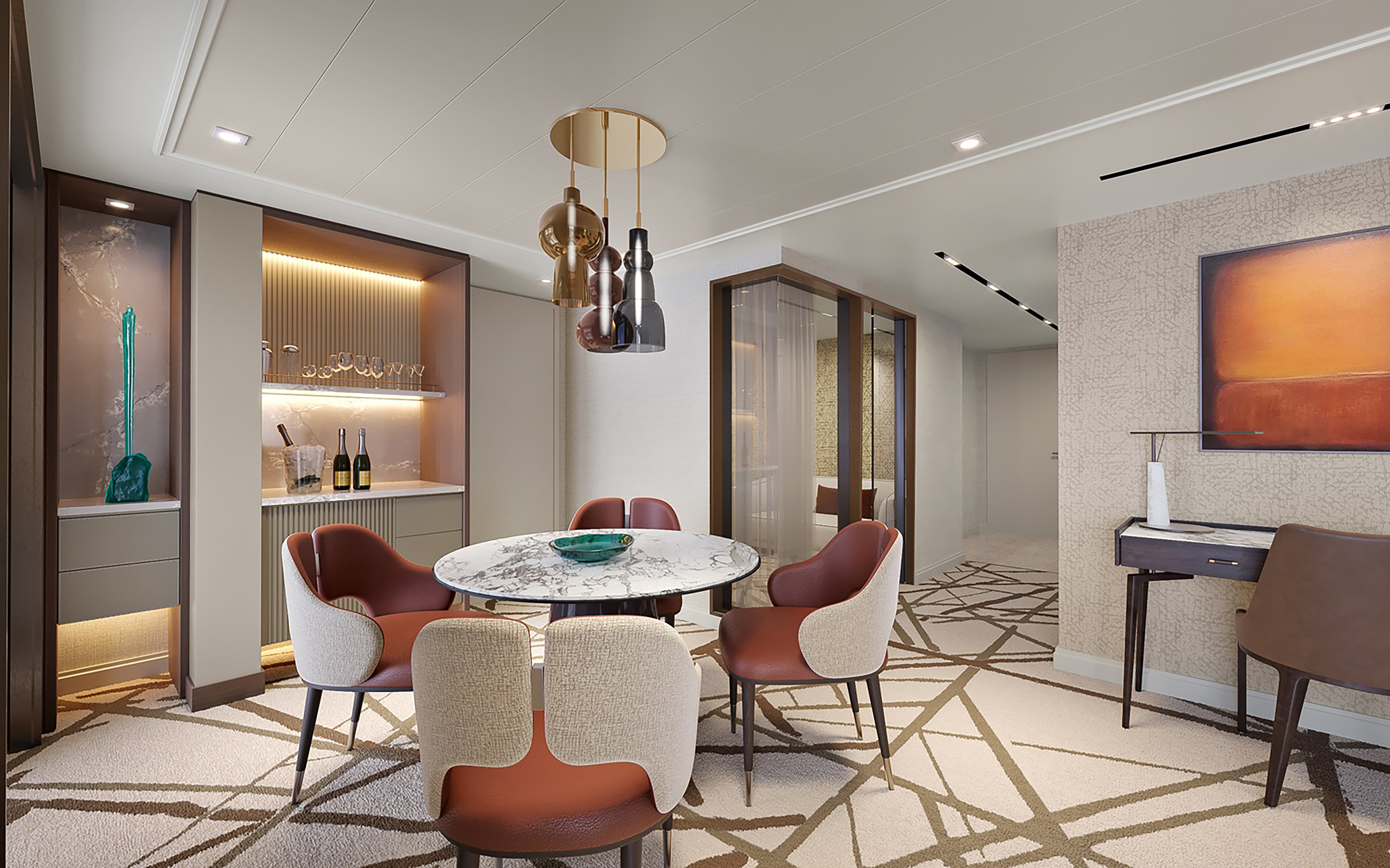
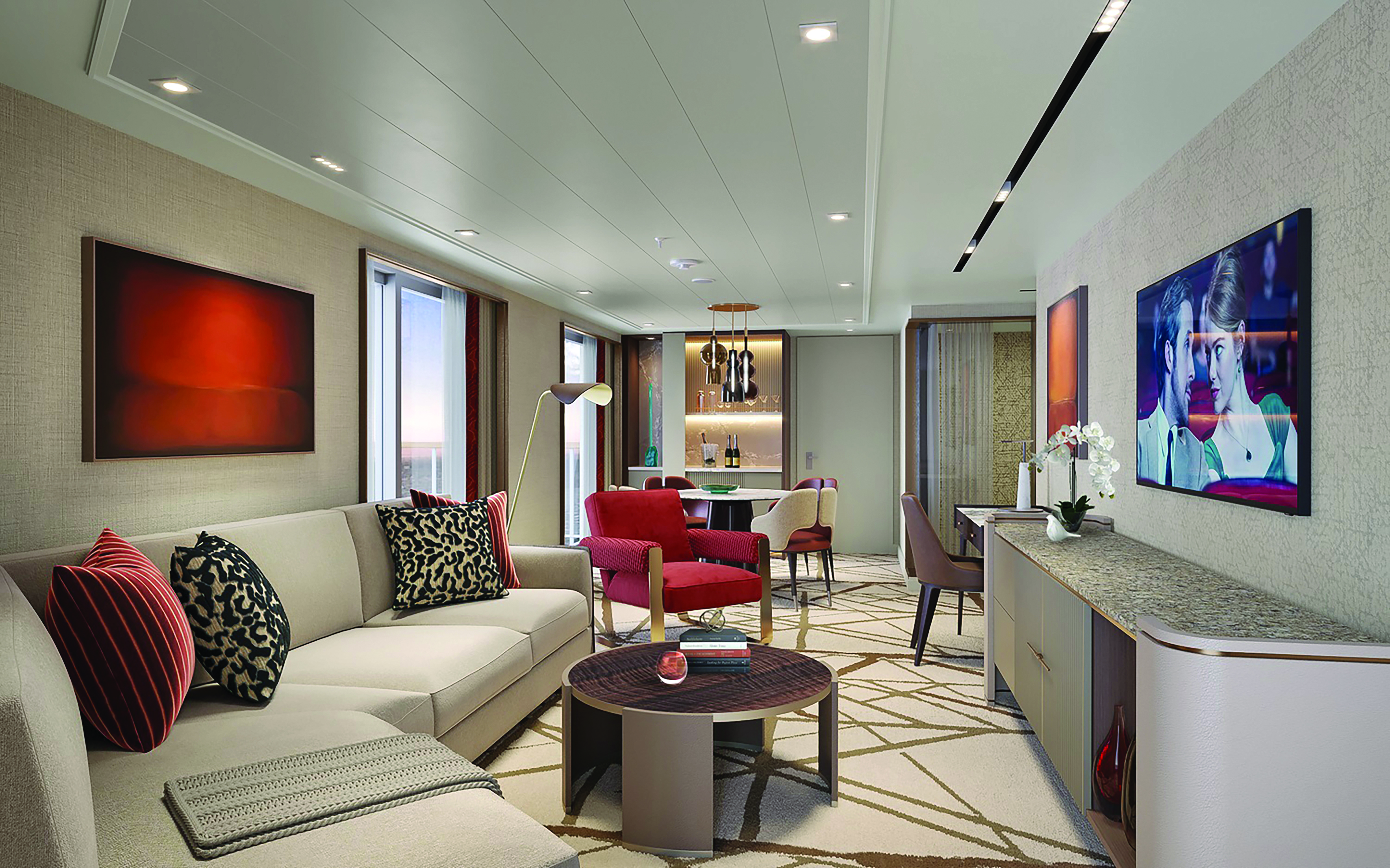
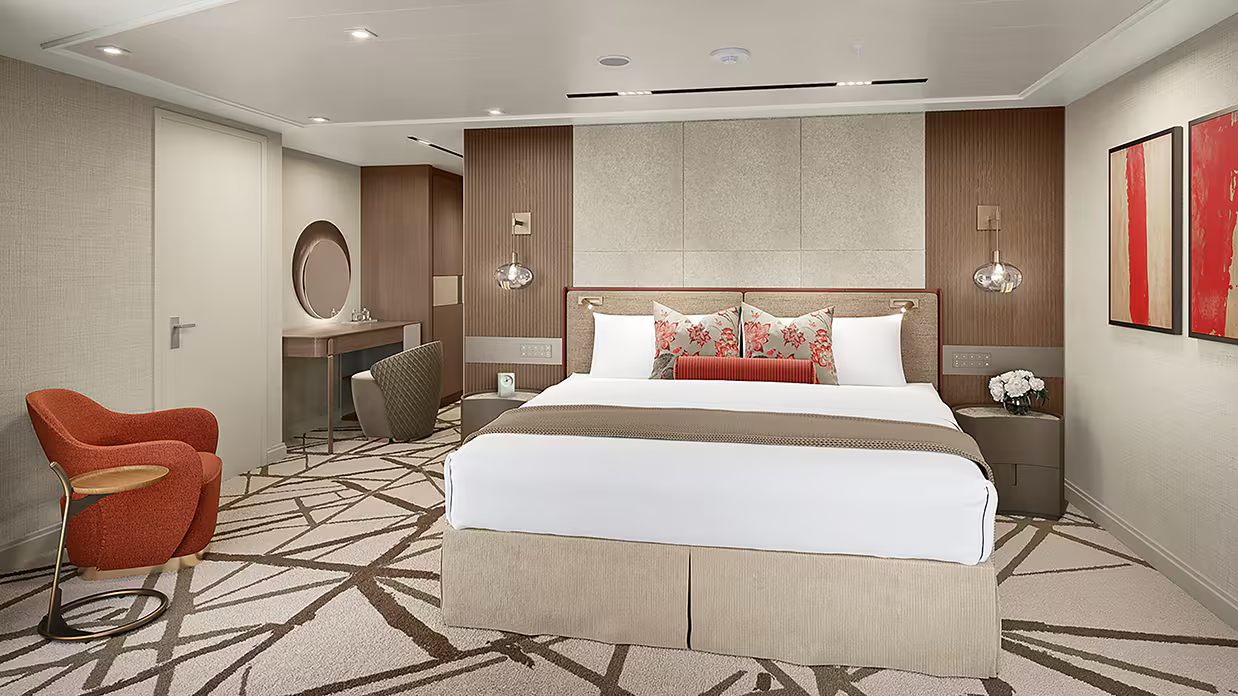
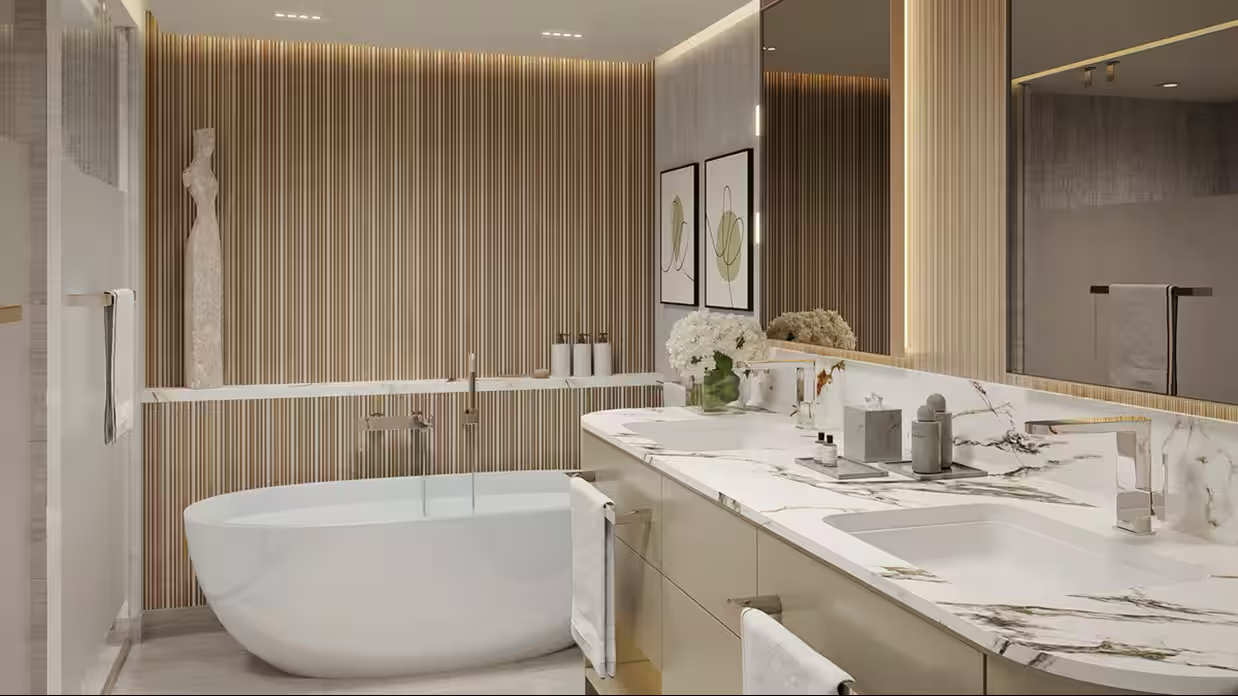
A smartly appointed seaside enclave is the inspiration for the Oceania Suites. Airy, elegant, inviting and exquisite, these comfortable havens average approximately 1,000 to more than 1,400 square feet, providing ample space for gracious entertaining. The glow of the emerald sea embraces the private teak veranda outside the living room and bedroom, while a generous king-size bed and a soaking tub and shower in the marble-sheathed bathroom provide a respite from everyday cares.
Oceania Suite Privileges+In addition to Concierge Level privileges
- Priority luggage delivery
- Exclusive card-only access to private Executive Lounge staffed by a dedicated Concierge featuring complimentary sodas, coffees and snacks throughout the day
- 24-hour Butler service
- Complimentary in-suite bar setup with 6 full-size bottles of your choice of premium spirits and wines from our suite beverage menu
- Complimentary welcome bottle of Champagne
- In-suite illy® coffee maker and pods
- Fresh fruit basket upon request
- Choice of daily newspaper
- Exclusive pillow menu
- Course-by-course in-suite dining+
- Order in from any of our specialty restaurants+
- Coordination of shoreside dinner and entertainment reservations
- Last-minute luggage collection
- Packing and unpacking upon request
- Complimentary garment pressing+
- Complimentary shoeshine service
- Gourmet evening canapés upon request
- Special services upon request
+Certain limitations apply
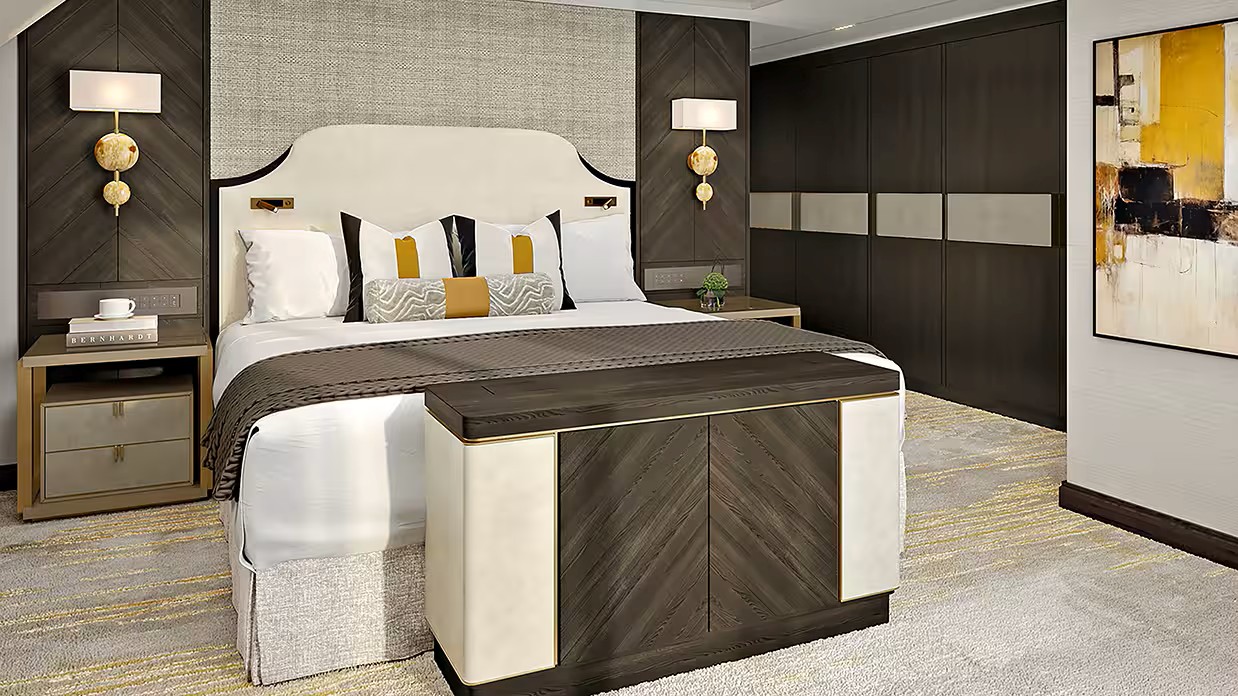
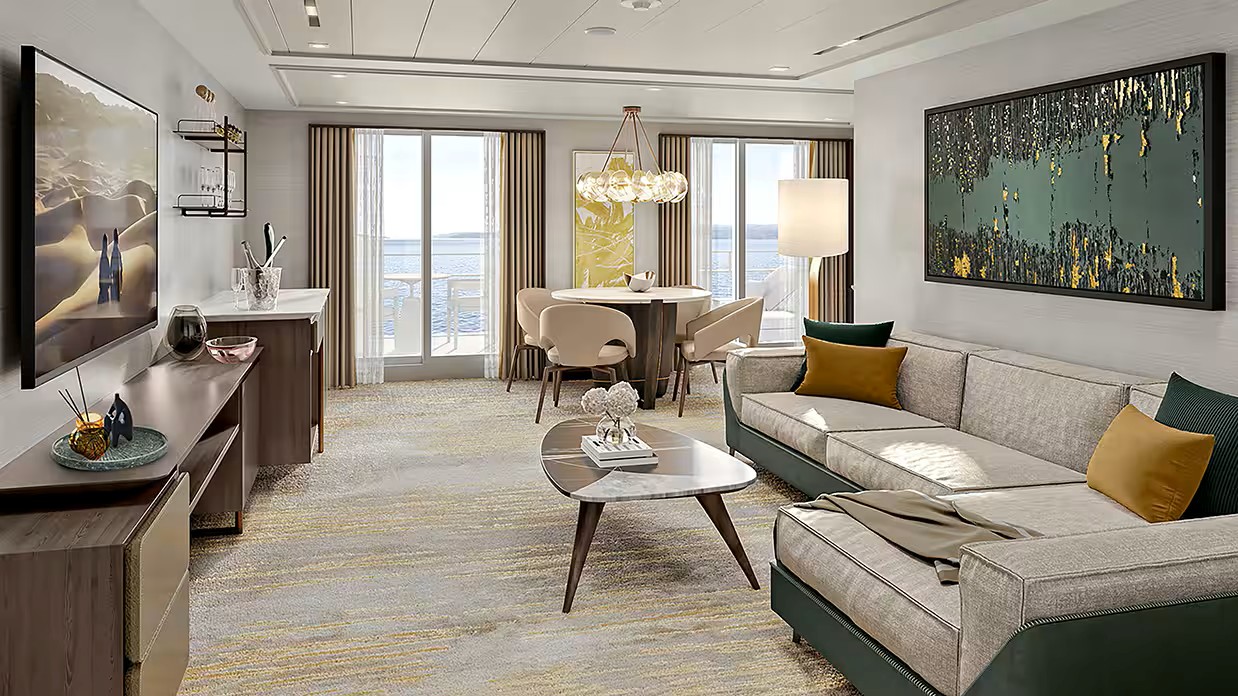
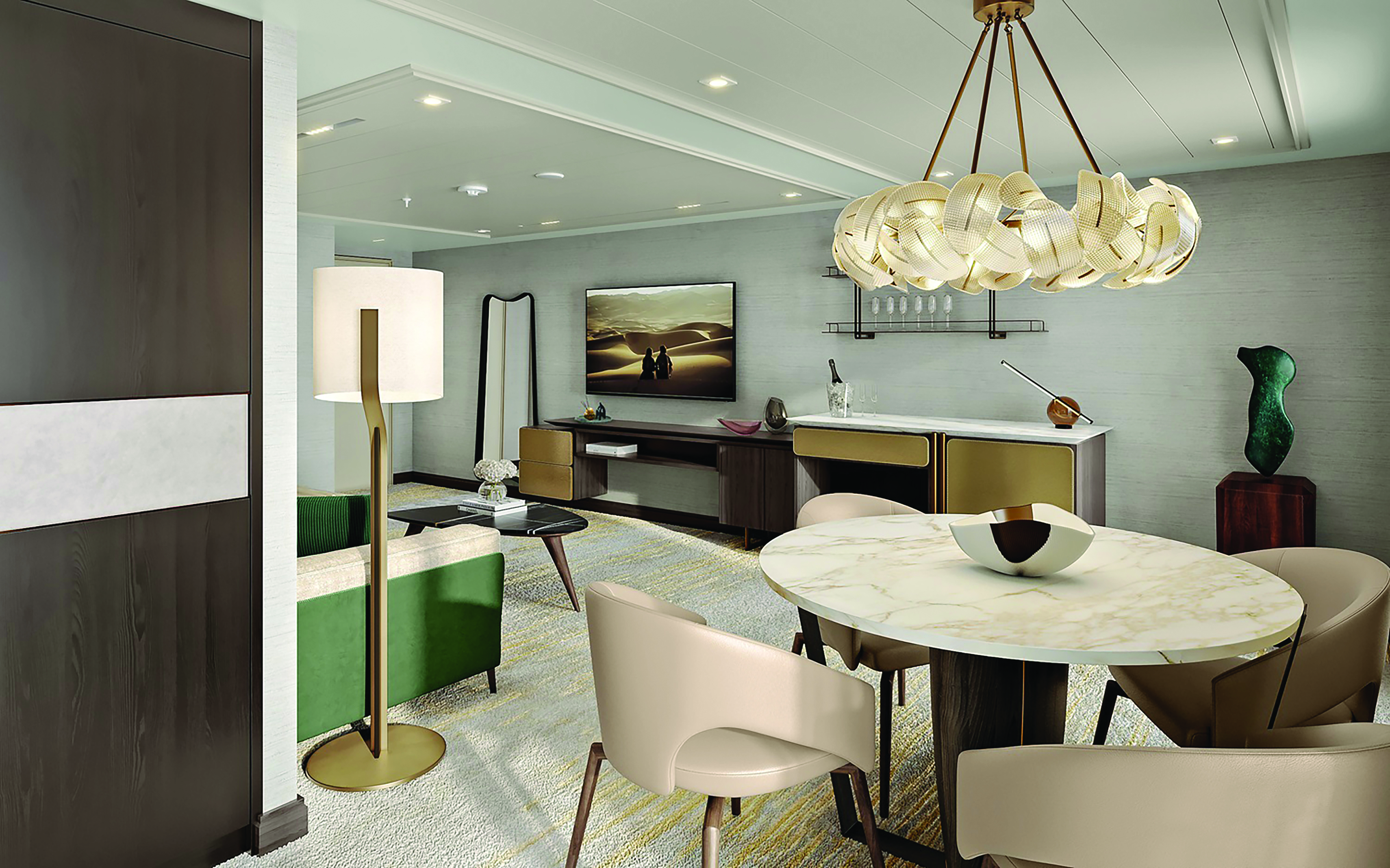
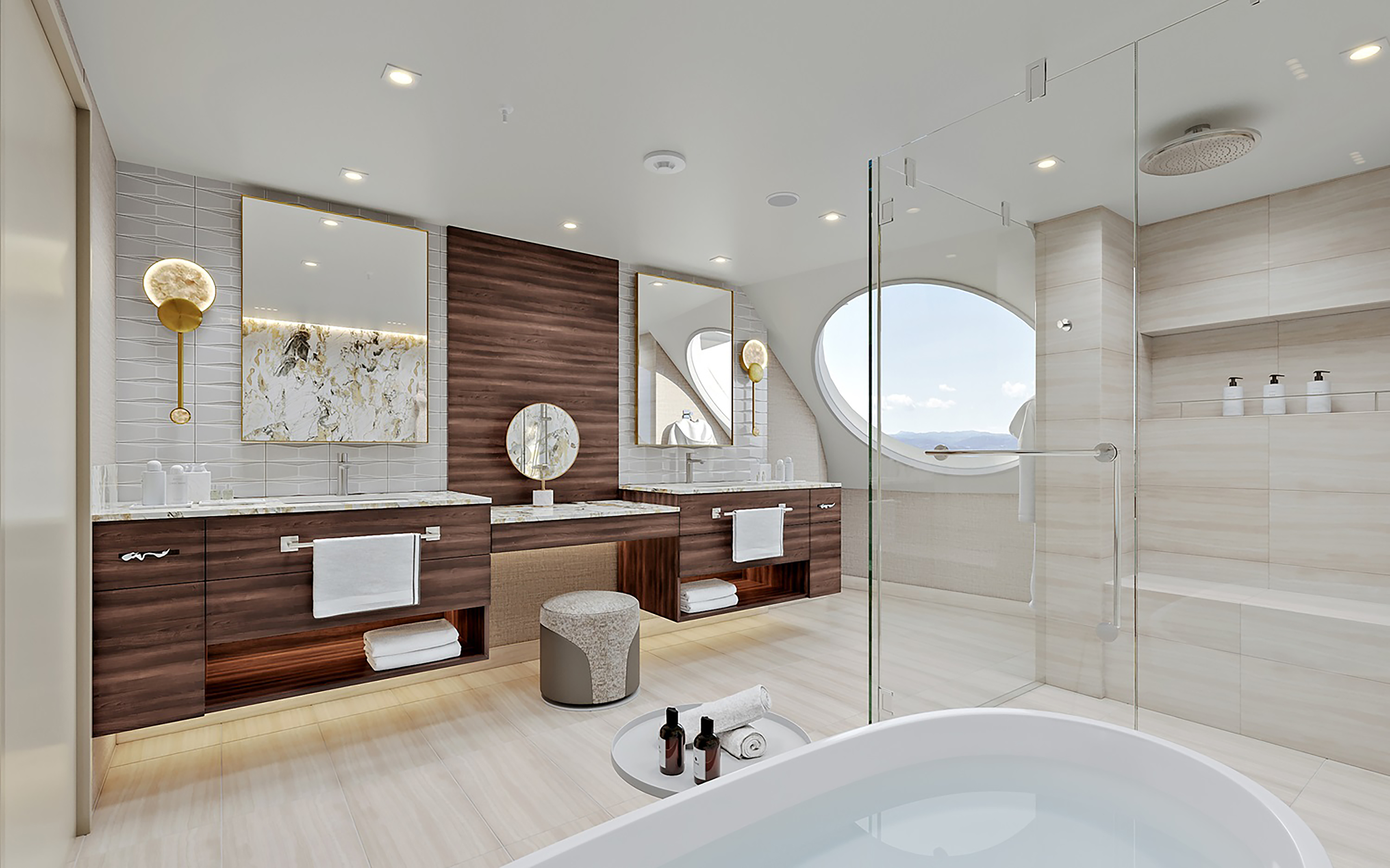
From the moment you first enter your Horizon Suite, you’re struck by how light floods every corner, highlighting the exquisite designer touches, rich textiles and inviting colors. These opulent suites are meticulously crafted to maximize space and comfort, offering over 600 square feet from the entrance to the oversized veranda. As you move through the separate living and bedroom areas, you have the option to partition the space with a pocket door for added privacy. Your Horizon Suite also boasts a spacious walk-through closet with ample storage. Step outside to your private, oversized veranda, furnished with an outdoor dining table, a plush sofa and sun loungers.
Horizon Suite Privileges+In addition to Concierge Level privileges
- Priority luggage delivery
- Exclusive card-only access to private Executive Lounge staffed by a dedicated Concierge featuring complimentary sodas, coffees and snacks throughout the day
- 24-hour Butler service
- Complimentary in-suite bar setup with 6 full-size bottles of your choice of premium spirits and wines from our suite beverage menu
- Complimentary welcome bottle of Champagne
- In-suite illy® coffee maker and pods
- Fresh fruit basket upon request
- Choice of daily newspaper
- Exclusive pillow menu
- Course-by-course in-suite dining+
- Order in from any of our specialty restaurants+
- Coordination of shoreside dinner and entertainment reservations
- Last-minute luggage collection
- Packing and unpacking upon request
- Complimentary garment pressing+
- Complimentary shoeshine service
- Gourmet evening canapés upon request
- Special services upon request
+Certain limitations apply
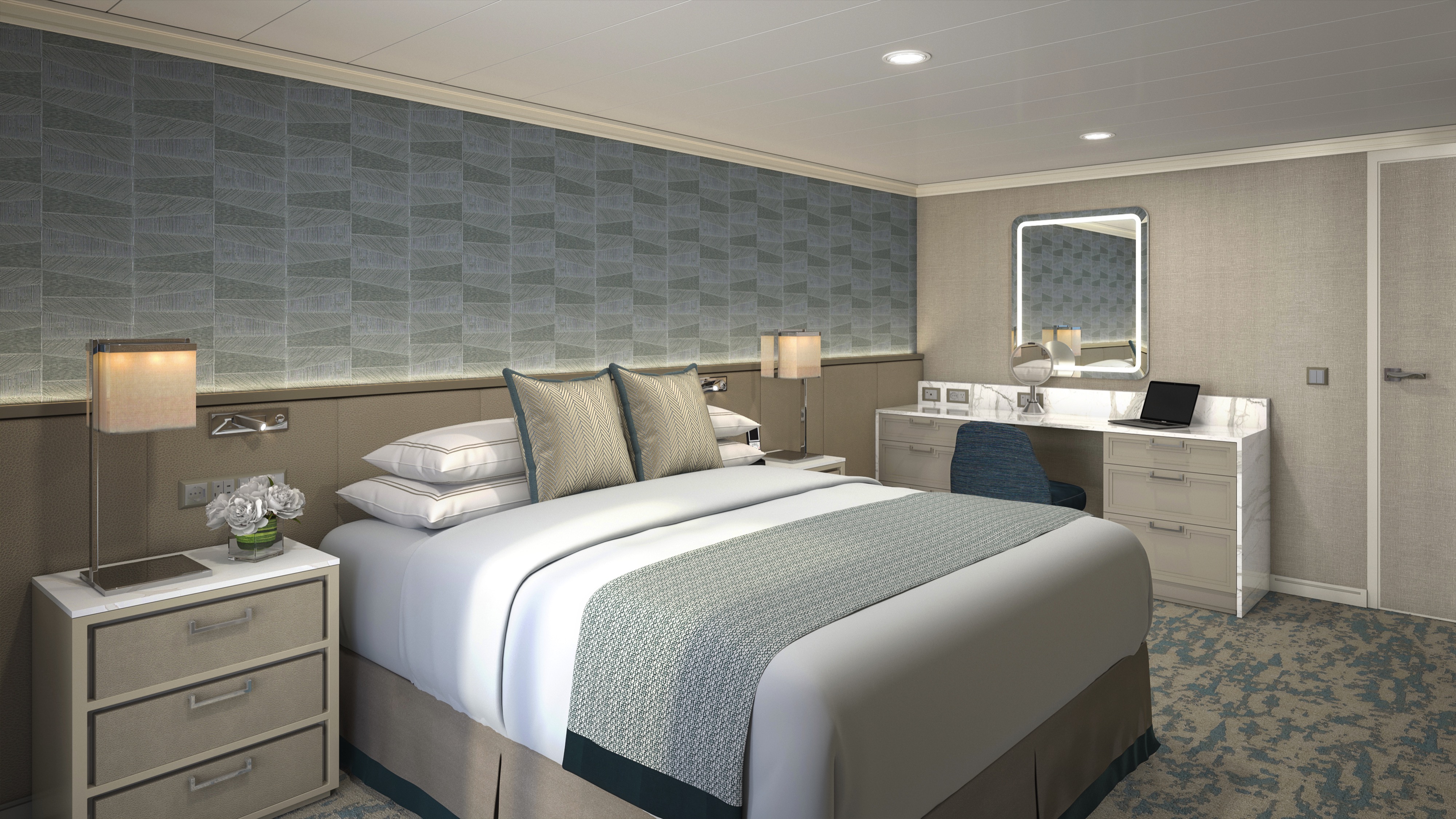
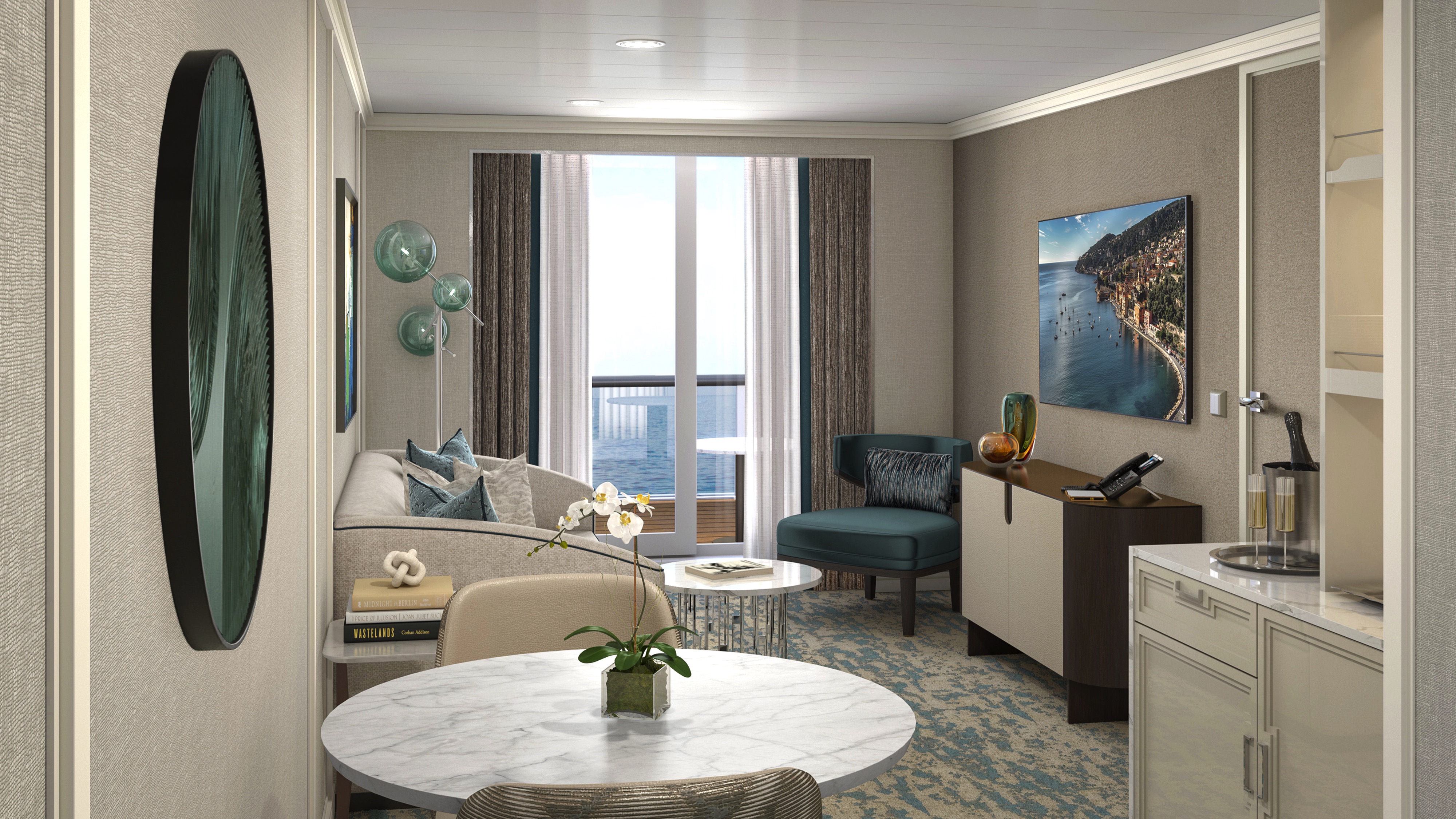
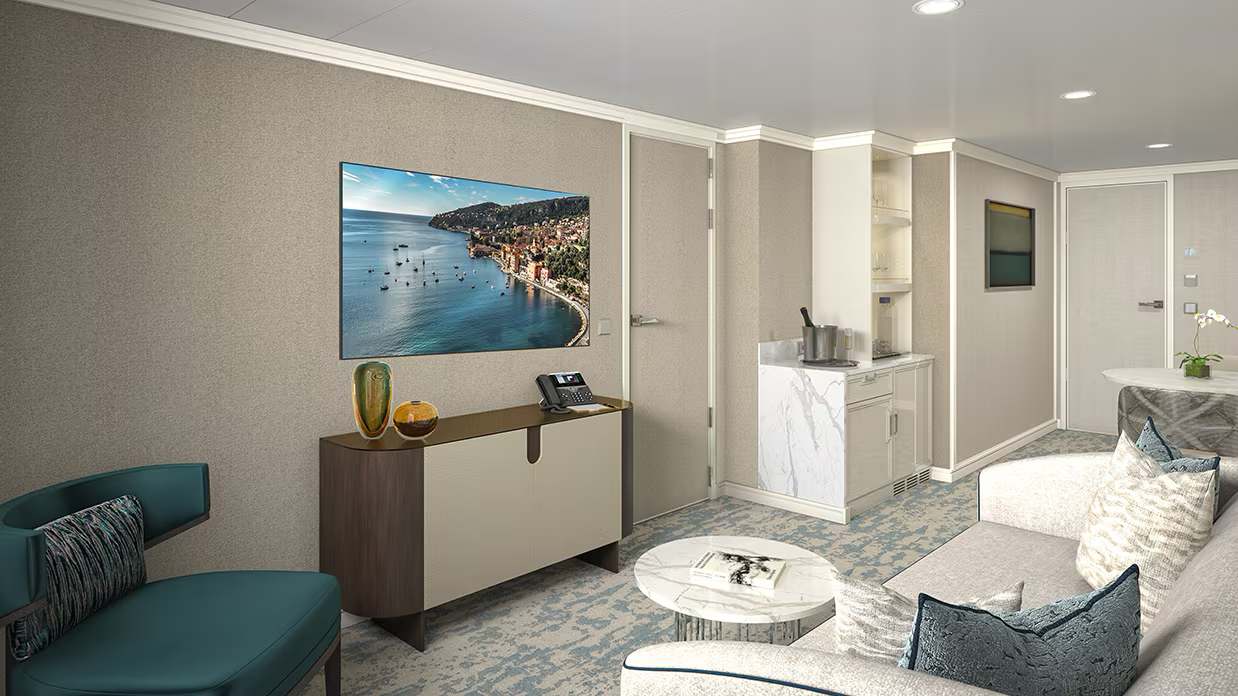
Thoughtfully designed to embrace the magnificent scenery outdoors, the new 488-square-foot Penthouse Deluxe Suite is a joyful retreat. From the sitting area, admire the ocean views, or better yet, take a seat outside on your private balcony to watch the world go by. Elegant finishes such as luxurious bedding and beautiful marble detailing in the bath further enhance your experience.
Penthouse Deluxe Suite Privileges+In addition to Concierge Level privileges
- Priority luggage delivery
- Exclusive card-only access to private Executive Lounge staffed by a dedicated Concierge featuring complimentary sodas, coffees and snacks throughout the day
- 24-hour Butler service
- Course-by-course in-suite dining+
- Order in from any of our specialty restaurants+
- Coordination of shoreside dinner and entertainment reservations
- Last-minute luggage collection
- Packing and unpacking upon request
- Complimentary garment pressing+
- Complimentary shoeshine service
- Gourmet evening canapés upon request
- Special services upon request
+Certain limitations apply
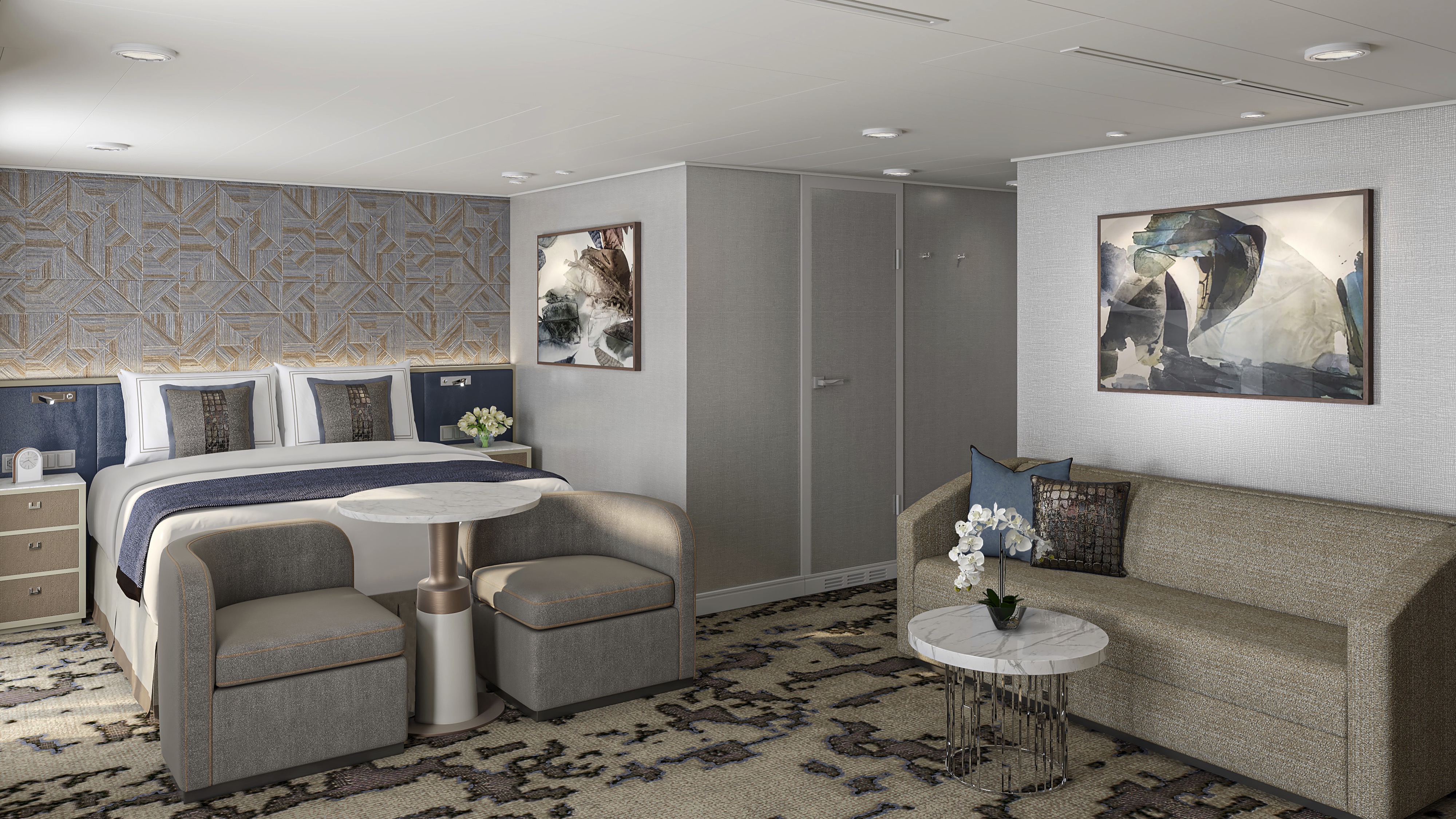
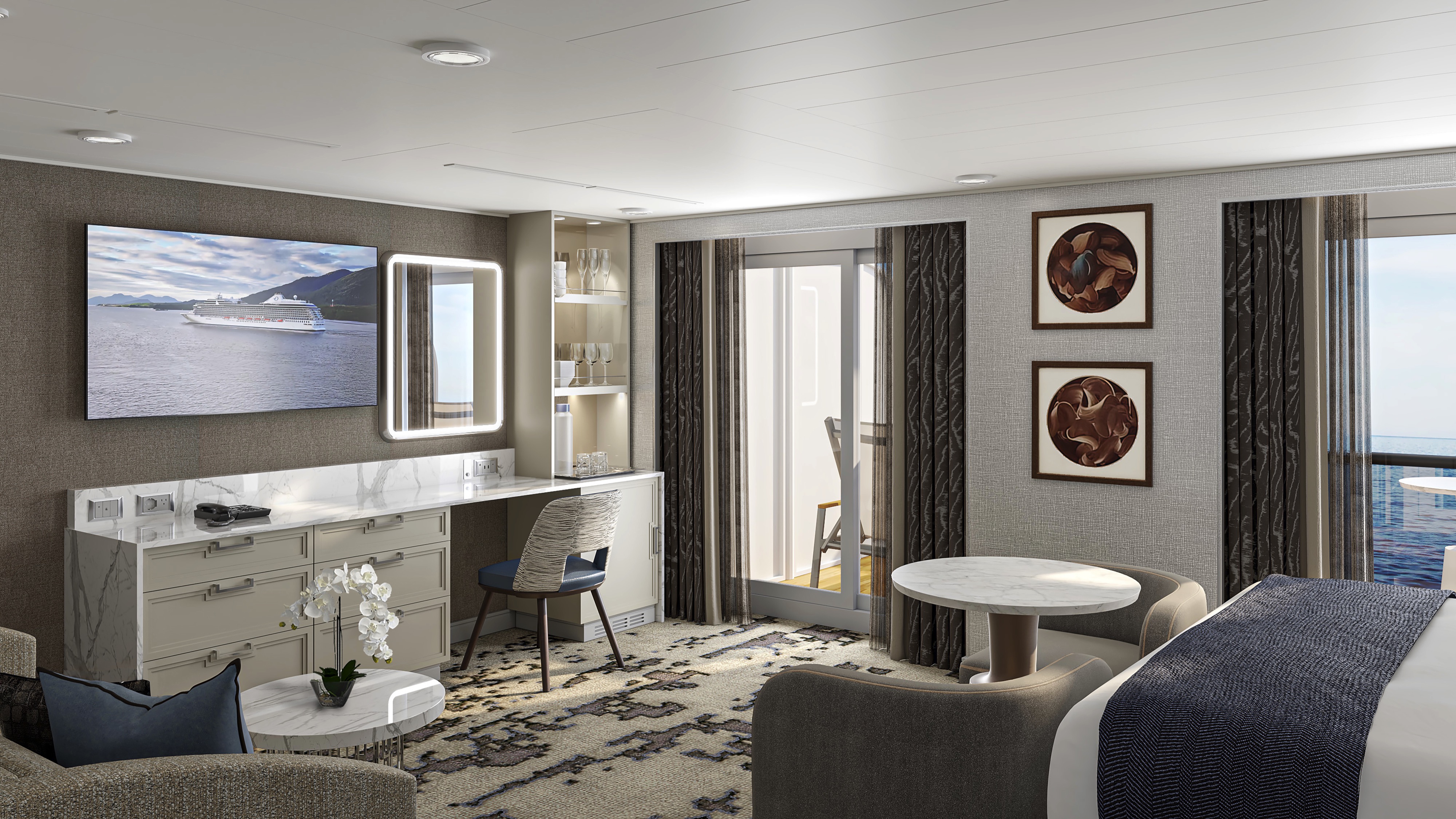
Penthouses are, by design, reserved for those who appreciate the finer things in life. Measuring 426 square feet, the Penthouse Suite experience is both tranquil and familiar. Tony residential furnishings and a calming color palette are reminiscent of a home ashore, yet fine fabrics and rich upholstery soothing to the touch add a dash of exotic elegance.
Penthouse Suite Privileges+In addition to Concierge Level privileges
- Priority luggage delivery
- Exclusive card-only access to private Executive Lounge staffed by a dedicated Concierge featuring complimentary sodas, coffees and snacks throughout the day
- 24-hour Butler service
- Course-by-course in-suite dining+
- Order in from any of our specialty restaurants+
- Coordination of shoreside dinner and entertainment reservations
- Last-minute luggage collection
- Packing and unpacking upon request
- Complimentary garment pressing+
- Complimentary shoeshine service
- Gourmet evening canapés upon request
- Special services upon request
+Certain limitations apply
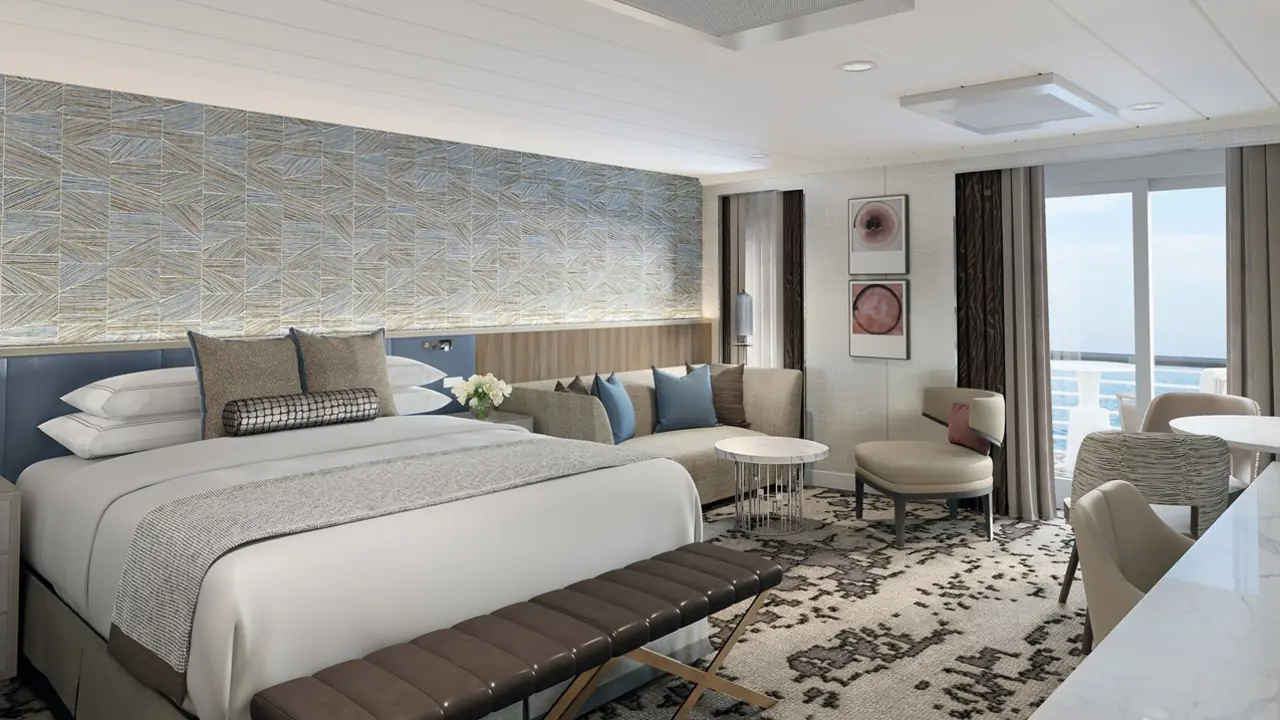
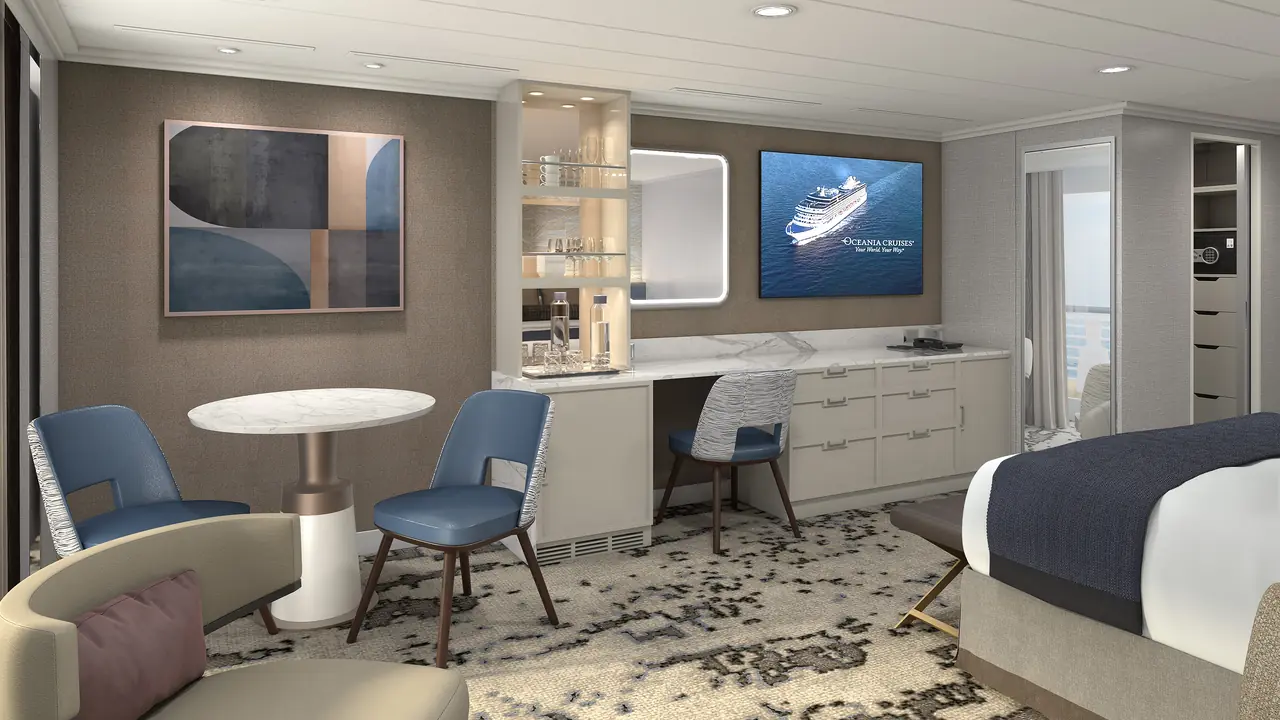
Echoing a Saint-Tropez bungalow, comforting shades of fawn and rich creams are the backdrop to the vibrant colors of sea and sky viewed from the large private veranda. Offering 288 square feet of refined luxury, our designers have crafted a relaxing sitting area and an indulgent marble bath with a walk-in rainforest shower. A queen-size Tranquility Bed, reminiscent of those found in the finest vacation villas, promises a night of undisturbed sleep. Exclusive Concierge Level amenities, such as room service from The Grand Dining Room and free laundry services, are essential elements of the Concierge Level experience.
Concierge Level Privileges+In addition to stateroom amenities
- FREE laundry service - up to 3 bags per stateroom*
- Exclusive card-only access to private Concierge Lounge staffed by a dedicated Concierge featuring complimentary sodas, coffees and snacks throughout the day
- Complimentary welcome bottle of Prosecco
- Priority online specialty restaurant reservations
- Private teak veranda††
- Unlimited access to the Aquamar® Spa Terrace
- Complimentary Oceania Cruises logo tote bag
- Cashmere lap blankets, perfect for relaxing on your veranda
- Complimentary pressing of garments upon embarkation**
- Complimentary shoeshine service
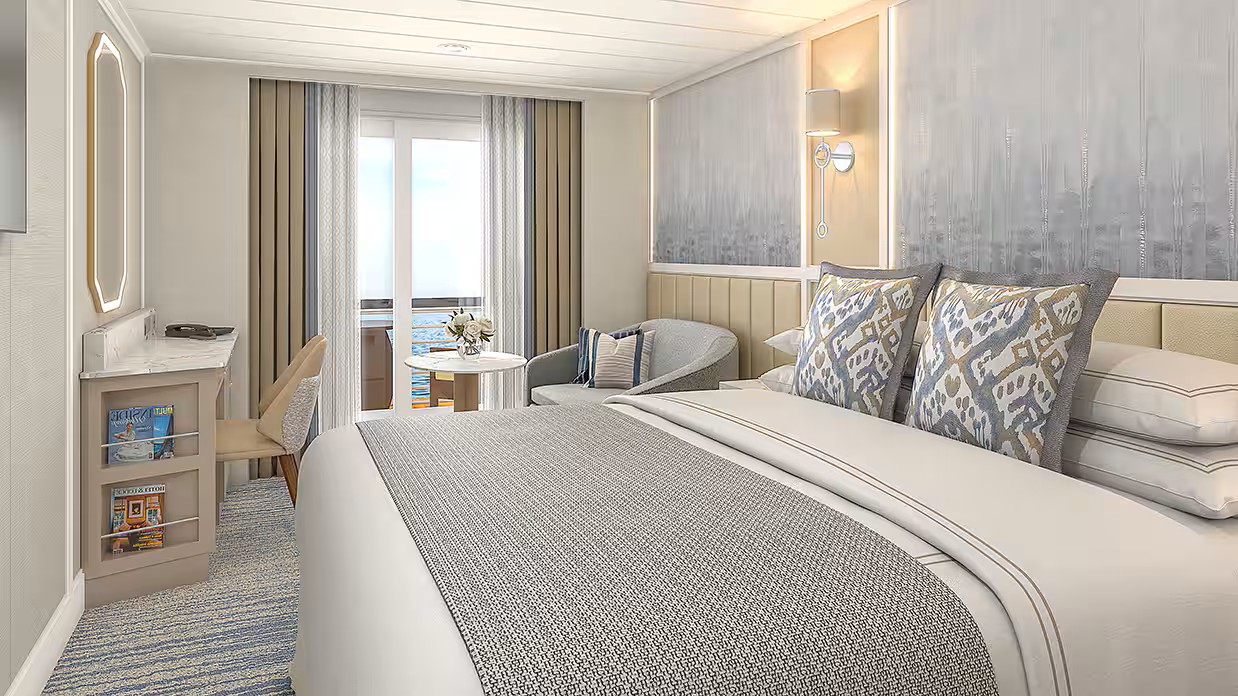
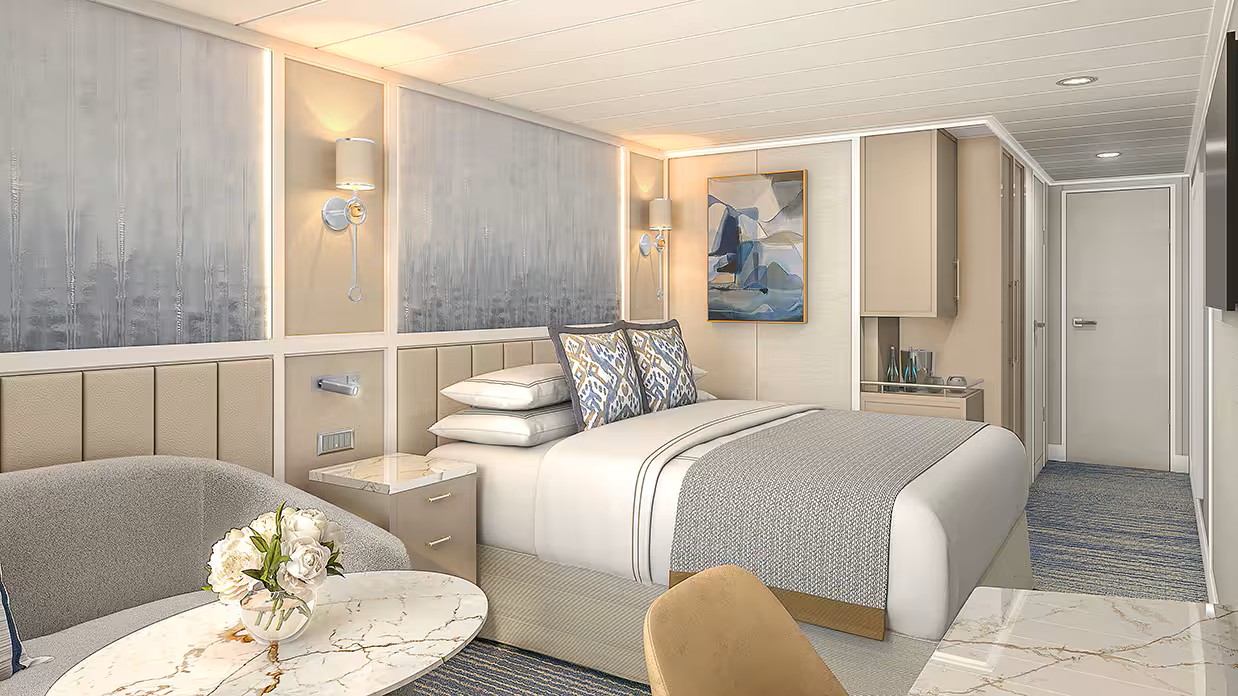
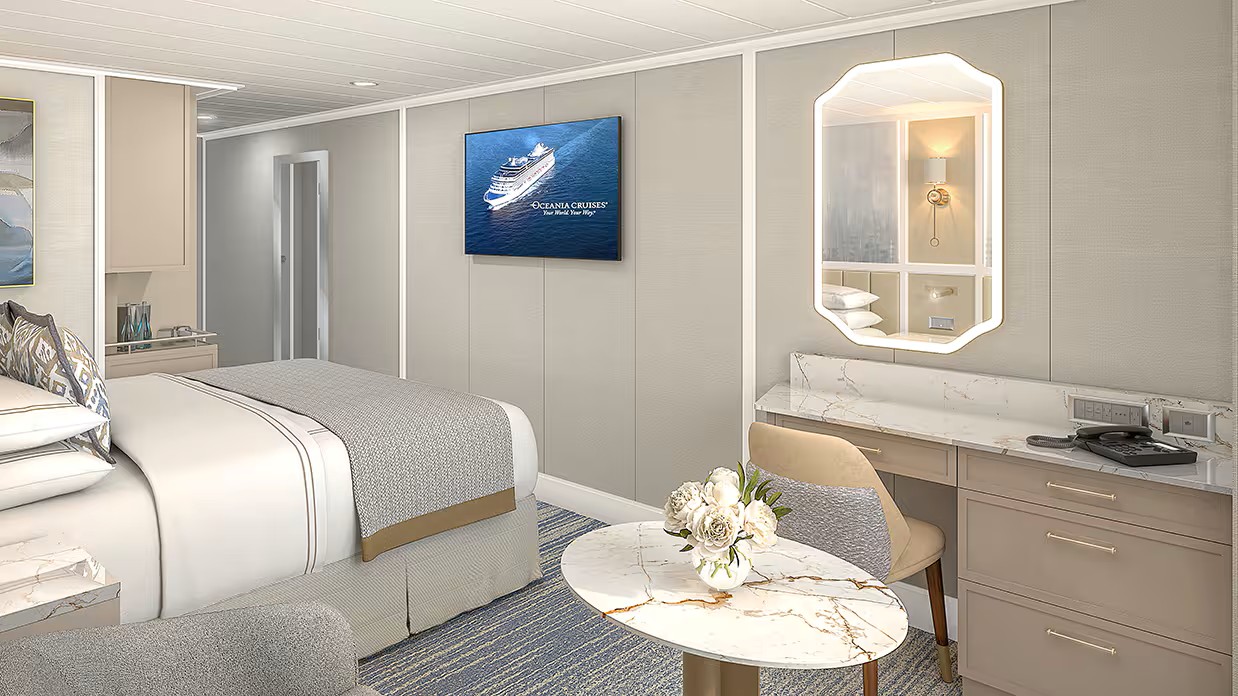
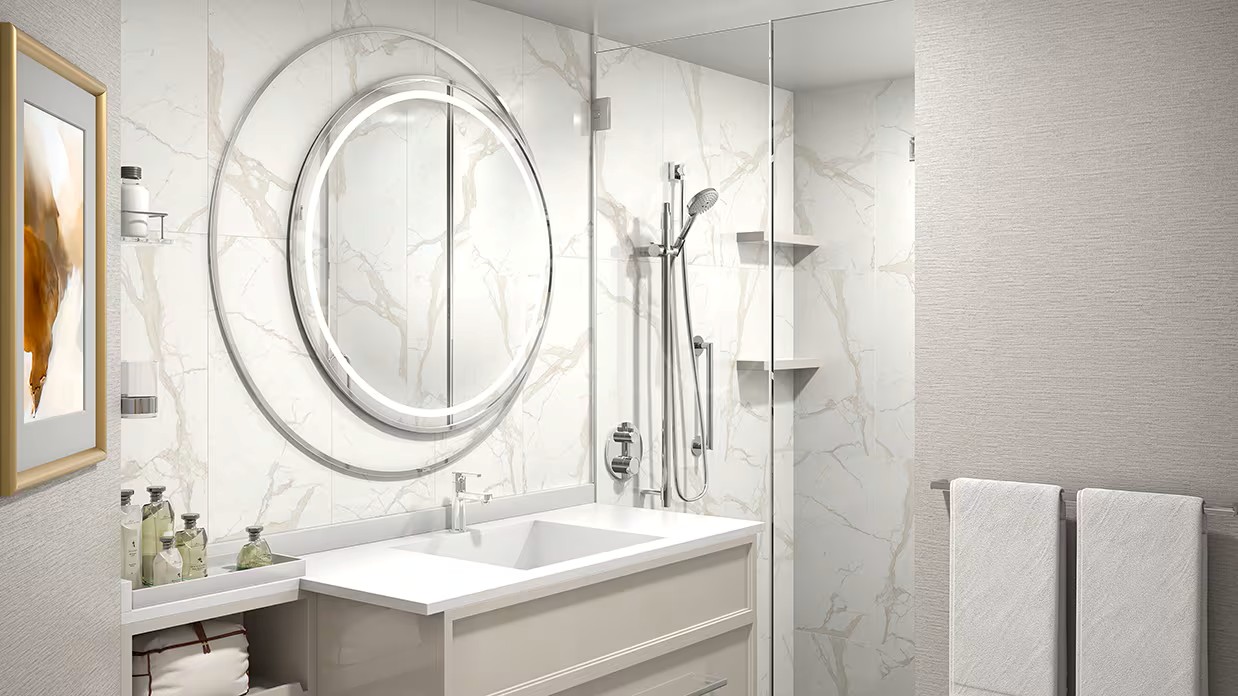
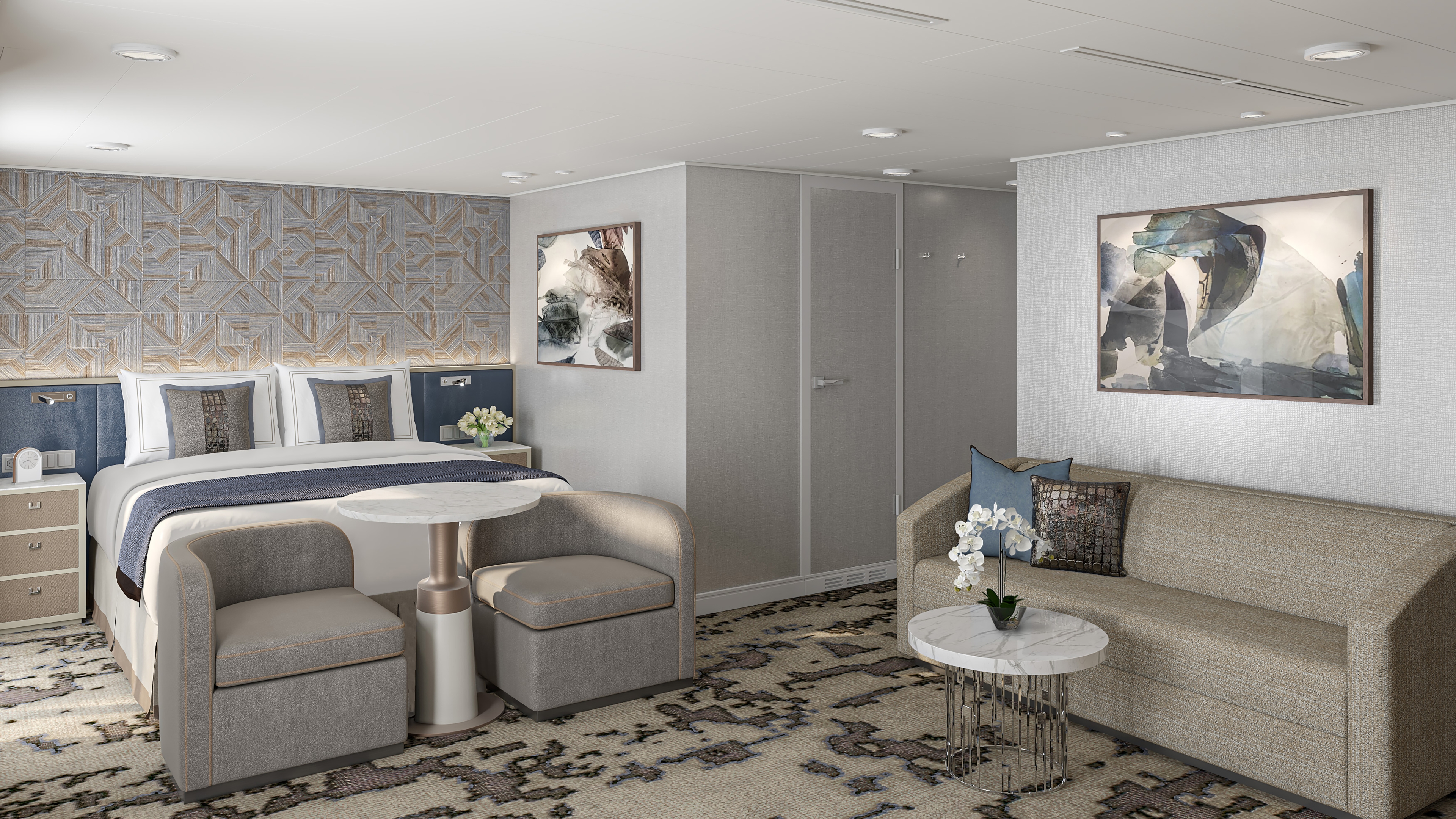
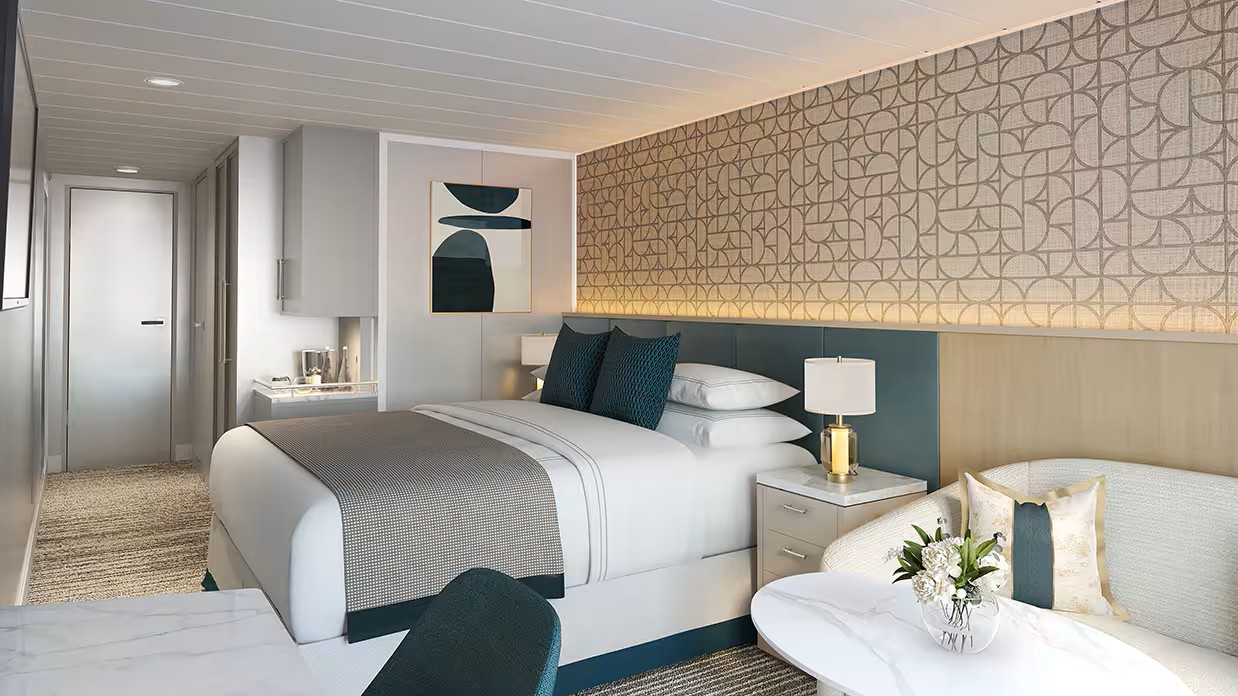
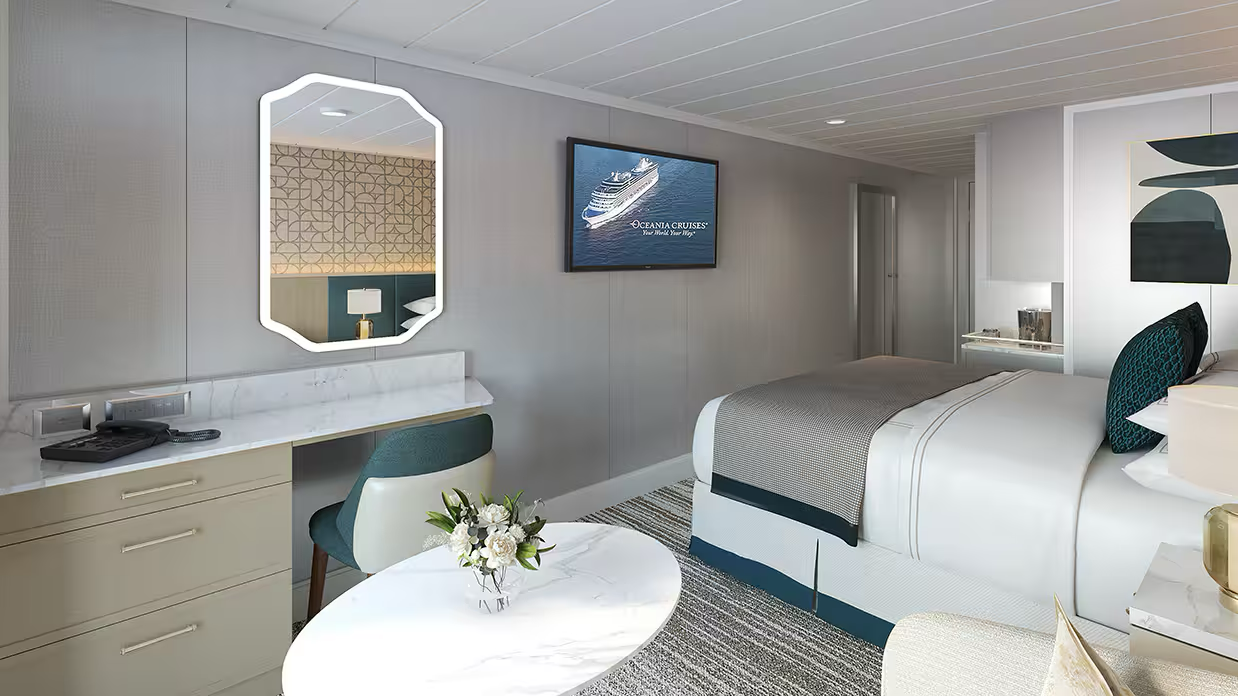
Like the ubiquitous black gown, timeless elegance is a universal staple of Oceania Sonata’s 288-square-foot Veranda Staterooms. Within an expansive living area, residential warmth is reflected in soothing neutral shades with splashes of jewel tones. High-tech amenities and ample closet space are de rigueur. The embrace of a lush queen-size Tranquility Bed is complemented by a lavishly appointed bathroom with a large vanity and revitalizing rainforest shower. A comfortable sitting area is a relaxing prelude to time spent on the expansive private veranda, watching the world glide past.
Stateroom Amenities
- Tranquility Bed, an Oceania Cruises exclusive†
- FREE sodas replenished daily in your refrigerated mini-bar
- FREE still and sparkling Vero Water®
- Aquamar® Bath + Skincare Essentials
- FREE room service menu 24 hours a day
- Daily housekeeping service
- Gourmet turndown chocolates upon request
- Interactive television system with on-demand movies, weather and more
- Starlink® WiFi service
- Writing desk and stationery
- Plush cotton towels, robes and slippers
- Handheld hair dryer
- Security safe
Oceania Sonata
The Next Crescendo
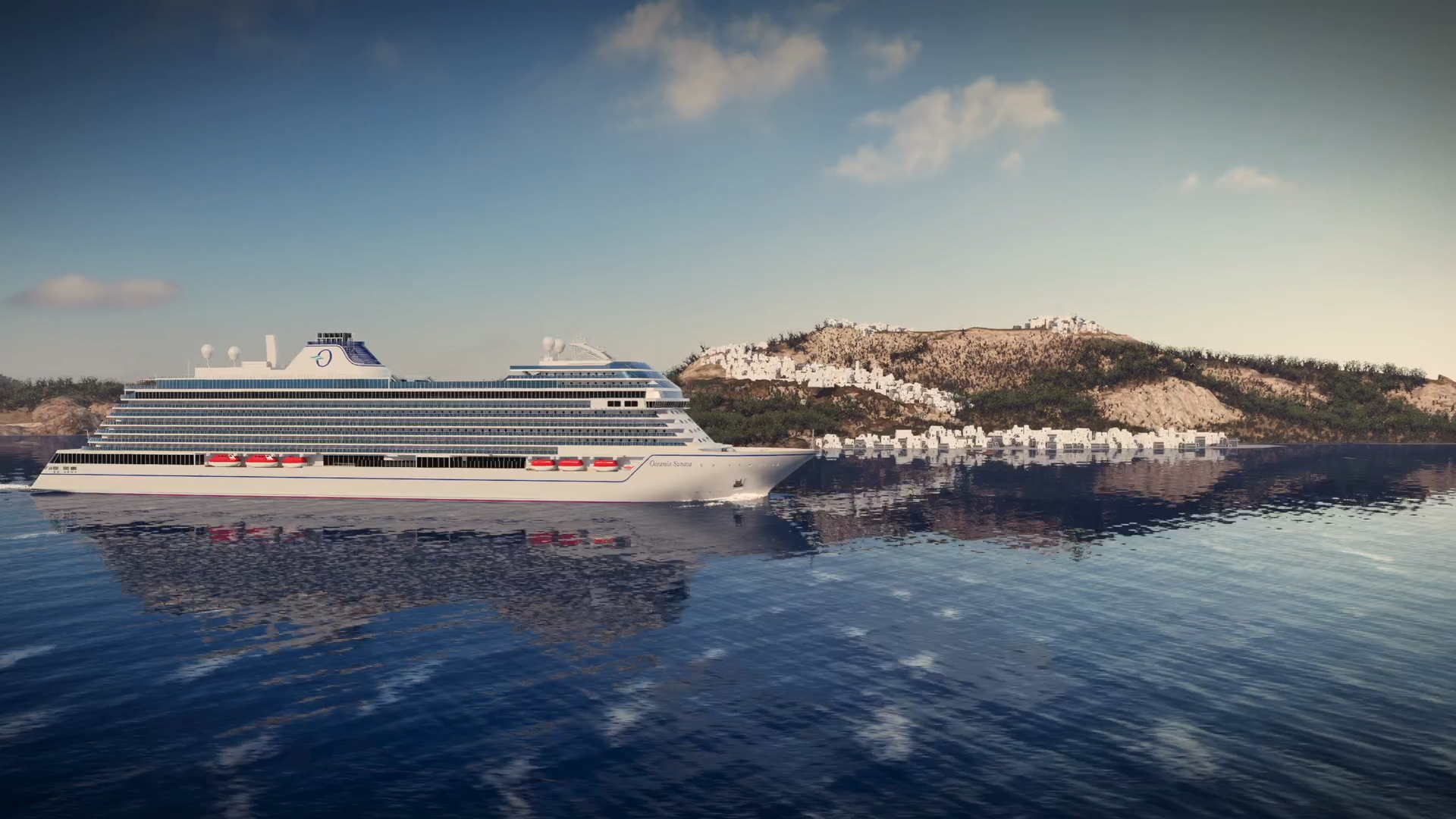
Oceania Sonata introduces an entirely new class of ships shaped by our guests’ passion for exceptional travel. She presents a fresh expression of our intimate and luxurious ship experience, where sophisticated residential design, enriching destinations and inspired culinary artistry blend together in graceful harmony. Thoughtfully composed spaces create a sense of ease and invitation, from her reimagined suite collection featuring more light, openness and comfort to an exciting spectrum of dining experiences offering inventive flavors and masterful execution. Familiar in spirit yet refreshingly new in every detail, Oceania Sonata reveals the next great crescendo in Oceania Cruises’ evolution.
Ship Facts
| Launch Year | 2027 | ||||||||
| Refit Year | |||||||||
| Language | en | ||||||||
| Gross Tonnage | 86000 | ||||||||
| Length | 281 | ||||||||
| Width | 35 | ||||||||
| Currency | USD | ||||||||
| Speed | 20 | ||||||||
| Capacity | 1390 | ||||||||
| Crew Count | 855 | ||||||||
| Deck Count | 12 | ||||||||
| Cabin Count | N/A | ||||||||
| Large Cabin Count | N/A | ||||||||
| Wheelchair Cabin Count | N/A | ||||||||
| Electrical Plugs |
|
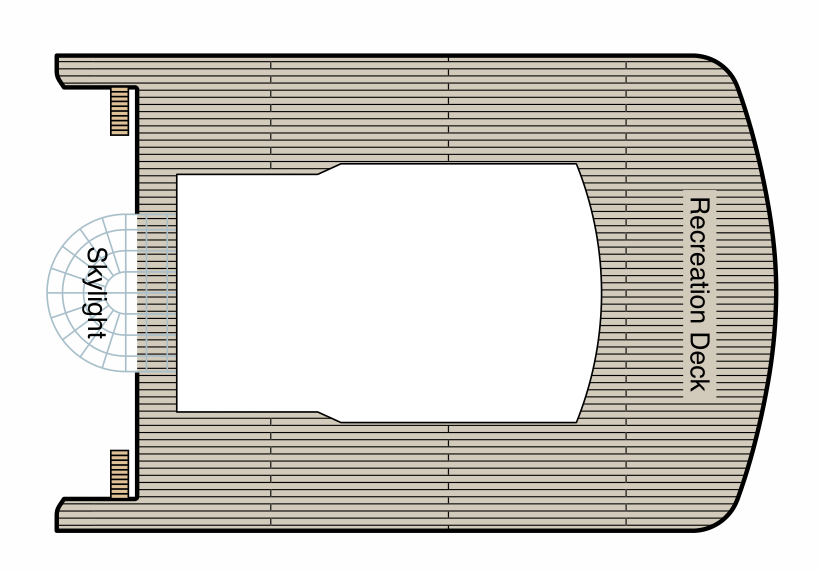
Deck 16
- Recreation Deck
- Skylight
Deck 15
- Fitness Track
- Spa
- Oceania Suite (OC)
- Penthouse Deluxe (PD1)
- Penthouse Suite (PH1)
- Concierge Veranda (A1)

Deck 14
- Baristas & Bakery
- Creperie
- Jacques
- Red Ginger
- Fitness Centre
- Fitness Studio
- Aquamar Spa
- Aquamar Spa Terrace
- Treatment Rooms
- Thermal Area
- Styling Salon & Barber
Oceania Suite (OC)
- Penthouse Deluxe (PD1)
- Concierge Veranda (A1)

Deck 12
- Horizons
- Smoking Lounge
- Smoking Room
- Chef's Studio
- The Culinary Centre
- Waves Bar
- Waves Grill
- Pool
- Spa
- Aquamar Kitchen & Nikkei Kitchen
- Terrace Cafe

Deck 11
Owner’s Suite (OS)
- Penthouse Deluxe (PD1)
- Penthouse Suite (PH1)
- Concierge Veranda (A1)
- Veranda stateroom (B1)
- Launderette

Deck 10
Owner’s Suite (OS)
- Oceania Suite (OC)
- Penthouse Deluxe (PD1)
- Penthouse Suite (PH1)
- Concierge Veranda (A1)
- Concierge Veranda (A2)
- Veranda stateroom (B1)
- Launderette

Deck 9
- Suite & Concierge Lounge
Vista Suite (VS)
- Oceania Suite (OC)
- Penthouse Deluxe (PD1)
- Penthouse Suite (PH1)
- Concierge Veranda (A1)
- Concierge Veranda (A2)
- Concierge Veranda (A3)
- Veranda stateroom (B1)
- Launderette

Deck 8
Vista Suite (VS)
- Oceania Suite (OC)
- Penthouse Deluxe (PD2)
- Penthouse Suite (PH1)
- Penthouse Suite (PH2)
- Concierge Veranda (A2)
- Concierge Veranda (A3)
- Concierge Veranda (A4)
- Veranda stateroom (B1)
- Launderette

Deck 7
Vista Suite (VS)
- Oceania Suite (OC)
- Horizon Suite (HS1)
- Horizon Suite (HS2)
- Penthouse Deluxe (PD2)
- Penthouse Suite (PH2)
- Concierge Veranda (A2)
- Veranda stateroom (B2)
- Veranda stateroom (B3)
- Veranda stateroom (B4)
- Launderette

Deck 6
Vista Suite (VS)
- Horizon Suite (HS1)
- Horizon Suite (HS2)
- Penthouse Suite (PH2)
- Penthouse Deluxe (PD2)
- Concierge Veranda (A2)
- Concierge Veranda (A3)
- Launderette

Deck 5
- Upper Hall
- Boutique
- Artist Loft
- Casino
- Grand Lounge
- The Grand Dining Room

Deck 4
- Sonata Lounge
- Stage
- Bar
- Destination Services
- General Manager
- Reception
- Concierge
- LYNC Digital Centre
- Library
- Future Cruise Sales
- Toscana
- Polo Grill
- Medical Centre (Deck 3)

An Epic Culinary Symphony
From hors d’oeuvre to entrée and from floor to chandelier, the culinary experience aboard Oceania Sonata has been reimagined through a bold new creative lens – extraordinarily inventive, wonderfully fresh and spectacularly diverse. Alongside beloved classics are two new exquisite dining concepts – La Table par Maîtres Cuisiniers de France and Nikkei Kitchen – elevating The Finest Cuisine at Sea to new heights. Our cuisine is so provocatively flavorful that it stirs the palate as never before.
All dining information for Oceania Sonata is preliminary and subject to change.
A World of Options
A tantalizing array of options is always on offer aboard Oceania Sonata. – from the wellness-inspired cuisine of Aquamar Kitchen and the ever-changing selection of international dishes at Terrace Café to the new Nikkei Kitchen, an evening venue focused on a vibrant fusion of Peruvian flavors and refined Japanese techniques. Take in scenic ocean views with lunch as you enjoy refreshing poolside fare at Waves Grill. Whether savoring a poolside burger, a scoop of Humphry Slocombe’s bourbon-flavored cornflake-studded Secret Breakfast ice cream for dessert or a perfectly prepared cappuccino accompanied by freshly baked biscotti at Baristas, you’ll notice our culinary team’s attention to detail, passion for artisanal ingredients and dedication to technique, no matter the occasion. Regardless of where you choose to cruise and dine on Oceania Sonata., you’ll savor delicious cuisine renowned as the finest at sea.
La Table par Maîtres Cuisiniers de France
An intimate, one-of-a-kind dining experience
Perhaps the most exclusive fine-dining experience at sea, La Table par Maîtres Cuisiniers de France is the only restaurant helmed by two chefs from the fabled Maîtres Cuisiniers de France (Master Chefs of France): Master Chefs Alexis Quaretti and Eric Barale, our two esteemed Executive Culinary Directors. The Maîtres Cuisiniers de France is one of the most prestigious culinary associations in the world, dedicated to upholding the excellence, creativity and heritage of French gastronomy.
La Table will seat just 18 guests and offer an intimate and elegant wine pairing dining experience, featuring a rotation of exquisite menus which will be created by Chefs Alexis and Eric in tandem with a selection of specially invited Master Chefs of France from around the world.
Reservation required. Additional fees apply.
The Grand Dining Room
DINING IN GRAND STYLE
The grande dame of the Oceania Cruises culinary world, The Grand Dining Room evokes the glamour of a bygone era. Ringed by shimmering walls of glass and glistening marble, soft sunset hues and richly paneled walls create an ethereal ambiance. Tables are beautifully set with European bone china, sparkling Riedel crystal, gleaming silver and fine cotton linens. The magnificence that follows is as stunning as the decor. While our founding Executive Culinary Director Jacques Pépin’s herb-crusted rotisserie chicken is legendary, a cornucopia of global journeys awaits as well – fork-tender tournedos Rossini with decadent foie gras and truffle sauce, buttery salmon tartare with lemony sushi rice, an impossibly rich lobster bisque with silky notes of Armagnac cream. In The Grand Dining Room, the world is your oyster every night.
No reservations required.
Breakfast
8:00 am – 9:30 am
Lunch
12:00 pm – 1:30 pm
Dinner
6:30 pm – 9:30 pm
Jacques
A Passion for French Cuisine
Enter the latest iteration of Jacques, the eminent Jacques Pépin’s only restaurant to bear his name on land or sea, and you will be instantly struck by the sensory pleasures. Luscious aromas waft from the open kitchen, where duck, pork, chicken and veal roasts slowly turn, sealing in their succulent flavors. Handsomely decorated with rich fabrics and art from Jacques’ personal collection, it resembles a classic Parisian bistro. Exceedingly comfortable and clubby, the ambiance is pure French, as is the cosmopolitan yet approachable cuisine.
Chef Pépin has taken the classics, deconstructed them, and then ingeniously re-created each remarkable dish. This is coq au vin beyond the imagination, as you have never tasted it before. Rotisserie-roasted chicken falls off the bone, bursting with flavor. His steak frites pairs the succulence of prime beef with the crisp sweetness of pommes de terre. At Jacques, simple, classic French cuisine becomes incredibly elegant and, of course, absolutely magnifique.
Reservations required.
Dinner
6:30 pm – 9:00 pm
Polo Grill
THE CLASSIC STEAKHOUSE
Polo Grill is simply timeless; a traditional intimate setting that personifies a classic steakhouse, courtesy of its crisp, white linen tablecloths, warm tones and dark-wood furnishings upholstered in richly textured fabrics. Each course is a consummate expression of time-honored favorites. Savor a succulent colossal shrimp cocktail, followed by lobster bisque topped with morsels of roasted lobster. Or enjoy a fresh Caesar salad prepared tableside.
Delight in knowing that all of the beef dishes – such as our signature Bone-In Prime Rib – are USDA-certified Angus beef, specially aged for flavor and tenderness. Other magnificent classics include surf and turf, featuring a grilled lobster tail and tender filet mignon, and whole Maine lobster gratinée.
Red Ginger
BOLD YET BALANCED FLAVORS
Red Ginger makes an immediate and powerful statement with its stunning, bold decor. Rich tones of cinnamon, jade and polished ebony woods are accented by intricately etched glass screens. To complement the stunning interior, Red Ginger’s chefs have created a striking menu, noted for its contemporary interpretations of Asian classics. You might begin with a salad of roast duck and watermelon with cashews, mint and Thai basil. Savor a nutty braised beef Malay curry with coconut rice and paratha roti, or Asian-spiced rack of lamb with kohlrabi, creamed spinach and truffle oil. For dessert, green tea banana cake with toffee and hazelnut sauce served with coconut ice cream is the perfect ending. In Red Ginger, the gustatory pleasures are as striking as the visual ones.
Toscana
AN EVOLUTION OF TUSCAN CUISINE
Beautiful scenes of the fertile Tuscan countryside adorn Toscana, an artistic expression of the authentic dining experience awaiting guests. Simple yet keenly balanced, Tuscan cuisine evolved from rich family traditions, epitomized within Toscana, where many of our recipes originated with the grandmothers and mothers of our own Italian culinary staff. Presented on elegant, custom-designed Versace china, each dish is a masterpiece that exemplifies the essence of Tuscany. Relish antipasti like carpaccio of beef topped with aged Parmigiano-Reggiano or sautéed jumbo scampi tenderly wrapped in Proscuitto san Daniele. Enjoy a traditional porcini mushroom risotto with caramelized shallots and fresh thyme. Savor delectable entrées such as a tender bone-in milk-fed veal chop grilled to perfection and topped with sautéed porcini wild mushroom sauce.
Terrace Café
Informal Dining
With an inviting dining room and shaded patio, Terrace Café takes on the ease of a treasured vacation home’s sun-drenched conservatory and seaside terrace. At breakfast, revel in the aroma of freshly baked cinnamon rolls and made-to-order omelets and waffles. During lunch, sample flavorful international dishes, juicy rotisserie meats and perfectly grilled seafood.
In the evening, grilled lobster tail, freshly carved prime rib, grilled prawns and fresh, hand-cut sushi are among the many choices on offer. And of course, locally inspired specialties are a hallmark of our Chef’s Market Dinners.
Aquamar Kitchen
WELLNESS MEETS INDULGENCE
At Aquamar Kitchen, the harmony of nourishing flavors, a bright and airy ambiance evoking an endless Mediterranean summer and just the right amount of indulgence revitalizes your body and your spirit. Mindfully prepared breakfast selections feature energizing cold-pressed raw juices and superfood smoothies, satisfying avocado toasts, energy bowls, banana pancakes and savory omelets. For lunch, dozens of tempting and balanced dishes are offered, such as a hearty Lebanese bowl with beef kefta, falafel, muhammara, fattoush, aubergine caviar and pita bread; yellowfin tacos with white cabbage slaw; or even a crunchy chicken sandwich on a freshly baked whole grain bun. The chic seaside-inspired setting paired with a diverse collection of fresh, vibrant dishes is perfectly indulgent – without any of the guilt.
Waves Grill
POOLSIDE ALFRESCO MAGIC
Located just steps from the swimming pool, Waves Grill offers a welcoming, open-air setting for casual diners. Its laid-back atmosphere is ideal for anyone wanting to come in from lounging in the sun or for a quick meal between shore excursions. While the atmosphere is deliciously informal, the menu and preparation reflect the same attention to detail as the finest of restaurants. You can watch the chefs grill savory items such as gourmet burgers, tangy barbecue and succulent seafood to perfection. Side dishes include healthy, garden-fresh salads and crispy, piping-hot, hand-cut fries.
The Pizzeria at Waves Grill
Pizza is as universal a food language as it gets. Every culture has its own version or adopts the popular styles of a region. At the Pizzeria – the after-hours metamorphosis of Waves Grill – dining al fresco is a great way to start your evening off right. Set the tone with a glass of dry chianti, then savor sweet and spicy dry-rubbed chicken wings or rosemary focaccia with lush burrata, plump tomatoes, peppery arugula and bold balsamic dressing. Pizza creations feature delectable toppings ranging from flora black olives and oaky truffles to fiery chorizo and tart lemon chicken. No matter your selection, your palate will heartily approve.
Nikkei Kitchen
Dynamic and Innovative Fusion Cuisine
Our new evening dining venue, Nikkei Kitchen invites guests to indulge in dishes inspired by this intriguing and ever-evolving culinary movement – a vibrant fusion of Peruvian flavors and refined Japanese techniques and tastes. The cuisine celebrates time-honored customs while simultaneously embracing experimentation and is identified through distinctive dishes marked by fresh seafood, bright citrus, soy-based sauces and spicy peppers. The bright and airy interior of Nikkei Kitchen, complete with a modern, open kitchen, echoes the fresh and light dishes served each evening.
Baristas, Bakery & Crêperie
A NEIGHBORHOOD GEM
Combine the stylish flair of a Viennese coffee house with the warm smiles of your neighborhood café, then add 270-degree shimmering sea views from the very top of the ship and you have Baristas, a relaxed haven for coffee and fresh pastry aficionados. Sip complimentary illy® delights, enjoying the energizing kick of an espresso or the smooth richness of a cappuccino. The perfect complement to your coffee might just be a French or Italian specialty fresh from the Bakery’s ovens. Perhaps you’ll sample a flaky, ricotta-filled sfogliatella, a confection that hails from the Italian region of Campania. Accompany the perfect cup with a buttery dark chocolate croissant or the citrus hints of an orange biscotti. For an afternoon indulgence, the Crêperie offers a sublime selection of savory crêpes, waffles and gelato sundaes.
Afternoon Tea
Each afternoon, the experience begins with the graceful choreography of tea service – tiers of pastries arriving with an easy, unhurried pace. Delicate finger sandwiches, glazed petits fours and warm scones meet a curated selection of fine teas, each poured with quiet precision. Sunlight glints off polished teapots, soft melodies drift through the space and the atmosphere settles into something effortlessly elegant. On Oceania Sonata, afternoon tea becomes a daily interlude worth lingering over.
Check your daily Currents for time and venue.
Life On Board
Whether savoring a distinctive pour at an intimate tasting or unwinding at a captivating performance in the lounge, Oceania Sonata invites you into a world shaped by refinement and discovery. Engage with distinguished Guest Speakers, rejuvenate at Aquamar Spa + Vitality Center or sharpen your culinary skills in a hands-on class at The Culinary Center. As the evening unfolds, sophisticated bars, stylish lounges and thoughtfully crafted productions set the tone for unforgettable evenings at sea.
Prepare to Be Amazed
Our entertainment architects have engineered a space with the best possible acoustics and visual lines to provide a home worthy of the engaging talent that you will witness in the Sonata Lounge. During the daytime, experts in their fields – from diplomats to chefs to historians – enlighten you with enrichment programs that provide insight into the regions you are exploring. After the sun sets, the Sonata Lounge presents a new lineup of entertainment to enthrall the audience, including sophisticated cabarets, world-class musicians, dynamic vocalists and exclusive headliners.
Bars & Lounges
From effervescent cocktails at Martinis to relaxed afternoons at the poolside Waves Bar, Oceania Sonata offers a stylish retreat for every mood. Sip a pre-dinner drink in the elegant Grand Lounge, enjoy a headline performance in the Lounge or toast the sunset with a signature pour in Horizons. Innovative mixology experiences await at Opus Lounge, Martinis and beyond. As you sail the world, these bars and lounges invite you to unwind, connect with friends and enjoy memorable shows and live music in sophisticated surroundings.
Immersive Mixology Experiences
When you join us aboard Oceania Sonata, enjoying a drink will be an experience unto itself – from the beauty of watching a skilled bartender smoke an Old Fashioned to the tableside preparation of a Manhattan. Our onboard bar program has been designed to mirror the elevated quality and innovation The Finest Cuisine at Sea has come to represent. The latest cocktail-crafting trends and techniques have inspired an array of experiences, drinks and beverage offerings such as cocktails topped by flavored smoke bubbles, Negronis aged in wooden barrels, delightfully entertaining rum mixology experiences, the ultimate in wine pairings, unique specialty beverage cart experiences and more.
Martinis
Our hallmark cocktail lounge, Martinis is far more than a place to sip a signature cocktail – although its namesake libation alone is reason enough to spend some time here. Martinis is a glamorous destination that welcomes guests to a warm, inviting setting amidst walls of shimmering glass and plush furnishings. The classic elegance of Martinis is a symphony of timeless allure and is a brilliant reflection of timeless design. With an air of both sophistication and ease, this space provides the perfect backdrop for extraordinary evenings. Simply gather with friends in your favorite alcove and let the memories be made.
Founders Bar
Oceania Sonata’s public rooms radiate luxury and comfort, instantly inviting exploration and relaxation. Just steps away from the lobby and adjacent to the Library, the Founders Bar beckons you. A relaxing and gracious living room by day, it’s the perfect place to relax and while away the afternoon or socialize with newfound friends. In the evening, Founders Bar is the chic hotspot where one goes to be noticed. Vapor-filled bubbles with aromatic flavors are infused in cocktails, bringing a unique twist to both classic and contemporary concoctions. The Founders Bar showcases the art of mixology through crafted cocktails, smoked infusions, premium spirits and thoughtfully curated garnishes. Or settle into a snug armchair and watch your crafted cocktail of choice served tableside.
Oceania Sonata Lounge
More than a theater, the Oceania Sonata Lounge serves as the ship’s home for the arts in every sense – intellectual, musical and theatrical. Days here are devoted to shared discovery, with dynamic speakers and regional experts offering inspired perspectives on the destinations featured on your voyage. With nightfall, the lounge shifts effortlessly into a refined evening venue, presenting intimate cabarets, accomplished musicians, charismatic vocalists and signature performances unique to Oceania Sonata.
Onboard Shows - An Encore Awaits
Evenings aboard Oceania Sonata are composed like a finely tuned symphony, blending drama, excitement and artistry. World-class performers – from dynamic vocalists and virtuoso pianists to intimate ensembles and show-stopping headliners – bring each night to life with energy and sophistication. Whether you seek bold, crowd-thrilling productions or quiet, inspiring moments of musical mastery, every performance is designed to resonate long after the final note.
Casino
The Casino aboard Oceania Sonata draws inspiration from the elegance of Monte Carlo’s and London’s historic gaming halls, translating art nouveau influences into a space of refined, understated luxury. Test your skill at a favorite game of chance or simply savor a cocktail in the warm glow of the bar. Whether seeking excitement or a sophisticated retreat, the space offers an engaging experience perfectly suited to the pleasures of life at sea.
Casinos At Sea®
The professional staff is happy to provide lessons on how games are played, the rules and proper table procedures. Unwind from a busy day ashore by playing your favorite games of chance and skill in our casino. Enjoy a fun and exciting range of ways to play, from card and table games such as blackjack and roulette to slot machines.
Getting started is easy. Stop by the casino cage and pick up your Oceania Cruises casino player card and start earning points today by inserting your player card while playing your favorite slot machines and table games. The more you play, the more you earn!
- Reel & Video Slots - For every $5 coin-in, receive 1 point.
- Video Poker - For every $10 coin-in, receive 1 point.
- Table Games - Points are based on average bet, session play or hands played and game type.
- Action packed casinos designed with style
- Table game limits for players of all levels
- Diverse array of reel slot, video slot and video poker machines
- Dedicated and knowledgeable casino staff
- Industry leading player tracking system
- Free gaming lessons
REDEEM CASINO POINTS
You’ve played. You’ve earned. Now you’re ready to redeem. Downloading points for play is quick and easy. Redeem your casino points for play right at your machine by following the on-screen prompts or stop by the casino cage – the choice is yours.
- Earn points for all your casino play
- Redeem points for play right at your machine
CASINO CASH & CREDIT
Front Money deposits are accepted for gaming in the form of cash, traveler’s checks, cashier’s checks and wire transfers delivered to us prior to embarkation. All cashier’s checks require prior verification. For more information please give us a call at 877.625.2094.
Cashless Wagering
Charge gaming to your onboard account directly from your game of choice or at the casino cashier, using your stateroom key card. Convenience fees, daily limits and cruise limits apply. Euros may be exchanged at the casino cashier, exchange rates apply. All gaming is in US Dollars.
- Cashless wagering allows you to game with your key card
Credit
Casino Credit is available to all players with an existing reservation. The minimum application amount is $10,000.00 and a personal check is required on board to activate the credit line. Applications are processed 1 month prior to sailing. The application process is easy and there is no fee to apply. To get started, click here for our credit application, or for more information, email us at casinocredit@ncl.com or call us at 877.625.2094.
- Casino credit available
Grand Lounge
The curvaceous and sinuous design of the Grand Lounge plays with shape and form, creating visual elements that are striking yet understated. Its palette – evoking metals and minerals in shades of bronze, onyx and alabaster – lends balance and quiet intrigue. The resulting space exudes exclusivity, reminiscent of a refined private club, inviting guests to savor an aperitif before dinner or a nightcap while reflecting on the day’s adventures with fellow explorers.
Horizons
Aptly named, Horizons captivates with dramatic floor-to-ceiling windows framing 180-degree vistas of the sea. This lounge celebrates the journey itself, offering a serene setting to savor the passage while glimpsing the allure of destinations that lie ahead. Comfortable furnishings in soothing tones invite guests to relax and linger, creating a sense of home even as the panoramic views assure you that you are far from it.
Waves Bar
Just steps from the pool, Waves Bar provides a relaxed retreat with an array of refreshing libations to complement your time on deck. Whether enjoying a leisurely afternoon with a favorite cocktail, a crisp glass of wine or a chilled beer, the setting encourages unhurried moments. As the day fades, signature cocktails and frosty beverages set the stage for a seamless transition into the lively evenings aboard Oceania Sonata.
Library
Guests often state that the Library is their favorite spot to relax on board our ships, so special care was taken to ensure that Oceania Sonata’s Library inspires quietude and respite. Located within the social hub of the ship, it’s the perfect place to curl up with a best-selling novel, peruse a guidebook or simply indulge in the pleasure of watching the passing vistas through dramatic floor-to-ceiling windows.
Boutiques
UNIQUE GIFTS, JEWELRY & MORE
Our stylish boutiques feature a tastefully curated selection of items ranging from sundries to chic resort wear and fine jewelry. Discover thoughtful gifts for friends and family or the perfect memento to remind you of your special cruise experience."
DUTY-FREE ON BOARD
Browse through our collection of duty-free merchandise including fine jewelry, watches, fragrances and Oceania Cruises logo wear. Also find shipboard keepsakes, designer handbags, sunglasses, books and more.
Atrium
The Atrium can be located on Deck 4
Immersive Mixology Experiences
Experiential Beverage Carts: Interactive & Customized Cocktail Experiences
The Bubbly Bar This event will take place on select evenings in the elegant Baristas area. It’s a lighthearted and interactive concept that invites you to customize your own drink and be creative while doing this. Our Bar Staff will be there to assist you every step of the way and there will be a wide variety of beverages to choose from including sparkling wines, Champagne, prosecco and liqueurs as well as a delicious array of homemade syrups and purees, plus very diverse beverage garnishes.
The Ultimate Bloody Mary Bar The popularity of the Bloody Mary has skyrocketed in recent years. So many are thinking beyond the classic recipe and this inspired us to craft our own unique experience. This will be hosted during lunch in Terrace Café with a beautifully vibrant and colorful display of vegetables, ingredients and unique garnishes such as spicy shrimp, stuffed olives and dried bacon. There will be several custom-made options to choose from, such as the Italian Mary made with grappa and Italian skewer or the Ave Caesar prepared with Clamato juice, in addition to crafting one all your own.
Elevated Single Malt Whisky Experiences
The Macallan Rituals The Macallan Rituals introduce you to masterfully crafted expressions of The Macallan that you can savor any way you prefer your whisky served. Brought to you tableside on a beautiful cart, experience The Macallan in a delicious smoked cocktail influenced by The Macallan smoker or perhaps you prefer your whisky simply neat. If “On the Rock” is your choice, a perfectly shaped ice sphere will be created right in front of you and added to your whisky. The Macallan Rituals are certain to engage your senses.
The Macallan Chocolate Pairing Indulge with a curated selection of specialty chocolates paired with The Macallan Quest Collection. This pairing opens the door to the many flavors the Quest Collection has to offer. Let us take you on a journey of flavor – you can choose from The Macallan Quest & Milk Chocolate, The Macallan Lumina & Chocolate Truffles with fruit, The Macallan Terra & White Chocolate or The Macallan Enigma & Dark Chocolate.
Entertaining & Indulgent Rum Mixology Experiences
Brugal 1888 Tea at Sea Become a mixologist for the day and experience the Brugal 1888 Rum Tea at Sea Seminar. In this engaging and hands-on seminar, you become the bartender. Equipped with proper cocktail making tools, you will make delicious Brugal rum cocktails with tea while learning how tea has influenced mixology since the 17th century. Enriching and fun, you will learn cocktail-making skills you can take home to impress family and friends. Rum and tea cocktails will also be available at select bars on board.
Brugal 1888 & Ice Cream Masterclass In a twist of sweetness, we’re excited to offer you the Brugal 1888 and Ice Cream Masterclass. You will learn how to make delicious ice cream-inspired Brugal 1888 rum cocktails such as the famous coffee affogato, a cool take on the Spritz and a caramel popcorn milkshake that will delight your senses. Guided by your onboard mixologist and dessert chef, you will learn not only how to make cocktails but also how to make the various types of ice cream that go in them. Cool off with these decadent cocktails poolside or wherever the day leads you.