Pharaohs & Ancient Empires
Pharaohs & Ancient Empires
Cruise overview
WHY BOOK WITH US?
- ✔ The Deluxe Cruises’ team has extensive experience in ultra-luxury cruising.
- ✔ Call now to speak to our helpful and experienced Cruise Concierge team.
- ✔ Enjoy our Unique Deluxe Cruises Bonus for substantial savings.
- ✔ Our team will tailor your holiday to your exacting requirements.
- ✔ As agents, we work under the protection of each cruise lines ABTA / ATOL licences
About Dubai
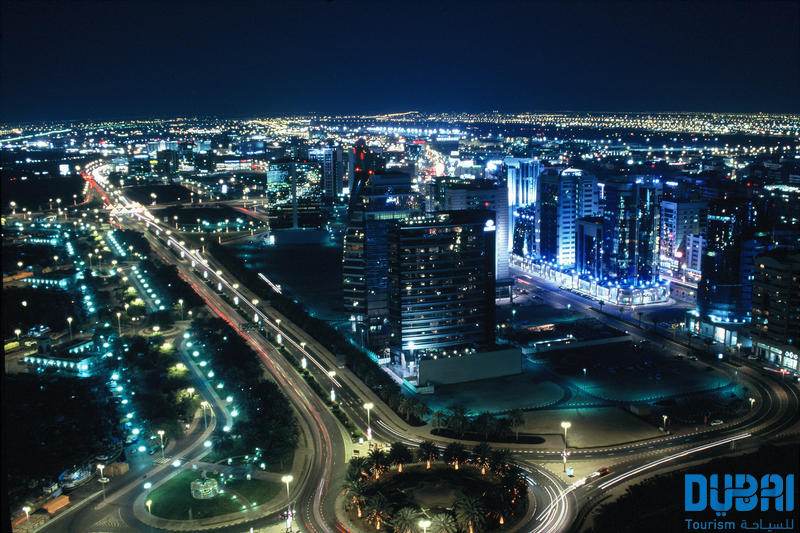
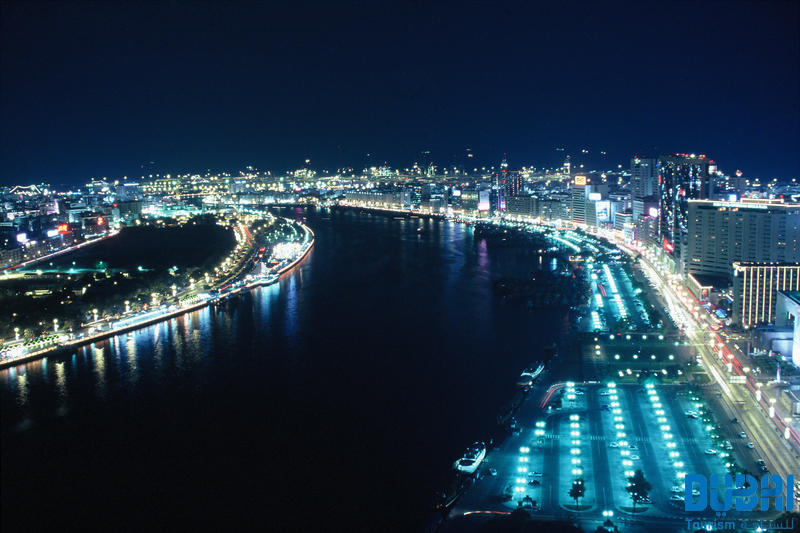
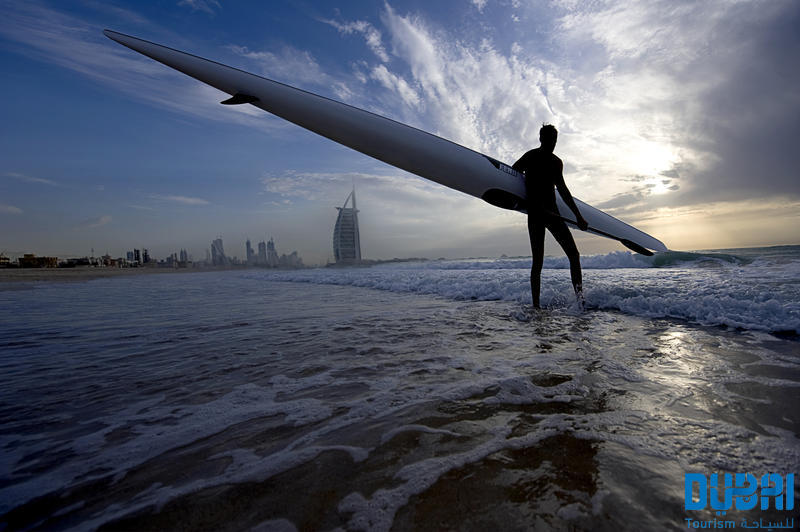
Dubai sits on a golden sandy coastline in the Arabian Gulf, where the warm azure waves of the sea meet the desert. A high-rise oasis, this city is a pleasure-dome surrounded by dunes; one of the most fashionable on the planet thanks to its ability to satisfy the needs of legions of demanding vacationers. Dubai is about having fun—and it's one big adult playground.Nature plays her part here, with year-round sunshine, gorgeous beaches, dramatic arid landscapes, and warm waters, but it's the man-made attractions that make Dubai so alluring. You can launch yourself into high-adrenaline desert adventures, diving and water sports, and some of the world's best golf courses. The 5-, 6-, and 7-star hotels offer the ultimate in luxury, and the party scene is hot. Shopping malls are the biggest in the world and are packed full of high-class merchandise. And with hundreds of restaurants with cuisine from around the world, you can munch your way from Mexico to Malaysia.Dubai is an Arab country with a long history as a trading port. Traces of its traditional life, customs, and architecture can still be seen and explored, but today and tomorrow are much more important than yesterday. Almost every building in this metropolis is less than 20 years old and the most dramatic developments—groundbreaking megaprojects—have just been completed or are still under construction.The city is certainly unique. Islam is its anchor, but it has opened its doors to the rest of the world and has invited them in to work, rest, and play, which creates a truly international atmosphere. Unashamedly modern and materialistic, life here takes place at breakneck speed. The landscape is stark, the confidence is sky high, the can-do spirit is palpable, and the bling is in your face. Dubai produces strong reactions in people, but one thing is certain—love it or loathe it—you will not forget it. It is without a doubt, one of the world's true must-see destinations.Shisha: Smoke Without Fire. Emirati men love socializing, but as they don't drink alcohol they get together over coffee and shisha instead of a drink at the bar after work. The shisha, or hookah, is a smoking device, usually made of glass, that filters smoke through water before it reaches the smoker's mouth. Shisha tobaccos are aromatic and are often mixed with apple, cinnamon, or cherry, so their taste isn't as strong as other tobaccos. Smoking shisha is said to induce relaxation—but you'll have to decide if it's for you!
About Sur
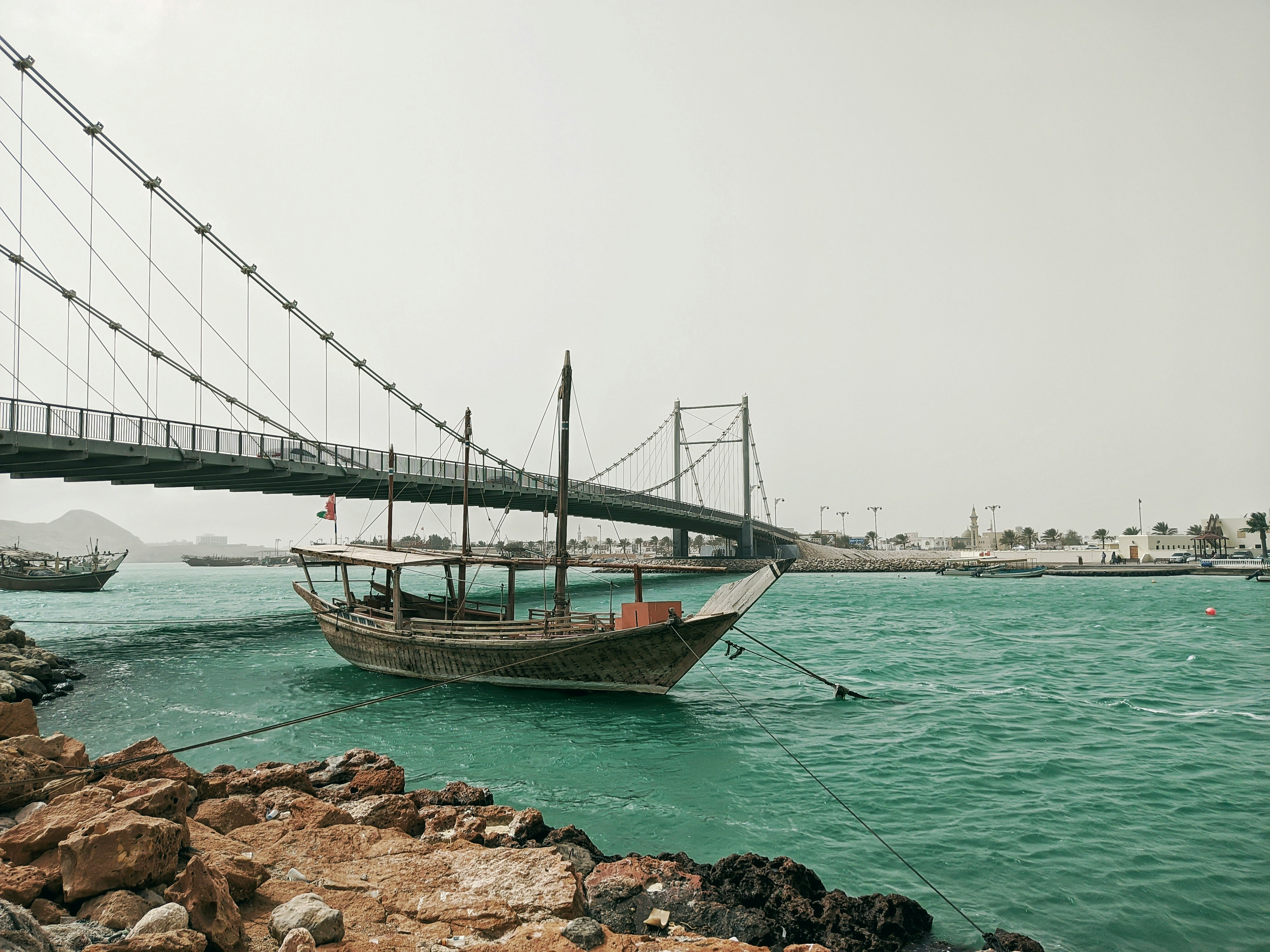
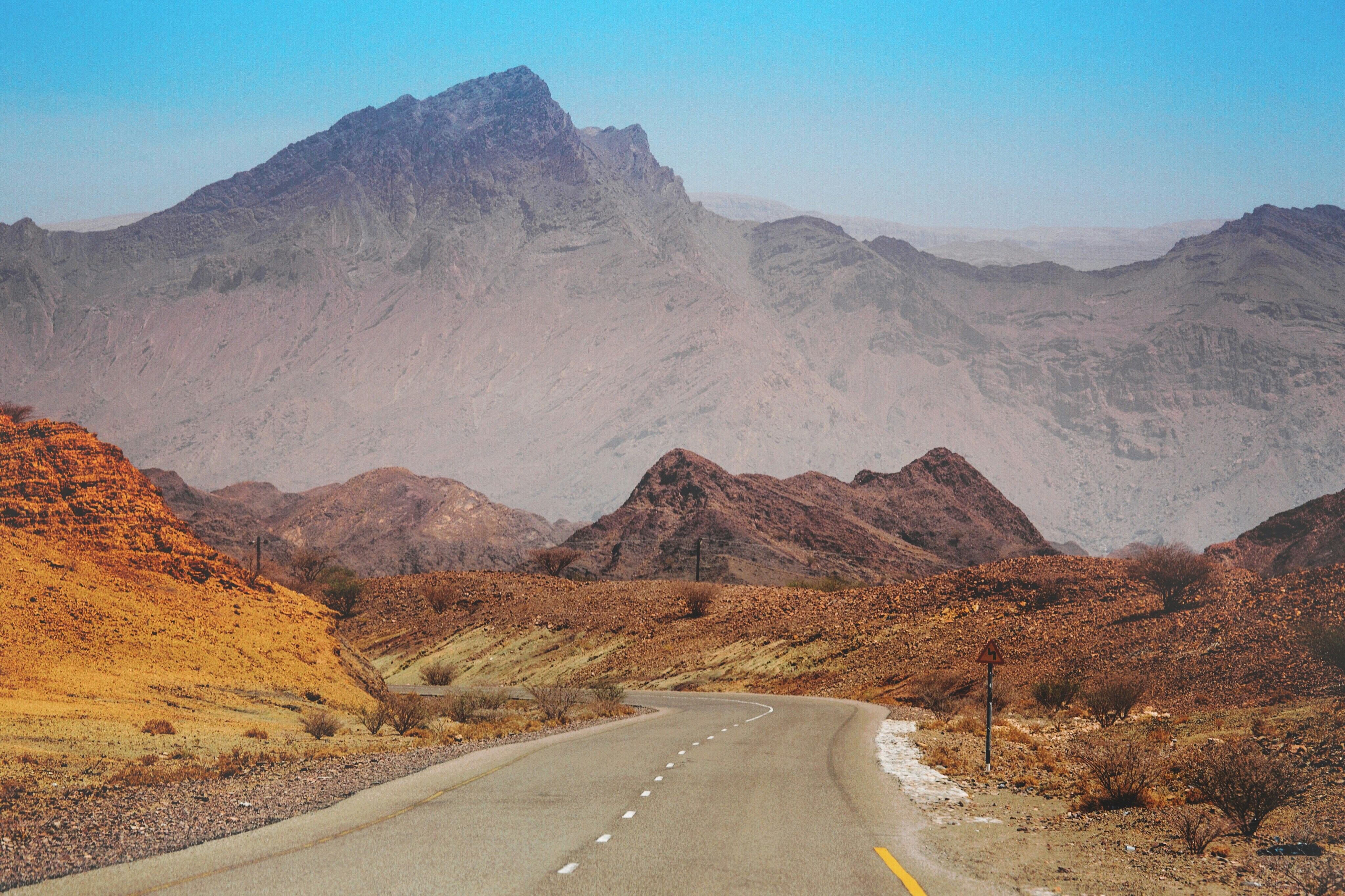
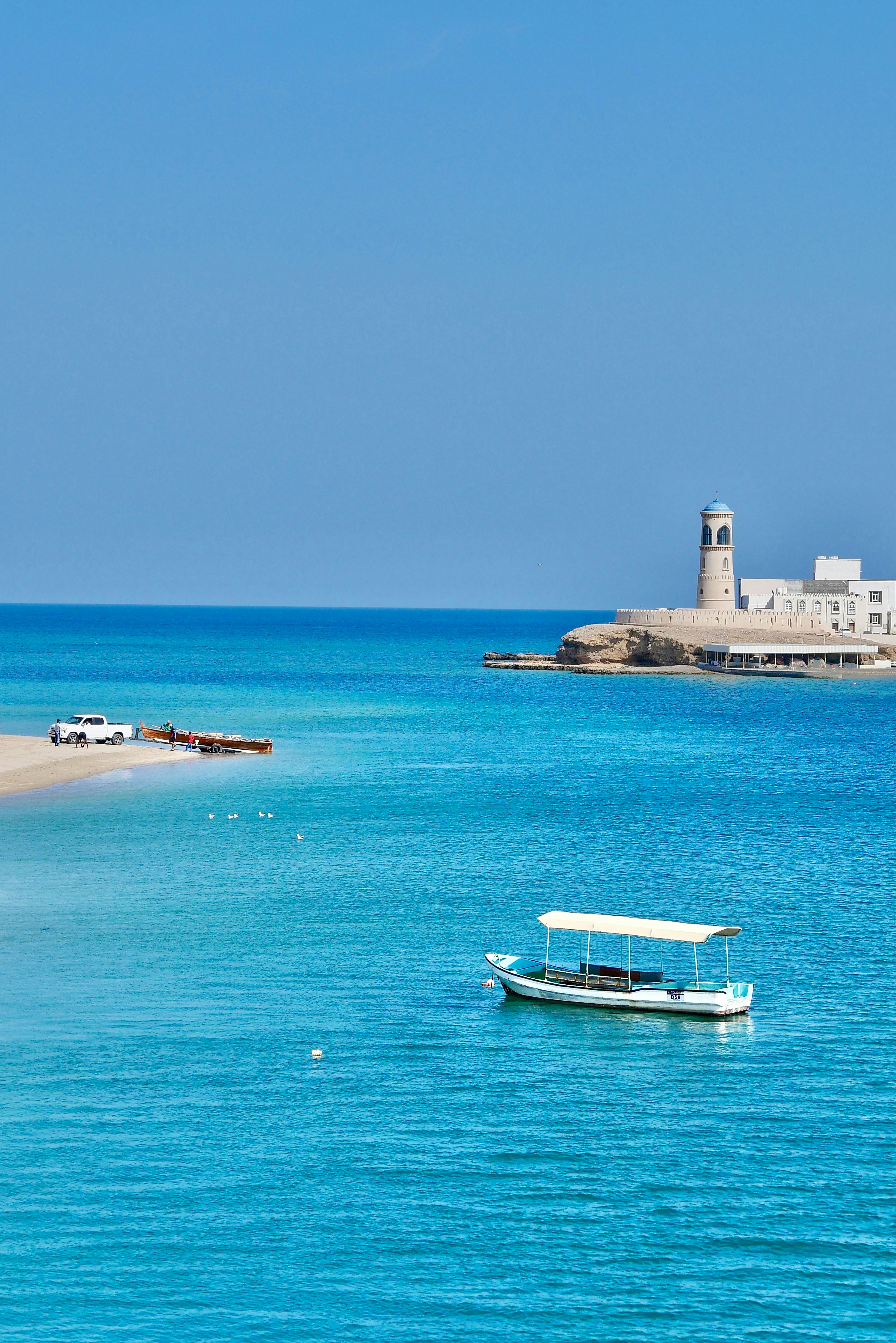
Once a central trading port for East Africa and India, Sur was also renowned for the wonderful wooden ships it produced. Having lost some of its prestige when the French completed the Suez Canal in the 19th century, and struck by a cyclone in 2007, the city has nevertheless retained its scenic dunes and crystal waters. Sur’s most recognisable monument today is the Ras al Haad castle, a gem of Islamic architecture built in the 13th century to protect locals from Christian attacks, and which now serves as a regional political centre. While in town, science aficionados will be lured by the impressive Ras Al Jinz Scientific & Visitor Center, offering modern facilities and apps to discover the local wonders of fauna and flora. Alternatively, for an in-depth discovery of the city’s history, the maritime museum is an excellent choice.
About Salalah
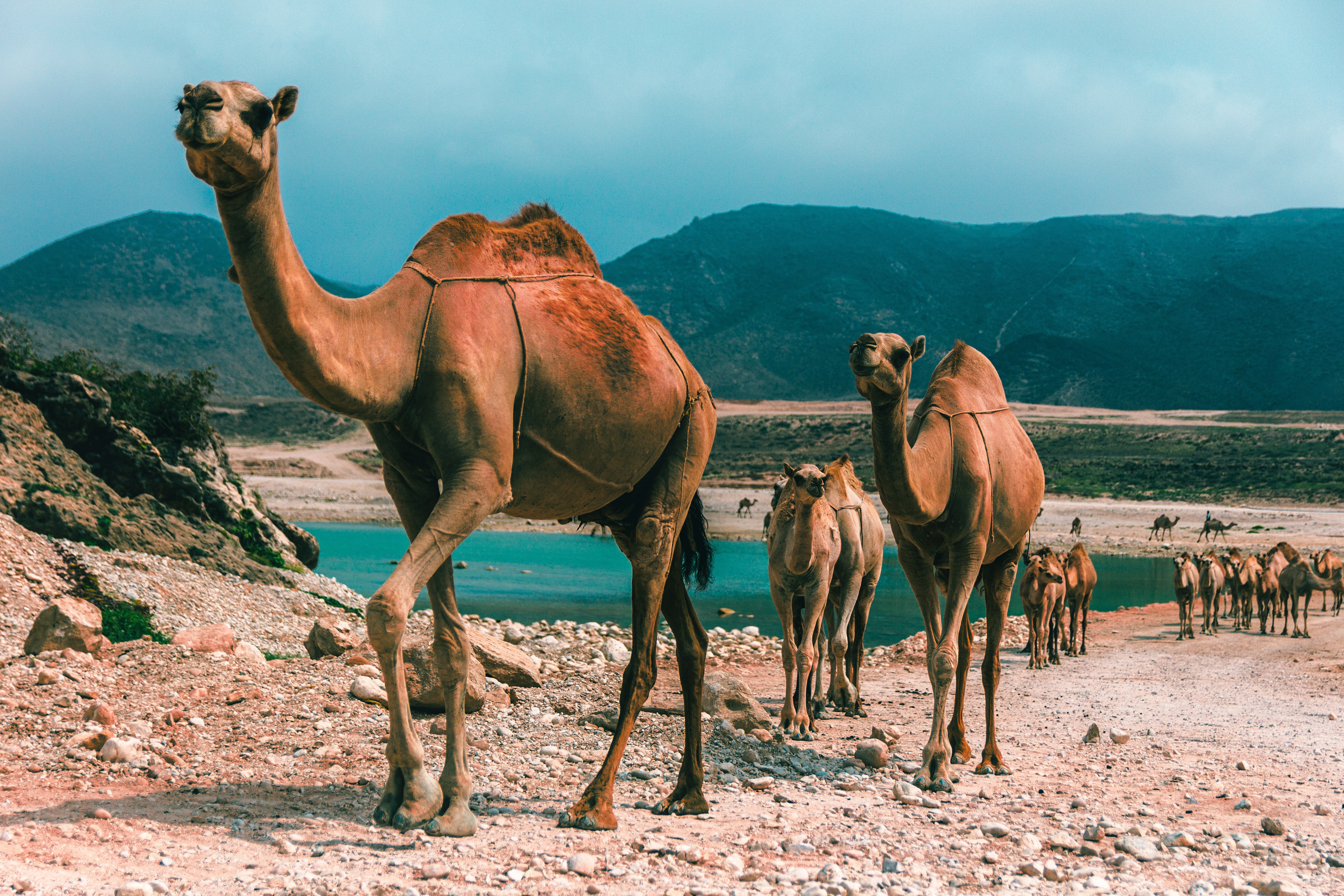
The lush landscape around Salalah is the intriguing result of a quirk of nature. Since it is uniquely situated in the path of the Khareef, or South Western Monsoon, this stretch of the Dhofar Coast is covered in fine mist and frequent rain from mid-June through mid-September. By the time the monsoons cease, the entire coastline is a verdant stretch. Waterfalls, rolling grasslands, and thickly wooded wadis (riverbeds) thrive alongside rapid mountain streams. Unique in this desert region, Salalah attracts many visitors from the surrounding Arabian Gulf countries who are anxious to experience a rare lushness in a region where rain and greenery are in short supply. Once a stop on the ancient trading routes that connected the Levant to India and China, Salalah has a rich history that goes back centuries. Traders from Mesopotamia, the Persian Empire, and beyond passed through Salalah in their search for frankincense, making it a major center for trade in the coveted exotic ingredient. Pre-Islamic tombs and grave sites, some believed to be up to 2,000 years old, are scattered all over the nearby mountainsides and the present-day city, which has an estimated 195,000 inhabitants.
About Jeddah
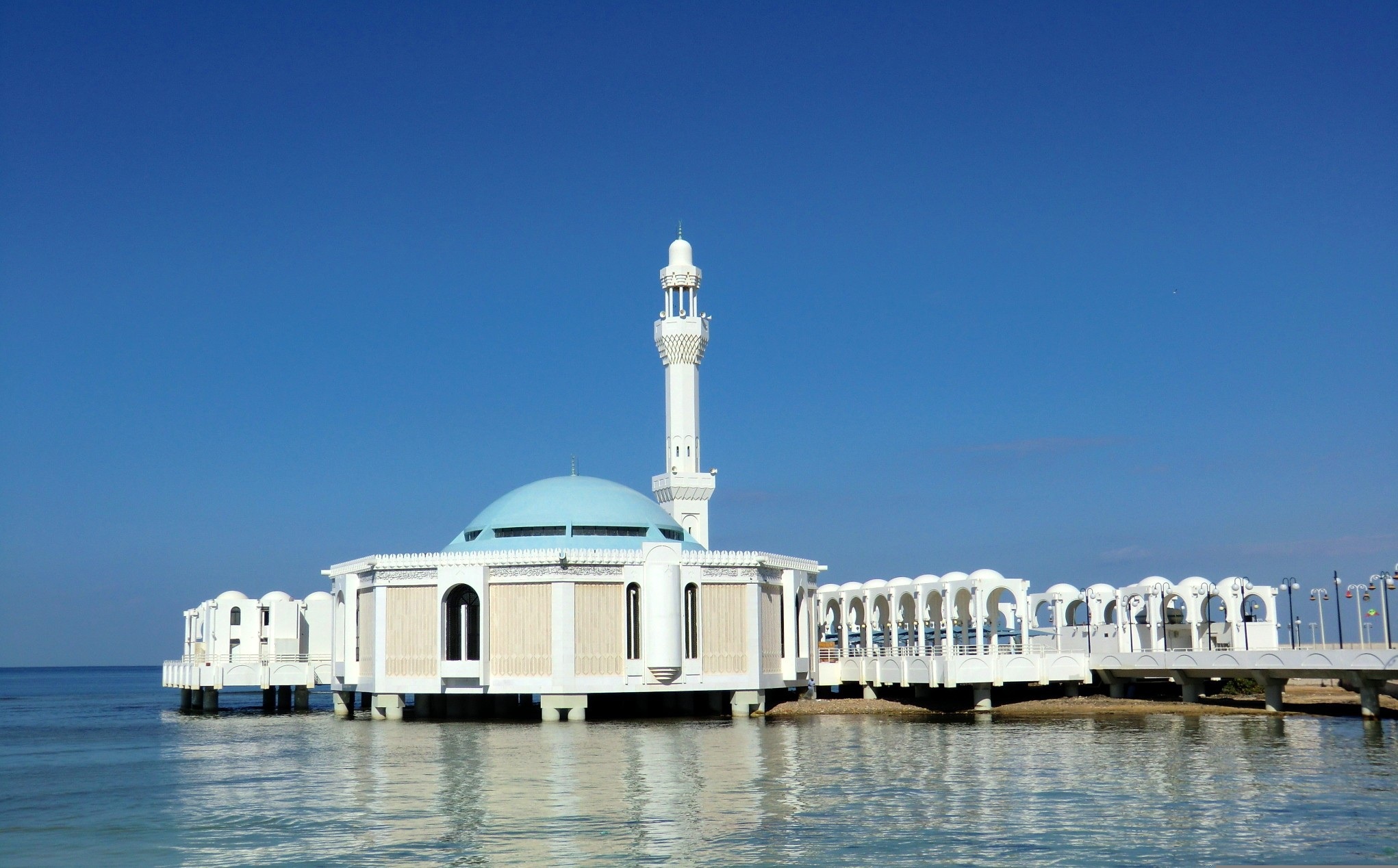
About Jeddah
About Yanbu al-Bahr
About Safaga
Port Safago has been undergoing a transformation, slowly metamorphosing into a holiday rsort. Like other cities on the Red Sea, the commercial port town sits close to great offshore dive sites. Unlike others, however, tourist development hasn't taken off in a meaningful way. But if the mass tourism in Hurghada is a turnoff, Safaga offers a small-scale and much more low-key alternative, though the best dive sites can still be seen on a day trip from Hurghada. Safaga is also the closest beach resort to Luxor and the Valley of the Kings, which lies 200 km (124 mi) to the southwest; when cruise ships offer land excursions to Luxor, they often do so through Safaga.
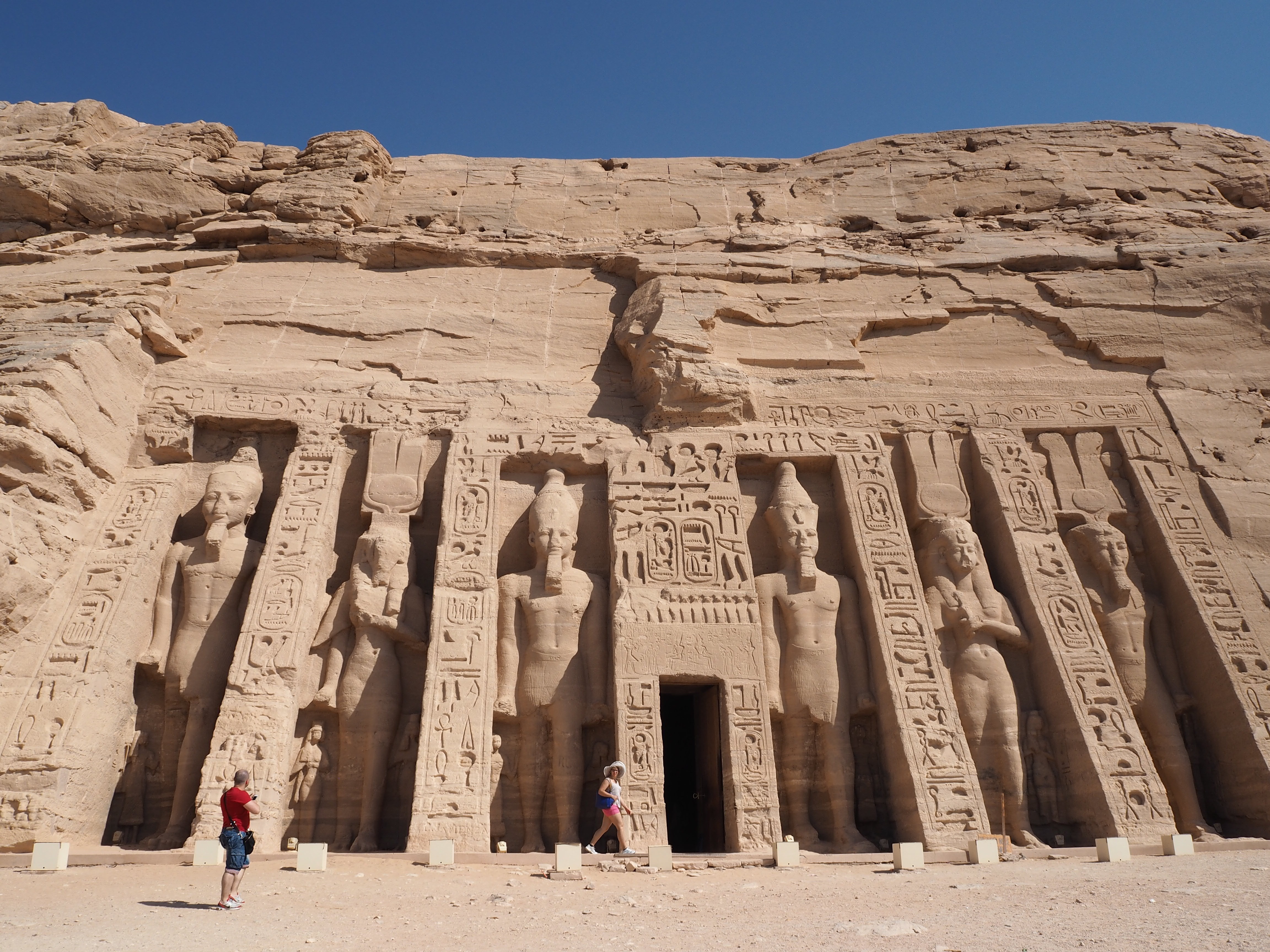
About Safaga
Port Safago has been undergoing a transformation, slowly metamorphosing into a holiday rsort. Like other cities on the Red Sea, the commercial port town sits close to great offshore dive sites. Unlike others, however, tourist development hasn't taken off in a meaningful way. But if the mass tourism in Hurghada is a turnoff, Safaga offers a small-scale and much more low-key alternative, though the best dive sites can still be seen on a day trip from Hurghada. Safaga is also the closest beach resort to Luxor and the Valley of the Kings, which lies 200 km (124 mi) to the southwest; when cruise ships offer land excursions to Luxor, they often do so through Safaga.
About 'Aqaba
The resort town of Aqaba, on the Red Sea at the southern end of Jordan, is a popular spot for divers with some of the best coral reefs in the world. Snorkeling and other water sports are popular, and it's easy to hire a boat for a day or half-day, including lunch.Aqaba has become quite a bustling destination, with several large luxury hotels and a large shopping area. There are many jewelry stores selling pearls, gem stones, and gold and silver jewelry. It's worth noting that although it's an international beach resort, Aqaba is quite conservative—certainly much more so than Amman—and North Americans tend to be more comfortable at the private hotel beaches.
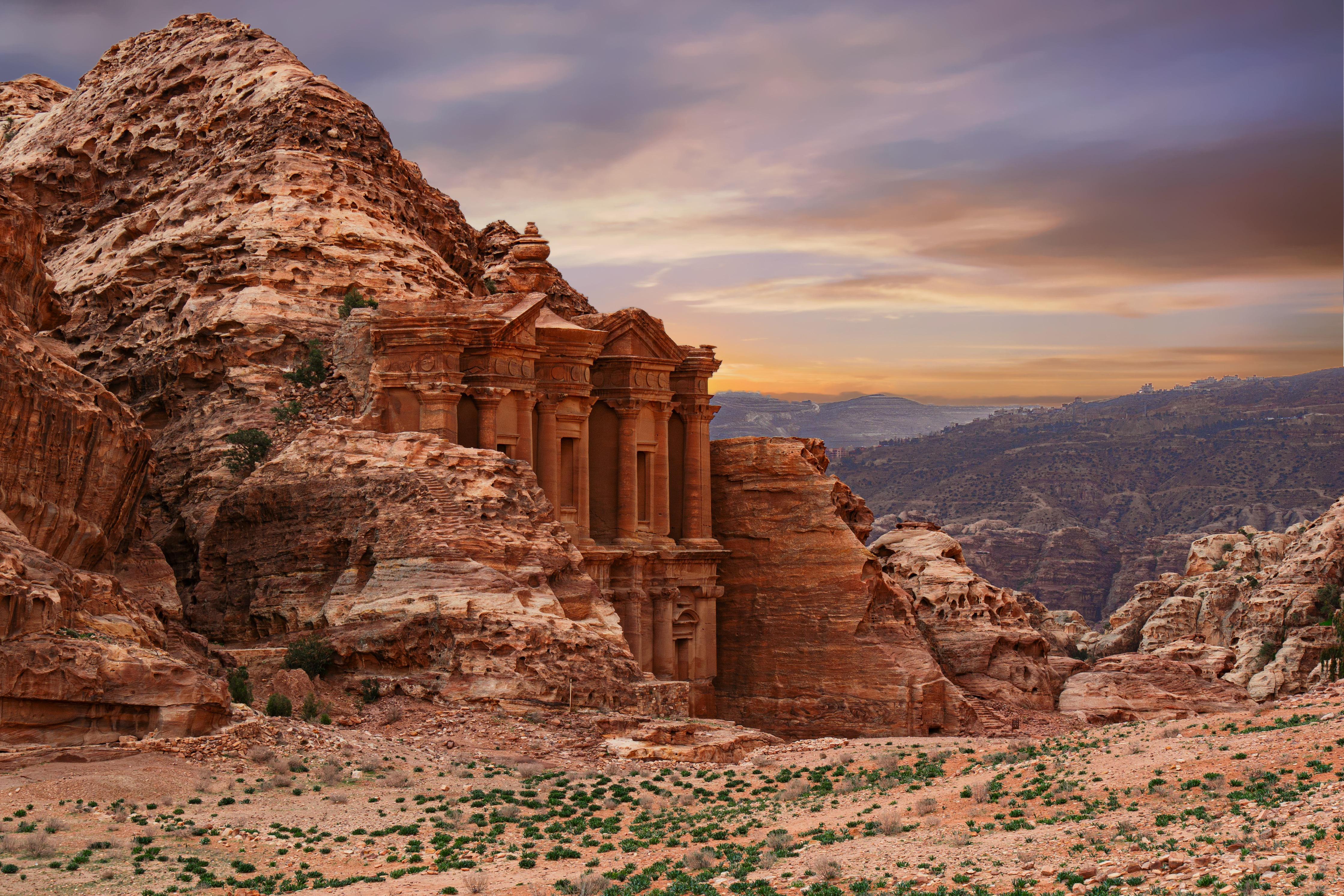
About 'Aqaba
The resort town of Aqaba, on the Red Sea at the southern end of Jordan, is a popular spot for divers with some of the best coral reefs in the world. Snorkeling and other water sports are popular, and it's easy to hire a boat for a day or half-day, including lunch.Aqaba has become quite a bustling destination, with several large luxury hotels and a large shopping area. There are many jewelry stores selling pearls, gem stones, and gold and silver jewelry. It's worth noting that although it's an international beach resort, Aqaba is quite conservative—certainly much more so than Amman—and North Americans tend to be more comfortable at the private hotel beaches.
About Sharm El Sheikh
The port and town of Sharm-el-Sheikh lies near the southernmost tip of the Sinai Peninsula where the Straits of Tiran meet the Gulf of Aqaba. With its strategic position, the Sinai posed a desirable target for various rulers over the centuries. In recent times, the last battle for the Sinai was fought between Egypt and Israel from 1967 to 1979, ending with a peace treaty signed in Washington, D.C. Since the withdrawal of the Israelis, more and more Egyptians have settled in the Sinai, taking advantage of the booming tourist trade. However, vast interior regions are still sparsely populated. Many Bedouins have been affected by the advent of the 21st century, which is rapidly changing their age-old customs and nomadic lifestyle. As tourism and hotel projects continue to spring up along the Sinai coast, contact with Bedouins not involved in tourism is becoming increasingly rare. Once their nomadic life kept them on the move with their tents; today many Bedouins cultivate grain, vegetables and dates in addition to catering to the tourists. Sharm-el-Sheikh was initially developed by the Israelis during the Sinai occupation. Na'ama Bay, a short drive from the port, has grown from virtually nothing into a sizeable resort since the early 1980s. Between the two towns, a string of hotels line a once-untouched coastline. Resort hotels offer great opportunities for swimming, snorkelling and scuba diving. Glass bottom boat trips are available for those preferring to view the exotic marine life of the Red Sea without getting their feet wet.
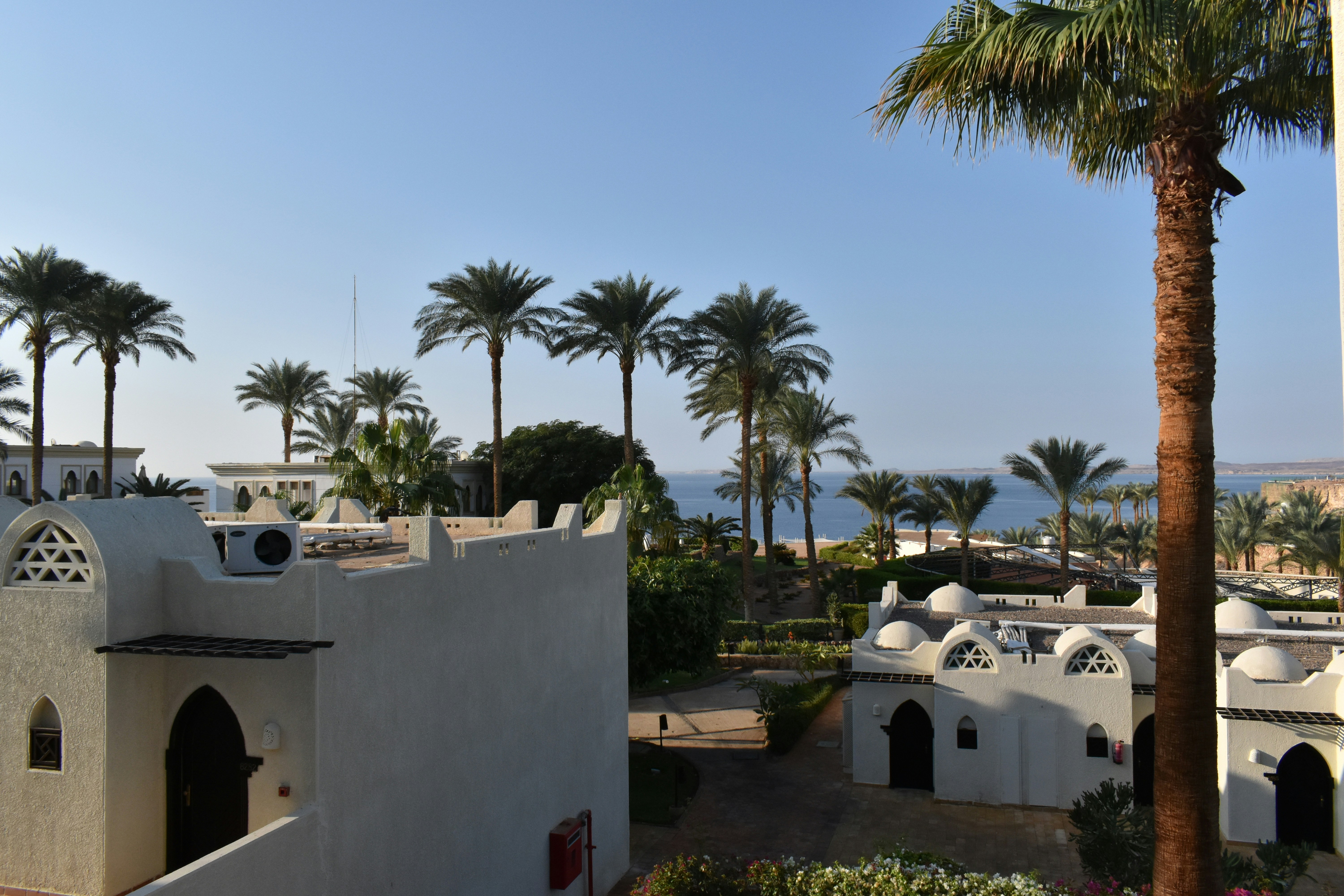
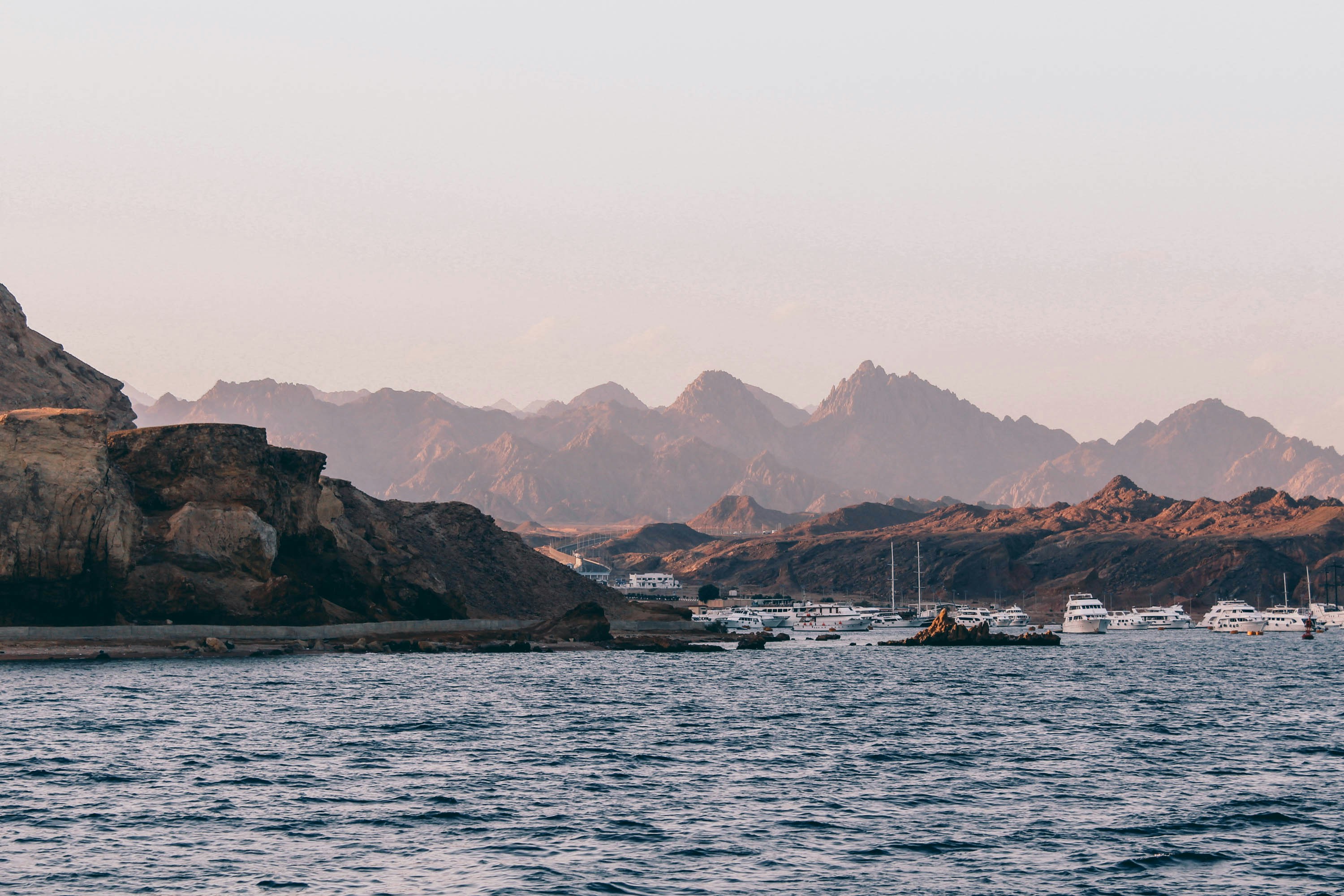
About Alexandria
Founded by Alexander the Great, Alexandria was Egypt's capital for over 1,000 years. Now, it is visited by tourists looking to enjoy some diving and those interested in the Great Library, one of the Seven Wonders of the Ancient World.
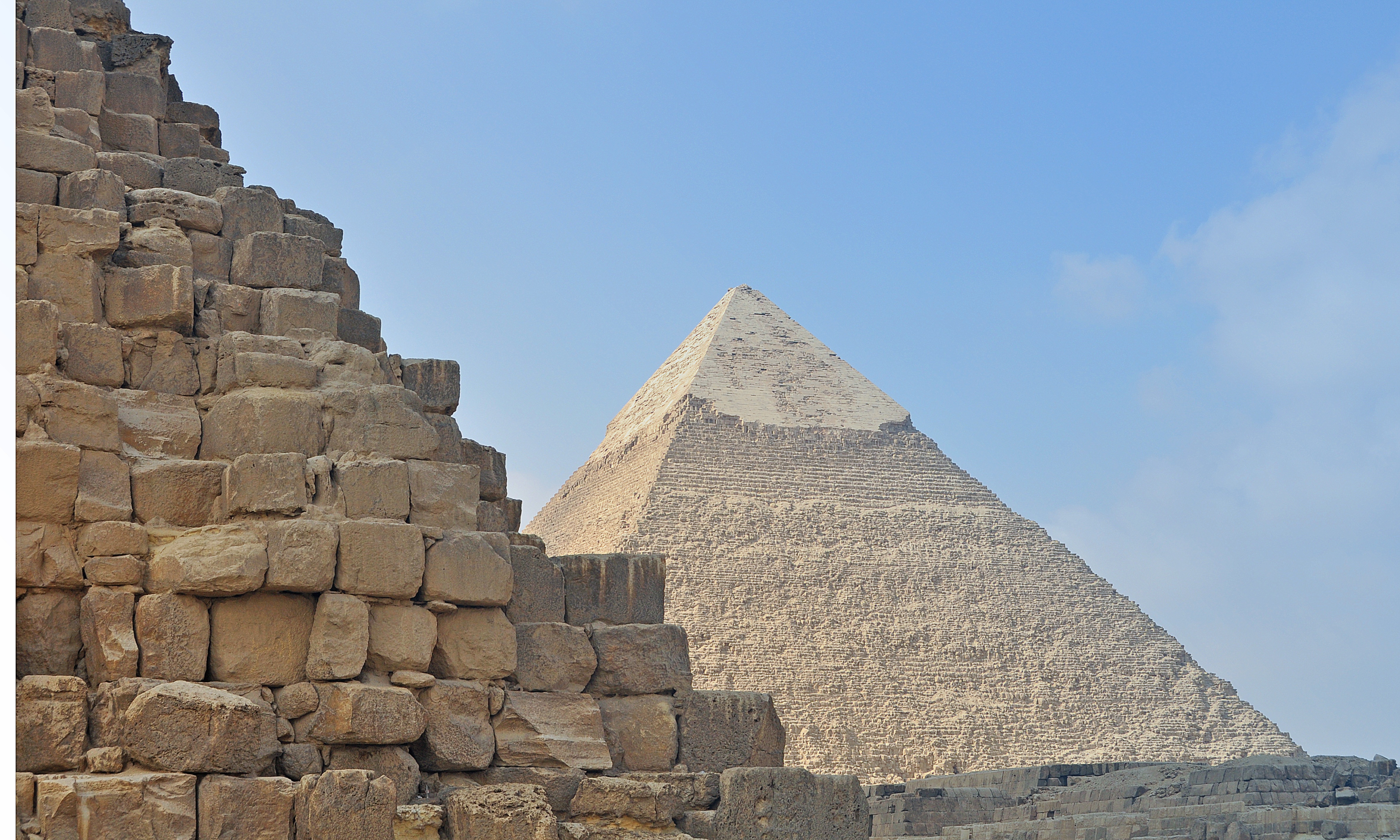
About Kusadasi
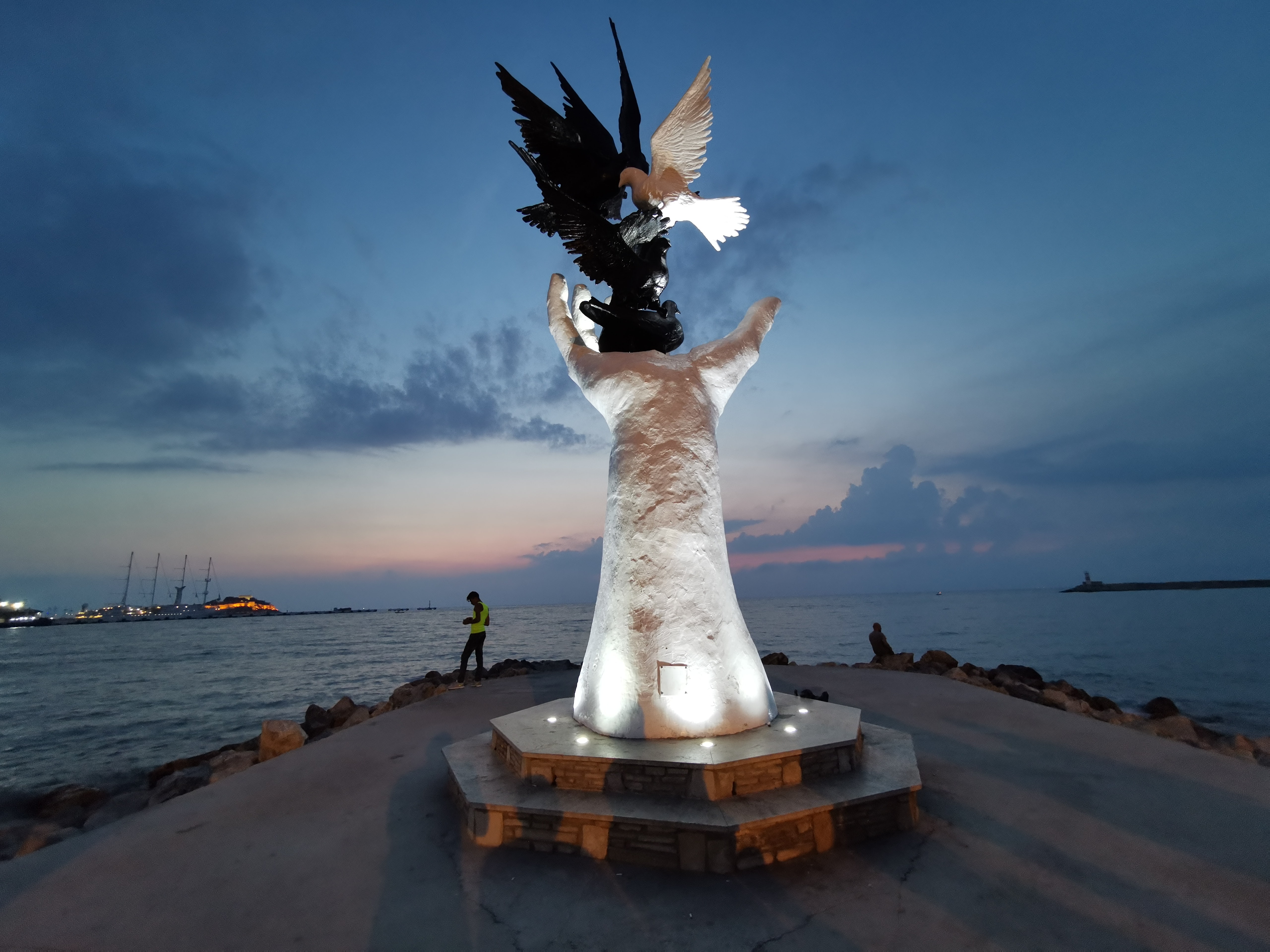
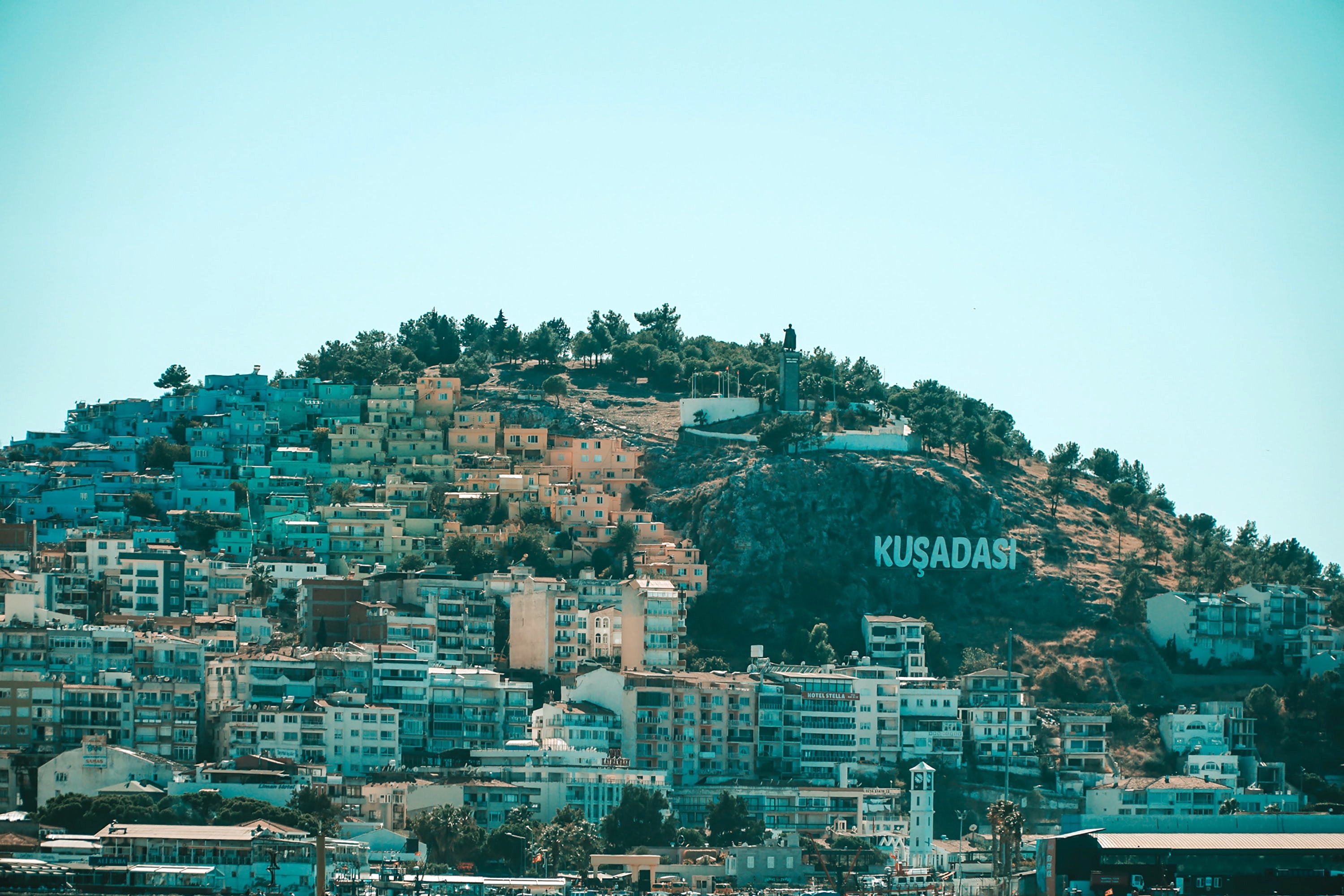
Whilst the busy resort town of Kusadasi offers much in the way of shopping and dining – not to mention a flourishing beach life scene, the real jewel here is Ephesus and the stunning ruined city that really take centre stage. With only 20% of the classical ruins having been excavated, this archaeological wonder has already gained the status as Europe’s most complete classical metropolis. And a metropolis it really is; built in the 10th century BC this UNESCO World Heritage site is nothing short of spectacular. Although regrettably very little remains of the Temple of Artemis (one of the seven wonders of the ancient world), the superb Library of Celsus’ façade is practically intact and it is one of life’s great joys to attend an evening performance in the illuminated ruins once all the tourists have left. The history of the city is fascinating and multi-layered and it is well worth reading up on this beforehand if a visit is planned. Another point of interest for historians would be the house of the Virgin Mary, located on the romantically named Mount Nightingale and just nine kilometres away from Ephesus proper. Legend has it that Mary (along with St. John) spent her final years here, secluded from the rest of the population, spreading Christianity. An edifying experience, even for non-believers. For the less historical minded amongst you, Kusadasi offers plenty in the way of activities. After a stroll through the town, jump in a taxi to Ladies’ Beach (men are allowed), sample a Turkish kebap on one of the many beachfront restaurants and enjoy the clement weather. If you do want to venture further afield, then the crystal clear beaches of Guzelcamli (or the Millipark), the cave of Zeus and the white scalloped natural pools at Pamukkale, known as Cleopatra’s pools, are definitely worth a visit.
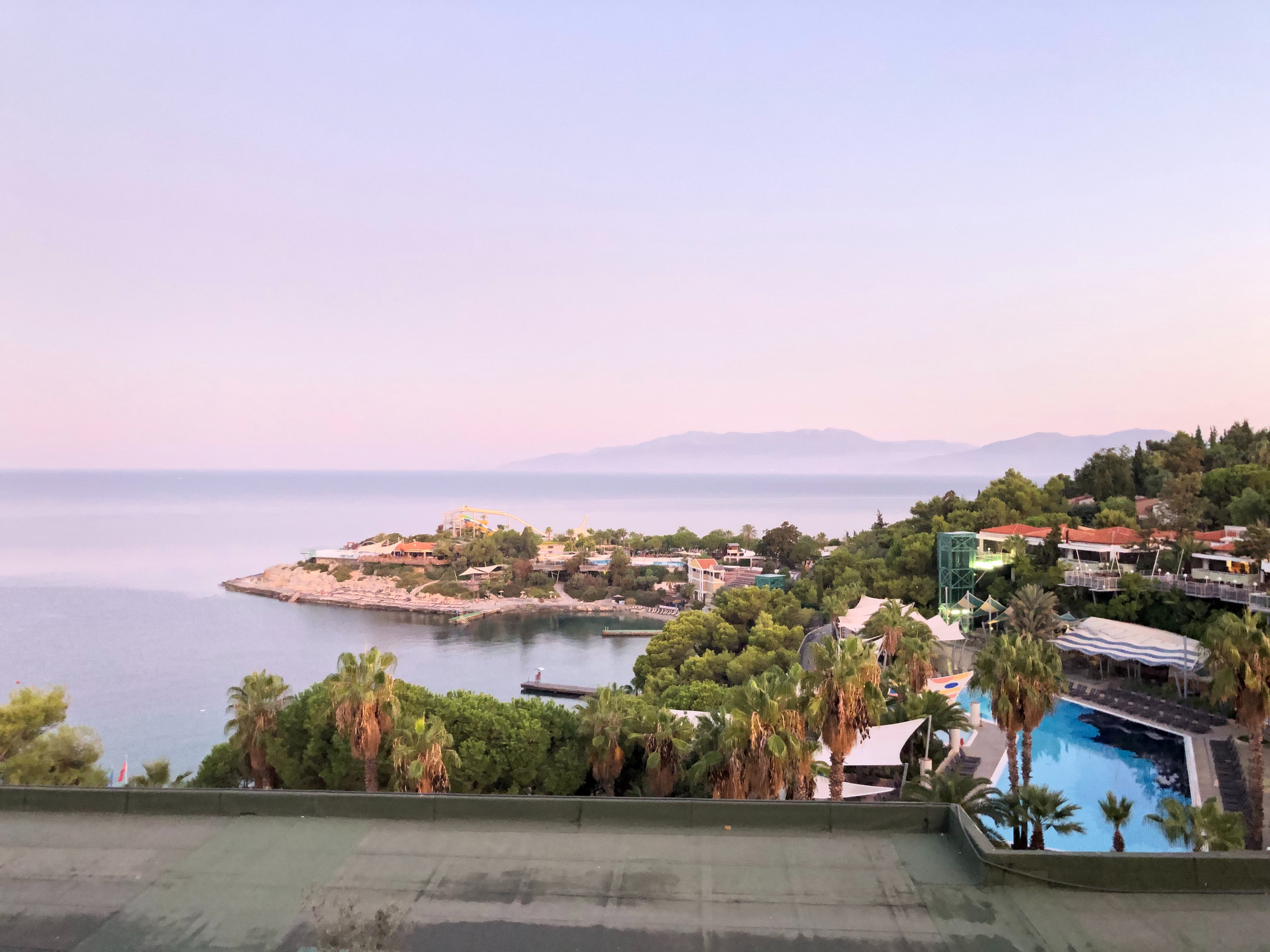
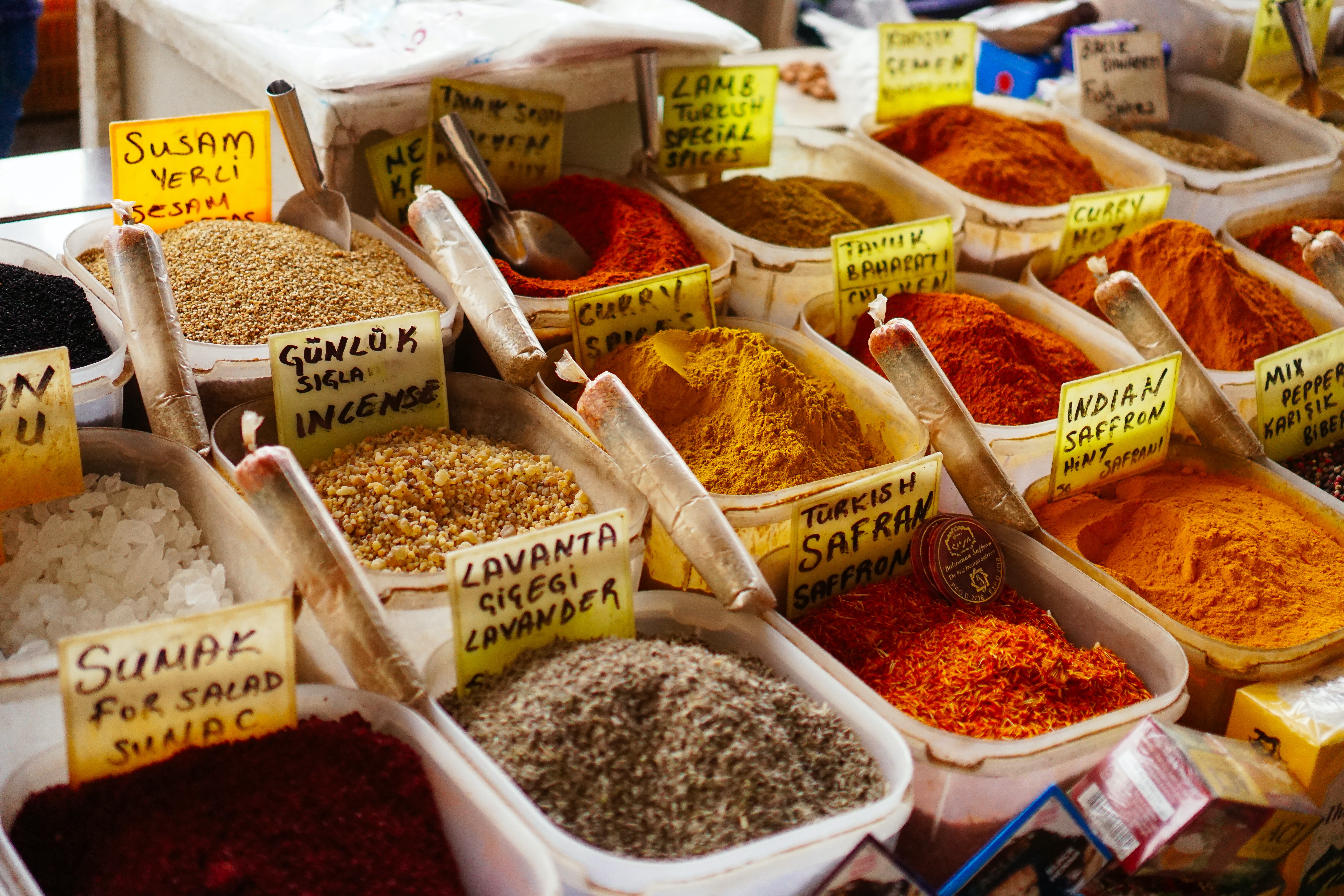
About Ermoupoli, Syra
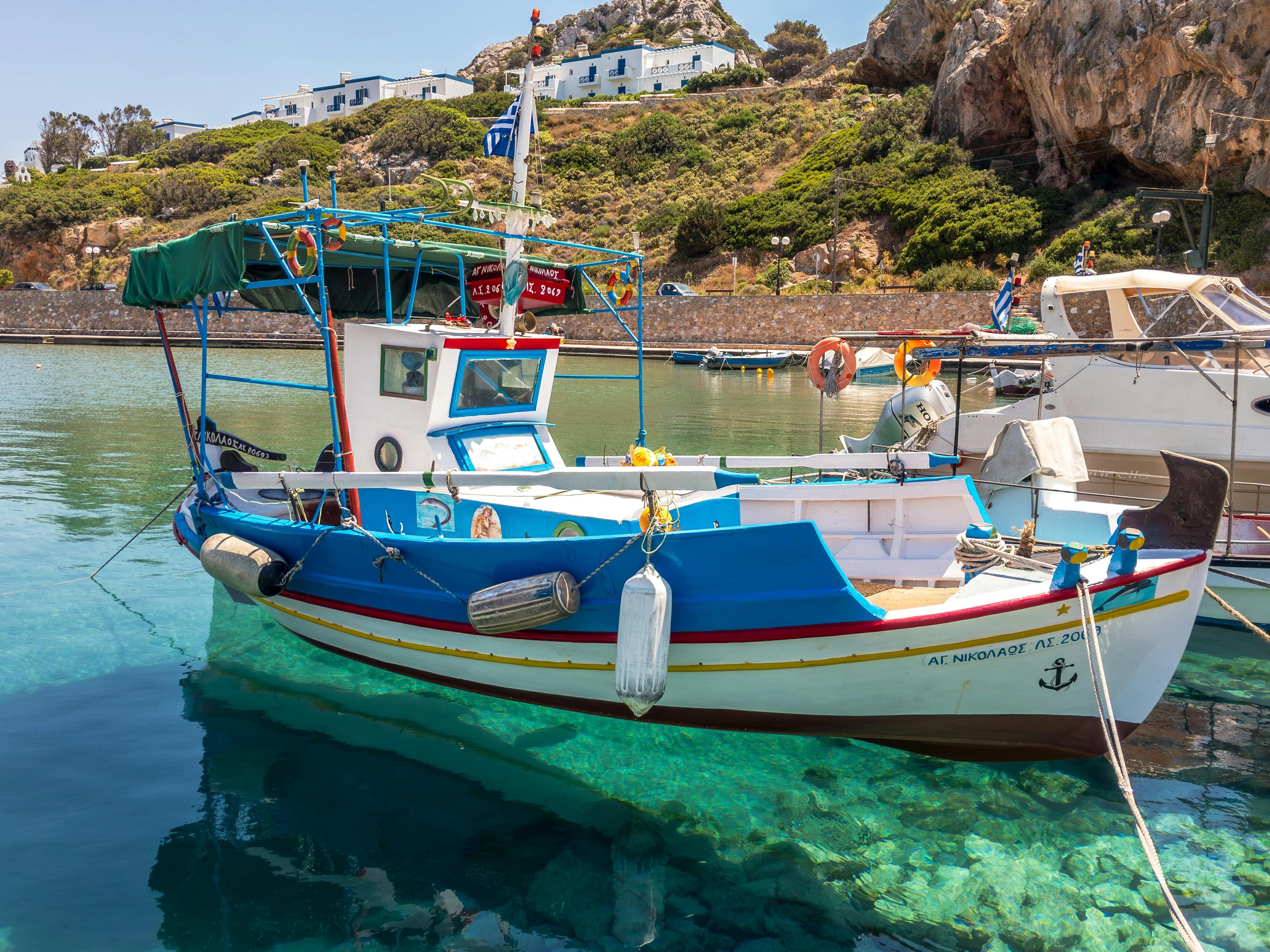
Syros is an island in the Aegean Sea, 78 miles (125 kilometres) southeast of Athens, and the administrative, commercial, intellectual and cultural centre of the Cyclades. Syros is 32 square miles (82.8 square kilometres) in area. Its largest towns are Ermoupoli, the capital of the island and Cyclades, Ano Syros and Vari. Although Syros belongs to the Cyclades islands, its architecture is more medieval than Cycladic. The beaches of Syros are especially inviting, and surrounded by many tourist facilities and accommodations.
About Piraeus
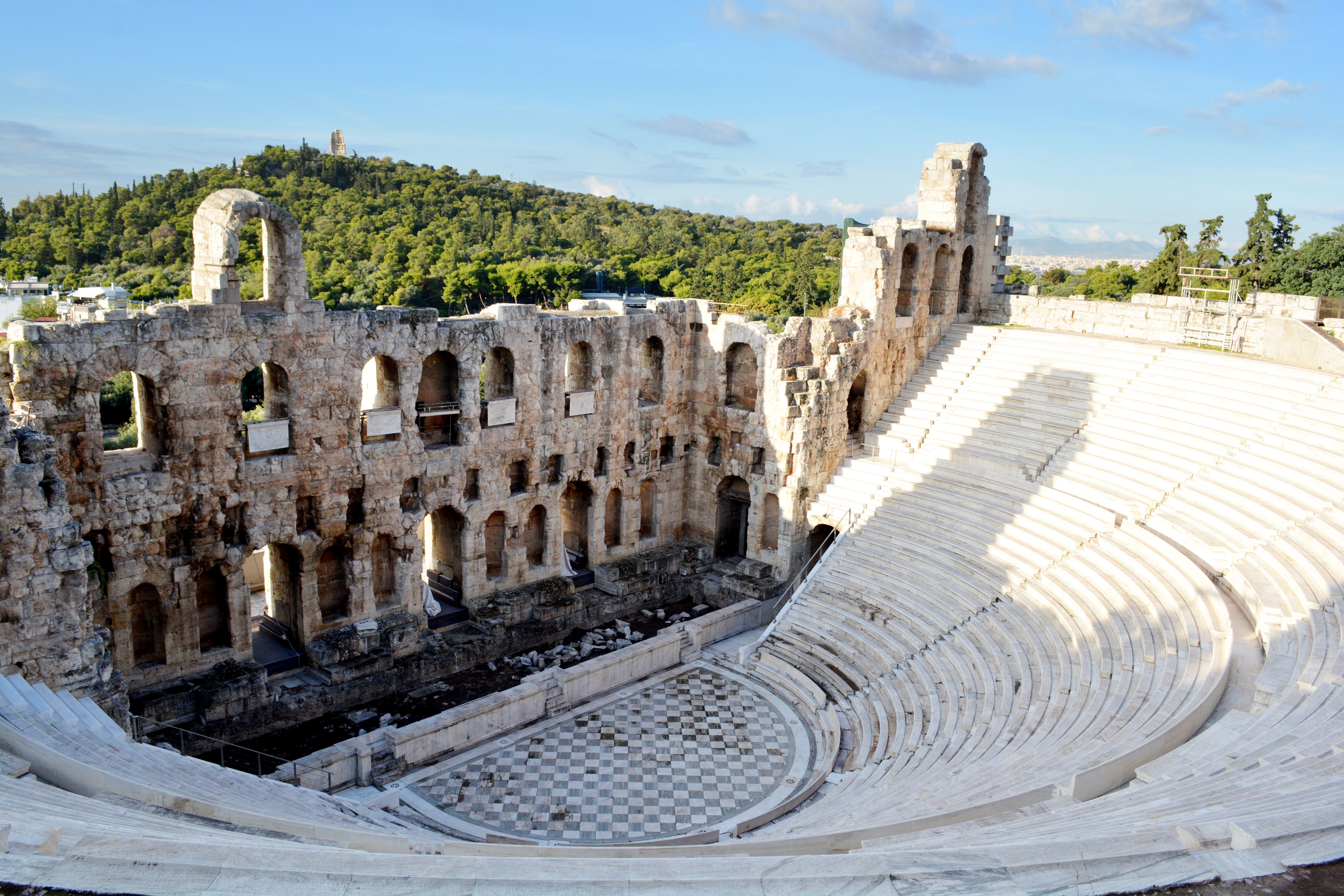
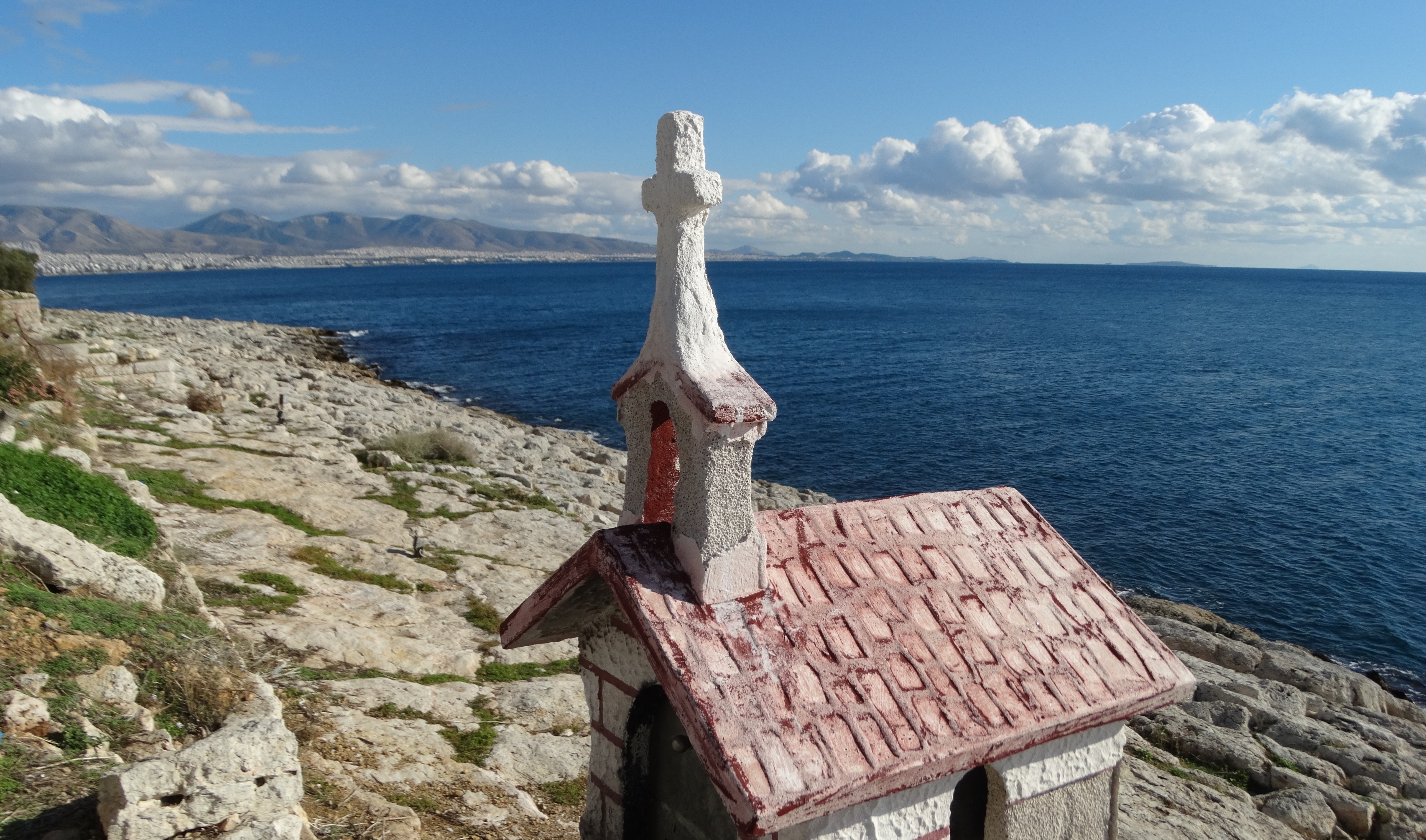
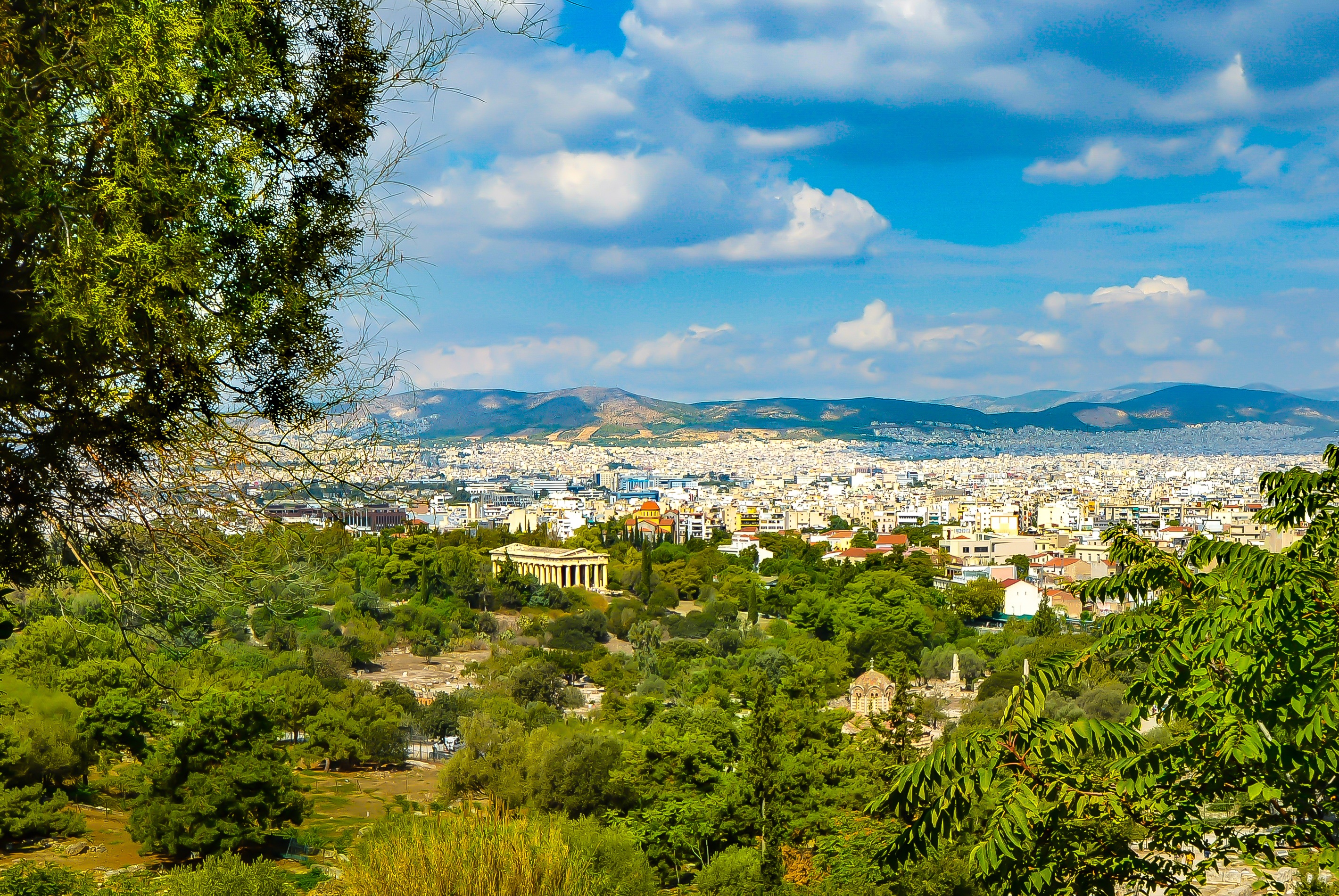
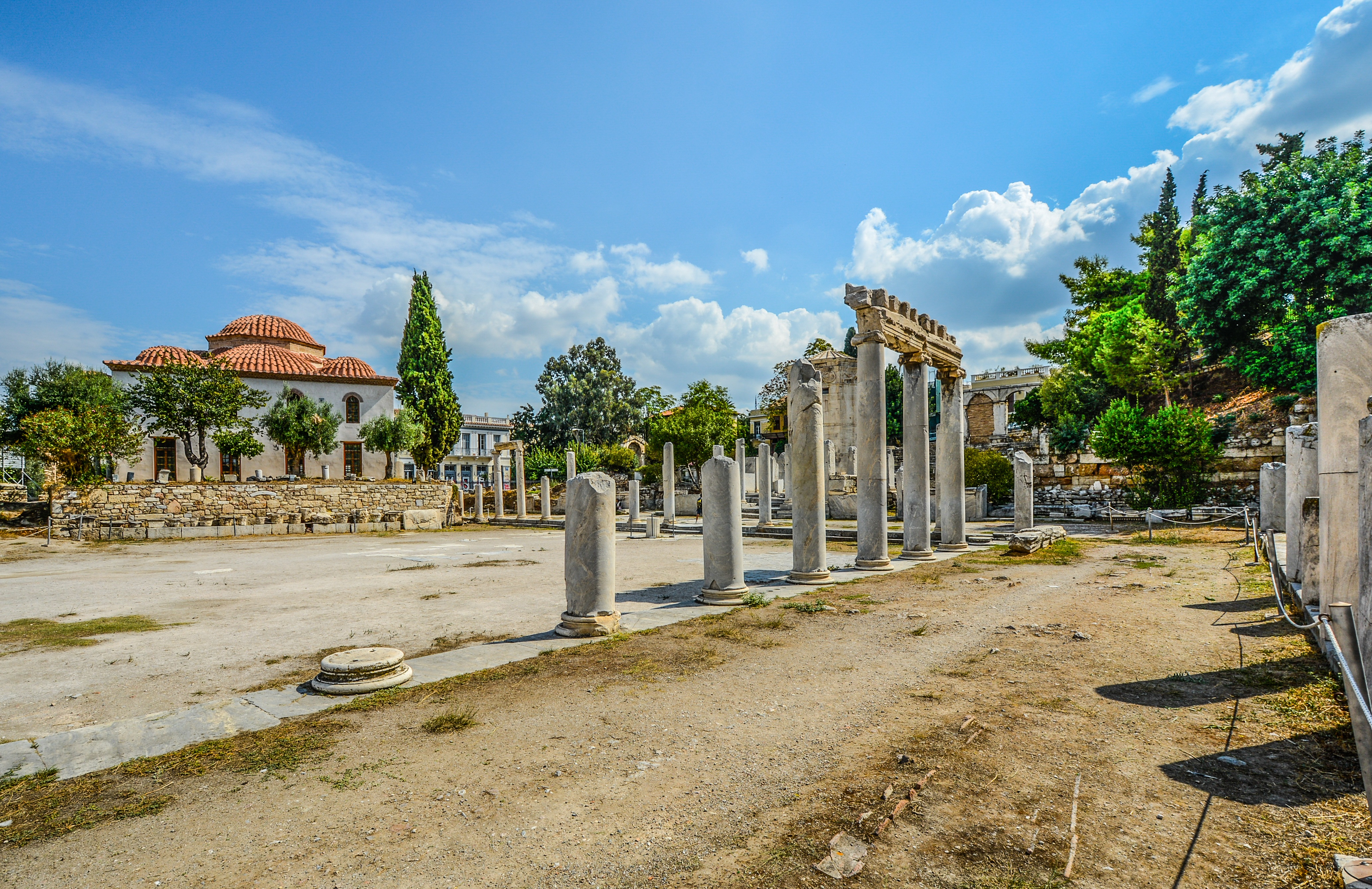
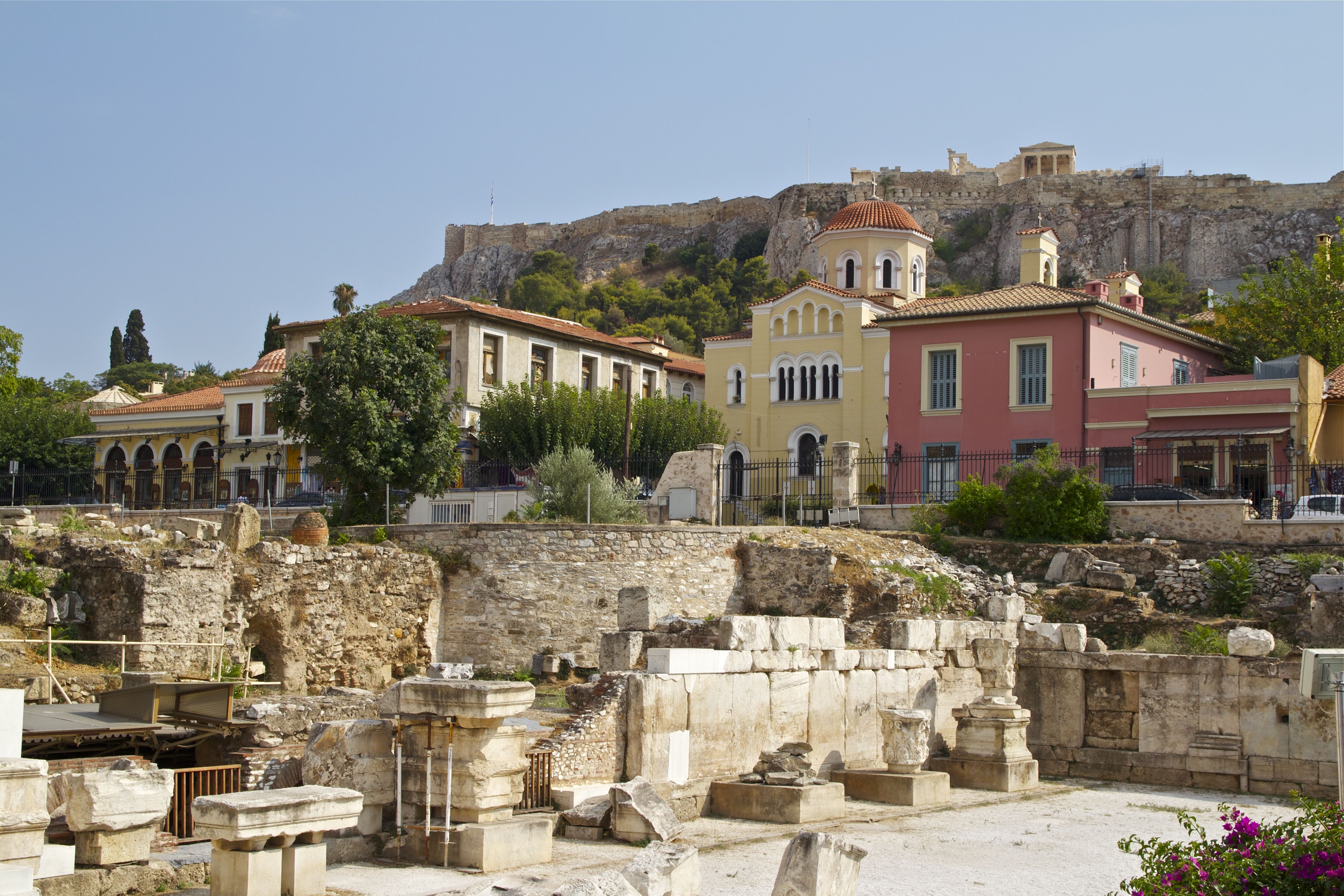
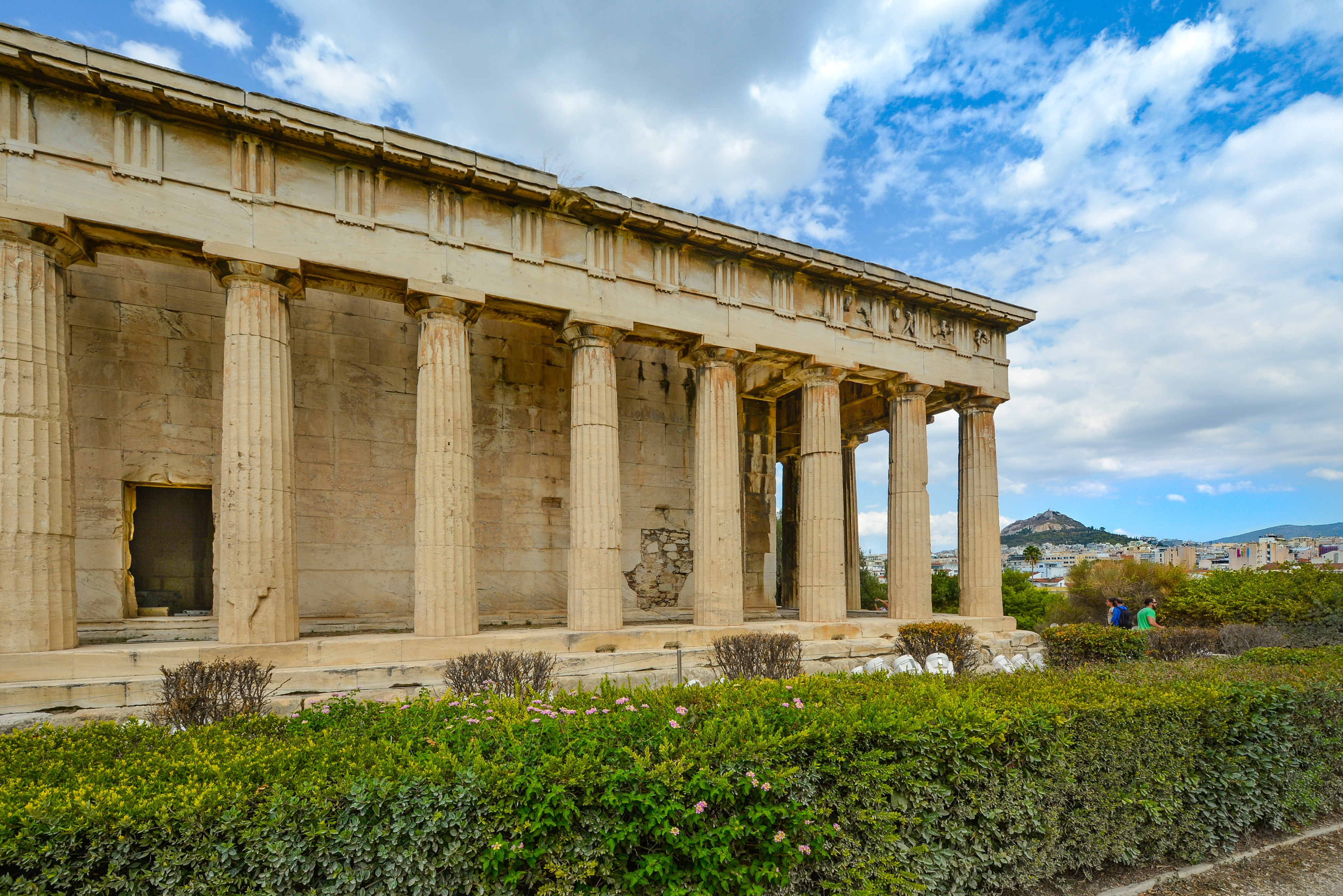
It's no wonder that all roads lead to the fascinating and maddening metropolis of Athens. Lift your eyes 200 feet above the city to the Parthenon, its honey-color marble columns rising from a massive limestone base, and you behold architectural perfection that has not been surpassed in 2,500 years. But, today, this shrine of classical form dominates a 21st-century boomtown. To experience Athens—Athína in Greek—fully is to understand the essence of Greece: ancient monuments surviving in a sea of cement, startling beauty amid the squalor, tradition juxtaposed with modernity. Locals depend on humor and flexibility to deal with the chaos; you should do the same. The rewards are immense. Although Athens covers a huge area, the major landmarks of the ancient Greek, Roman, and Byzantine periods are close to the modern city center. You can easily walk from the Acropolis to many other key sites, taking time to browse in shops and relax in cafés and tavernas along the way. From many quarters of the city you can glimpse "the glory that was Greece" in the form of the Acropolis looming above the horizon, but only by actually climbing that rocky precipice can you feel the impact of the ancient settlement. The Acropolis and Filopappou, two craggy hills sitting side by side; the ancient Agora (marketplace); and Kerameikos, the first cemetery, form the core of ancient and Roman Athens. Along the Unification of Archaeological Sites promenade, you can follow stone-paved, tree-lined walkways from site to site, undisturbed by traffic. Cars have also been banned or reduced in other streets in the historical center. In the National Archaeological Museum, vast numbers of artifacts illustrate the many millennia of Greek civilization; smaller museums such as the Goulandris Museum of Cycladic Art Museum and the Byzantine and Christian Museum illuminate the history of particular regions or periods. Athens may seem like one huge city, but it is really a conglomeration of neighborhoods with distinctive characters. The Eastern influences that prevailed during the 400-year rule of the Ottoman Empire are still evident in Monastiraki, the bazaar area near the foot of the Acropolis. On the northern slope of the Acropolis, stroll through Plaka (if possible by moonlight), an area of tranquil streets lined with renovated mansions, to get the flavor of the 19th-century's gracious lifestyle. The narrow lanes of Anafiotika, a section of Plaka, thread past tiny churches and small, color-washed houses with wooden upper stories, recalling a Cycladic island village. In this maze of winding streets, vestiges of the older city are everywhere: crumbling stairways lined with festive tavernas; dank cellars filled with wine vats; occasionally a court or diminutive garden, enclosed within high walls and filled with magnolia trees and the flaming trumpet-shaped flowers of hibiscus bushes. Formerly run-down old quarters, such as Thission, Gazi and Psirri, popular nightlife areas filled with bars and mezedopoleia (similar to tapas bars), are now in the process of gentrification, although they still retain much of their original charm, as does the colorful produce and meat market on Athinas. The area around Syntagma Square, the tourist hub, and Omonia Square, the commercial heart of the city about 1 km (½ mi) northwest, is distinctly European, having been designed by the court architects of King Otho, a Bavarian, in the 19th century. The chic shops and bistros of ritzy Kolonaki nestle at the foot of Mt. Lycabettus, Athens's highest hill (909 feet). Each of Athens's outlying suburbs has a distinctive character: in the north is wealthy, tree-lined Kifissia, once a summer resort for aristocratic Athenians, and in the south and southeast lie Glyfada, Voula, and Vouliagmeni, with their sandy beaches, seaside bars, and lively summer nightlife. Just beyond the city's southern fringes is Piraeus, a bustling port city of waterside fish tavernas and Saronic Gulf views.

SeaDream III
A New Era of Luxury Yachting
SeaDream III carries the intimacy that defined the first two yachts and gives it greater reach. A guest-to-staff ratio approaching one-to-one, open-seating dining, and the freedom to change plans on the day — now at a scale that can cross oceans.
The result is a yacht that feels familiar to anyone who has sailed with us, and entirely new in where it can take them.
A Wider World Within Easy Reach
With greater range and endurance, SeaDream III opens new regions to SeaDream, including Asia, Arabia, India, the South Pacific, South America and the Great Lakes.
Her shallow draft and slender beam preserve the freedom to enter intimate harbors and secluded anchorages beyond the reach of larger vessels, bringing the signature SeaDream experience to more of the world.
Onboard Amenities Reimagined
Every space has been reconsidered rather than simply enlarged. Dining, wellness and the top-deck social spaces gain room to breathe, and the marina platform opens directly onto the sea as it always has.
Details are still being finalised and will be published ahead of the inaugural season.
The Same World-Class Experience You’ve Come to Expect
A crew who learn your name in the first hour. Champagne and caviar in the sea. Late stays and overnights that let a place be met properly rather than glimpsed.
Nothing that makes a SeaDream voyage what it is has been traded away — there is simply more of the world to spend it in.
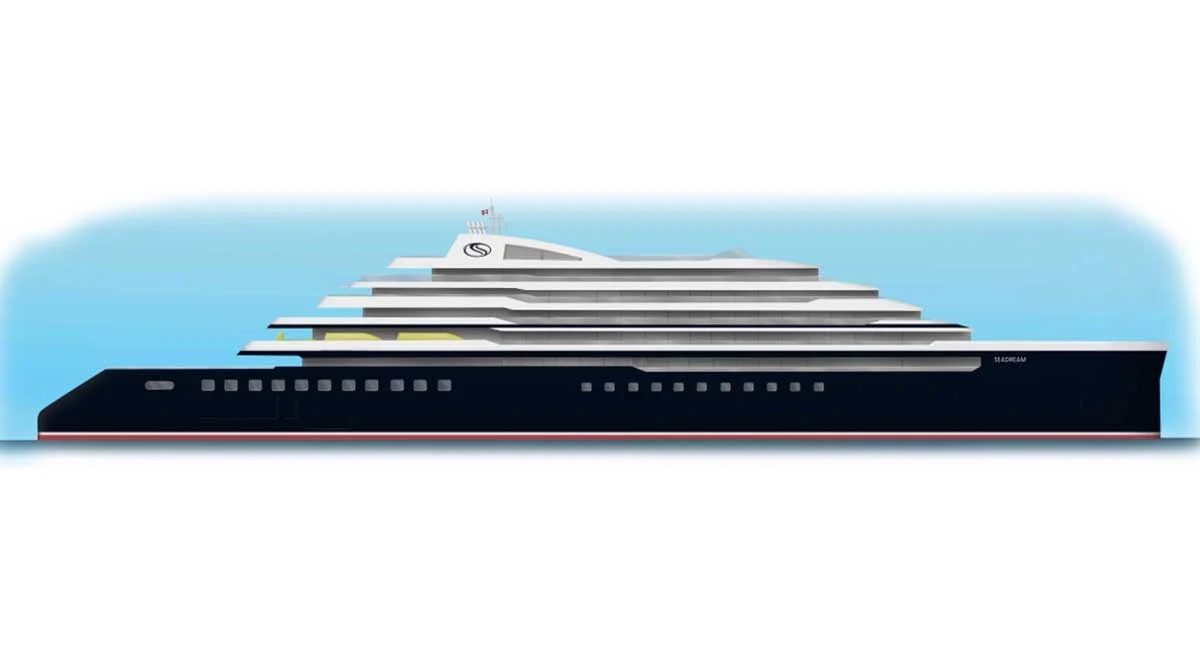
Ship Facts
| Launch Year | 2029 | ||||
| Refit Year | |||||
| Language | en | ||||
| Gross Tonnage | 16500 | ||||
| Length | 151 | ||||
| Width | 21 | ||||
| Currency | USD | ||||
| Speed | N/A | ||||
| Capacity | 230 | ||||
| Crew Count | 200 | ||||
| Deck Count | 5 | ||||
| Cabin Count | N/A | ||||
| Large Cabin Count | N/A | ||||
| Wheelchair Cabin Count | N/A | ||||
| Electrical Plugs |
|
Deck 10

Deck 9
Deck 8
Cabins

Deck 7
Cabins
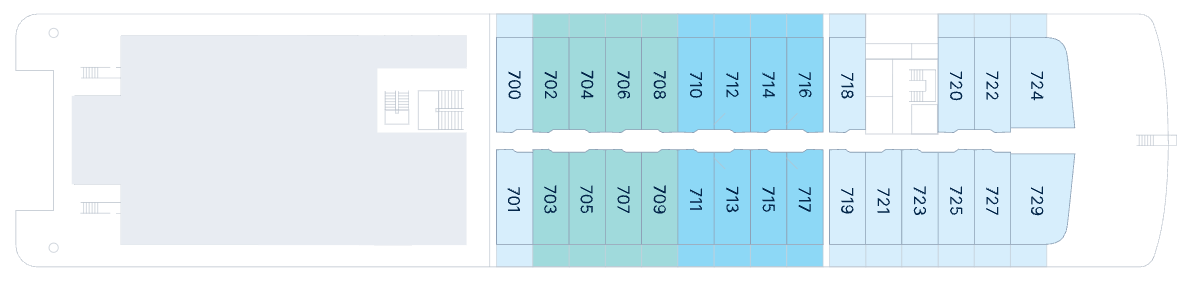
Deck 6
Cabins

Deck 5
Cabins

Deck 4
Cabins
