Iberia & the Bay of Biscay
Iberia & the Bay of Biscay
Cruise overview
WHY BOOK WITH US?
- ✔ The Deluxe Cruises’ team has extensive experience in ultra-luxury cruising.
- ✔ Call now to speak to our helpful and experienced Cruise Concierge team.
- ✔ Enjoy our Unique Deluxe Cruises Bonus for substantial savings.
- ✔ Our team will tailor your holiday to your exacting requirements.
- ✔ As agents, we work under the protection of each cruise lines ABTA / ATOL licences
About Lisbon
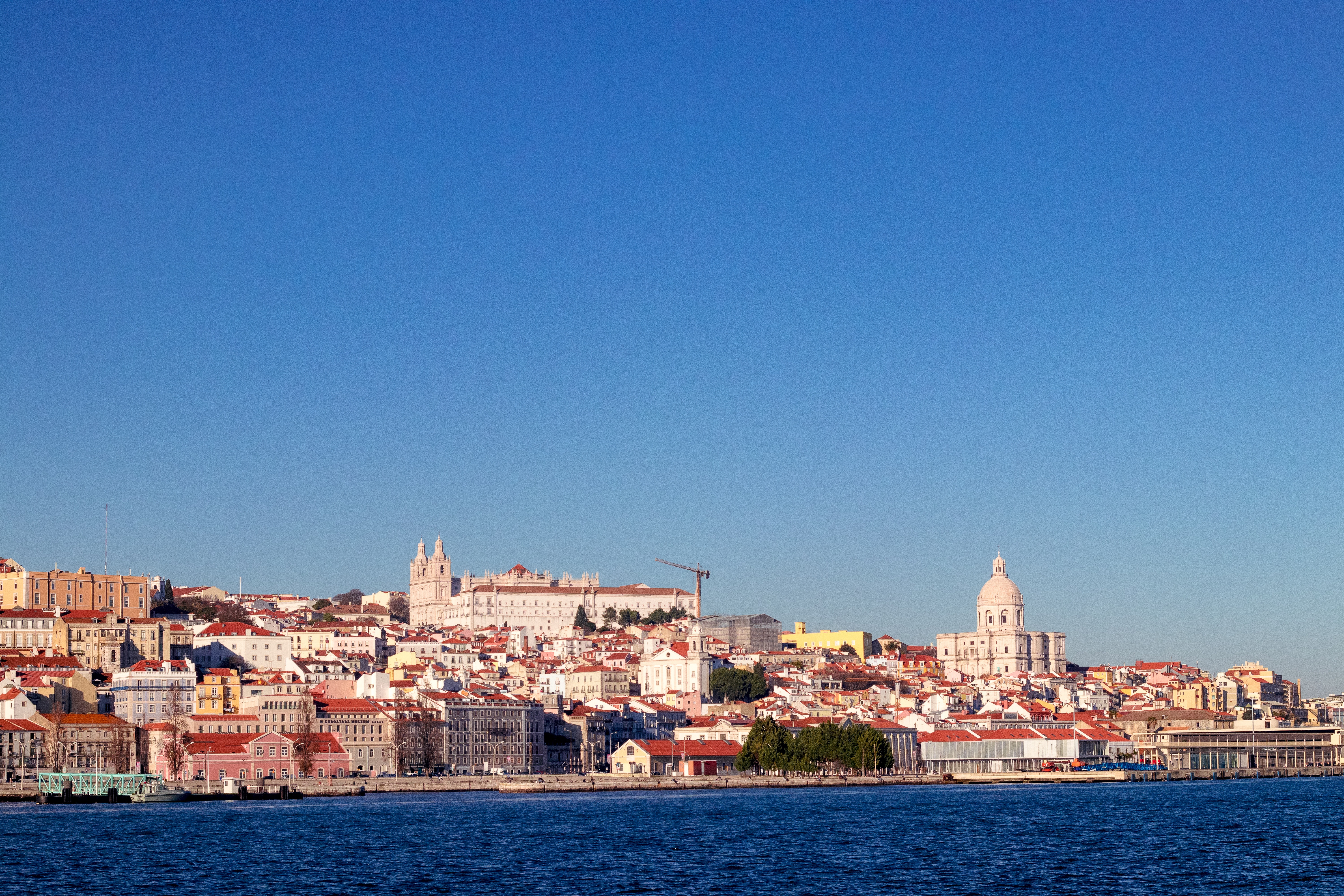
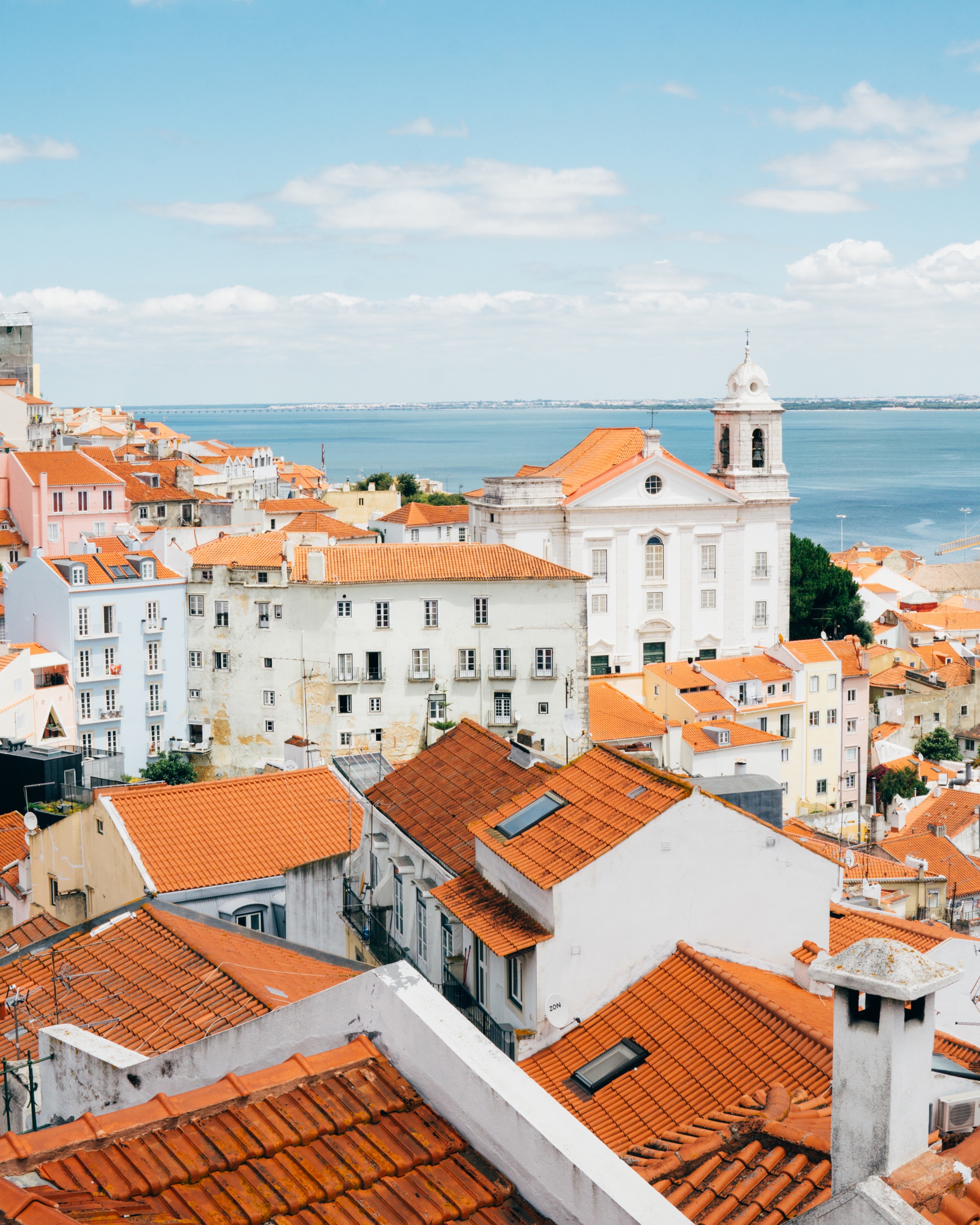
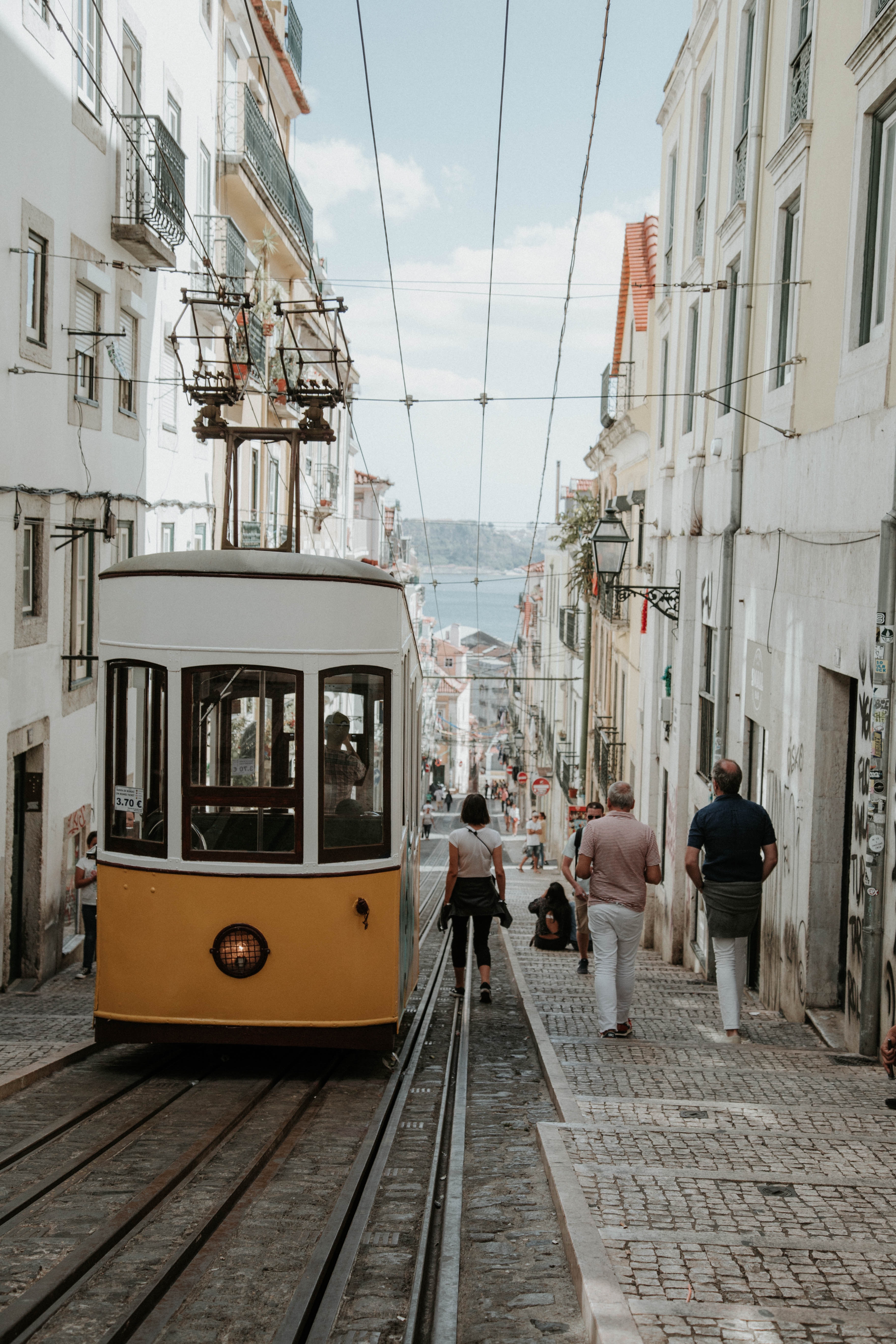
Set on seven hills on the banks of the River Tagus, Lisbon has been the capital of Portugal since the 13th century. It is a city famous for its majestic architecture, old wooden trams, Moorish features and more than twenty centuries of history. Following disastrous earthquakes in the 18th century, Lisbon was rebuilt by the Marques de Pombal who created an elegant city with wide boulevards and a great riverfront and square, Praça do Comércio. Today there are distinct modern and ancient sections, combining great shopping with culture and sightseeing in the Old Town, built on the city's terraced hillsides. The distance between the ship and your tour vehicle may vary. This distance is not included in the excursion grades.
About Porto
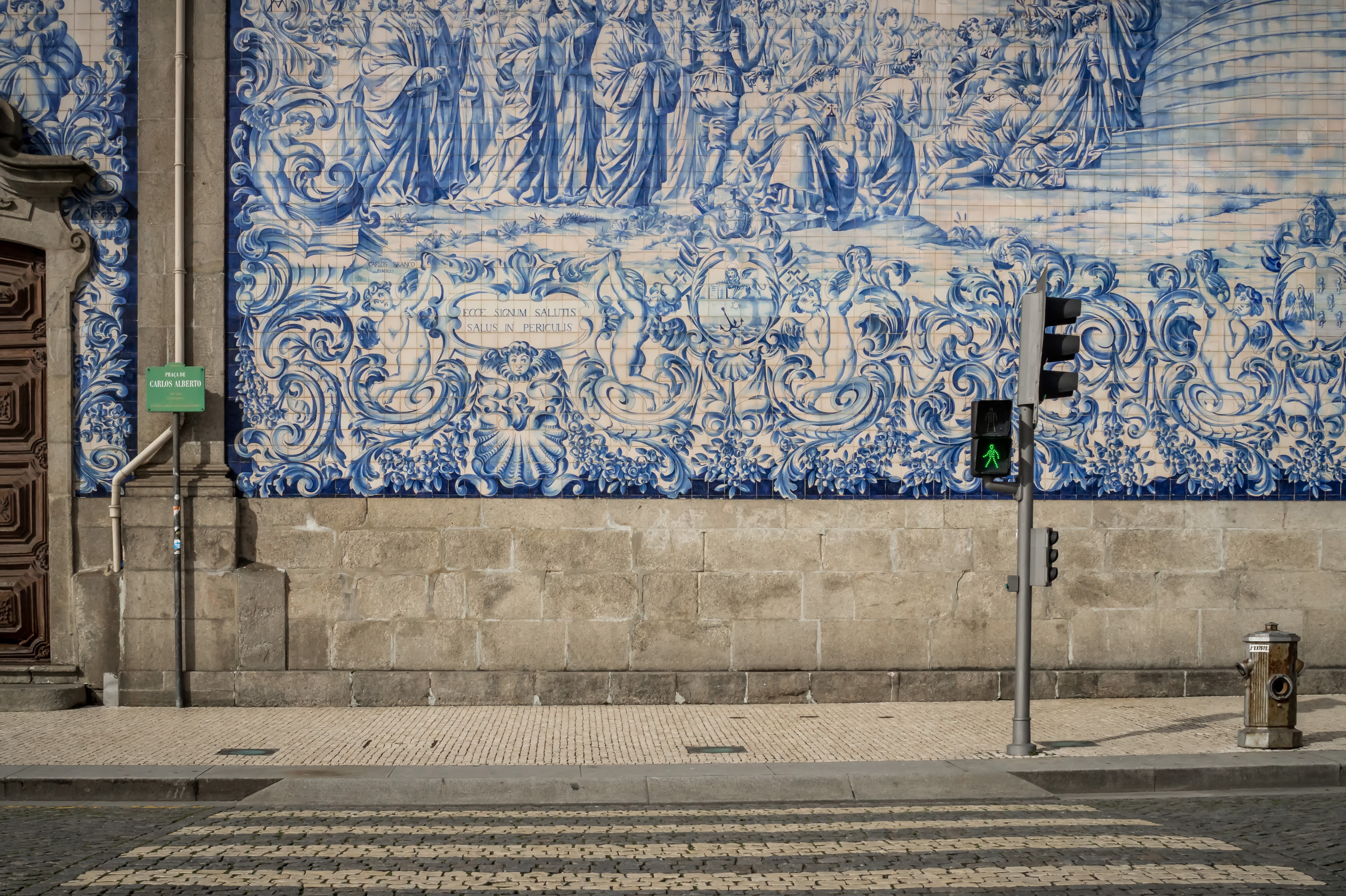
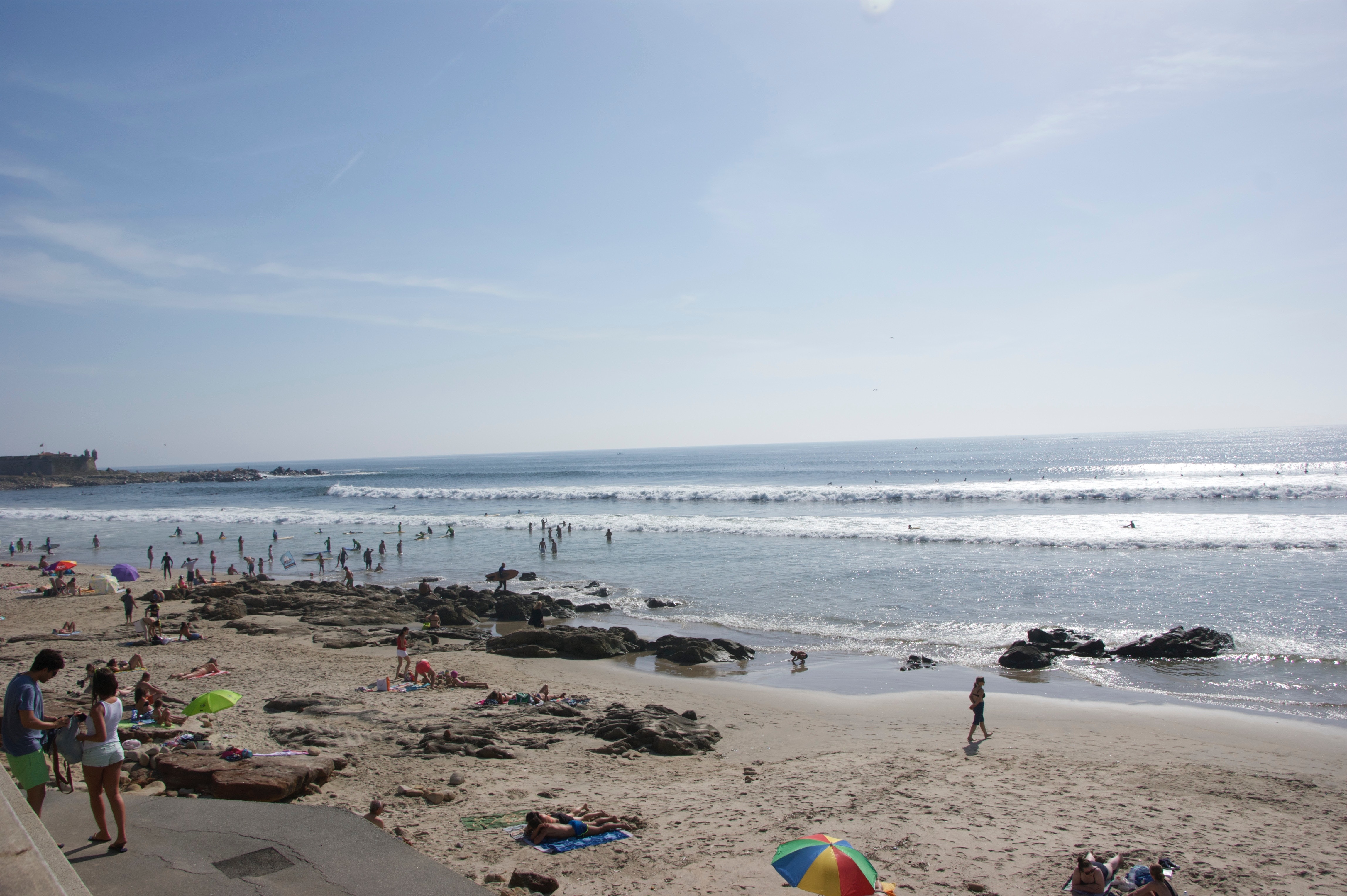
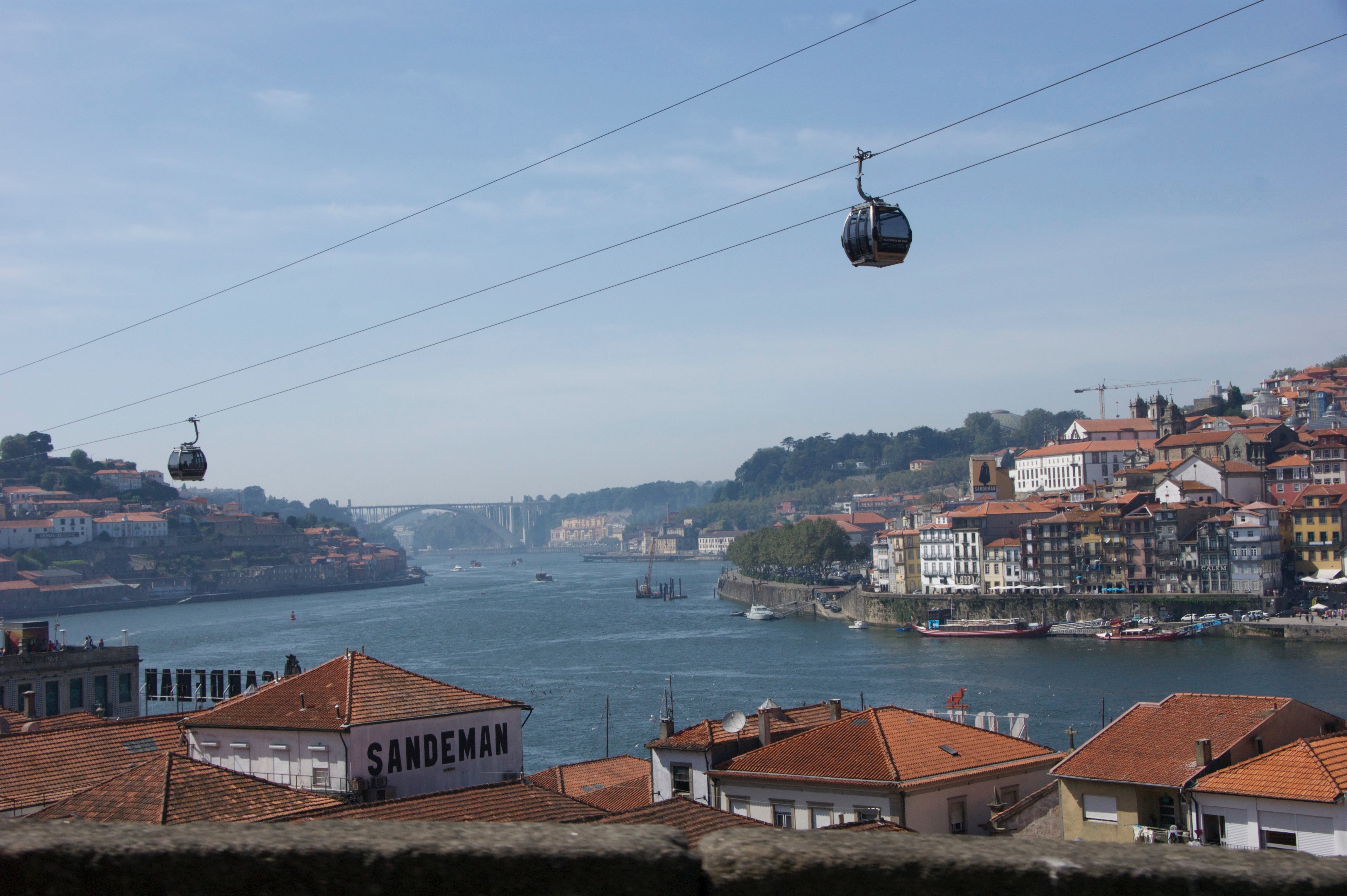
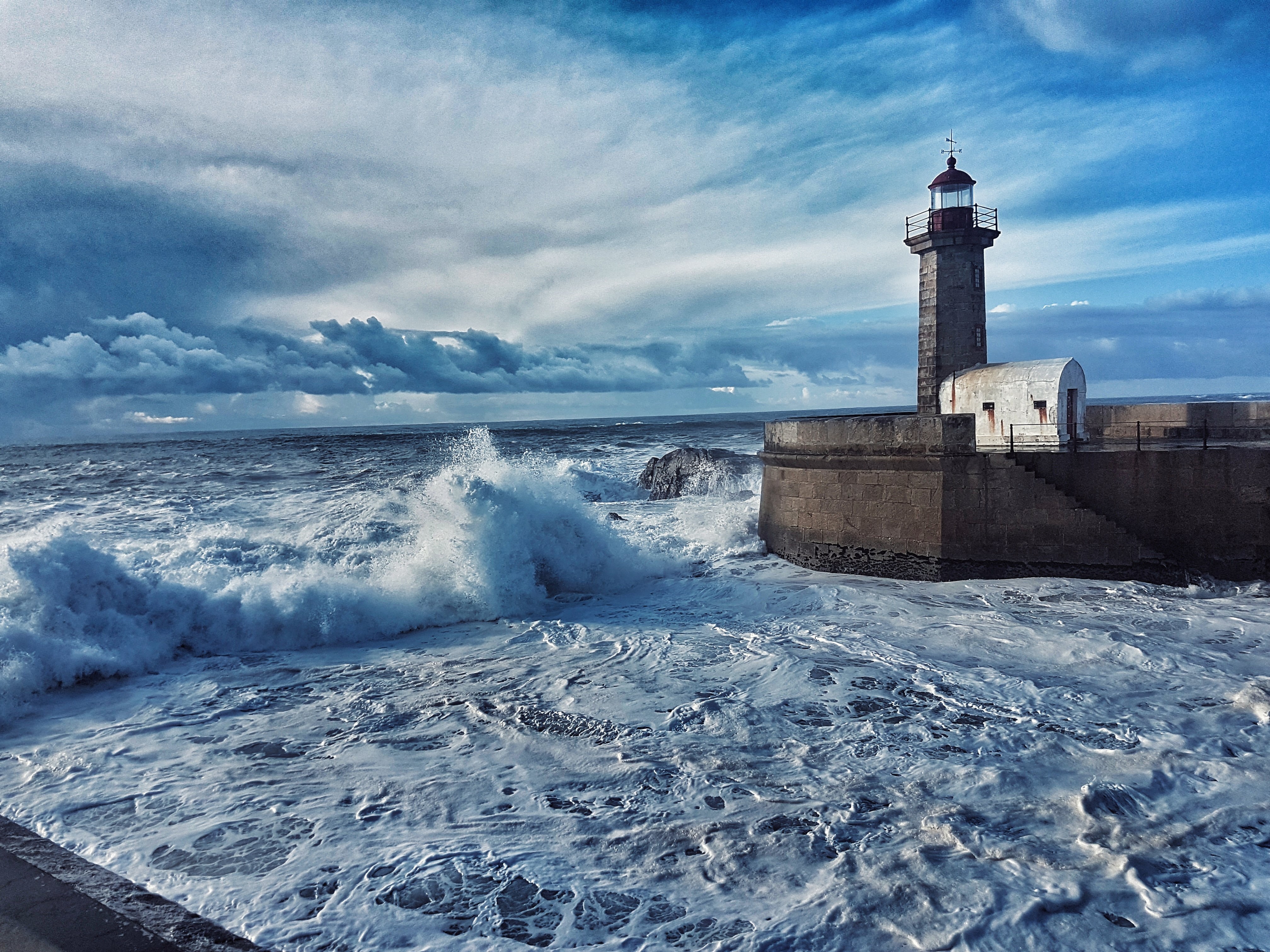
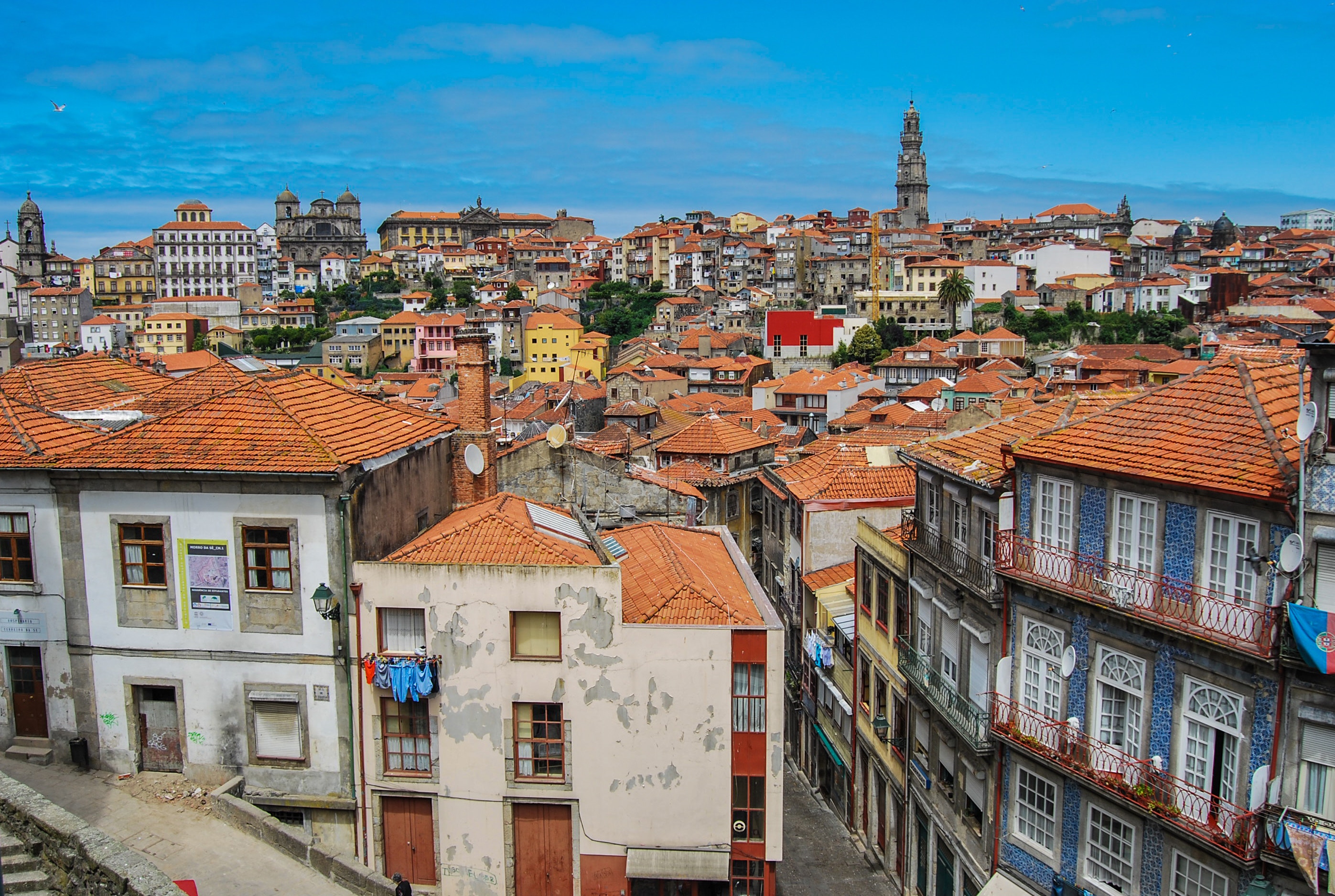
Lively, commercial Oporto is the second largest city in Portugal after Lisbon. Also called Porto for short, the word easily brings to mind the city's most famous product - port wine. Oporto's strategic location on the north bank of the Douro River has accounted for the town's importance since ancient times. The Romans built a fort here where their trading route crossed the Douro, and the Moors brought their own culture to the area. Oporto profited from provisioning crusaders en route to the Holy Land and enjoyed the riches from Portuguese maritime discoveries during the 15th and 16th centuries. Later, port wine trade with Britain compensated for the loss of the spice trade and the end of gold and gem shipments from Brazil. In the 19th century, the city went through a period of new prosperity with the rise of industries. In its wake followed the building of workers' quarters and opulent residences. Since the declaration of Oporto as a World Heritage Site by UNESCO, the city aims to build up a cultural reference that will provide it with a new image, based on deep historical roots. Among the attractions that make Oporto such an interesting place are its graceful bridges spanning the Douro River, a picturesque riverfront quarter and, most notable, its world-famous port wine lodges. Although Oporto is a bustling centre and home to many different businesses, the source of its greatest fame is the rich, sweet fortified red wine we know as port.
About Bordeaux
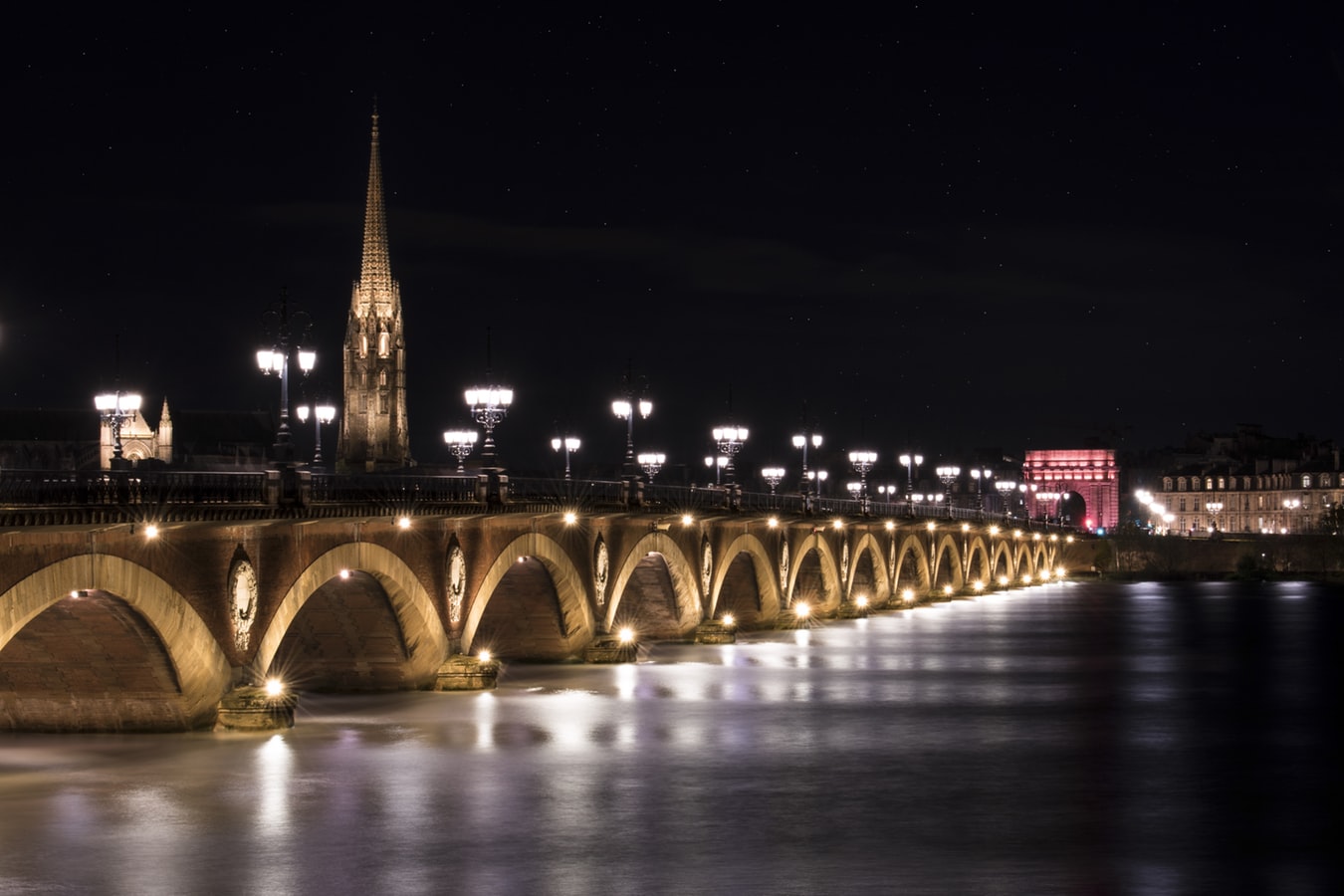
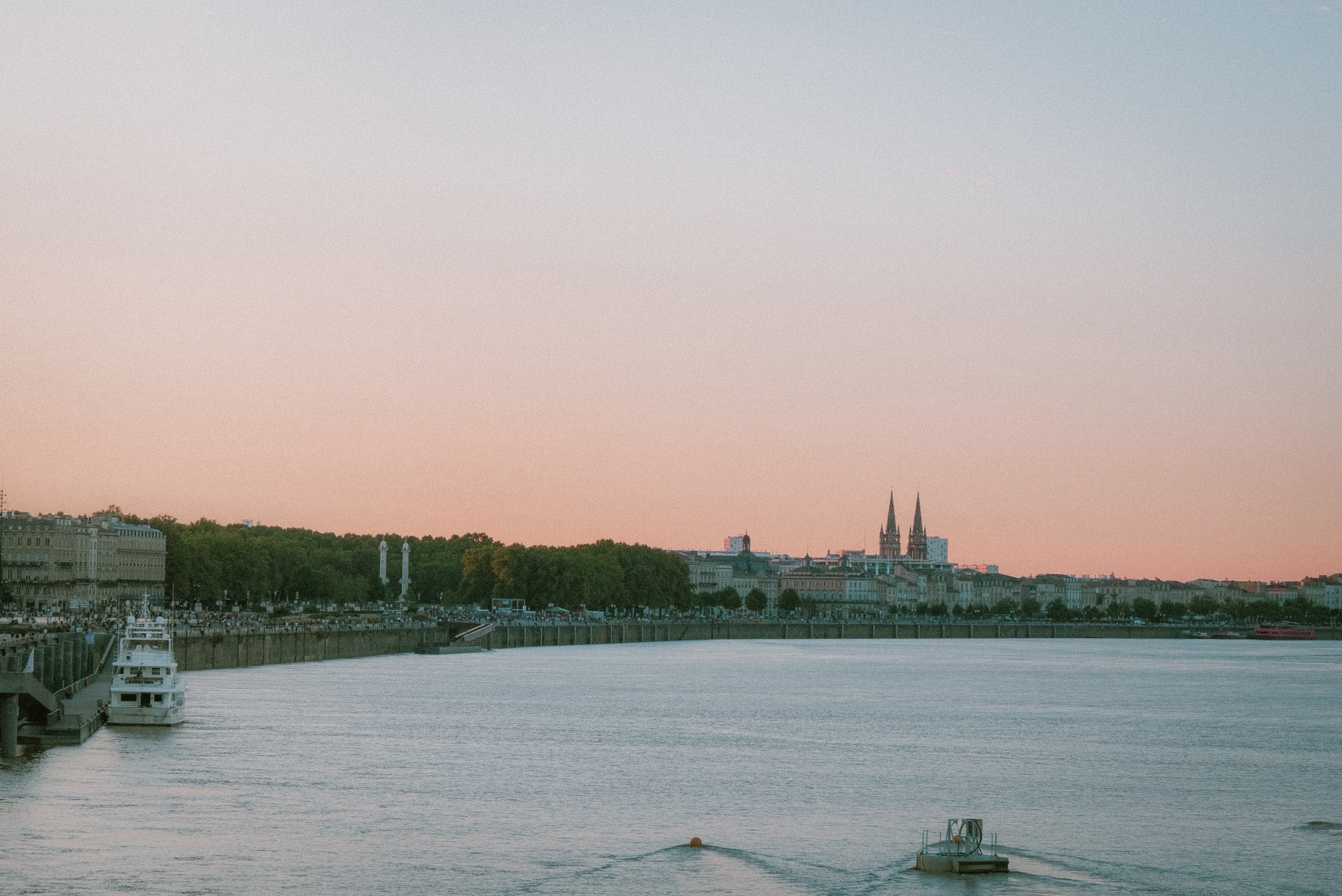
Bordeaux as a whole, rather than any particular points within it, is what you'll want to visit in order to understand why Victor Hugo described it as Versailles plus Antwerp, and why the painter Francisco de Goya, when exiled from his native Spain, chose it as his last home (he died here in 1828). The capital of southwest France and the region's largest city, Bordeaux remains synonymous with the wine trade: wine shippers have long maintained their headquarters along the banks of the Garonne, while buyers from around the world arrive for the huge biennial Vinexpo show (held in odd-number years).Bordeaux is, admittedly, a less exuberant city than many others in France, but lively and stylish elements are making a dent in its conservative veneer. The cleaned-up riverfront is said by some, after a bottle or two, to exude an elegance reminiscent of St. Petersburg, and that aura of 18th-century élan also permeates the historic downtown sector—“le vieux Bordeaux"—where fine shops invite exploration. To the south of the city center are old docklands undergoing renewal—one train station has now been transformed into a big multiplex movie theater—but the area is still a bit shady. To get a feel for the historic port of Bordeaux, take the 90-minute boat trip that leaves Quai Louis-XVIII every weekday afternoon, or the regular passenger ferry that plies the Garonne between Quai Richelieu and the Pont d'Aquitaine in summer. A nice time to stroll around the city center is the first Sunday of the month, when it's pedestrian-only and vehicles are banned.
About Bordeaux
Bordeaux as a whole, rather than any particular points within it, is what you'll want to visit in order to understand why Victor Hugo described it as Versailles plus Antwerp, and why the painter Francisco de Goya, when exiled from his native Spain, chose it as his last home (he died here in 1828). The capital of southwest France and the region's largest city, Bordeaux remains synonymous with the wine trade: wine shippers have long maintained their headquarters along the banks of the Garonne, while buyers from around the world arrive for the huge biennial Vinexpo show (held in odd-number years).Bordeaux is, admittedly, a less exuberant city than many others in France, but lively and stylish elements are making a dent in its conservative veneer. The cleaned-up riverfront is said by some, after a bottle or two, to exude an elegance reminiscent of St. Petersburg, and that aura of 18th-century élan also permeates the historic downtown sector—“le vieux Bordeaux"—where fine shops invite exploration. To the south of the city center are old docklands undergoing renewal—one train station has now been transformed into a big multiplex movie theater—but the area is still a bit shady. To get a feel for the historic port of Bordeaux, take the 90-minute boat trip that leaves Quai Louis-XVIII every weekday afternoon, or the regular passenger ferry that plies the Garonne between Quai Richelieu and the Pont d'Aquitaine in summer. A nice time to stroll around the city center is the first Sunday of the month, when it's pedestrian-only and vehicles are banned.
About La Rochelle
About Saint Peter Port
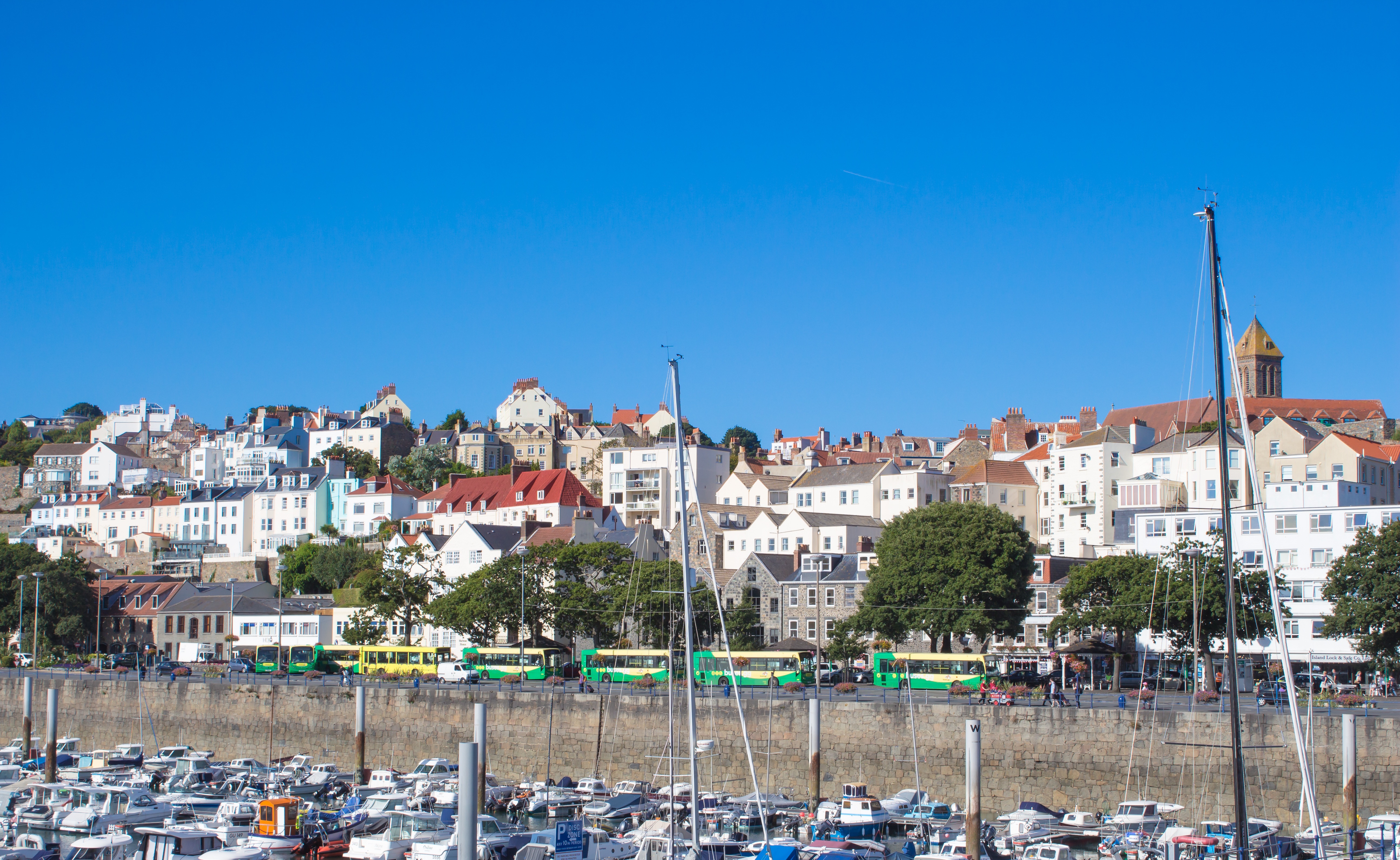
Cobblestone streets, blooming floral displays, and tiny churches welcome you to this wonderfully pretty harbour. The town of St Peter Port is as pretty as they come, with glowing flower displays painting practically every street corner and window-ledge with colour. As the capital, and main port of Guernsey, St Peter Port puts all of the island’s gorgeous beaches, wonderful history and inspiring stories at your fingertips. Feel the gut punch of the midday gun firing at Castle Cornet, which stands guard over one of the world's prettiest ports. This 800-year-old, Medieval castle offers staggering views of the harbour from its imposing, craggy island location, and you can look out across to the looming shorelines of the other Channel Islands from its weathered battlements. With four well-tended gardens, and five museums offering a rich overview of Guernsey's history, you’ll want to leave a few hours aside to explore the many treasures that lie within the castle’s walls.
About Cowes, Isle of Wight
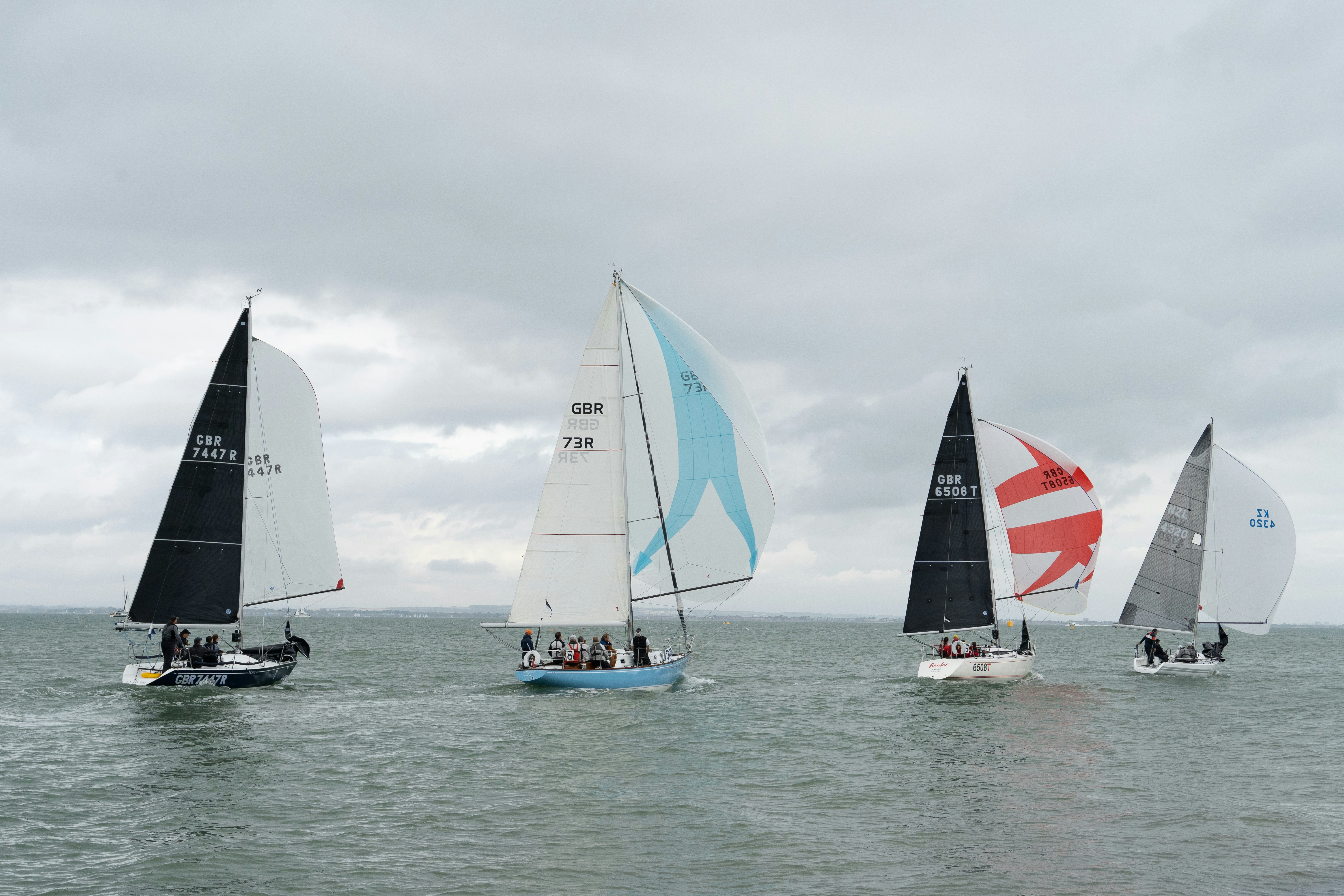
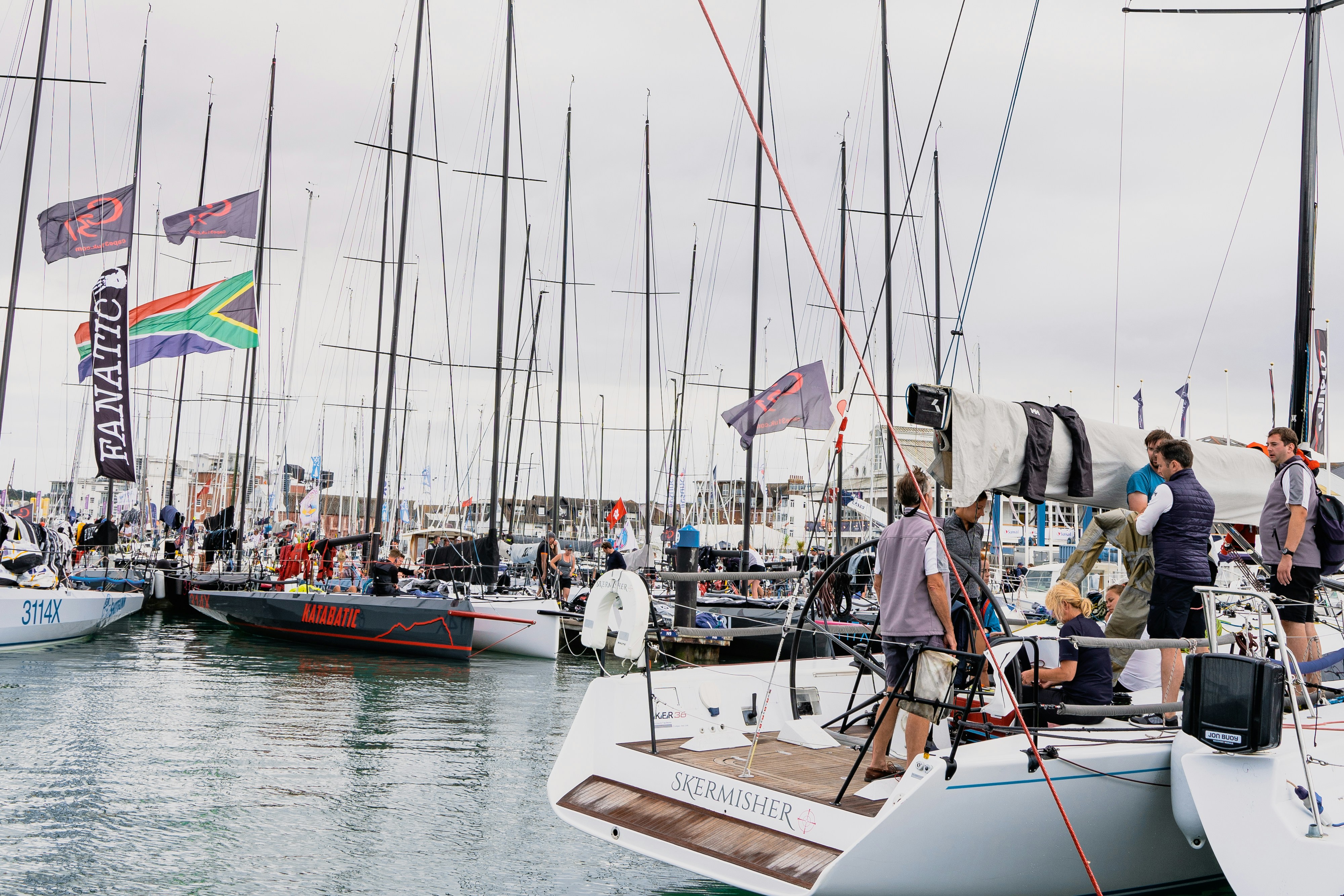
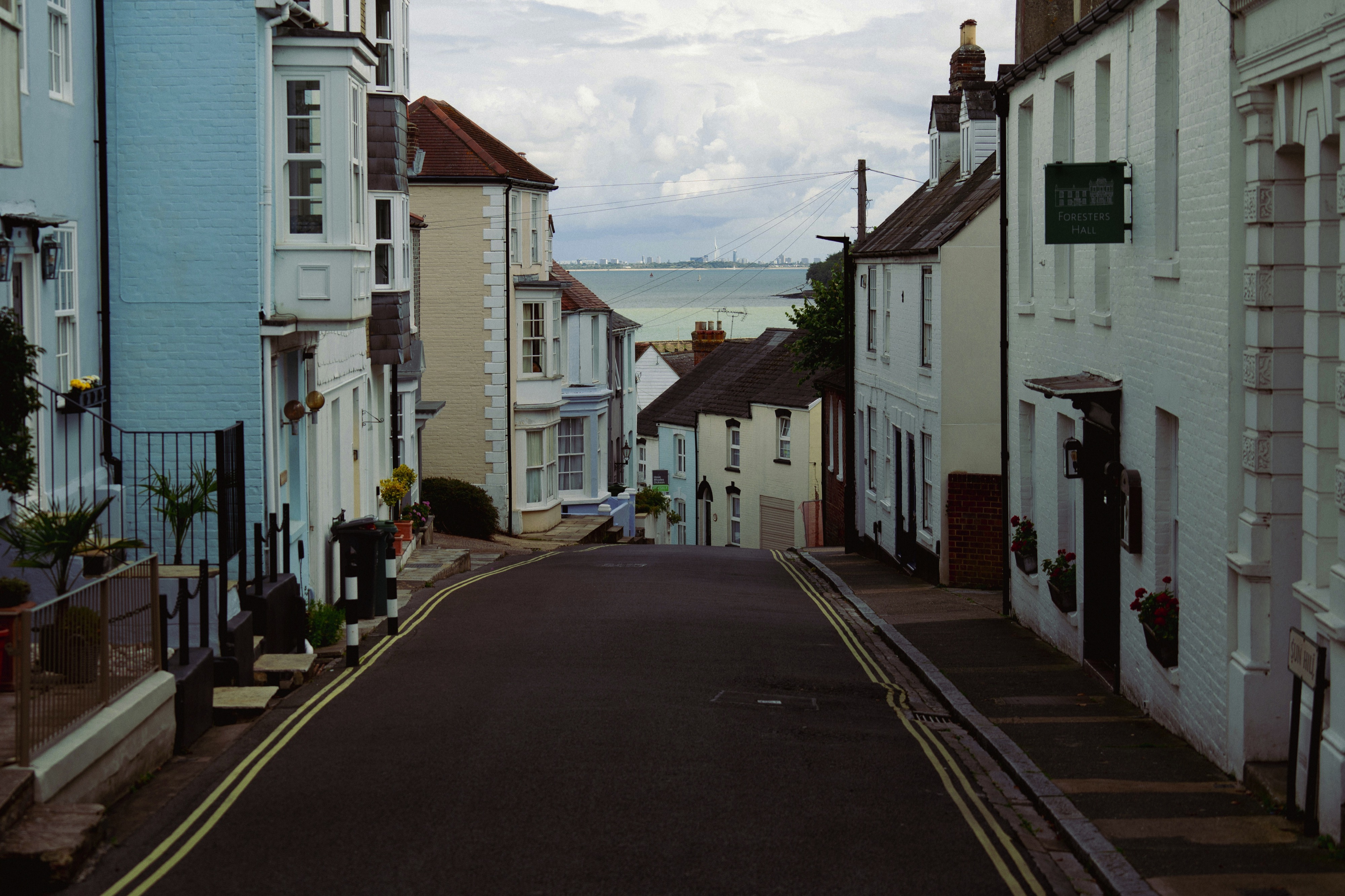
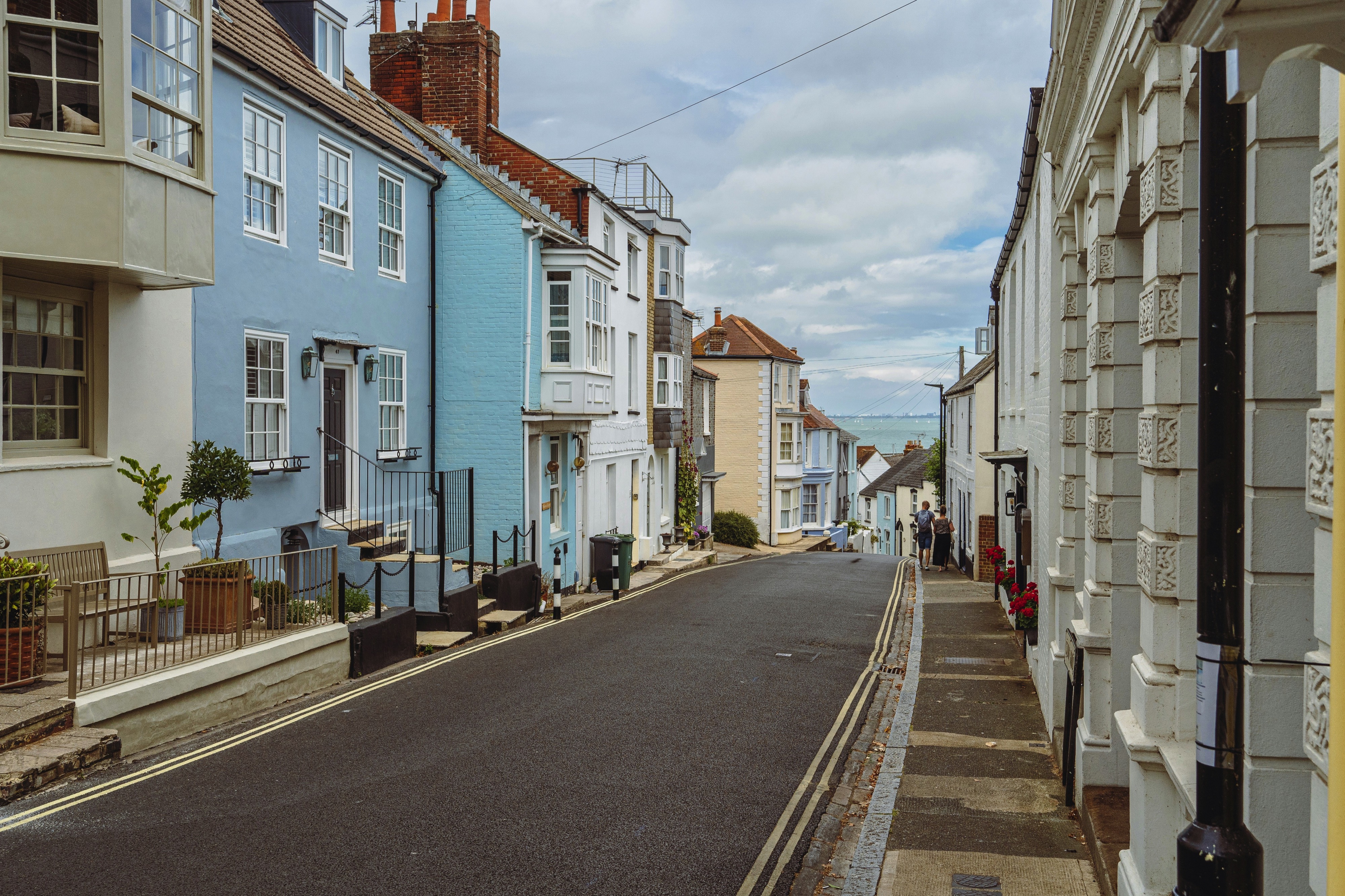
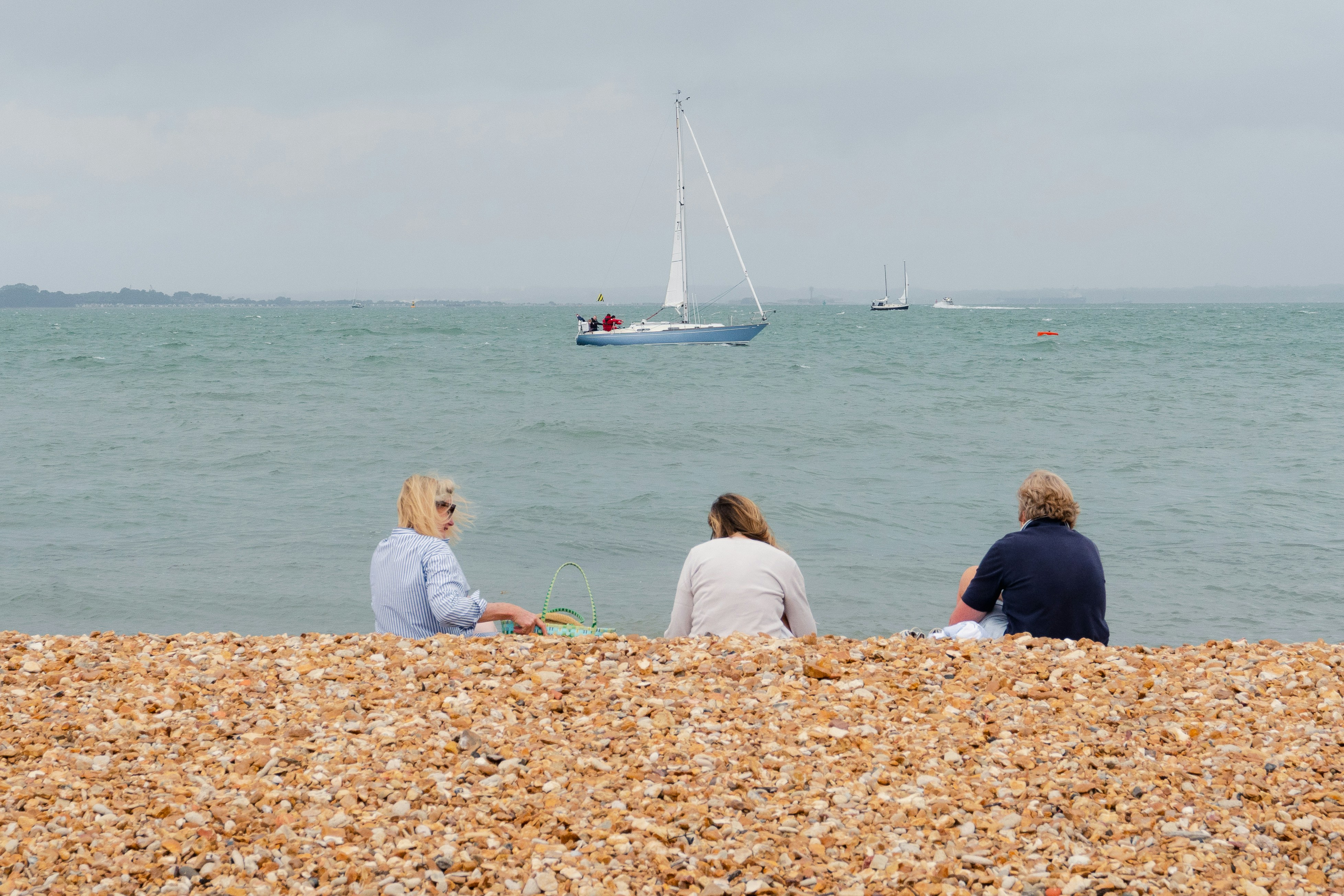
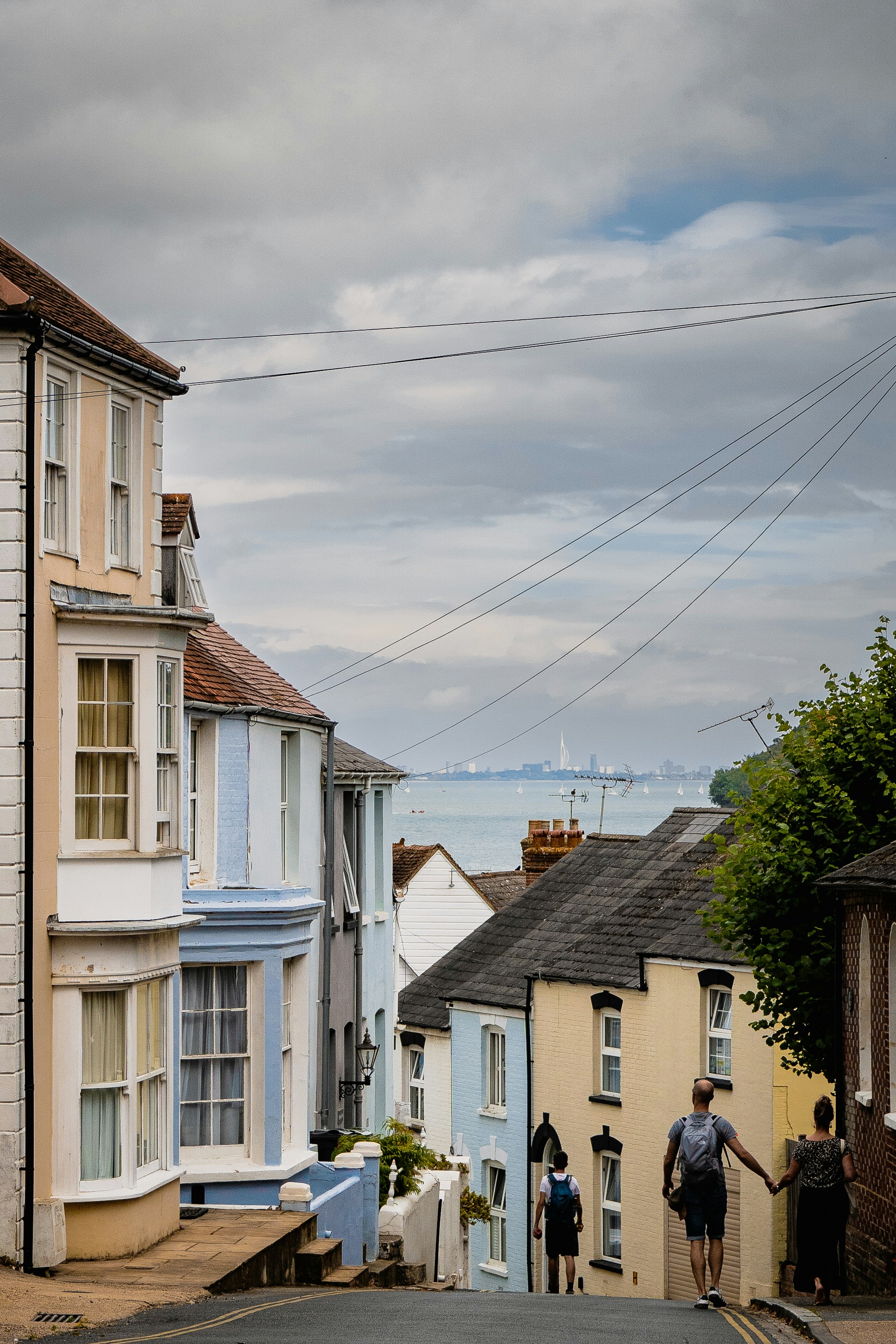
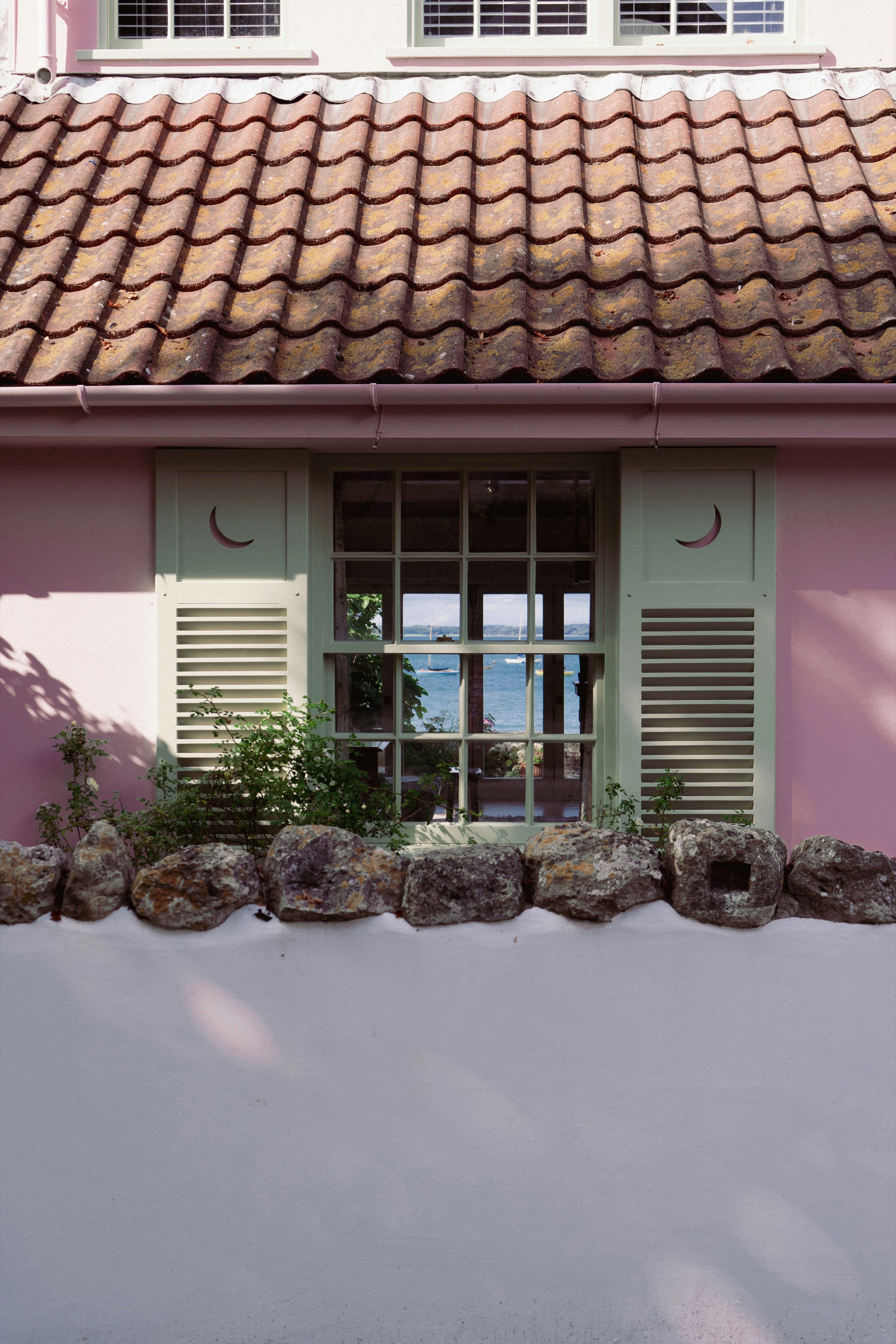
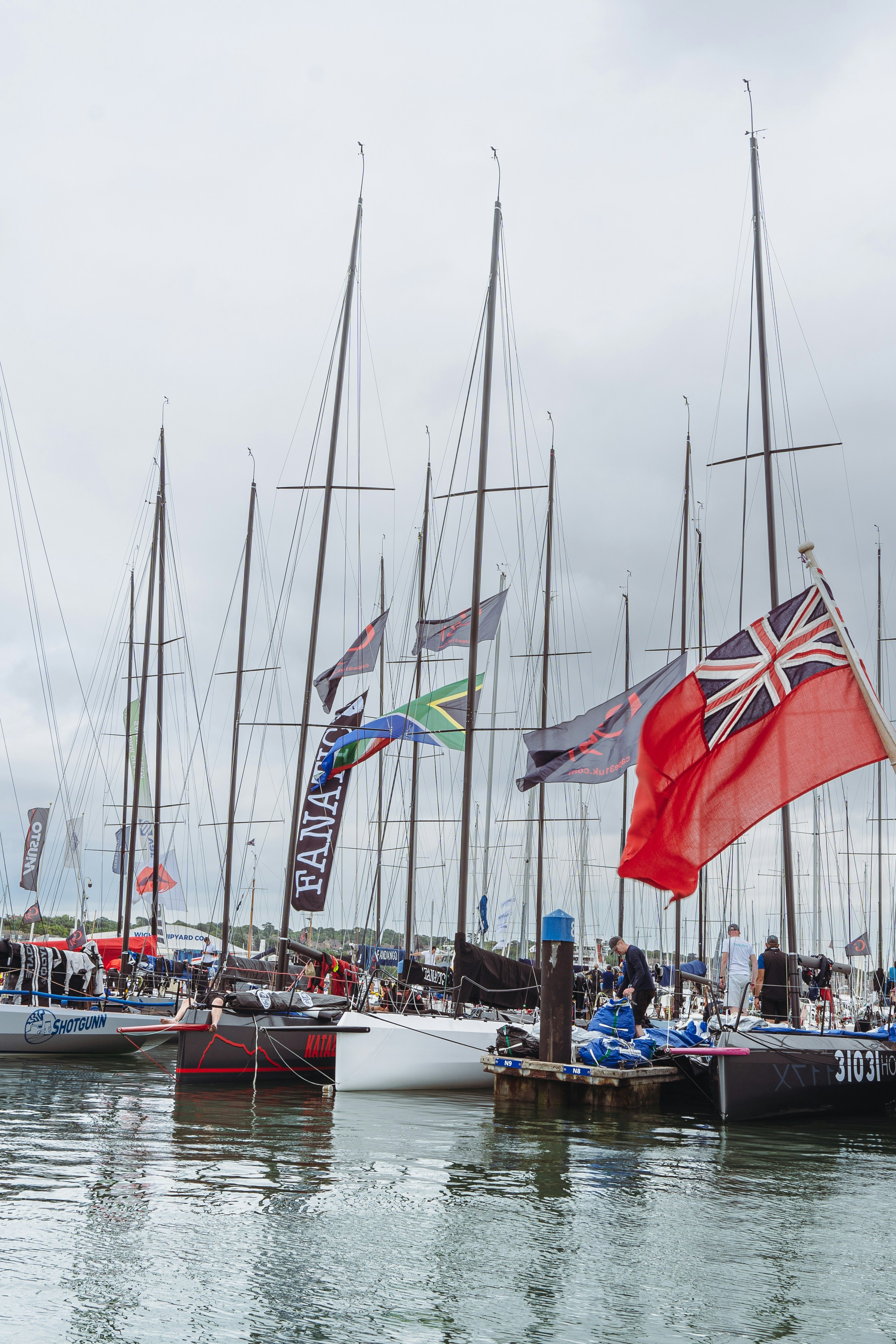
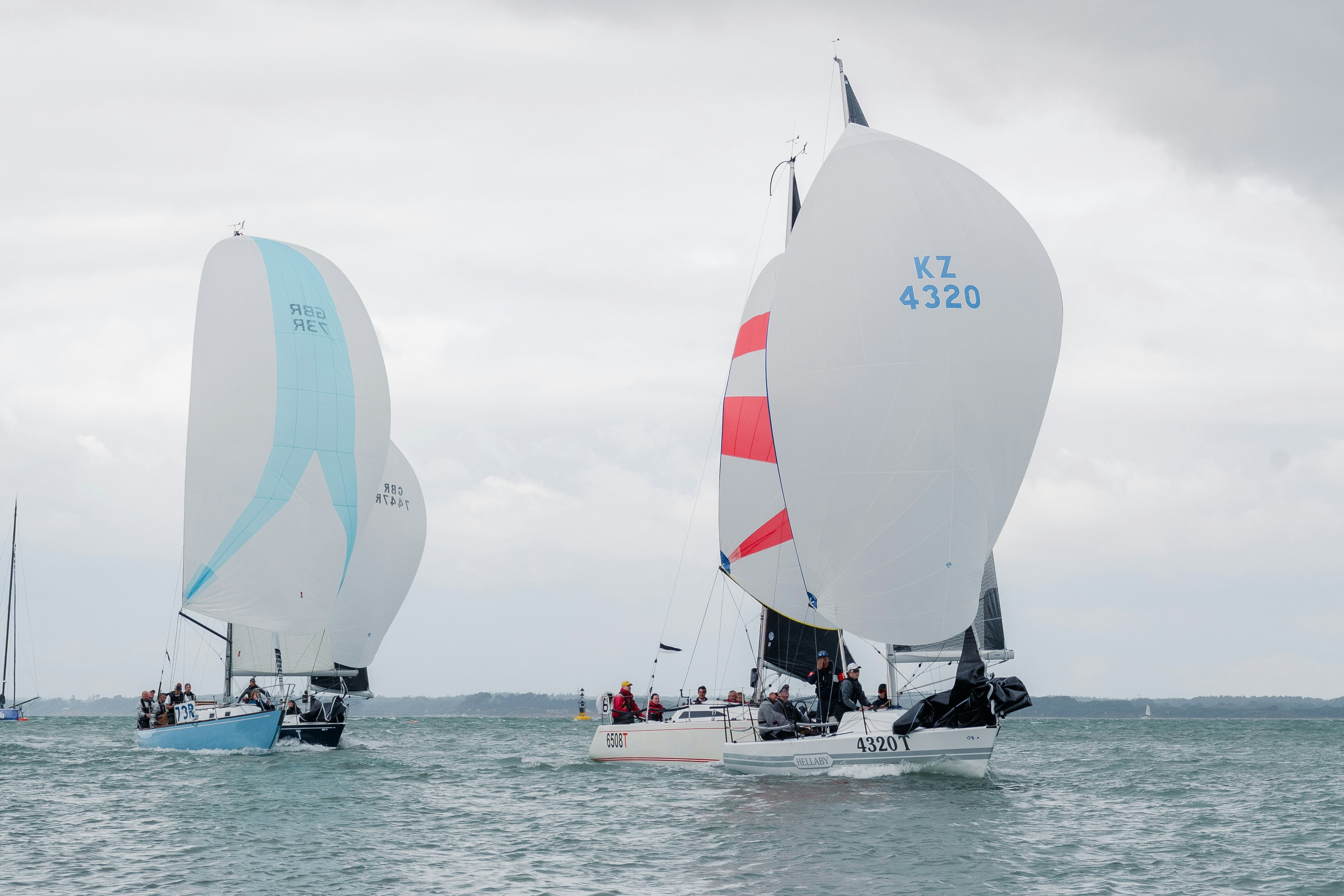
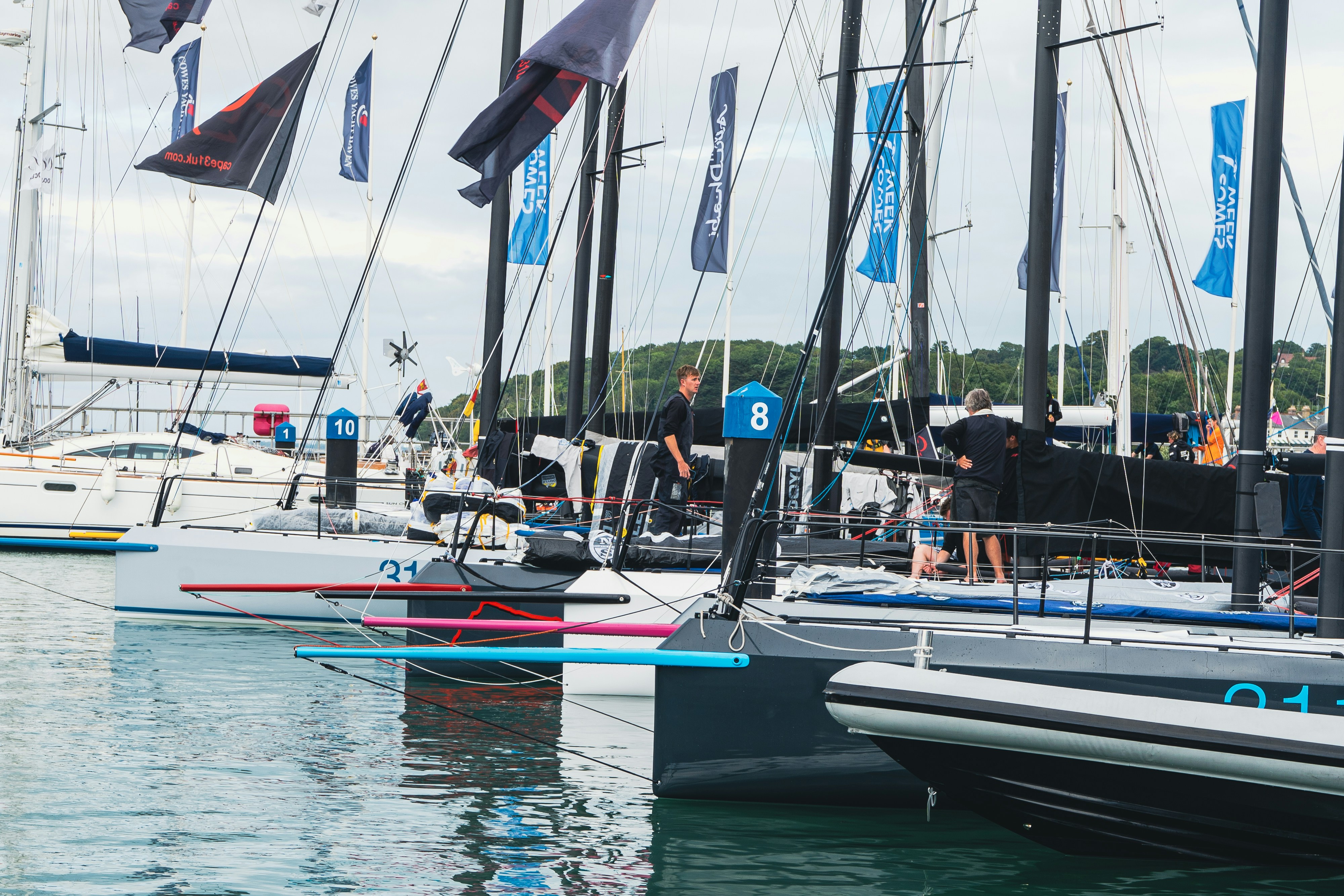
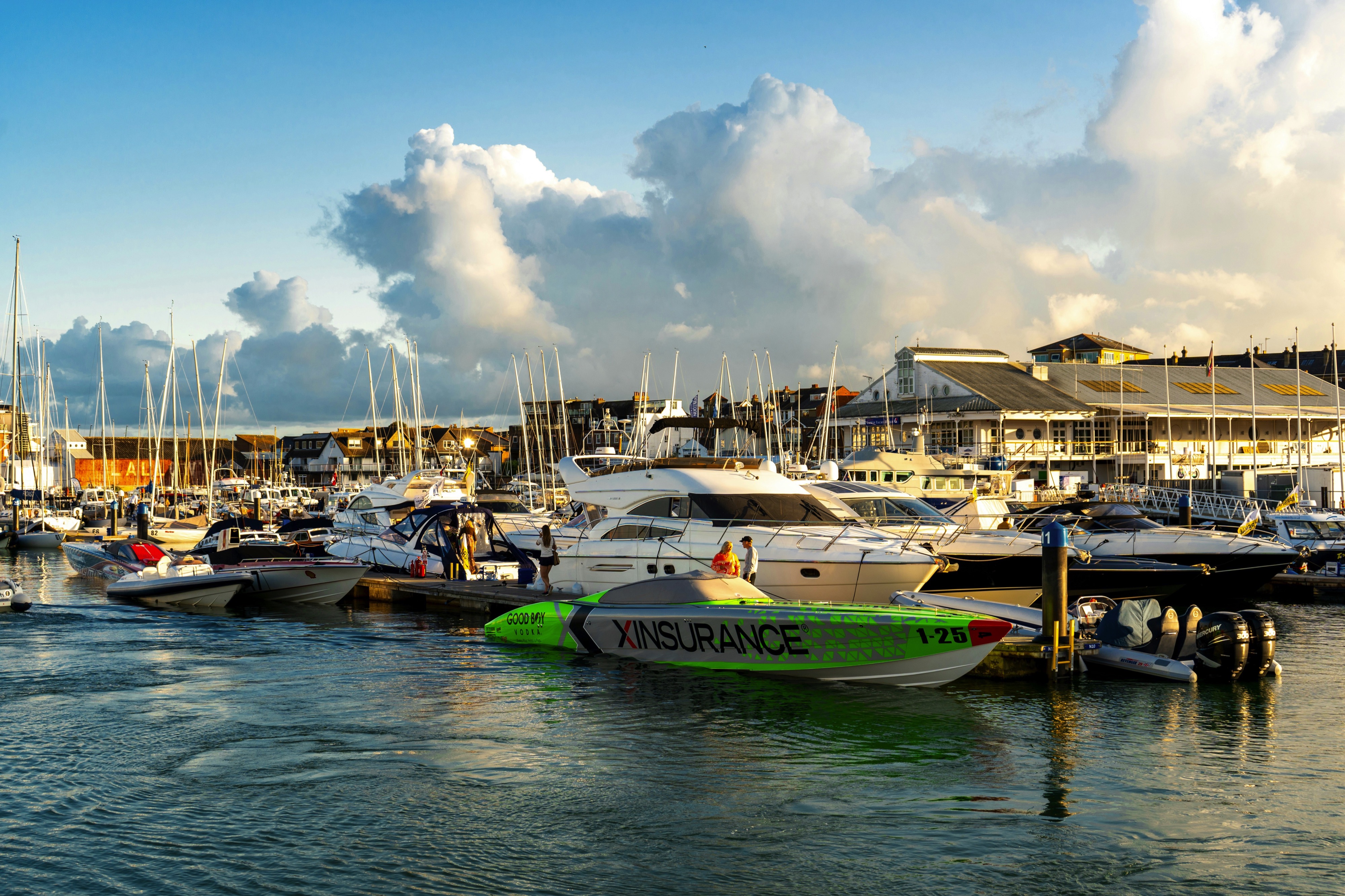
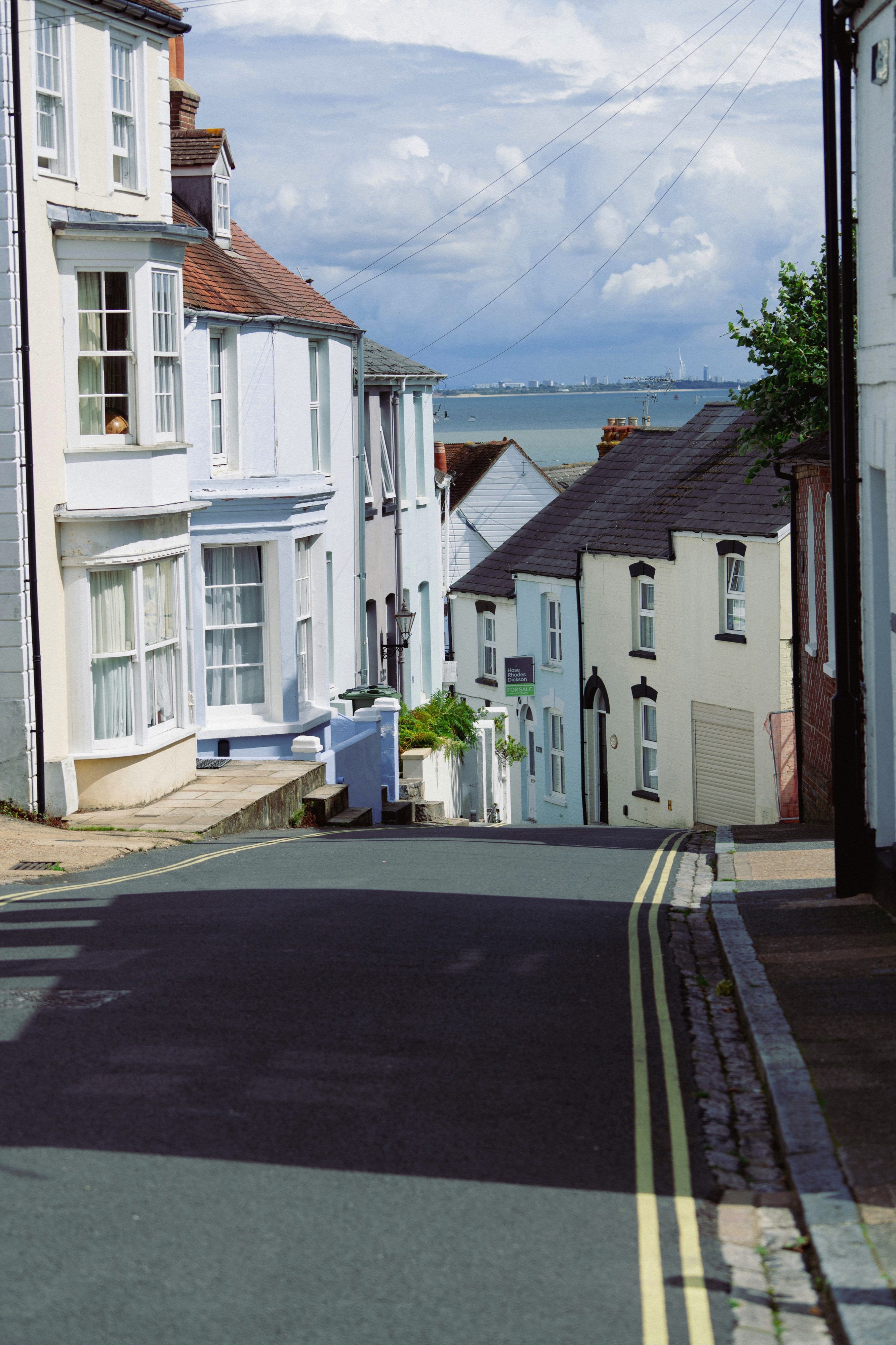
The 147-square-mile island with its pretty bays and thatched villages is like a miniature England. A well-preserved Victorian character dates from no other than Queen Victoria herself, who favored the island as her summer residence and made it her permanent home after the death of her husband, Prince Albert. Several other great names have close associations with the Isle of Wight, such as Tennyson, Dickens and Keats. The small port of Cowes at the northern tip of the island hosts every year in August Britain’s most prestigious sailing event – Cowes Week, often called “the yachtsman’s Ascot.”This is when the cozy and laid-back island bursts with visitors from all over, who fill the ranks of the island’s retired folk. Apart from being a haven for sailing craft, the world’s first hovercraft made its test runs here in the 1950s. For a place of relatively small size, the Isle of Wight packs a startling variety of landscapes and coastal scenery, ranging from a terrain of low-lying woodland and pasture to open chalky downland fringed by high cliffs. In addition, there are a number of historic buildings and a splendid array of well-preserved Victoriana. The town of Cowes is bisected by the Medina River, with West Cowes near the harbor being the old, pretty part, while East Cowes is more industrialized. Outside the suburbs stands Osborne House, Queen Victoria’s favorite residence. The grand mansion was largely designed by Albert, and the interior has been left very much as it was in the Queen’s lifetime. Around the island, some of the highlights include the Needles, three tall chalk stacks beneath the cliffs at the far west end of the island. The small village of Shanklin is known for its golden cliffs and a scenic steep ravine whose mossy, fern-filled woods have been embellished with tiny lights and thatched tea shops. The port of Yarmouth features an attractive fortress and quaint pubs in the main square. Pier Information The ship is scheduled to anchor off Cowes. Guests will be taken ashore via ship’s tender. Walking distance to the town center is approximately 5 minutes. Taxis are generally available for trips around the island. Shopping Shops in the town center of Cowes carry maritime items and yachting attire, local glassware and the famous Isle of Wight colored sand. Normal opening times are from 9:00 a.m. to 5:00 p.m. The local currency is the pound. Cuisine Not surprisingly, seafood is a good choice as well as other popular English fare. If you fancy lunch ashore, you may want to give the Amadeus Restaurant in Cowes a try, or stop in one of the local pubs for a quick meal and a cold beer. Other Sites Most of the island’s sights are covered in the organized excursions. Additionally, at the far west end of the island is the site of The Needles, a cluster of three tall chalk stacks beneath steep cliffs. The drive there takes about 45 minutes each way. Nearby is Alum Bay. The oxidized sandstone cliffs are popular for their multicolored sands, which are collected and arranged in diverse glass bottles, making popular souvenirs. Private arrangements are not encouraged in this port.
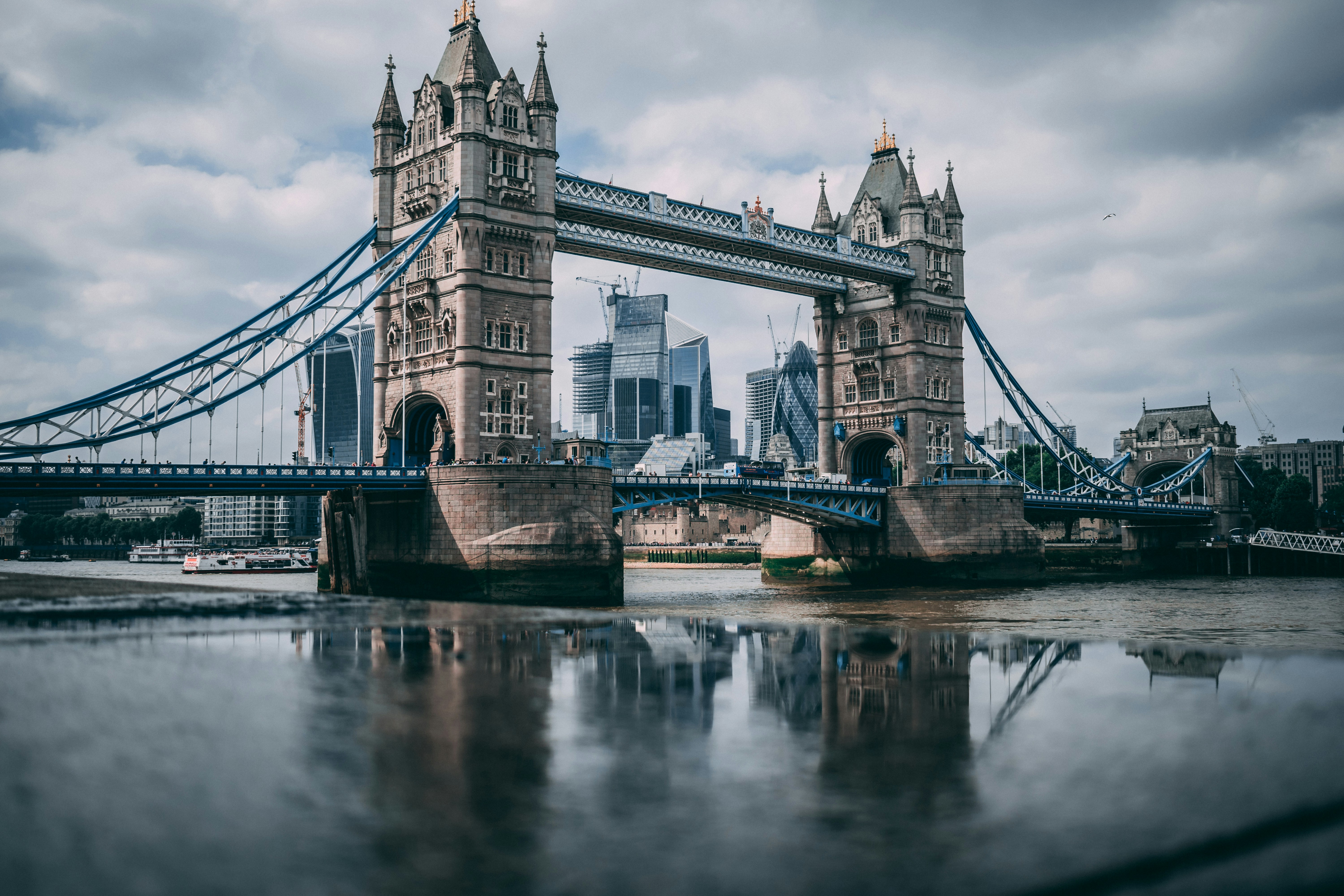
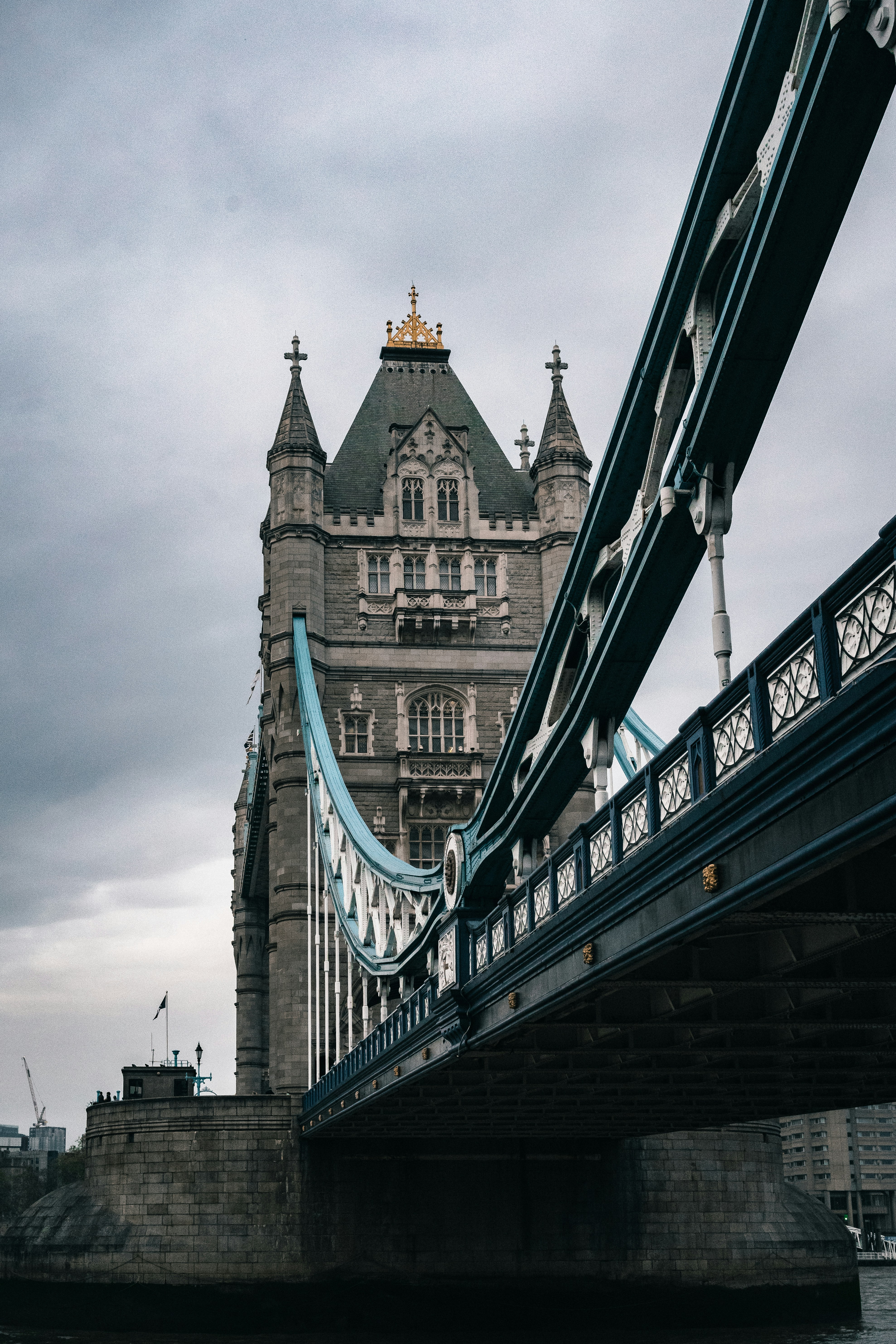
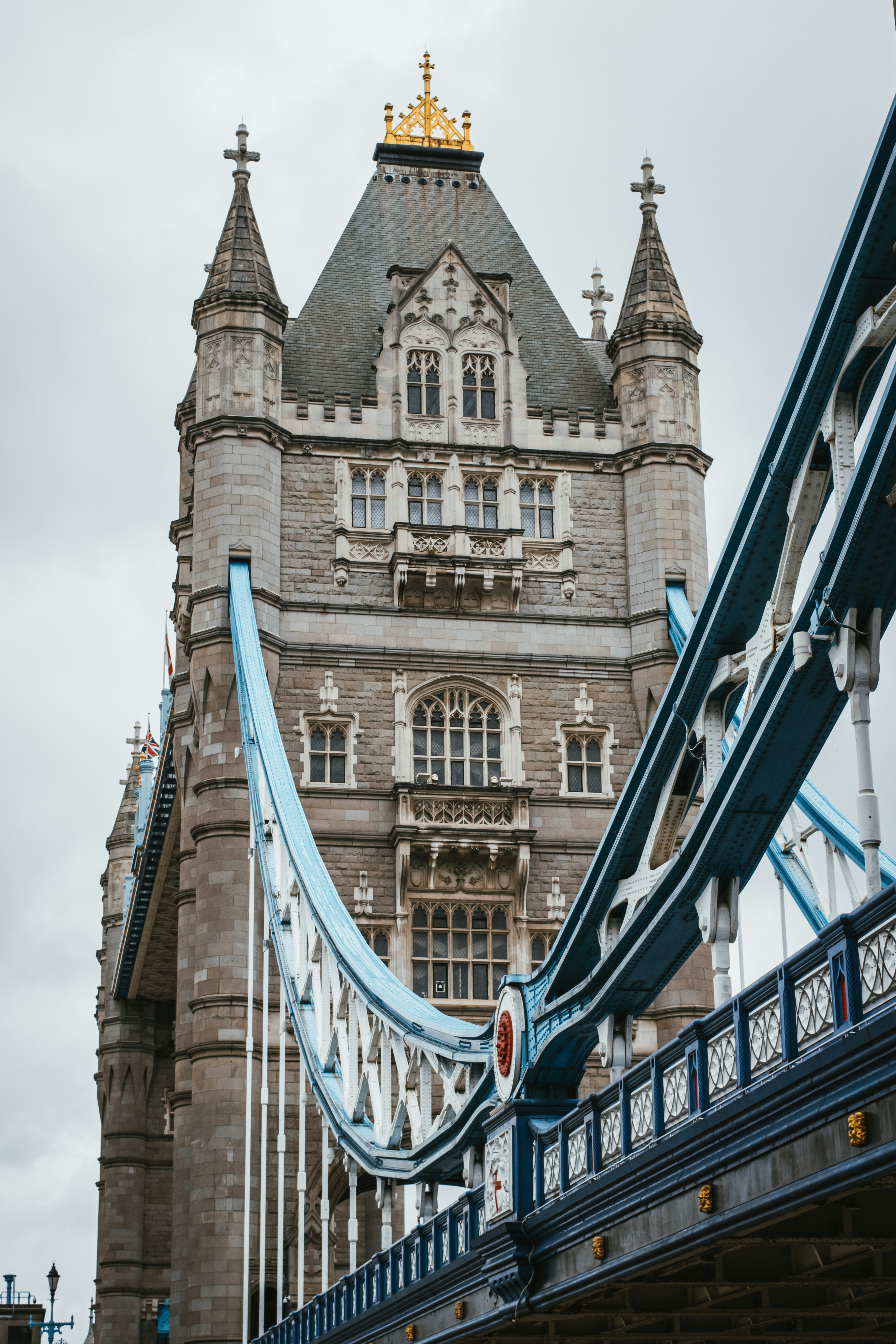
About London Tower Bridge
London is an ancient city whose history greets you at every turn. If the city contained only its famous landmarks—the Tower of London or Big Ben—it would still rank as one of the world's top cities. But London is so much more. The foundations of London's character and tradition endure. The British bobby is alive and well. The tall, red, double-decker buses (in an updated model) still lumber from stop to stop. Then there's that greatest living link with the past—the Royal Family with all its attendant pageantry. To ice the cake, swinging-again London is today one of the coolest cities on the planet. The city's art, style, and fashion make headlines around the world, and London's chefs have become superstars.
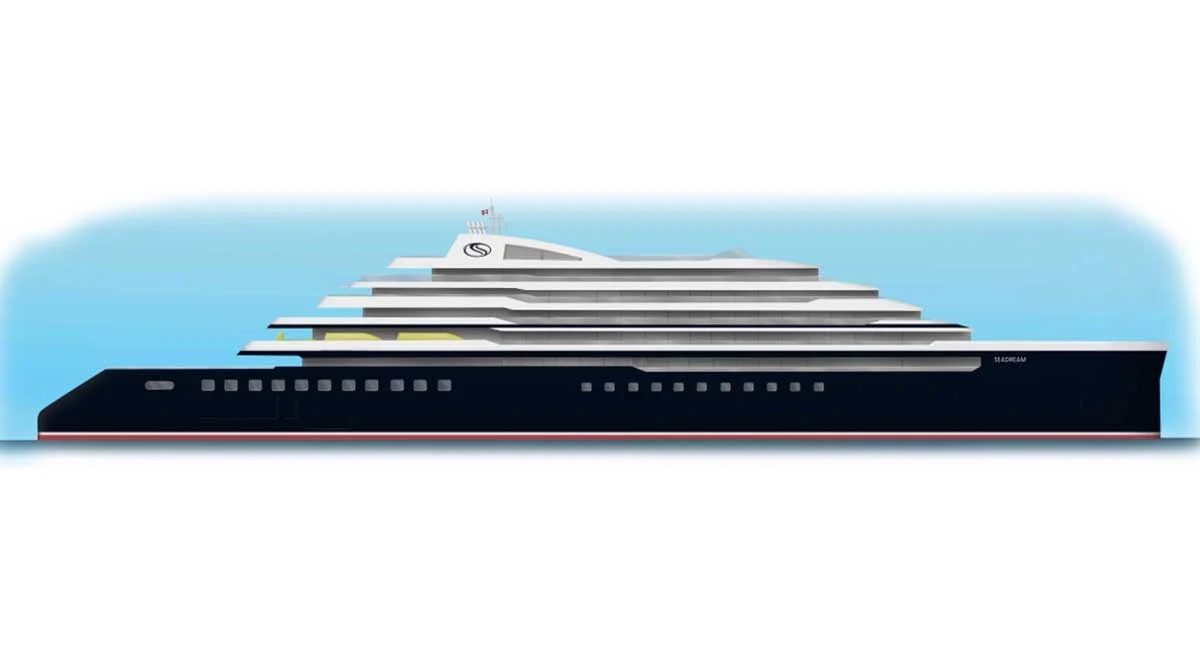
SeaDream III
A New Era of Luxury Yachting
SeaDream III carries the intimacy that defined the first two yachts and gives it greater reach. A guest-to-staff ratio approaching one-to-one, open-seating dining, and the freedom to change plans on the day — now at a scale that can cross oceans.
The result is a yacht that feels familiar to anyone who has sailed with us, and entirely new in where it can take them.
A Wider World Within Easy Reach
With greater range and endurance, SeaDream III opens new regions to SeaDream, including Asia, Arabia, India, the South Pacific, South America and the Great Lakes.
Her shallow draft and slender beam preserve the freedom to enter intimate harbors and secluded anchorages beyond the reach of larger vessels, bringing the signature SeaDream experience to more of the world.
Onboard Amenities Reimagined
Every space has been reconsidered rather than simply enlarged. Dining, wellness and the top-deck social spaces gain room to breathe, and the marina platform opens directly onto the sea as it always has.
Details are still being finalised and will be published ahead of the inaugural season.
The Same World-Class Experience You’ve Come to Expect
A crew who learn your name in the first hour. Champagne and caviar in the sea. Late stays and overnights that let a place be met properly rather than glimpsed.
Nothing that makes a SeaDream voyage what it is has been traded away — there is simply more of the world to spend it in.
Ship Facts
| Launch Year | 2029 | ||||
| Refit Year | |||||
| Language | en | ||||
| Gross Tonnage | 16500 | ||||
| Length | 151 | ||||
| Width | 21 | ||||
| Currency | USD | ||||
| Speed | N/A | ||||
| Capacity | 230 | ||||
| Crew Count | 200 | ||||
| Deck Count | 5 | ||||
| Cabin Count | N/A | ||||
| Large Cabin Count | N/A | ||||
| Wheelchair Cabin Count | N/A | ||||
| Electrical Plugs |
|
Deck 10
Deck 9
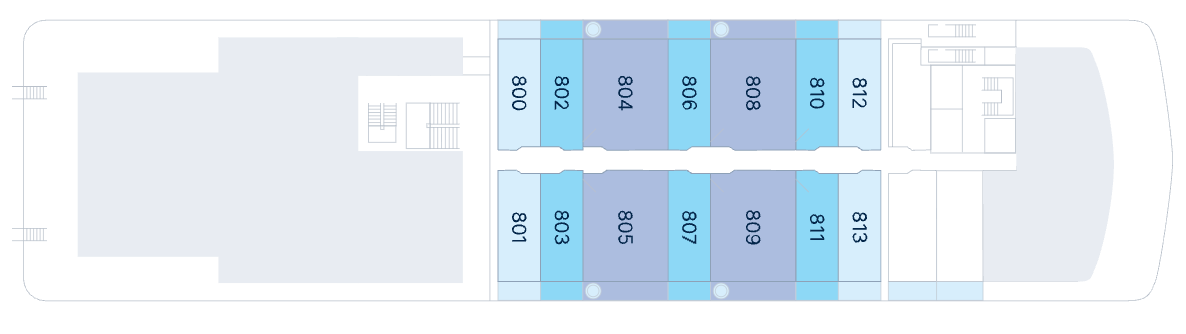
Deck 8
Cabins
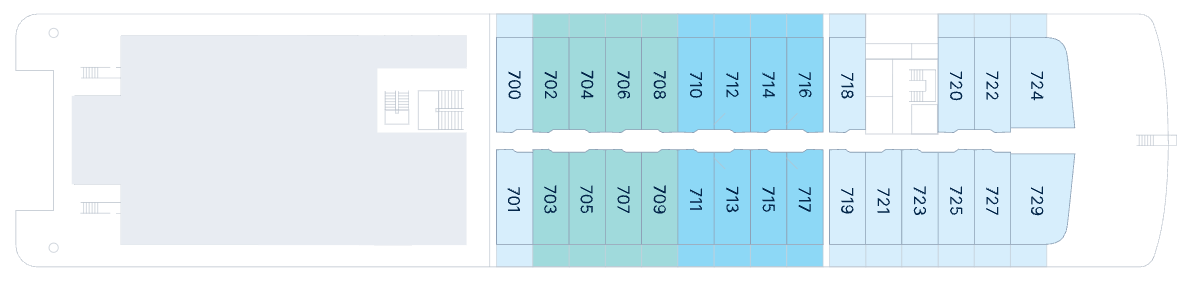
Deck 7
Cabins
Deck 6
Cabins

Deck 5
Cabins

Deck 4
Cabins
