The Bahamas, the Out Islands & Hispaniola
The Bahamas, the Out Islands & Hispaniola
Cruise overview
WHY BOOK WITH US?
- ✔ The Deluxe Cruises’ team has extensive experience in ultra-luxury cruising.
- ✔ Call now to speak to our helpful and experienced Cruise Concierge team.
- ✔ Enjoy our Unique Deluxe Cruises Bonus for substantial savings.
- ✔ Our team will tailor your holiday to your exacting requirements.
- ✔ As agents, we work under the protection of each cruise lines ABTA / ATOL licences
About West Palm Beach, Florida
About Taino Beach
About Nassau
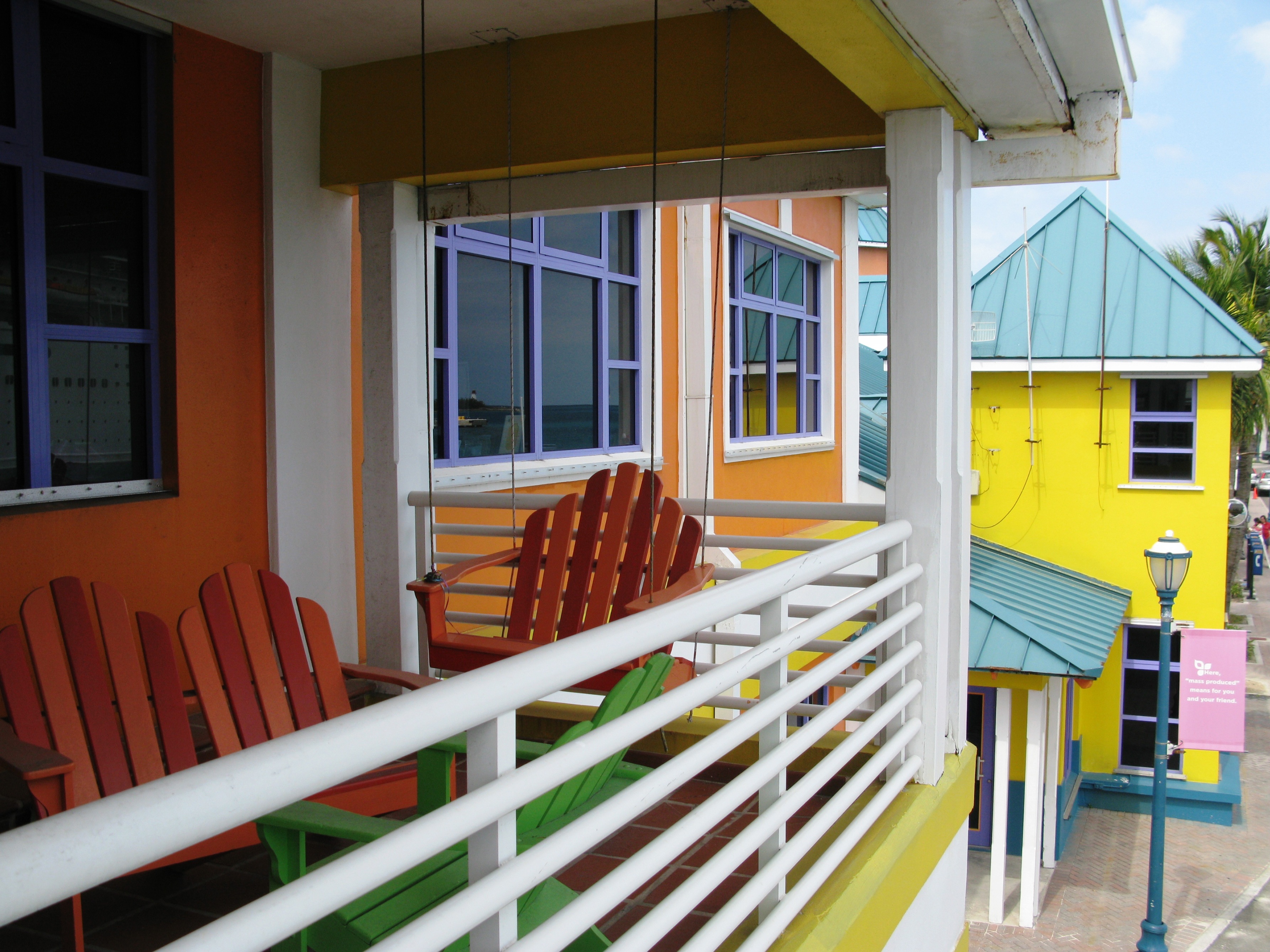
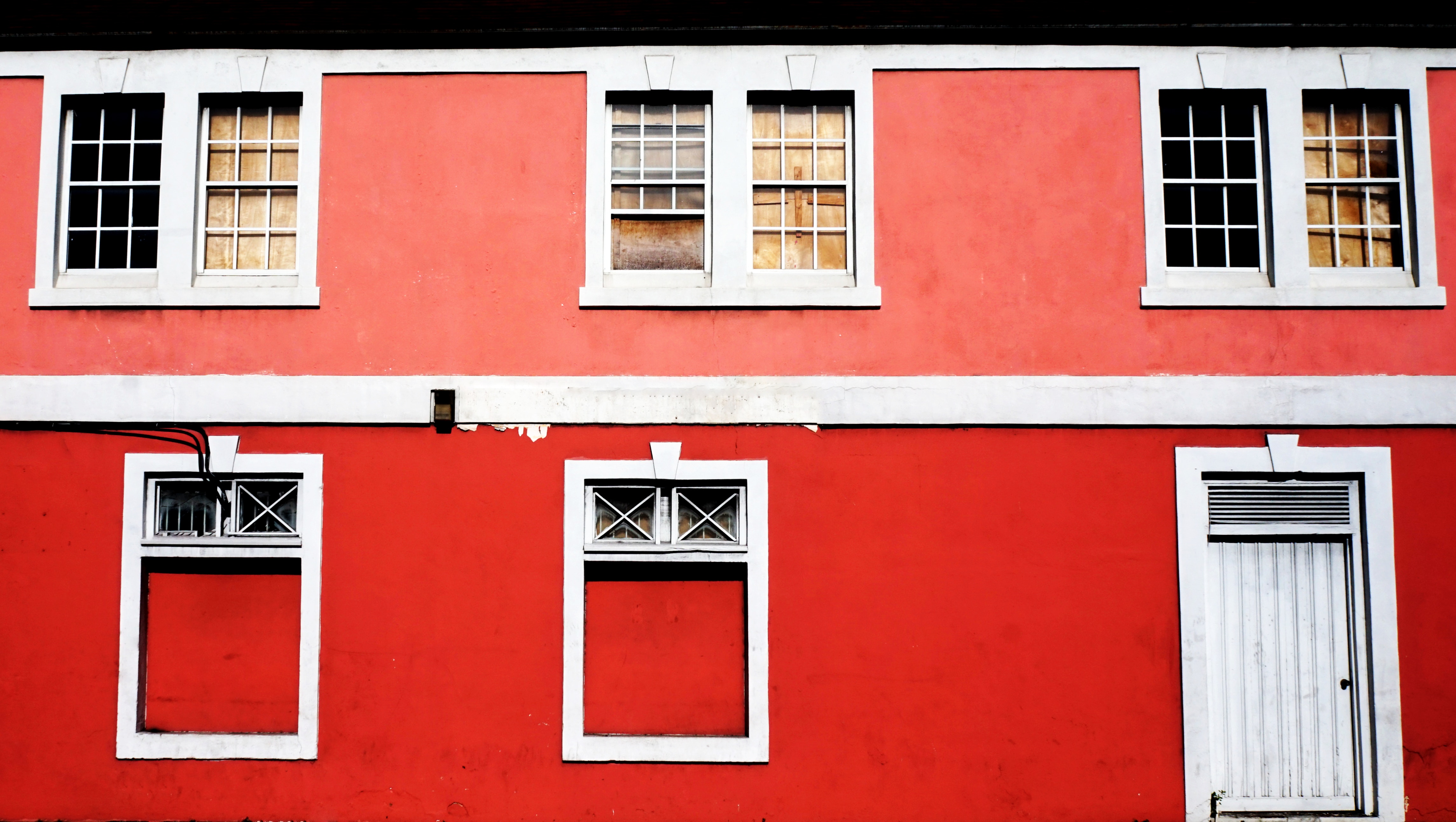
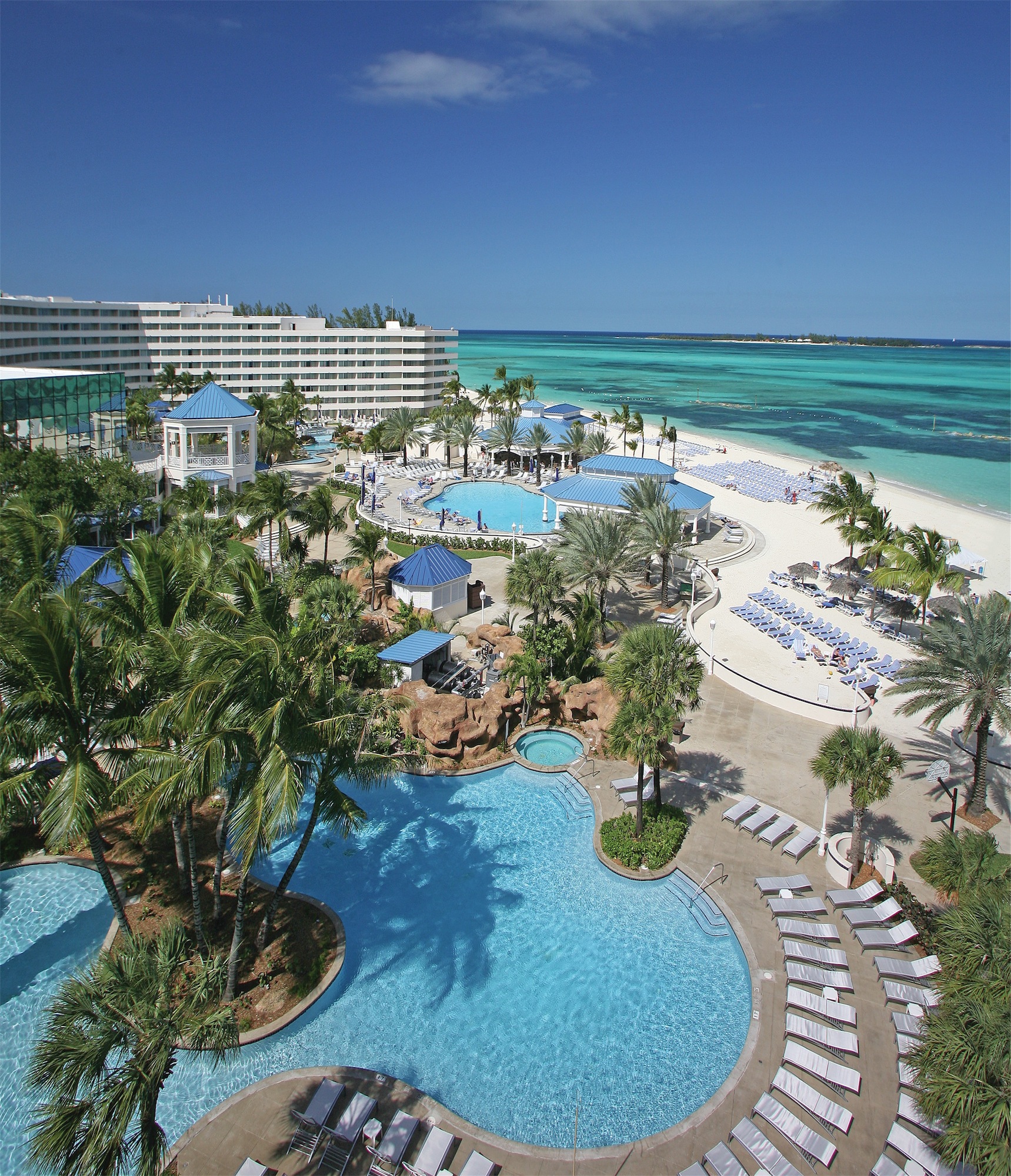
Nassau's sheltered harbor bustles with cruise-ship activity, while a block away Bay Street's sidewalks are crowded with shoppers who duck into air-conditioned boutiques and relax on benches in the shade of mahogany and lignum vitae trees. Shops angle for tourist dollars with fine imported goods at duty-free prices, yet you'll find a handful of stores overflowing with authentic Bahamian crafts, food supplies, and other delights. With a revitalization of downtown ongoing—the revamped British Colonial Hilton leading the way—Nassau is recapturing some of its past glamour. Nevertheless, modern influences are completely apparent: fancy restaurants, suave clubs, and trendy coffeehouses have popped up everywhere. These changes have come partly in response to the growing number of upper-crust crowds that now supplement the spring breakers and cruise passengers who have traditionally flocked to Nassau. Of course, you can still find a wild club or a rowdy bar, but you can also sip cappuccino while viewing contemporary Bahamian art or dine by candlelight beneath prints of old Nassau, serenaded by soft, island-inspired calypso music. A trip to Nassau wouldn't be complete without a stop at some of the island's well-preserved historic buildings. The large, pink colonial-style edifices house Parliament and some of the courts, while others, like Fort Charlotte, date back to the days when pirates ruled the town. Take a tour via horse-drawn carriage for the full effect.



About Nassau
Nassau's sheltered harbor bustles with cruise-ship activity, while a block away Bay Street's sidewalks are crowded with shoppers who duck into air-conditioned boutiques and relax on benches in the shade of mahogany and lignum vitae trees. Shops angle for tourist dollars with fine imported goods at duty-free prices, yet you'll find a handful of stores overflowing with authentic Bahamian crafts, food supplies, and other delights. With a revitalization of downtown ongoing—the revamped British Colonial Hilton leading the way—Nassau is recapturing some of its past glamour. Nevertheless, modern influences are completely apparent: fancy restaurants, suave clubs, and trendy coffeehouses have popped up everywhere. These changes have come partly in response to the growing number of upper-crust crowds that now supplement the spring breakers and cruise passengers who have traditionally flocked to Nassau. Of course, you can still find a wild club or a rowdy bar, but you can also sip cappuccino while viewing contemporary Bahamian art or dine by candlelight beneath prints of old Nassau, serenaded by soft, island-inspired calypso music. A trip to Nassau wouldn't be complete without a stop at some of the island's well-preserved historic buildings. The large, pink colonial-style edifices house Parliament and some of the courts, while others, like Fort Charlotte, date back to the days when pirates ruled the town. Take a tour via horse-drawn carriage for the full effect.
About Staniel Cay
About Gordon's Beach, Long Island
About San Salvador Island

About Salt Cay
About San Fernando de Monte Cristi
About Samaná
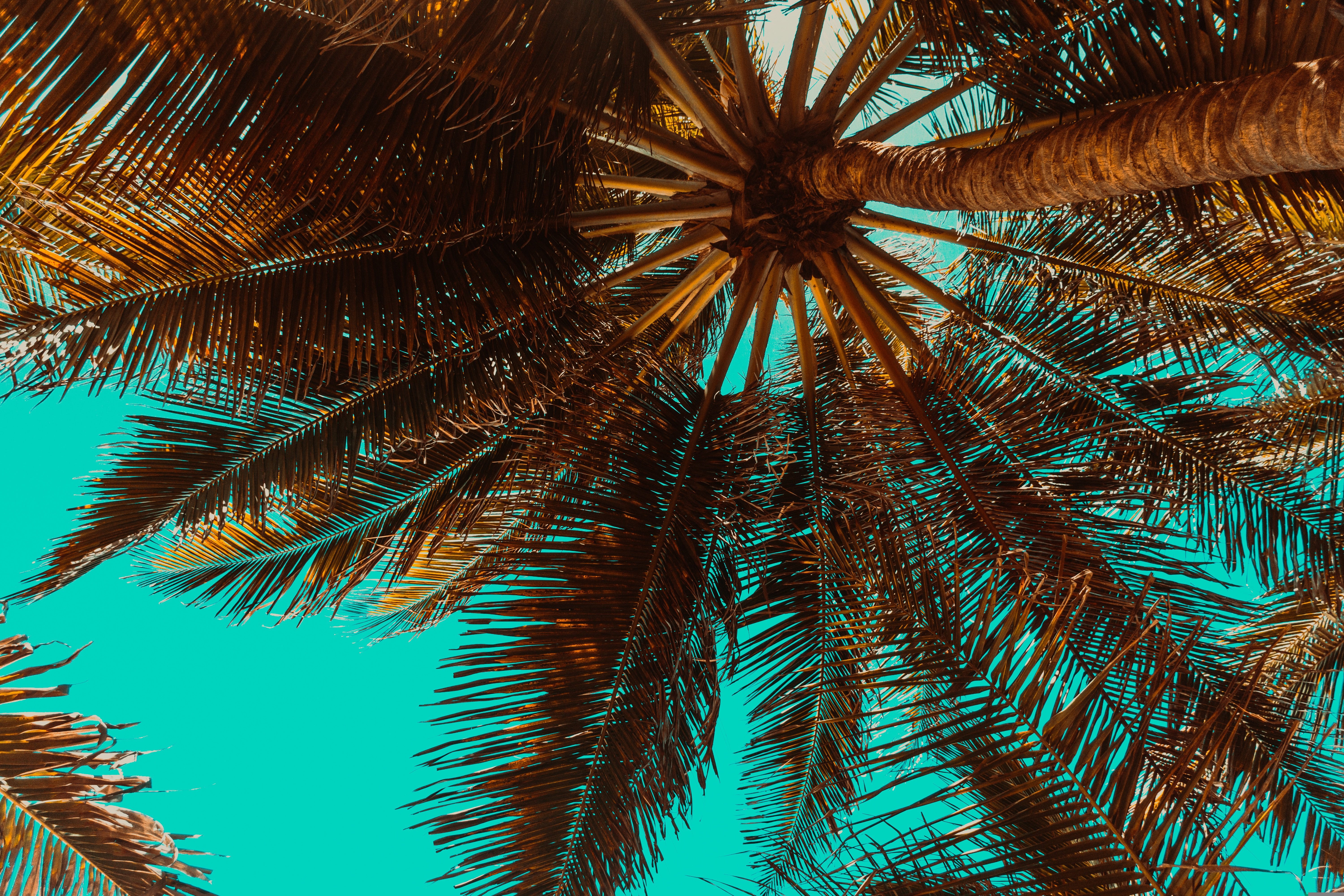
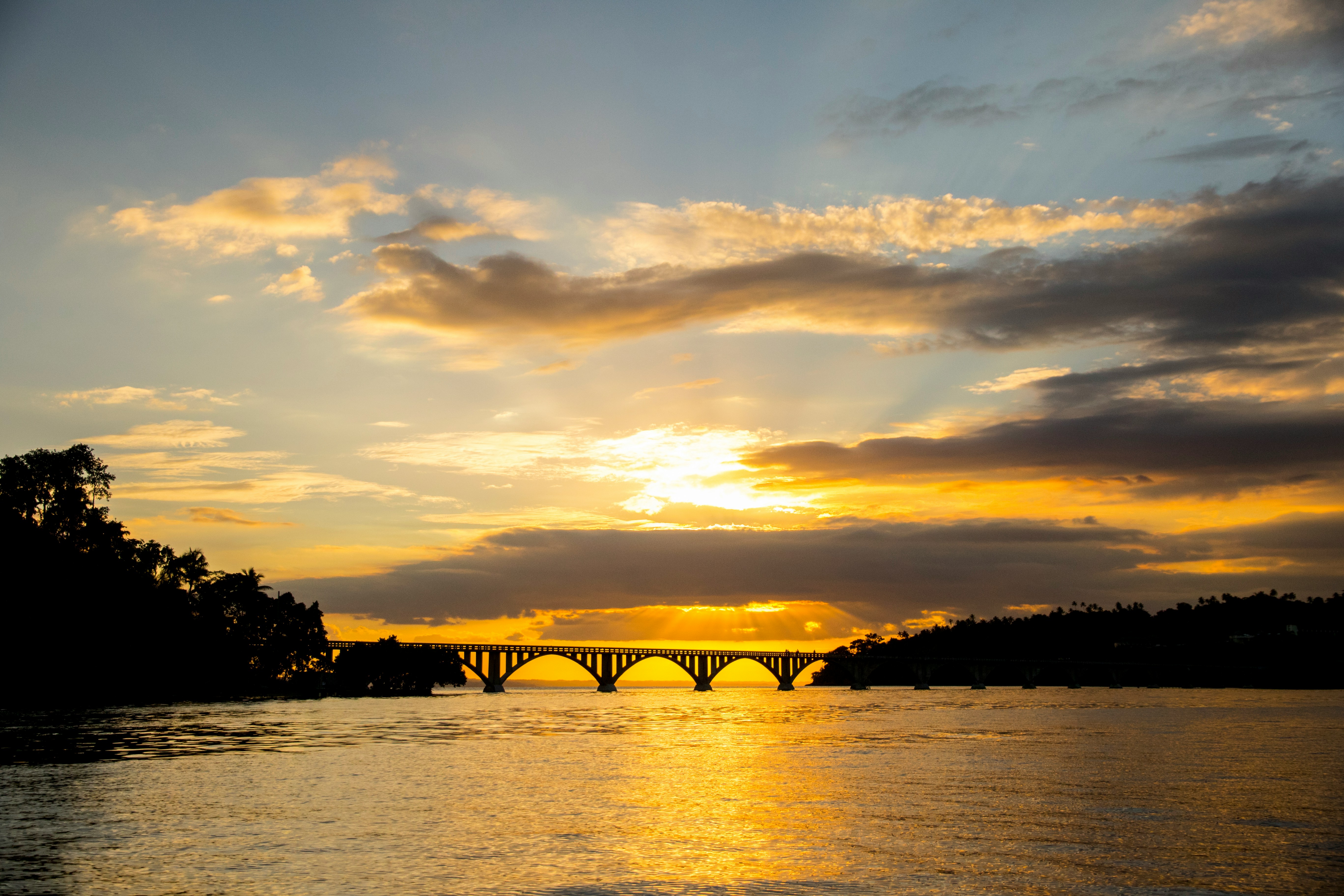
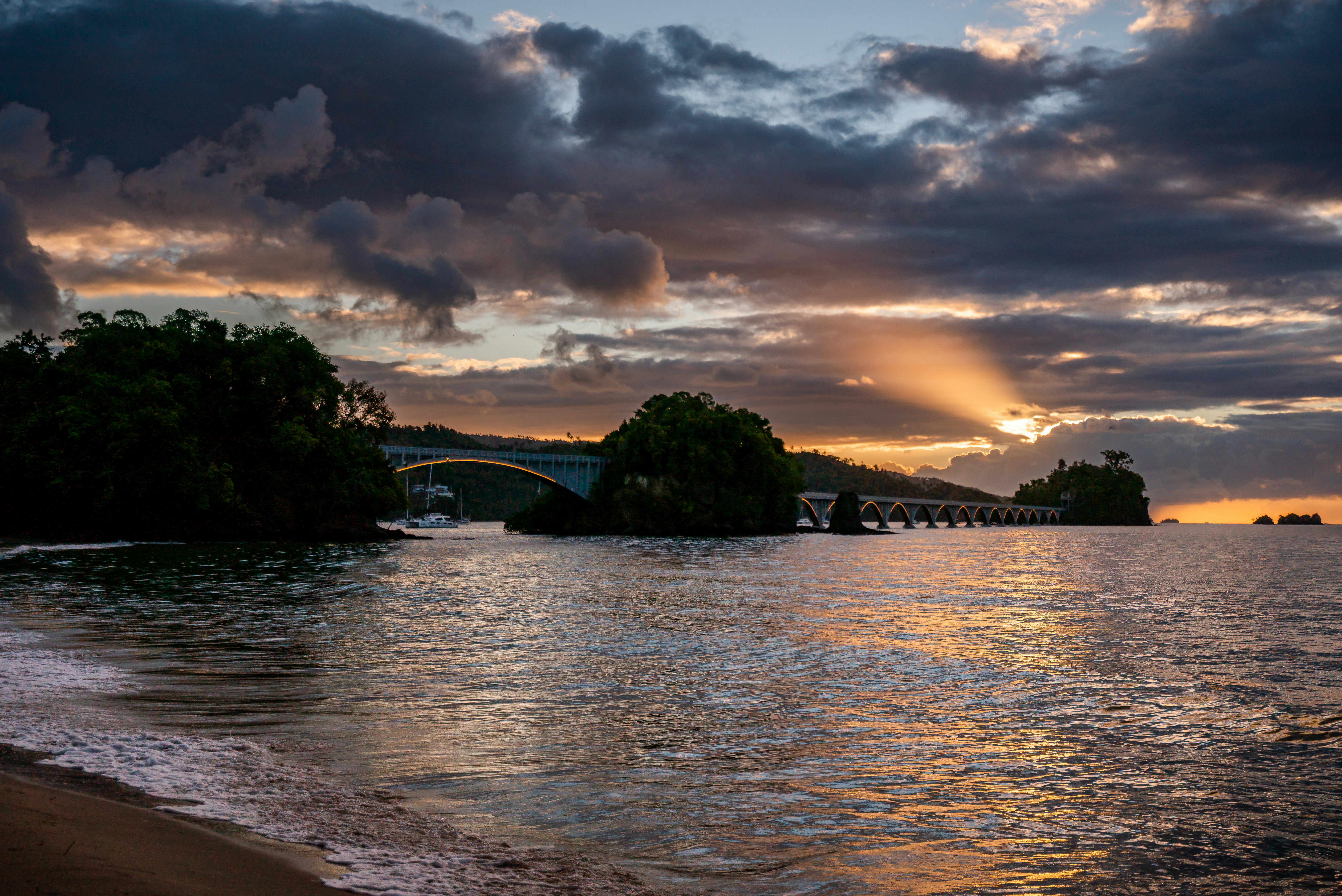
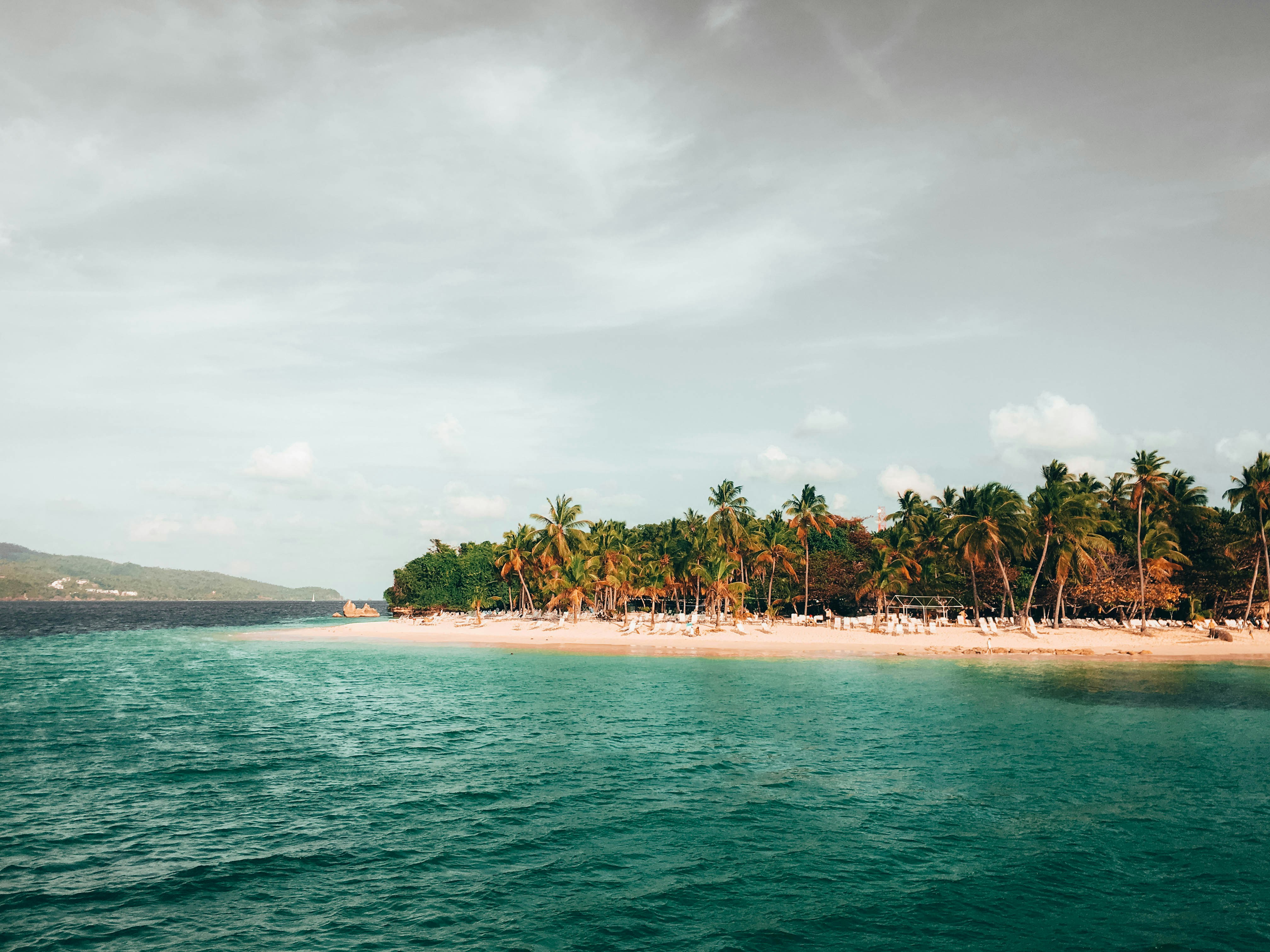
Samaná (pronounced sah-mah-NAH) is a dramatically beautiful peninsula, like an island unto itself, of coconut trees stretching into the sea. It's something of a microcosm of the Dominican Republic: here you'll see poverty and fancy resorts, brand-new highways as well as bad roads, verdant mountainsides, tropical forests, tiny villages lined with street-side fruit vendors, secluded beaches, and the radiant warmth of the Dominican people. Samaná is the name of both the peninsula and its biggest town, as well as the bay to the south. It's worth noting that to locals, Samaná denotes only the largest town, Santa Bárbara de Samaná, which makes a great departure point for whale-watching or an excursion to Los Haitises Park across the bay. The bay is home to some of the world's best whale-watching from mid-January to late March. It is now the site of Puerto Bahia Marina and Residences and the Bannister Hotel, contemporary, luxurious yet moderately priced. This complex has brought an entirely new level of tourism to this area, and given yachts a full-service facility in what has always been a desirable cruising destination.A visit here is really about two things: exploring the preserved natural wonders and relaxing at a small beachfront hotel. The latter is most readily accomplished in Las Terrenas, the only true tourist center, where you can find picturesque restaurants, accommodations of all types (including the new oceanfront Sublime Samaná and the luxury condo-hotel, Balcones del Atlantico), and great beaches. At Las Terrenas you can enjoy peaceful playas, take advantage of the vibrant nightlife, and make all your plans for expeditions on the peninsula. The other pleasures are solitary—quiet beaches, the massive national park Los Haitises, and water sports and hiking. A relatively new toll road connects Santo Domingo to the peninsula; it's about a 2- to 2½-hour drive. Small El Catey International Airport is near Las Terrenas and is now being served by twice-weekly JetBlue flights (Wednesday and Saturday). On the Dominican Republic's Samaná Peninsula, the green mountains teem with coconut trees and dramatic vistas of the ocean. The area is full of hidden beaches reachable only on foot or by sea, protected coves, and undeveloped bays. A visit to Samaná is really about two things: exploring its preserved natural wonders and relaxing on the beach. There are a number of all-inclusive resorts where you can hang your hat, quaint and low-key beachfront hotels, as well as new world-class properties, where you can find complete relaxation and tranquillity.
About San Juan (Puerto Rico)
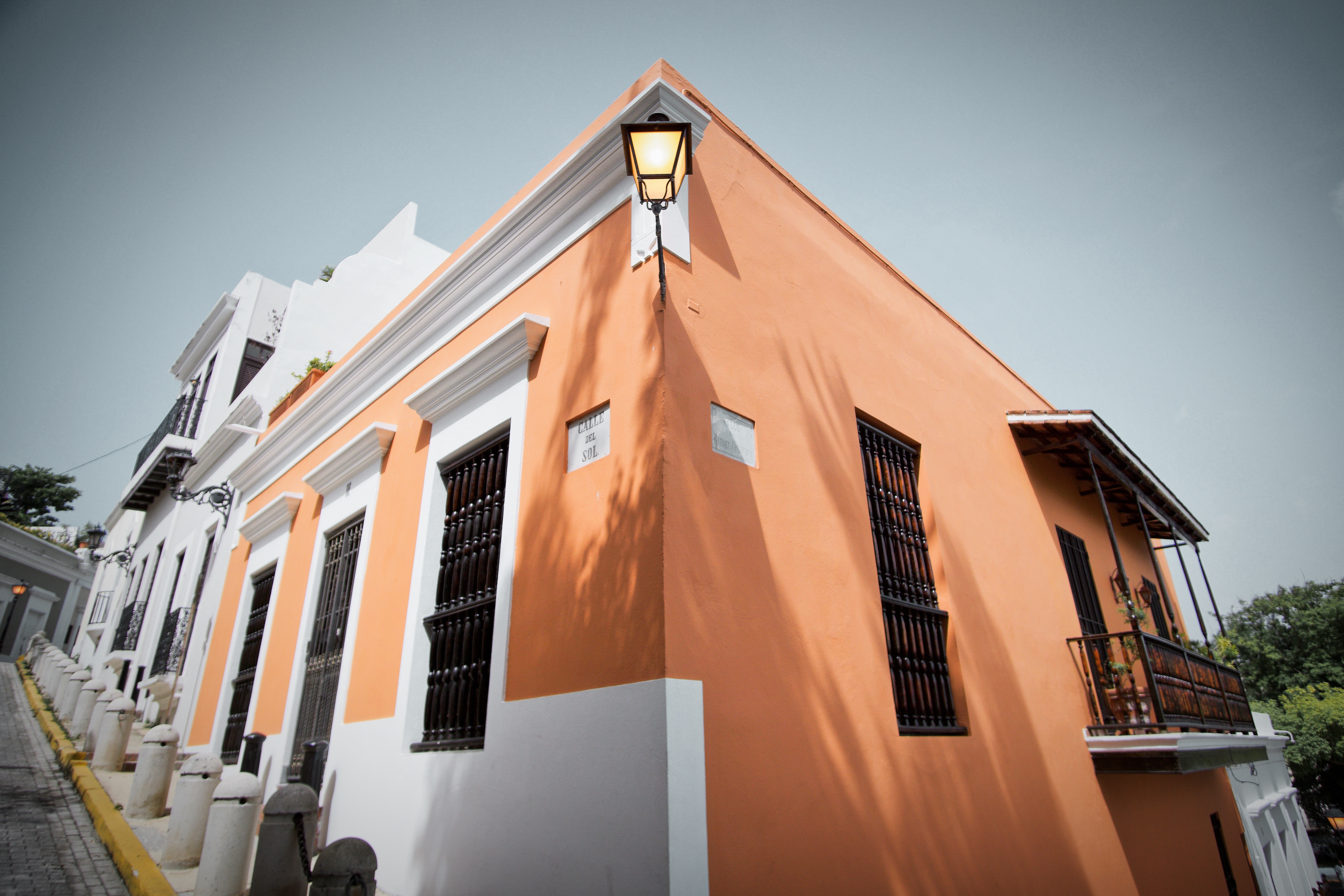
If you associate Puerto Rico's capital with the colonial streets of Old San Juan, then you know only part of the picture. San Juan is a major metropolis, radiating out from the bay on the Atlantic Ocean that was discovered by Juan Ponce de León. More than a third of the island's nearly 4 million citizens proudly call themselves sanjuaneros. The city may be rooted in the past, but it has its eye on the future. Locals go about their business surrounded by colonial architecture and towering modern structures.By 1508 the explorer Juan Ponce de León had established a colony in an area now known as Caparra, southeast of present-day San Juan. He later moved the settlement north to a more hospitable peninsular location. In 1521, after he became the first colonial governor, Ponce de León switched the name of the island—which was then called San Juan Bautista in honor of St. John the Baptist—with that of the settlement of Puerto Rico ("rich port").Defended by the imposing Castillo San Felipe del Morro (El Morro) and Castillo San Cristóbal, Puerto Rico's administrative and population center remained firmly in Spain's hands until 1898, when it came under U.S. control after the Spanish-American War. Centuries of Spanish rule left an indelible imprint on the city, particularly in the walled area now known as Old San Juan. The area is filled with cobblestone streets and brightly painted, colonial-era structures, and its fortifications have been designated a UNESCO World Heritage Site.Old San Juan is a monument to the past, but most of the rest of the city is planted firmly in the 21st century and draws migrants island-wide and from farther afield to jobs in its businesses and industries. The city captivates residents and visitors alike with its vibrant lifestyle as well as its balmy beaches, pulsing nightclubs, globe-spanning restaurants, and world-class museums. Once you set foot in this city, you may never want to leave.

SeaDream III
A New Era of Luxury Yachting
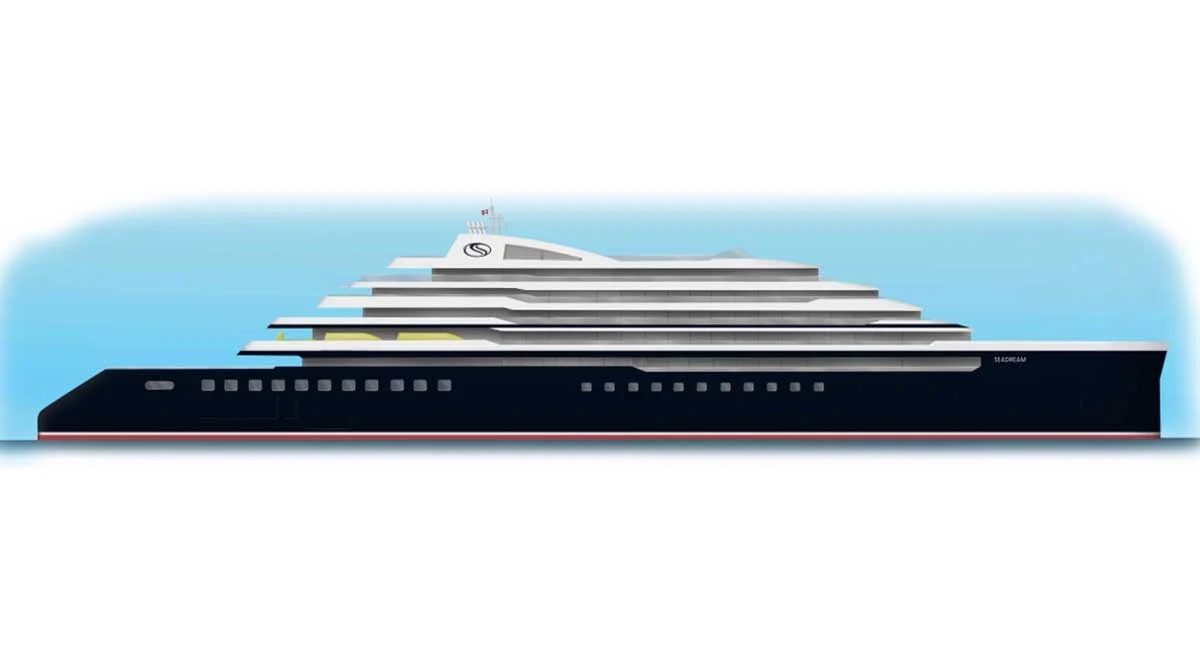
SeaDream III carries the intimacy that defined the first two yachts and gives it greater reach. A guest-to-staff ratio approaching one-to-one, open-seating dining, and the freedom to change plans on the day — now at a scale that can cross oceans.
The result is a yacht that feels familiar to anyone who has sailed with us, and entirely new in where it can take them.
A Wider World Within Easy Reach
With greater range and endurance, SeaDream III opens new regions to SeaDream, including Asia, Arabia, India, the South Pacific, South America and the Great Lakes.
Her shallow draft and slender beam preserve the freedom to enter intimate harbors and secluded anchorages beyond the reach of larger vessels, bringing the signature SeaDream experience to more of the world.
Onboard Amenities Reimagined
Every space has been reconsidered rather than simply enlarged. Dining, wellness and the top-deck social spaces gain room to breathe, and the marina platform opens directly onto the sea as it always has.
Details are still being finalised and will be published ahead of the inaugural season.
The Same World-Class Experience You’ve Come to Expect
A crew who learn your name in the first hour. Champagne and caviar in the sea. Late stays and overnights that let a place be met properly rather than glimpsed.
Nothing that makes a SeaDream voyage what it is has been traded away — there is simply more of the world to spend it in.
Ship Facts
| Launch Year | 2029 | ||||
| Refit Year | |||||
| Language | en | ||||
| Gross Tonnage | 16500 | ||||
| Length | 151 | ||||
| Width | 21 | ||||
| Currency | USD | ||||
| Speed | N/A | ||||
| Capacity | 230 | ||||
| Crew Count | 200 | ||||
| Deck Count | 5 | ||||
| Cabin Count | N/A | ||||
| Large Cabin Count | N/A | ||||
| Wheelchair Cabin Count | N/A | ||||
| Electrical Plugs |
|
Deck 10

Deck 9
Deck 8
Cabins

Deck 7
Cabins

Deck 6
Cabins

Deck 5
Cabins

Deck 4
Cabins
