Castles along the Rhine & Amsterdam
Castles along the Rhine & Amsterdam
Cruise overview
WHY BOOK WITH US?
- ✔ The Deluxe Cruises’ team has extensive experience in ultra-luxury cruising.
- ✔ Call now to speak to our helpful and experienced Cruise Concierge team.
- ✔ Enjoy our Unique Deluxe Cruises Bonus for substantial savings.
- ✔ Our team will tailor your holiday to your exacting requirements.
- ✔ As agents, we work under the protection of each cruise lines ABTA / ATOL licences
About Basel
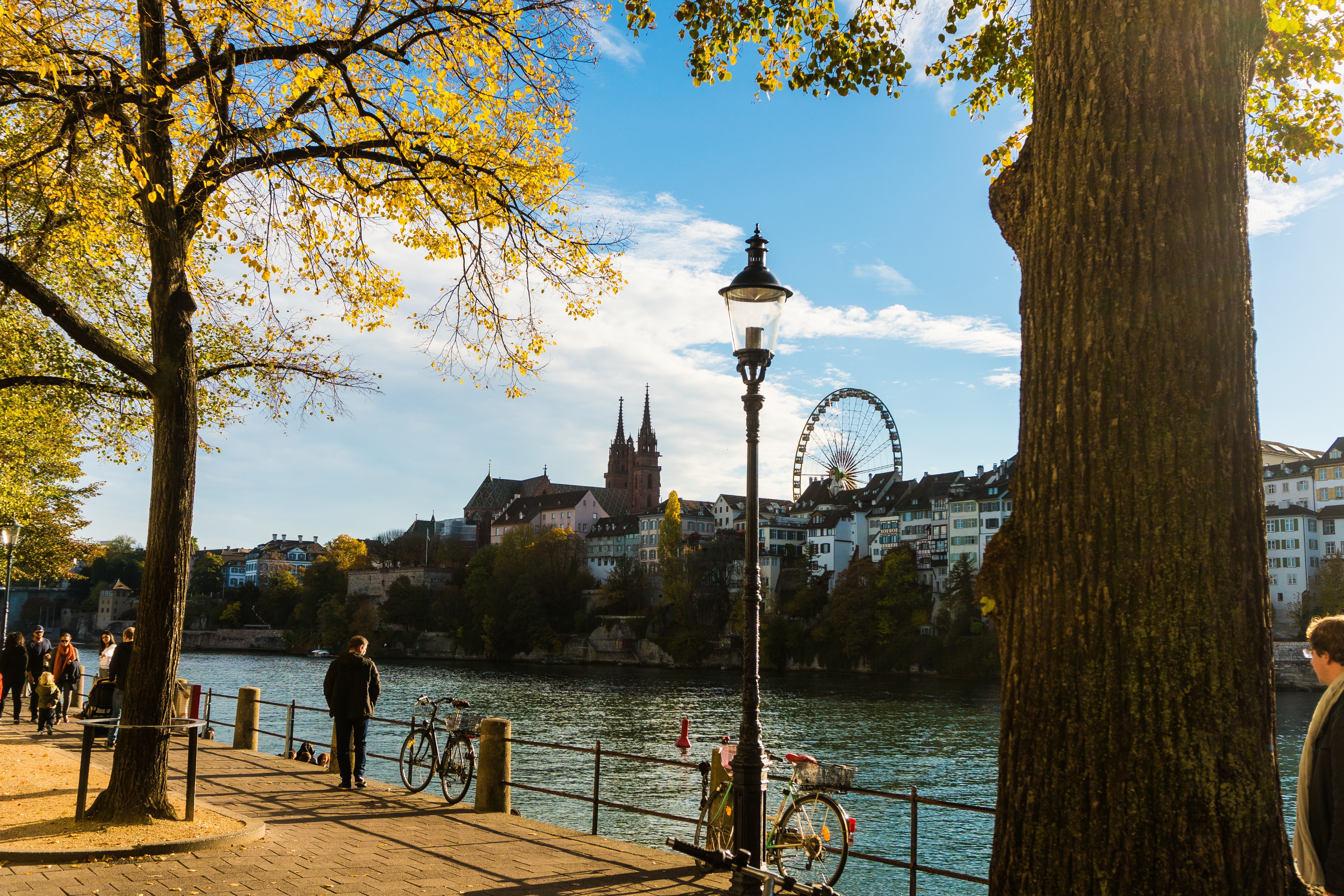
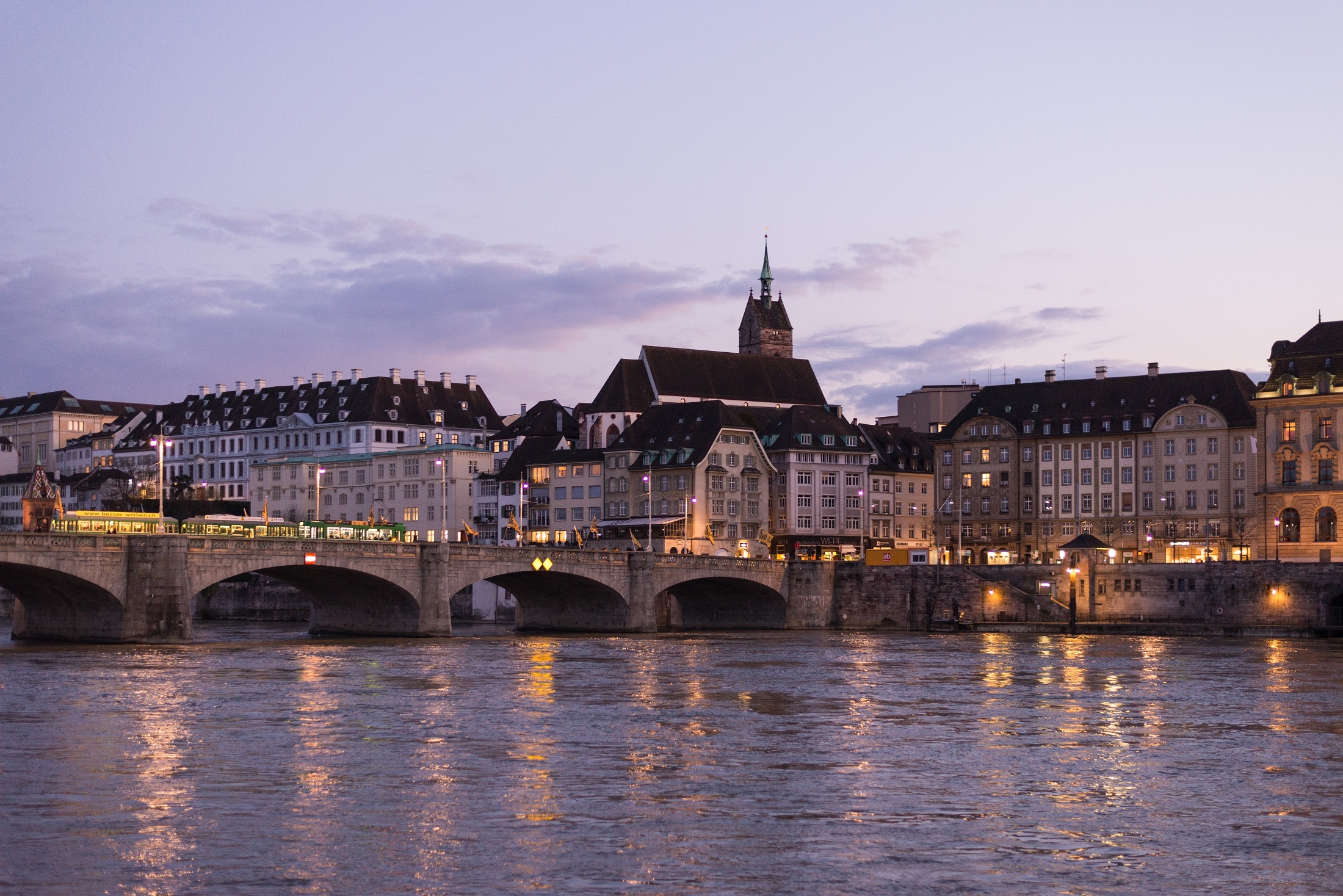
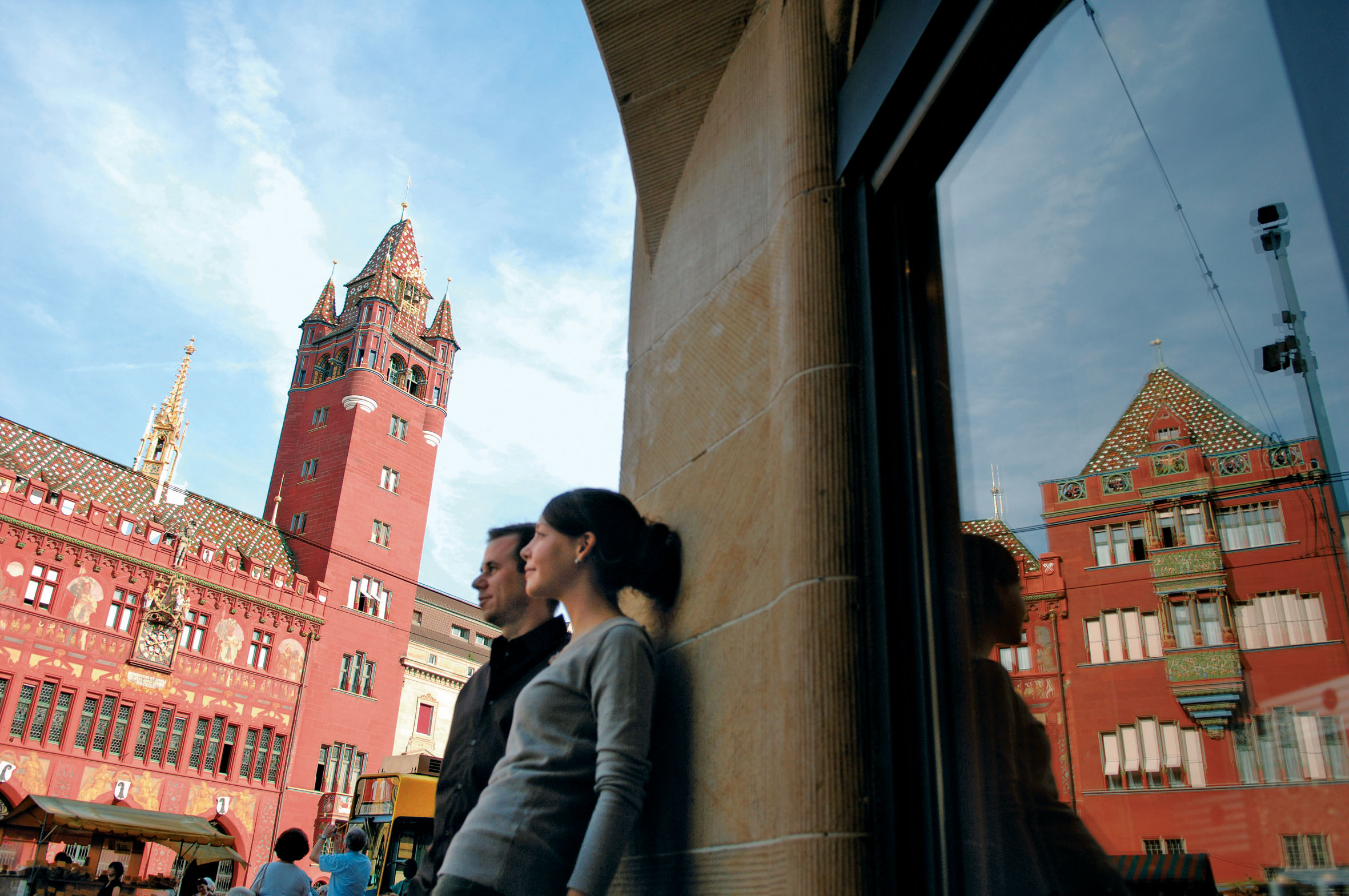
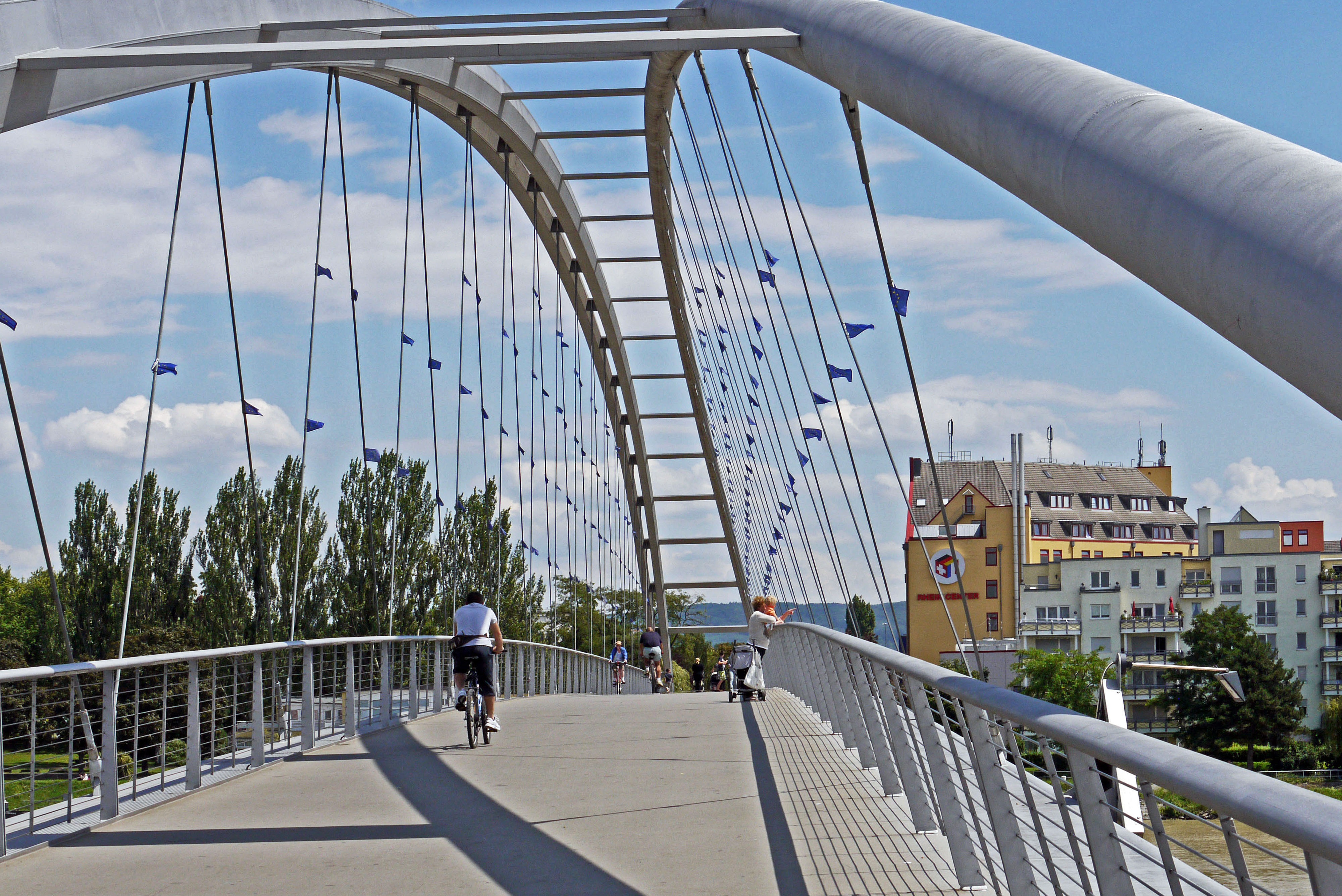
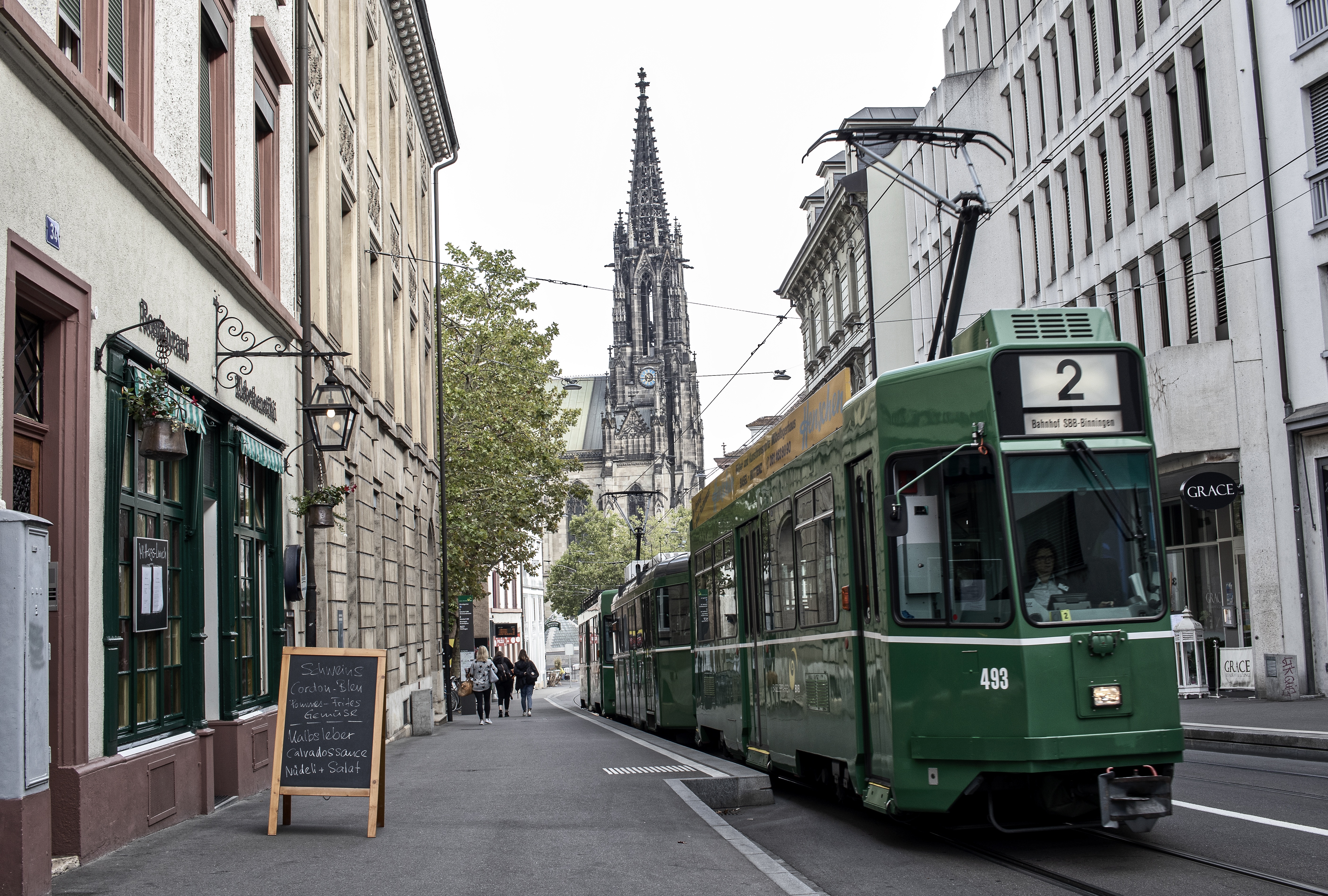
Basel is a city in northwestern Switzerland on the Swiss, French and German borders. It is located on the bend of the River Rhine and benefits from a Mediterranean climate. It is the third most populated city in Switzerland and has been the commercial hub for Swiss arts and culture since the Renaissance. In 1967 the people of Basel voted to acquire two paintings by Picasso, who was so moved by the Basel people that he donated 3 paintings and a study to the city's Kunstmuseum (Museum of Fine Arts). Visit the Augusta Raurica, one of the largest Roman archaeology parks in Switzerland, and enjoy a river crossings over the River Rhine by non-motorised ferries. During the summer months, time is spent outdoors, either swimming in the River Rhine, dining al fresco, enjoying open air concerts, cinema, street parties and festivals. Basel is home to over 20 restaurants that have won GaultMillau or Michelin awards, and boasts Switzerland's largest collection of theatre shows, including modern contemporary dance, touring and puppetry theatre.
About Breisach
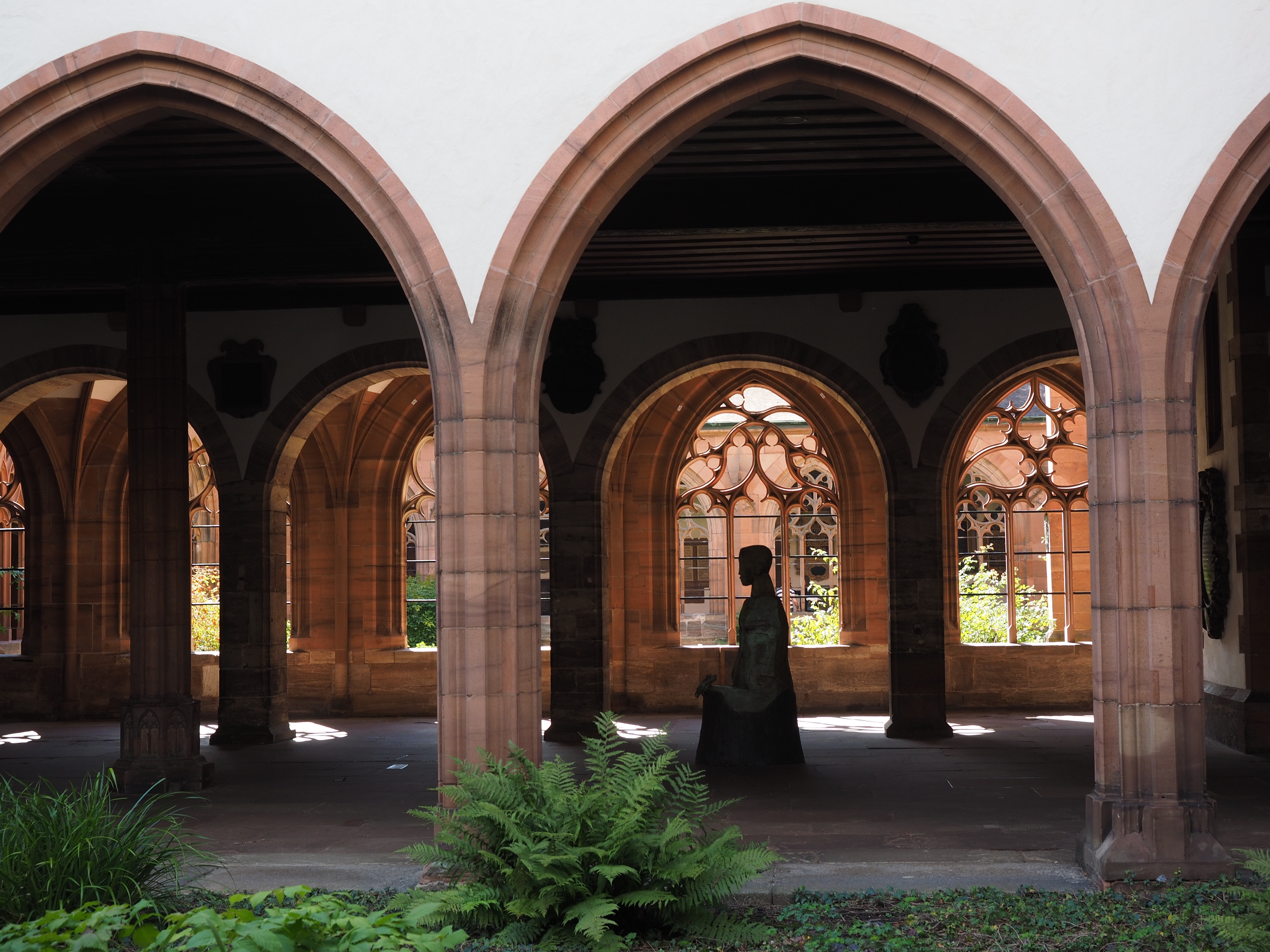
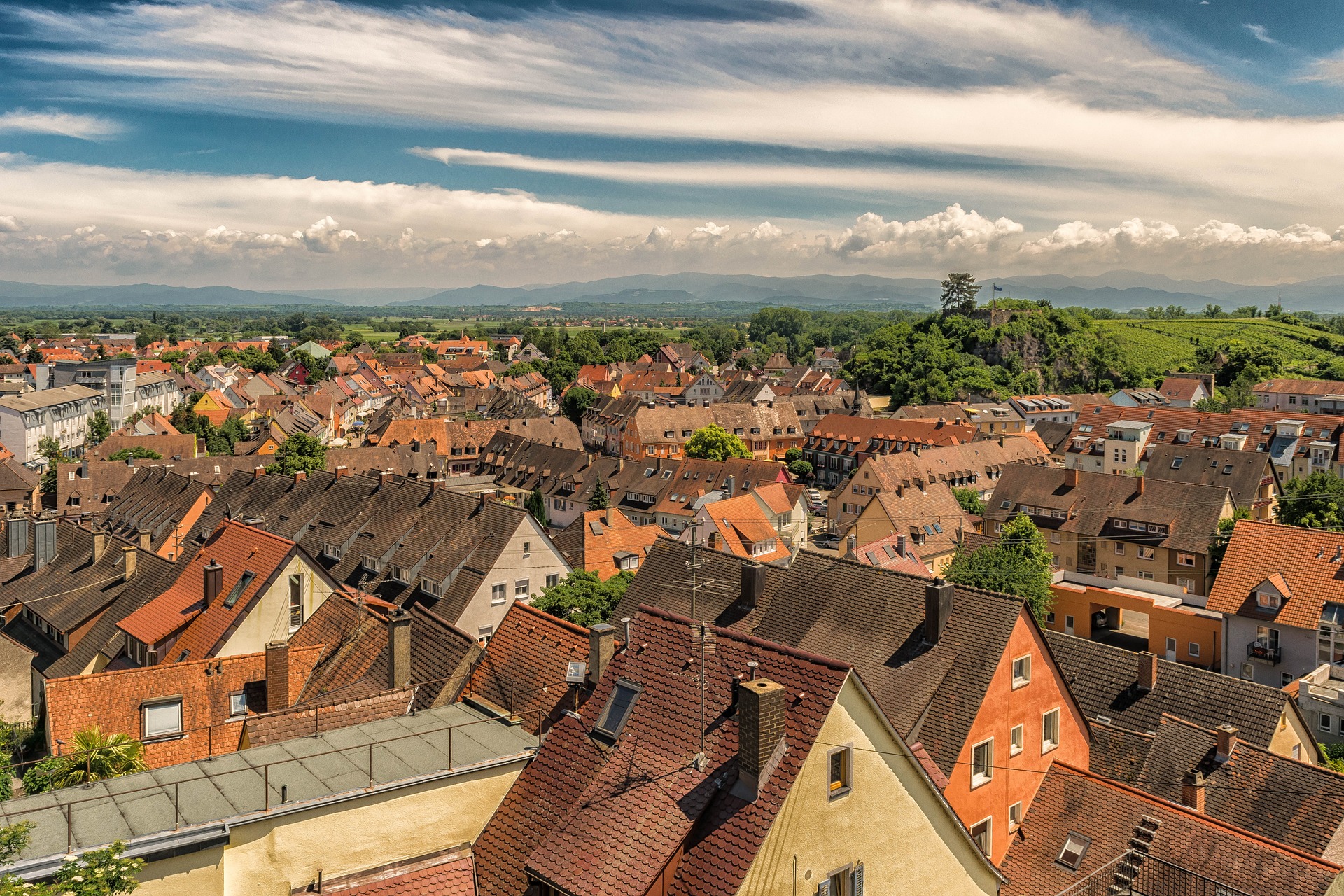
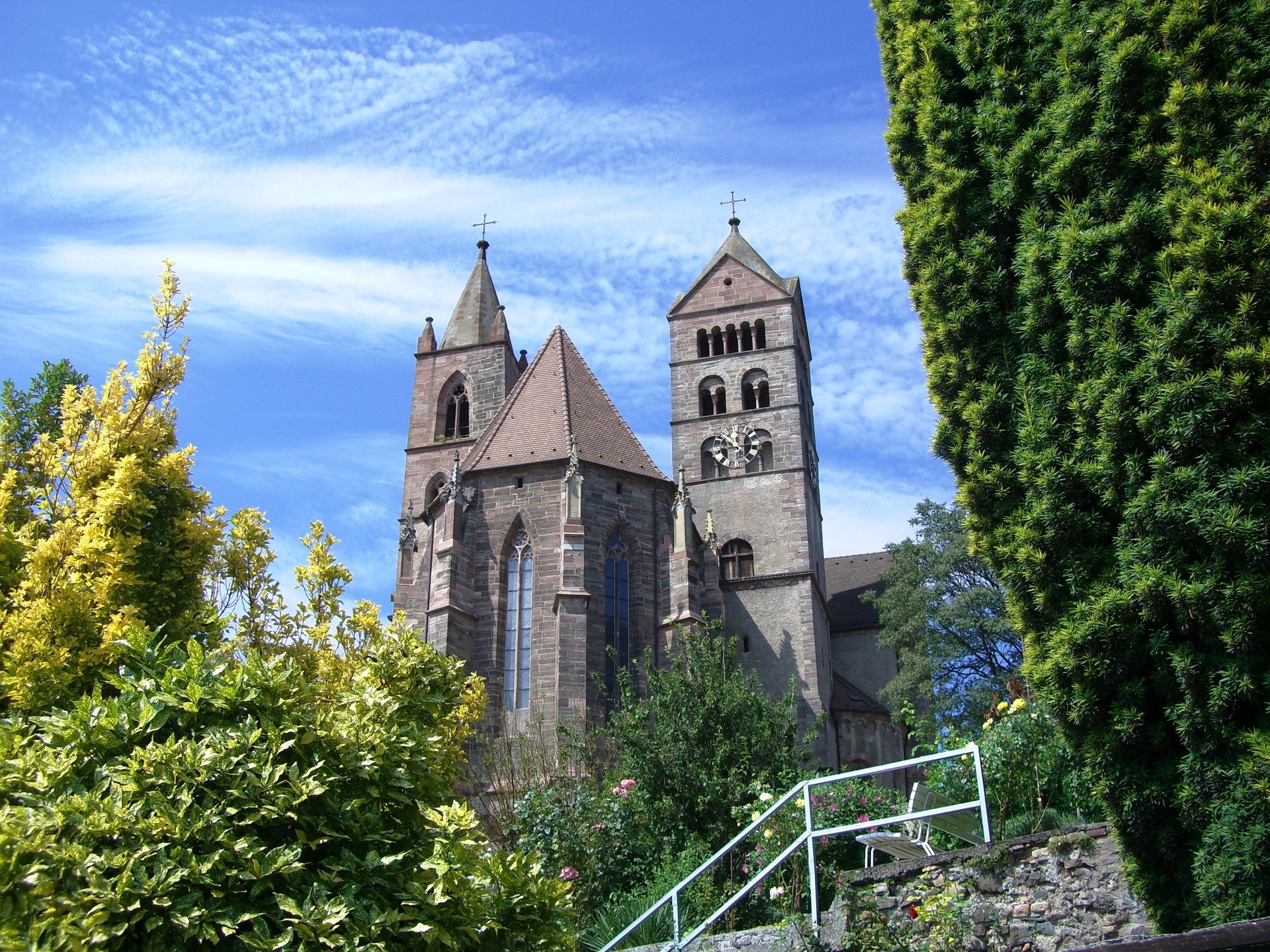
Breisach is a town located in Southwest Germany on the French border. The town is situated in the Rhine Valley on the banks of the river Rhine and dates back over four thousand years. Breisach and its history can be experienced through the City History Museum, which houses a permanent exhibition taking you from Stone Age through the Celtic, to the Romans and Middle Ages, right up to modern day. St Stephen's Cathedral is home to the city’s famous art treasures, the wheel wells, which are housed in the neighbouring Radbrunnenturm with the forty one metre deep water well. The cathedral is also home to many other treasures including the High Altar of Master HL and wall paintings by Martin Schongauer as well as High Gothic and Roman architecture. A visit to the Blue House, the former Jewish Community Centre, is highly recommended. Now owned by the Friends of Former Jewish Community House Breisach it exhibits memorials to Breisach’s Jewish heritage.
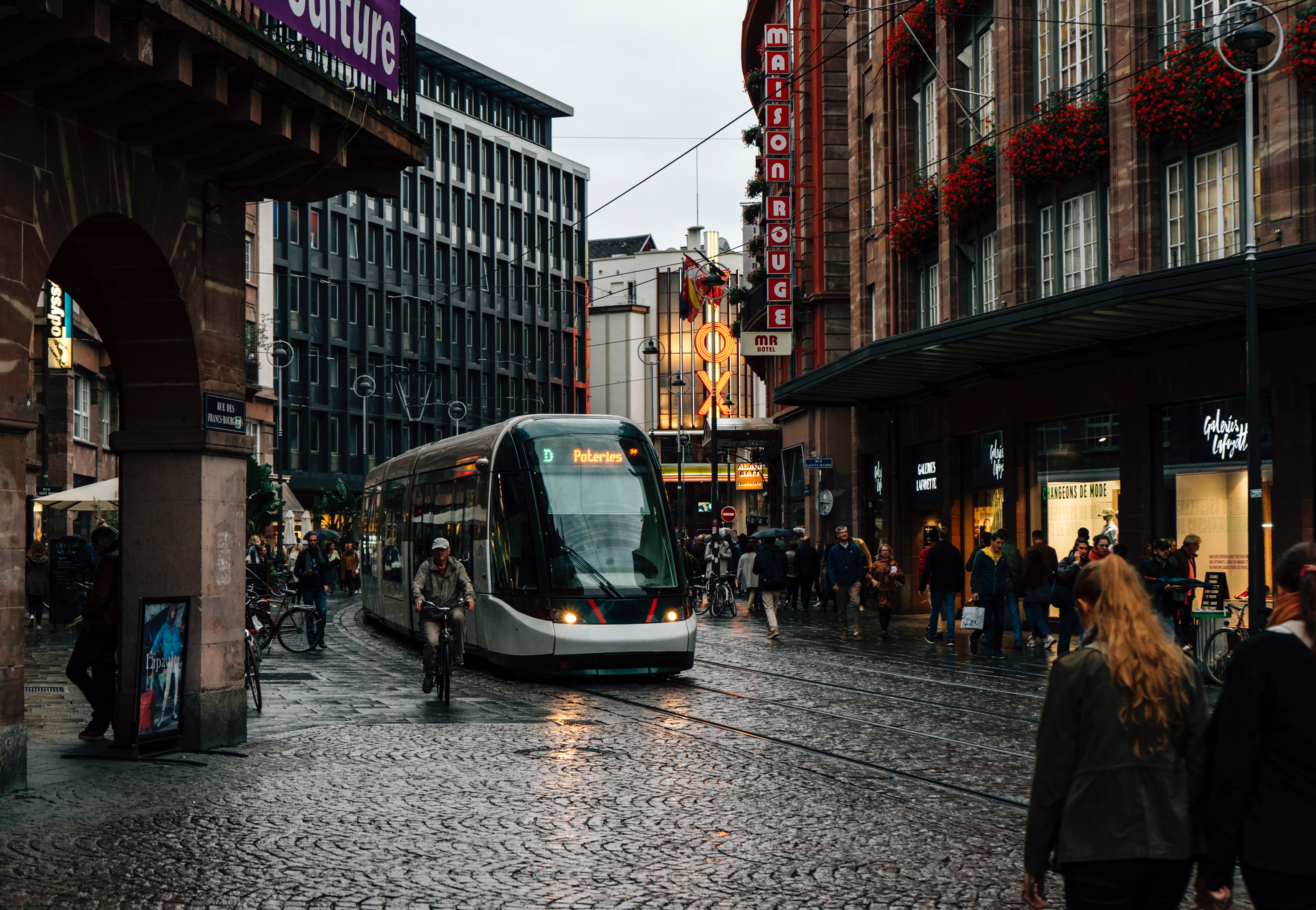
About Strasbourg
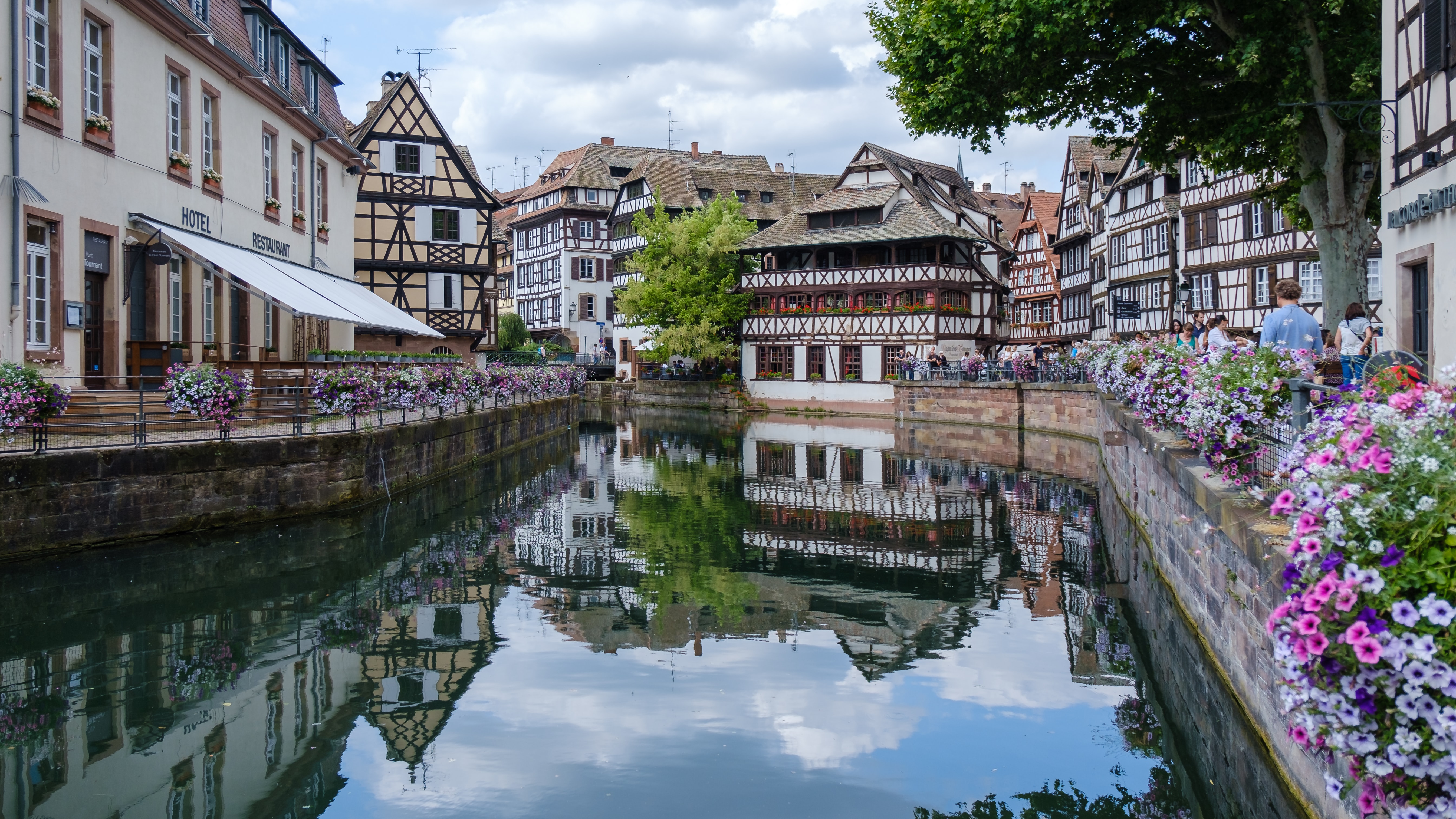
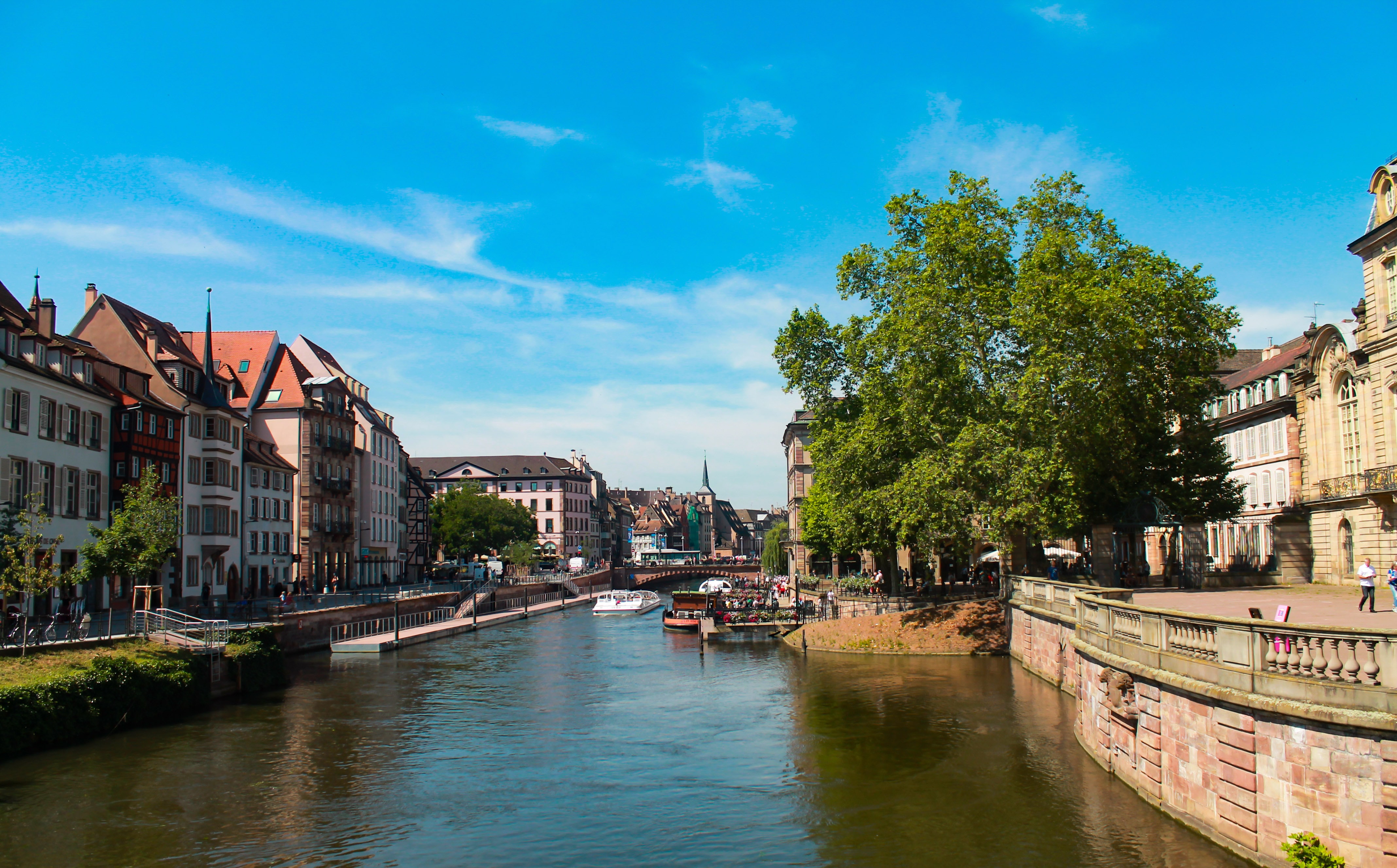
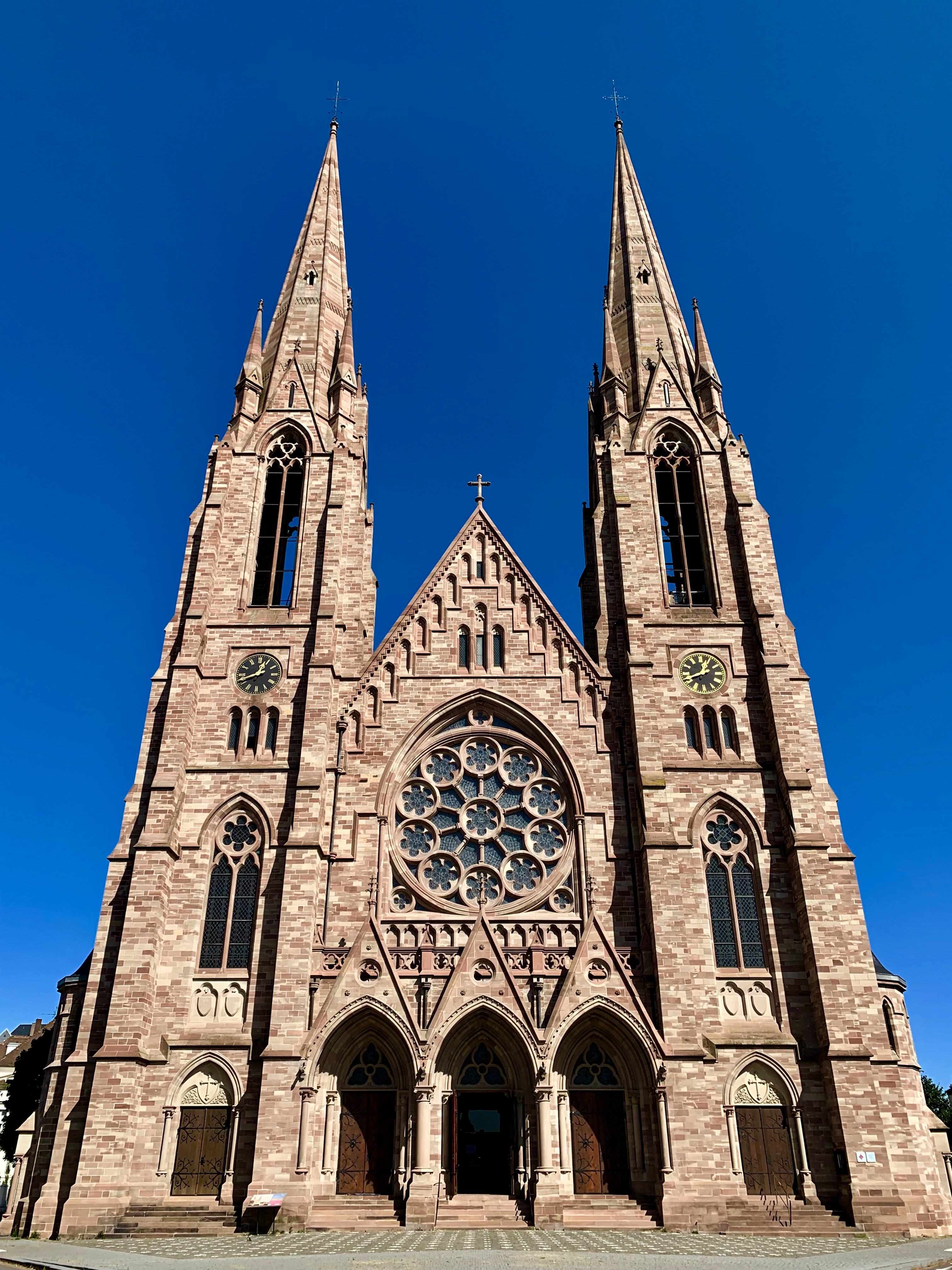

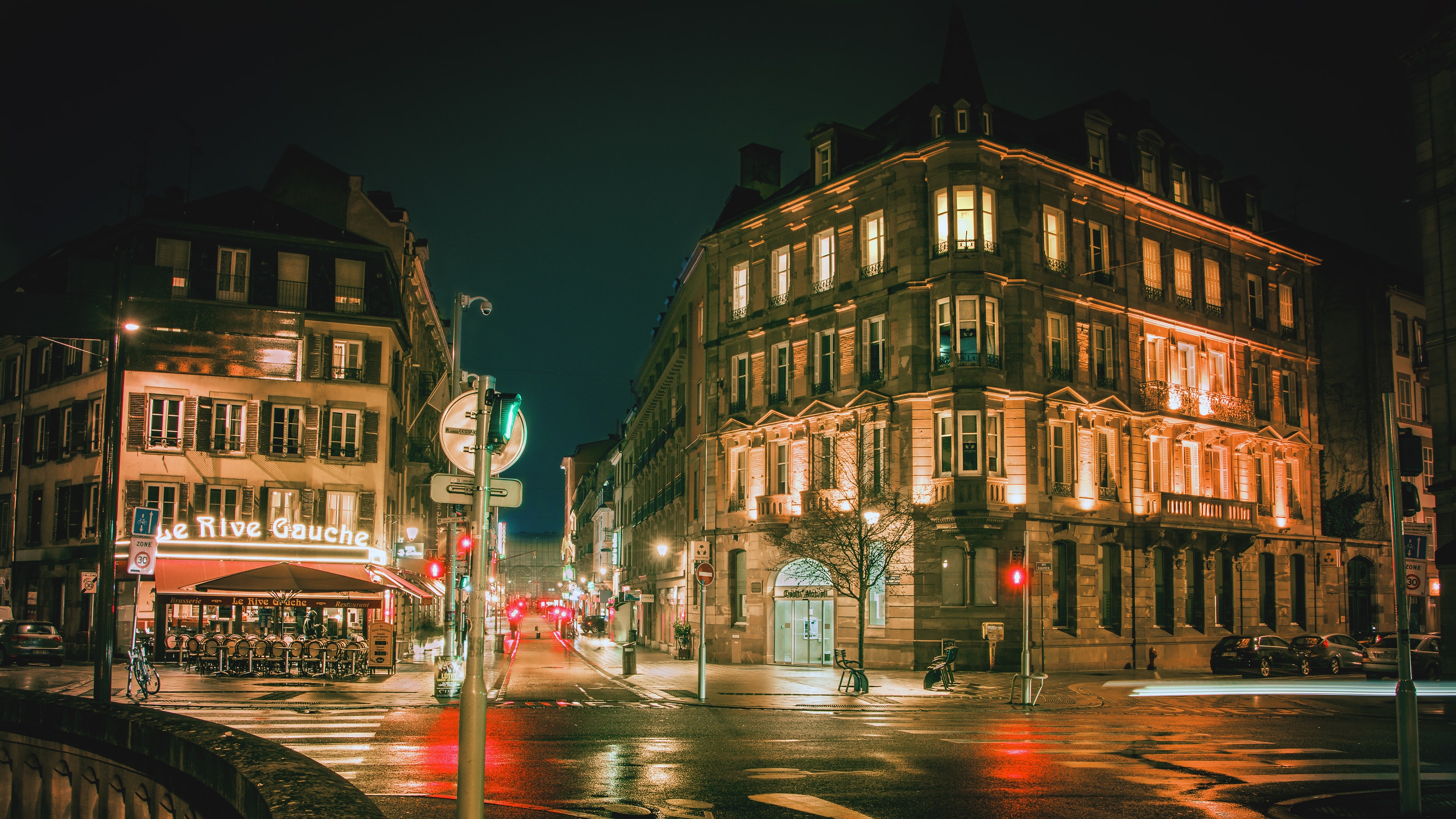
About Mannheim
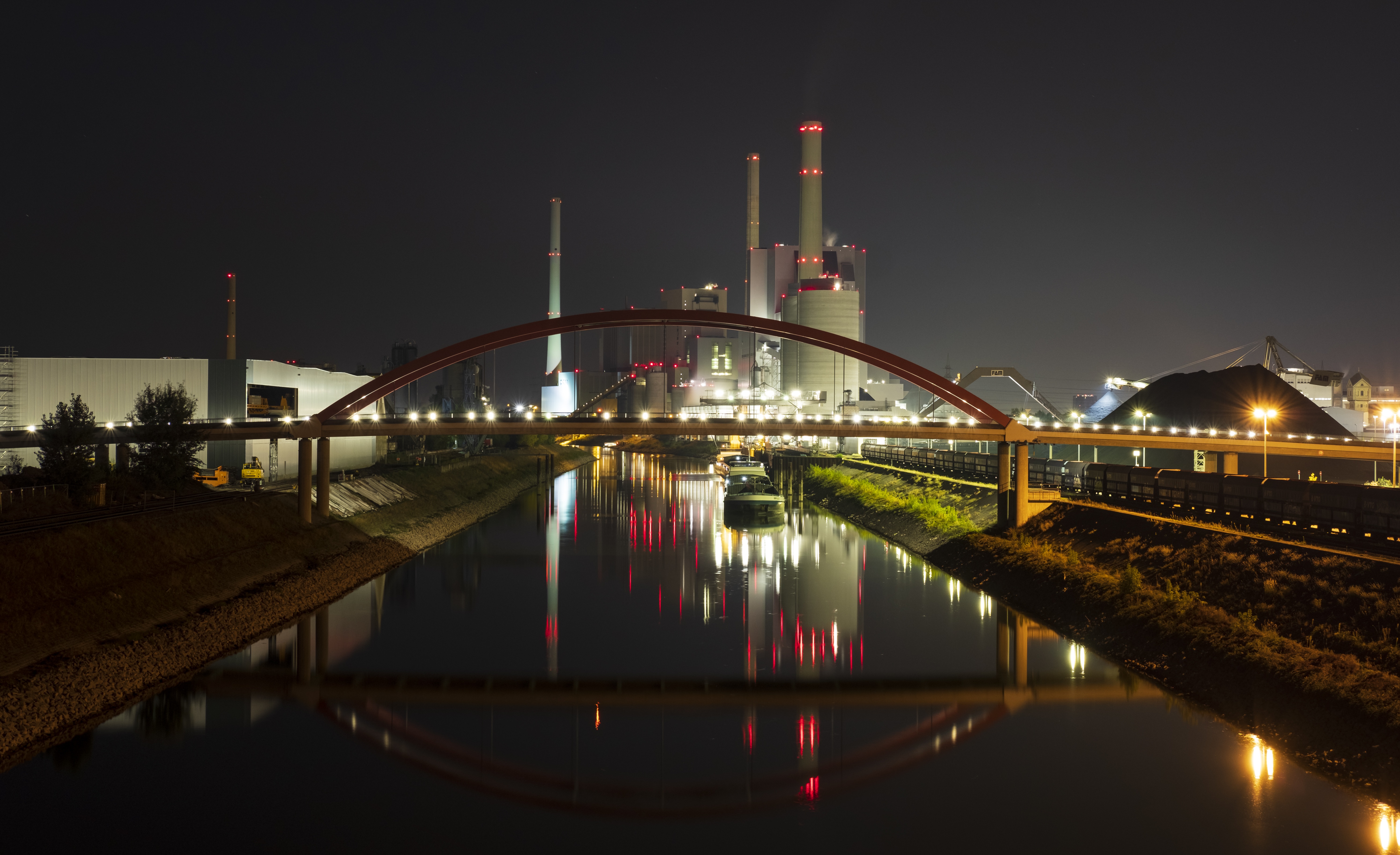
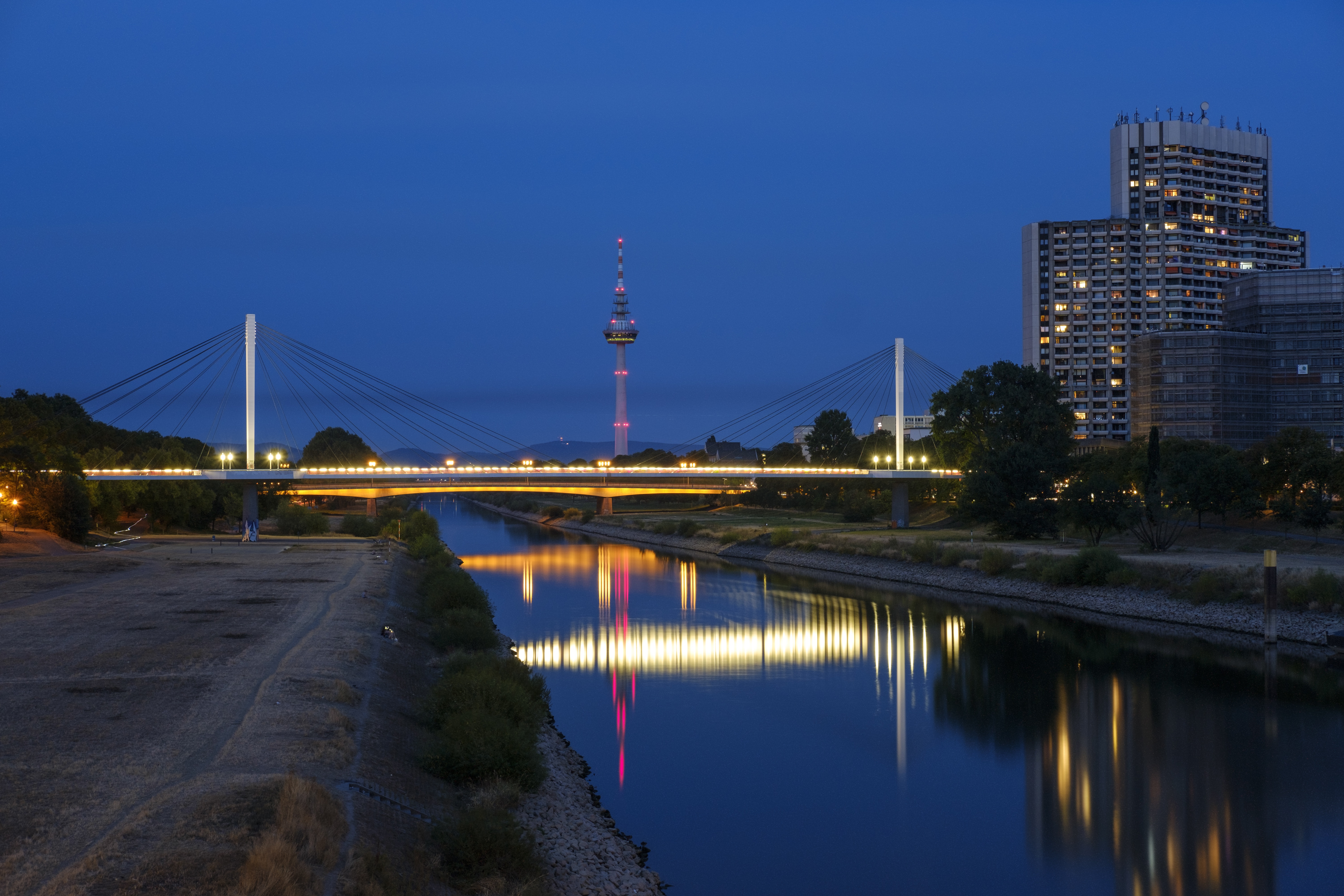
Mannheim, Germany, is a dynamic city known for its distinctive grid layout and vibrant cultural scene. Located at the confluence of the Rhine and Neckar rivers, it features the impressive Mannheim Palace and the lush Luisenpark. The city's modern architecture contrasts with its historical roots, while its thriving arts scene includes theaters, museums, and music festivals. Mannheim is also a key industrial and commercial hub, making it a blend of cultural richness and economic vitality.
About Rüdesheim
About Koblenz
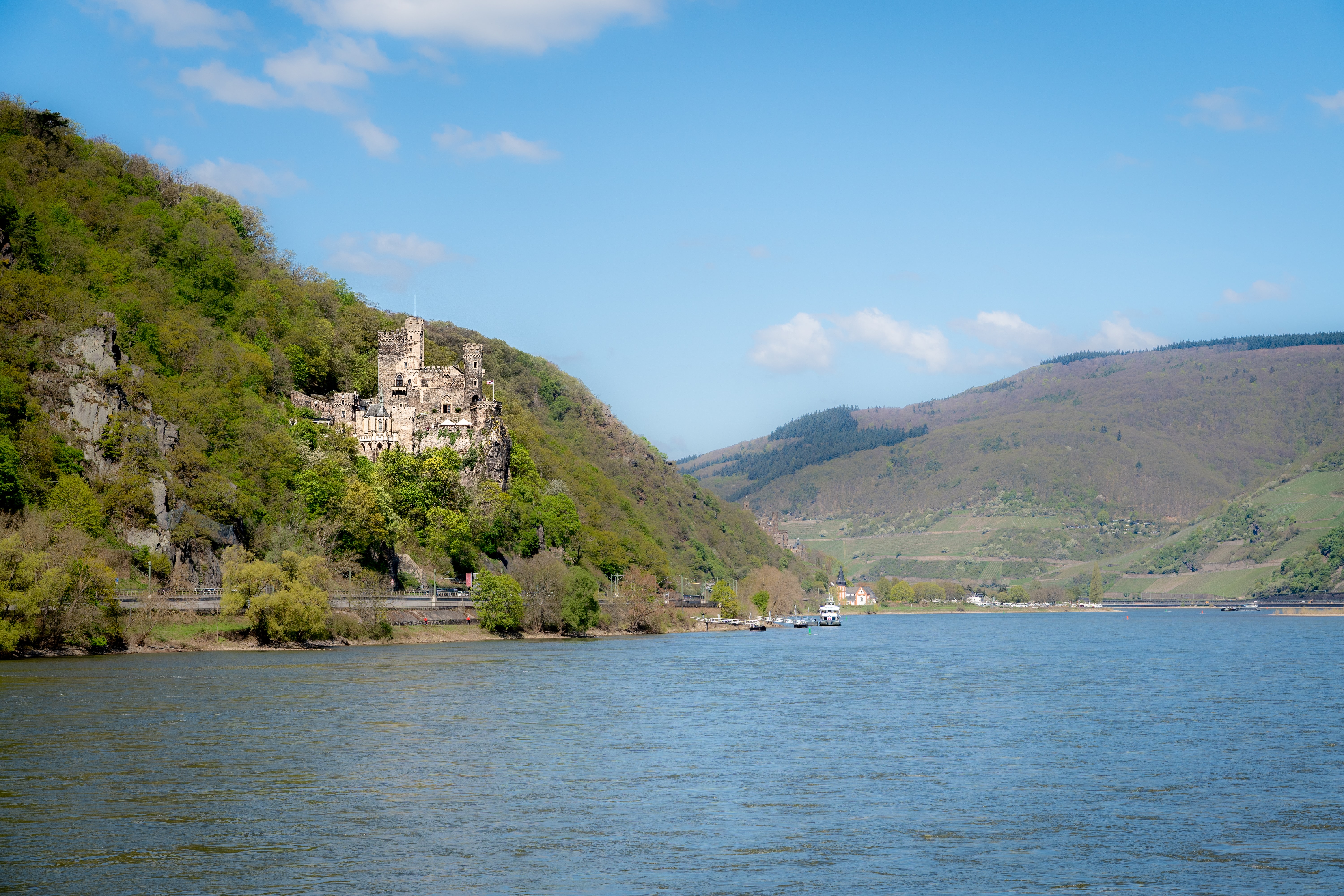
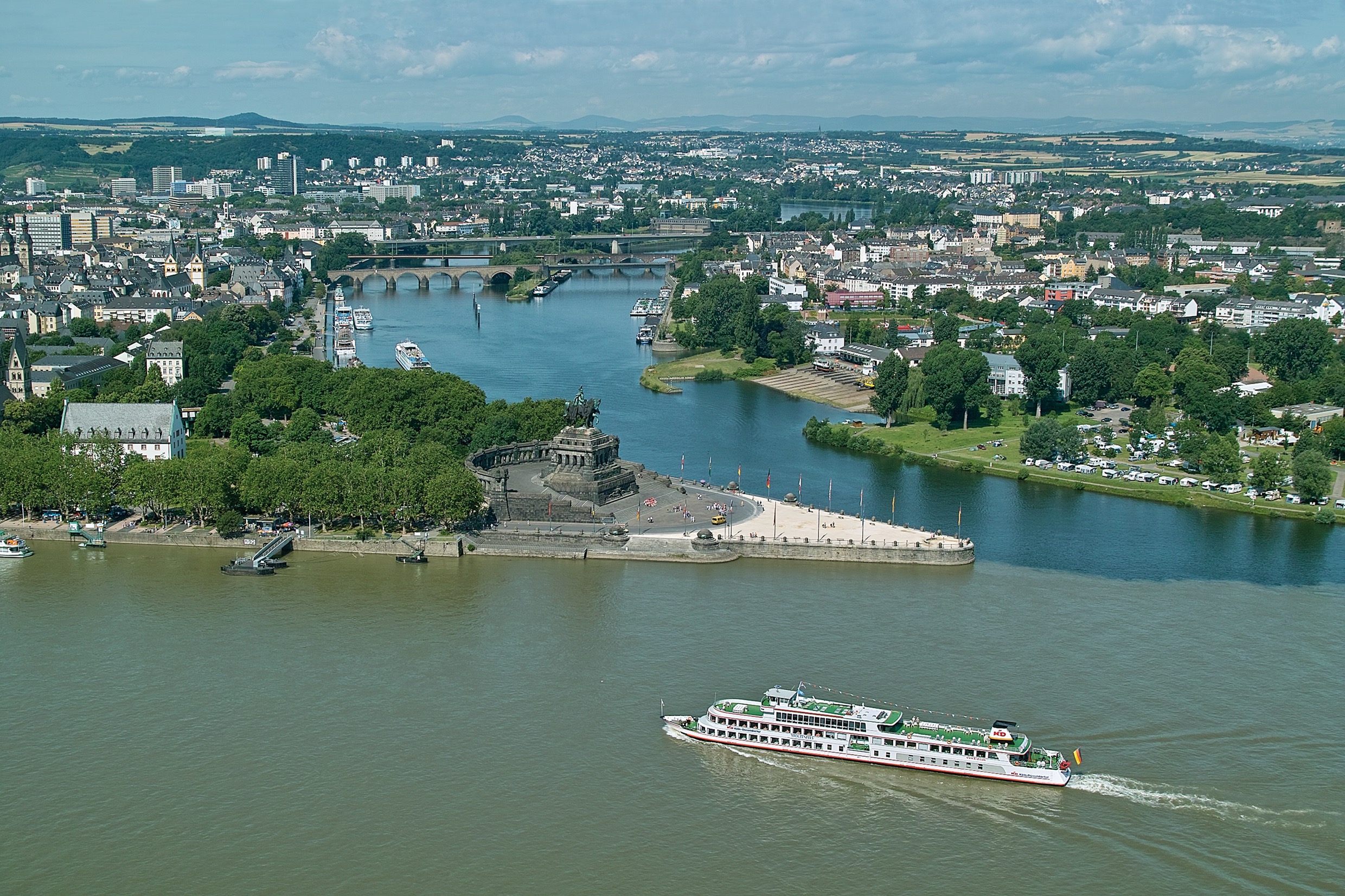
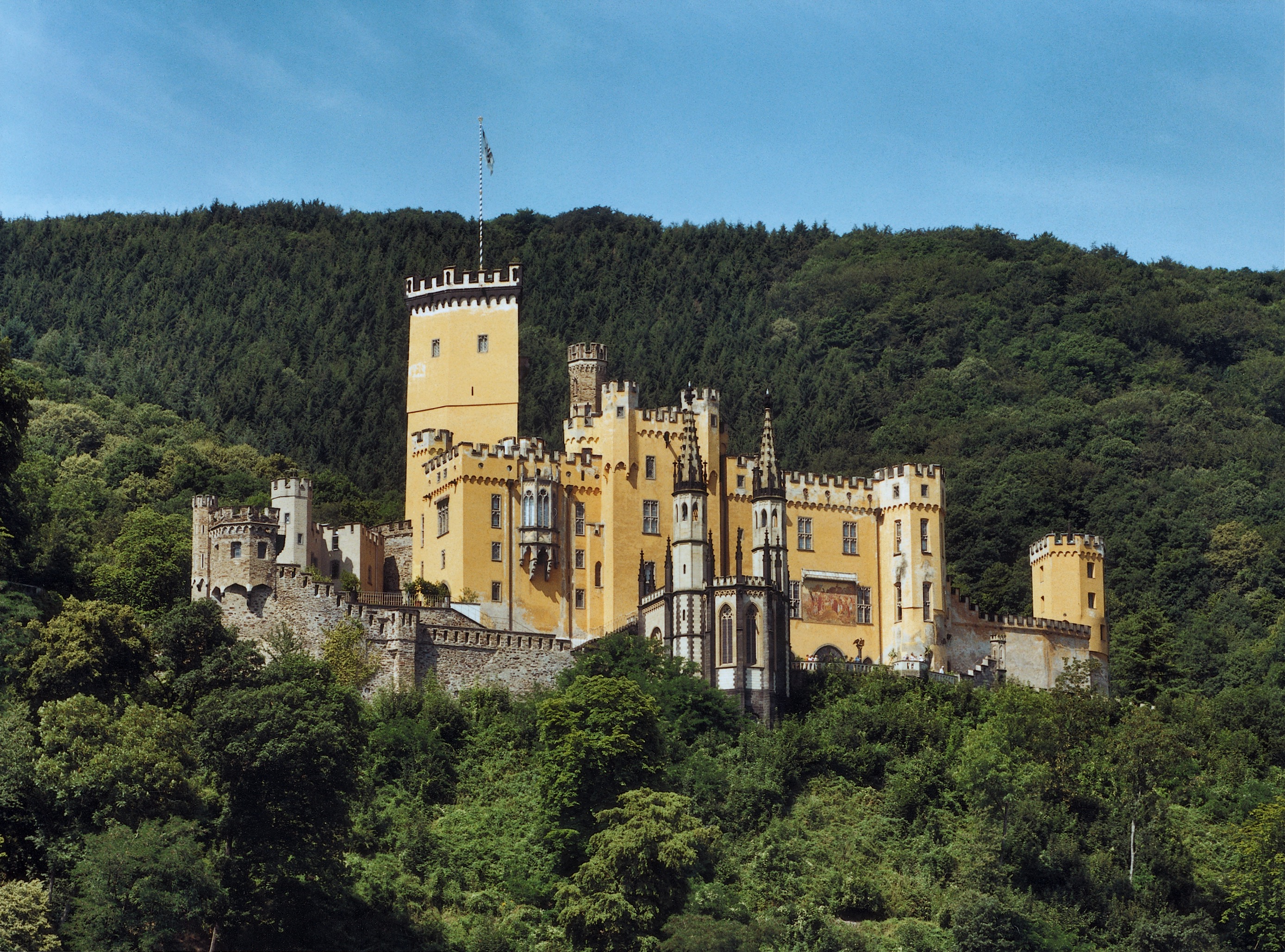
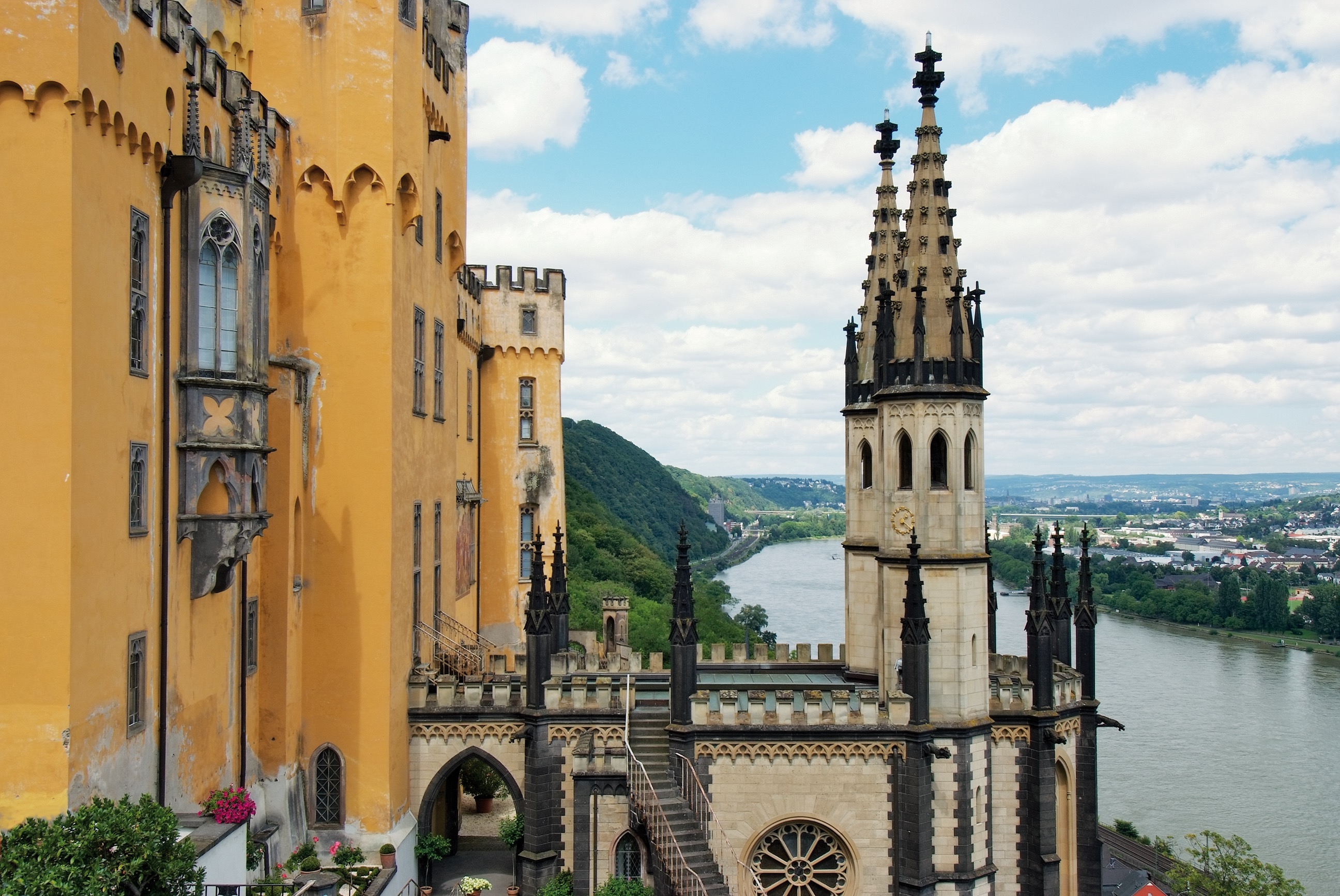
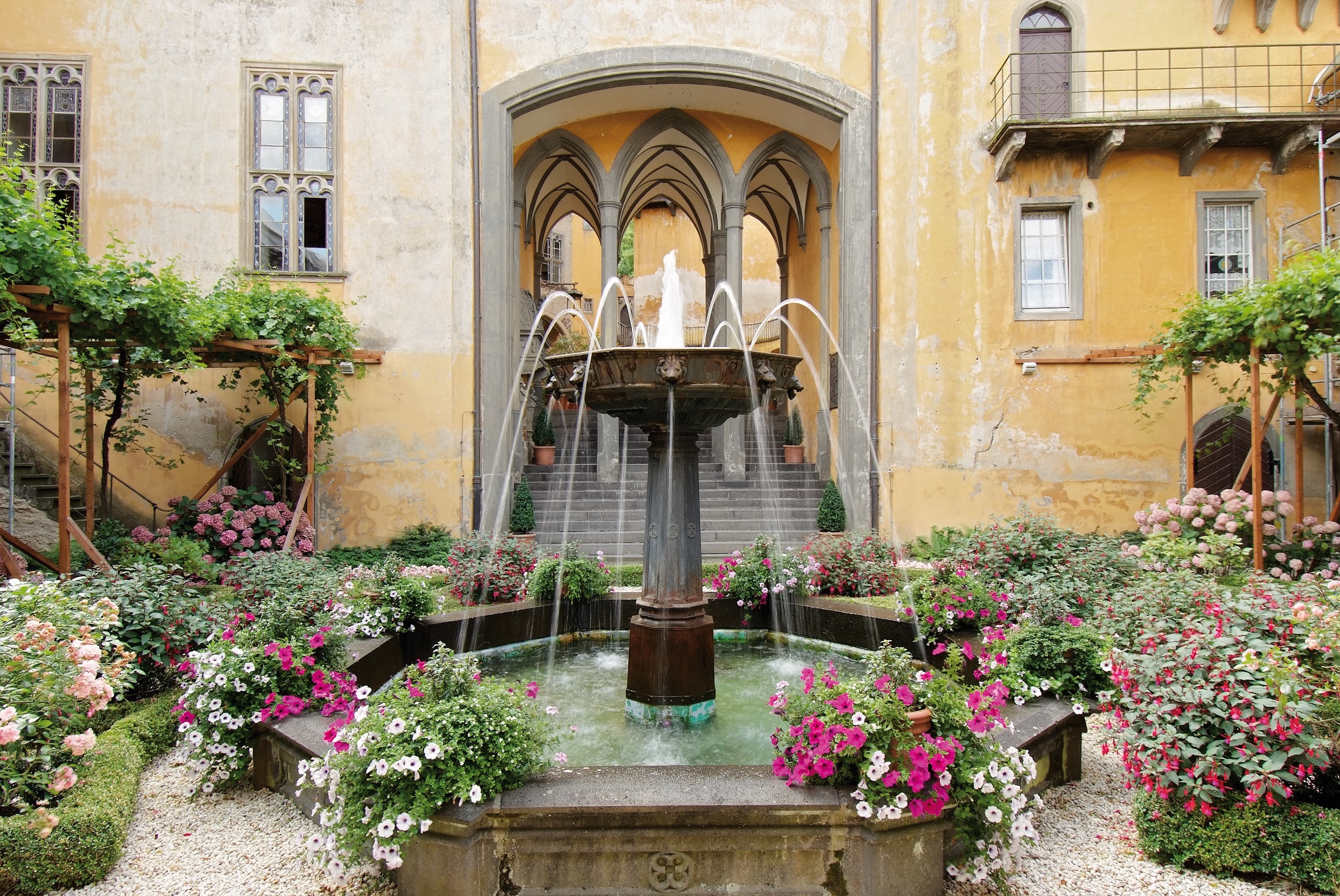
Located in the West of the country, Koblenz is one of the oldest cities in Germany. It is situated on both banks of the river Rhine, at its confluence with the Moselle River. The beginnings of Koblenz can be traced back to its military beginnings around 8 BC. The city is rich in its history and heritage and is easily explored on foot. Take the cable car crossing over the river Rhine for spectacular aerial views or enjoy the city from the one thousand year old fortress, Ehrenbreitstein. The upper middle Rhine Valley is a UNESCO World Heritage Site and its unique landscape can be enjoyed and discovered through the interactive multimedia journey at the Romanticum. Historical and architectural sites of interest include Stolzenfels Castle, the Electoral Palace of Koblenz and Old Town. From the romantic winding streets and small squares of Old Town, stroll through the alleyways from the Church of the Holy Virgin to the St Kastor Basilica and enjoy the picturesque buildings and squares along the way. Koblenz is also very popular for its Riesling and strong Spatburgunder wines since the Romans introduced it two thousand years ago.
About Cologne
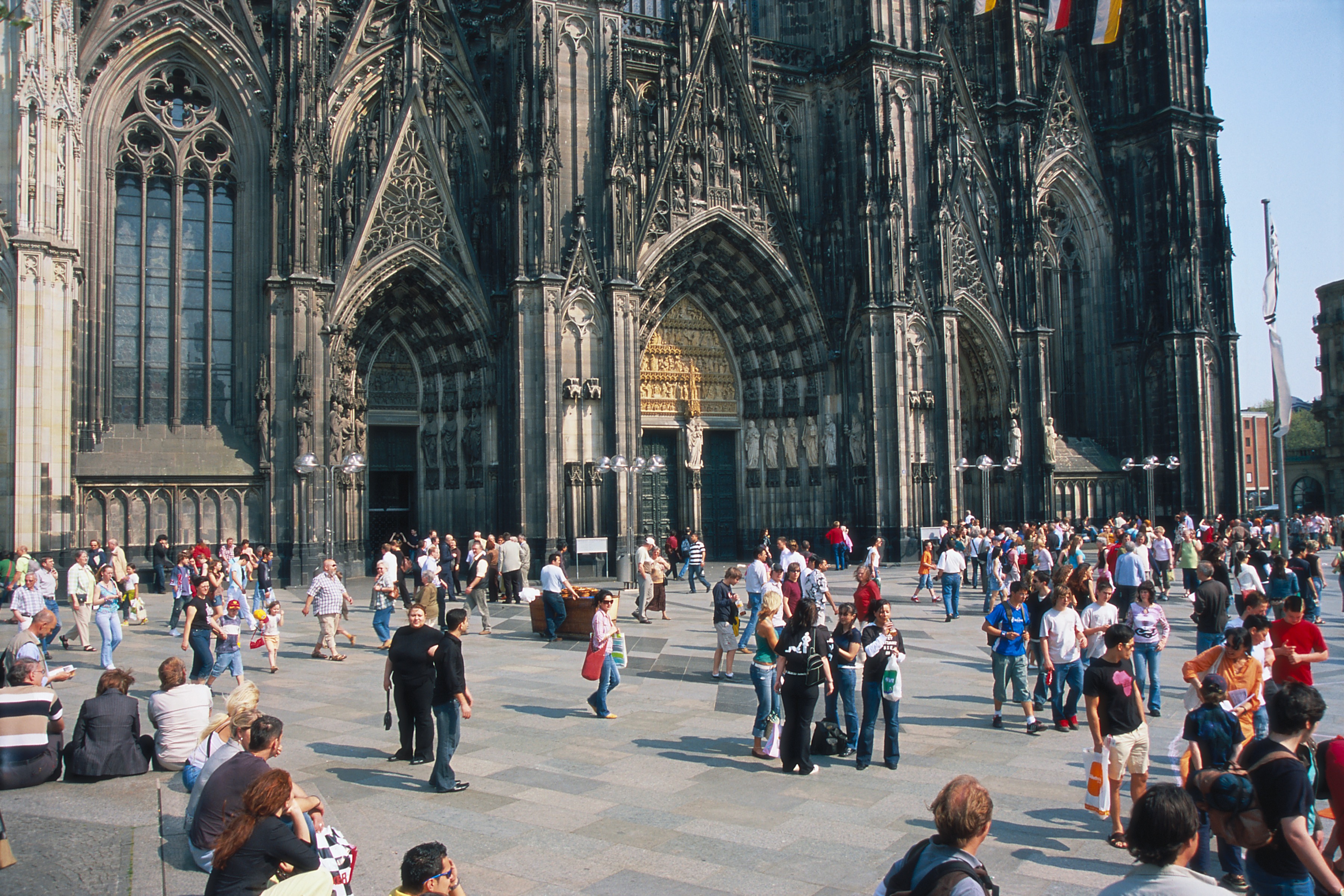
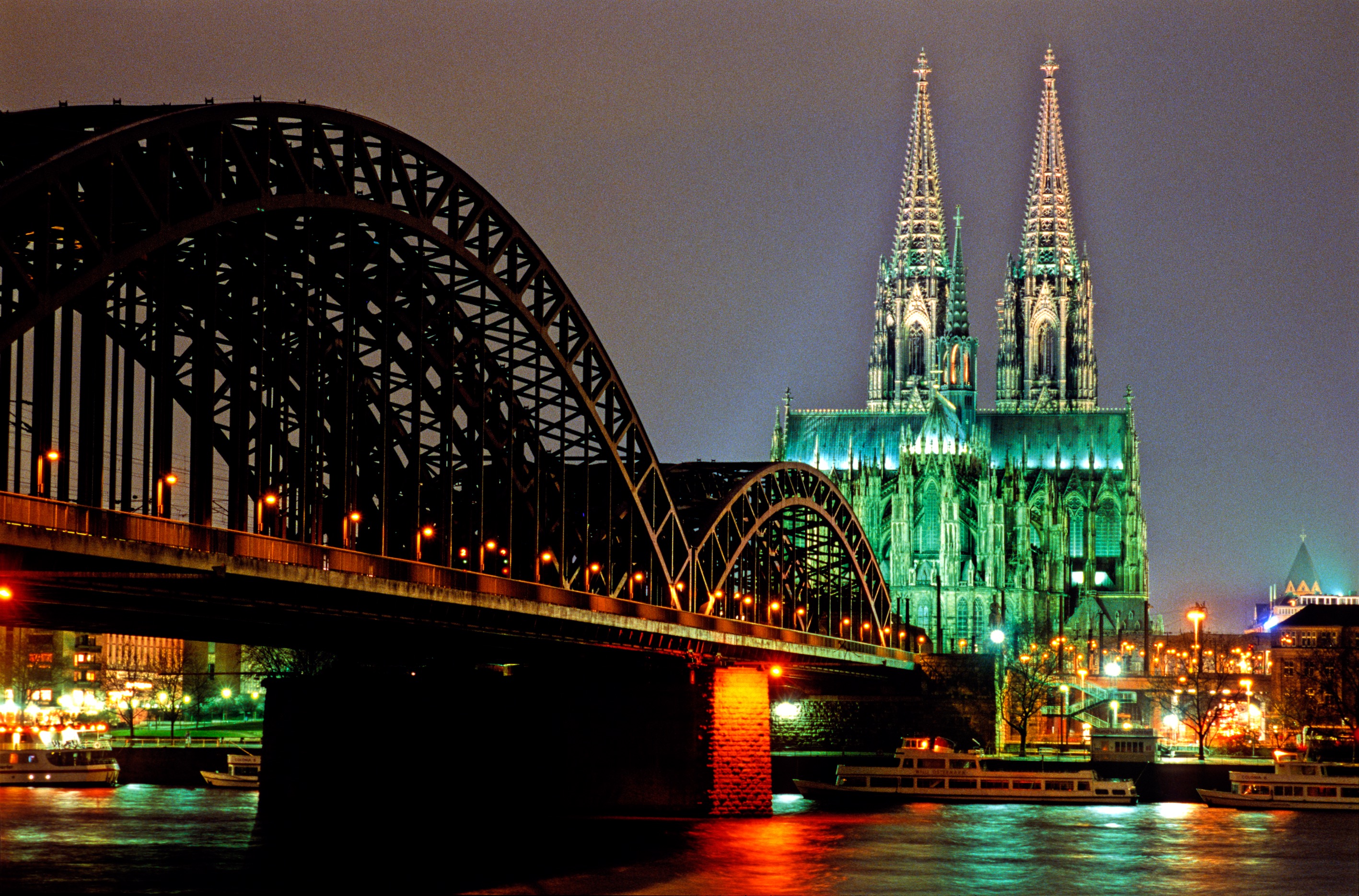
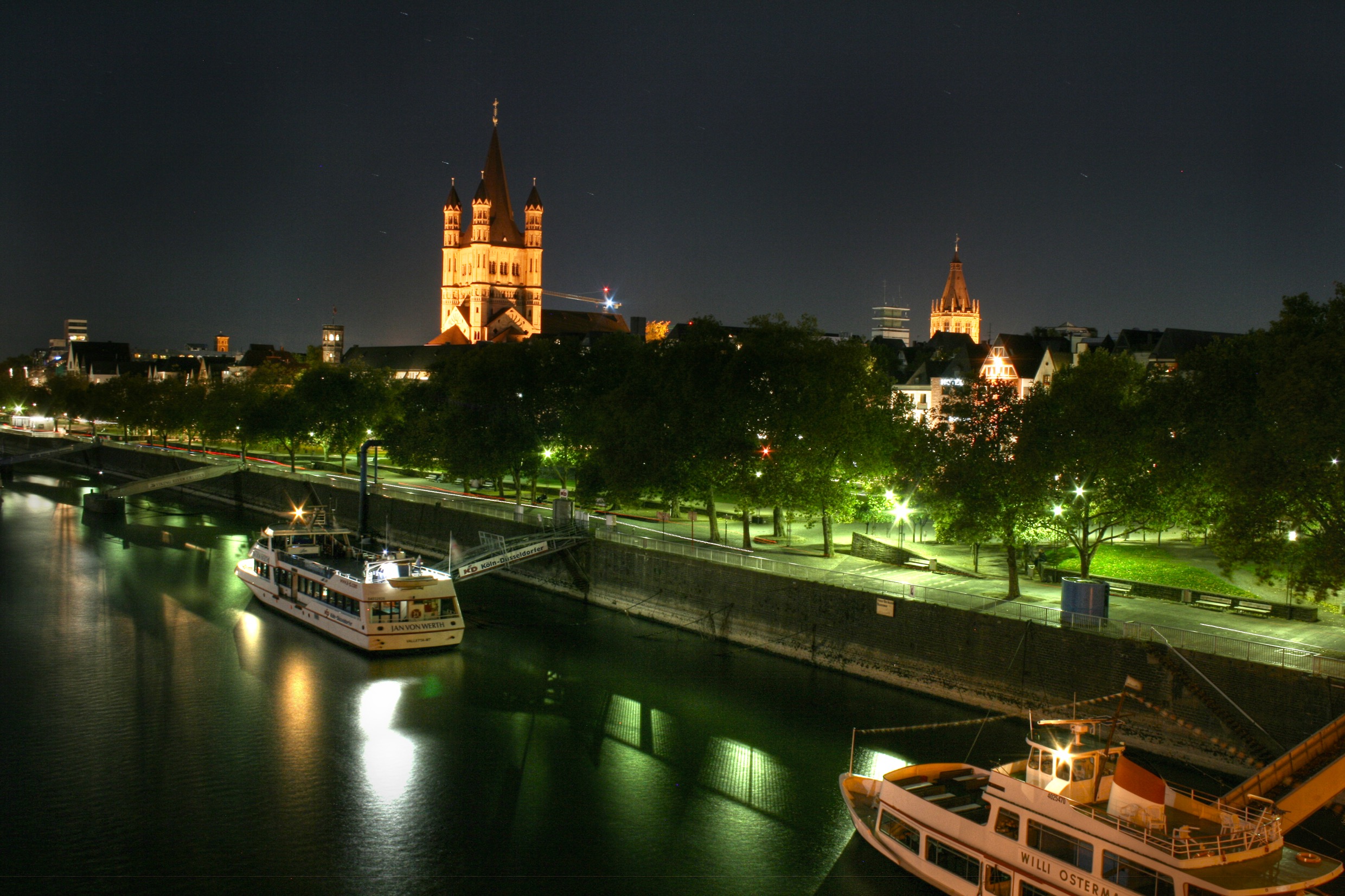
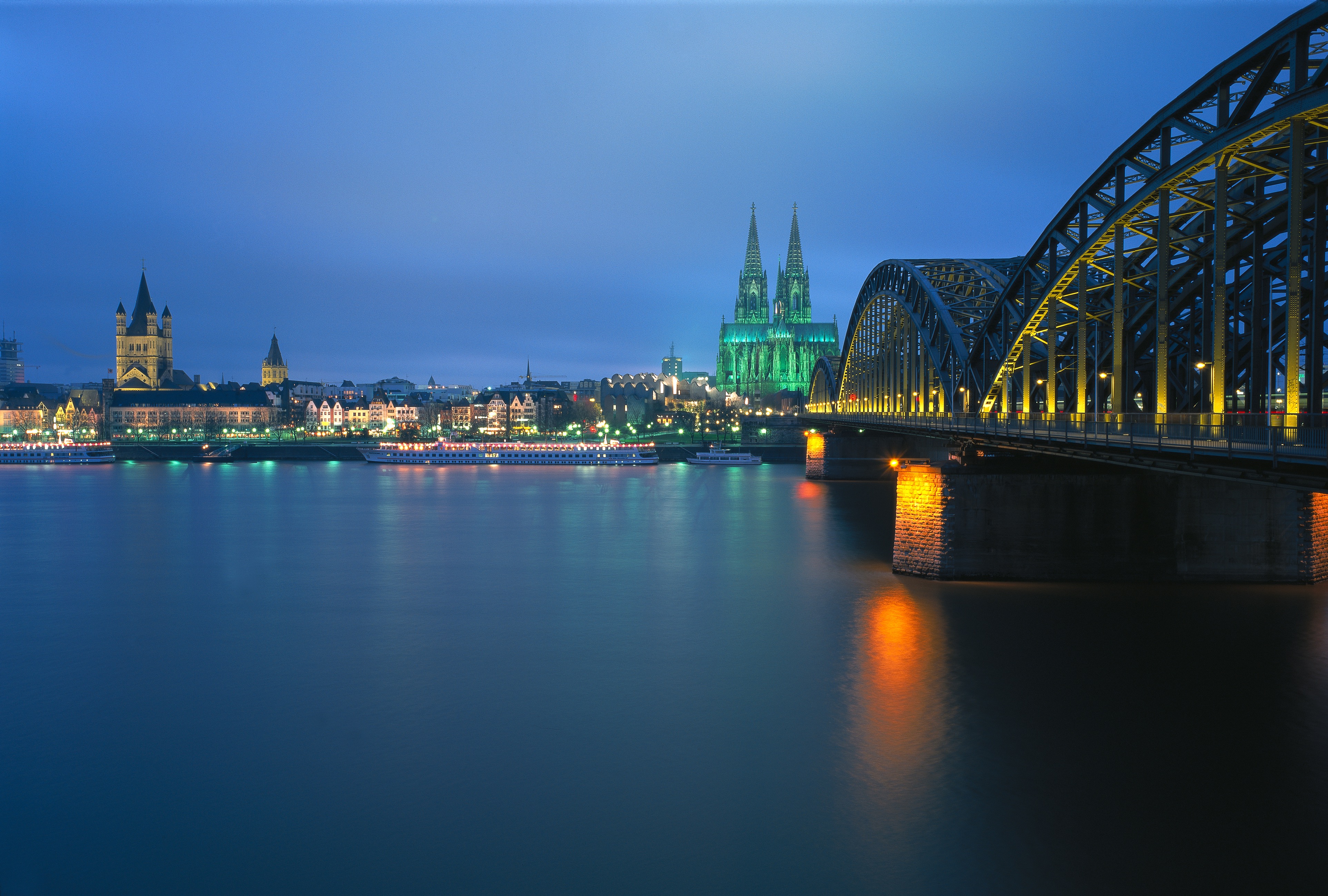
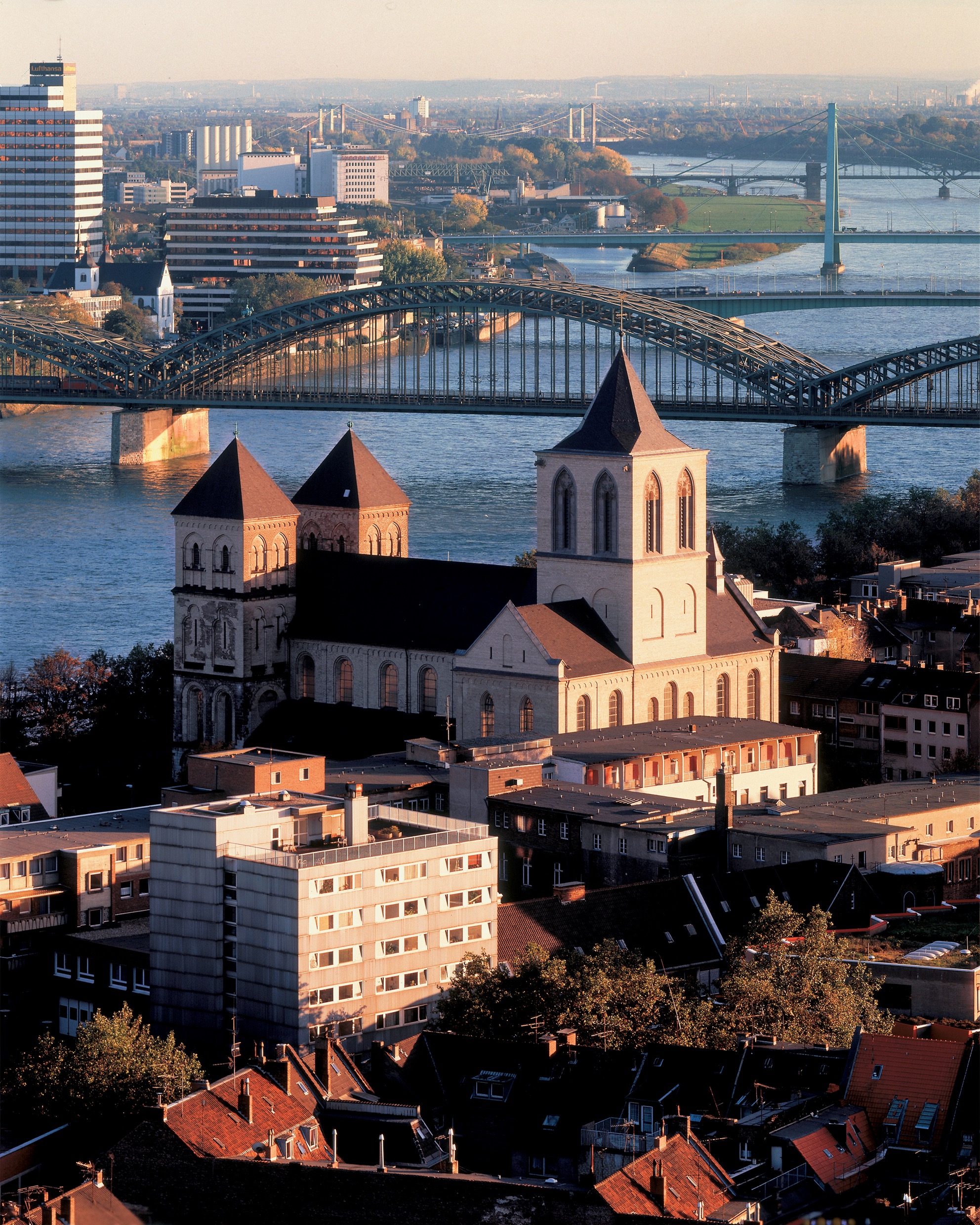
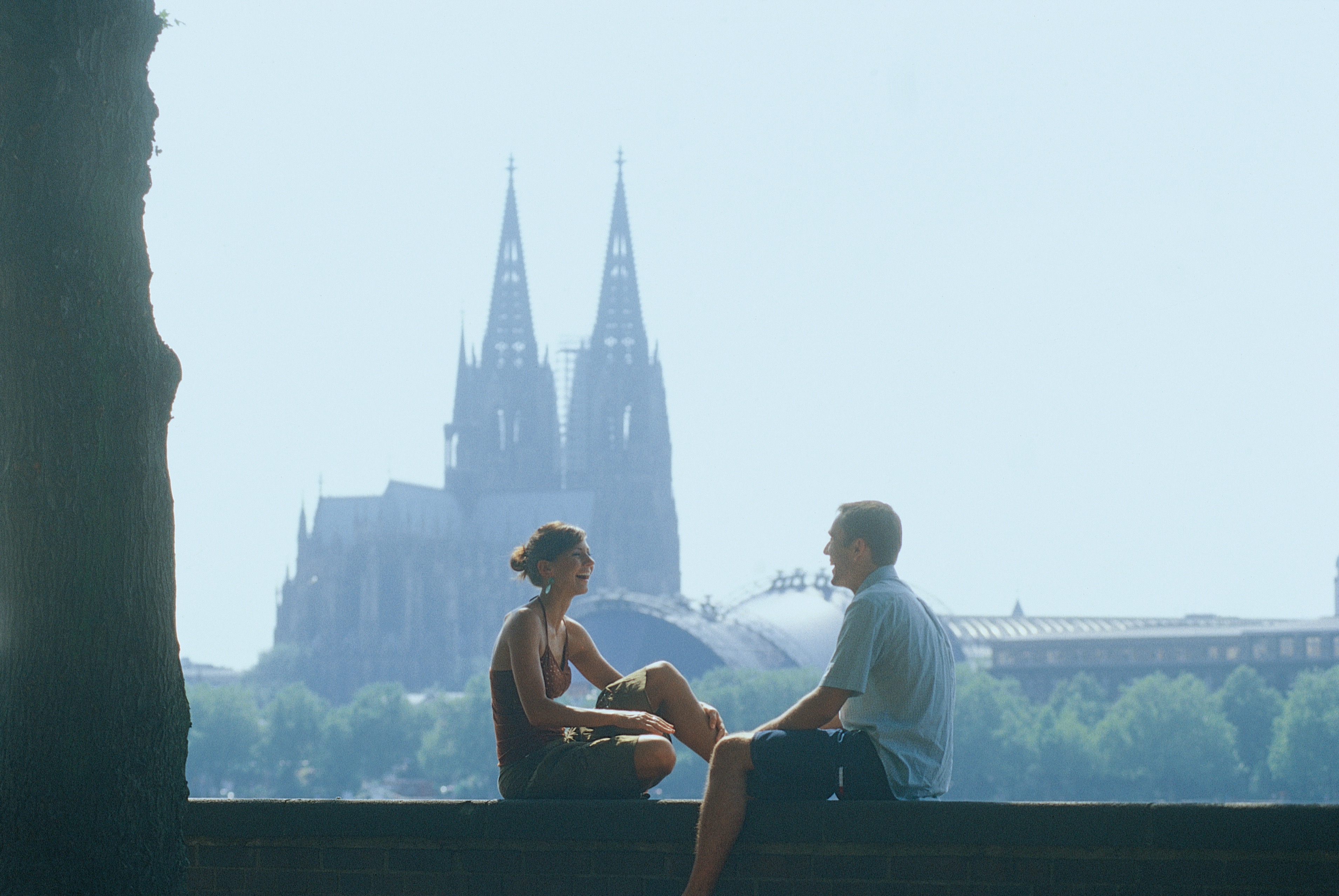
Cologne is a city in western Germany located across the Rhine river. It is the oldest in Germany, dating back 2000 years and is considered the region’s cultural hub. The city is known for its iconic landmark of the twin-spired Cologne Cathedral set against the reconstructed Old Town buildings. When in Old Town, visit the historic Old Town Hall and the Roman Church Great St Martin, or take time out and sit at one of the traditional breweries and enjoy the scenery around you. Historical sites such as the Roman Dionysus mosaic and the medieval Overstolzenhaus are worth a visit too. Another iconic sight in Cologne is at Hohenzollern Bridge. Here, local and tourist couples affix padlocks to the railings of the bridge and swear their loyalty to each other, they then throw the key into the Rhein to ensure everlasting love. Cologne is home to over 30 stages providing cabaret, free ensembles, theatre and dance and also celebrates its openly gay culture.

About Arnhem
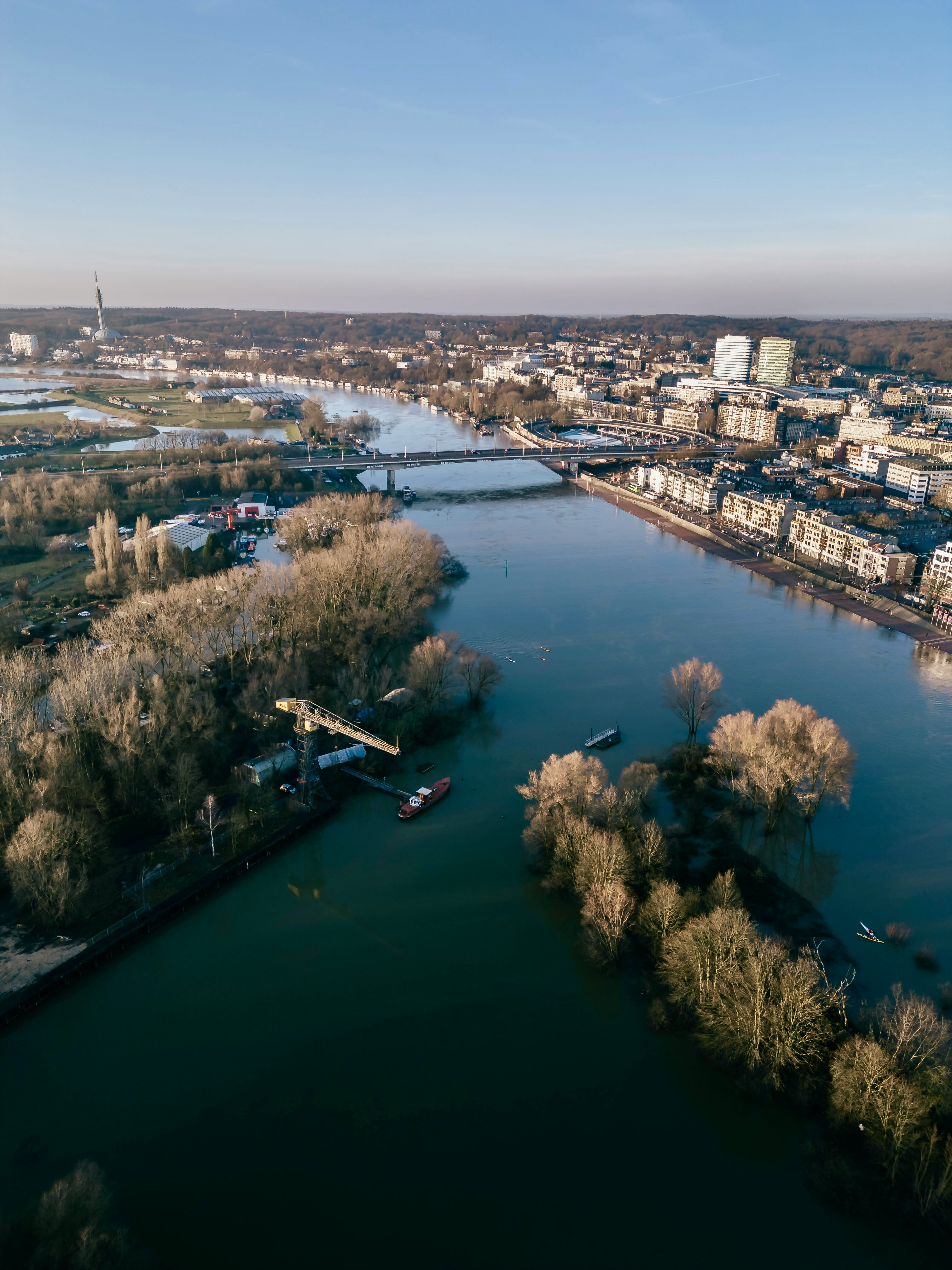
About Amsterdam
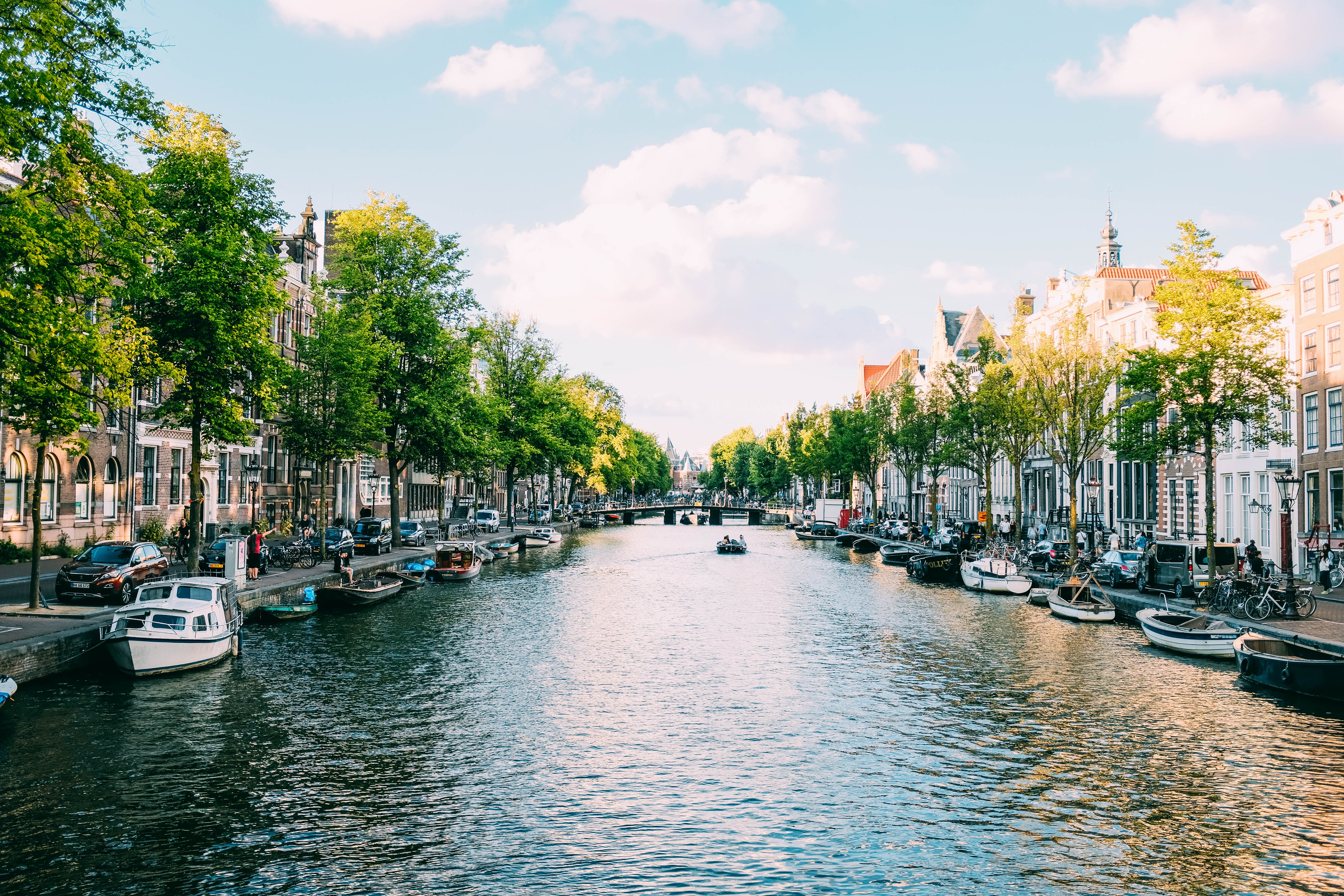
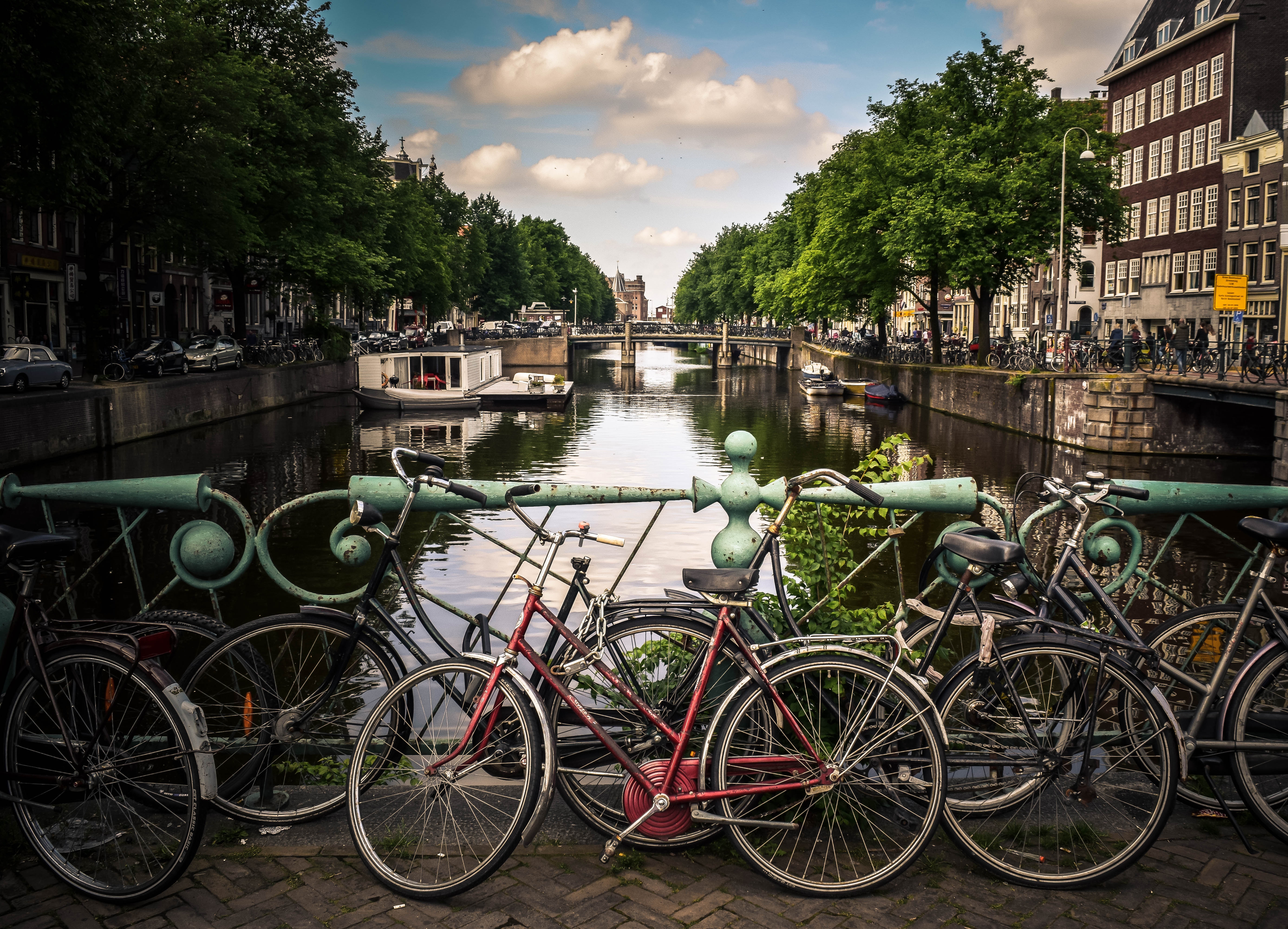
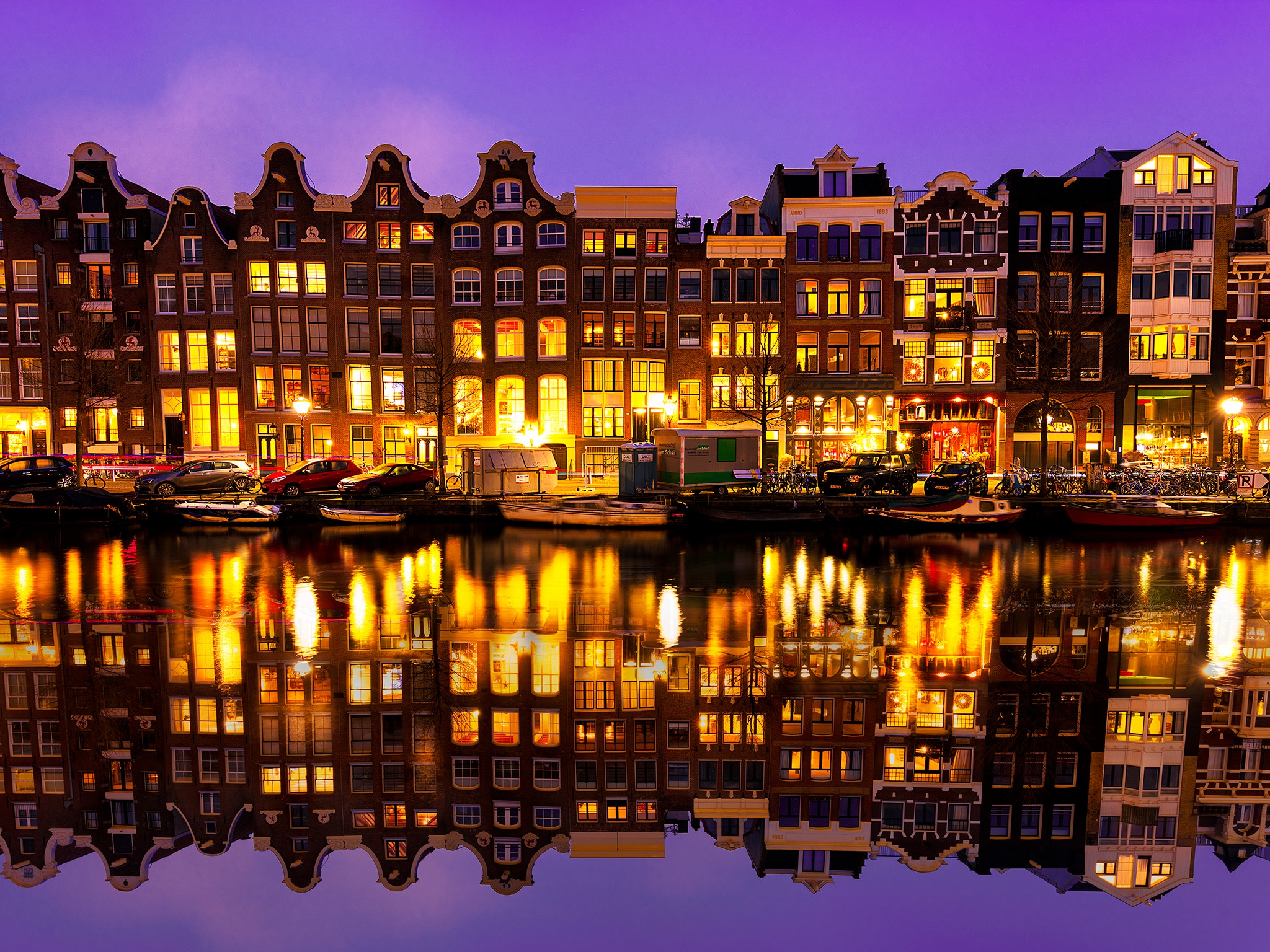
Amsterdam combines the unrivaled beauty of the 17th-century Golden Age city center with plenty of museums and art of the highest order, not to mention a remarkably laid-back atmosphere. It all comes together to make this one of the world's most appealing and offbeat metropolises in the world. Built on a latticework of concentric canals like an aquatic rainbow, Amsterdam is known as the City of Canals—but it's no Venice, content to live on moonlight serenades and former glory. Quite the contrary: on nearly every street here you'll find old and new side by side—quiet corners where time seems to be holding its breath next to streets like neon-lit Kalverstraat, and Red Light ladies strutting by the city's oldest church. Indeed, Amsterdam has as many lovely facets as a 40-carat diamond polished by one of the city's gem cutters. It's certainly a metropolis, but a rather small and very accessible one. Locals tend to refer to it as a big village, albeit one that happens to pack the cultural wallop of a major world destination. There are scores of concerts every day, numerous museums, summertime festivals, and, of course, a legendary year-round party scene. It's pretty much impossible to resist Amsterdam's charms. With 7,000 registered monuments, most of which began as the residences and warehouses of humble merchants, set on 160 man-made canals, and traversed by 1,500 or so bridges, Amsterdam has the largest historical inner city in Europe. Its famous circle of waterways, the grachtengordel, was a 17th-century urban expansion plan for the rich and is a lasting testament to the city’s Golden Age. This town is endearing because of its kinder, gentler nature—but a reputation for championing sex, drugs, and rock ’n’ roll does not alone account for Amsterdam's being one of the most popular destinations in Europe: consider that within a single square mile the city harbors some of the greatest achievements in Western art, from Rembrandt to Van Gogh. Not to mention that this is one of Europe's great walking cities, with so many of its treasures in the untouted details: tiny alleyways barely visible on the map, hidden garden courtyards, shop windows, floating houseboats, hidden hofjes(courtyards with almshouses), sudden vistas of church spires, and gabled roofs that look like so many unframed paintings. And don’t forget that the joy lies in details: elaborate gables and witty gable stones denoting the trade of a previous owner. Keep in mind that those XXX symbols you see all over town are not a mark of the city's triple-X reputation. They're part of Amsterdam's official coat of arms—three St. Andrew's crosses, believed to represent the three dangers that have traditionally plagued the city: flood, fire, and pestilence. The coat's motto ("Valiant, determined, compassionate") was introduced in 1947 by Queen Wilhelmina in remembrance of the 1941 February Strike in Amsterdam—the first time in Europe that non-Jewish people protested against the persecution of Jews by the Nazi regime.
About Amsterdam
Amsterdam combines the unrivaled beauty of the 17th-century Golden Age city center with plenty of museums and art of the highest order, not to mention a remarkably laid-back atmosphere. It all comes together to make this one of the world's most appealing and offbeat metropolises in the world. Built on a latticework of concentric canals like an aquatic rainbow, Amsterdam is known as the City of Canals—but it's no Venice, content to live on moonlight serenades and former glory. Quite the contrary: on nearly every street here you'll find old and new side by side—quiet corners where time seems to be holding its breath next to streets like neon-lit Kalverstraat, and Red Light ladies strutting by the city's oldest church. Indeed, Amsterdam has as many lovely facets as a 40-carat diamond polished by one of the city's gem cutters. It's certainly a metropolis, but a rather small and very accessible one. Locals tend to refer to it as a big village, albeit one that happens to pack the cultural wallop of a major world destination. There are scores of concerts every day, numerous museums, summertime festivals, and, of course, a legendary year-round party scene. It's pretty much impossible to resist Amsterdam's charms. With 7,000 registered monuments, most of which began as the residences and warehouses of humble merchants, set on 160 man-made canals, and traversed by 1,500 or so bridges, Amsterdam has the largest historical inner city in Europe. Its famous circle of waterways, the grachtengordel, was a 17th-century urban expansion plan for the rich and is a lasting testament to the city’s Golden Age. This town is endearing because of its kinder, gentler nature—but a reputation for championing sex, drugs, and rock ’n’ roll does not alone account for Amsterdam's being one of the most popular destinations in Europe: consider that within a single square mile the city harbors some of the greatest achievements in Western art, from Rembrandt to Van Gogh. Not to mention that this is one of Europe's great walking cities, with so many of its treasures in the untouted details: tiny alleyways barely visible on the map, hidden garden courtyards, shop windows, floating houseboats, hidden hofjes(courtyards with almshouses), sudden vistas of church spires, and gabled roofs that look like so many unframed paintings. And don’t forget that the joy lies in details: elaborate gables and witty gable stones denoting the trade of a previous owner. Keep in mind that those XXX symbols you see all over town are not a mark of the city's triple-X reputation. They're part of Amsterdam's official coat of arms—three St. Andrew's crosses, believed to represent the three dangers that have traditionally plagued the city: flood, fire, and pestilence. The coat's motto ("Valiant, determined, compassionate") was introduced in 1947 by Queen Wilhelmina in remembrance of the 1941 February Strike in Amsterdam—the first time in Europe that non-Jewish people protested against the persecution of Jews by the Nazi regime.
Luxurious riverview grand suite (412 sq ft - 38.25 sq m) with two French Balcony windows that can be opened to half-height
Grand suites include built-in closets, hair dryer, safe, individual thermostat and flat-screen TV with infotainment center
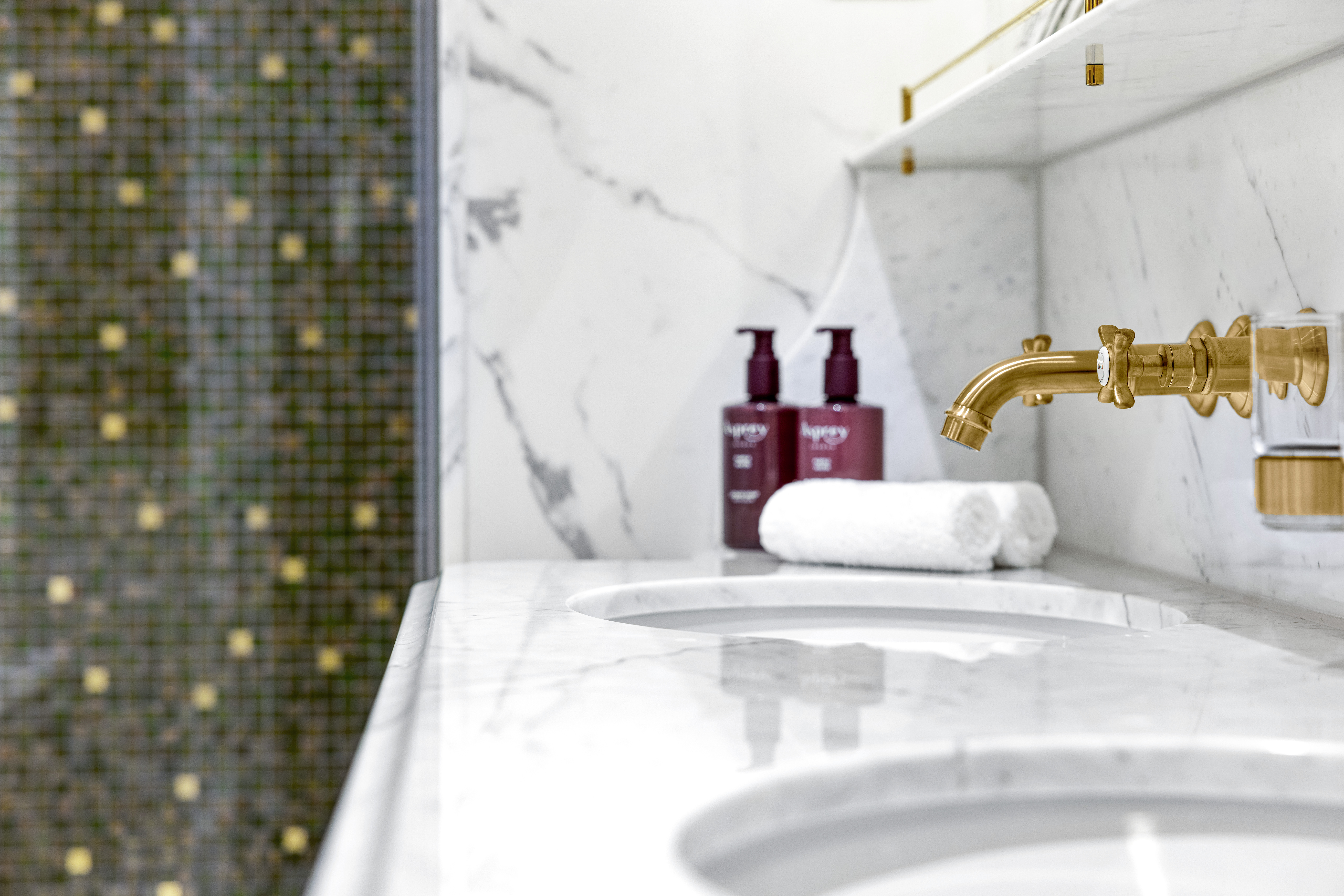
Marble bathroom with Asprey bath and body products, plush towels, comfortable bathrobes and slippers, a rain shower and tub, backlit magnifying mirror, and a secluded toilet area
Butler service, such as packing and unpacking assistance, shoe shining, complimentary laundry service, and in-room breakfast delivery
In-room treats: fresh fruits and treats from your pastry chef delivered daily, a complimentary menu of specialty snacks and cocktails, Nespresso coffees and fine teas, a fully stocked mini bar, and a bottle of wine upon arrival
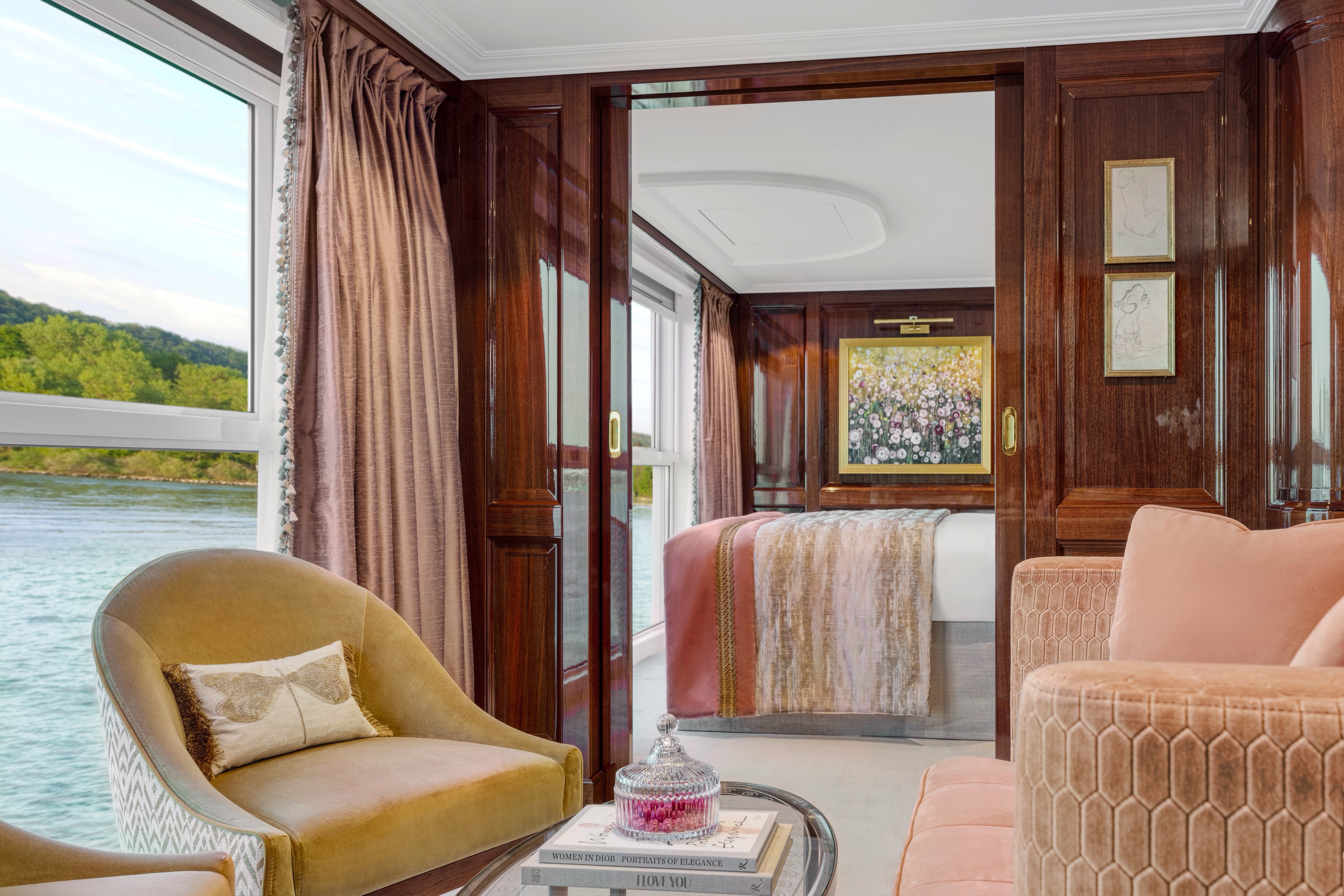
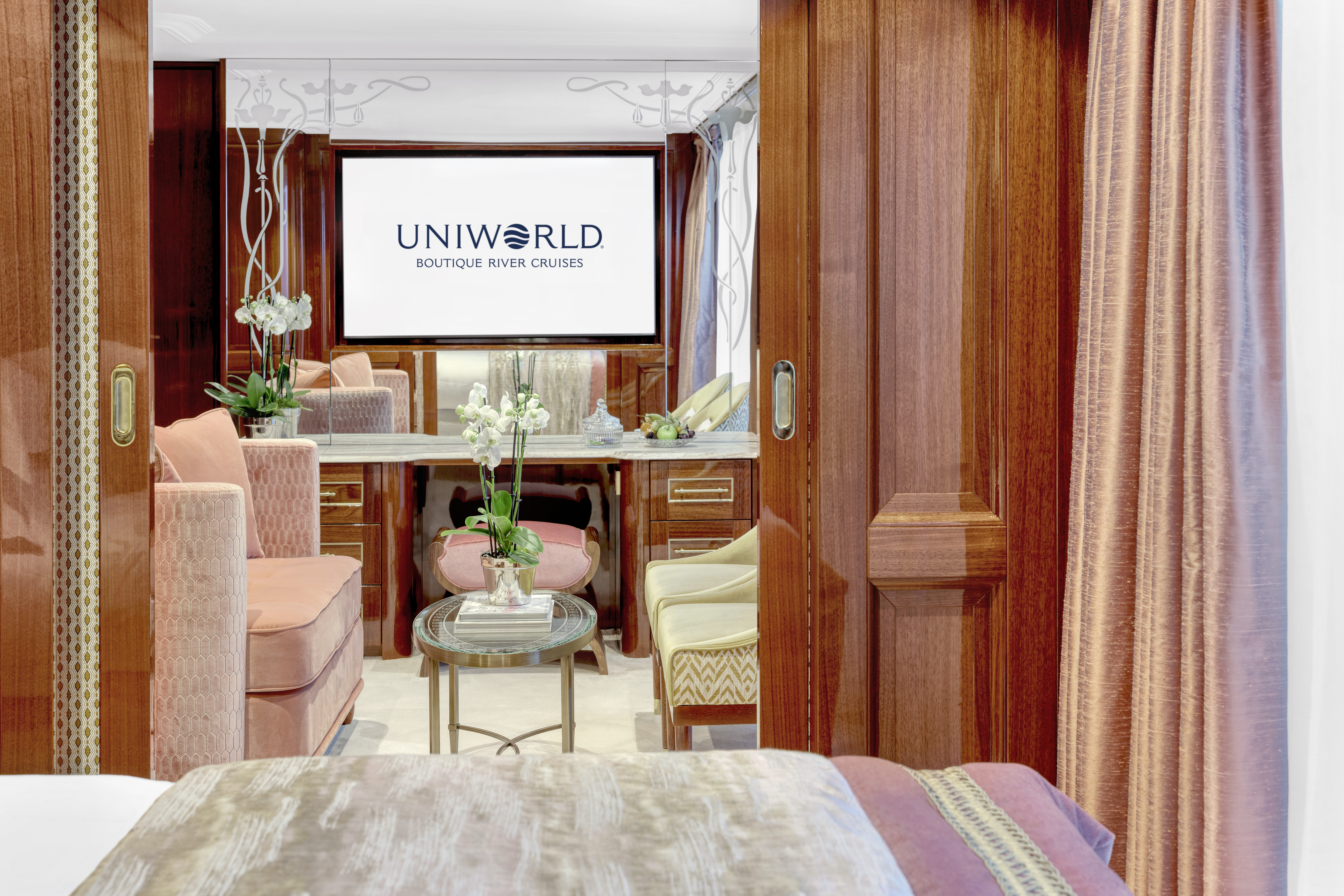
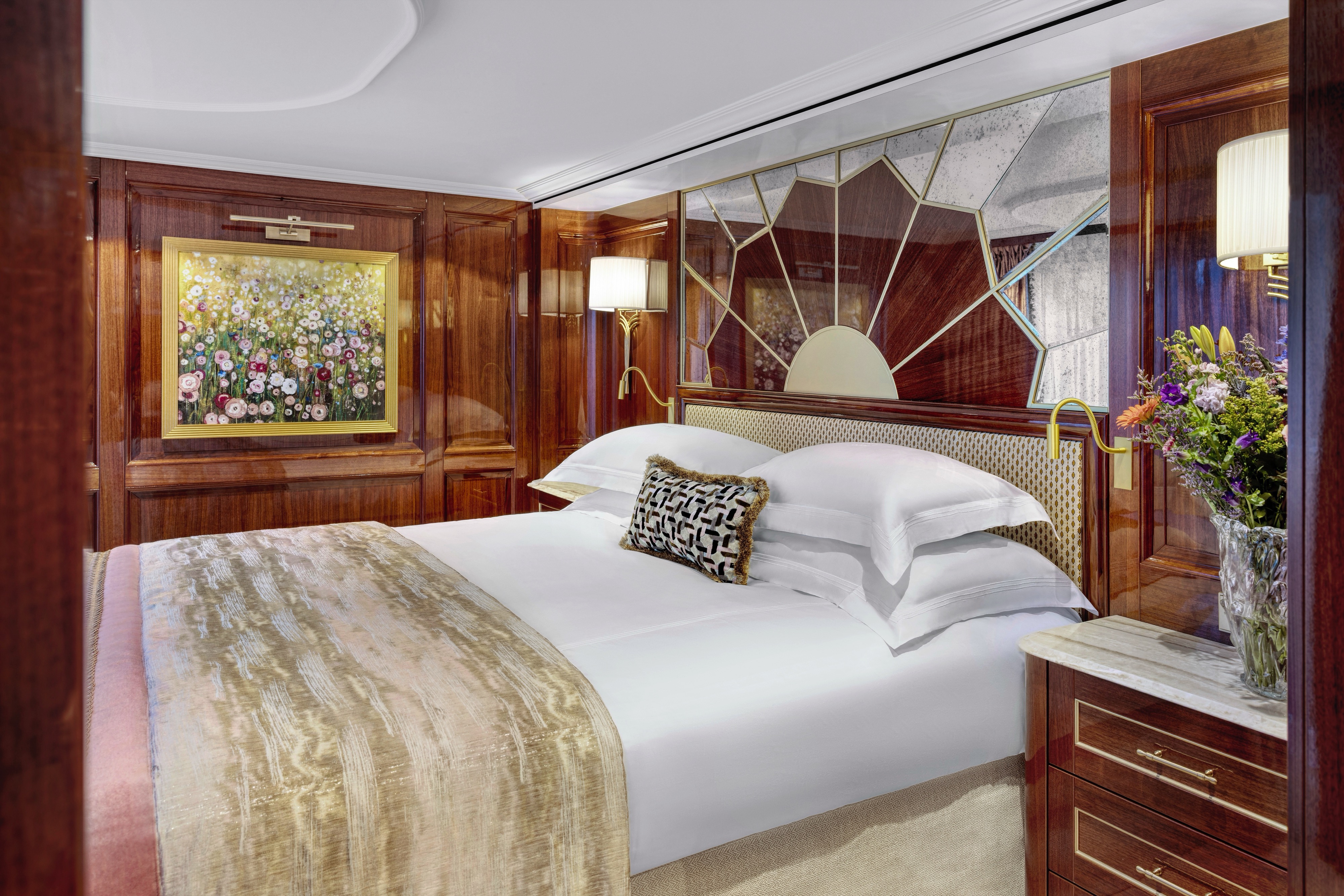
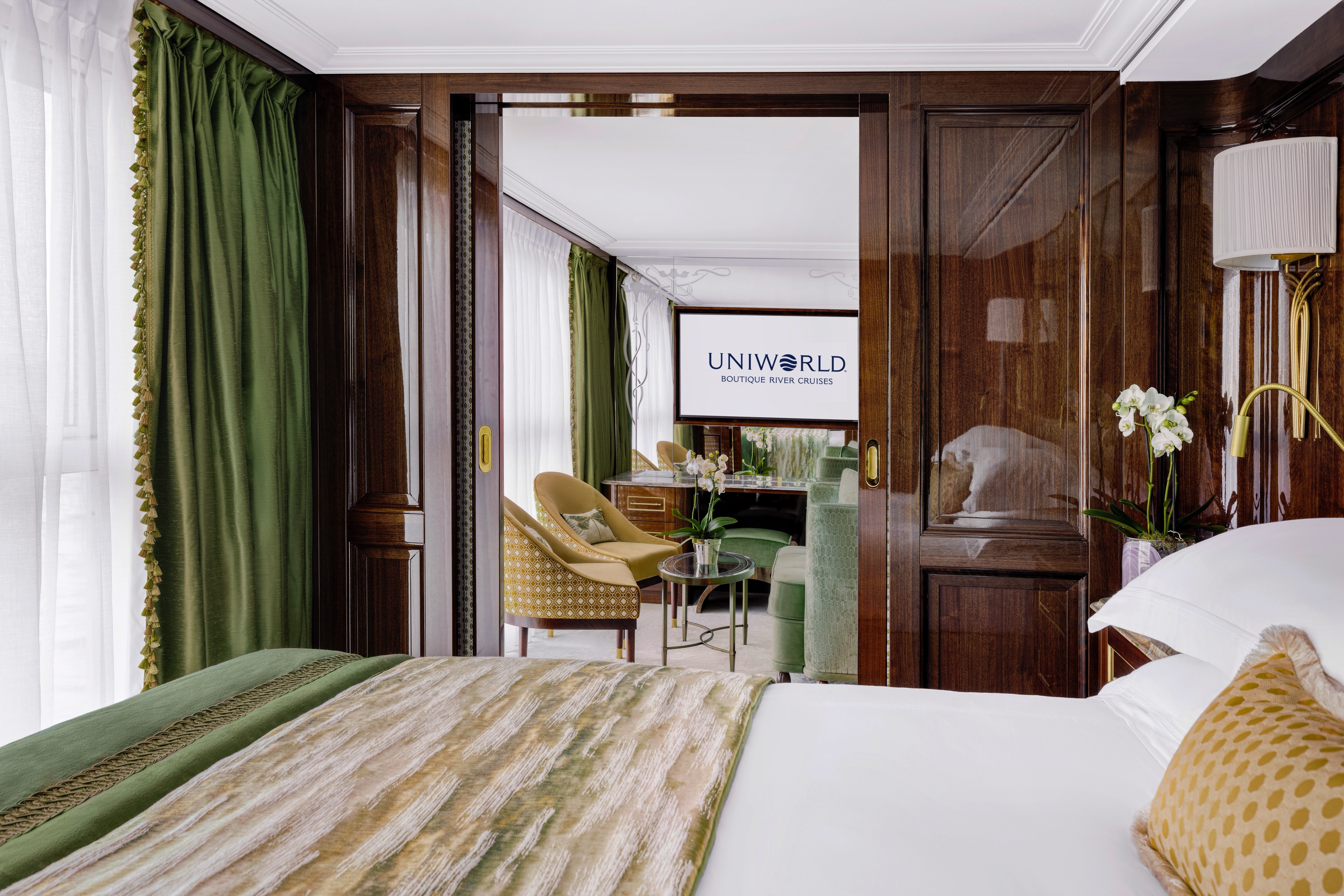
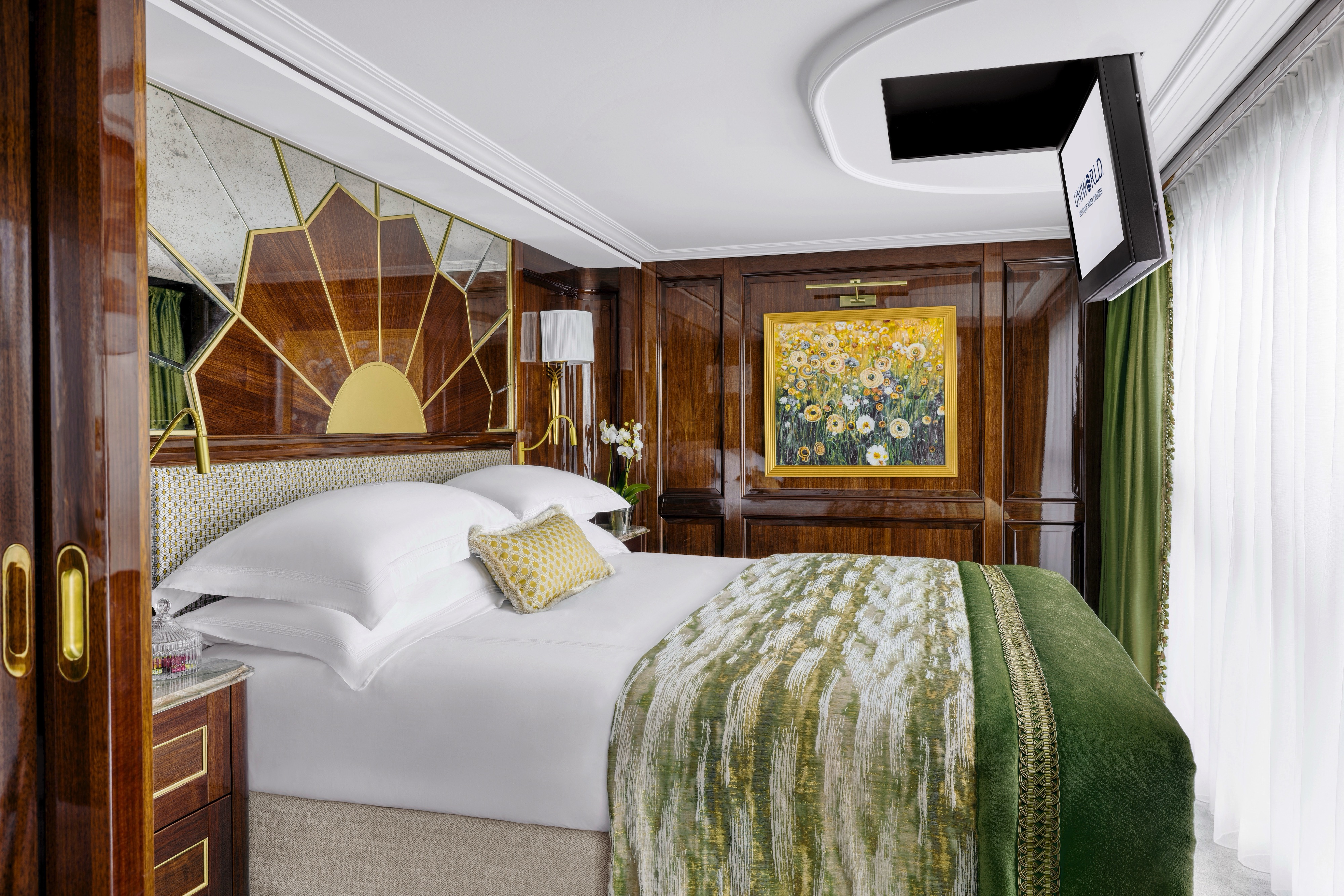
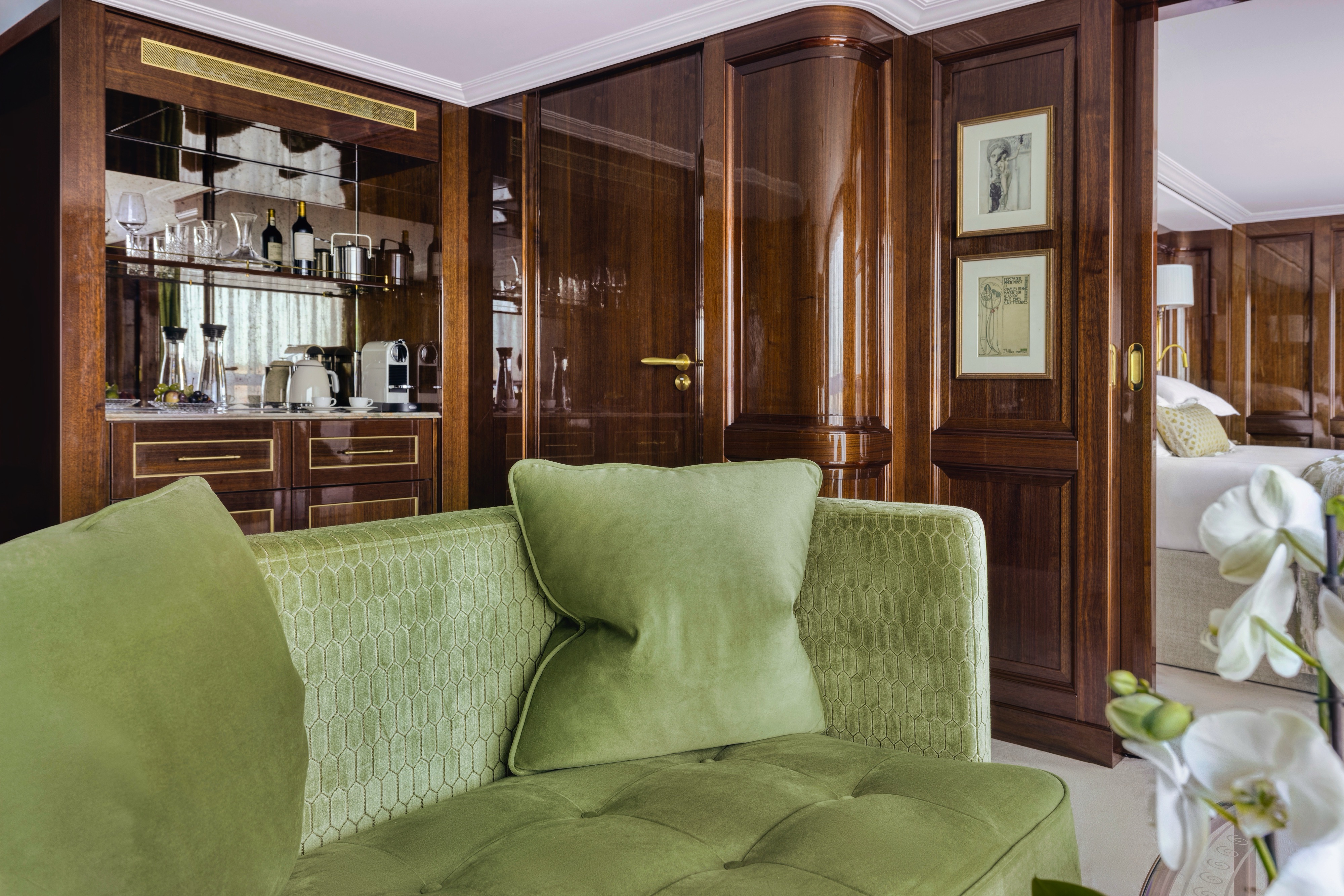
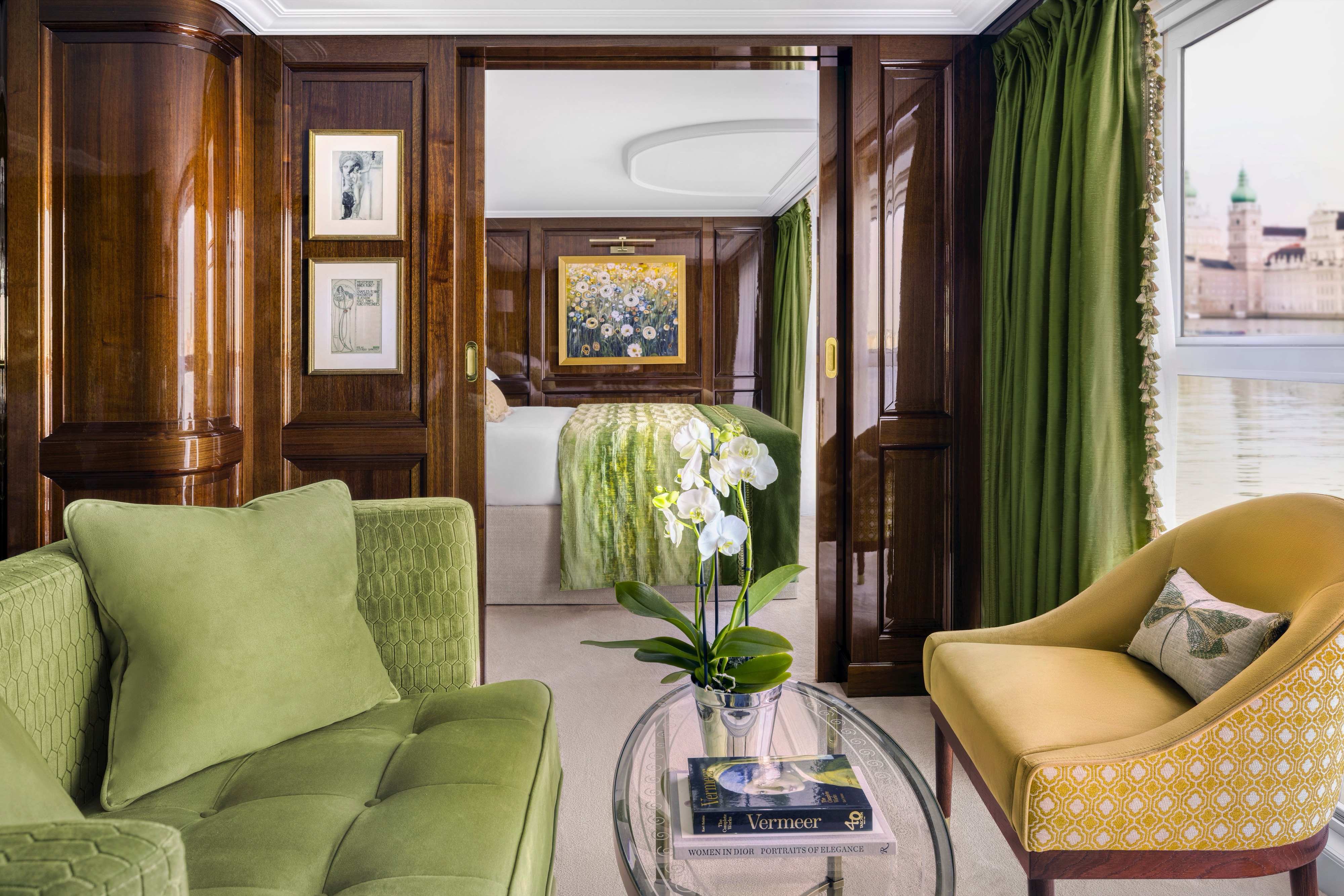
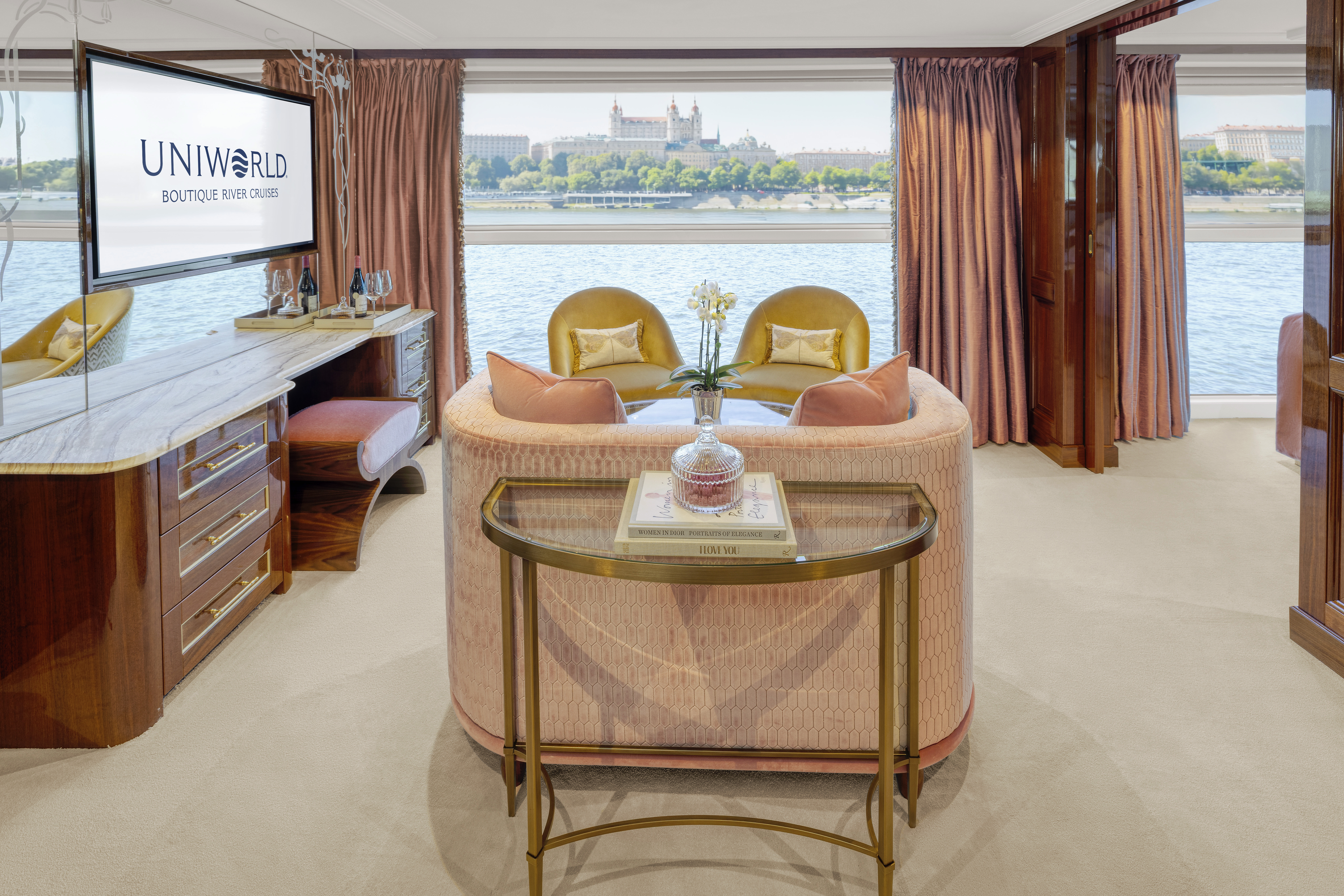
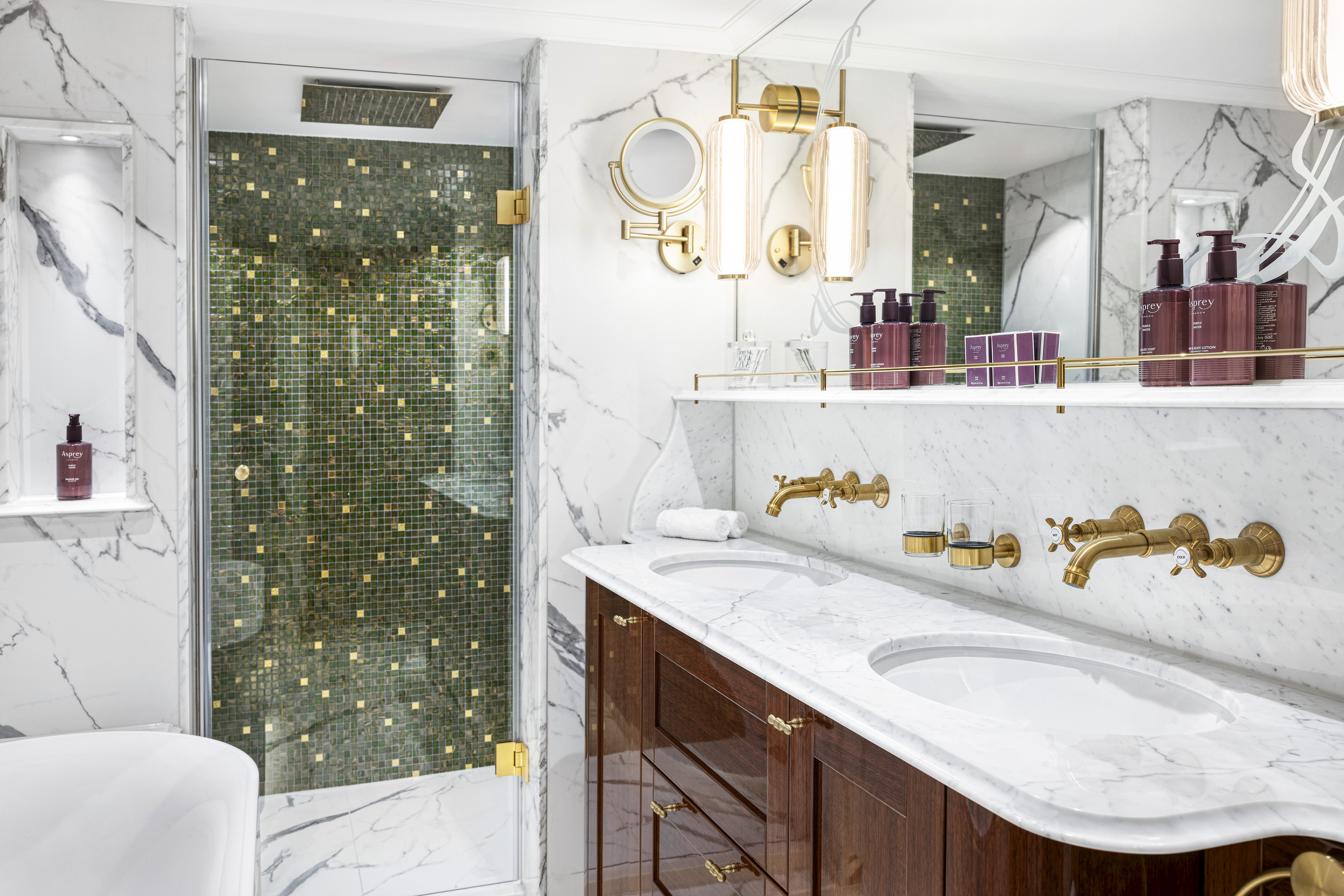
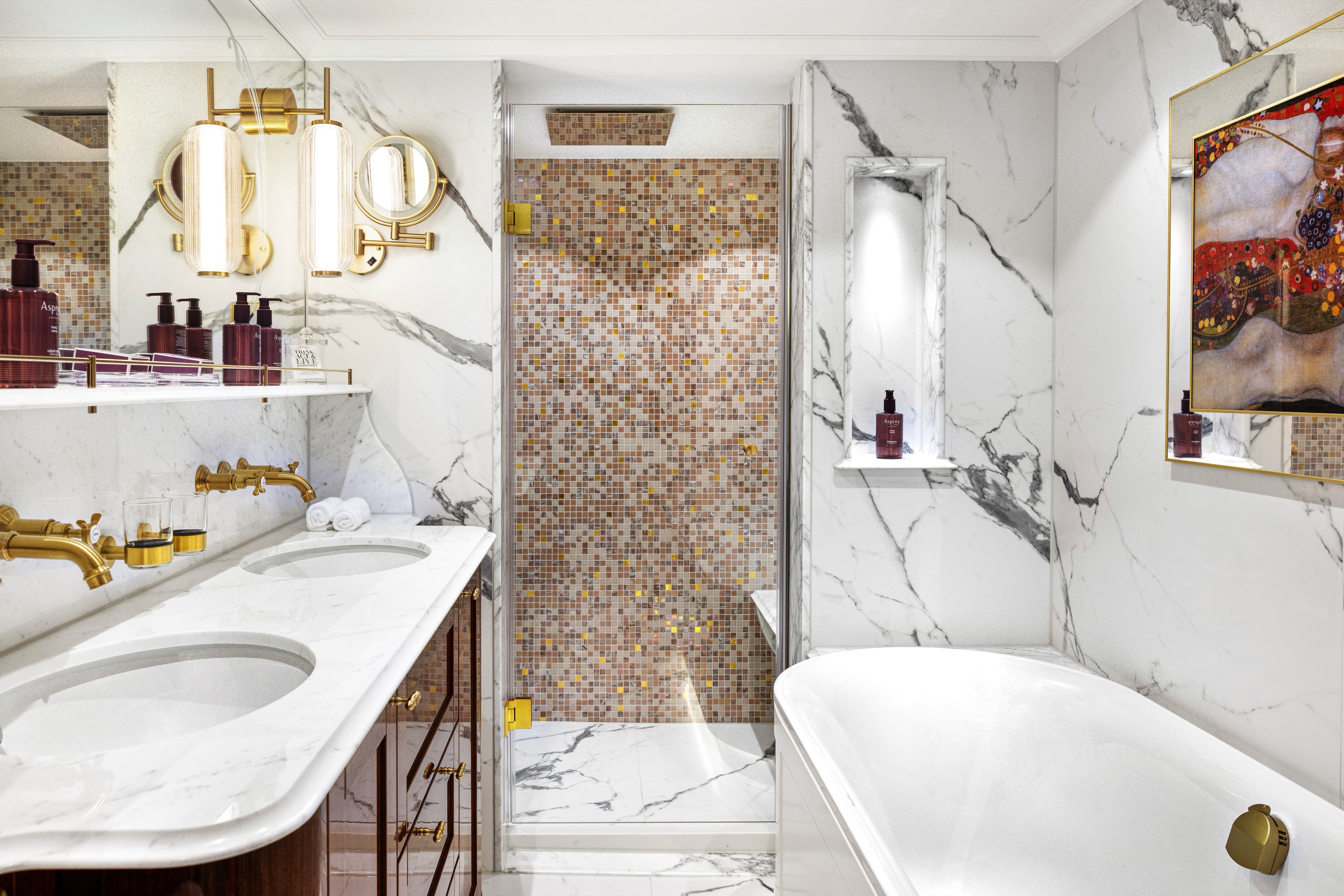
Luxurious riverview suite (286 sq ft - 26.5 sq m) with two French Balcony windows that can be opened to half-height
Built-in closets, hair dryer, safe, individual thermostat and flat-screen TV with infotainment center
Marble bathroom with Asprey bath and body products, plush towels, backlit magnifying mirror, comfortable bathrobes and slippers
Butler service, such as packing and unpacking assistance, shoe shining, complimentary laundry service, and in-room breakfast delivery
In-room treats: fresh fruits and treats from your pastry chef delivered daily, a complimentary menu of specialty snacks and cocktails, Nespresso coffees and fine teas, a fully stocked mini bar, and a bottle of wine upon arrival
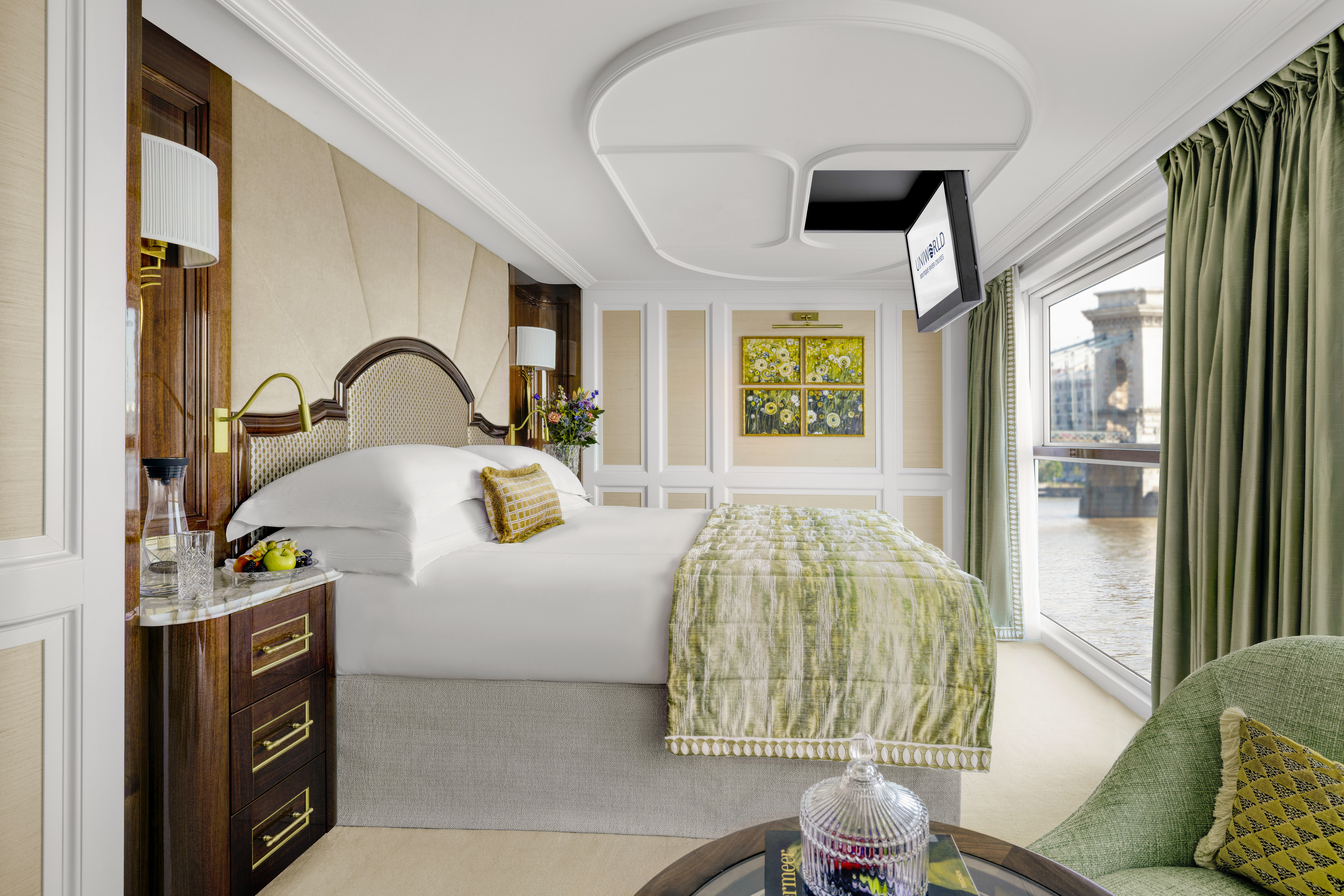
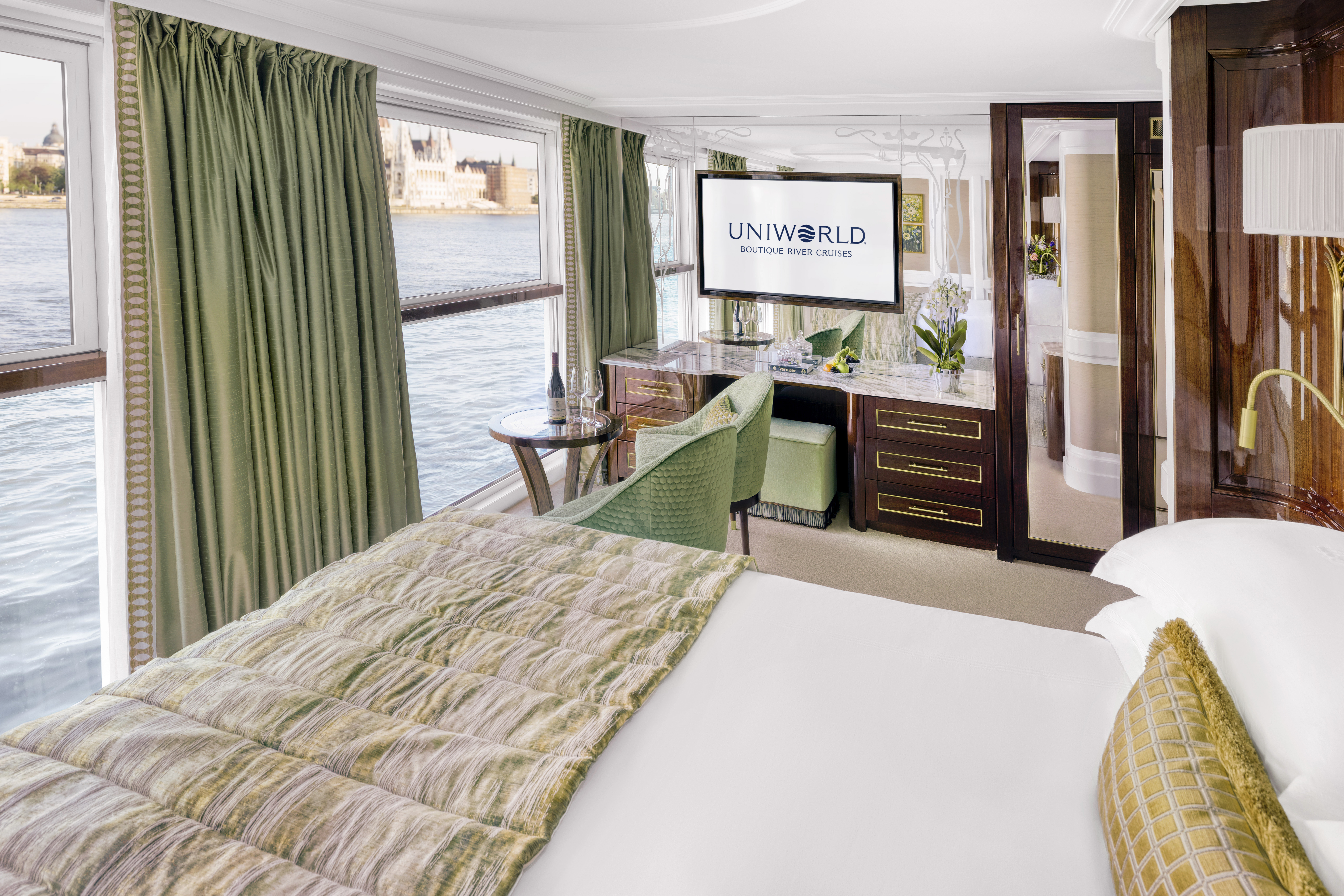
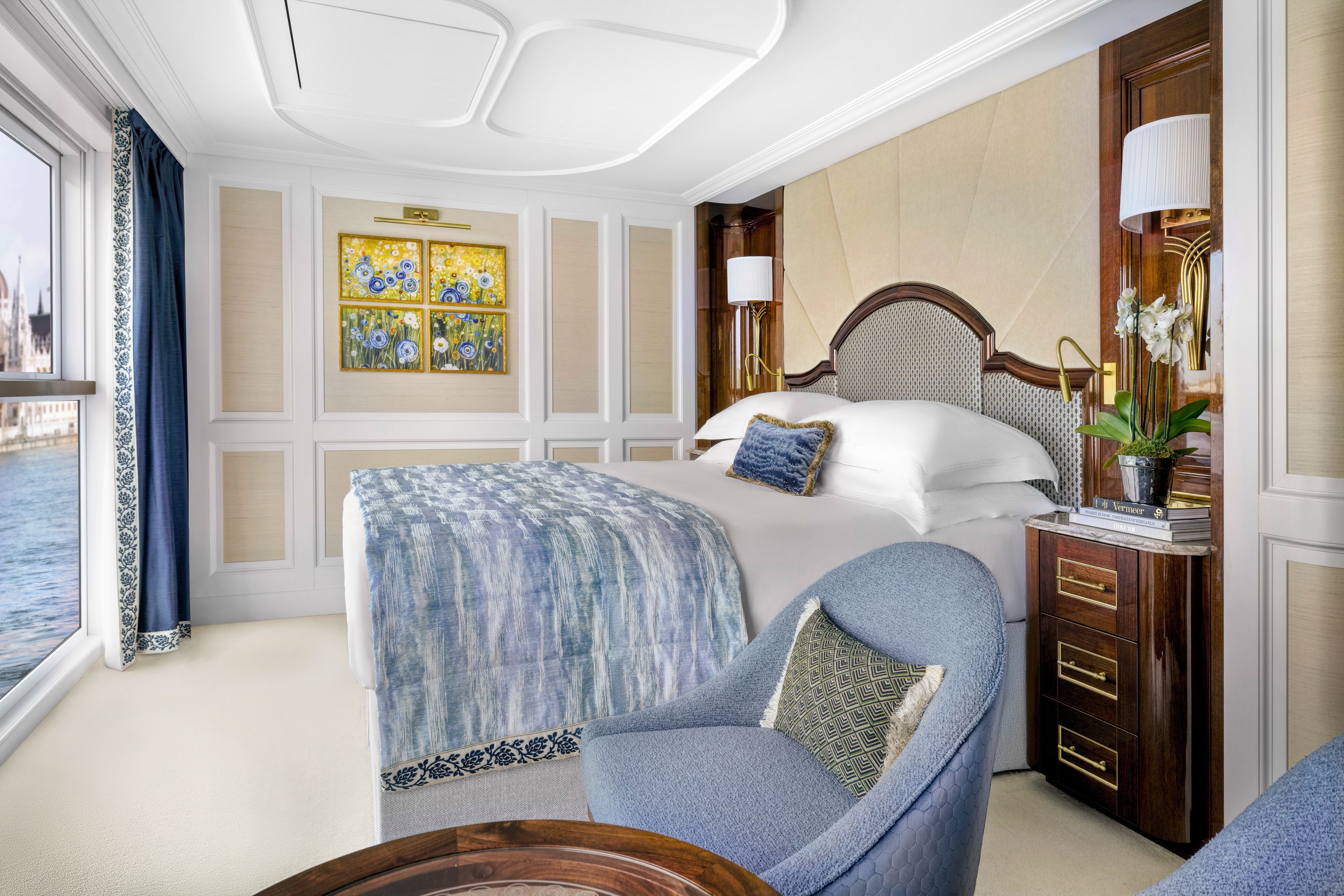
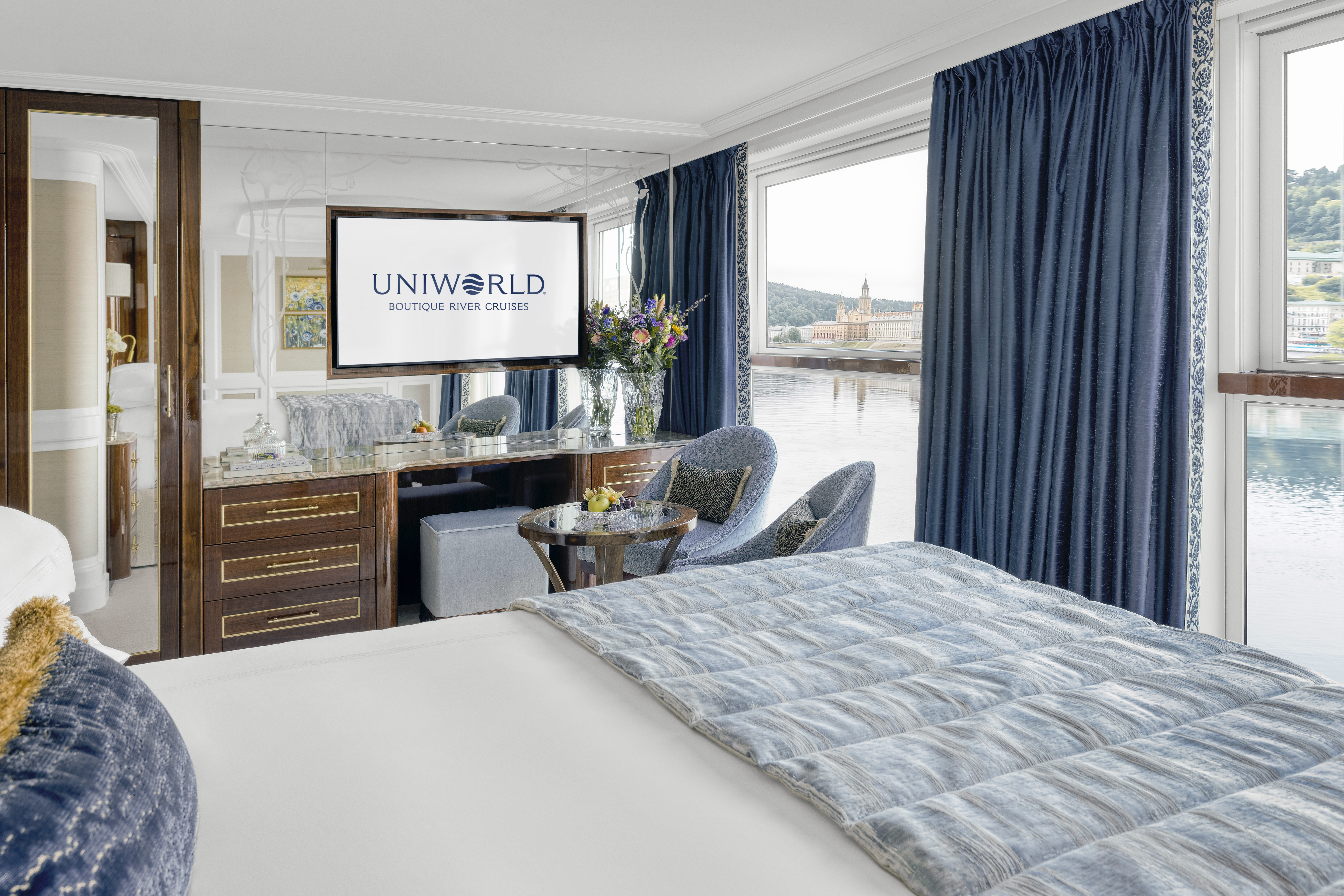
Luxurious riverview stateroom (194 sq ft - 18 sq m) with a French balcony
Built-in closet, hair dryer, safe, individual thermostat, flat-screen TV with infotainment center
Marble bathroom with Asprey bath and body products, plush towels, backlit magnifying mirror, comfortable bathrobes and slippers
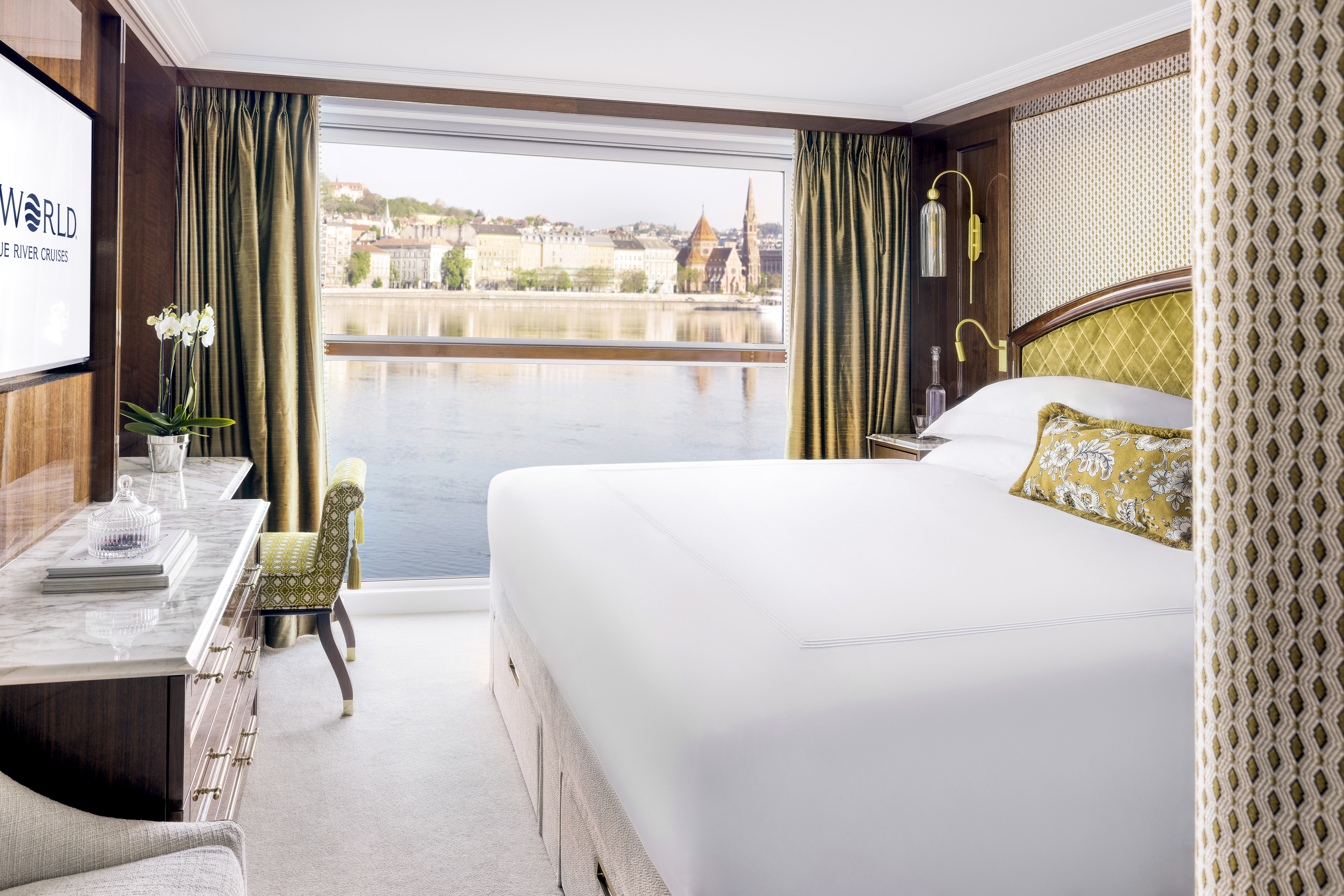
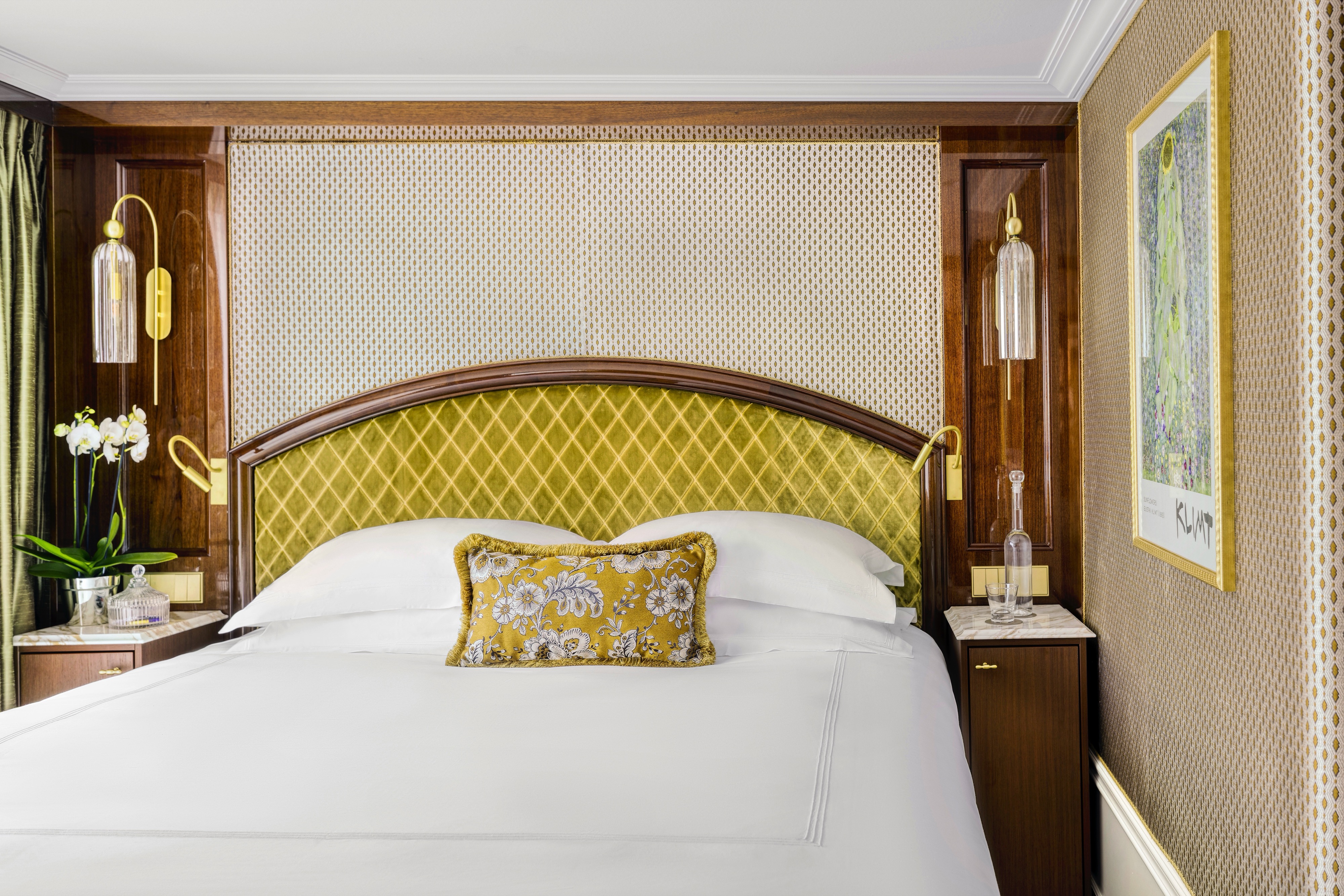
Please note this category is only available for 2026 sailings.
Luxurious riverview stateroom (194 - 227 sq ft / 18 - 21 sq m) with a French balcony
Built-in closet, hair dryer, safe, individual thermostat, flat-screen TV with infotainment center
Marble bathroom with Asprey bath and body products, plush towels, backlit magnifying mirror, comfortable bathrobes and slippers
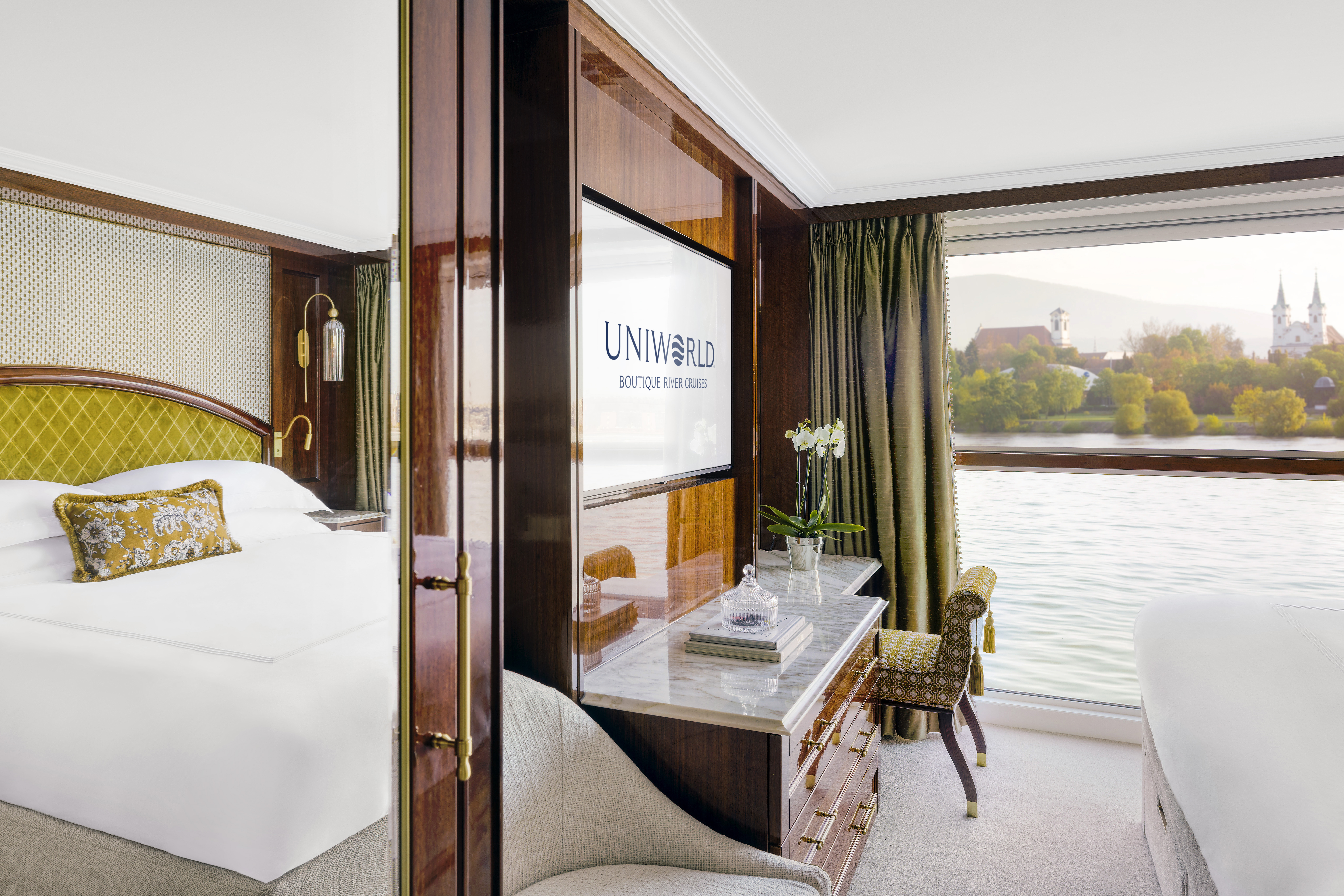
Please note this category is only available on 2027 & 2028 sailings.
Luxurious riverview stateroom (194 - 227 sq ft / 18 - 21 sq m) with a French balcony
Built-in closet, hair dryer, safe, individual thermostat, flat-screen TV with infotainment center
Marble bathroom with Asprey bath and body products, plush towels, backlit magnifying mirror, comfortable bathrobes and slippers
Please note this category is only available on 2027 & 2028 sailings.
Luxurious riverview stateroom (194 - 227 sq ft / 18 - 21 sq m) with a French balcony
Built-in closet, hair dryer, safe, individual thermostat, flat-screen TV with infotainment center
Marble bathroom with Asprey bath and body products, plush towels, backlit magnifying mirror, comfortable bathrobes and slippers
Luxurious riverview stateroom (175 sq ft - 16.25 sq m)
Built-in closet, hair dryer, safe, individual thermostat, flat-screen TV with infotainment center
Marble bathroom with Asprey bath and body products, plush towels, backlit magnifying mirror, comfortable bathrobes and slippers
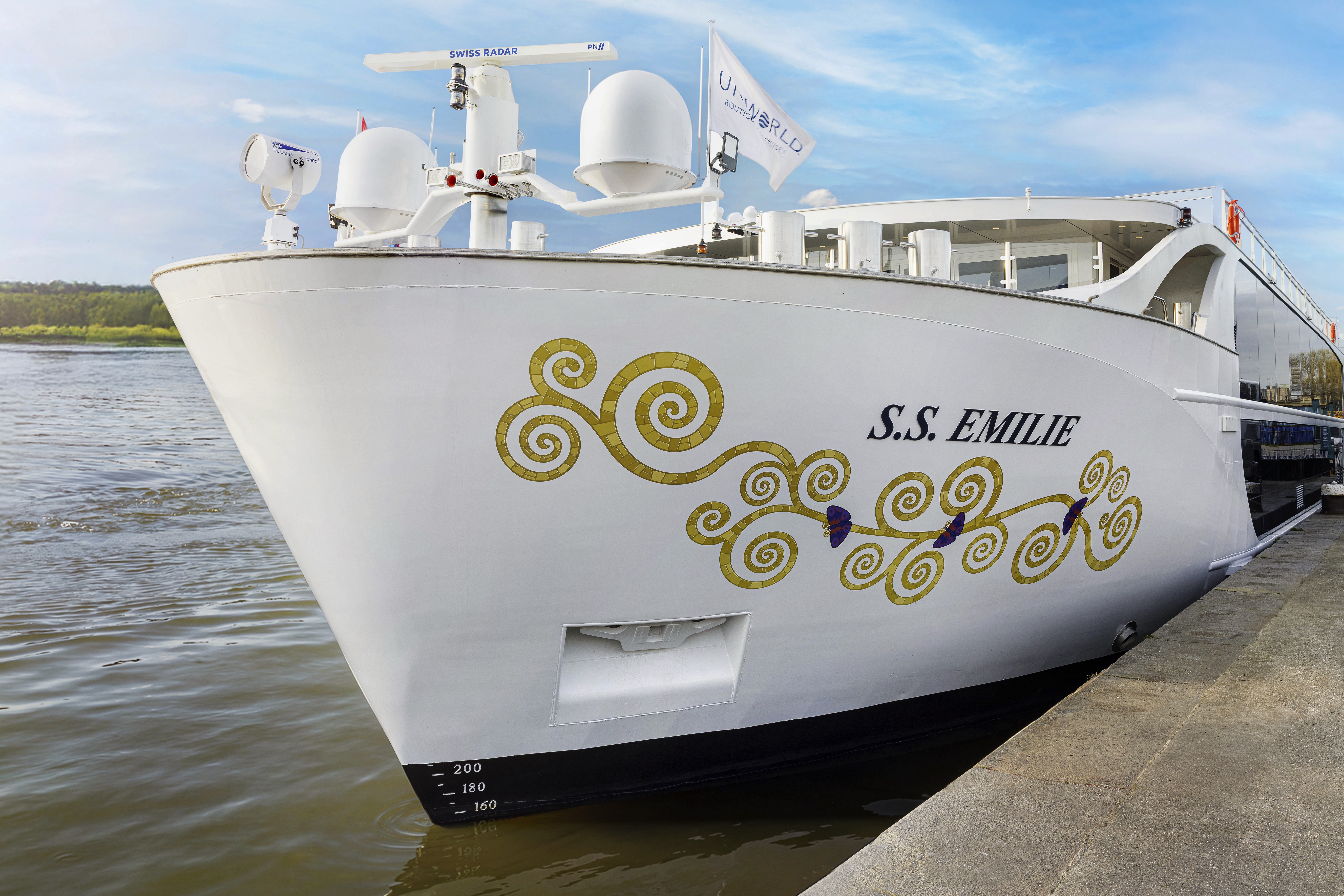
S.S. Emilie
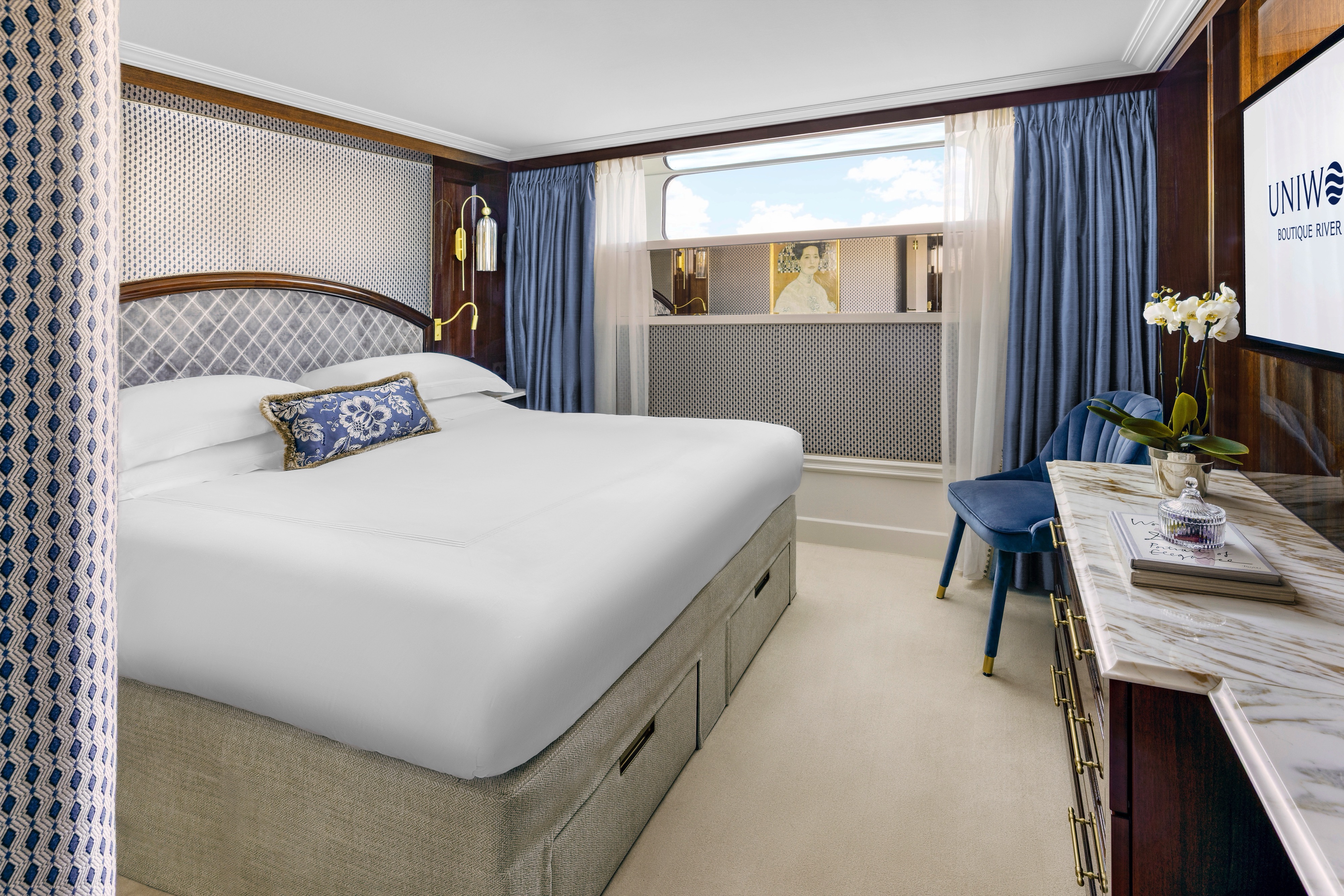
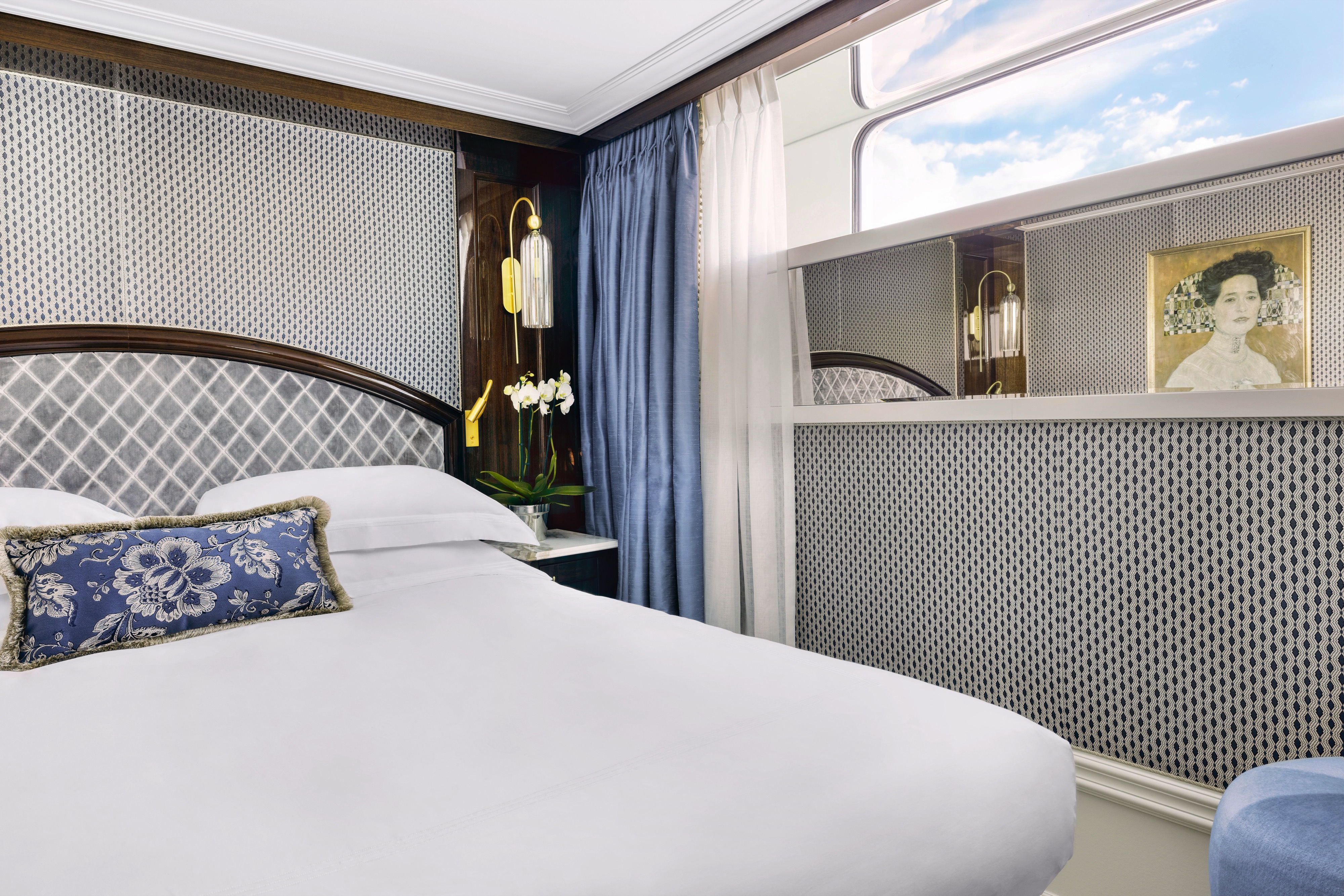
Sailing the Danube River, the next member of our Super Ship™ fleet will be inspired by master Viennese painter Gustav Klimt. In his honor, we’re naming the vessel after his beloved muse, Emilie Flöge. When she debuts in 2026, the S.S. Emilie will bring elements of Klimt’s signature style to our guests, with dramatic hues, Art Nouveau elements, and stunning pops of gold. Guests who book a Grand Suite and the adjoining Deluxe French Balcony next door can see their stateroom transformed into an incredibly spacious 2-bedroom suite.
Ship Facts
| Launch Year | 2026 | ||||||
| Refit Year | |||||||
| Language | en | ||||||
| Gross Tonnage | 1500 | ||||||
| Length | 135 | ||||||
| Width | 11.5 | ||||||
| Currency | EUR | ||||||
| Speed | 10 | ||||||
| Capacity | 154 | ||||||
| Crew Count | 57 | ||||||
| Deck Count | 4 | ||||||
| Cabin Count | 73 | ||||||
| Large Cabin Count | 0 | ||||||
| Wheelchair Cabin Count | 0 | ||||||
| Electrical Plugs |
|
Sun Deck
- Sun Deck
- Bridge

Adele Deck
- Fitness Center
- Serenity River Spa
- Brocade Bar
- Elevator
- Belvedere Lounge
- Grand Suite
- Suite
- Deluxe French Balcony

Athene Deck
- Lobby
- Reception
- Elevator
- Gustav's Restaurant
- French Balcony Stateroom

Danae Deck
- Guest Laundry
- The Gold Room
- Classic Stateroom
- Elevator

At Uniworld, dining is never an afterthought—it is an essential part of the river cruise experience. Enjoy all-inclusive dining from relaxed breakfasts to elegant evening service, where dishes are crafted to deepen your connection to the destination.
All‑Inclusive Dining, Without Compromise
Every Uniworld journey includes exceptional dining, allowing you to savor each moment. Menus evolve with your itinerary, pairing beautifully prepared dishes with regional wines and premium beverages—all included. Whether dining in the restaurant or enjoying an informal breakfast, the experience is seamless, generous, and distinctly Uniworld.
Expert Chefs, Inspired by Place
Behind every menu is a team of highly skilled chefs who bring both technical excellence and creative flair. Our Executive Chefs are all members of the prestigious "Chaîne des Rôtisseurs". Uniworld’s culinary leadership draws inspiration from local traditions and classic recipes, reimagined with a contemporary touch. The result is cuisine that feels both authentic and refined—elegant yet approachable, and always rooted in where you are.
Locally Sourced Ingredients
Wherever possible, ingredients are sourced along the route of your journey—from regional markets, local producers, and trusted suppliers. This commitment ensures freshness, supports local communities, and allows each dish to reflect the destination. From European vineyards to riverside farms, your dining experience becomes another way to explore the places you visit.
Gustav's Restaurant
Gustav's Restaurant can be located on the Athene Deck.
Private Dining
The Private Dining can be located on the Danae Deck.
Sip a glass of wine while you cruise past beautiful landscapes and world-famous landmarks on your way to your next destination...
Belvedere Lounge
The Belvedere Lounge can be located on the Adele Deck.
Aft Lounge
The Aft Lounge can be located on the Adele Deck.
Sun Deck
The Bridge and Loungers can be located on the Sun Deck.
Reception
The Reception is located on the Athene Deck.