
Cruise & Tour: Discover Portugal & Spain
Cruise & Tour: Discover Portugal & Spain
Cruise overview
WHY BOOK WITH US?
- ✔ The Deluxe Cruises’ team has extensive experience in ultra-luxury cruising.
- ✔ Call now to speak to our helpful and experienced Cruise Concierge team.
- ✔ Enjoy our Unique Deluxe Cruises Bonus for substantial savings.
- ✔ Our team will tailor your holiday to your exacting requirements.
- ✔ As agents, we work under the protection of each cruise lines ABTA / ATOL licences
About Barcelona
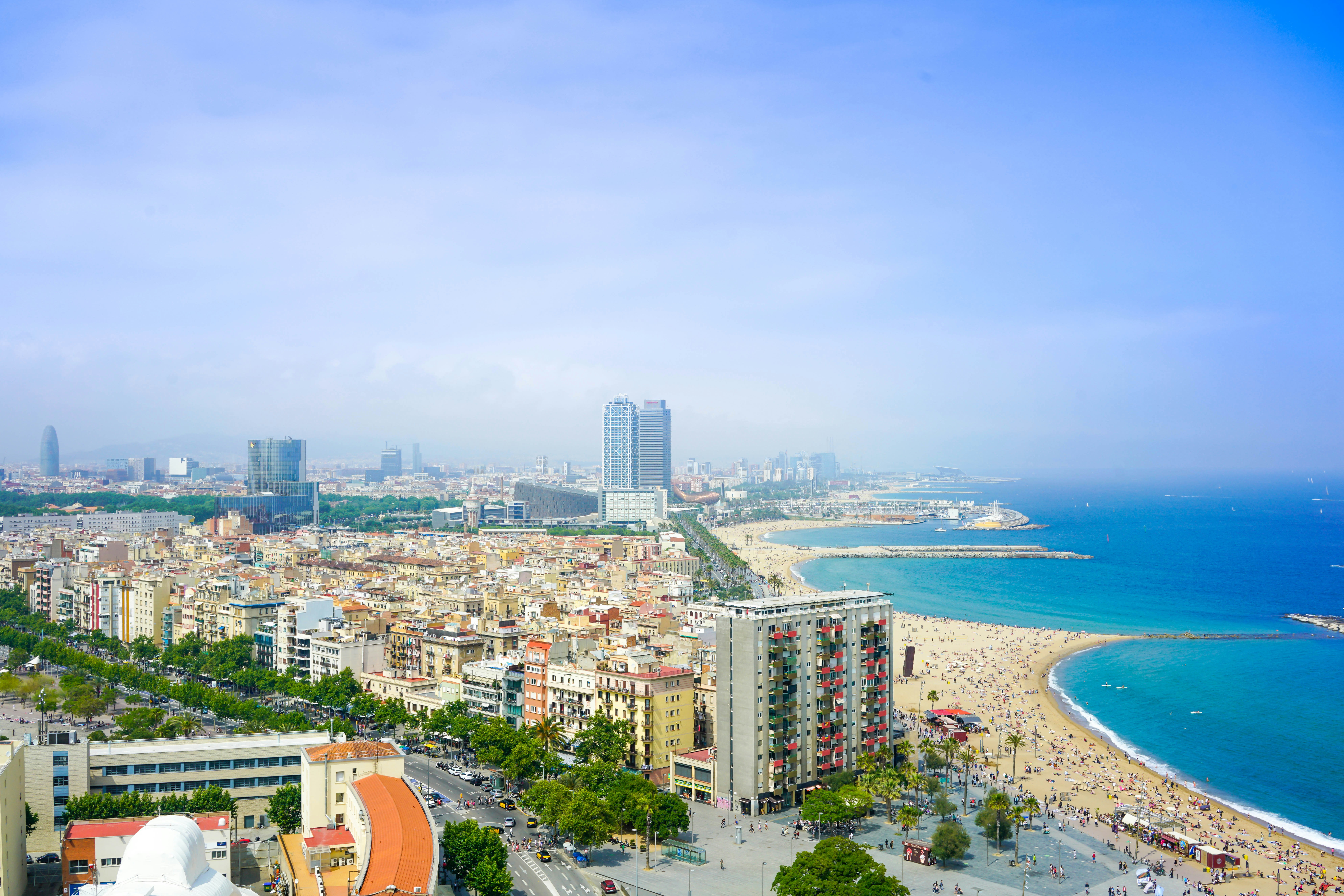
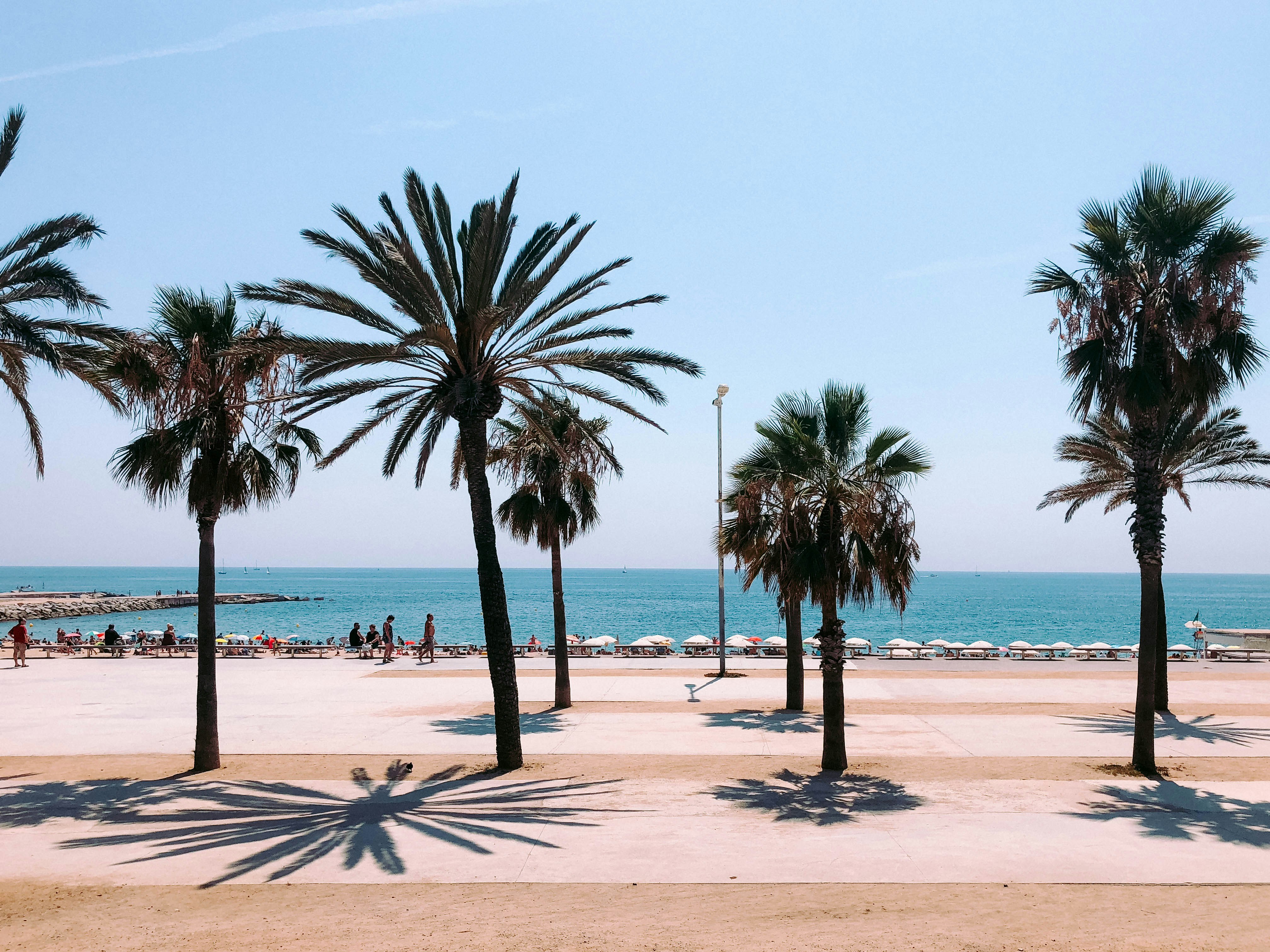
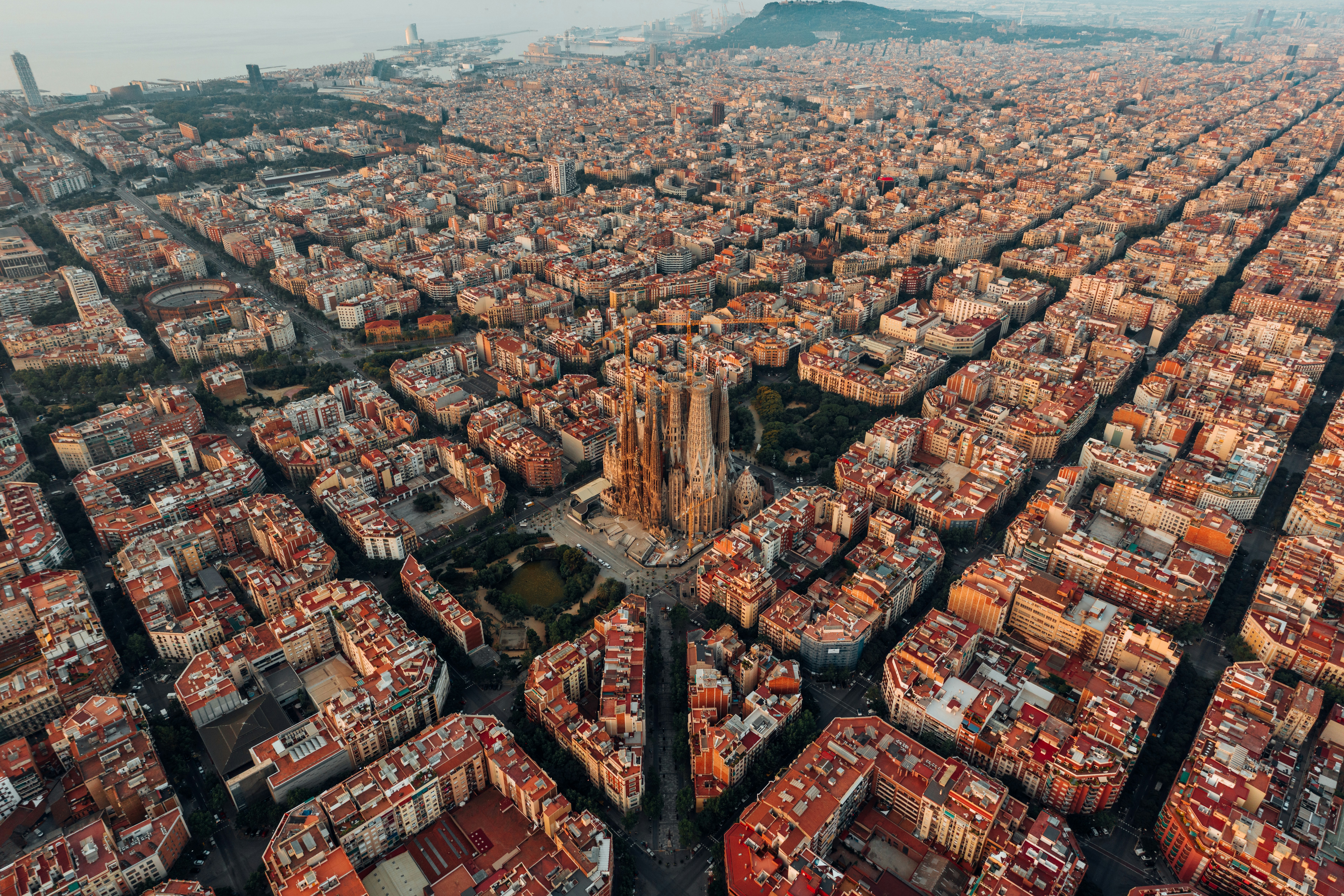
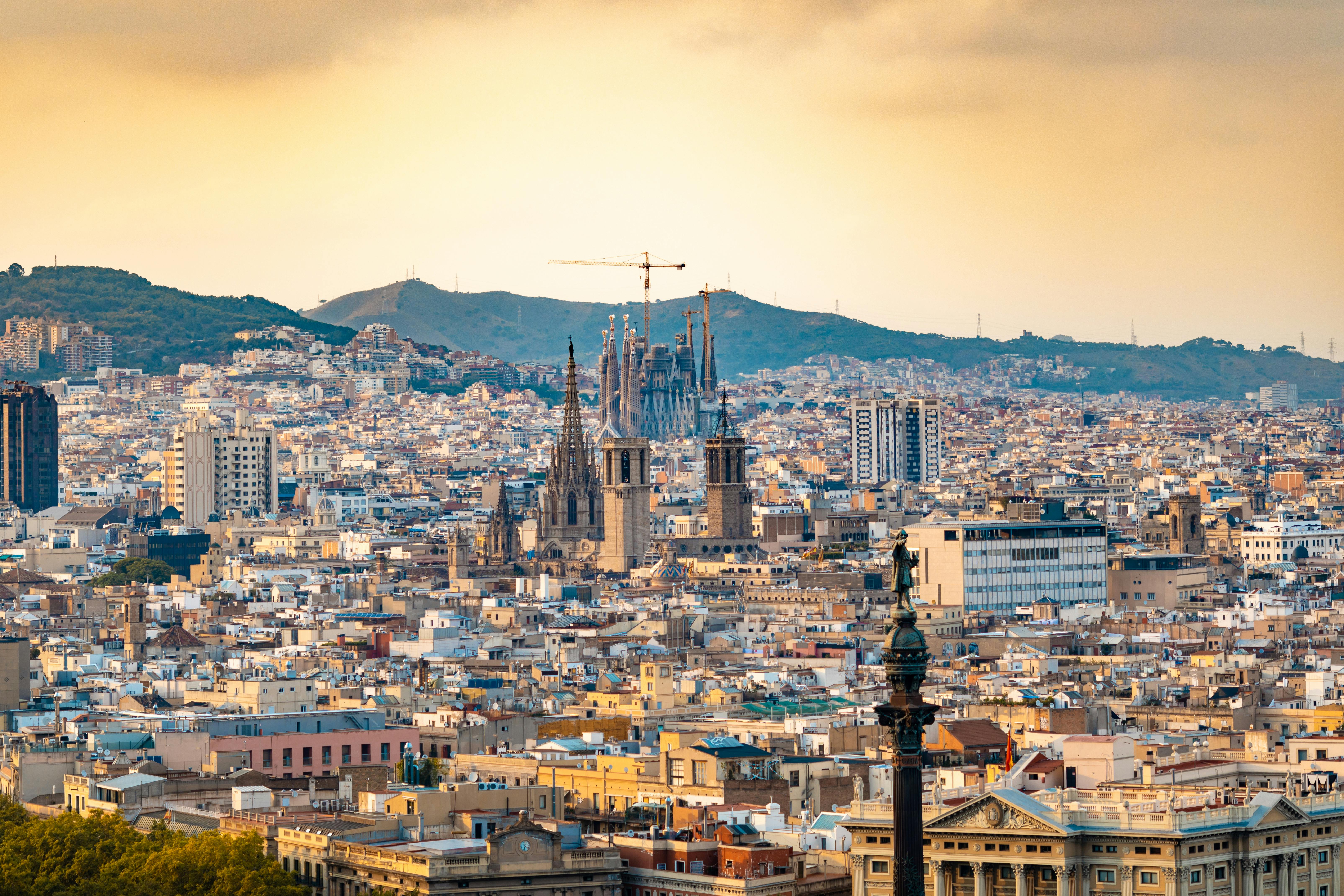
The infinite variety of street life, the nooks and crannies of the medieval Barri Gòtic, the ceramic tile and stained glass of Art Nouveau facades, the art and music, the throb of street life, the food (ah, the food!)—one way or another, Barcelona will find a way to get your full attention. The capital of Catalonia is a banquet for the senses, with its beguiling mix of ancient and modern architecture, tempting cafés and markets, and sun-drenched Mediterranean beaches. A stroll along La Rambla and through waterfront Barceloneta, as well as a tour of Gaudí's majestic Sagrada Famíliaand his other unique creations, are part of a visit to Spain's second-largest city. Modern art museums and chic shops call for attention, too. Barcelona's vibe stays lively well into the night, when you can linger over regional wine and cuisine at buzzing tapas bars.
About Barcelona
The infinite variety of street life, the nooks and crannies of the medieval Barri Gòtic, the ceramic tile and stained glass of Art Nouveau facades, the art and music, the throb of street life, the food (ah, the food!)—one way or another, Barcelona will find a way to get your full attention. The capital of Catalonia is a banquet for the senses, with its beguiling mix of ancient and modern architecture, tempting cafés and markets, and sun-drenched Mediterranean beaches. A stroll along La Rambla and through waterfront Barceloneta, as well as a tour of Gaudí's majestic Sagrada Famíliaand his other unique creations, are part of a visit to Spain's second-largest city. Modern art museums and chic shops call for attention, too. Barcelona's vibe stays lively well into the night, when you can linger over regional wine and cuisine at buzzing tapas bars.
About Valencia
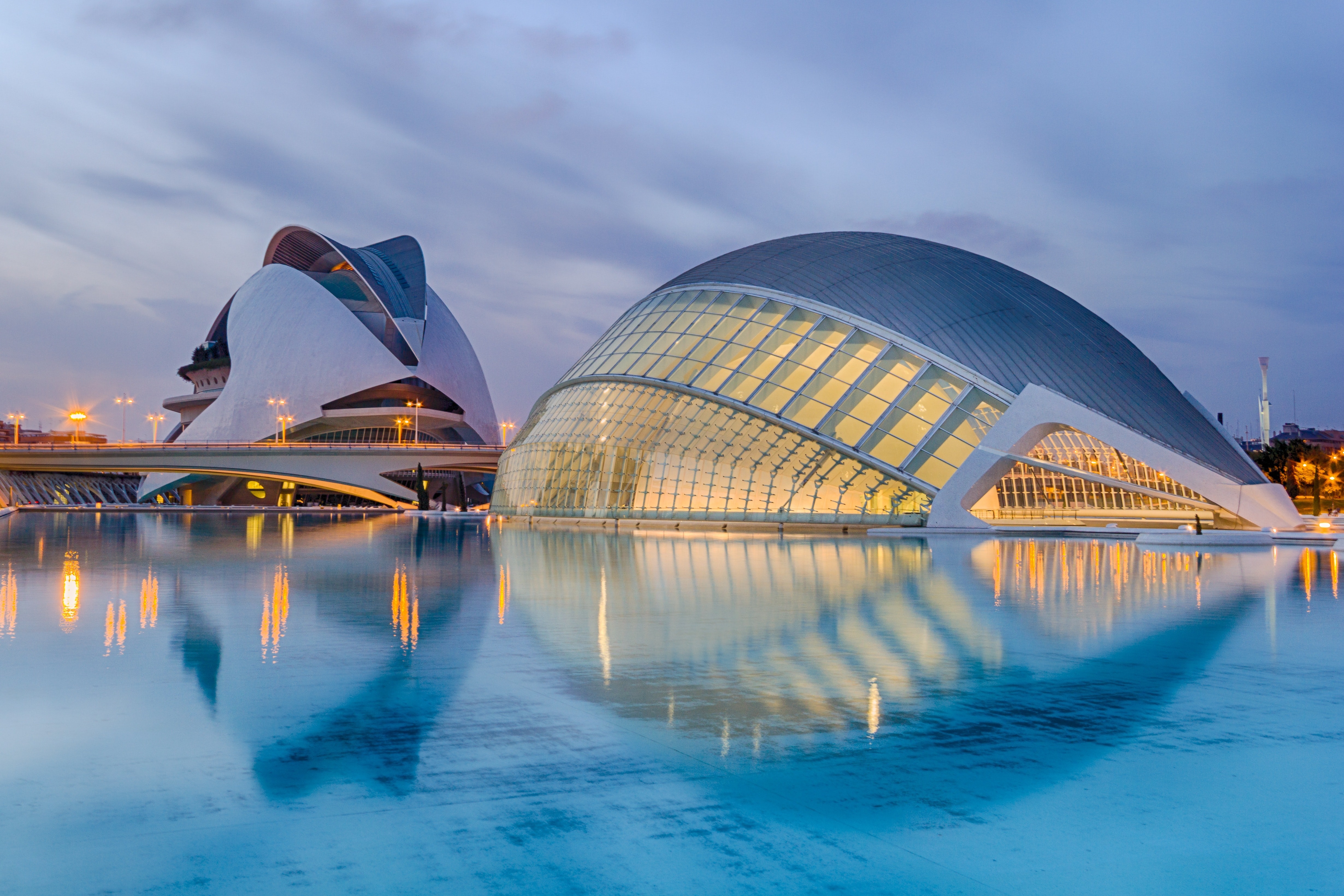
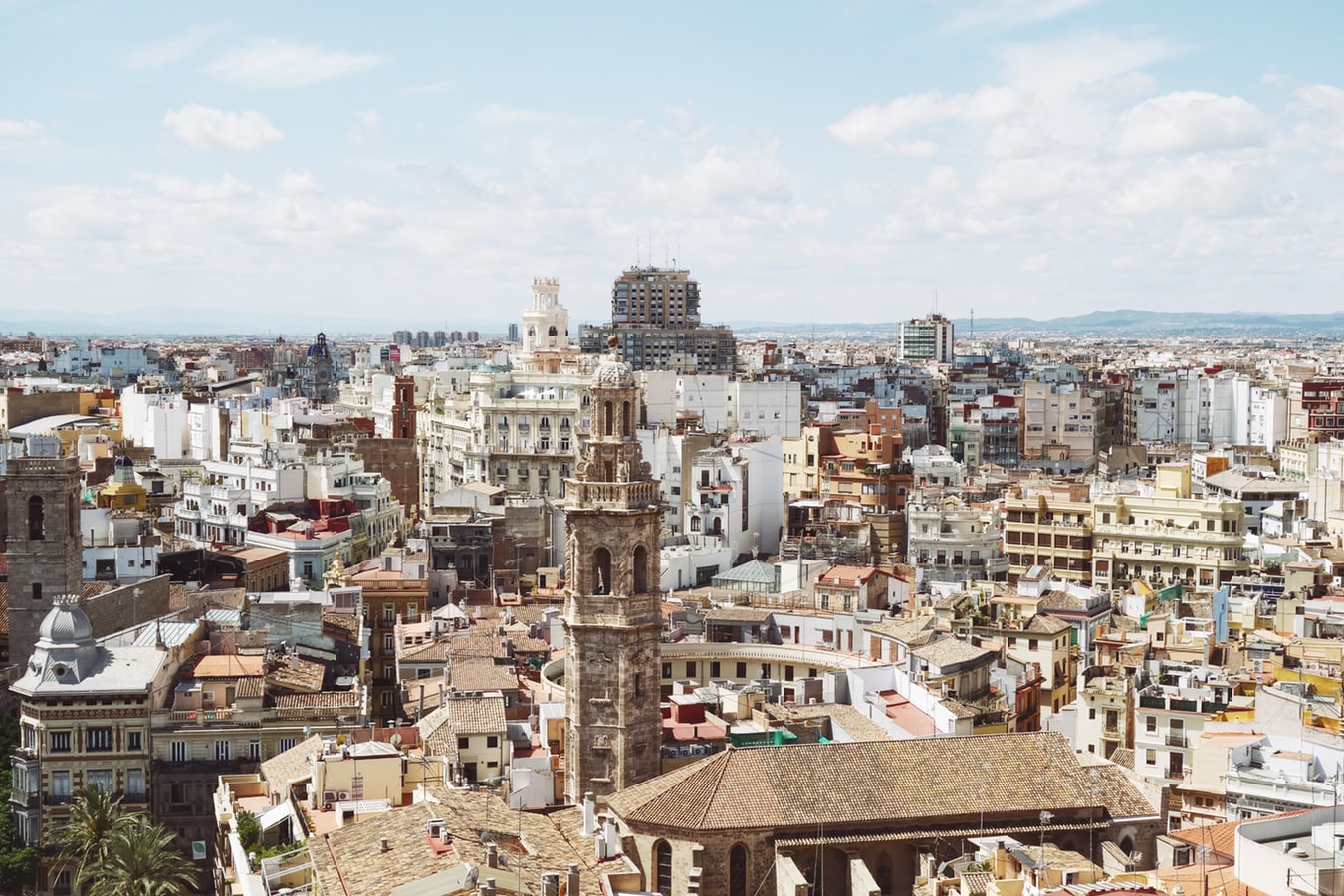
Valencia, Spain's third-largest municipality, is a proud city with a thriving nightlife and restaurant scene, quality museums, and spectacular contemporary architecture, juxtaposed with a thoroughly charming historic quarter, making it a popular destination year in year out. During the Civil War, it was the last seat of the Republican Loyalist government (1935–36), holding out against Franco’s National forces until the country fell to 40 years of dictatorship. Today it represents the essence of contemporary Spain—daring design and architecture along with experimental cuisine—but remains deeply conservative and proud of its traditions. Though it faces the Mediterranean, Valencia's history and geography have been defined most significantly by the River Turia and the fertile huerta that surrounds it.The city has been fiercely contested ever since it was founded by the Greeks. El Cid captured Valencia from the Moors in 1094 and won his strangest victory here in 1099: he died in the battle, but his corpse was strapped into his saddle and so frightened the besieging Moors that it caused their complete defeat. In 1102 his widow, Jimena, was forced to return the city to Moorish rule; Jaume I finally drove them out in 1238. Modern Valencia was best known for its frequent disastrous floods until the River Turia was diverted to the south in the late 1950s. Since then the city has been on a steady course of urban beautification. The lovely bridges that once spanned the Turia look equally graceful spanning a wandering municipal park, and the spectacularly futuristic Ciutat de les Arts i les Ciències (City of Arts and Sciences), most of it designed by Valencia-born architect Santiago Calatrava, has at last created an exciting architectural link between this river town and the Mediterranean. If you're in Valencia, an excursion to Albufera Nature Park is a worthwhile day trip.
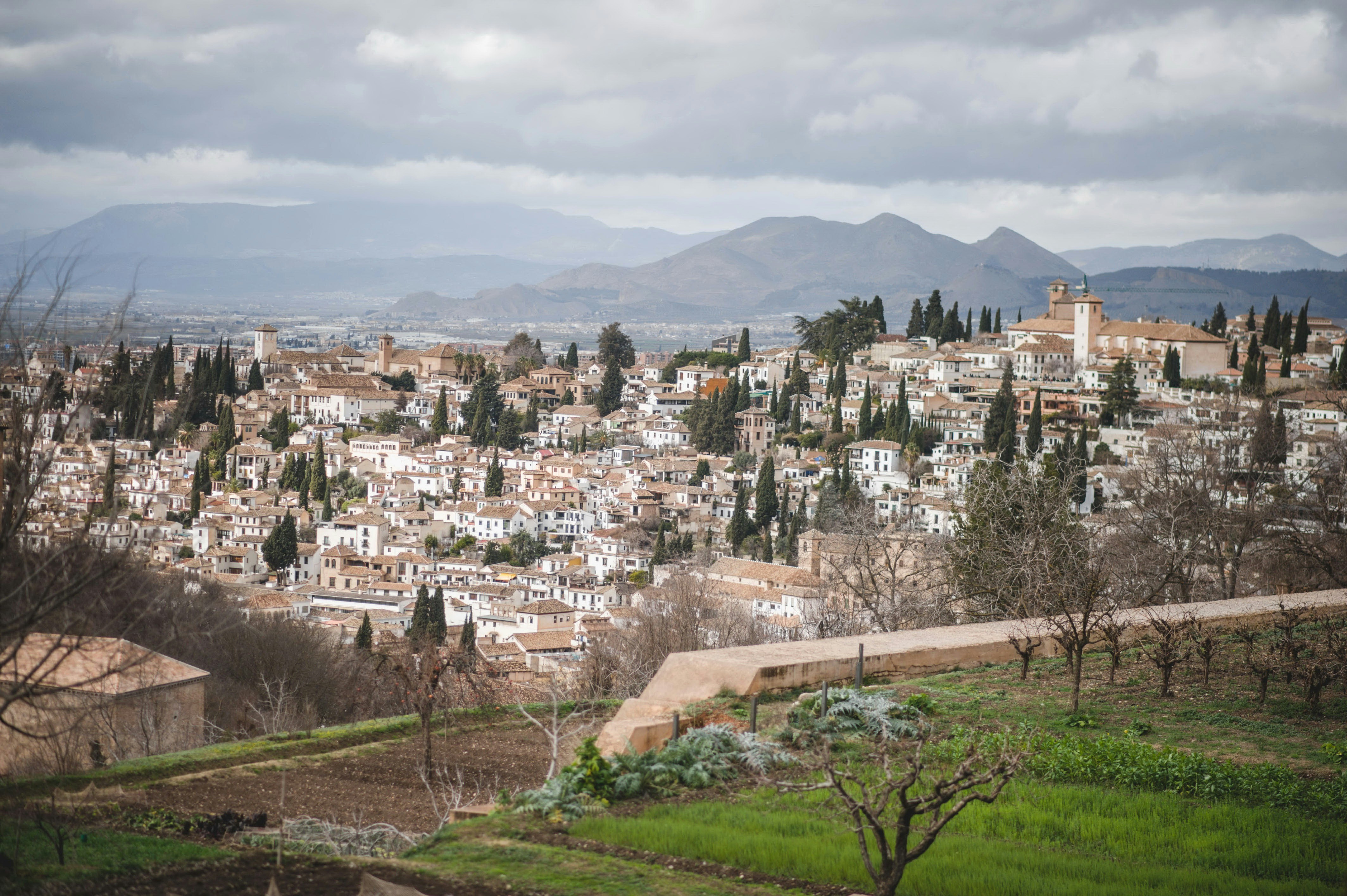
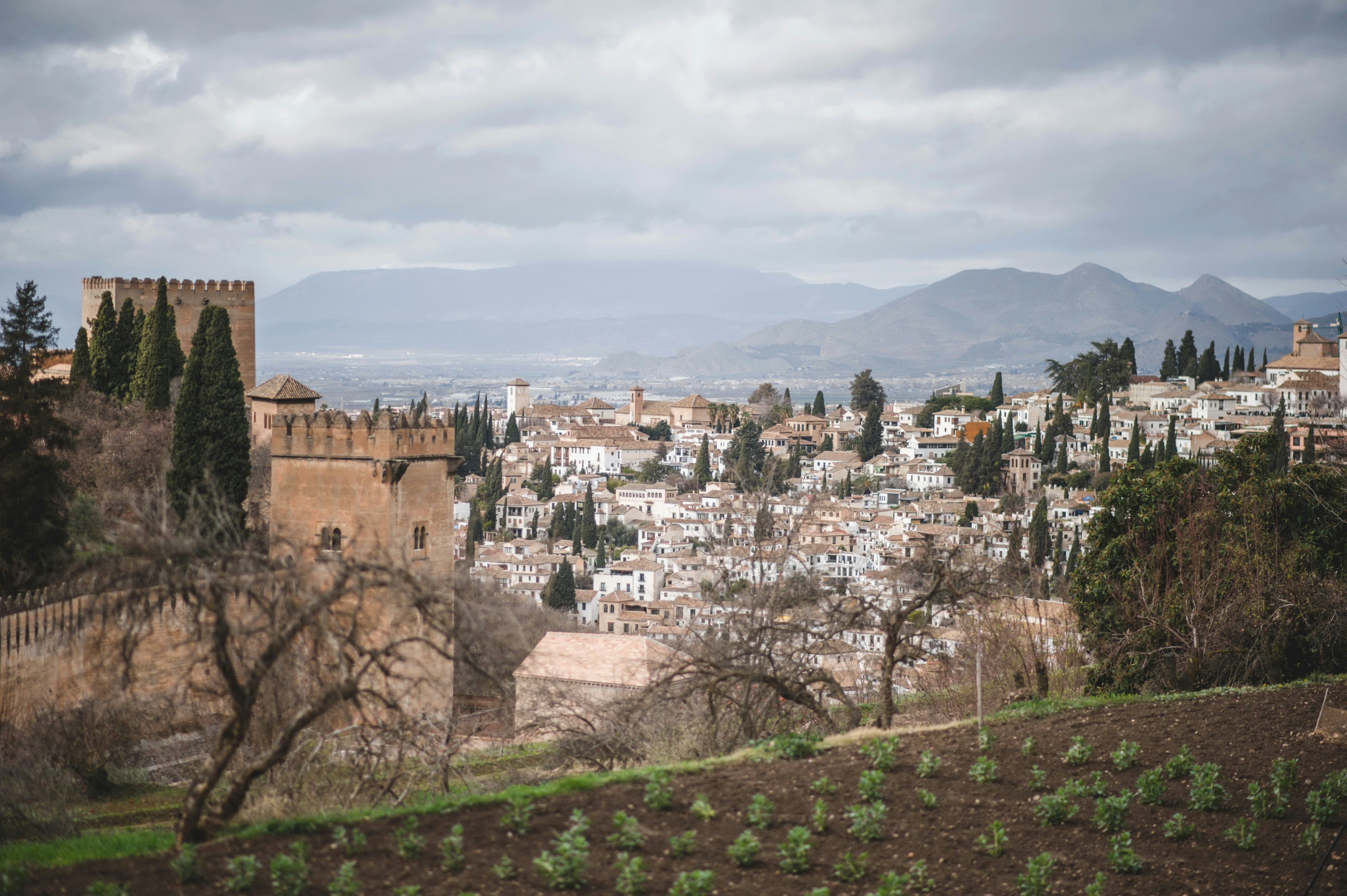
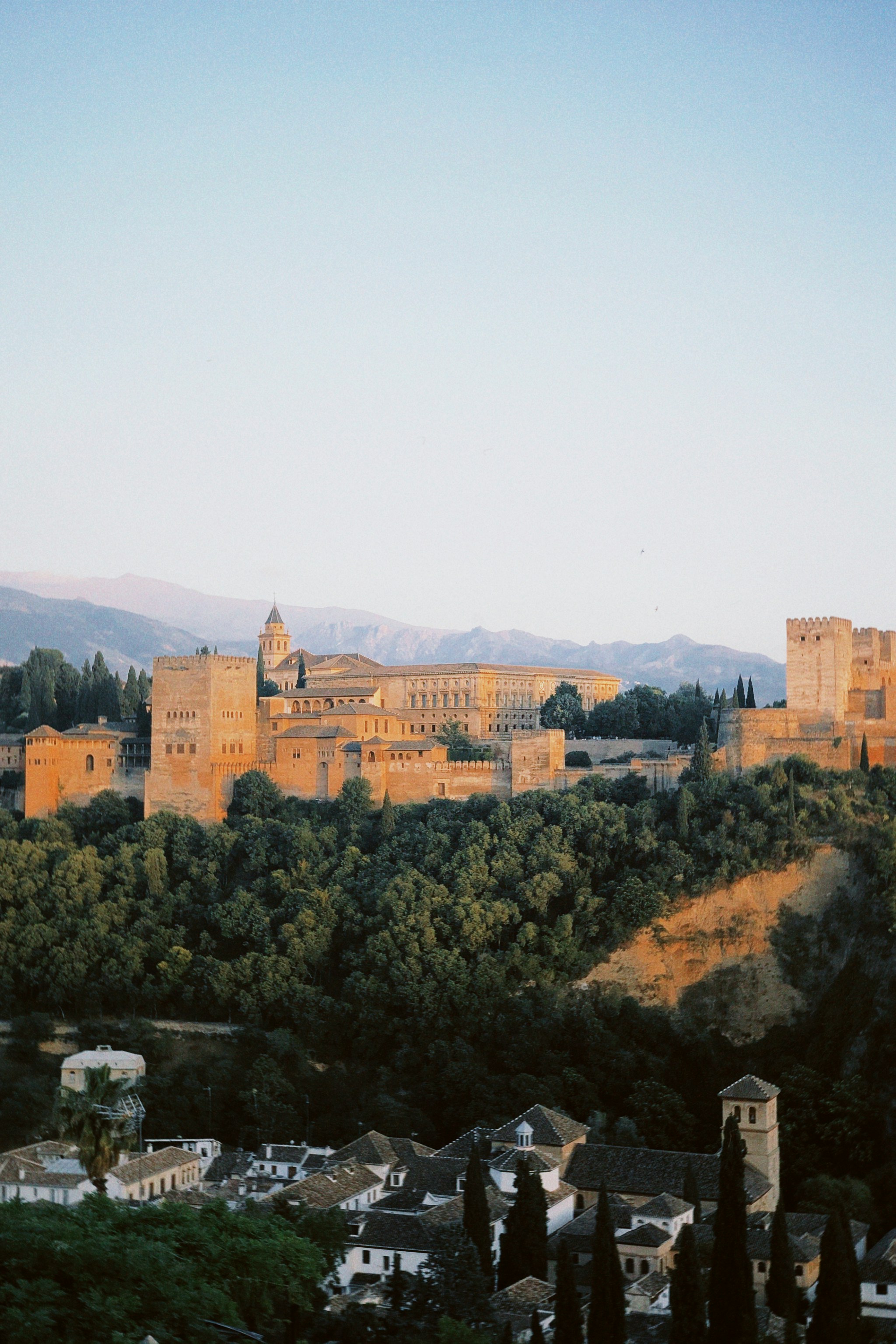
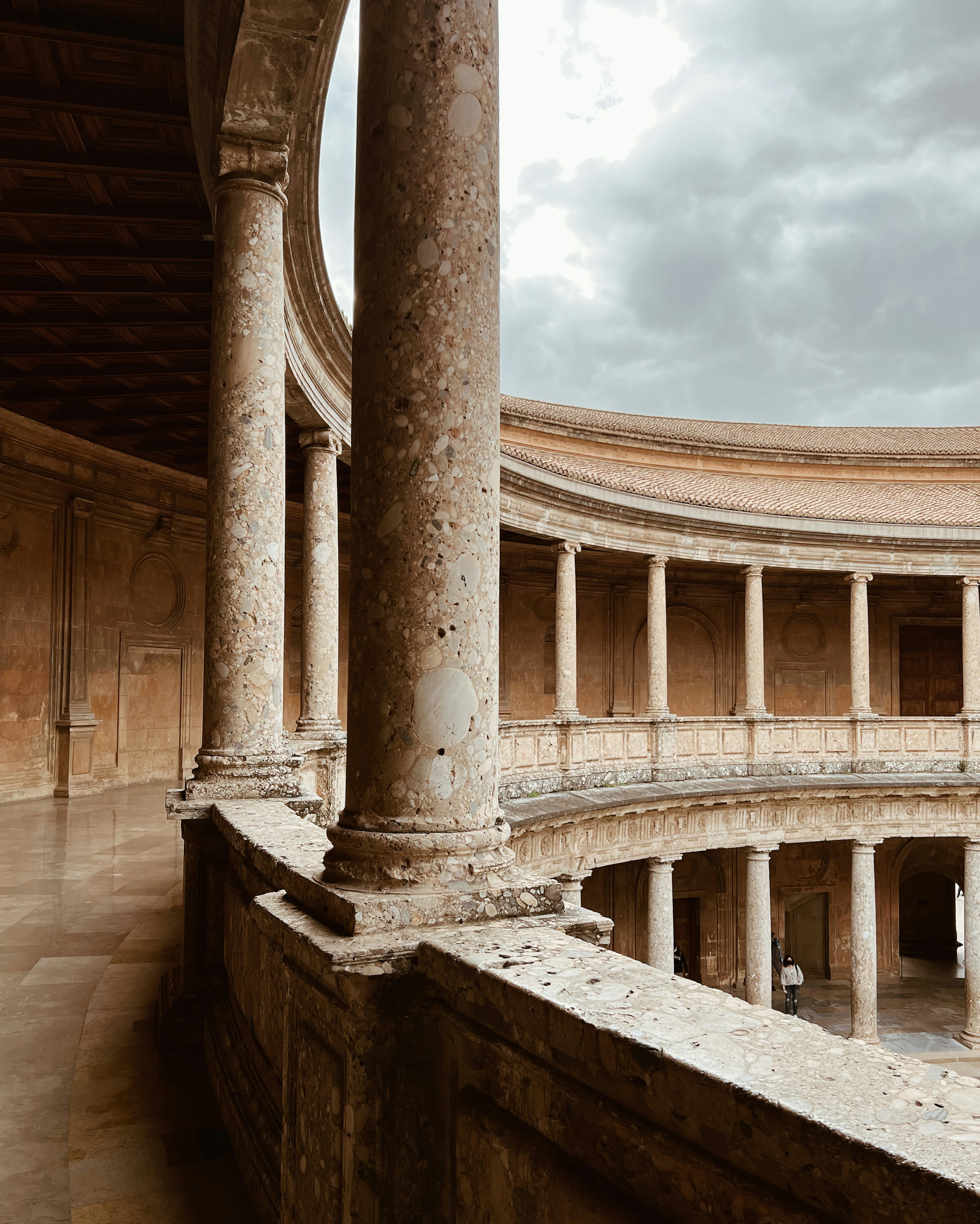
About Granada


About Córdoba
About Seville
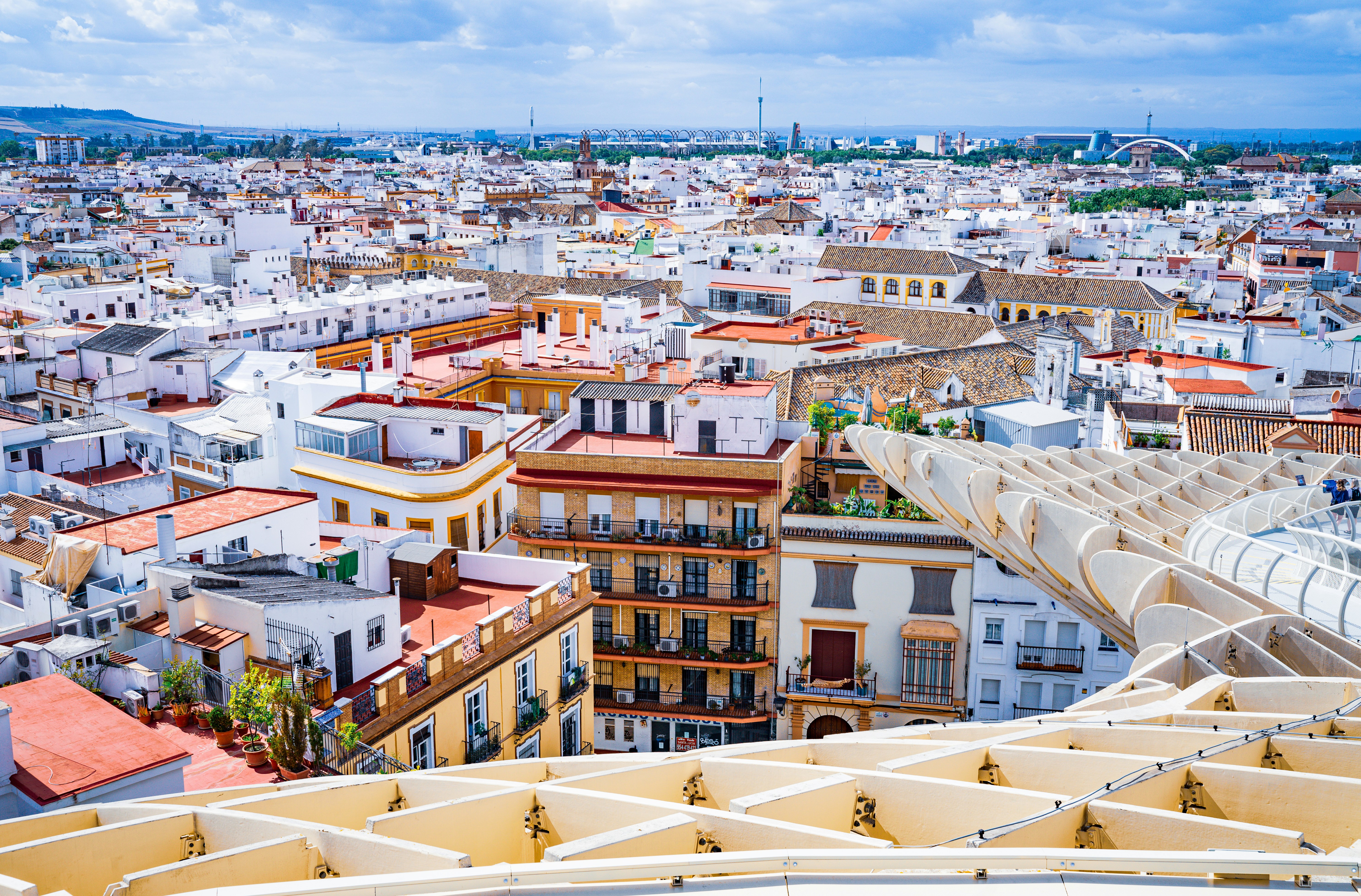
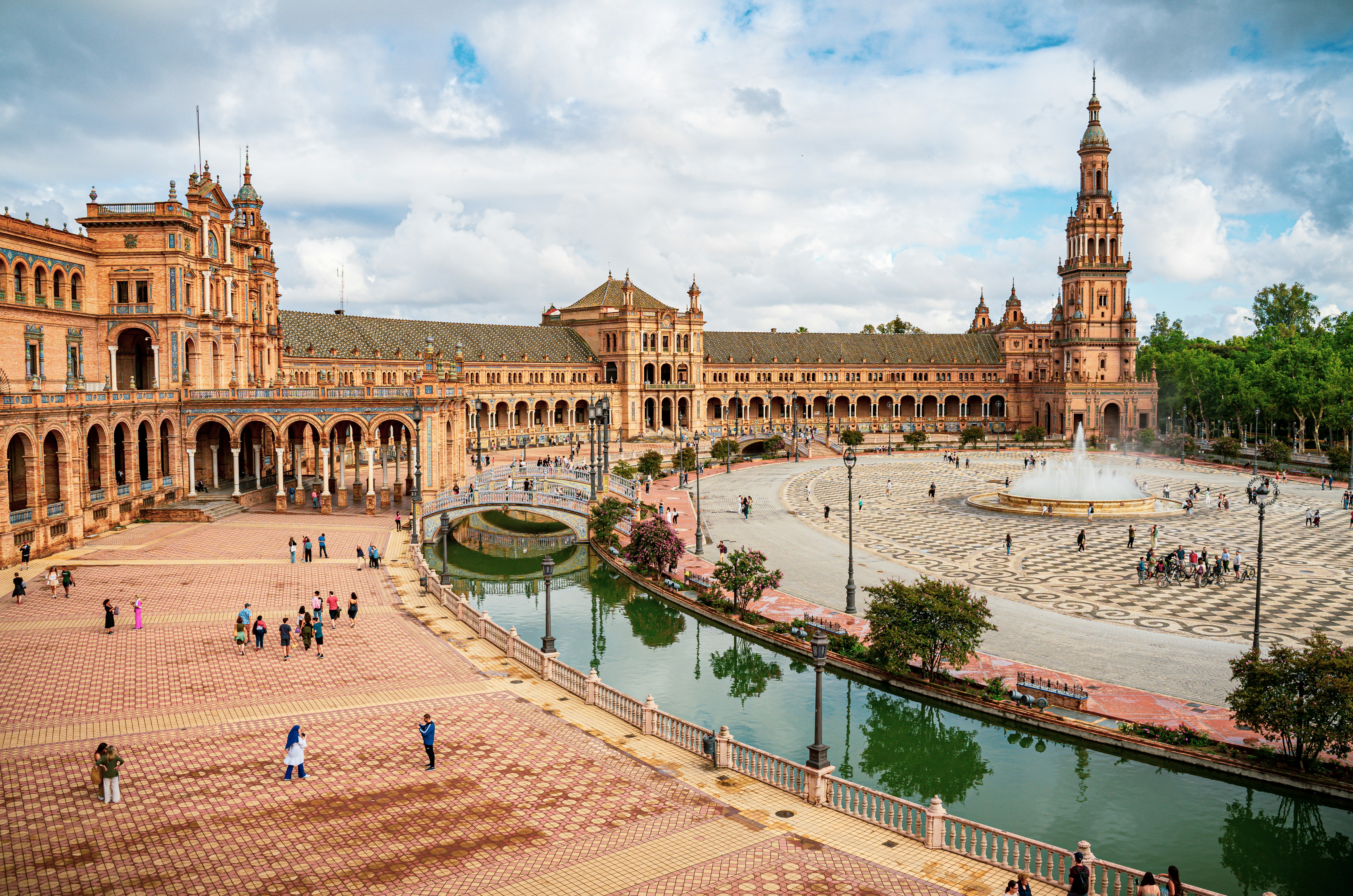
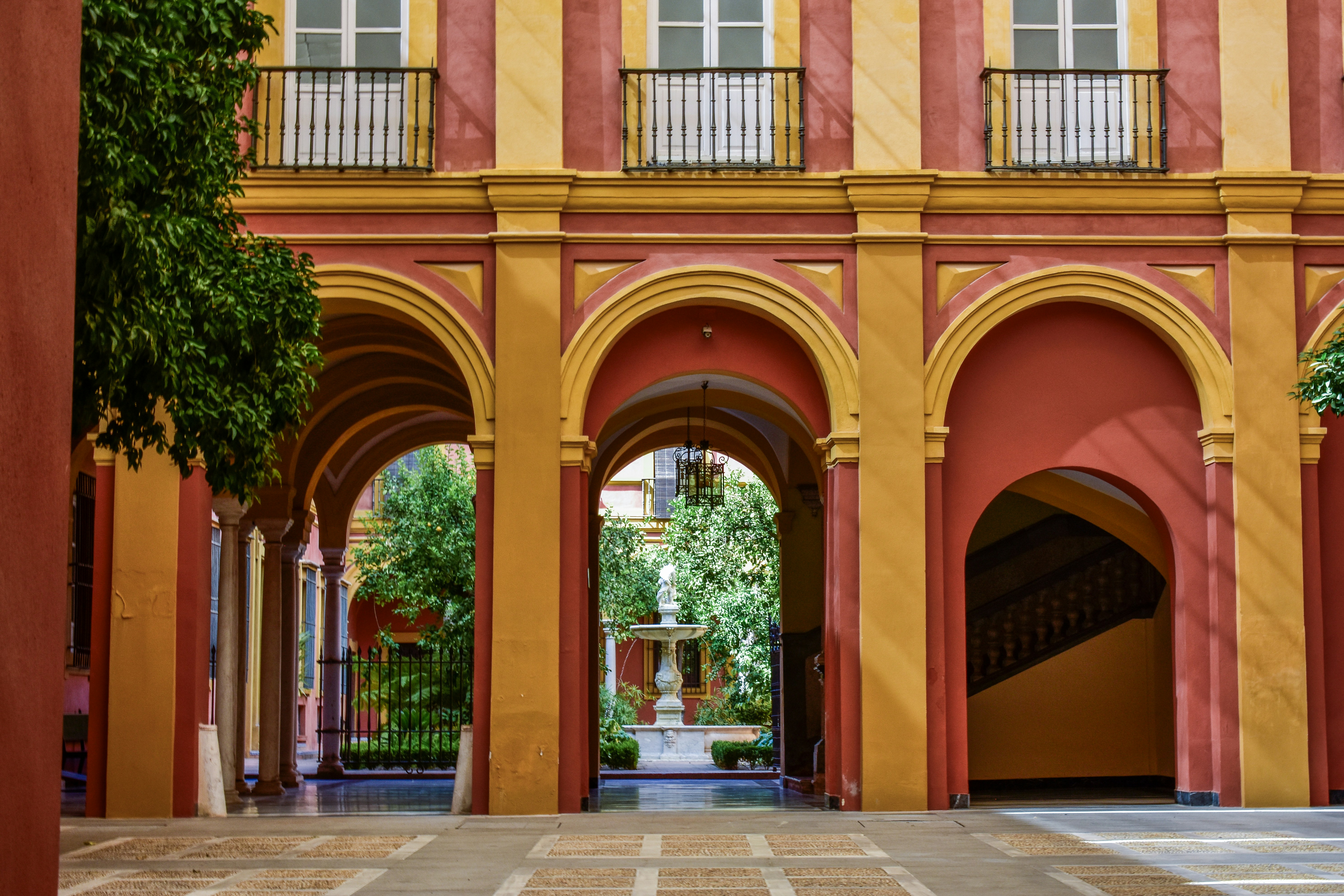
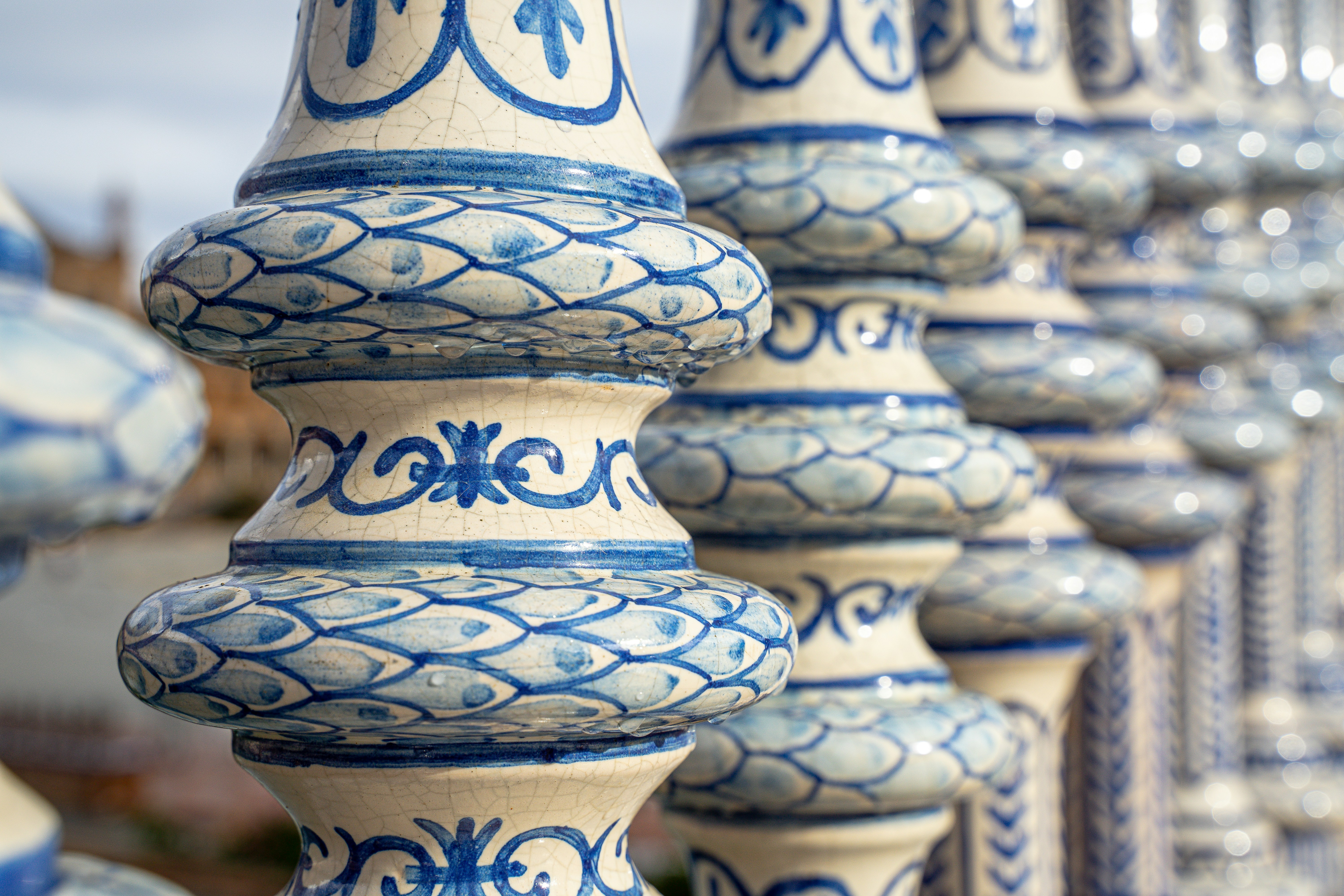
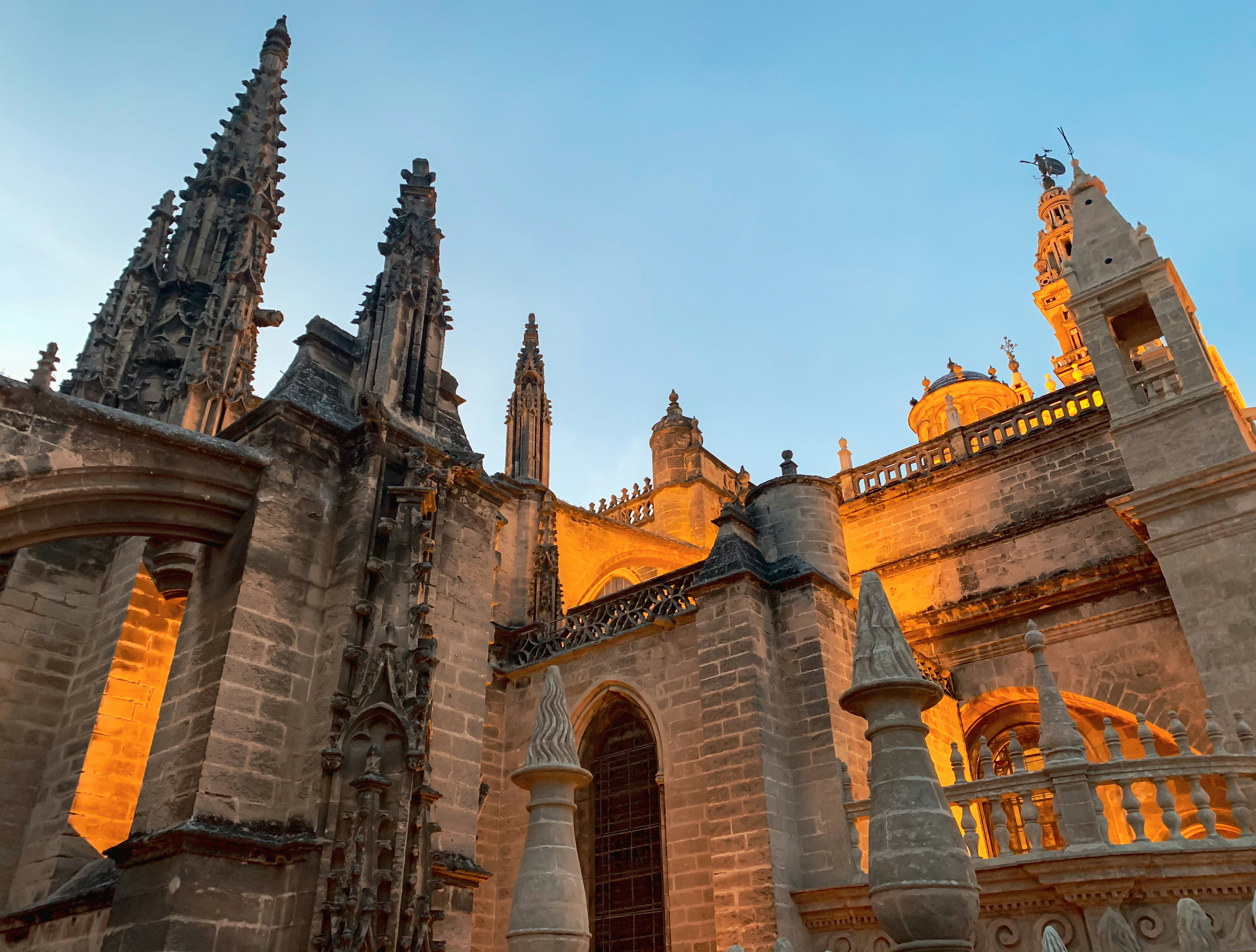
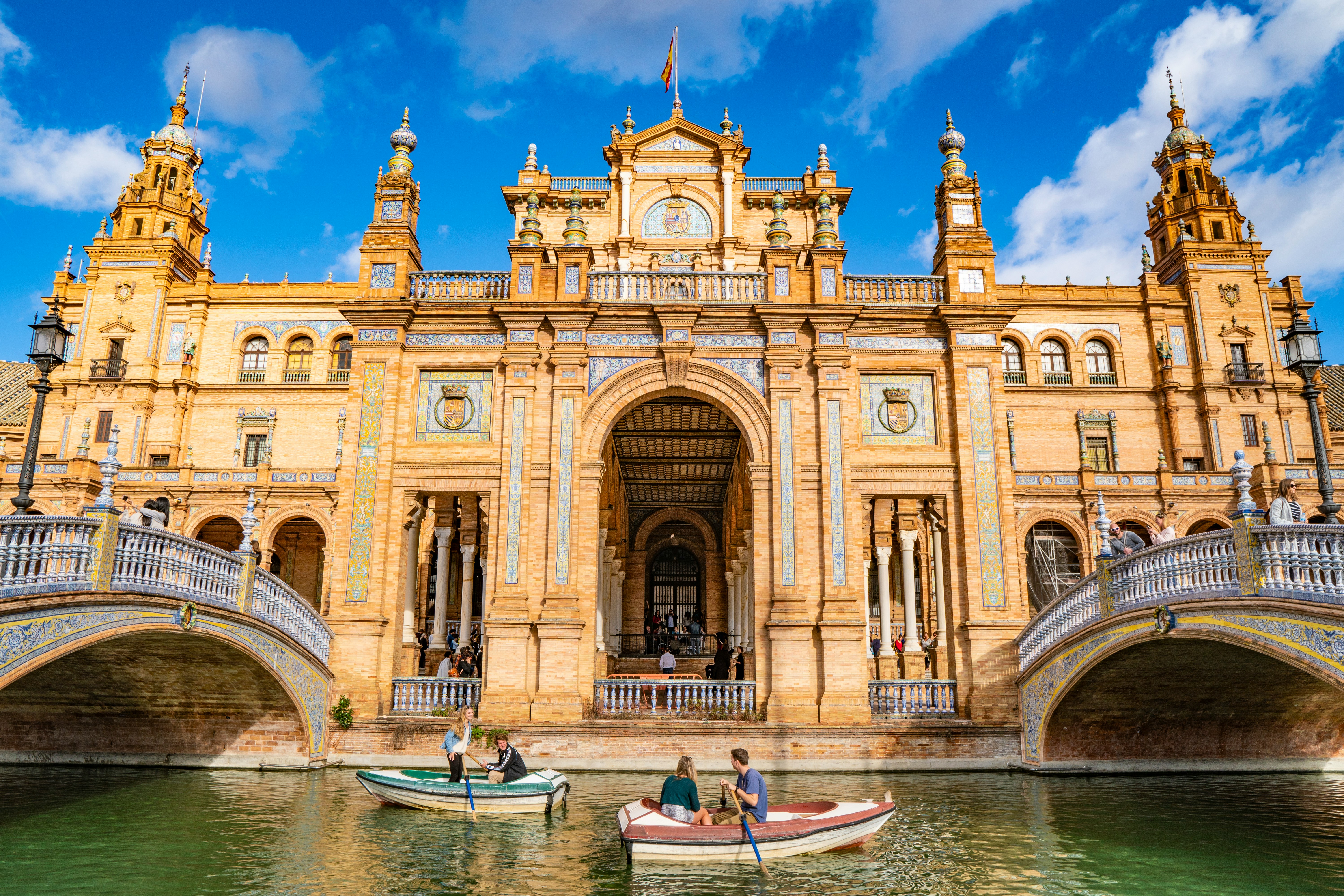
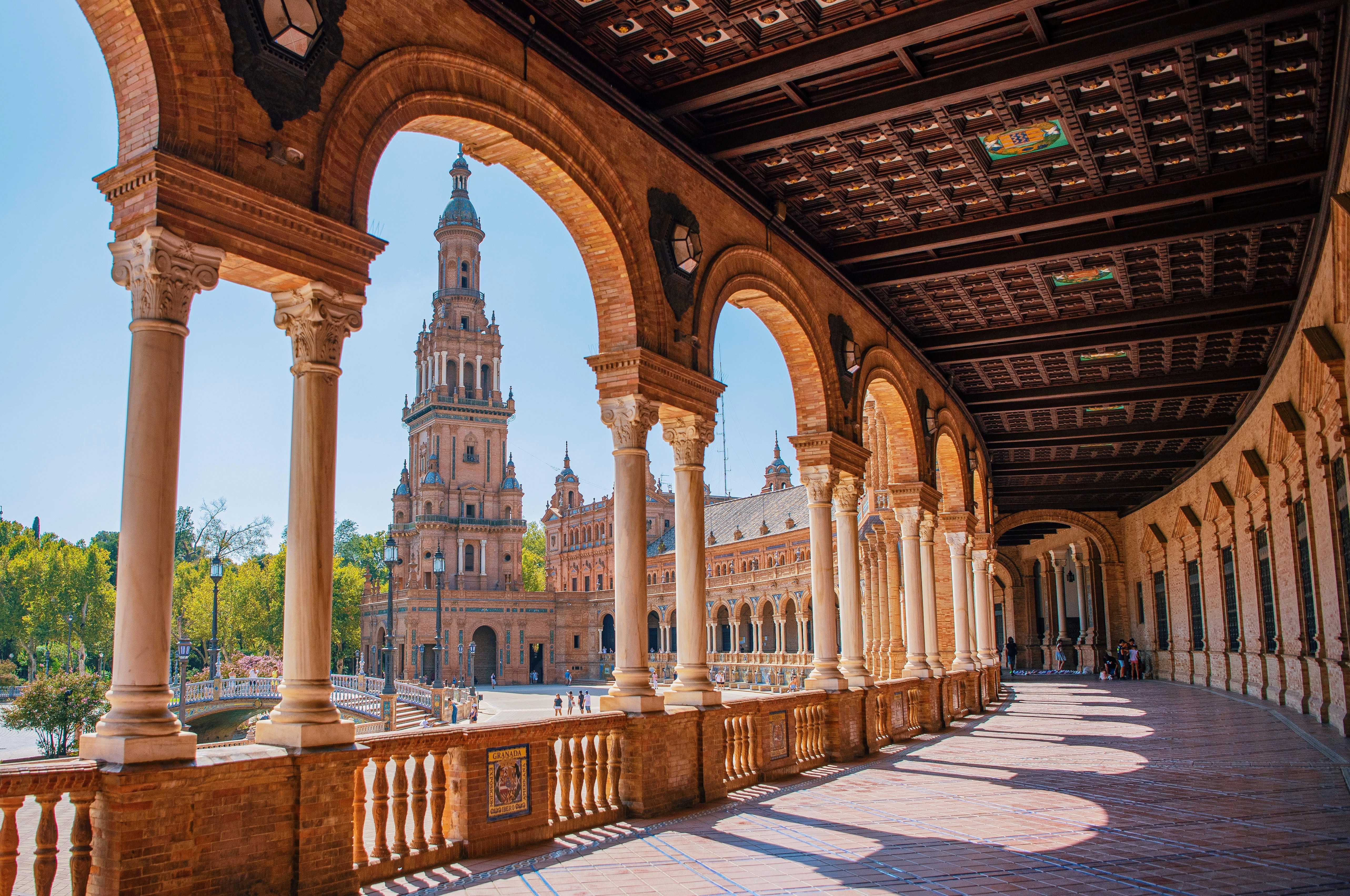
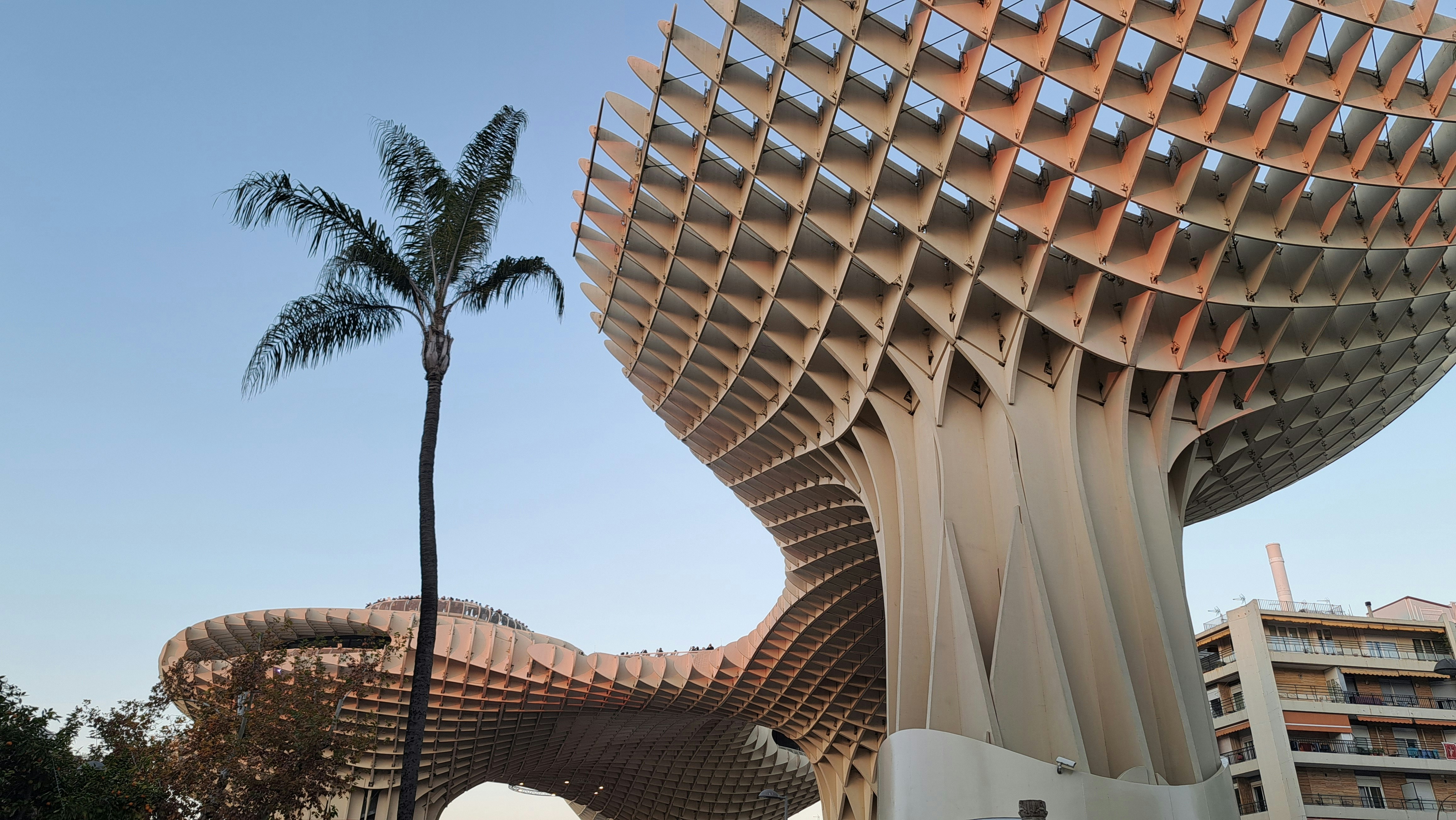
Whether you pronounce it Seville or Sevilla, this gorgeous Spanish town is most certainly the stuff of dreams. Over 2,200 years old, Seville has a mutli-layered personality; home to Flamenco, high temperatures and three UNESCO-World Heritage Sites, there is a noble ancestry to the southern Spanish town. Not forgetting that it is the birthplace of painter Diego Velazquez, the resting place of Christopher Columbus, the inspiration for Bizet’s Carmen and a location for Game of Thrones filming, Seville is truly more than just a sum of its parts. This city is a full on experience, a beguiling labyrinth of centuries old streets, tiny tapas restaurants serving possibly the best dishes you’ll taste south of Madrid and a paradise of Mudejar architecture and tranquil palm trees and fountain-filled gardens.

About Seville
Whether you pronounce it Seville or Sevilla, this gorgeous Spanish town is most certainly the stuff of dreams. Over 2,200 years old, Seville has a mutli-layered personality; home to Flamenco, high temperatures and three UNESCO-World Heritage Sites, there is a noble ancestry to the southern Spanish town. Not forgetting that it is the birthplace of painter Diego Velazquez, the resting place of Christopher Columbus, the inspiration for Bizet’s Carmen and a location for Game of Thrones filming, Seville is truly more than just a sum of its parts. This city is a full on experience, a beguiling labyrinth of centuries old streets, tiny tapas restaurants serving possibly the best dishes you’ll taste south of Madrid and a paradise of Mudejar architecture and tranquil palm trees and fountain-filled gardens.
About Évora
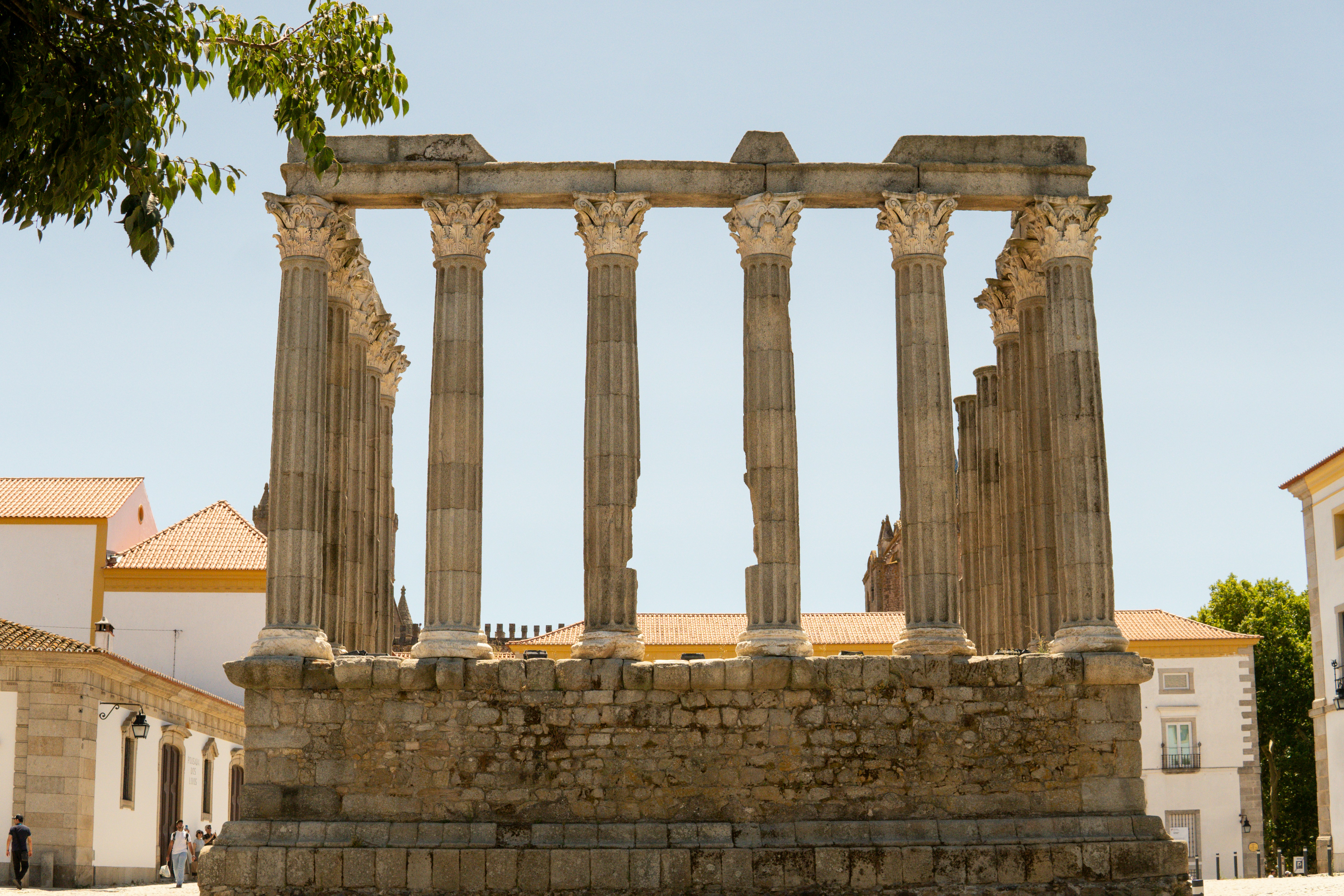
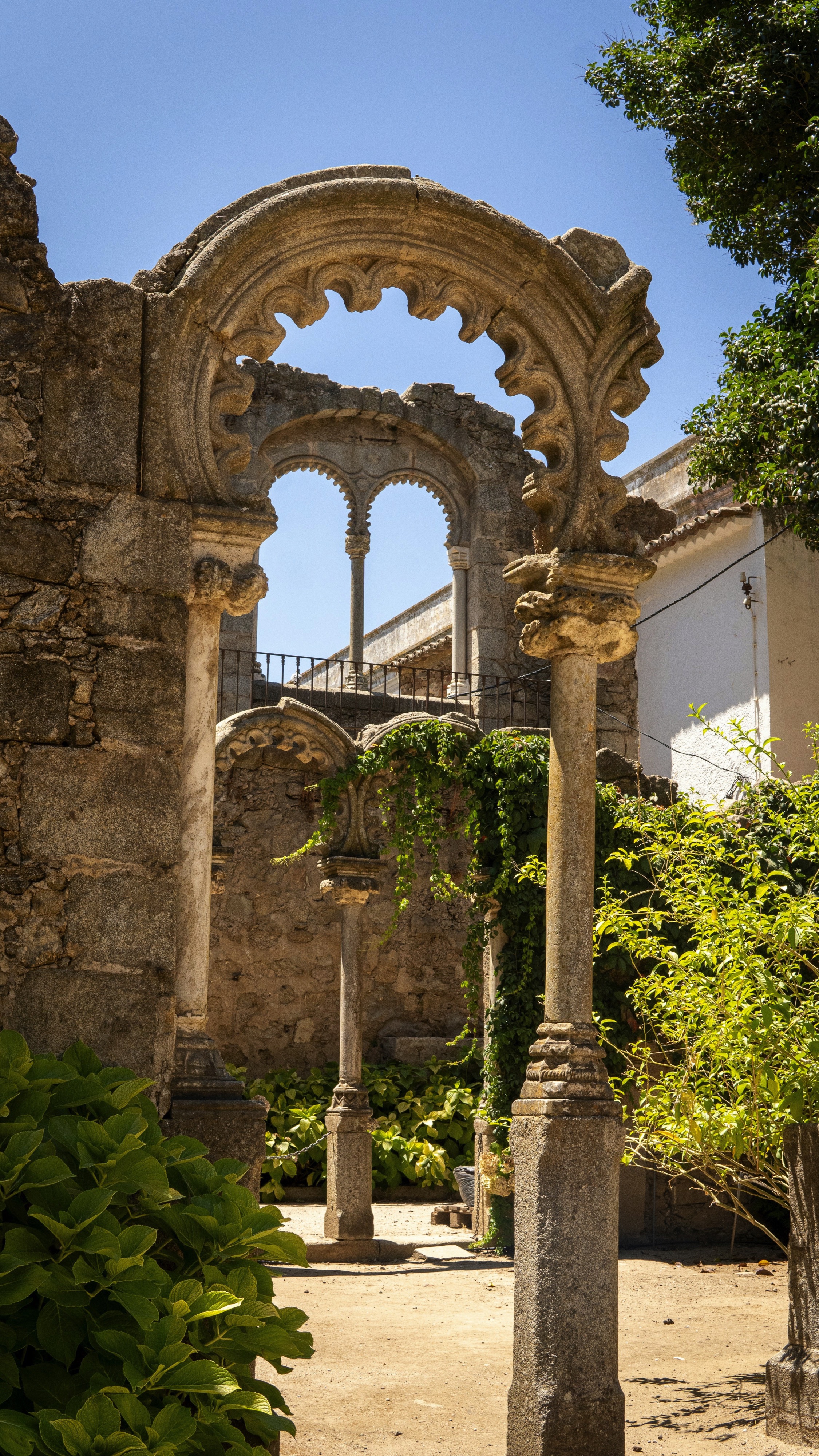
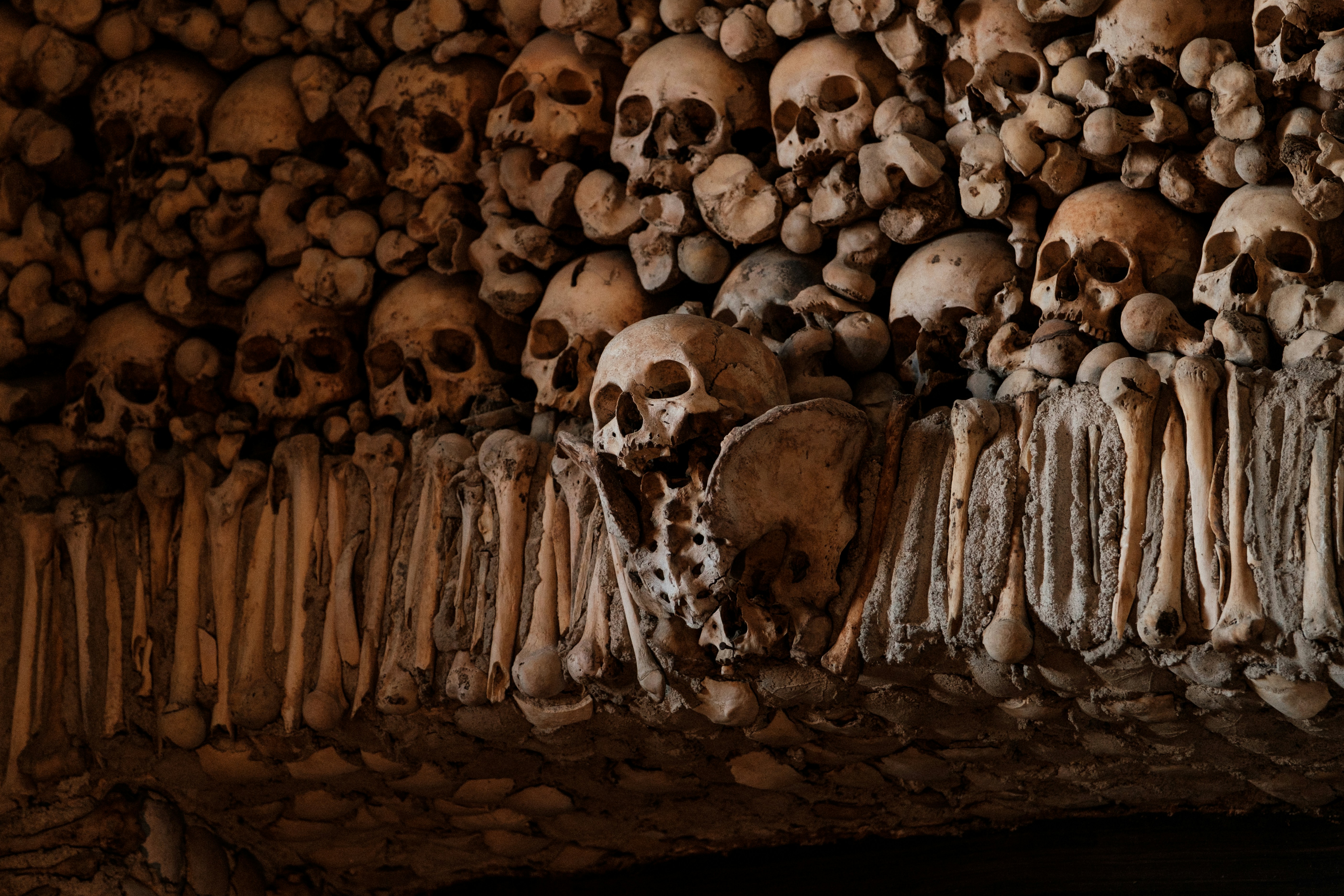
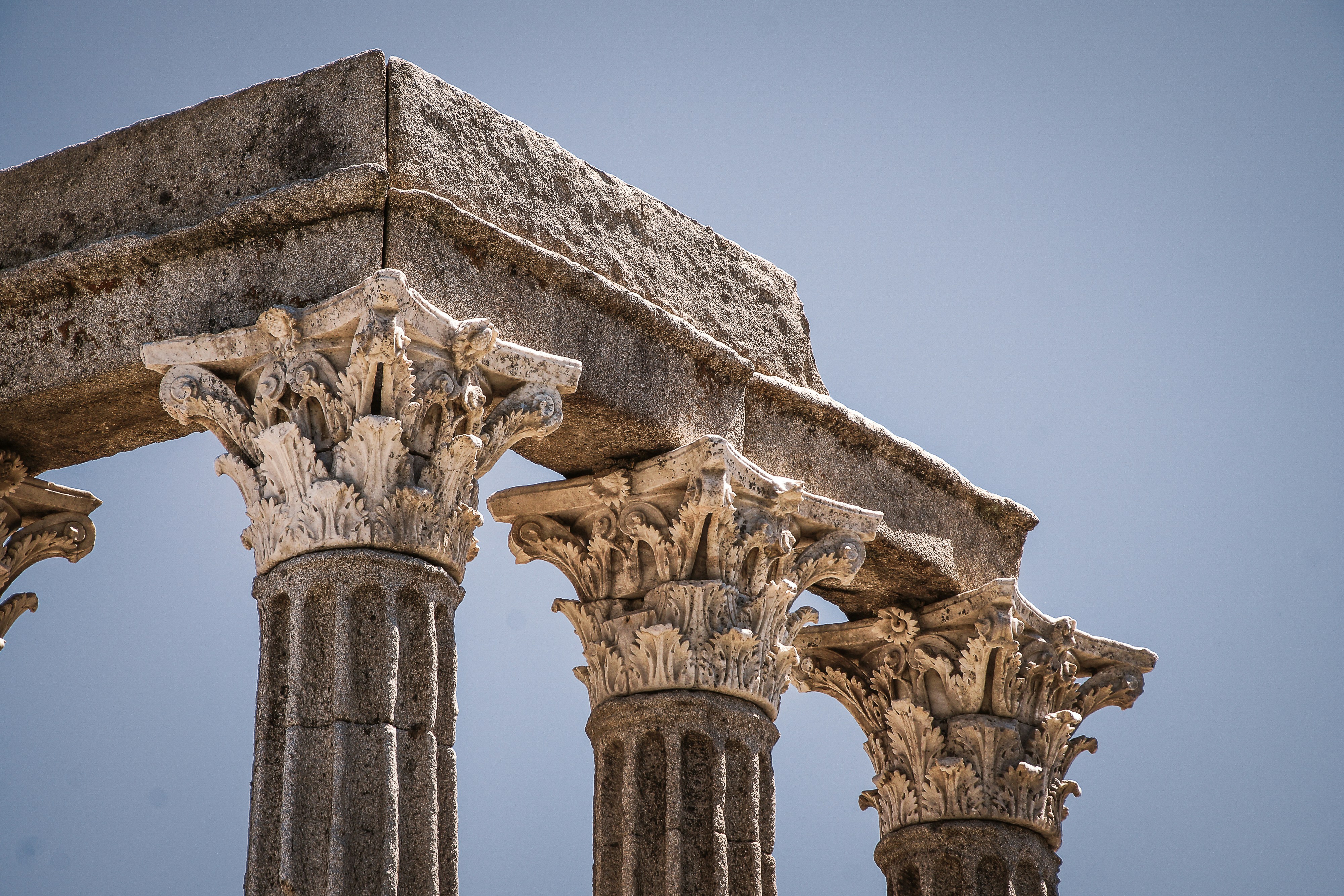
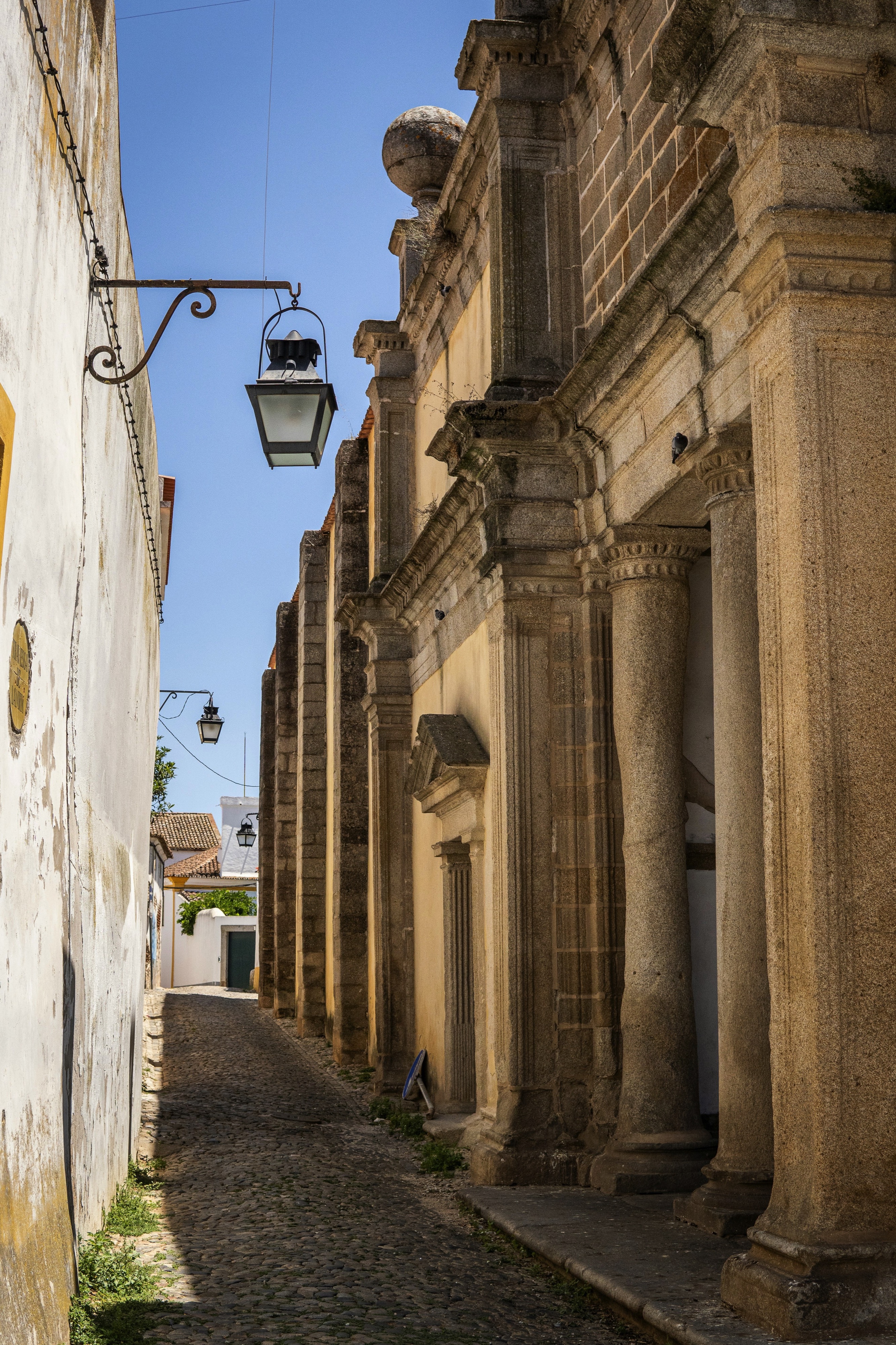
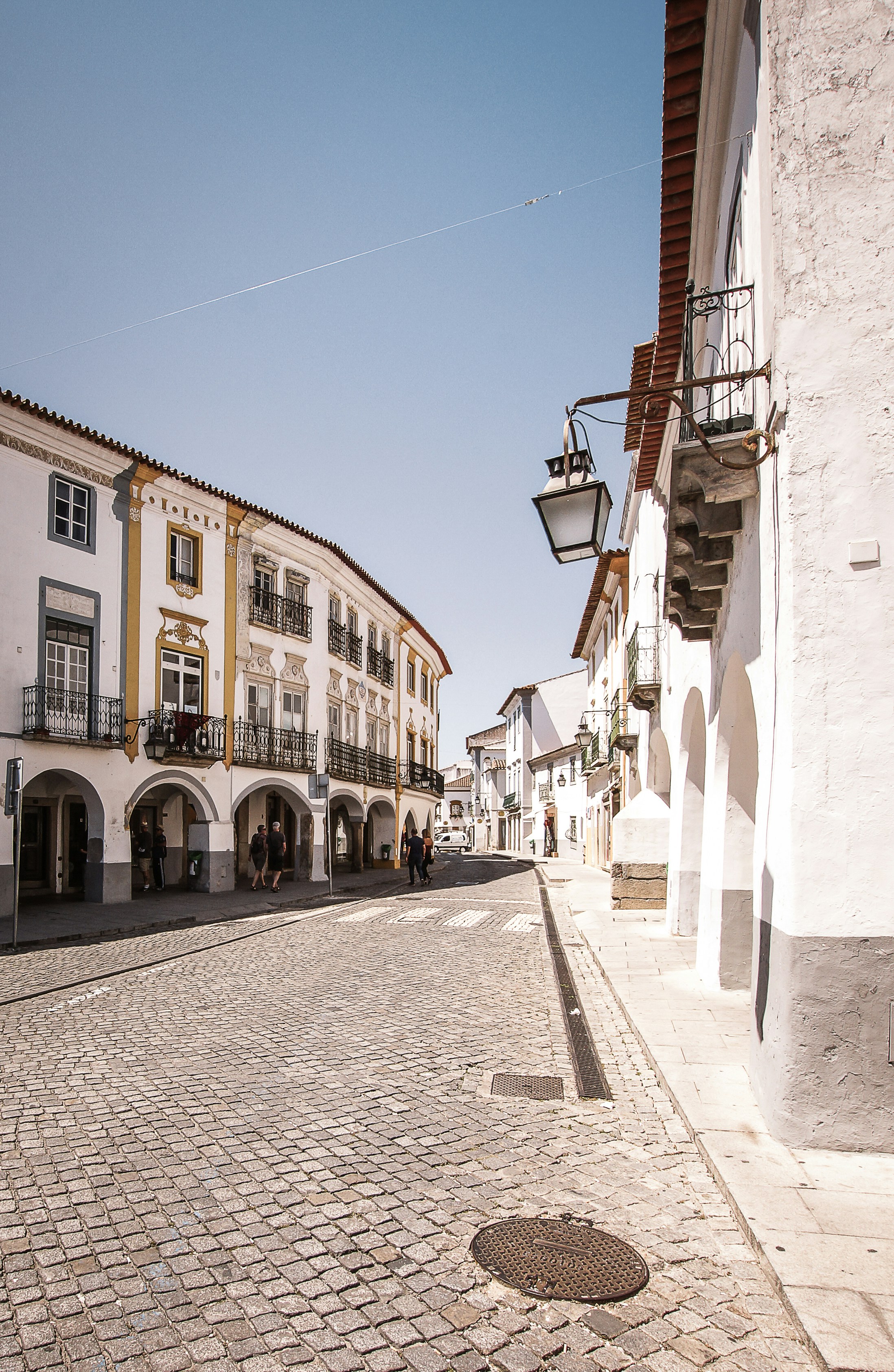
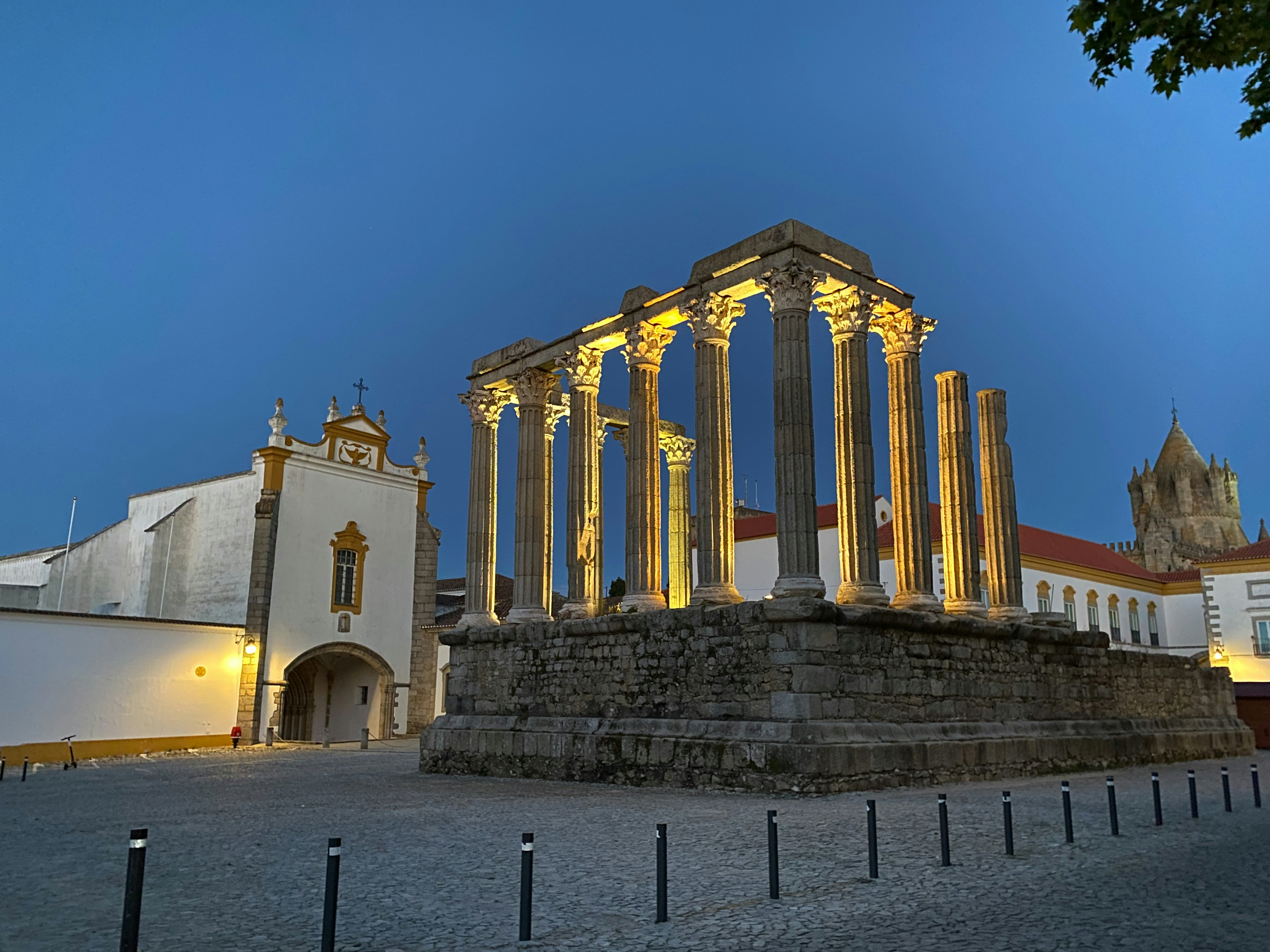
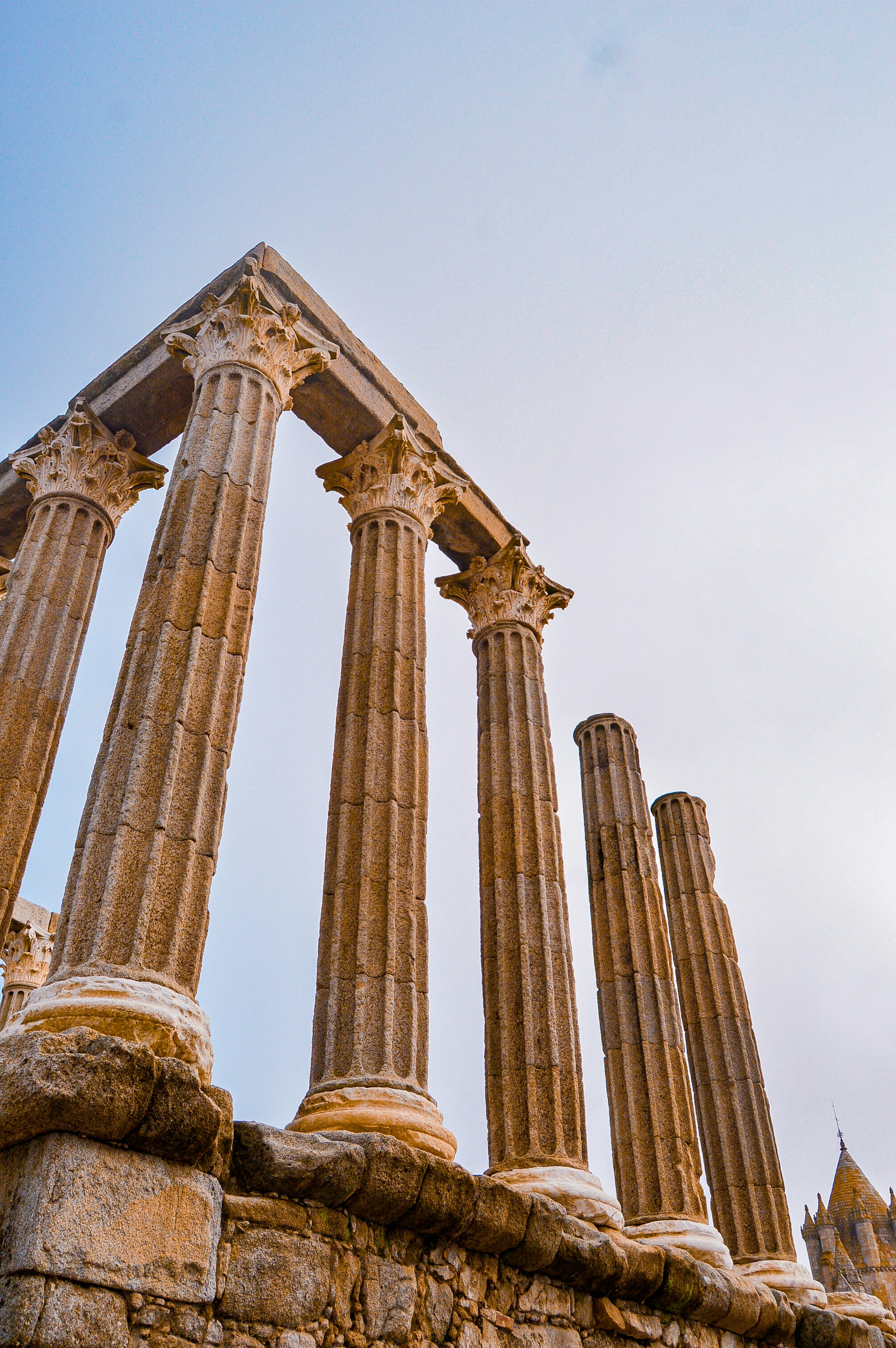
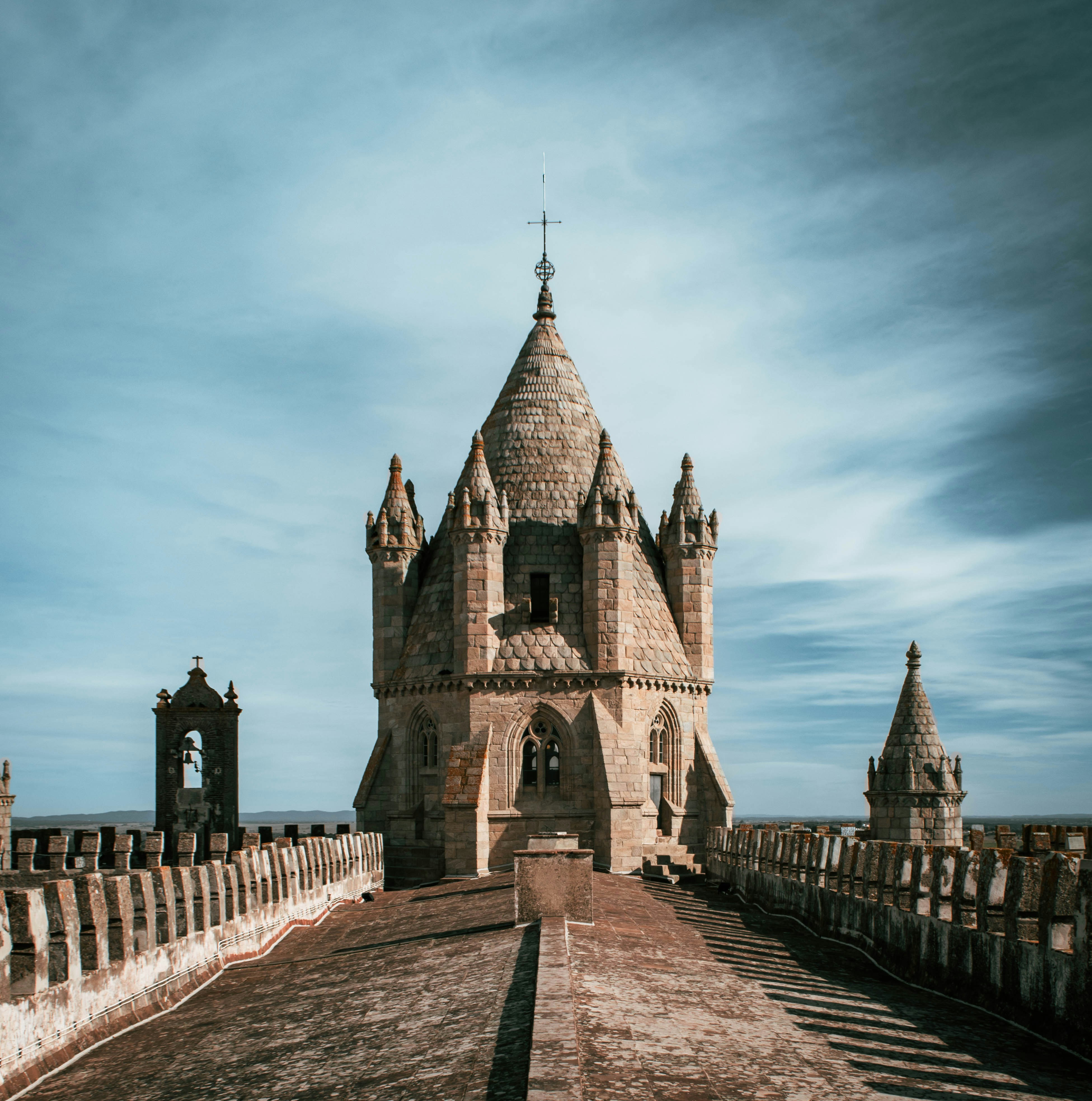
About Évora
About Lisbon
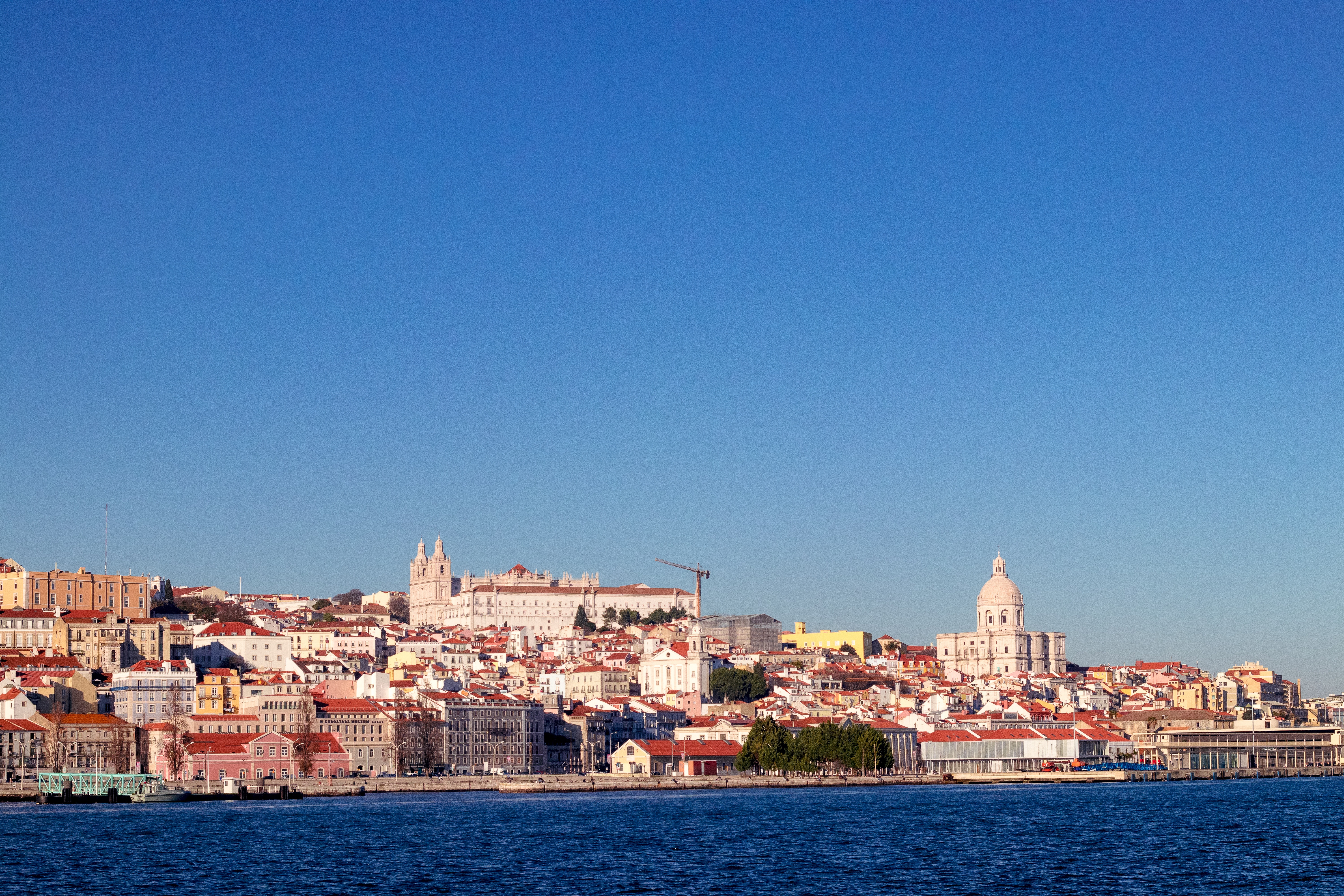
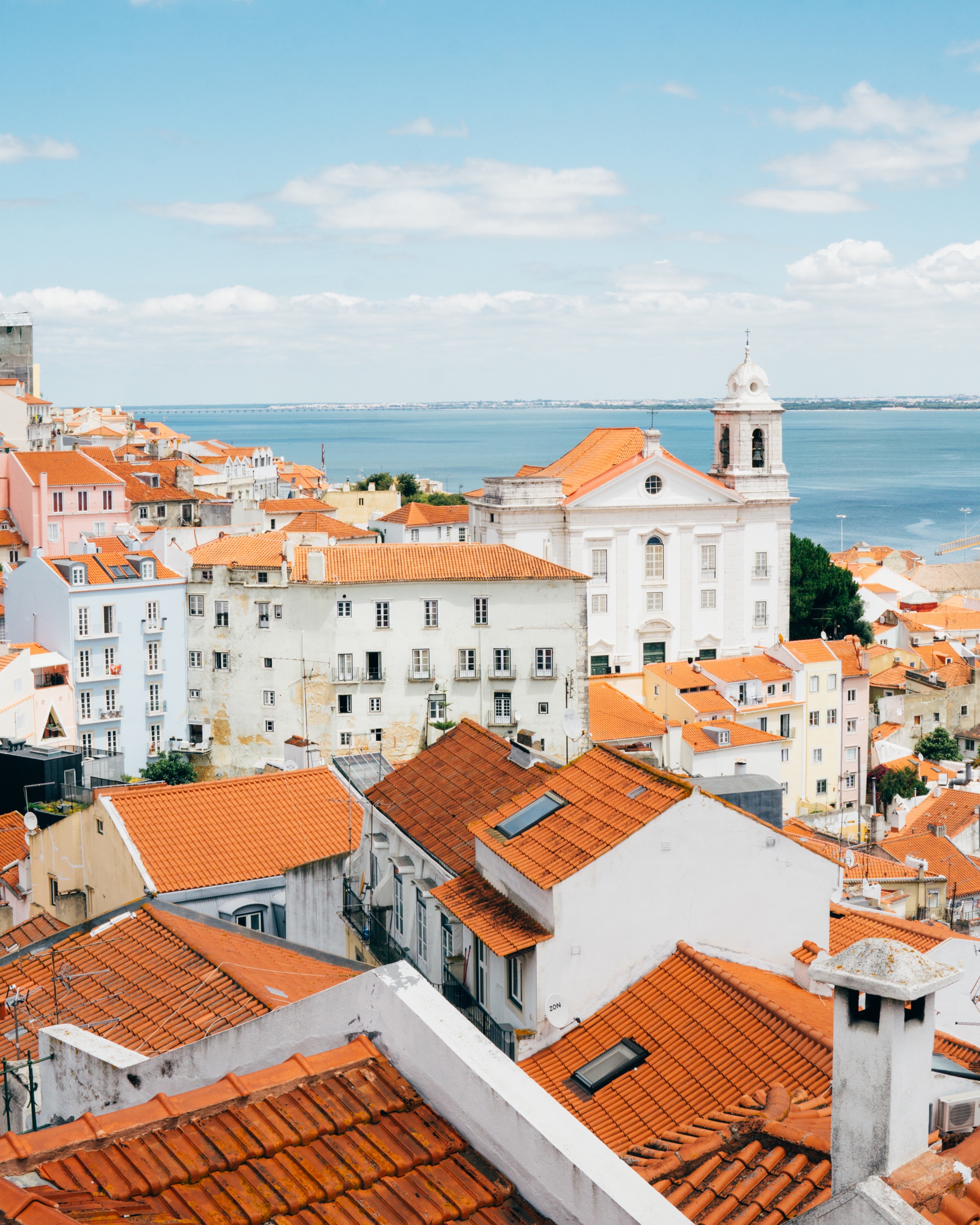
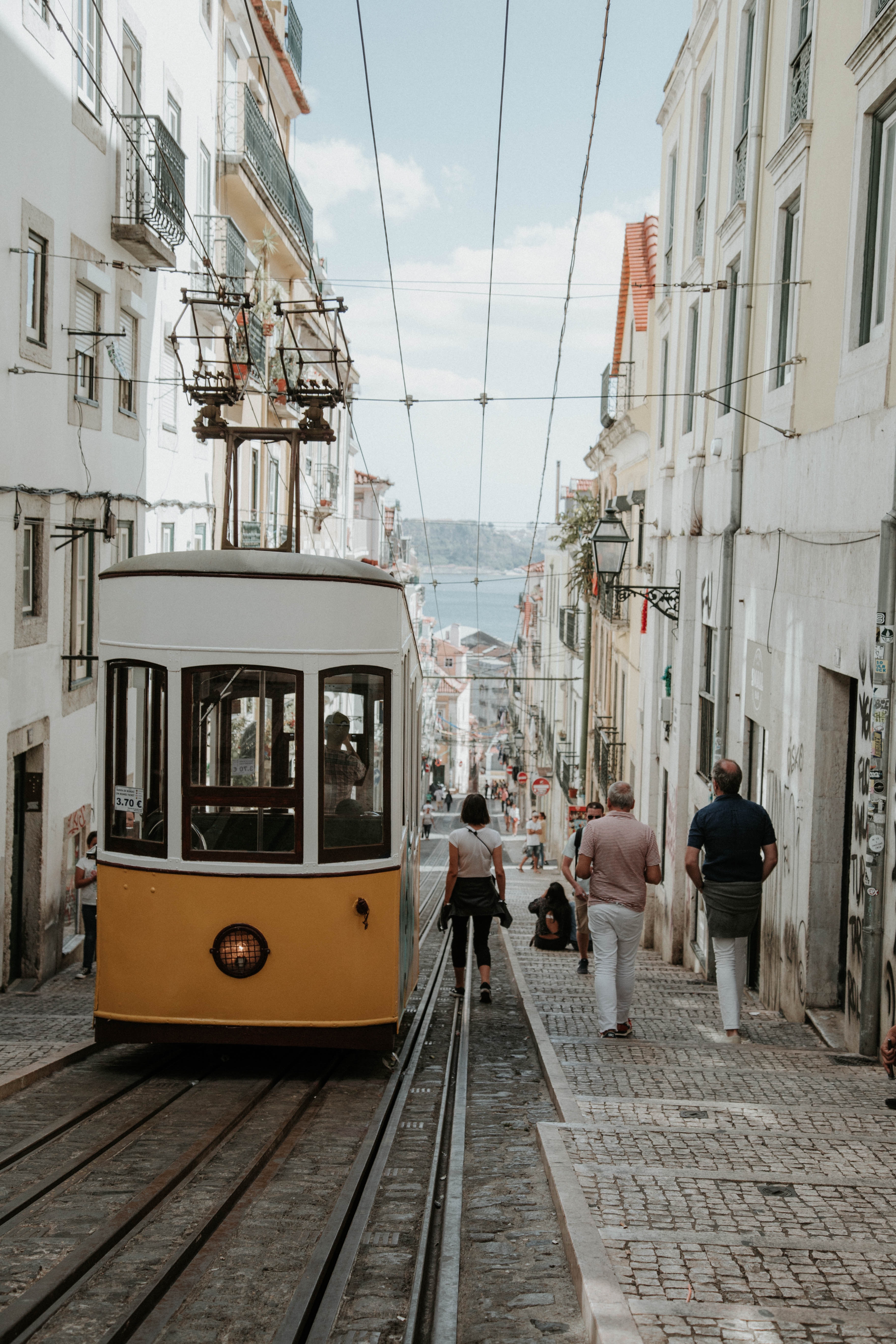
Set on seven hills on the banks of the River Tagus, Lisbon has been the capital of Portugal since the 13th century. It is a city famous for its majestic architecture, old wooden trams, Moorish features and more than twenty centuries of history. Following disastrous earthquakes in the 18th century, Lisbon was rebuilt by the Marques de Pombal who created an elegant city with wide boulevards and a great riverfront and square, Praça do Comércio. Today there are distinct modern and ancient sections, combining great shopping with culture and sightseeing in the Old Town, built on the city's terraced hillsides. The distance between the ship and your tour vehicle may vary. This distance is not included in the excursion grades.
About Porto
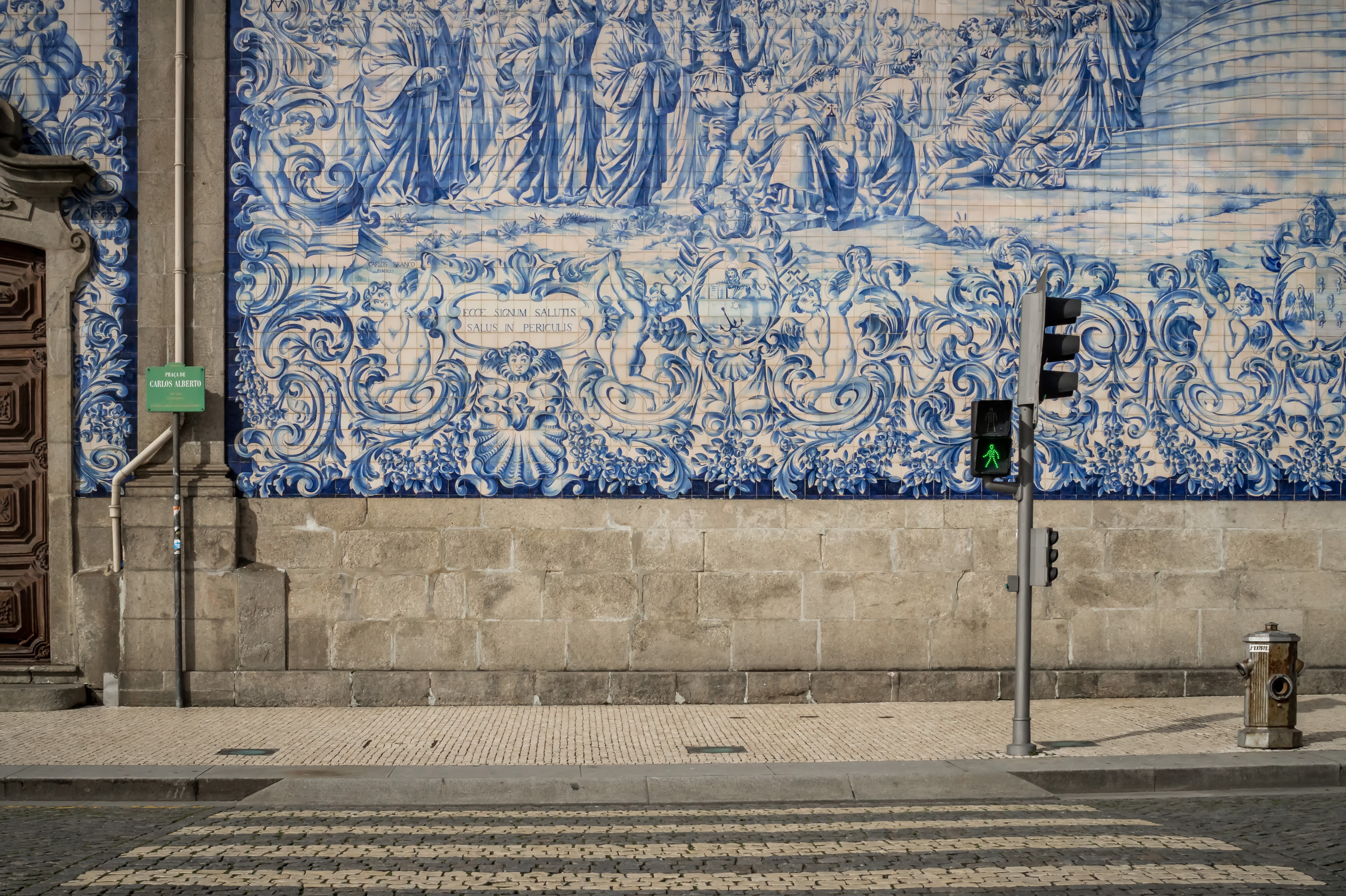
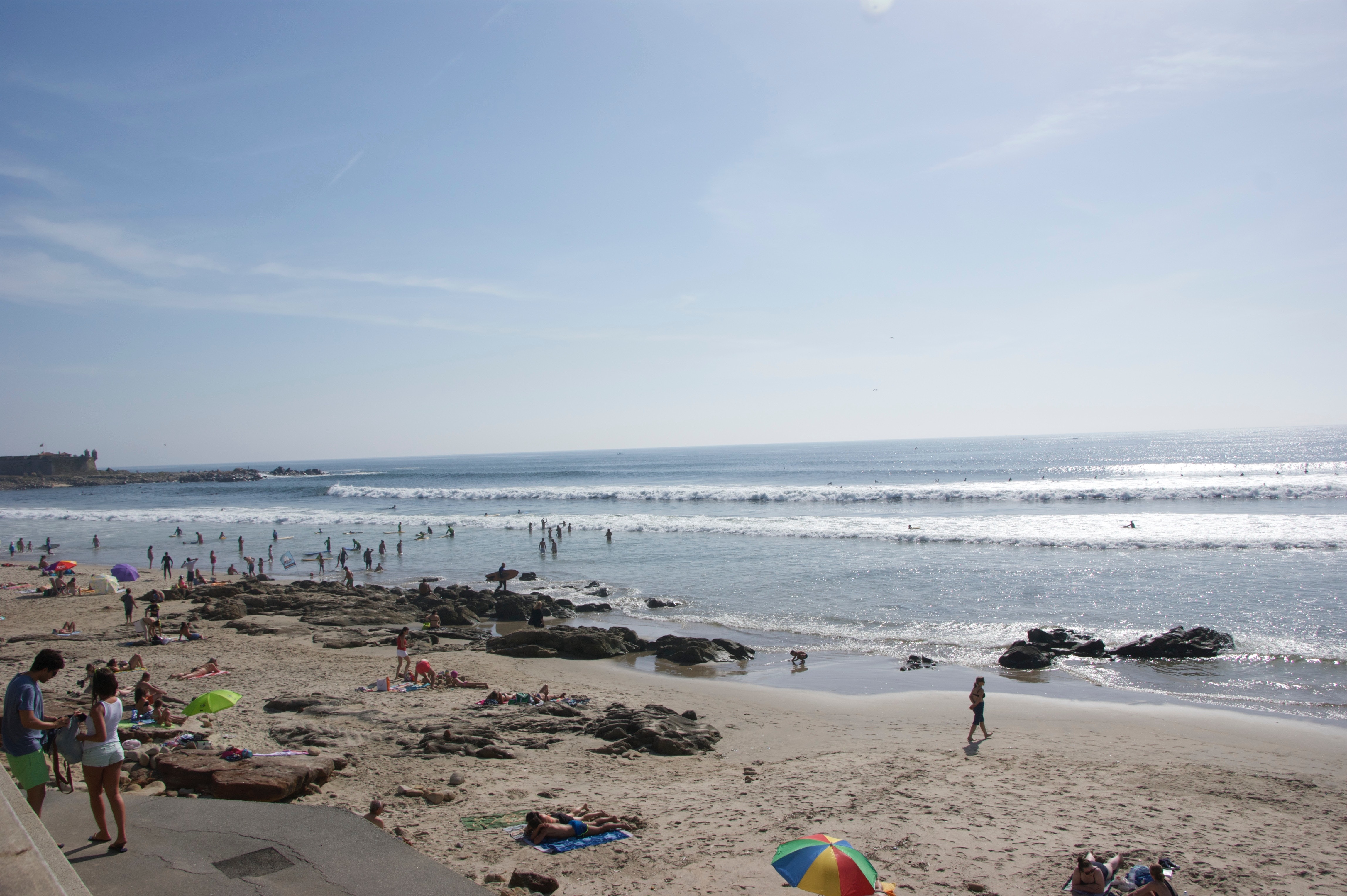
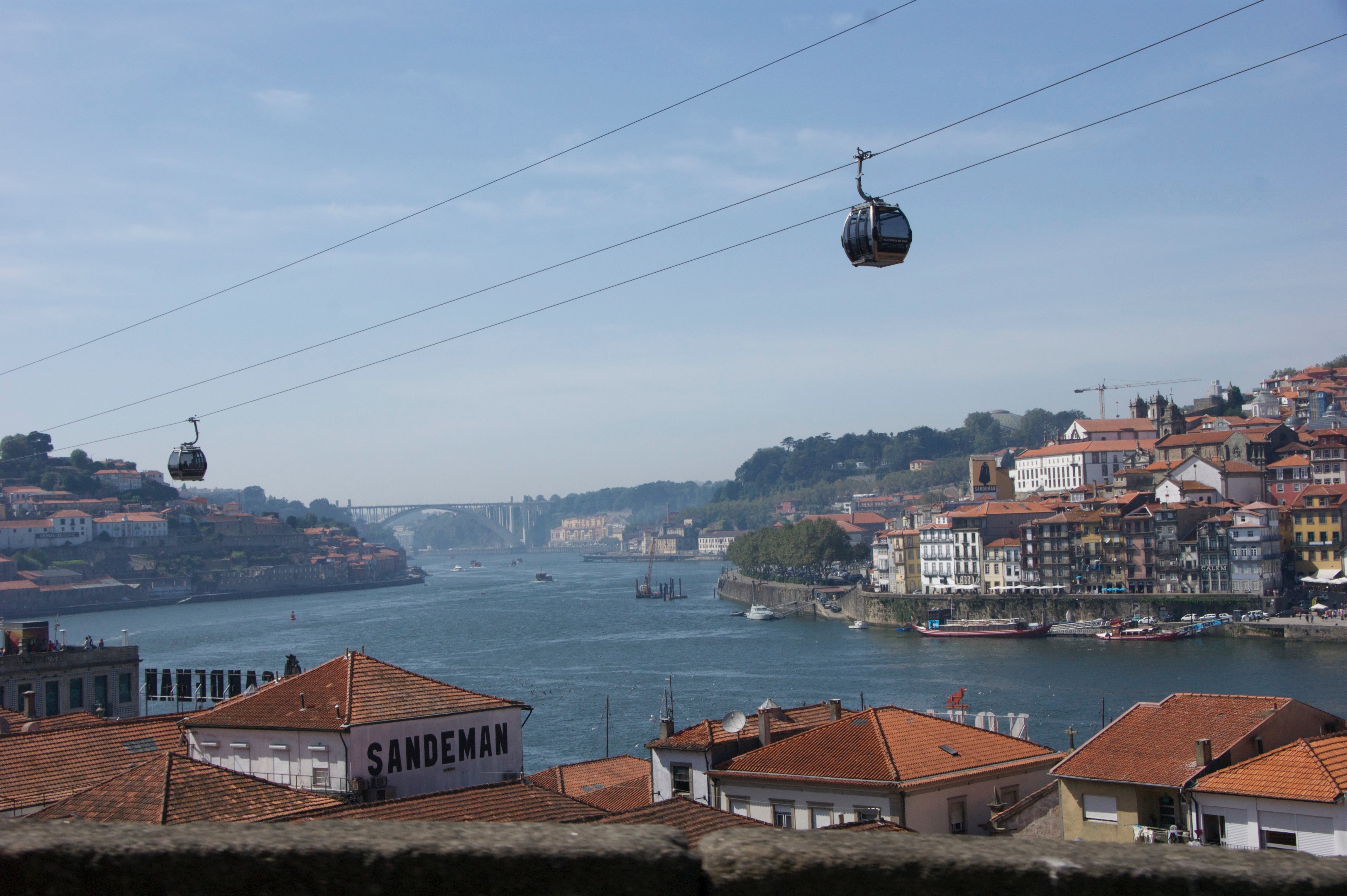
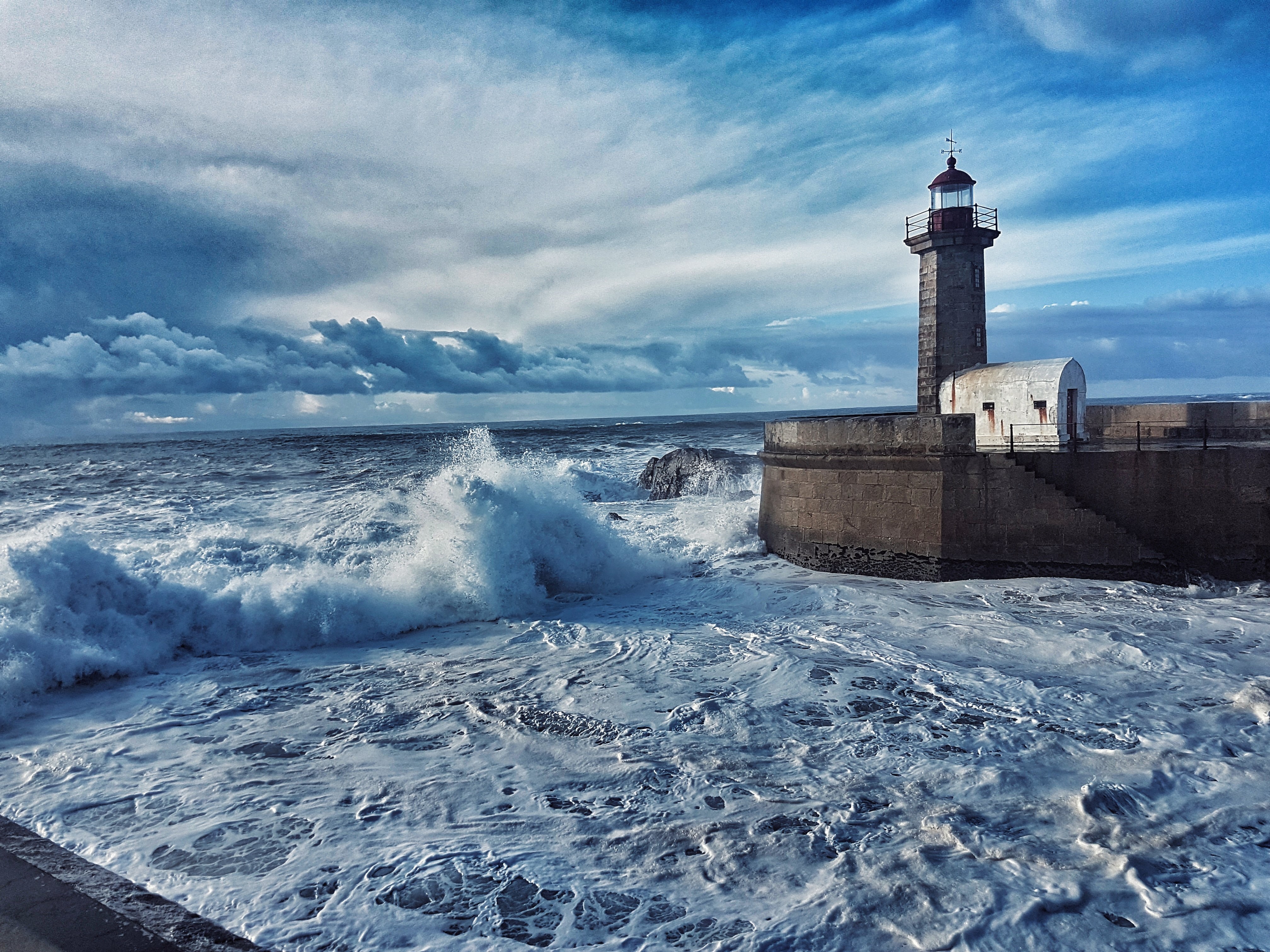
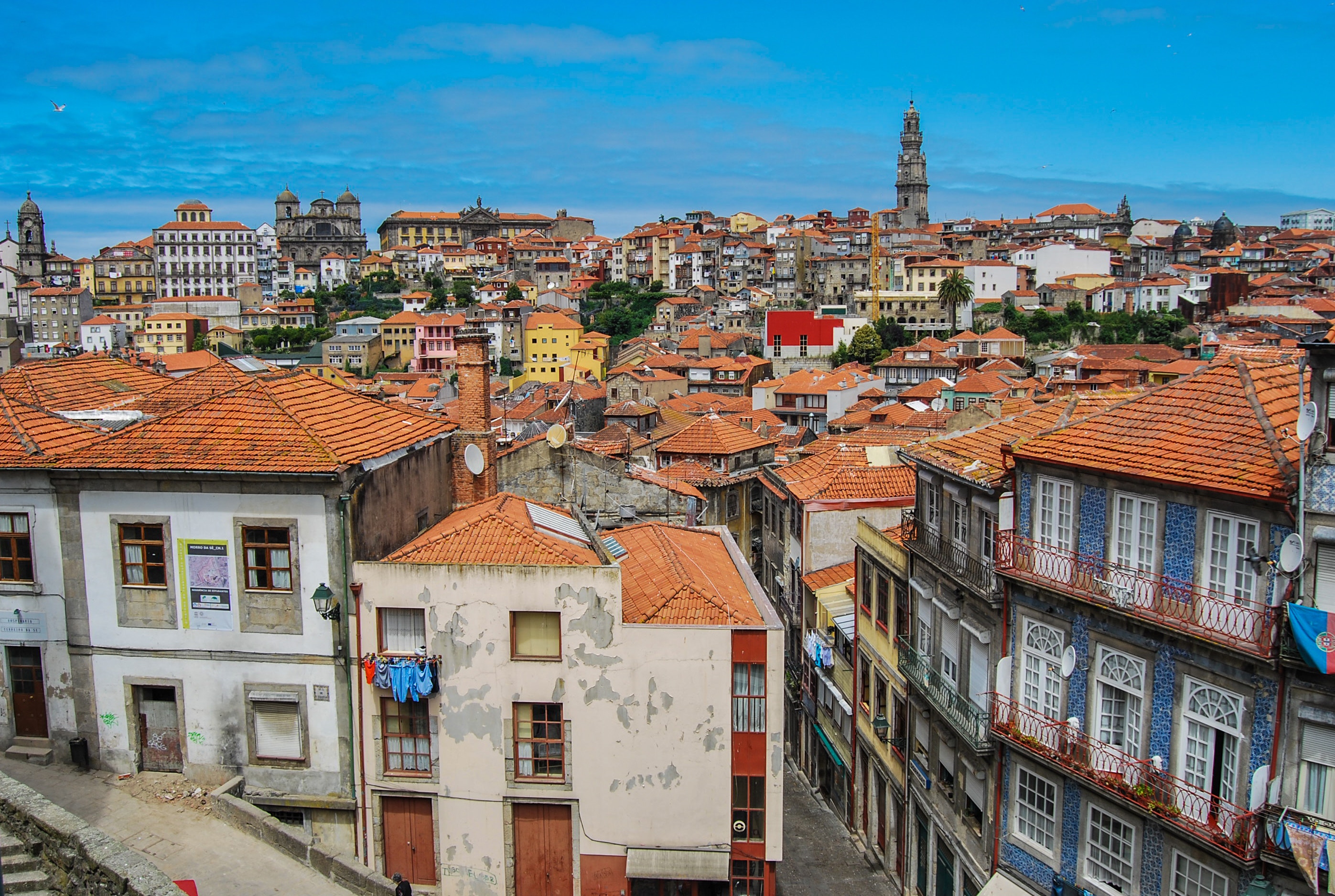
Lively, commercial Oporto is the second largest city in Portugal after Lisbon. Also called Porto for short, the word easily brings to mind the city's most famous product - port wine. Oporto's strategic location on the north bank of the Douro River has accounted for the town's importance since ancient times. The Romans built a fort here where their trading route crossed the Douro, and the Moors brought their own culture to the area. Oporto profited from provisioning crusaders en route to the Holy Land and enjoyed the riches from Portuguese maritime discoveries during the 15th and 16th centuries. Later, port wine trade with Britain compensated for the loss of the spice trade and the end of gold and gem shipments from Brazil. In the 19th century, the city went through a period of new prosperity with the rise of industries. In its wake followed the building of workers' quarters and opulent residences. Since the declaration of Oporto as a World Heritage Site by UNESCO, the city aims to build up a cultural reference that will provide it with a new image, based on deep historical roots. Among the attractions that make Oporto such an interesting place are its graceful bridges spanning the Douro River, a picturesque riverfront quarter and, most notable, its world-famous port wine lodges. Although Oporto is a bustling centre and home to many different businesses, the source of its greatest fame is the rich, sweet fortified red wine we know as port.
About Porto
Lively, commercial Oporto is the second largest city in Portugal after Lisbon. Also called Porto for short, the word easily brings to mind the city's most famous product - port wine. Oporto's strategic location on the north bank of the Douro River has accounted for the town's importance since ancient times. The Romans built a fort here where their trading route crossed the Douro, and the Moors brought their own culture to the area. Oporto profited from provisioning crusaders en route to the Holy Land and enjoyed the riches from Portuguese maritime discoveries during the 15th and 16th centuries. Later, port wine trade with Britain compensated for the loss of the spice trade and the end of gold and gem shipments from Brazil. In the 19th century, the city went through a period of new prosperity with the rise of industries. In its wake followed the building of workers' quarters and opulent residences. Since the declaration of Oporto as a World Heritage Site by UNESCO, the city aims to build up a cultural reference that will provide it with a new image, based on deep historical roots. Among the attractions that make Oporto such an interesting place are its graceful bridges spanning the Douro River, a picturesque riverfront quarter and, most notable, its world-famous port wine lodges. Although Oporto is a bustling centre and home to many different businesses, the source of its greatest fame is the rich, sweet fortified red wine we know as port.
About Régua
About Pocinho
About Salamanca
About Pinhão
About Porto
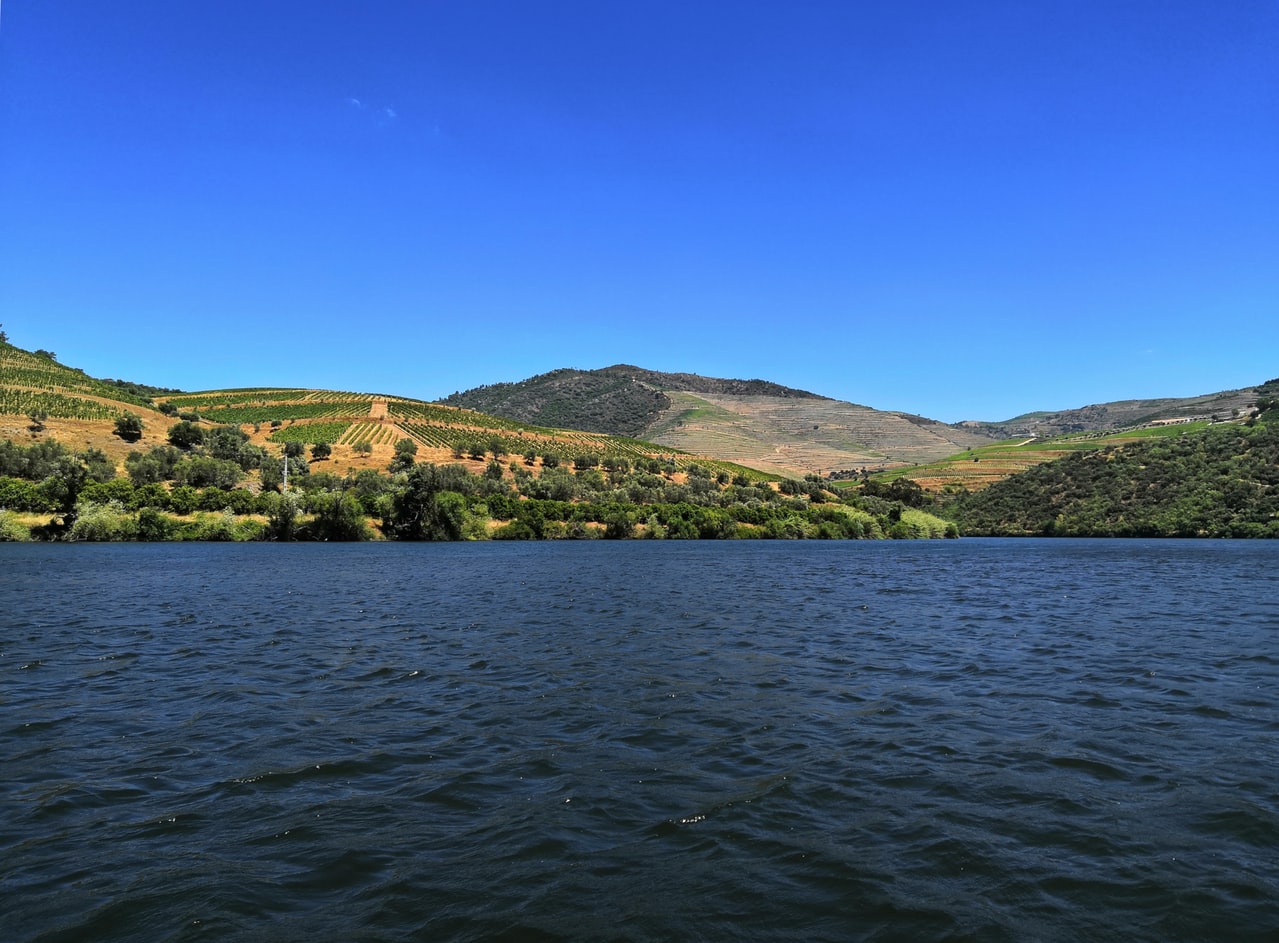
Lively, commercial Oporto is the second largest city in Portugal after Lisbon. Also called Porto for short, the word easily brings to mind the city's most famous product - port wine. Oporto's strategic location on the north bank of the Douro River has accounted for the town's importance since ancient times. The Romans built a fort here where their trading route crossed the Douro, and the Moors brought their own culture to the area. Oporto profited from provisioning crusaders en route to the Holy Land and enjoyed the riches from Portuguese maritime discoveries during the 15th and 16th centuries. Later, port wine trade with Britain compensated for the loss of the spice trade and the end of gold and gem shipments from Brazil. In the 19th century, the city went through a period of new prosperity with the rise of industries. In its wake followed the building of workers' quarters and opulent residences. Since the declaration of Oporto as a World Heritage Site by UNESCO, the city aims to build up a cultural reference that will provide it with a new image, based on deep historical roots. Among the attractions that make Oporto such an interesting place are its graceful bridges spanning the Douro River, a picturesque riverfront quarter and, most notable, its world-famous port wine lodges. Although Oporto is a bustling centre and home to many different businesses, the source of its greatest fame is the rich, sweet fortified red wine we know as port.
About Porto
Lively, commercial Oporto is the second largest city in Portugal after Lisbon. Also called Porto for short, the word easily brings to mind the city's most famous product - port wine. Oporto's strategic location on the north bank of the Douro River has accounted for the town's importance since ancient times. The Romans built a fort here where their trading route crossed the Douro, and the Moors brought their own culture to the area. Oporto profited from provisioning crusaders en route to the Holy Land and enjoyed the riches from Portuguese maritime discoveries during the 15th and 16th centuries. Later, port wine trade with Britain compensated for the loss of the spice trade and the end of gold and gem shipments from Brazil. In the 19th century, the city went through a period of new prosperity with the rise of industries. In its wake followed the building of workers' quarters and opulent residences. Since the declaration of Oporto as a World Heritage Site by UNESCO, the city aims to build up a cultural reference that will provide it with a new image, based on deep historical roots. Among the attractions that make Oporto such an interesting place are its graceful bridges spanning the Douro River, a picturesque riverfront quarter and, most notable, its world-famous port wine lodges. Although Oporto is a bustling centre and home to many different businesses, the source of its greatest fame is the rich, sweet fortified red wine we know as port.
- Grand Suite (307 sq ft - 28.5 sq m).
Please note that amenities may differ from those of a Uniworld company-owned ship.
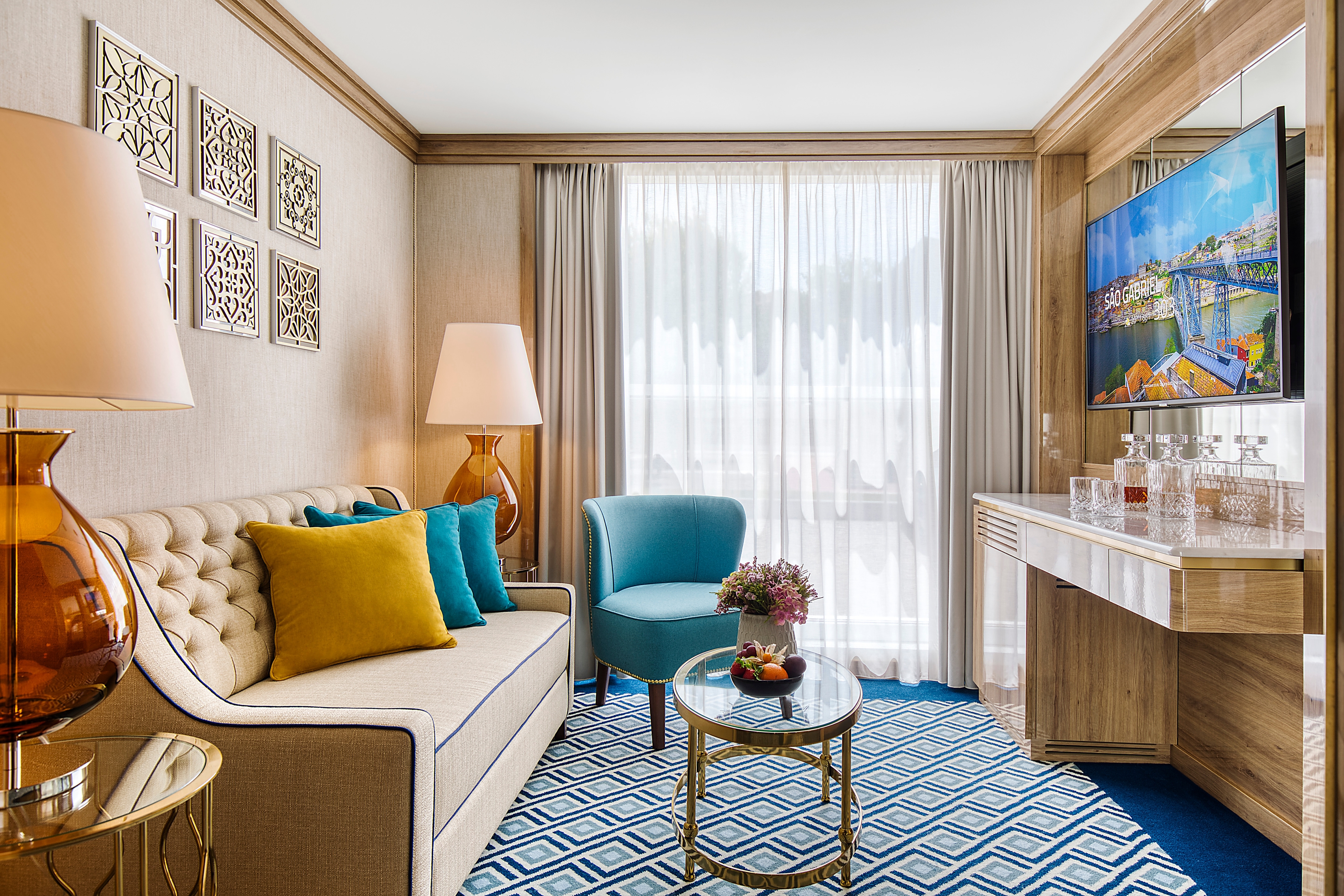
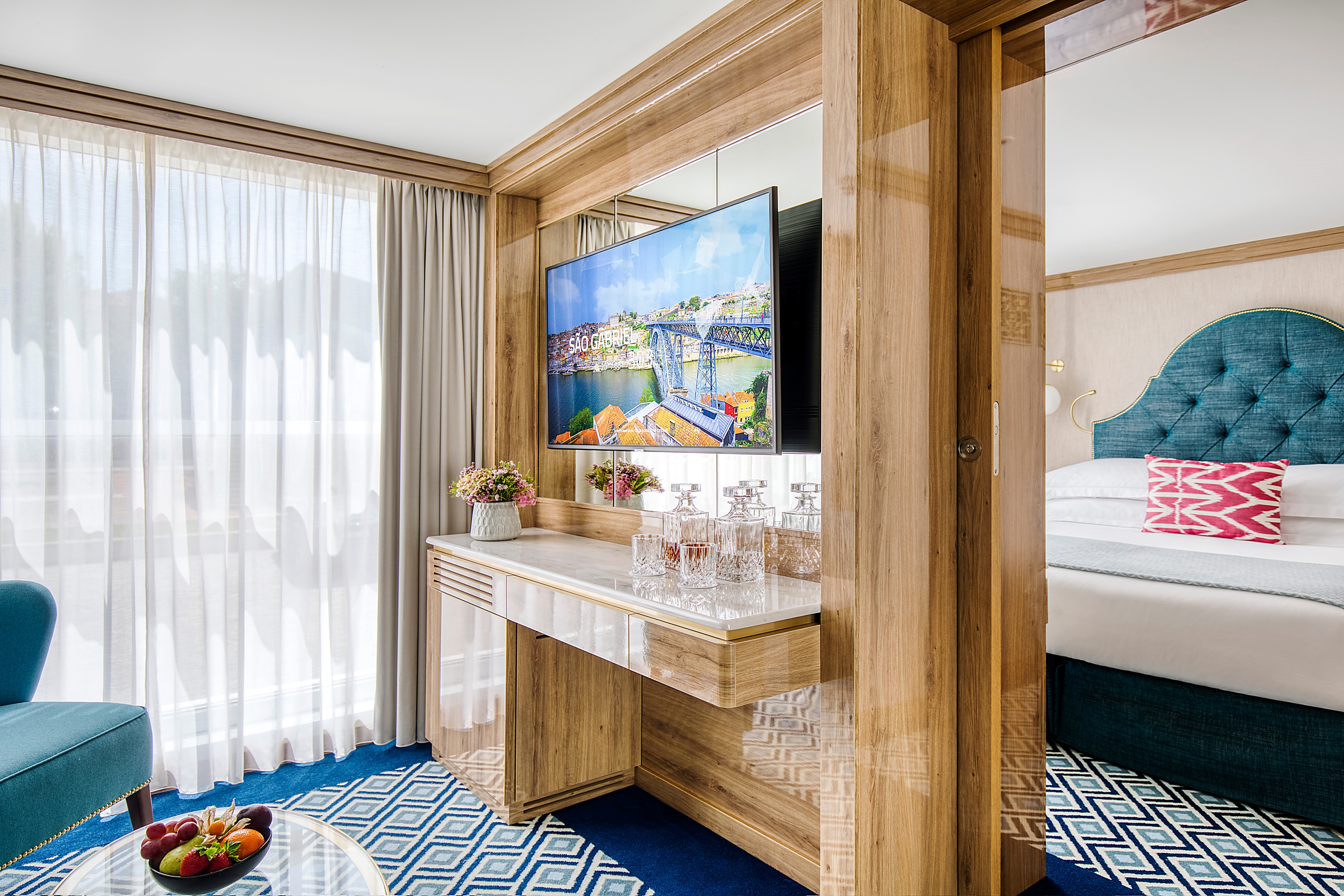
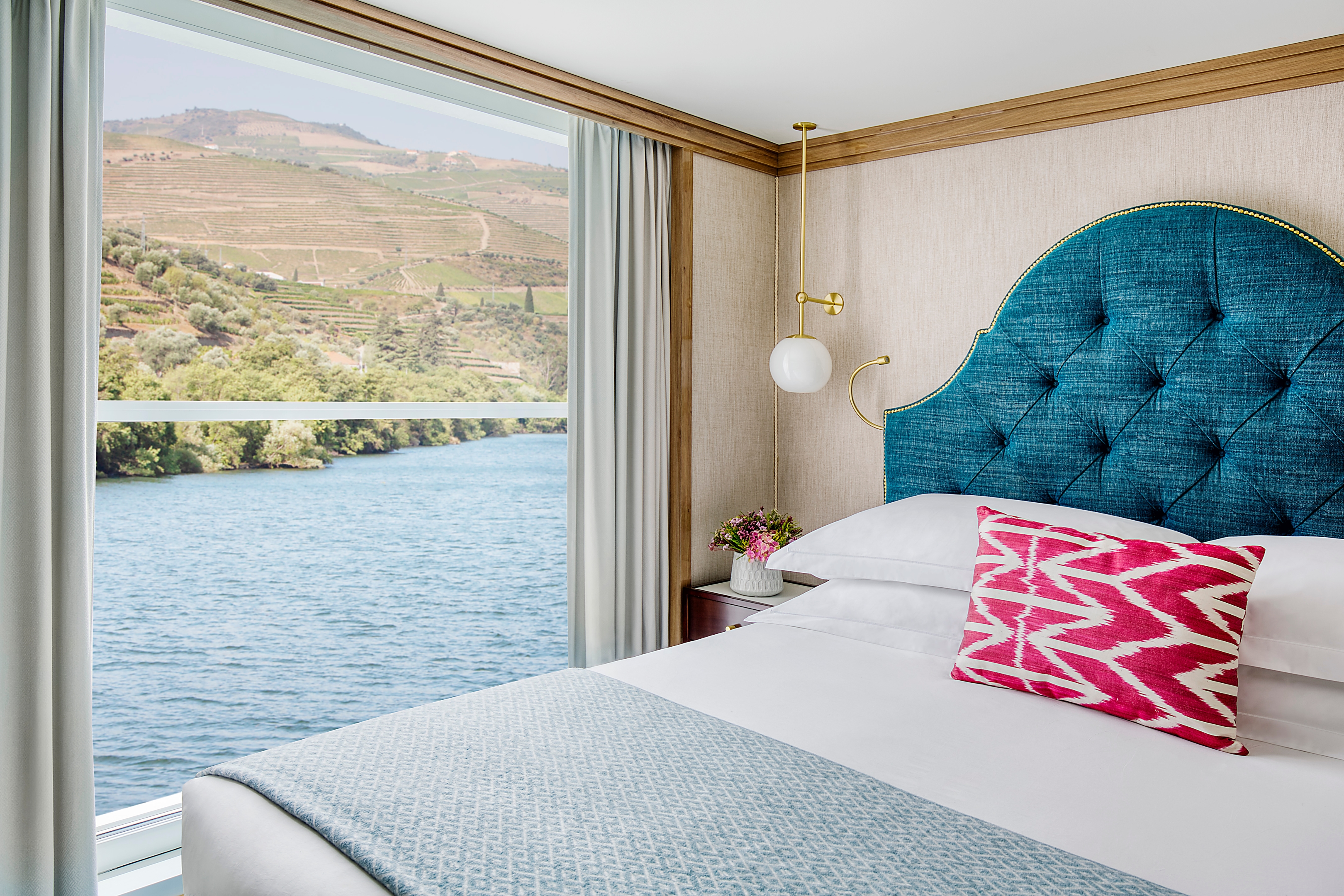
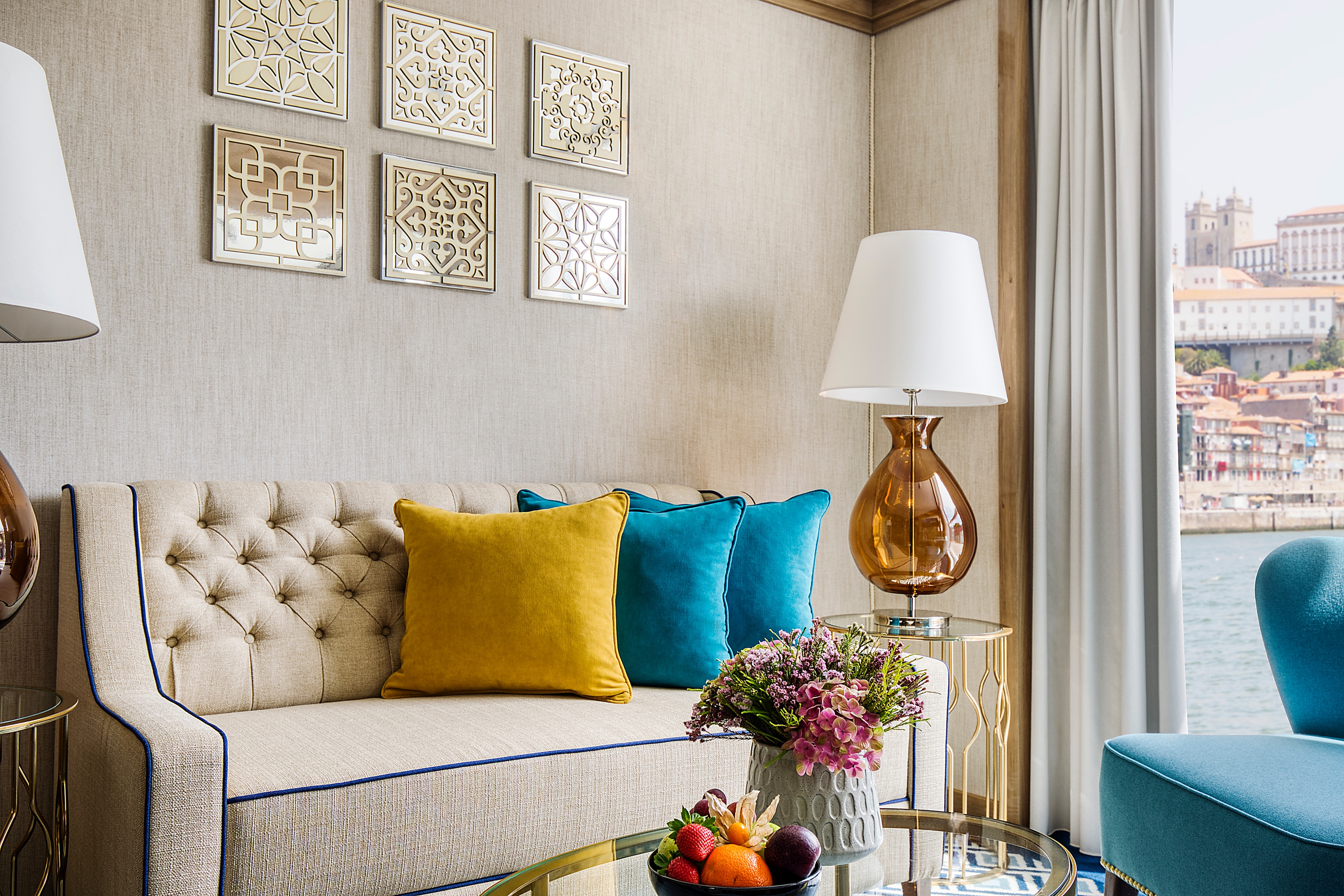
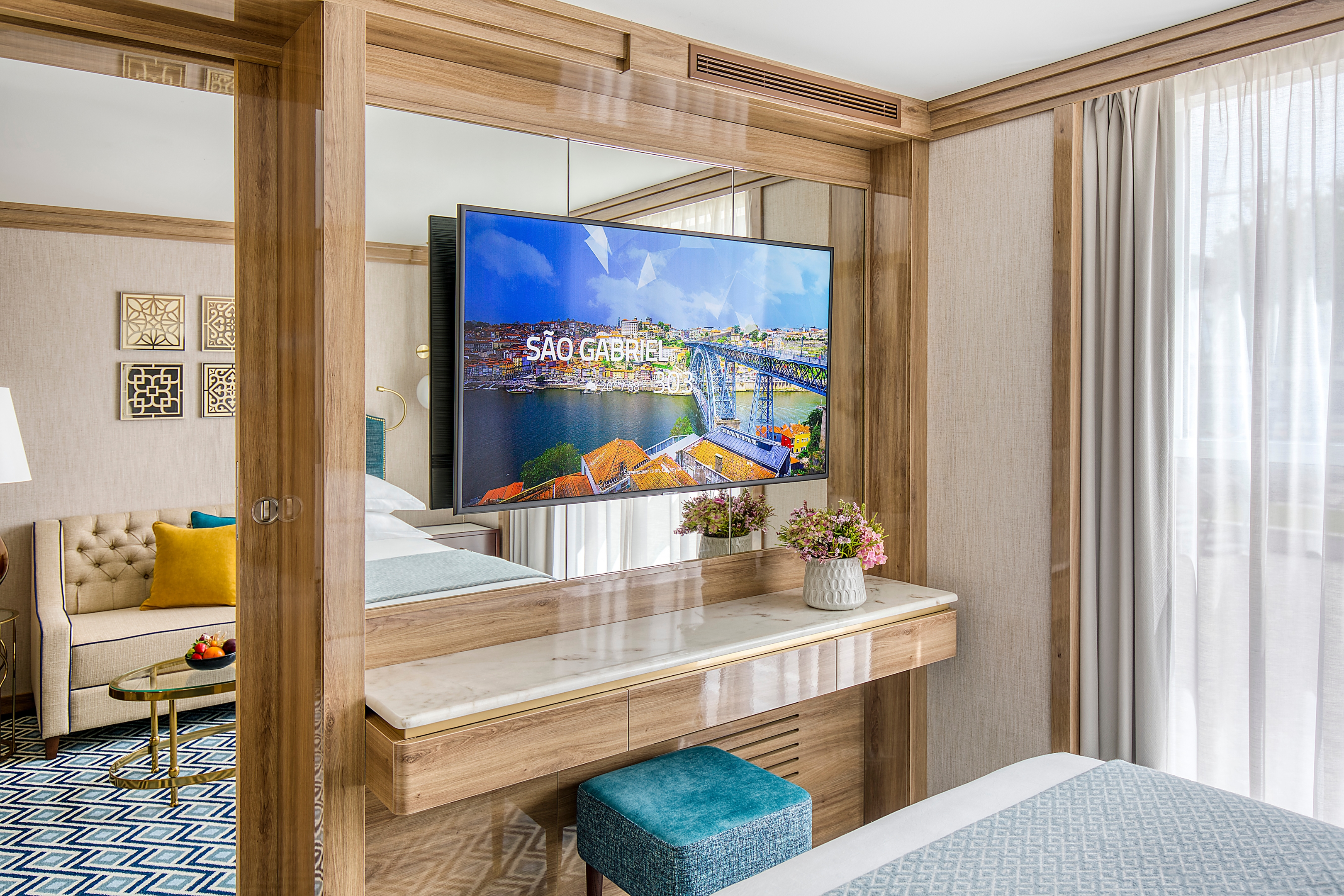
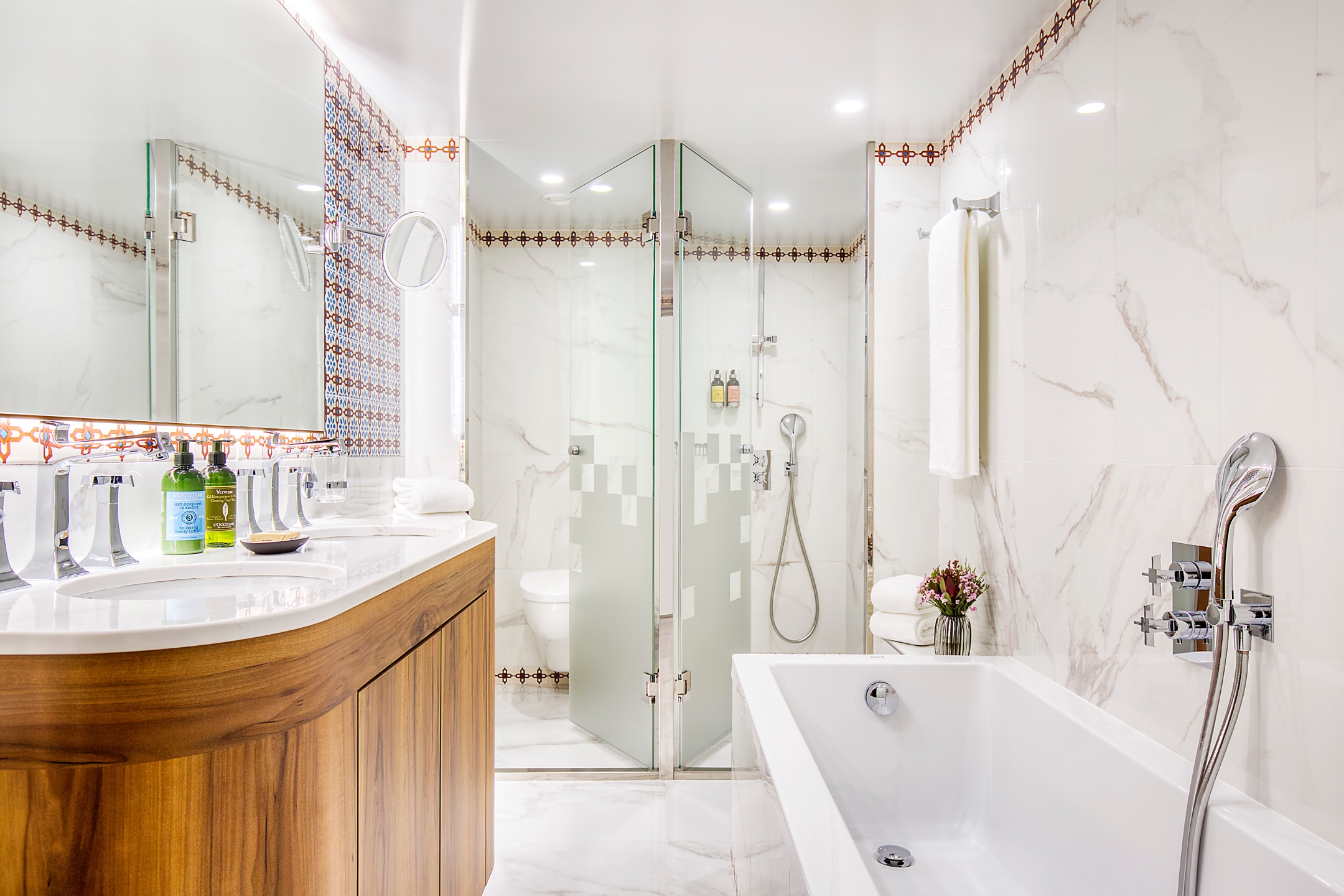
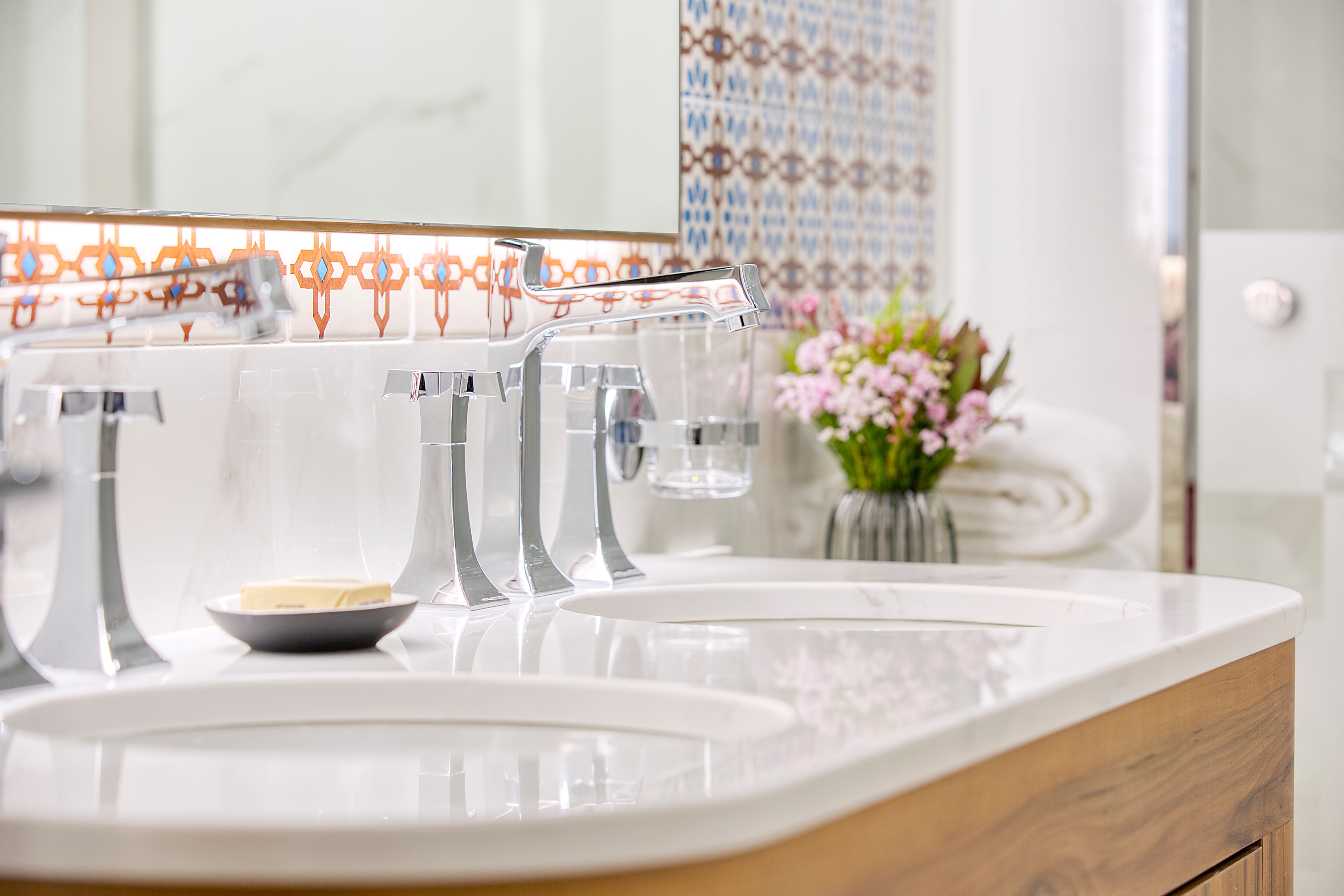
- Suite (220 sq ft - 20.4 sq m).
Please note that amenities may differ from those of a Uniworld company-owned ship.
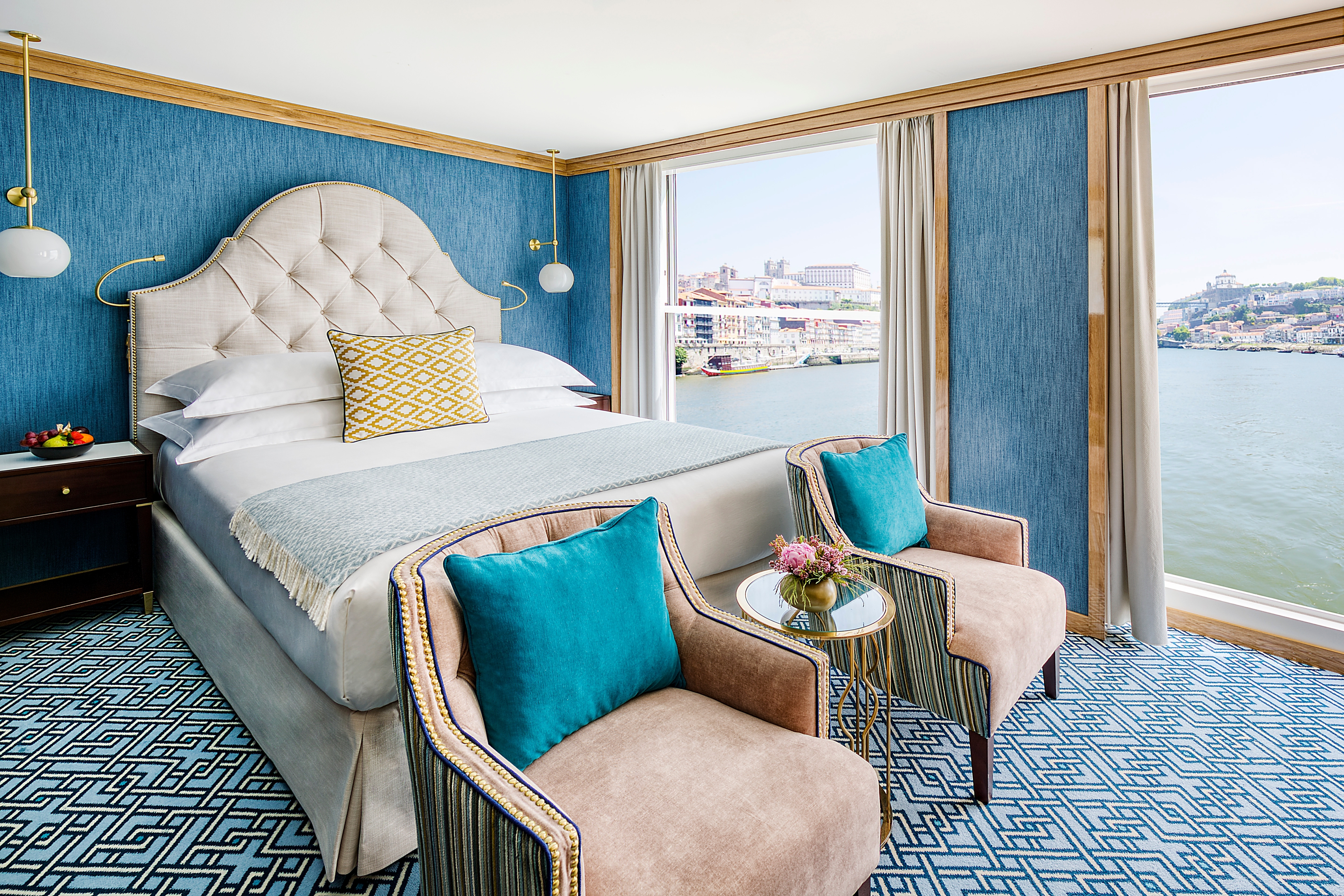
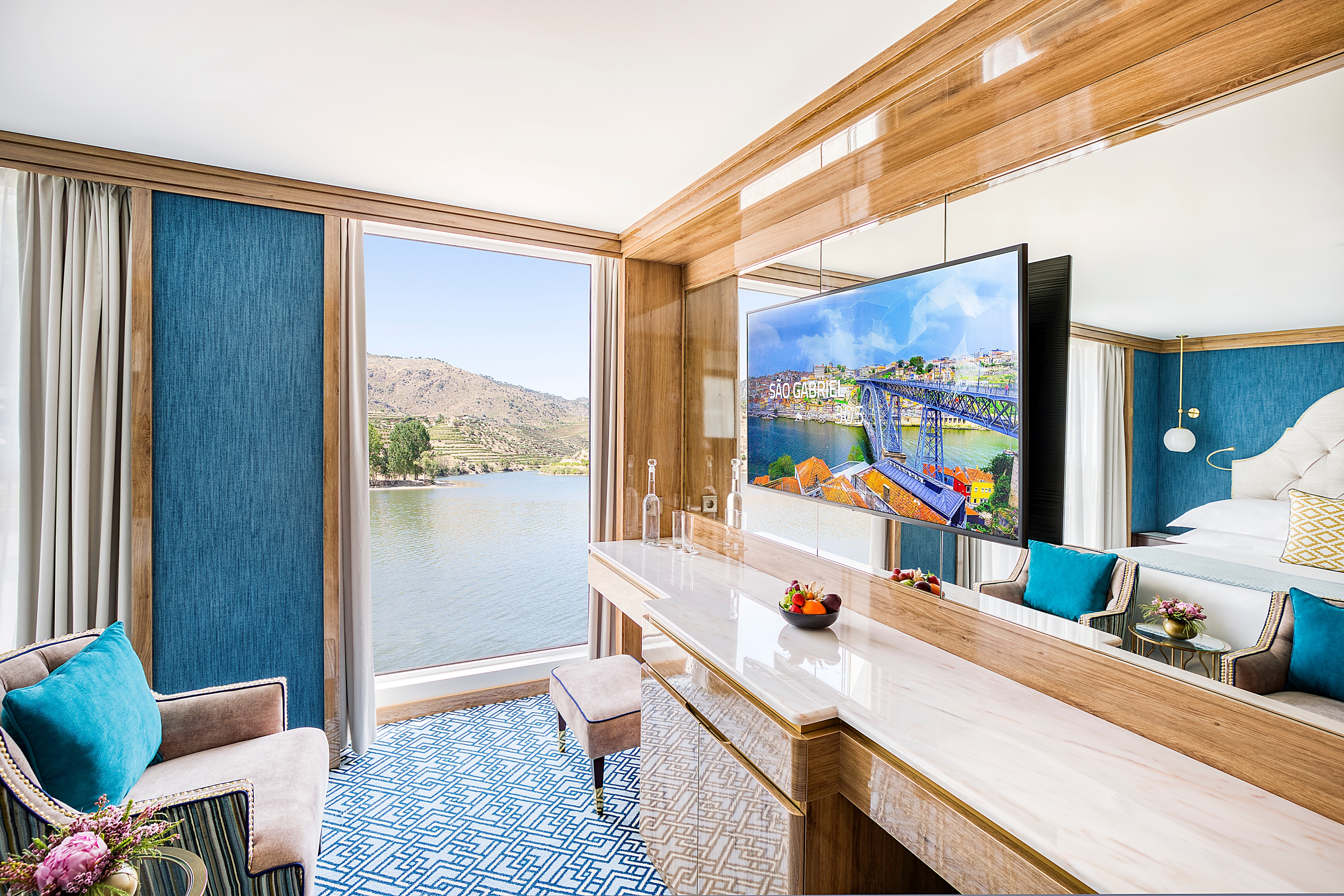
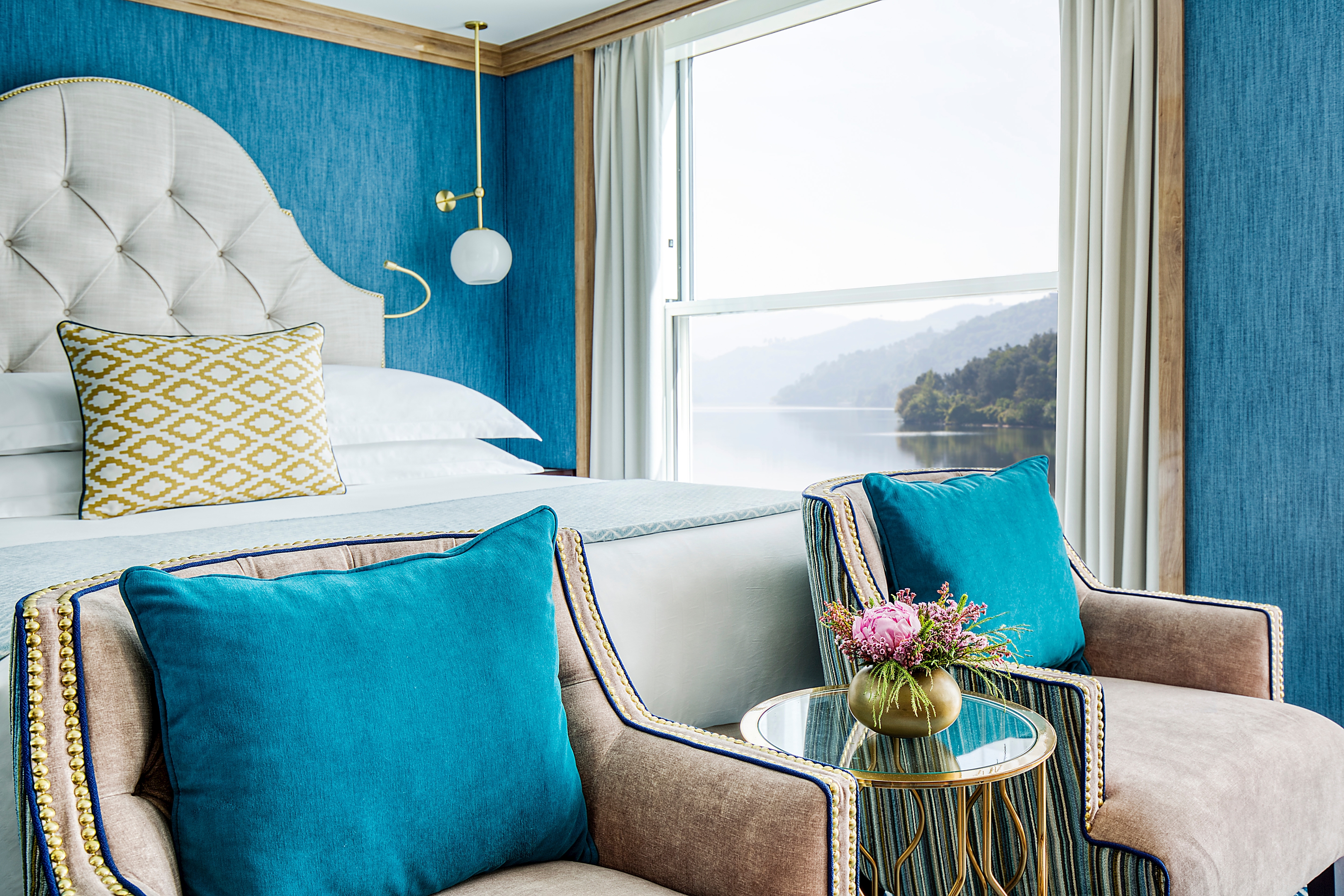
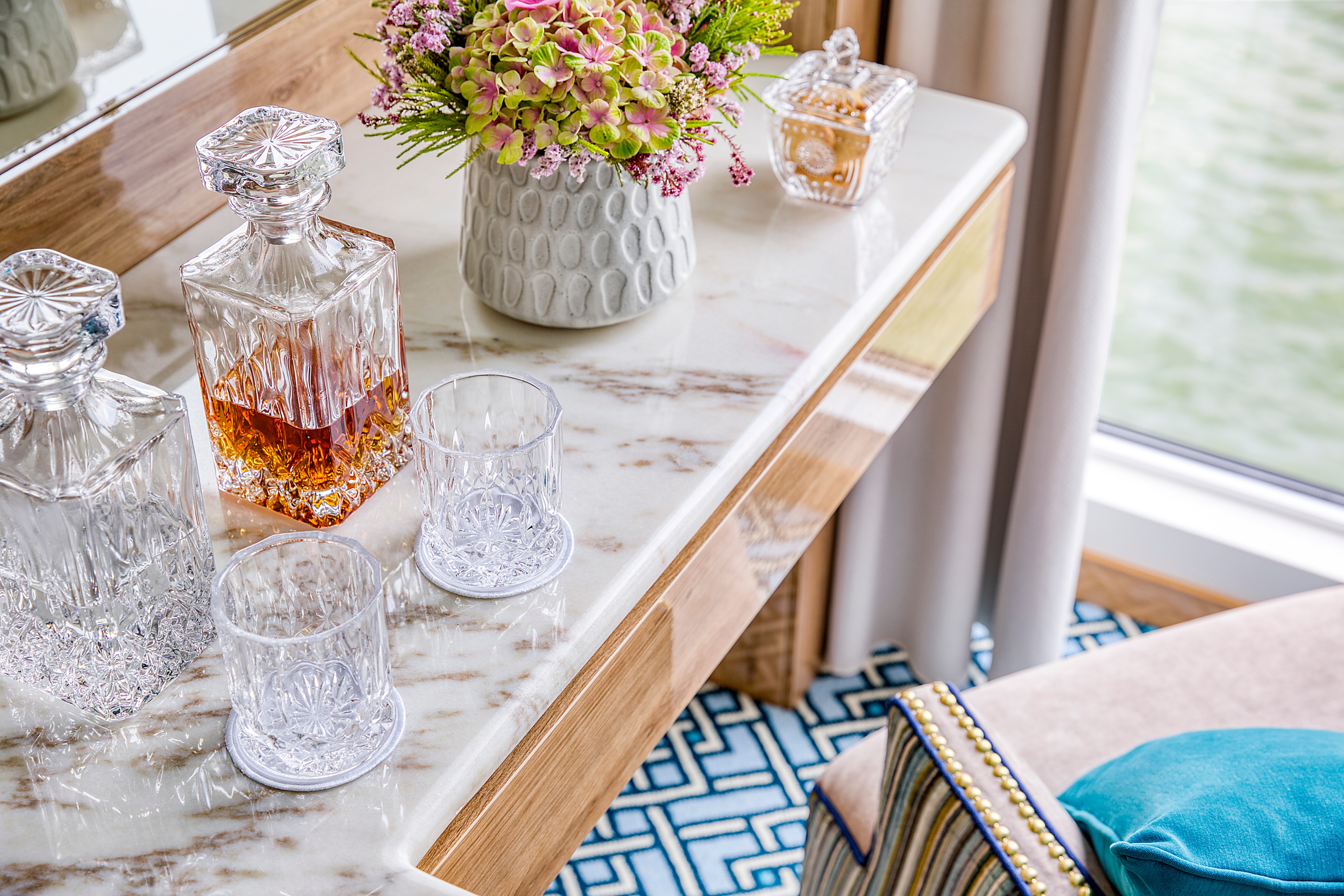
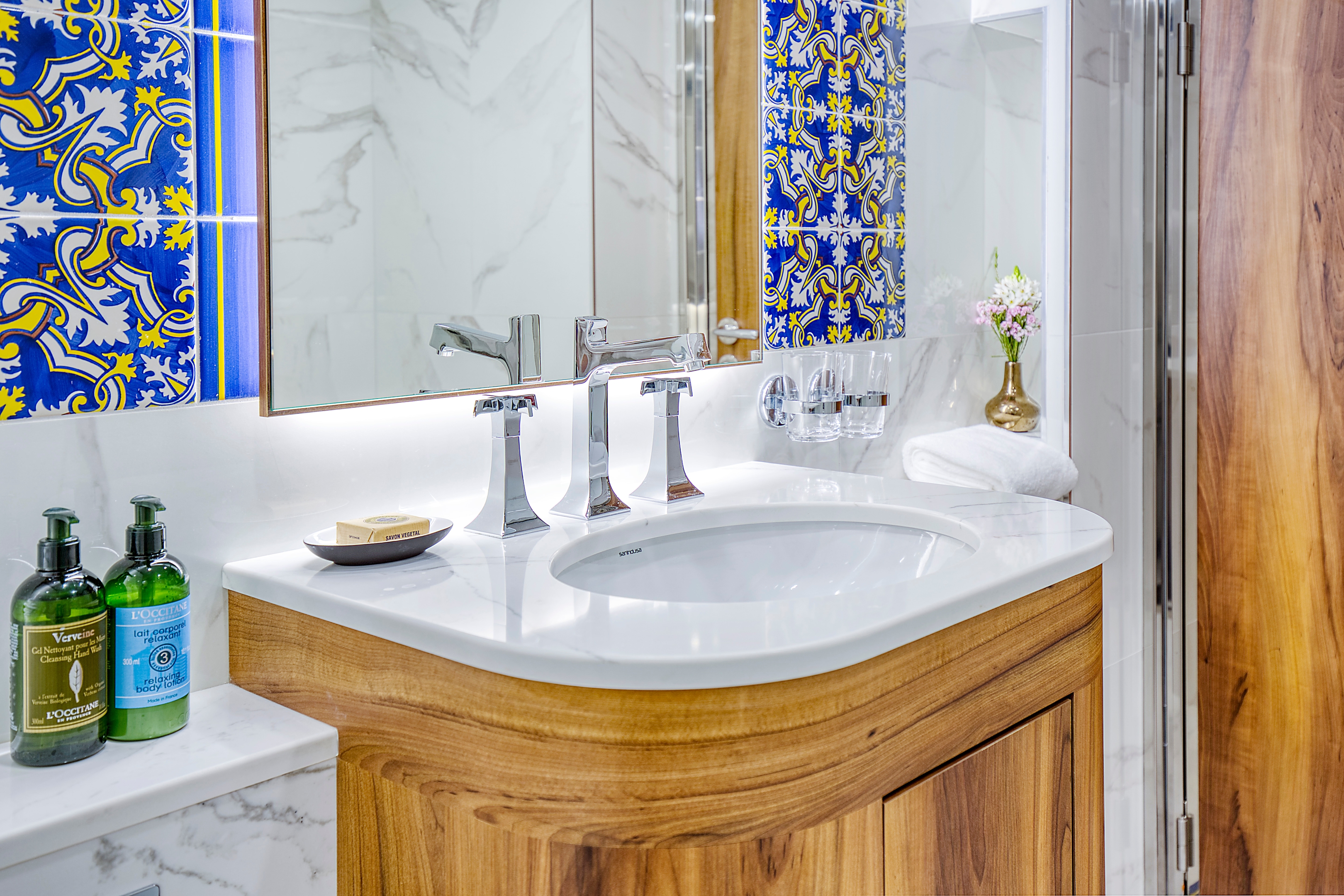
Please note this category is only available for 2026 sailings.
- French Balcony (156 sq ft - 14.5 sq m)
Note that amenities may differ from those of a Uniworld company-owned ship
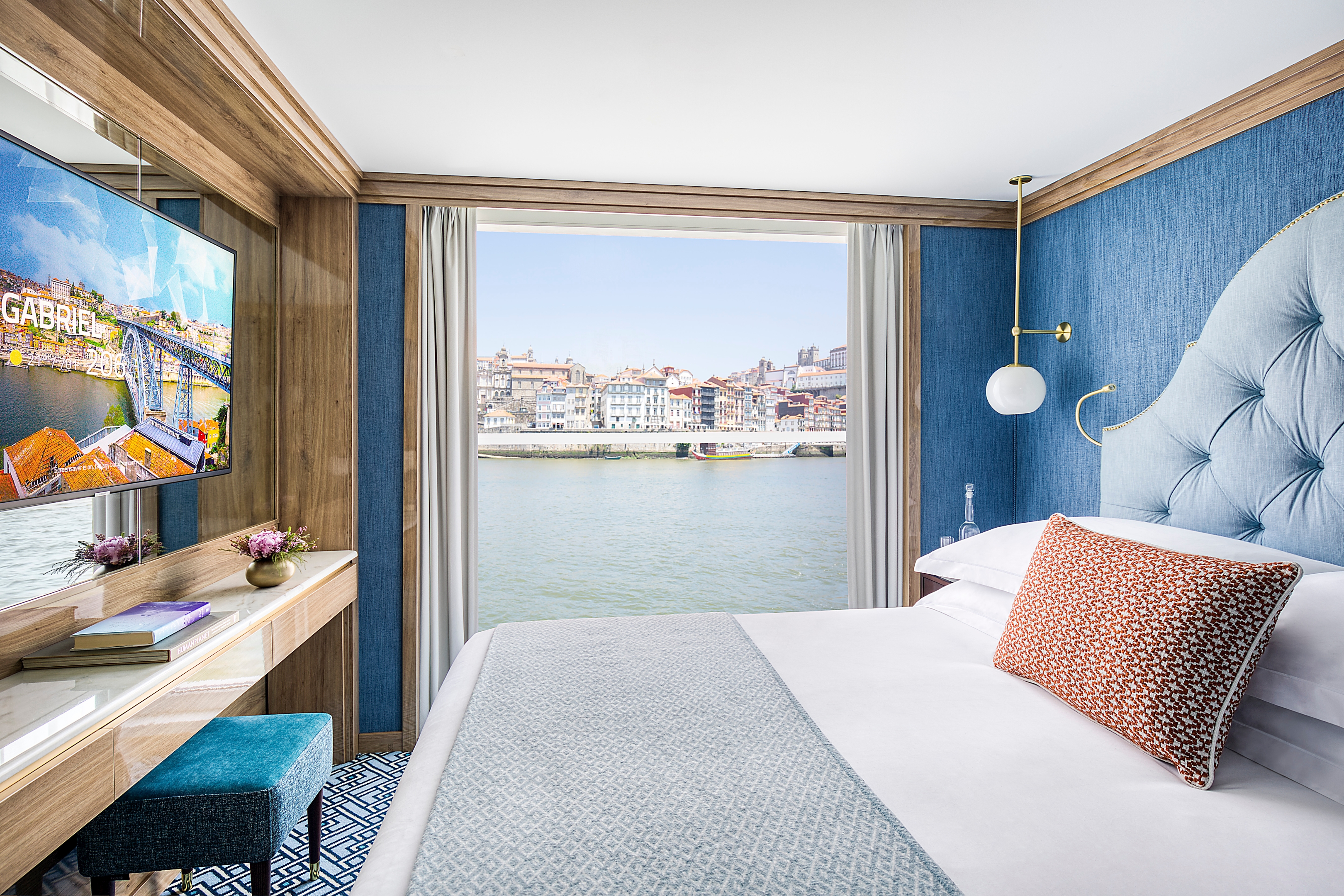
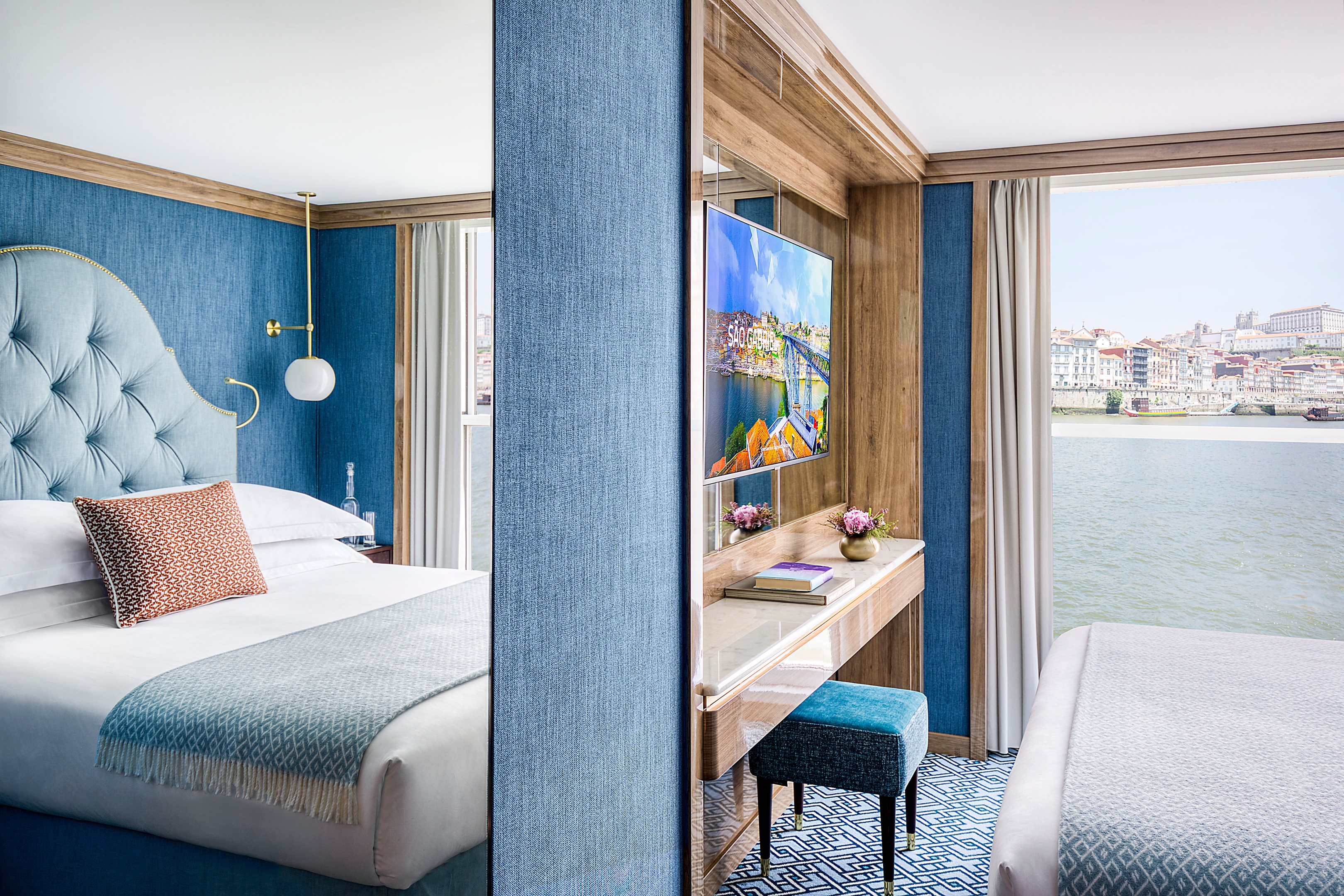
Please note this category is only available on 2027 & 2028 sailings.
- French Balcony (156 sq ft - 14.5 sq m).
Please note that amenities may differ from those of a Uniworld company-owned ship.
- French Balcony (156 sq ft - 14.5 sq m).
Please note that amenities may differ from those of a Uniworld company-owned ship.
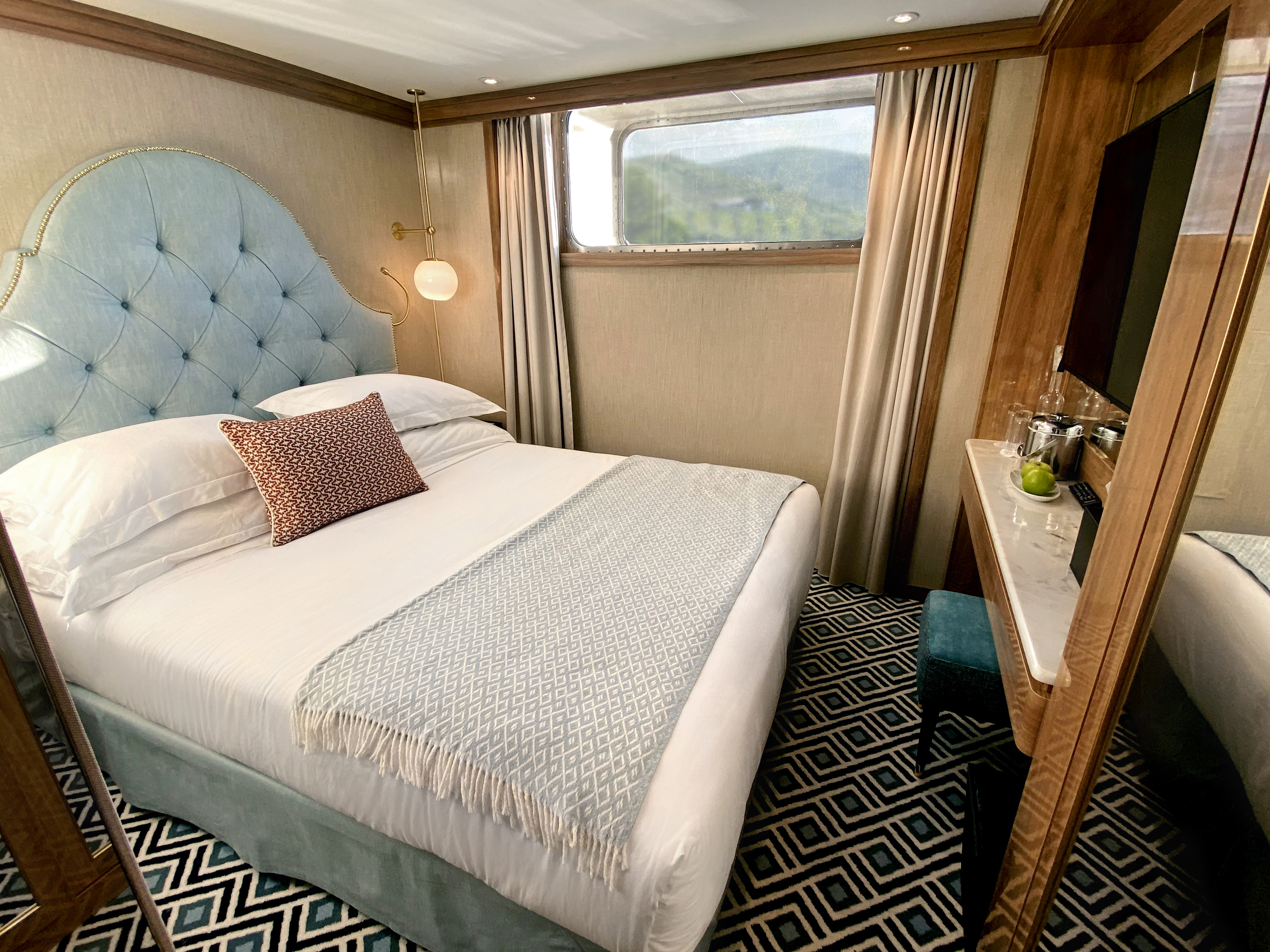
- Deluxe (156 sq ft - 14.5 sq m).
Please note that amenities may differ from those of a Uniworld company-owned ship.
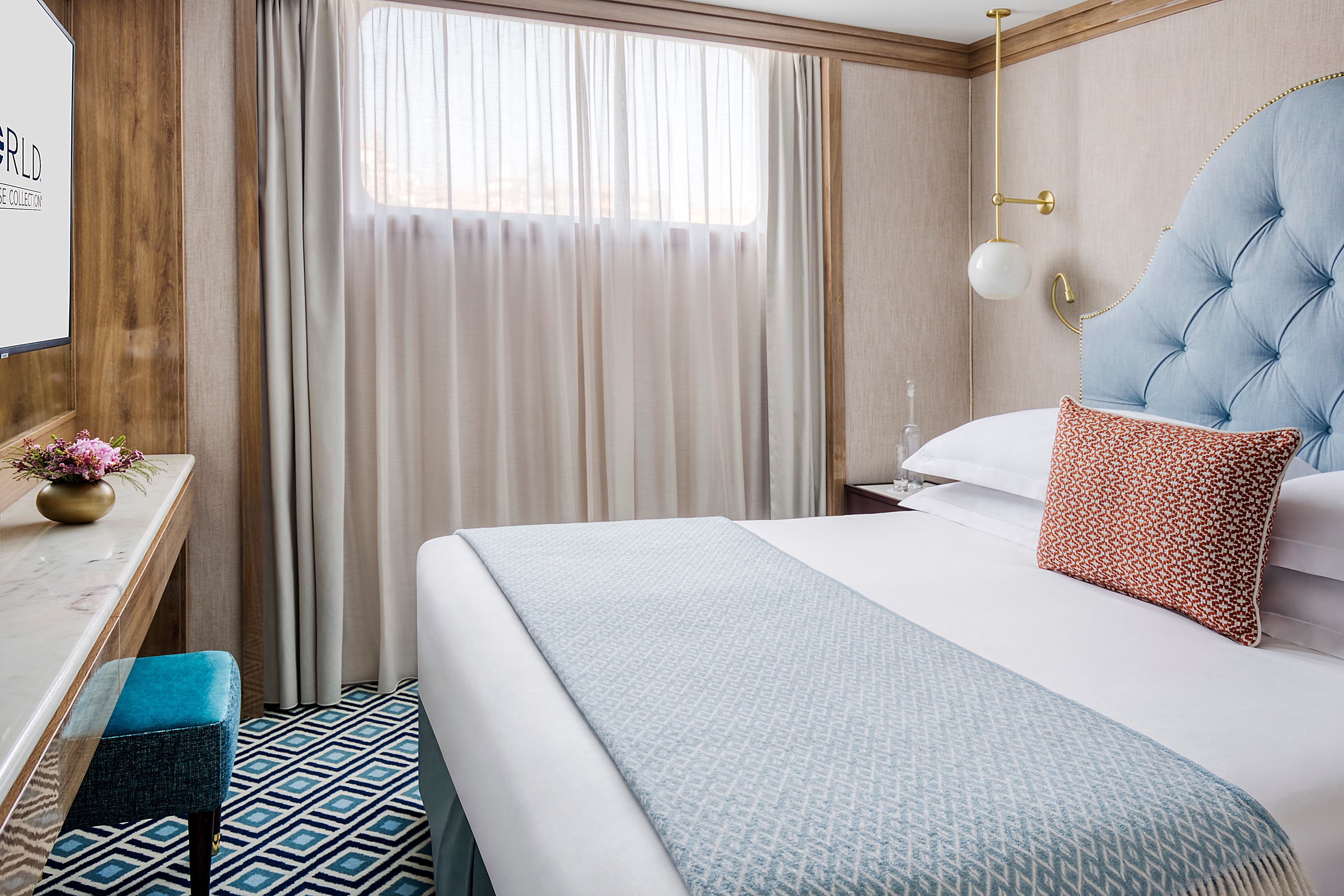
- Classic (135 sq ft - 12.5 sq m).
Please note that amenities may differ from those of a Uniworld company-owned ship.
S.S. São Gabriel
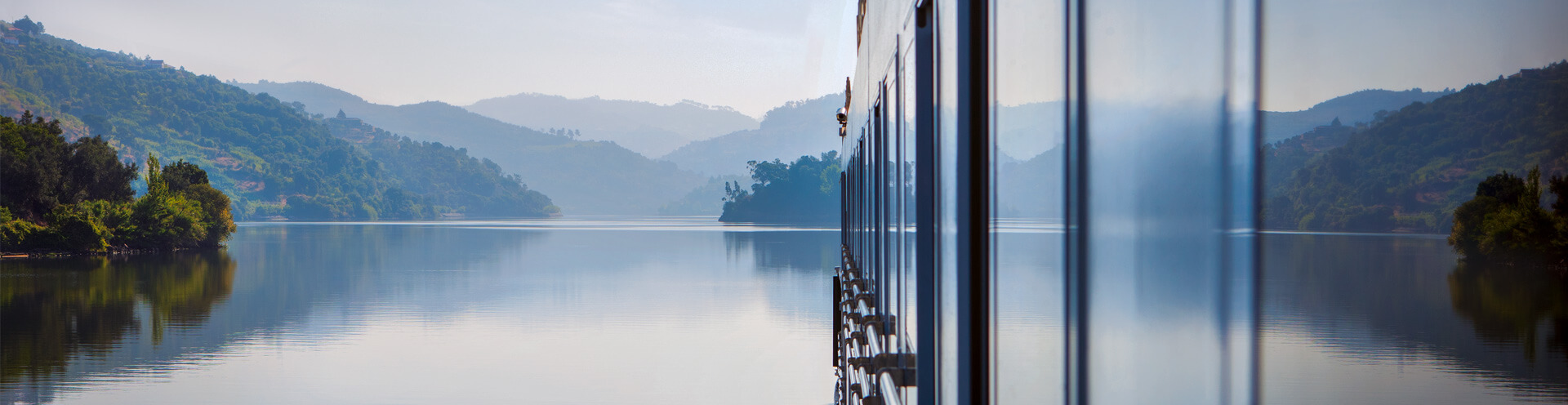
S.S. São Gabriel embodies the beautiful Douro River Valley like no other ship in the region. Beautiful azulejos tilework, polished wood, and a summery palette bring the vivacity of Portugal onboard, while a sundeck pool beckons passengers to relax in the sunshine while soaking in the natural beauty of the surrounding landscape. This Super Ship™ vessel offers an entire deck of lavishly appointed suites with butler service, as well as three different dining venues in which to experience the delectable wine and cuisine of the Douro River Valley.
Ship Facts
| Launch Year | 2021 | ||||||
| Refit Year | |||||||
| Language | fr+en | ||||||
| Gross Tonnage | N/A | ||||||
| Length | 80 | ||||||
| Width | 11 | ||||||
| Currency | EUR | ||||||
| Speed | 10 | ||||||
| Capacity | 98 | ||||||
| Crew Count | 37 | ||||||
| Deck Count | 4 | ||||||
| Cabin Count | 50 | ||||||
| Large Cabin Count | N/A | ||||||
| Wheelchair Cabin Count | N/A | ||||||
| Electrical Plugs |
|
Blue Azzelij Terrace
- Pool
- Sun Loungers

Azores Deck
- Shop
- Office
- Reception
- Heritage Bistro
- Vintage Bar
- Grand Suite
- Suite
- Elevator

Cape Verde Deck
- Coffee Station
- Douro Wine Cellar
- Feitoria Restaurant
- French Balcony
- Elevator

Madeira Deck
- Fitness Centre
- Guest Laundry
- Spa
- Deluxe Staterooms
- Classic Staterooms
- Elevator

At Uniworld, dining is never an afterthought—it is an essential part of the river cruise experience. Enjoy all-inclusive dining from relaxed breakfasts to elegant evening service, where dishes are crafted to deepen your connection to the destination.
All‑Inclusive Dining, Without Compromise
Every Uniworld journey includes exceptional dining, allowing you to savor each moment. Menus evolve with your itinerary, pairing beautifully prepared dishes with regional wines and premium beverages—all included. Whether dining in the restaurant or enjoying an informal breakfast, the experience is seamless, generous, and distinctly Uniworld.
Expert Chefs, Inspired by Place
Behind every menu is a team of highly skilled chefs who bring both technical excellence and creative flair. Our Executive Chefs are all members of the prestigious "Chaîne des Rôtisseurs". Uniworld’s culinary leadership draws inspiration from local traditions and classic recipes, reimagined with a contemporary touch. The result is cuisine that feels both authentic and refined—elegant yet approachable, and always rooted in where you are.
Locally Sourced Ingredients
Wherever possible, ingredients are sourced along the route of your journey—from regional markets, local producers, and trusted suppliers. This commitment ensures freshness, supports local communities, and allows each dish to reflect the destination. From European vineyards to riverside farms, your dining experience becomes another way to explore the places you visit.
Feirtoria Restaurant
The Feitoria Restaurant can be found on the Cape Verde Deck.
Heritage Bistro
The Heritage Bistro can be found on the Azores Deck.
Coffee Station
The Coffee Station can be found on the Cape Verde Deck.
24-Hour Room Service
Craving a bite in between breakfast, lunch or dinner? Inquire about 24-hour room service and à la carte menus.
Sip a glass of wine while you cruise past beautiful landscapes and world-famous landmarks on your way to your next destination...
Reception
The Reception can be found on Azores Deck.
Vintage Bar
The Lounge Bar can be found on Azores Deck.
Douro Wine Cellar
The Duoro Wine Cellar can be found on Cape Verde Deck.
Sun Deck
The Sun Deck can be found on the Blue Azzelij Terrace.
Shop
The Shop can be found on Azores Deck.