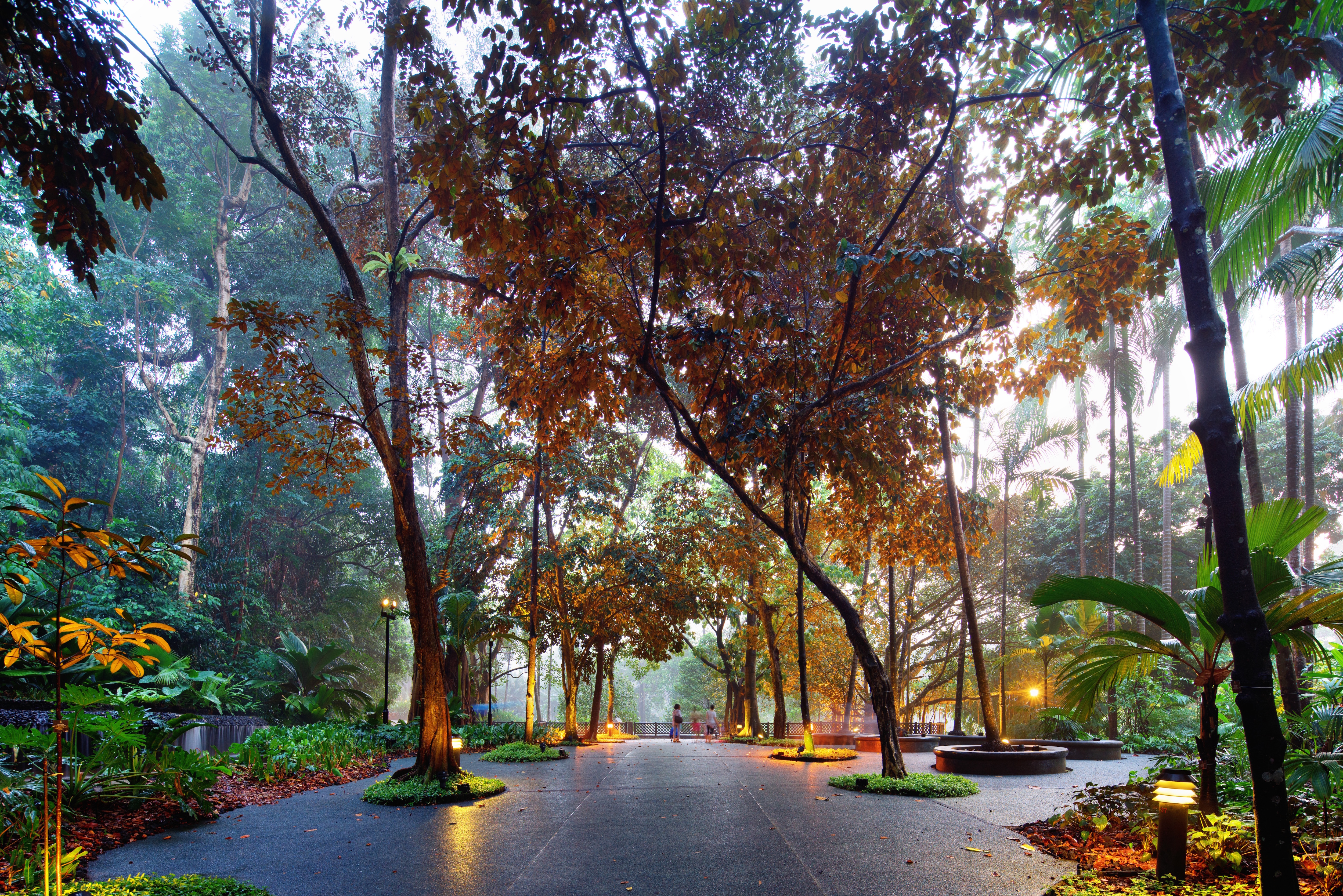
Bali, Singapore & Indonesia Expedition
Bali, Singapore & Indonesia Expedition
WHY BOOK WITH US?
- ✔ The Deluxe Cruises’ team has extensive experience in ultra-luxury cruising.
- ✔ Call now to speak to our helpful and experienced Cruise Concierge team.
- ✔ Enjoy our Unique Deluxe Cruises Bonus for substantial savings.
- ✔ Our team will tailor your holiday to your exacting requirements.
- ✔ As agents, we work under the protection of each cruise lines ABTA / ATOL licences
About Bali
About Ubud
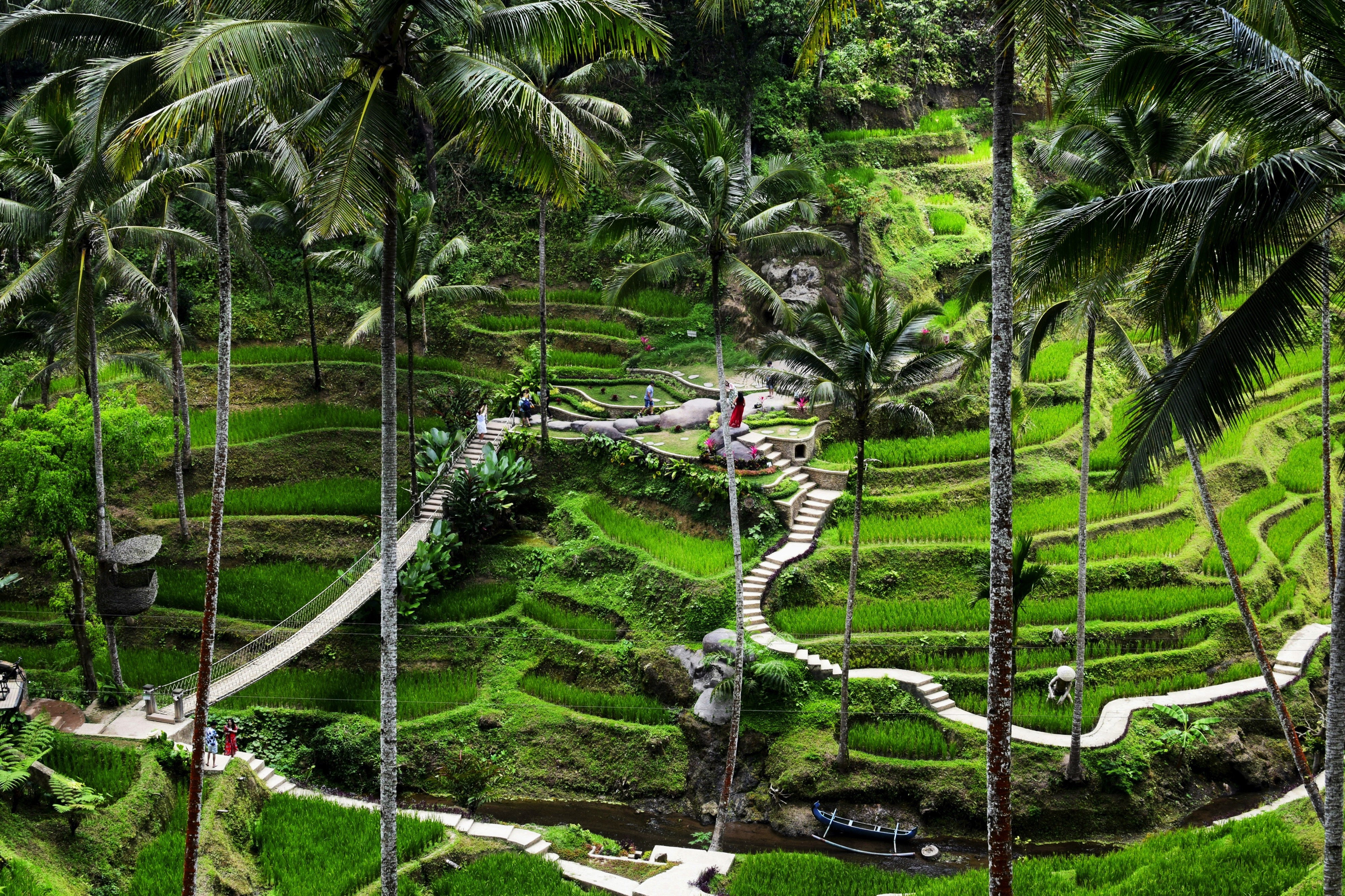
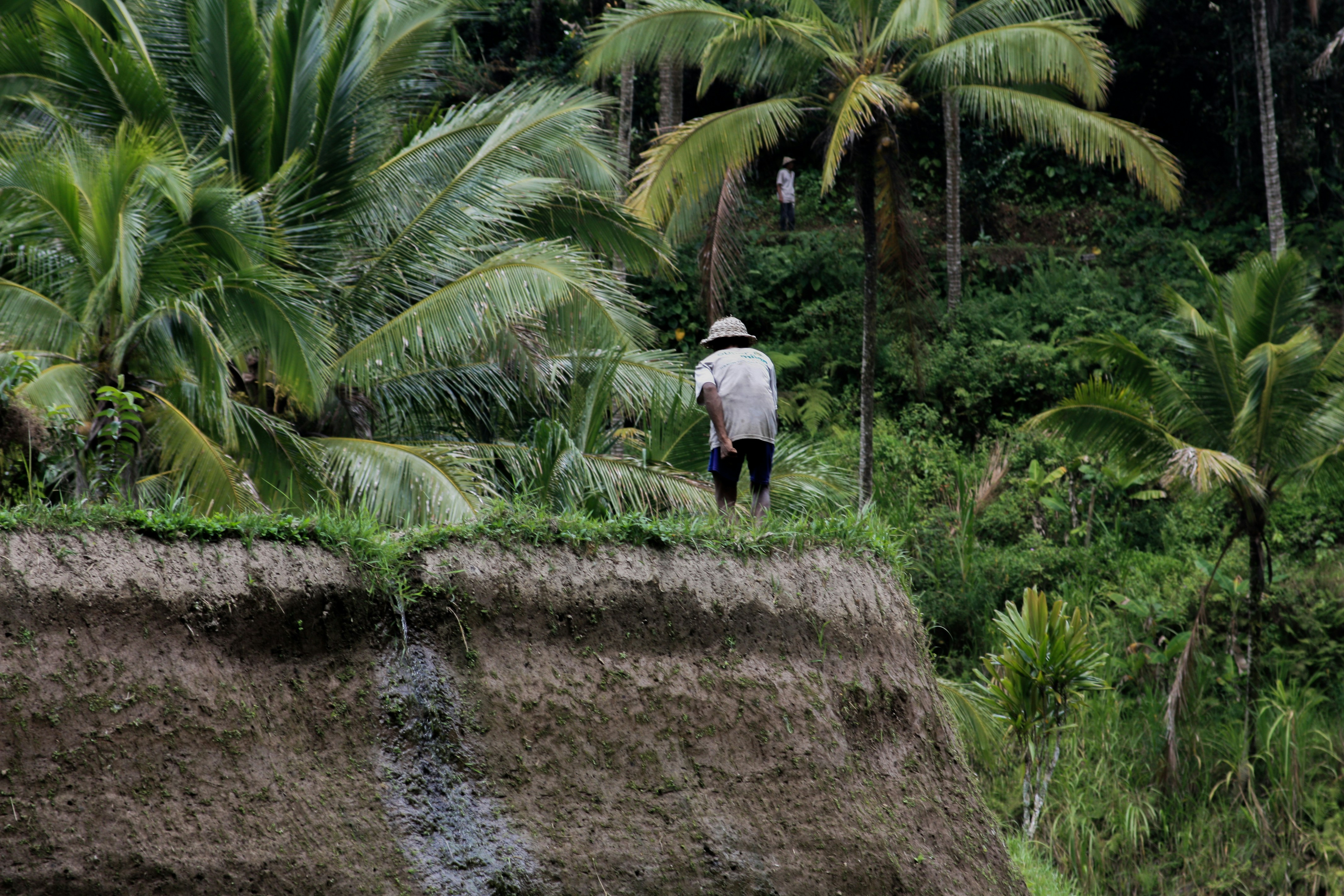
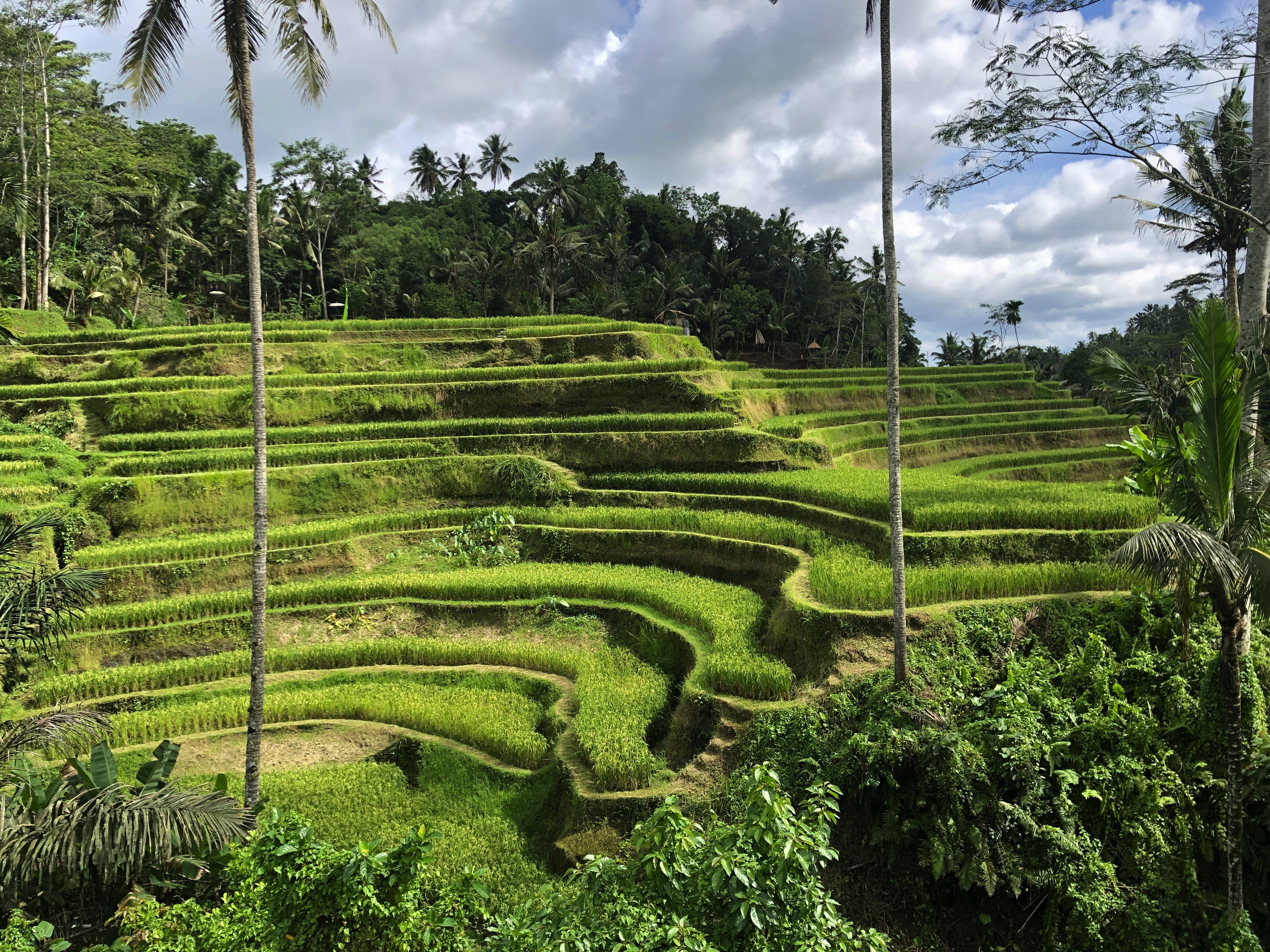
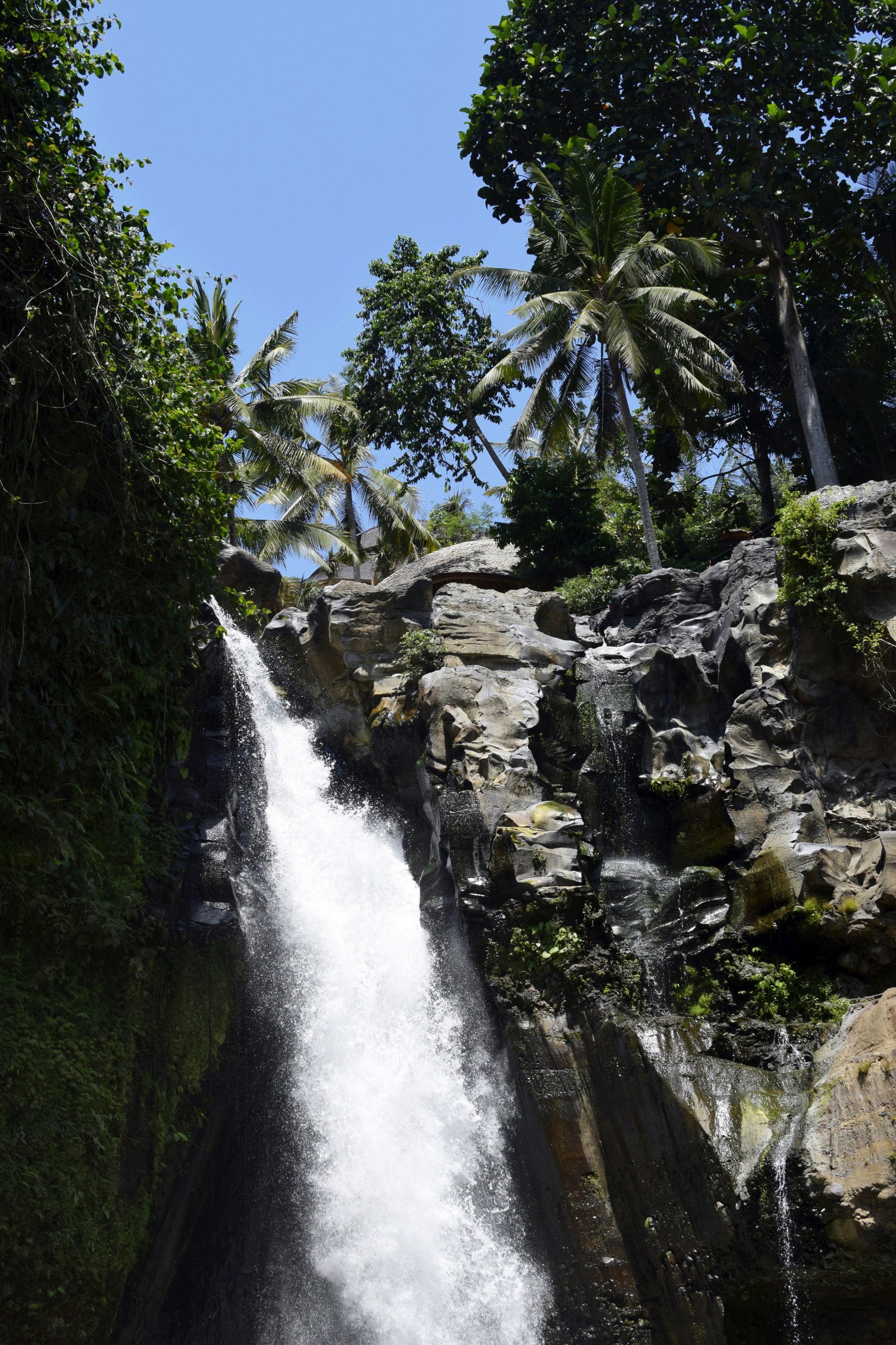
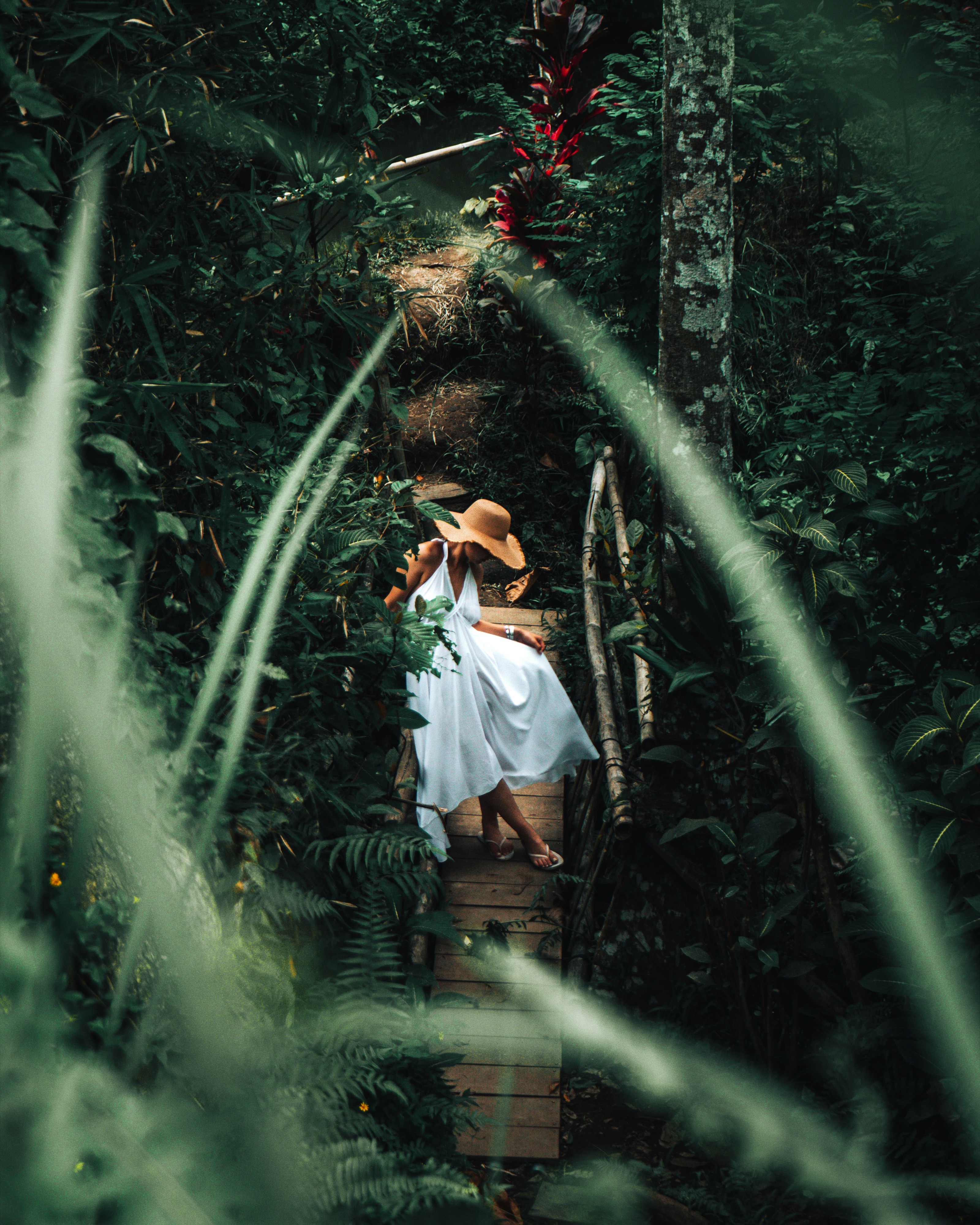
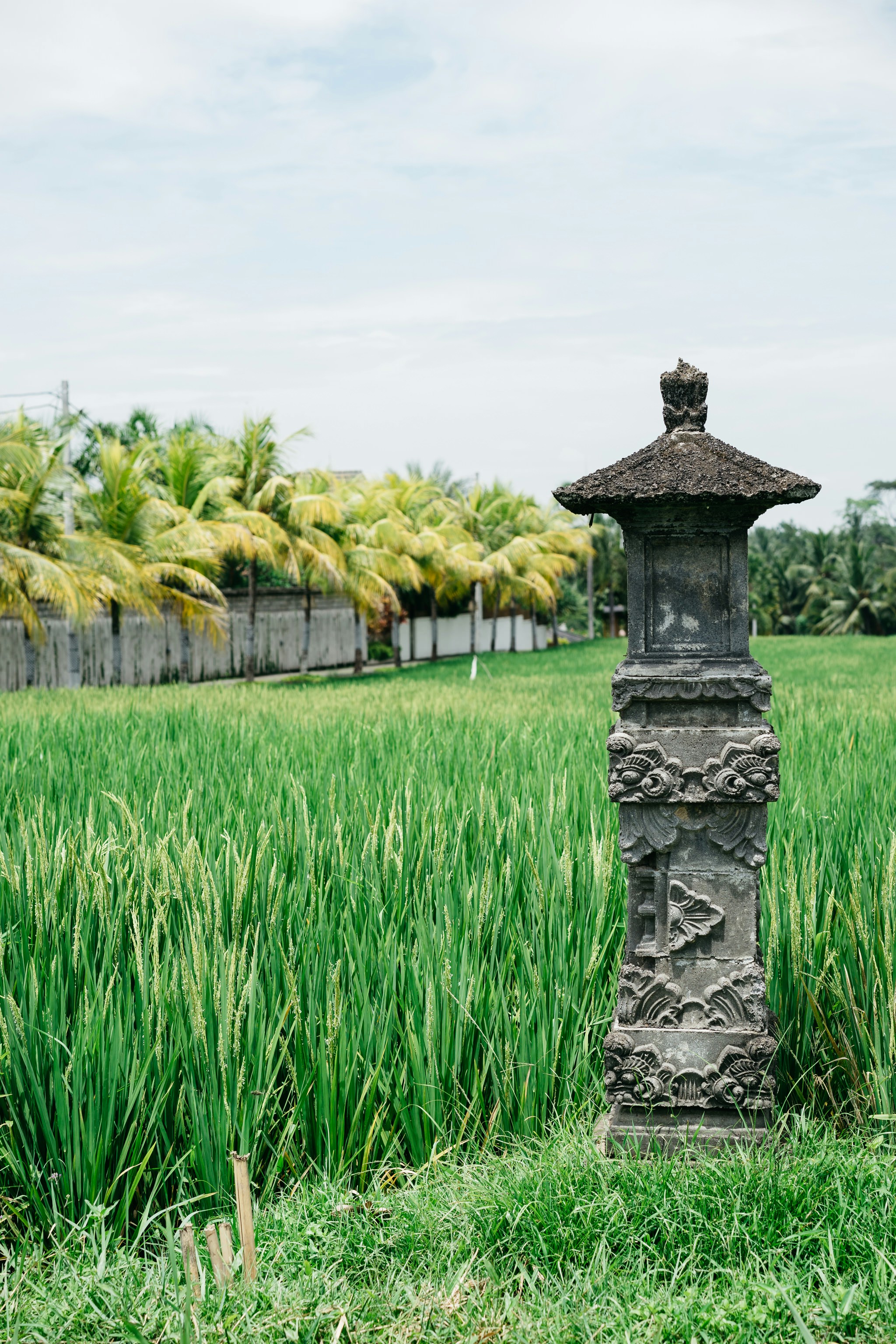
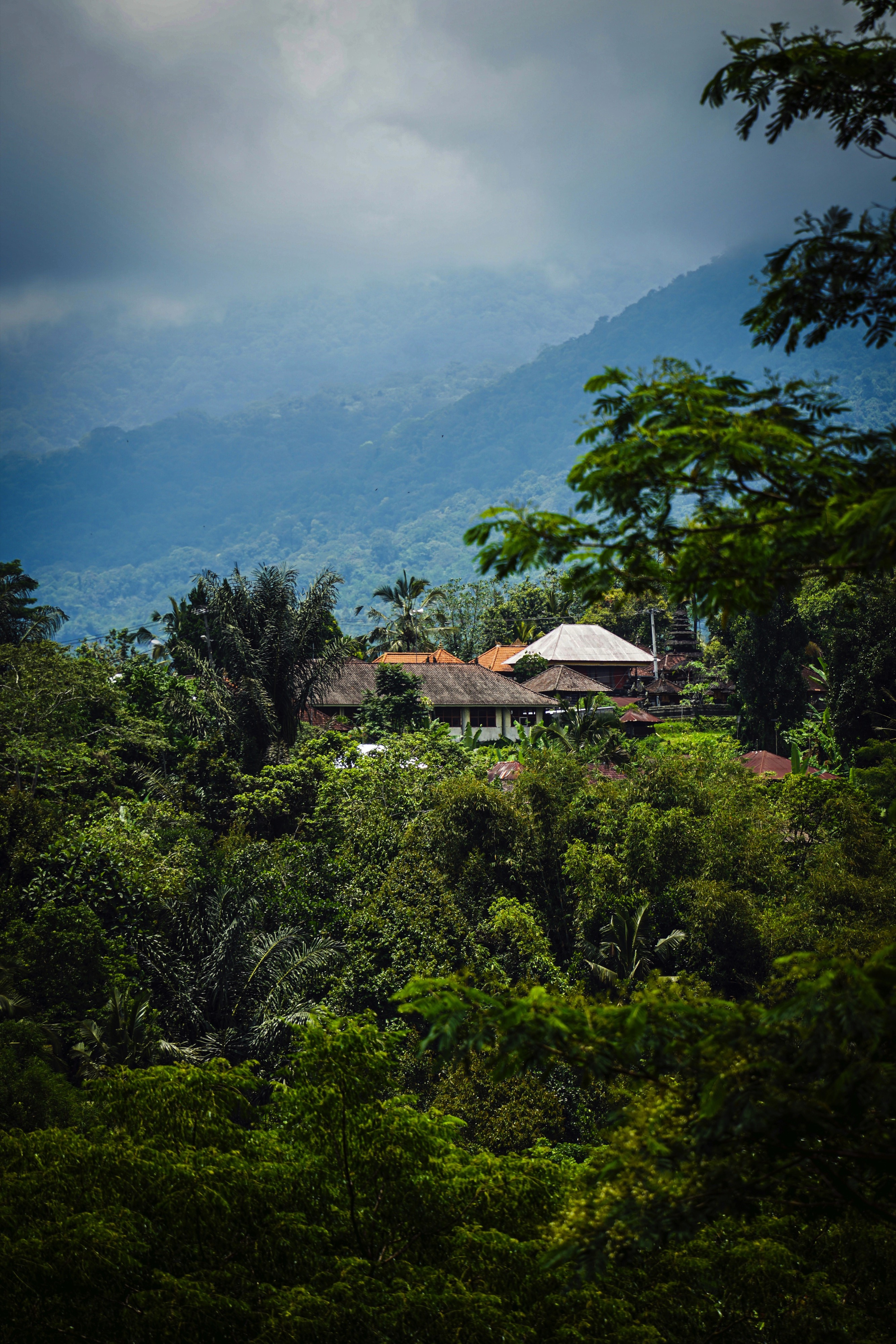
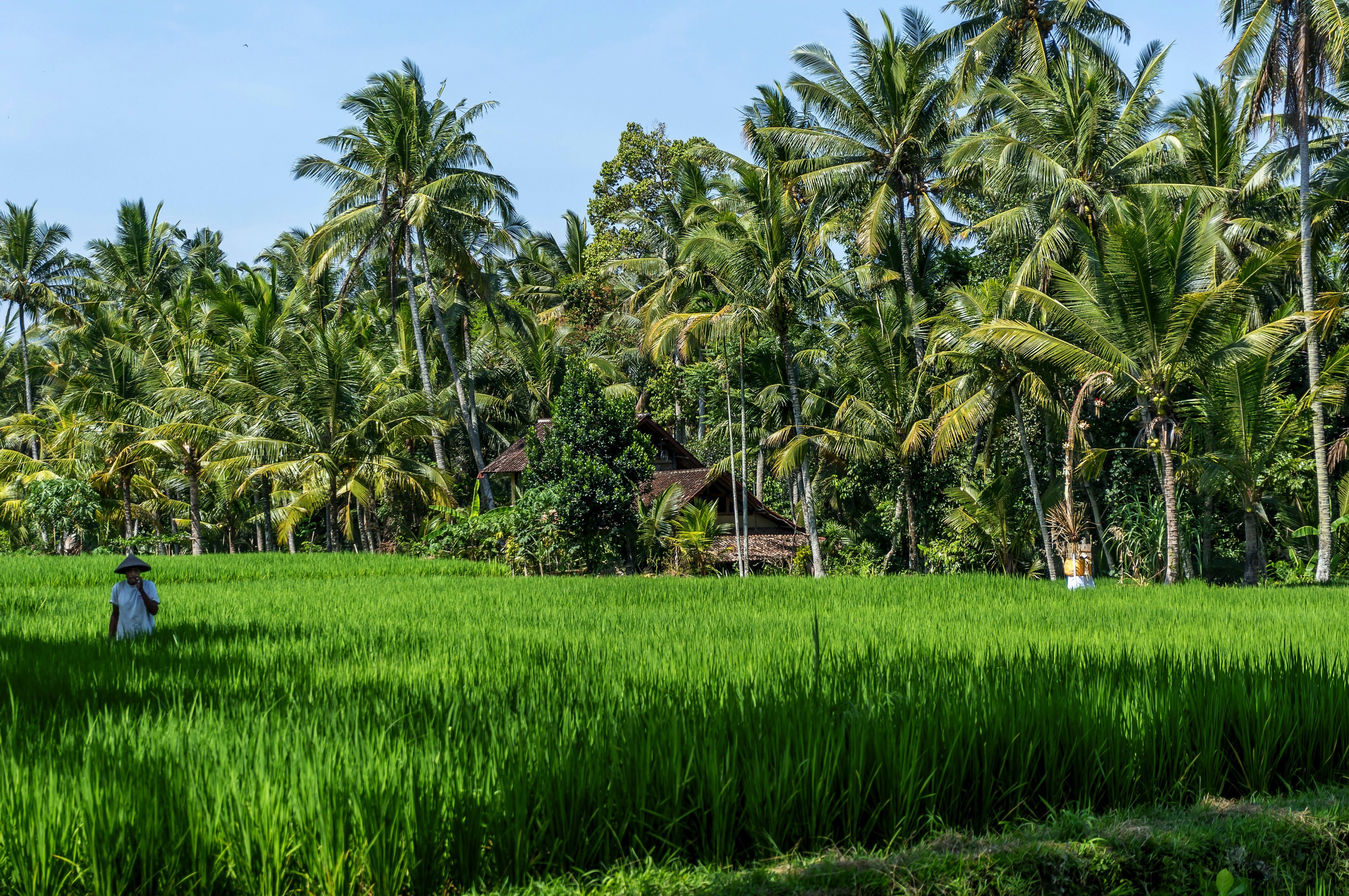
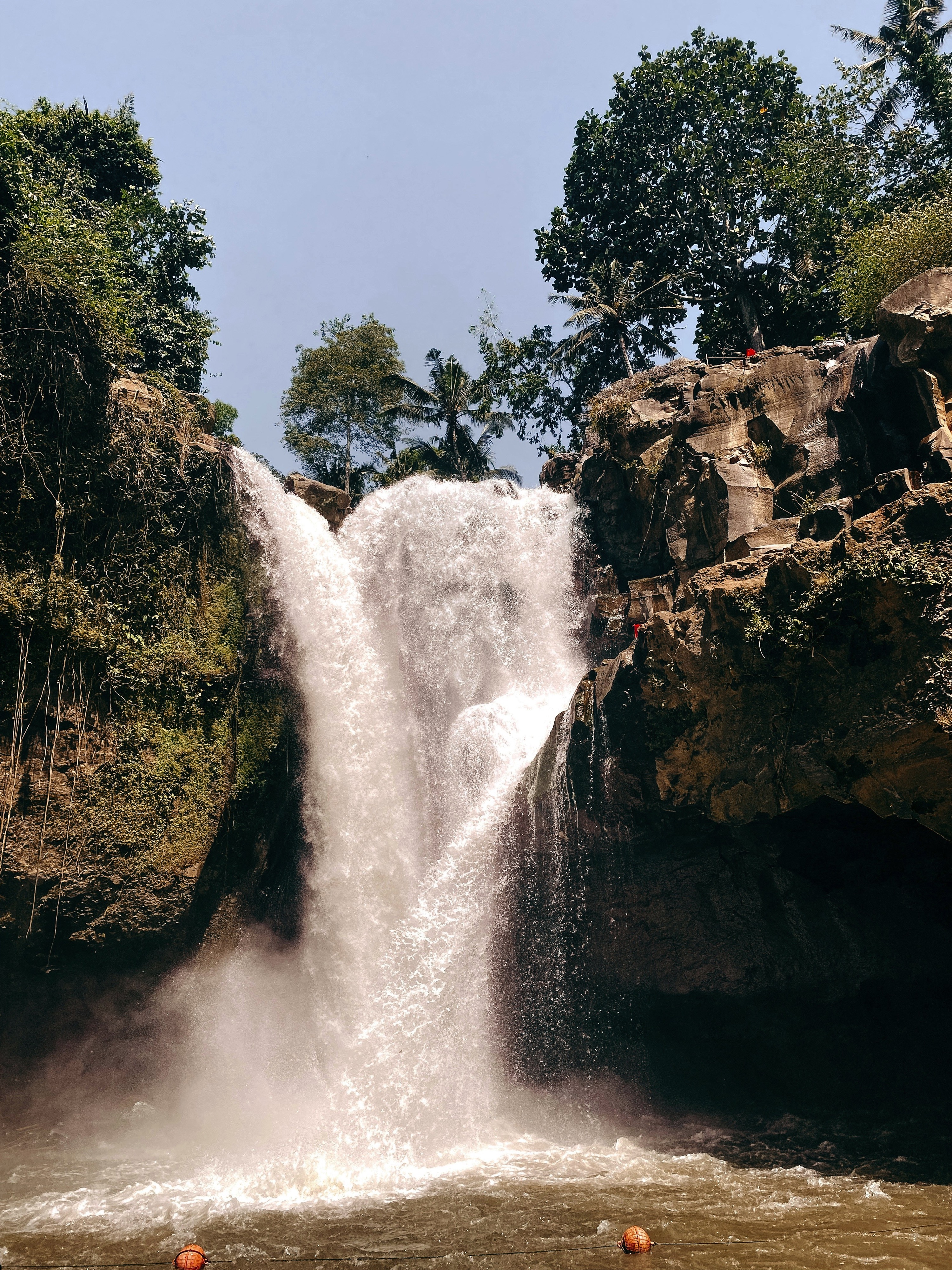
About Ubud
About Benoa, Bali
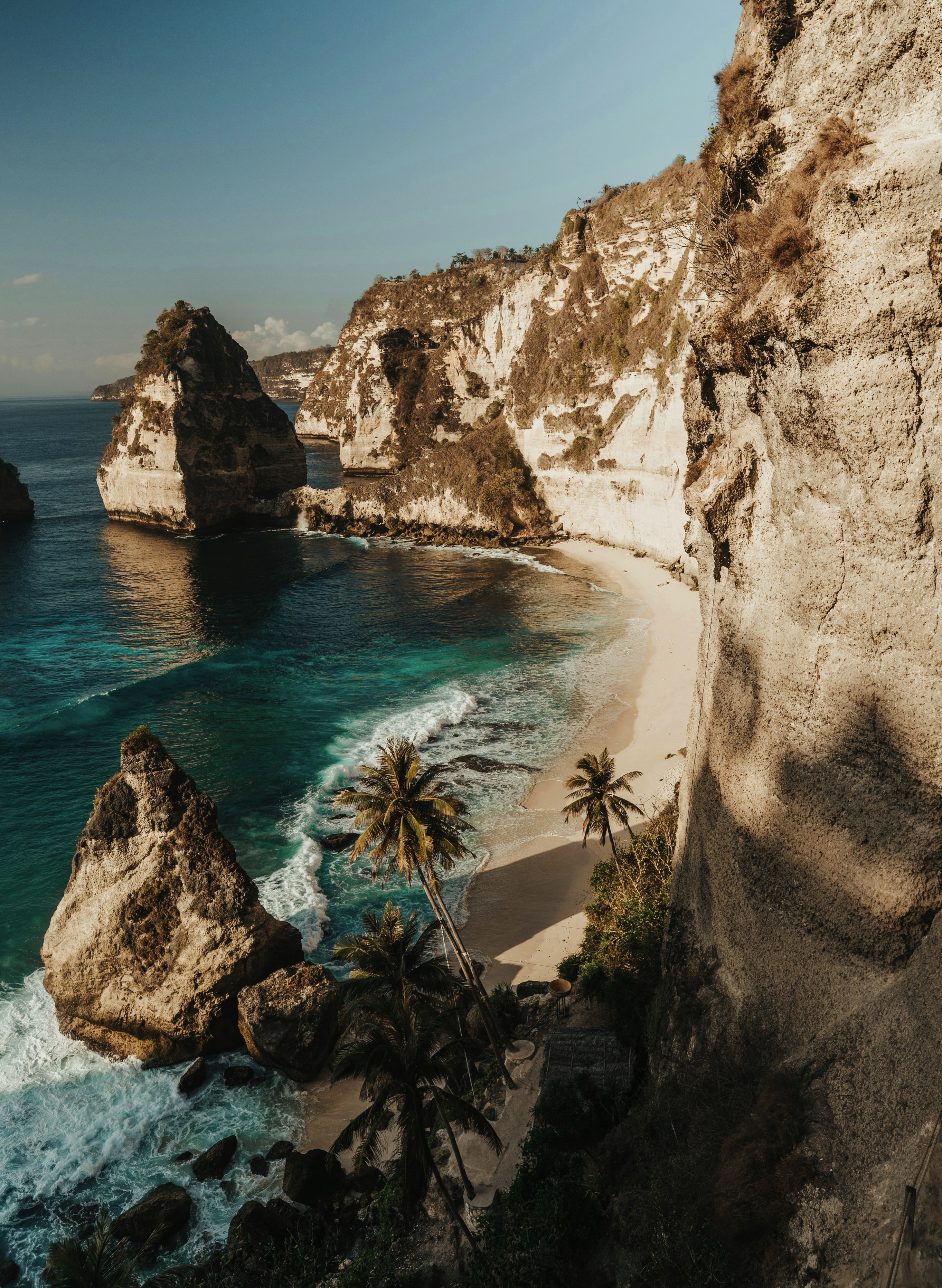
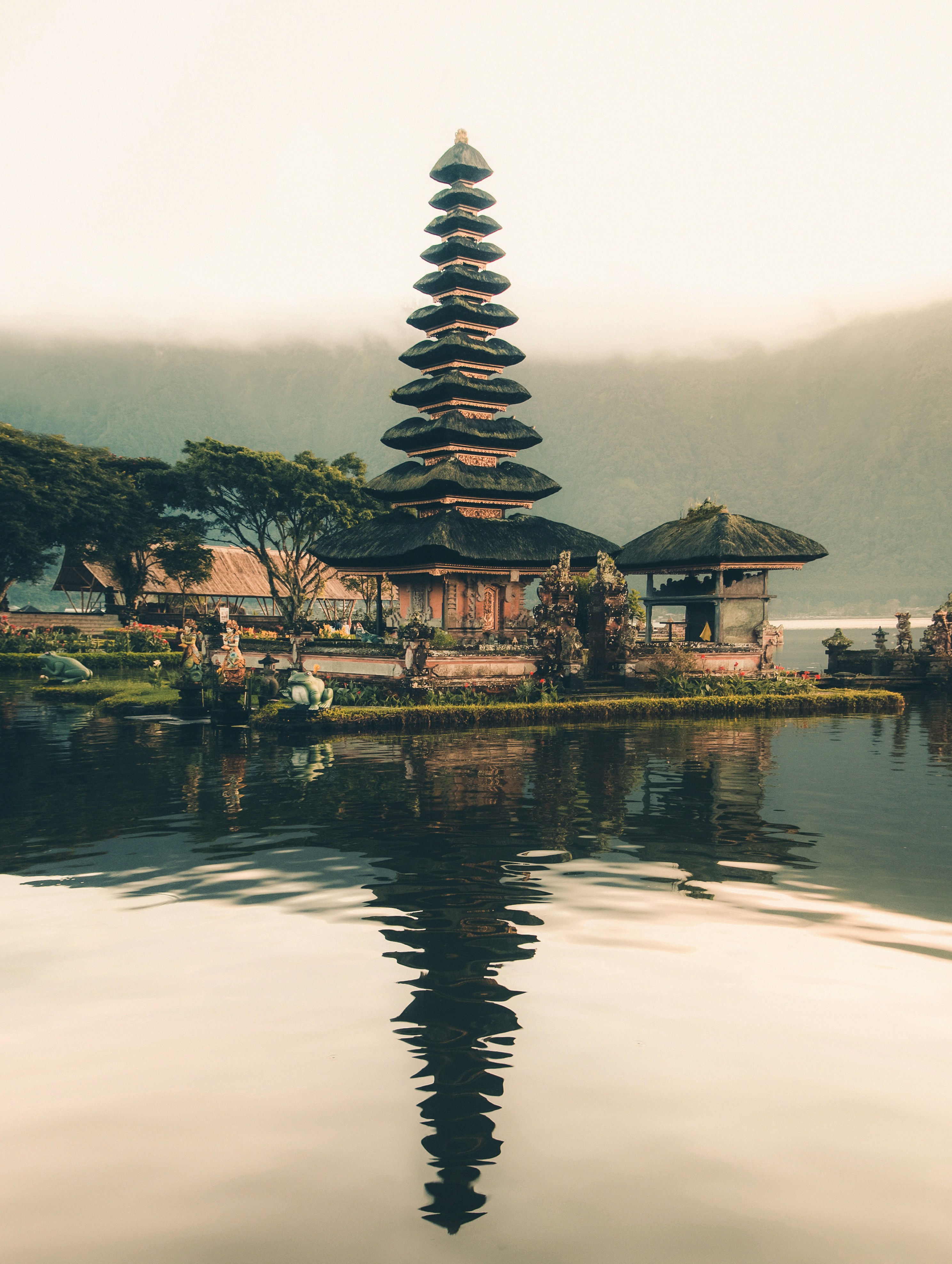
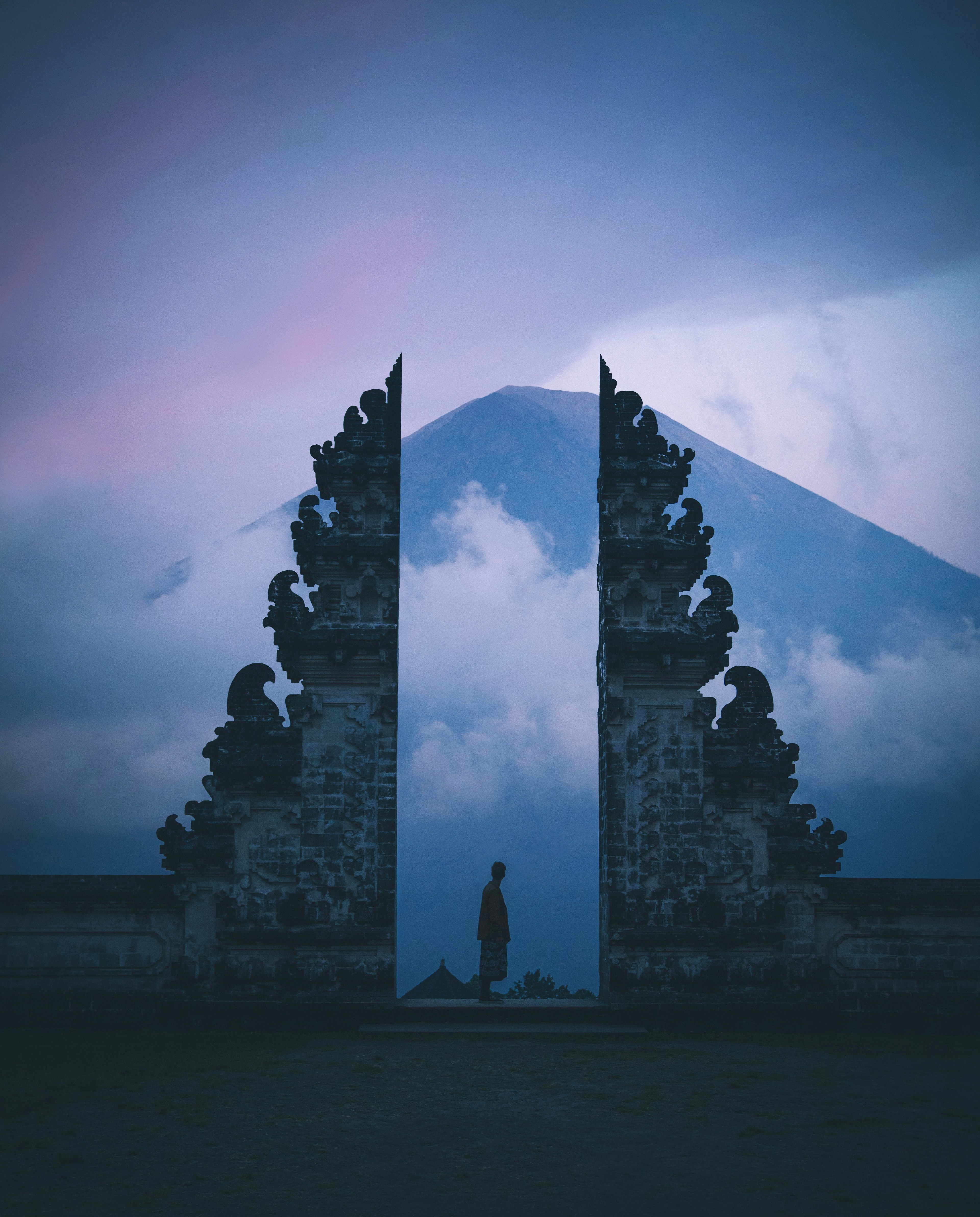
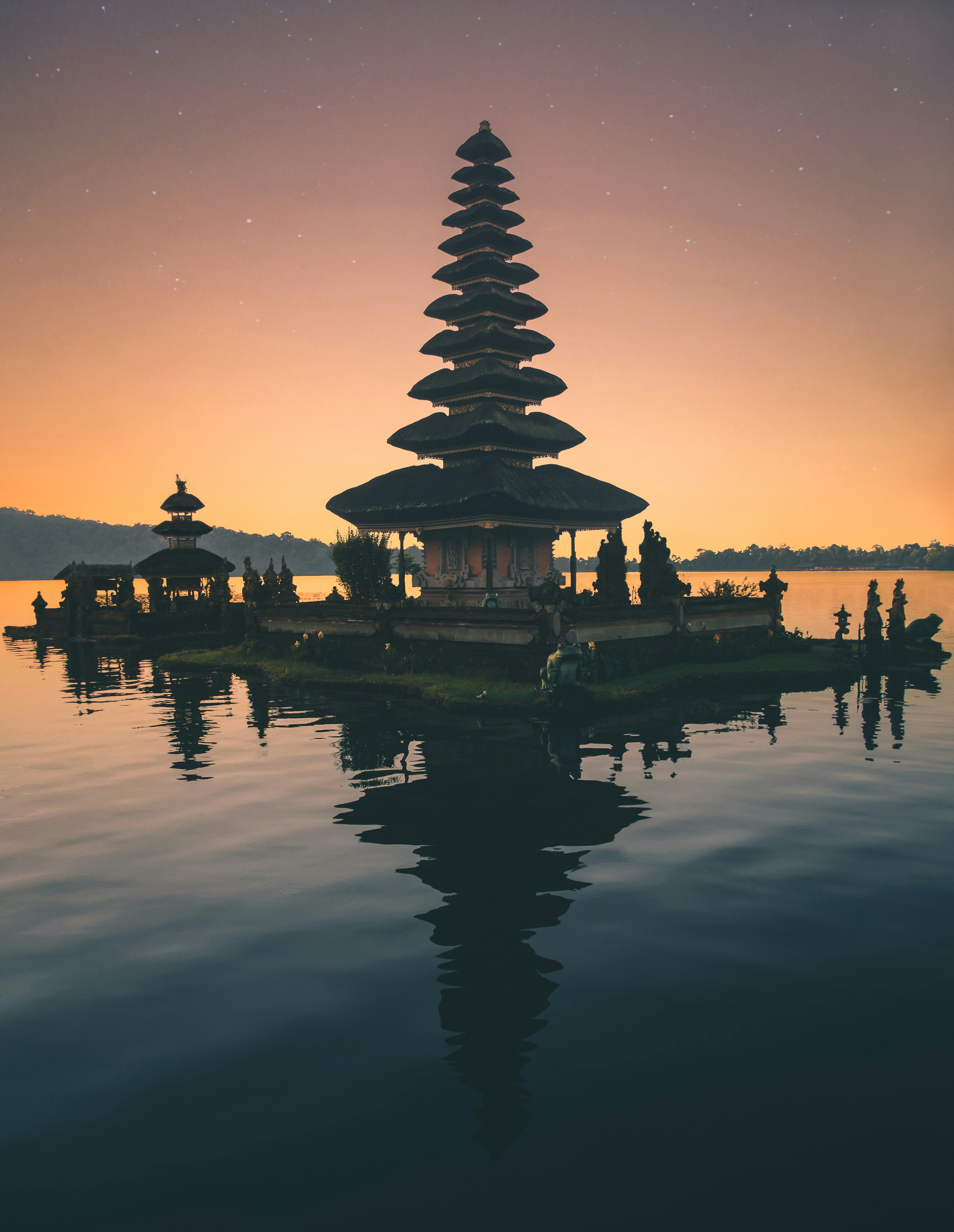
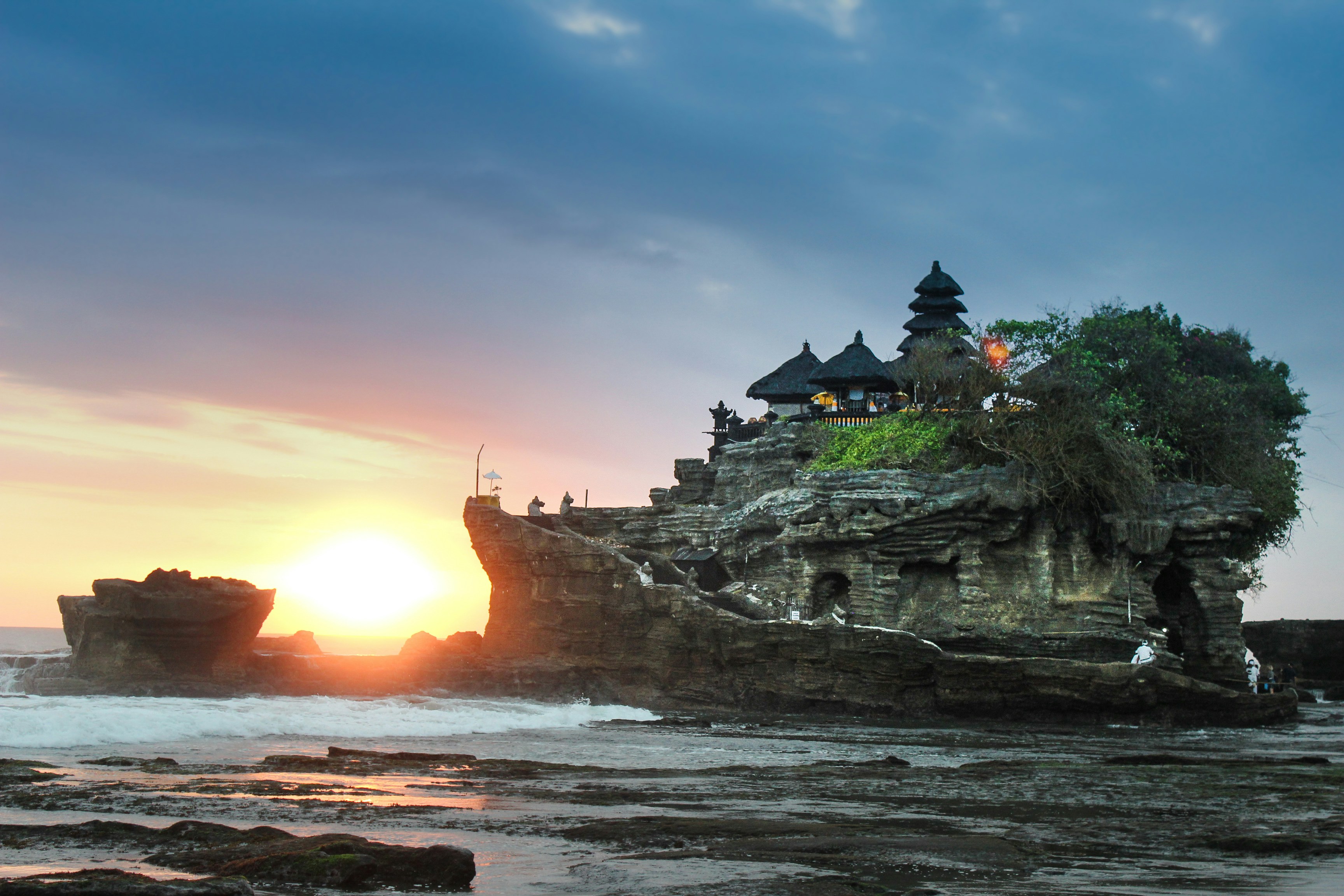
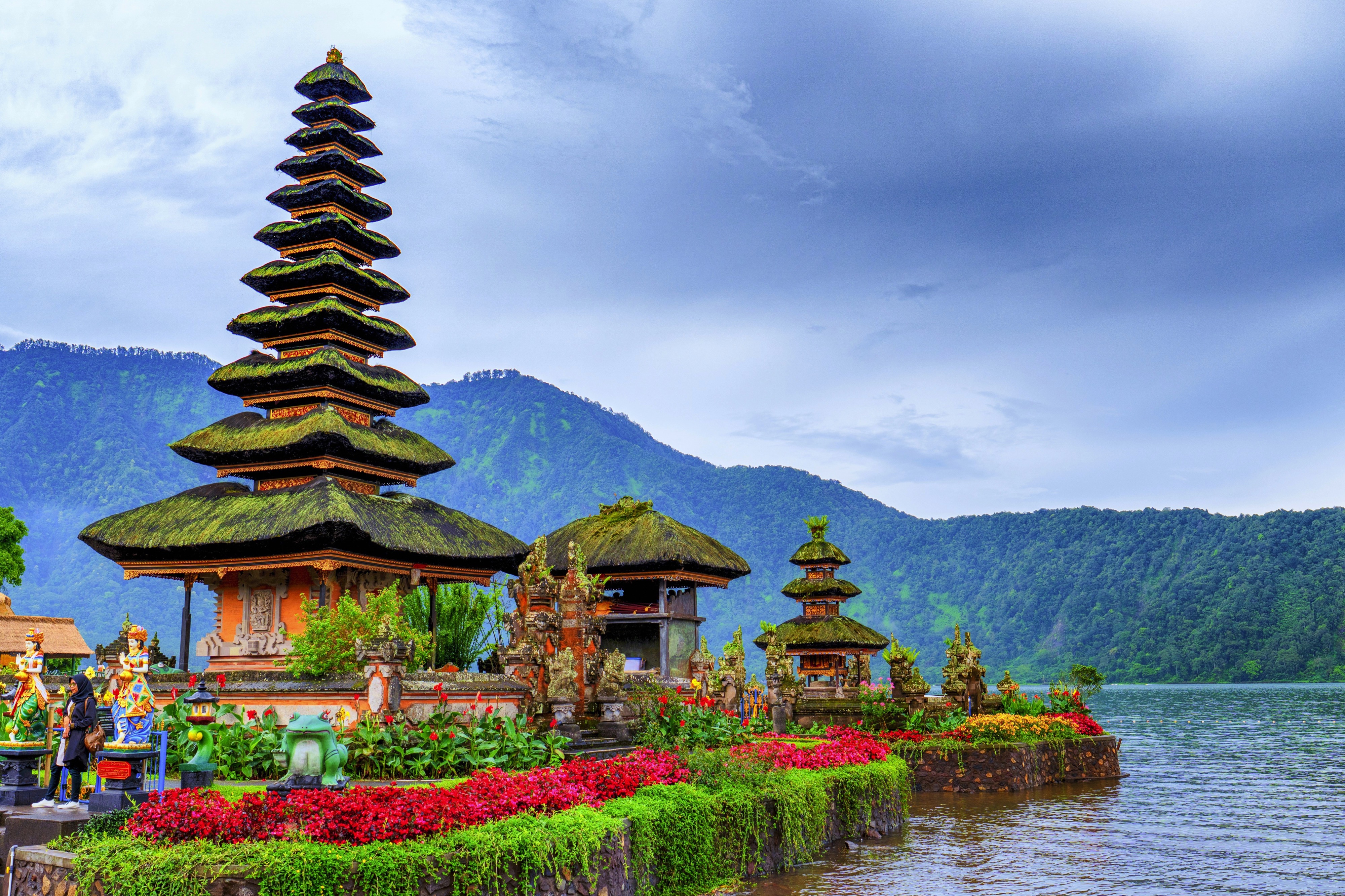
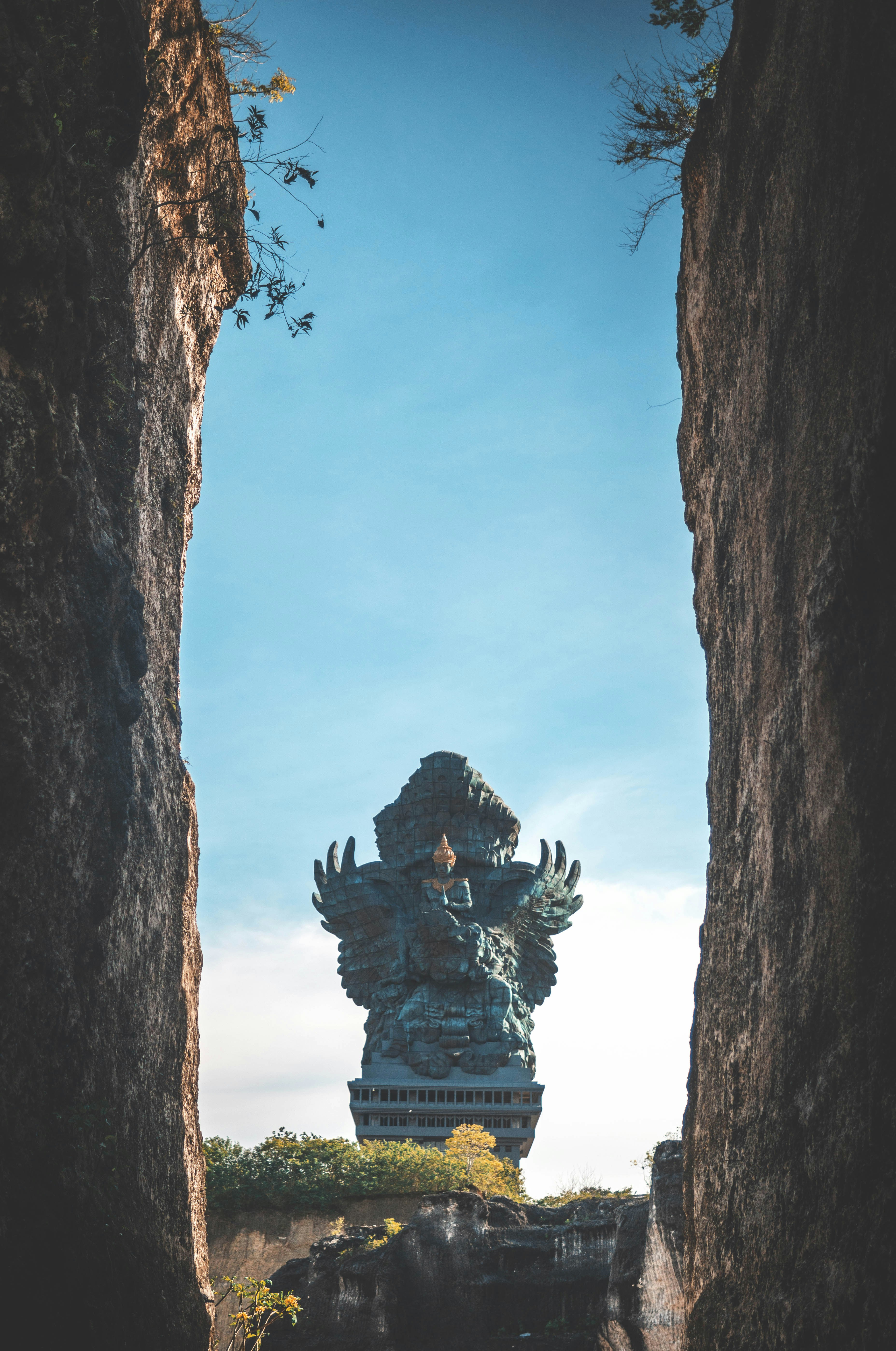
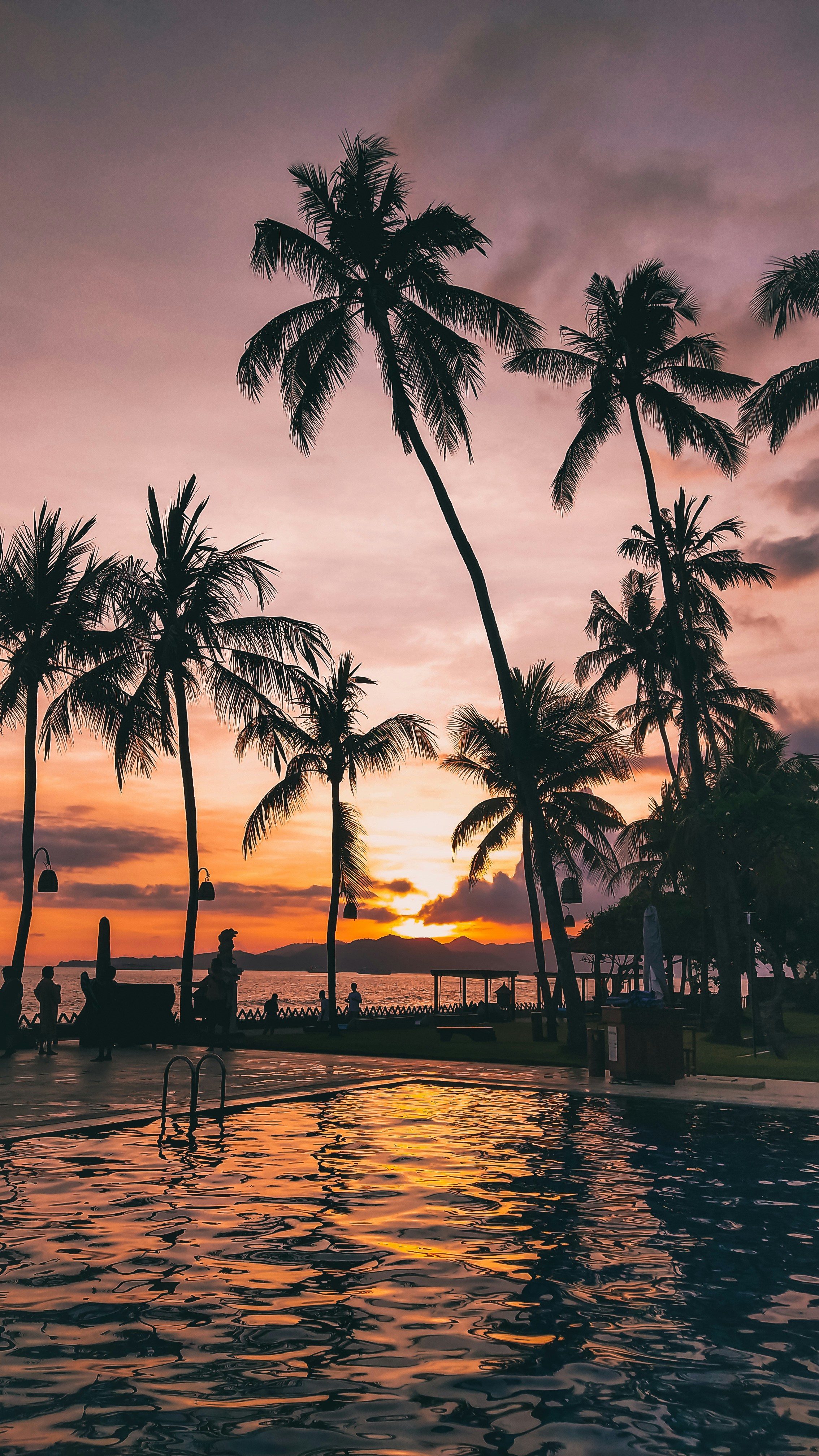
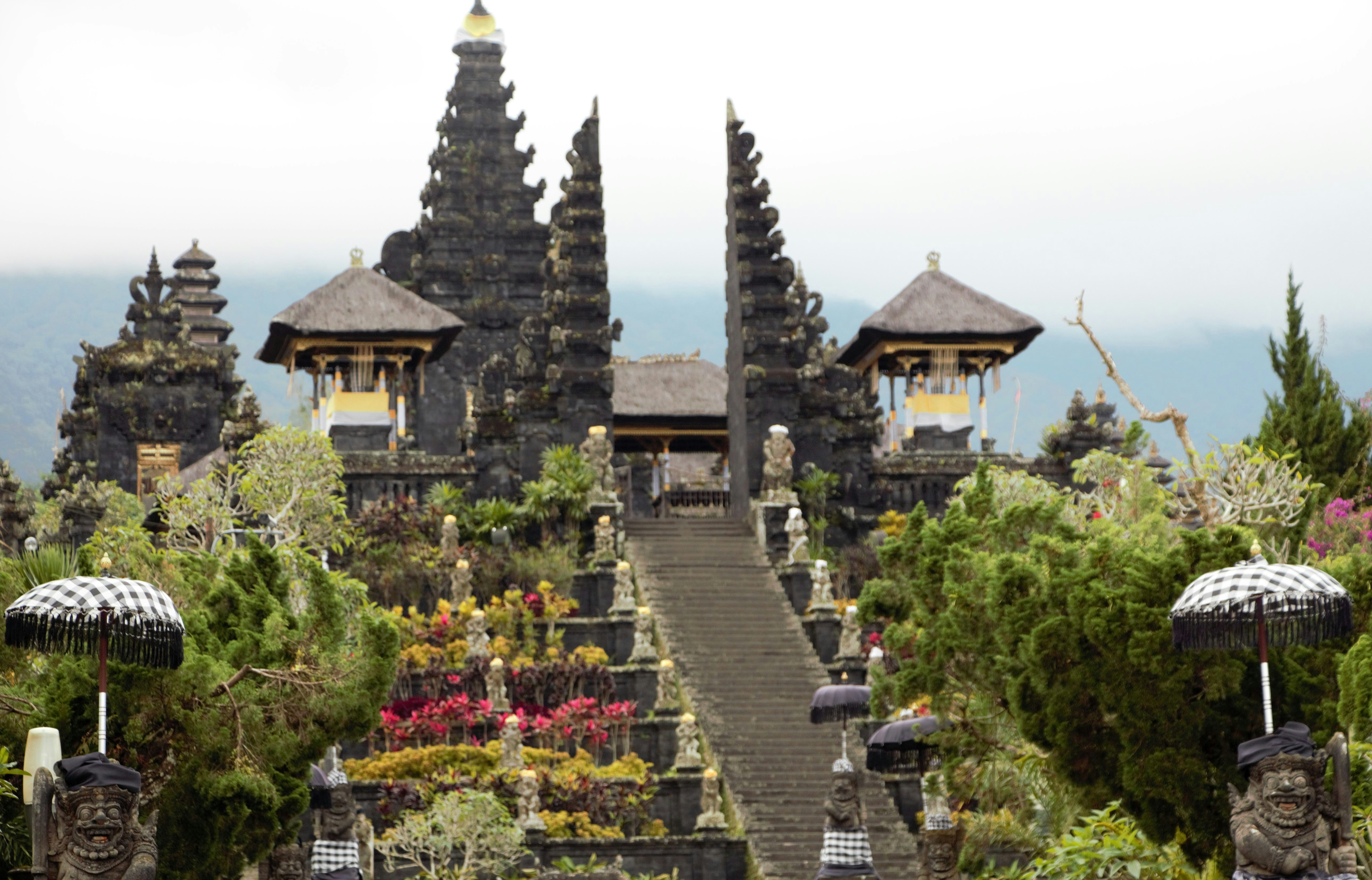
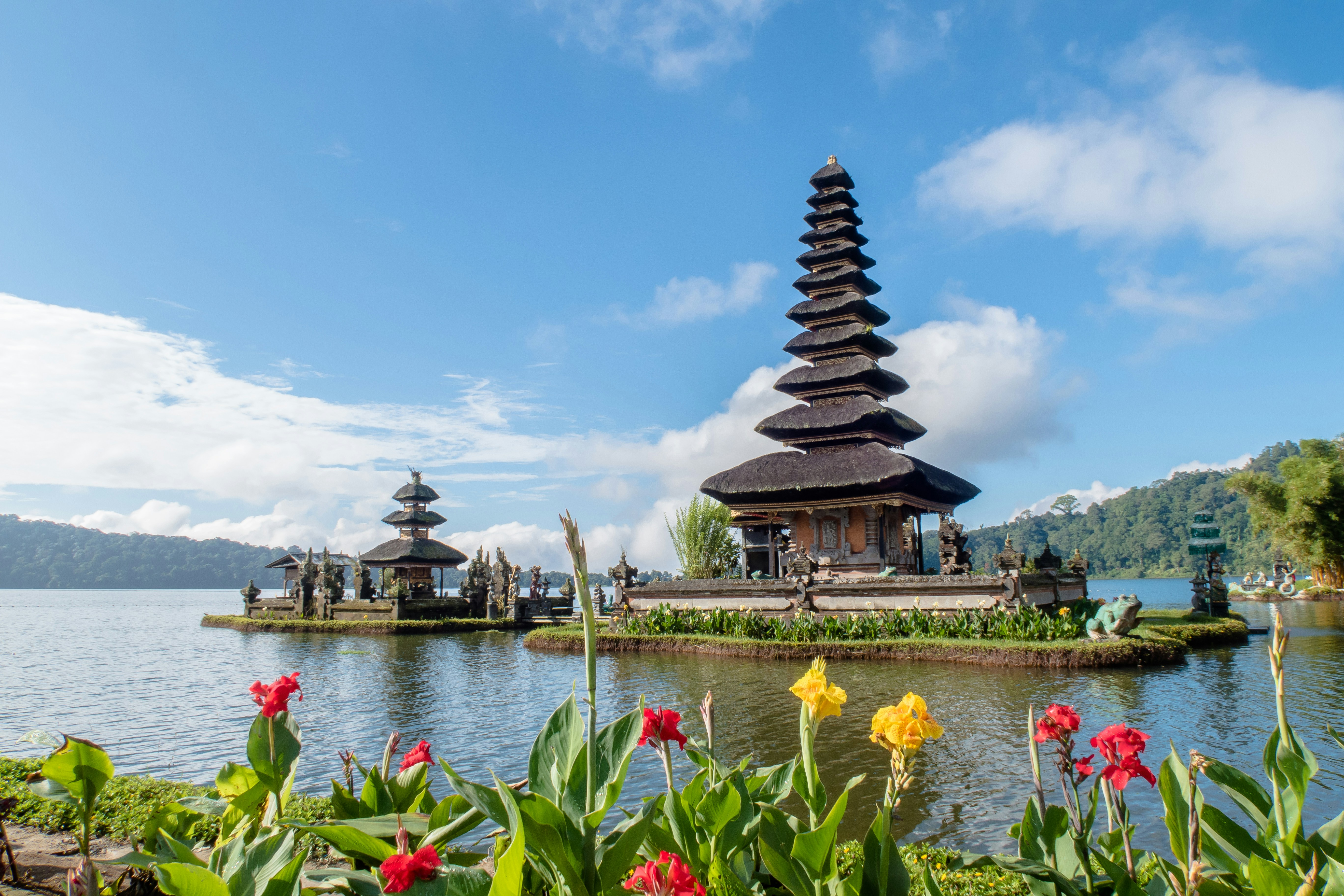
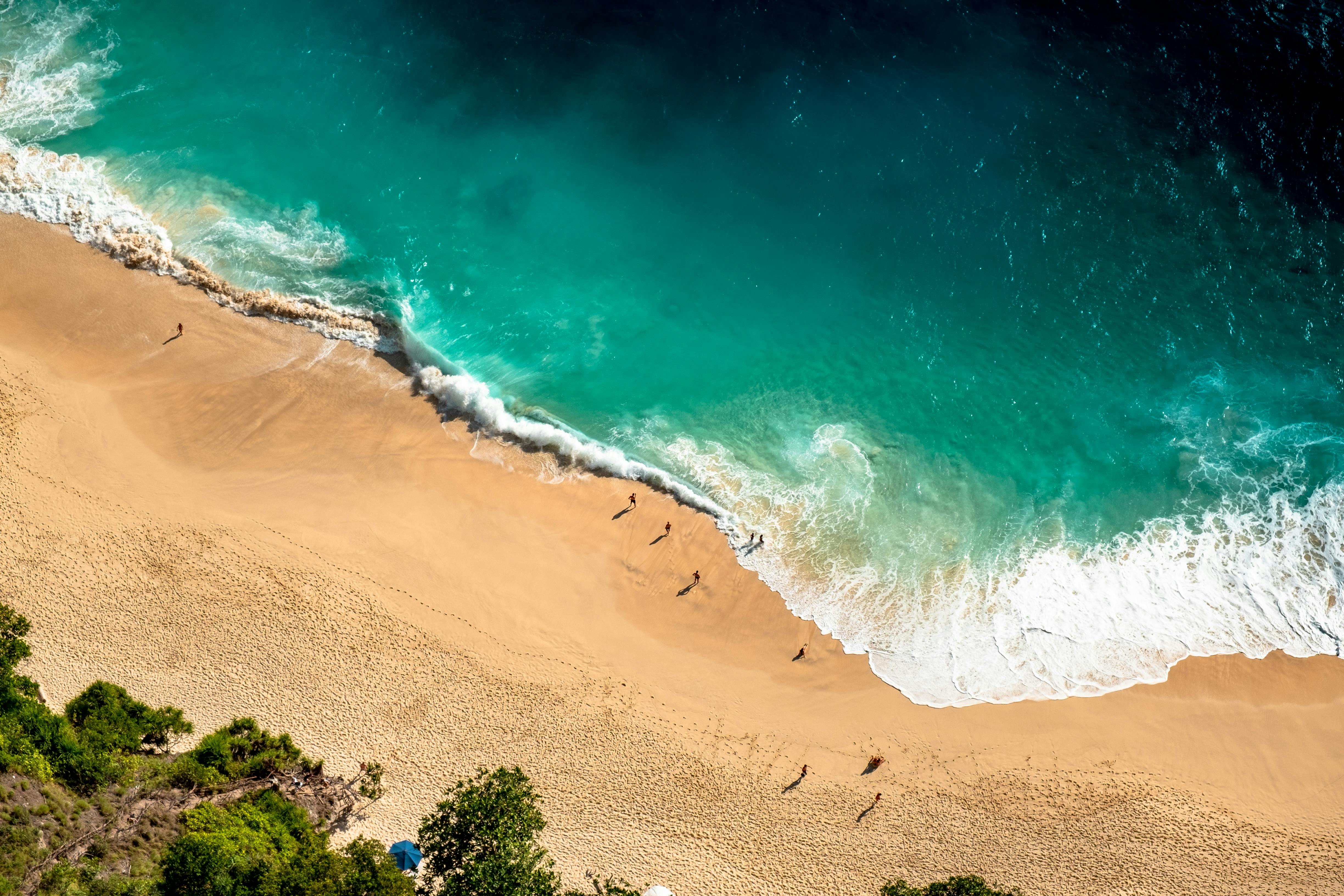
Bali really is as alluring as everyone says. This island, slightly bigger than Delaware, has it all: beaches, volcanoes, terraced rice fields, forests, renowned resorts, surfing, golf, and world-class dive sites. But what sets Bali apart from other nearby tropical destinations is Balinese tradition, and villagers dedicated to celebrating it. The hundreds of temples, dances, rituals, and crafts linked to their ancient Hindu faith aren't a show for tourists, but a living, breathing culture in which visitors are warmly received by the Balinese, who cherish their own identities.
About Moyo Island
About Saleh Bay, Sumbawa
About Komodo Island
Pink Beach earned its name for the way the beach can appear to have a rosy hue in certain lights. The color comes from small flecks of red coral mixed in with the fine white reef sand. With a few trees along the beach for shade, this stretch of coast makes a fine place to relax or enjoy a snorkel or dive in the crystal clear waters. It is possible to spot a striped clown fish nestled among the protective tentacles of its sea anemone host, or to see a grouper lazily swimming by a flamboyant soft coral. The reef here is now protected by law and the maturing corals are a joy to behold.
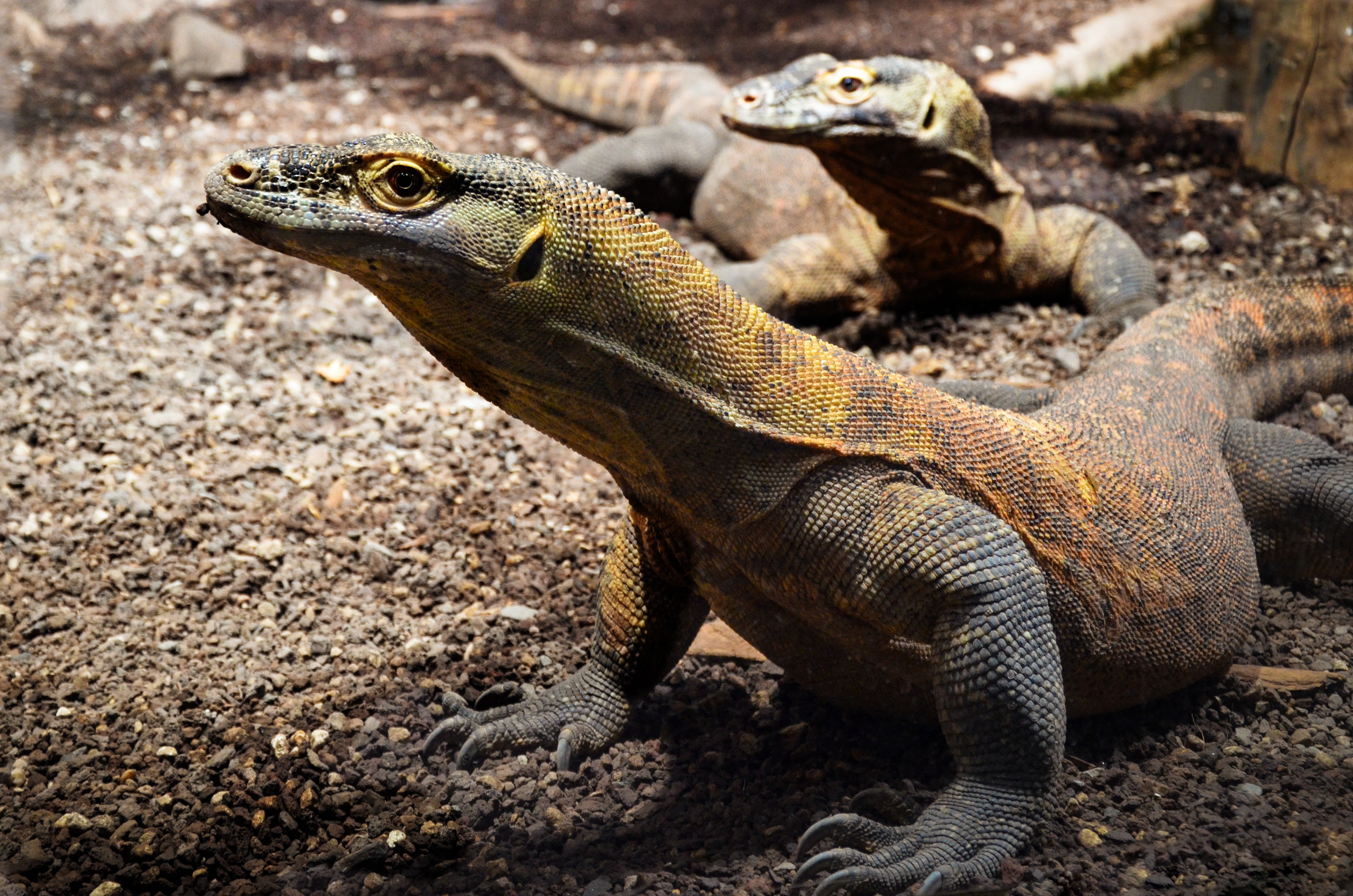
About Gili Lawalaut
About Horseshoe Bay, Rinca Island
About Tatawa
About Singapore
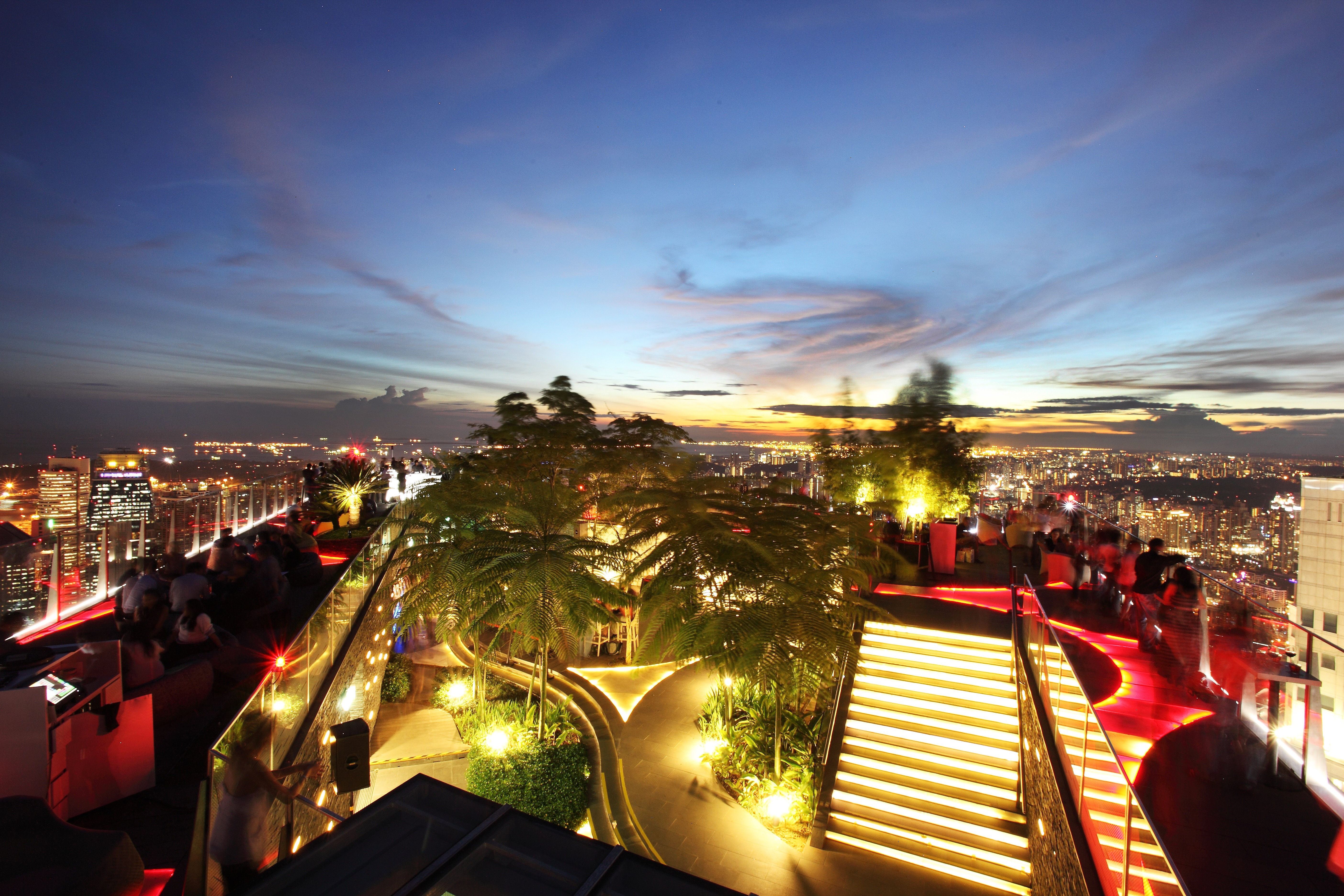
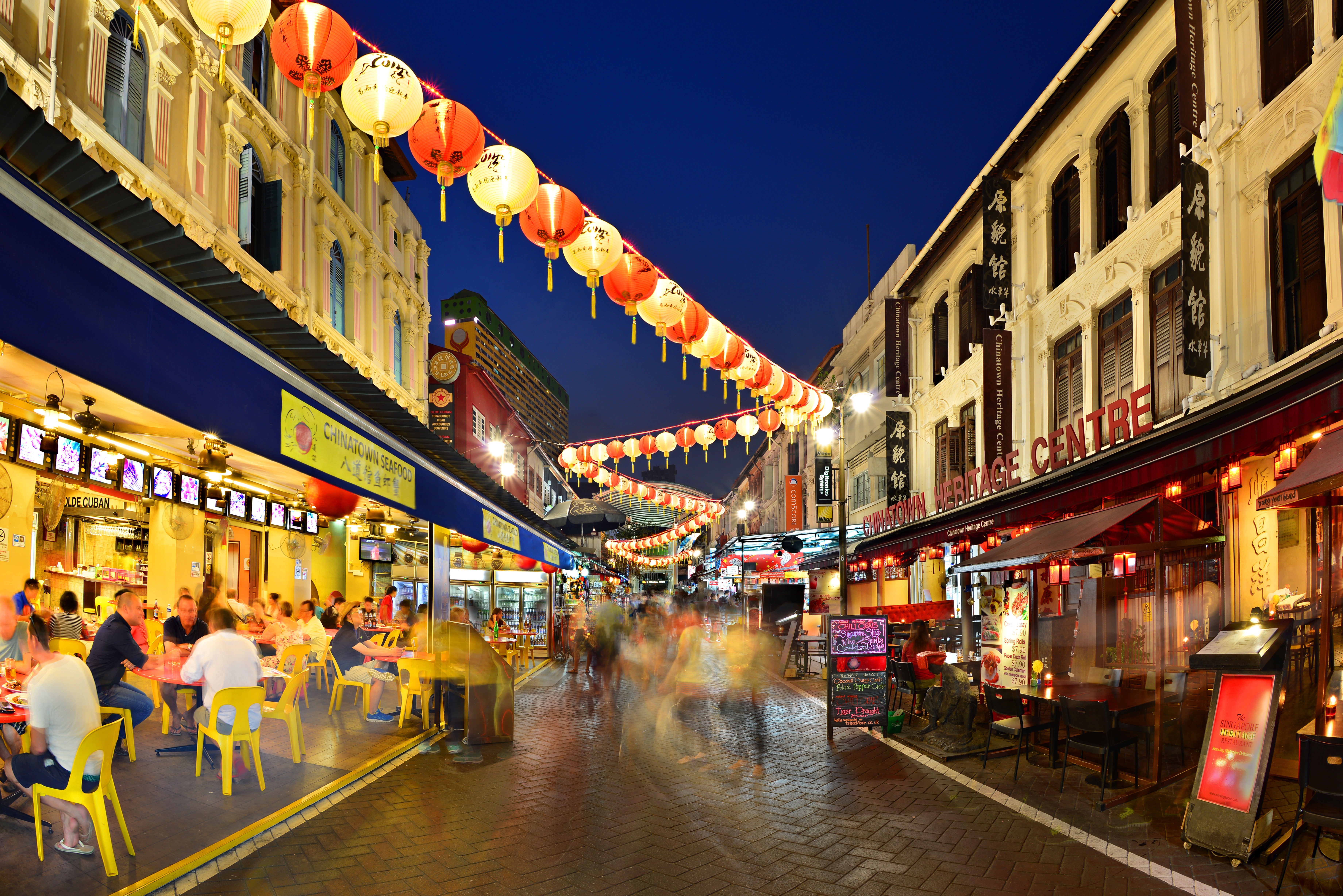
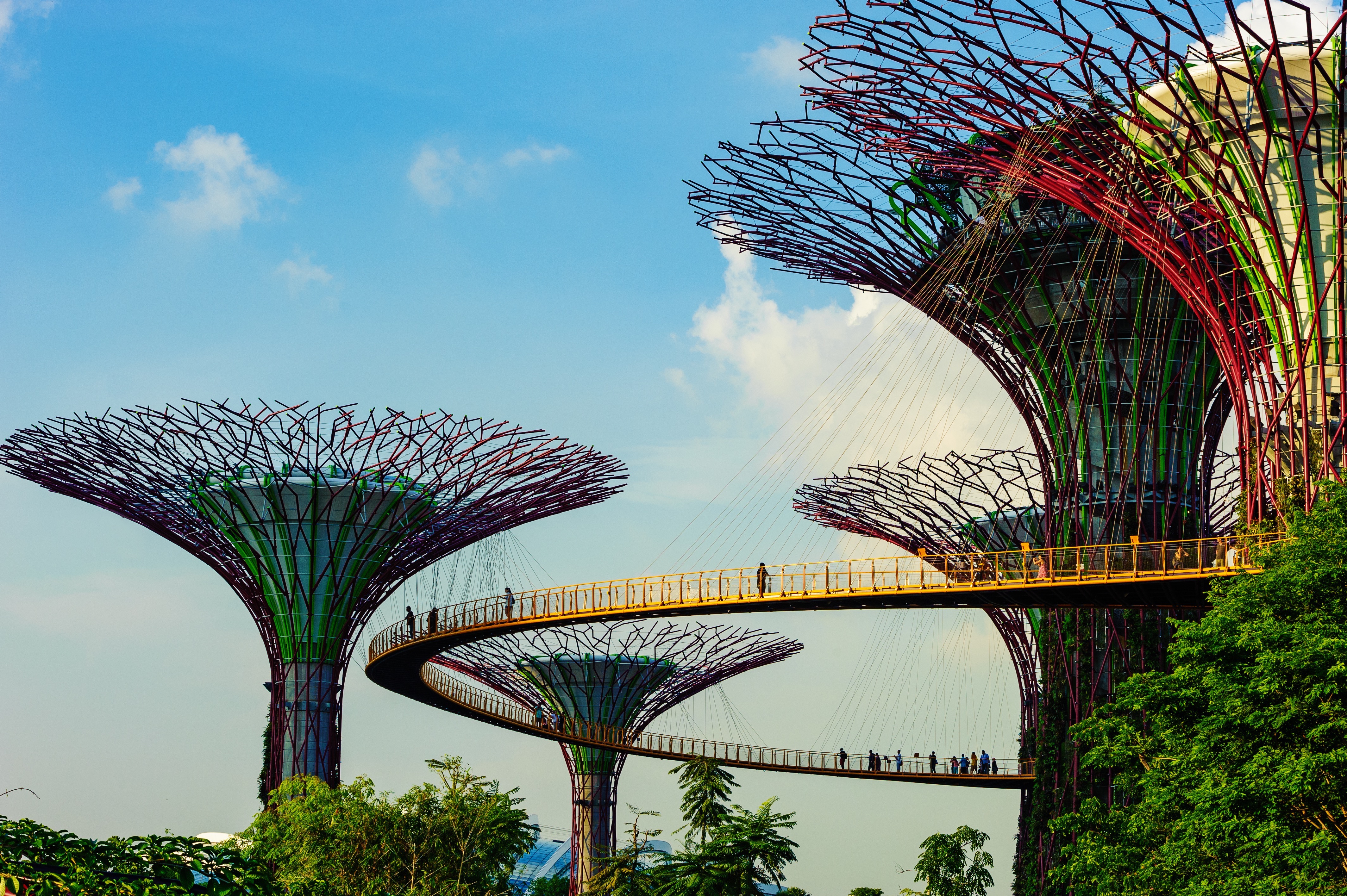
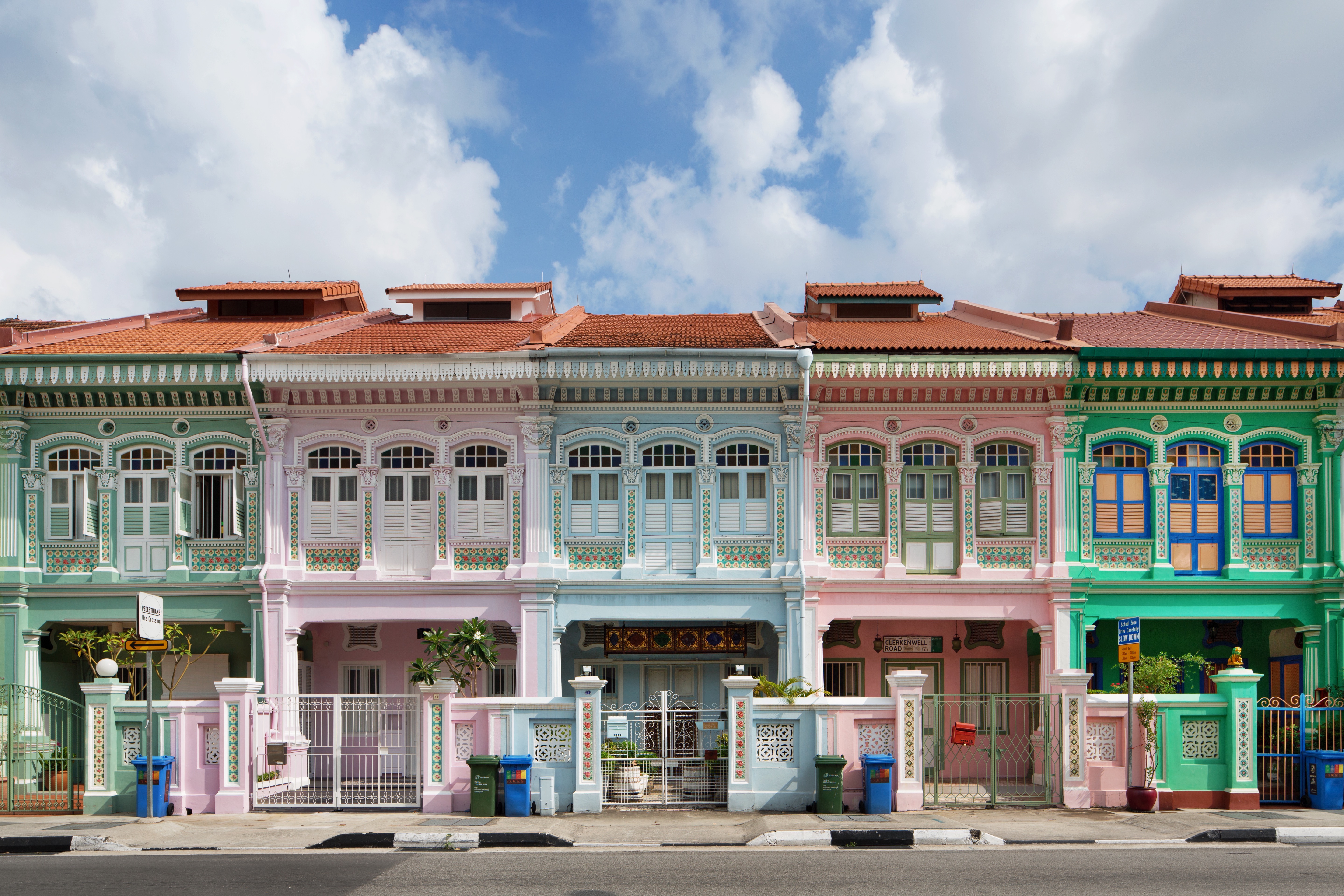
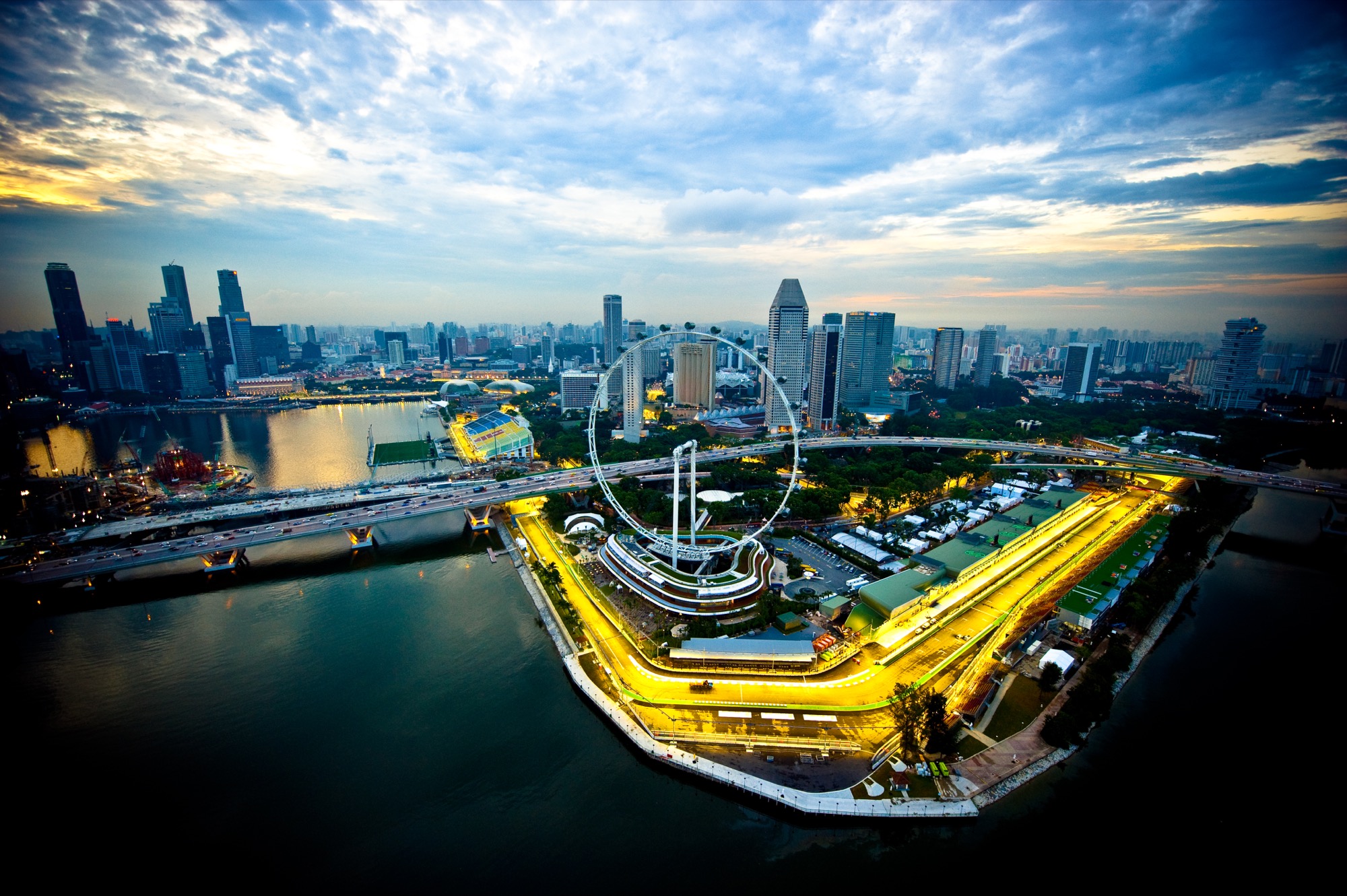
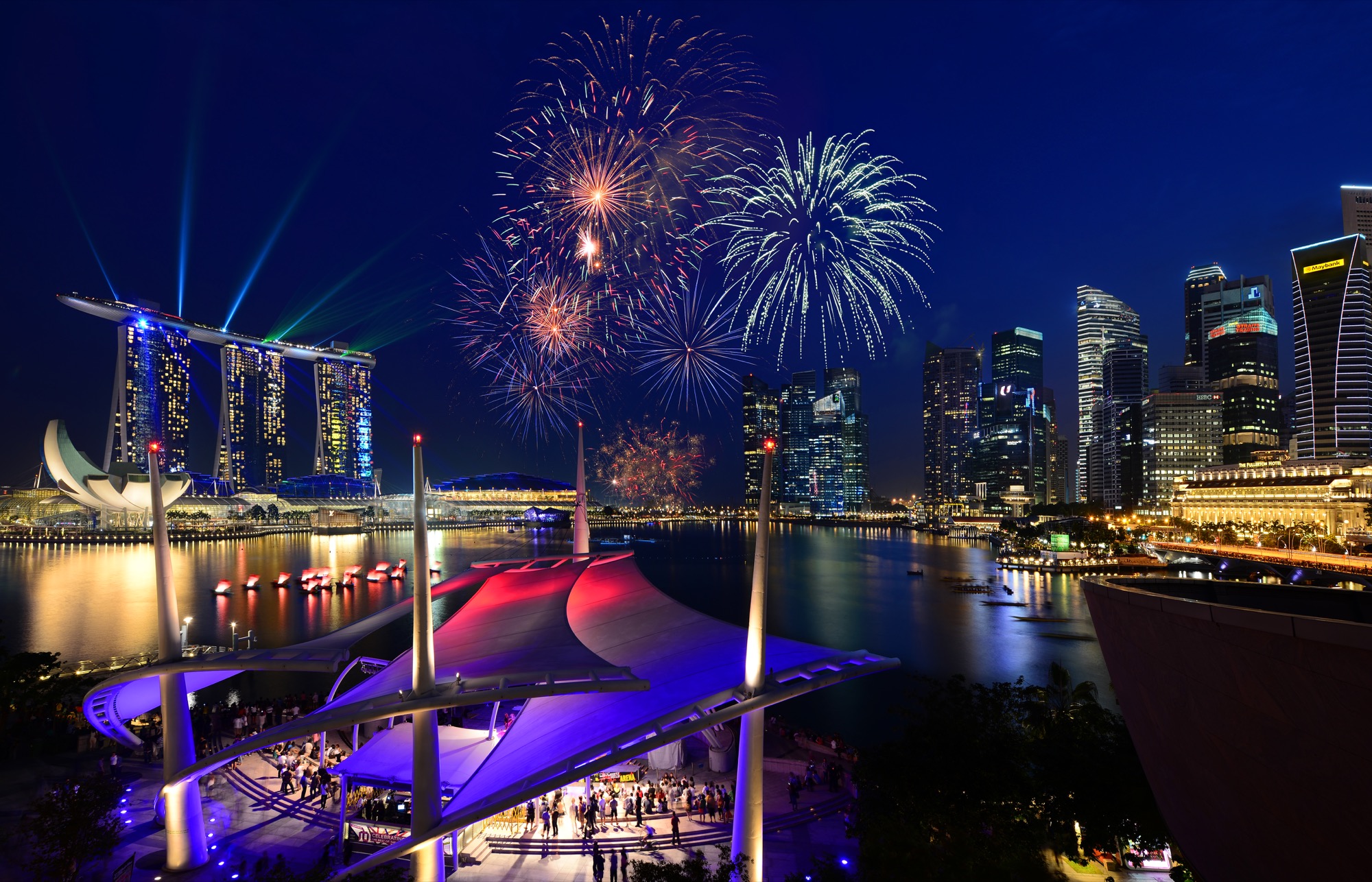
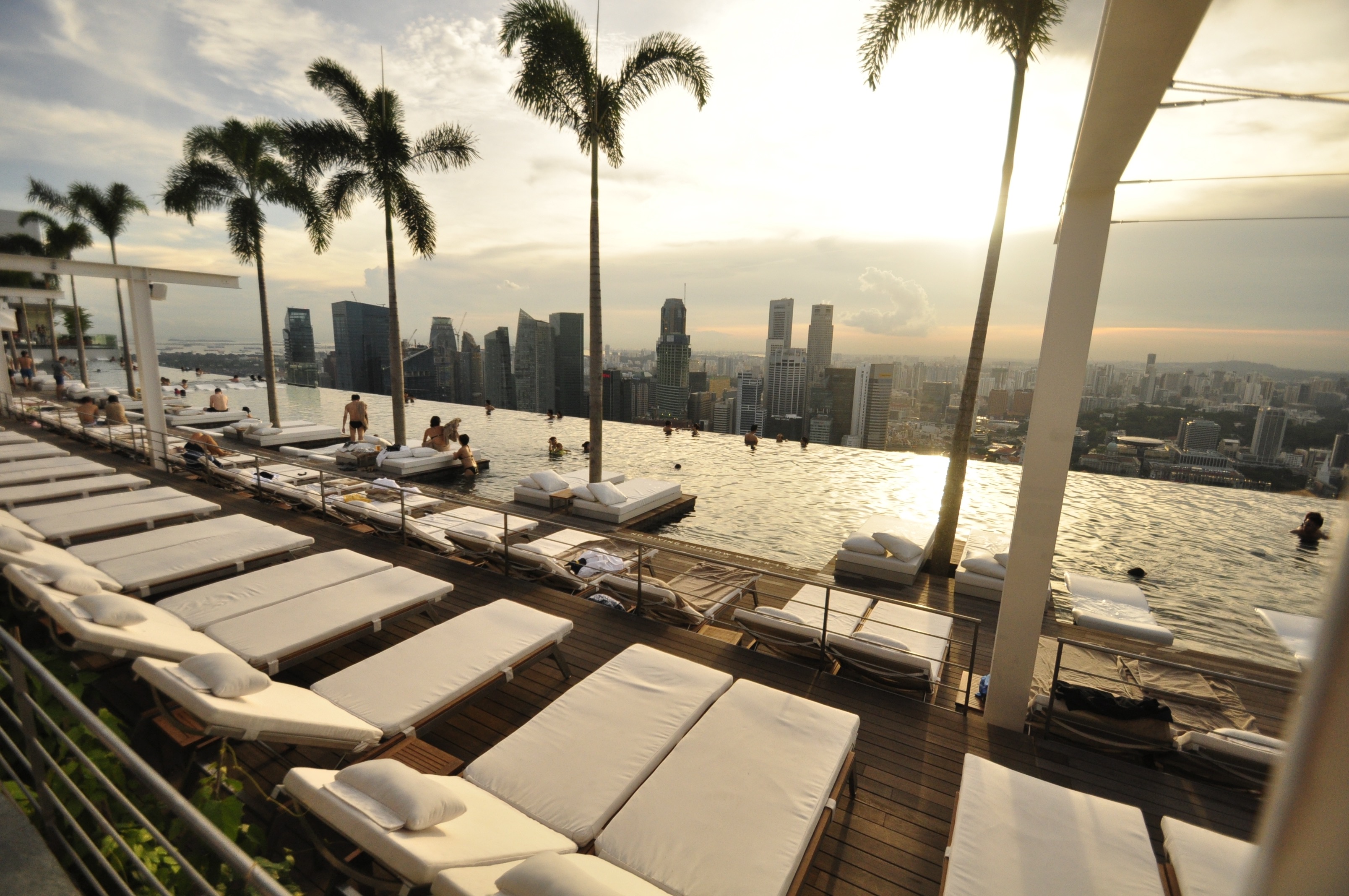
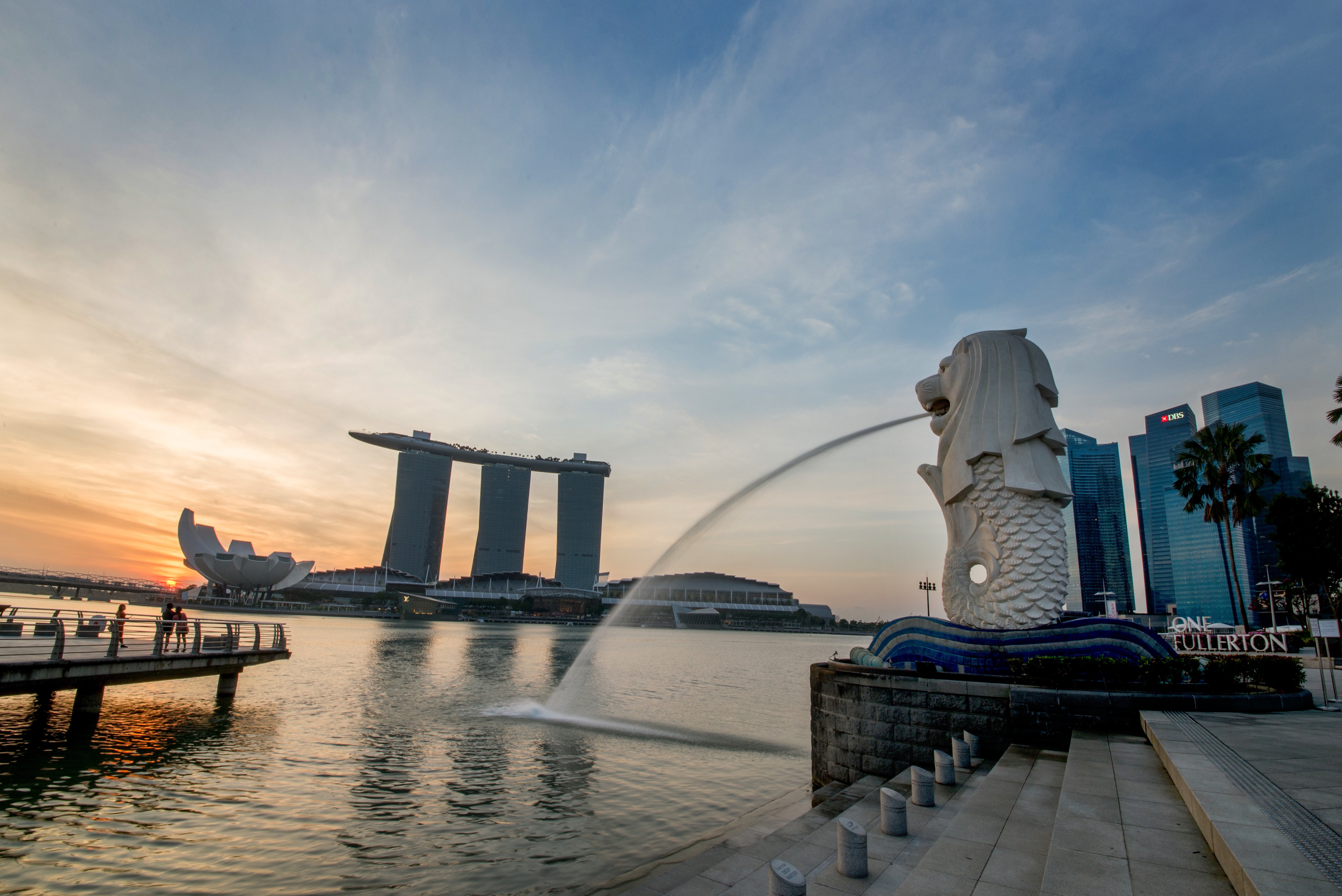
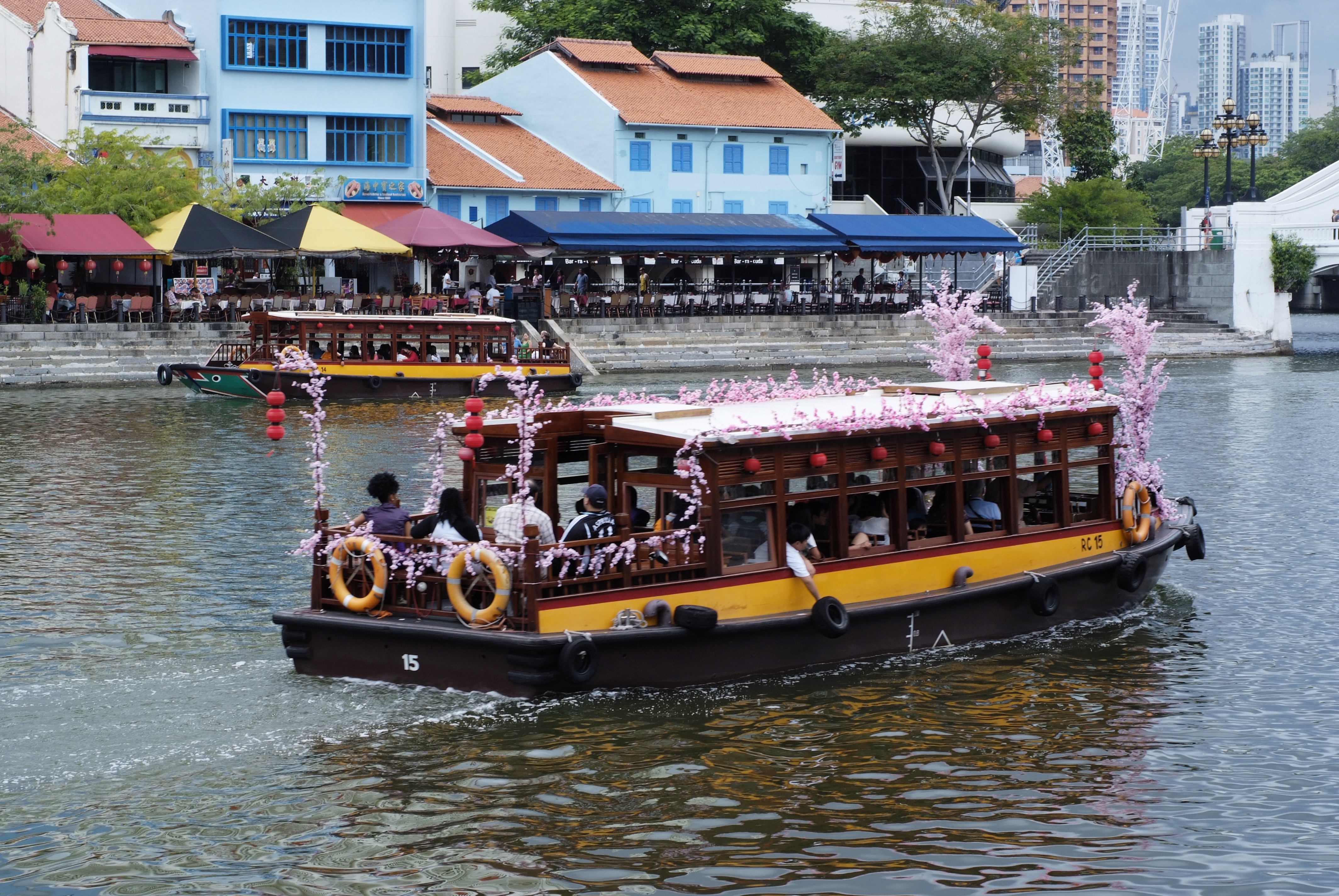
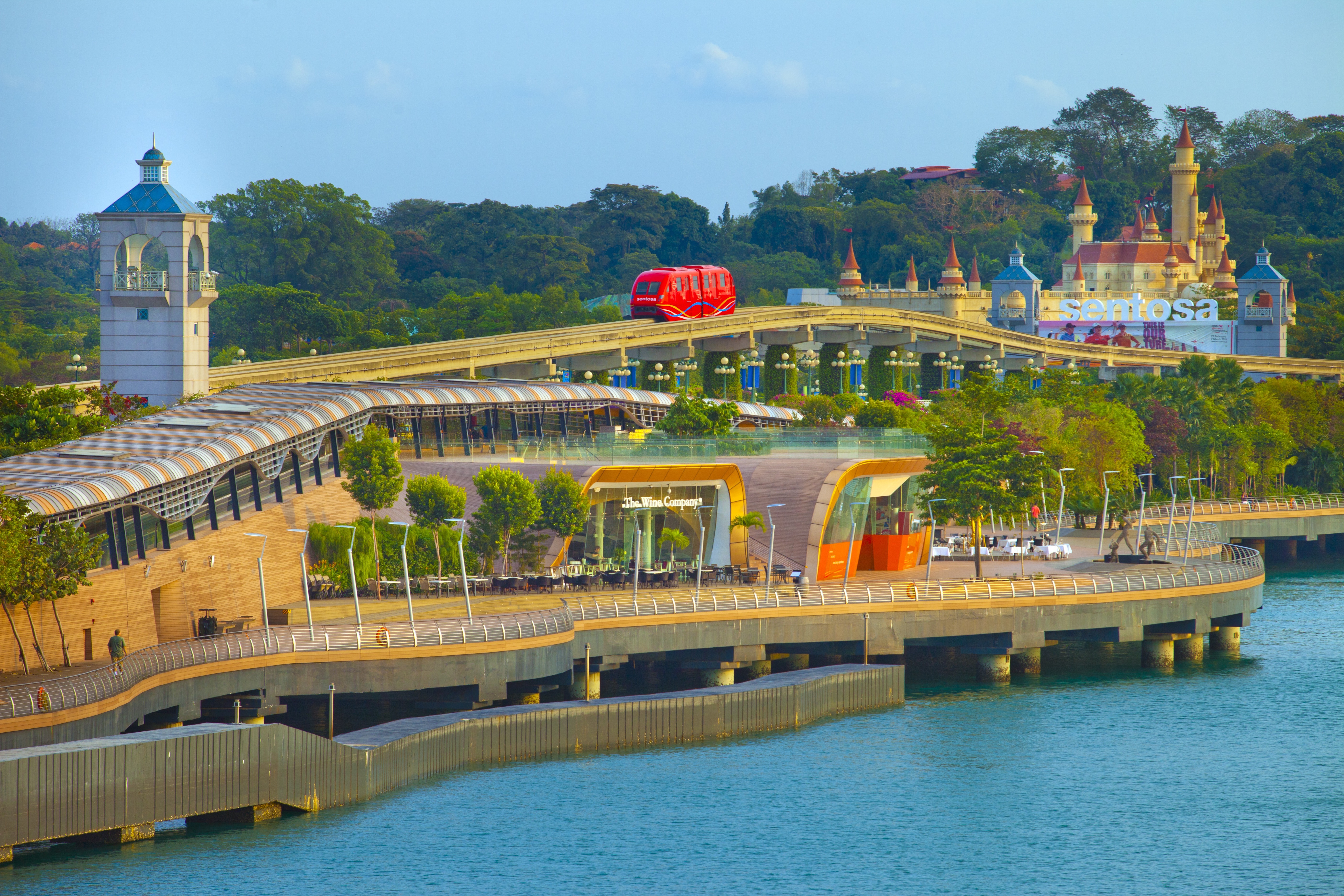
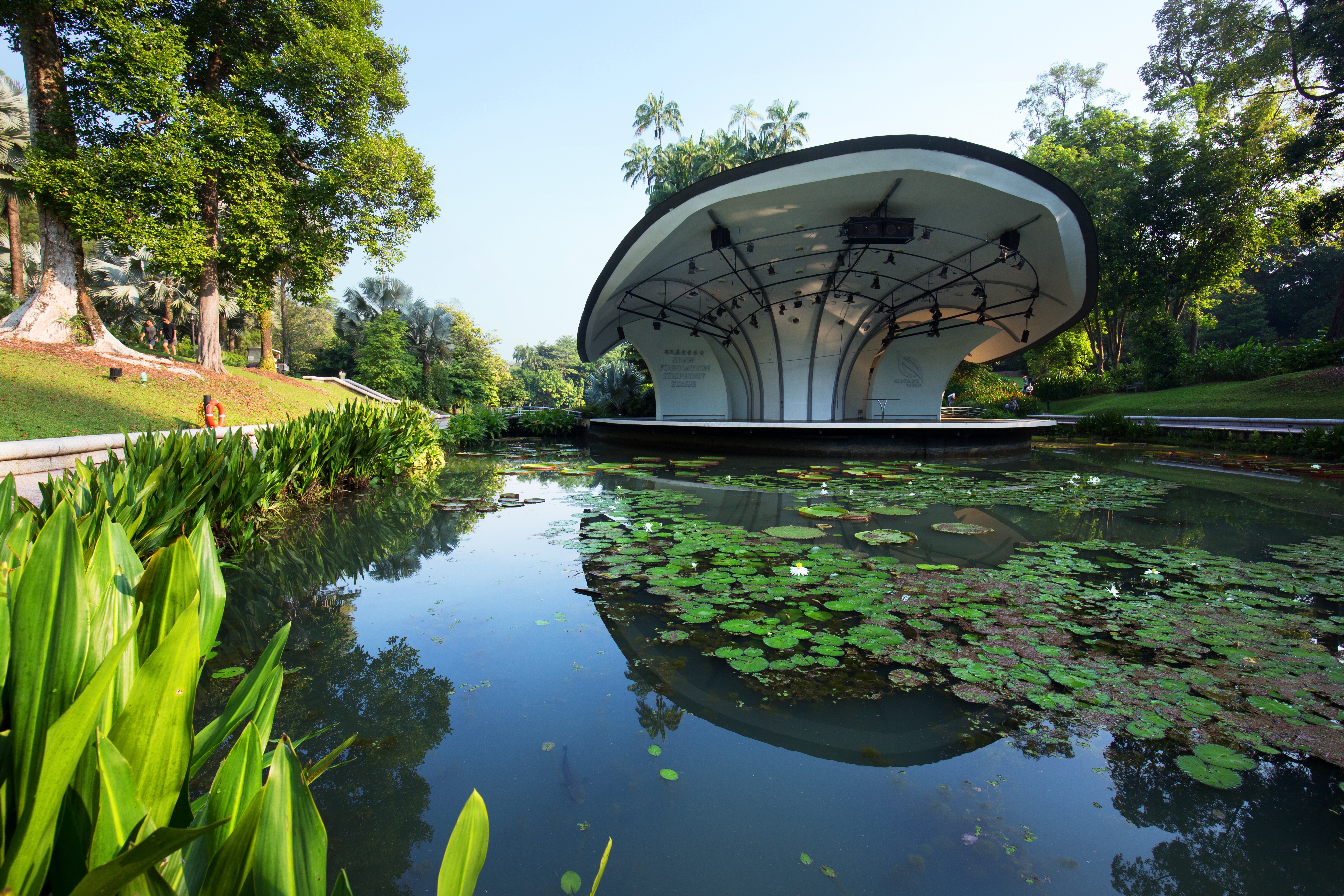
The main island of Singapore is shaped like a flattened diamond, 42 km (26 miles) east to west and 23 km (14 miles) north to south. Near the northern peak is the causeway leading to West Malaysia—Kuala Lumpur is less than four hours away by car. It is at the southern foot where you will find most of the city-state’s action, with its gleaming office towers, working docks, and futuristic "supertrees," which are solar-powered and serve as vertical gardens. Offshore are Sentosa and over 60 smaller islands, most uninhabited, that serve as bases for oil refining or as playgrounds and beach escapes from the city. To the east is Changi International Airport, connected to the city by metro, bus, and a tree-lined parkway. Of the island's total land area, more than half is built up, with the balance made up of parkland, farmland, plantations, swamp areas, and rain forest. Well-paved roads connect all parts of the island, and Singapore city has an excellent, and constantly expanding, public transportation system. The heart of Singapore's history and its modern wealth are in and around the Central Business District. The area includes the skyscrapers in the Central Business District, the 19th-century Raffles Hotel, the convention centers of Marina Square, on up to the top of Ft. Canning. Although most of old Singapore has been knocked down to make way for the modern city, most colonial landmarks have been preserved in the CBD, including early-19th-century buildings designed by the Irish architect George Coleman.
About Singapore
The main island of Singapore is shaped like a flattened diamond, 42 km (26 miles) east to west and 23 km (14 miles) north to south. Near the northern peak is the causeway leading to West Malaysia—Kuala Lumpur is less than four hours away by car. It is at the southern foot where you will find most of the city-state’s action, with its gleaming office towers, working docks, and futuristic "supertrees," which are solar-powered and serve as vertical gardens. Offshore are Sentosa and over 60 smaller islands, most uninhabited, that serve as bases for oil refining or as playgrounds and beach escapes from the city. To the east is Changi International Airport, connected to the city by metro, bus, and a tree-lined parkway. Of the island's total land area, more than half is built up, with the balance made up of parkland, farmland, plantations, swamp areas, and rain forest. Well-paved roads connect all parts of the island, and Singapore city has an excellent, and constantly expanding, public transportation system. The heart of Singapore's history and its modern wealth are in and around the Central Business District. The area includes the skyscrapers in the Central Business District, the 19th-century Raffles Hotel, the convention centers of Marina Square, on up to the top of Ft. Canning. Although most of old Singapore has been knocked down to make way for the modern city, most colonial landmarks have been preserved in the CBD, including early-19th-century buildings designed by the Irish architect George Coleman.
About Singapore
The main island of Singapore is shaped like a flattened diamond, 42 km (26 miles) east to west and 23 km (14 miles) north to south. Near the northern peak is the causeway leading to West Malaysia—Kuala Lumpur is less than four hours away by car. It is at the southern foot where you will find most of the city-state’s action, with its gleaming office towers, working docks, and futuristic "supertrees," which are solar-powered and serve as vertical gardens. Offshore are Sentosa and over 60 smaller islands, most uninhabited, that serve as bases for oil refining or as playgrounds and beach escapes from the city. To the east is Changi International Airport, connected to the city by metro, bus, and a tree-lined parkway. Of the island's total land area, more than half is built up, with the balance made up of parkland, farmland, plantations, swamp areas, and rain forest. Well-paved roads connect all parts of the island, and Singapore city has an excellent, and constantly expanding, public transportation system. The heart of Singapore's history and its modern wealth are in and around the Central Business District. The area includes the skyscrapers in the Central Business District, the 19th-century Raffles Hotel, the convention centers of Marina Square, on up to the top of Ft. Canning. Although most of old Singapore has been knocked down to make way for the modern city, most colonial landmarks have been preserved in the CBD, including early-19th-century buildings designed by the Irish architect George Coleman.
About Singapore
The main island of Singapore is shaped like a flattened diamond, 42 km (26 miles) east to west and 23 km (14 miles) north to south. Near the northern peak is the causeway leading to West Malaysia—Kuala Lumpur is less than four hours away by car. It is at the southern foot where you will find most of the city-state’s action, with its gleaming office towers, working docks, and futuristic "supertrees," which are solar-powered and serve as vertical gardens. Offshore are Sentosa and over 60 smaller islands, most uninhabited, that serve as bases for oil refining or as playgrounds and beach escapes from the city. To the east is Changi International Airport, connected to the city by metro, bus, and a tree-lined parkway. Of the island's total land area, more than half is built up, with the balance made up of parkland, farmland, plantations, swamp areas, and rain forest. Well-paved roads connect all parts of the island, and Singapore city has an excellent, and constantly expanding, public transportation system. The heart of Singapore's history and its modern wealth are in and around the Central Business District. The area includes the skyscrapers in the Central Business District, the 19th-century Raffles Hotel, the convention centers of Marina Square, on up to the top of Ft. Canning. Although most of old Singapore has been knocked down to make way for the modern city, most colonial landmarks have been preserved in the CBD, including early-19th-century buildings designed by the Irish architect George Coleman.
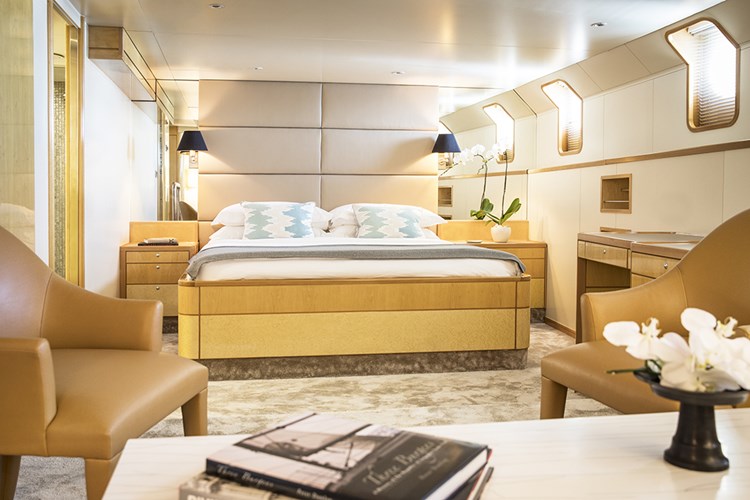
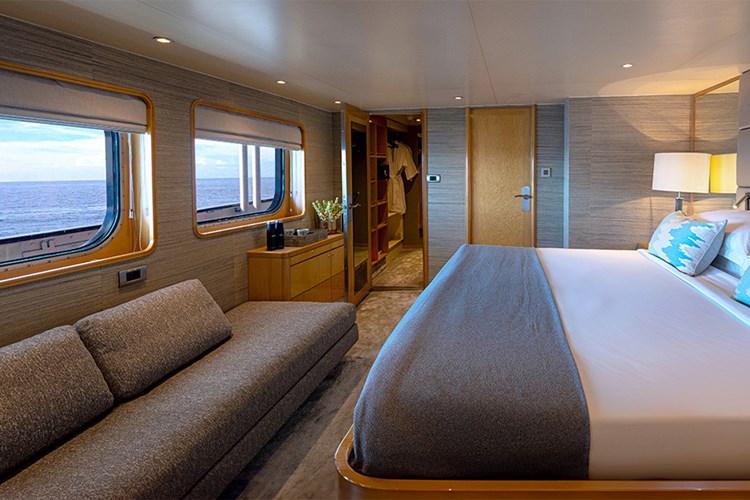
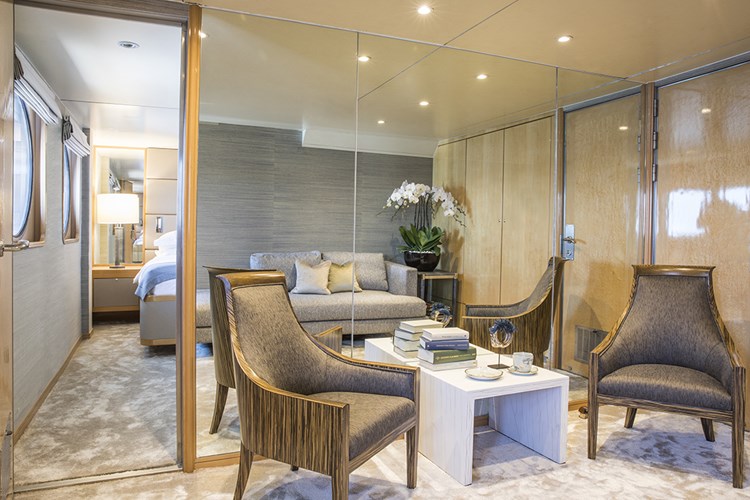
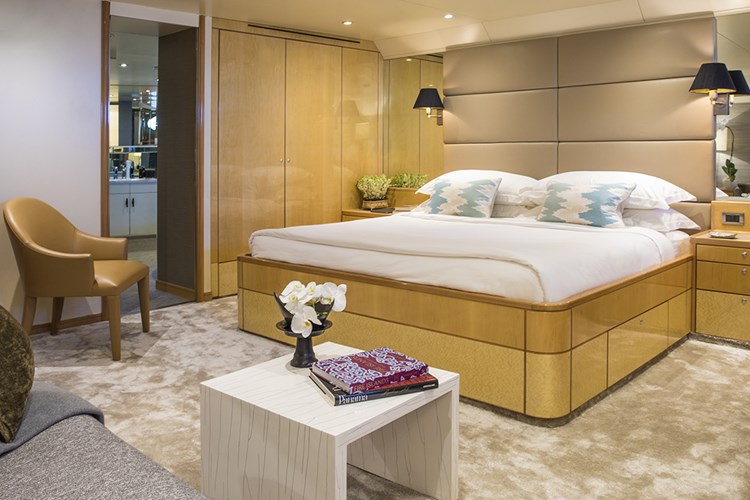
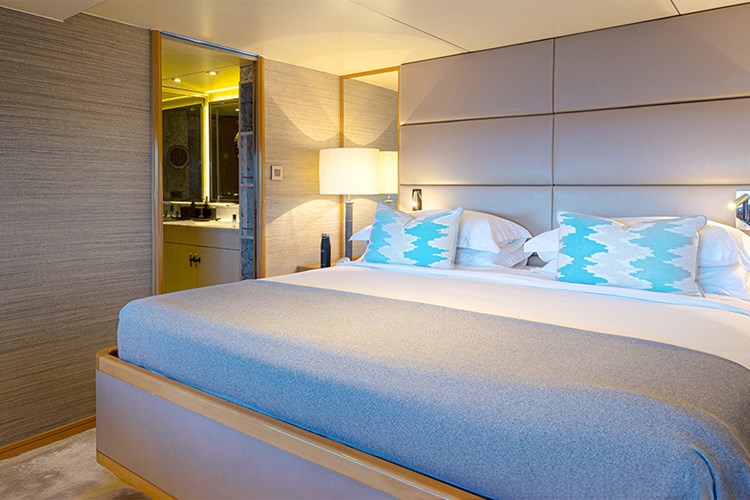
Suite (269–363 sq ft / 25–34 sq m)
Triple Accommodations available upon request in all Suite A staterooms
King beds (convertible to two twin beds upon request in Suites 202 & 204)
Number and size of windows vary by Suite
Deluxe ensuite bathrooms with spacious walk-in shower, and overhead rain-shower
Pampering organic natural hair and bath amenities
Electronic safe
Digital Alarm
Fully air-conditioned
Note that amenities may differ from those of a Uniworld company-owned ship
Suite (258 sq ft / 24 sq m)
King beds
Number and size of windows vary by Suite
Deluxe ensuite bathrooms with spacious walk-in shower, and overhead rain-shower
Pampering organic natural hair and bath amenities
Electronic safe
Digital Alarm
Fully air-conditioned
Note that amenities may differ from those of a Uniworld company-owned ship
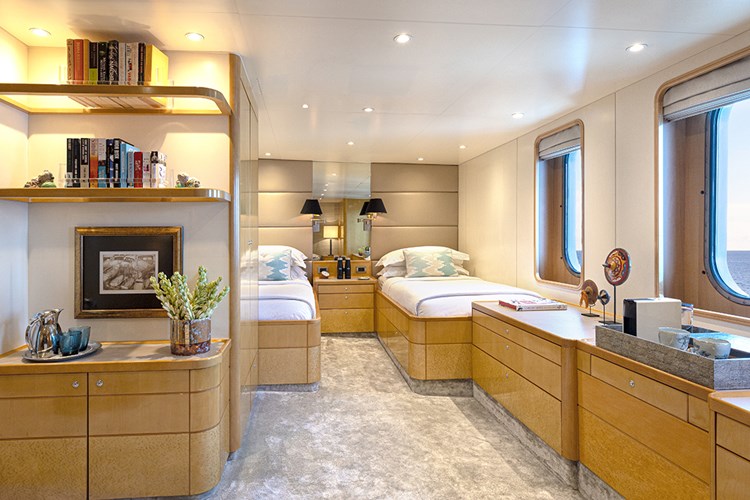
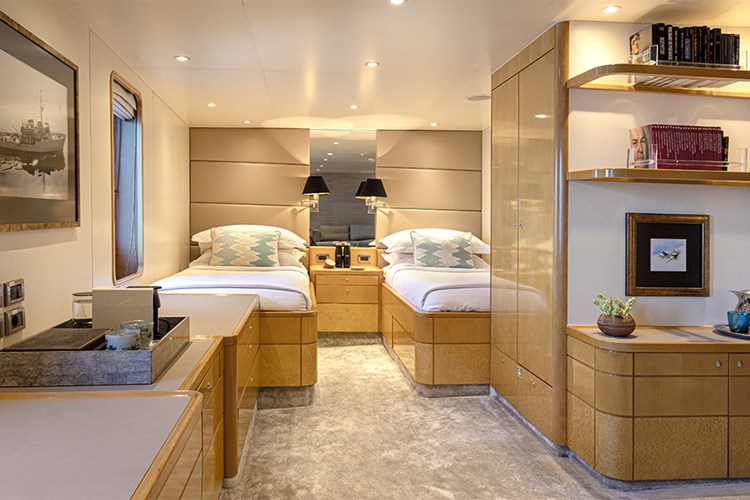
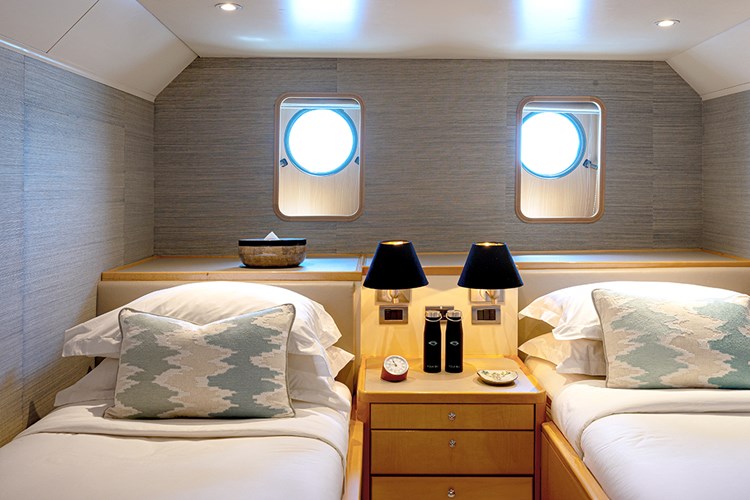
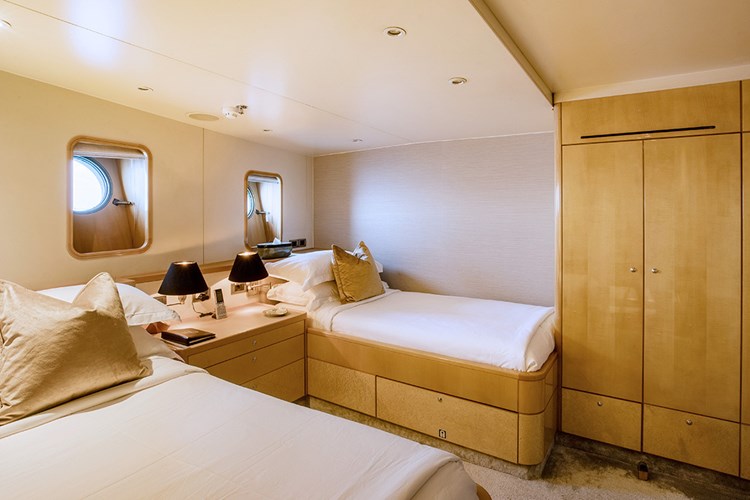
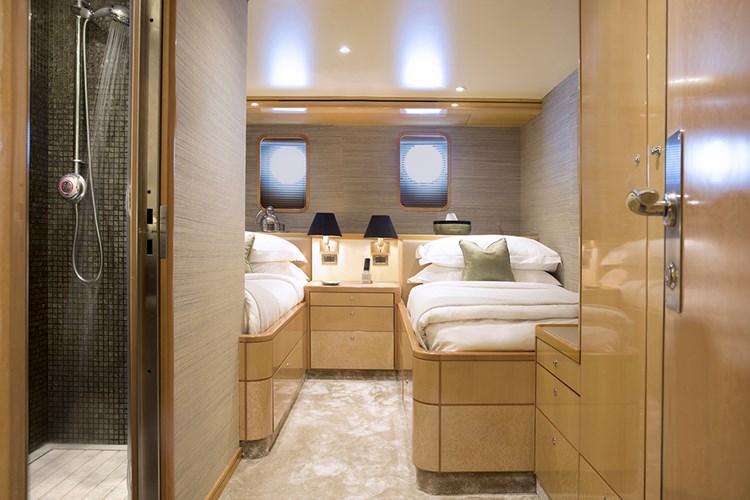
Deluxe stateroom (146–154 sq ft / 13.5–14.3 sq m)
Two twin beds
Two Porthole windows
Deluxe ensuite bathrooms with spacious walk-in shower, and overhead rain-shower
Pampering organic natural hair and bath amenities
Electronic safe
Digital Alarm
Fully air-conditioned
Note that amenities may differ from those of a Uniworld company-owned ship
Aqua Blu
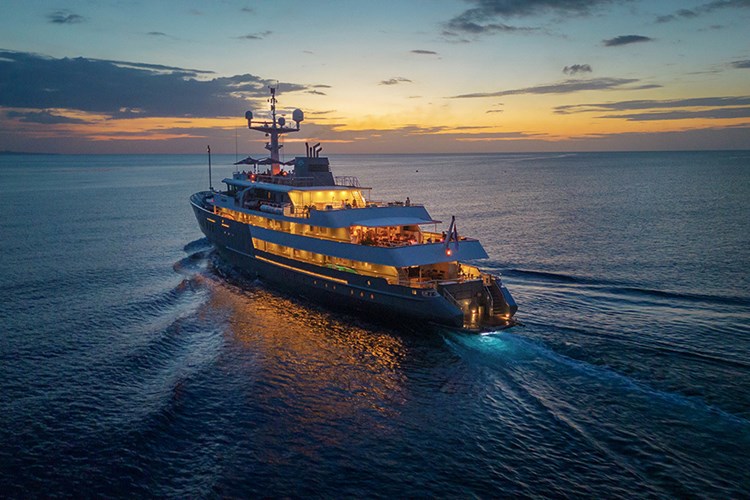
The 60m Aqua Blu is the first ever long-range ocean explorer yacht permanently based in East Indonesia. On board, 15 individually designed cabins and refined social spaces are accompanied by innovative cuisine curated by renowned chef Benjamin Cross, drawing inspiration from Indonesia’s fabled spice trade route. Led by highly experienced crew and guides, guests explore the world’s most biodiverse marine habitats, embark on adventurous hikes across active volcanoes, and explore relics from centuries-old history in small groups.
The explorer yacht’s range stands heads and shoulders above that of its peers in East Indonesia. Able to cover vast distances in a short span of time and with utmost comfort—in any sea condition—the vessel enables explorers on board to experience the most varied, enjoyable, and rewarding coastal cruise itineraries in this wild and stunningly beautiful region of the world.
Ship Facts
| Launch Year | 1968 | ||||||||
| Refit Year | 2019 | ||||||||
| Language | en | ||||||||
| Gross Tonnage | 1140 | ||||||||
| Length | 60 | ||||||||
| Width | 11 | ||||||||
| Currency | USD | ||||||||
| Speed | 12 | ||||||||
| Capacity | 30 | ||||||||
| Crew Count | 30 | ||||||||
| Deck Count | 5 | ||||||||
| Cabin Count | 15 | ||||||||
| Large Cabin Count | 0 | ||||||||
| Wheelchair Cabin Count | N/A | ||||||||
| Electrical Plugs |
|
Sun Deck
- Sun Lounge
- Outdoor seating

Bridge Deck
- Bridge
- Day beds
- Jacuzzi
- Spa
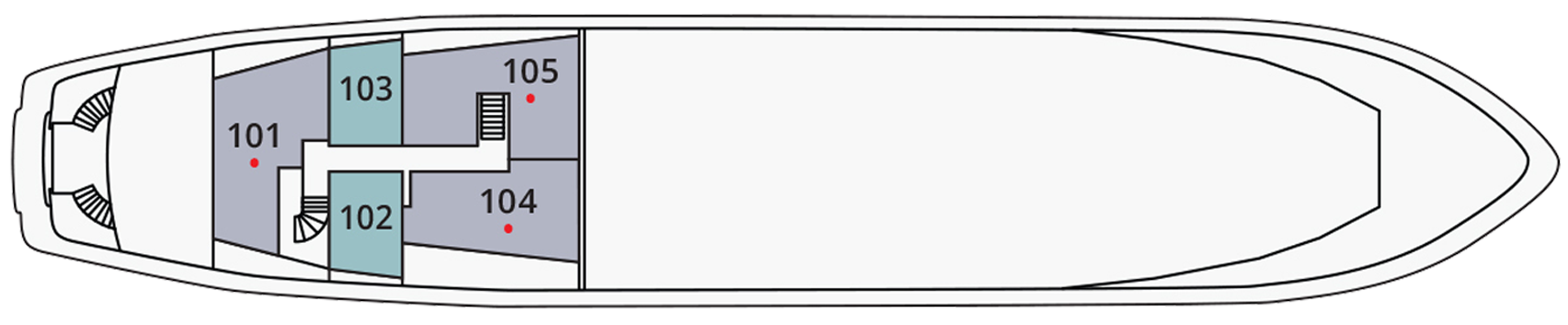
Suite
- Suite B

Forecastle Deck
- Sky Lounge Bar
- Library and TV room
- Suite
- Suite B

Main Deck
- Outdoor seating
- Salon
- Dining room
- Suite
- Suite B
- Deluxe Cabins

Lower Deck
- Suite
- Deluxe Cabins
At Uniworld, dining is never an afterthought—it is an essential part of the river cruise experience. Enjoy all-inclusive dining from relaxed breakfasts to elegant evening service, where dishes are crafted to deepen your connection to the destination.
All‑Inclusive Dining, Without Compromise
Every Uniworld journey includes exceptional dining, allowing you to savor each moment. Menus evolve with your itinerary, pairing beautifully prepared dishes with regional wines and premium beverages—all included. Whether dining in the restaurant or enjoying an informal breakfast, the experience is seamless, generous, and distinctly Uniworld.
Expert Chefs, Inspired by Place
Behind every menu is a team of highly skilled chefs who bring both technical excellence and creative flair. Our Executive Chefs are all members of the prestigious "Chaîne des Rôtisseurs". Uniworld’s culinary leadership draws inspiration from local traditions and classic recipes, reimagined with a contemporary touch. The result is cuisine that feels both authentic and refined—elegant yet approachable, and always rooted in where you are.
Locally Sourced Ingredients
Wherever possible, ingredients are sourced along the route of your journey—from regional markets, local producers, and trusted suppliers. This commitment ensures freshness, supports local communities, and allows each dish to reflect the destination. From European vineyards to riverside farms, your dining experience becomes another way to explore the places you visit.
Dining Room
The Dining Room can be located on the Main Deck.
The explorer yacht’s range stands heads and shoulders above that of its peers in East Indonesia. Able to cover vast distances in a short span of time and with utmost comfort—in any sea condition—the vessel enables explorers on board to experience the most varied, enjoyable, and rewarding coastal cruise itineraries in this wild and stunningly beautiful region of the world.
Sky Lounge Bar
The Sky Lounge Bar can be found on the Forecastle Deck