
Timeless Wonders of Vietnam, Cambodia & the Mekong
Timeless Wonders of Vietnam, Cambodia & the Mekong
Cruise overview
WHY BOOK WITH US?
- ✔ The Deluxe Cruises’ team has extensive experience in ultra-luxury cruising.
- ✔ Call now to speak to our helpful and experienced Cruise Concierge team.
- ✔ Enjoy our Unique Deluxe Cruises Bonus for substantial savings.
- ✔ Our team will tailor your holiday to your exacting requirements.
- ✔ As agents, we work under the protection of each cruise lines ABTA / ATOL licences
About Ho Chi Minh City
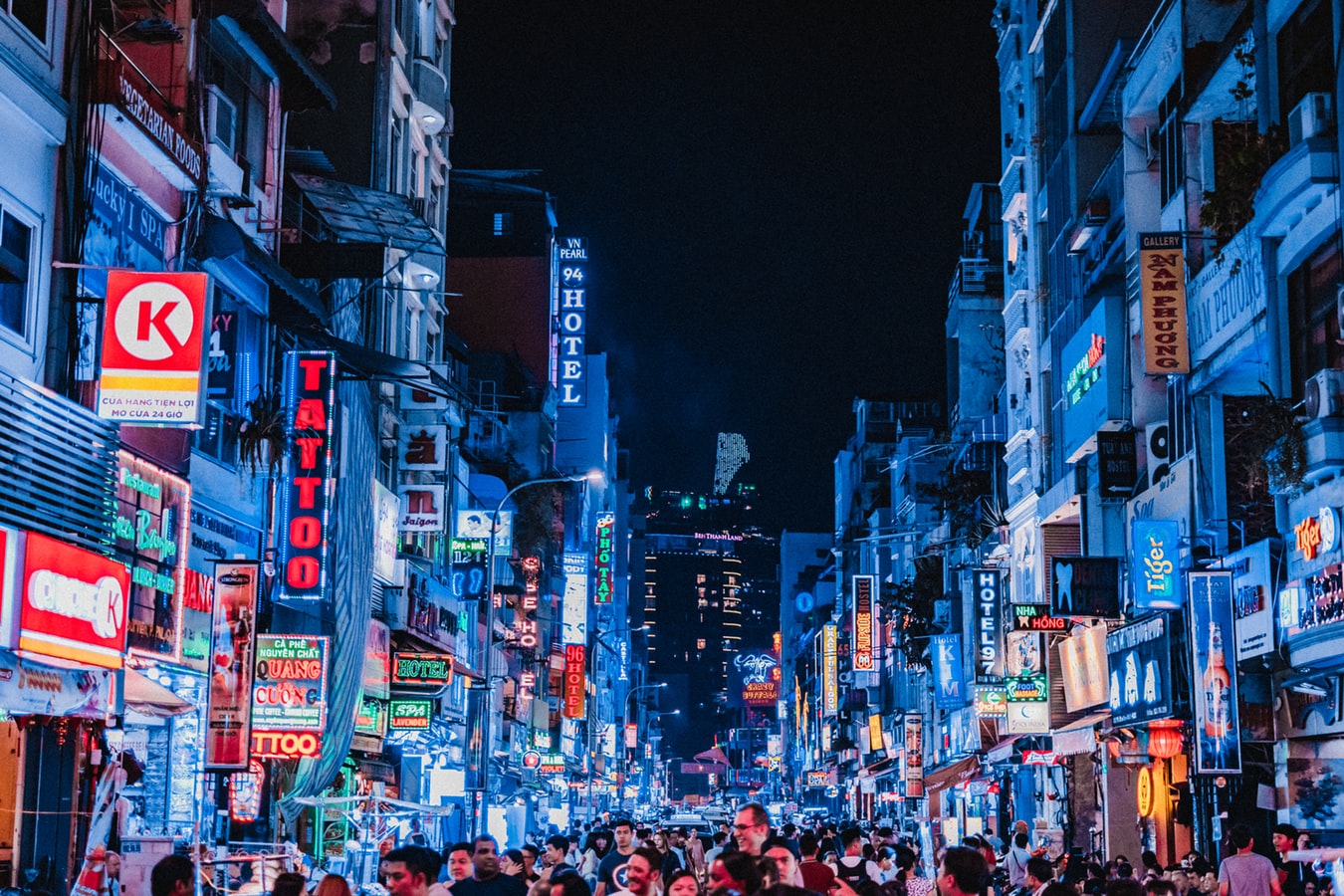
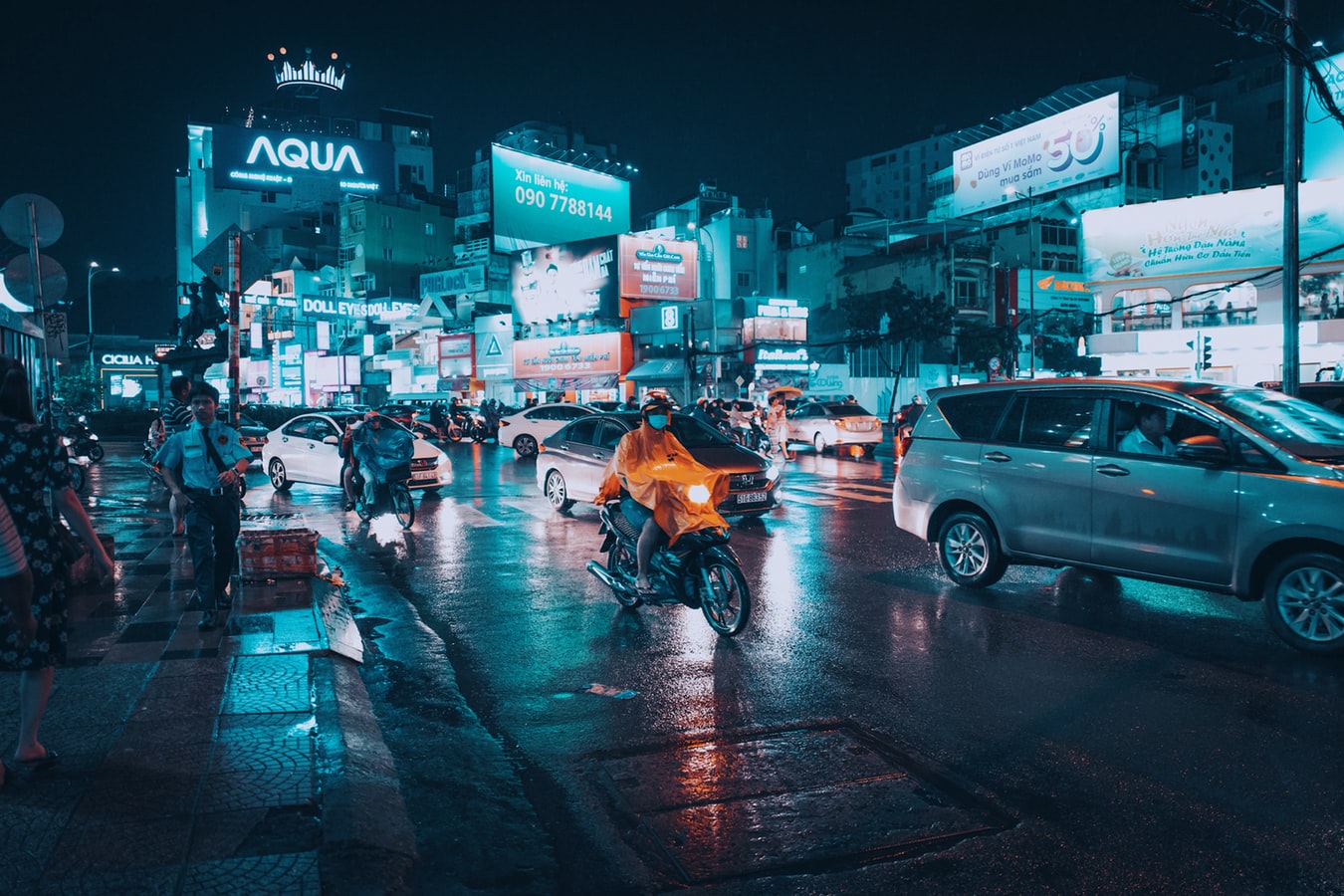
Romantically referred to by the French as the Pearl of the Orient, Ho Chi Minh City today is a super-charged city of sensory overload. Motorbikes zoom day and night along the wide boulevards, through the narrow back alleys and past vendors pushing handcarts hawking goods of all descriptions. Still called Saigon by most residents, this is Vietnam's largest city and the engine driving the country's current economic resurgence, but despite its frenetic pace, it's a friendlier place than Hanoi and locals will tell you the food—simple, tasty, and incorporating many fresh herbs—is infinitely better than in the capital.This is a city full of surprises. The madness of the city's traffic—witness the oddball things that are transported on the back of motorcycles—is countered by tranquil pagodas, peaceful parks, quirky coffee shops, and whole neighborhoods hidden down tiny alleyways, although some of these quiet spots can be difficult to track down. Life in Ho Chi Minh City is lived in public: on the back of motorcycles, on the sidewalks, and in the parks. Even when its residents are at home, they're still on display. With many living rooms opening onto the street, grandmothers napping, babies being rocked, and food being prepared, are all in full view of passersby.Icons of the past endure in the midst of the city’s headlong rush into capitalism. The Hotel Continental, immortalized in Graham Greene's The Quiet American, continues to stand on the corner of old Indochina's most famous thoroughfare, the rue Catinat, known to American G.I.s during the Vietnam War as Tu Do (Freedom) Street and renamed Dong Khoi (Uprising) Street by the Communists. The city still has its ornate opera house and its old French city hall, the Hôtel de Ville. The broad colonial boulevards leading to the Saigon River and the gracious stucco villas are other remnants of the French colonial presence. Grisly reminders of the more recent past can be seen at the city's war-related museums. Residents, however, prefer to look forward rather than back and are often perplexed by tourists' fascination with a war that ended 40 years ago.The Chinese influence on the country is still very much in evidence in the Cholon district, the city's Chinatown, but the modern office towers and international hotels that mark the skyline symbolize Vietnam's fixation on the future.
About Ho Chi Minh City
Romantically referred to by the French as the Pearl of the Orient, Ho Chi Minh City today is a super-charged city of sensory overload. Motorbikes zoom day and night along the wide boulevards, through the narrow back alleys and past vendors pushing handcarts hawking goods of all descriptions. Still called Saigon by most residents, this is Vietnam's largest city and the engine driving the country's current economic resurgence, but despite its frenetic pace, it's a friendlier place than Hanoi and locals will tell you the food—simple, tasty, and incorporating many fresh herbs—is infinitely better than in the capital.This is a city full of surprises. The madness of the city's traffic—witness the oddball things that are transported on the back of motorcycles—is countered by tranquil pagodas, peaceful parks, quirky coffee shops, and whole neighborhoods hidden down tiny alleyways, although some of these quiet spots can be difficult to track down. Life in Ho Chi Minh City is lived in public: on the back of motorcycles, on the sidewalks, and in the parks. Even when its residents are at home, they're still on display. With many living rooms opening onto the street, grandmothers napping, babies being rocked, and food being prepared, are all in full view of passersby.Icons of the past endure in the midst of the city’s headlong rush into capitalism. The Hotel Continental, immortalized in Graham Greene's The Quiet American, continues to stand on the corner of old Indochina's most famous thoroughfare, the rue Catinat, known to American G.I.s during the Vietnam War as Tu Do (Freedom) Street and renamed Dong Khoi (Uprising) Street by the Communists. The city still has its ornate opera house and its old French city hall, the Hôtel de Ville. The broad colonial boulevards leading to the Saigon River and the gracious stucco villas are other remnants of the French colonial presence. Grisly reminders of the more recent past can be seen at the city's war-related museums. Residents, however, prefer to look forward rather than back and are often perplexed by tourists' fascination with a war that ended 40 years ago.The Chinese influence on the country is still very much in evidence in the Cholon district, the city's Chinatown, but the modern office towers and international hotels that mark the skyline symbolize Vietnam's fixation on the future.
About My Tho
About Sa Déc
About Sa Déc
About Phnom Penh
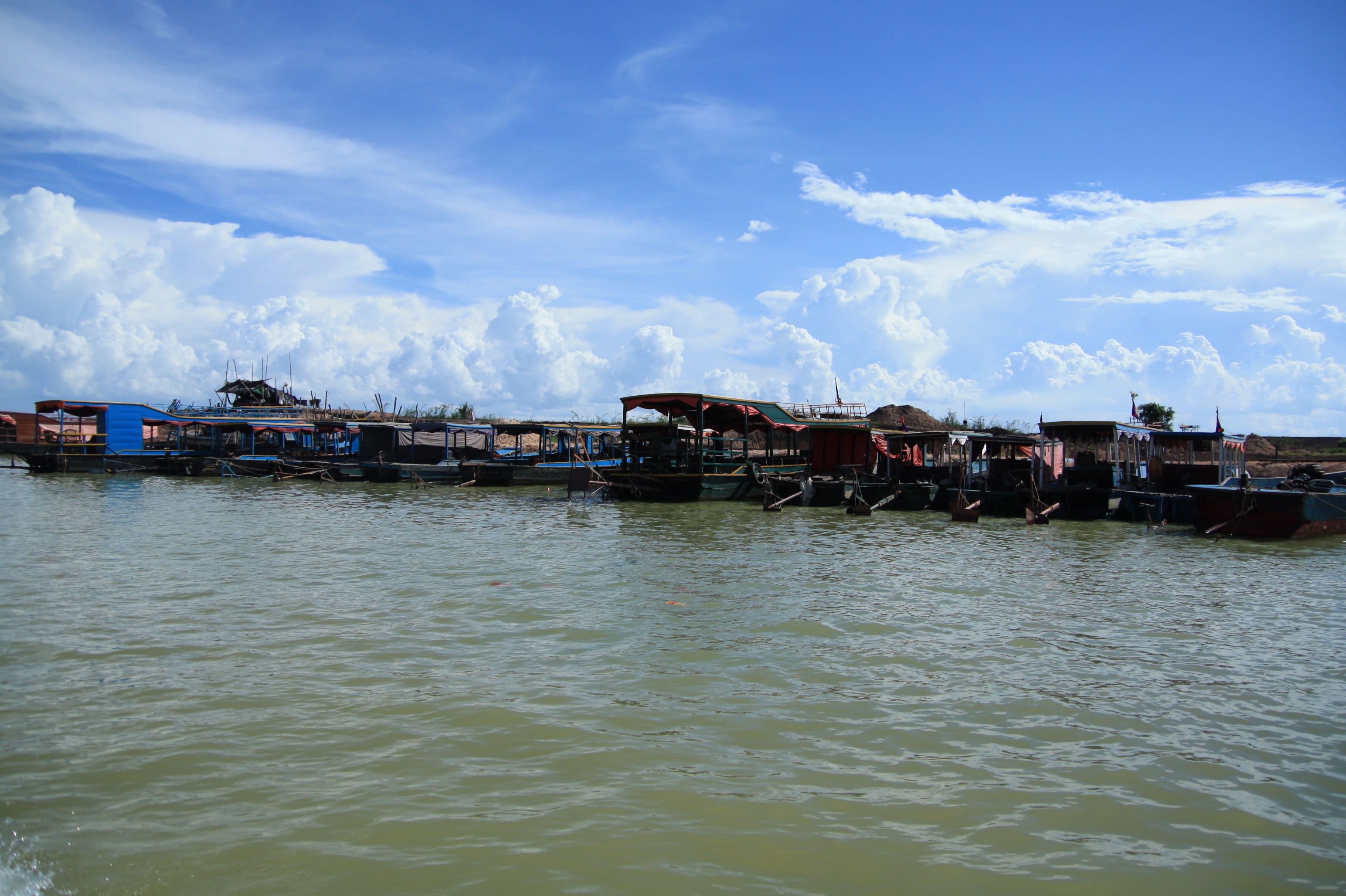
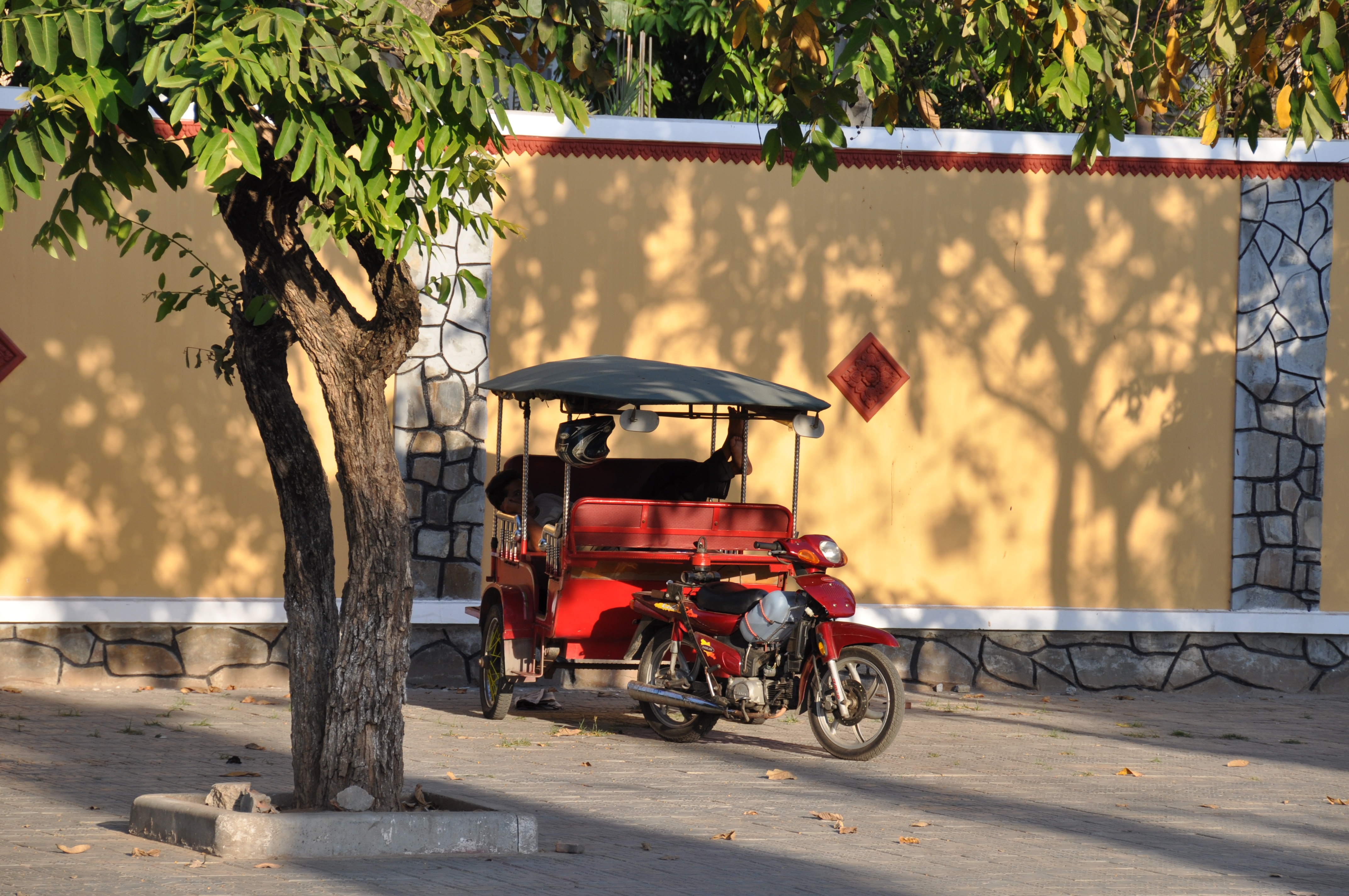
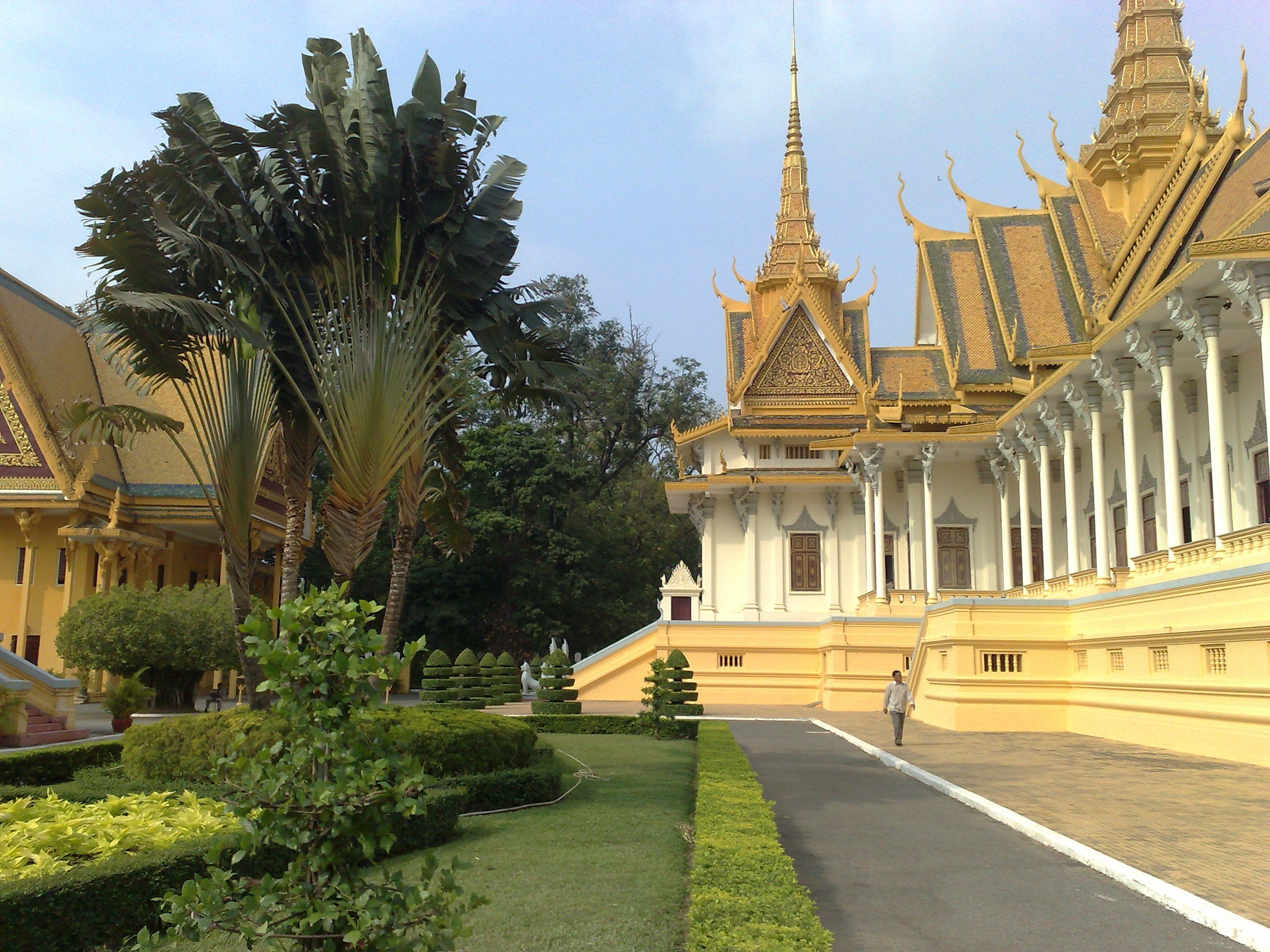
Phnom Penh, Cambodia’s busy capital, sits at the junction of the Mekong and Tonlé Sap rivers. It was a hub for both the Khmer Empire and French colonialists. On its walkable riverfront, lined with parks, restaurants and bars, are the ornate Royal Palace, Silver Pagoda and the National Museum, displaying artifacts from around the country. At the city’s heart is the massive, art deco Central Market.
About Phnom Penh
Phnom Penh, Cambodia’s busy capital, sits at the junction of the Mekong and Tonlé Sap rivers. It was a hub for both the Khmer Empire and French colonialists. On its walkable riverfront, lined with parks, restaurants and bars, are the ornate Royal Palace, Silver Pagoda and the National Museum, displaying artifacts from around the country. At the city’s heart is the massive, art deco Central Market.
About Phnom Penh
Phnom Penh, Cambodia’s busy capital, sits at the junction of the Mekong and Tonlé Sap rivers. It was a hub for both the Khmer Empire and French colonialists. On its walkable riverfront, lined with parks, restaurants and bars, are the ornate Royal Palace, Silver Pagoda and the National Museum, displaying artifacts from around the country. At the city’s heart is the massive, art deco Central Market.
About Angkor Ban
About Siem Reap
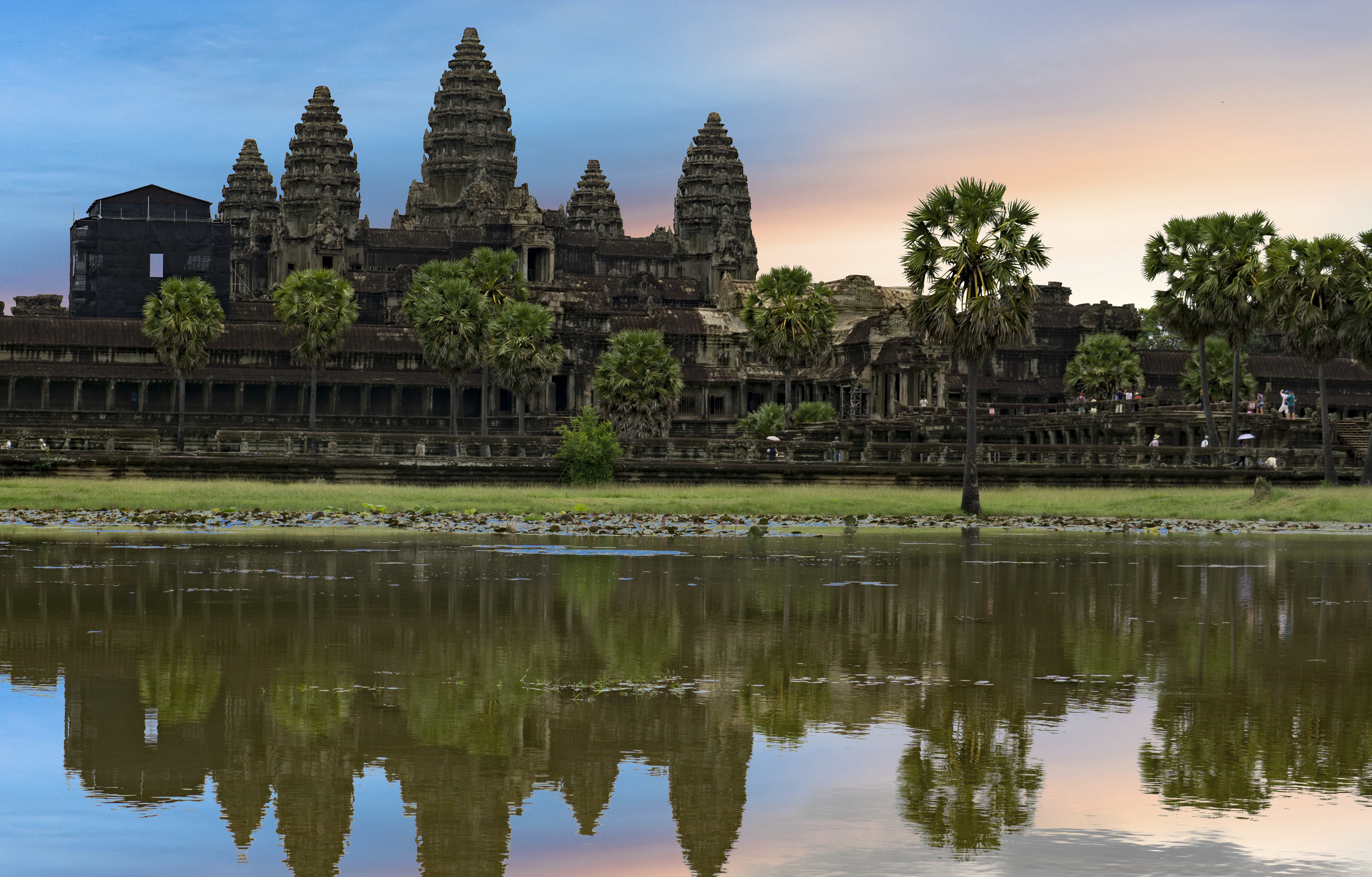
About Siem Reap
About Siem Reap
About Hanoi
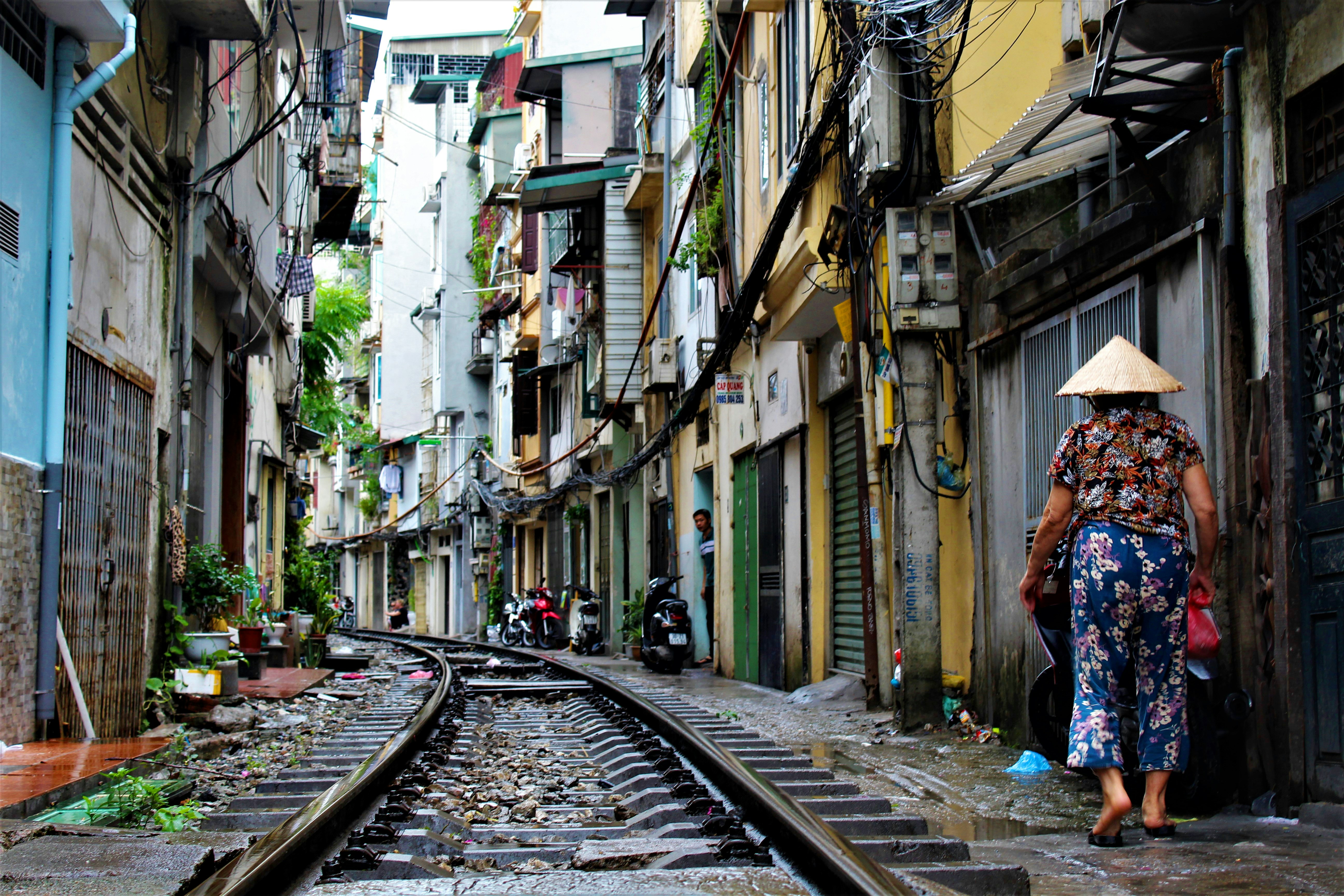
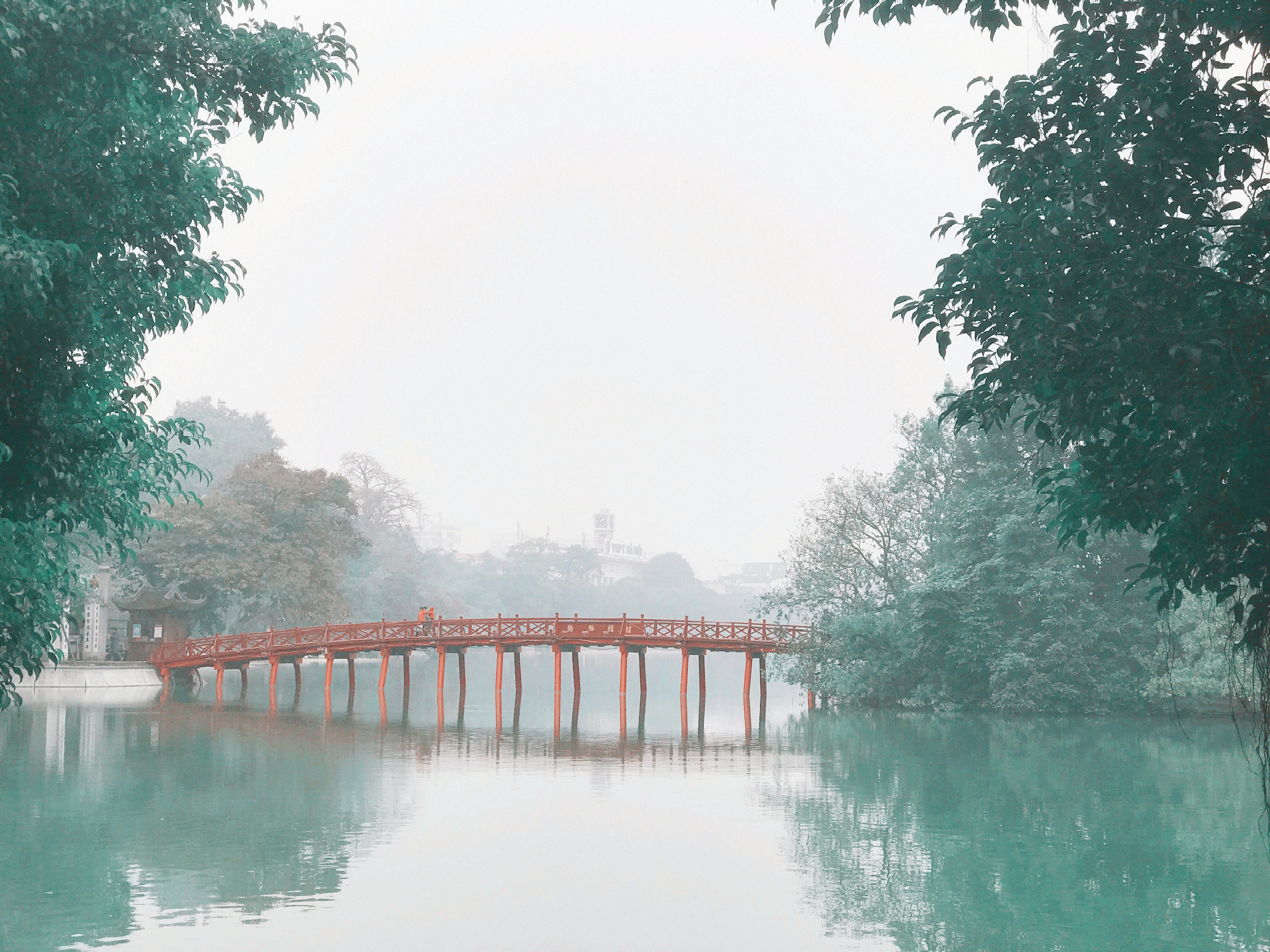
About Hanoi
About Hanoi
- Royal Suite (889 sq ft - 82.6 sq m)
- Note that amenities may differ from those of a Uniworld company-owned ship

- Grand Suite (657 sq ft - 61 sq m)
- Note that amenities may differ from those of a Uniworld company-owned ship
- Suite (347 sq ft - 32 sq m)
- Note that amenities may differ from those of a Uniworld company-owned ship
- Suite (347 sq ft - 32 sq m)
- Note that amenities may differ from those of a Uniworld company-owned ship
- Suite (347 sq ft - 32 sq m)
- Note that amenities may differ from those of a Uniworld company-owned ship
Mekong Mystique
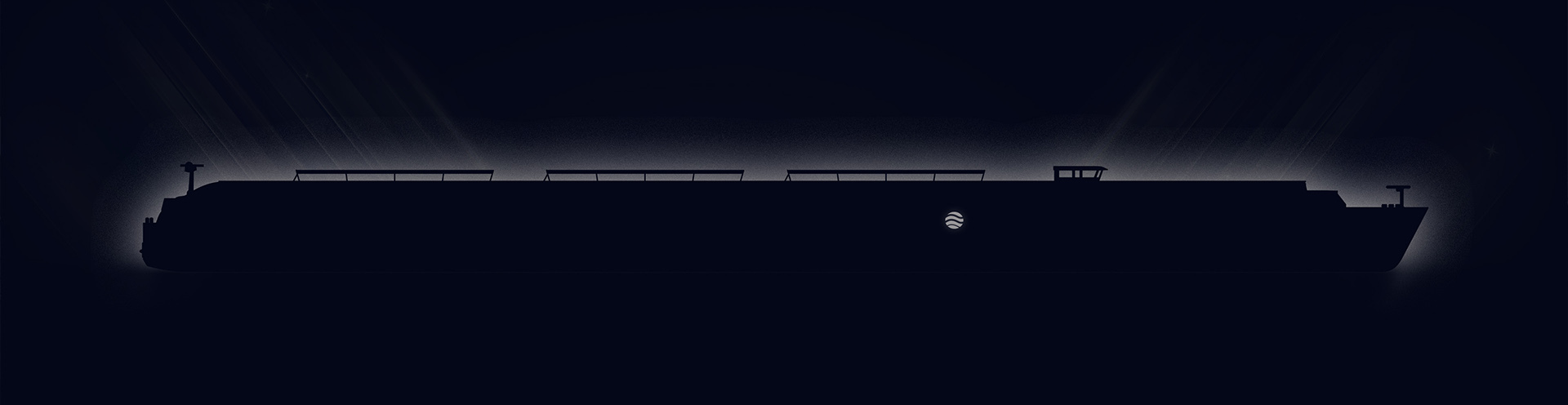
A brand-new ship is set to sail in Vietnam and Cambodia in 2028. The alluring Mekong Mystique will welcome guests to this extraordinary destination with a design story that draws inspiration from 1930s French Indochine style and the lush environment of the Mekong itself.
Ship Facts
| Launch Year | 2028 | ||||||
| Refit Year | |||||||
| Language | en | ||||||
| Gross Tonnage | N/A | ||||||
| Length | 79 | ||||||
| Width | 12 | ||||||
| Currency | EUR | ||||||
| Speed | N/A | ||||||
| Capacity | 68 | ||||||
| Crew Count | 51 | ||||||
| Deck Count | 4 | ||||||
| Cabin Count | 34 | ||||||
| Large Cabin Count | N/A | ||||||
| Wheelchair Cabin Count | N/A | ||||||
| Electrical Plugs |
|
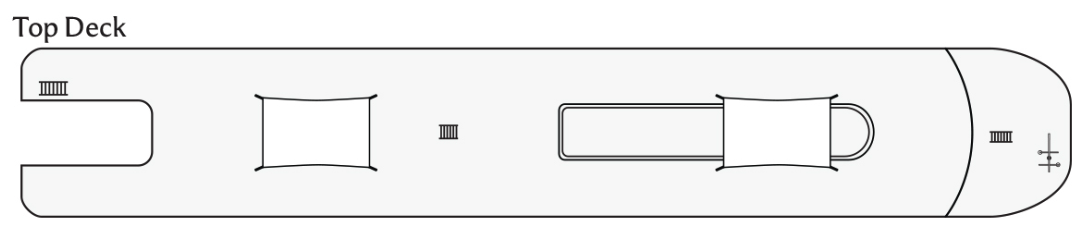
Top Deck
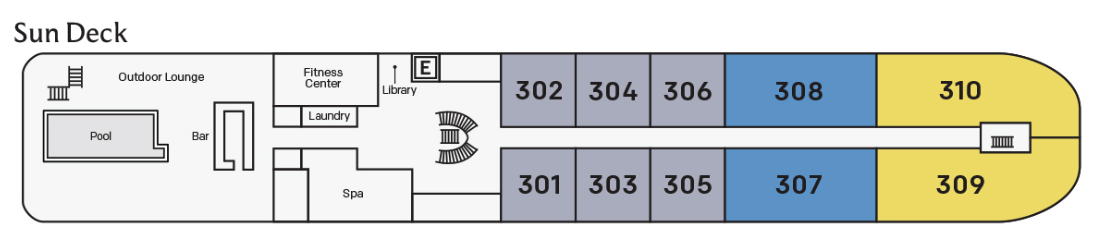
- Sun Deck
Sun Deck
- Outdoor Lounge
- Pool
- Bar
- Fitness Center
- Laundry
- Library
- Spa
- Royal Suite
- Grand Suite
- Suite A
- Elevator
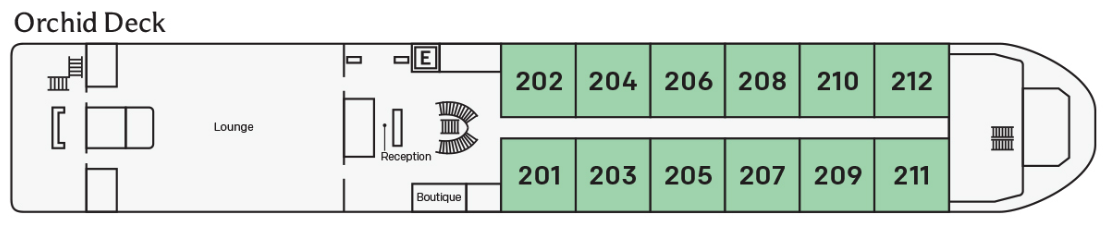
Orchid Deck
- Lounge
- Reception
- Boutique
- Suite AB
- Elevator
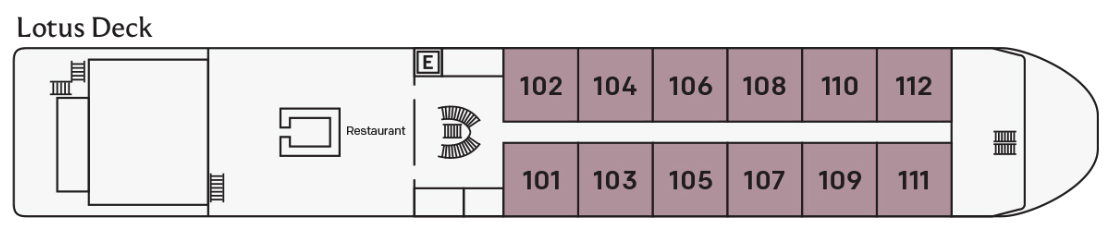
Lotus Deck
- Restaurant
- Suite B
- Elevator
At Uniworld, dining is never an afterthought—it is an essential part of the river cruise experience. Enjoy all-inclusive dining from relaxed breakfasts to elegant evening service, where dishes are crafted to deepen your connection to the destination.
All‑Inclusive Dining, Without Compromise
Every Uniworld journey includes exceptional dining, allowing you to savor each moment. Menus evolve with your itinerary, pairing beautifully prepared dishes with regional wines and premium beverages—all included. Whether dining in the restaurant or enjoying an informal breakfast, the experience is seamless, generous, and distinctly Uniworld.
Expert Chefs, Inspired by Place
Behind every menu is a team of highly skilled chefs who bring both technical excellence and creative flair. Our Executive Chefs are all members of the prestigious "Chaîne des Rôtisseurs". Uniworld’s culinary leadership draws inspiration from local traditions and classic recipes, reimagined with a contemporary touch. The result is cuisine that feels both authentic and refined—elegant yet approachable, and always rooted in where you are.
Locally Sourced Ingredients
Wherever possible, ingredients are sourced along the route of your journey—from regional markets, local producers, and trusted suppliers. This commitment ensures freshness, supports local communities, and allows each dish to reflect the destination. From European vineyards to riverside farms, your dining experience becomes another way to explore the places you visit.
Restaurant
The Restaurant is located on the Lotus Deck
Sip a glass of wine while you cruise past beautiful landscapes and world-famous landmarks on your way to your next destination...
Lounge
The Lounge is located on the Orchid Deck
Reception
The Lounge is located on the Orchid Deck
Boutique
The Lounge is located on the Orchid Deck