Mediterranean & Adriatic Odyssey
Mediterranean & Adriatic Odyssey
Cruise overview
WHY BOOK WITH US?
- ✔ The Deluxe Cruises’ team has extensive experience in ultra-luxury cruising.
- ✔ Call now to speak to our helpful and experienced Cruise Concierge team.
- ✔ Enjoy our Unique Deluxe Cruises Bonus for substantial savings.
- ✔ Our team will tailor your holiday to your exacting requirements.
- ✔ As agents, we work under the protection of each cruise lines ABTA / ATOL licences
About Piraeus
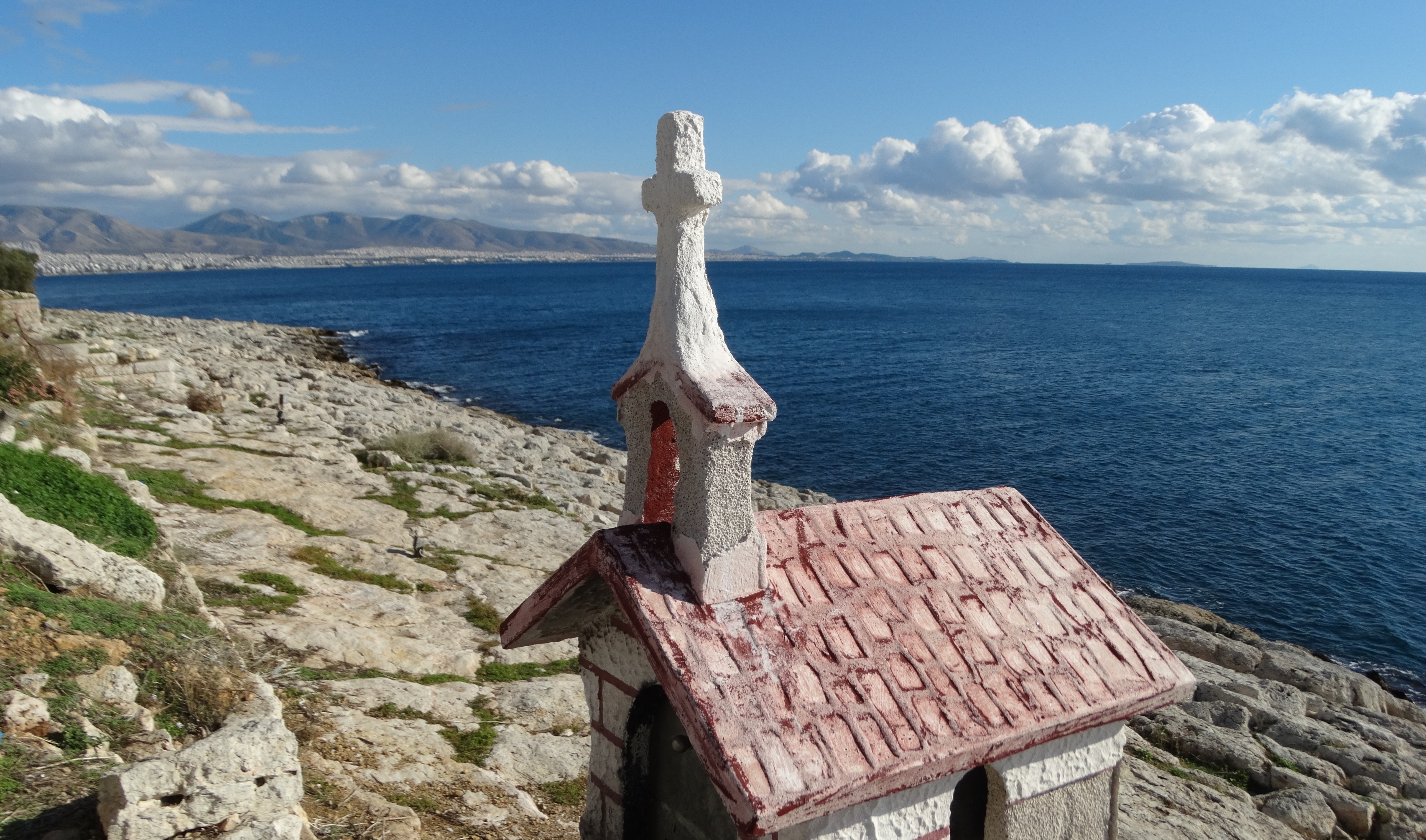
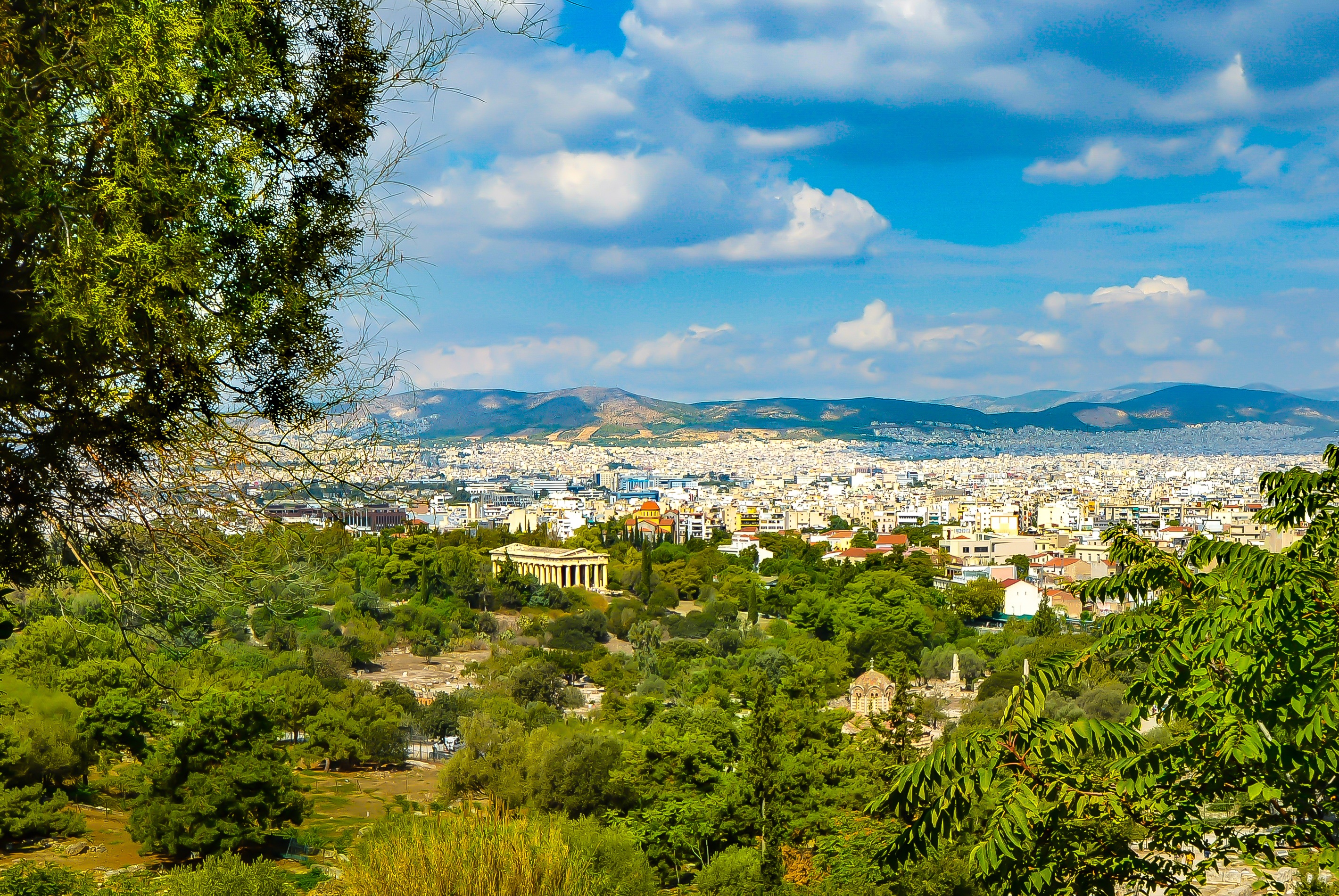
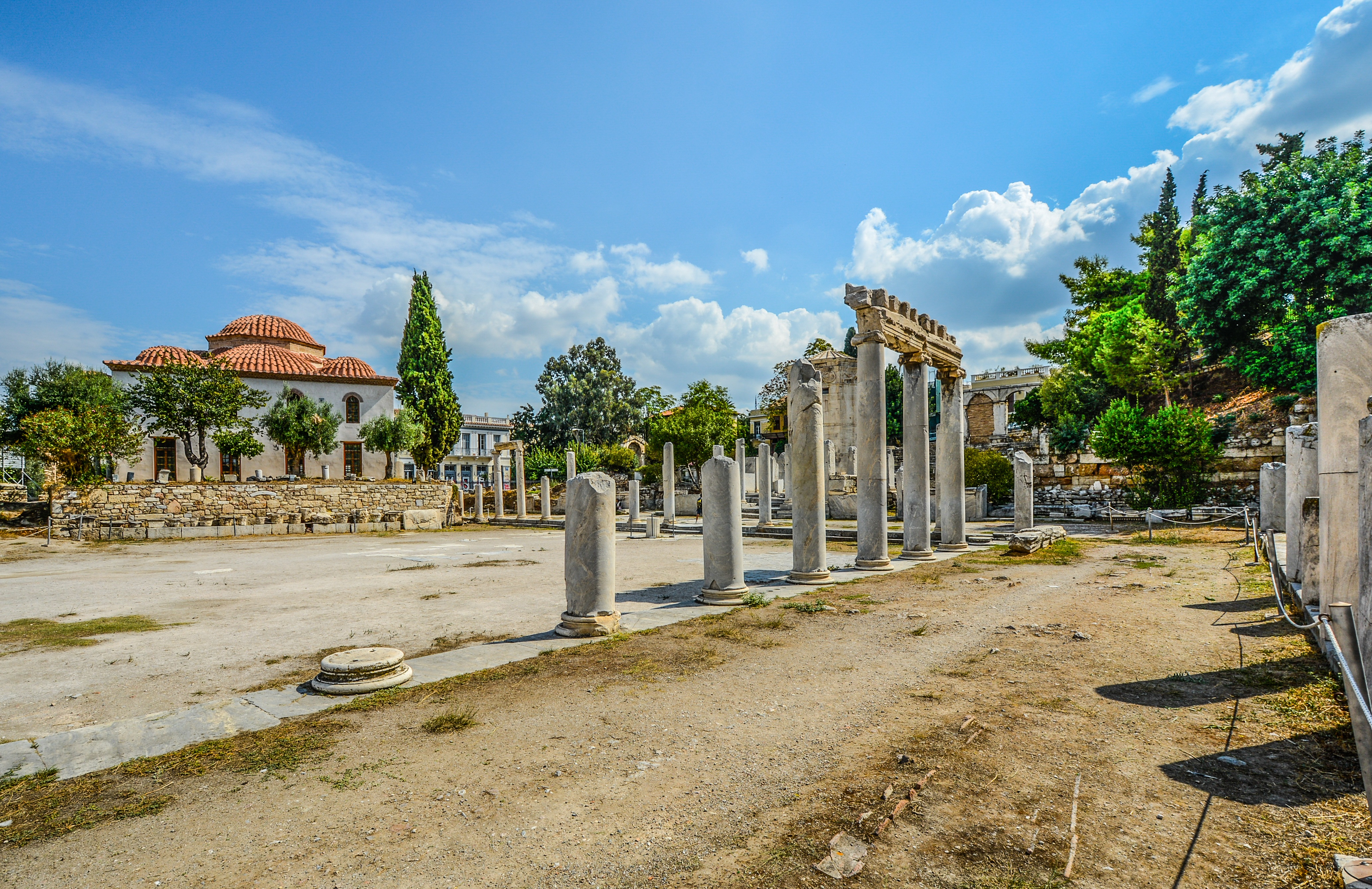
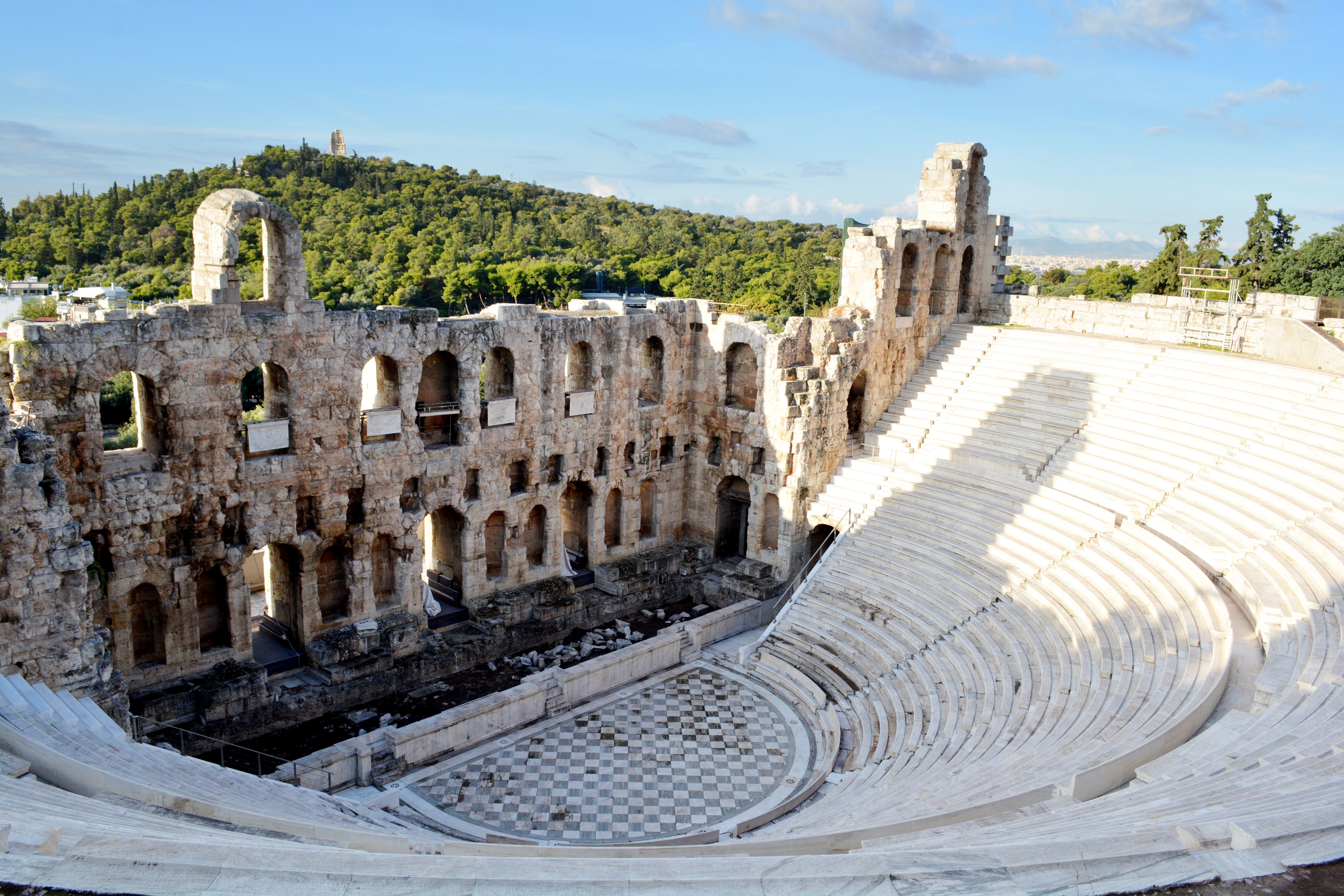
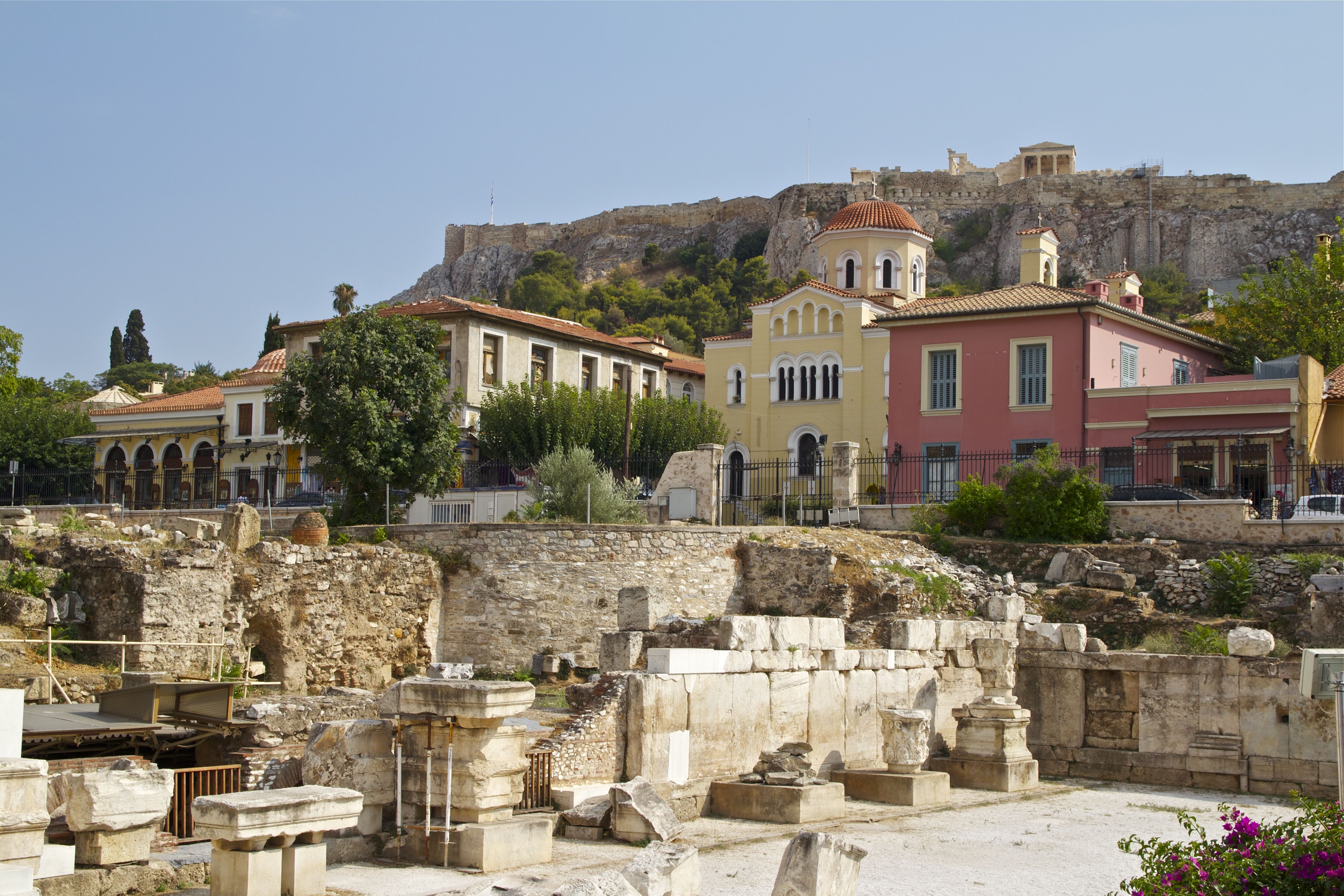
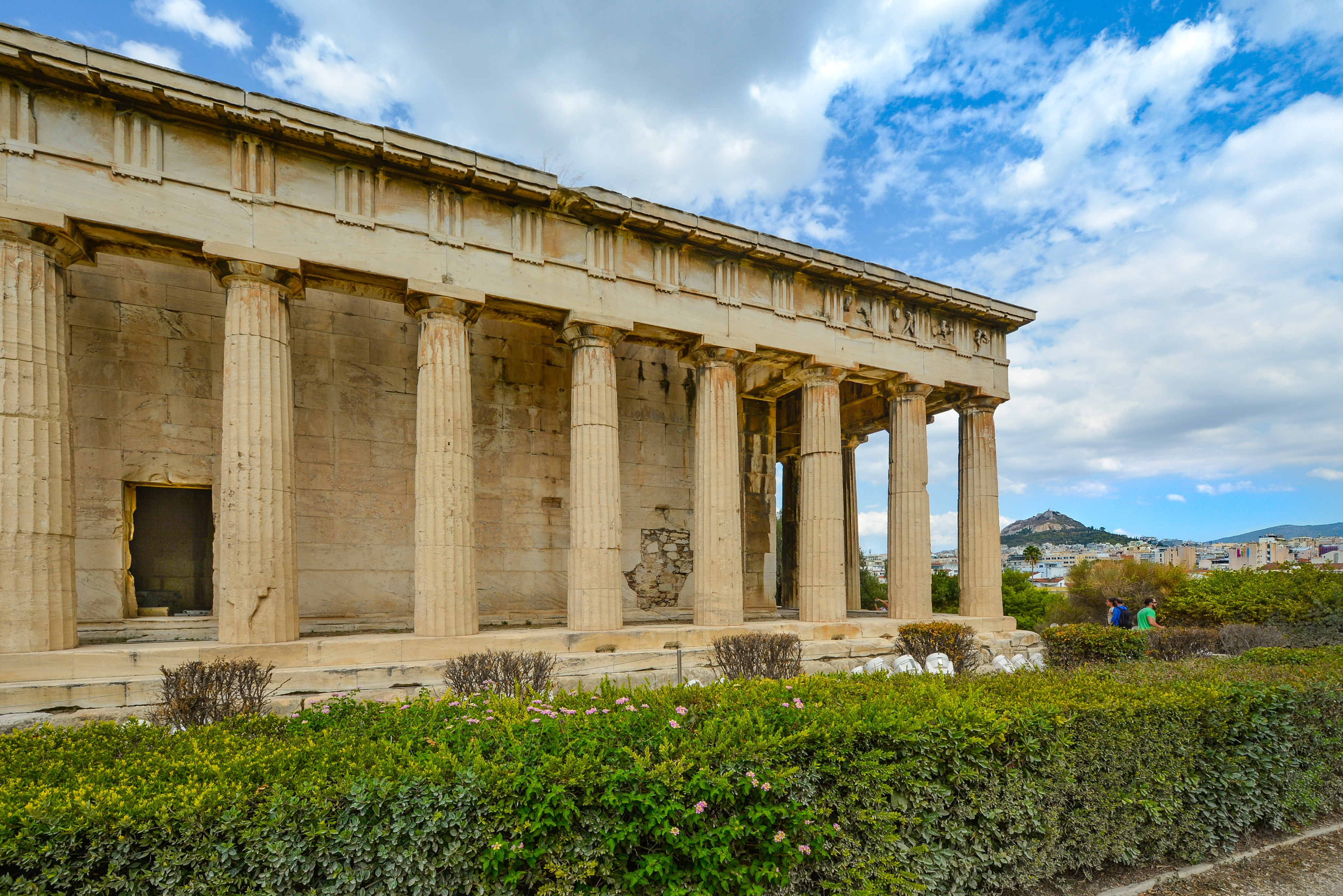
It's no wonder that all roads lead to the fascinating and maddening metropolis of Athens. Lift your eyes 200 feet above the city to the Parthenon, its honey-color marble columns rising from a massive limestone base, and you behold architectural perfection that has not been surpassed in 2,500 years. But, today, this shrine of classical form dominates a 21st-century boomtown. To experience Athens—Athína in Greek—fully is to understand the essence of Greece: ancient monuments surviving in a sea of cement, startling beauty amid the squalor, tradition juxtaposed with modernity. Locals depend on humor and flexibility to deal with the chaos; you should do the same. The rewards are immense. Although Athens covers a huge area, the major landmarks of the ancient Greek, Roman, and Byzantine periods are close to the modern city center. You can easily walk from the Acropolis to many other key sites, taking time to browse in shops and relax in cafés and tavernas along the way. From many quarters of the city you can glimpse "the glory that was Greece" in the form of the Acropolis looming above the horizon, but only by actually climbing that rocky precipice can you feel the impact of the ancient settlement. The Acropolis and Filopappou, two craggy hills sitting side by side; the ancient Agora (marketplace); and Kerameikos, the first cemetery, form the core of ancient and Roman Athens. Along the Unification of Archaeological Sites promenade, you can follow stone-paved, tree-lined walkways from site to site, undisturbed by traffic. Cars have also been banned or reduced in other streets in the historical center. In the National Archaeological Museum, vast numbers of artifacts illustrate the many millennia of Greek civilization; smaller museums such as the Goulandris Museum of Cycladic Art Museum and the Byzantine and Christian Museum illuminate the history of particular regions or periods. Athens may seem like one huge city, but it is really a conglomeration of neighborhoods with distinctive characters. The Eastern influences that prevailed during the 400-year rule of the Ottoman Empire are still evident in Monastiraki, the bazaar area near the foot of the Acropolis. On the northern slope of the Acropolis, stroll through Plaka (if possible by moonlight), an area of tranquil streets lined with renovated mansions, to get the flavor of the 19th-century's gracious lifestyle. The narrow lanes of Anafiotika, a section of Plaka, thread past tiny churches and small, color-washed houses with wooden upper stories, recalling a Cycladic island village. In this maze of winding streets, vestiges of the older city are everywhere: crumbling stairways lined with festive tavernas; dank cellars filled with wine vats; occasionally a court or diminutive garden, enclosed within high walls and filled with magnolia trees and the flaming trumpet-shaped flowers of hibiscus bushes. Formerly run-down old quarters, such as Thission, Gazi and Psirri, popular nightlife areas filled with bars and mezedopoleia (similar to tapas bars), are now in the process of gentrification, although they still retain much of their original charm, as does the colorful produce and meat market on Athinas. The area around Syntagma Square, the tourist hub, and Omonia Square, the commercial heart of the city about 1 km (½ mi) northwest, is distinctly European, having been designed by the court architects of King Otho, a Bavarian, in the 19th century. The chic shops and bistros of ritzy Kolonaki nestle at the foot of Mt. Lycabettus, Athens's highest hill (909 feet). Each of Athens's outlying suburbs has a distinctive character: in the north is wealthy, tree-lined Kifissia, once a summer resort for aristocratic Athenians, and in the south and southeast lie Glyfada, Voula, and Vouliagmeni, with their sandy beaches, seaside bars, and lively summer nightlife. Just beyond the city's southern fringes is Piraeus, a bustling port city of waterside fish tavernas and Saronic Gulf views.

About Piraeus
It's no wonder that all roads lead to the fascinating and maddening metropolis of Athens. Lift your eyes 200 feet above the city to the Parthenon, its honey-color marble columns rising from a massive limestone base, and you behold architectural perfection that has not been surpassed in 2,500 years. But, today, this shrine of classical form dominates a 21st-century boomtown. To experience Athens—Athína in Greek—fully is to understand the essence of Greece: ancient monuments surviving in a sea of cement, startling beauty amid the squalor, tradition juxtaposed with modernity. Locals depend on humor and flexibility to deal with the chaos; you should do the same. The rewards are immense. Although Athens covers a huge area, the major landmarks of the ancient Greek, Roman, and Byzantine periods are close to the modern city center. You can easily walk from the Acropolis to many other key sites, taking time to browse in shops and relax in cafés and tavernas along the way. From many quarters of the city you can glimpse "the glory that was Greece" in the form of the Acropolis looming above the horizon, but only by actually climbing that rocky precipice can you feel the impact of the ancient settlement. The Acropolis and Filopappou, two craggy hills sitting side by side; the ancient Agora (marketplace); and Kerameikos, the first cemetery, form the core of ancient and Roman Athens. Along the Unification of Archaeological Sites promenade, you can follow stone-paved, tree-lined walkways from site to site, undisturbed by traffic. Cars have also been banned or reduced in other streets in the historical center. In the National Archaeological Museum, vast numbers of artifacts illustrate the many millennia of Greek civilization; smaller museums such as the Goulandris Museum of Cycladic Art Museum and the Byzantine and Christian Museum illuminate the history of particular regions or periods. Athens may seem like one huge city, but it is really a conglomeration of neighborhoods with distinctive characters. The Eastern influences that prevailed during the 400-year rule of the Ottoman Empire are still evident in Monastiraki, the bazaar area near the foot of the Acropolis. On the northern slope of the Acropolis, stroll through Plaka (if possible by moonlight), an area of tranquil streets lined with renovated mansions, to get the flavor of the 19th-century's gracious lifestyle. The narrow lanes of Anafiotika, a section of Plaka, thread past tiny churches and small, color-washed houses with wooden upper stories, recalling a Cycladic island village. In this maze of winding streets, vestiges of the older city are everywhere: crumbling stairways lined with festive tavernas; dank cellars filled with wine vats; occasionally a court or diminutive garden, enclosed within high walls and filled with magnolia trees and the flaming trumpet-shaped flowers of hibiscus bushes. Formerly run-down old quarters, such as Thission, Gazi and Psirri, popular nightlife areas filled with bars and mezedopoleia (similar to tapas bars), are now in the process of gentrification, although they still retain much of their original charm, as does the colorful produce and meat market on Athinas. The area around Syntagma Square, the tourist hub, and Omonia Square, the commercial heart of the city about 1 km (½ mi) northwest, is distinctly European, having been designed by the court architects of King Otho, a Bavarian, in the 19th century. The chic shops and bistros of ritzy Kolonaki nestle at the foot of Mt. Lycabettus, Athens's highest hill (909 feet). Each of Athens's outlying suburbs has a distinctive character: in the north is wealthy, tree-lined Kifissia, once a summer resort for aristocratic Athenians, and in the south and southeast lie Glyfada, Voula, and Vouliagmeni, with their sandy beaches, seaside bars, and lively summer nightlife. Just beyond the city's southern fringes is Piraeus, a bustling port city of waterside fish tavernas and Saronic Gulf views.
About Suda Bay, Crete
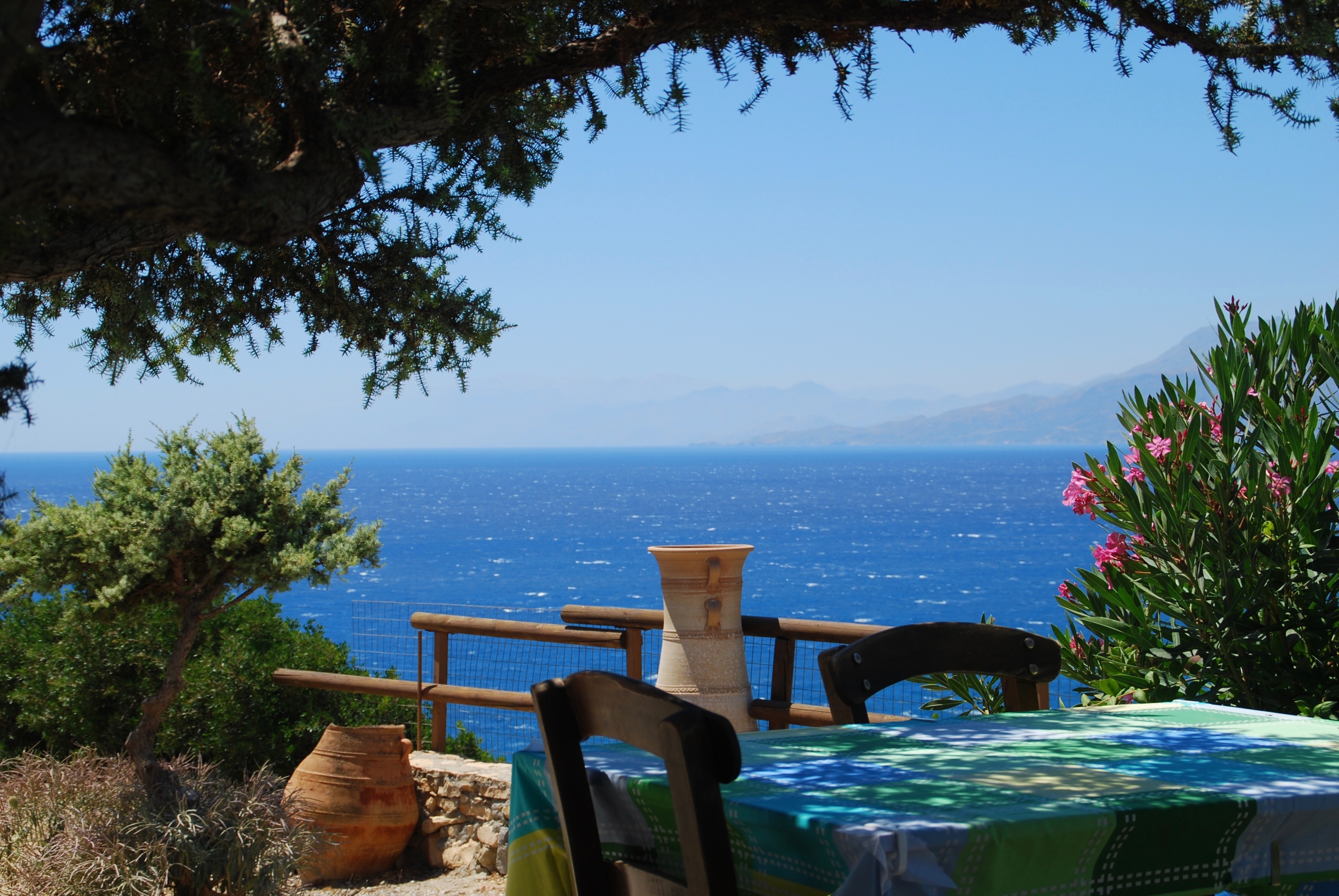
A call at Souda Bay promises sparkling beaches, engrossing history and no shortage of proud Maritime tradition. You'll drift past the fortified walls of Leon and Souda islands as you enter this natural harbour, which gives you access to all of Crete’s wonders, including Chania’s collection of fascinating museums, uncovered archaeological sites, and glorious Venetian architecture. Souda Bay's strategic positioning means it’s long been an important naval base – and Greek and UN bases still operate here today, on the northern rim of the bay. So it’s well worth travelling a little further out, to find heavenly beaches like the famous Elafonissi Beach - where pink sand and fizzing waves of crystal clear water, converge. The port here dates back to antiquity, when it was used to access the ancient city of Aptera. Visit the extraordinary archaeological site, to see the ruins of mighty empires – from the Romans to the Minoans – gradually emerging from the dusty ground, as excavations continue.
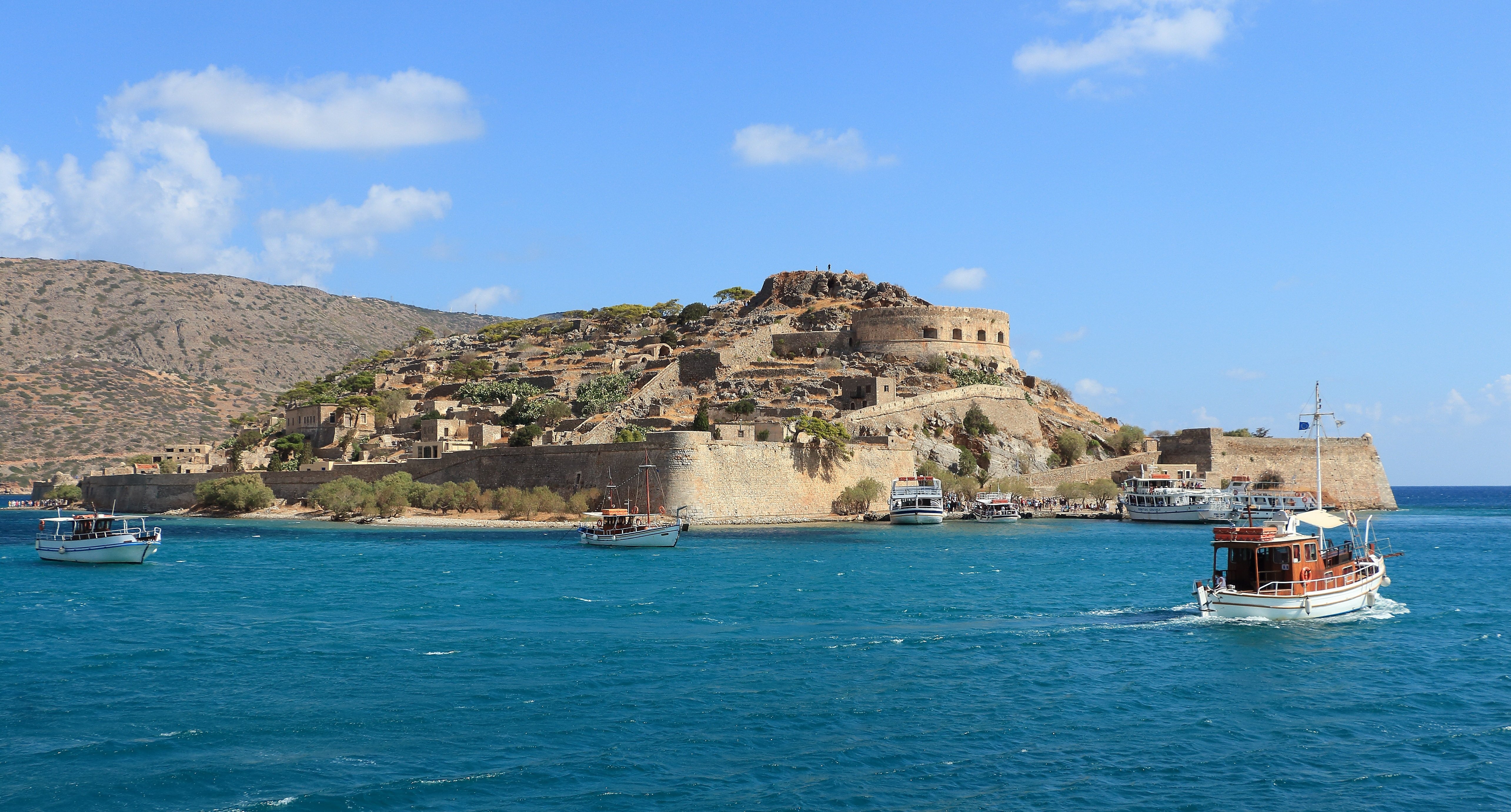
About Kalamáta
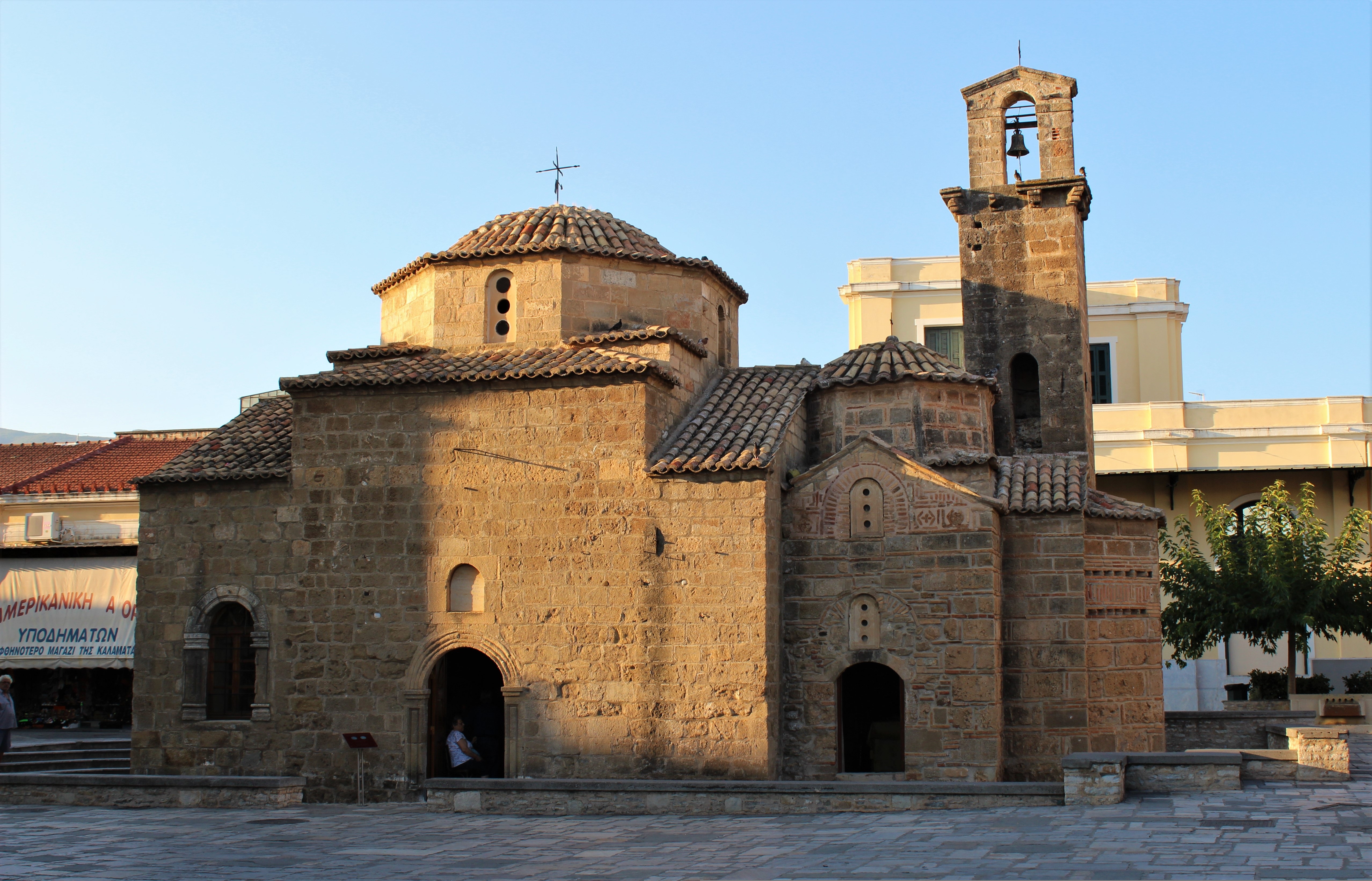
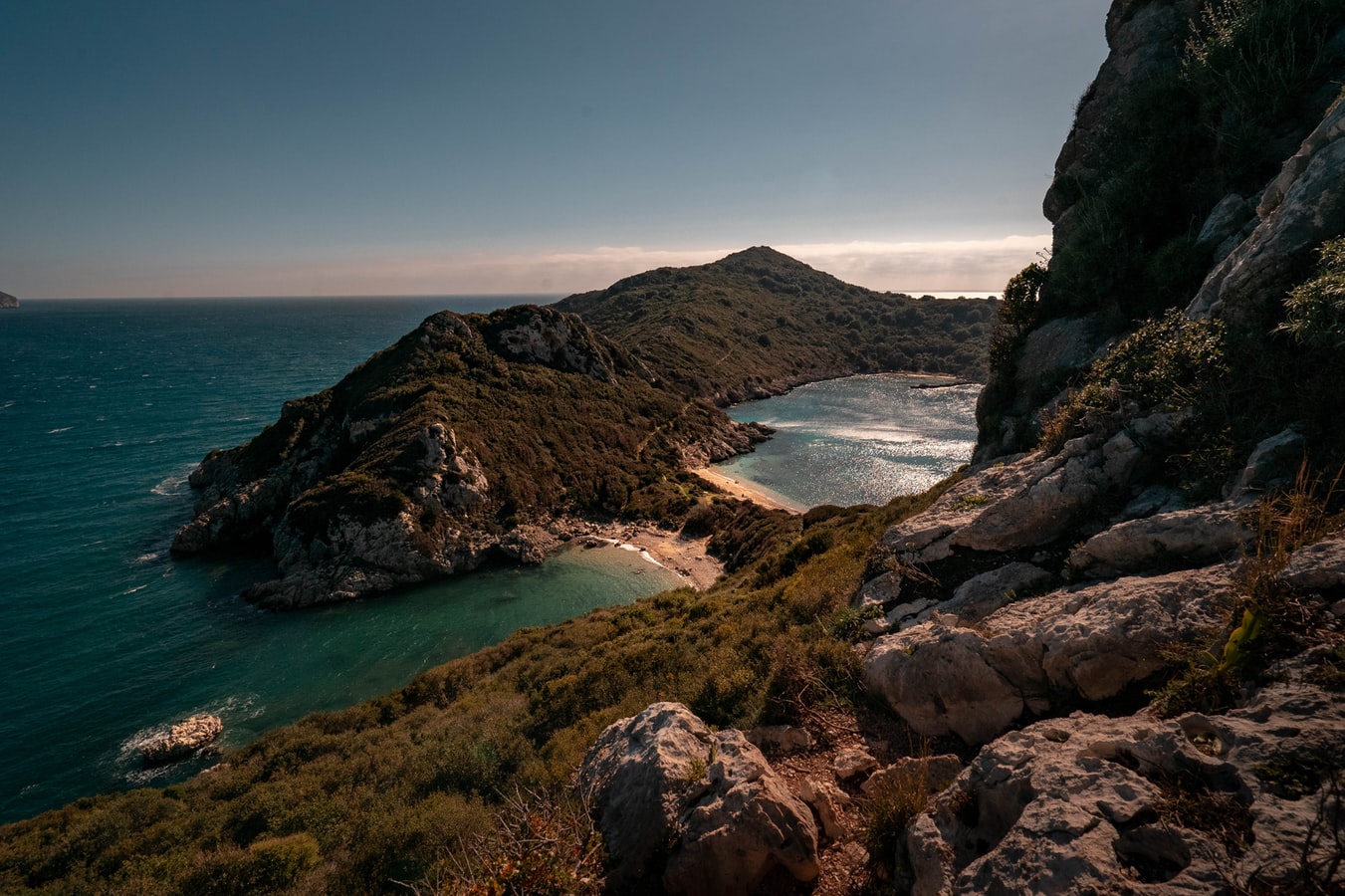
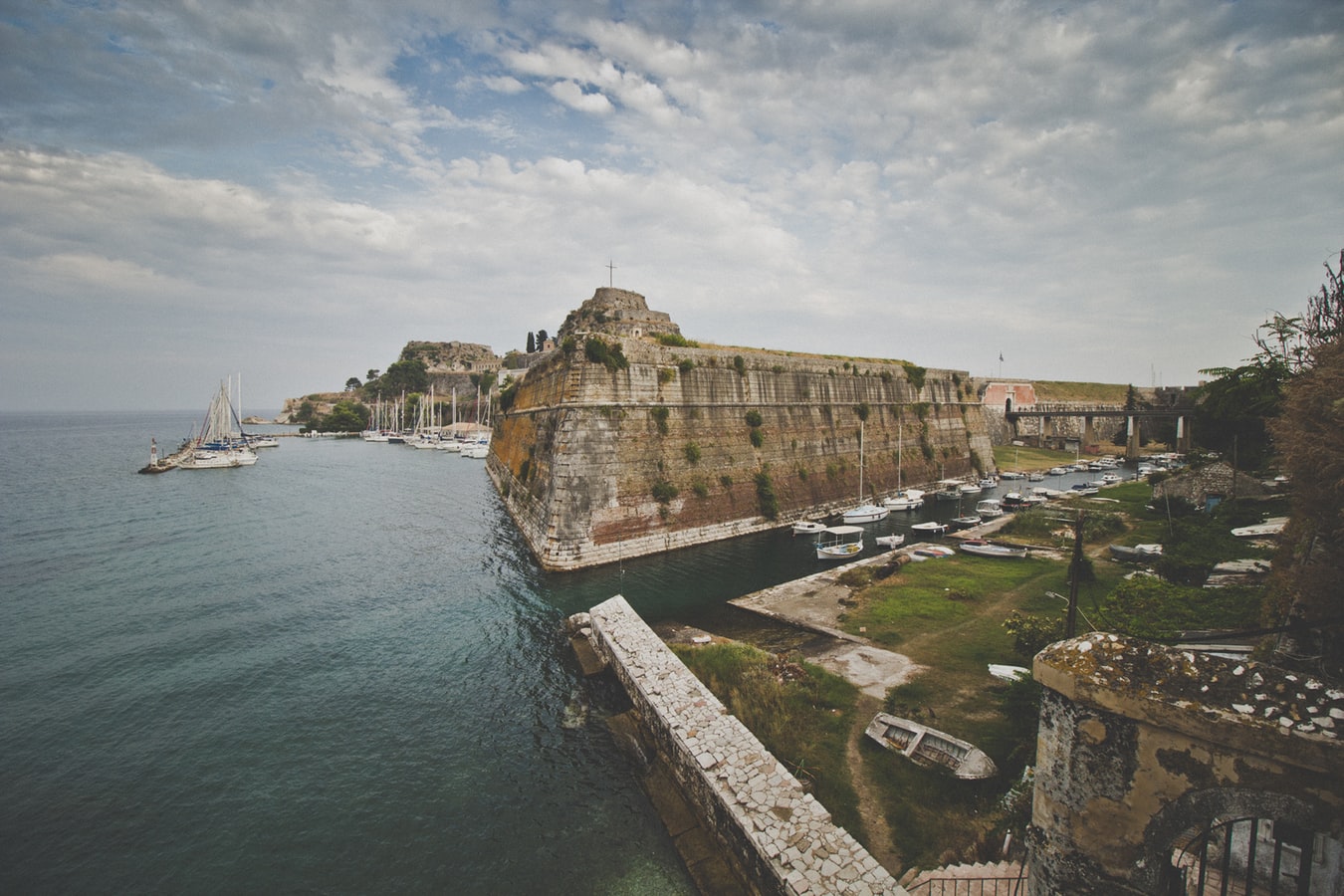
About Corfu
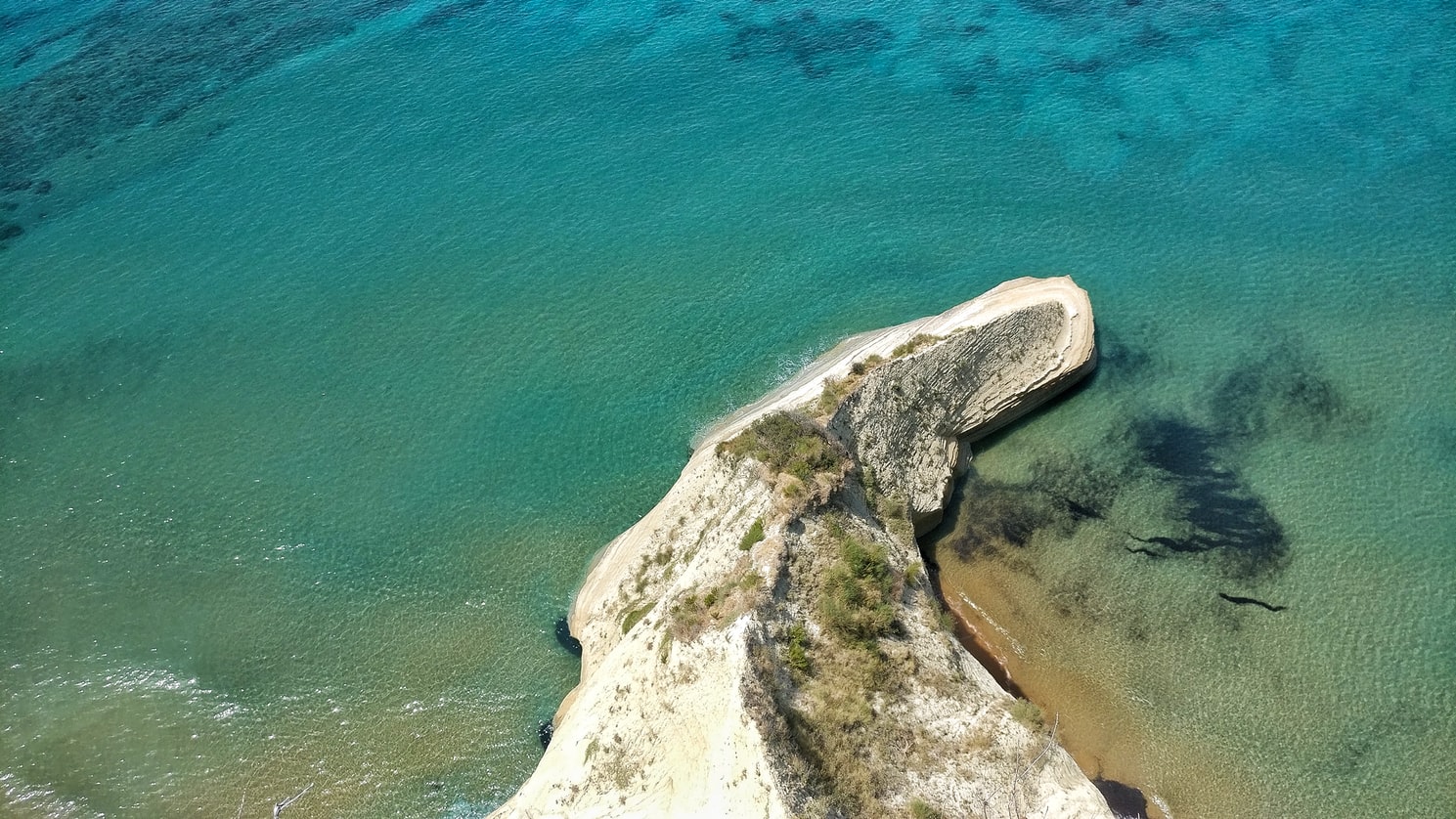
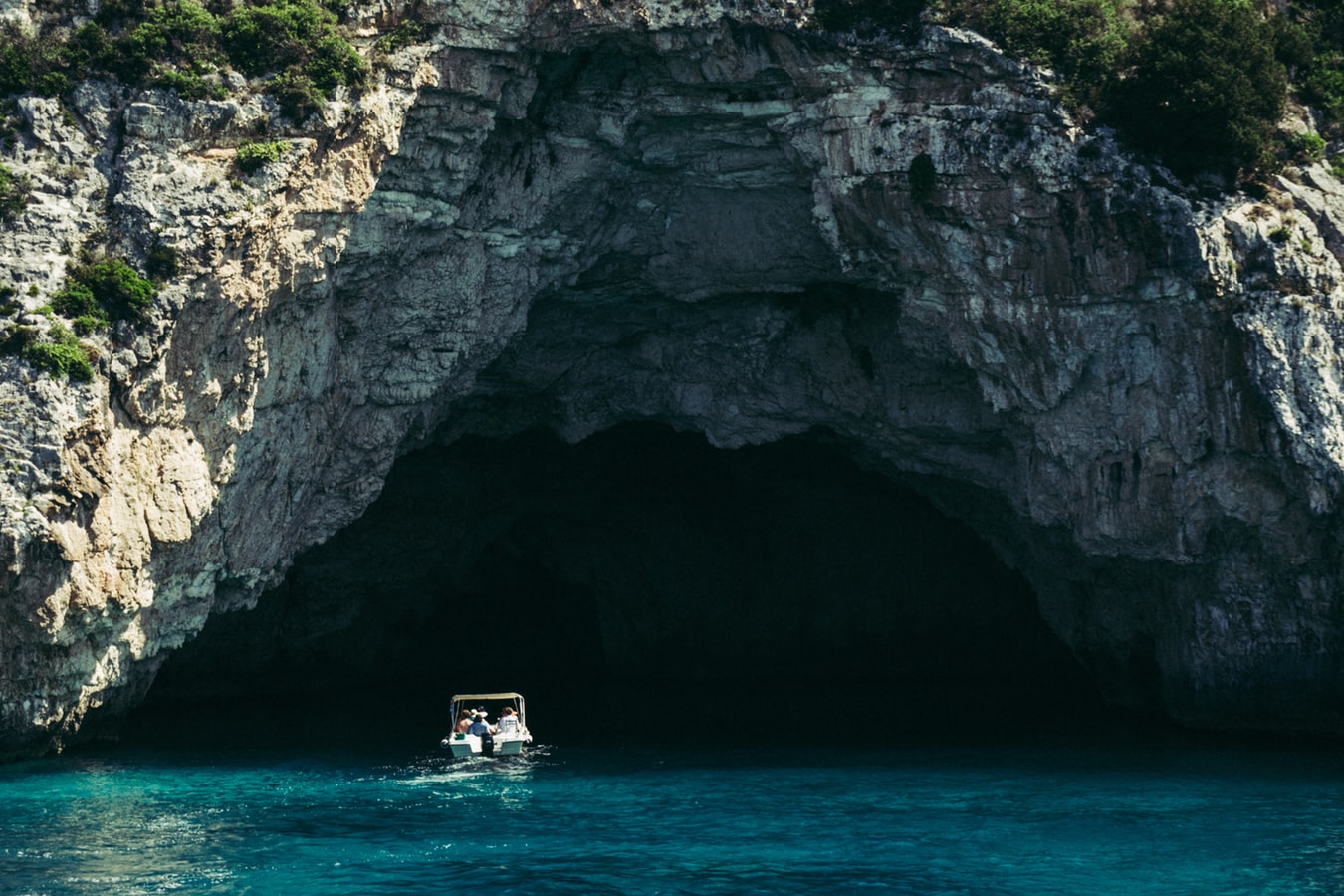
Corfu town today is a vivid tapestry of cultures—a sophisticated weave, where charm, history, and natural beauty blend. Located about midway along the island's east coast, this spectacularly lively capital is the cultural heart of Corfu and has a remarkable historic center that UNESCO designated as a World Heritage Site in 2007. All ships and planes dock or land near Corfu town, which occupies a small peninsula jutting into the Ionian Sea.Whether arriving by ferry from mainland Greece or Italy, from another island, or directly by plane, catch your breath by first relaxing with a coffee or a gelato in Corfu town's shaded Liston Arcade, then stroll the narrow lanes of its pedestrians-only quarter. For an overview of the immediate area, and a quick tour of Mon Repos palace, hop on the little tourist train that runs from May to September. Corfu town has a different feel at night, so book a table at one of its famed tavernas to savor the island's unique cuisine.The best way to get around Corfu town is on foot. The town is small enough so that you can easily walk to every sight. There are local buses, but they do not thread their way into the streets (many now car-free) of the historic center. If you are arriving by ferry or plane, it's best to take a taxi to your hotel. Expect to pay about €10 from the airport or ferry terminal to a hotel in Corfu town. If there are no taxis waiting, you can call for one.
About Dubrovnik
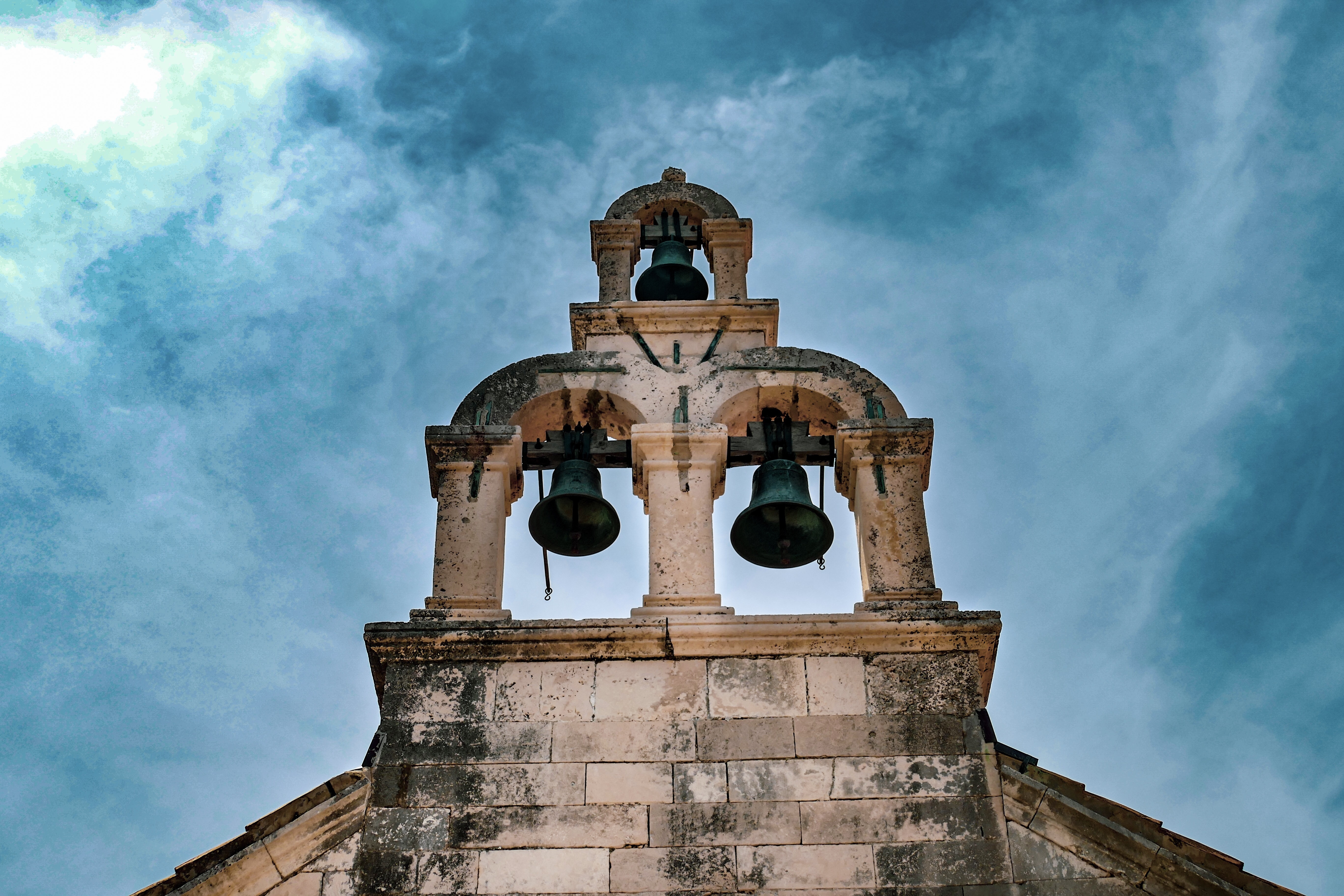
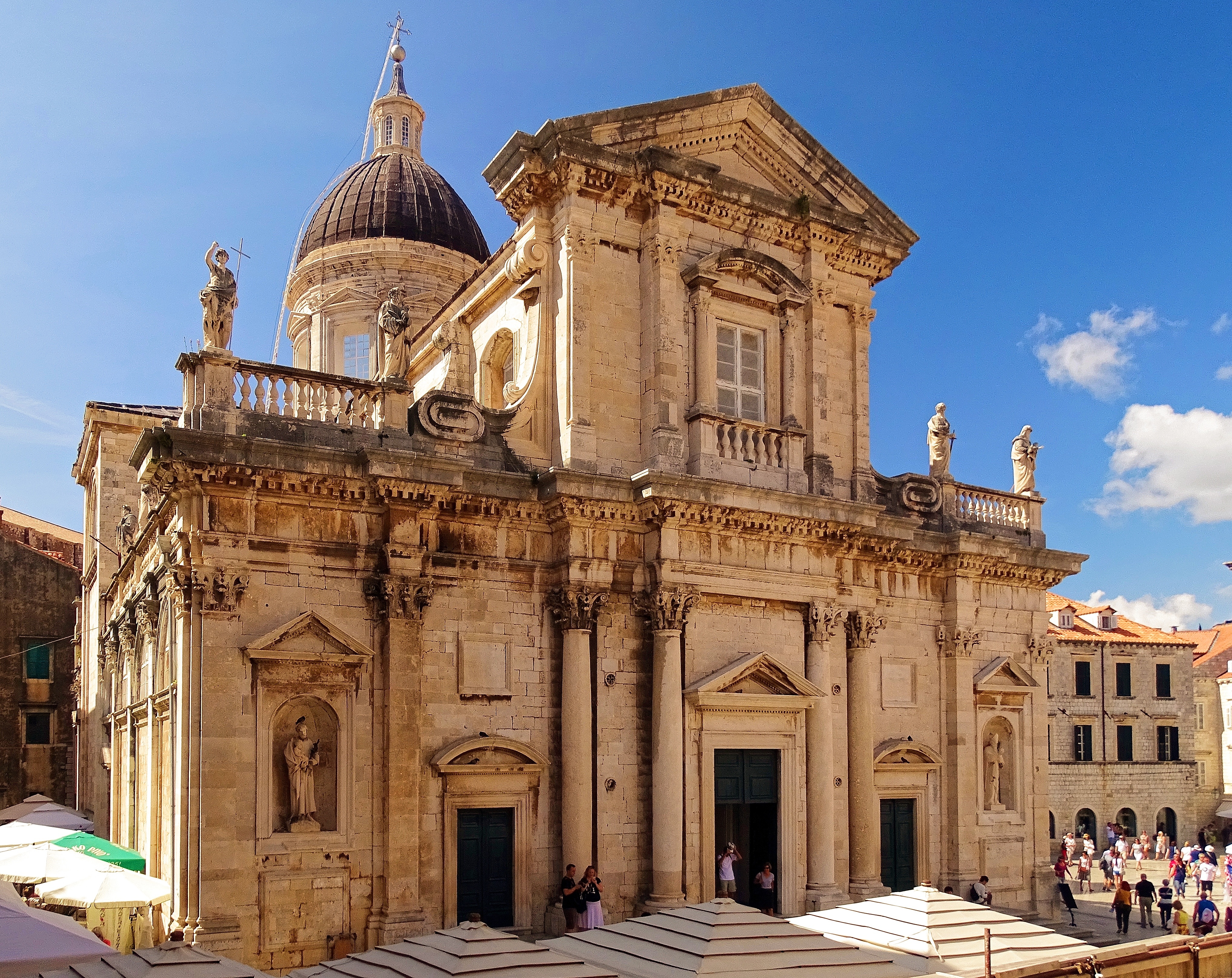
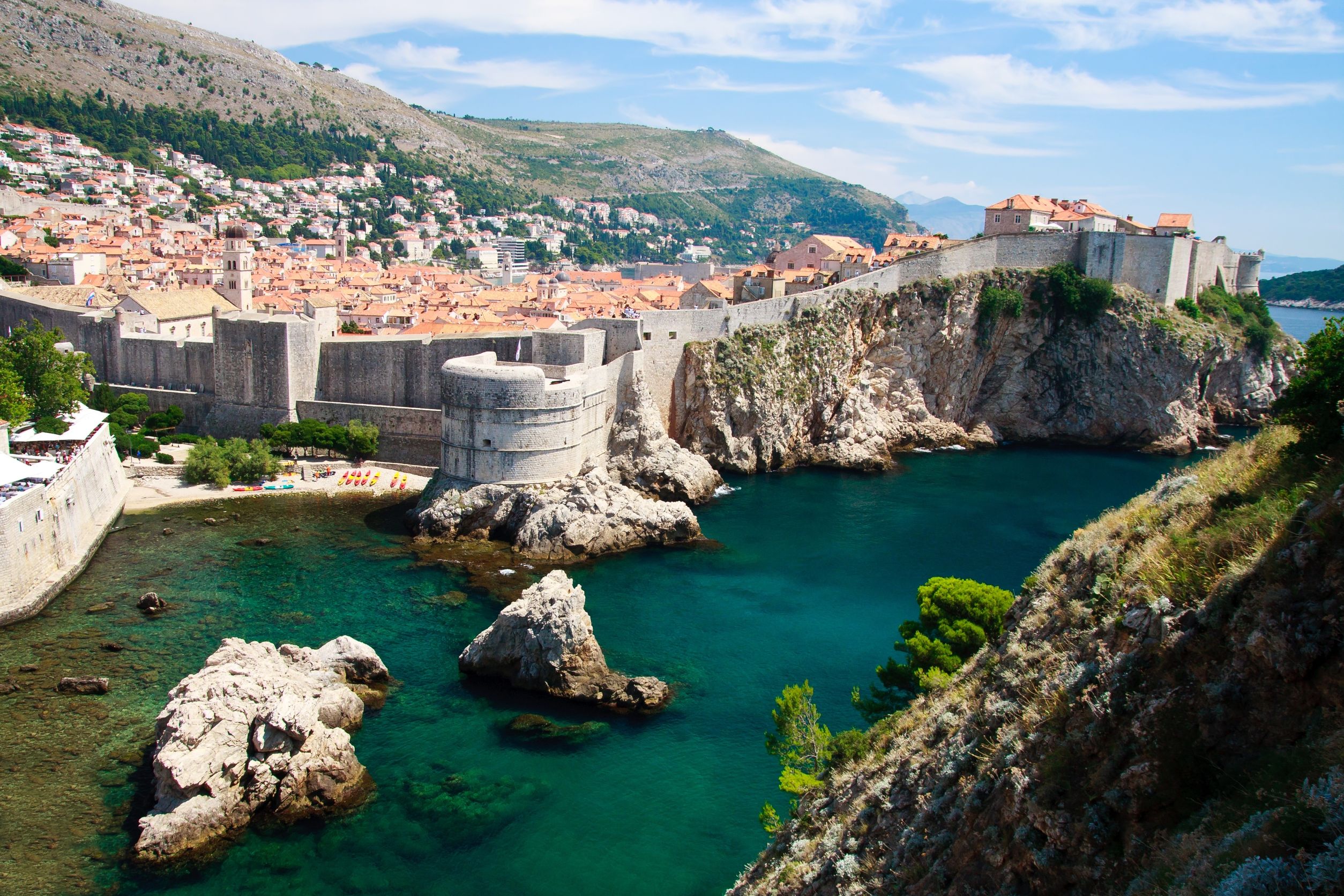
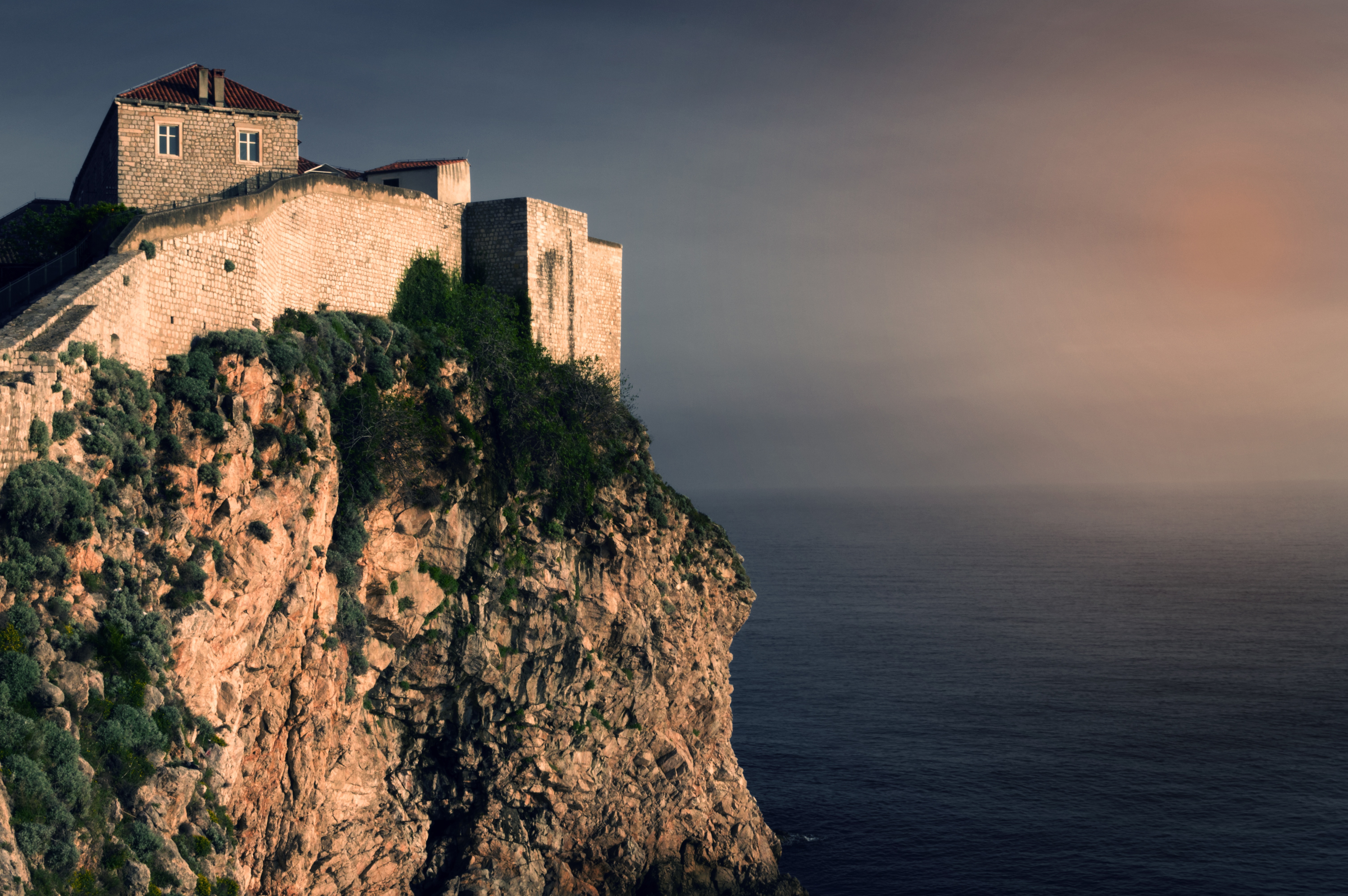
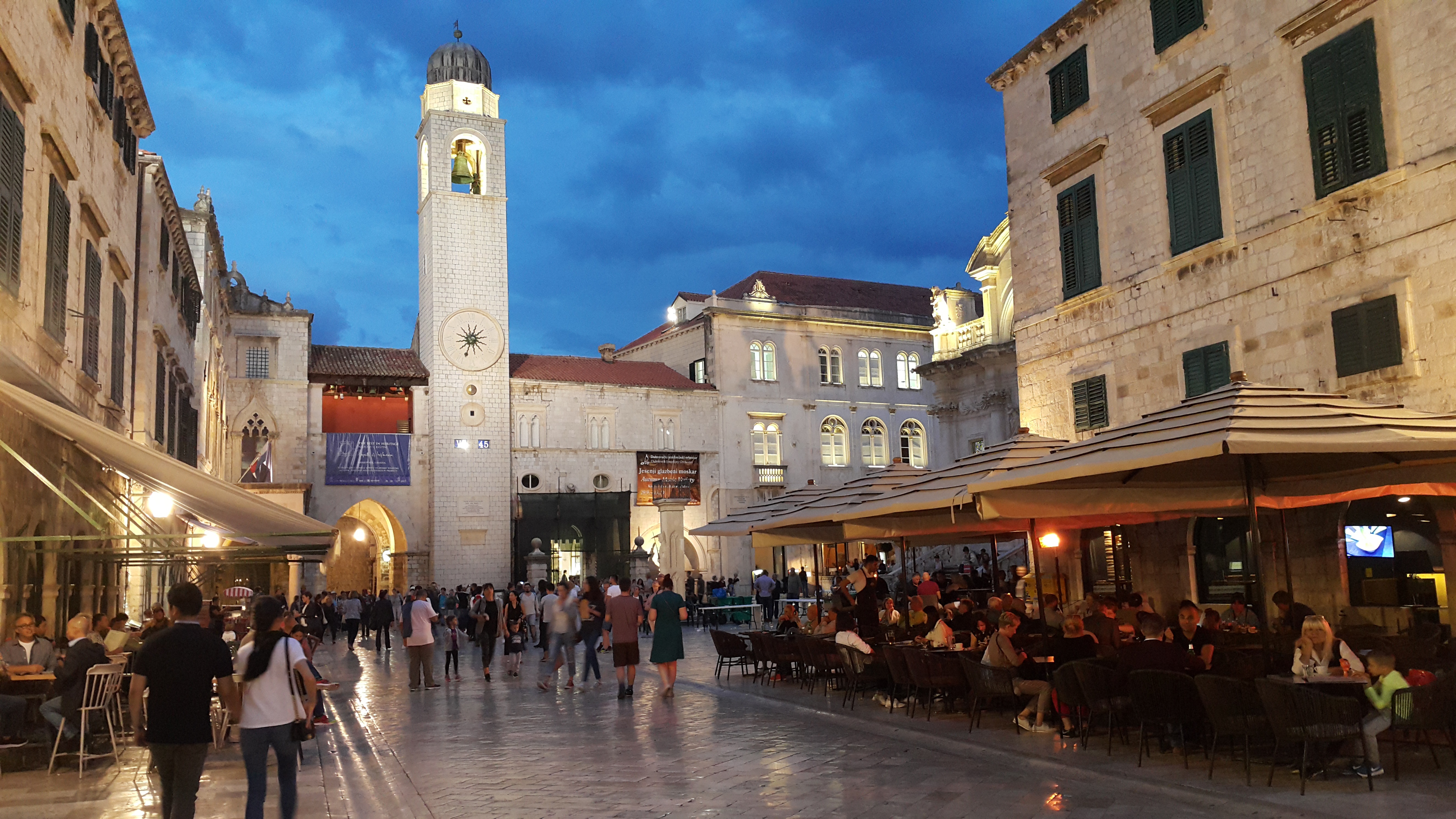
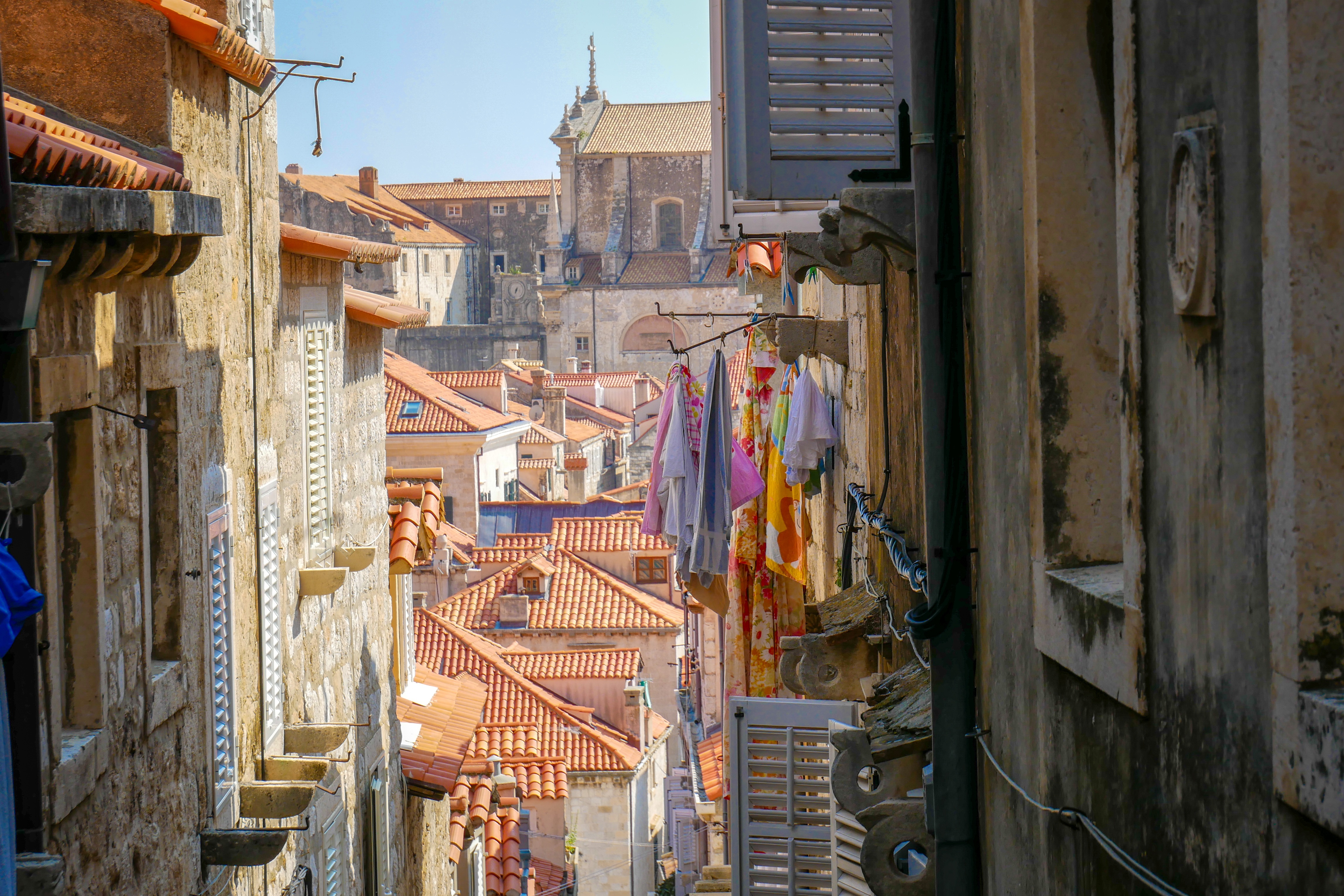
Nothing can prepare you for your first sight of Dubrovnik. Lying 216 km (135 miles) southeast of Split and commanding a jaw-dropping coastal location, it is one of the world's most beautiful fortified cities. Its massive stone ramparts and fortress towers curve around a tiny harbor, enclosing graduated ridges of sun-bleached orange-tiled roofs, copper domes, and elegant bell towers. Your imagination will run wild picturing what it looked like seven centuries ago when the walls were built, without any suburbs or highways around it, just this magnificent stone city rising out of the sea.In the 7th century AD, residents of the Roman city Epidaurum (now Cavtat) fled the Avars and Slavs of the north and founded a new settlement on a small rocky island, which they named Laus, and later Ragusa. On the mainland hillside opposite the island, the Slav settlement called Dubrovnik grew up. In the 12th century the narrow channel separating the two settlements was filled in (now the main street through the Old Town, called Stradun), and Ragusa and Dubrovnik became one. The city was surrounded by defensive walls during the 13th century, and these were reinforced with towers and bastions in the late 15th century.From 1358 to 1808 the city thrived as a powerful and remarkably sophisticated independent republic, reaching its golden age during the 16th century. In 1667 many of its splendid Gothic and Renaissance buildings were destroyed by an earthquake. The defensive walls survived the disaster, and the city was rebuilt in baroque style.Dubrovnik lost its independence to Napoléon in 1808, and in 1815 passed to Austria-Hungary. During the 20th century, as part of Yugoslavia, the city became a popular tourist destination, and in 1979 it was listed as a UNESCO World Heritage Site. During the war for independence, it came under heavy siege. Thanks to careful restoration, few traces of damage remain; however, there are maps inside the Pile and Ploče Gates illustrating the points around the city where damage was done. It’s only when you experience Dubrovnik yourself that you can understand what a treasure the world nearly lost
About Ancona
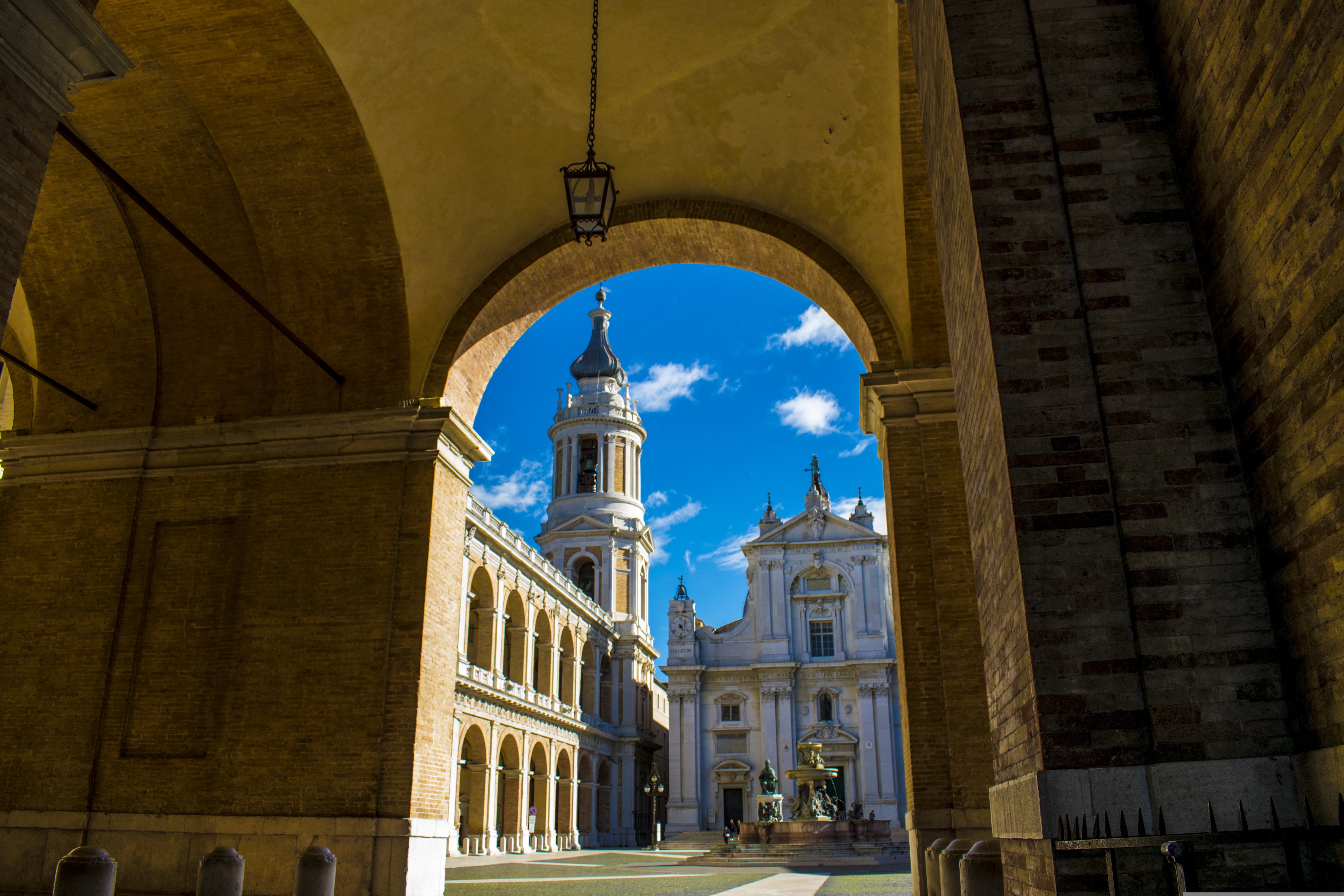
Ancona is the capital of Italy's Marche region. Ancona's main attraction is her tactile museum for the blinds. It's also a great place to take a dip and enjoy great sea views under the sunshine.
About Fusina
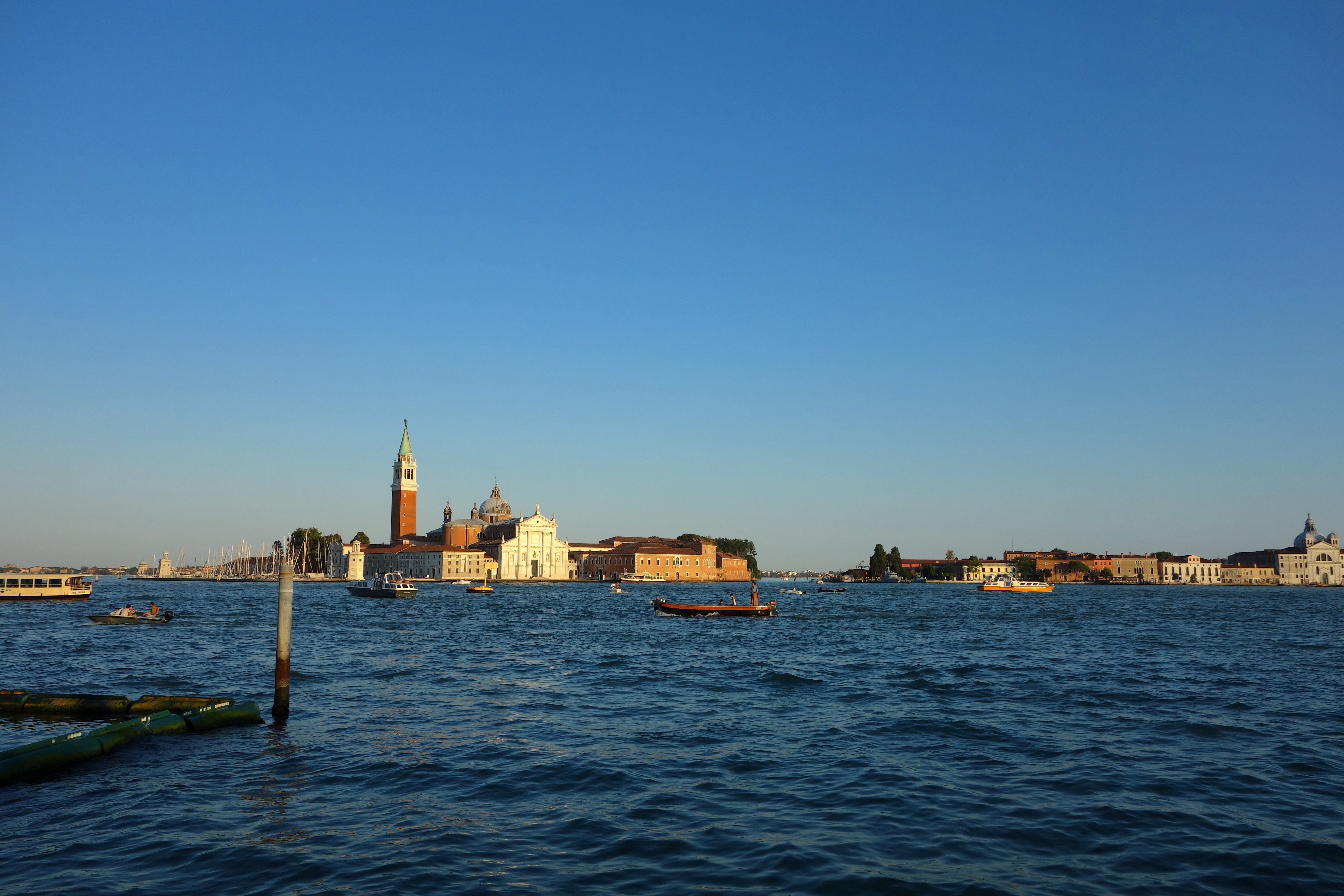
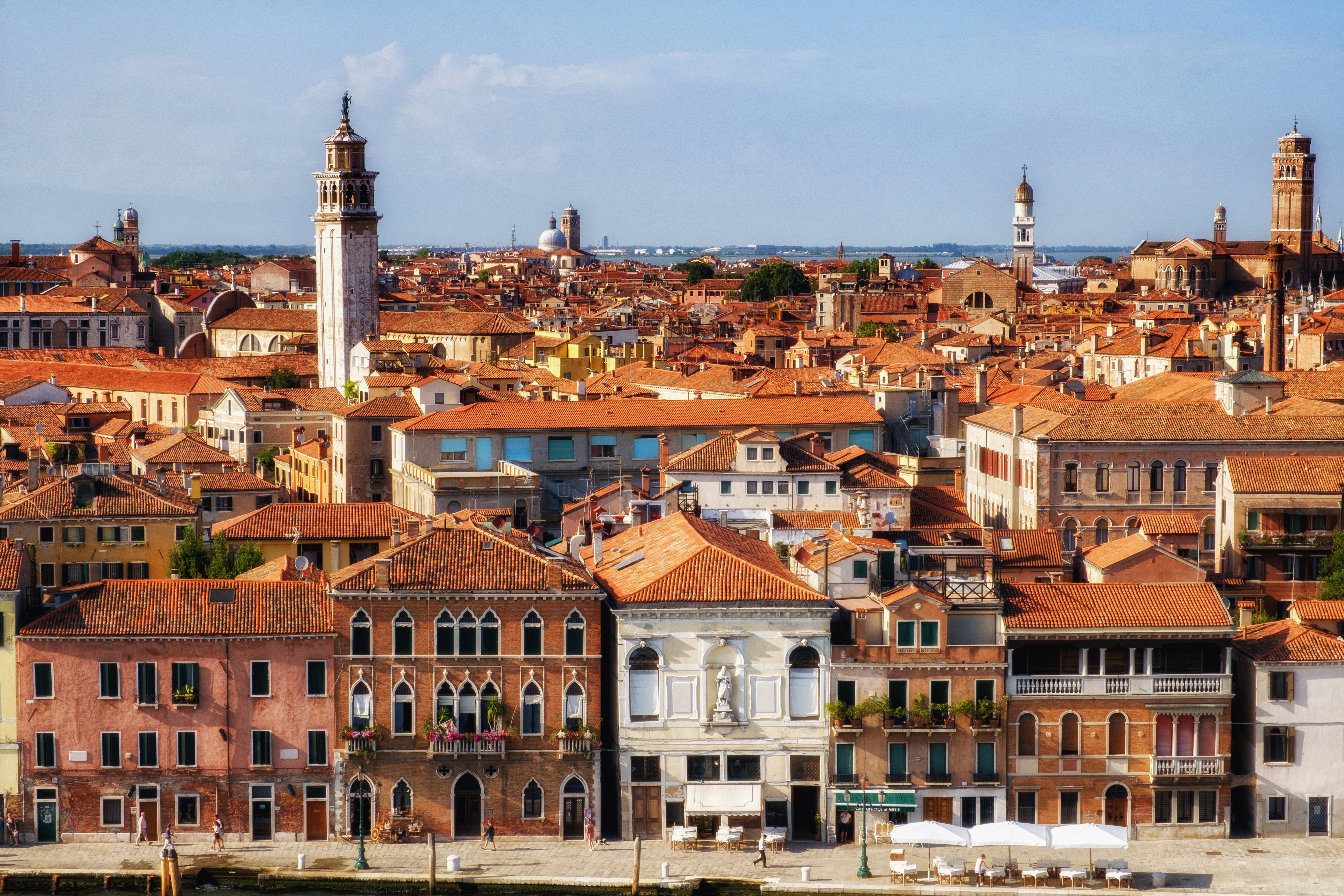
About Zadar
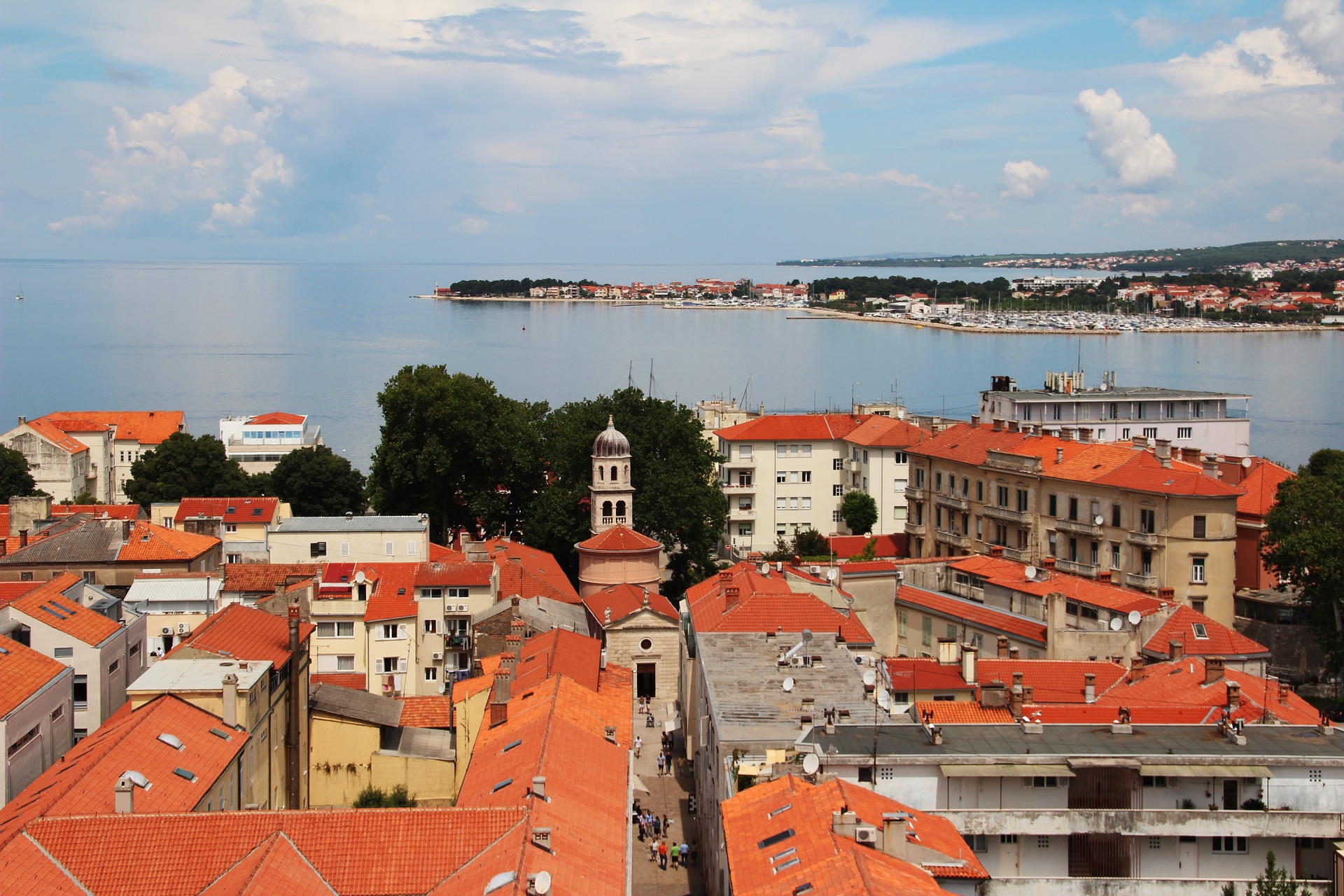
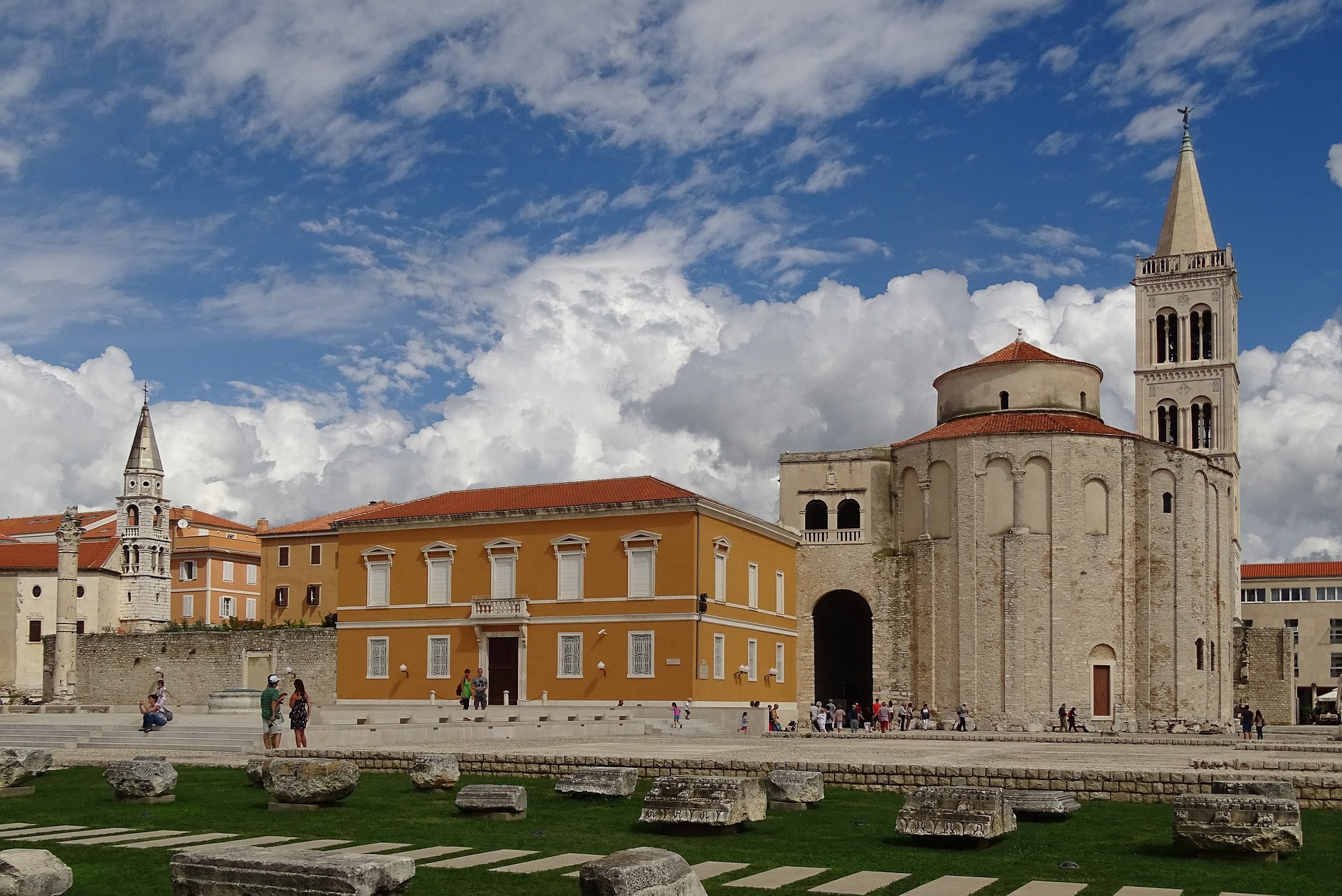
Dalmatia's capital for more than 1,000 years, Zadar is all too often passed over by travelers on their way to Split or Dubrovnik. What they miss out on is a city of more than 73,000 that is remarkably lovely and lively despite—and, in some measure, because of—its tumultuous history. The Old Town, separated from the rest of the city on a peninsula some 4 km (2½ miles) long and just 1,640 feet wide, is bustling and beautiful: the marble pedestrian streets are replete with Roman ruins, medieval churches, palaces, museums, archives, and libraries. Parts of the new town are comparatively dreary, a testament to what a world war followed by decades of communism, not to mention a civil war, can do to the architecture of a city that is 3,000 years old. A settlement had already existed on the site of the present-day city for some 2,000 years when Rome finally conquered Zadar in the 1st century BC; the foundations of the forum can be seen today. Before the Romans came the Liburnians had made it a key center for trade with the Greeks and Romans for 800 years. In the 3rd century BC the Romans began to seriously pester the Liburnians, but required two centuries to bring the area under their control. During the Byzantine era, Zadar became the capital of Dalmatia, and this period saw the construction of its most famous church, the 9th-century St. Donat's Basilica. It remained the region's foremost city through the ensuing centuries. The city then experienced successive onslaughts and occupations—both long and short—by the Osogoths, the Croatian-Hungarian kings, the Venetians, the Turks, the Habsburgs, the French, the Habsburgs again, and finally the Italians before becoming part of Yugoslavia and, in 1991, the independent republic of Croatia. Zadar was for centuries an Italian-speaking city, and Italian is still spoken widely, especially by older people. Indeed, it was ceded to Italy in 1921 under the Treaty of Rapallo (and reverted to its Italian name of Zara). Its occupation by the Germans from 1943 led to intense bombing by the Allies during World War II, which left most of the city in ruins. Zadar became part of Tito's Yugoslavia in 1947, prompting many Italian residents to leave. Zadar's most recent ravages occurred during a three-month siege by Serb forces and months more of bombardment during the Croatian-Serbian war between 1991 and 1995. But you'd be hard-pressed to find outward signs of this today in what is a city to behold. There are helpful interpretive signs in English all around the Old Town, so you certainly won't feel lost when trying to make sense of the wide variety of architectural sites you might otherwise pass by with only a cursory look.
About Split
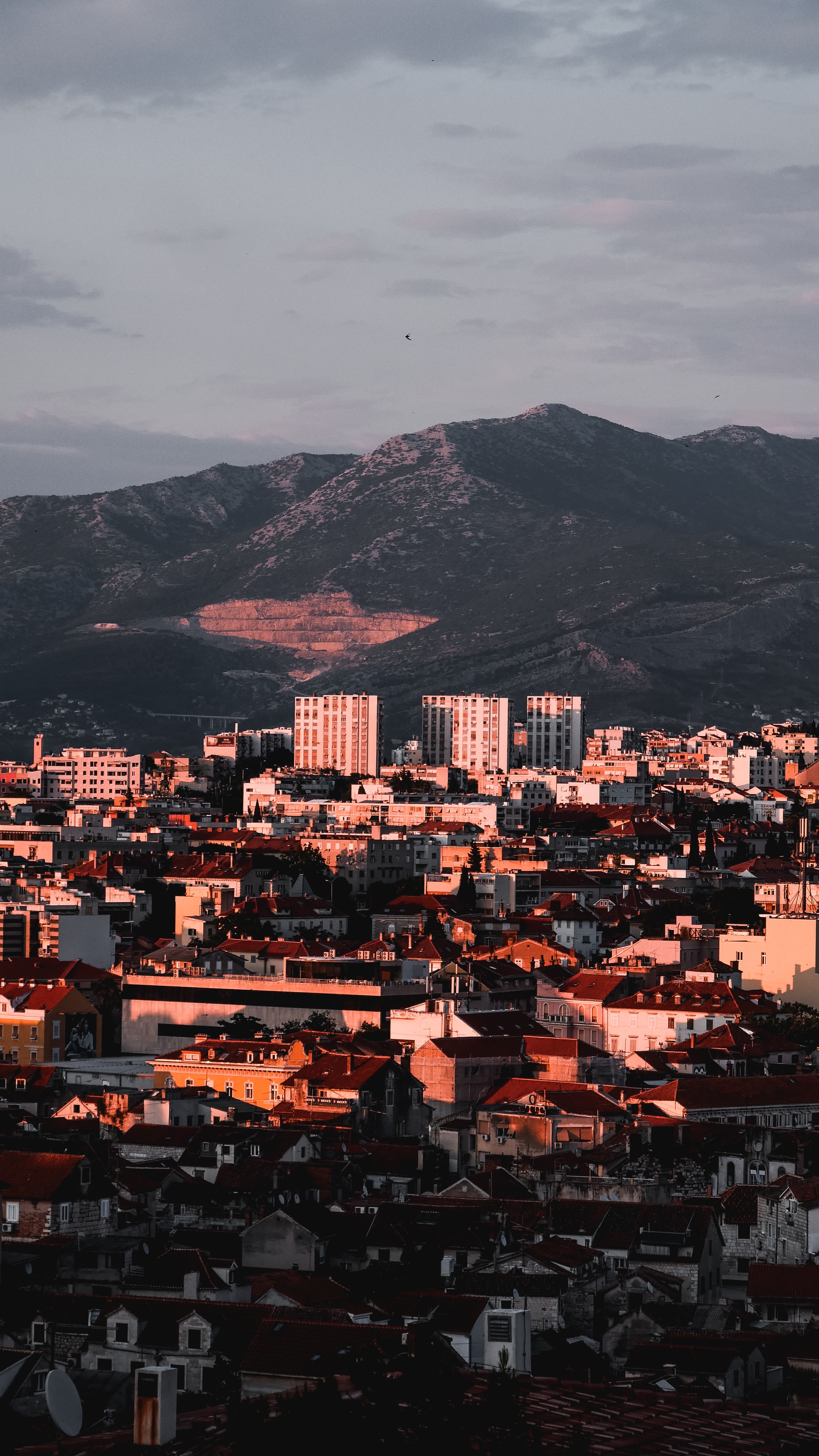
Split's ancient core is so spectacular and unusual that a visit is more than worth your time. The heart of the city lies within the walls of Roman emperor Diocletian's retirement palace, which was built in the 3rd century AD. Diocletian, born in the nearby Roman settlement of Salona in AD 245, achieved a brilliant career as a soldier and became emperor at the age of 40. In 295 he ordered this vast palace to be built in his native Dalmatia, and when it was completed he stepped down from the throne and retired to his beloved homeland. Upon his death, he was laid to rest in an octagonal mausoleum, around which Split's magnificent cathedral was built.In 615, when Salona was sacked by barbarian tribes, those fortunate enough to escape found refuge within the stout palace walls and divided up the vast imperial apartments into more modest living quarters. Thus, the palace developed into an urban center, and by the 11th century the settlement had expanded beyond the ancient walls.Under the rule of Venice (1420–1797), Split—as a gateway to the Balkan interior—became one of the Adriatic's main trading ports, and the city's splendid Renaissance palaces bear witness to the affluence of those times. When the Habsburgs took control during the 19th century, an overland connection to Central Europe was established by the construction of the Split–Zagreb–Vienna railway line.After World War II, the Tito years saw a period of rapid urban expansion: industrialization accelerated and the suburbs extended to accommodate high-rise apartment blocks. Today the historic center of Split is included on UNESCO's list of World Heritage Sites.

About Bari
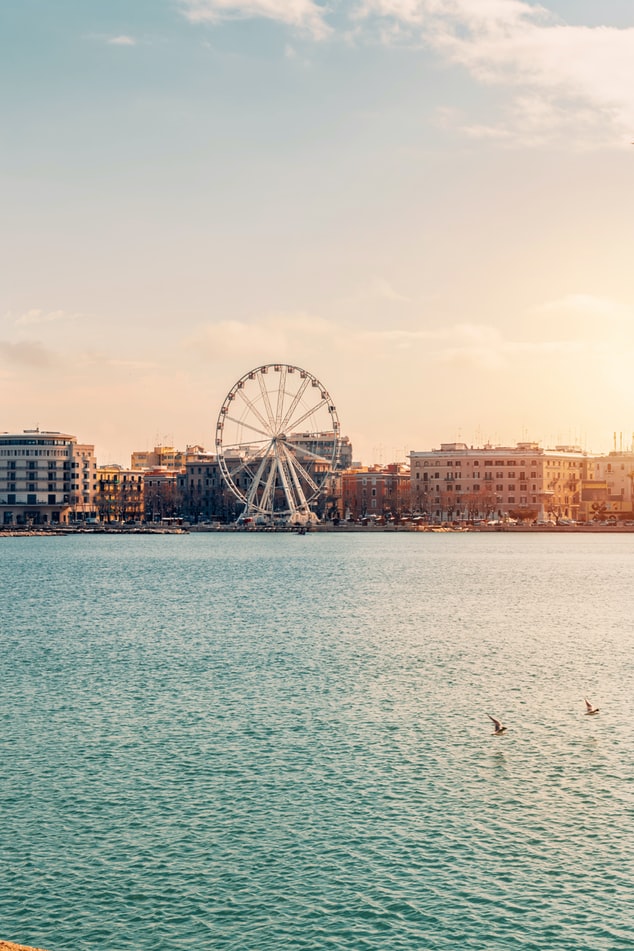
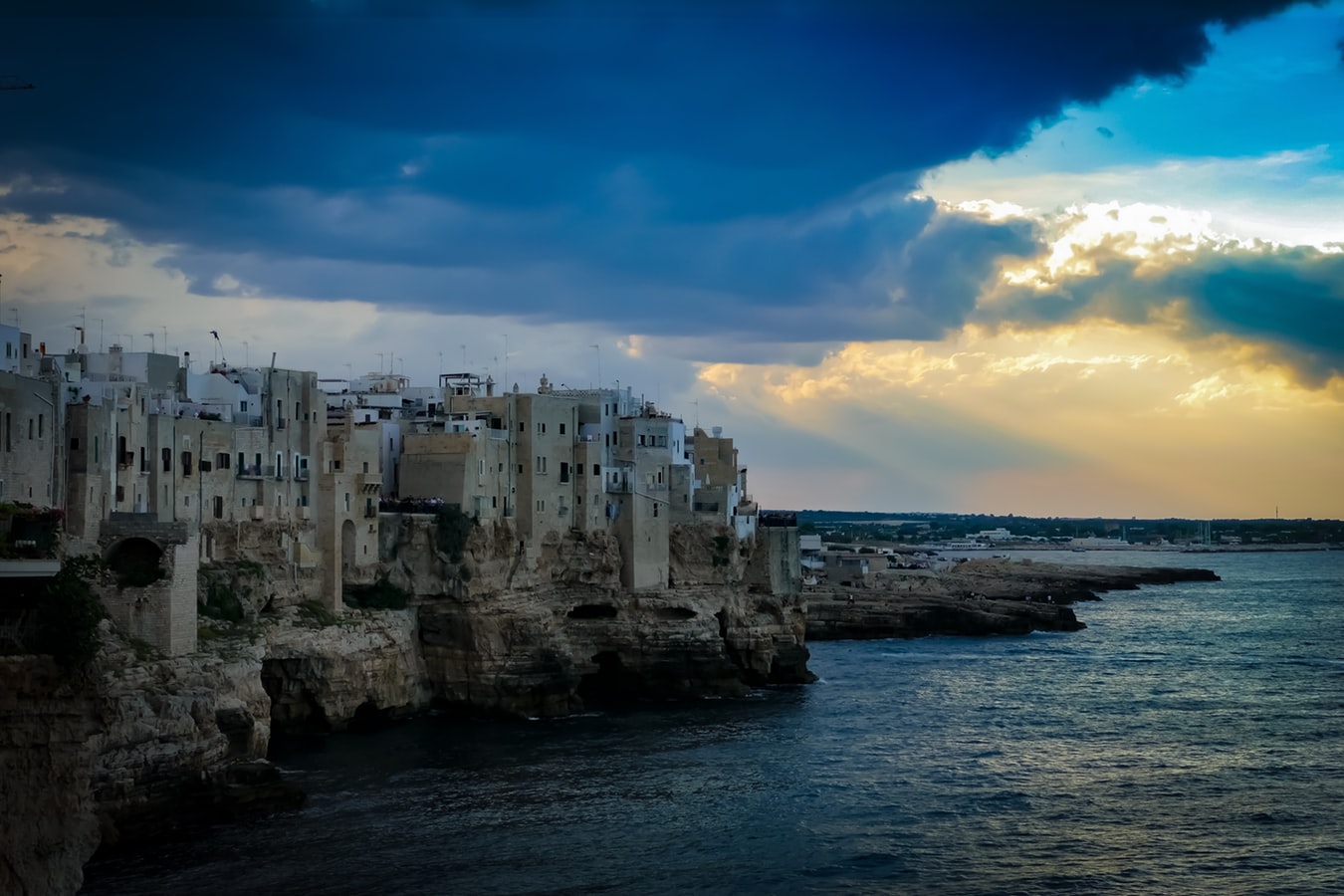
Bari, capital of the province of Apulia, lies on southern Italy's Adriatic coast. Its busy port is a leading commercial and industrial centre as well as a transit point for travellers catching ferries across the Adriatic to Greece. Bari comprises a new and an old town. To the north, on a promontory between the old and new harbours, lies the picturesque old town, or Citta Vecchia, with a maze of narrow, crooked streets. To the south is the spacious and regularly planned new town, which has developed considerably since 1930, when the Levant Fair was first held here. The heart of the modern town is Piazza della Liberta. The busy thoroughfare, Corso Vittorio Emanuele II, separates the new town from the old. At the eastern end of the Corso begins the Lungomare Nazario Sauro, a magnificent seafront promenade that runs along the old harbour. Bari and the Apulian region were long recognized for their strategic location, attracting a succession of colonizers such as the Normans, Moors and Spaniards, each leaving their mark.
About Siracuse, Sicily
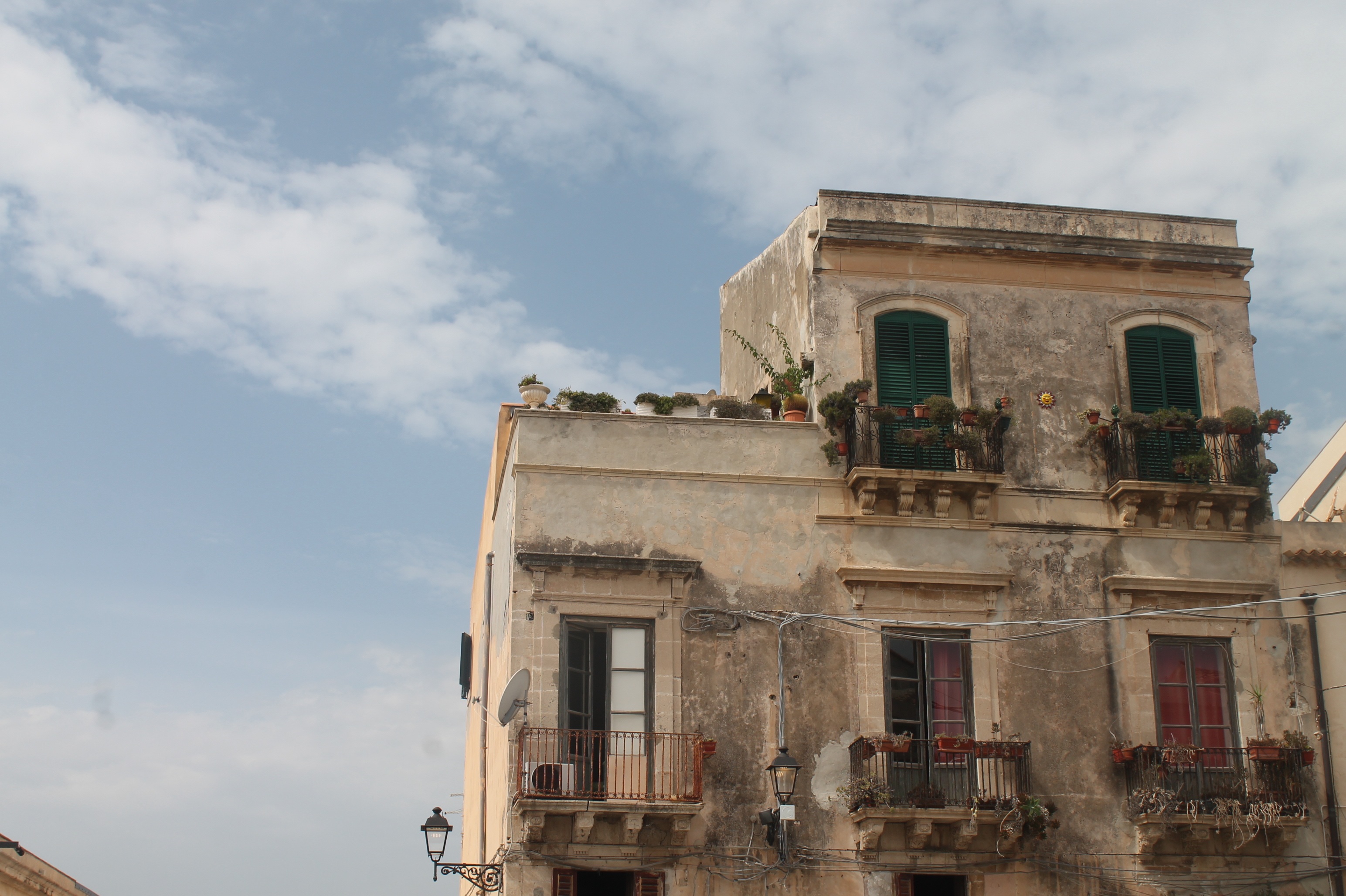
Siracusa, known to English speakers as Syracuse, is a wonder to behold. One of the great ancient capitals of Western civilization, the city was founded in 734 BC by Greek colonists from Corinth and soon grew to rival, and even surpass, Athens in splendor and power. It became the largest, wealthiest city-state in the West and a bulwark of Greek civilization. Although Siracusa lived under tyranny, rulers such as Dionysius filled their courts with Greeks of the highest cultural stature—among them the playwrights Aeschylus and Euripides, and the philosopher Plato. The Athenians, who didn't welcome Siracusa's rise, set out to conquer Sicily, but the natives outsmarted them in what was one of the greatest military campaigns in ancient history (413 BC). The city continued to prosper until it was conquered two centuries later by the Romans.Present-day Siracusa still has some of the finest examples of Baroque art and architecture; dramatic Greek and Roman ruins; and a Duomo that's the stuff of legend—a microcosm of the city's entire history in one building. The modern city also has a wonderful, lively, Baroque old town worthy of extensive exploration, as well as pleasant piazzas, outdoor cafés and bars, and a wide assortment of excellent seafood. There are essentially two areas to explore in Siracusa: the Parco Archeologico (Archaeological Zone), on the mainland; and the island of Ortygia, the ancient city first inhabited by the Greeks, which juts out into the Ionian Sea and is connected to the mainland by two small bridges. Ortygia is becoming increasingly popular with tourists, and is starting to lose its old-fashioned charm in favor of modern boutiques.Siracusa's old nucleus of Ortygia, a compact area, is a pleasure to amble around without getting unduly tired. In contrast, mainland Siracusa is a grid of wider avenues. At the northern end of Corso Gelone, above Viale Paolo Orsi, the orderly grid gives way to the ancient quarter of Neapolis, where the sprawling Parco Archeologico is accessible from Viale Teracati (an extension of Corso Gelone). East of Viale Teracati, about a 10-minute walk from the Parco Archeologico, the district of Tyche holds the archaeological museum and the church and catacombs of San Giovanni, both off Viale Teocrito (drive or take a taxi or city bus from Ortygia). Coming from the train station, it's a 15-minute trudge to Ortygia along Via Francesco Crispi and Corso Umberto. If you're not up for that, take one of the free electric buses leaving every 10 minutes from the bus station around the corner.
About Naples
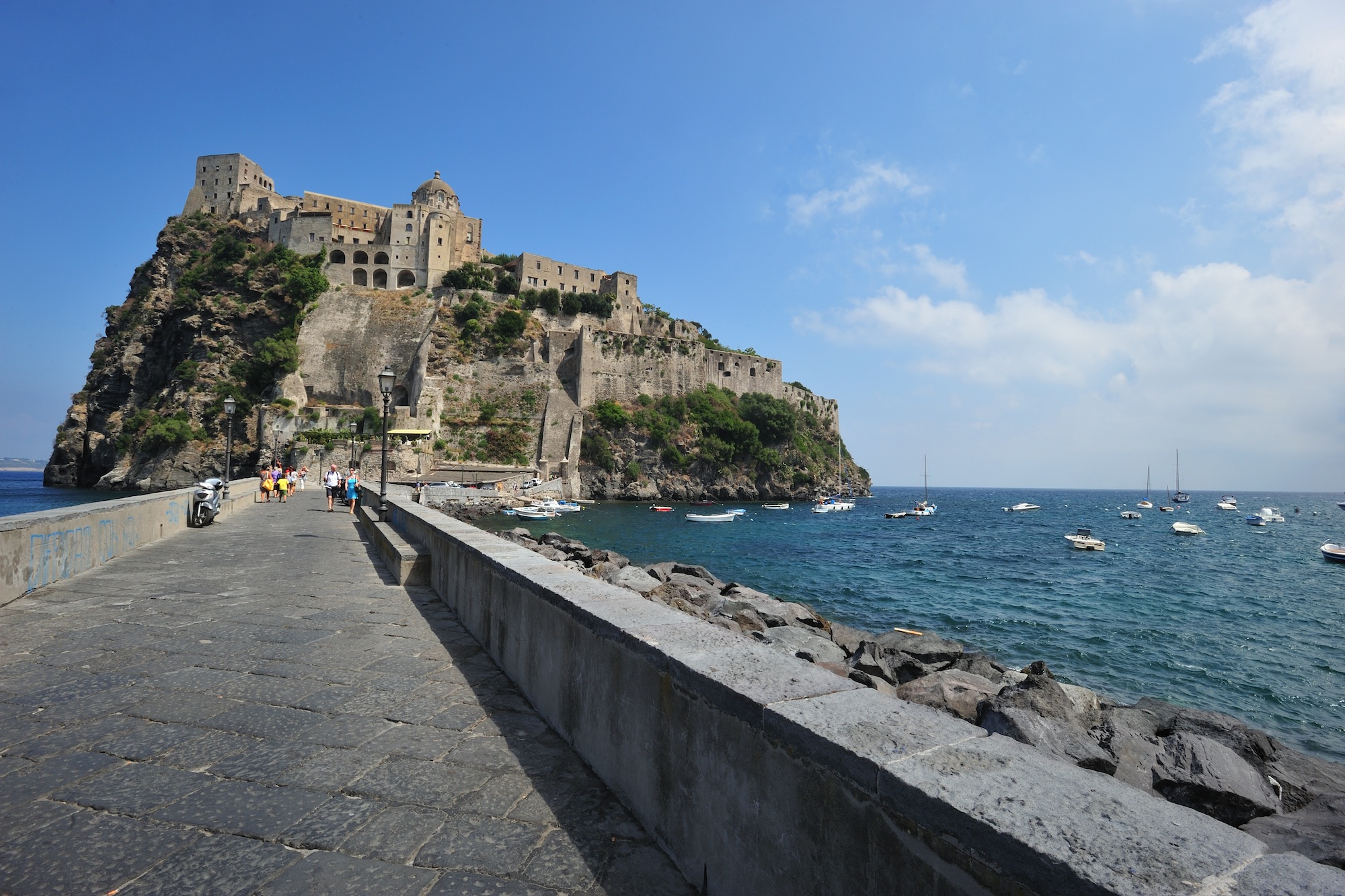
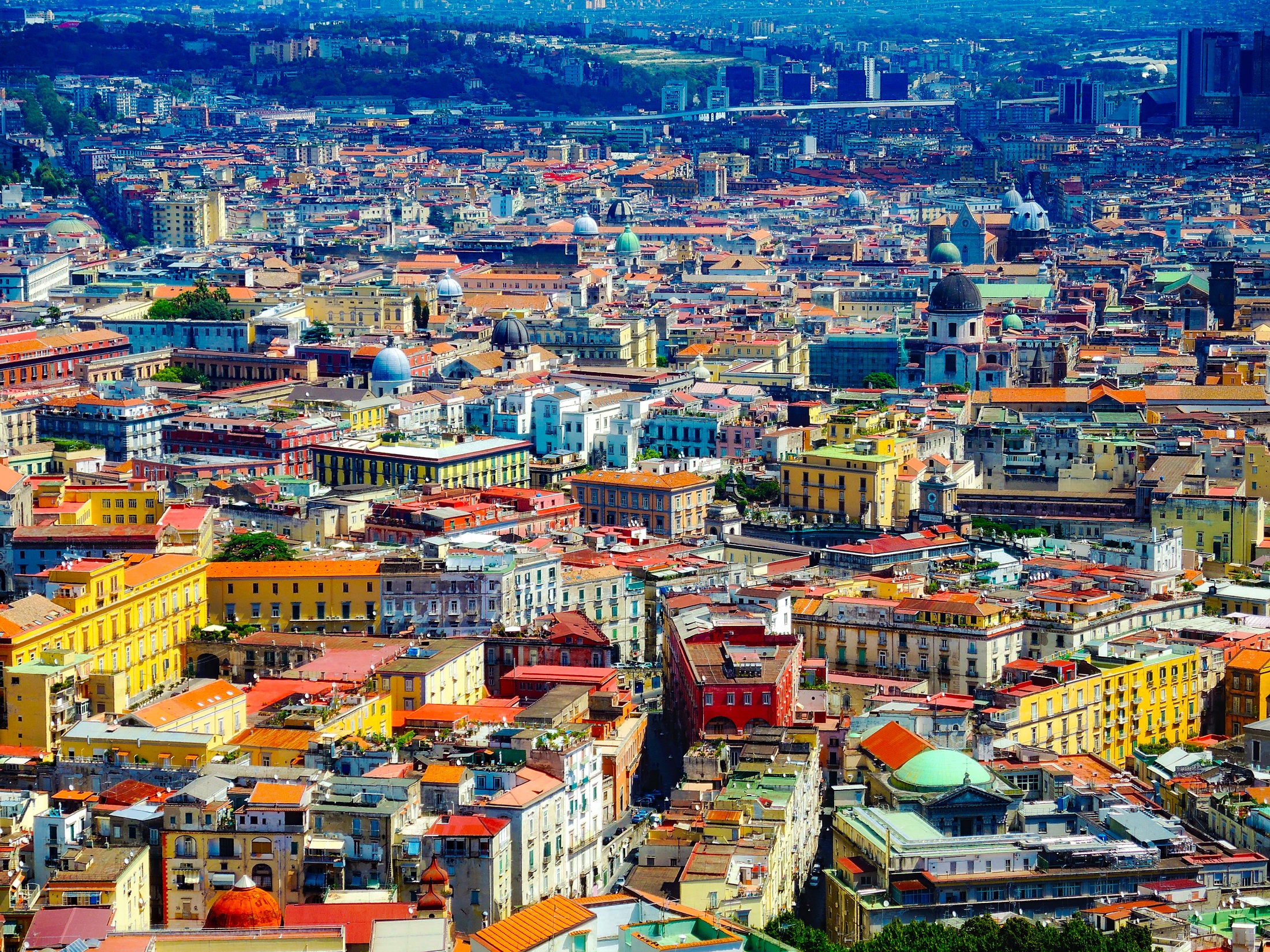
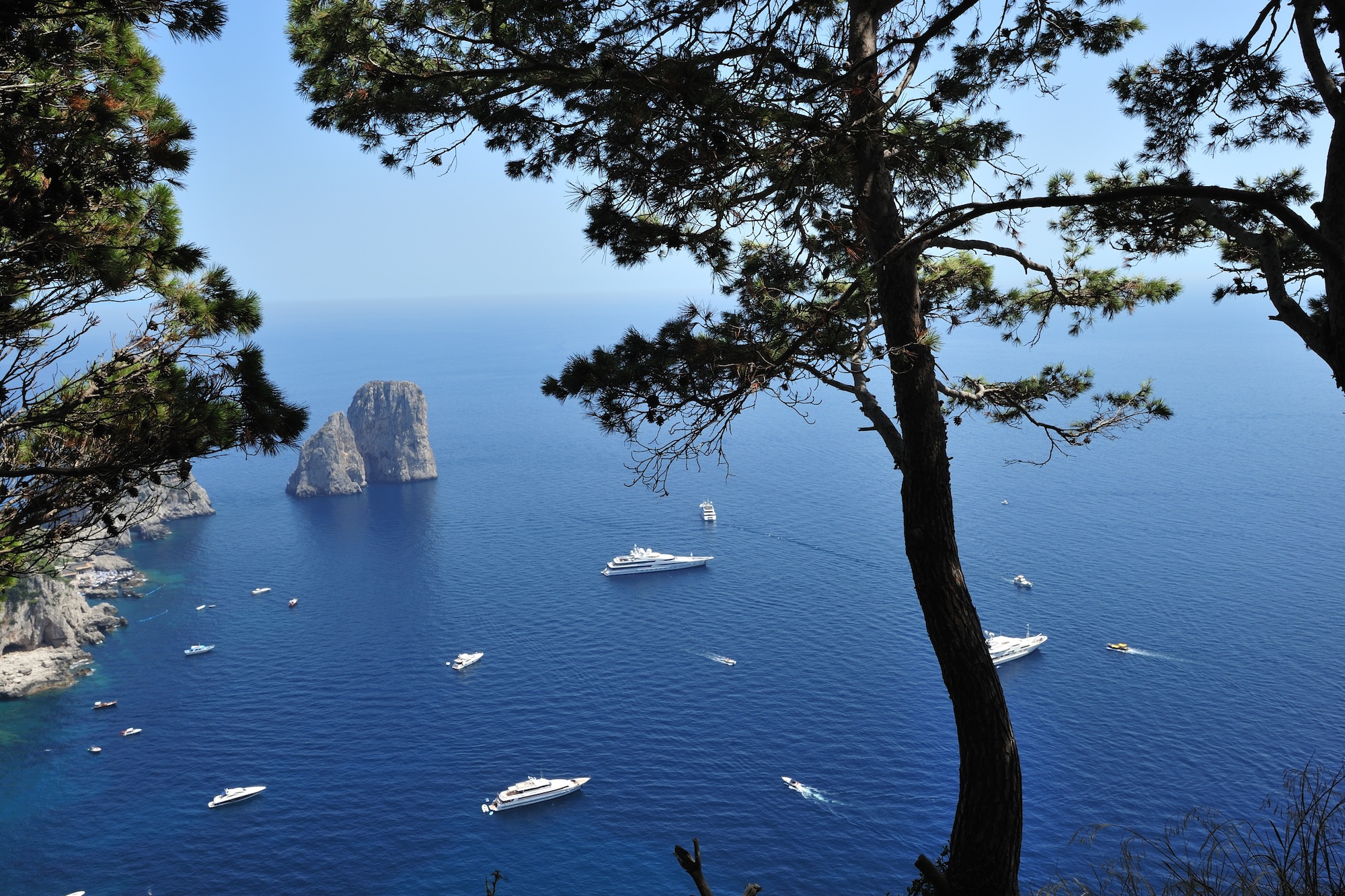
Naples, in the Campania region, is Italy's third largest city. Its claim to fame is the spectacular location along one of the world's most splendid bays, backed by the perfect cone of Mount Vesuvius. In addition to its beautiful setting, Naples' surprises with other outstanding attractions such as the Royal Palace, San Carlos Opera House, the impressive National Archaeological Museum and the Castel Nuovo, dating from the 13th-century. The city's central area is best explored on foot. Chaotic traffic conditions make driving around the city a very frustrating experience. Naples provides a convenient starting point for trips to such favored destinations as Pompeii, Herculaneum and Mount Vesuvius. The Isle of Capri can be reached via a 45-minute hydrofoil service. The region of Campania was home to Greeks settlers some 300 years before Rome was founded. Pompeii, too, was a Greek town before being conquered by the Romans during the 5th century BC. It was under the Romans that Pompeii flourished and grew prosperous. When Mount Vesuvius erupted in 79 AD, the population of 20,000 was wiped out, but dozens of buildings were preserved under layers of cinder more than 20 feet deep. The most important finds from Pompeii are displayed in Naples' National Archaeological Museum. A visit here will no doubt enhance a visit to ancient Pompeii.

About Civitavecchia
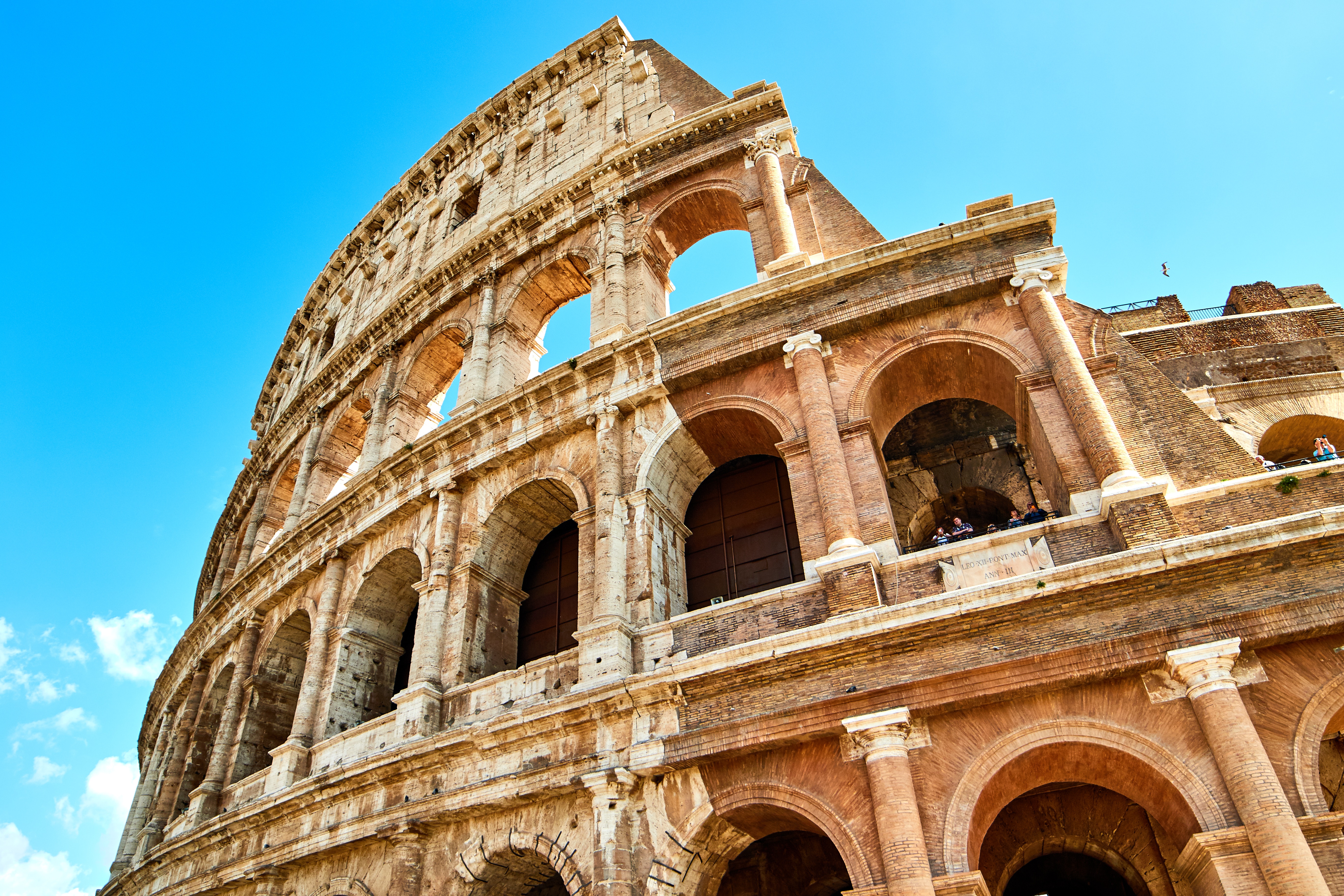
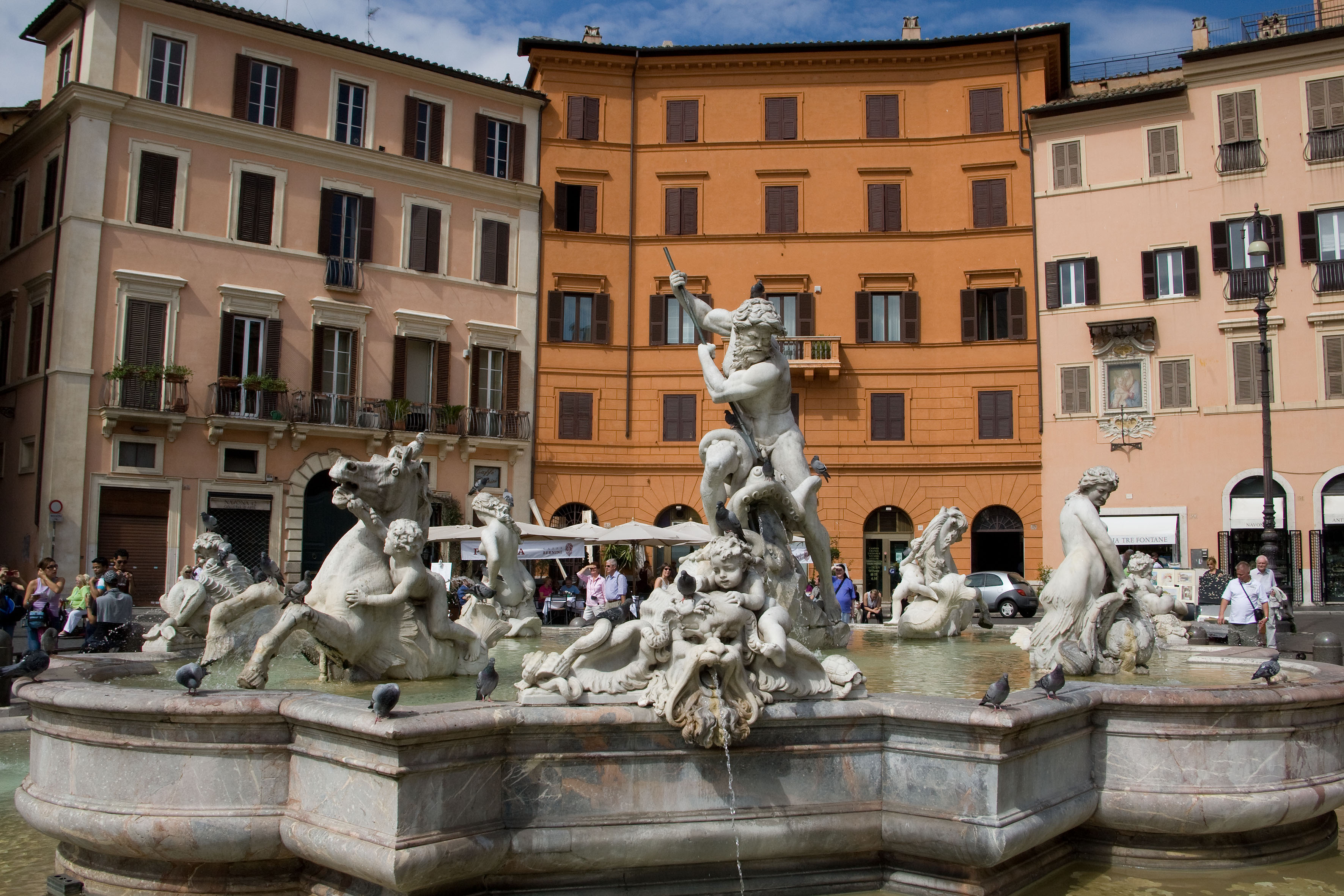
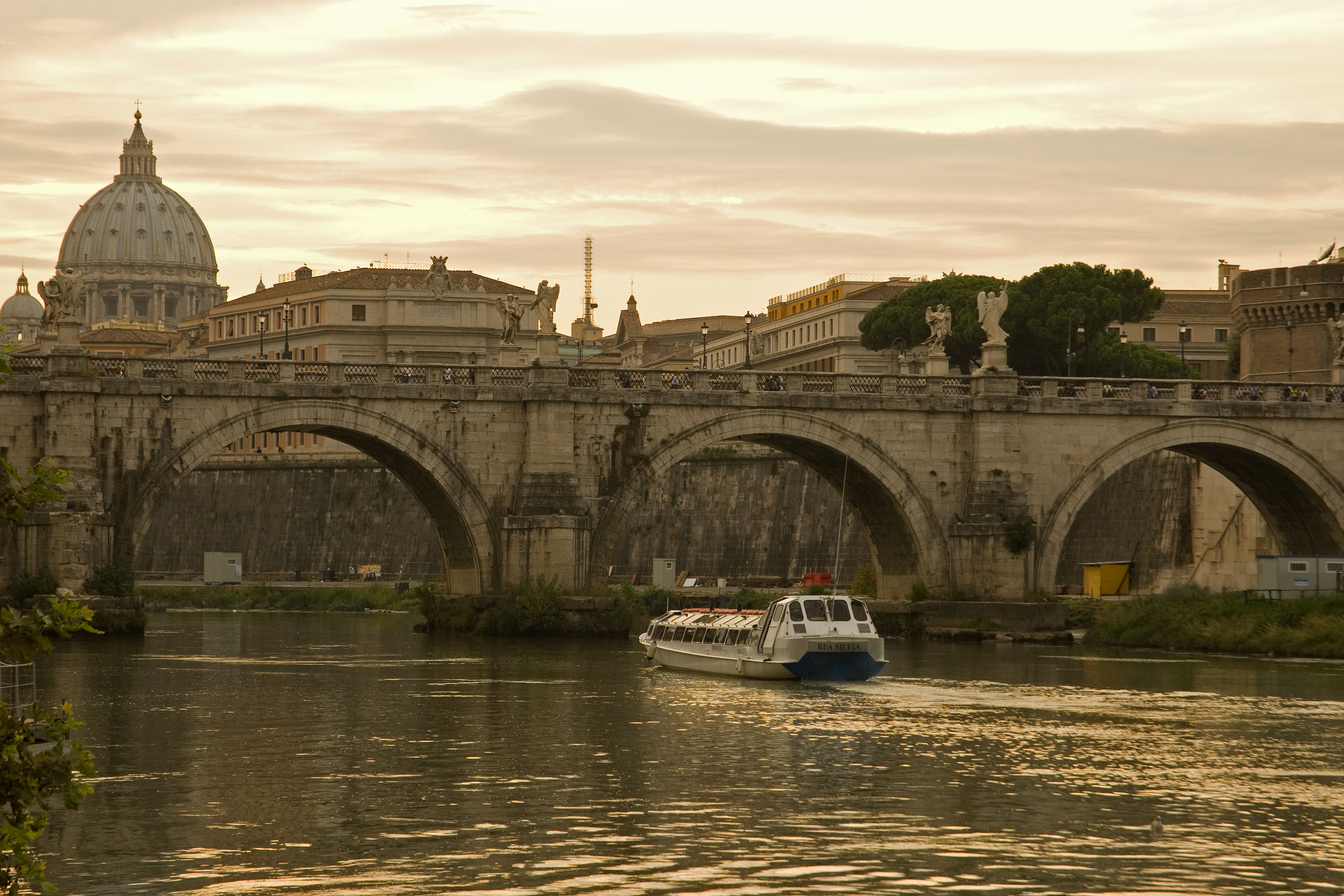
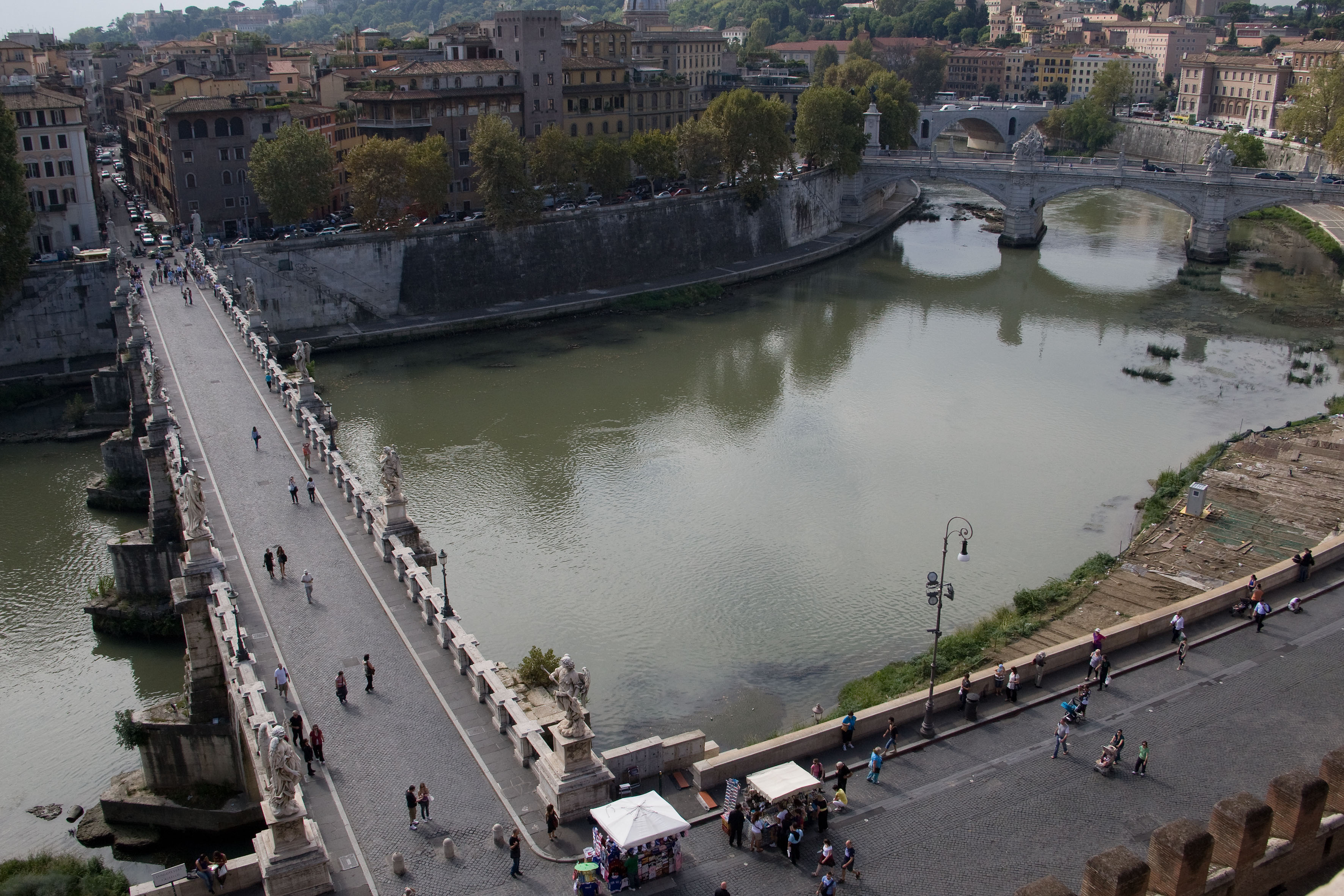
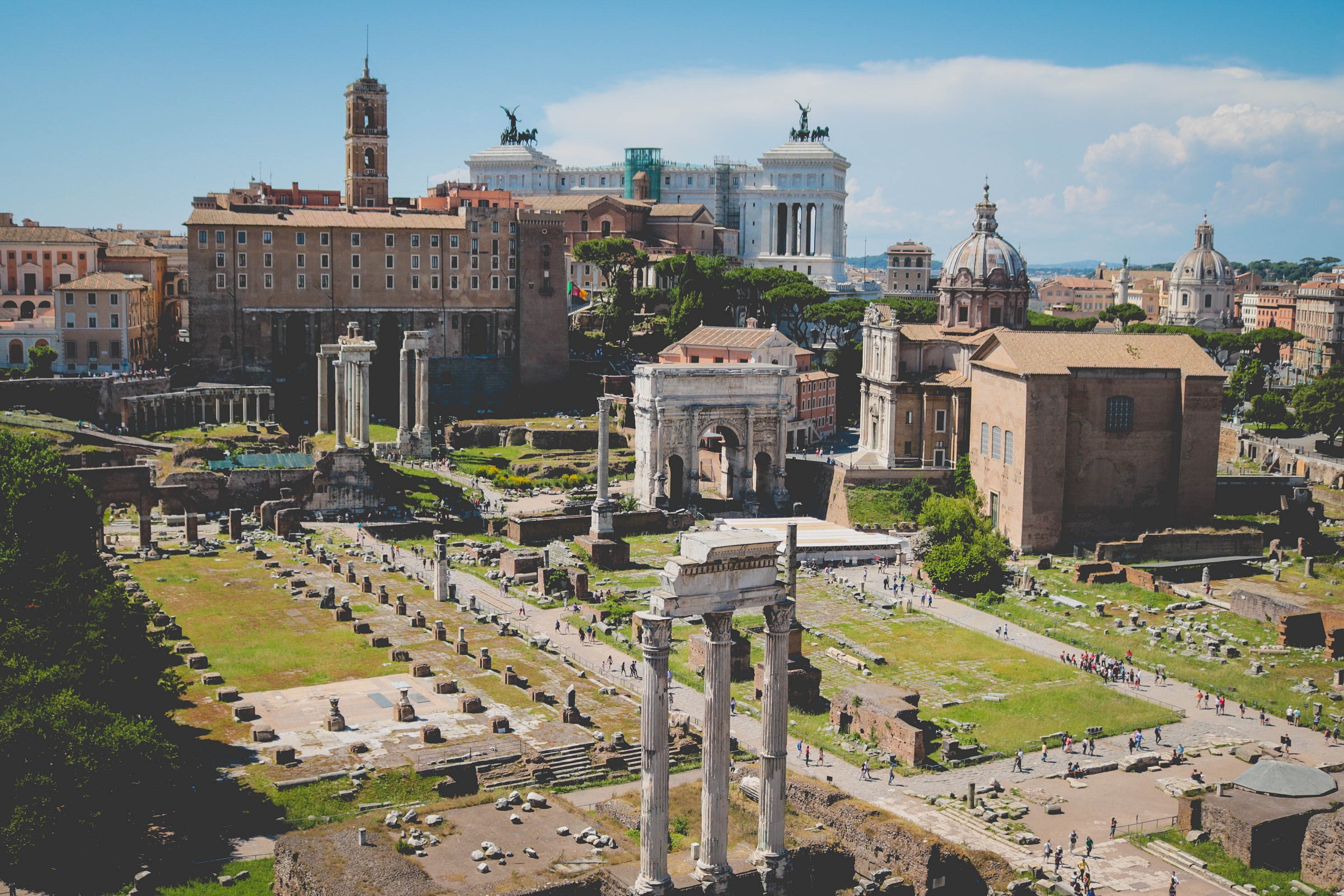
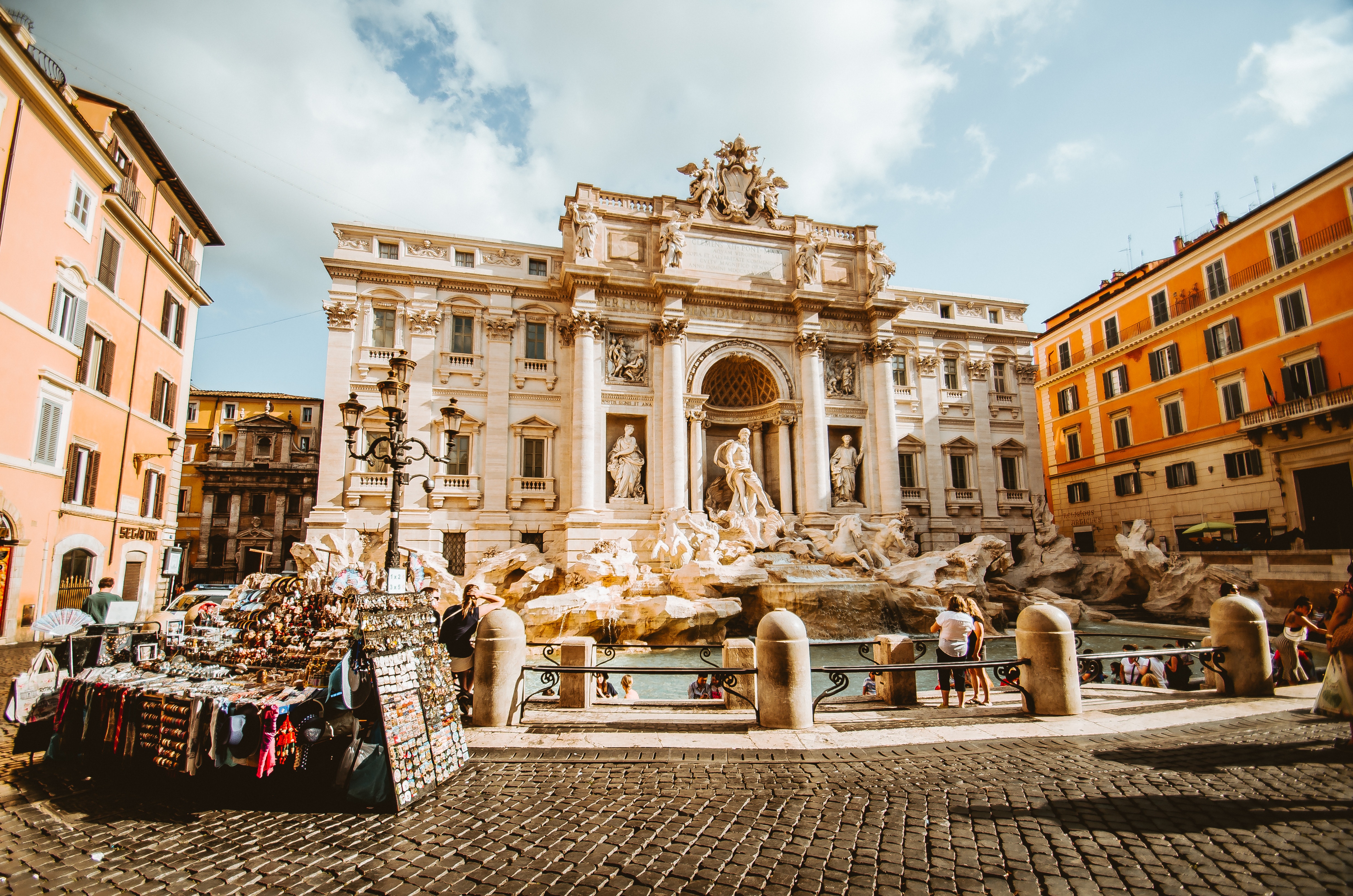
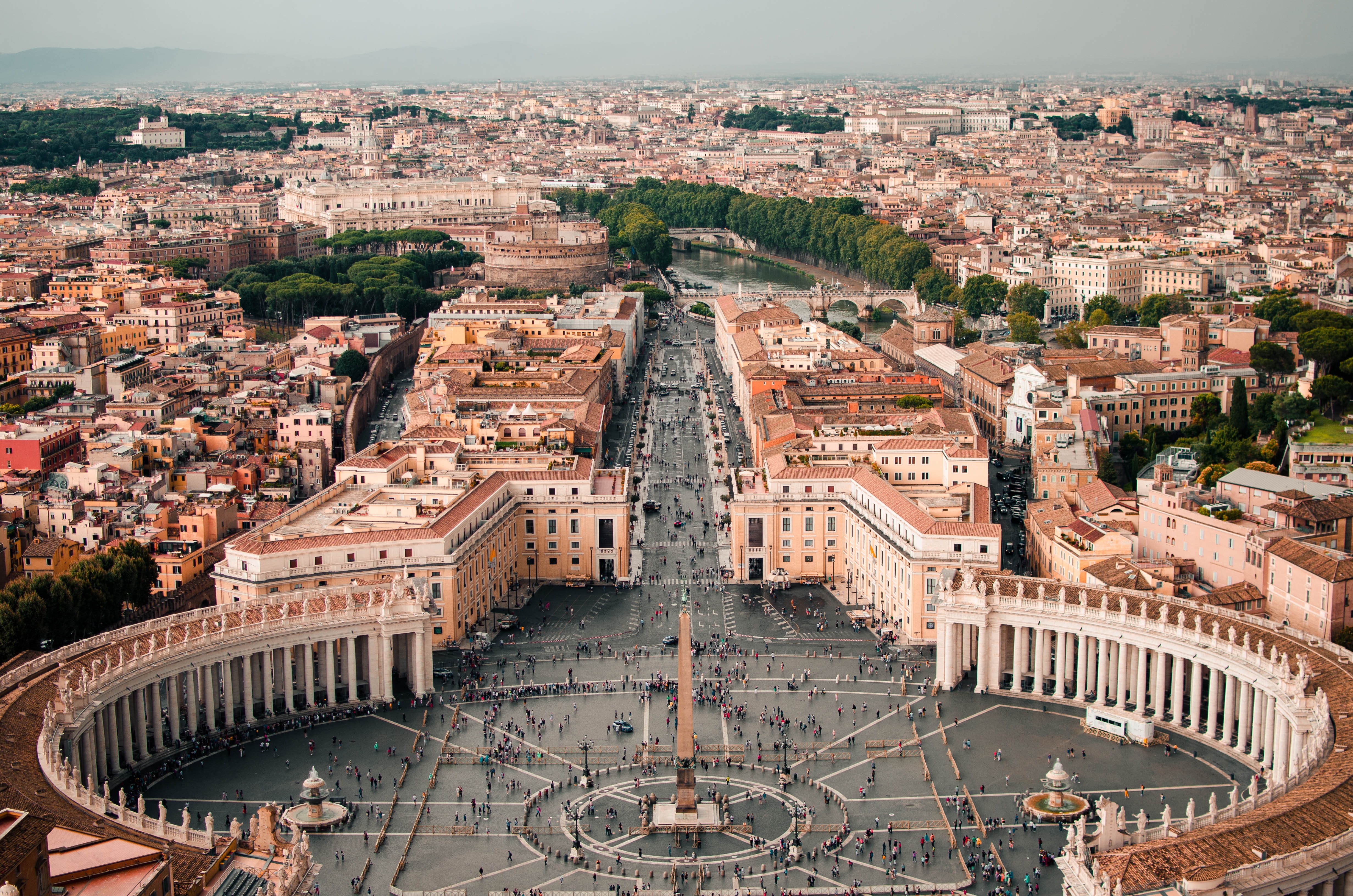
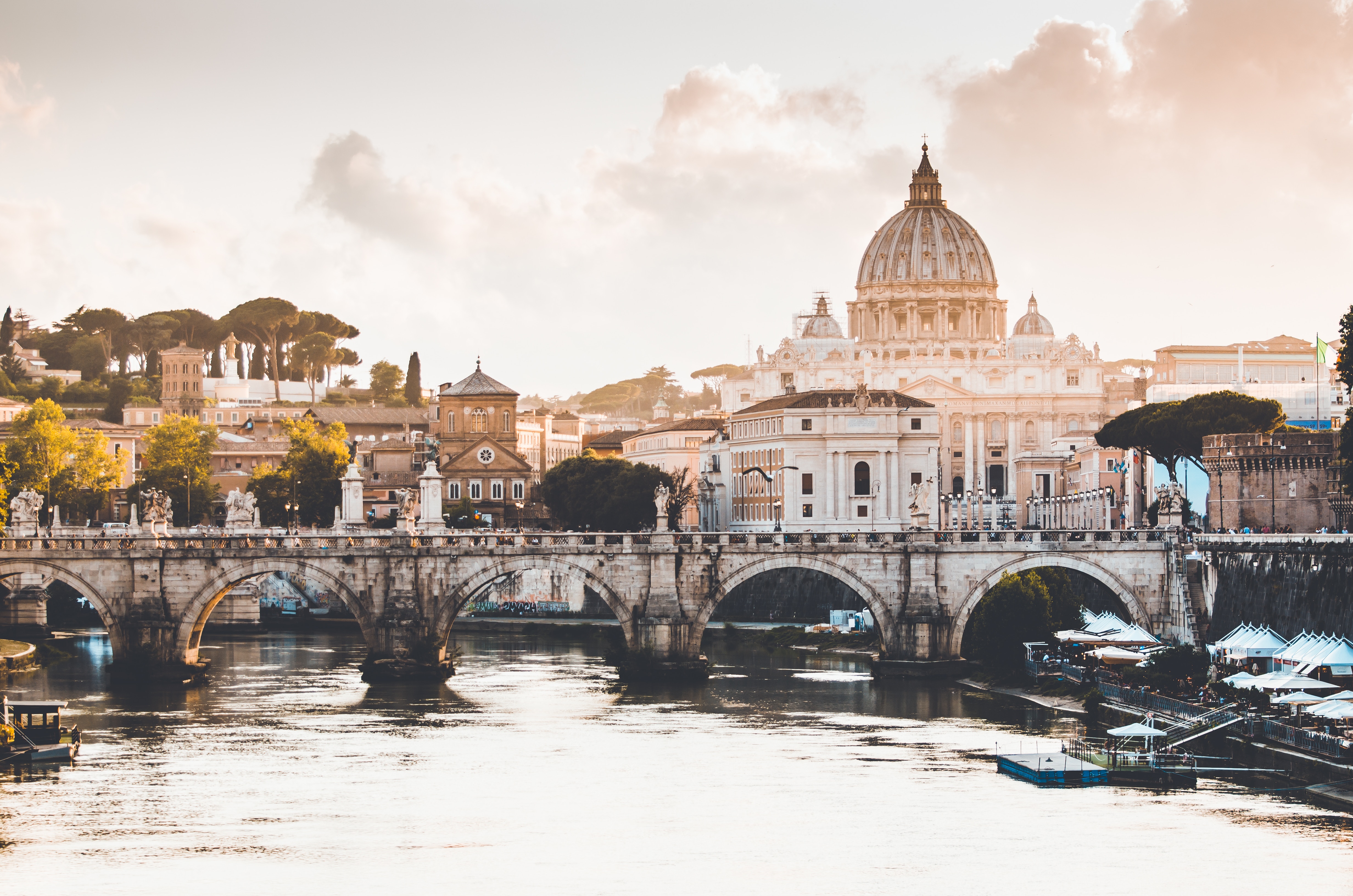
Italy's vibrant capital lives in the present, but no other city on earth evokes its past so powerfully. For over 2,500 years, emperors, popes, artists, and common citizens have left their mark here. Archaeological remains from ancient Rome, art-stuffed churches, and the treasures of Vatican City vie for your attention, but Rome is also a wonderful place to practice the Italian-perfected il dolce far niente, the sweet art of idleness. Your most memorable experiences may include sitting at a caffè in the Campo de' Fiori or strolling in a beguiling piazza.
- Stateroom size: 1,488 sq ft multi-room suite including expansive private veranda
- Ocean-view largest multi-room accommodations onboard
- Separate bedroom suite
- Spacious, well-appointed living room
- Separate dining area that seats 6
- Private library, wine & music collections curated by Chairman Torstein Hagen
- Ocean-view dry sauna
- Boardroom that seats 12 for meetings & catered dinner parties, with first oceangoing vapor-light fireplace
- Pantry for room service & hosted events
- 11 AM Embarkation
- 11 AM priority stateroom access
- First priority shore excursion booking 147 days prior to departure
- Complimentary shore excursion with private car & driver (up to 4 guests) in port city of your choice (valued at up to $800)
- 4 priority reservations at each alternative restaurant 100 days prior to departure
- First priority spa treatment bookings 100 days prior to departure
- King-size Viking Explorer Bed with luxury linens & pillows
- Free Wi-Fi (connection speed may vary)
- 42" flat-screen TV featuring MSNBC, FOX News, National Geographic and more
- Two additional 42" flat-screen interactive LCD TVs in living area and boardroom
- 110/220 volt outlets & USB ports
- Large master bathroom with spacious glass-enclosed shower, double-sink vanity, heated floor, anti-fog mirror & hair dryer, plus two guest bathrooms
- Premium Freyja® toiletries
- Plush robes & slippers
- Direct-dial satellite phone & cell service
- Security safe
- Individual climate control
- Purified water refilled daily
- Welcome bottle of Veuve Clicquot champagne
- Mini-bar with alcoholic beverages, soft drinks, water & premium snacks (replenished once daily)
- Binoculars
- Traditional Norwegian Marius-weave blanket
- Personal coffee machine with premium coffee & tea selections
- Stateroom steward & twice-daily housekeeping
- 24-hour room service, including service from any restaurant during open hours
- Daily personalized tea or pre-dinner cocktail & canapés on request
- Dinner & guided tour with ship officers (subject to availability)
- Complimentary laundry, pressing & shoe shine services
- Silver Spirits beverage package included
- Private arrival/departure transfer in destination
- Under-bed suitcase storage space
- Spacious walk-in closet with wooden hangers & drawers
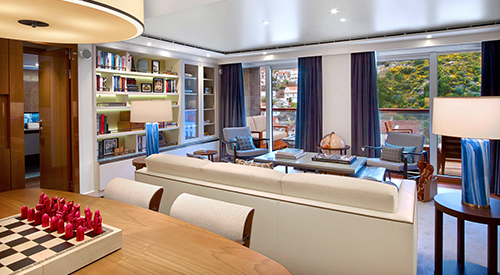
- Stateroom size: 808–1,215 sq ft (includes private veranda)
- Ocean-view two-room suite with floor-to-ceiling sliding glass door opening to a generous veranda (layout varies)
- Well-appointed living area & dining area that seats 4
- 11 AM Embarkation
- 11 AM priority stateroom access
- Priority shore excursion reservations 137 days prior to departure
- 3 priority reservations at each alternative restaurant 90 days prior to departure
- Priority spa treatment bookings 90 days prior to departure
- King-size Viking Explorer Bed (optional twin-bed configuration) with luxury linens & pillows
- Free Wi-Fi (connection speed may vary)
- 42" flat-screen TV featuring MSNBC, FOX News, National Geographic and more
- Additional 42" flat-screen interactive LCD TVs in living area
- 110/220 volt outlets & USB ports
- Large private bathroom with spacious glass-enclosed shower, bathtub, double-sink vanity, heated floor, anti-fog mirror & hair dryer
- Premium Freyja® toiletries
- Plush robes & slippers
- Direct-dial satellite phone & cell service
- Security safe
- Individual climate control
- Purified water refilled daily
- Welcome bottle of champagne
- Mini-bar with alcoholic beverages, soft drinks, water & snacks (replenished once daily)
- Binoculars
- Traditional Norwegian Marius-weave blanket
- Personal coffee machine with premium coffee & tea selections
- Stateroom steward & twice-daily housekeeping
- 24-hour room service
- Complimentary laundry, pressing & shoe shine services
- Under-bed suitcase storage space
- Spacious drawers & closet with wooden hangers
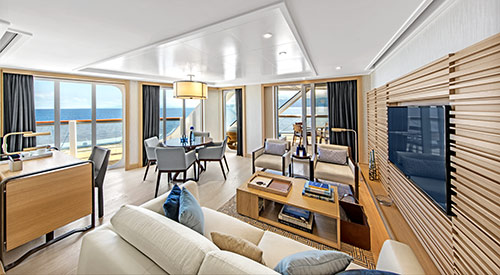
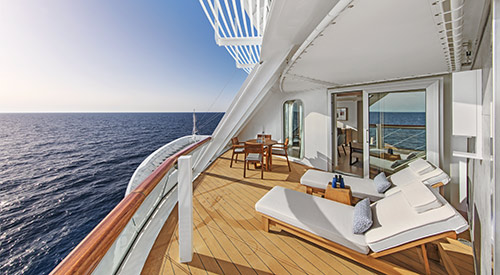
- Stateroom size: 432 sq ft (includes private veranda)
- Ocean-view suite with floor-to-ceiling sliding glass door opening to a full-size veranda
- Wheelchair Accessible (#6020, #6021)
- 11 AM Embarkation
- 11 AM priority stateroom access
- Priority shore excursion reservations 127 days prior to departure
- 3 priority reservations at each alternative restaurant 80 days prior to departure
- Priority spa treatment bookings 80 days prior to departure
- King-size Viking Explorer Bed (optional twin-bed configuration) with luxury linens & pillows
- Free Wi-Fi (connection speed may vary)
- 42" flat-screen TV featuring MSNBC, FOX News, National Geographic and more
- Additional 42" flat-screen interactive LCD TVs in sitting area
- 110/220 volt outlets & USB ports
- Large private bathroom with spacious glass-enclosed shower, double-sink vanity, heated floor, anti-fog mirror & hair dryer
- Premium Freyja® toiletries
- Plush robes & slippers
- Direct-dial satellite phone & cell service
- Security safe
- Individual climate control
- Purified water refilled daily
- Welcome bottle of champagne
- Mini-bar with alcoholic beverages, soft drinks, water & snacks (replenished once daily)
- Binoculars
- Traditional Norwegian Marius-weave blanket
- Personal coffee machine with premium coffee & tea selections
- Stateroom steward & twice-daily housekeeping
- 24-hour room service
- Complimentary laundry, pressing & shoe shine services
- Under-bed suitcase storage space
- Spacious drawers & closet with wooden hangers
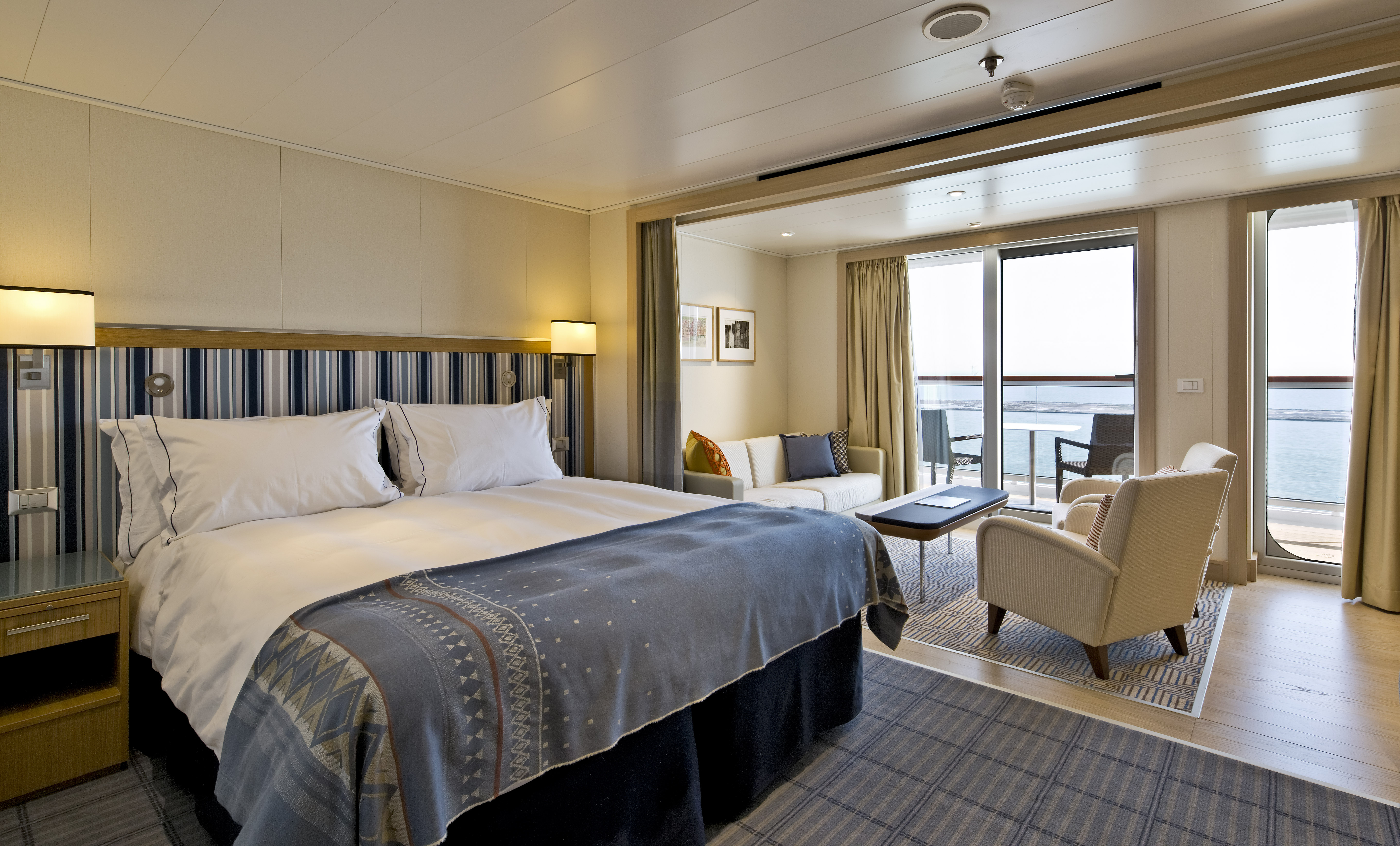
- Stateroom size: 360 sq ft (includes private veranda)
- Ocean-view stateroom with floor-to-ceiling sliding glass door opening to full-size veranda
- 11 AM Embarkation
- 1 PM stateroom access
- Priority shore excursion reservations 117 days prior to departure
- 2 priority reservations at each alternative restaurant 70 days prior to departure
- Priority spa treatment bookings 70 days prior to departure
- King-size Viking Explorer Bed (optional twin-bed configuration) with luxury linens & pillows
- Free Wi-Fi (connection speed may vary)
- 42" flat-screen TV featuring MSNBC, FOX News, National Geographic and more
- 110/220 volt outlets & USB ports
- Large private bathroom with spacious glass-enclosed shower, heated floor, anti-fog mirror & hair dryer
- Premium Freyja® toiletries
- Plush robes & slippers
- Direct-dial satellite phone & cell service
- Security safe
- Individual climate control
- Purified water refilled daily
- Welcome bottle of champagne
- Mini-bar with alcoholic beverages, soft drinks, water & snacks (replenished once daily)
- Binoculars
- Traditional Norwegian Marius-weave blanket
- Personal coffee machine with premium coffee & tea selections
- Stateroom steward & twice-daily housekeeping
- 24-hour room service
- Complimentary pressing & shoe shine services
- Under-bed suitcase storage space
- Spacious drawers & closet with wooden hangers
- Stateroom size: 288 sq ft (includes private veranda)
- Ocean-view stateroom with floor-to-ceiling sliding glass door opening to full-size veranda
- 11 AM Embarkation
- 2 PM stateroom access
- Priority shore excursion reservations 107 days prior to departure.
- 1 priority reservation at each alternative restaurant 60 days prior to departure
- Priority spa treatment bookings 60 days prior to departure
- King-size Viking Explorer Bed (optional twin-bed configuration) with luxury linens & pillows
- Free Wi-Fi (connection speed may vary)
- 42" flat-screen TV featuring MSNBC, FOX News, National Geographic and more
- 110/220 volt outlets & USB ports
- Large private bathroom with spacious glass-enclosed shower, heated floor, anti-fog mirror & hair dryer
- Premium Freyja® toiletries
- Plush robes & slippers
- Direct-dial satellite phone & cell service
- Security safe
- Individual climate control
- Purified water refilled daily
- Mini-bar with soft drinks, water & snacks (replenished once daily)
- Binoculars
- Traditional Norwegian Marius-weave blanket
- Personal coffee machine with premium coffee & tea selections
- Stateroom steward & twice-daily housekeeping
- 24-hour room service
- Under-bed suitcase storage space
- Spacious drawers & closet with wooden hangers
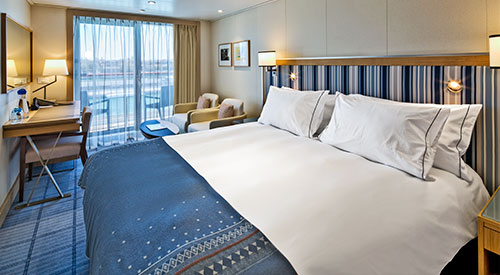
- Stateroom size: 288 sq ft (includes private veranda)
- Ocean-view stateroom with floor-to-ceiling sliding glass door opening to full-size veranda
- 11 AM Embarkation
- 3 PM stateroom access
- Priority shore excursion reservations 100 days prior to departure
- King-size Viking Explorer Bed (optional twin-bed configuration) with luxury linens & pillows
- Free Wi-Fi (connection speed may vary)
- 42" flat-screen TV featuring MSNBC, FOX News, National Geographic and more
- 110/220 volt outlets & USB ports
- Large private bathroom with spacious glass-enclosed shower, heated floor, anti-fog mirror & hair dryer
- Premium Freyja® toiletries
- Plush robes & slippers
- Direct-dial satellite phone & cell service
- Security safe
- Individual climate control
- Purified water refilled daily
- Mini-bar with soft drinks, water & snacks
- Stateroom steward & twice-daily housekeeping
- 24-hour room service
- Under-bed suitcase storage space
- Spacious drawers & closet with wooden hangers
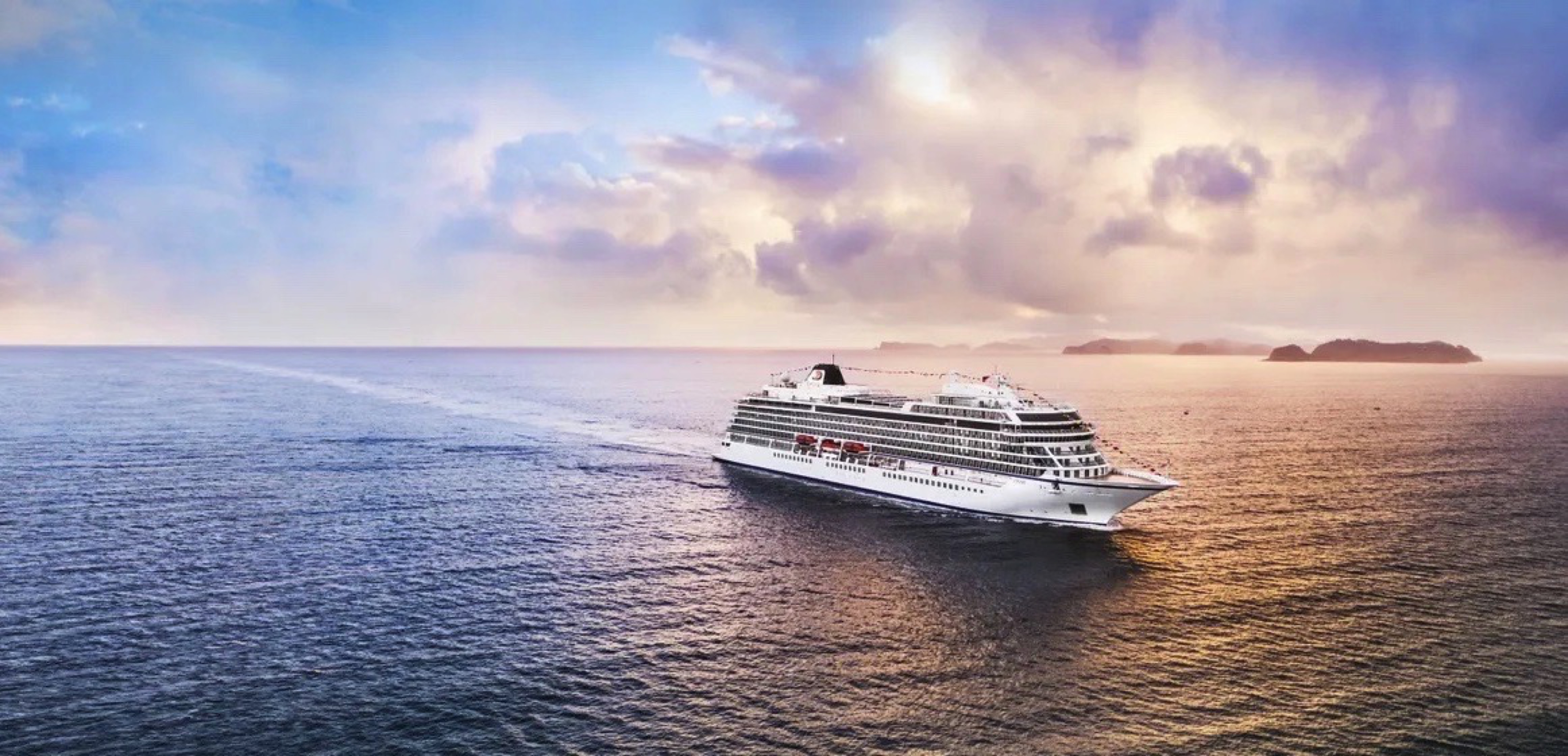
Viking Mira
Expand your horizons on our award-winning, all-veranda small ship, with just 998 guests, allowing us to dock where larger ships cannot.
Ship Facts
| Launch Year | 2026 | ||||||
| Refit Year | |||||||
| Language | en | ||||||
| Gross Tonnage | 48000 | ||||||
| Length | 239 | ||||||
| Width | 31 | ||||||
| Currency | EUR | ||||||
| Speed | 20 | ||||||
| Capacity | 998 | ||||||
| Crew Count | 465 | ||||||
| Deck Count | 9 | ||||||
| Cabin Count | 455 | ||||||
| Large Cabin Count | 0 | ||||||
| Wheelchair Cabin Count | 2 | ||||||
| Electrical Plugs |
|
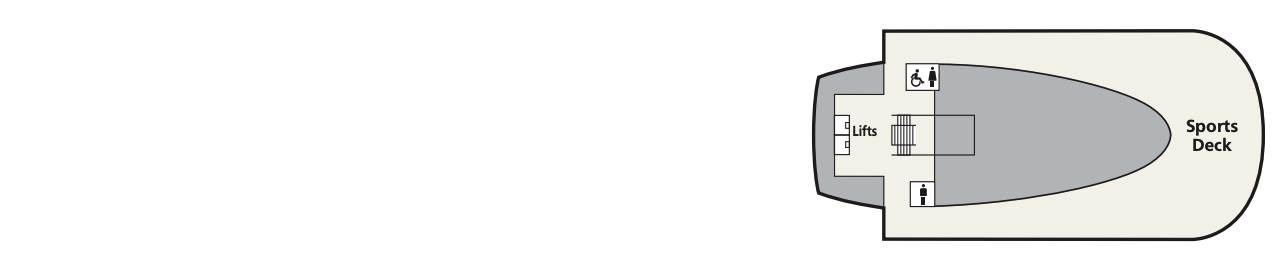
Deck 9
- Sports Deck
- Outdoor Gym & Yoga Area
- Lifts
Deck 8
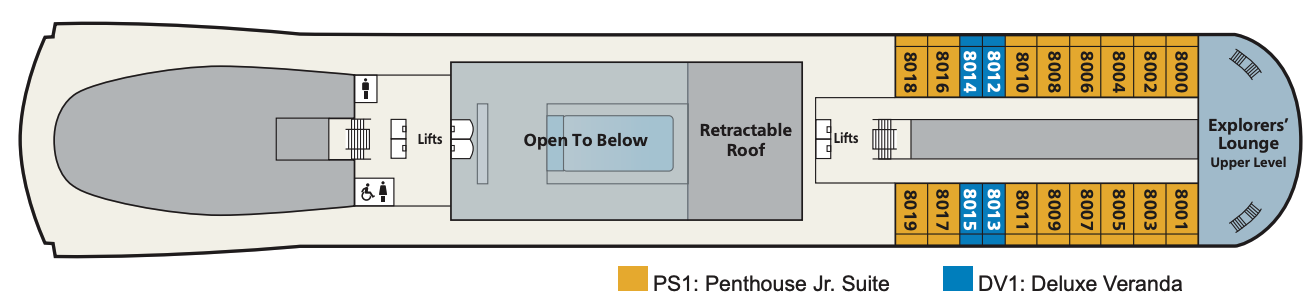
- Penthouse Jr. Suite
- Deluxe Veranda Staterooms
- Explorers Lounge (Upper Level)
- Lift
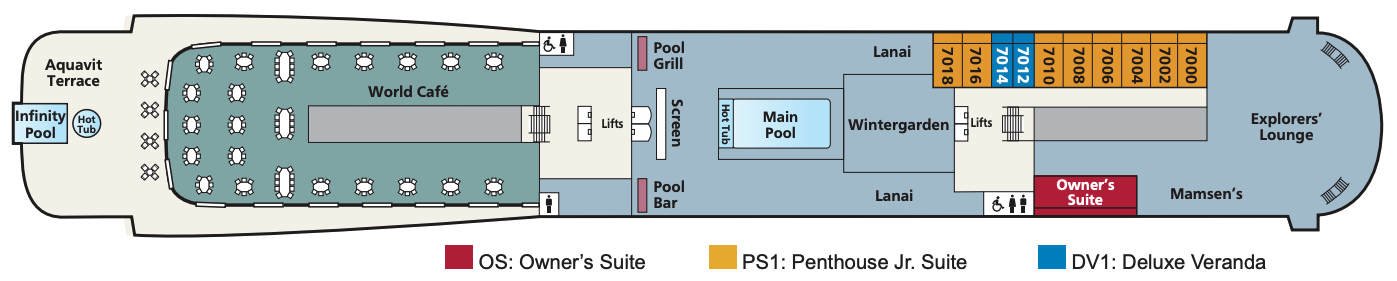
Deck 7
- Main Pool
- Infinity Pool
- Explorers' Lounge
- Wintergarden
- Aquavit Terrace
- World Cafe
- Mamsen's
- Lanai
- Pool Grill
- Outdoor Screen
- Pool Bar
- Owner's Suite
- Penthouse Jr. Suite
- Deluxe Veranda Staterooms
- Lifts
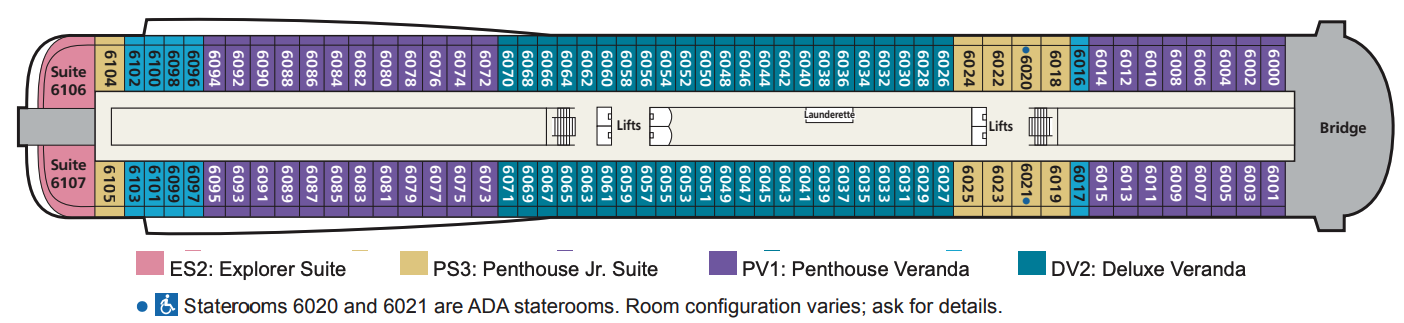
Deck 6
- Penthouse Jr. Suites
- Penthouse Veranda Staterooms
- Deluxe Veranda Staterooms
- Explorer Suites
- Lifts
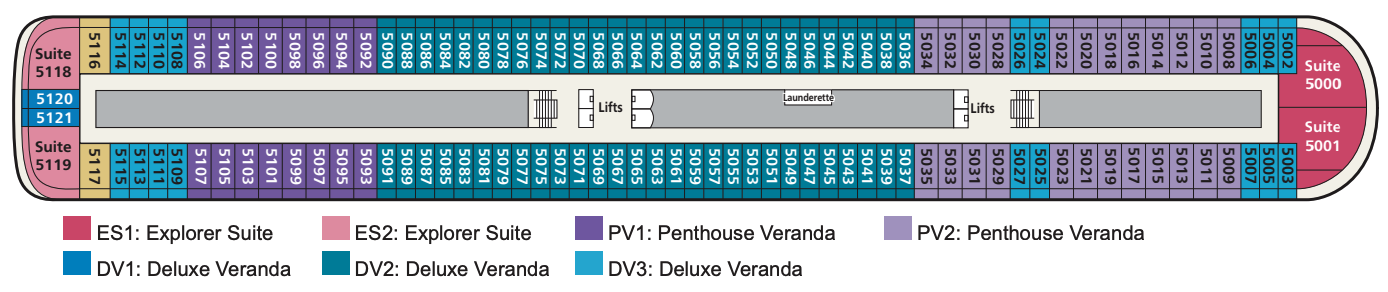
Deck 5
- Explorer Suites
- Penthouse Veranda Staterooms
- Deluxe Veranda Staterooms
- Lifts
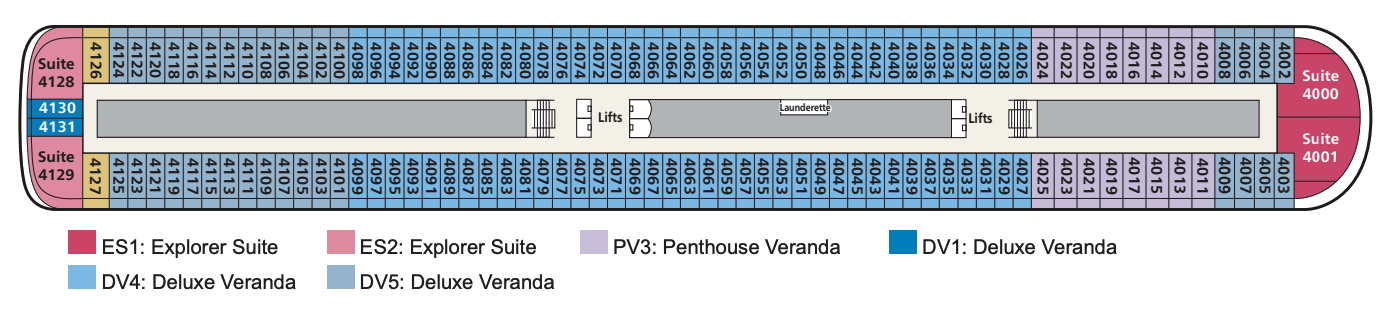
Deck 4
- Explorer Suite
- Penthouse Veranda Staterooms
- Deluxe Veranda Staterooms
- Lifts
Deck 3
- Atrium
- Penthouse Junior Suites
- Explorer Suites
- Deluxe Veranda Staterooms
- Veranda Staterooms
- Lifts

Deck 2
- The Restaurant
- Atrium
- Promenade
- Torshavn
- The Nordic Shop
- Shop
- Cinema
- Bar
- The Theatre
- Lifts

Deck 1
- The Kitchen Table
- The Chef's Table
- Manfredi's Italian Restaurant
- Private Dining
- The Living Room
- Bar
- Guest Services
- Shop
- Hair Salon
- Fitness Centre
- The Nordic Spa
- Lifts

Deck a
Medical Centre

Regional cuisine, always available classics and the most al fresco dining on any waterway.
The Restaurant
Our main dining venue, The Restaurant, offers the highest onboard dining experience. Regional cuisine and always available classics are served surrounded by sweeping exterior views through all-glass walls.
Manfredi's
Inspired by Italy’s beloved trattorias, Manfredi’s offers the best of Italian cuisine with a private dining room providing an opportunity to have an intimate meal with family or friends.
The Pool Grill
In a poolside atmosphere that welcomes lounging and leisurely dips in the water, the Pool Grill offers casual fare prepared to order. For a lighter meal, a small salad bar is available.
Mamsen's
Located in the Explorers’ Lounge and named for “Mamsen,” the Hagen family matriarch, this venue offers Norwegian specialties for breakfast, lunch, an afternoon snack or evening treat.
Aquavit Terrace®
The revolutionary Aquavit Terrace is a magical space where your destination is your dining room. Located outside the World Café, it provides more al fresco dining experiences than on any ship at sea.
The Chef’s Table
The sommeliers and culinary masters at The Chef’s Table create the perfect food and wine pairings during a multi-course tasting, enjoyed in the restaurant or in a private dining room.
There is no such thing as a typical evening onboard, nor shortage of entertainment. Whether it’s a cabaret, opera, classical or popular music concert, the theatre is home to an inspiring choice of productions. Film fans can feast on classic movies and the latest blockbusters in one of the cinemas. Or take in the breeze as you take in a film at the open-air cinema.
When the stars come out, so does the entertainment. From sipping an artisan gin and exchanging stories with newfound friends in Paps, the Explorer’s Bar, to enjoying the sounds of the guitarist, pianist and singer in one of the lounges. Take a seat in the plush theatre for a dazzling show, or dance the night away in Torshavn nightclub. Sing along to a band, or lie back by the pool under the night sky to watch a movie on the giant screen – the popcorn is on the house. However you choose to spend your evenings on board, being bored is never an option
The Wintergarden
When you yearn for serenity, there is no better place on ship than a visit to the Wintergarden. This charming, airy space around the main pool is perfect for relaxing in clean, uncluttered Scandinavian-designed environment. Even here, our focus is on enrichment, as this is the place to witness a tea ceremony, or indulge in an afternoon tea service, complete with hand-selected teas, finger sandwiches and pastries.
Afternoon tea is served at the Wintergarden, adjacent to the Main Pool. Decadent finger sandwiches, scones and desserts are accompanied by international teas, tea ceremony demonstrations and relaxing classical music from the Viking Resident Musicians.
Viking Bar
Enjoy a cocktail in the Viking Bar, which is located on the ground floor of the atrium.
The Viking Living Room
The ideal setting for relaxation, The Viking Living Room draws guests together at the heart of the ship. Spacious seating, calming classical compositions performed by the Viking Resident Musicians and enriching activities foster camaraderie.
The Theatre & Cinema
The perfect venue to attend lectures or watch movies, our state-of-the-art, multipurpose Theatre seats up to 450 guests and can be transformed into two HD cinemas for TED Talks, Destination Insights and occasional specialised seminars.
Explorers' Lounge
With two-story panoramic windows for maximum views, the Explorers’ Lounge is inspired by epic journeys of discovery. This inviting space is the perfect place to share a cocktail with friends or relax while taking in the scenery.